Breguet marked its 250th anniversary with an unusually assertive and consequential year. The celebrations effectively began on October 1, 2024, when the Maison appointed Gregory Kissling as CEO, signaling a renewed emphasis on innovation grounded in Breguet’s foundational legacy.
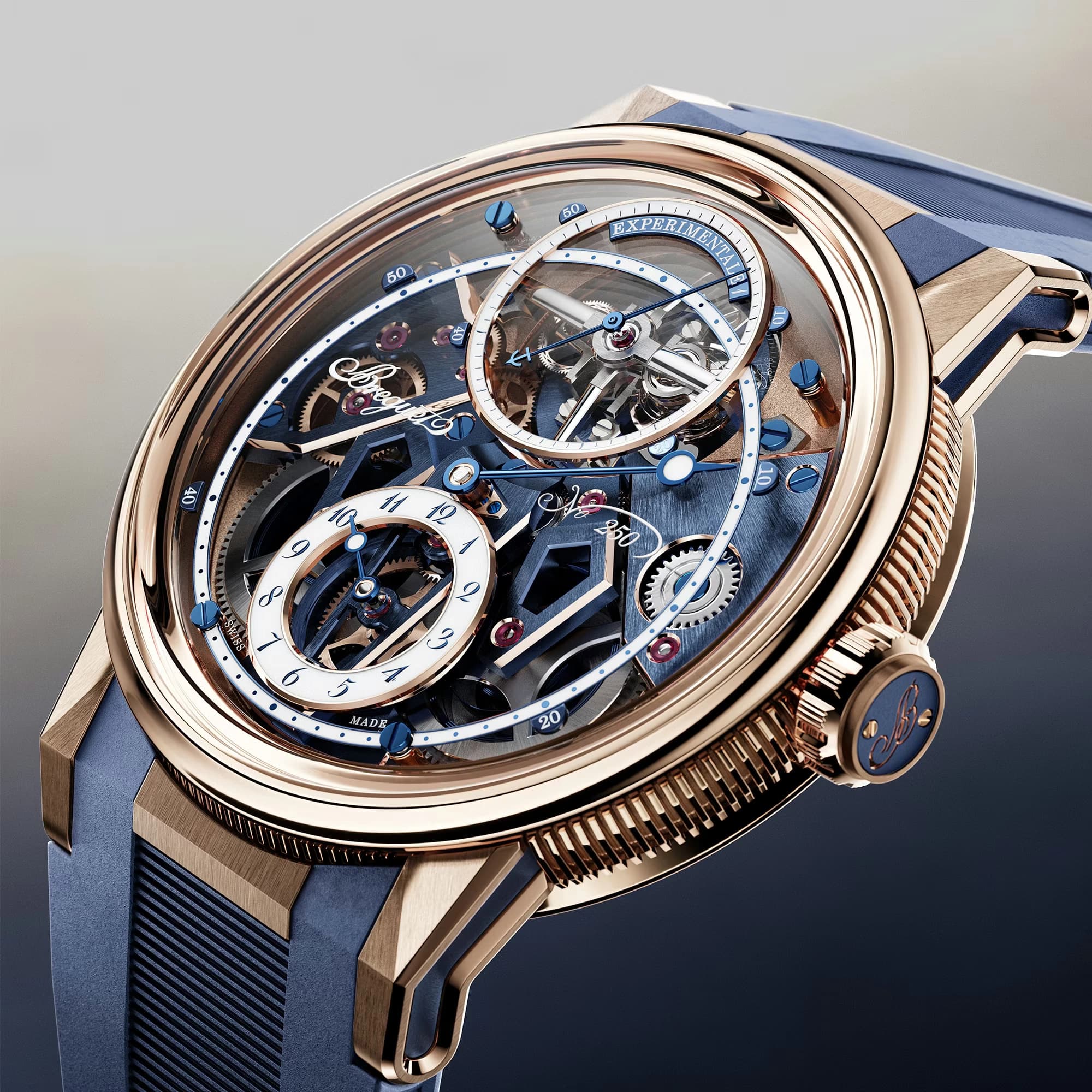
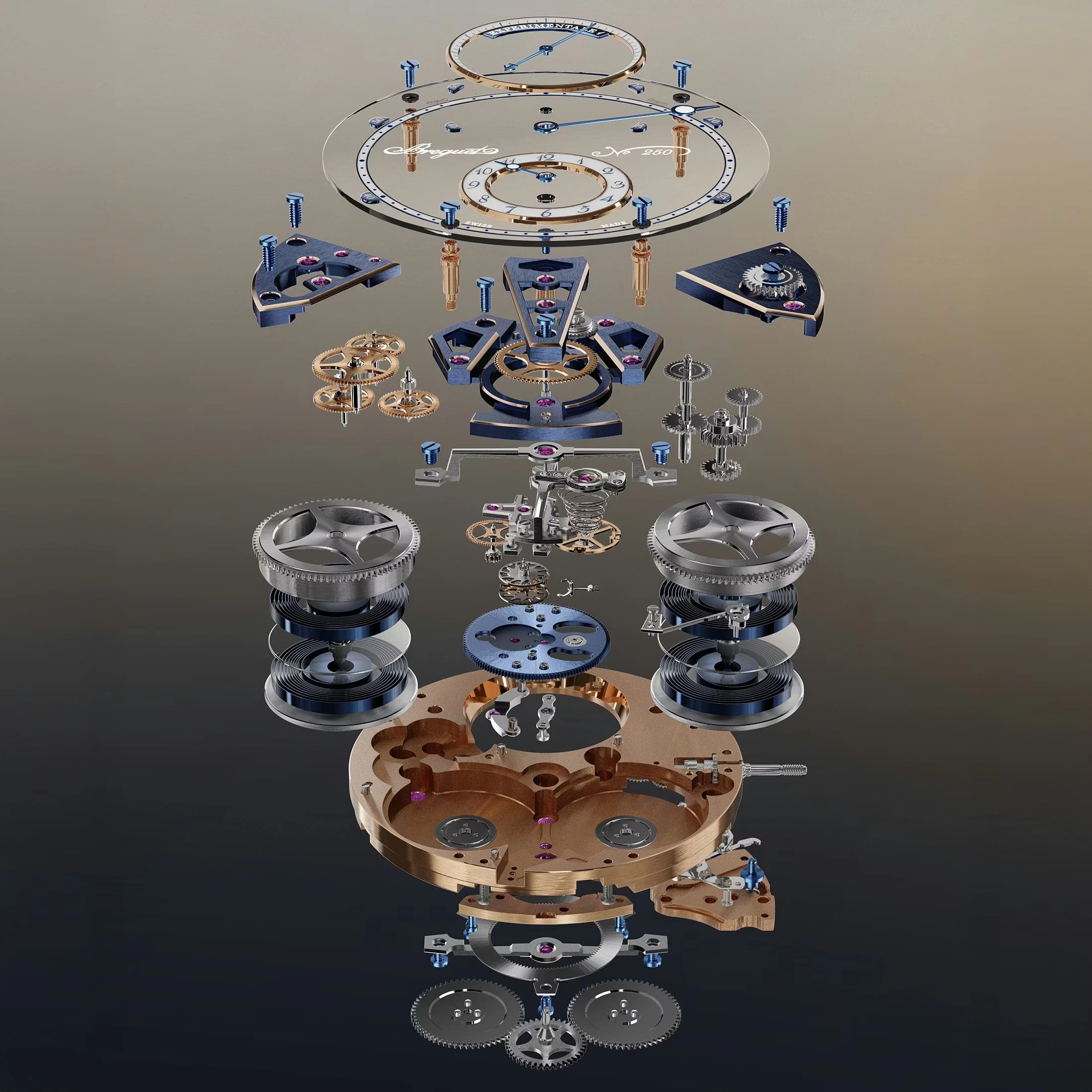
In the 14 months that followed, Breguet unveiled no fewer than 12 new models, an extraordinary pace for a house so closely associated with classical restraint. Among them is the recently released Expérimentale 1, which introduces a genuine technological breakthrough and underscores Breguet’s historical relevance is not confined to the archive.
From its earliest days, Breguet has shaped the language of horology. Guilloché dials, fluted casebands, blued steel hands, and the tourbillon itself were not stylistic affectations, but practical innovations developed by founder Abraham-Louis Breguet. Today, those same principles remain embedded in the modern collections.
As Kissling reflected upon his appointment in Breguet’s magazine, “What I saw in both the historic and modern pieces triggered powerful emotions on two levels… As an engineer, I was moved by the technical prowess of these pieces and the realization that essentially every mechanical watch today incorporates one or more Breguet inventions.” The 250th anniversary year, then, has become not just a celebration of what Breguet was, but a clear statement of where it intends to go.
The 250th Anniversary Highlights
This year, Breguet presented a variety of new pieces calling upon their heritage.
First up was the Classique Souscription– a contemporary piece sized 40mm in diameter in Breguet’s new proprietary gold alloy. The watch is a direct callback to 18th century Breguet “Souscription” commissioned pieces, with a similar dial design, single Breguet hand, and redesigned Souscription-inspired movement visible through the exhibition caseback. This piece is just the right combination of a profound sense of history and yet new materials, executions, and sizing. “This watch is the link between what we wish to share of the history of Breguet and our desire to perpetuate this history going forward,” said Kissling.
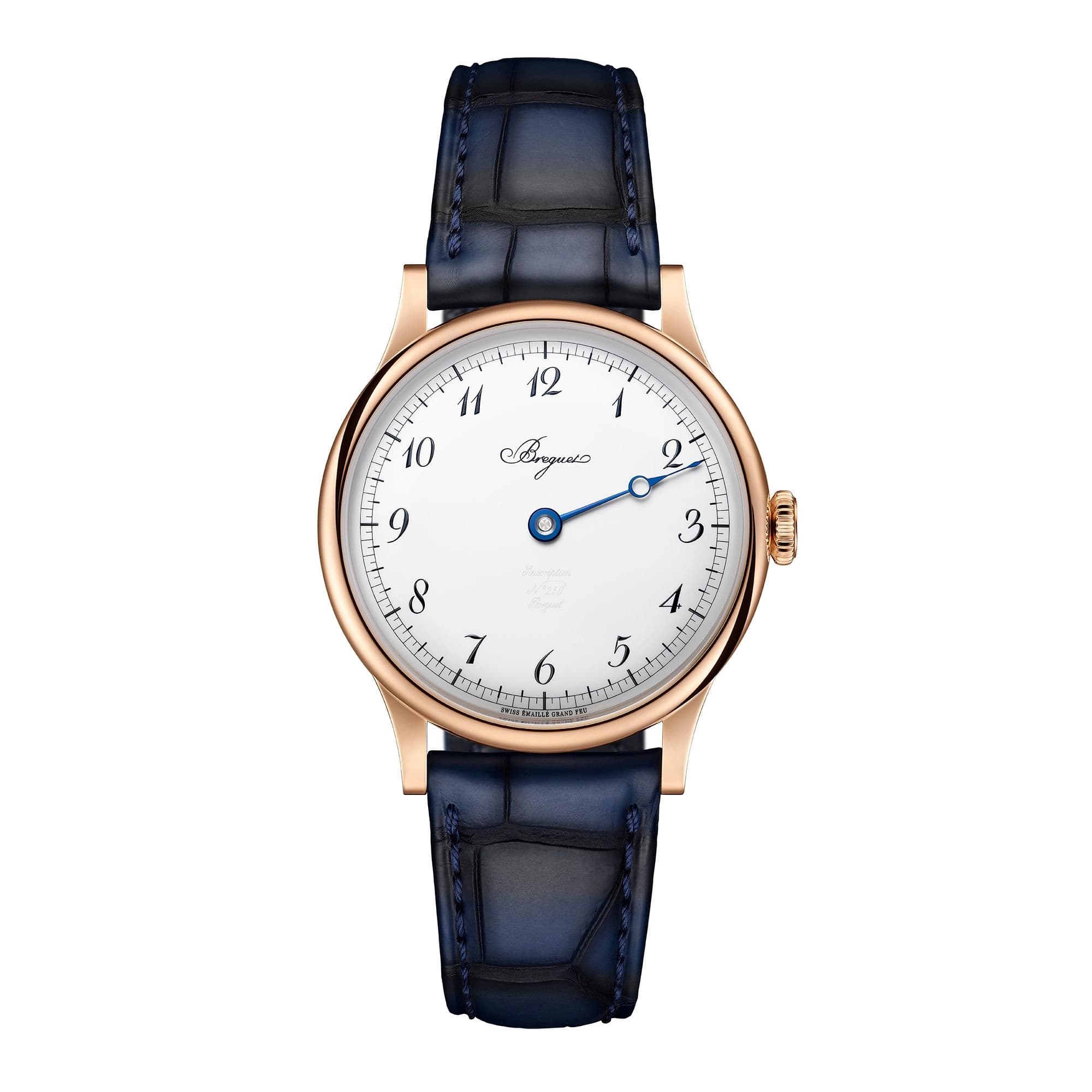
The new CEO also commented on the choice of new material for this piece: “Like A.-L. Breguet, we like to explore, test and incorporate new materials into our timepieces. Watchmaking is an infinite playground, and we never stop innovating.” Placing a new material with an age-old design creates an incredible conversation between the Breguet of the past and present.
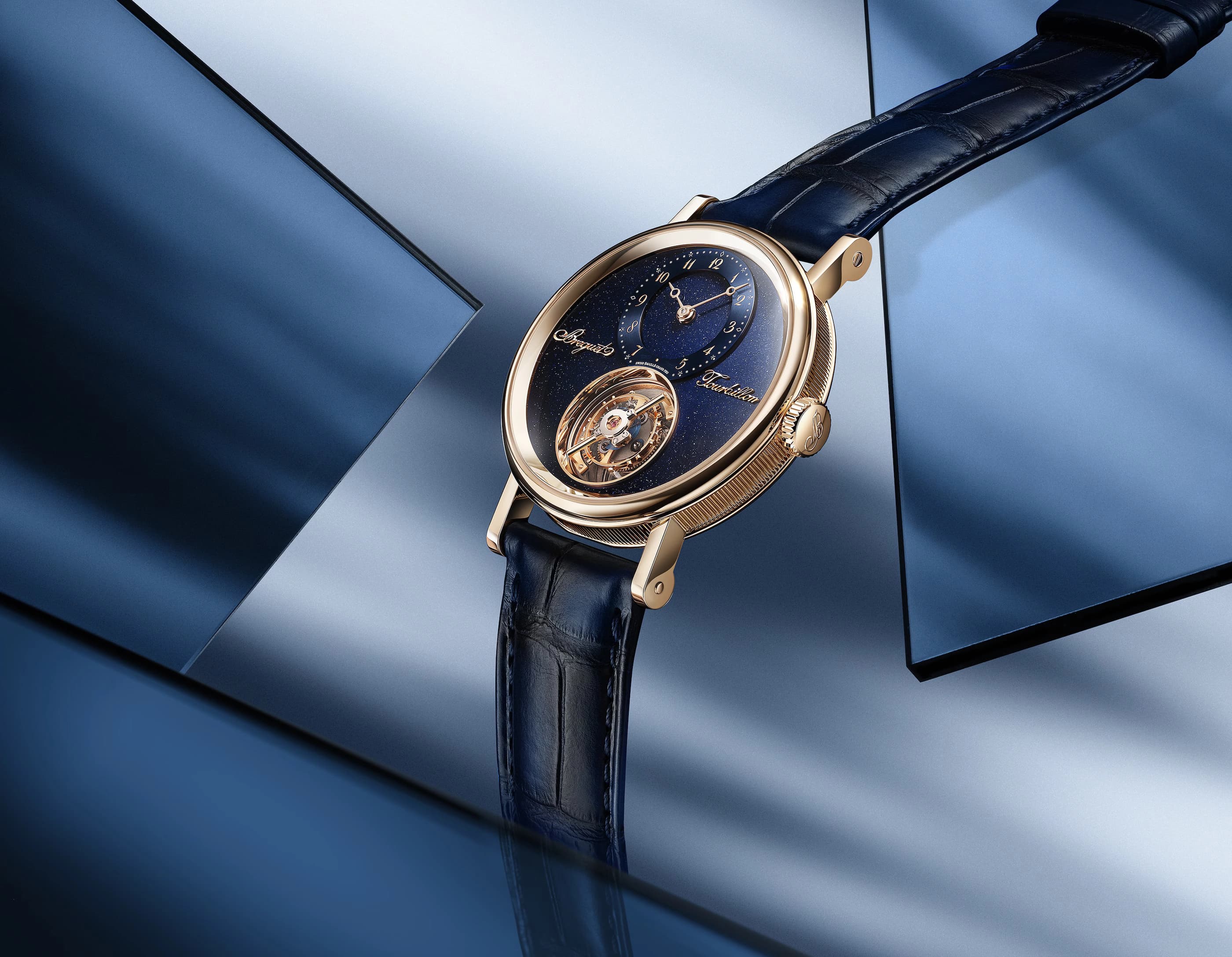
The second piece that drew lots of attention was the Classique Tourbillon Sidéral, the fourth release in the 250th anniversary collections. This piece was released on June 26th, to honor the registration of Breguet's patent for the tourbillon on June 26th, 1801. It’s not only a tourbillon, but a flying tourbillon– meaning it’s anchored only from underneath, which makes the tourbillon appear to be floating in midair. “The lower bridge and the lower support of the tourbillon carriage are, for this model, made of sapphire glass with an anti-reflective coating, rendering them invisible. The point of contact between the gears and the carriage is also not visible; it is offset from the tourbillon cutout and therefore hidden from view by the dial,” the brand stated. By utilizing this sapphire bridge and support, the movement has an incredible floating aesthetic, which is complemented visually with a stunning aventurine enamel dial. It’s the intersection of a signature innovation for the brand and a continual quest to push forward.
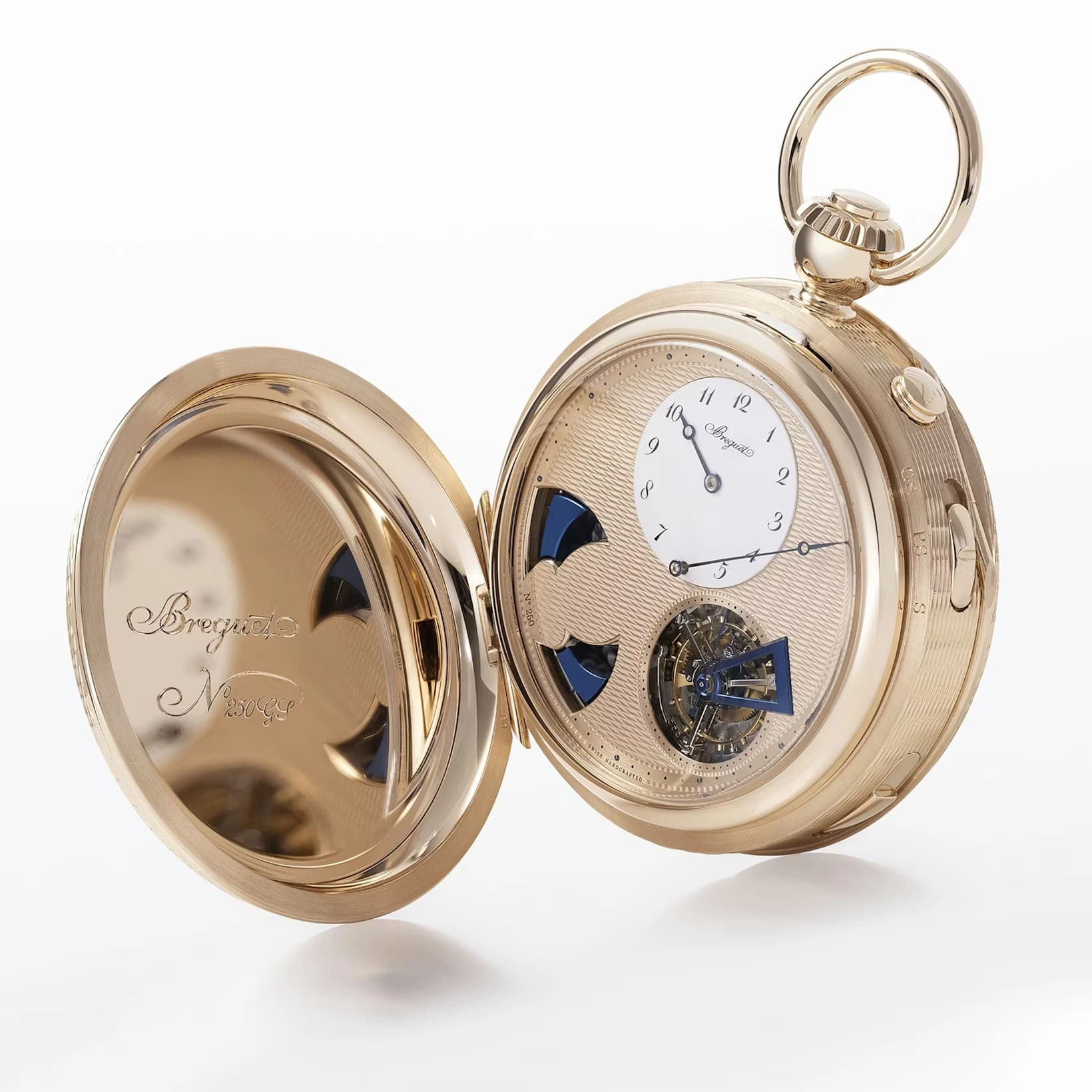

The 250th anniversary novelties represent the most exciting and complicated offerings from Breguet, exclusive in production and beautiful in execution. Perhaps the best theme across the board is the intersection complications, traditional watchmaking, and visual enhancements in detail. The mix of the incredible tourbillon movement and the gorgeous and equally breathtaking dial in the Classique tourbillon highlights the brand’s emphasis on watchmaking as well as dial construction. This dual theme carries throughout the collection.
In addition to the novelties for this year, Breguet has a range of incredible collections we love at European Watch Company. Each has its own distinct personality and appeal.
The Tradition Collection
The Tradition collection is the most modern of Breguet’s collections. Unlike anything else on the market, it’s easy to view the Tradition as a wild departure from the reserved aesthetics of Breguet’s historical pieces. And yet, the Tradition is a tribute to the movement layout and architecture of the early Souscription pocket watches that inspired the Classique Souscription. As Kissling said, the Tradition collection provides “this plunging perspective into the heart of the movement, offering a direct insight to the complexity and refinement that Breguet infuses into each of its timepieces.” Once more, we have the yin and yang of historical grounding combined with modern presentation.
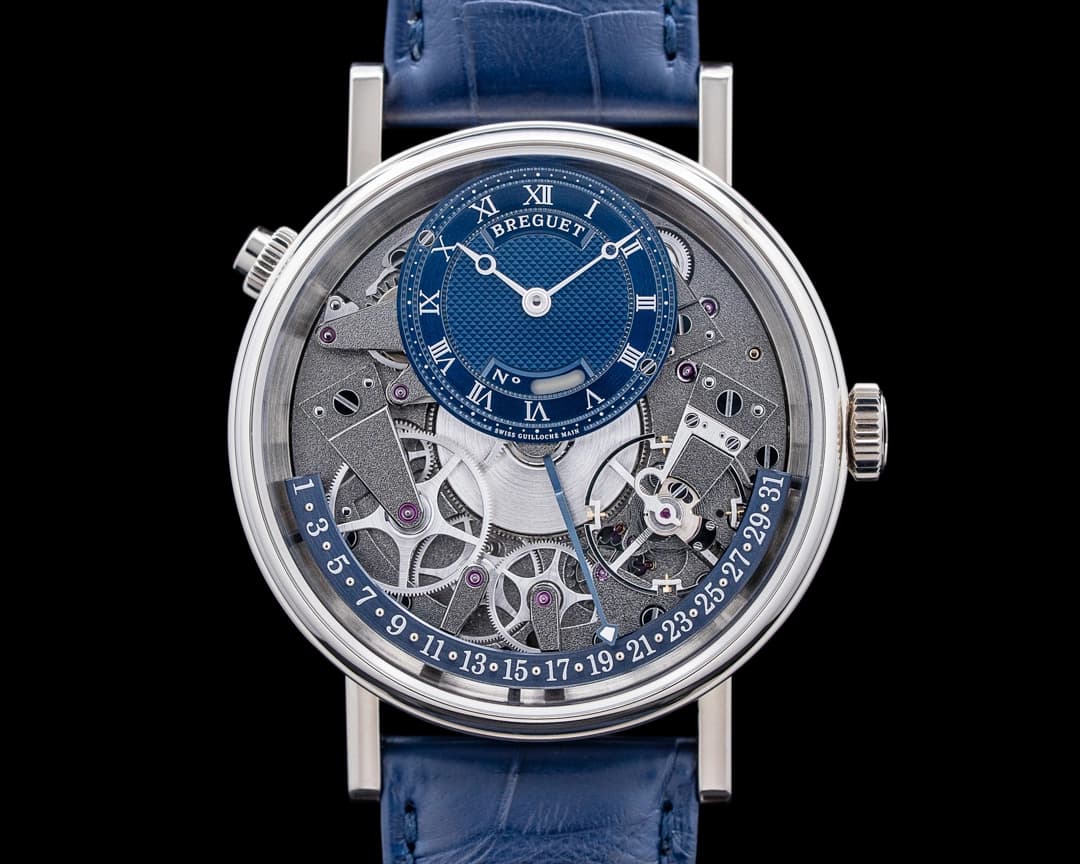
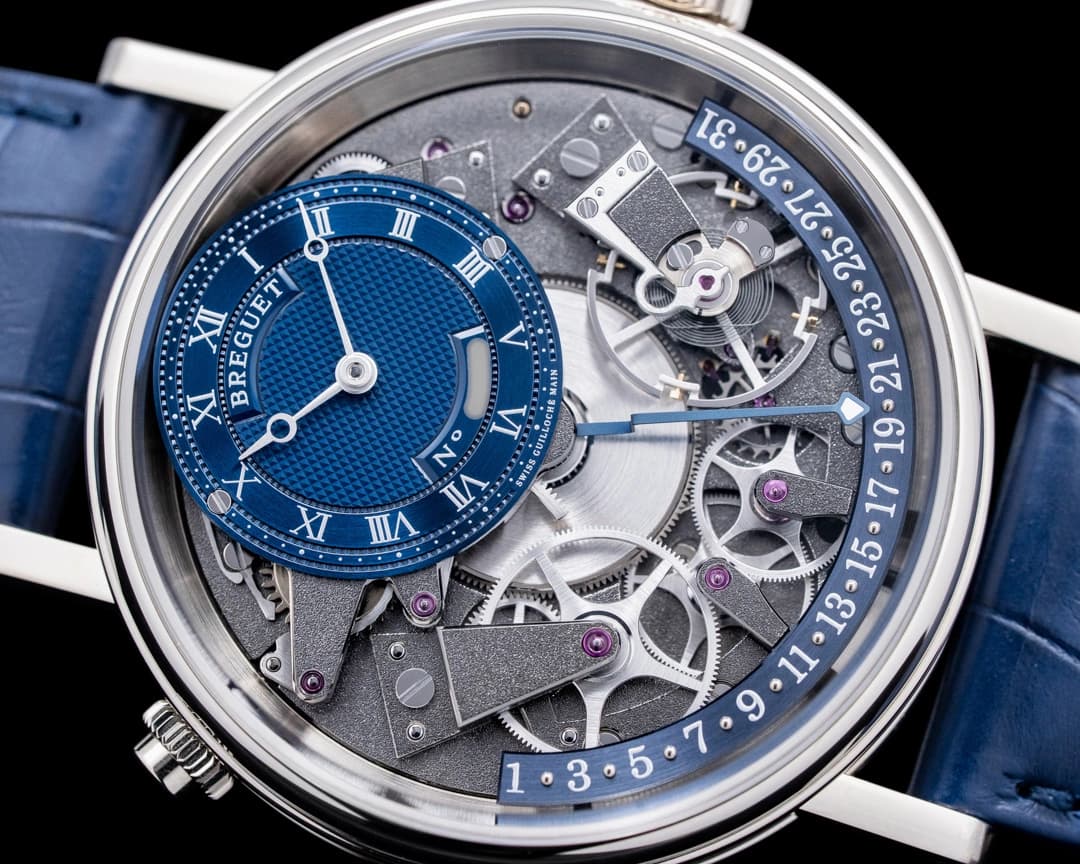
The brilliance of the Tradition family is that those that may not gravitate towards dress watches can experience the work of a classic watchmaker without going into full dress mode. These pieces have a chameleon effect that allows them to work in both dressed up and more casual environments.
The Classique Collection
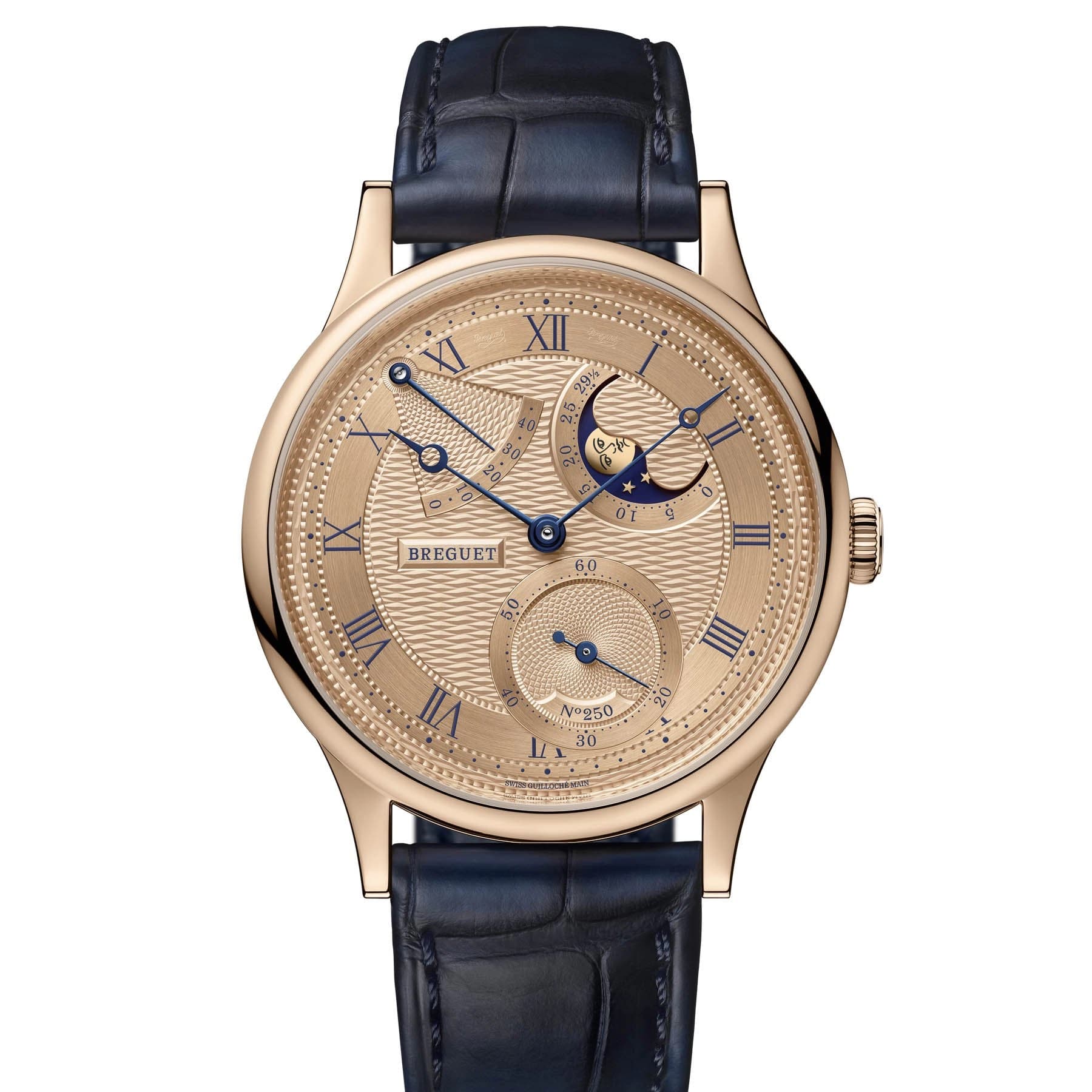
The Classique collection is one of the most noted for lovers of dress watches in general. The most distilled contemporary extension of Breguet’s styling, the Classique collection comprises some of the most elegant and refined pieces on the market. For lovers of guilloché, blued hands, and thin profiles, these are some of the best pieces on the market. Breguet describes the collection as “the ideal face of time: legible, precise and with a refined style, encapsulating the art of watchmaking and the traditional values of the Maison Breguet.”
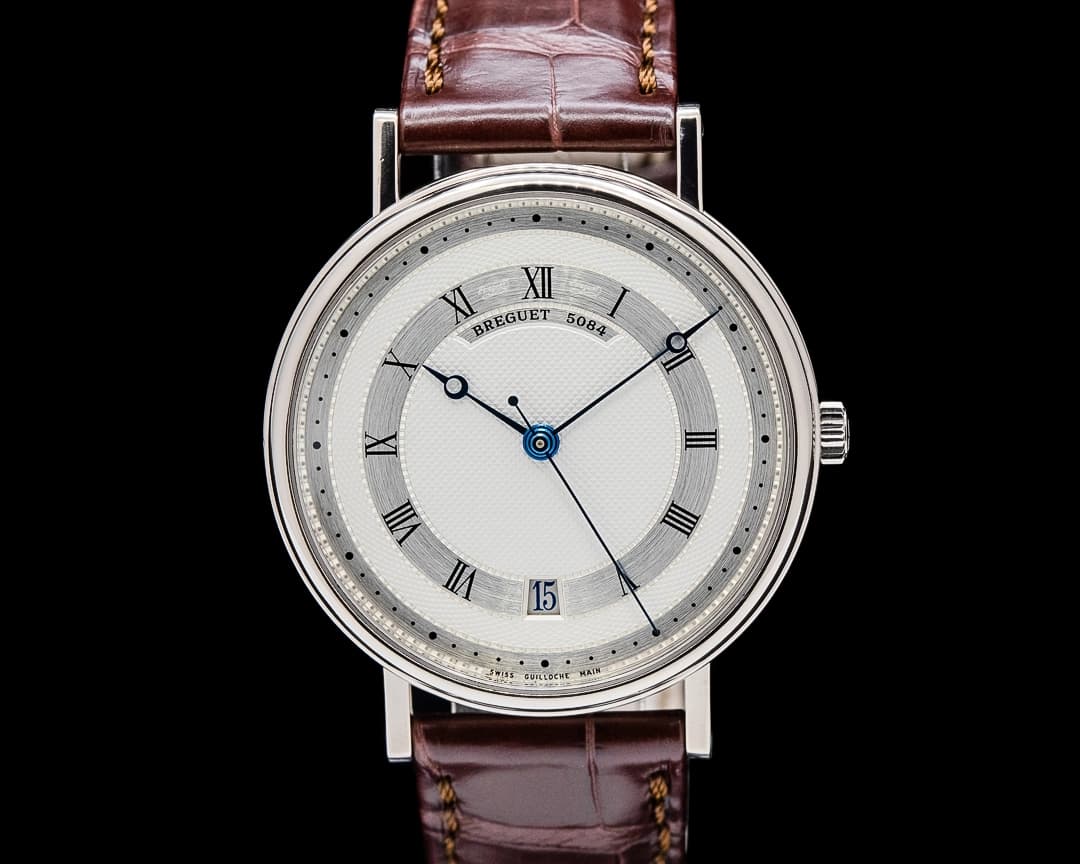
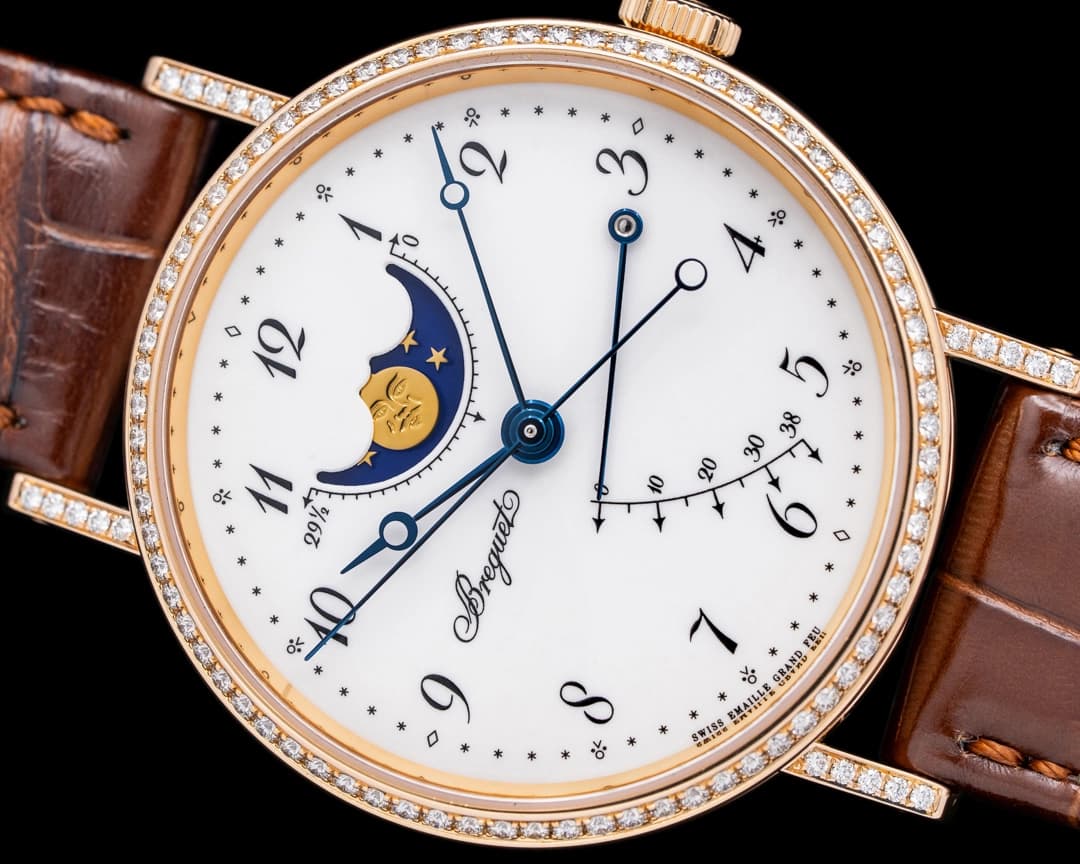
Today, guilloché is commonplace in the watch industry, but it was Breguet that really popularized the artform. To this day, the brand executes their guilloché with the traditional rose engine technique. This is an incredibly involved handmade operation that requires exceptional skill and training, and is just one of the many places that Breguet continues to utilize traditional techniques for the execution of their contemporary pieces. “While many skills in watchmaking have been replaced by machines and computers, the best guilloché is still done by hand,” said jeweler and engine turning expert Chris Manning of Silver Hand Studios. “It takes thousands of hours of dedicated practice to make work which receives detailed scrutiny in macro photos and under a loupe.” Guilloché is particularly popular on the dials of Classique models. It truly emphasizes the value of the Classique line as the “ideal face of time” that Breguet envisioned for the family of pieces.
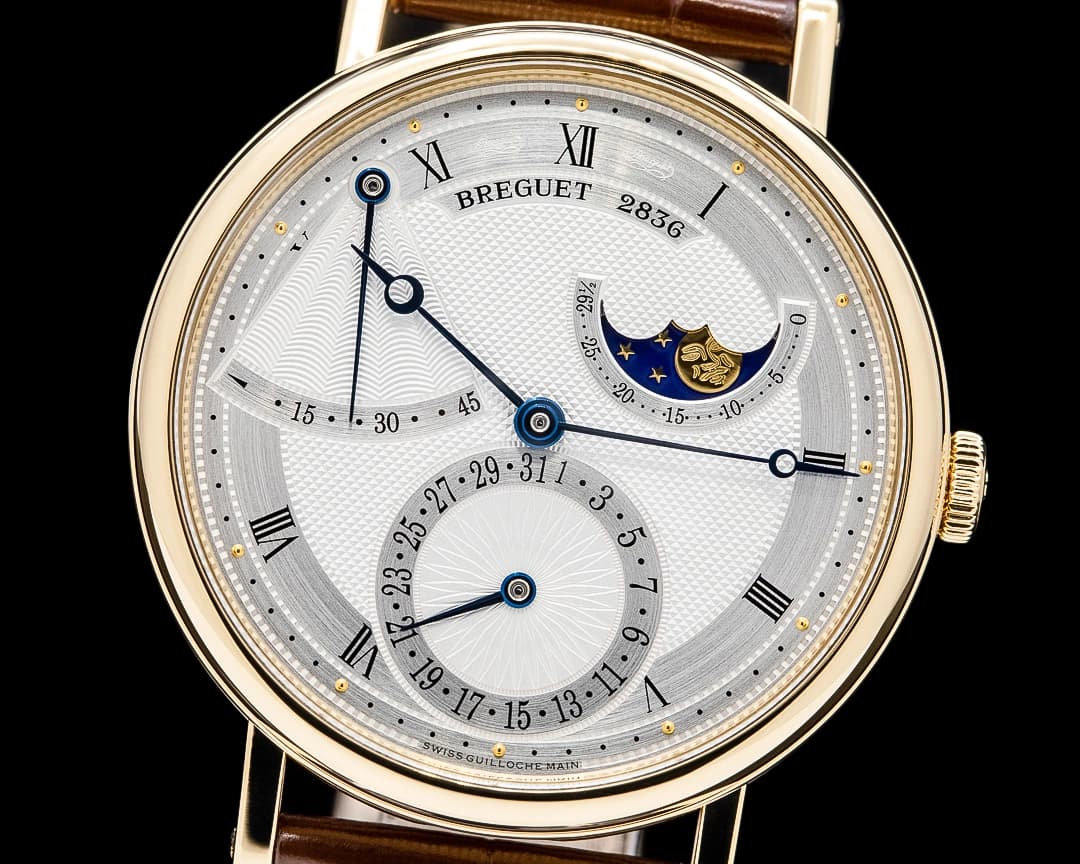
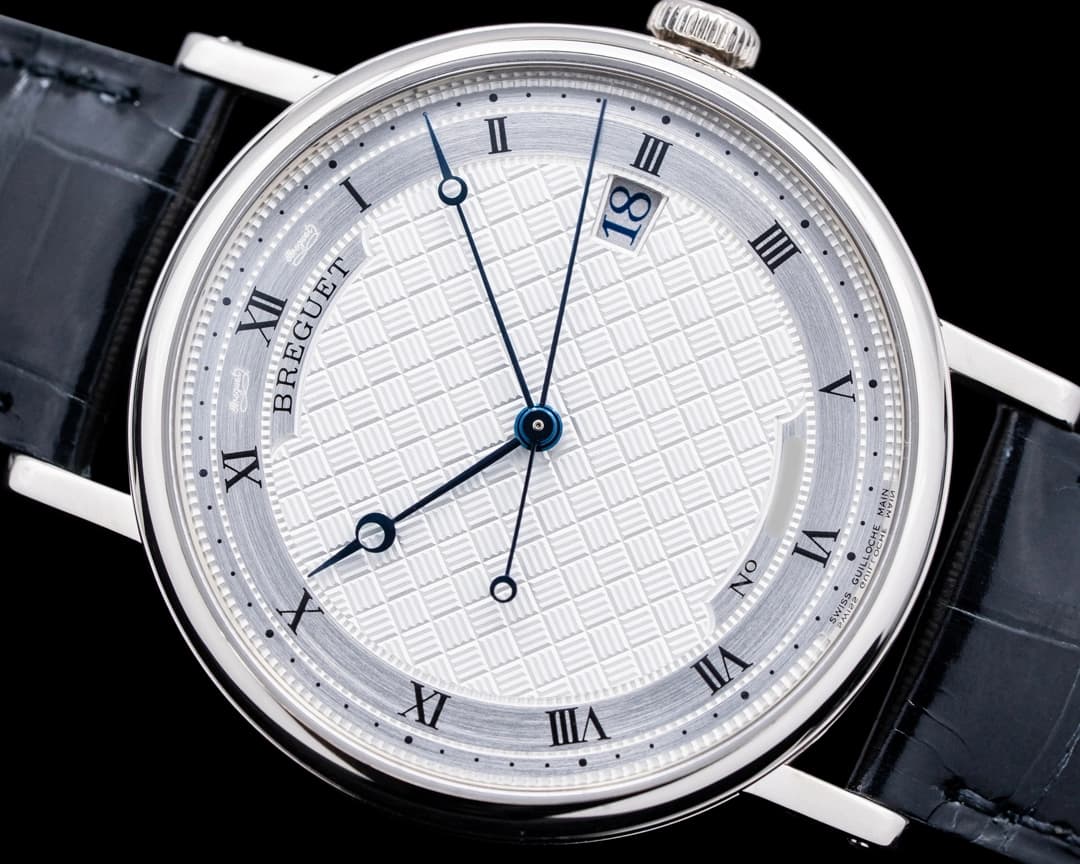
There are a wide variety of incredible Classique models for those looking for fine dress pieces with lots of beautiful details. The Regulator model is one of the famous layouts of Breguet, with a central minutes hand and an hour display in a smaller subregister. There are also classic manually-wound time only iterations, central seconds automatics, tourbillon models, and perhaps most popular, pieces that feature a triangle of power reserve, moonphase, and pointer date. Many of these pieces couple multiple different textures of guilloché into the same dial, matching the artistry of beautifully finished movements with elevated dials– the essence of Breguet’s mastery of beautiful watchmaking.
Final Thoughts
It’s truly hard to have any conversation about watchmaking history without including Breguet. The brand and the man behind it have played such an important role in the evolution of the industry, mechanical complexities of timepieces, and its aesthetics. The brand has been gaining steam in the last few years, calling back historical pieces, and coming out with even more enticing novelties. The 250 year anniversary of the brand is merely one stop on a legacy that will continue to be written for many years to come.
Shop New Arrivals
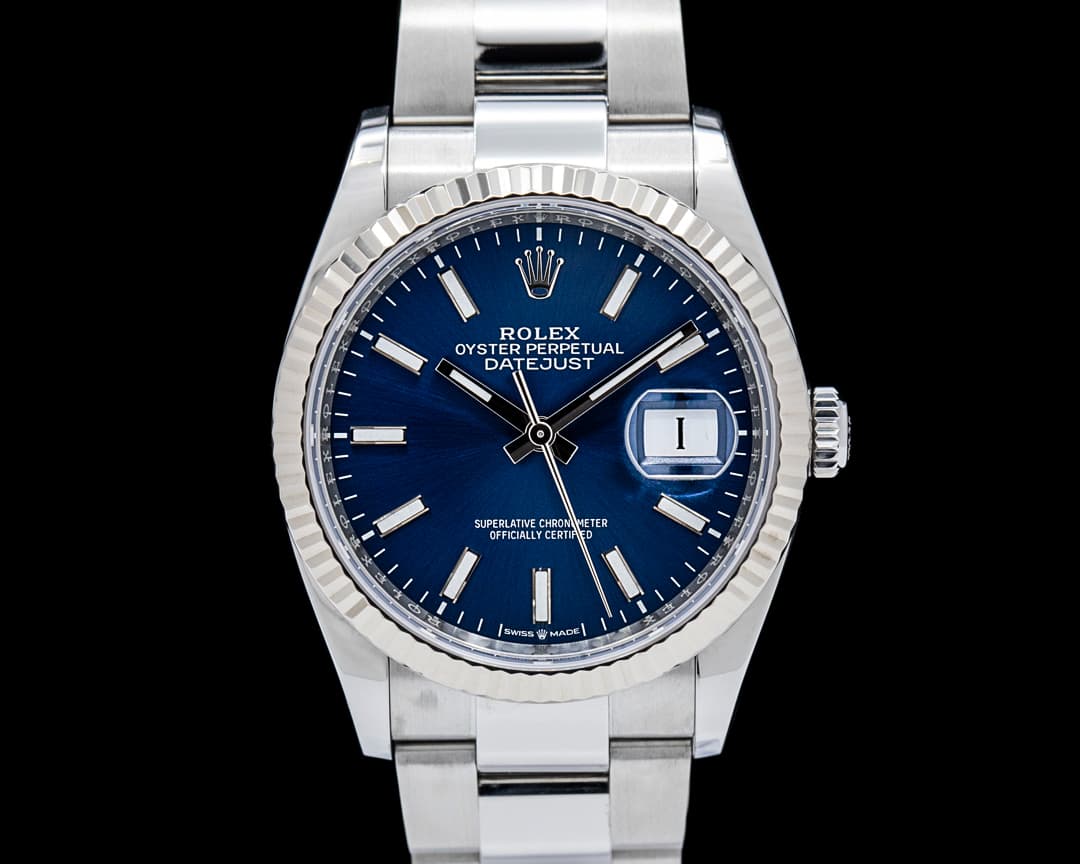
126234 Datejust 36 SS Blue Dial
$12,900
View Watch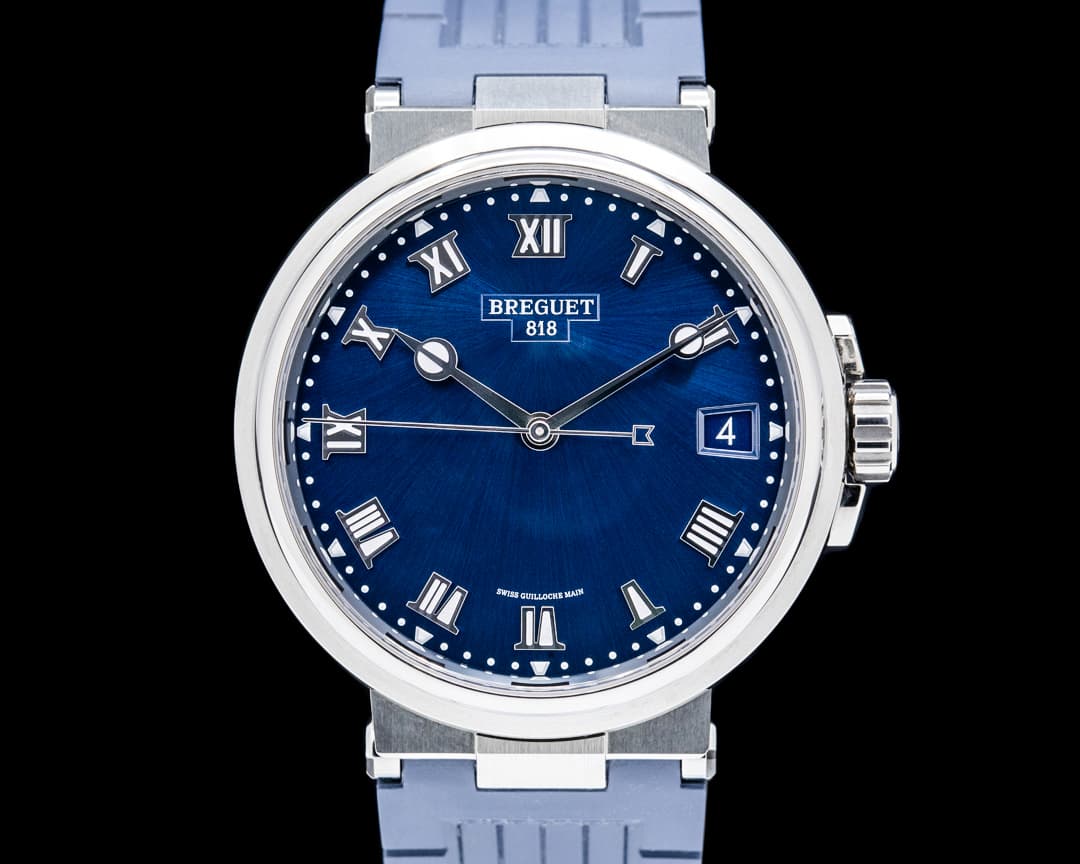
5517 Marine Titanium Blue Dial
$18,500
View Watch
116710LN GMT-Master II Ceramic SS Black Dial
$13,900
View Watch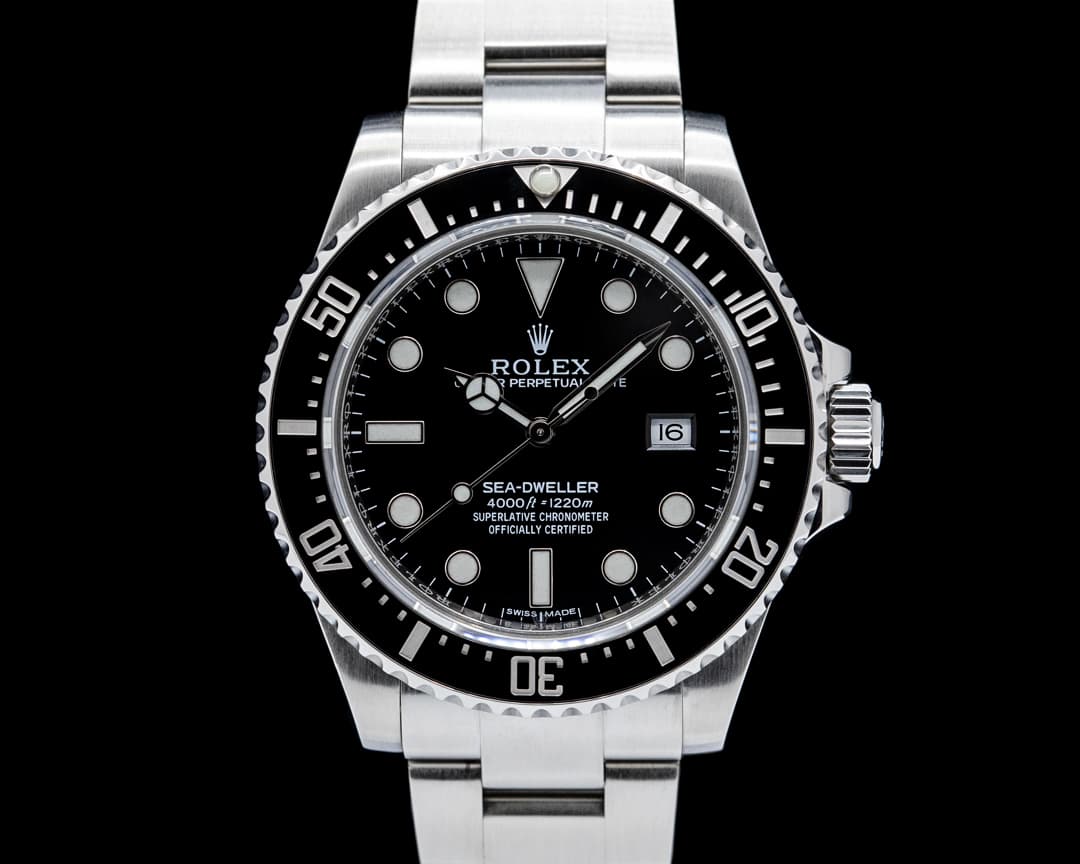
116600 Sea-Dweller SS Black Dial
$15,900
View Watch
Shop New Arrivals
126234 Datejust 36 SS Blue Dial
$12,900
View Watch5517 Marine Titanium Blue Dial
$18,500
View Watch116710LN GMT-Master II Ceramic SS Black Dial
$13,900
View Watch116600 Sea-Dweller SS Black Dial
$15,900
View Watch
More Content