There was a time when you could point to a movement and immediately justify why a watch deserved admiration. A good caliber carried its own authority. It revealed who made it, what they valued, and how far they were willing to push their craft. Today, the picture feels more complicated.
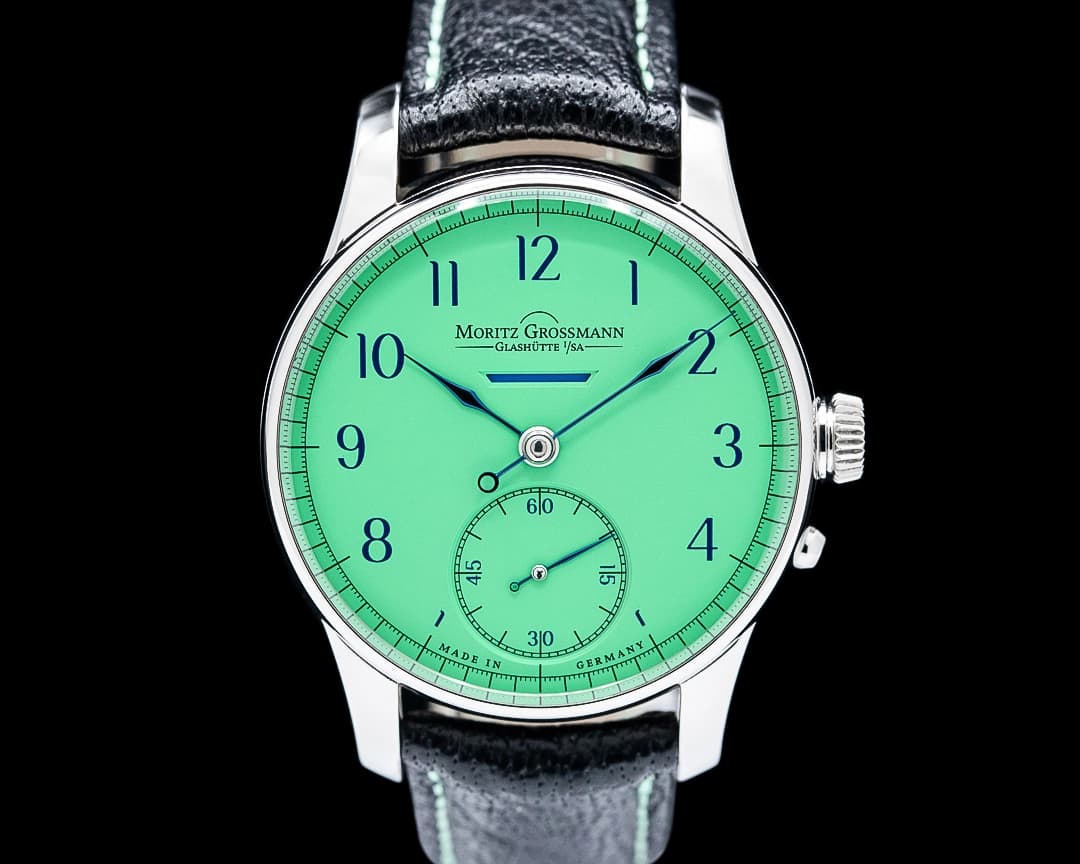
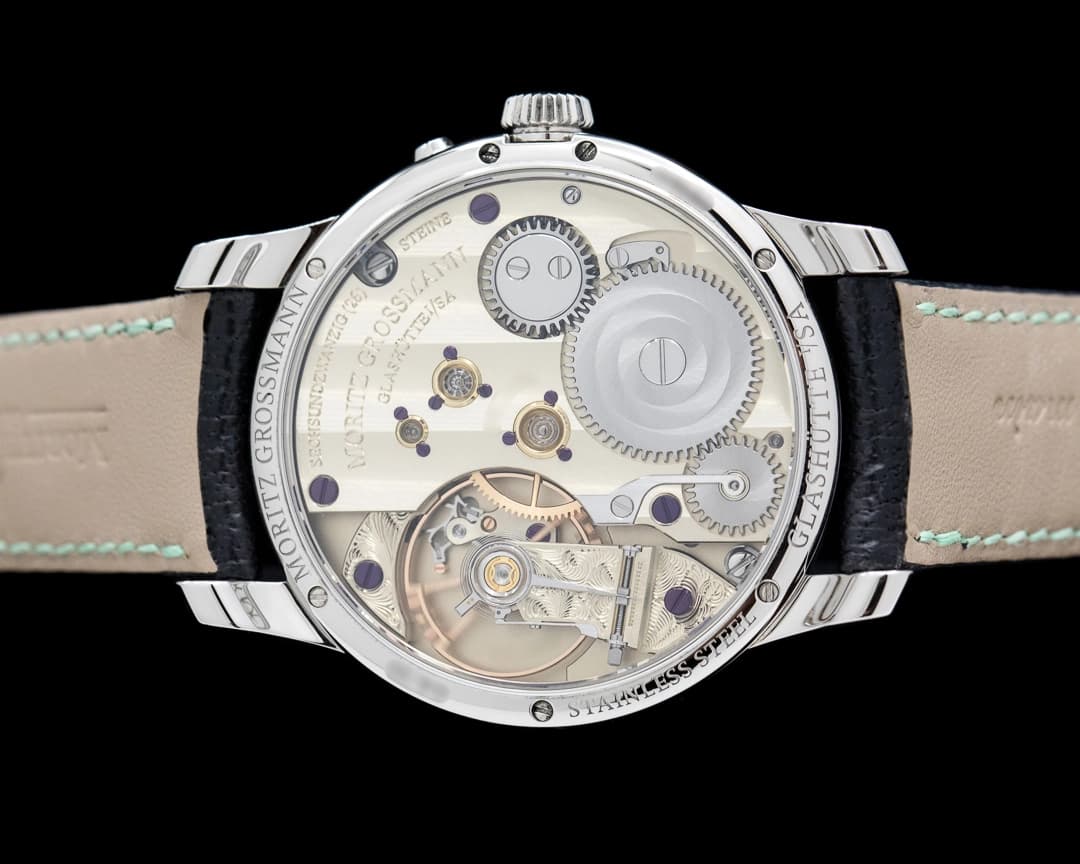
Early stages of collecting can be driven by emotion, not engineering. Some who are starting to learn about watches may buy with their eyes, responding to proportions, color, presence, and storytelling long before they study the spec sheet. Yet the movement influences the experience from the very beginning, whether the buyer knows it or not. Case height, dial layout, balance, and how a watch behaves through the day all come from the caliber.
Where architecture starts to matter
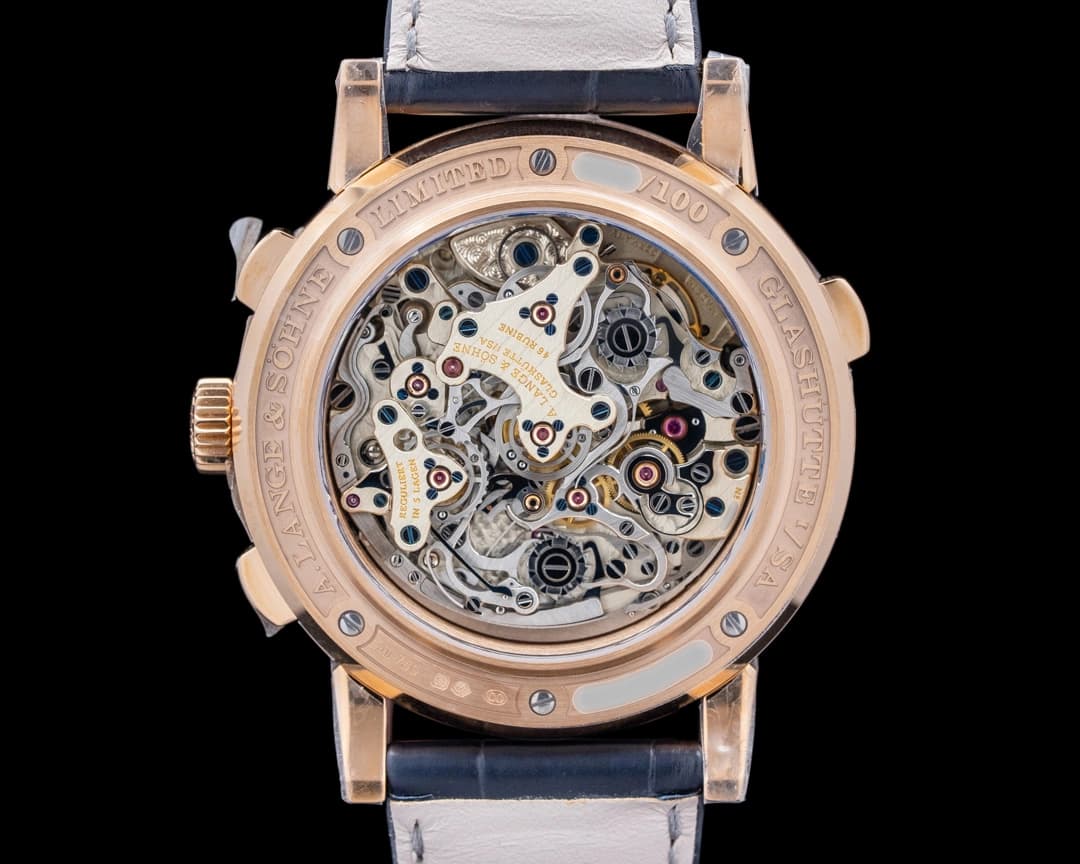
Movement architecture becomes impossible to ignore once a collector starts paying closer attention. Watchmaker and designer David Lowinger sees this play out through his own work. In his opinion, collectors respond most strongly to depth and symmetry within a movement. “Components placed at different levels with contrasting finishes add complexity and intrigue, and symmetry holds an almost universal appeal because people are naturally attracted to it.” While he respects technical upgrades, he admitted that “the overall appearance of the movement matters more than those technical aspects.”
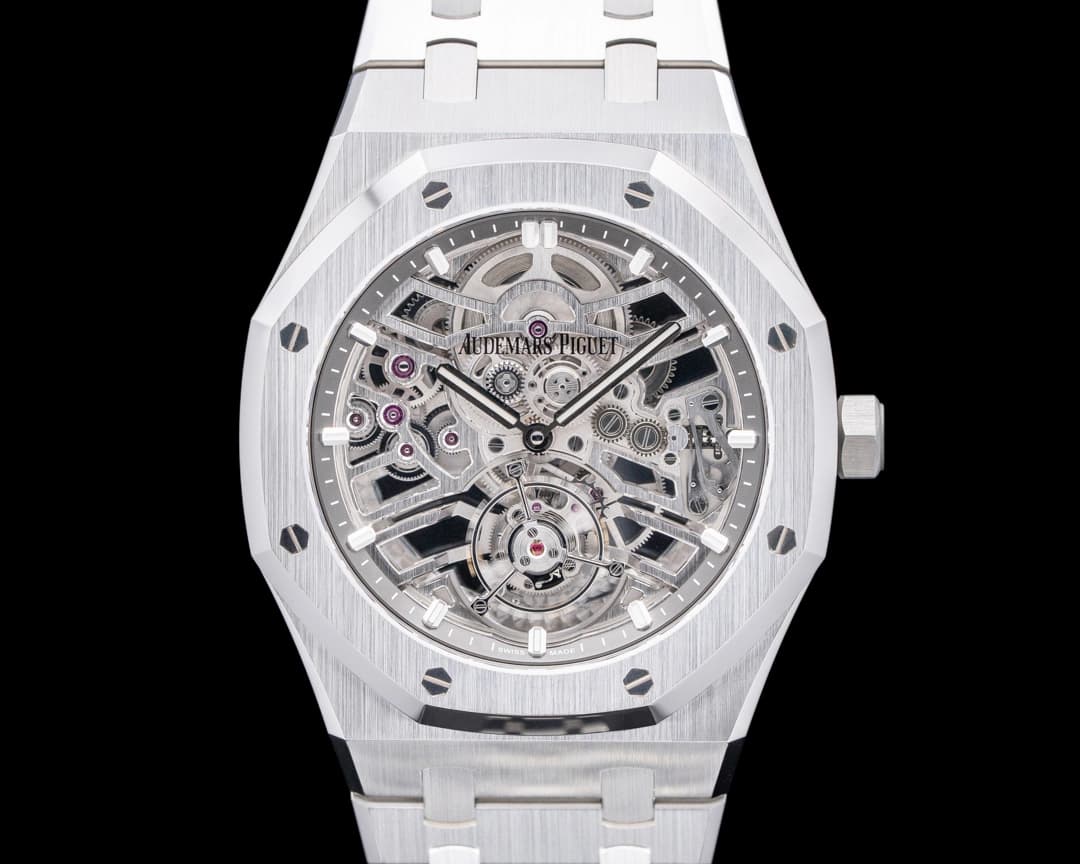
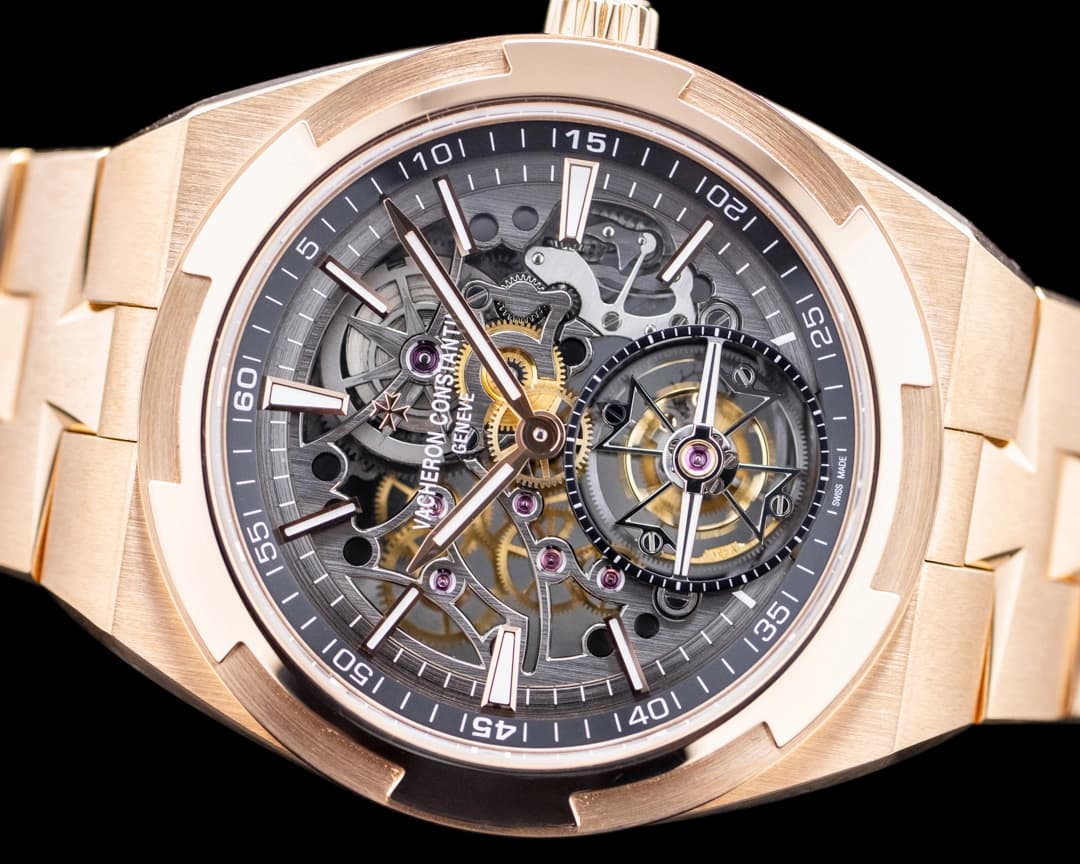
This aligns with what many collectors eventually realize: a movement does not need to be understood to be appreciated. A thoughtful bridge layout or the way finishing directs your eye across the mechanism can create an emotional pull of its own. Lowinger said, “Enthusiasts tend to connect with the design of the bridges, how the visual flow directs the gaze, and how the finishing methods reflect light across the mechanism.” He also noted that people drawn to contemporary watchmaking gravitate toward exposed mechanics on the dial side. As he put it, “collectors love admiring the intricate mechanics of their watches,” whether that means an exposed wheel, a visible balance, or something more elaborate.
The engineering behind the beauty
Lowinger also raised an important point about how these visual elements come to life. The most striking features people respond to are never arbitrary. Every flourish has a practical foundation.
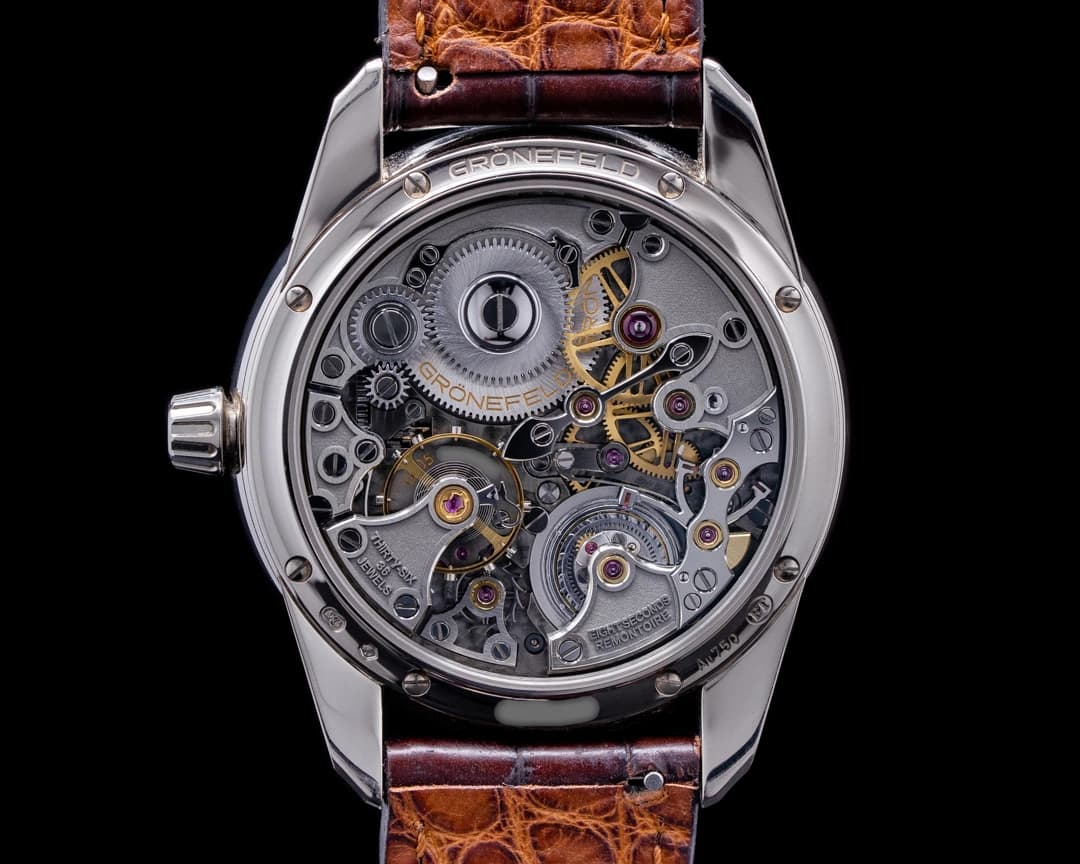
He said he wished more collectors understood that “every design choice is based on engineering limitations” and that the beauty people admire “comes from purposefully addressing tiny structural challenges.” In his view, the architecture is not decoration, but engineering expressed with intention.
How brands see the movement conversation
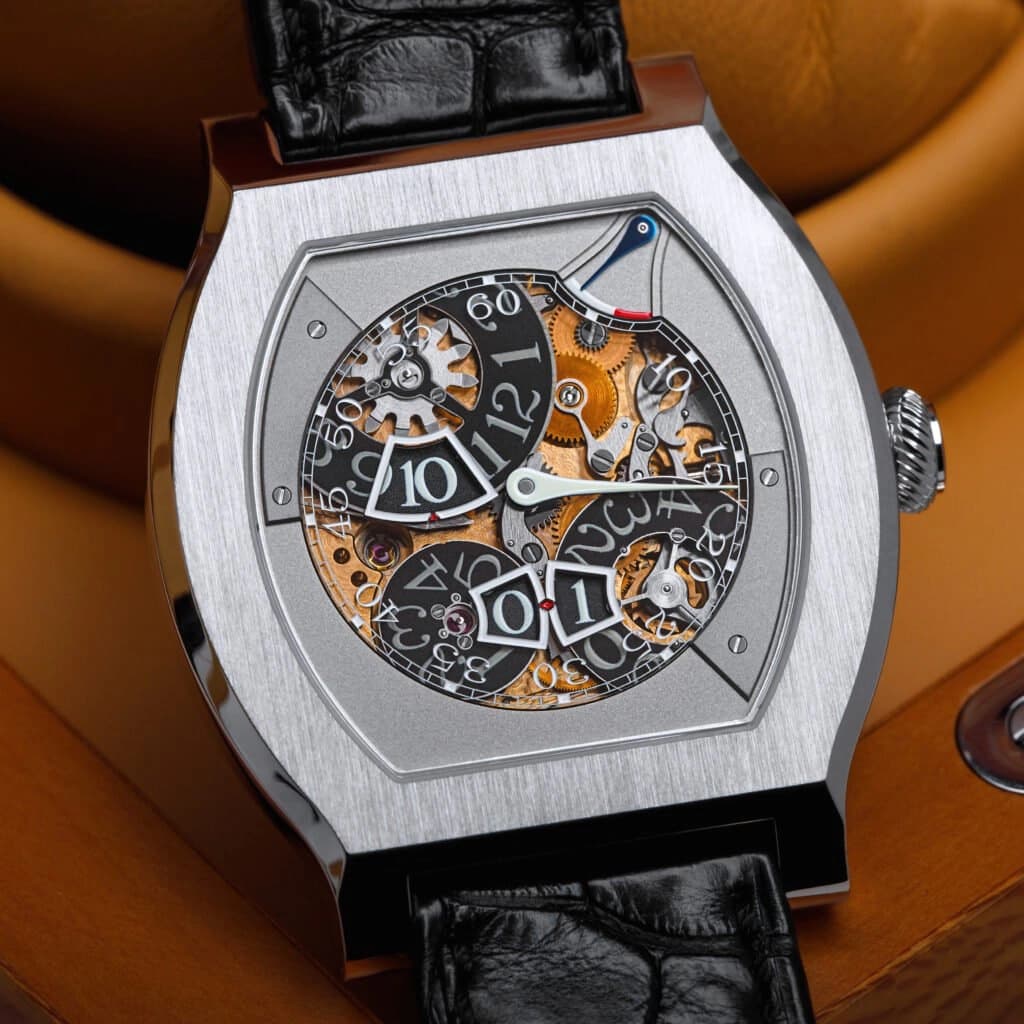
The brand perspective reveals a similar truth. Garrick co-founder David Brailsford works with clients who approach his watches with a strong technical curiosity. “The movement choice is a big factor when people order a watch, and discussions often revolve around finishing, bespoke options, and technical specifications.” He said his customers want to know exactly what is happening under the dial.
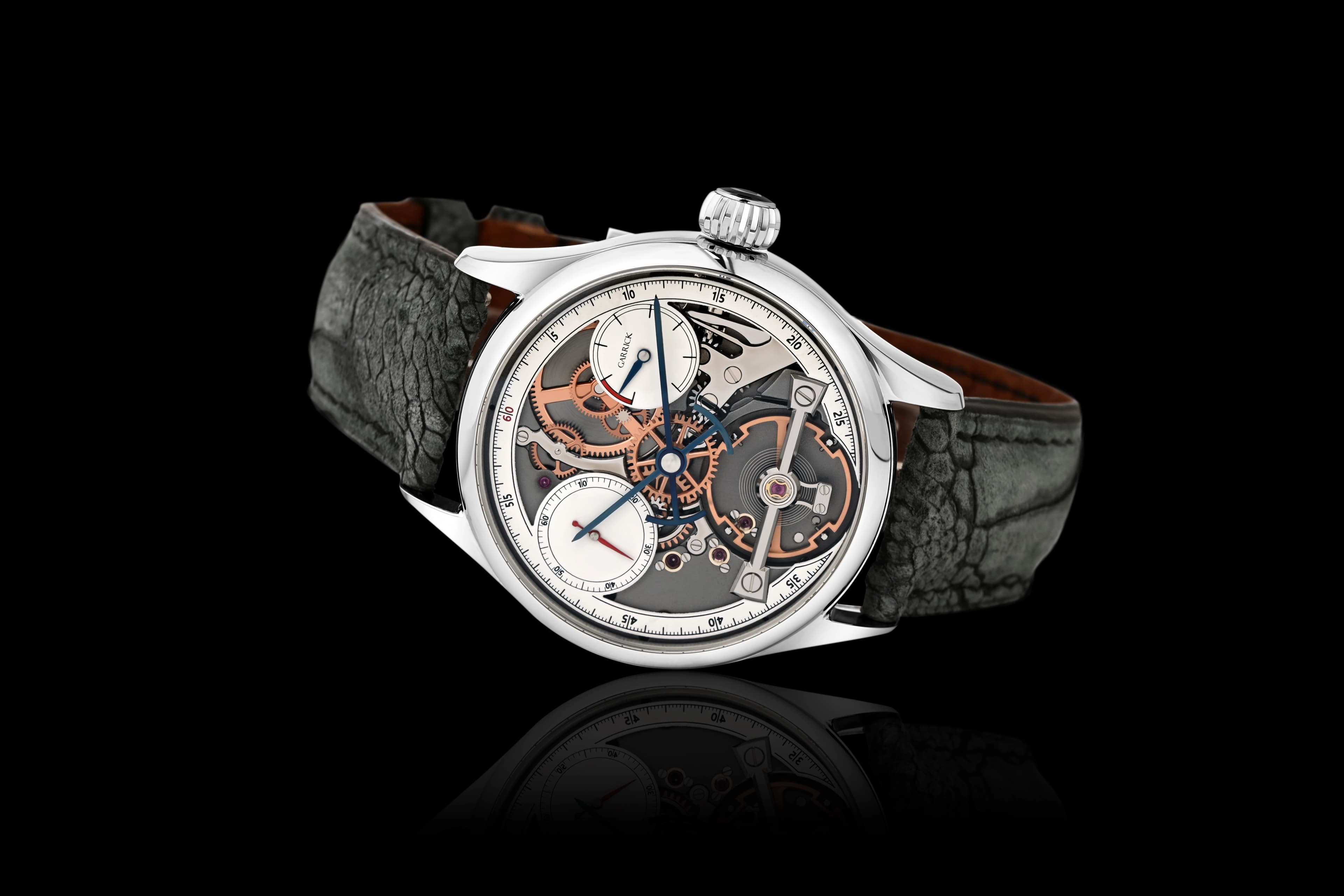
Image: Garrick Watchmakers
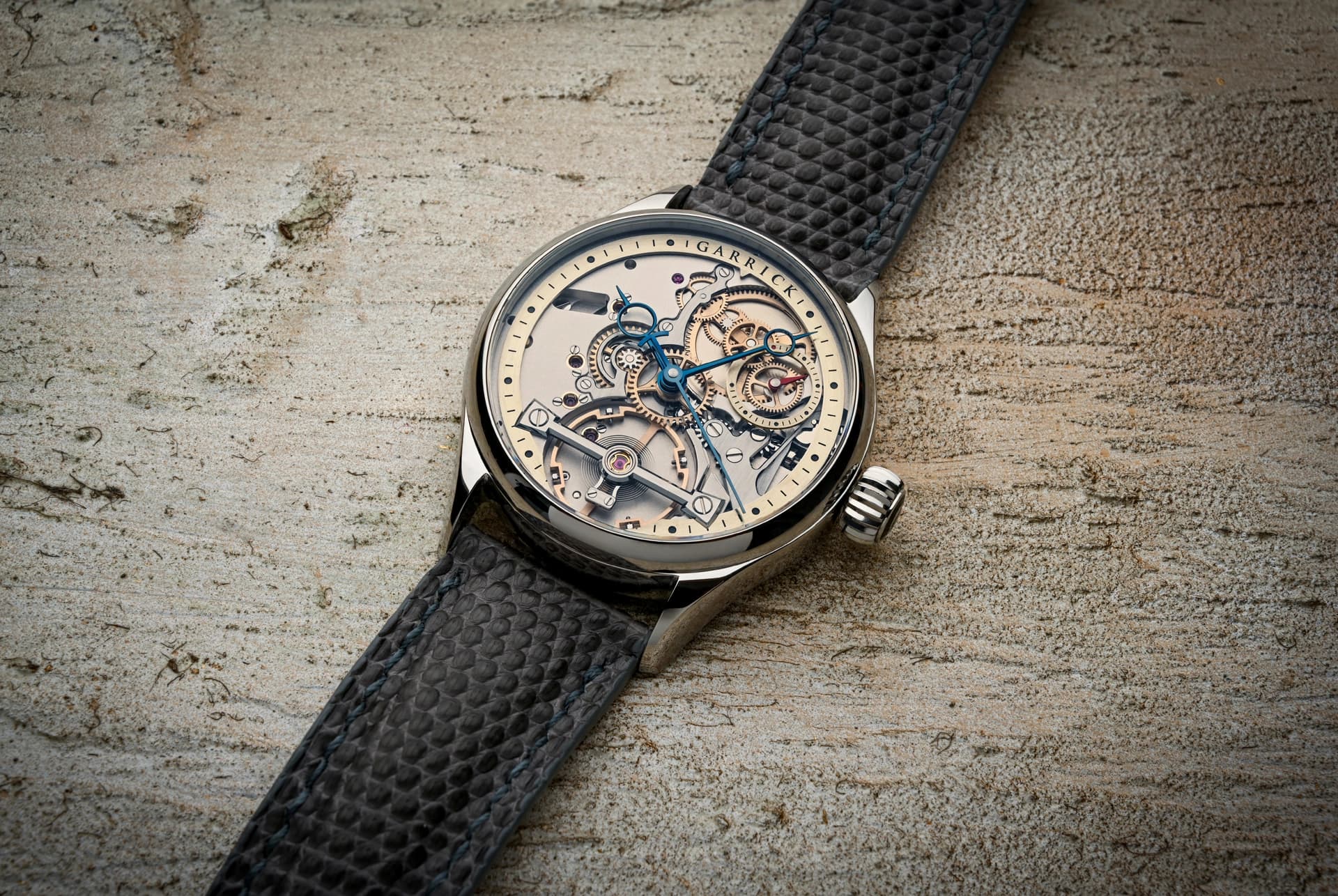
Image: Garrick Watchmakers
Brailsford has also seen a clear shift in how people discuss movements, explaining, “potential clients now have a stronger grasp of how a movement works and that customizing the movement often seems to be more important than customizing the dial.” He pointed to options such as black polishing, hand engraving, bevelling, and skeletonization. Brailsford perfectly summed up the situation when he said, “the movement is a showcase for a skilled watchmaker’s craft, and clients get this.”
Why movements still define the watch
Taken together, these insights show that movements have not lost their pull. They may not always lead the buying decision, but they remain the part of a watch that gives it character and purpose. The dial might grab your attention. The case might sell you the dream. But it is the movement that keeps you interested long after the honeymoon fades.
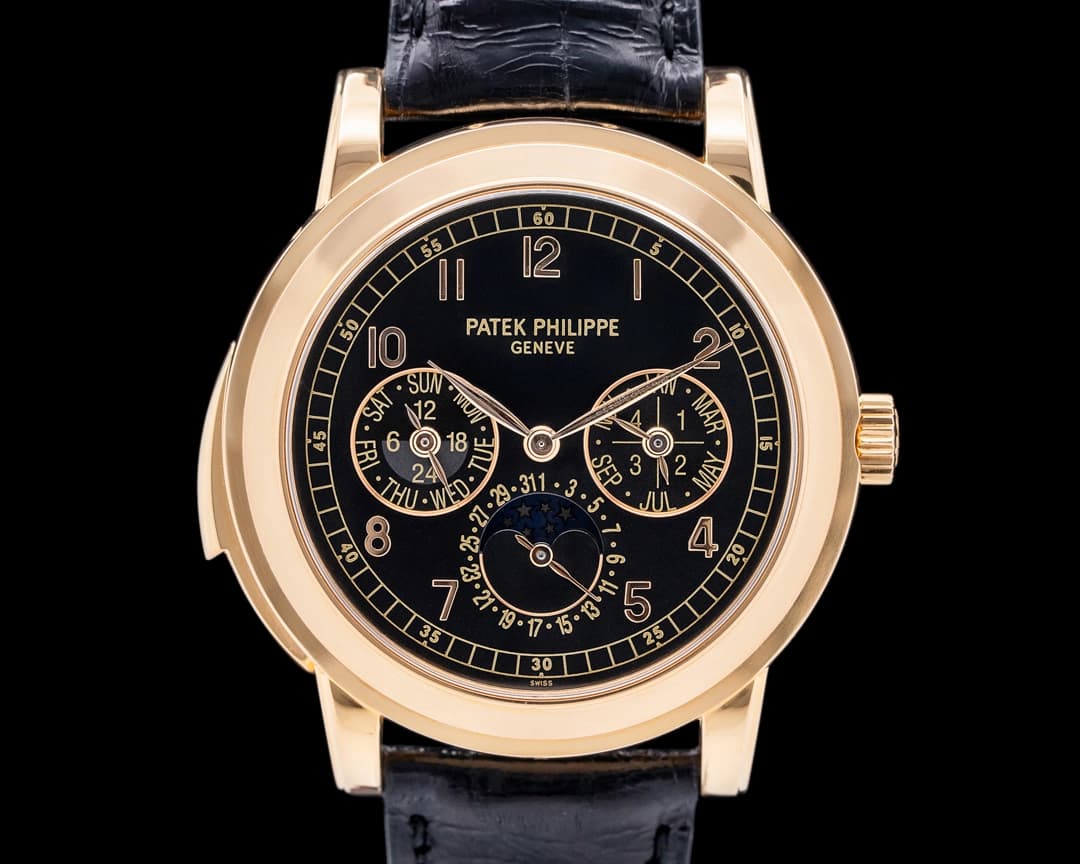
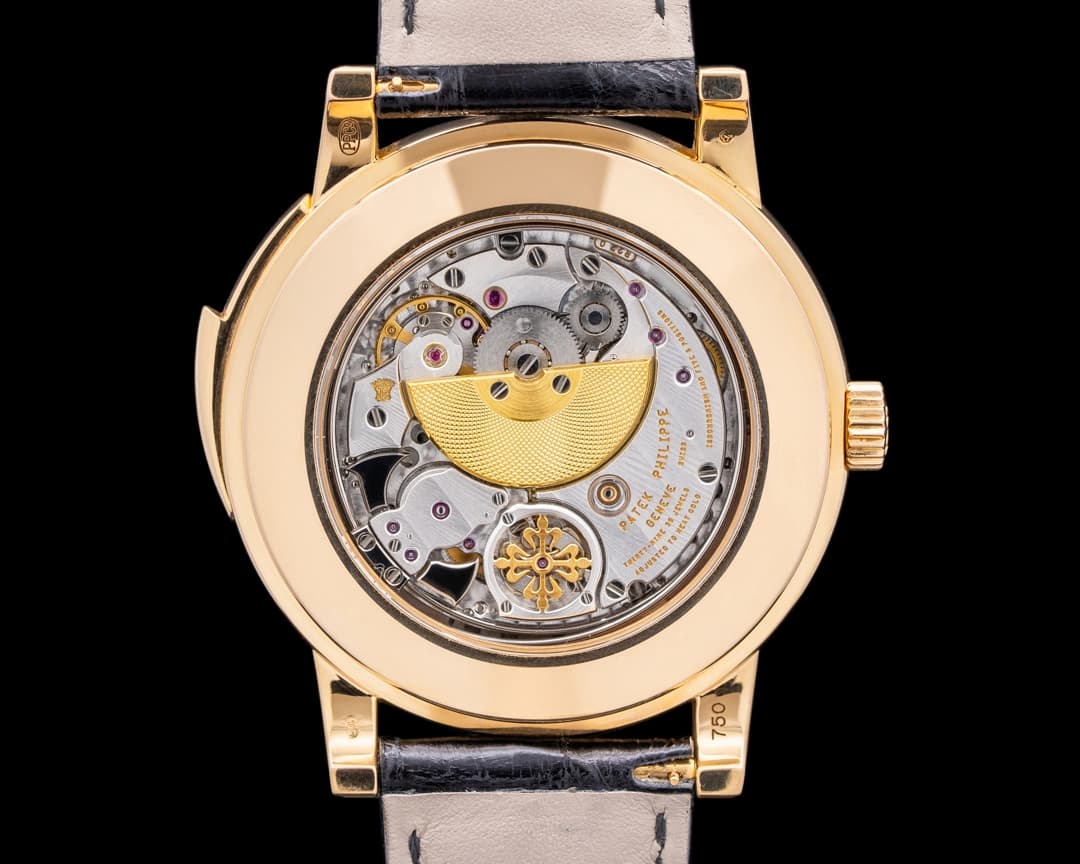
This becomes even more obvious at the higher end of the market. Nobody chooses a hand-finished caliber or sculpted bridge layout as an afterthought. These watches rely on their mechanics to justify their existence. The movement does the real talking. And for many enthusiasts, the fascination with mechanical watchmaking was the very thing that drew them into the hobby in the first place.
The heart and soul of the watch
So do movements still matter? Absolutely. They matter more deeply than the surface-level trends suggest. They matter because they bring a watch to life. They matter because they draw a line between something well-made and something forgettable. They matter because a mechanical watch without a meaningful movement is just an accessory. Design and branding may guide the conversation, but the movement remains the heart and soul of a watch.
Shop New Arrivals
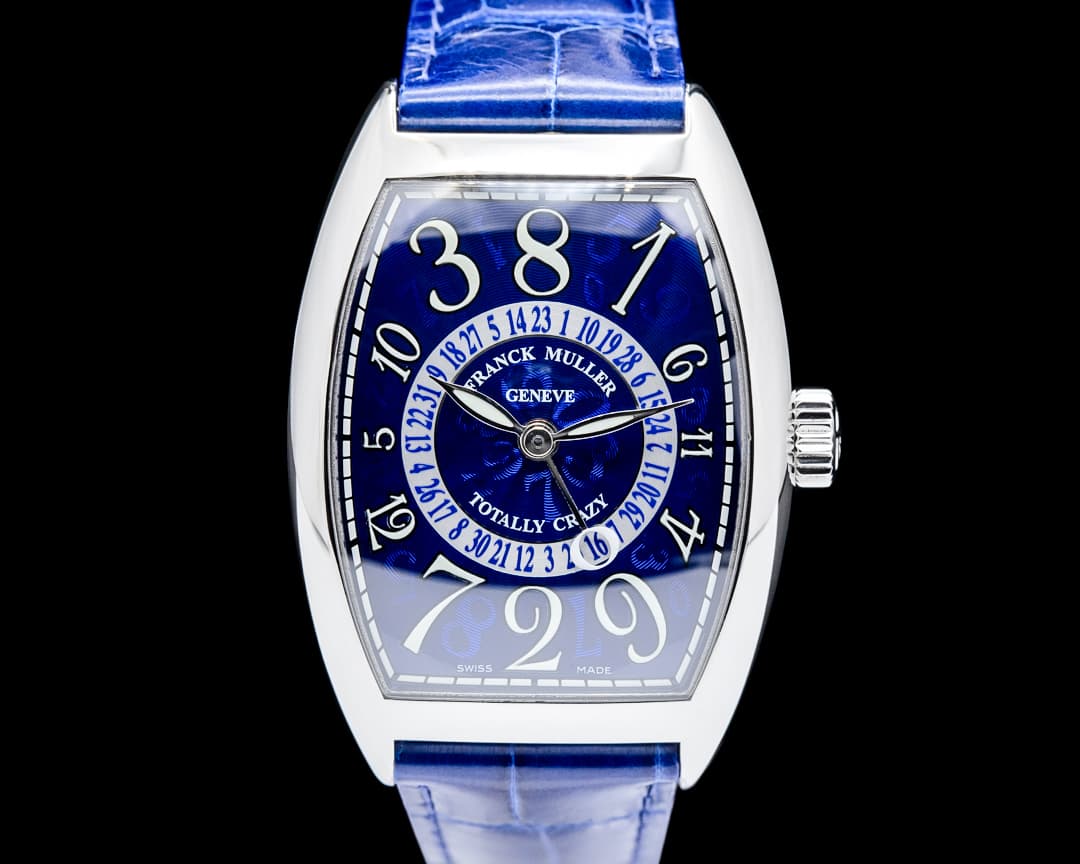
Cintree Curvex Crazy Hours Titanium Blue Dial
$15,900
View Watch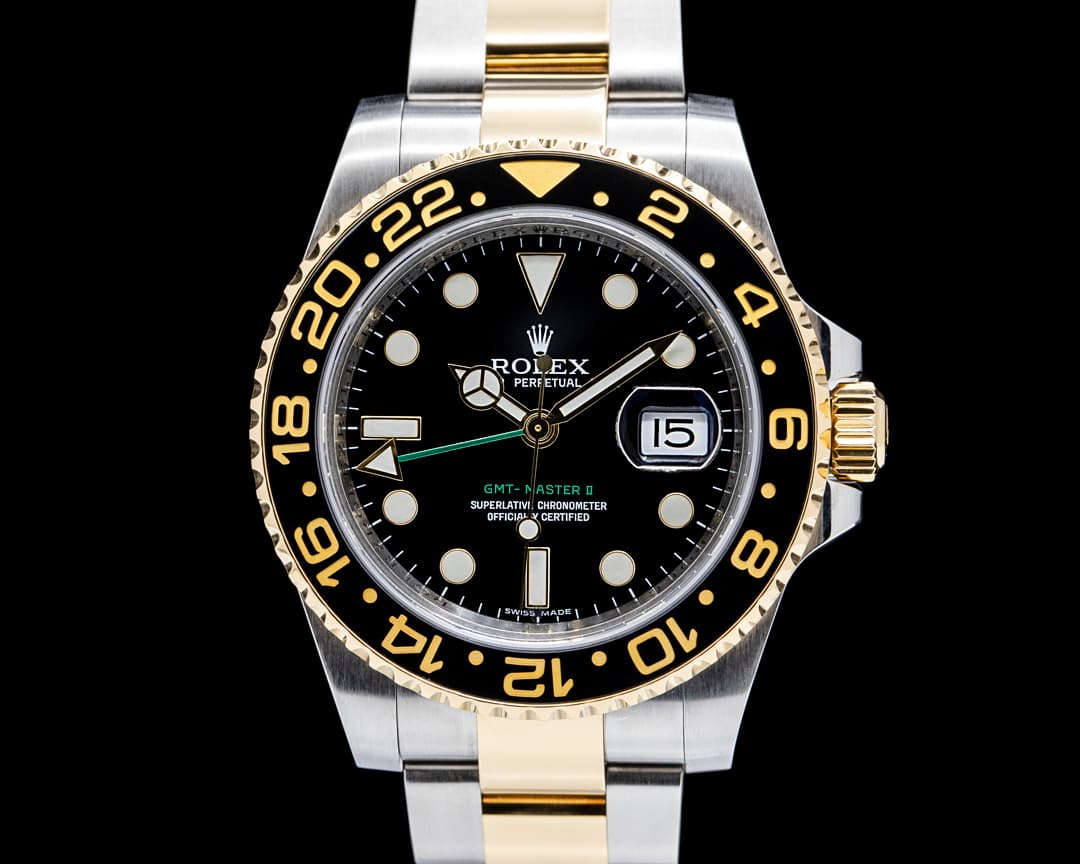
116713LN GMT Master II SS / 18K YG Black Dial
$15,500
View Watch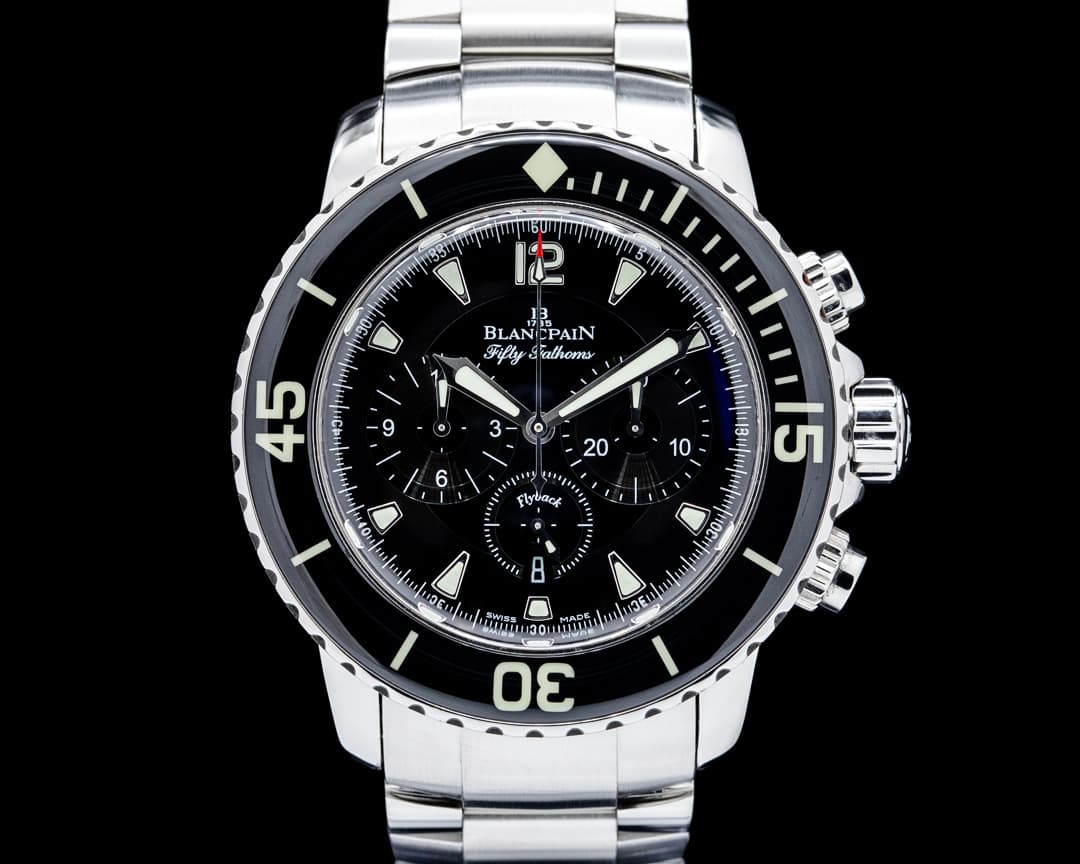
5085F Fifty Fathoms Chronographe Flyback SS Black Dial
$16,500
View Watch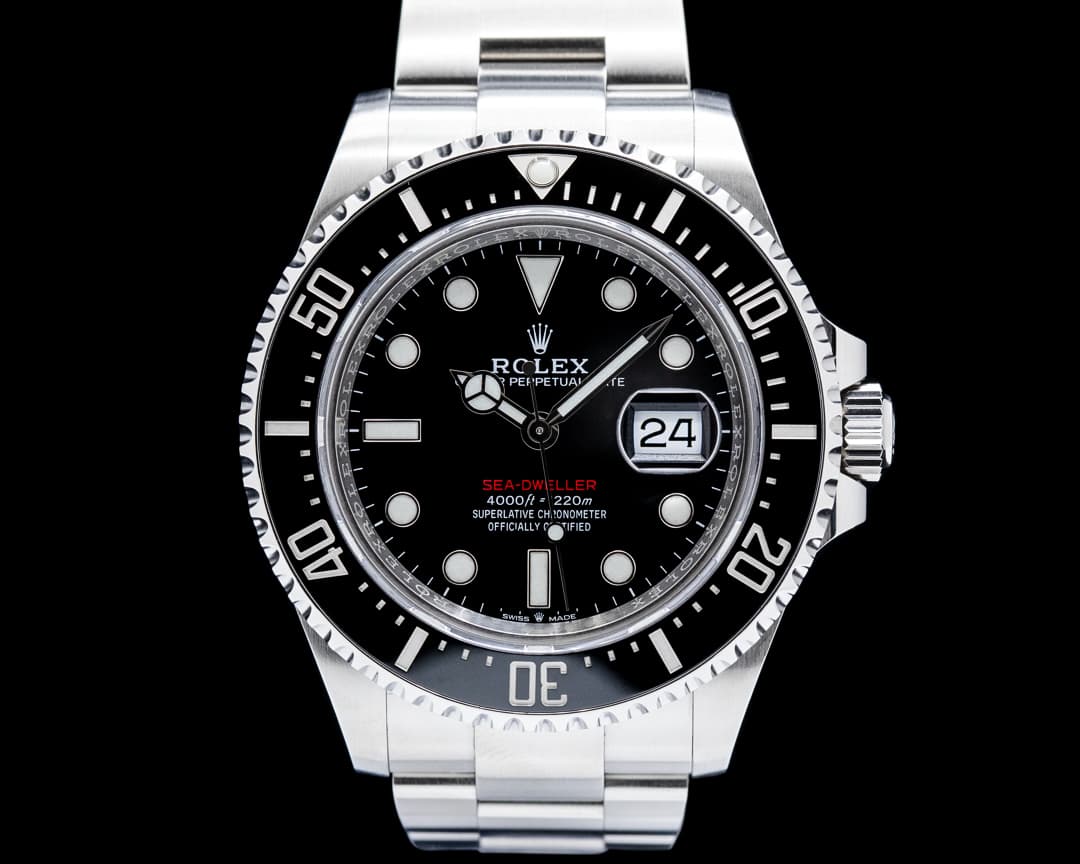
126600 Sea-Dweller Deep Sea SS Black Dial
$14,500
View Watch
Shop New Arrivals
Cintree Curvex Crazy Hours Titanium Blue Dial
$15,900
View Watch116713LN GMT Master II SS / 18K YG Black Dial
$15,500
View Watch5085F Fifty Fathoms Chronographe Flyback SS Black Dial
$16,500
View Watch126600 Sea-Dweller Deep Sea SS Black Dial
$14,500
View Watch
More Content