Don't Sleep On the 1990s: Watch Collecting’s Next Golden Decade
Published on 12/9/2025
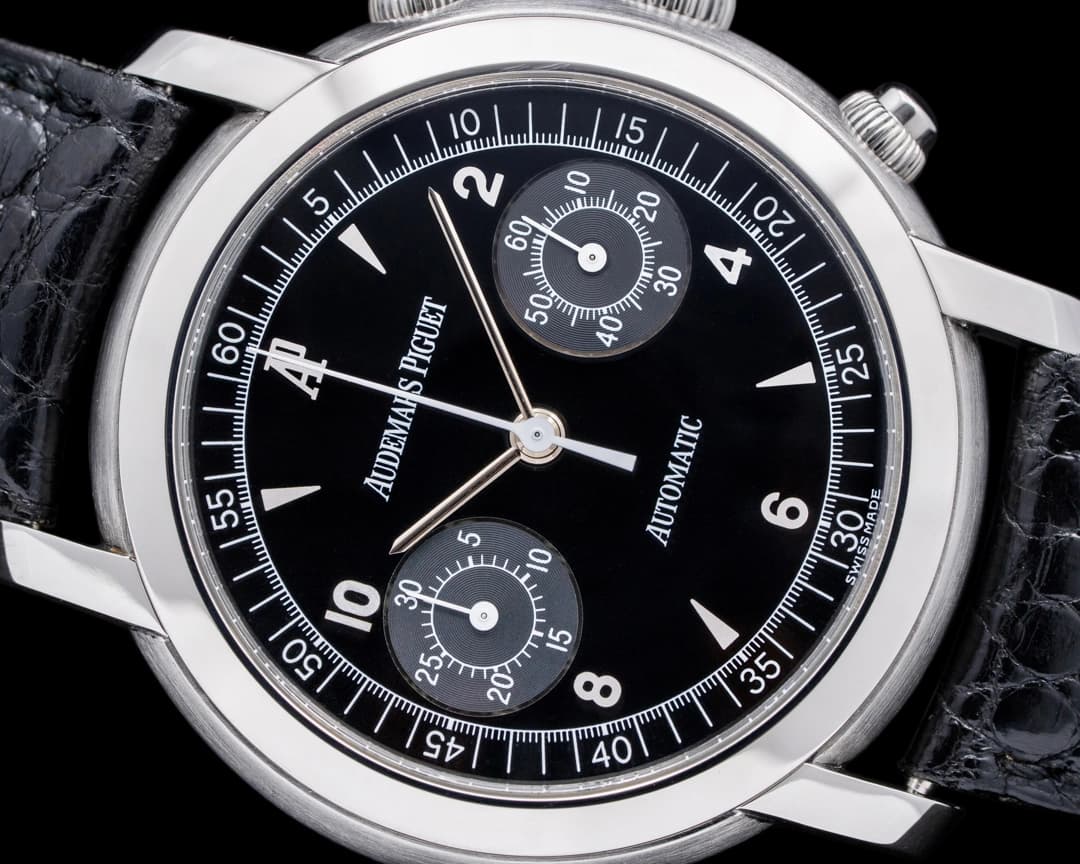
Watches from the 1990s, once treated as the quiet middle chapter between true vintage and the modern era, are now being hunted with real intent. The decade that used to feel directionless suddenly looks full of purpose. Spend any time with the watches themselves, and the change in attitude makes sense.
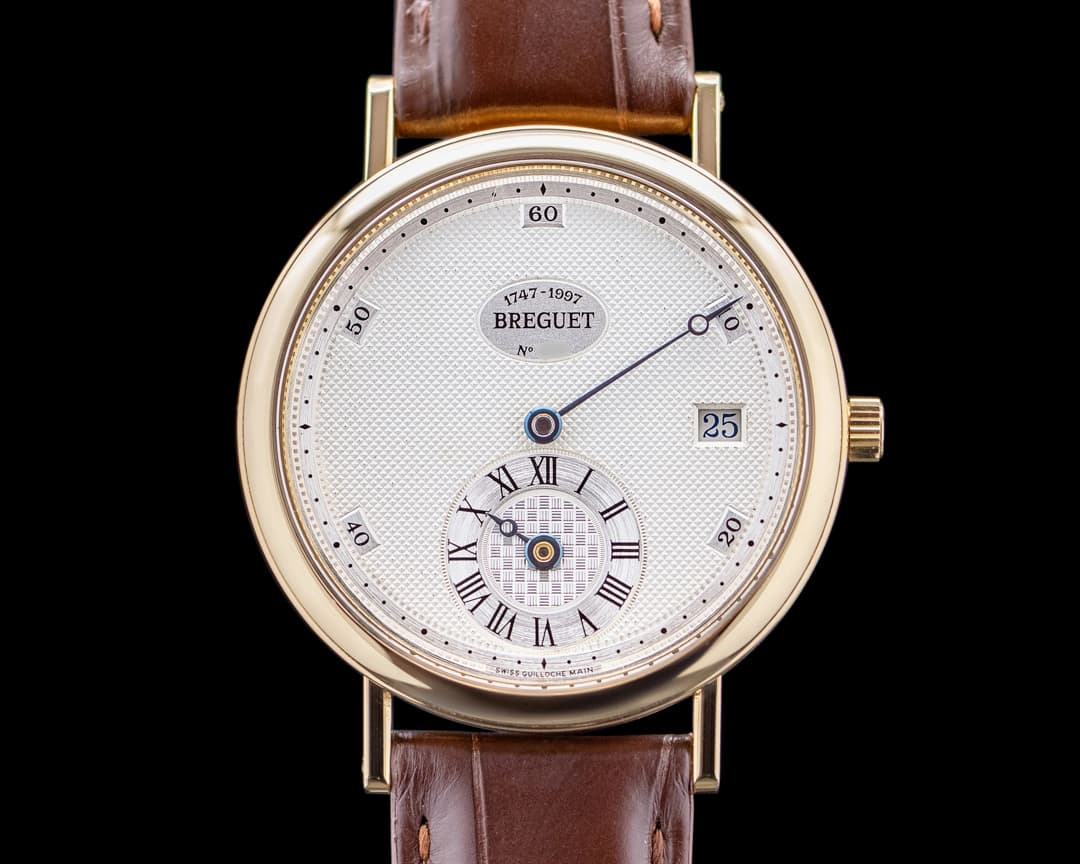
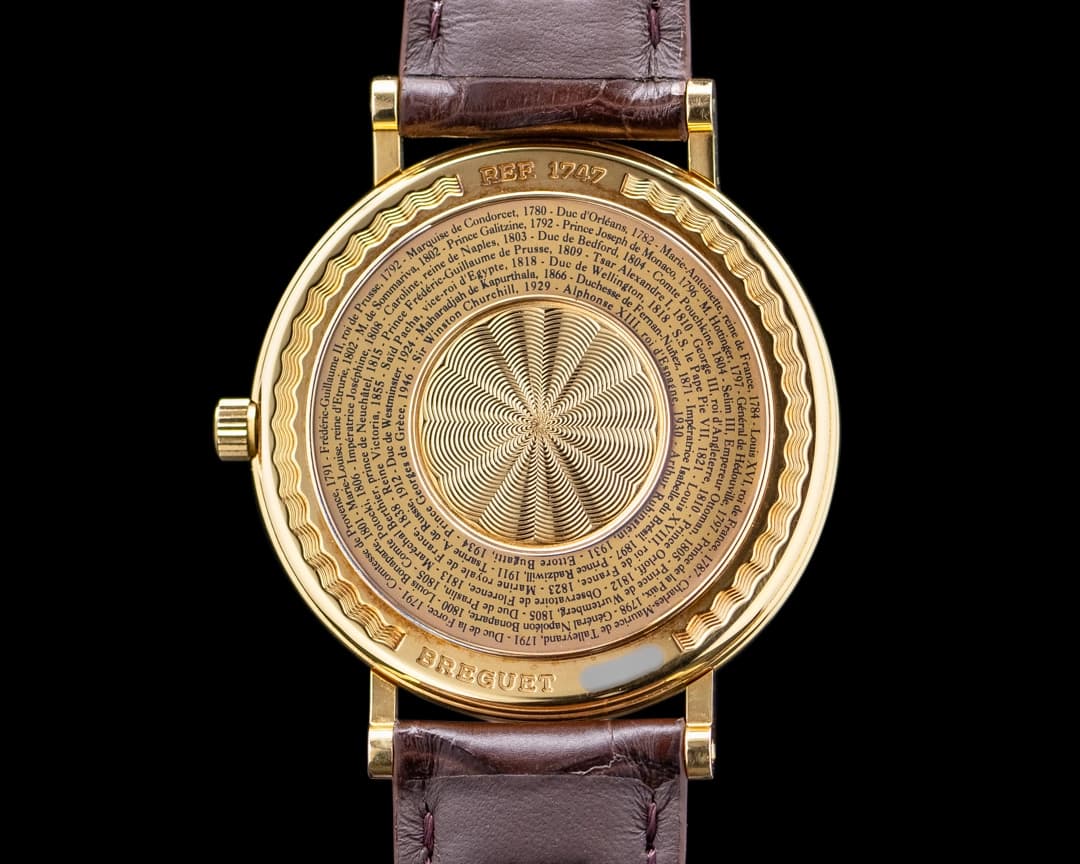
Price changes and availability reflect this shift in attitude. Vacheron Constantin, Zenith, Chopard, IWC, and Girard-Perregaux all have references from the period that are noticeably more difficult to find. Dealers who specialize in the era say their old staples no longer last long in inventory. That rising interest comes from collectors finally taking a closer look at the recent past in the face of ever-rising prices for brand new watches. People want value, and they’re looking back to the end of the 20th century to find it.
Why the nineties stand out now
Part of the appeal lies in what the decade actually achieved. The nineties combined traditional watchmaking with a newly confident, more modern approach to engineering. Movements improved, finishing quality tightened, and proportions stayed restrained enough to feel timeless. It was a period before the size creep of the mid-2000s, before luxury marketing shaped every design decision, and before the industry leaned fully into spectacle and hype.
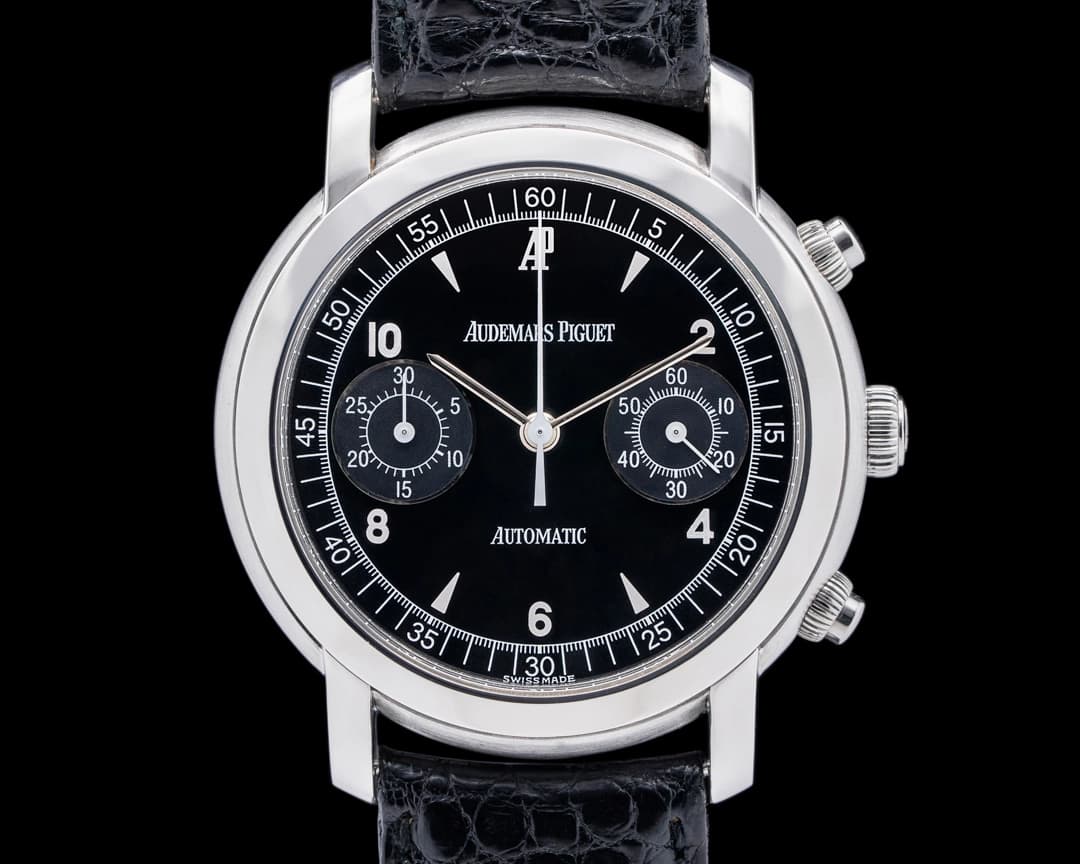
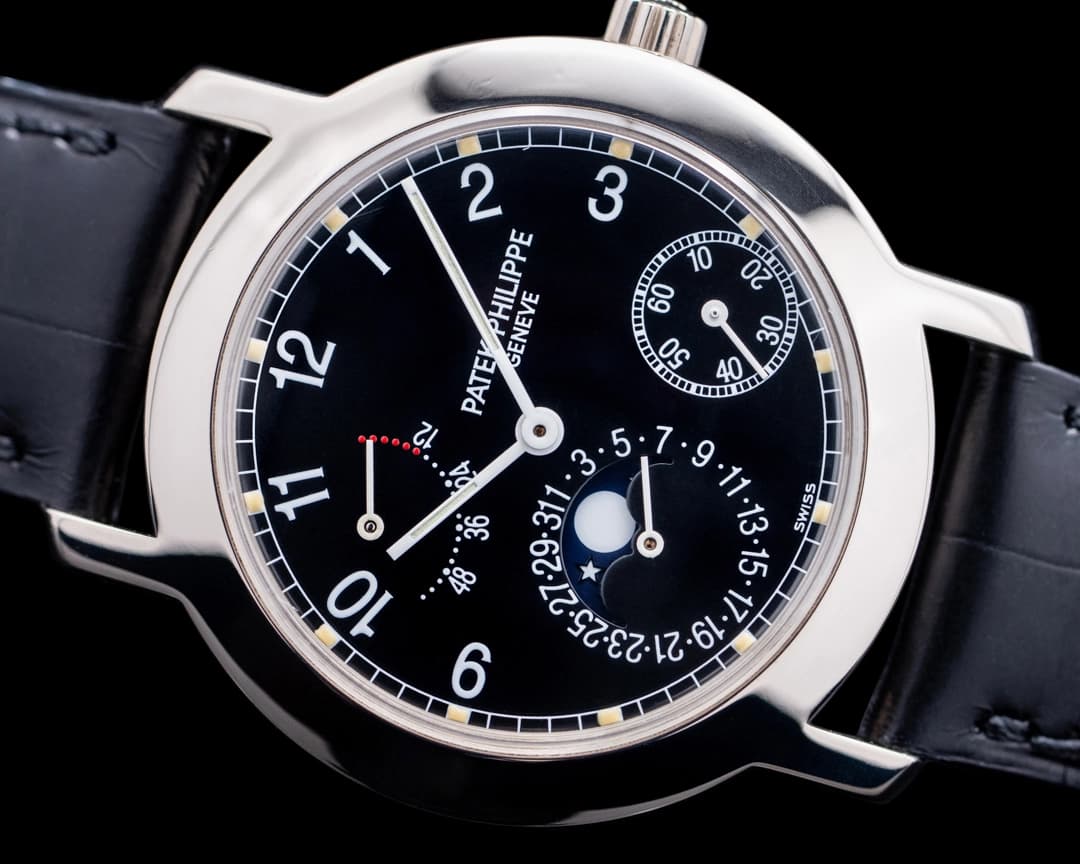
EWC watch specialist David Cote described the draw as “the aesthetic of the crossover between neo-vintage and modern styles.” He said that “a watch with greater water resistance and enhanced wearability is almost like a vintage watch, allowing you to wear it without worry.” That practical charm resonates strongly today. These watches carry character, but they’re built to cope with actual wear. The decade benefits from that balance. You get pieces with the visual warmth of older watches, yet without the fragility. Stronger seals, more consistent production standards, and sturdier crowns and pushers shifted these watches into everyday territory.
The bridge between two eras
The nineties also documented the industry figuring out what mechanical watchmaking would become next. The transition wasn’t smooth at the time, but it’s fascinating to see today. Zenith moved from classical El Primero executions into more expressive designs. IWC advanced its pilot and Portugieser collections with a clear sense of technical ambition. Vacheron Constantin revisited integrated cases and experimented with proportions. The decade shows brands rebuilding confidence after the quartz crisis, and that experimentation is part of its charm.
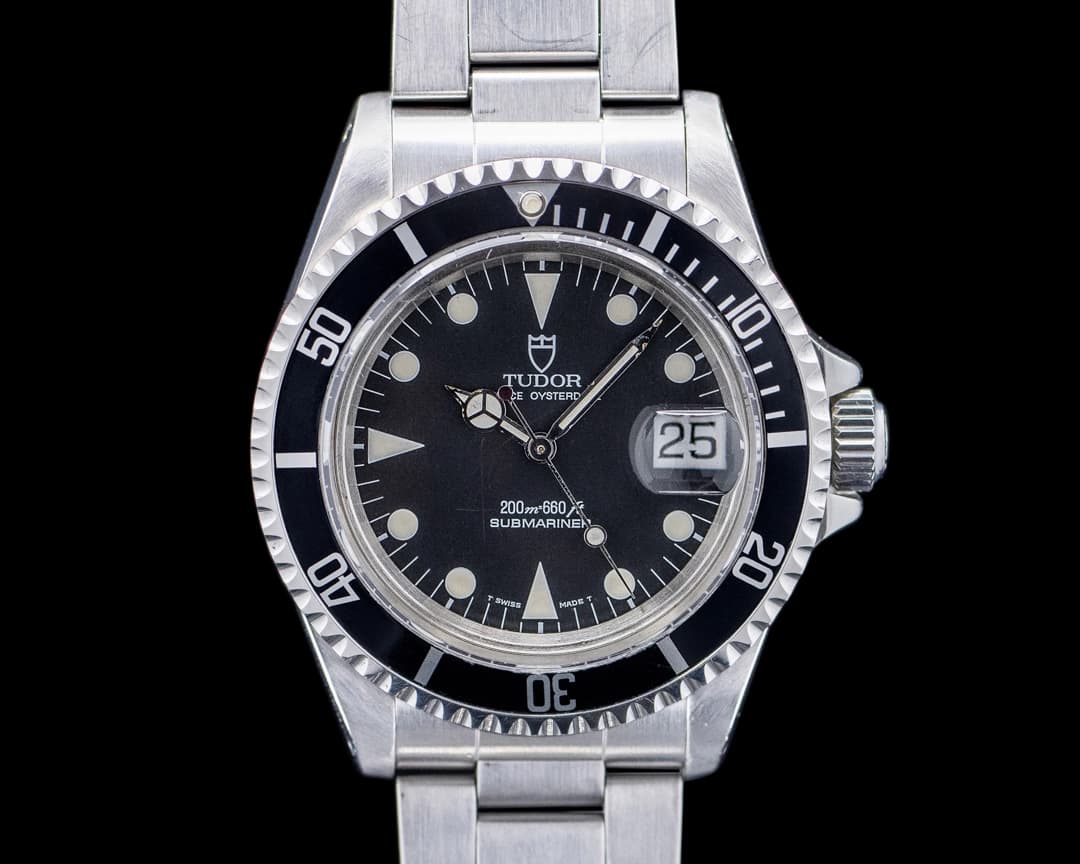
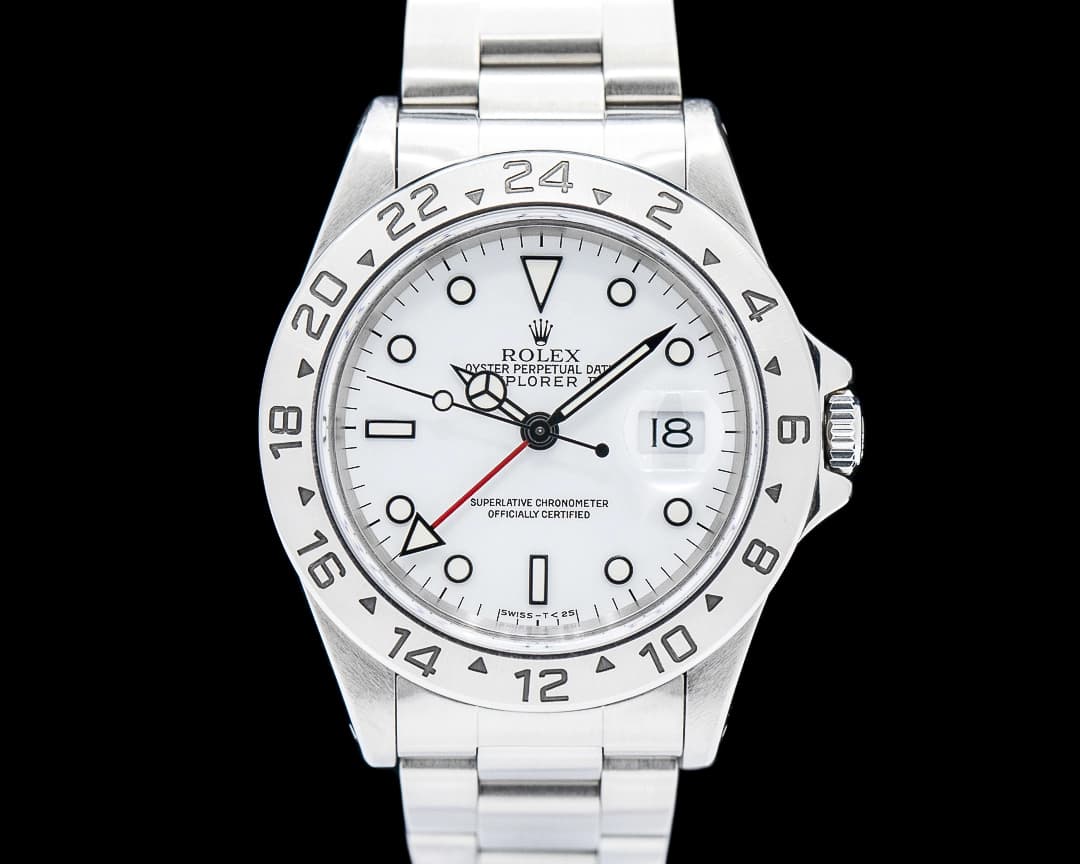
Cote pointed to several references that catch this blend especially well. He highlighted late-tritium Rolex Explorer 14270s and Polar 16570s as pieces that “bring classic sizing, tritium patina, and the last of the simpler, pre-super-case aesthetics.” For collectors with larger budgets, he pointed to the Zenith-era Daytona and said it was “often cited as a quintessential nineties reference with historically significant movements and definably nineties proportions.” He added, “It’s my favorite reference.”
He also noted that the decade’s range extends well beyond Rolex. Seiko SKX models remain, in his words, “ideal entry pieces, affordable, ISO-rated, and heavily documented.” He said IWC’s nineties pilots and early Portugieser models offered “a lot of technical and design value before the modern price creep.” And he described Blancpain’s late-nineties Leman and Air Command chronographs as “overbuilt sleepers.” The more you learn about the era, the more you see how much variety it offered.
Why collectors are returning to the decade
Nostalgia can also play a meaningful role. Neo-vintage dealer Arwind Jhand, of Tortoise Watches in London, sees this firsthand. He said that people often chase the watches they saw growing up, explaining that “kids grow up looking at the watches their parents, uncles, and aunts wear, and when they reach maturity, they tend to hunt out watches that give them nostalgic feelings.” He added that even if collectors do not consciously go looking for nineties pieces, “it leads them to looking at nineties watches.”
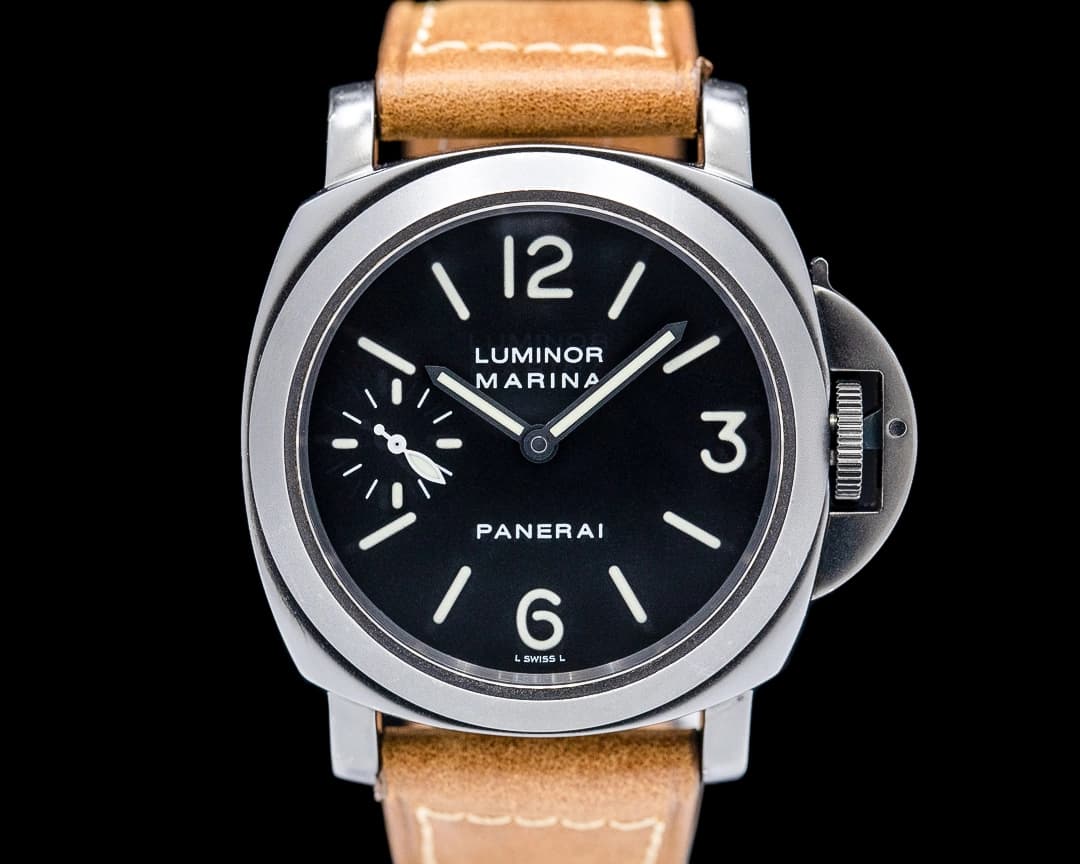
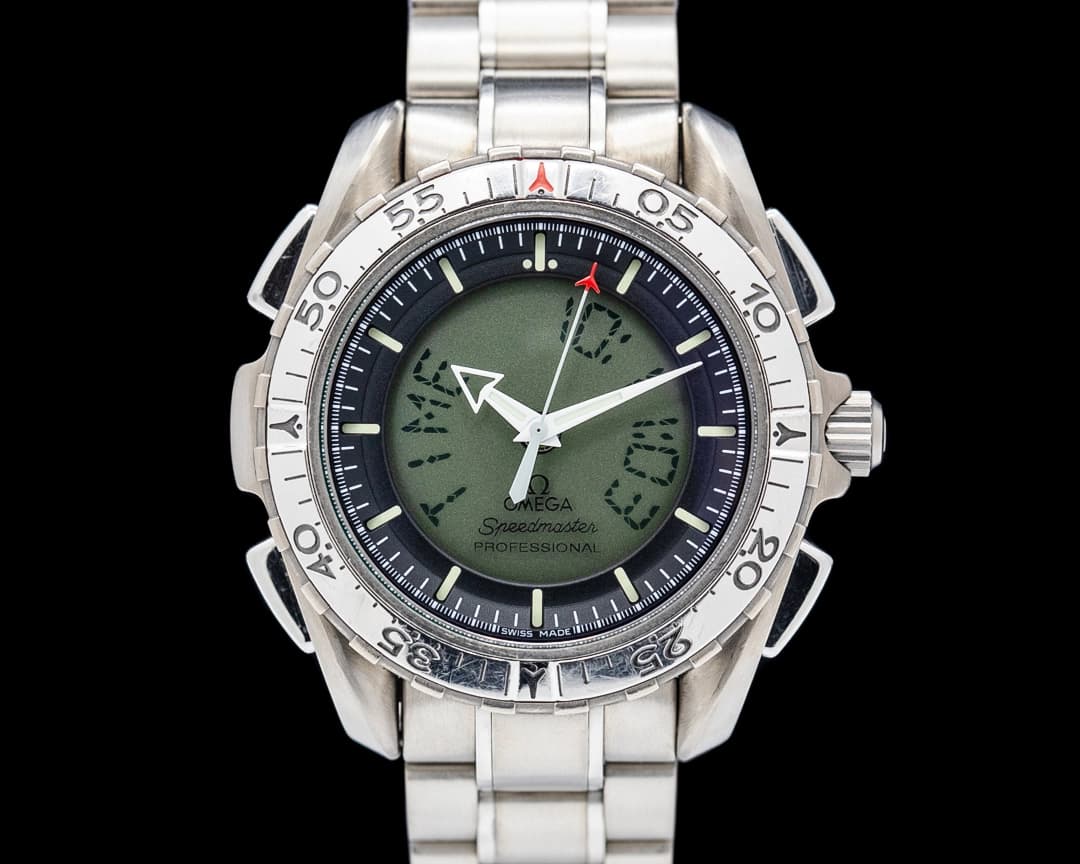
He has also watched demand change. Jhand said that “the market demand seems to be shifting away from sixties watches and more towards nineties.” The heavy hitters from the sixties still move, but he pointed out that nineties-era watches that “no one wanted a couple of years ago become very hyped.”
This change in attitude aligns with the way people are collecting now. There’s less rigidity, less pressure to chase historically important references, and more interest in pieces that simply feel right on the wrist.
A new understanding of overlooked watches
The nineties produced plenty of watches that people dismissed at the time. Jhand said this is especially true for Omega models from the period, including the Speedmaster Reduced family. Collectors used to ignore them, he said, because “they think they are not the full deal,” and he acknowledged that “reduced isn’t exactly a sexy name.” But he sees opinions shift quickly once collectors try them on. He said that “in the metal most are won over,” and pointed to the Schumacher versions as “much better than photos would suggest.” His advice was straightforward: “Don’t sleep on them too long as the word is getting out.”
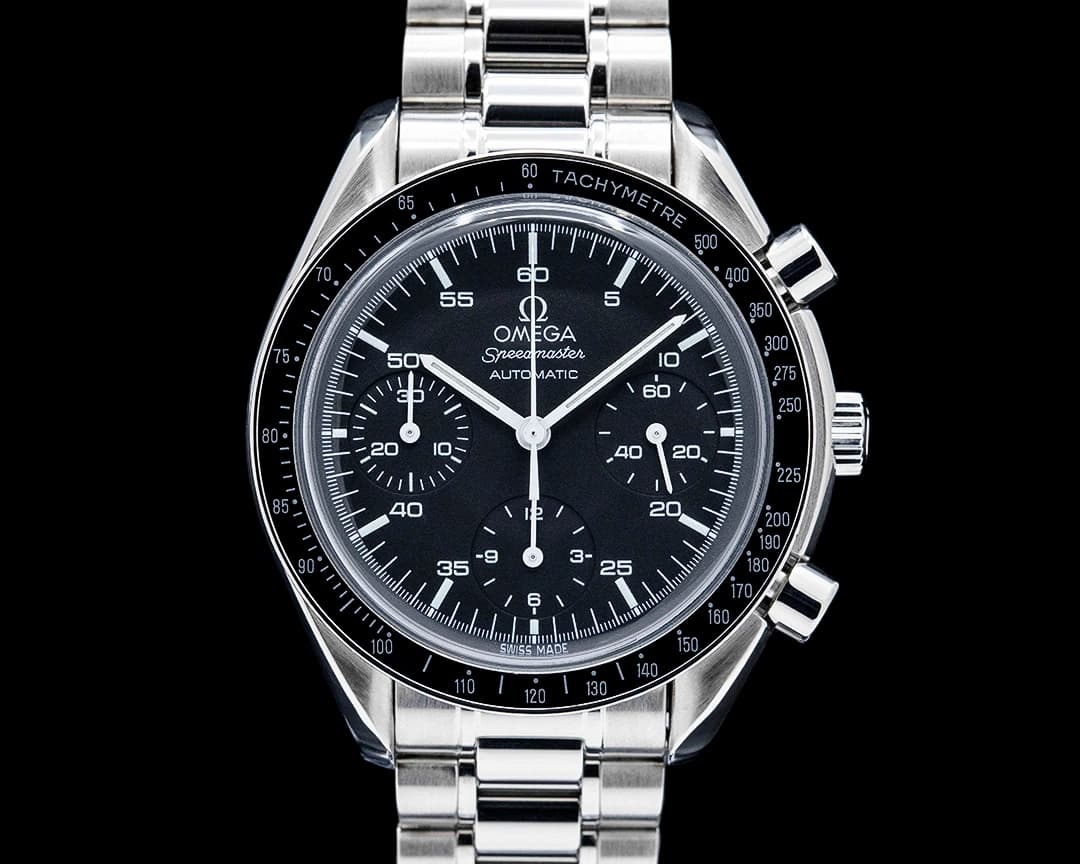
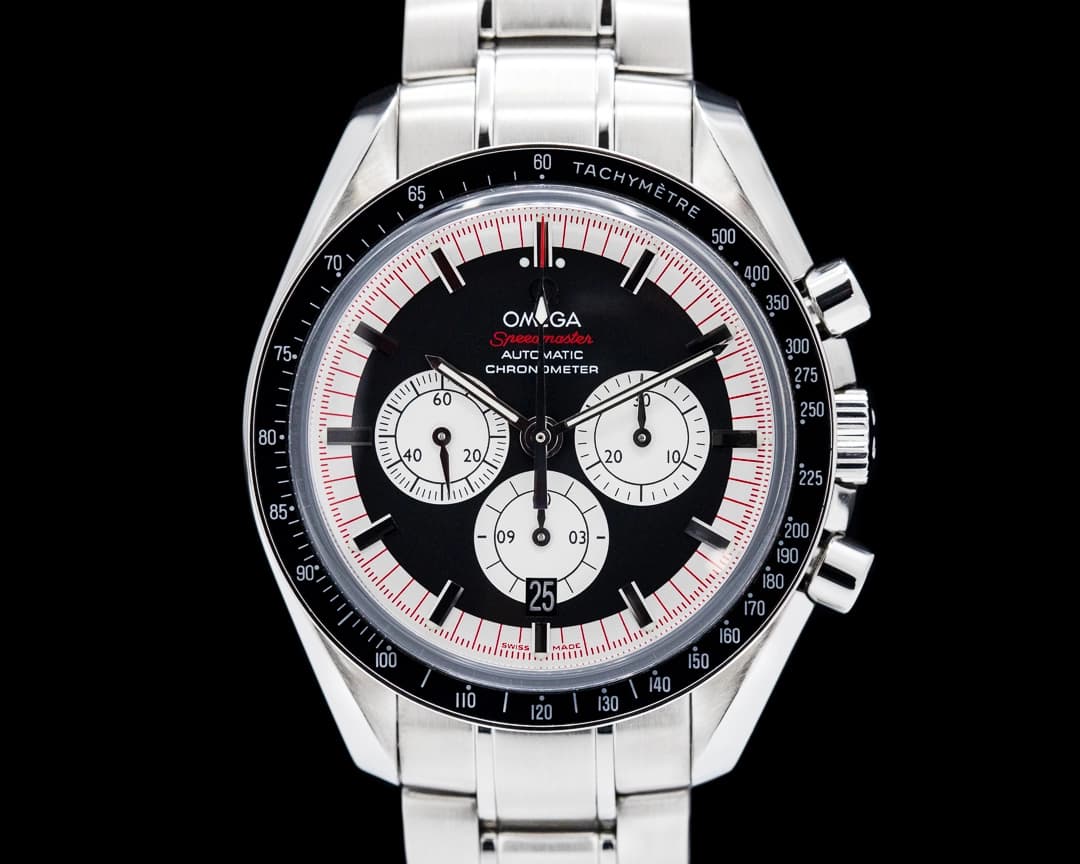
This part of the market is where the decade shines. You find unusual design choices, lower production numbers, and levels of refinement that would be difficult to replicate at the same prices today.
The decade that finally makes sense
It feels almost inevitable that collectors would return to the nineties. The decade didn’t shout for attention at the time, but it laid much of the groundwork for the modern era. It kept one eye on traditional watchmaking while quietly updating the engineering underneath, producing watches that feel grounded, wearable, and thoughtfully made.
Shop New Arrivals
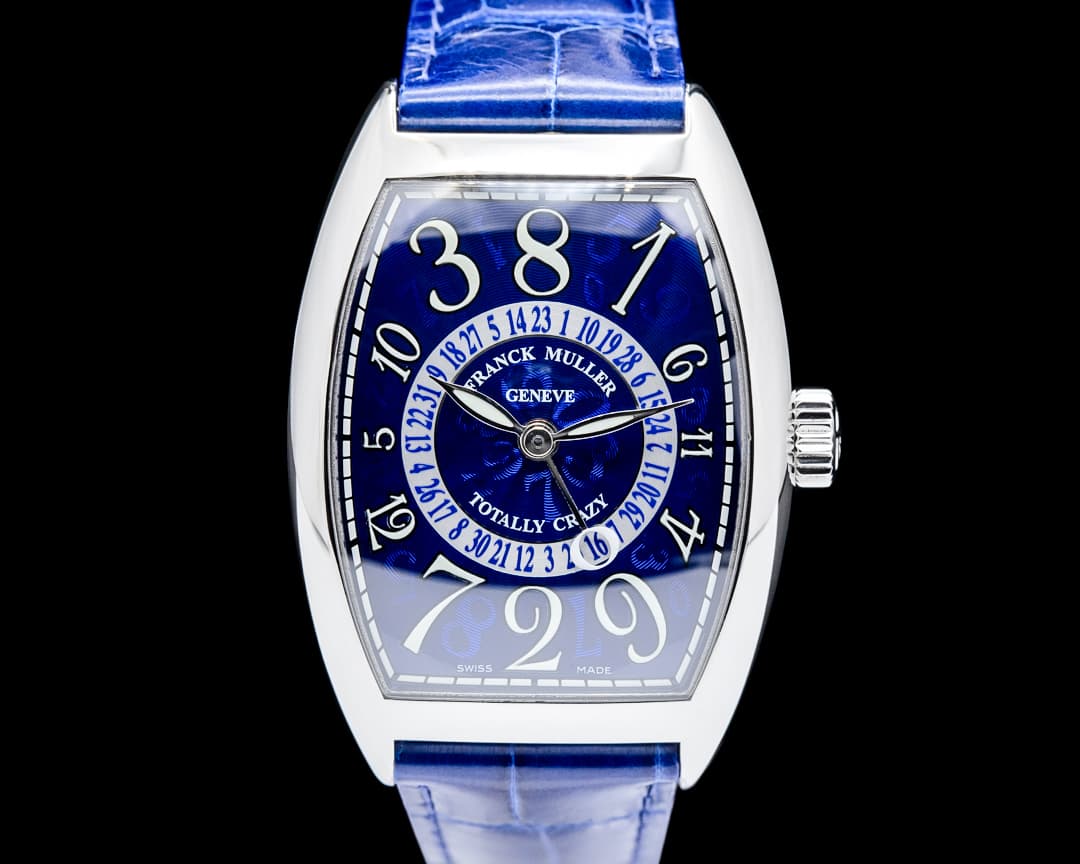
Cintree Curvex Crazy Hours Titanium Blue Dial
$15,900
View Watch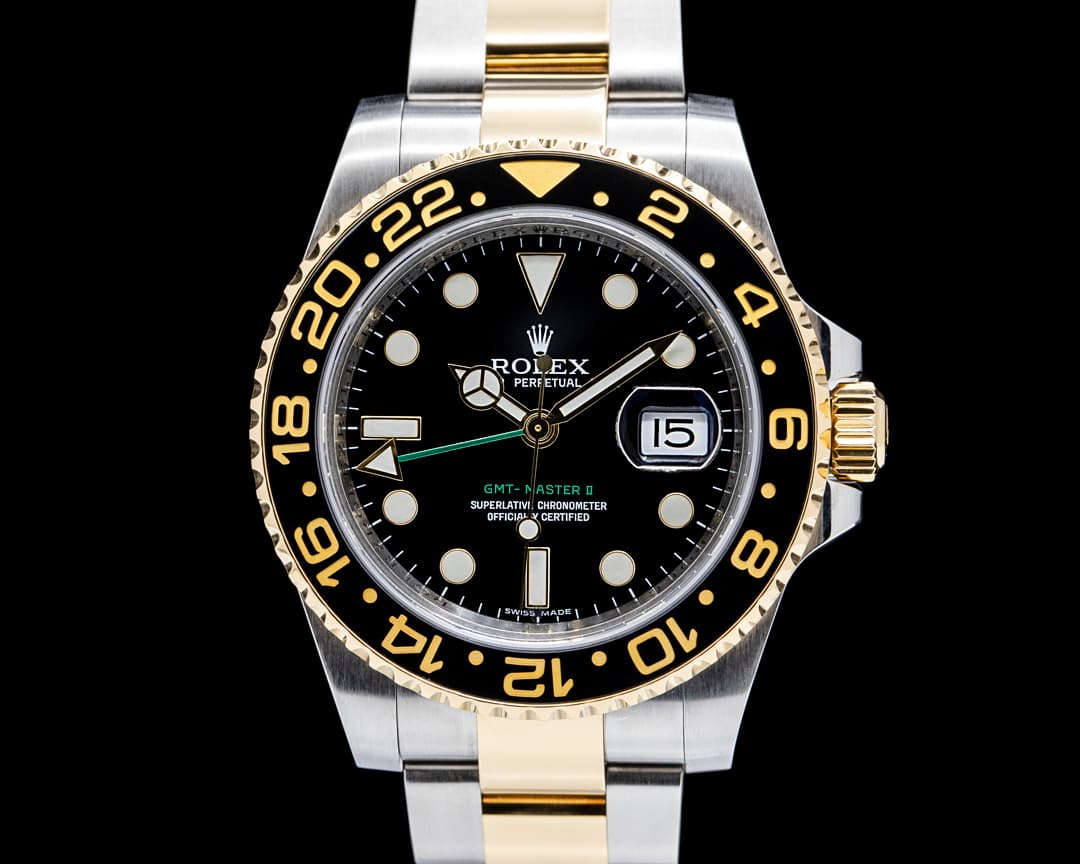
116713LN GMT Master II SS / 18K YG Black Dial
$15,500
View Watch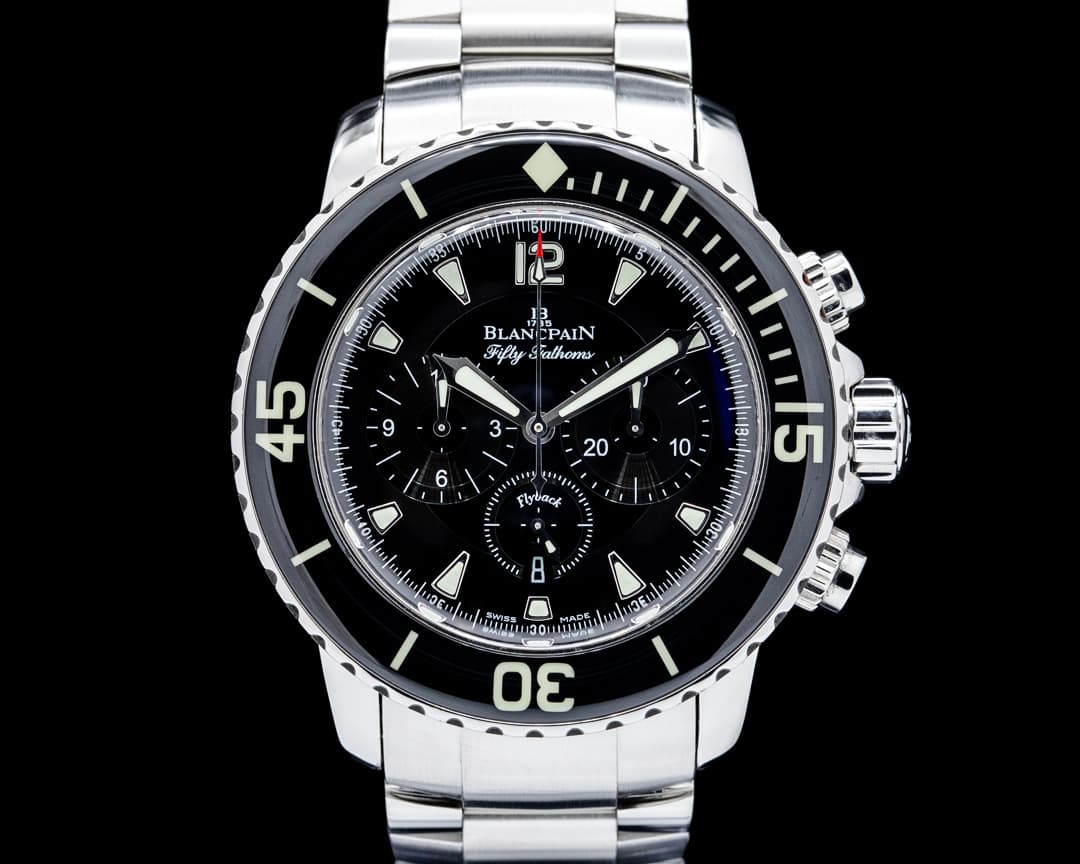
5085F Fifty Fathoms Chronographe Flyback SS Black Dial
$16,500
View Watch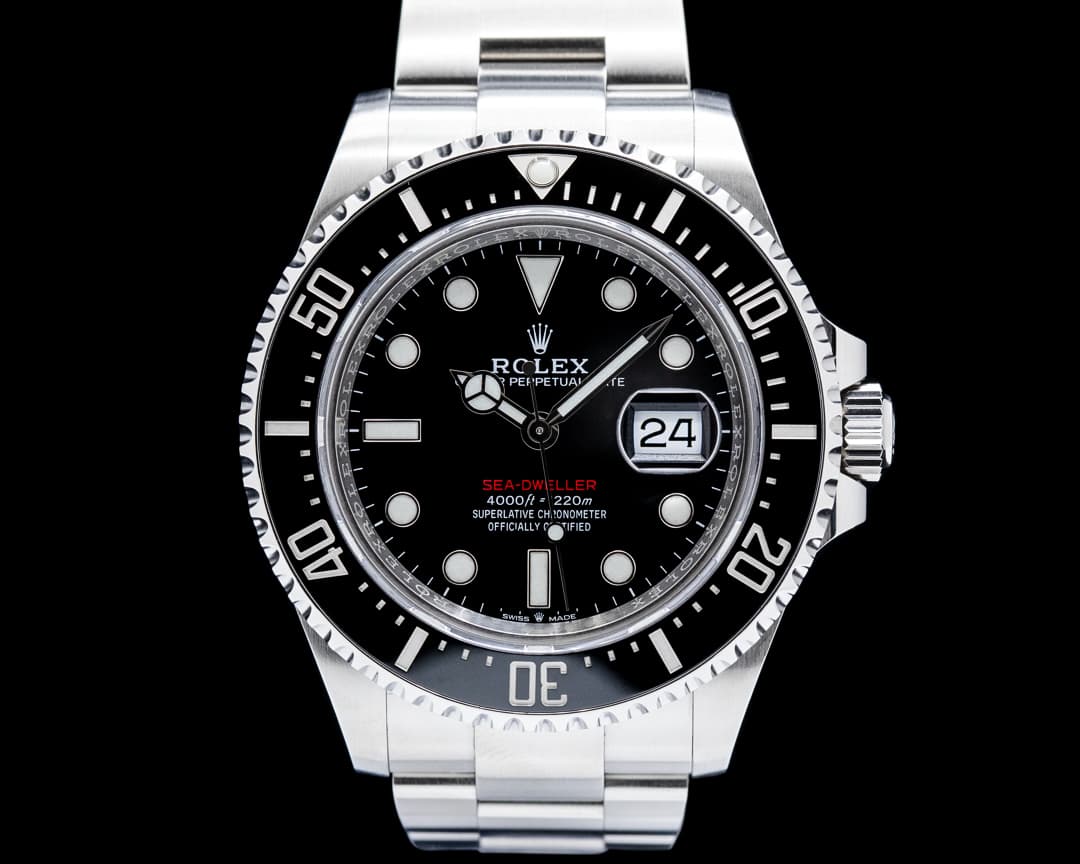
126600 Sea-Dweller Deep Sea SS Black Dial
$14,500
View Watch
Shop New Arrivals
Cintree Curvex Crazy Hours Titanium Blue Dial
$15,900
View Watch116713LN GMT Master II SS / 18K YG Black Dial
$15,500
View Watch5085F Fifty Fathoms Chronographe Flyback SS Black Dial
$16,500
View Watch126600 Sea-Dweller Deep Sea SS Black Dial
$14,500
View Watch
More Content