Why "Which Watch Should I Buy?" Is the Wrong First Question
Prescriptive first-watch advice is structurally flawed. It treats the purchase as a product recommendation problem when it's actually a personal logic question. The advice-giver fills the space where your own reasoning should go.
The result is a category of buyer who purchases a Submariner because everyone said to, wears it twice, and quietly realizes it's too thick under a dress shirt, or too loud for the context where they spend most of their time. The watch is fine. The decision was wrong.
The prior questions are three, and they run in order. First: when and where do you actually wear a watch? Second: how long do you plan to own this one? Third: what do you understand about how this kind of watch behaves on the secondary market? That third question is optional if your holding horizon is genuinely indefinite and you have no interest in treating this as anything other than an object you love. But most first-time buyers in the $5,000-$25,000 range are not in that position, and the honest framing is that they're making a financial decision alongside an aesthetic one, whether they want to be or not.
Work through those three questions and the category, dress watch, sport watch, complication, tool watch, almost selects itself. Brand comes after category. Reference comes after brand. You're not narrowing a list; you're eliminating whole swaths of the market by logic rather than taste, which is faster and less likely to produce regret.
The Wearing Question: Context Before Category
Where does this watch actually go?
That's not rhetorical. Think through a real week. You're in an office, or you're not. You work with your hands, or you don't. You wear a jacket most days, or you wear one twice a year. You're outdoors on weekends or mostly indoors. You want one watch that handles everything, or you're comfortable owning something you wear selectively.
These details eliminate categories fast, and they do it logically rather than preference. A 42mm steel tool watch with a ceramic bezel and 300 meters of water resistance is a genuinely excellent object. It is also, under a dress shirt cuff, a minor problem: too thick, too assertive, and in the wrong conversation with the clothes. A thin dress watch in yellow gold is a genuinely excellent object too, at a weekend barbecue or on a sailing trip, it becomes a watch you'll spend mental energy protecting. Neither judgment is about quality. It's about fit between object and context.
The most common wearing-context mistake isn't buying the wrong category. It's buying a watch for an idealized version of your life rather than your actual one. Someone who pictures himself at weekend dinners and black-tie events but spends most of his time in client meetings and casual Saturdays has made a different life assessment than the watch requires. Buy for the life you actually have.
If you wear a suit four days a week, a dress watch earns its place. If you're casual most of the time and occasionally formal, a versatile sport watch handles both ends with less friction. If you're genuinely active, water, impact, outdoor environments, a proper tool watch is ideal. The category follows from honest self-assessment.
There is a subset of buyers for whom none of this applies because they intend to wear whatever they buy daily, full stop, and want one watch that does everything adequately. That's a real preference and a reasonable one. It points toward a specific brief: 36mm-40mm, steel, mechanical, legible dial, moderate water resistance, not dressy enough to feel wrong casual, not sporty enough to feel wrong formal. The Rolex Datejust occupies this space. So does the Tudor Black Bay 36, and several references from Omega and Longines. The "does everything" watch is harder to find than it sounds.
The Holding Question: How Long Do You Plan to Own This?
Most buyers don't want to think about their watch as a financial asset. That preference is understandable and, for a certain kind of buyer with a long horizon and strong conviction, entirely correct. But a first-time buyer in the $5,000-$25,000 range who doesn't examine their holding horizon is skipping a variable that will matter.
The holding horizon question is this: do you expect to own this watch in ten years, or are you open to selling it in three to five?
If your honest answer is "I'll probably want to upgrade or change," then secondary market behavior is part of the decision criteria right now. Not because you should buy a watch you don't want in favor of one that appreciates, that's a different and worse mistake, but because, at equal desirability, the watch with better resale trajectory is the better financial decision. Ignoring that isn't principled. It's just avoiding an uncomfortable variable.
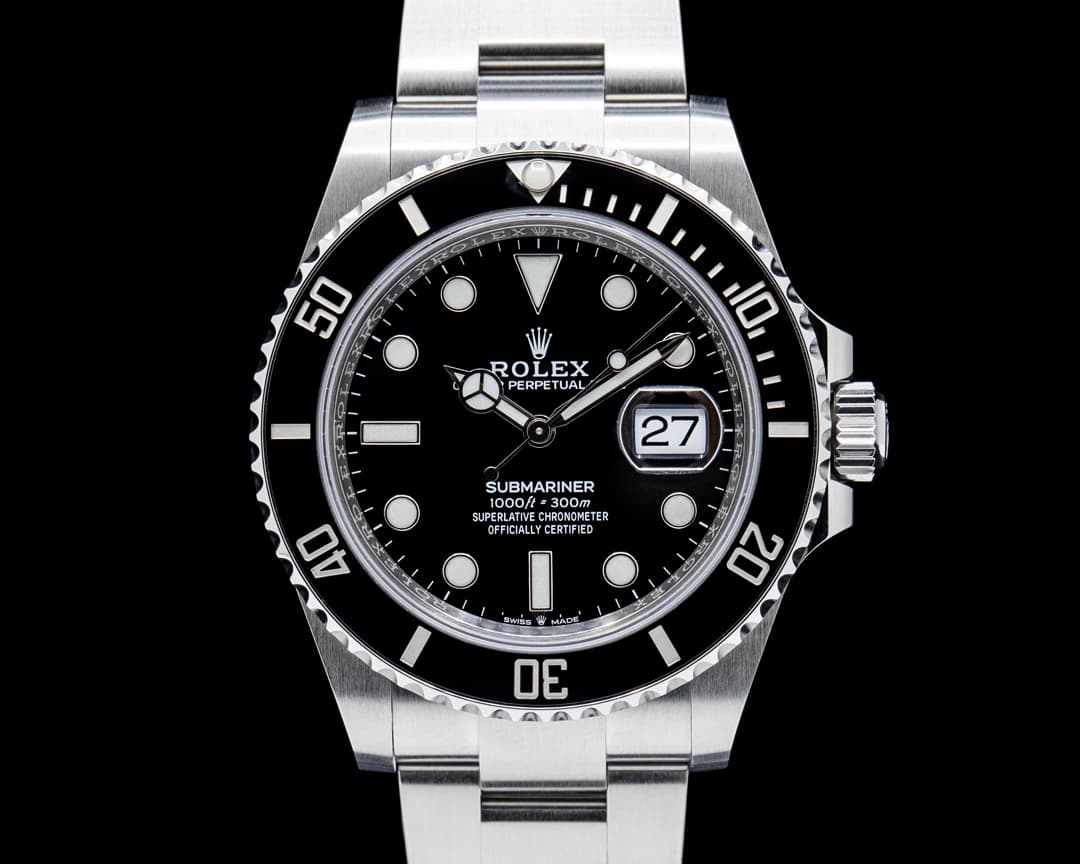
The data is fairly clear. Rolex steel sport references, the Submariner, the GMT-Master II, the Daytona, retain 85-120% of retail value on the secondary market. The ref. 126610LN Submariner retailed at $10,250 in 2026 and was trading pre-owned with full set at $13,000-$14,500. The premium exists partly because authorized dealer waitlists for steel sport Rolex models run 12-24 months, pushing demand into the secondary market. The watch traded above retail even after the post-pandemic peak of roughly $18,000 in early 2022 settled out, down 15-20% from that high, but still above where you'd buy it new.
That's an unusual situation. Most watches don't do that. A well-maintained Omega Speedmaster Professional typically retains 75-85% of its value after years of daily wear, which is not bad but meaningfully different from a Submariner's profile. For brands without strong secondary market demand, controlled supply, and a genuine collector community, 30-50% depreciation from retail is not unusual.
"Holding value" also deserves precision. In the context of luxury watches, it typically means price stability on the secondary market. If you buy at a discount preowned and the watch stays at that price, even if its 50% of retail, that is a predictable situation for a collector.
For a buyer with a short-to-medium horizon, this creates a practical hierarchy. High-liquidity references from brands with strong secondary market presence belong at the top of the consideration list when other factors are comparable. That's not buying a watch for investment; it's acknowledging that the exit option has real value.
How to Read Secondary Market Data Without Getting It Wrong
Auction results and dealer asking prices are research tools. They are not price guarantees, and reading them as such is a reliable path to bad decisions.
Auction results show transaction prices: what a specific piece, in a specific condition, sold for on a specific day to a specific buyer. They're useful for establishing the range of what a reference has commanded. They're less useful for establishing what your watch will sell for, because condition variation within a single reference is significant. Two ref. 126610LN examples with identical case and bracelet can trade thousands apart based on dial freshness, lume condition, case sharpness, and whether the full set is present.
Dealer asking prices are not transaction prices. The gap between asking and selling is real, and it varies by market conditions, reference, and urgency. A dealer with a well-priced, high-liquidity piece in strong condition may sell quickly at asking. A dealer sitting on a slower reference may be more negotiable than the listing suggests. The asking price tells you where the market is; the transaction price tells you where the market is doing business.
Reference-level variation deserves specific attention. "Rolex Submariner" is not a unit of analysis for pricing purposes. A no-date ref. 114060 and a date ref. 126610LN are different watches trading at different levels. Within the 126610LN, a full-set 2025 example trades meaningfully higher than a 2021 example with missing papers, even if both are mechanically identical. Watches without complete box and papers typically trade 5-15% below full-set examples; on higher-value references, a complete set can add 20-40% relative to a documentation-free example. That is not a small number, and it explains why box-and-papers condition is worth examining carefully before purchase.
The practical rule: when you see a market price for a reference, note the condition and documentation status that produced it. A "comparable" sale is only comparable if the condition actually matches. Most first-time buyers compare prices across mixed conditions and either pay too much for a complete example or expect too much from an incomplete one.
One other thing about secondary market data: trajectory matters as much as level. A reference trading at a strong premium that has been declining for eighteen months is a different asset than one trading at the same premium that has been stable. The ref. 126610LN's post-2022 correction, settling roughly 15-20% below its peak, is the normal behavior of a desirable reference that got caught in a speculative moment. The baseline it's settled toward is still above retail. That's a different story than a reference losing ground steadily without a clear floor.
Putting the Framework Together: A Decision Sequence
The sequence runs like this: wearing context first, holding horizon second, secondary market behavior third, then category and brand, then specific reference. Not a flowchart, the variables inform each other, but a priority order that prevents you from picking a reference before you've answered the questions that determine which references should be on the table.
Here's how it plays out across a few different buyers.
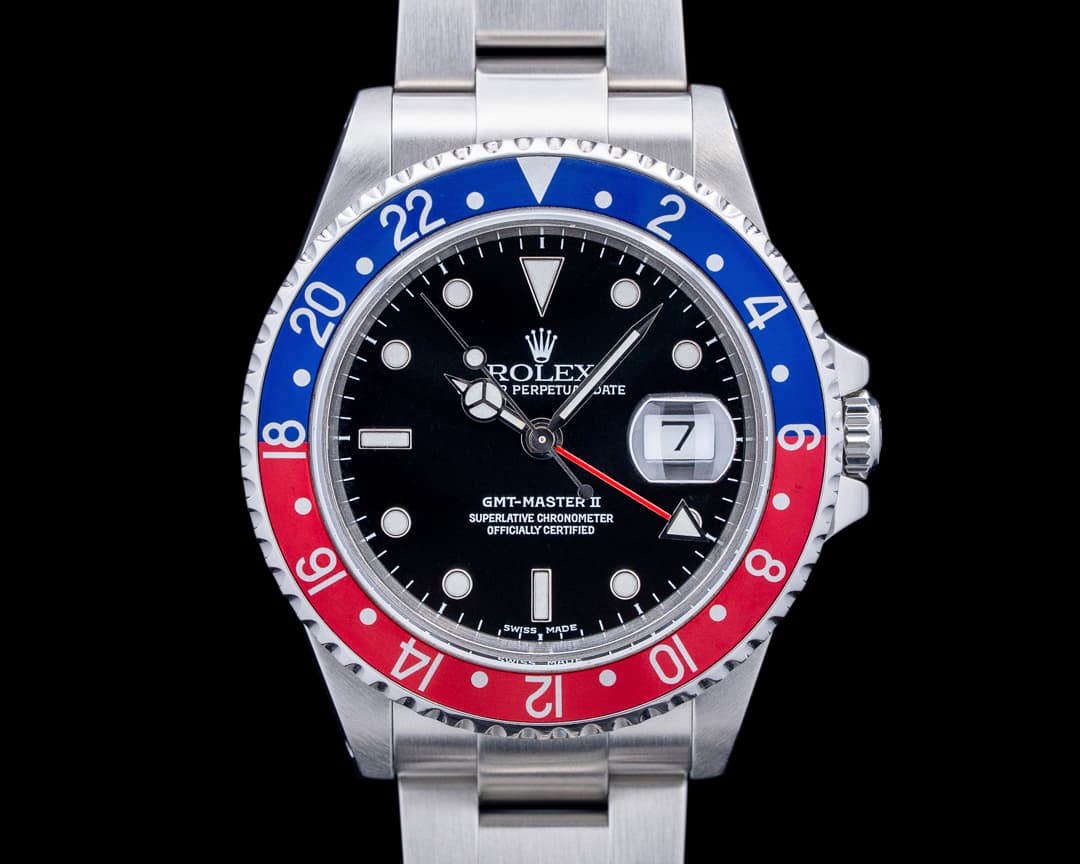
The daily-driver buyer with a medium horizon. Wears a watch every day, casual-to-business-casual environment, intends to wear this piece hard for three to five years and then reassess. The context filter points away from precious metal dress watches and toward steel sport. The holding horizon is medium, so secondary market behavior matters: this person benefits from a high-liquidity reference with a predictable resale trajectory. The category is steel sport, the tier is $10,000-$15,000, and the reference logic points toward the Rolex Submariner or GMT-Master II, not because those are the "best" watches, but because they fit the wearing context and the holding horizon simultaneously. The ref. 126610LN at $13,000-$14,500 pre-owned with full set is a real number, and the exit path from it is cleaner than from almost anything else in the category.
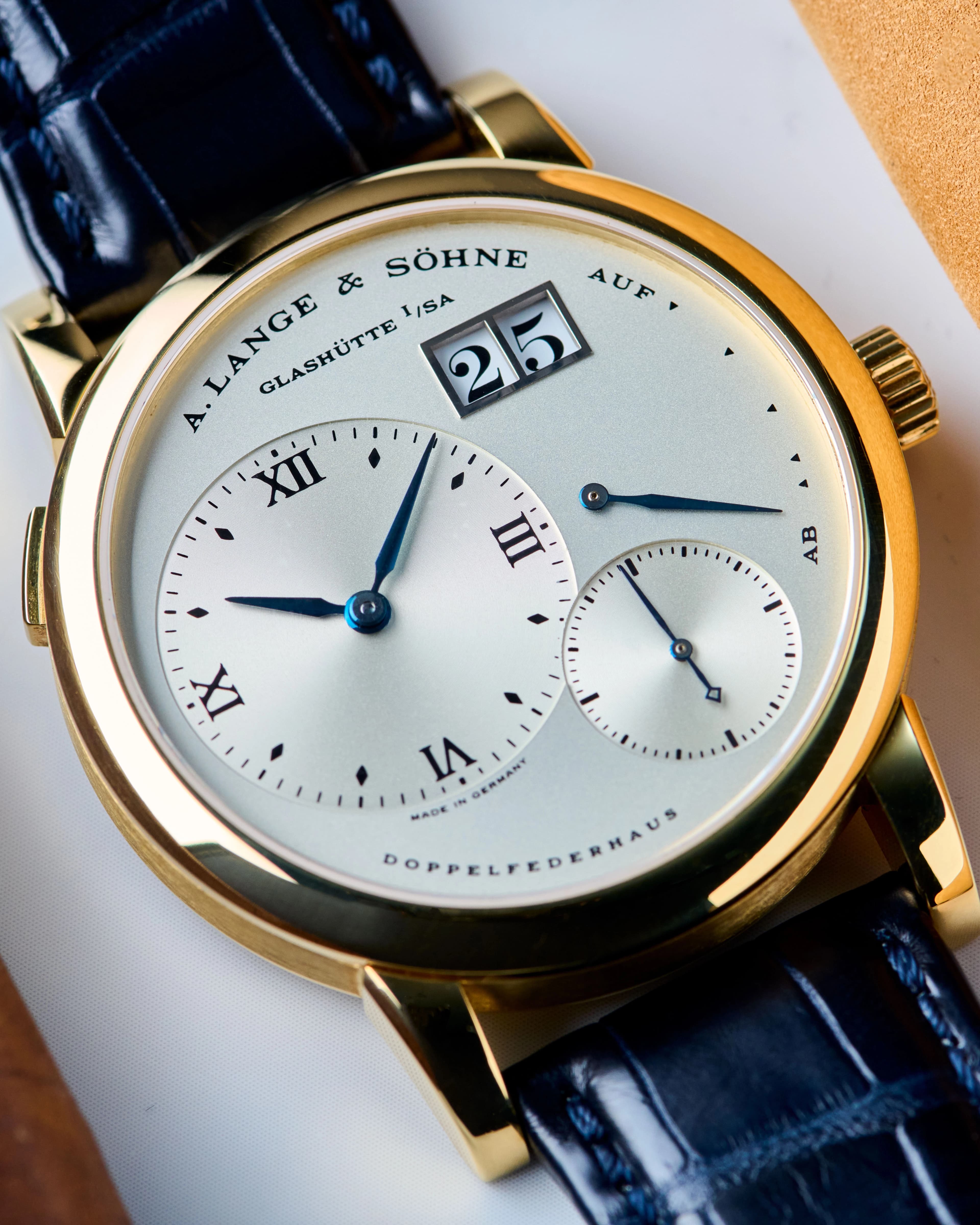
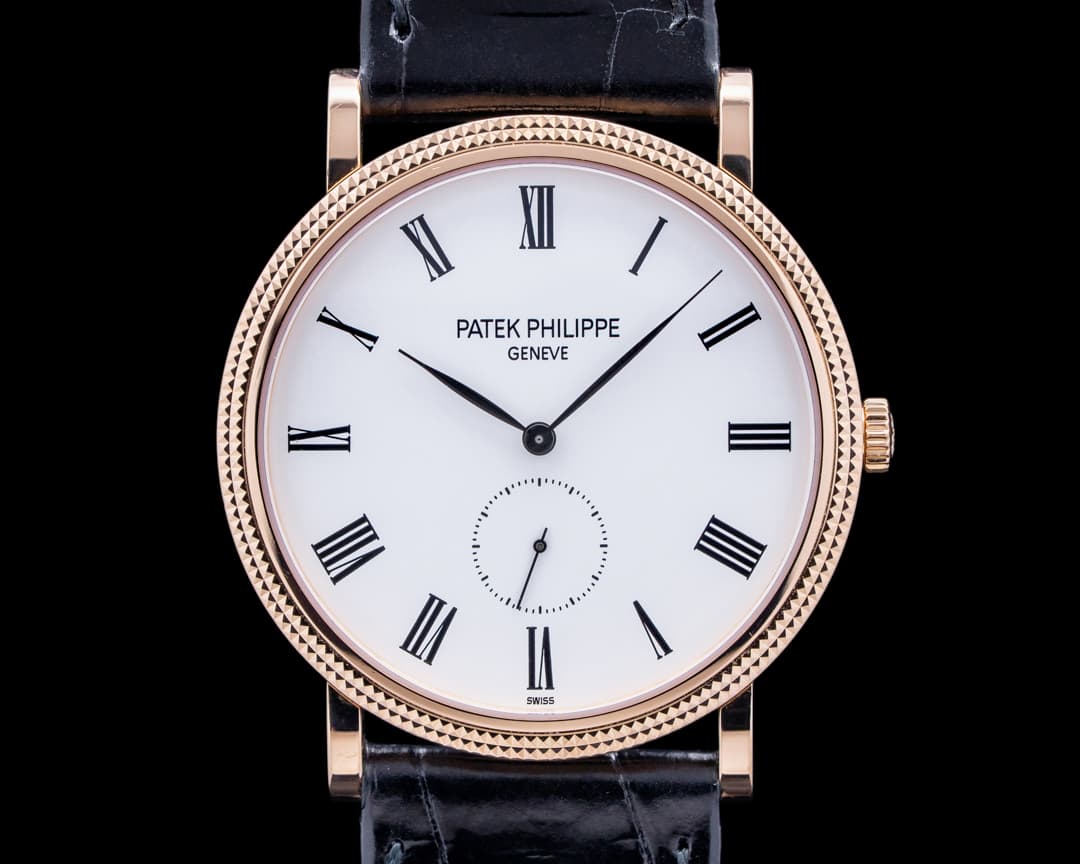
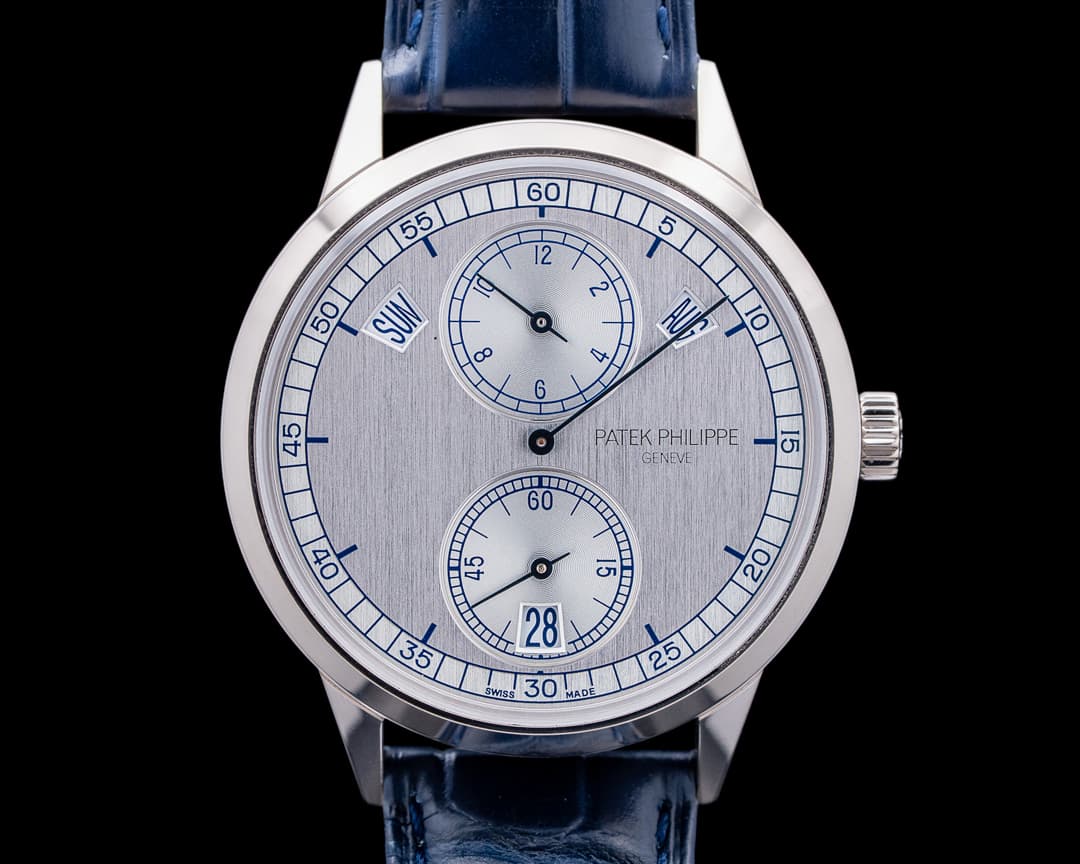
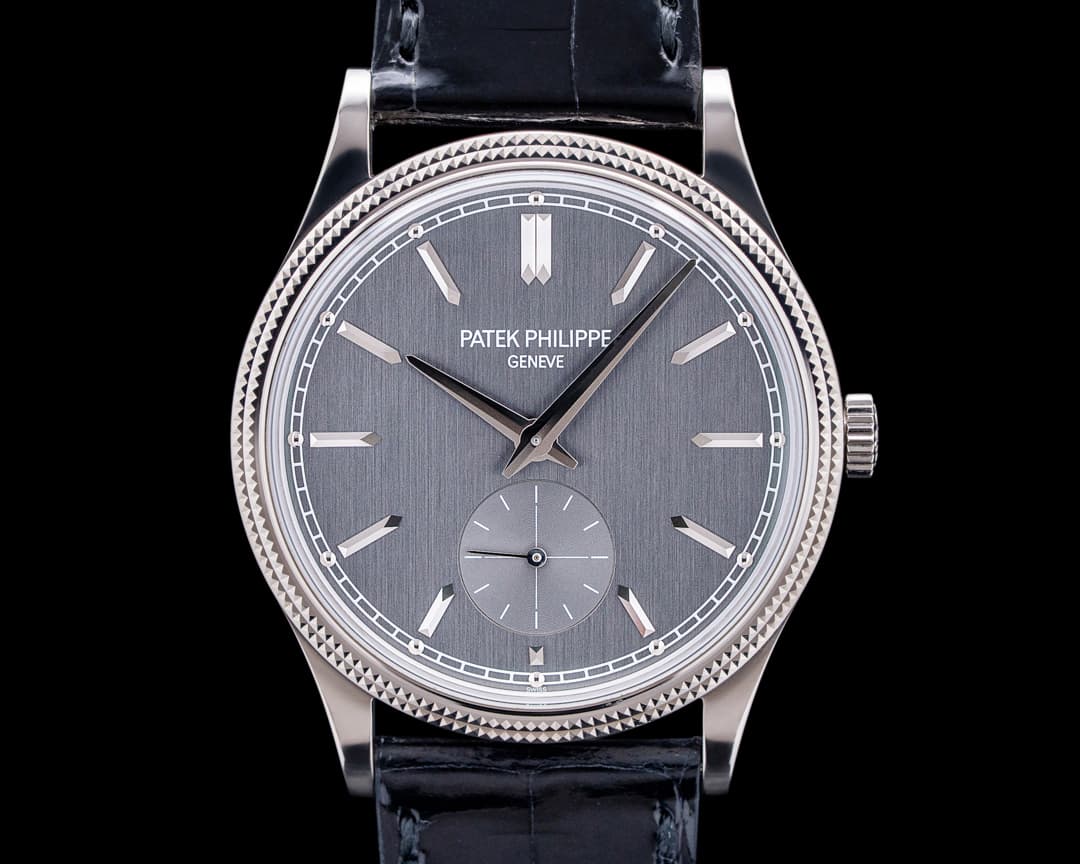
The occasional-wear buyer with a long horizon. Works in a formal professional environment, wears a watch two to four times a week mostly under a jacket, and expects to keep this piece for a decade or more. The use case points toward a thinner case and a cleaner dial, something that works at a dinner or a conference without demanding attention. This buyer can afford to care less about secondary market liquidity because the holding horizon is long. The Patek Philippe Calatrava is the obvious category anchor, averaging around $24,000 with entry references starting lower, but the Omega De Ville or an A. Lange & Söhne entry-level piece are honest considerations depending on budget and aesthetic sensibility. Because the horizon is long, resale trajectory is secondary to desirability and daily satisfaction.
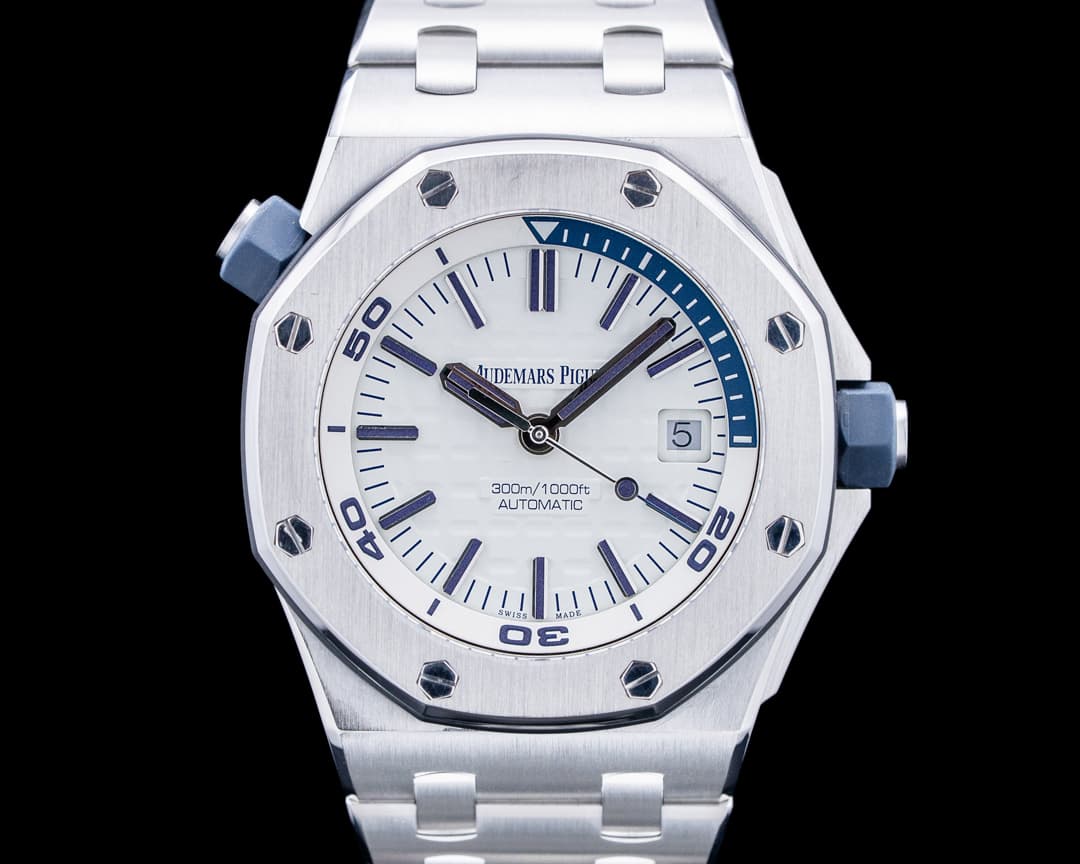
The under-$5,000 first buyer. Newer to the hobby, wants to understand how a mechanical watch wears and whether the passion is real before committing $10,000 or more. This is a completely coherent position, and it has a coherent answer. The Tudor Black Bay 58 retails around $4,500 on a steel bracelet, trades pre-owned at $3,200-$3,600 in clean condition, wears at 38-39mm with a case thickness that works across contexts, and has genuine collector community around it. It is not a consolation prize. It is a very good watch that makes sense as a first purchase precisely because it doesn't overcorrect for anything, not size, not price, not ostentation. The risk of getting it wrong is lower, which leaves room to develop the preferences that will make the second purchase more considered. An aqua terra is another great option at this price.
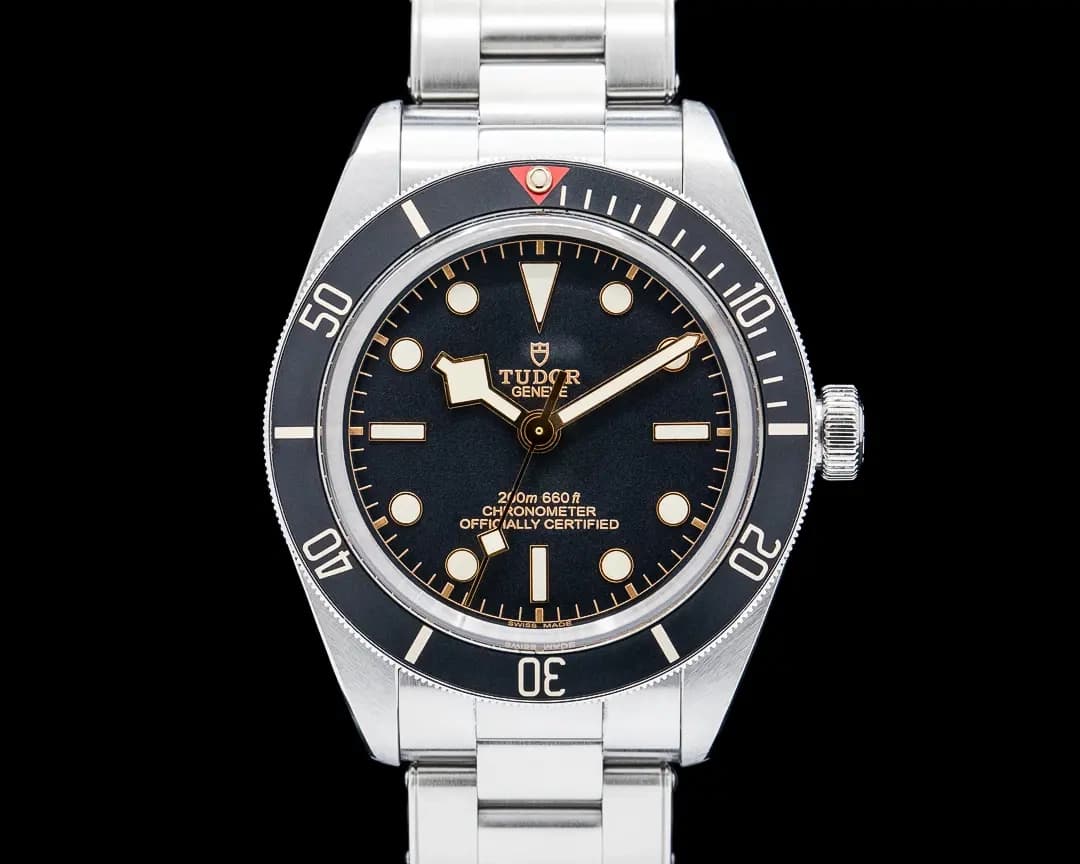
Tudor Black Bay 58
In each case, the sequence is what makes the choice legible. The buyer who skips to brand and reference without working through context and horizon ends up in a guessing game. The buyer who works through the sequence in order arrives at a category, sometimes at a specific reference, through logic rather than recommendation. That's a different kind of confidence, and it tends to produce fewer regrets.
None of this means the first watch decision is easy. The market is large, the variables are real, and the money is enough to make the stakes feel serious. But the difficulty is in the reasoning, not in the final choice. Get the reasoning right and the choice tends to follow. And as always, reach out to us if you need guidance, and we will be happy to walk you through finding your next piece!
Shop New Arrivals

2366 Tank Francaise 18K White Gold Diamond Bezel Silver Dial
$17,500
View Watch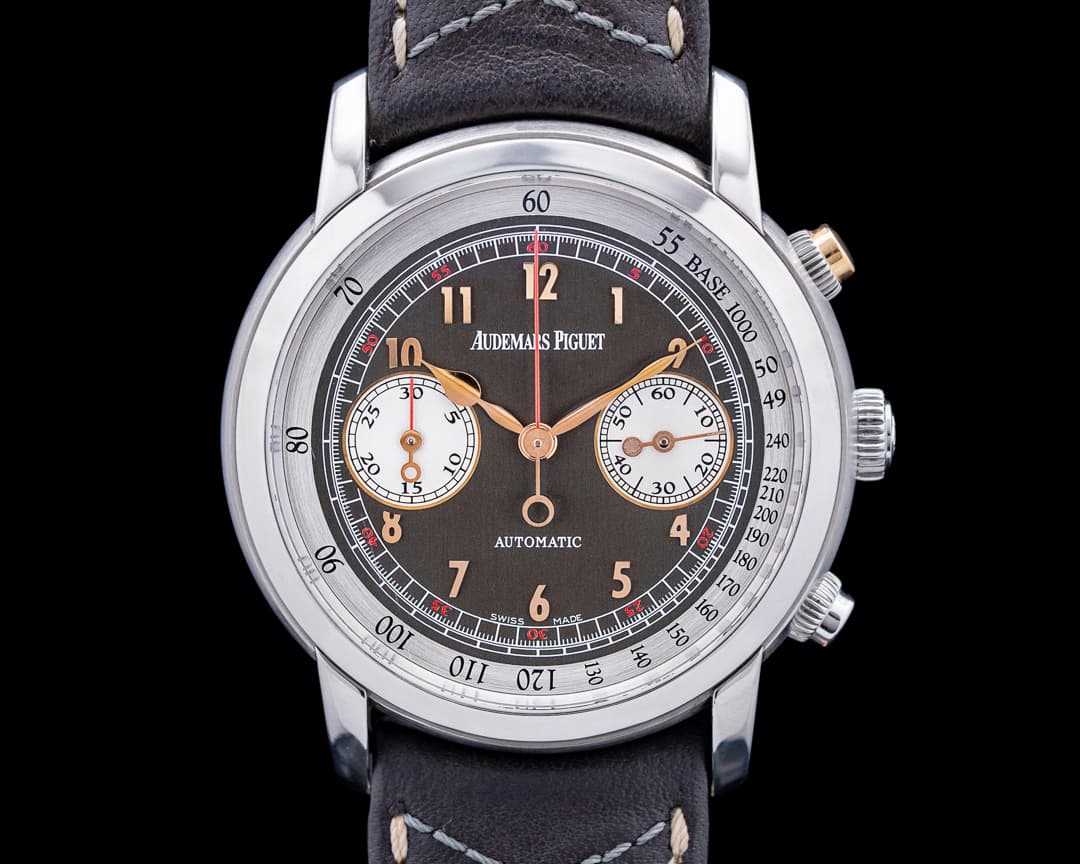
Jules Audemars "Gstaad Classic" Chronograph Titanium Gray Dial LIMITED
$24,900
View Watch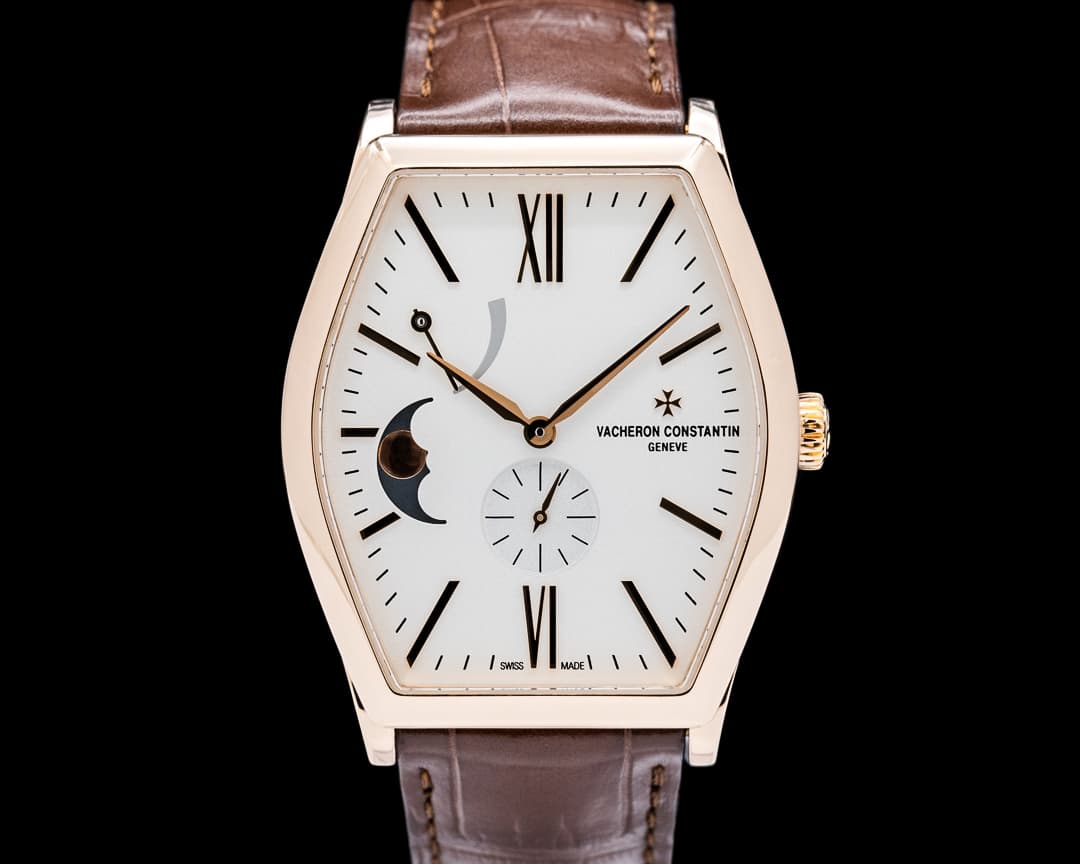
7000M Malte Moon Phase 18K Rose Gold Silver Dial
$22,500
View Watch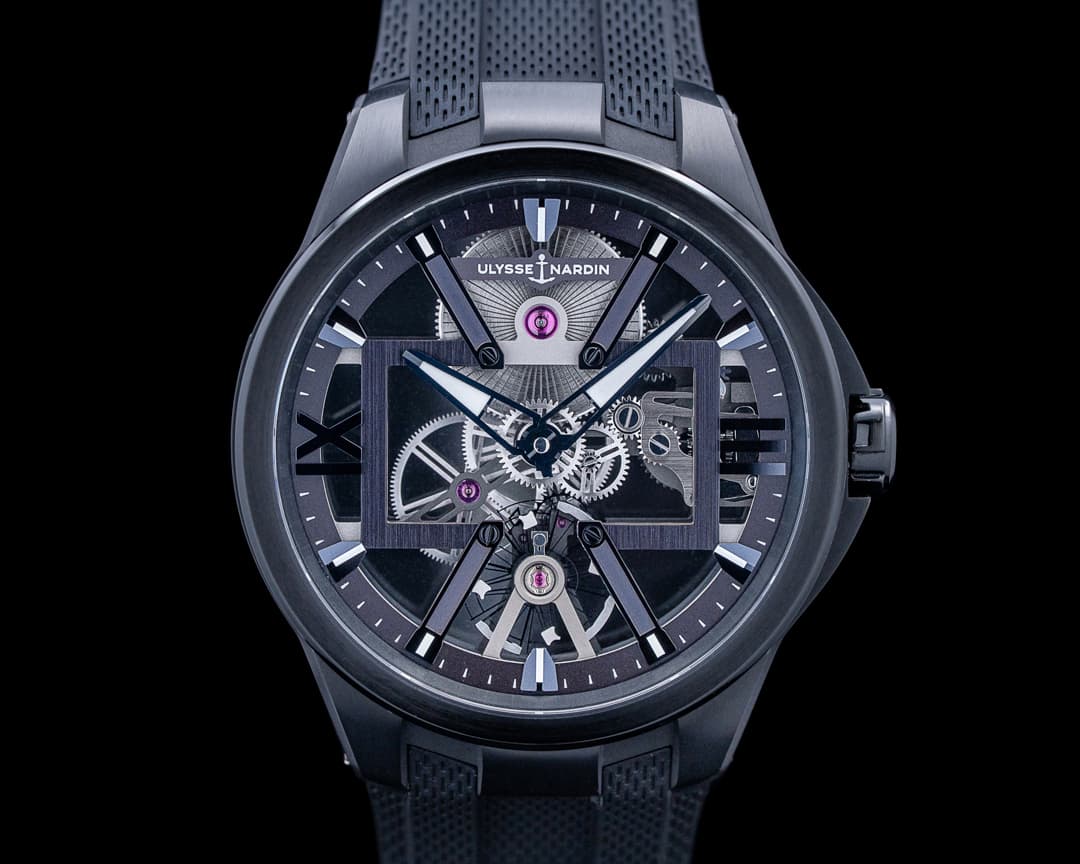
3713-260 Blast Skeleton X Titanium Skeleton Dial 2025
$19,900
View Watch
Shop New Arrivals
2366 Tank Francaise 18K White Gold Diamond Bezel Silver Dial
$17,500
View WatchJules Audemars "Gstaad Classic" Chronograph Titanium Gray Dial LIMITED
$24,900
View Watch7000M Malte Moon Phase 18K Rose Gold Silver Dial
$22,500
View Watch3713-260 Blast Skeleton X Titanium Skeleton Dial 2025
$19,900
View Watch
More Content