What "Independent" Actually Means: Three Questions Worth Asking
Published on 8/18/2026
The word "independent" has become one of the most used in the industry over the last decade. It now covers a one-man atelier turning out fifty pieces a year and a 200-person manufacture that is privately controlled. It appears in auction catalogue headers, brand press releases, and collector shorthand without much explanation.
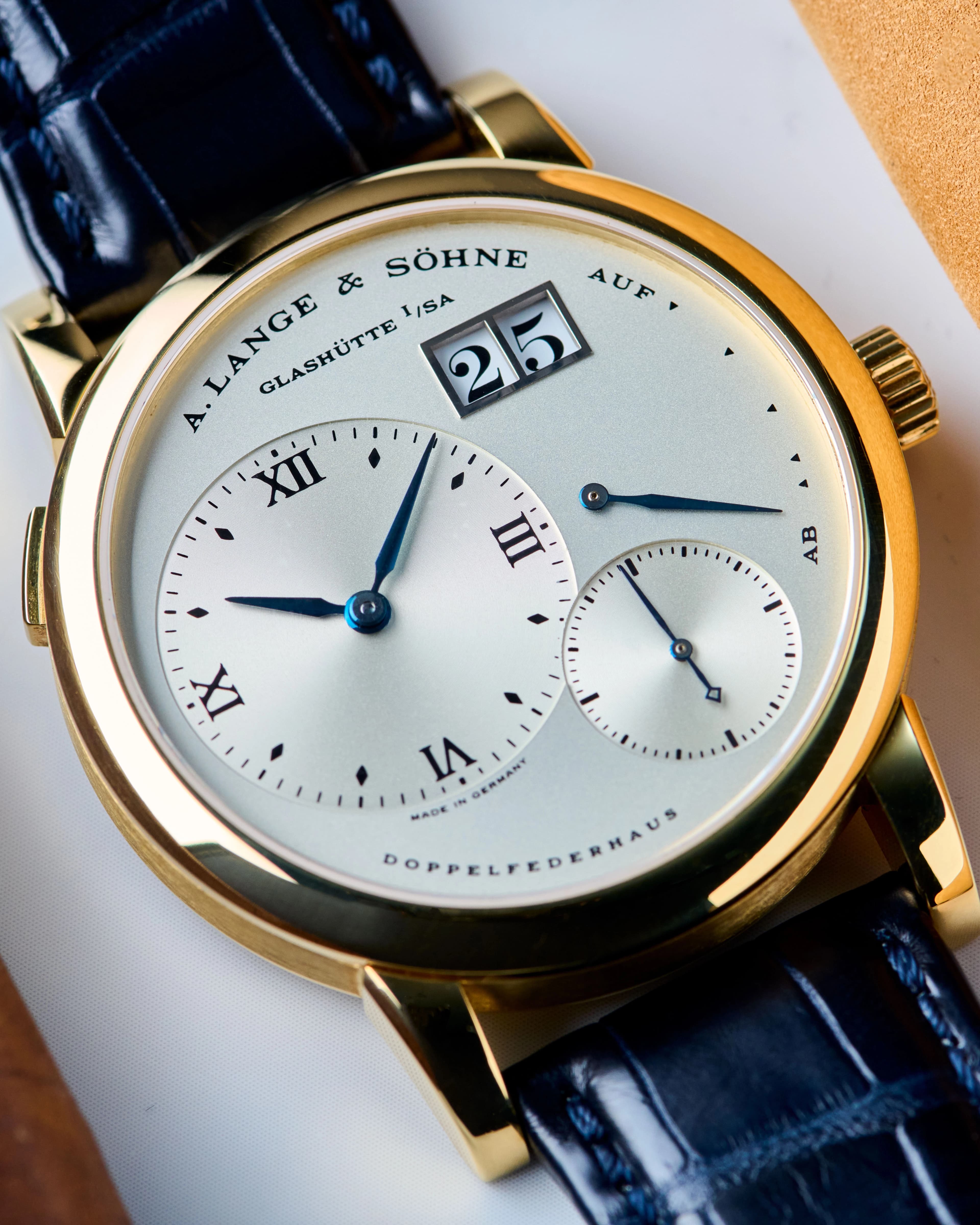
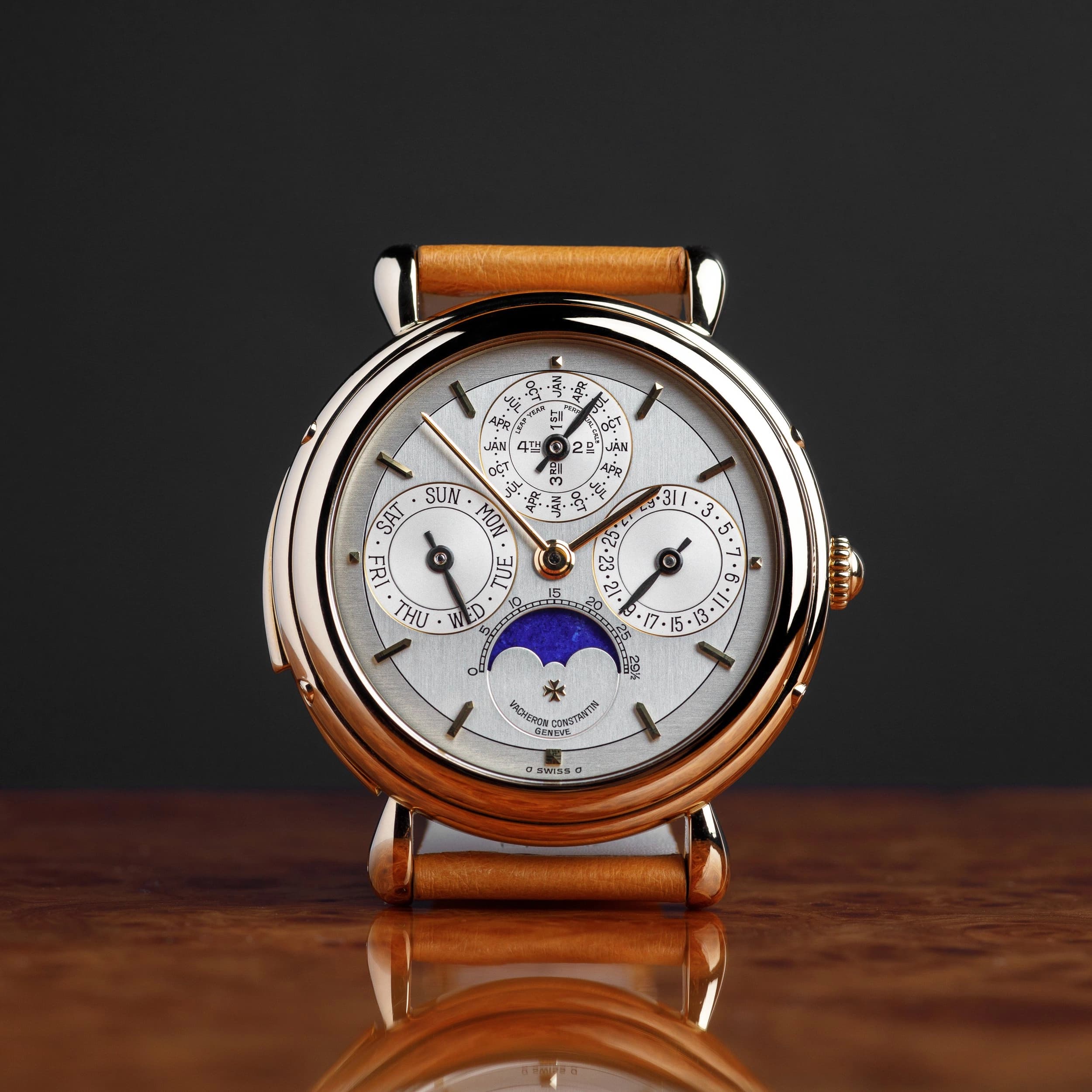
Today we are going to disaggregate the word independent into its various meanings. Independence, examined properly, has three distinct dimensions: movement independence, commercial independence, and design independence. They often travel together, but they don't have to. A brand can own every aspect of its movement manufacture and still be controlled by private equity with a five-year exit horizon. A brand can be founder-controlled and producing derivative watches that echo every trend it claims to transcend. And a brand can source movements from outside suppliers while exercising genuine design autonomy and maintaining the kind of long-term commercial structure that protects its promises to buyers. Let's take a closer look at each philosophy:
Movement Independence: What It Actually Takes
Making a watch movement in-house means, at minimum, designing and manufacturing the core components, the gear train, escapement, mainspring barrel, and lever, rather than buying an established base caliber from Sellita, Valjoux, or ETA and casing it up. The honest version goes further: in-house finishing, in-house adjustment, in-house regulation. The claim carries weight because making a movement from scratch is genuinely hard and expensive. Getting tolerances right across hundreds of parts, producing a consistent escapement, finishing anglage and côtes de Genève to a legible standard: none of this is easy or inexpensive, and the brands that do it well have earned some right to say they have.
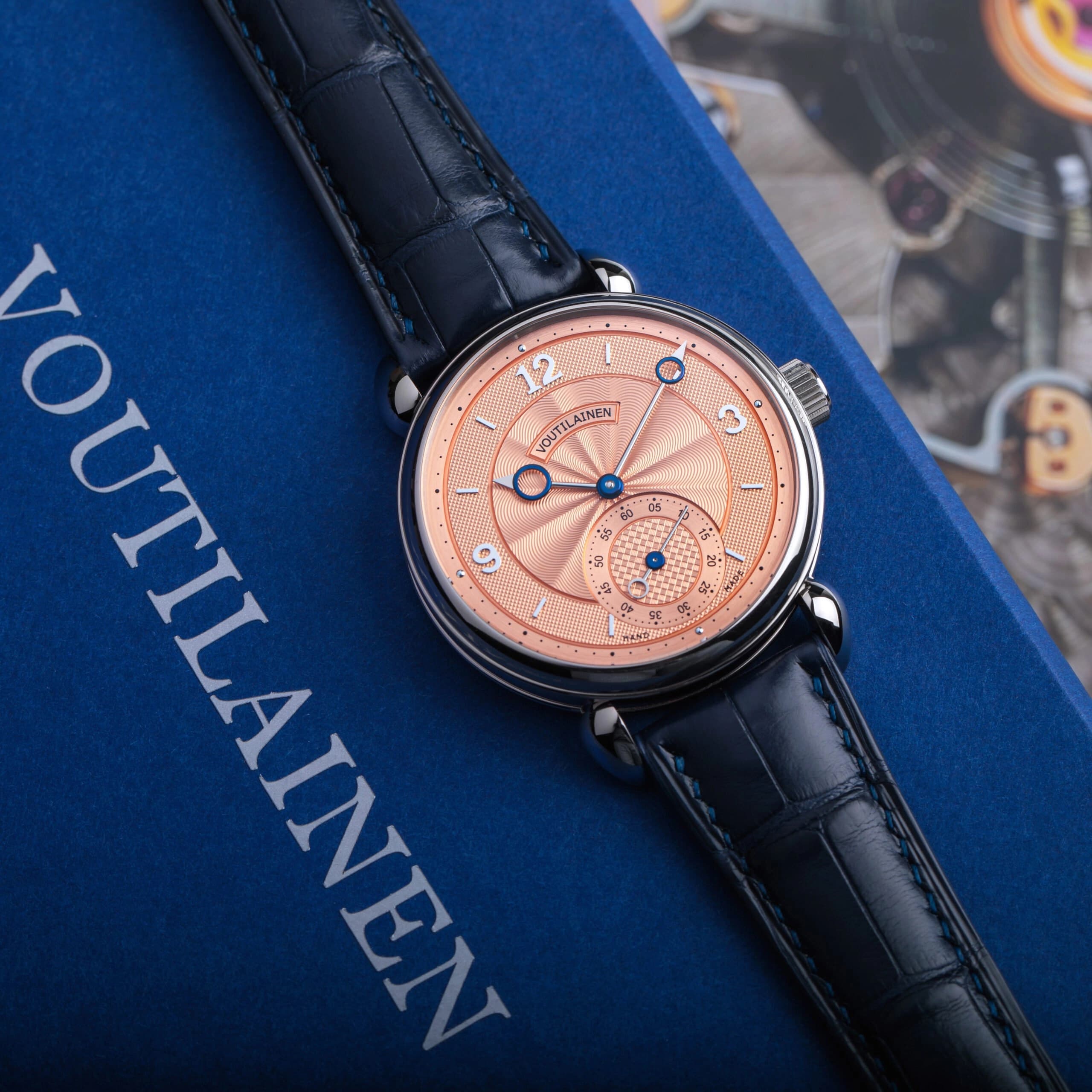
Kari Voutilainen is among the clearest examples of what movement independence actually looks like. He produces around 50 watches a year, and the movements inside them are built in-house, including the escapement, which most brands at any size do not attempt to construct in house. When Voutilainen says his watches are made in-house, the claim holds at a granular level: mainspring, hairspring, and jewels are sourced externally, but most of what you can see and most of what moves is made in his building.
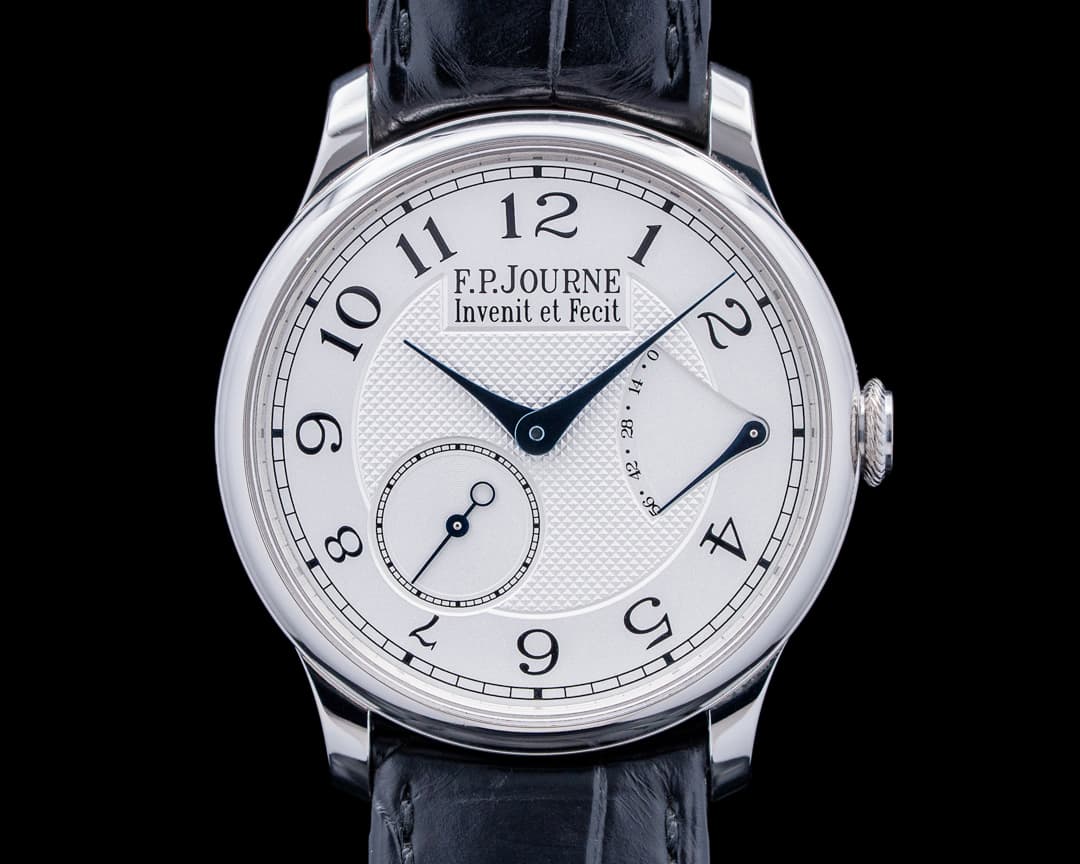
F.P. Journe sits at a similar level of genuine movement independence, at a slightly larger scale. The brand produces around 1,000 mechanical timepieces annually, and all movements are designed, manufactured, and finished in-house, signed, per the brand's practice, Invenit et Fecit: invented and made. The phrase is not incidental. It is a statement of authorship that few brands can make without qualification. Journe's movements, the remontoir d'égalité, resonance, tourbillon, natural escapement, and more are not purchased architectures dressed up with proprietary finishing. They are original mechanical designs executed from raw material.
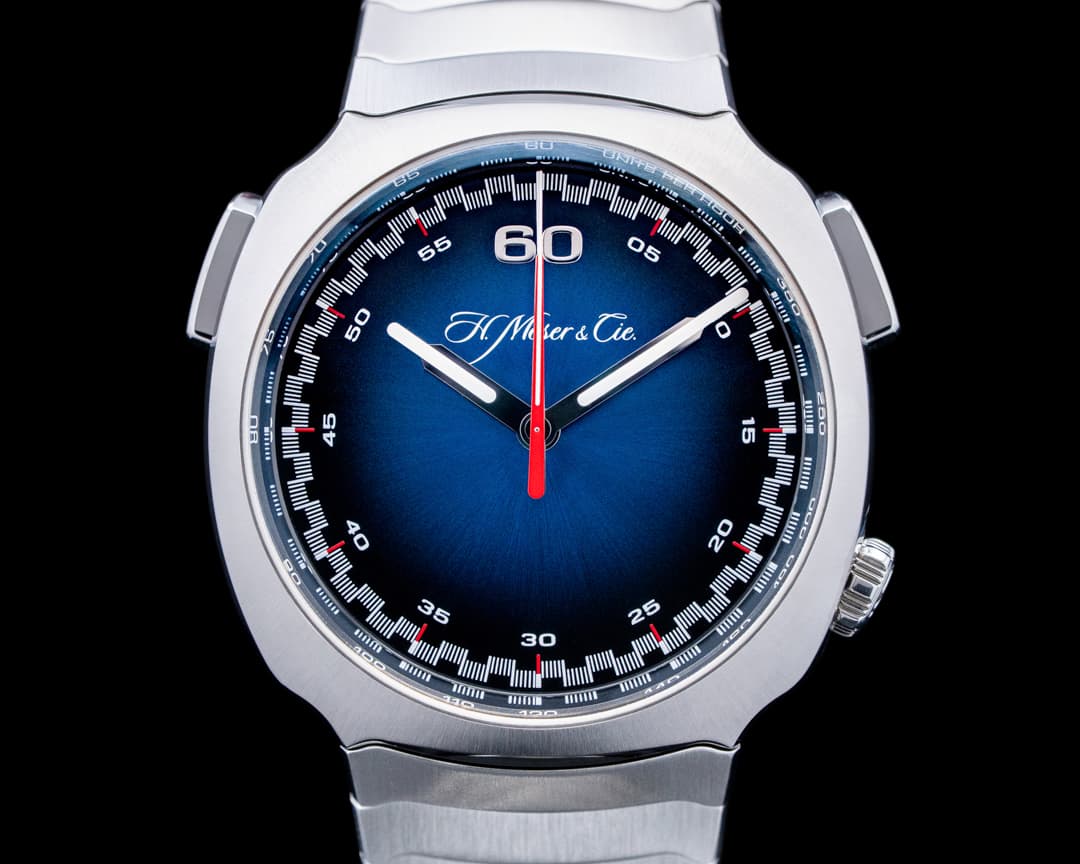
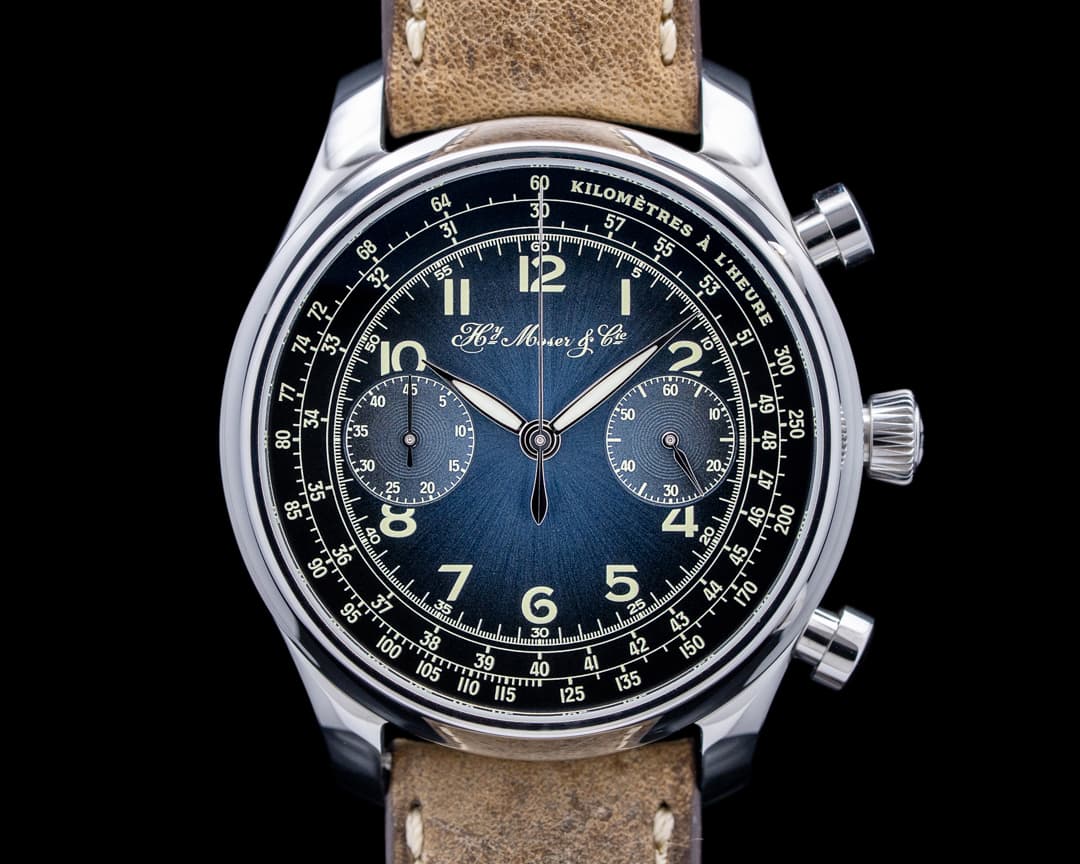
H. Moser & Cie complicates the picture in an instructive way. Moser produces around 3,000 watches a year, and its movements are not sourced from standard industry suppliers. But they are also not made by Moser in quite the conventional sense. Precision Engineering AG, a sister company owned by the same MELB Holding group that has owned Moser since 2012, manufactures the brand's hairsprings, placing Moser in the small category of brands capable of producing their own regulating organ. This is genuine vertical integration. It is also not the same as a single atelier manufacturing every component under one roof. Whether this counts as movement independence depends on how you define the boundary. The reasonable answer: it depends on what you're trying to evaluate.
That last point is worth pressing. Movement independence is a proxy for craft, for longevity of parts supply, and for the brand's commitment to the mechanics of what it makes. It is not a proxy for the quality of the finished watch. An in-house movement can be pedestrian. A watch built around a reliable supplier caliber can be excellent. The question "does this brand make its own movement?" is useful; the assumption that the answer determines quality is not.
Commercial Independence: Who Owns the Brand, and Why It Matters
A watch can have a fully in-house movement and still be controlled by owners whose incentives run against the buyer's long-term interest. Commercial independence is about ownership structure and the time horizon it permits.
The practical implications are concrete. A founder-controlled brand with patient capital can refuse volume. It can decline retail expansion into markets that would dilute positioning. It can hold prices at levels the market will bear without chasing short-term revenue. It can make decisions, about production quality, about which complications to develop next, about how aggressively to chase secondary-market hype, on a decade-long horizon rather than a quarterly one. A brand owned by a conglomerate or a private equity vehicle with a defined exit window faces different pressures, regardless of how its movements are made.
Moser's ownership history illustrates what this looks like in practice. Since the Meylan family's MELB Holding acquired the brand in 2012, rescuing it from near-bankruptcy, Moser has operated with the kind of deliberate, self-directed posture that commercial independence permits. Production has grown to around 3,000 pieces annually, but the brand has not pursued mass retail. Its marketing has remained pointed, occasionally provocative, and largely unconcerned with industry consensus. That disposition is available because the ownership structure permits it.
F.P. Journe maintains production around 1,000 pieces annually. Whether that figure reflects a deliberate strategic ceiling or simply the practical limit of how the manufacture operates is less clearly documented than some secondary sources suggest; the brand's official communications emphasize the craft rationale rather than attributing the number to a stated refusal of growth. What the production figure does tell you is that the brand is not scaling. This was definitely a concern after Chanel aquired a position of the Journe brand, raising questions about Journe's future. Thankfully, little has changed on the consumer's side.
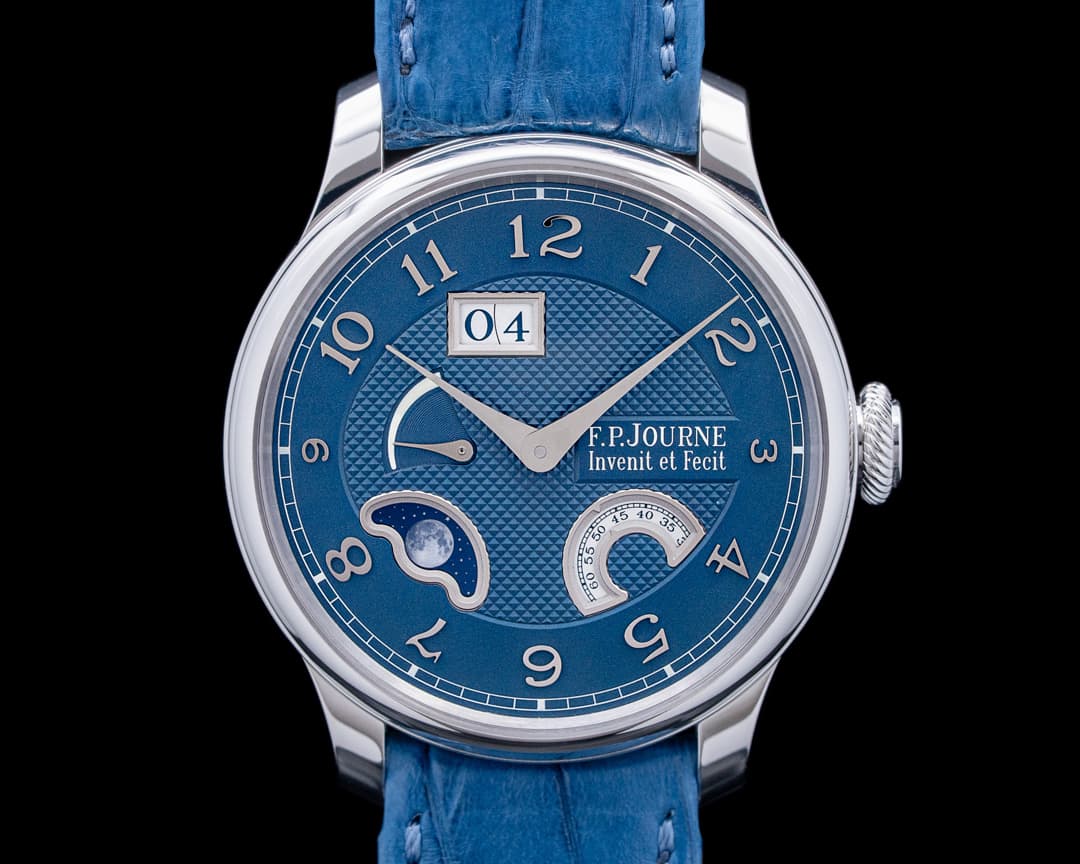
Commercial independence is invisible in the watch itself. You cannot see it in the dial or feel it in the bracelet. But it shapes what the brand can credibly promise over time: that the watch you buy in 2025 will be serviceable in 2045, that the parts will exist, that the brand won't be absorbed into a portfolio and quietly discontinued, that the design direction won't shift because a new owner decided to chase a different demographic. These are not trivial considerations, and they are not captured by asking whether the movement is in-house.
Design Independence: The Hardest Kind to Fake
A conglomerate brand can produce in-house movements. A founder-controlled brand can still make derivative watches. Design independence, the freedom and willingness to produce work that reflects an internal logic rather than responding to external pressure, is the rarest of the three dimensions, and the hardest to evaluate.
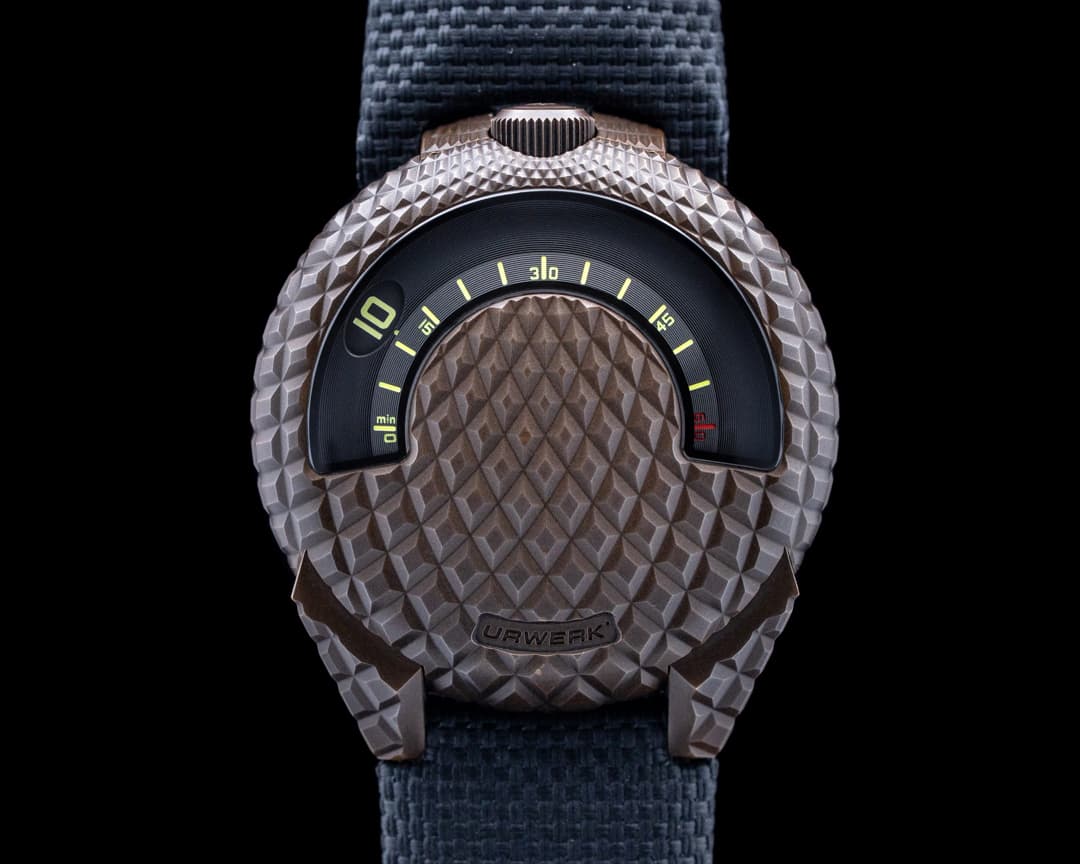
The difficulty is that design originality is easy to perform and hard to sustain. Novelty is not independence. An unusual case shape, an unconventional dial treatment, a material no one else is using this season: these can all be responses to competitive pressure dressed up as creative conviction. Real design independence shows over time, across a body of work, in a consistent formal vocabulary that the maker could defend on its own terms.
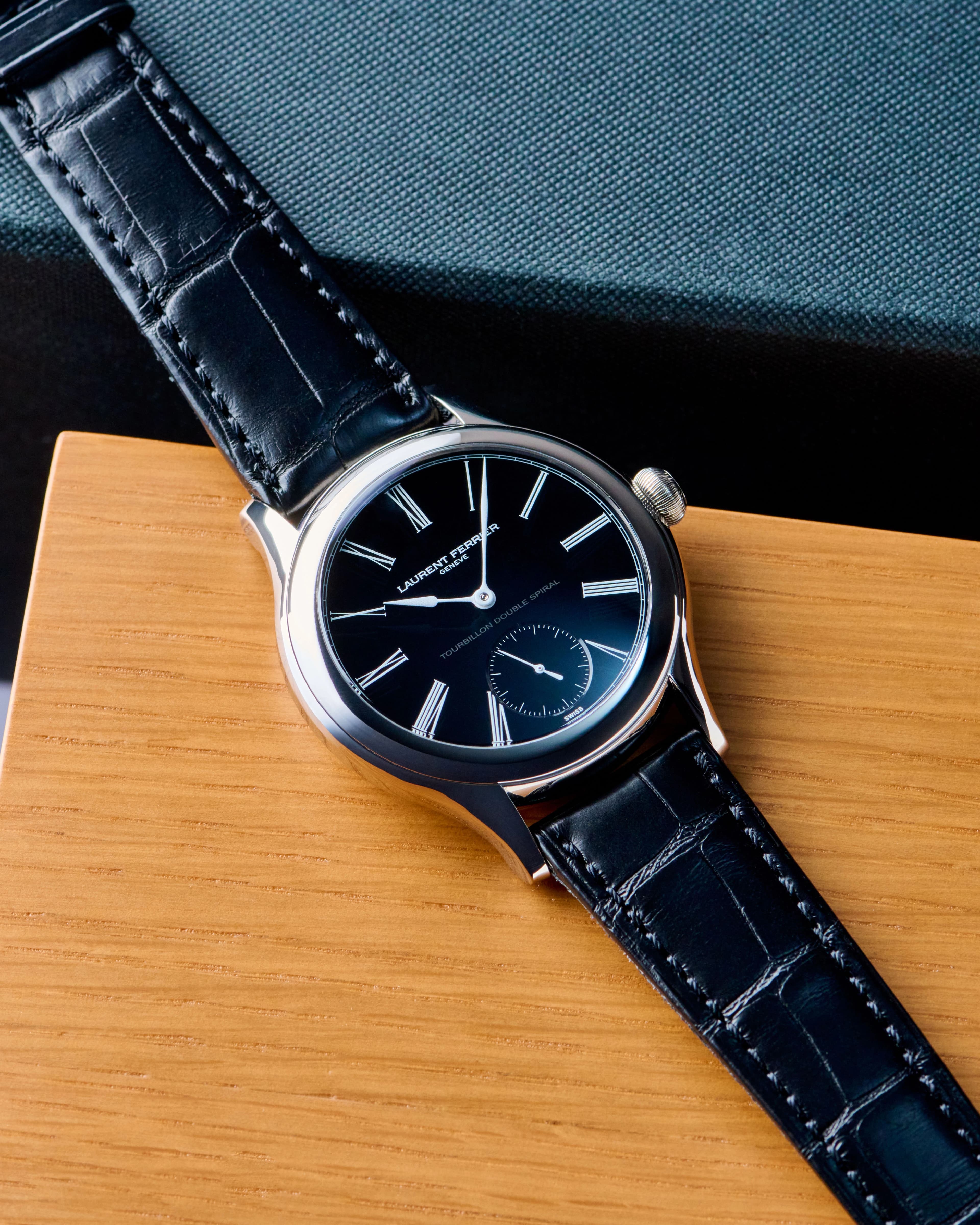
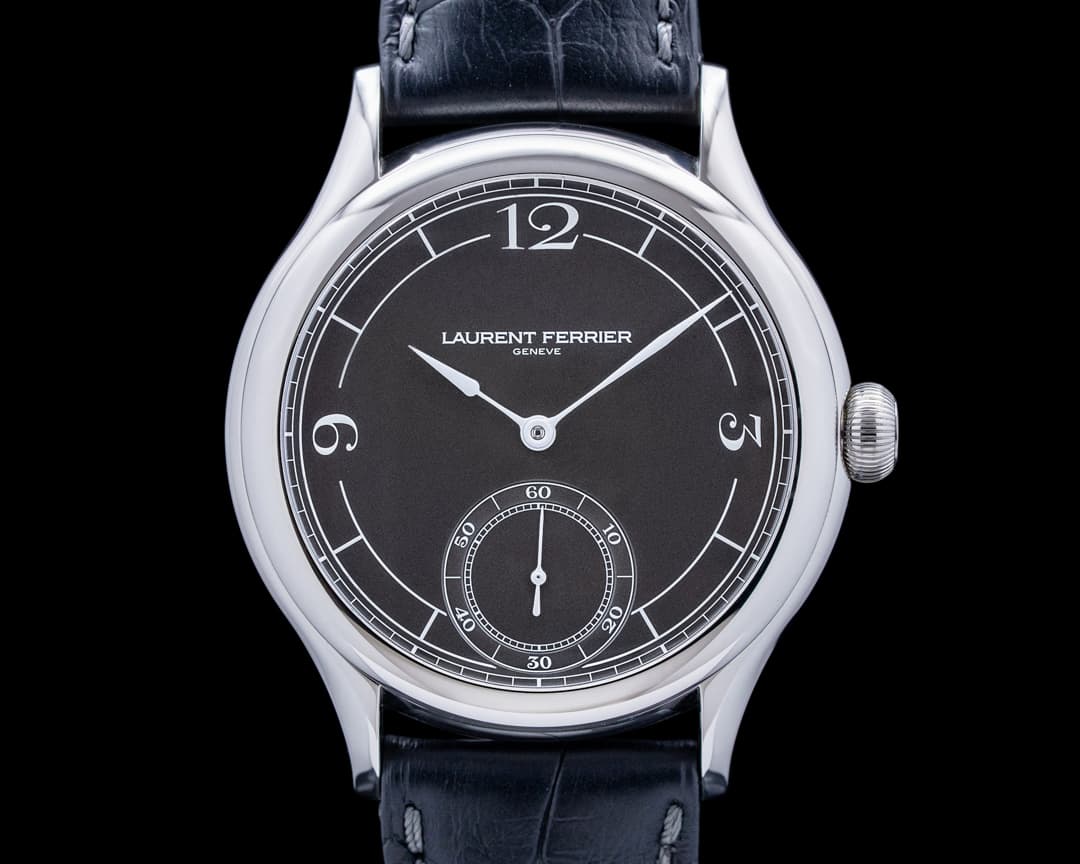
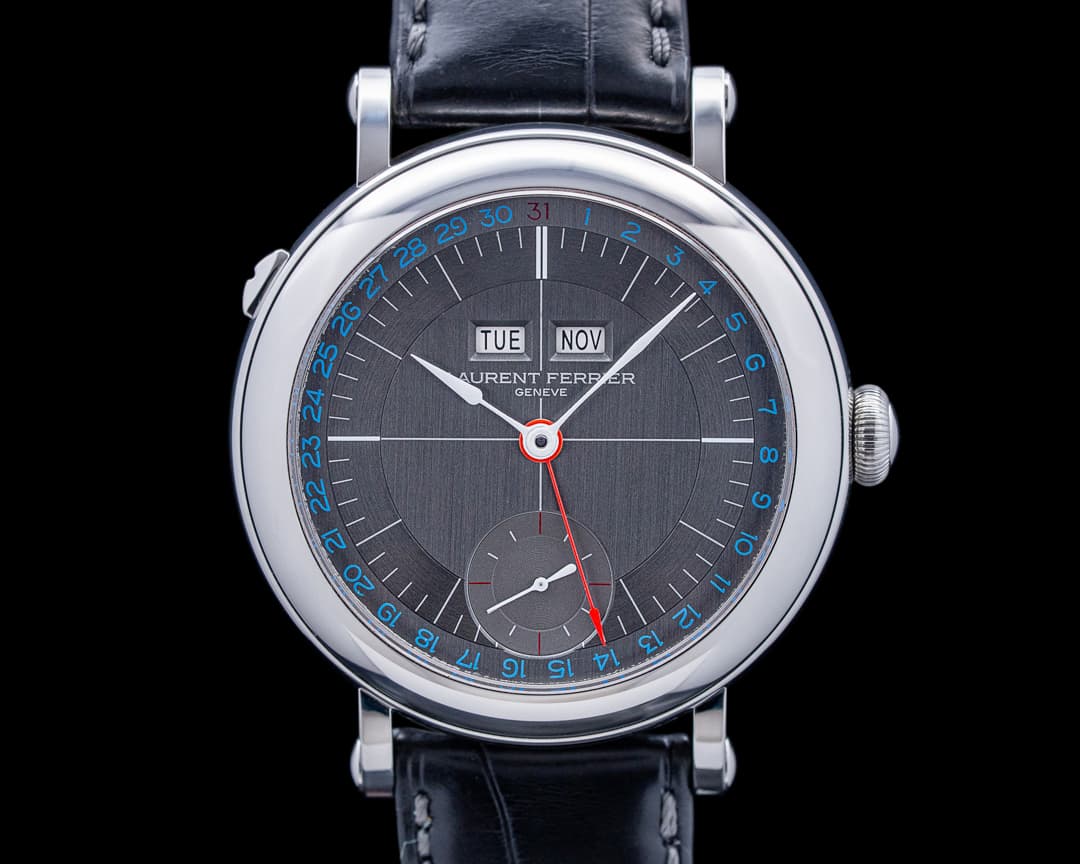
Laurent Ferrier is a great example. Ferrier spent more than three decades at Patek Philippe before founding his eponymous brand in 2009, including work on the prototype of the Genta-designed Nautilus. When he launched in 2010, he had absorbed enough of the Geneva tradition to know what he wanted to depart from. The first watch won best men's watch at the Grand Prix d'Horlogerie de Genève that same year. The brand produces around 300 watches annually, and the visual language has remained recognizably its own: the micro-rotor movement visible through a sapphire caseback on the Galet Micro-Rotor, the restrained sunburst dials in slate or enamel, the soft case profile with its distinctive lines. Ferrier has said he prefers to design "ultimate statements of restrained beauty." That phrase could be hollow coming from a brand chasing the current market for quiet luxury. From someone who turned down the obvious moves for thirty-five years before making his own watches, it reads differently.
The formal choices, the proportions, the surface treatments, the relationship between case and dial: these reflect a consistent aesthetic position to tie a collection of pieces together. That is design independence, not originality for its own sake, but a coherent internal logic applied consistently.
The distinction matters because buyers can be misled by novelty. A brand that makes striking watches this year may be chasing a different signal next year. A brand with genuine design independence has something to revisit: a vocabulary you can learn, a set of choices you can follow across references and years and understand as an argument. That has real value. It is also genuinely rare.
When Independence Doesn't Matter, and When It Does
None of this means that brands without full movement independence, founder control, or a singular design vocabulary are making bad watches. For some buyers and some categories, these dimensions are largely irrelevant to the ownership experience.
An everyday tool watch exposed to actual conditions does not require an in-house caliber to fulfill its function. A well-regulated Sellita SW200 inside a well-made case is a more honest object than a poorly adjusted proprietary movement inside a brand anxious to claim manufacturing credentials it has not fully earned. Entry-level dress watches from established houses built on reliable supplier calibers can offer excellent value precisely because the brand is not amortizing a movement development program across a small production run.
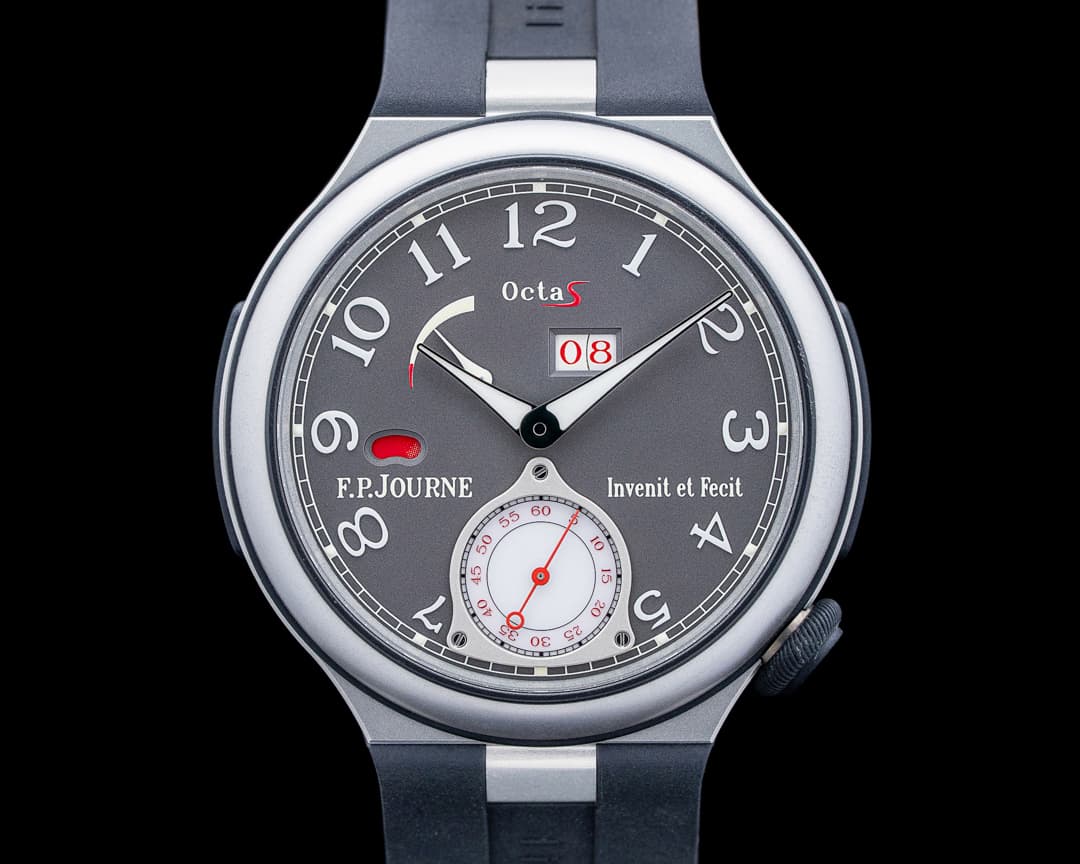
Where the framework becomes a genuine decision tool is in three scenarios: longevity, resale trajectory, and serviceability. A watch you intend to own for thirty years, pass down, or eventually sell needs to come from a brand with a credible commercial future. Serviceability depends on parts supply, which depends on whether the brand is still operating and still committed to supporting its historical references. Resale trajectory, while impossible to predict, shows suggestive patterns: independent brands collectively generated $633.8 million in secondary-market sales in H1 2026, up 89% from the previous year. The data does not isolate which dimension of independence drives the premium, it is likely a combination of scarcity, perceived brand integrity, and design distinctiveness, but the direction of the signal is clear.
The framework is not a hierarchy. It is a set of questions that return different answers depending on what you are buying and why.
A Sharper Question to Ask
"Is this an independent brand?" is not really a useful question. It returns a yes or no that covers too much ground to mean anything specific. Replace it with three questions that are actually answerable.
Does this brand make its own movement, and does that matter for this watch? If you are buying a complicated piece where the mechanical architecture is part of what you are acquiring, a tourbillon, a perpetual calendar, a minute repeater, then movement independence is relevant. If you are buying a well-made three-hander to wear daily, it may not be.
Who controls the brand's direction, and on what time horizon? Look at the ownership structure. Look at how long the current ownership has been in place. Look at what the brand has done under that ownership: whether it has expanded aggressively, held prices, maintained production discipline.
Does the design reflect a coherent internal logic, or is it responding to external pressure? This is harder to answer without spending time with the brand's work across multiple years and references. But the question is worth asking. A brand whose most recent releases look nothing like its work from five years ago may be evolving; it may also be chasing the market. The difference is visible if you look for it.
These three questions will not produce a clean score. They will produce a more honest picture of what you are actually buying. Only after all that can you begin to understand what it means to be an "independent".
Shop New Arrivals
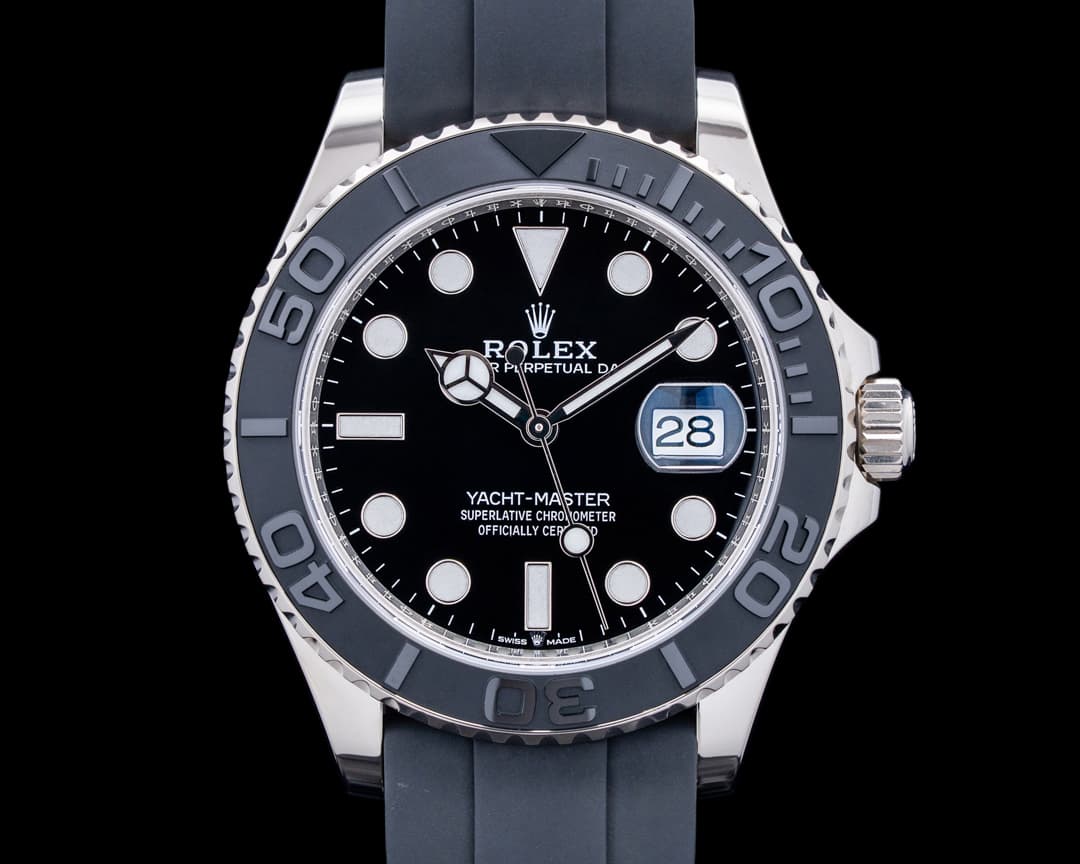
226659 Yacht-Master 18K White Gold Black Dial
$31,900
View Watch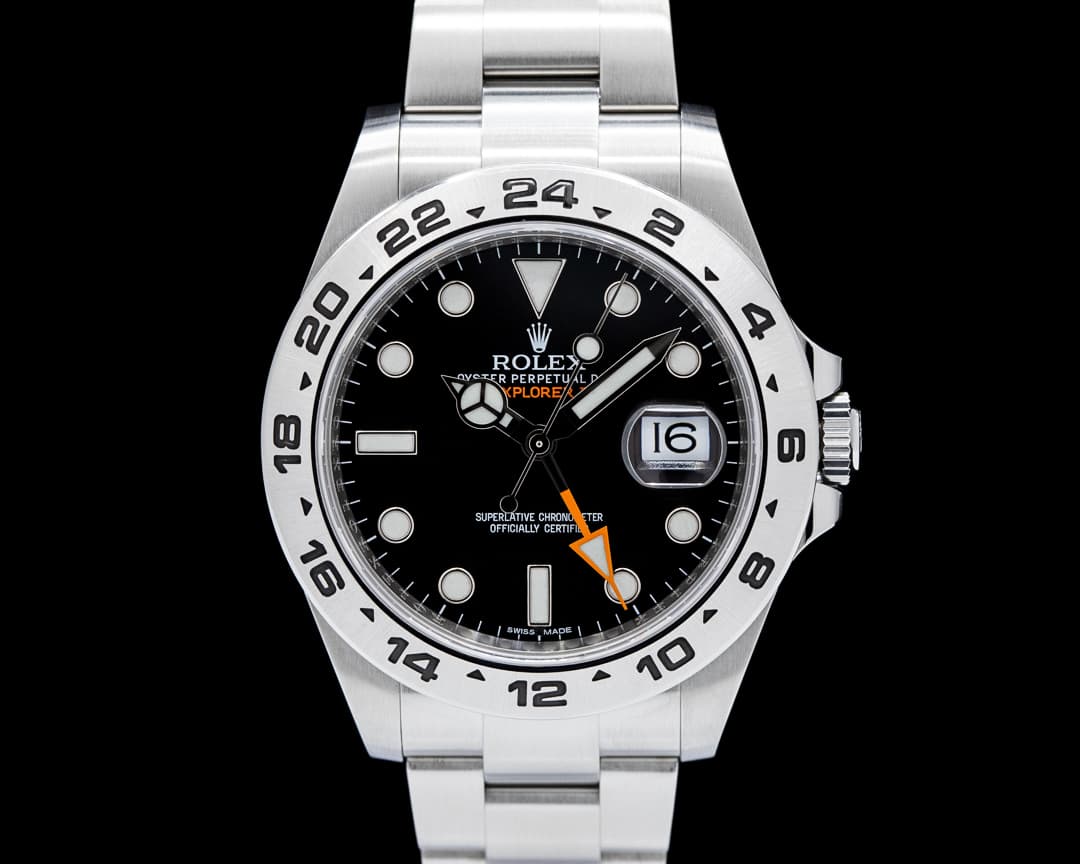
216570 Explorer II SS Black Dial
$10,900
View Watch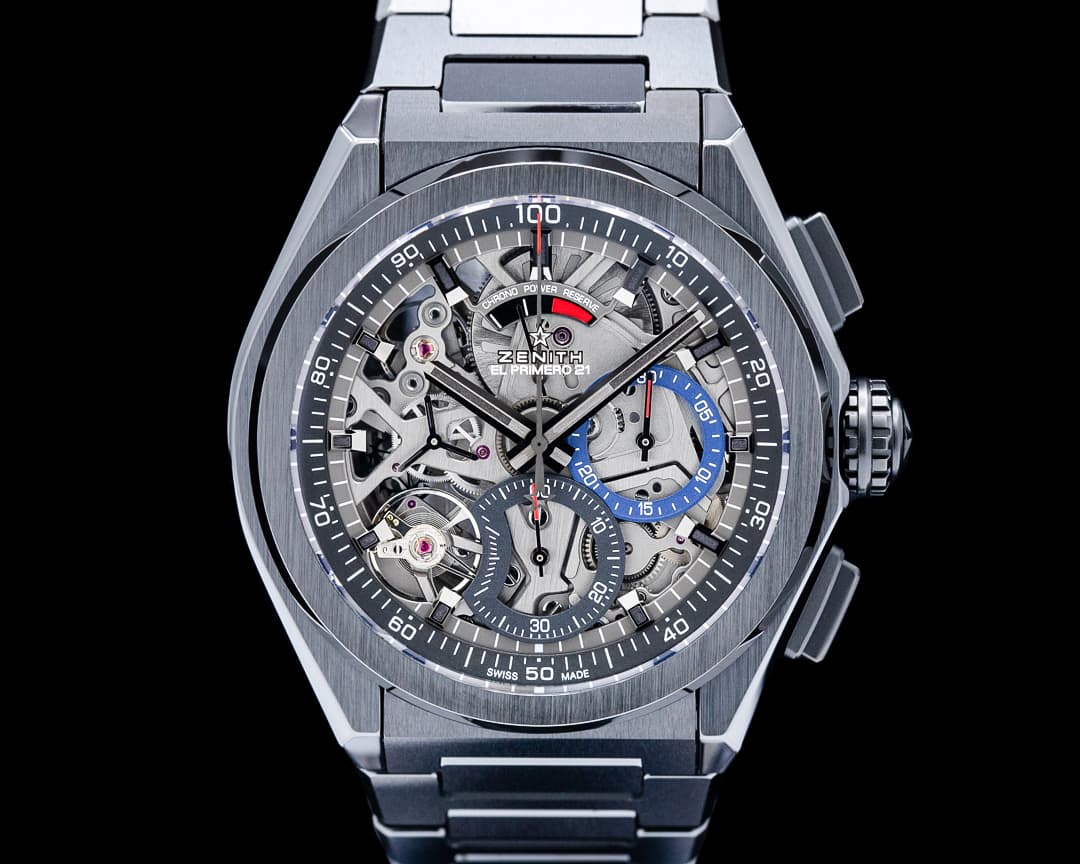
Defy El Primero 21 Chronograph Black Ceramic Skeleton Dial
$9,900
View Watch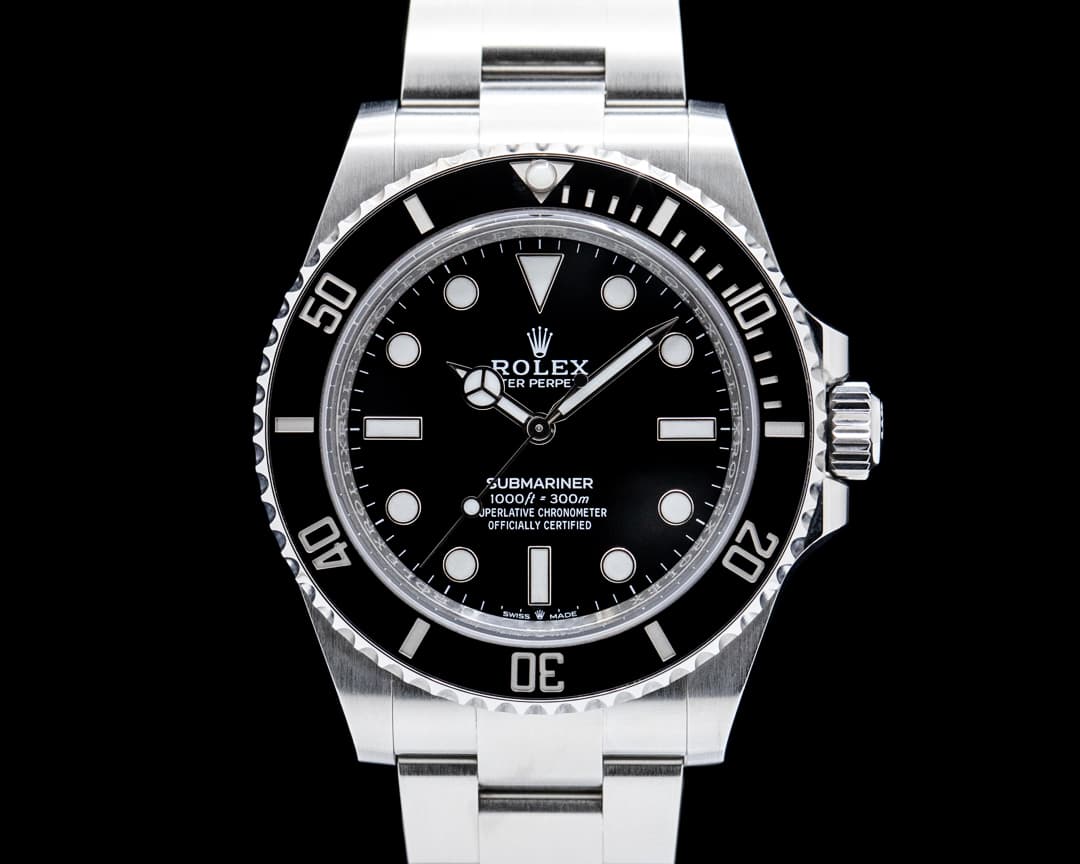
124060 Submariner No Date 41MM SS Black Dial
$13,900
View Watch
Shop New Arrivals
226659 Yacht-Master 18K White Gold Black Dial
$31,900
View Watch216570 Explorer II SS Black Dial
$10,900
View WatchDefy El Primero 21 Chronograph Black Ceramic Skeleton Dial
$9,900
View Watch124060 Submariner No Date 41MM SS Black Dial
$13,900
View Watch
More Content