Is There Such a Thing as the Perfect One-Watch Collection?
Published on 2/10/2026
For a long time, the default ambition in watch collecting seemed to be accumulation. Start with a couple of watches, then suddenly you have a dozen. The question slowly shifted from “What do I love?” to “What am I missing?” For some collectors, that phase now feels complete- not because the passion has faded, but because priorities have shifted.
That early phase, driven by enthusiasm, is familiar to many people. “Once I caught the watch bug, I quickly entered a phase of pure watch accumulation. There wasn’t much direction or understanding of what truly appealed to me. I just loved mechanical watches and wanted to fill up the watch box,” said Zack Botwick, a Watch Specialist here at European Watch Company.
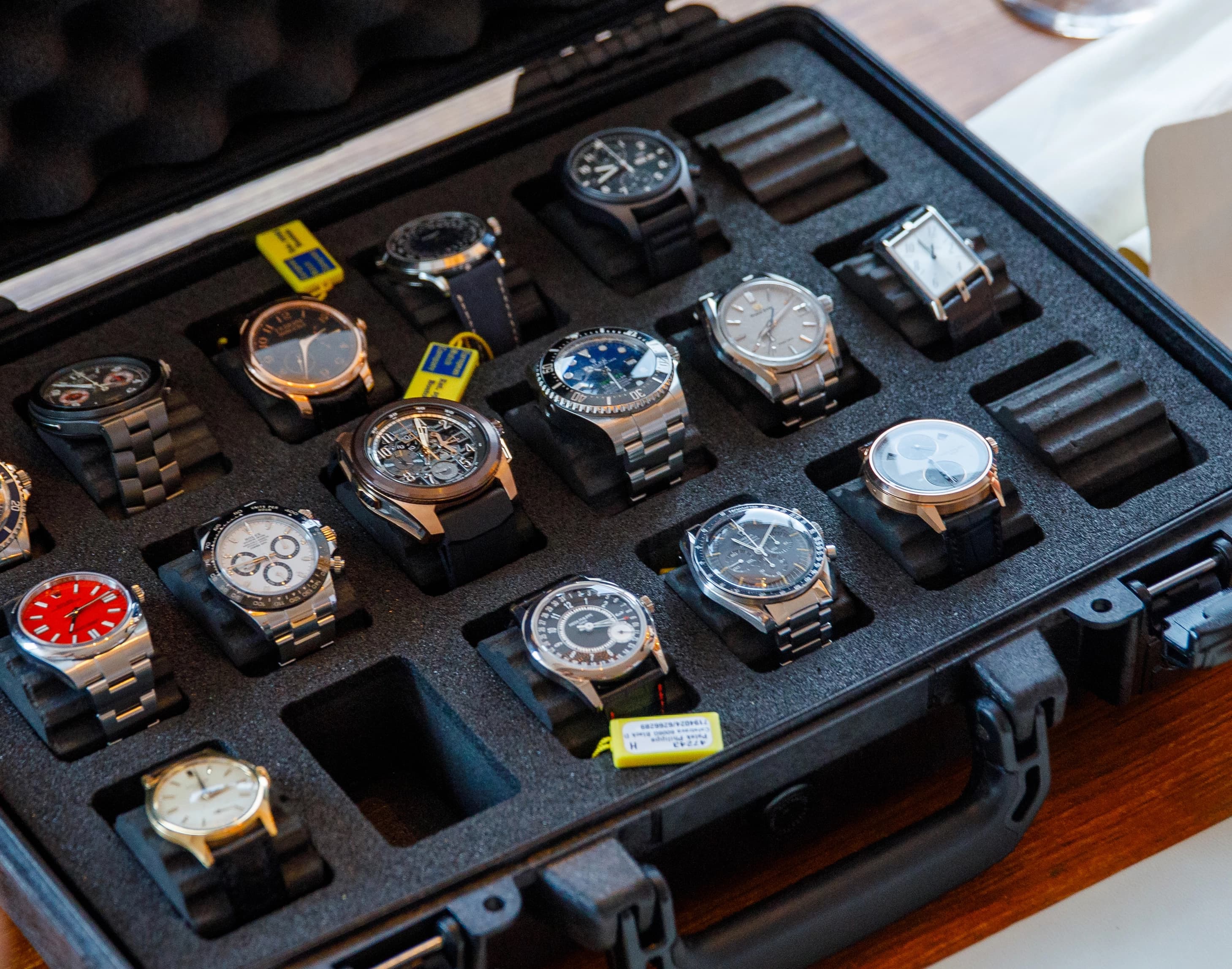
That instinct often changes with experience. Rather than chasing volume or endlessly rotating pieces, some collectors have narrowed their focus to a single piece- a watch that fits the wrist, lifestyle, and personality of its owner well enough that everything else begins to feel unnecessary.
What the One-Watch Idea Really Means
The one-watch collector is rarely trying to make a statement. This mindset often appears after years of collecting, once you’ve learned what excites you in theory and what actually works in practice. You know which watches you baby, which ones you subconsciously avoid wearing, and which pieces quietly end up on your wrist day after day.
Botwick said his own approach became far more focused with time. “These days, my style has evolved, and my interests have narrowed considerably,” he explained. “I’ve never been one to mark milestones with a watch. Instead, I buy pieces that evoke a feeling in me.”
That sense of personal alignment hits home for many collectors. “What makes a watch something I can see myself wearing day after day boils down to three key factors,” said Emerson Moore, a Watch Specialist at EWC. For him, daily wearability comes down to a small set of non-negotiables. “Does the watch wear comfortably on my wrist, does it suit the scenarios I find myself in most often, and does it still feel ‘special’ long after the honeymoon phase?”
The idea reframes how success is measured. Instead of asking whether a watch fills a gap, the question becomes whether it could realistically stand on its own.
Design That Holds Up Over Time
Design is usually the first filter. A one-watch collection leaves no room for pieces that only work in narrow situations. The watch needs to feel right with jeans and a T-shirt, but also not feel out of place with dressier attire.
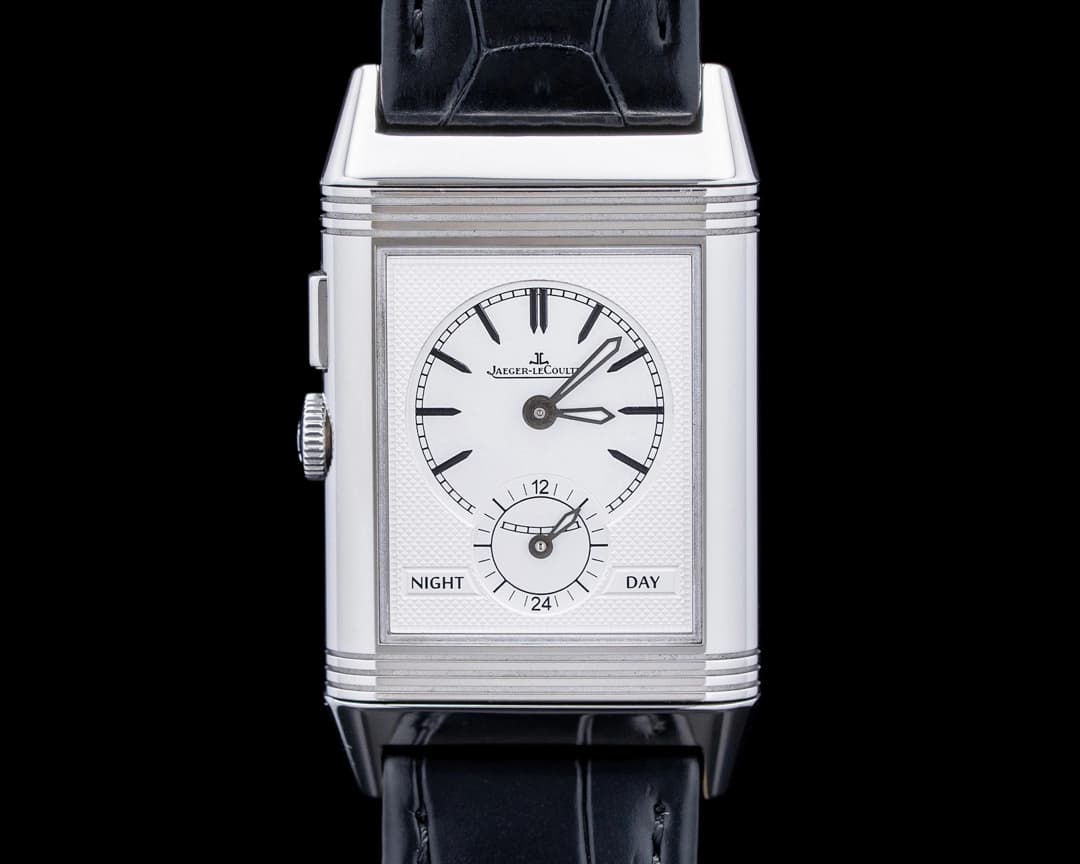
That sense of balance sits at the core of the one-watch idea. “I love the idea of a one-watch collection,” said Zach Gorrasi, another member of the EWC Watch Specialist team. “I think it is so important to have a piece that is versatile enough to make you comfortable taking a single piece anywhere for any number of occasions.”
Strong design tends to age well when it is rooted in proportion, restraint, and intention rather than novelty. When rotation disappears, visual fatigue becomes very real. Only thoughtful, well-balanced design holds up when you see it every single day.
Comfort Becomes Non-Negotiable
Comfort becomes impossible to ignore once a watch moves into daily-wear territory. Case thickness, lug shape, bracelet taper, and clasp ergonomics matter far more when there’s no alternative waiting in the watch box.
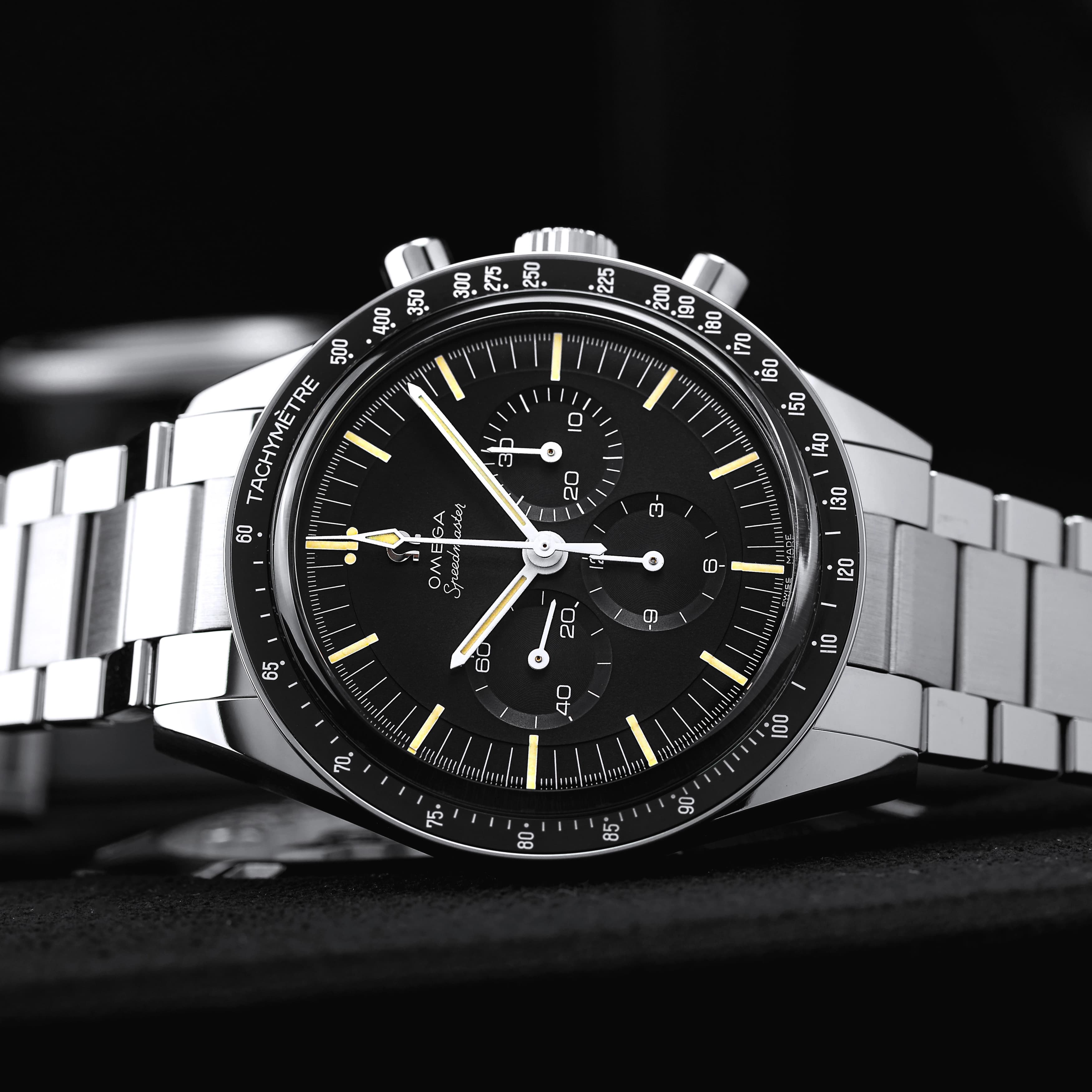
Gorrasi said this practical reality comes up constantly in conversations with clients. “Versatility and wearability is mostly what I see clients asking for when considering a single watch,” he noted.
“I can’t see myself sacrificing comfort, suitability, or that lasting sense of ‘special,’” said Moore. “But things like rarity or brand prestige aren’t necessarily important if everything else checks out.” After owning a wide range of watches, he said he now knows pretty quickly which pieces will actually earn wrist time and which ones are better appreciated from afar.
Versatility Beyond the Spec Sheet
Versatility extends well beyond how a watch looks. Water resistance, durability, and ease of servicing all come into play. A watch that constantly demands caution creates distance between the owner and the object.
Gorrasi pointed out that this way of thinking is evident among newer collectors. “With many younger or new collectors, this is a major focus,” he said. “More often than not, it’s their first watch, and probably the only fine timepiece they’ll have for the foreseeable future.”
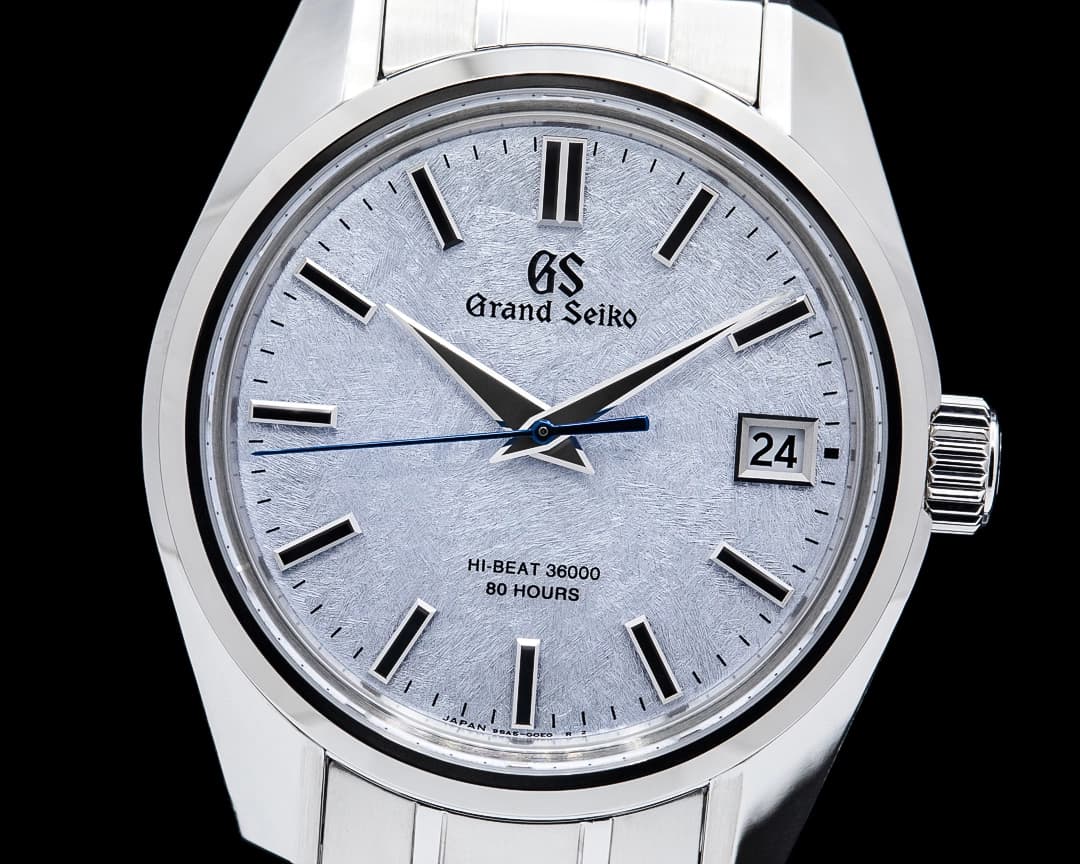
Moore added that paper specs only tell part of the story. “Many pieces check the boxes as far as specs on paper,” he said, “but few actually have the special sauce that keeps a watch glued to my wrist.” For him, being willing to ignore outside opinion is part of the equation. “Most importantly, I’m willing to sacrifice what other people think. I’m the one wearing the watch.”
Thinking Long Term, Not Just Right Now
Long-term wearability is often the final test. Trends move quickly in this industry. Dial colors cycle, materials fall in and out of favor, and social media accelerates fatigue.
Botwick said the one-watch question often depends on where someone is in life. “I see a bit of both,” he explained. “If someone enters the hobby later, at the peak of their career, they might dive right in and buy their grail piece. It all depends on timing.”Collectors who embrace the one-watch idea tend to look past short-term trends and ask a simpler question: ‘Will I still enjoy wearing this in ten years?’
Personal Definitions of the ‘Right’ Watch
When asked to name an ideal one-watch example, each specialist gravitated toward pieces defined by restraint rather than spectacle.
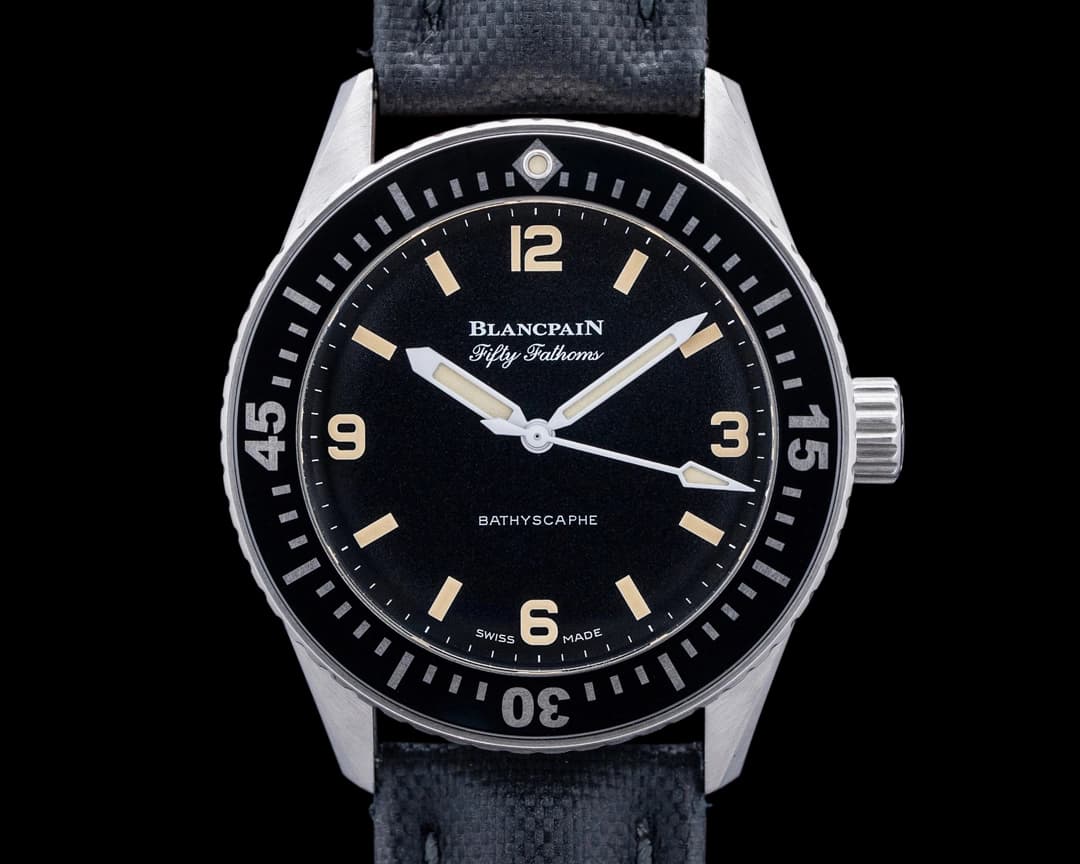
Gorrasi pointed to a recently sold Blancpain Fifty Fathoms Bathyscaphe in 38mm, calling it “a perfect balance of sportiness and understated elegance.” He added that “the 38mm size is just perfect for versatility,” especially for collectors who want a watch that never feels out of place.
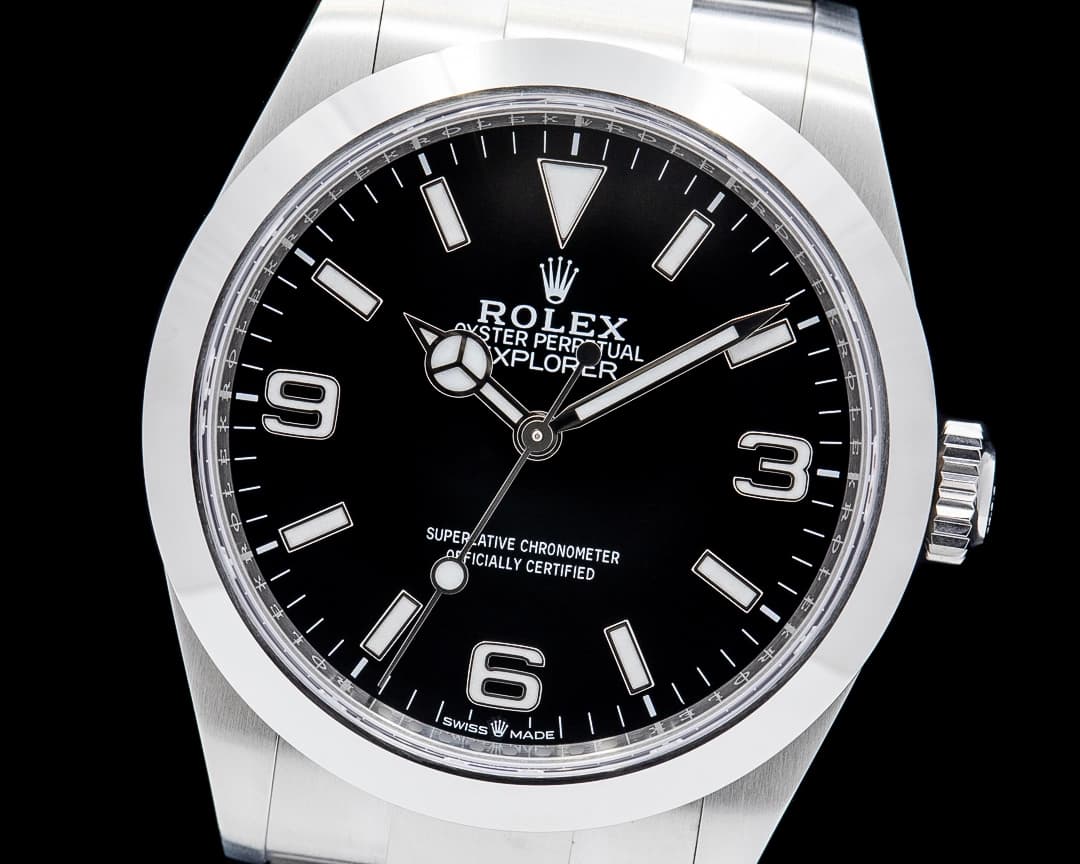
Botwick’s choice was equally grounded. He singled out the Rolex Explorer 224270, noting that “the dial’s timeless simplicity gives it lasting appeal,” while the fully brushed bracelet made it “easy to wear daily without worrying about scratches.” For him, its quiet adaptability was the point, a watch that transitions naturally without asking for attention.
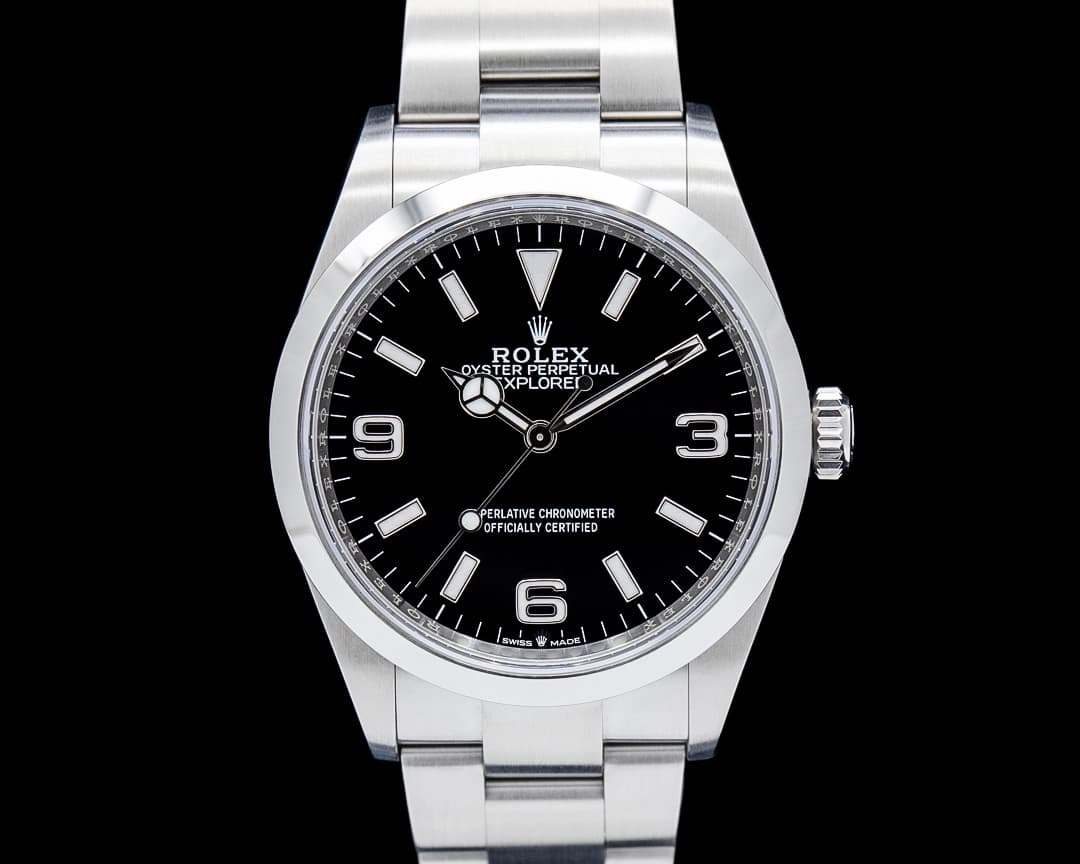
Moore’s own choice aligned closely with his philosophy. He cited the 36mm Rolex Explorer 124270 as a watch he’s worn consistently for years, noting his preference for “simple, time-only watches” with “classic case proportions.” While he appreciates high complications, he said “something no-nonsense and easy to read serves as a practical choice day to day.”
Exactly Enough
The rise of the one-watch collector doesn’t signal the end of large collections. Many people will always enjoy variety. But the appeal of one watch done well is growing because it aligns with how many collectors feel today.
As Gorrasi put it, “The beauty of watch collecting is that there are probably a million people who would disagree with me, and just as many who would agree.” He added that if a collector finds a watch that suits their everyday needs, “there is no one in the world who can tell them their personal preference is incorrect.”
More experienced. More selective. Less interested in chasing and more interested in living with their choices. In the end, the one-watch ideal isn’t about having less but about wanting exactly enough.
Shop New Arrivals
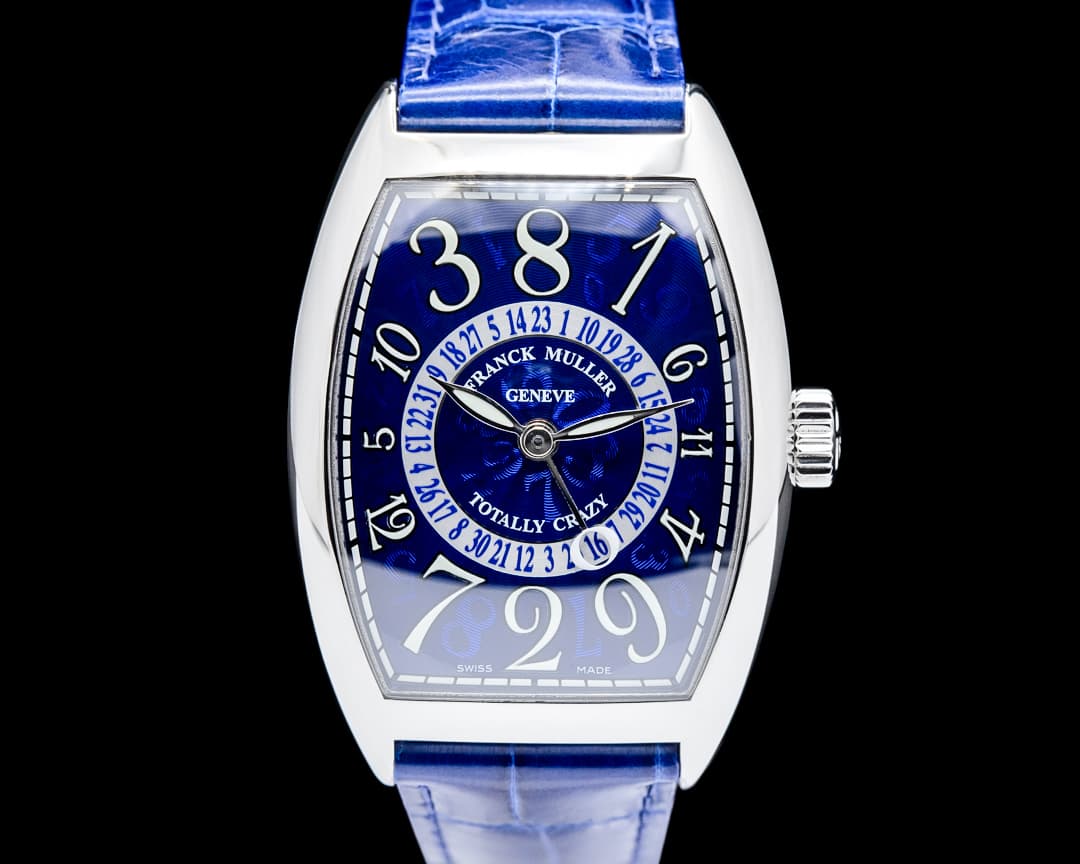
Cintree Curvex Crazy Hours Titanium Blue Dial
$15,900
View Watch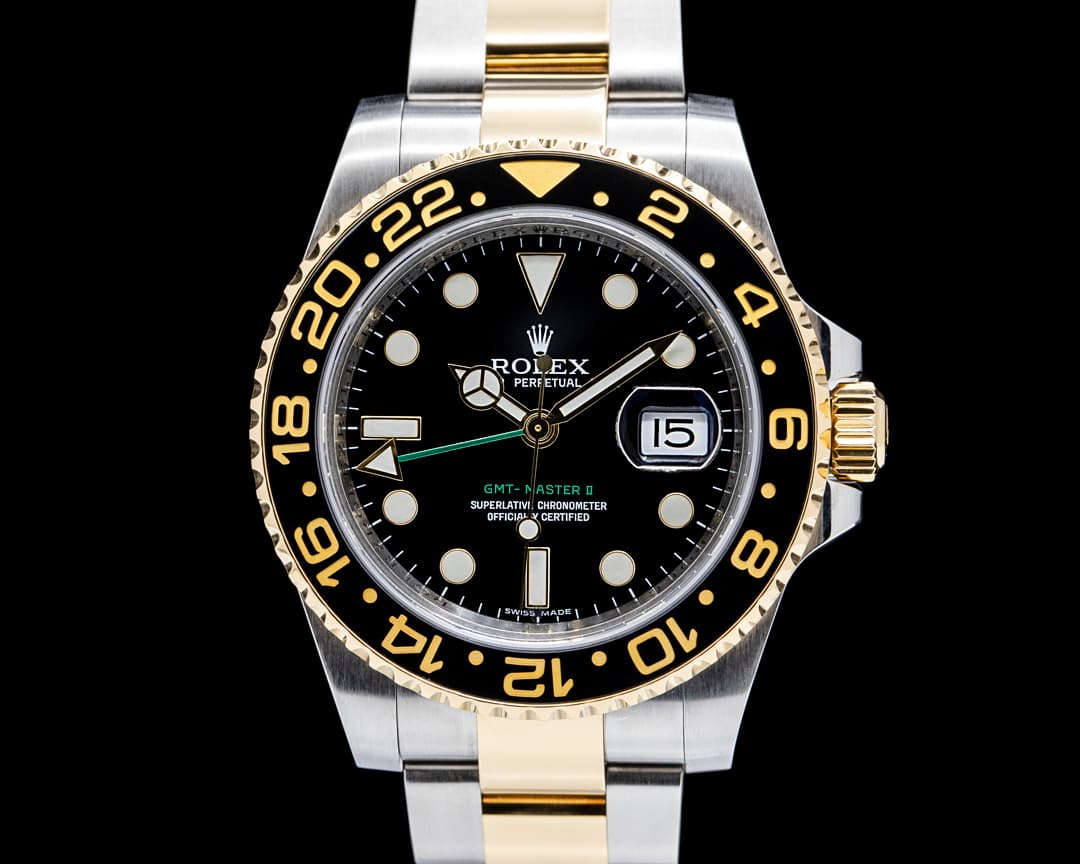
116713LN GMT Master II SS / 18K YG Black Dial
$15,500
View Watch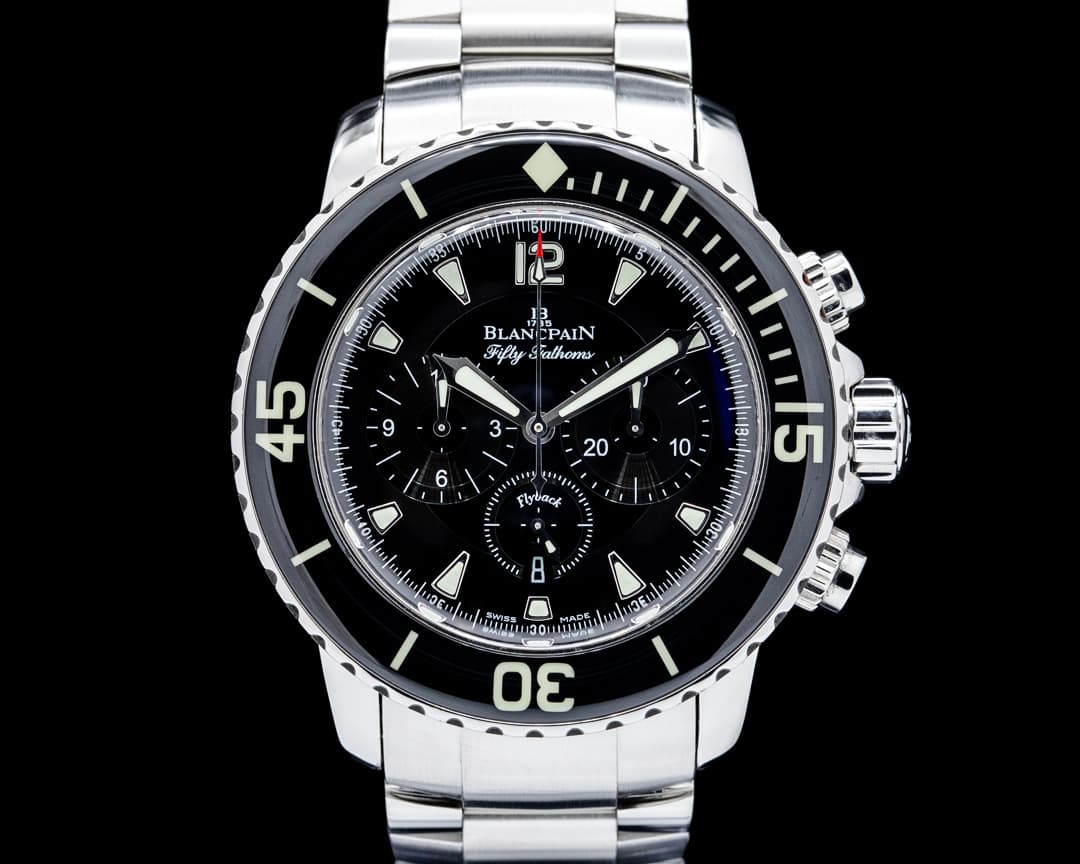
5085F Fifty Fathoms Chronographe Flyback SS Black Dial
$16,500
View Watch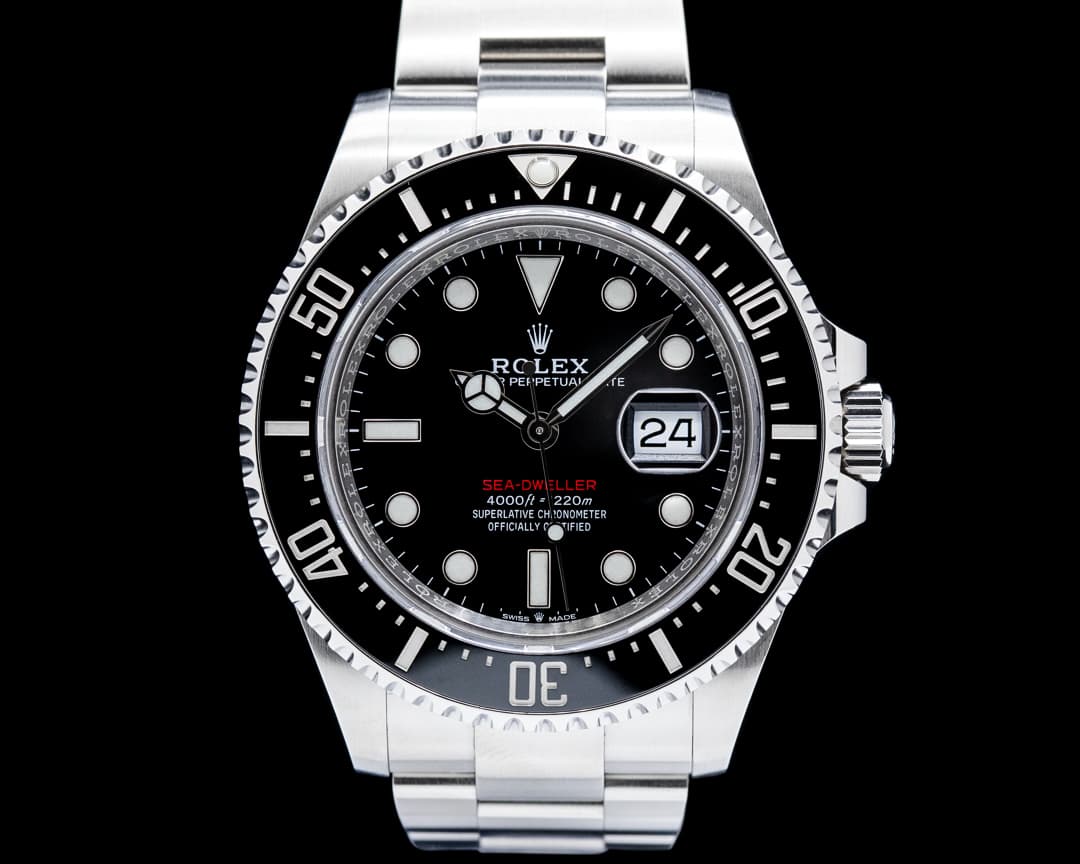
126600 Sea-Dweller Deep Sea SS Black Dial
$14,500
View Watch
Shop New Arrivals
Cintree Curvex Crazy Hours Titanium Blue Dial
$15,900
View Watch116713LN GMT Master II SS / 18K YG Black Dial
$15,500
View Watch5085F Fifty Fathoms Chronographe Flyback SS Black Dial
$16,500
View Watch126600 Sea-Dweller Deep Sea SS Black Dial
$14,500
View Watch
More Content