Buying a Calatrava: A Reference-by-Reference Guide
Published on 5/15/2026
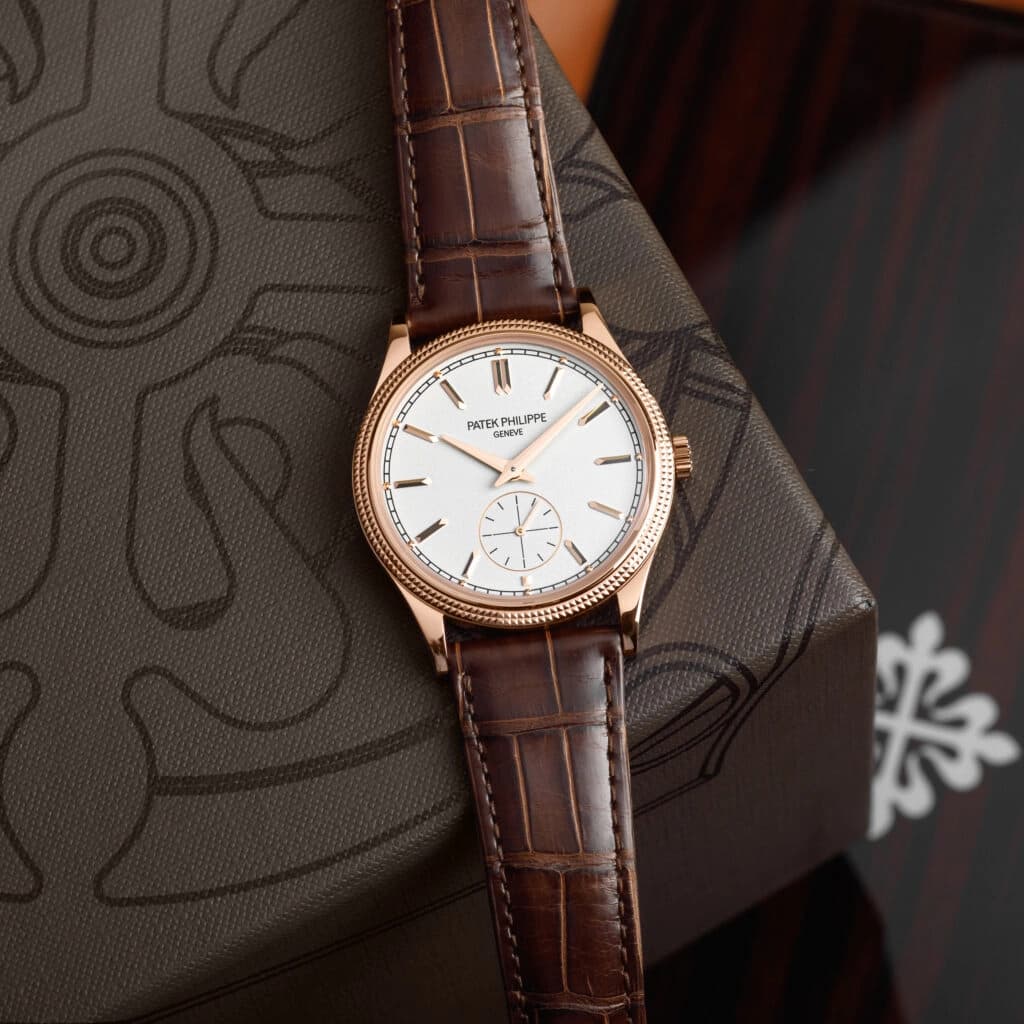
The Patek Philippe Calatrava is the most famous dress watch in history. In today's guide, we are demystifying the collection to clarify the Caltrava's diverse range of options for any collector. Let's get started.
The Ref. 96 and the Founding Thesis of an Icon (1932)
The ref. 96 arrived in 1932, the same year Charles and Jean Stern acquired Patek Philippe during the Depression. The timing was not coincidental: the Sterns came from dial-making family Cadrans Stern Frères, Patek's own dial manufacture, and knew the industry well. The ref. 96 was a statement of the direction the brand would be headed under the leadership of the Stern family. Bauhaus thinking was moving through European design, and the ref. 96 epitomized it: a round case, a coin edge bezel, a clean white dial with simple, minimalist indexes, and leaf hands. In essence, it presented everything you need and nothing you didn't.
The ref. 96 is documented as Patek's first serially produced wristwatch, which gives it a foundational position in the catalog. The case runs 31mm and wears delicately on any wrist above medium sizing, presenting a beautiful and elegant silhouette that reflects its vintage presence. In person, the simple coin edge bezel does wonders to draw the attention to the dial itself, in essence framing the dial display.
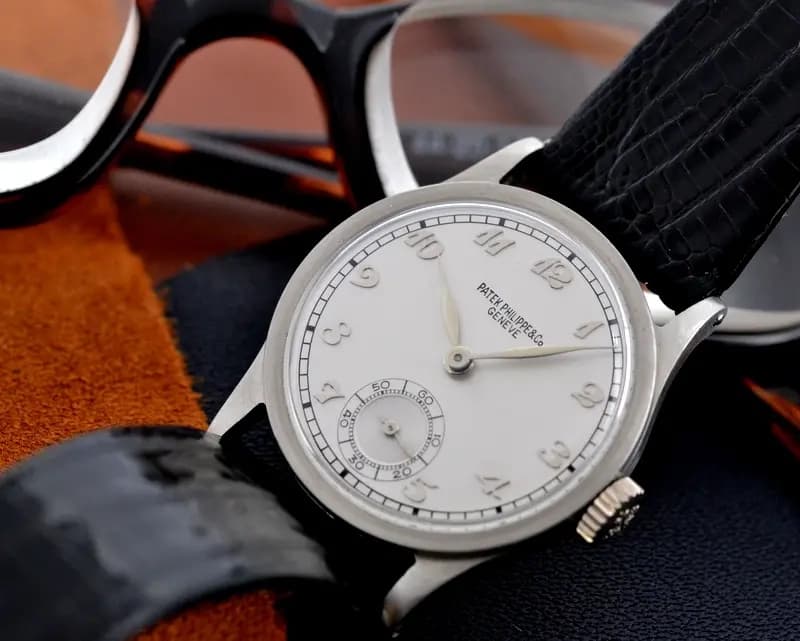
Patek Philippe Ref. 96 "Breguet" Dial
The 96 is an incredibly condition-sensitive reference. Its value depends strongly on dial condition, case profile, and index originality. A refinished dial on an otherwise correct example cuts the value significantly. Case sharpness matters, but dials are the first conversation. Yellow gold examples in honest condition, trade between roughly $12,000 and $45,000 depending on configuration and provenance. Steel versions are far rarer and command multiples that reflect it.
The ref. 96 is the foundational Calatrava reference. If you understand its design thesis and thought process that led to its creation, you understand the essence of what makes the Calatrava the Calatrava, and the rest of the model's evolution is contextualized. The 96 was the birth of an icon.
Mid-Century Refs. 570, 2526, and 3796
The decades between the 1940s and 1980s are where the Calatrava story branches off in a variety of different directions for different collector tastes and preferences.
The ref. 570, introduced in 1938, ran until the early 1970s and represents one of the longest single production runs in the Calatrava line, and Patek's collections more generally. It enlarged the ref. 96 formula to 35mm and powered it with a series of manual-wind calibers, eventually landing on the cal. 27 SC. Long production at larger scale means reasonable availability on the secondary market. The ref. 570, like 96, requires patience to find truly excellent examples. For collectors who love vintage watches but want a larger piece that wears a bit more modernly, this is one of the most natural choices.
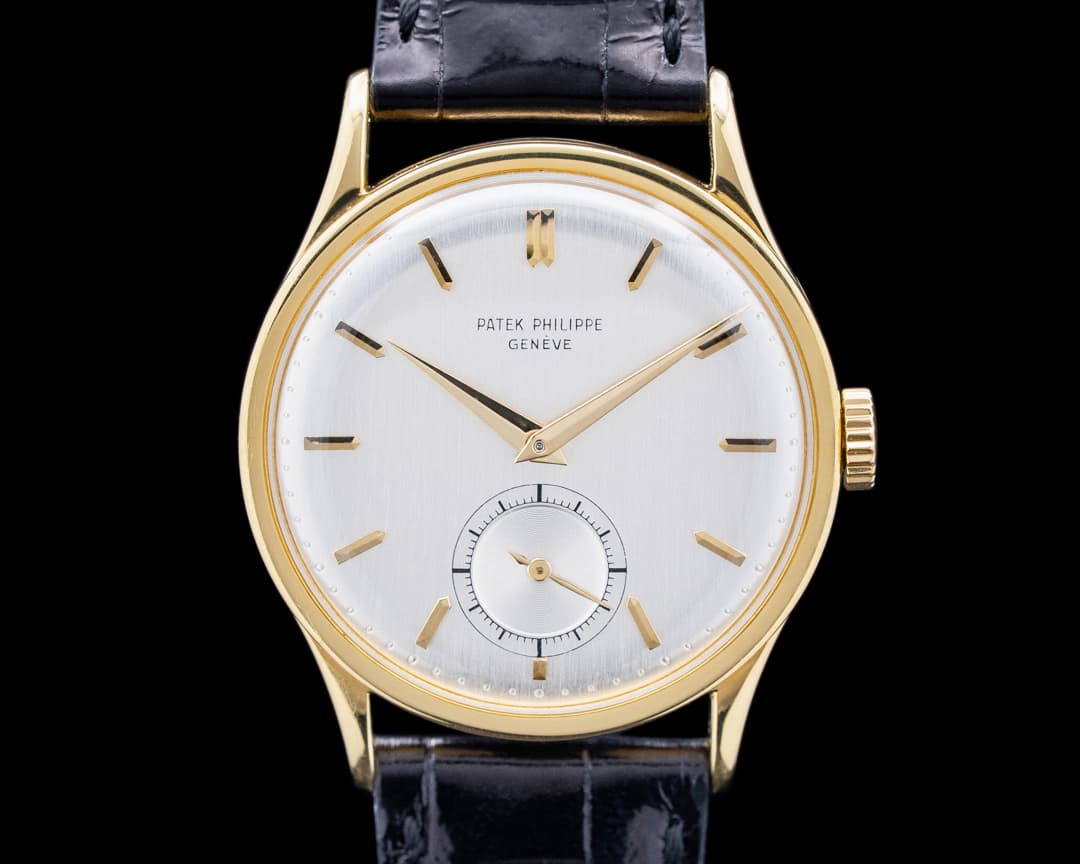
The ref. 2526 is a different category entirely. Introduced in 1953, it is wildly credited as Patek's first automatic wristwatch. Not many examples were made relative to other pieces of historical importance, and the result is one of the most collectable references in the collection. The movement is the cal. 12-600 AT, Patek's first self-winding caliber, and it runs beneath a series of dial configurations of which the enamel variants are the most beloved. Enamel dials on any ref. 2526 carry steep premiums because survival rates are genuinely low since enamel is fragile and refinishing destroys the point of the watch. Finding a truly clean 2526 dial is to find a beautiful gem of vintage collecting.
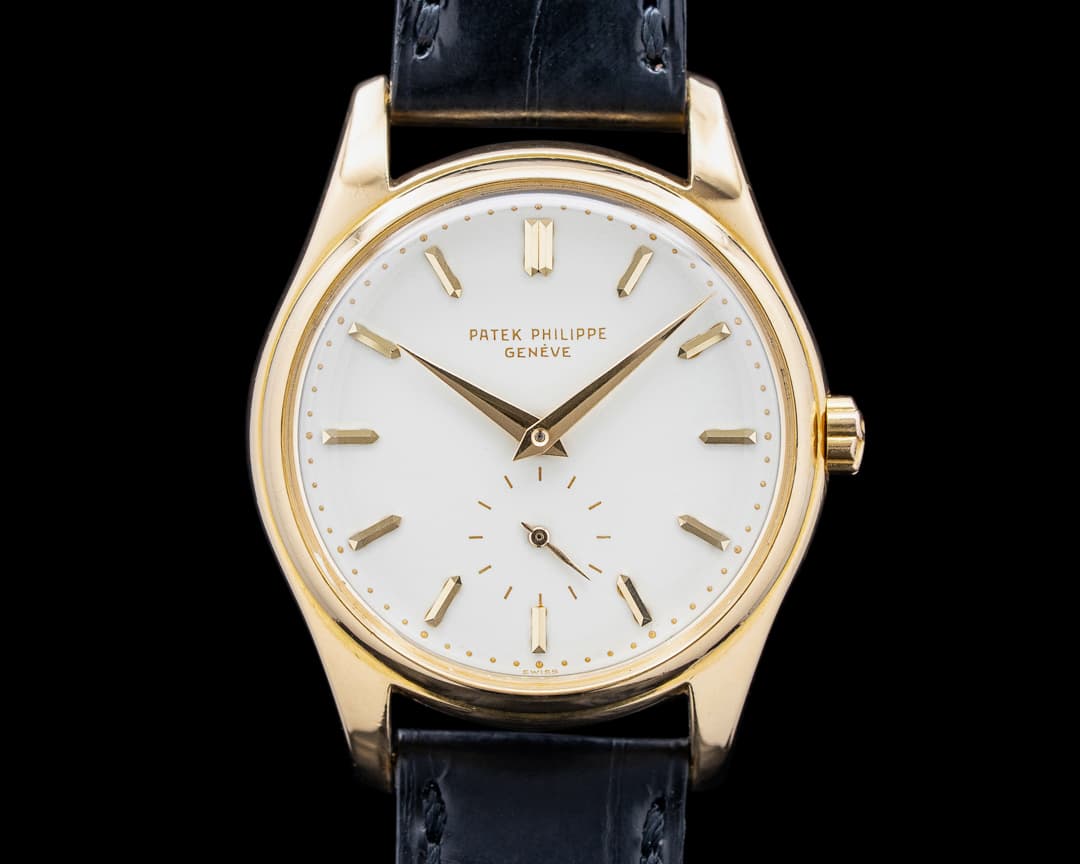
The collecting argument for the ref. 2526 revolves around its historical significance and fundamental factors: a first automatic in Patek's lineup, a rare production output, and modern proportions. None of this means the watch is easy to find in honest condition.
The ref. 3796, bridging the 1980s into the modern era, occupies a different position: collectors sometimes overlook it because it sits in the shadow of what came before and what followed. Its case proportions are conservative at 31mm, the movement solid, the pricing more reasonable than its historical neighbors. It is not the reference to lead with, but for a buyer who wants mid-century Calatrava character without the condition anxiety of the earlier references, it largely mirrors the 96 with a more modern finish.
The Ref. 3919 and the Case for "Boring" Watches
The Ref. 3919 is one of the more undervalued references in the current market, launched in 1985 with a decidedly different design language. A beautiful hobnail bezel, Roman numeral dial, petite seconds display, and wire lugs.
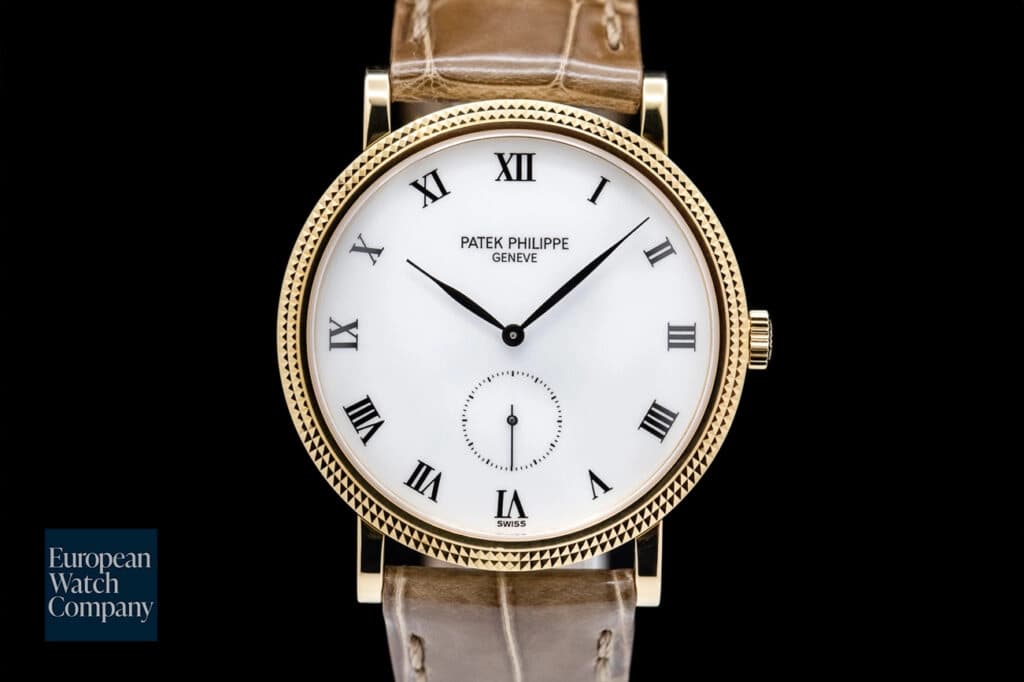
Patek Philippe Ref. 3919J
The cal. 215 PS ticking within is also thinner than its predecessors, which is why the ref. 3919 wears as it does: a 33mm case that sits close to the wrist, no exhibition caseback, a profile that disappears under a shirt cuff exactly as a dress watch should.
The dial reads simply. A silvered surface, leaf hands, roman numerals. This is the watch many people reference when they describe the Calatrava as an idea. At 33mm it reads small on a large wrist--- that is the main collecting caveat--- and for some buyers the proportions will feel dated. But that narrowness is also why it wears better under formal clothing than any of the modern references.
The value proposition is straightforward: well-maintained examples with box and papers currently trade around $13,000 to $15,000. For a 21-year production run of a genuine Patek in-house caliber, in a case designed by a company at the height of its craft authority, that pricing reflects the reference's boring reputation more than its actual merit. The ref. 3919 is underrated because it is understated. Those are not the same thing.
Refs. 5107 and 5127: Dress Meets Sport
Alongside the dressy arm of the Calatrava family, Patek extended its collections in a slightly more utilitarian direction with the Refs. 5107 and 5127. The 5107, launched in 2000 and phased out in 2005 took the same underlying dial design and places it in a sportier crown-guard decorated case that provides a much more utilitarian design. Self-winding for everyday convenience, the 37mm reference is a great alternative for the collector looking for an everyday driver.
The 5127 was presented in 2005 as the successor to the 5107 with an updated and overhauled execution. The dial presents in a beautiful silvery finish and once again walks the line between dressy and a little sportier. The 5127 preserved the same 37mm case and underlying case aesthetic.
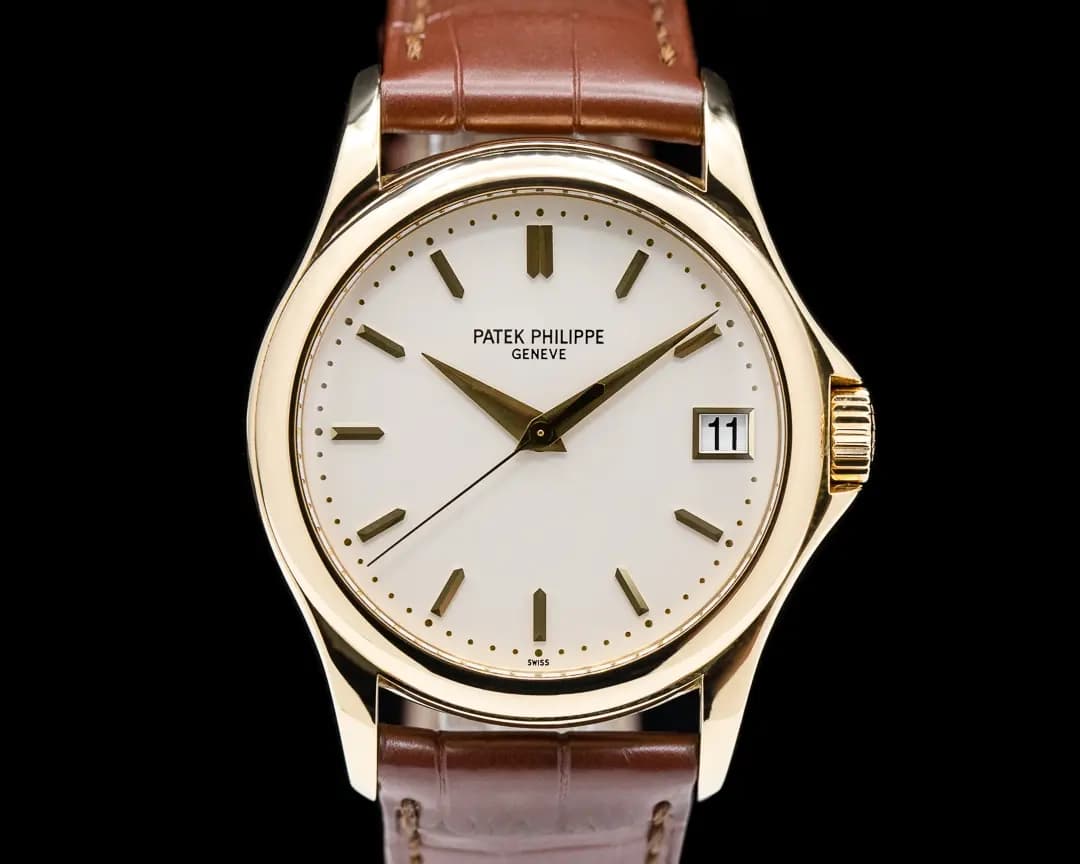
Patek Philippe Reference 5127
The Ref. 5196: A Return to Basics
Patek launched the ref. 5196 in 2004 as an explicit return to the ref. 96's visual language. The coin edge bezel, sheer cased flanks, simple dial and dauphine hands all returned. The case grew to 37mm: the right call for modern wrists without abandoning the original's proportions. Underneath is the same cal. 215 PS that powers the ref. 3919.
In yellow gold, the ref. 5196 is the closest thing in recent years to what the ref. 96 was in 1932. The case finishing is well-executed: polished surfaces on the bezel and case bands, brushed flanks. The dial has that particular Patek quality of reading as simultaneously simple and precise. It's just such a clean dress watch straight down the line.
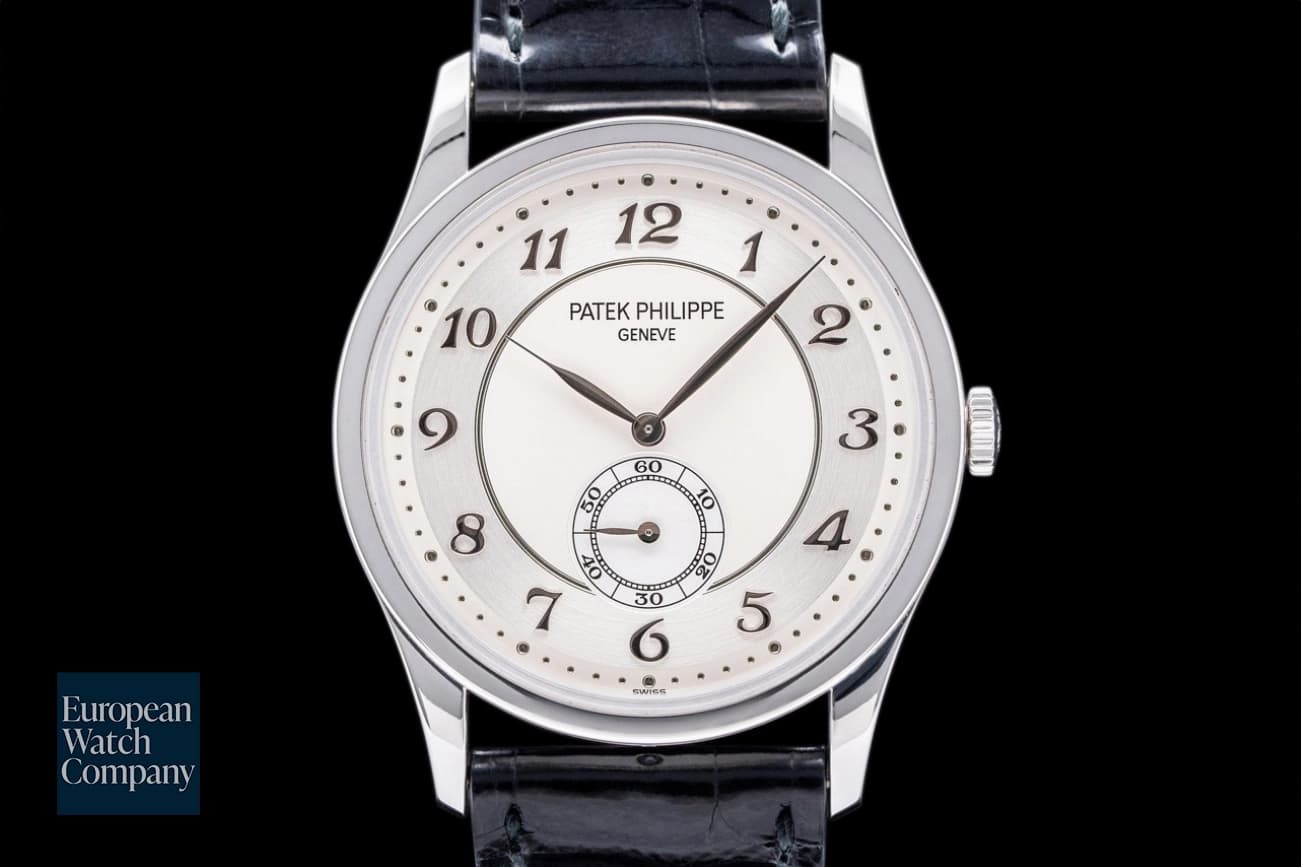
Patek Philippe Ref. 5196P
The ref. 5196 was introduced in yellow gold, white gold, rose gold, and platinum. Pre-owned examples currently trade in roughly the mid 20k pricepoint depending on condition, kit and more. The platinum iterations with a Breguet dial and slightly different aesthetic finish than the others trades for quite a bit more.
The buyer's question here is whether to favor the modern variants or redirect attention toward a vintage ref. 570 or ref. 3919. The answer depends on what you're actually buying. The ref. 5196 offers a new or near-new case in known condition, a movement with full service history, and no dial-originality anxiety. Vintage offers more character and, at current prices, arguably better value in certain references. For some buyers, the ability to wear a current-production watch without condition worry is worth the delta. For buyers who have done the vintage research, it probably isn't.
The Modern Lineup: 5227, 5119, 6119, and Where They Stand
The current Calatrava family has expanded far beyond the Calatrava of old.
The ref. 5227 is one of the simplest. It is automatic, with a date and officer's case: a hinged caseband that covers the caseback and creates a second opening experience. At 39mm it wears like a proper watch on a normal wrist. The movement is solid and well-finished, and it sits at the more expensive end of the current lineup. Some criticize the 5227 for being boring. It's a simple watch no doubt, and while not particularly unique, could make a great dress watch for someone looking for a one and done reliable option.
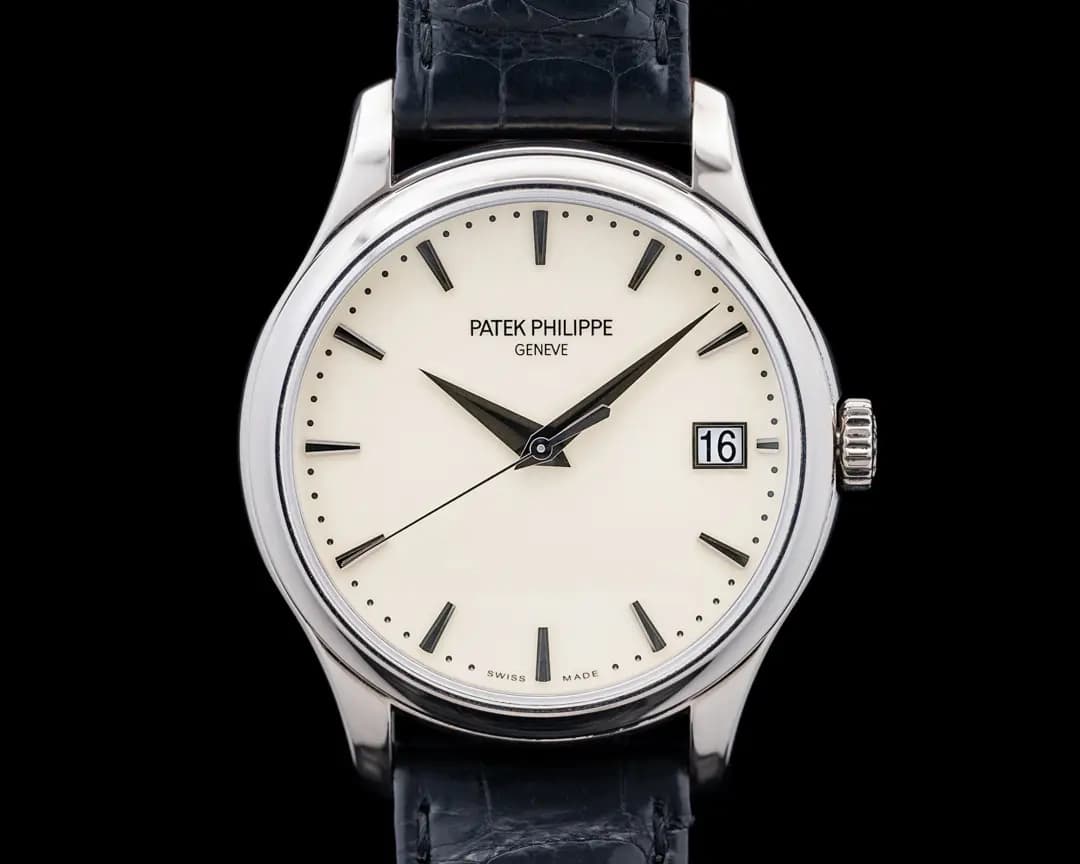
Patek Philippe Reference 5227G
The ref. 5119, a 36mm manual-wind piece, ran as a continuation of the 3919 at a larger size until it was replaced by the ref. 6119. The ref. 6119 brought back the hobnail bezel and updated the case geometry in a way that positions it as the contemporary reference for buyers who want classic Calatrava visual language in a 2020s package. It does that job very well. Contemporary in proportions and with a beautiful new manually wound movement, for the modern collector wanting a watch that encapsulates the details of the full evolution of the model line, this is an awesome option.
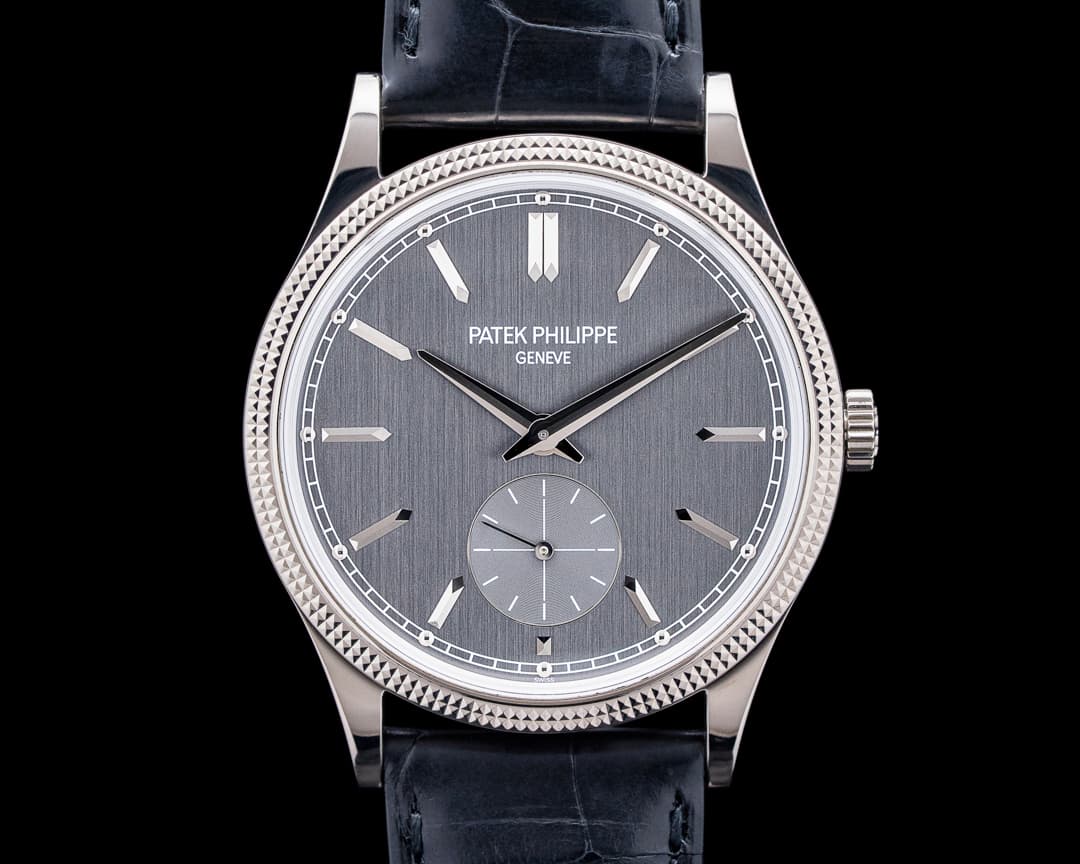
A Powerful Statement from Patek
A Calatrava is a watch that holds its character for decades. The model line is one of the most storied and celebrated in the industry and for good reason. This guide reflects a mere cross section of the full range of incredible watches available from the brand, but it should help situate collectors within a dizzying range of options to hone in on what the ideal match is. Regardless, the Calatrava is and will remain an icon of nearly unparalleled proportions and we cannot wait to see where the collection goes next. Whether you favor the vintage charm of a 2526 or the bold modernity of reference 6119, you can be confident you are buying the very best the watch industry has to offer.
Shop New Arrivals
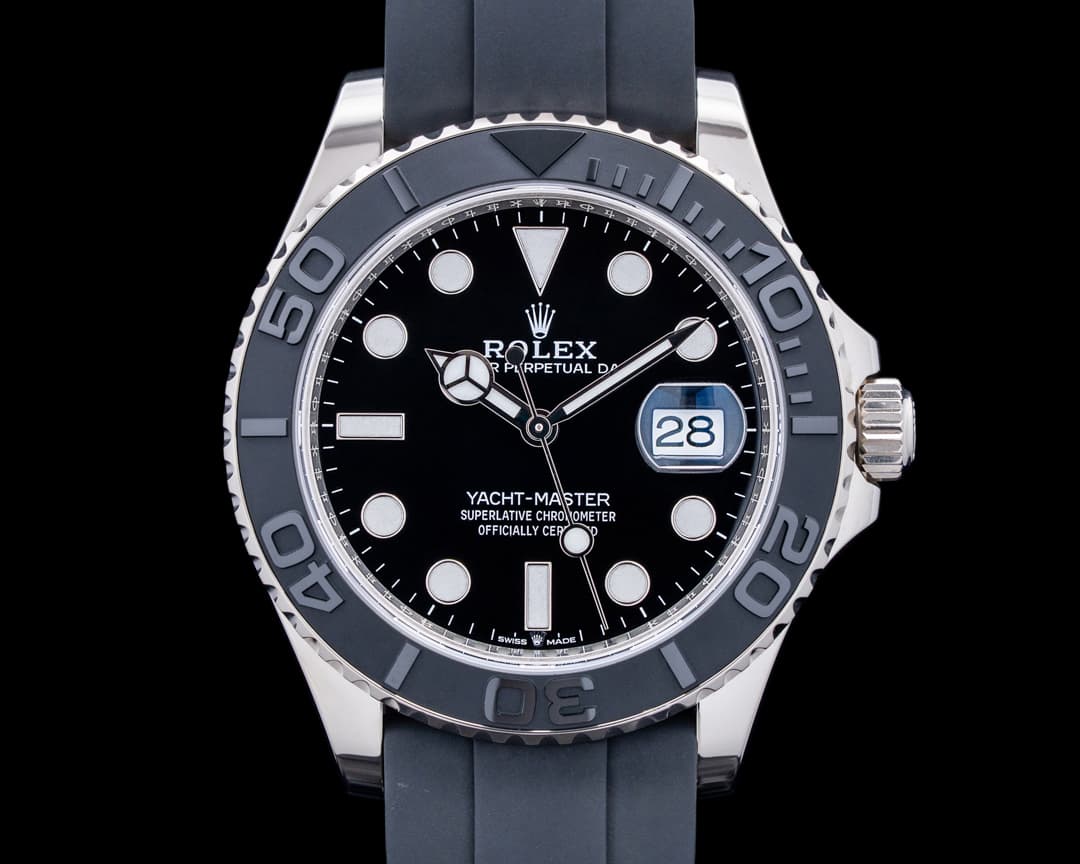
226659 Yacht-Master 18K White Gold Black Dial
$31,900
View Watch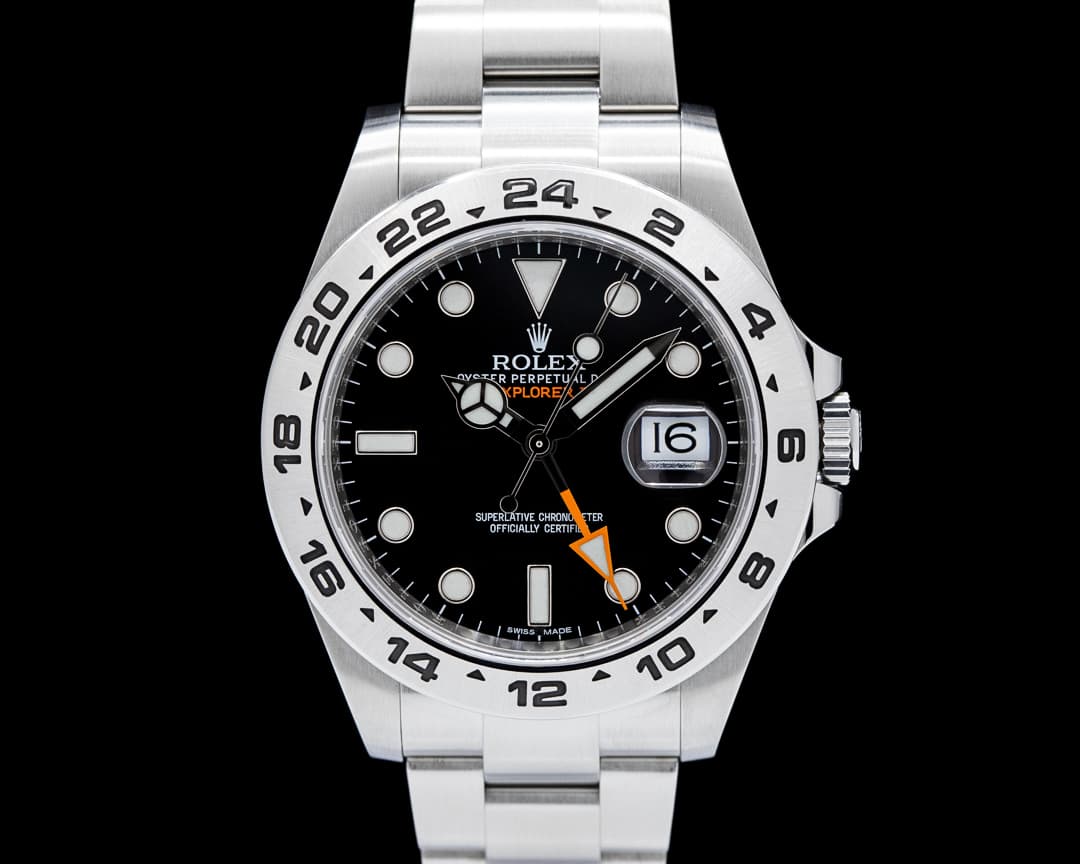
216570 Explorer II SS Black Dial
$10,900
View Watch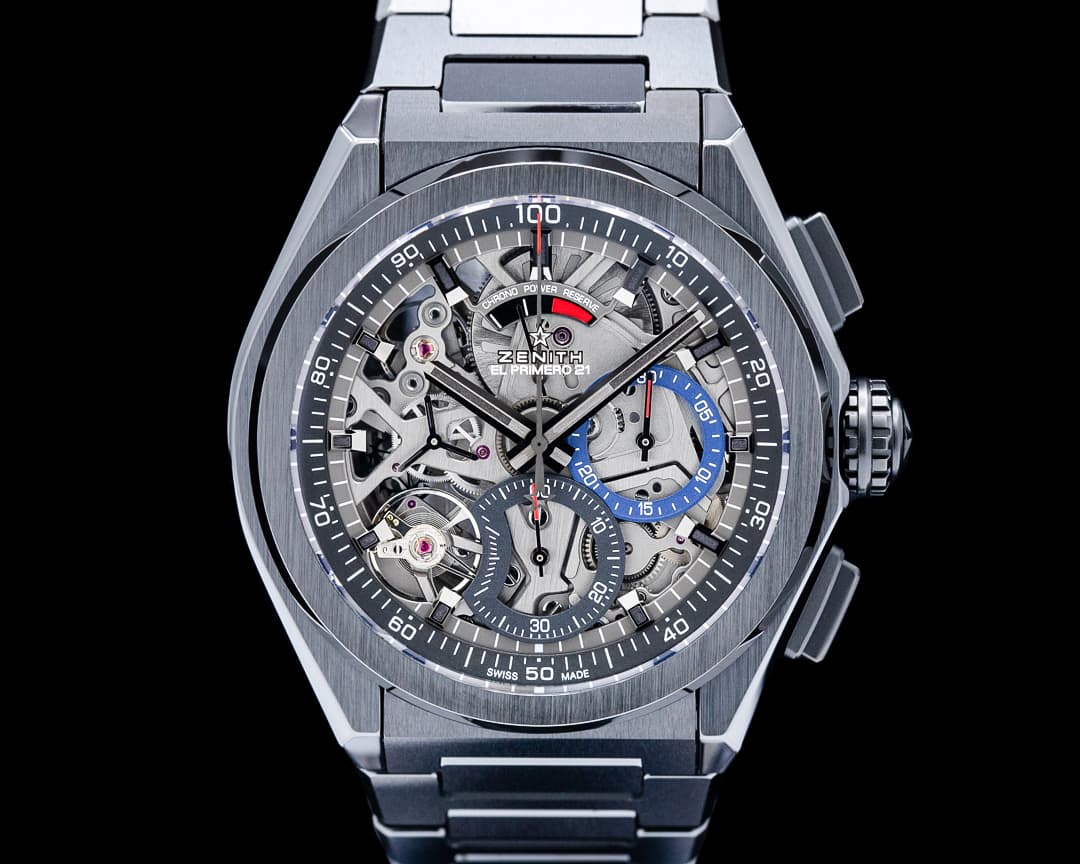
Defy El Primero 21 Chronograph Black Ceramic Skeleton Dial
$9,900
View Watch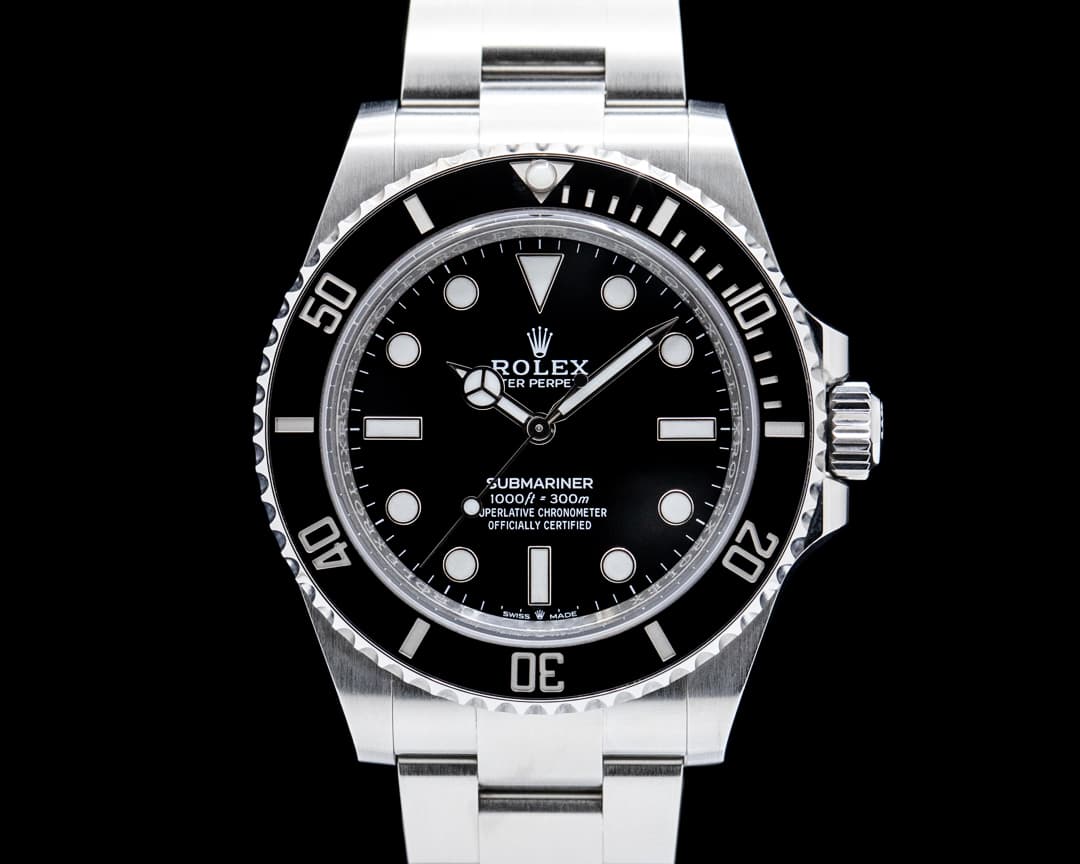
124060 Submariner No Date 41MM SS Black Dial
$13,900
View Watch
Shop New Arrivals
226659 Yacht-Master 18K White Gold Black Dial
$31,900
View Watch216570 Explorer II SS Black Dial
$10,900
View WatchDefy El Primero 21 Chronograph Black Ceramic Skeleton Dial
$9,900
View Watch124060 Submariner No Date 41MM SS Black Dial
$13,900
View Watch
More Content