Pedal to the Metal: A Buyer's Guide to White Metal Case Materials
Published on 2/17/2026
When the average person on the street sees a silver-hued wristwatch, they most likely assume it’s stainless steel – if they think about it at all – and carry on living their lives. They may not know that there’s a veritable bevy of silvery metals that could be parading right before their eyes. From steel to white gold to platinum to titanium, their similar looks hide some big differences in appeal and price point.
So what’s the difference between all these shiny metals, and what should you know when considering a purchase? Let's get into it.
A quick note: It might seem odd that actual silver is not a metal we discuss when talking about silver-hued metals in watches. In general, for watch production, silver is seen as too easy to nick and dent, and too prone to oxidation when exposed to air and moisture. It builds up a dark tarnish fairly quickly and requires too much upkeep to be a viable metal for the everyday watch buyer.
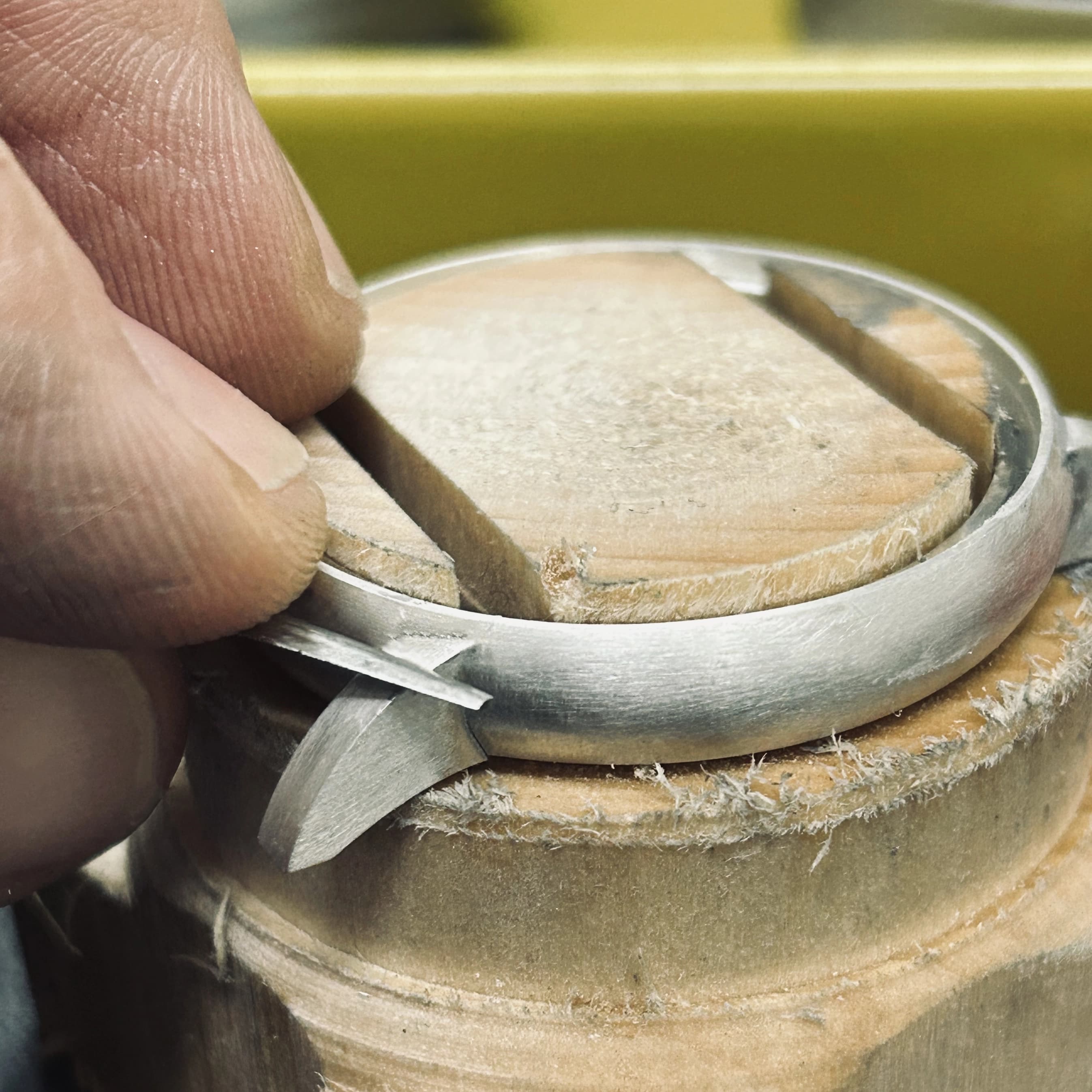
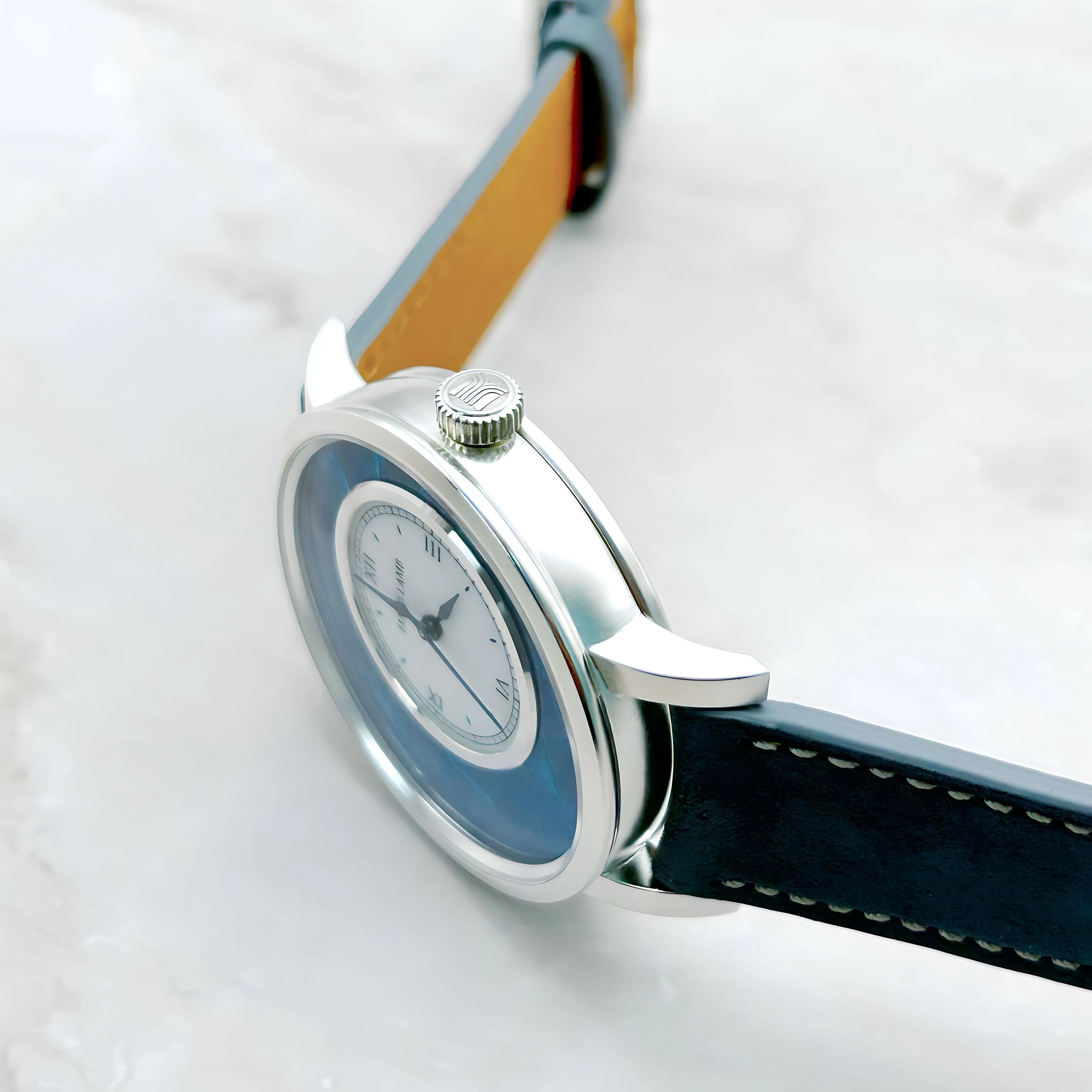
There are a few exceptions out there with silver cases, such as James Lamb’s Argentium silver cases and Tudor’s Black Bay Fifty-Eight 925.
Stainless steel
Originally called “rustless” steel, the recipe for stainless steel was stumbled upon by English metallurgist Harry Brearley in 1913, and was initially used for cutlery; no one wants to eat with a rusty fork and knife. Its corrosion resistant qualities made it a natural fit for wristwatches, and it's still the primary metal that most watches are made of today. ”Steel strikes a strong balance between hardness and machinability. It allows removal of material in a controlled way during polishing, and its rigidity helps preserve case lines through multiple refinishing cycles. For that reason, it remains one of the most dependable materials to service long term,” says Henry Ly, Managing Director of The Watchmaking Project.
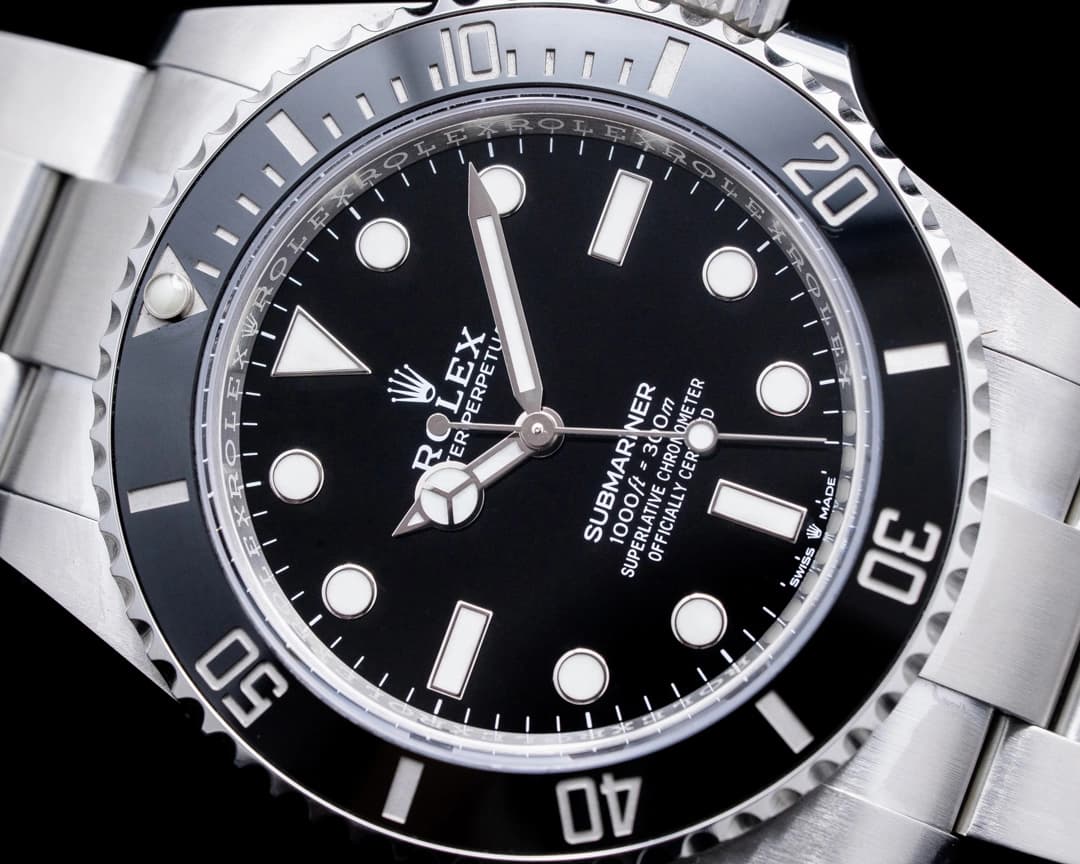
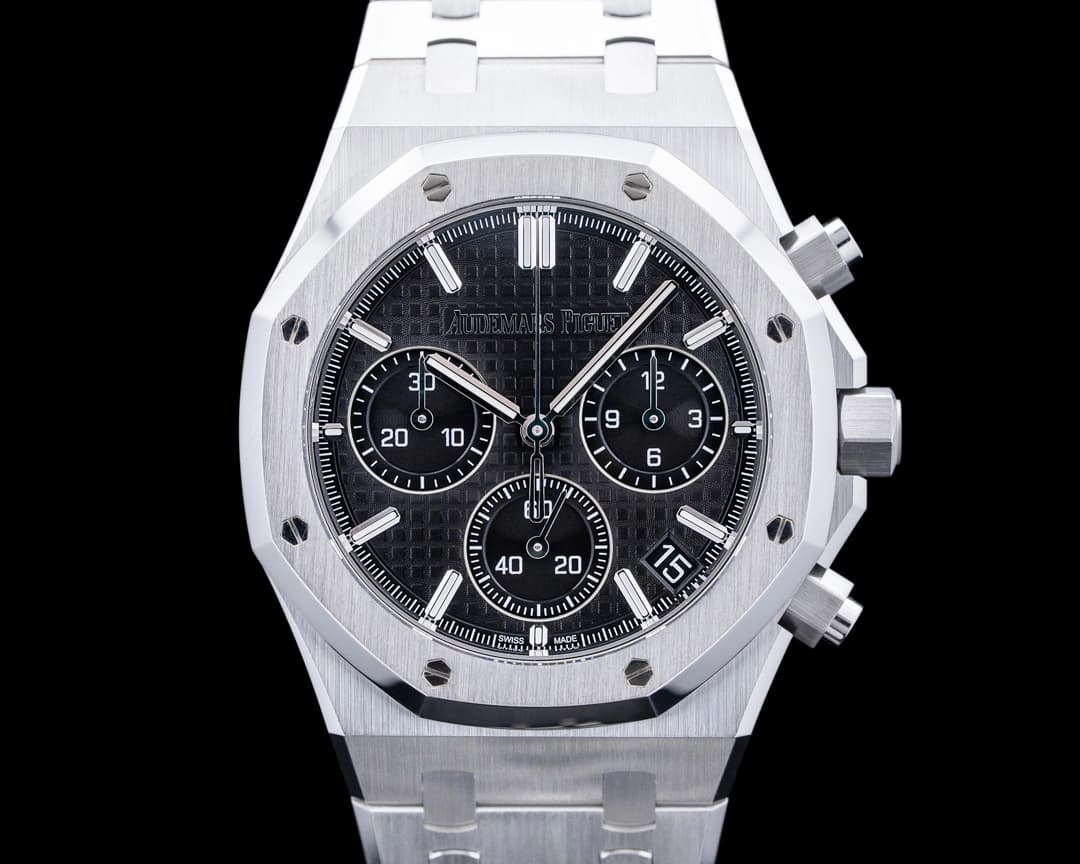
Take the Rolex Submariner. While there are other metal variants, the stainless steel version is still the classic standard-bearer of this iconic dive watch. Audemars Piguet is another brand who created an icon out of a chunk of this impervious alloy, in the Gérald Genta-designed Royal Oak. And let’s not forget Japanese stalwart Seiko, as pretty much their entire catalog is built out of stainless steel watches of all shapes and sizes.
Due to its low cost, watches made of stainless steel are literally everywhere, and it’s no exaggeration to say that this metal helped to democratize watch collecting, making them not only accessible to the wealthy elite but available to the everyman.
White Gold
While similar in appearance to stainless steel, white gold is another beast altogether. Found in everything from dive watches to dress watches, this somewhat confusingly-named metal is an alloy of gold and at least one white metal, usually nickel or palladium. It’s usually plated in rhodium to give it its shiny, polished appearance. It offers a similar look to stainless steel, not immediately hitting you over the head with the luxurious bling of yellow gold, but closer inspection will reveal a heft and luster that put it in a different class.
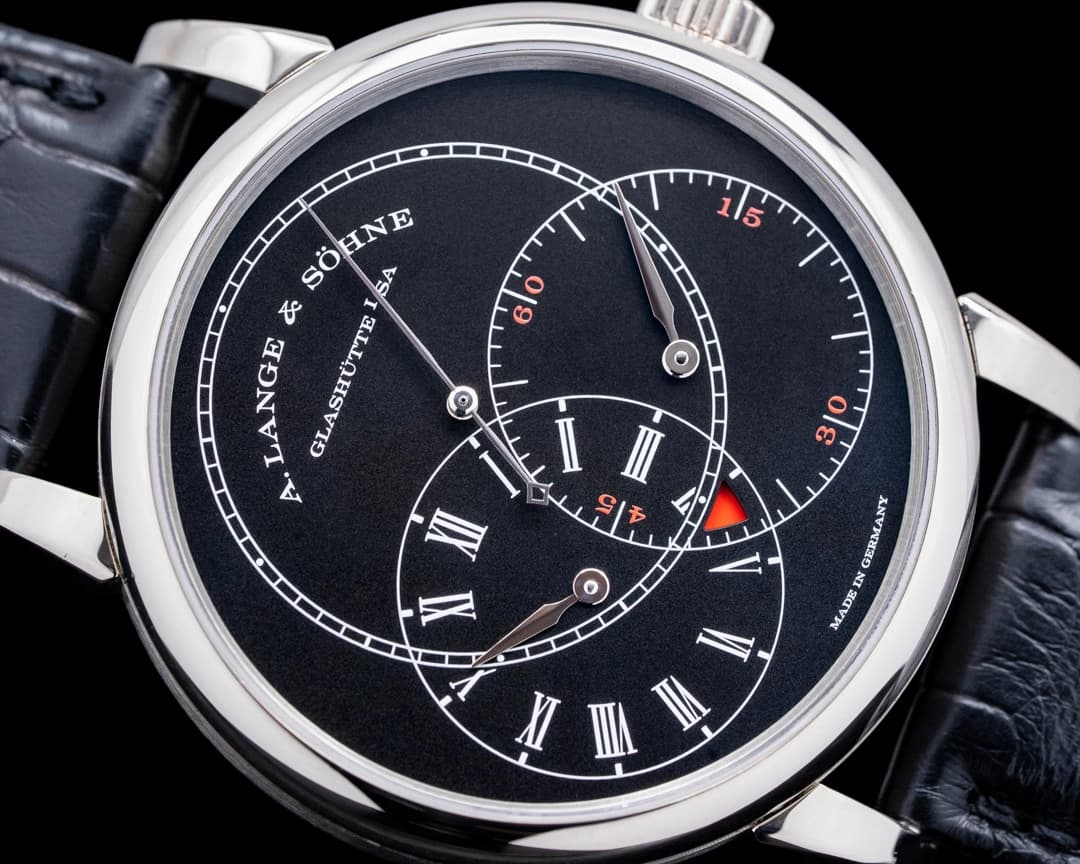
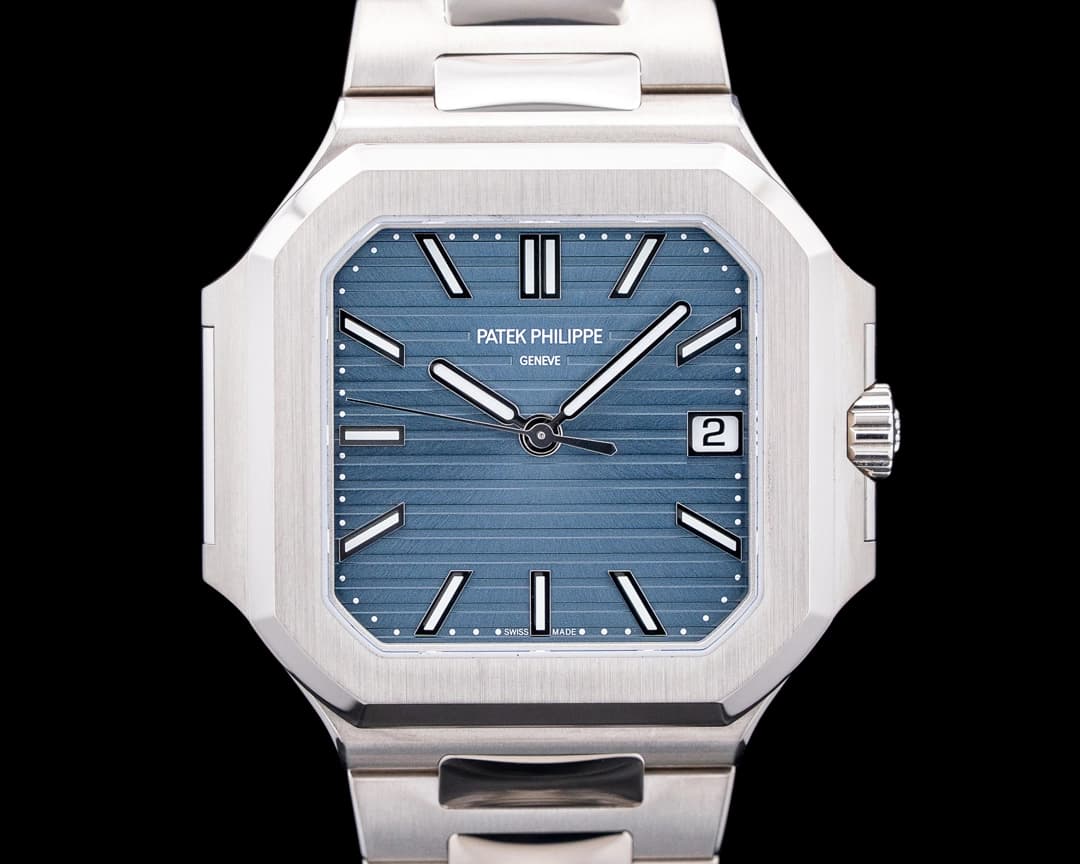
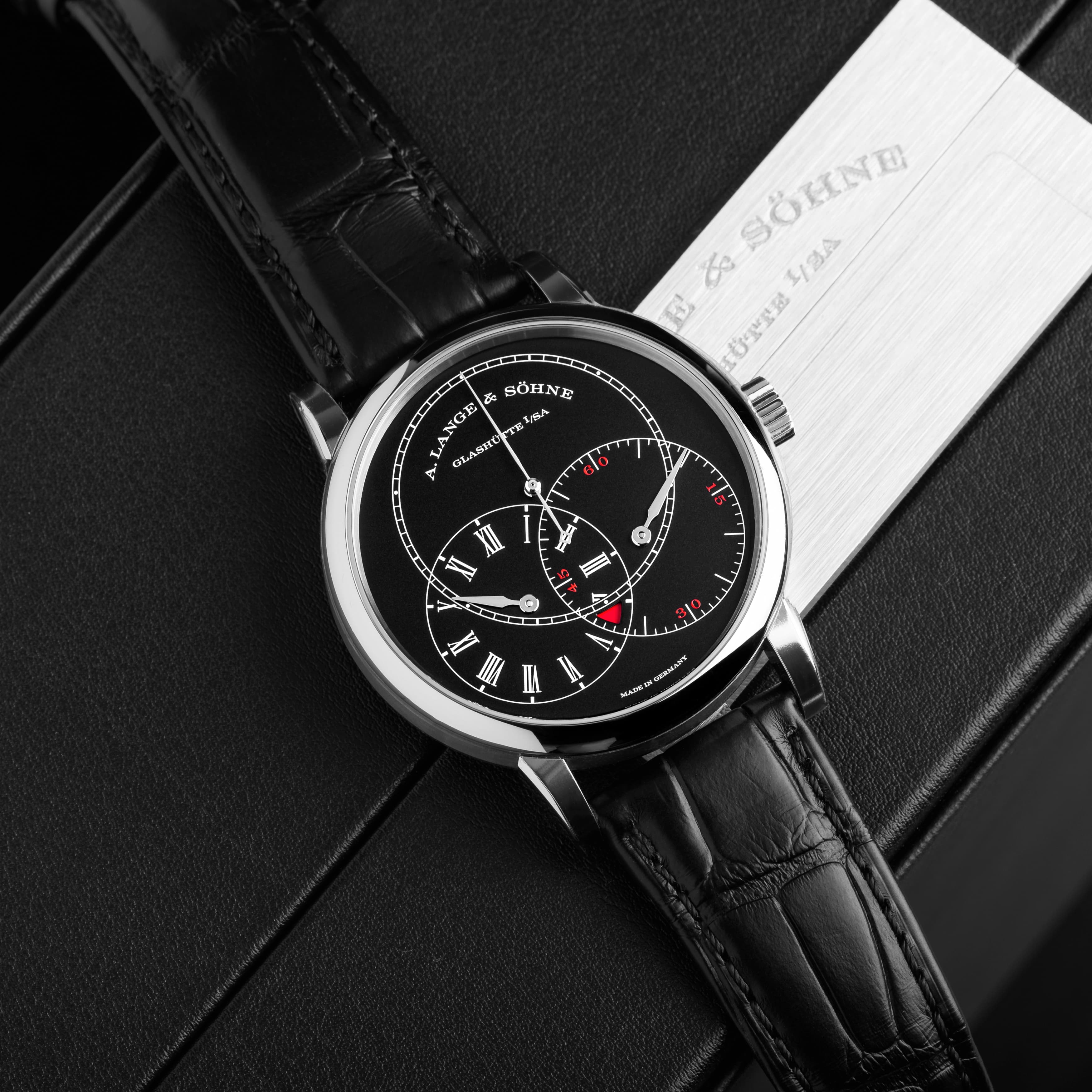
Take a look at the A. Lange & Söhne Richard Lange Jumping Seconds in white gold. The soft sheen of the metal beautifully accents the regulator-style dial and its jumping-seconds complication. Another example is last year’s Patek Philippe 7128/1G Cubitus, in a more wearable 40mm size in the white gold variant. White gold can require a little more care and upkeep if you want to retain its bright white appearance. Otherwise, the metal can eventually take on a warmer, more yellow tone.
Platinum
Platinum is another silver-hued precious metal, and the first one we are discussing here that’s a naturally-occurring element and not an alloy. As one of the rarest elements in the earth’s crust, platinum is prized for its durability and resistance to corrosion, qualities which also make it an excellent choice for a wristwatch. Its premium price point means you will typically only find platinum in high-end watches, although there are occasional exceptions, like Swatch’s Tresor Magique. “Platinum is always my white metal of choice. Many watchmakers dislike working with platinum, as it requires different techniques to machine and fabricate. Finishing can also be a challenge if you’re unfamiliar with it,” said jeweler and watchmaker Chris Manning of Silver Hand Studios.
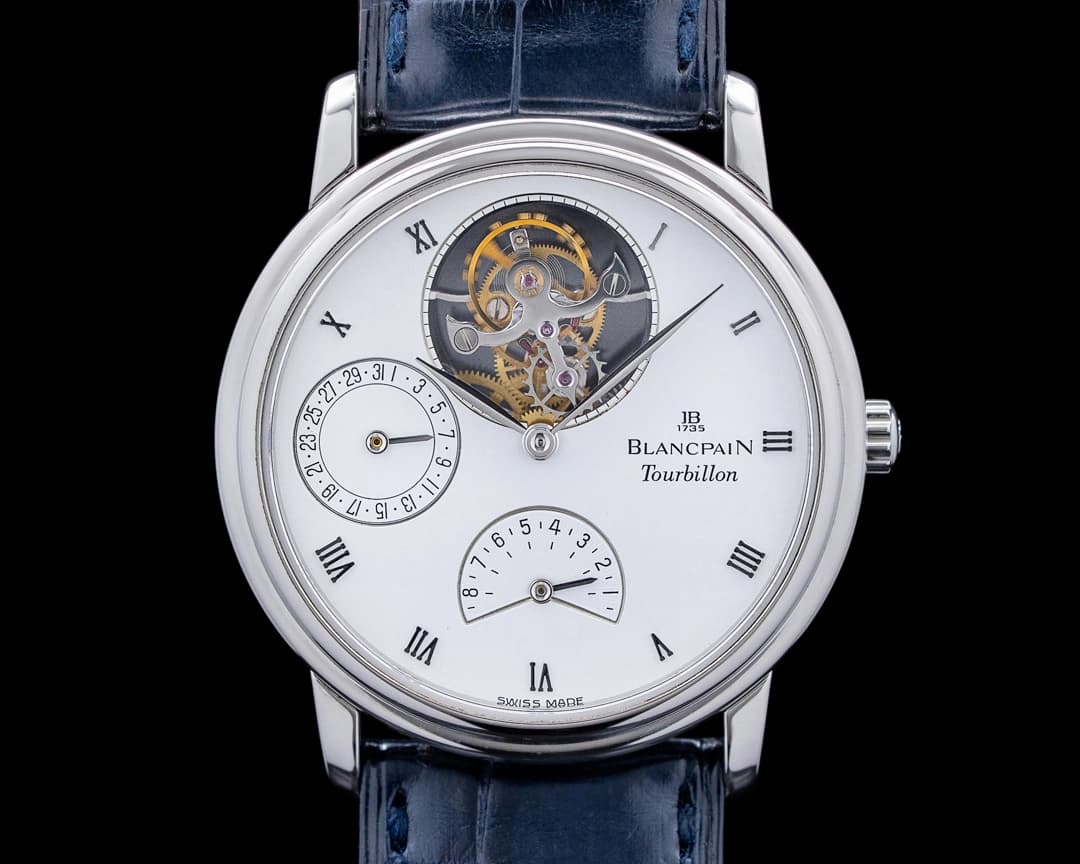
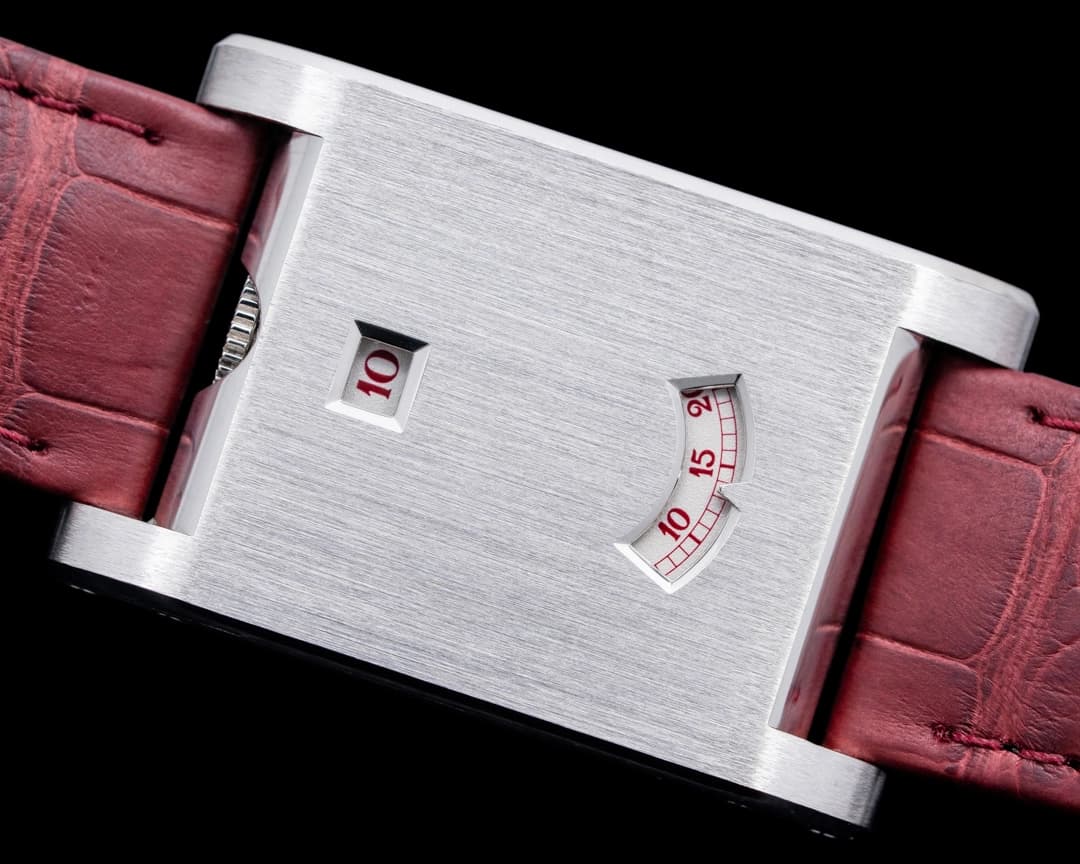
Platinum is the heaviest of all the metals featured here, which makes it an ideal and safe setting for something as complex as the world’s first flying tourbillon wristwatch movement, in the Blancpain Villeret Flying Tourbillon. Or if you prefer your platinum to be a little more understated, take a gander at the Cartier Tank Guichets Platinum Oblique. With its utilitarian design, no one would suspect it is crafted out of a rare precious metal.
Titanium
Last, but certainly not least, is titanium. Another pure metal mined straight from the earth, titanium’s claim to fame is being stronger than steel while weighing far less. Titanium has the highest strength-to-weight ratio of any metal, making it perfect for use in the aerospace industry, medical implants, and – spoiler alert – watches.
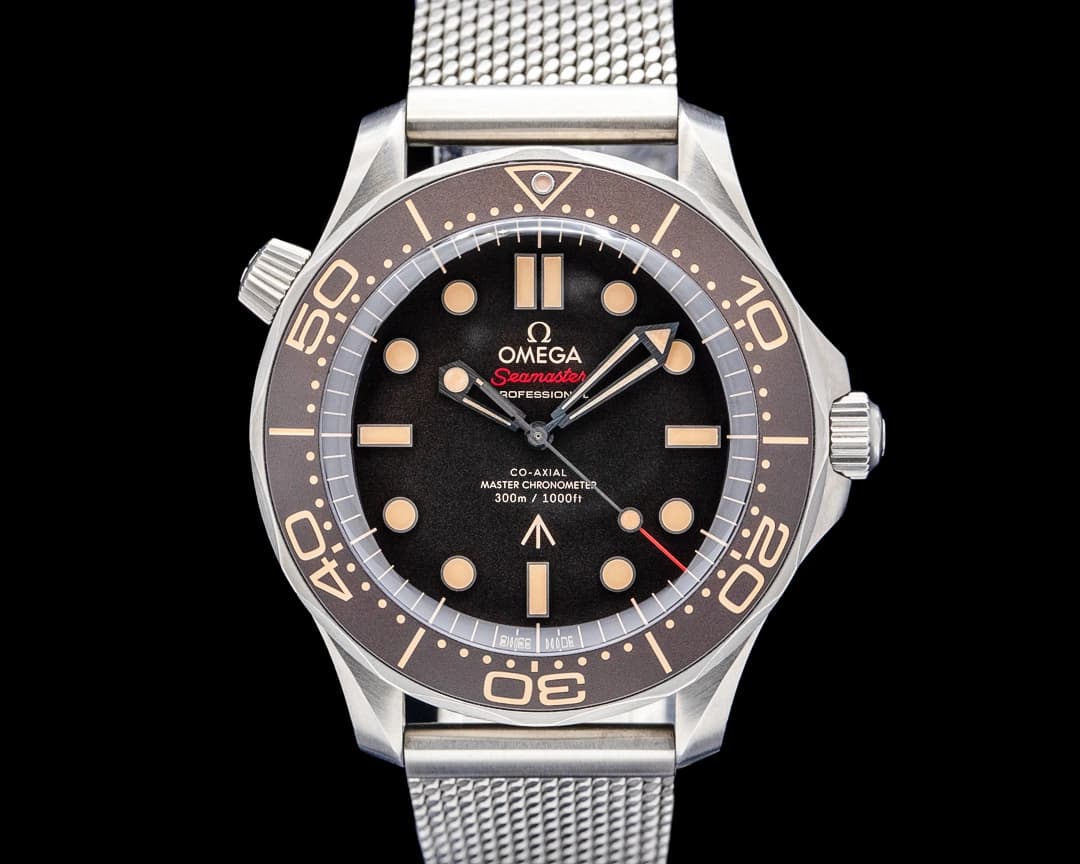
The first time one tries on a titanium watch, especially on a titanium bracelet, the experience can be startling. It’s not uncommon for first-time wearers of a titanium watch to feel as if they’re not wearing anything. You’ll find titanium used mostly in sporty watches, primarily in the field and diver varieties. “We decided that a lightweight watch would be key for a military man like 007,” said Daniel Craig at an event celebrating the Seamaster Diver 300M ‘007 edition, explaining why Omega employed lightweight titanium for James Bond.
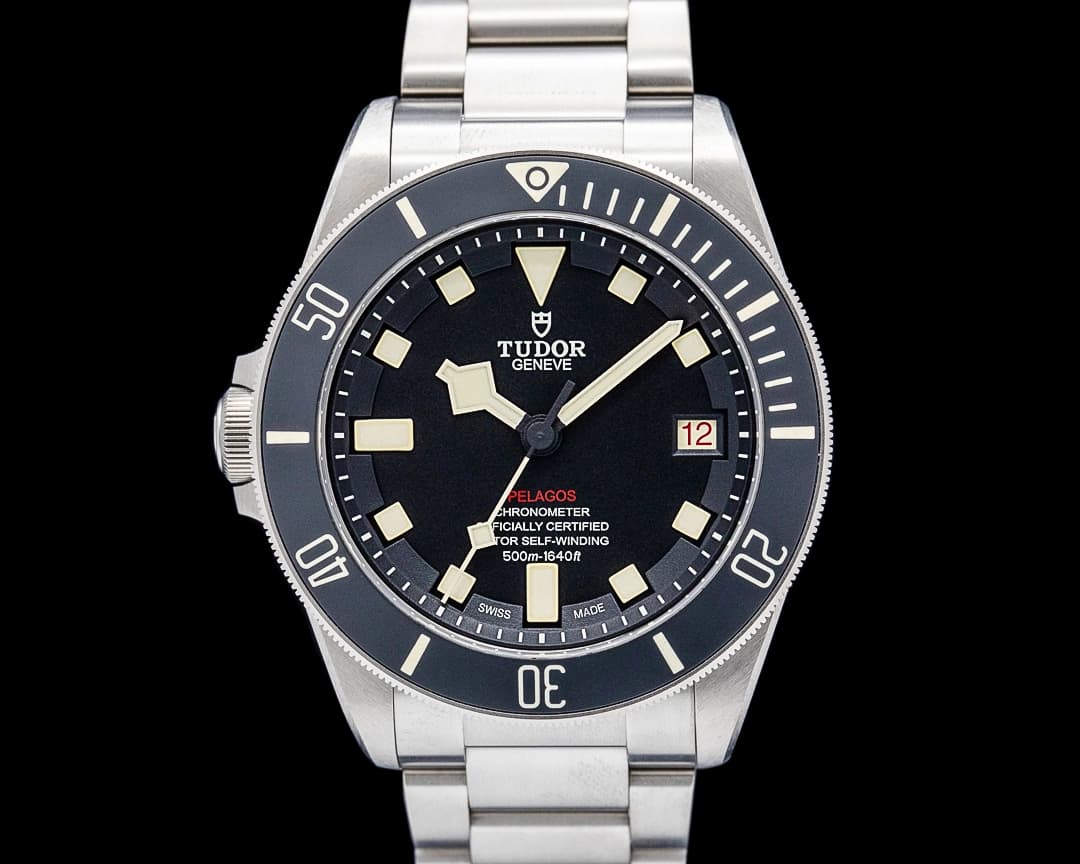
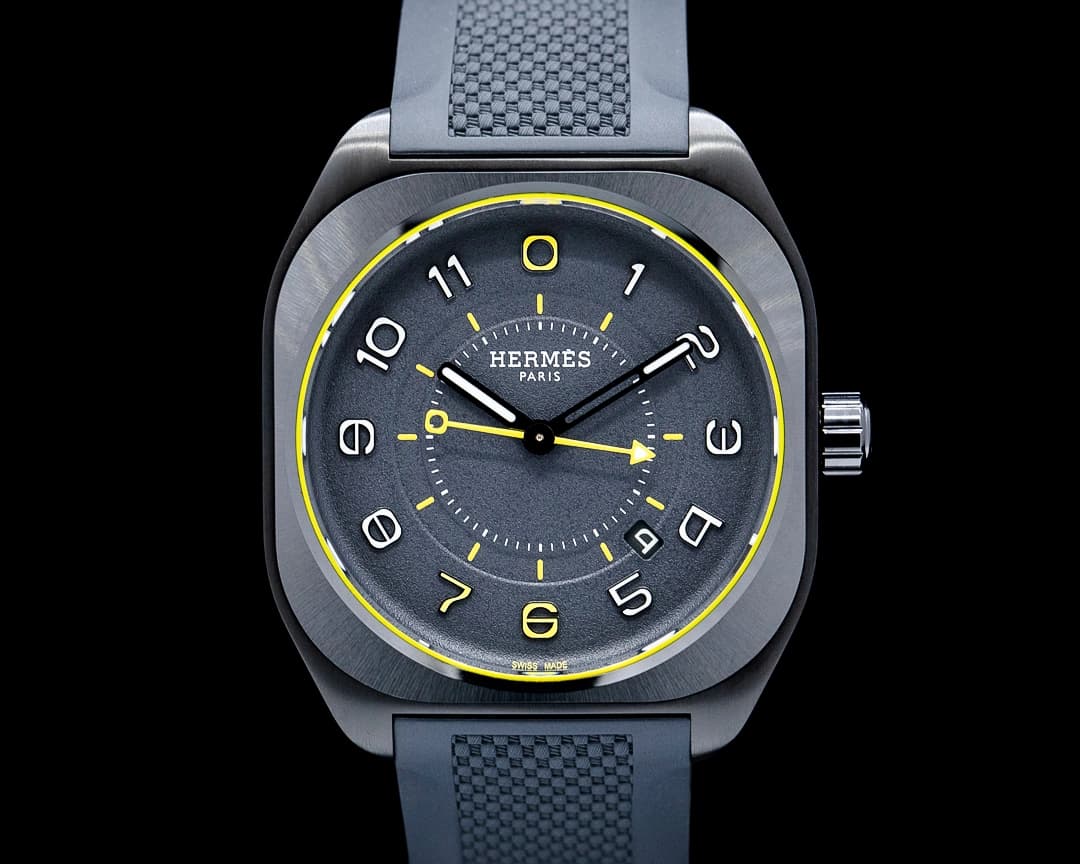
Along those same lines is the Tudor Pelagos LHD, in full Grade 2 titanium, including the bracelet. Its light weight belies its chunky, deep sea diving provenance. For something a little more svelte and elegant, yet still sporty, take a look at the Hermes H08. This watch, in a quirky shape with a quirky custom font for the numerals, is available in a titanium case in several different colorways.
Silver-colored watches remind us not to judge a book by its cover, as one never knows what is going on just beneath the surface, molecularly speaking. Watch collectors can rest assured knowing that there are hundreds of choices out there, just waiting to be experienced, pardon our overuse of the phrase, in the metal.
Shop New Arrivals
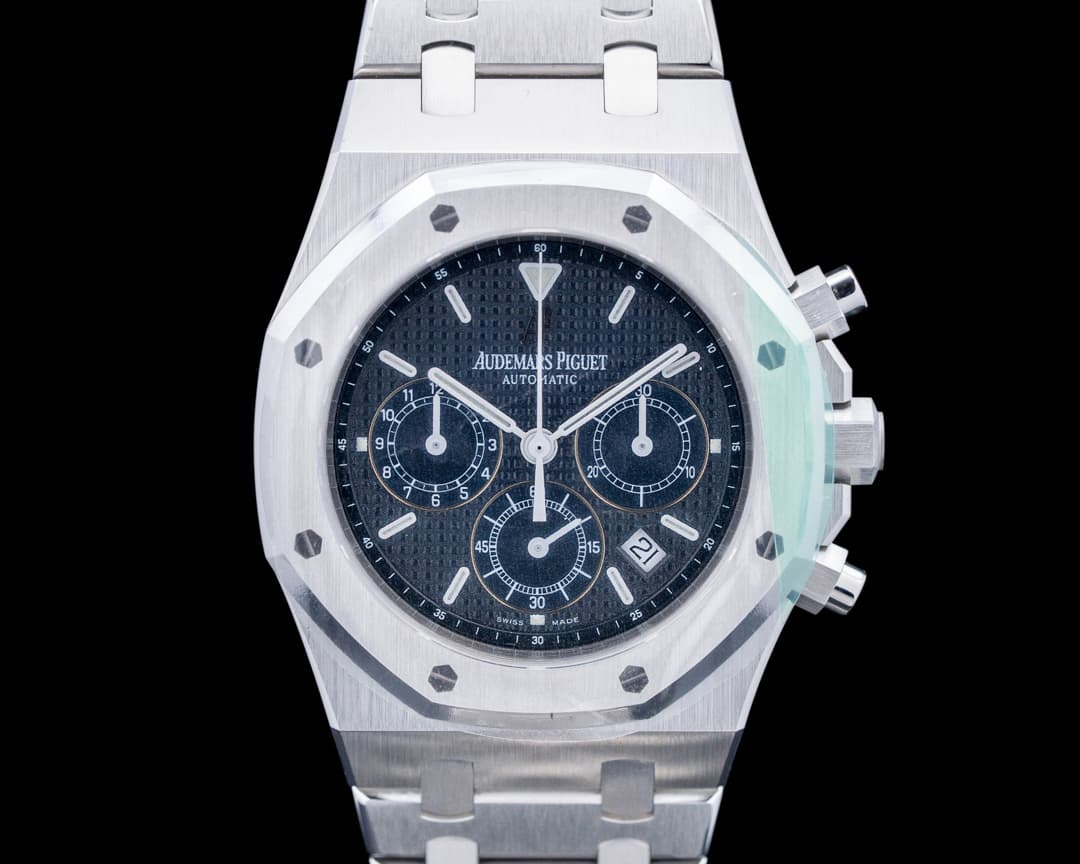
25860ST Royal Oak Chronograph SS Blue Dial
$46,500
View Watch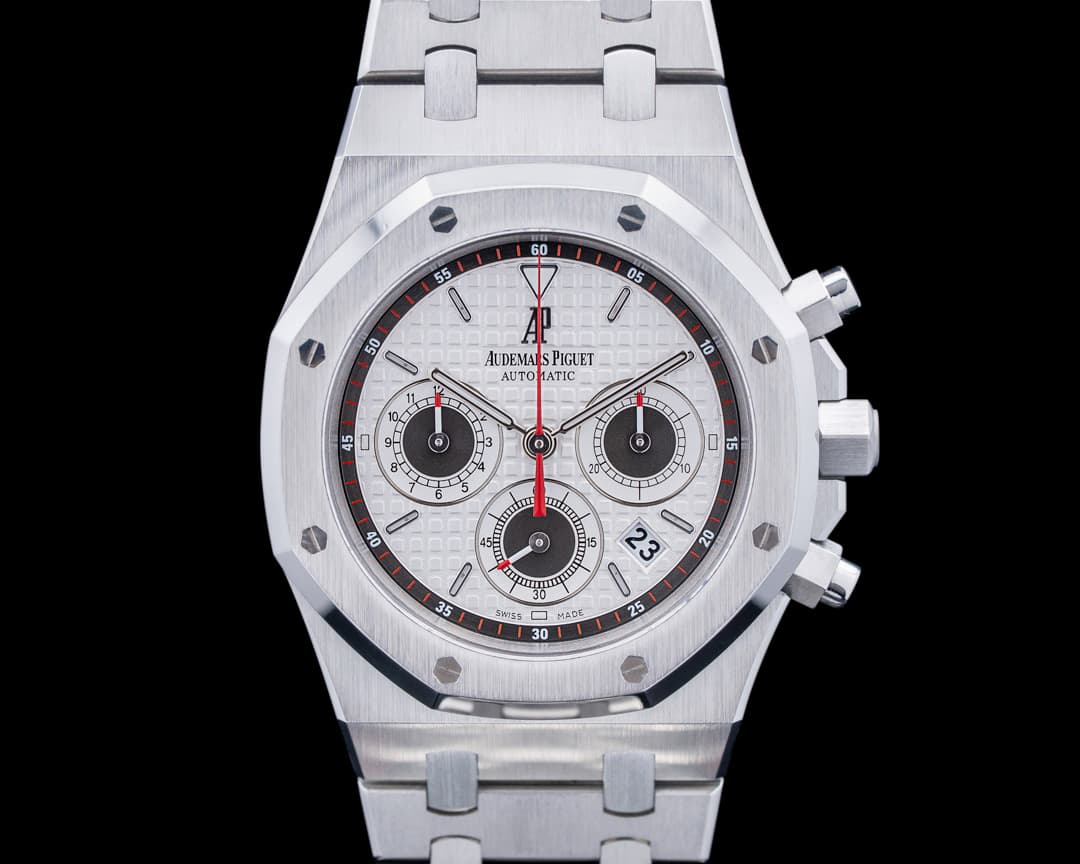
26300ST Royal Oak Chronograph SS Silver Dial
$42,500
View Watch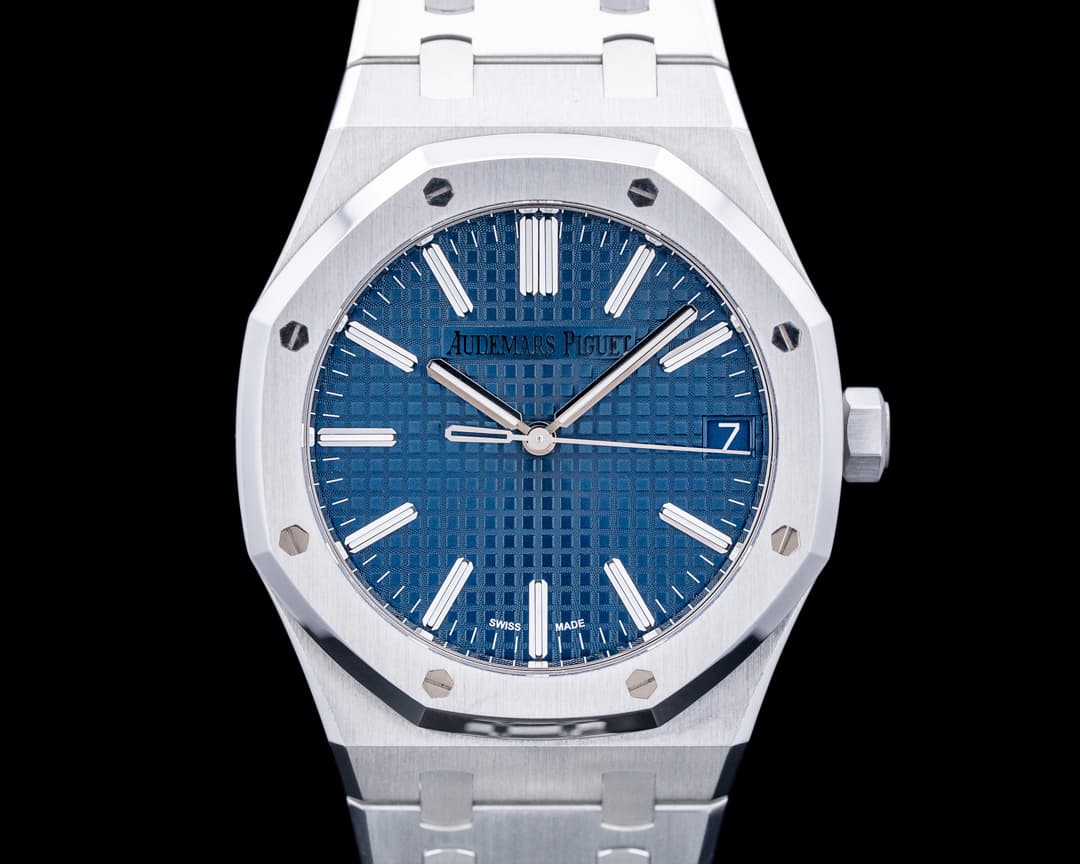
15510ST Royal Oak SS Blue Dial
$63,500
View Watch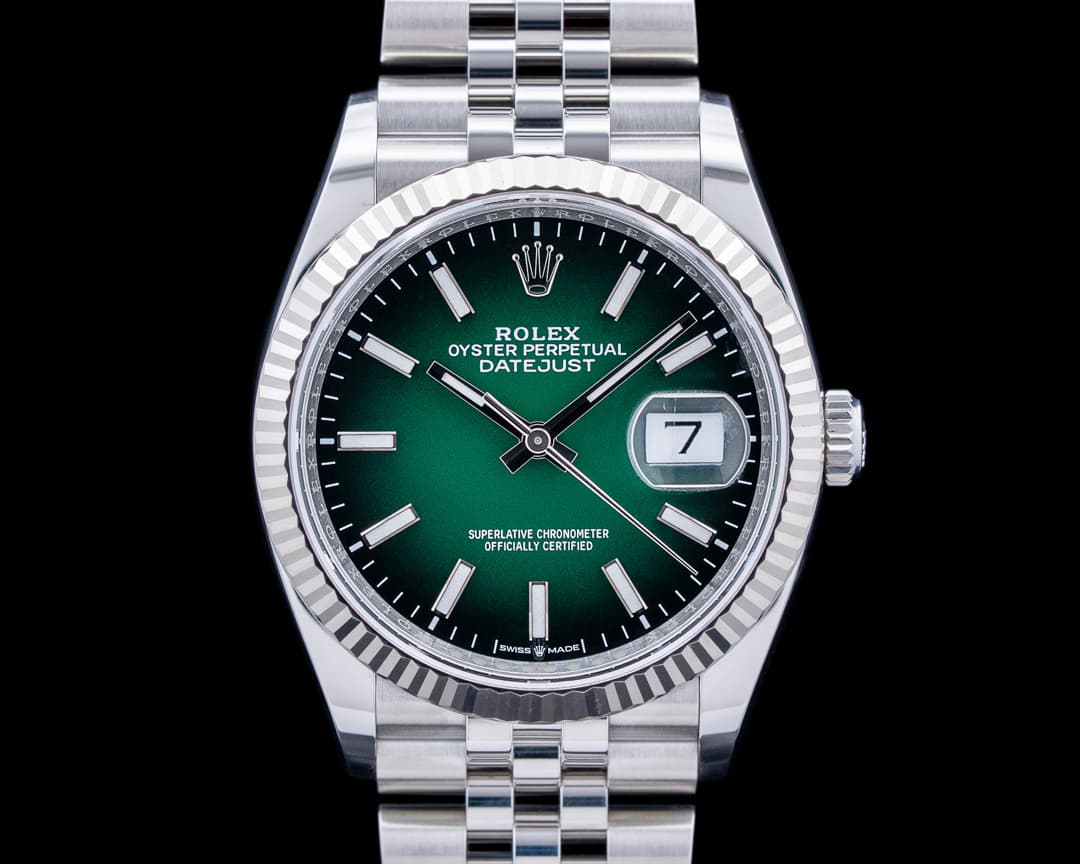
126234 Datejust 36 Jubilee SS Gradient Green Dial 2026
$16,350
View Watch
Shop New Arrivals
25860ST Royal Oak Chronograph SS Blue Dial
$46,500
View Watch26300ST Royal Oak Chronograph SS Silver Dial
$42,500
View Watch15510ST Royal Oak SS Blue Dial
$63,500
View Watch126234 Datejust 36 Jubilee SS Gradient Green Dial 2026
$16,350
View Watch
More Content