Risk, Insurance, and the Modern Collector with Chubb's Tannie Ng
Published on 12/25/2025

Dedicated to protecting the timepieces, jewels, and treasures that matter most, Wrist Assured is your monthly insider’s guide: the place where we break down everything you need to know about insuring, safeguarding, and servicing your collection. Because luxury is more than what you wear—it’s what you protect.
Insurance is rarely the most exciting part of collecting, yet it is increasingly inseparable from it. As watch and jewelry collections grow in both value and visibility, the risks surrounding them have evolved just as quickly.

Tannie Ng, Chubb’s Vice President of Art, Jewelry & Valuable Collections Manager
To address the evolution of risk, European Watch Company’s insurance guru, Cat Nelson, sat down with Chubb’s Vice President of Art, Jewelry & Valuable Collections Manager Tannie Ng for a multi-part interview series. In our first edition, Ng explains how collectors should approach protection today, the mistakes she sees most often, and why insurance is no longer an afterthought but a core part of ownership.
Cat Nelson: Thank you for taking the time, Tannie. Your title at Chubb is Vice President of Art, Jewelry & Valuable Collections Manager. What does your day-to-day look like?
Tannie Ng: I work on the underwriting side, which is the front end of our business, so I'm more client-facing. That involves working with our brokers, agents, and family offices to put together the insurance solution for our clients' collections. We also provide risk management services, ranging from onsite assessments of security controls to reviewing loan and consignment agreements, and recommending vetted professionals, such as jewelry appraisers and safe vendors.
CN: In my experience consulting with various collections, insurance is very much a case-by-case basis, meaning my days vary. Is that also the case for you?
TN: Absolutely, every day is different. Every day brings something new and exciting. I'm always learning, and that’s what I love about my job. Even as specialists, there’s always something to learn. There's always something new on the insurance side, and we’re constantly improving.
CN: In your experience, what are some of the most common claims that you see that could have been easily prevented?
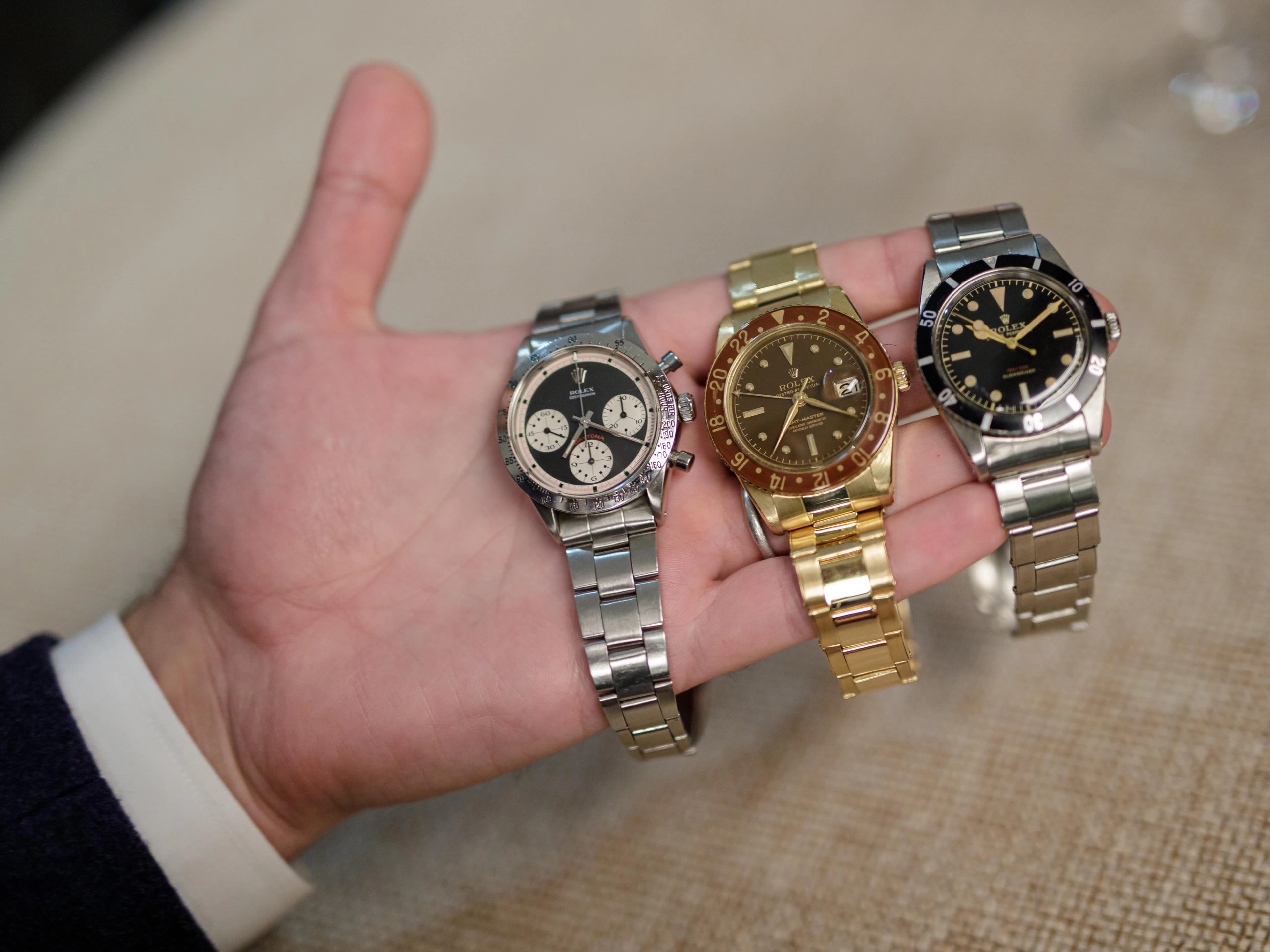
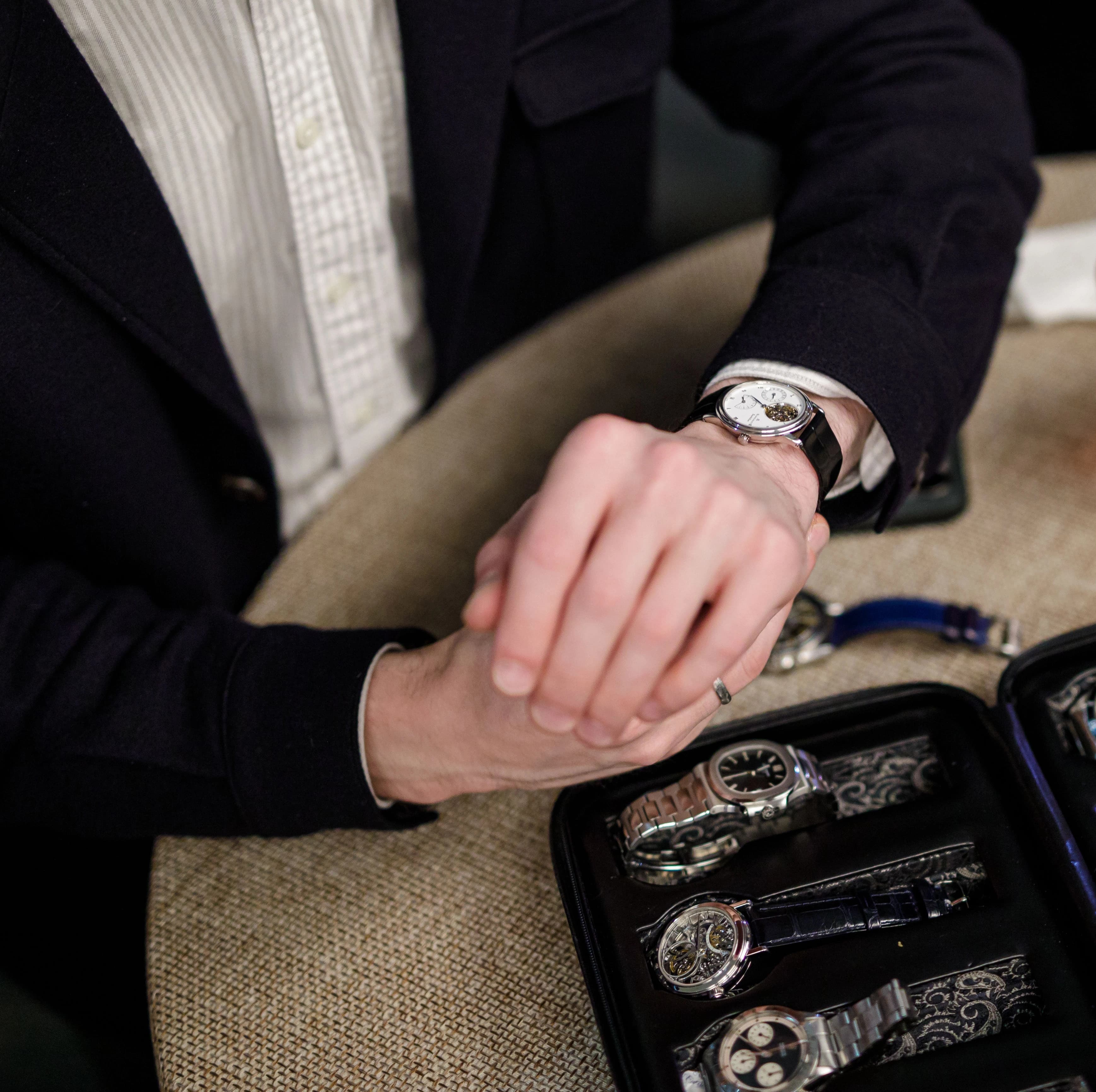
TN: Watch collectors are usually very careful because they're so passionate about their pieces. Watches and jewelry are made to be worn, not just locked away in a safe and never seen in the light of day. But there's a balance. For example, we are unfortunately seeing watches being stolen right off the wrist when worn in public. Ten years, 20 years ago, was that a common occurrence? It certainly wasn't. It was more the exception. I’ve seen, as you have, clients and friends who've had their watches stolen off their wrists.
CN: Without question, I’ve heard that from our clients as a major concern.
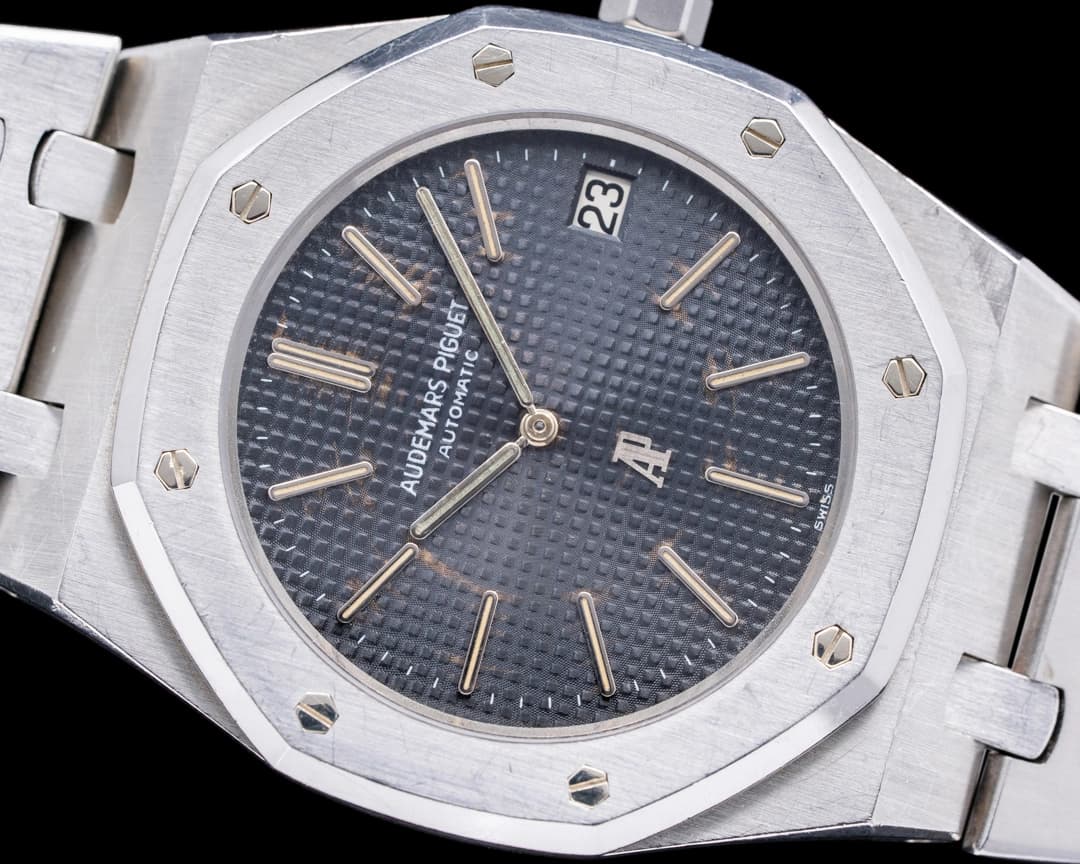
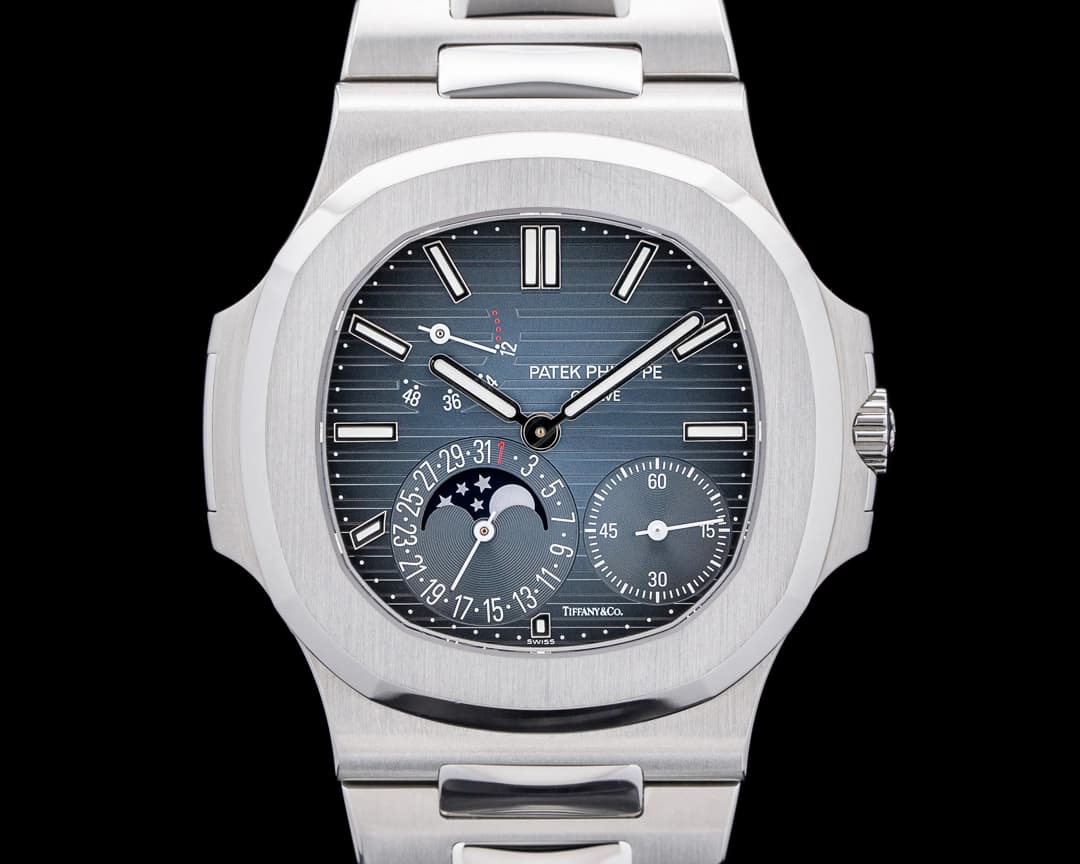
TN: With that in mind, you want to be mindful of your surroundings, where you're going, and what you're wearing. You don't want to be that target. Social media has made it so that we are all familiar with brands like Patek Philippe, Audemars Piguet Royal Oak, and Richard Mille. You don’t even have to be a watch enthusiast to know that those names are associated with very high values. The key is: don’t make yourself an easy target.
CN: What about claims you see coming out of the home?
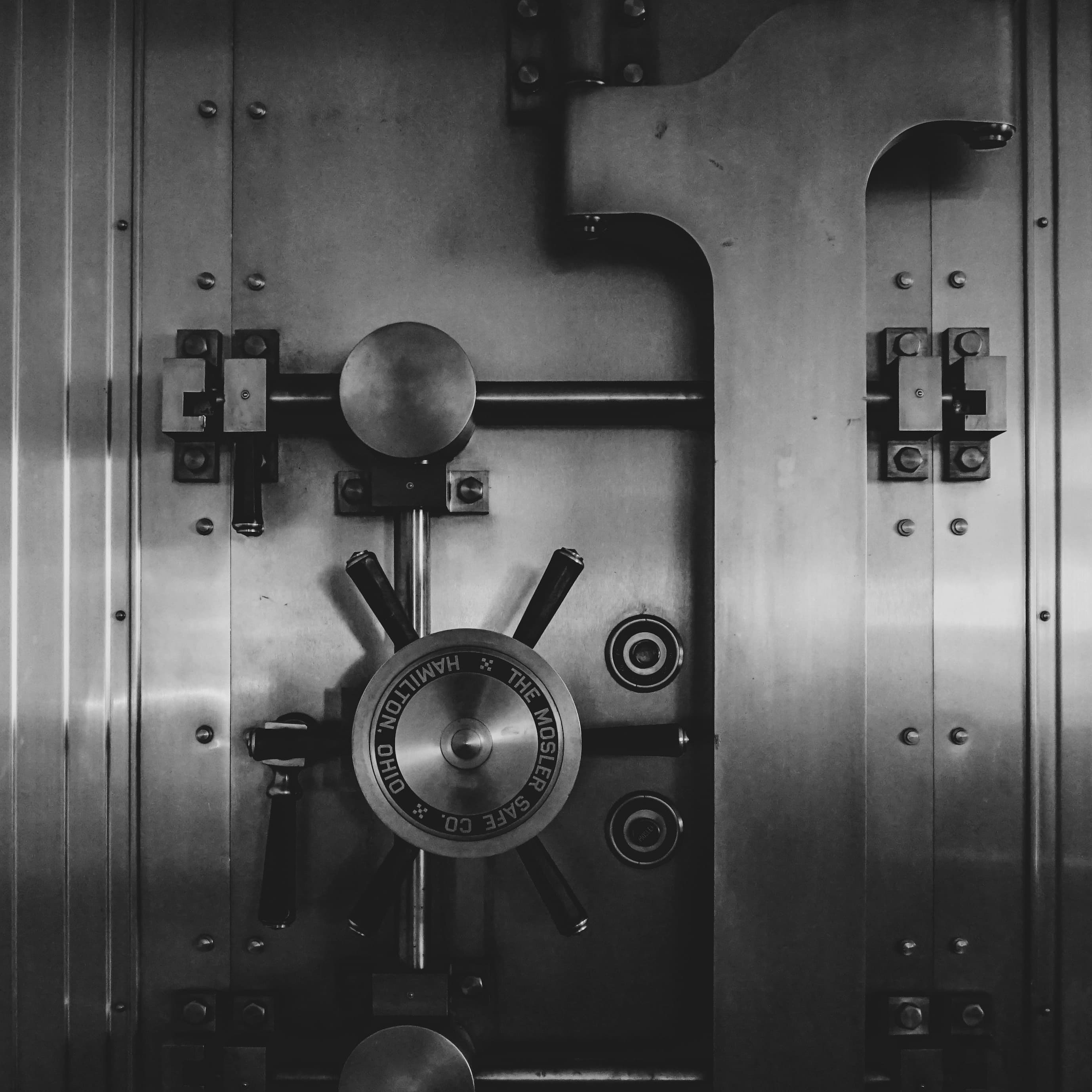
TN: At home, when you aren’t wearing your watches, you want to think about layers of protection. There has been an increase in home burglaries, with thieves targeting homes in high-end neighborhoods. Burglars have become very sophisticated and organized. You’re talking about two or three burglars entering a house, knowing exactly where the safe is. They’re not just trying to break into the safe on-site anymore. They’re dragging the safe out of the home and loading it into their truck.
CN: How can collectors reduce that risk?
TN: Consider adding layers of protection that make it difficult to access the collection. For the safe, go as heavy as you can. The ideal being over 750lbs. Go for as high a security rating as you can. TL-15 means it will take at least 15 minutes to break into that safe with professional tools – a TL-30 increases that time to 30 minutes. Having things like a comprehensive alarm system helps too. Consider installing glass break sensors on windows, contact sensors on doors/windows, and motion sensors throughout the property. With some of the break-ins we have seen, they’re using professional tools to locate the safe and Wi-Fi jammers to interrupt the alarm signal. An alarm sensor on the safe itself adds another layer of protection. Even better will be alarming the safe in its own zone, so it remains active even when the main home alarm system is not armed or disabled.
CN: What would you say to those who say, ‘well that’s a lot to think about, especially every time I leave the house.’
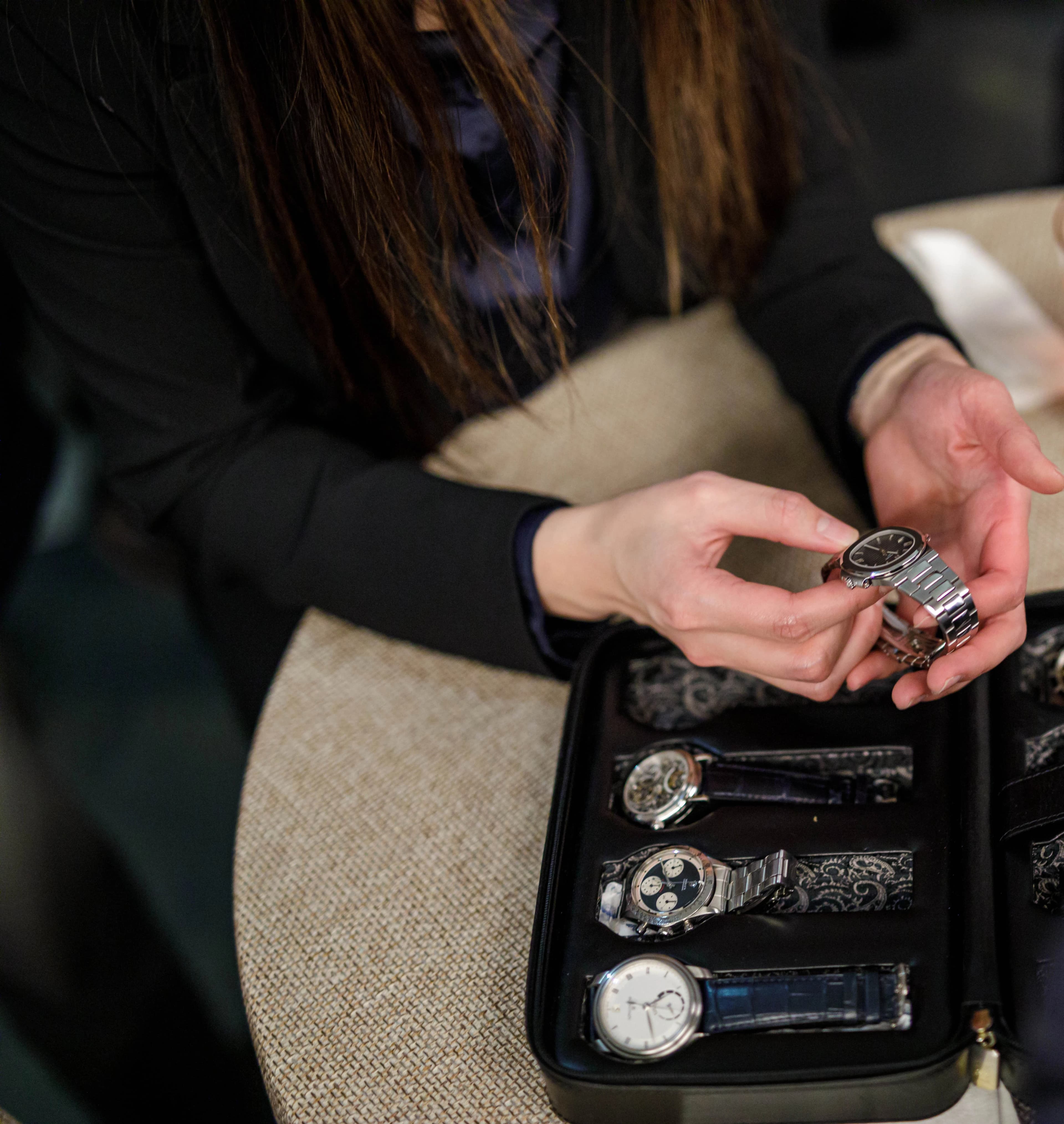
TN: It's all about building these good habits. As collectors, you definitely want to create positive routines. If you tend to leave your watch on your dresser and you have a sizable collection, maybe it’s time for a smaller, alarmed safe in your master closet, and a larger, well-protected safe hidden in another area of your home. Make it easy to use your safe – if your safe is in a spot you never use, it’s not doing much good. It's about creating real ease and making it part of your lifestyle. I love that you advise clients to actually use and alarm their safes.
CN: What is the hardest lesson you've seen a client learn as the best example of why they should insure themselves?
TN: I'm not sure if I can choose just one, Cat. I know insurance is not the first thing you think of. As a collector, we get excited about the next watch we're going to buy. We don't always think of insurance as being part of that, but when you're building a collection, the values start to add up. You should consider insurance as an essential part of caring for your collection. It's really going to bring collectors peace of mind.
CN: Talk to me more about this idea of peace of mind. When talking to collectors and on our website we use that phrase, but what does it mean to you?
TN: Insurance is all about peace of mind. From that standpoint, I have seen collectors who never really had insurance top of mind until it was too late. One client had all their jewelry insured - mostly the wife’s pieces – but not his watches. They had a home burglary, and the entire safe was stolen. The safe was not bolted, and it was easy for one person to move and steal it. That's a really tough loss. Losses, especially burglaries, are very personal, especially when it comes to your collection.
CN: To get into specifics here, Chubb has that 150% of the market value clause, which is an incredible feature. But you can't always rely on that either, because it might not be enough to cover a watch or jewelry at the time of a loss.
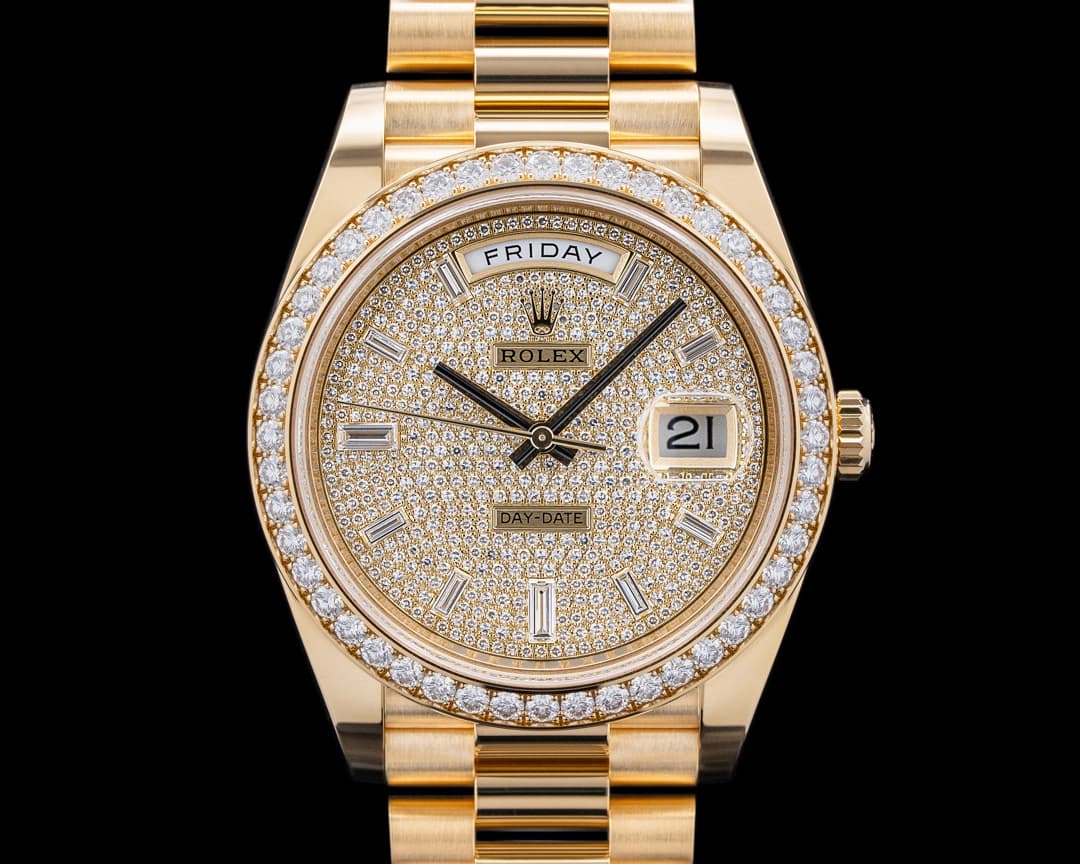
TN: True, sometimes even the 150% is not sufficient. And it’s not only the men's models. I had a client with a lovely vintage ladies' Rolex. Unfortunately, she lost it, and the 150% that applied at the time of loss still wasn't enough. The market value at the time of loss was even higher. That got her really worried about her other Rolex pieces. I agreed and advised her to review her collection and ensure that the values were adjusted to reflect the current market.
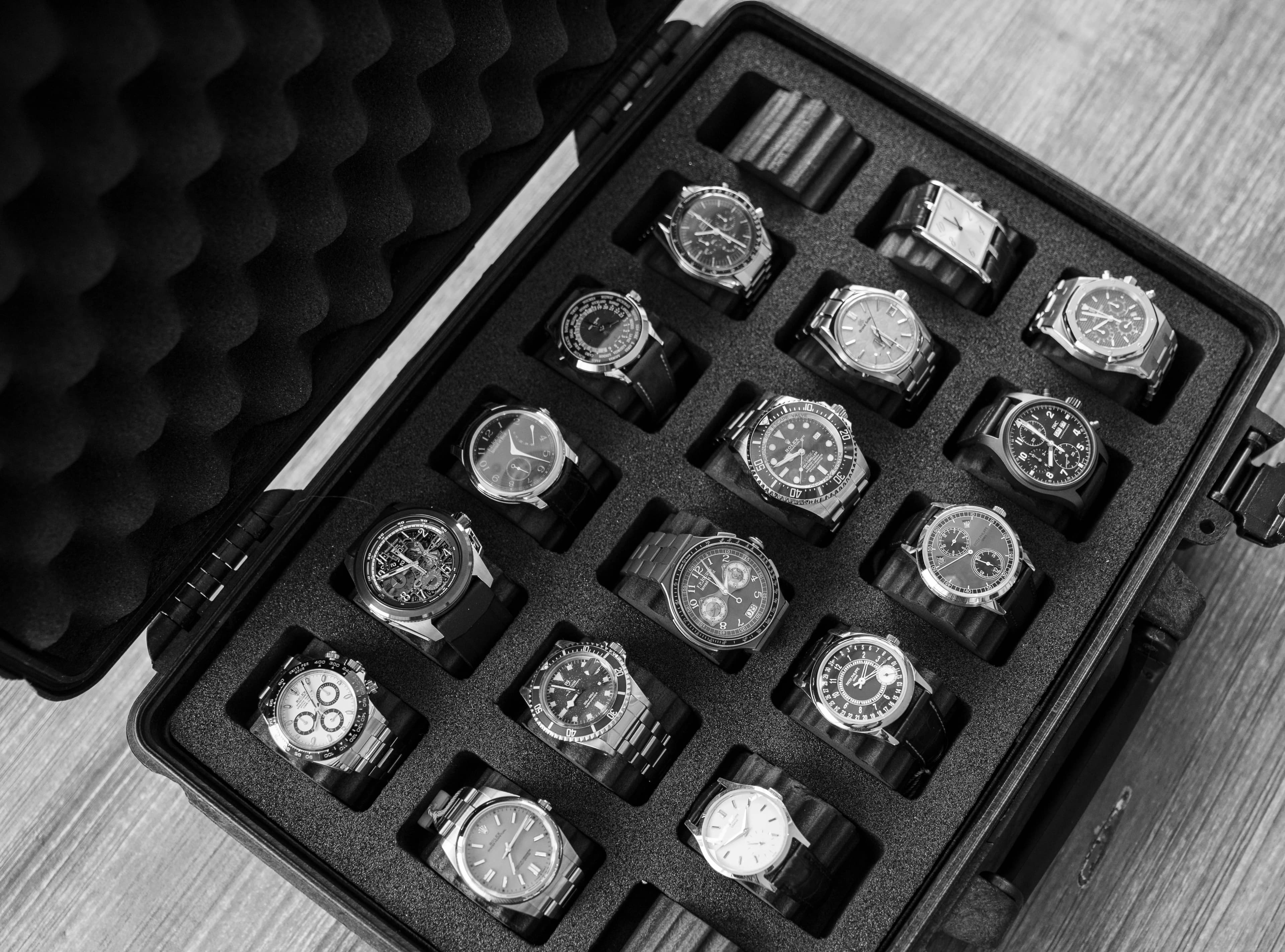
If you collect long enough, you eventually learn the unglamorous truth: the risk doesn’t arrive as a cinematic heist. It arrives as routine; one careless night, one “I’ll lock it later,” one policy you meant to update but didn’t. In this first installment, Ng makes the new reality plain. The modern collector isn’t just buying watches and jewelry; they’re often broadcasting them. A wrist shot becomes a beacon. Often, the thefts aren’t always opportunistic; sometimes they’re organized, efficient, and involve heavy lifting, literally: safes dragged out of homes by crews who seem to know exactly where to look.
Next in the series, the conversation pivots from protection to temptation. In our next installment of Wrist Assured, Ng and Nelson step into the forces driving value itself: how a luxury goods item like a Hermès Birkin can command eight figures, how watches crossed the line from personal objects into full-fledged asset classes, and why collectors so often underestimate what they already own.
This interview has been edited and condensed for clarity.
Shop New Arrivals
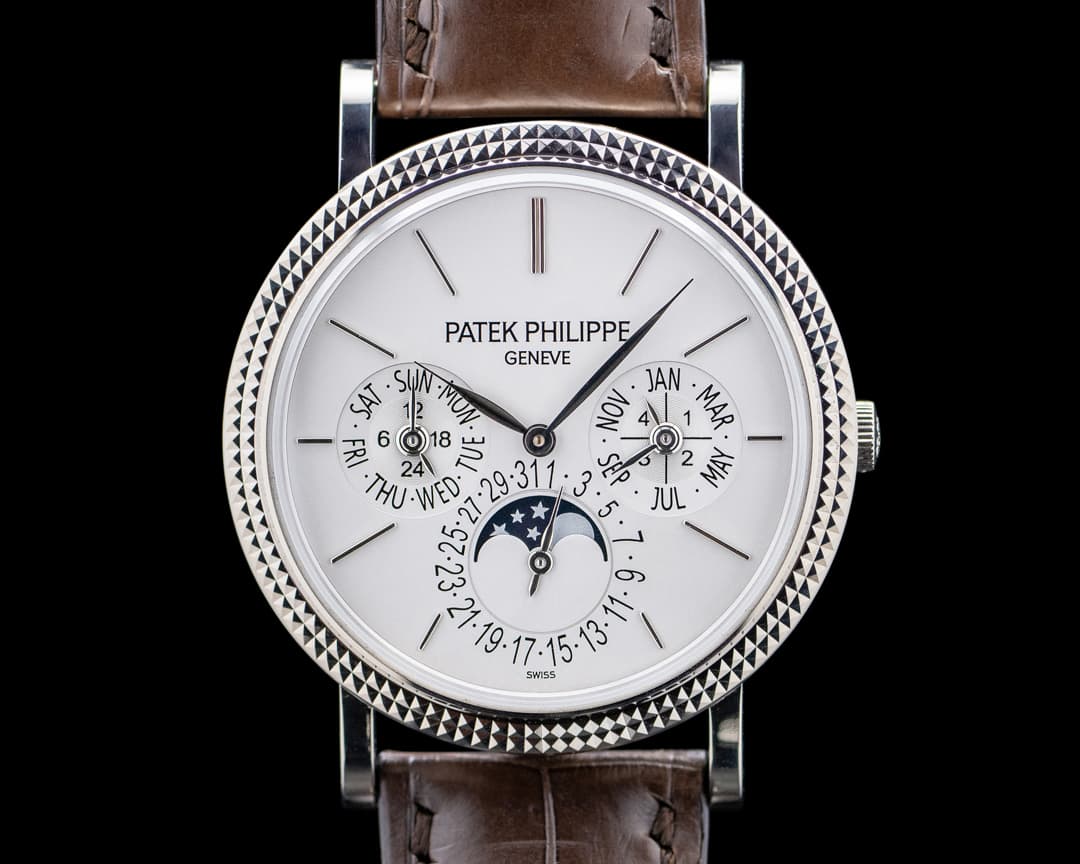
5139G-001 Perpetual Calendar 18K White Gold Silver Dial
$49,500
View Watch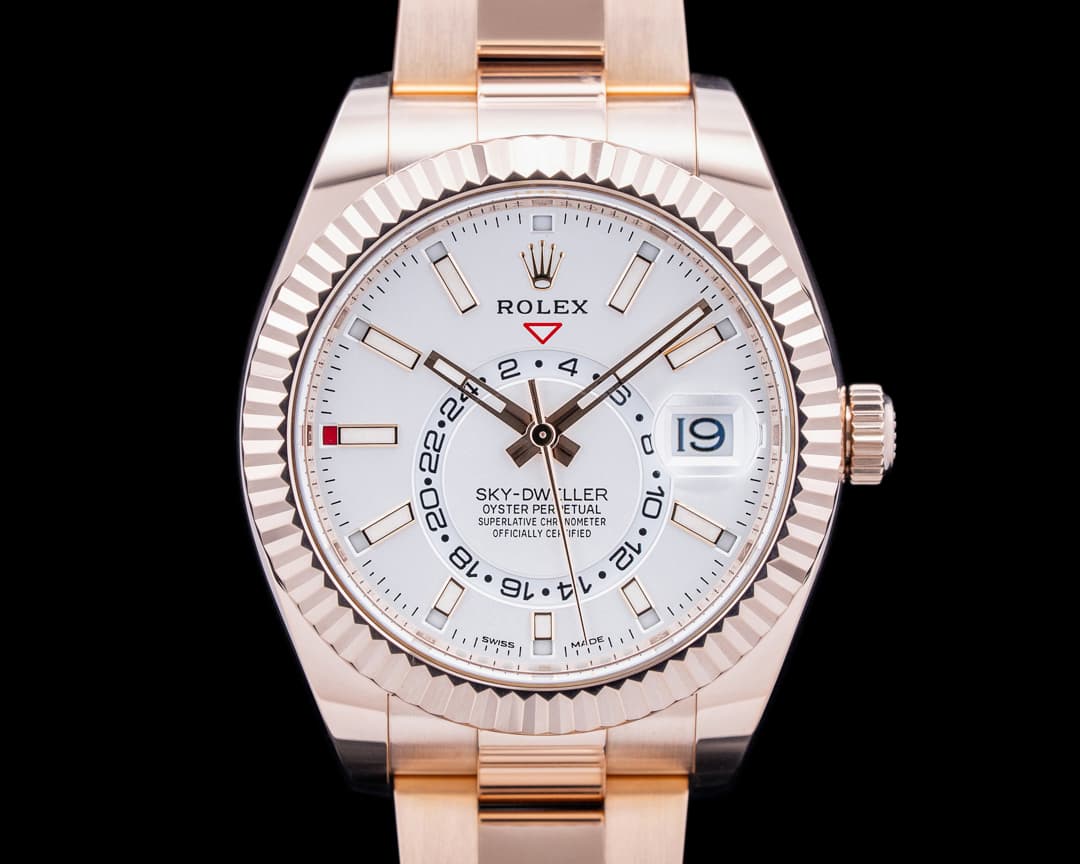
326935 Sky-Dweller 18K Rose Gold Silver Dial
$44,500
View Watch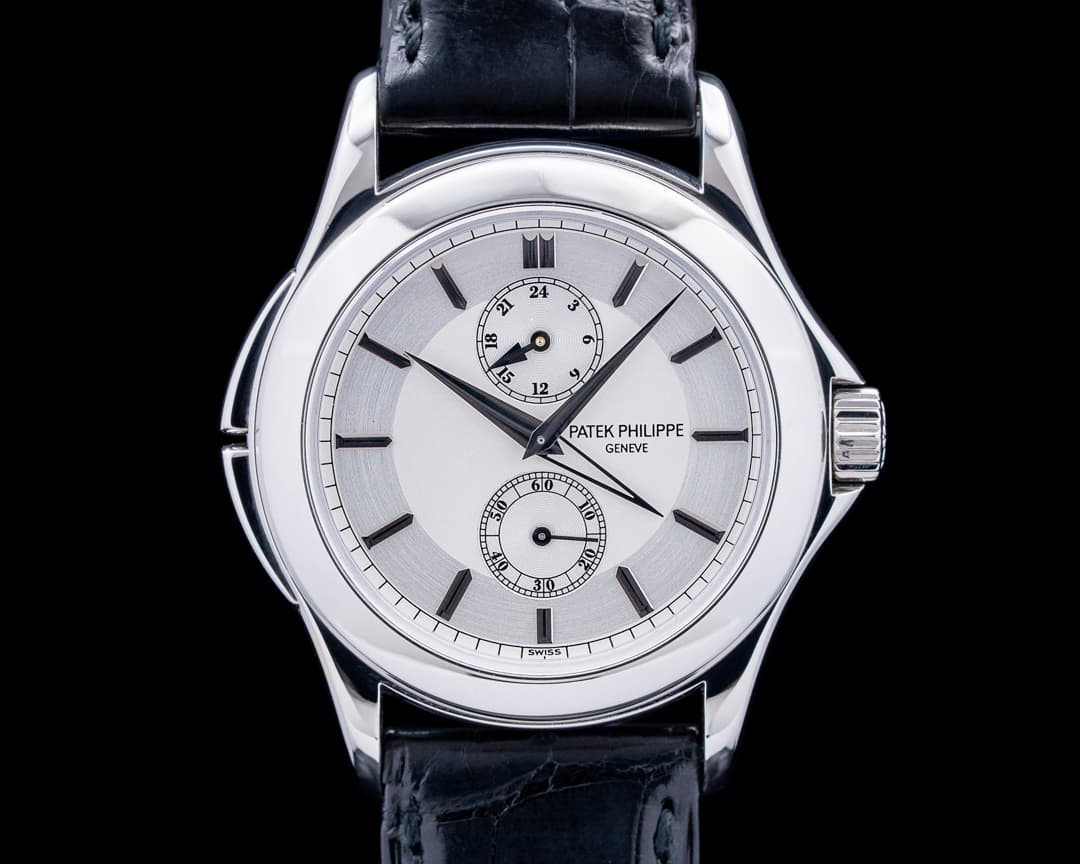
5134P Calatrava Travel Time Platinum Silver Dial
$37,500
View Watch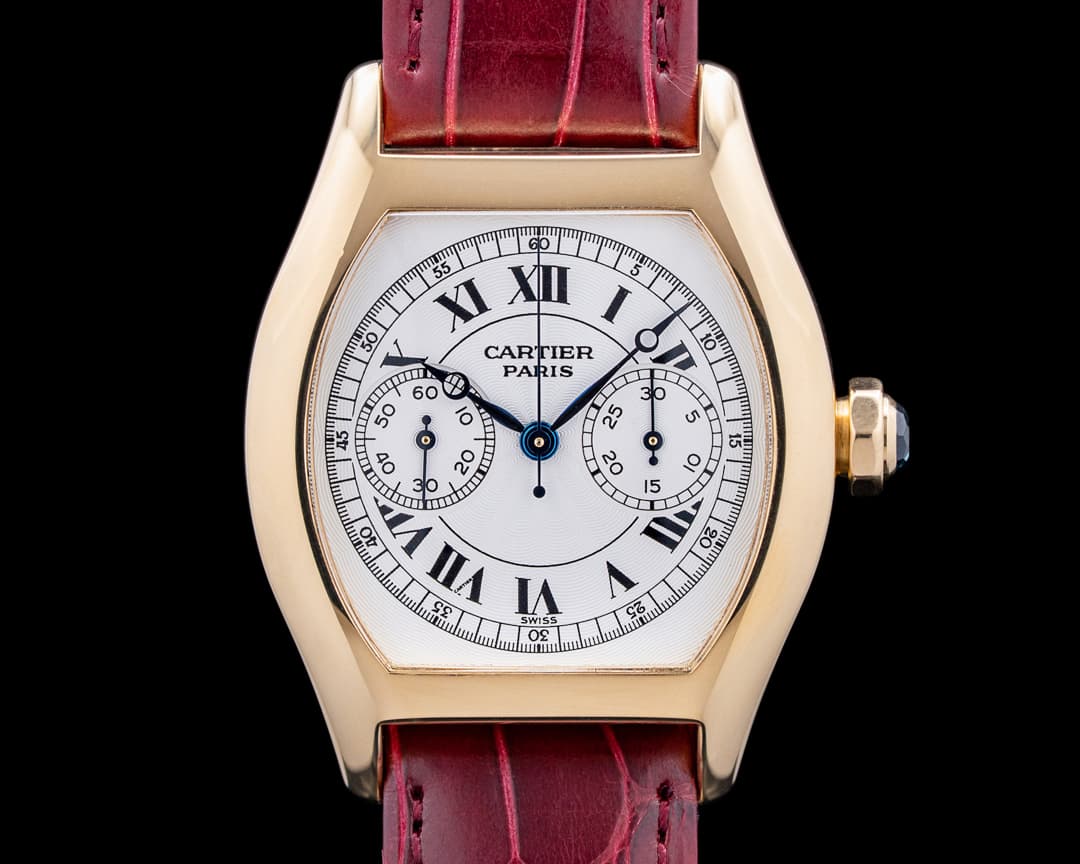
CPCP Tortue Monopoussoir Chronograph 18K Yellow Gold Silver Dial
$69,500
View Watch
Shop New Arrivals
5139G-001 Perpetual Calendar 18K White Gold Silver Dial
$49,500
View Watch326935 Sky-Dweller 18K Rose Gold Silver Dial
$44,500
View Watch5134P Calatrava Travel Time Platinum Silver Dial
$37,500
View WatchCPCP Tortue Monopoussoir Chronograph 18K Yellow Gold Silver Dial
$69,500
View Watch
More Content