How do I pick the perfect watch to wear with a suit? Today we are going to find out, exploring how to think about the question, and EWC's top picks. Let's get into it.
The Three Variables That Actually Matter
Start with what a suit cuff actually does. It sits roughly an inch past the wrist bone, and it moves throughout the day. When you reach for something, the cuff rides up briefly and retreats. The optimal watch for wearing under this friction environment one that doesn't catch the fabric on the way out, which is a function of lug-to-lug length and lug angle, not case diameter alone. It can also come down to bezel geometry and finishing.
Consider two 37mm watches. The IWC Portofino 37 has a lug-to-lug of roughly 43mm. A 37mm watch with less aggressive lug taper might push past 46mm. Both are 37mm. One disappears under a cuff. One doesn't. Diameter tells you about the watch on a table. Lug-to-lug tells you about the watch on a wrist under a sleeve. The downturn of an optimal lug will brush the sleeve up over the watch case, where an aggressively outstretched lug will catch a sleeve in all the wrong ways.
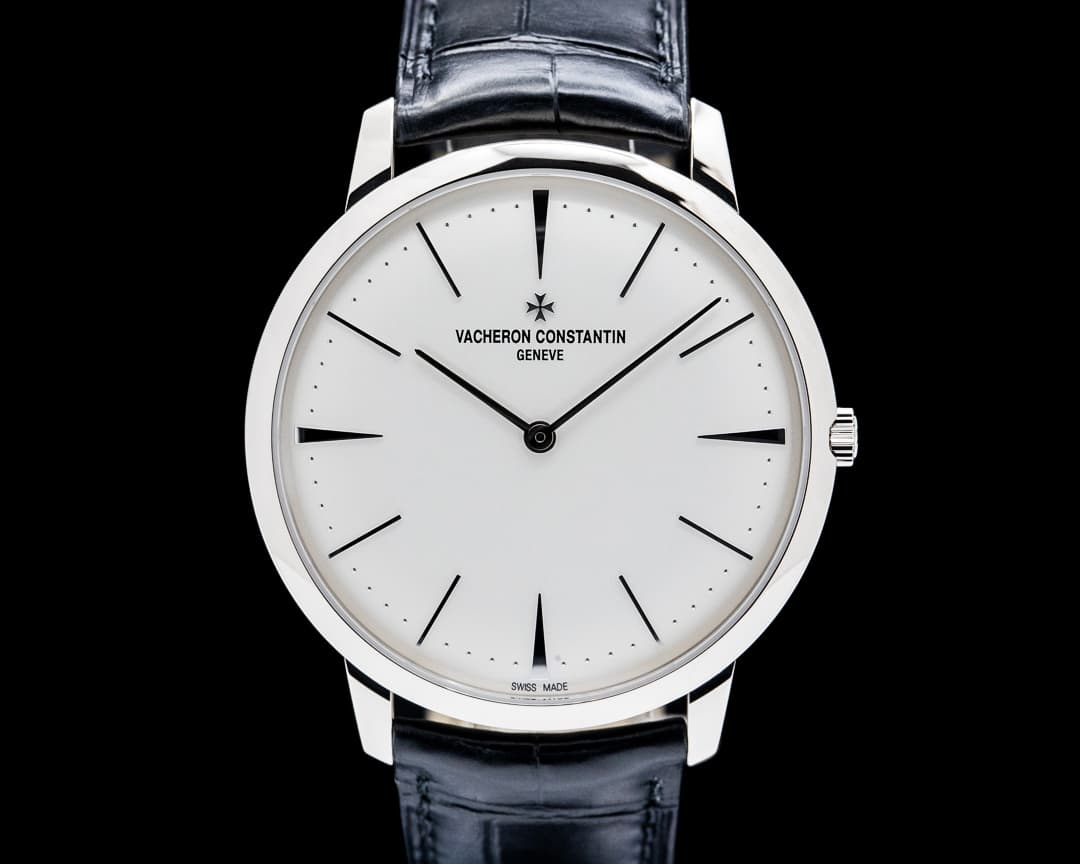
Case thickness is the second variable, and it interacts directly with lug angle. A watch with a tall profile and downward-curving lugs will tilt forward on the wrist: the dial angles away from you, the case edge catches the cuff from below. Around 9mm is reliably cuff-friendly no matter the cuff. Pushing past 11mm demands either a flat caseback and flat lugs or active concessions in how you dress around it.
The third variable is more about dial aesthetic, which is not the same as dial emptiness. The question is whether the elements on the dial resolve into a clear reading order: time first, everything else subordinate. An off-center hours-and-minutes display flanked by a correctly sized small seconds achieves this; a dense calendar sector with four windows and a power reserve indicator usually isn't as well suited for a strict dress setting, regardless of how clean the typography is. Restraint is the key here. Althought coplicated pieces can be dressy, for a tight cuff, simple, legible, and thin is the ideal.
These three variables, lug-to-lug, case thickness, and dial hierarchy, are what you're actually buying when you buy a suit watch. The rest is materials and provenance.
The Dress Watch Case: References That Earn It
Patek Philippe Calatrava 5196, the argument in its simplest form
The 5196 is 37mm across and 8mm thick. Lug to lug is roughly 45mm, but the lugs taper aggressively and curve sharply downward, which means the effective footprint on the wrist is smaller than the dial diameter implies. On a 7-inch wrist in a properly fitted shirt, the watch sits almost flush to the wrist plane. The cuff clears it without comment for almost any sleeve.
The dial is the piece's real argument. Applied numerals against an opaline sector finish. The minutes track running close to the perimeter. A small seconds at 6 o'clock with enough visual weight to anchor the lower third without competing with the time display. Nothing about it is blank, but every element earns its place, and the reading order is immediate: hours, minutes, then if you're looking, seconds. In dim restaurant light the numerals catch differently than the dial field, which is the point. You can read it without tipping the watch.
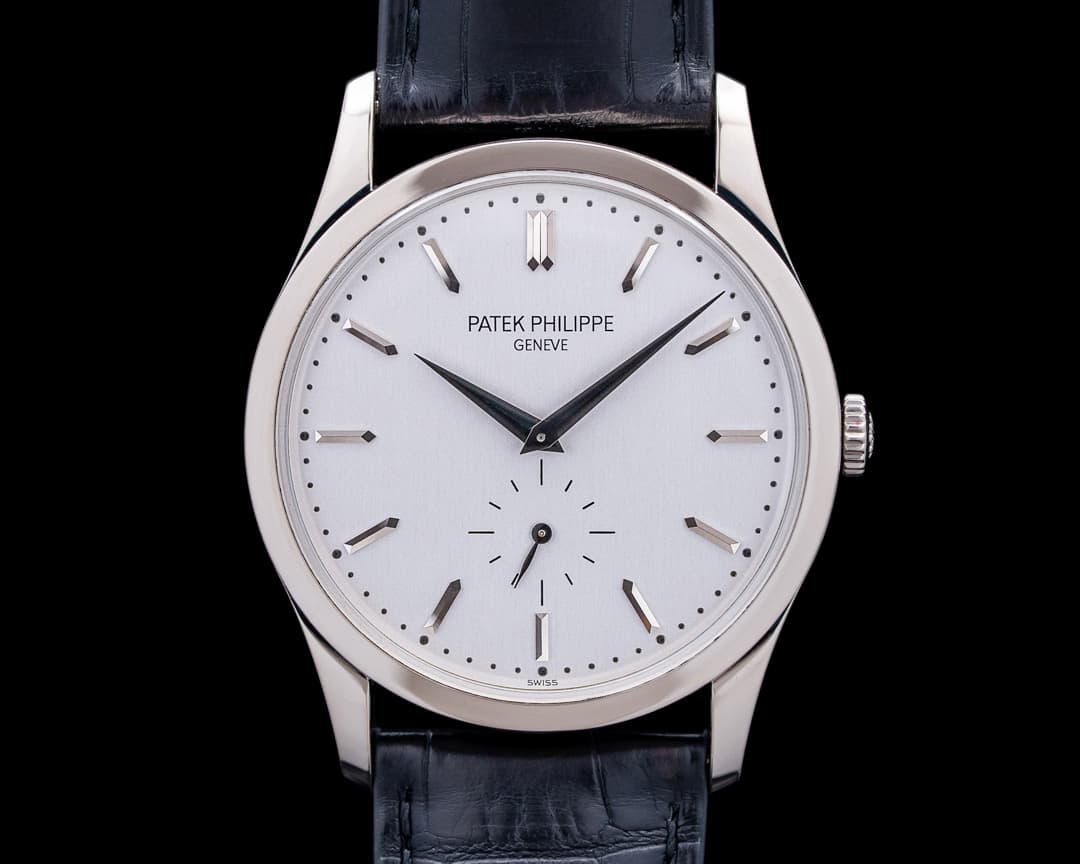
The 5196 is available in yellow gold, white gold, rose gold, and platinum. The yellow gold reads warmest against a white shirt cuff; the white gold, cooler and slightly more formal. Pre-owned examples vary significantly in condition and origin, budget toward the higher end of current market ranges if originality matters to you, which at this price it should.
This is the watch the category recommendations are implicitly pointing at when they say "dress watch." It is worth naming outright.
A. Lange & Sohne Lange 1, when asymmetry is the argument
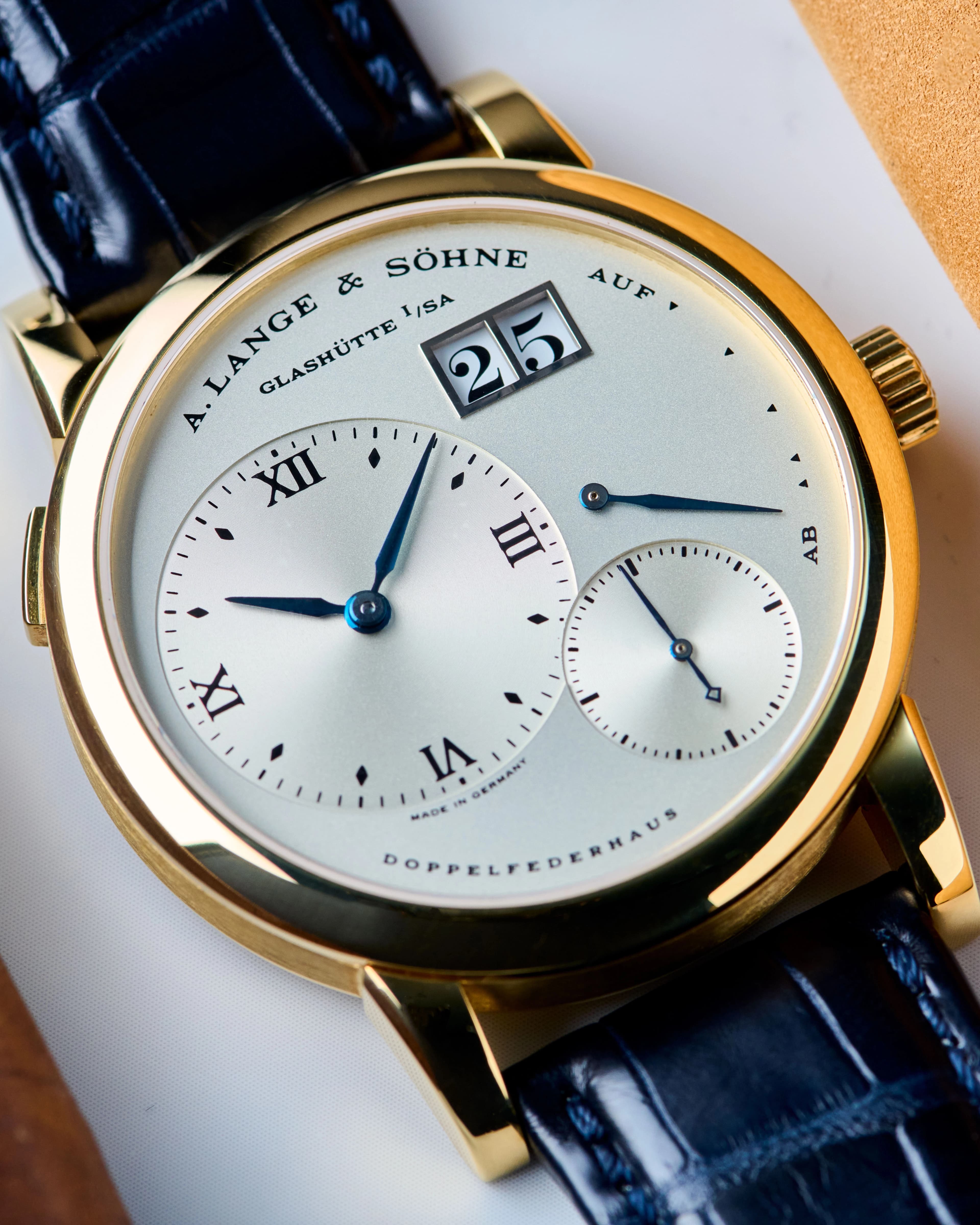
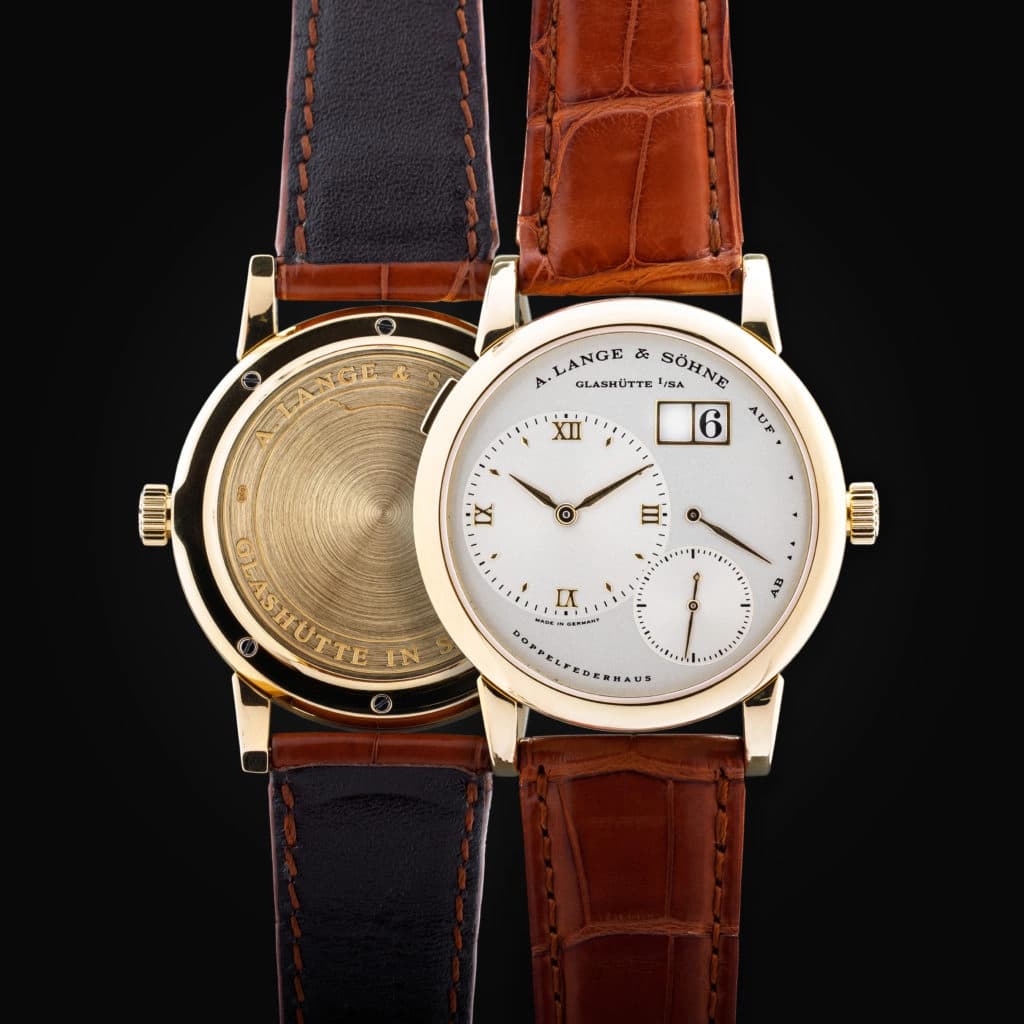
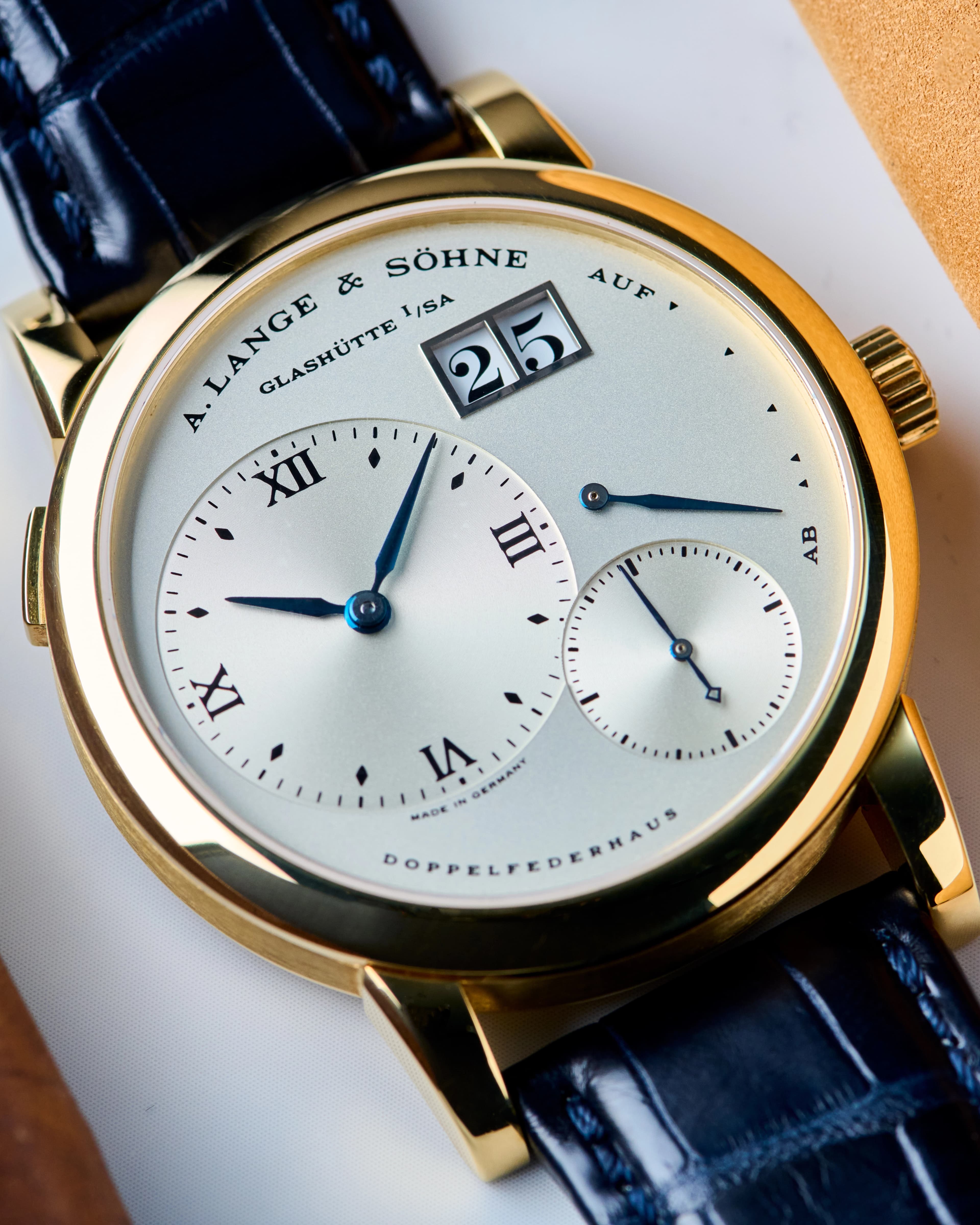
The Lange 1 is 38.5mm and 9.8mm thick in the classic configuration and a lug to lug around 47mm. That lug-to-lug figure is higher than some and wears more broadly, but the lug profile is relatively flat and the case sides are straight, so the watch is ergonomic under the cuff. It sits differently than a round Calatrava: slightly more present, slightly more architectural. The watch has some heft from the sterling silver dial, precious metal cases, and German silver movements. This decidedly Lange feeling is one of the coolest elements of the watch.
The dial is the most distinctive in this category. Off-center time display occupying the left side of the dial. Large date window at upper right. Small seconds at lower left. Power reserve in the middle on the right. In execution, champagne dial, blued or gold hands, applied indices, it reads brilliantly and balanced. Each element occupies its own zone. Your eye goes to the hands first because they're the only moving indicators in the primary reading zone. Inspired by the Golden Ratio, the dial feels at peace in a truly unique and visually appealing way.
Lange 1
The Lange 1 is just plain interesting. The more you look at it, the more it gives back. Whether that suits you depends on how you wear watches. Some people want a watch that disappears into the background. The Lange 1 stays visible, but in a really tasteful way.
None of this means the Lange 1 is the right answer for everyone. The asymmetric layout reads as different until it reads as logical, and that transition takes some time on the wrist for some new collectors. Regardless, the Lange 1 remains one of the definitive dress watches in the industry, and an icon of the German watchmaking segment.
Vacheron Constantin 1921, when the case itself is the argument
The 1921 is something truly unique in this assemblage. 36.5mm across its cushion case and 8.7mm thick, with a lug-to-lug that sits around 44mm. What the numbers don't tell you is that the case is cushion shaped, rotated roughly 45 degrees on the dial, with the crown adjusted — meaning the time display faces the wearer at rest rather than requiring a full wrist rotation to read. It is a genuinely eccentric design, and it is over a century old.
The dial on the standard 36.5mm is clean: Arabic numerals, a railway minutes track, a small seconds equally off-kilter to suit the broader design. The hands are fine and tapered. The result is a watch that is visually unusual at every angle and completely legible the first time you put it on. It's different without trying too hard.
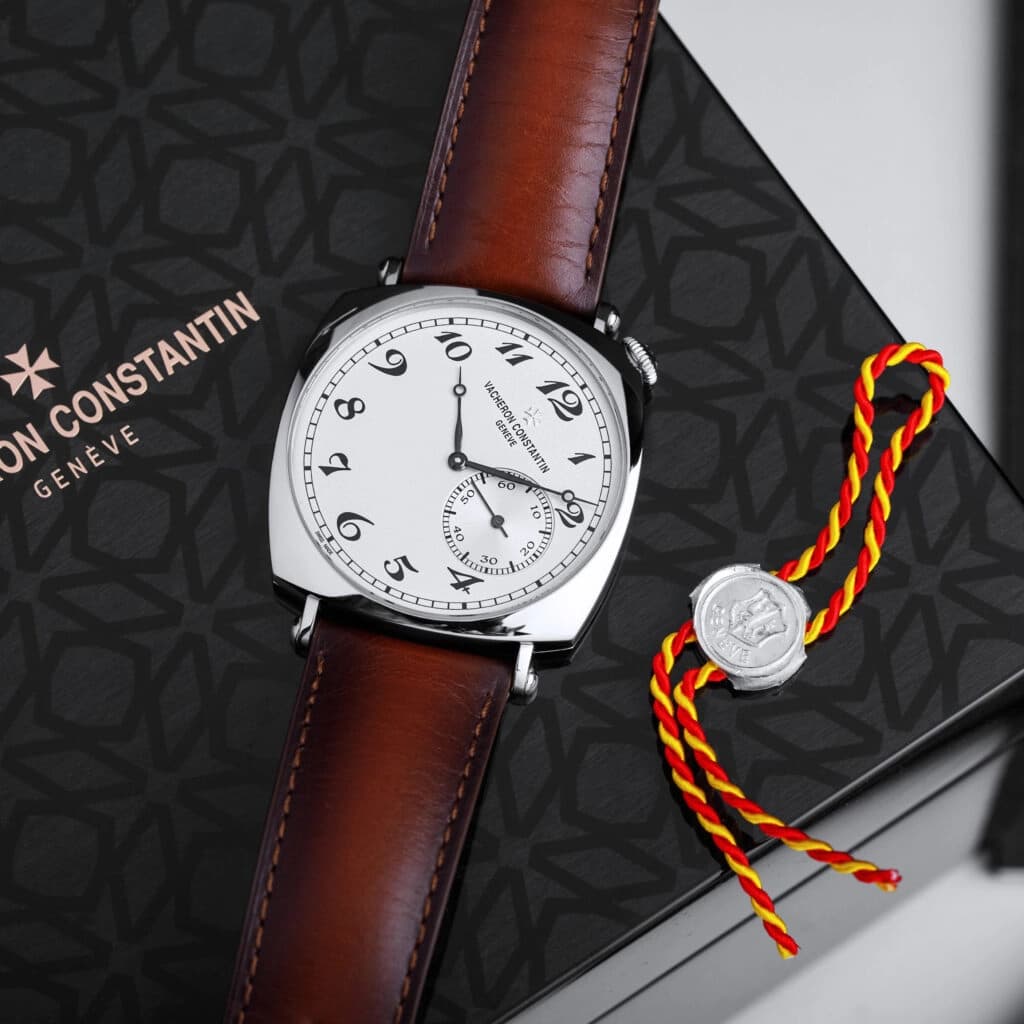
Vacheron Constantin American 1921
Under a suit it works great. The cushion case has no protruding crown at 3 o'clock to snag anything. The case profile is slim enough that the cuff clears without negotiation. The watch sits flat and reads immediately. None of the architectural distinctiveness works against it here — if anything, the tilted dial means your eye finds the hands faster than on a conventionally oriented face.
The argument for the 1921 is that it makes a different kind of dress watch case than anything else in this piece, and it makes it without sacrificing any of the functional criteria that make a suit watch work. For some buyers, a Calatrava is too boring. The 1921 is anything but that.
F.P. Journe Chronometre Bleu, when the material is the argument
The Chronometre Bleu is 39mm across and 8.3mm thick. Lug-to-lug sits around 45mm. The case is tantalum, a refractory metal with a matte blue-gray finish that is neither the warm grey of titanium nor the cold tone of steel. It photographs closer to charcoal. On the wrist against a white shirt, it reads as deliberately muted in a way that white gold doesn't achieve: less precious-looking, which in this context means less interruptive. And, it's unmistakably unique.
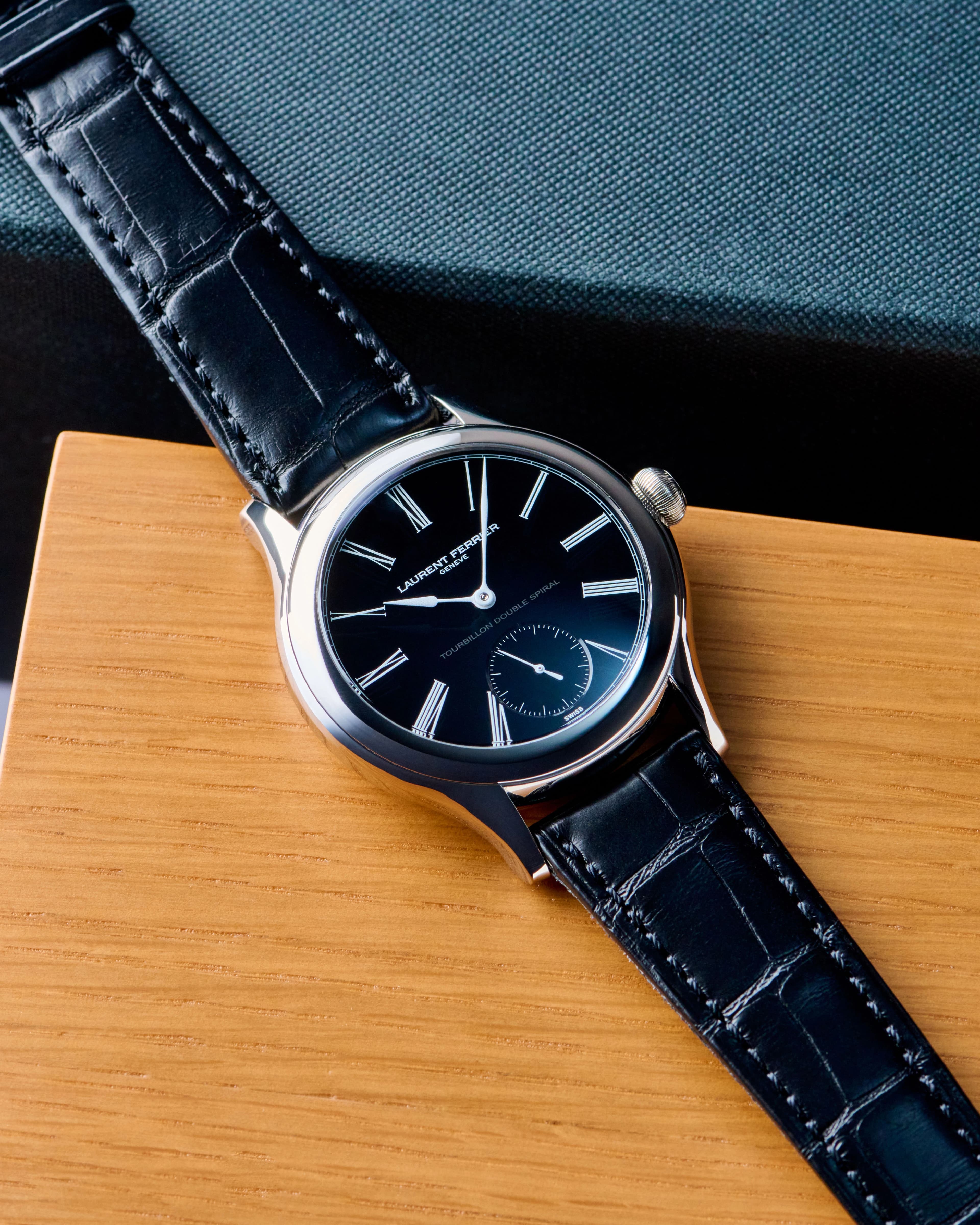
The dial is an exercise in managed restraint. Small seconds at 7-8, and a beautiful cream finish for all timekeeping print. The dial has a true three dimensional quality from its high failure execution. One of the most complicated dials to manufacture in the entire brand's catalog.
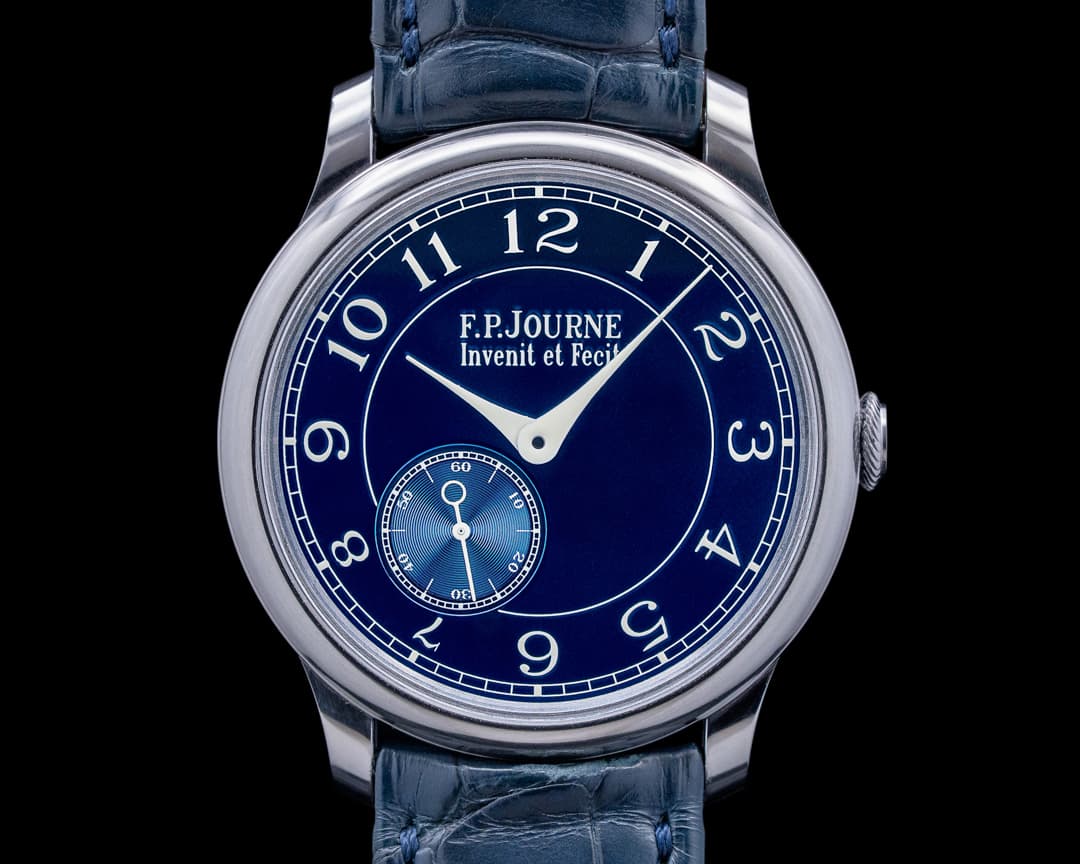
The Chronometre Bleu is the strongest physical argument in this piece that a dial can do a lot and still read clean. In some respects, the execution matters more than the elements.
At current pre-owned market levels, it sits at the top of this discussion's price range. It is also the watch that is most specifically itself. There is no close alternative from another maker.
For readers working in the $5,000-$8,000 range
The IWC Portofino fits here directly. At a 37-40mm diameter depending on execution, it has arguably the cleanest fit statistics of anything in the price bracket. The case is polished steel or gold over a slim, round profile. The dial on the core automatic references, white or black with applied baton indices, printed chapter ring, is straightforward without being particularly striking. It reads the time clearly. It clears the cuff with room to spare. This is just a beautiful watch-- an extension of the similar effect of the Calatrava, but at a different pricing.
The Portofino is the answer to "what works here without overthinking it." It is not the watch that you'll obsess over in the details. What it does, it does without friction, and in this context that is a genuine virtue. This is just a great watch all around.
The Verdict
If you can own one watch that holds up under a suit and still makes sense everywhere else, at a desk, at a dinner that isn't formal, at the kind of occasion where wearing a tourbillon reads as effortful, almost all these pieces would work great in a variety of situations.
The Portofino earns the recommendation through its lug geometry. At 43mm lug-to-lug and 9.4mm thick, it has the best clearance numbers in this piece. The dial doesn't ask anything of you. You put it on, it disappears into your wrist under a French cuff, and it tells the time when you need it to.
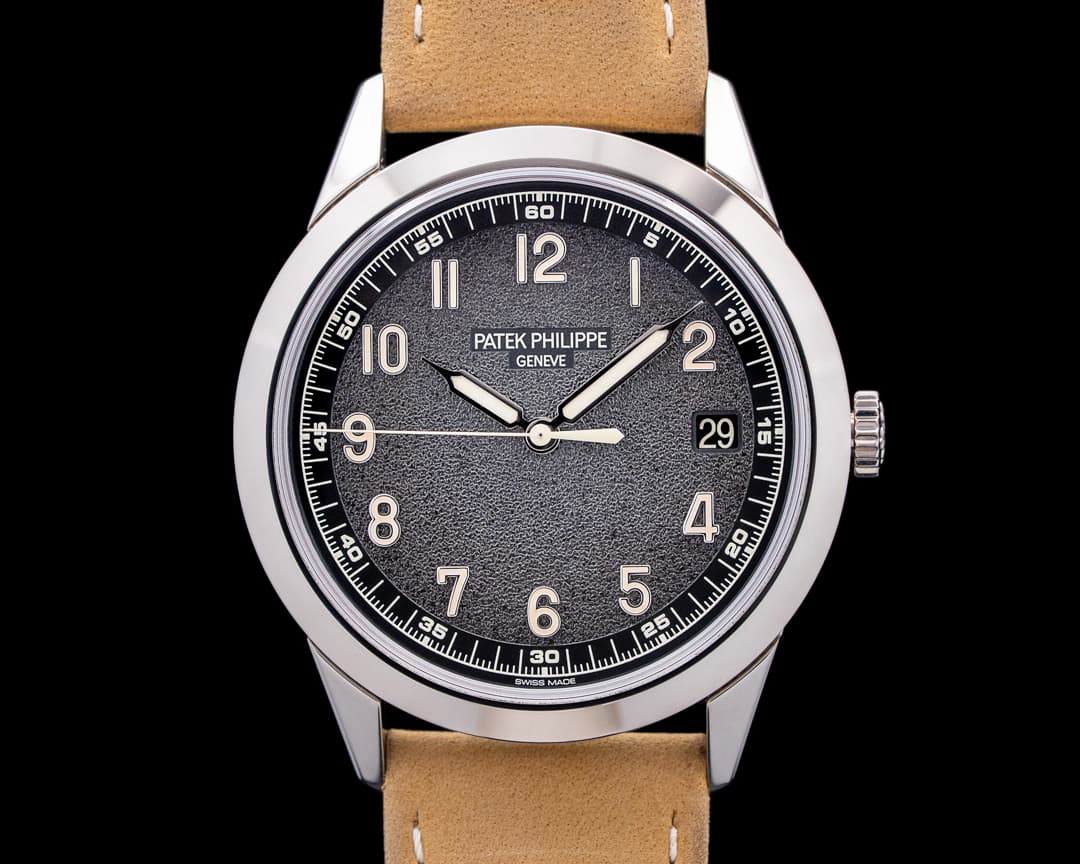
The 5196 tells a different story: it is the reference that has been solving this problem correctly for over two decades, and the reason it keeps coming up in these conversations is that it keeps being right. The 37mm case, the 8mm thickness, the dial that reads immediately in low light, the lug taper that makes the watch smaller on the wrist than its diameter suggests, these are design decisions made by people who understood the problem. The watch does not announce itself. That is not an accident.
For the reader working at the top of this range and willing to commit to something specific, the Chronometre Bleu, the Lange 1, and the 1921 all provide truly unique elements that stand out from typical dress watches without being over the top. Each of these pieces is well worth the effort to hunt for!
Shop New Arrivals

2366 Tank Francaise 18K White Gold Diamond Bezel Silver Dial
$17,500
View Watch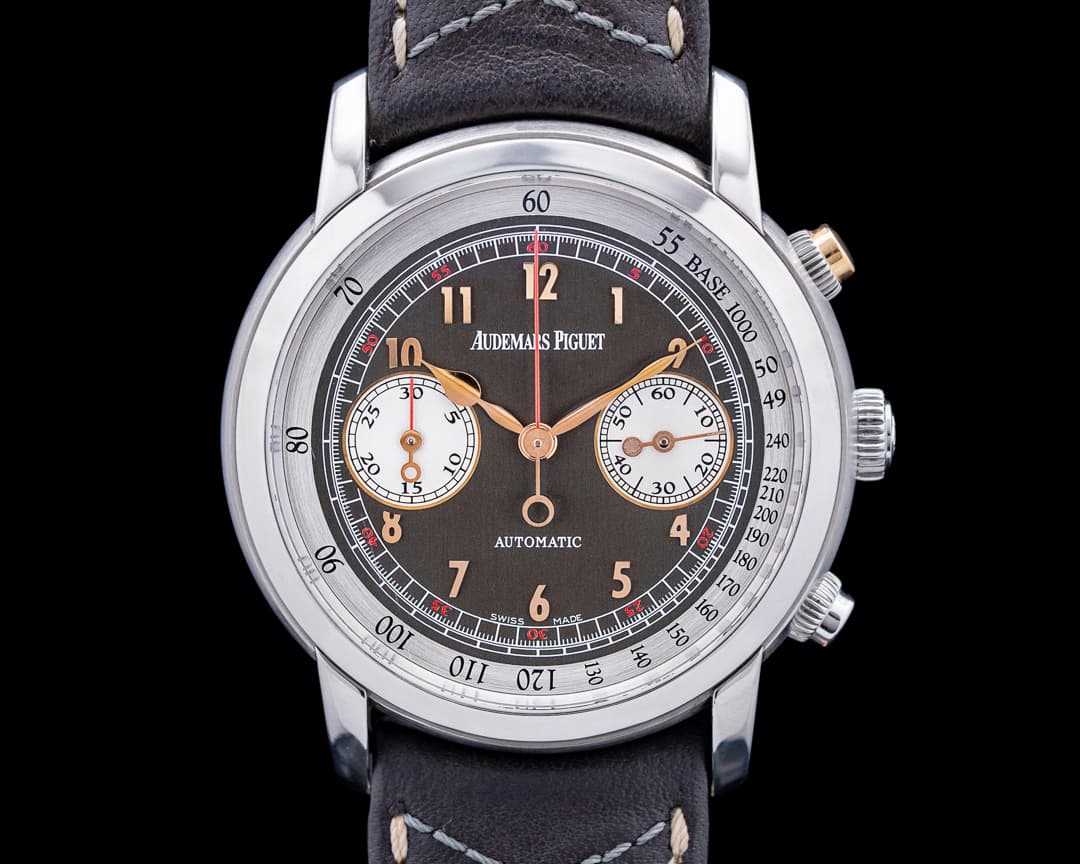
Jules Audemars "Gstaad Classic" Chronograph Titanium Gray Dial LIMITED
$24,900
View Watch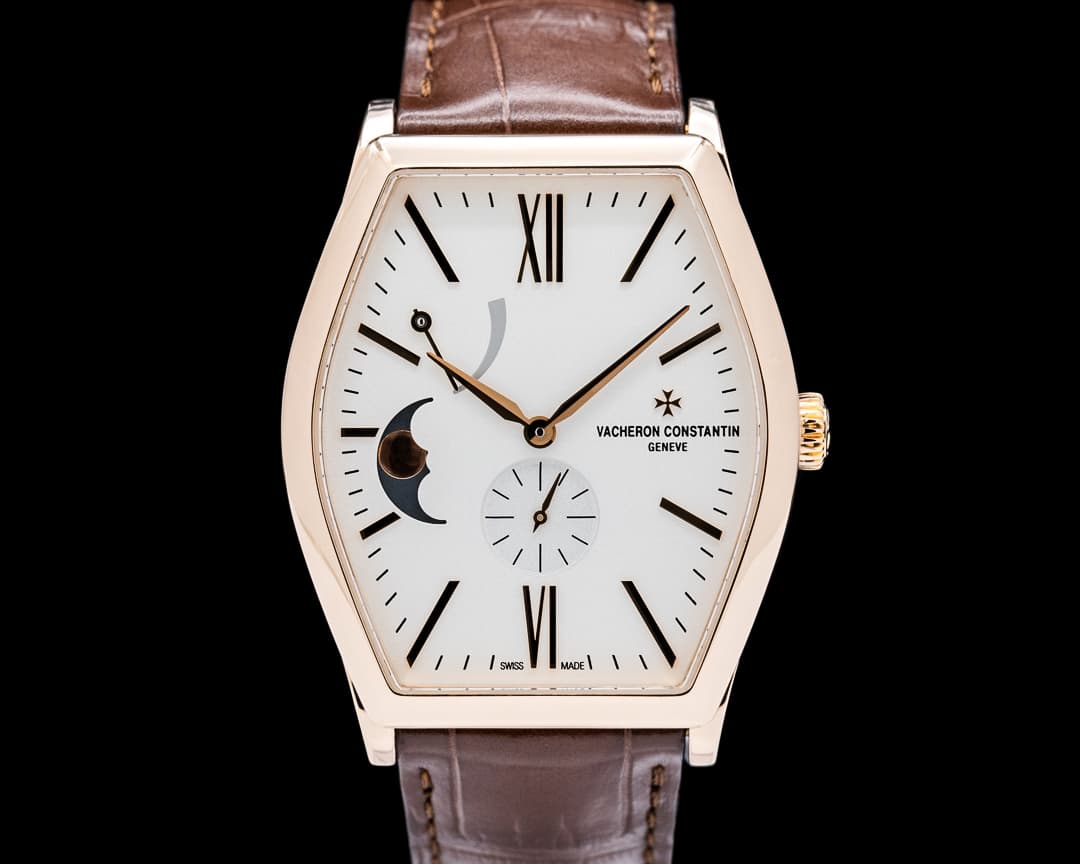
7000M Malte Moon Phase 18K Rose Gold Silver Dial
$22,500
View Watch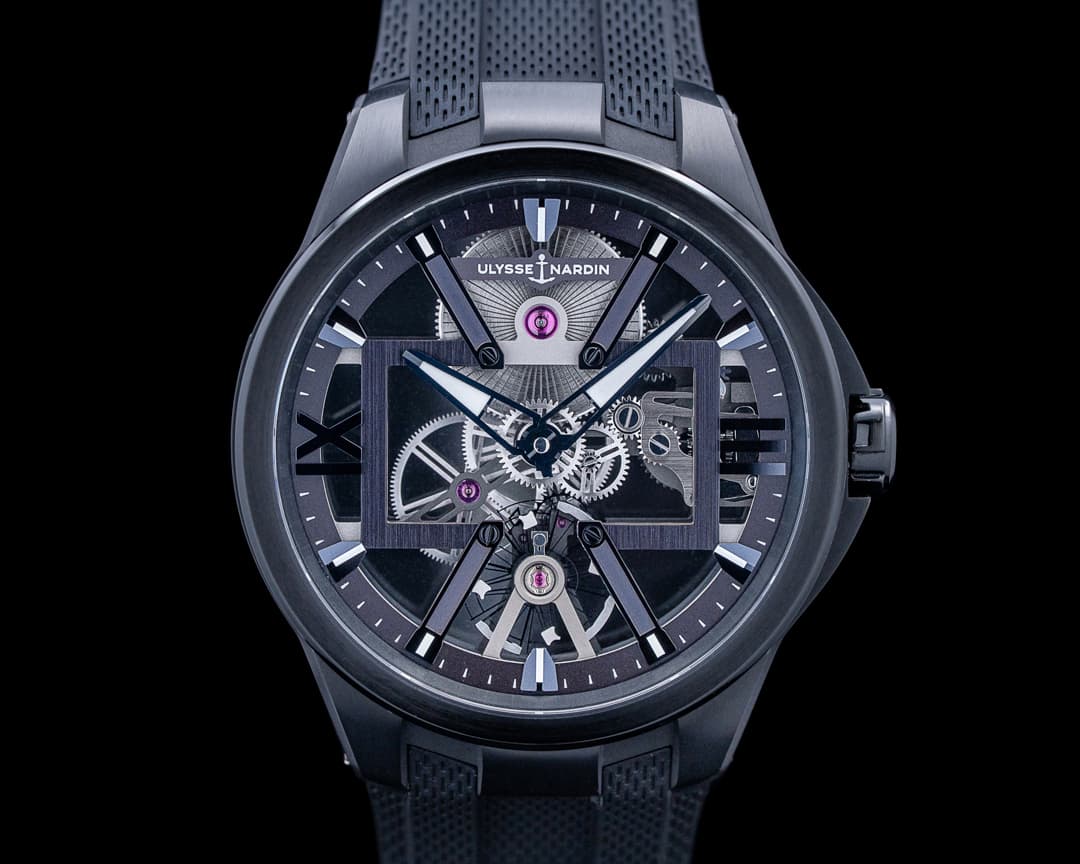
3713-260 Blast Skeleton X Titanium Skeleton Dial 2025
$19,900
View Watch
Shop New Arrivals
2366 Tank Francaise 18K White Gold Diamond Bezel Silver Dial
$17,500
View WatchJules Audemars "Gstaad Classic" Chronograph Titanium Gray Dial LIMITED
$24,900
View Watch7000M Malte Moon Phase 18K Rose Gold Silver Dial
$22,500
View Watch3713-260 Blast Skeleton X Titanium Skeleton Dial 2025
$19,900
View Watch
More Content