The Best Watches Under $10,000: Six Recommendations
Published on 8/11/2026
Today we are looking at six fantastic luxury watches under $10,000 from European Watch Company's experience pairing thousands of collectors with their dream watches each year.
Why Under $10,000 Is Where the Market Gets Honest
Brand premium doesn't vanish at this price point, but it compresses. At $50,000, you're often paying for genuine scarcity: limited production, a storied complication, decades of secondary market validation. At $8,000, you're frequently paying for familiarity. That's not always wrong, but it's worth calling out as a legitimate difference.
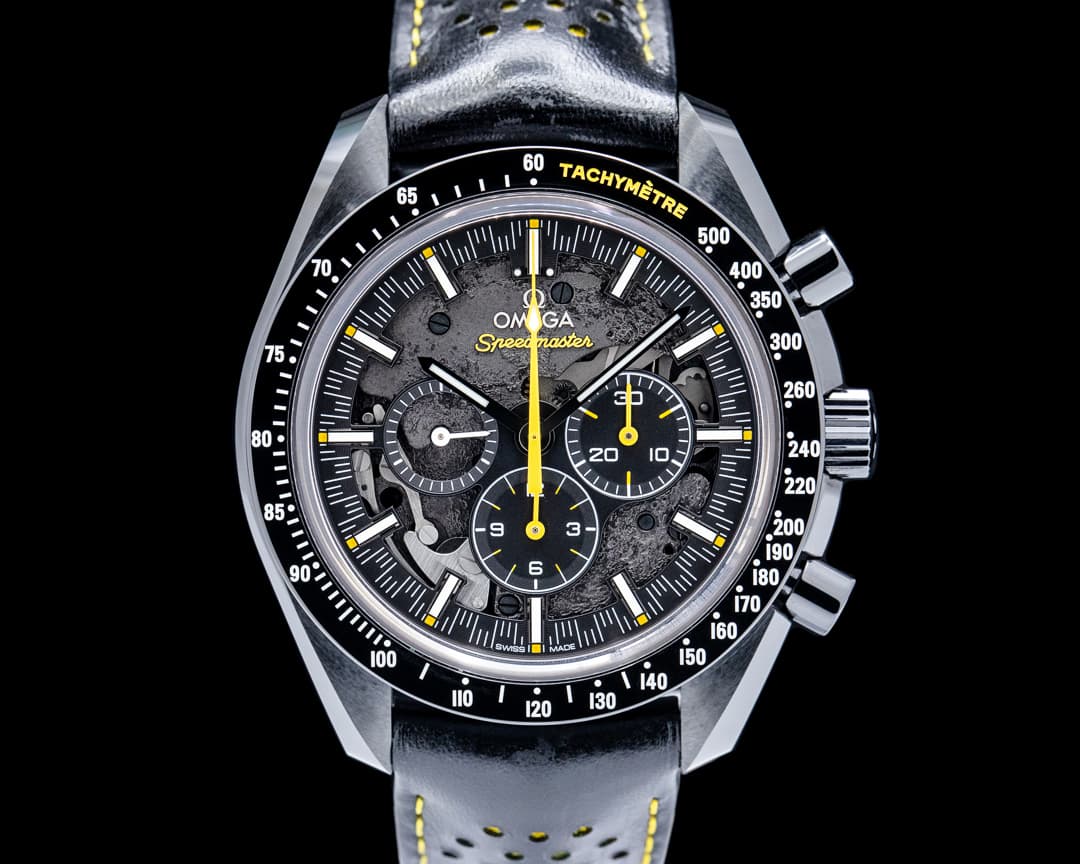
How do brands differentiate themselves at this pricepoint? Movement quality relative to price. Case and dial finishing that would cost more to produce under a different name. Designs with enough restraint and intrigue to stay interesting past the first year. And secondary market behavior that tells you whether other people's experience with a reference has been good or bad over time.
The argument here is not that lesser-known brands are always better value, that's its own kind of inertia. The argument is that the comparison of potential watches has to be made on specifics, and in this bracket, the specifics favor a less obvious list than the one that circulates in most roundups.
Our Criteria
Four major priorities drive our recommendations. Movement quality and finishing relative to price: specifically, whether the caliber is proprietary or a third-party base, and whether the case and dial show craftsmanship or quality that is costly or desirable to produce. Secondary market stability, which is a proxy for whether buyers who've owned these references have been satisfied with them over time. Availability in the pre-owned market, because a watch that trades three times a year is not a practical recommendation. And finally, long-term legibility as a choice, the question of whether, in five years, the watch will still make sense aesthetically and intellectually.
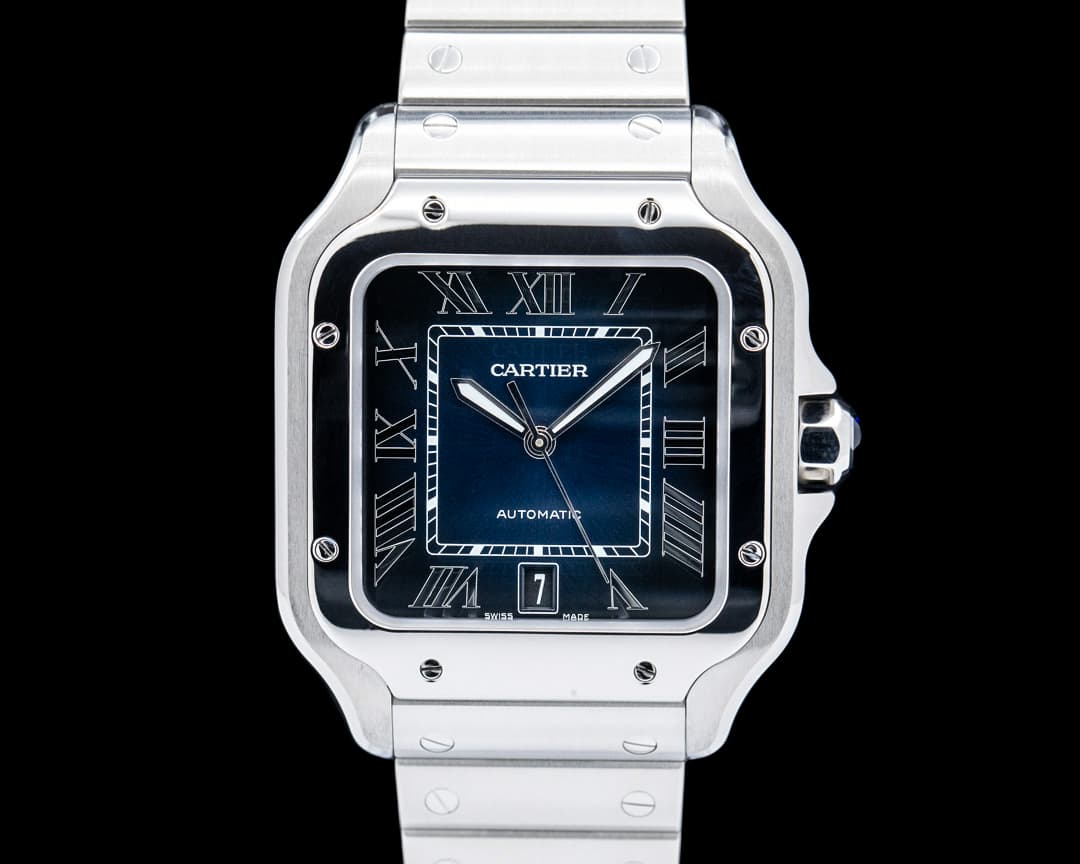
What we're not considering heavily: investment upside, which is genuinely hard to predict and leads to bad decisions at any price. Social signaling, which is the buyer's problem to solve, not ours. Brand recognition for its own sake, not because it doesn't matter to some buyers, but because it's already well-served by other sources.
The prices reflected in our guide are based on current pre-owned market ranges, not retail.
The Picks: Six References That Make the Argument
Grand Seiko SBGW231, approximately $3,500–$4,200 pre-owned
The SBGW231 is where the Grand Seiko finishing argument is easiest to make, because the case is simple enough to let the work show. White dial, Roman numerals, 37mm in diameter and 11.6 thick in stainless steel, nothing decorative happening, which means the mirror-polished surfaces and hairline-brushed flanks carry the whole visual weight. What makes this credible at the price is that Zaratsu polishing is genuinely hand-done: a specialist works each case surface against a rotating tin wheel with abrasive paste, producing the distortion-free reflectivity that distinguishes Grand Seiko's cases from CNC-polished alternatives. That work is performed at Grand Seiko's Shinshu and Shizukuishi facilities in Japan.
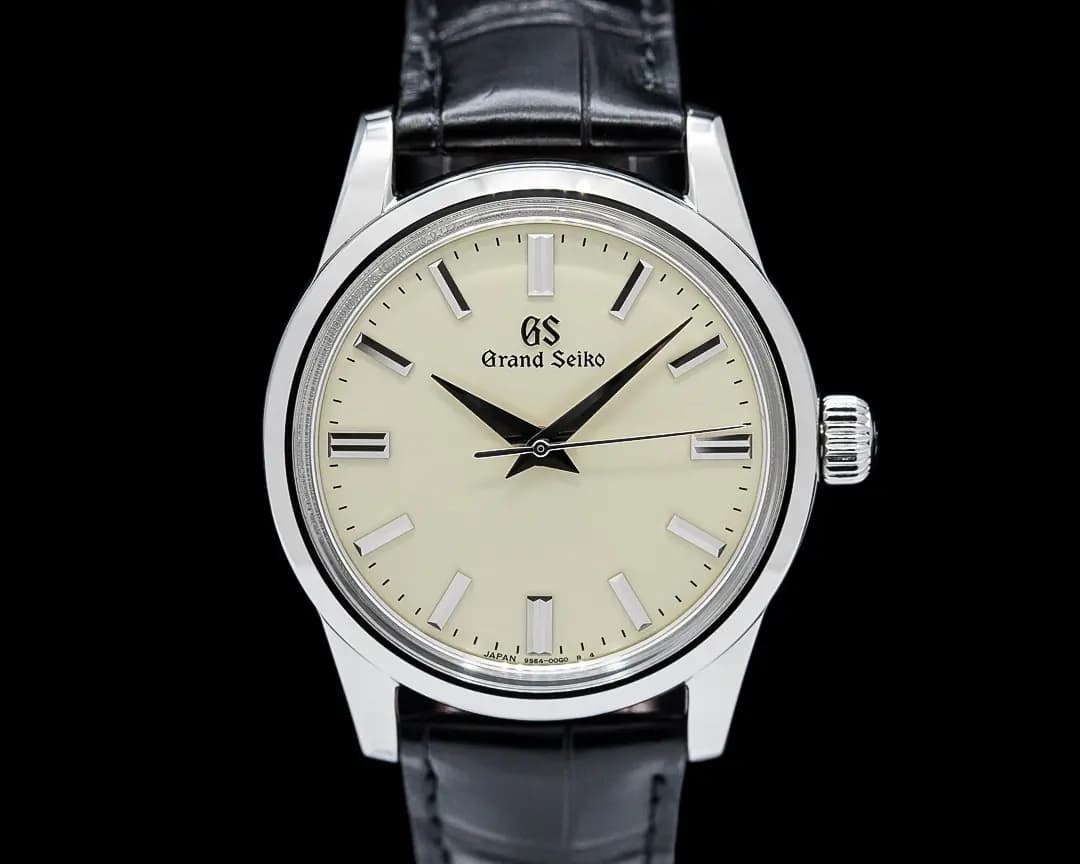
Grand Seiko SBGW231
The movement is in-house, caliber 9S64 in older examples, hand-wound, and finished at a level that outpaces the price bracket. This watch rewards close inspection more than it photographs. The right light reveals the case work. The dial reads clean and legible. The case sits well on wrists of a variety of sizes. At $3,500–$4,200 pre-owned, you're paying for something that would cost materially more to produce under a Swiss name. And you're getting a slight discount from retail!
Jaeger-LeCoultre Master Control Moonphase, approximately $8,000–$10,000 pre-owned
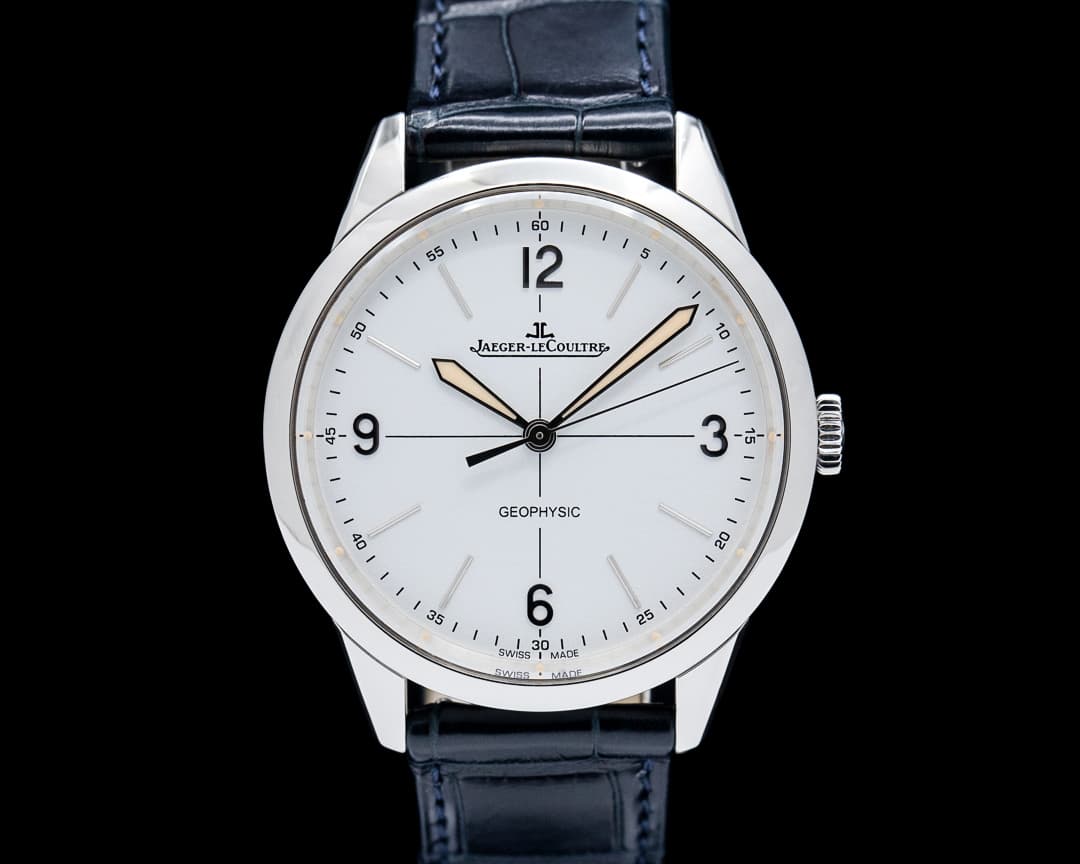
The Master Control Moonphase sits at the top of this bracket, and with JLC's reputation behind this piece, it is one of the best values on the market. The caliber 925 is an in-house movement with about a 43-hour power reserve and a moonphase display that is a beautiful contrast to the stainless steel case. The case is 39mm, slim, and wears closer to a dress watch than a complications piece; the moonphase aperture sits at six o'clock without crowding the dial.
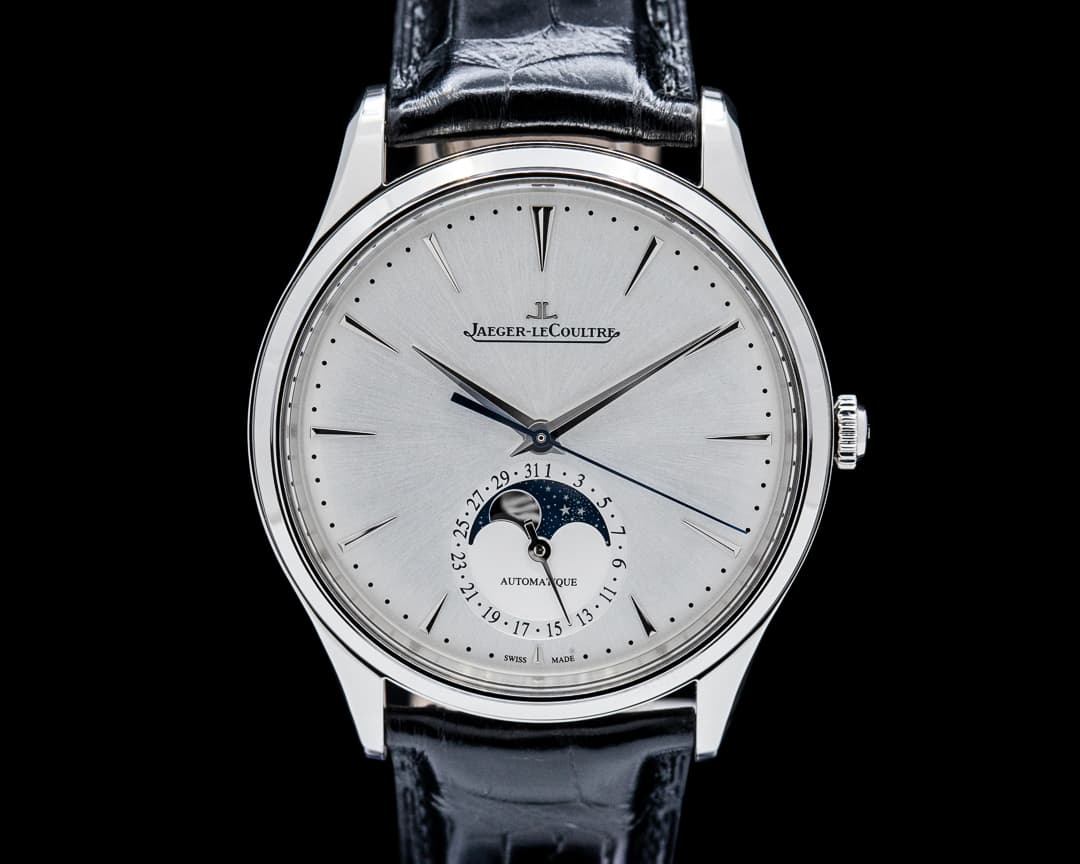
Pre-owned examples appear regularly in the $8,000–$10,000 range, which represents a meaningful discount from retail and a bracket where the movement and finishing justify the price rather than the name carrying it. JLC's secondary market is stable and liquid. At the pricepoint, this watch is one of the best forays into the world of complicated watchmaking.
Nomos Tangente, approximately $2,000–$4,000 pre-owned
The Tangente's value argument is partly aesthetic and partly structural. Aesthetically: the Bauhaus design has held up longer than nearly anything produced in the 1990s, which is when it was introduced, and longer than most of what's been produced since. The dial is typographically precise, applied baton indices and the Nomos typeface, in a way that looks intentional rather than merely minimal. It's also unique to Nomos, a brand siganture that is not common in the sub 10k price bracket. The case profile is almost architectural: flat, with enough height that the dial's thickness reads clearly from the side.
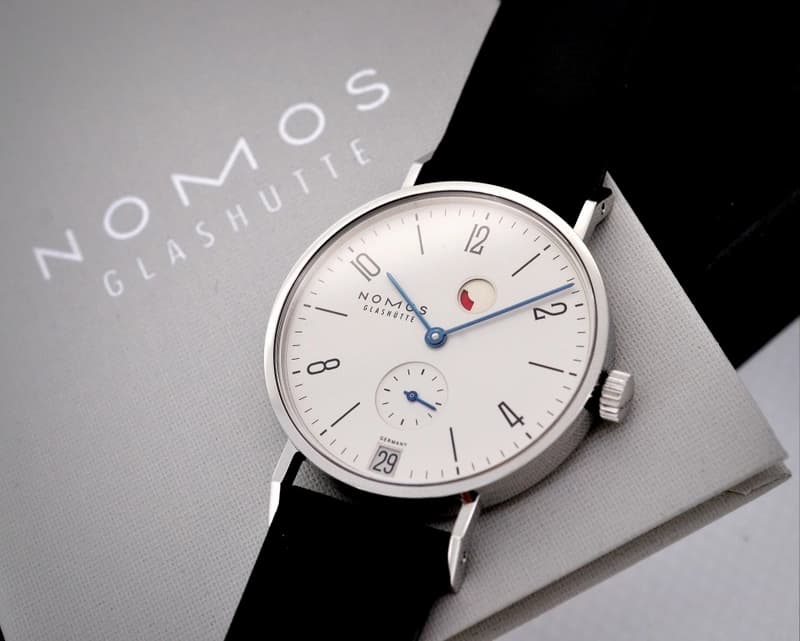
Nomos Tangente Gangreserve
Structurally: Nomos manufactures genuinely in-house at Glashütte, Germany. The movements found in these peices are proprietary designs, not base movements with badge adjustments. Pre-owned Tangentes hold 65–75% of retail value, which reflects buyer satisfaction as much as brand prestige. Average pre-owned pricing runs around $2,500, spanning from under $1,000 for older examples to $4,000 for recent higher-spec variants. At the mid-range, this is among the most honest value propositions on the list.
Tudor Black Bay 58 (ref. 79030N), approximately $3,000 pre-owned
The BB58 is the closest thing to a consensus pick on this list, which means its presence here requires justification. What the ref. 79030N actually offers: a 39mm case sized for genuine wearing comfort, a gilt dial that reads like a beautiful heritage inspired pick, and the MT5402 in-house caliber, developed through Kenissi, the joint venture Tudor shares with Breitling and Chanel, with a 70-hour power reserve and silicon balance spring. The movement is proprietary by any reasonable definition.
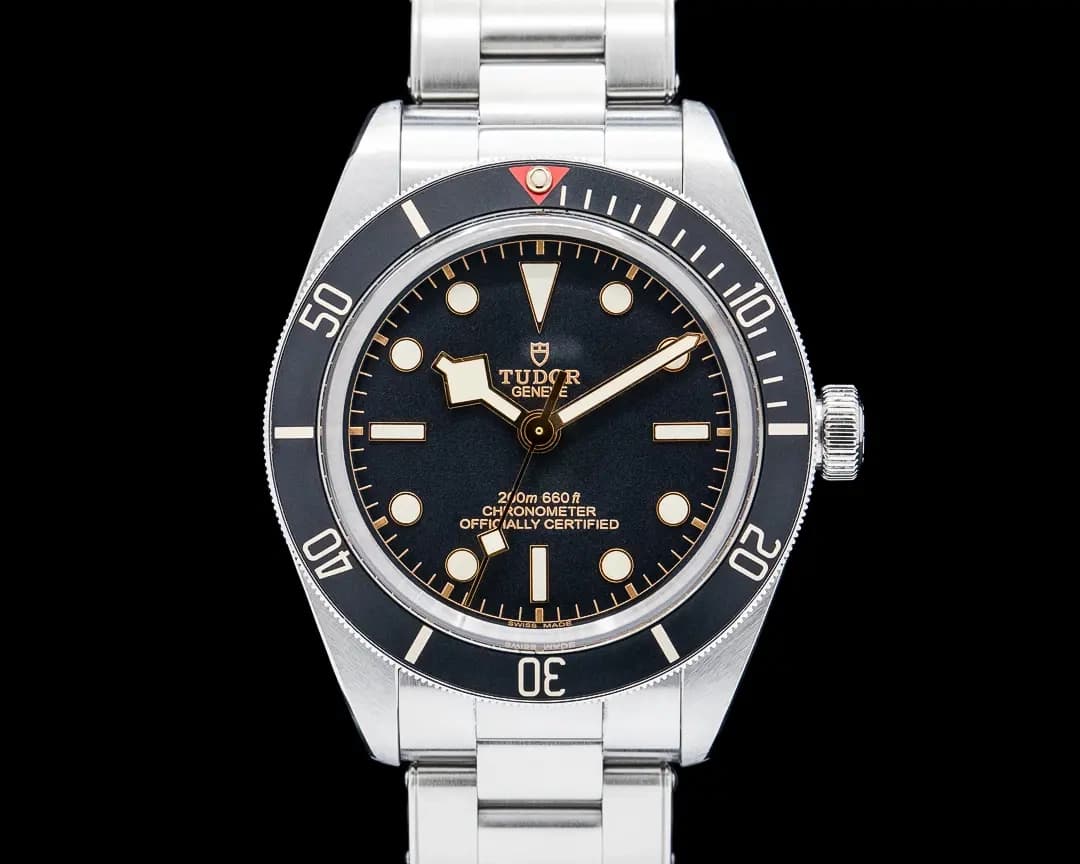
Tudor Black Bay 58
Pre-owned examples typically trade 35–40% below retail, landing closer to $3,000 for clean examples without box and papers. That's a legitimate watch at a legitimate price. The argument against it is that this is one of the most shopped references in the bracket, which means availability is high but so is variation in condition; buying condition here requires care. The argument for it is that the MT5402 is a better movement than most watches at this price come with, and the case size is so comfortable. This is just a great all arounder and perfect for swimming or dressing a bit more up.
Zenith El Primero Chronomaster (contemporary references), upper range of the bracket
The El Primero's historical claim is specific and verified: in 1969, Zenith introduced the 3019 PHC, documented as the world's first automatic chronograph caliber. That history is what earned Zenith its reputation; it's a matter of record. Current Chronomaster references carry that movement lineage in a form that, pre-owned, sits within this bracket depending on configuration and age.
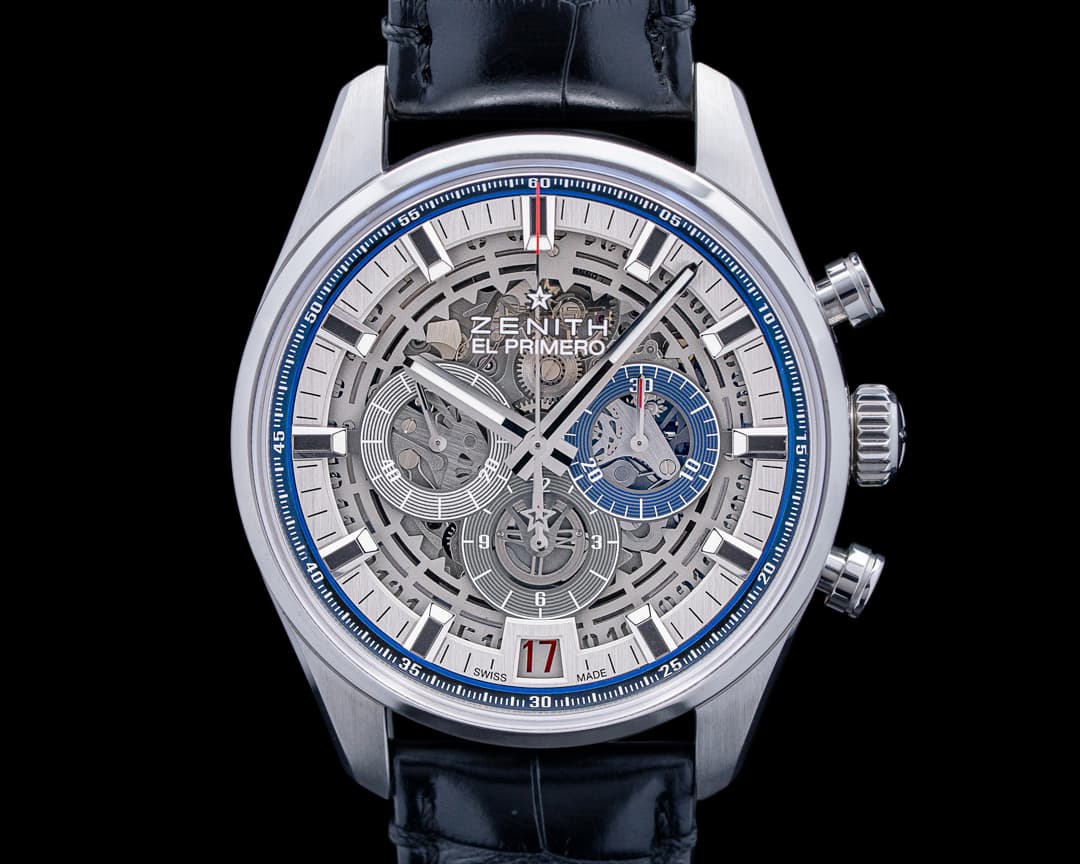
The case is not subtle. This is a sporting chronograph often with a tri-color dial, meant to be read quickly. What makes it worth attention is the movement: the El Primero runs at 36,000 vph, giving the chronograph seconds hand a smooth sweep rather than the tick-step of most column-wheel chronographs. In the hand, the difference is real. On the dial, the architecture of the movement shows through in the three-counter layout. Specific current pricing for contemporary Chronomaster references depend on the specific model, but consider this a historically significant and beautiful choice.
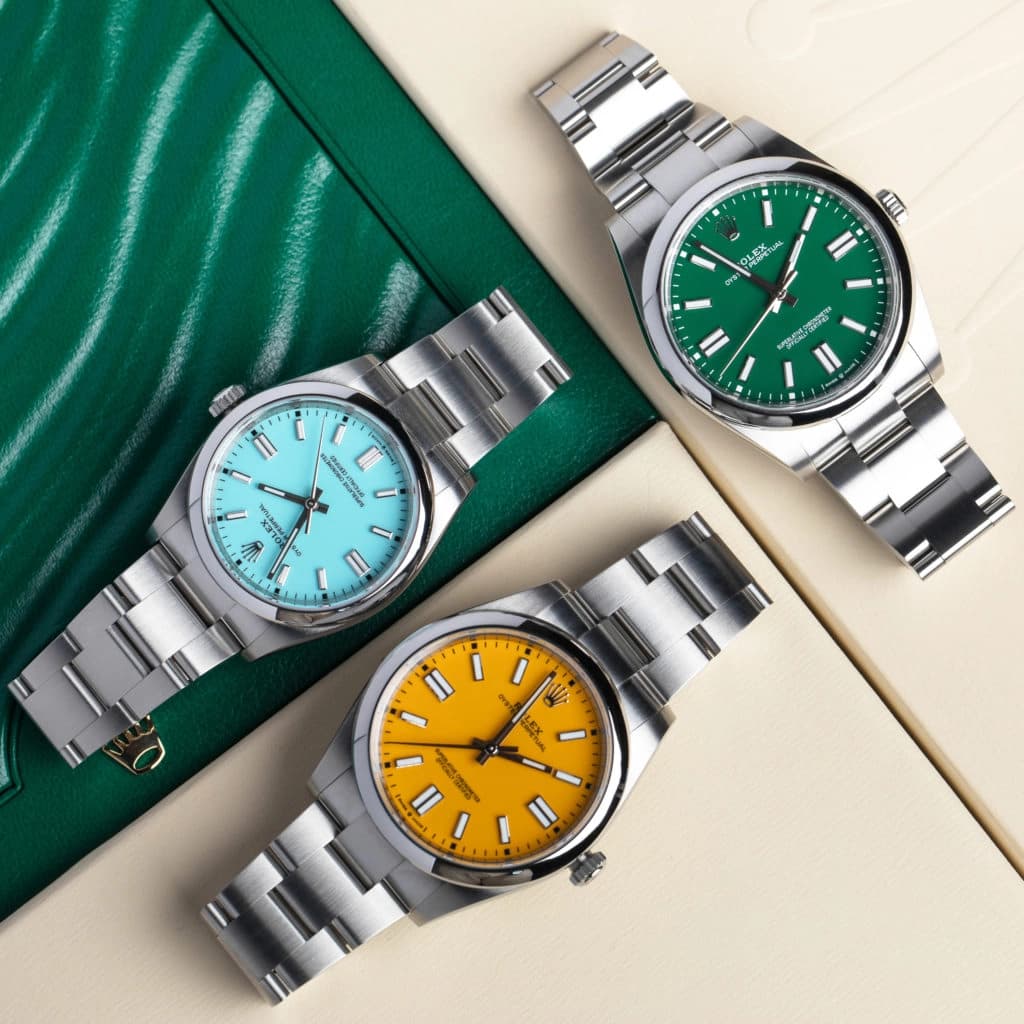
Rolex Oyster Perpetual
Arguably Rolex's answer to the price point, this watch is one of the best everyday pieces at any price. Rolex's manufacturing history, secondary market depth, and resale predictability are unmatched at any price. An Oyster Perpetual 41 is not a compromising choice. The caliber 3230 is a serious movement; the case and bracelet finishing is executed at a high level; and the brand's hold on the secondary market means liquidity when you want it.
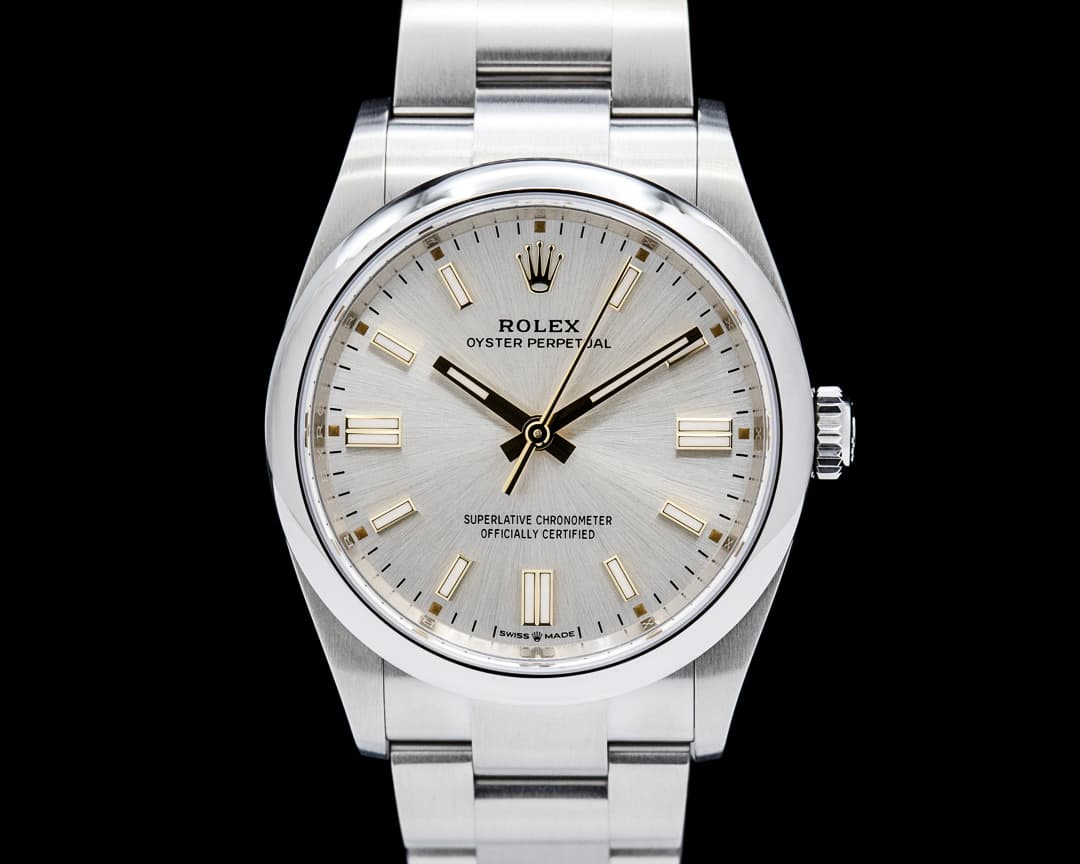
A portion of what you're paying for in the pre-owned Oyster Perpetual market is in substantial part that brand equity, which is fine if brand equity is part of what you want. The question is whether the watchmaking itself, stripped of the name, justifies a premium over a Grand Seiko SBGW231 or a Nomos at the same price point. If you love Rolex and want a simple everyday driver with some excellent dial options and a reliable preowned and service network to back it up, this is a classic choice.
What the Secondary Market Actually Looks Like Right Now
The 2021–2022 peak inflated pre-owned prices across nearly every major brand and reference category. That correction has largely played out. Tudor Black Bay references, which briefly touched near-retail in the secondary market, now trade 35–40% below retail, the natural discount that reflects this is not a watch with a waiting list problem. Grand Seiko references never experienced the same speculative spike, so the correction has been less dramatic; the SBGW231's current $3,500–$4,200 range reflects genuine market value rather than a post-bubble adjustment.
Nomos references have held value stably at 65–75% of retail. Rolex has been relatively stable on oyster perpetual models in general. This reliability should be reassuring for buyers looking to hold these watches longer term.
Availability across all these references is reasonable. At European Watch Company, we handle watches like these pretty regularly, and if you are looking for one of these pieces, we will be able to help you find one!
How to Think About Aging Well in This Bracket
Five years from now, some of the watches purchased in this bracket will still feel right. Others will feel dated, or will turn out to have been less interesting than they appeared at the point of purchase. The difference is not usually price or brand. It's design restraint and movement honesty.
Design restraint means something specific here: not minimalism for its own sake, but the absence of decorative decisions that belonged to a particular moment. The Nomos Tangente's dial has been essentially unchanged since the 1990s because the proportions were correct from the beginning. Grand Seiko's case geometry has similar permanence, the Zaratsu polishing and the dial finishing are interesting because of craft, not because of a trend. A watch that looks interesting at purchase because it's current will look dated when the current passes. A watch that looks interesting because the work is visible will still look interesting when the work is still there.
Movement longevity is a practical question as well as an aesthetic one. In-house movements with documented service intervals and available parts age better than base-movement watches where the supply chain depends on a third party. This is not a knock on ETA, a well-made ETA caliber will last decades, but it's a real consideration for references where the movement is central to the value argument.
The honest version of the aging question is this: will you still want to wear this watch when the moment you bought it in has passed? That requires some self-knowledge about what drew you to it. If the answer is the movement quality and the finishing, both of those are durable. If the answer is that it was what the market was talking about, that's worth examining before you buy.
Conclusion
The bracket from $5,000 to $10,000 pre-owned is not a consolation prize. It's a market level where the relationship between what you pay and what you actually hold in your hand is more direct than it is above or below. Above it, brand architecture and scarcity pricing dominate. Below it, finishing and movement quality are frequently the first things cut to make the margin work.
This piece has argued specific references on their specific merits, not their category membership. Not all of them are right for every buyer, and the case has limits: none of this means the less obvious choice is always the better one, and brand equity is a real thing that some buyers legitimately want.
Regardless, using these criteria, you can come to your own conclusions about the best watches for any price point. Always remove loud contributors to inflated pricing, consider the preowned values and stability of your purchases, the quality of the movement and dial execution with brand set aside, and you will be much less likely to make mistakes!
Shop New Arrivals

2366 Tank Francaise 18K White Gold Diamond Bezel Silver Dial
$17,500
View Watch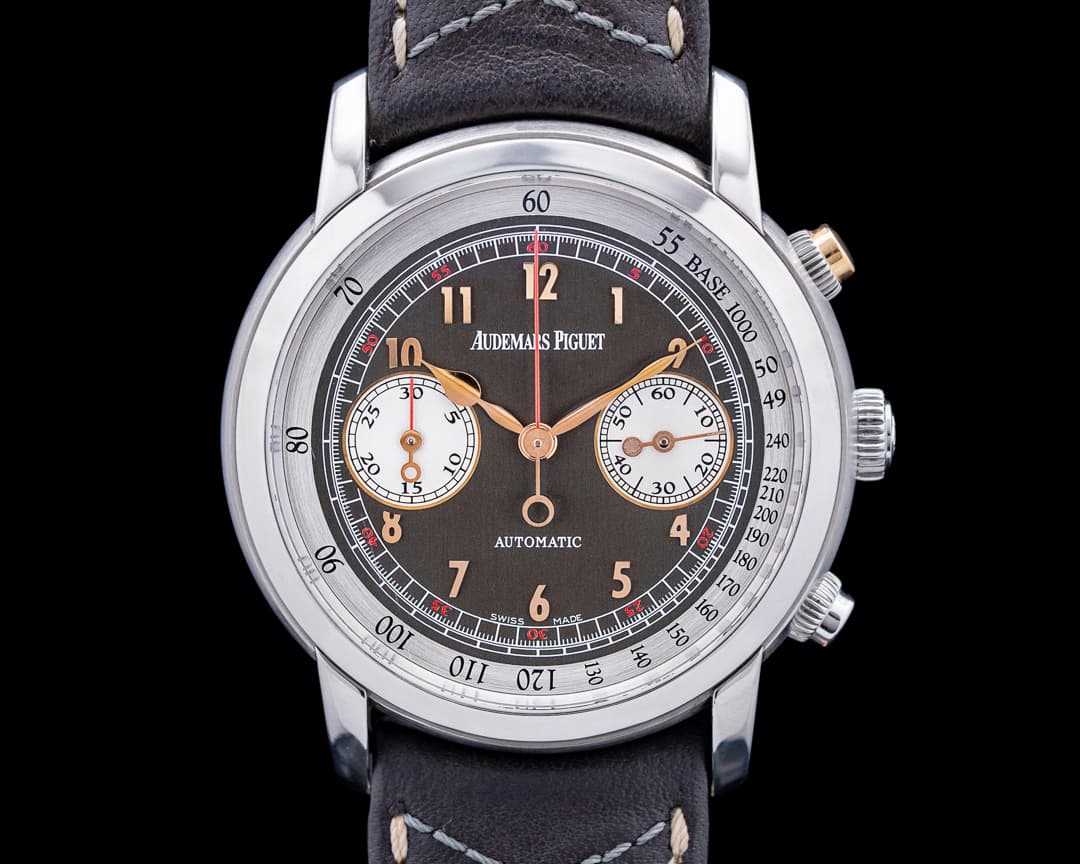
Jules Audemars "Gstaad Classic" Chronograph Titanium Gray Dial LIMITED
$24,900
View Watch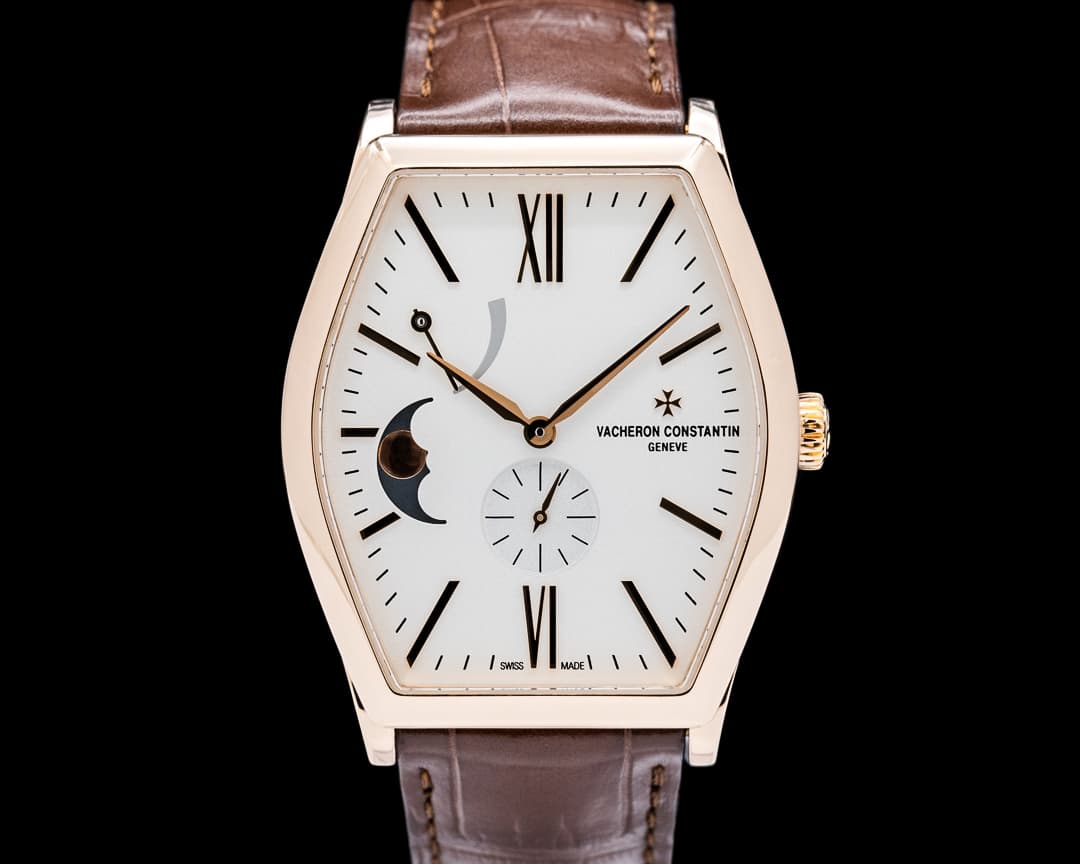
7000M Malte Moon Phase 18K Rose Gold Silver Dial
$22,500
View Watch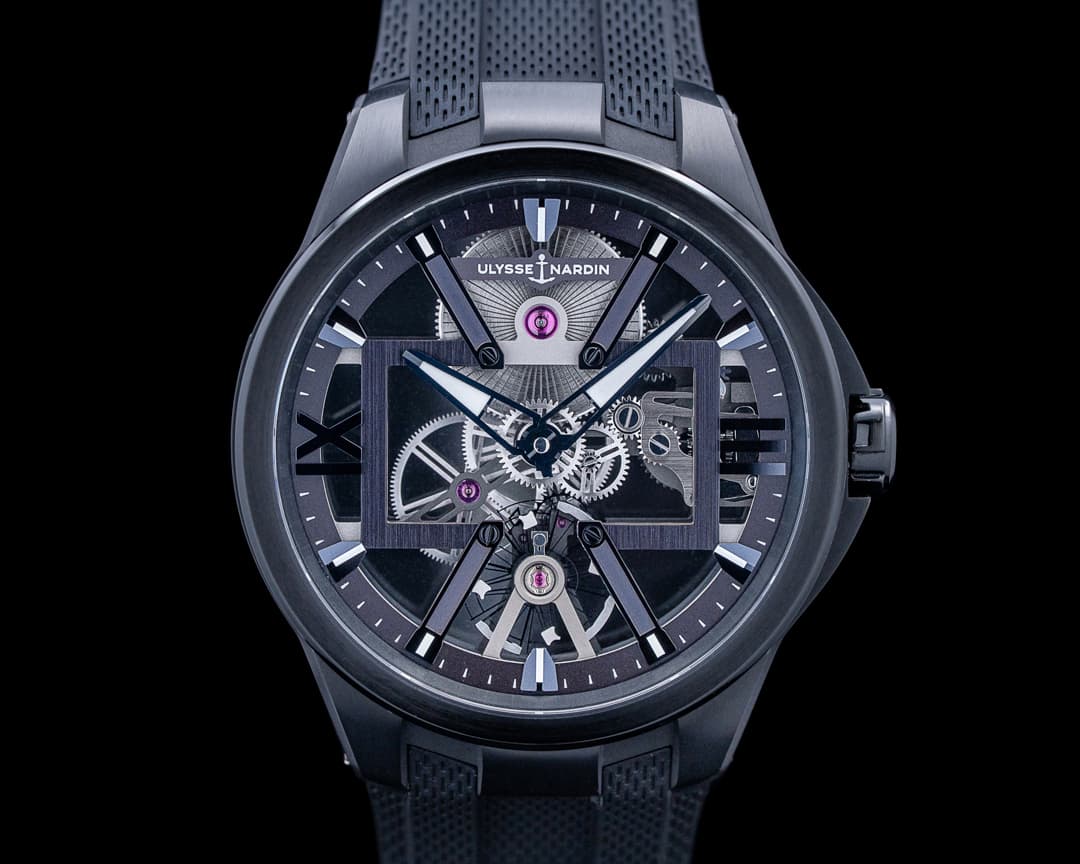
3713-260 Blast Skeleton X Titanium Skeleton Dial 2025
$19,900
View Watch
Shop New Arrivals
2366 Tank Francaise 18K White Gold Diamond Bezel Silver Dial
$17,500
View WatchJules Audemars "Gstaad Classic" Chronograph Titanium Gray Dial LIMITED
$24,900
View Watch7000M Malte Moon Phase 18K Rose Gold Silver Dial
$22,500
View Watch3713-260 Blast Skeleton X Titanium Skeleton Dial 2025
$19,900
View Watch
More Content