Casebacks used to be an afterthought. A collector often checked the dial, considered the proportions, maybe flipped the watch over once if there was a sapphire window, then moved on. Today, that instinct has changed. Collectors linger on the reverse. Brands, therefore, are responding by treating the caseback as a space with intent rather than leftover surface. It marks a subtle shift in watch culture, one that reflects how modern buyers engage with their watches beyond first glance.
Part of the appeal is the moment of surprise. Turning a watch over now carries the same quiet thrill as discovering a jump hour or a wandering display. A caseback can reward curiosity. Some brands elevate movement finishing with sharper anglage, layered bridges, and black-polished details meant to be examined up close. Others use the back as a canvas, engraving by hand or with precision tools. And increasingly, complications are designed with the rear view in mind, acknowledging that the owner may spend just as much time studying the back of the watch as the dial itself.
The rise of the open caseback
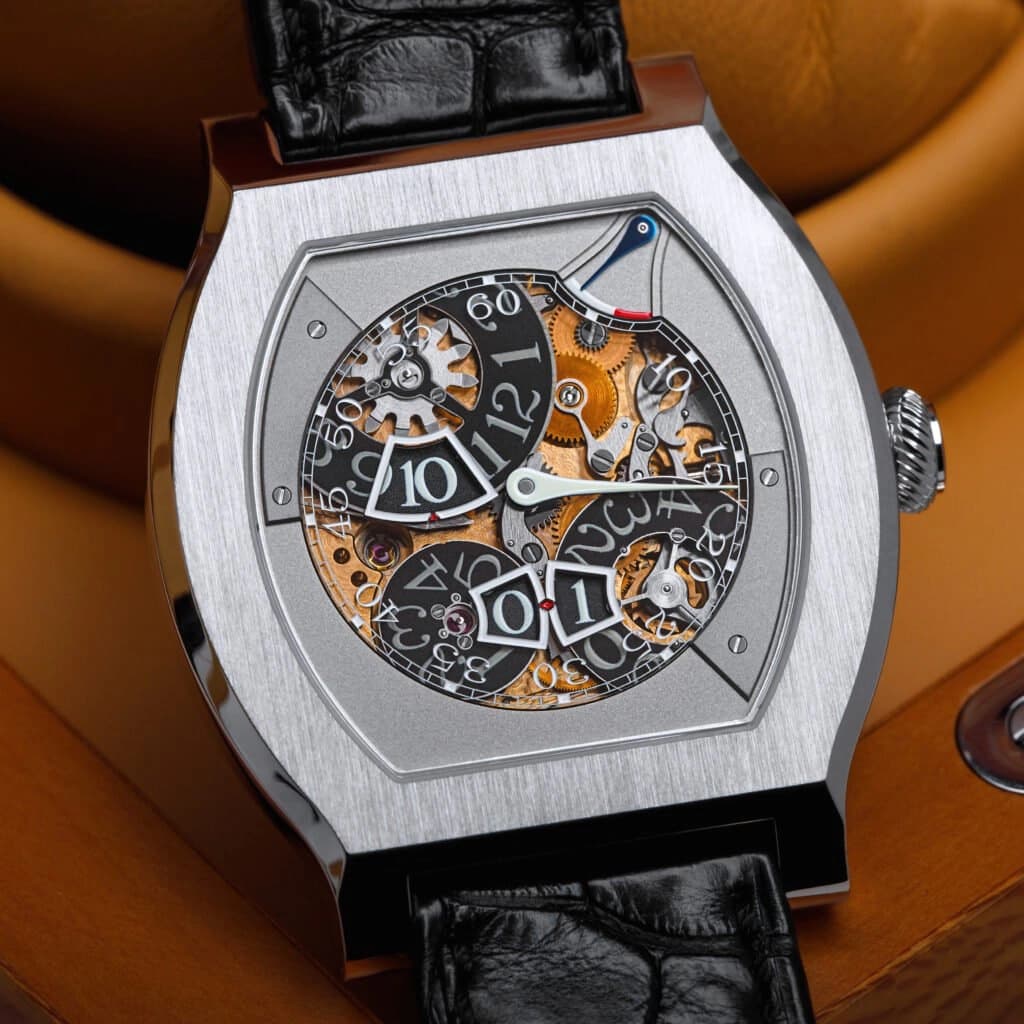
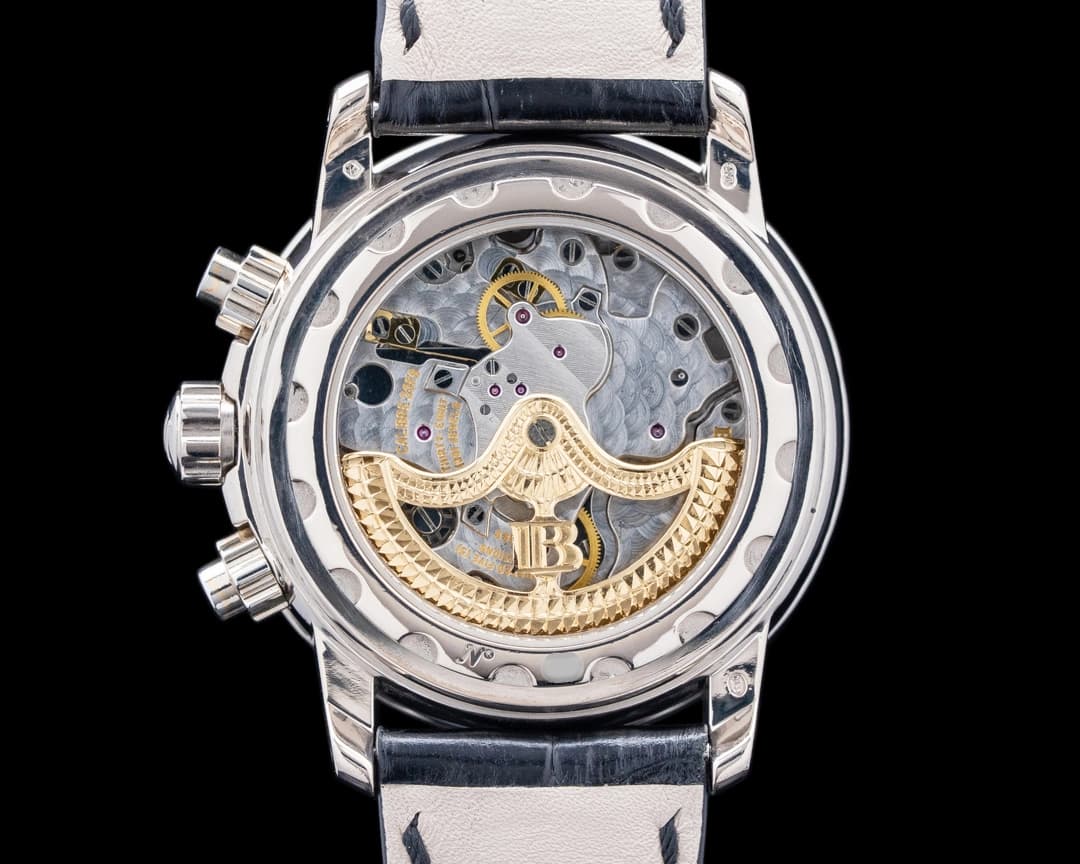
Open casebacks have become the default for a number of independents. The expectation is that if a brand created a thoughtful movement, it should be shown, rather than hidden. Collectors want to see the rotor cutout, the balance wheel breathing, and the shifting light across a plate. Even those who do not consider themselves movement-focused still respond to the experience of watching a caliber operate in real time. It adds a sense of connection that a sealed steel back cannot match.
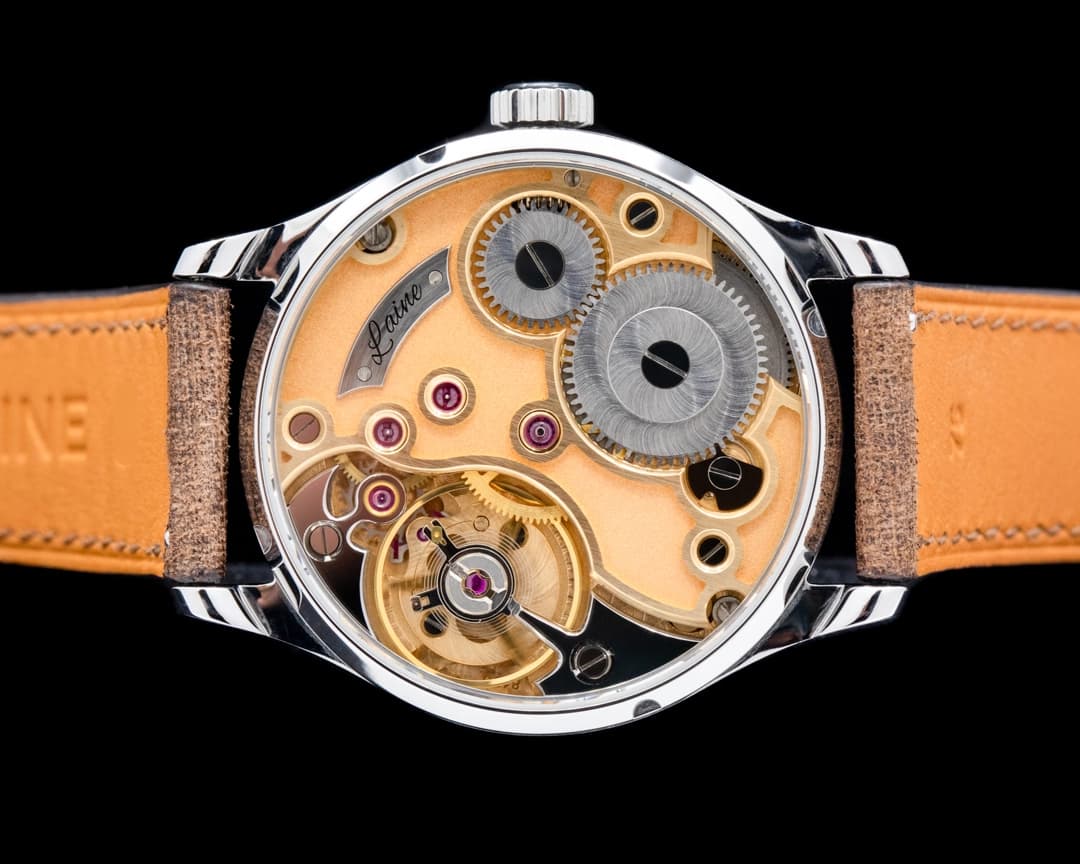
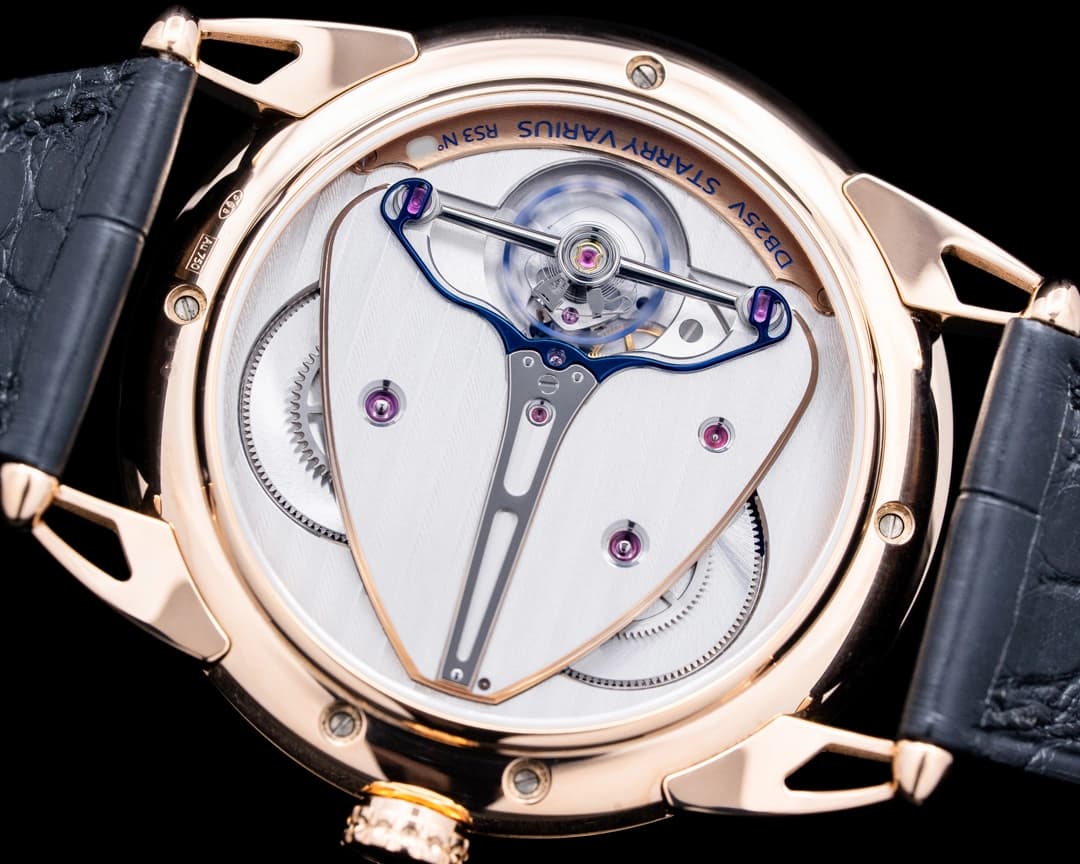
This renewed focus has also created space for a closed back to be intentional and expressive. Military-inspired pieces often use solid backs to signal utility and restraint. Dress watches without display windows feel more focused, almost as if the movement is a private detail. And there is a growing group of collectors who enjoy the calm of a brushed or engraved steel surface after years of sapphire openings. The closed back is no longer a compromise. It shapes the identity of the watch in a way that feels deliberate.
Engraving as a storytelling tool
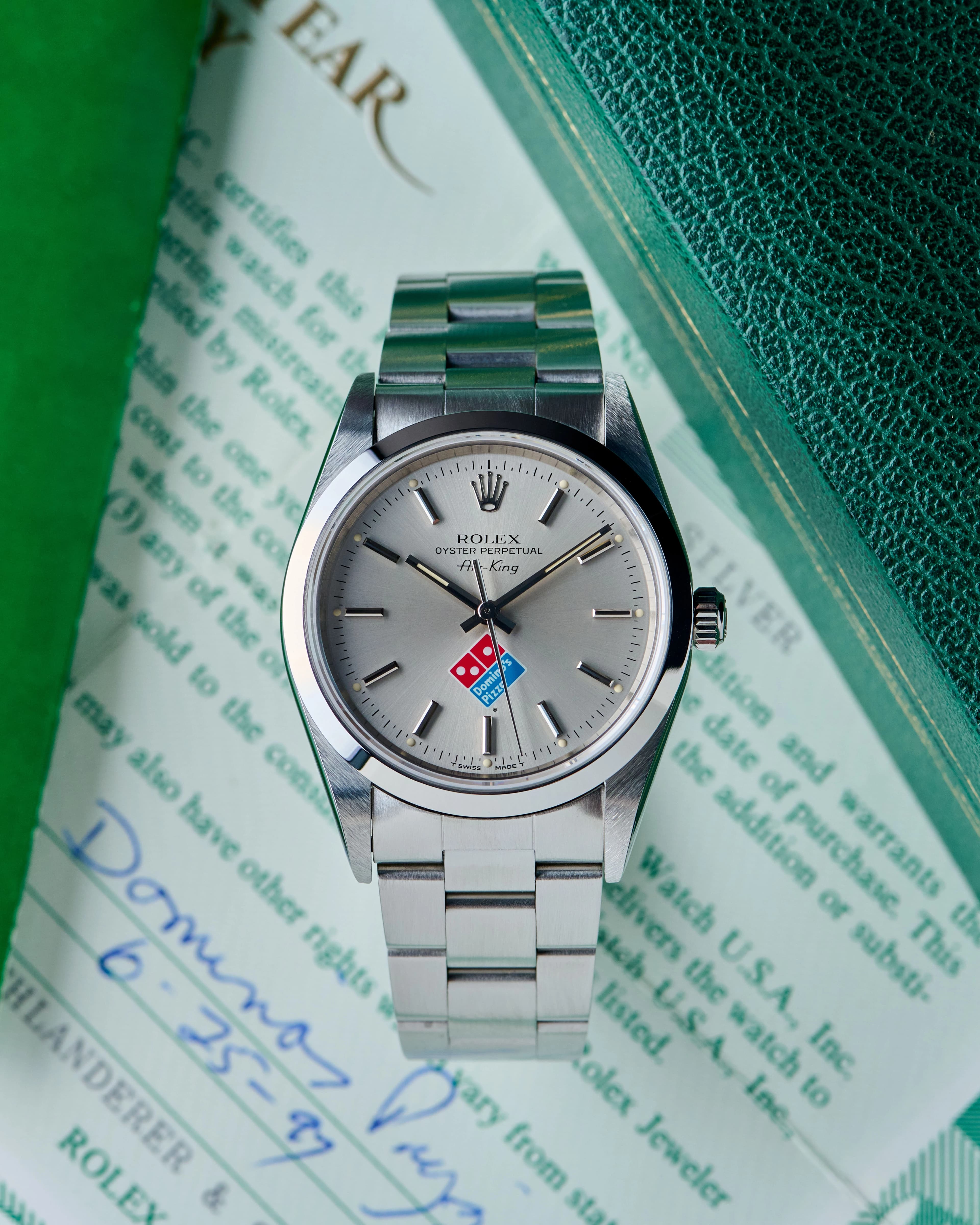
Personalized casebacks have been around for decades, but their usage has shifted. Micromilspec, originally known for producing unit-specific watches for military and first responders, has experienced this shift firsthand. CEO Henrik Rye stated that client priorities have shifted in recent years. “Early projects were focused on strict insignias or operational markings. Today we still do that, but more clients want engravings that reflect individual stories rather than only organizational identity,” he said. To Rye, this trend reveals how buyers now view the rear side of a watch. “The caseback is private and intentional, and it stays close to the wearer. That seems to matter more than placing a message anywhere visible on the dial,” he said.
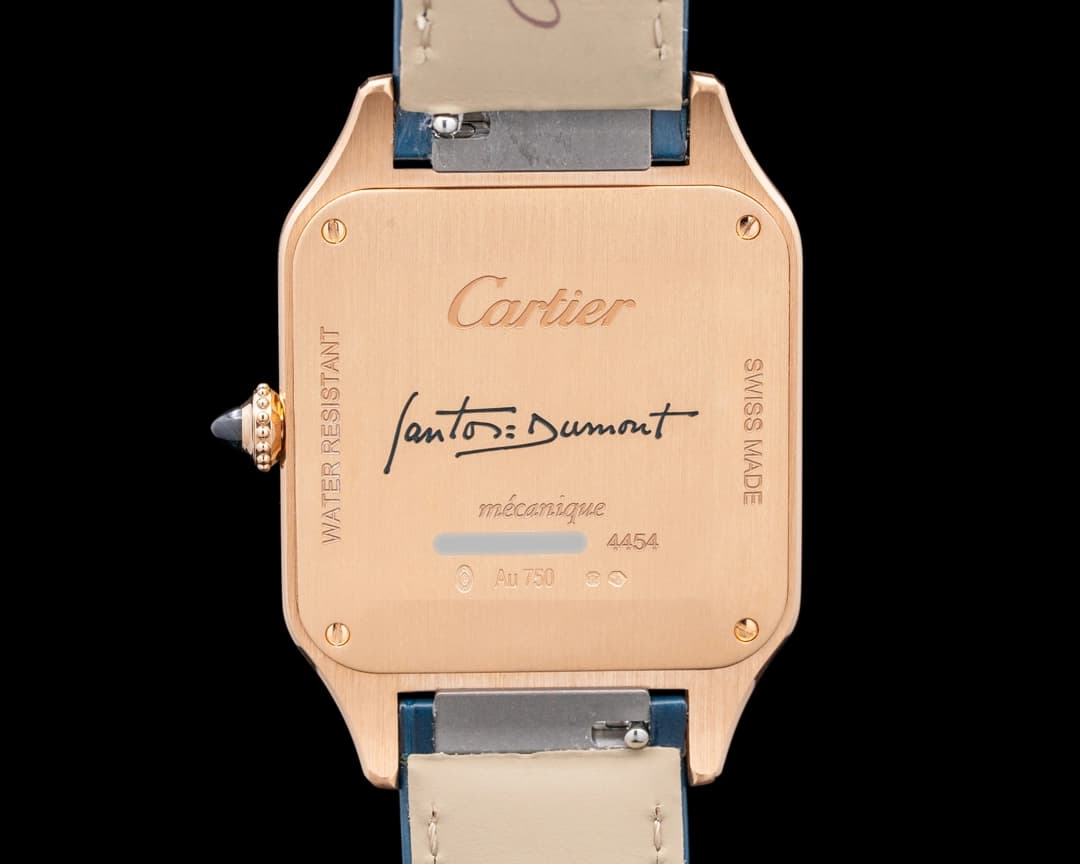
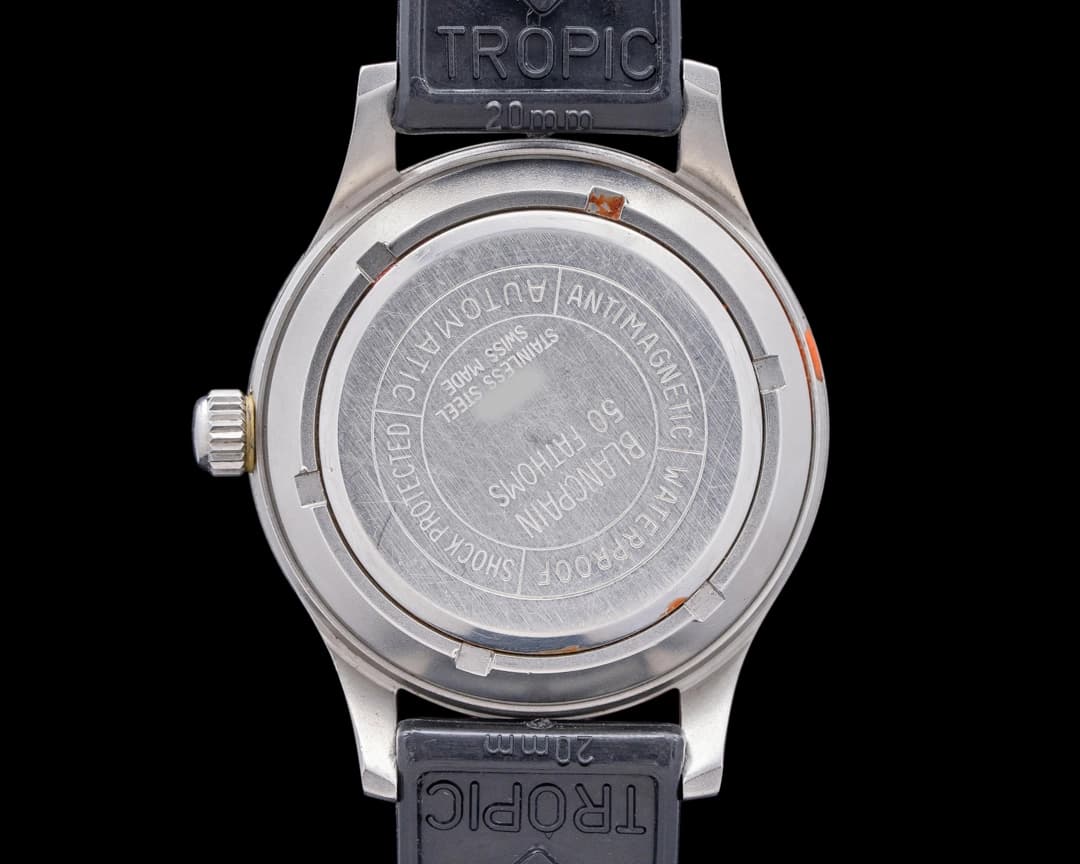
This sense of privacy is what makes engraving so effective. The owner controls when they see it. The message becomes a quiet part of the watch rather than a design element competing with the dial. It turns the caseback into a personal archive layered into the object itself.
A new era for skeletonization
Skeletonization has also matured. It is no longer a race to remove as much metal as possible. Many movements are now designed so that many interesting parts sit closer to the rear side. This changes how a collector interacts with the watch. Instead of treating the caseback as a secondary view, they study it with the same attention as the dial. Some watches reveal their best architecture only when flipped over, creating a two-sided personality that rewards anyone who lingers with the watch in hand. This dual perspective is familiar territory for Max Resnick, an award-winning British freelance watch designer. Resnick noted that even if he begins a project focused on the case shape or dial, the caseback enters the conversation early. “It’s an important canvas in its own right, whether for engraving, decoration, or revealing the movement within,” he said.
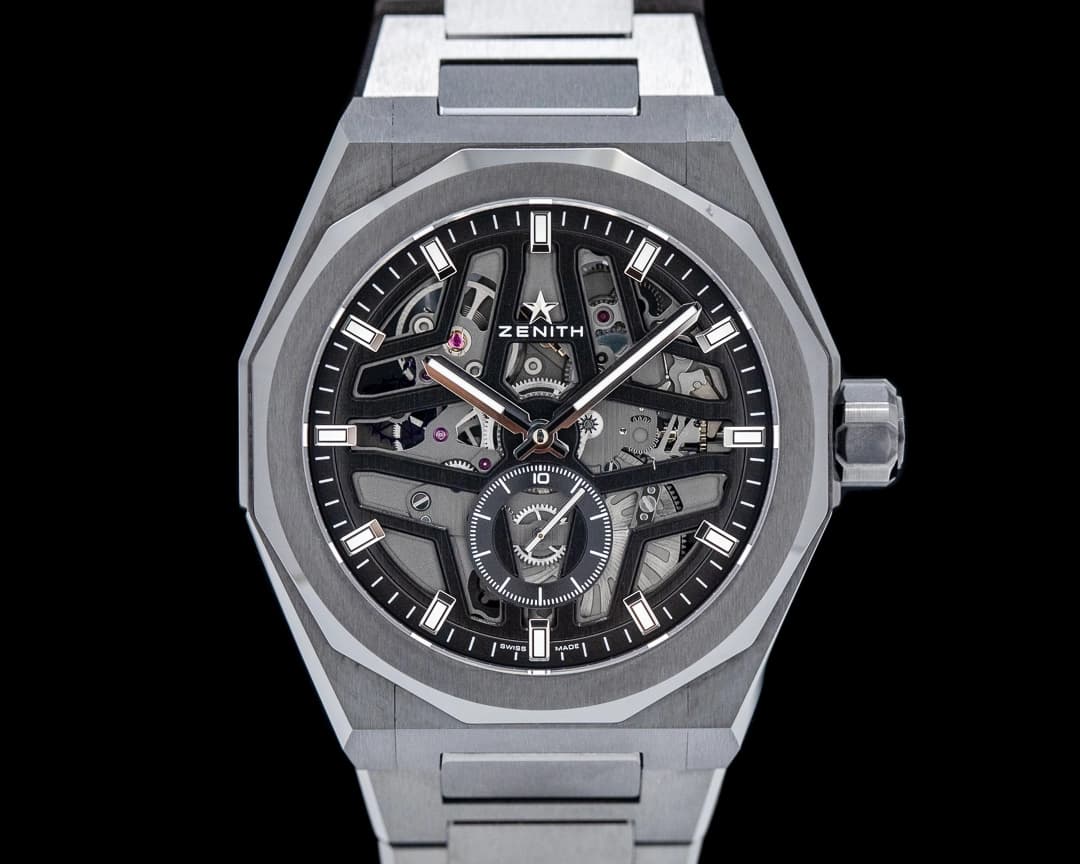
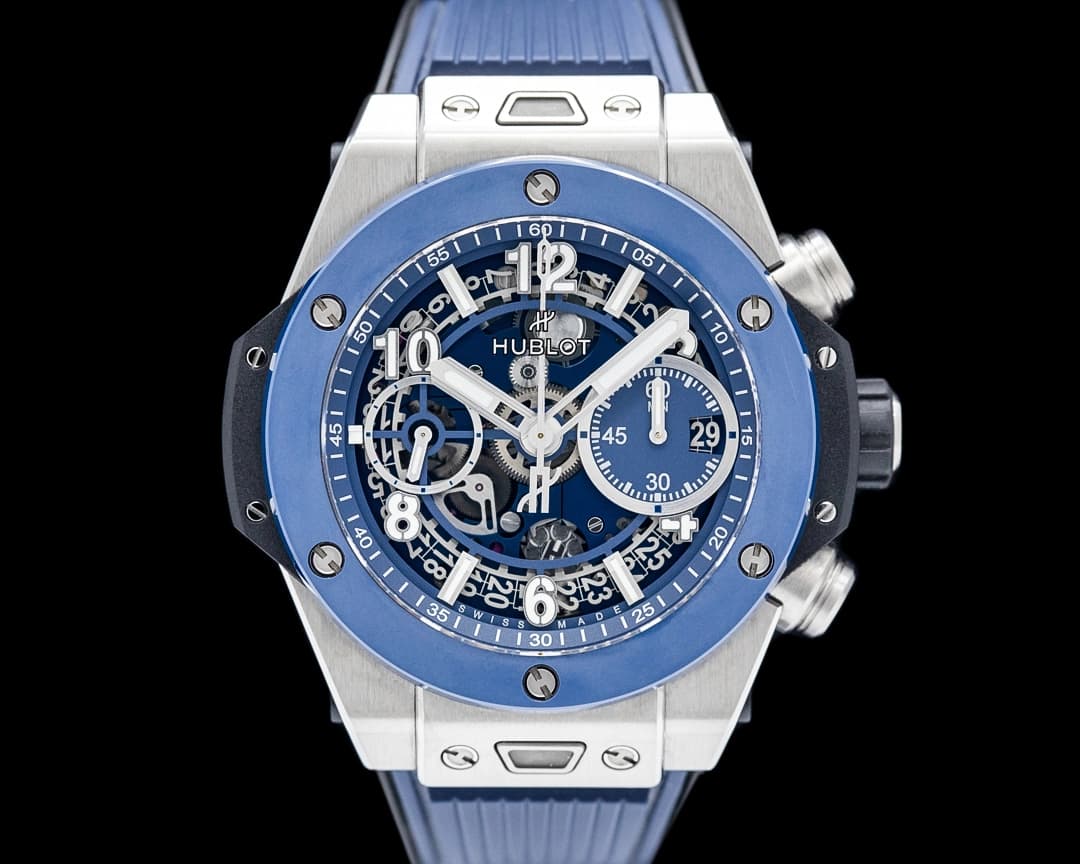
For watches that lean toward simplicity, he often favors a solid back. “Sometimes the movement isn’t meant to be displayed, or the aesthetic calls for something cleaner and more understated. In those cases, I focus on simplicity or subtle sculptural touches,” he said.
When Resnick works on haute horlogerie pieces, the dynamic can shift. “The caseback becomes far more integral to the design. We think about the size and shape of the opening, the depth we can create, and how to best frame the movement so it feels intentional and expressive,” he said. He added that designing from both sides simultaneously can lead to unexpected breakthroughs. “Sometimes the architecture of the caseback and the architecture of the movement end up informing one another, and that’s where some really exciting work happens,” he said.
What the back reveals about a brand
The state of a caseback often signals how a brand approaches design. If the rear is finished to a high standard, the collector may assume that the same care was applied everywhere else. When a rotor is intentionally shaped or color-matched to the dial, the watch can feel more cohesive. And when a closed back is treated with the same focus as an open one, it reinforces the idea that restraint can be expressive.
For Micromilspec, casebacks have become a structural part of the design language, not an optional layer. Rye explained that rising interest in customization has even influenced engineering. “We design our cases and casebacks with personal engraving in mind from the beginning,” he said. He added that the process involves far more client collaboration than it once did. “For many of our clients, the caseback is where personal identity lives, so we treat personalization as a core design element rather than an add-on,” he said.
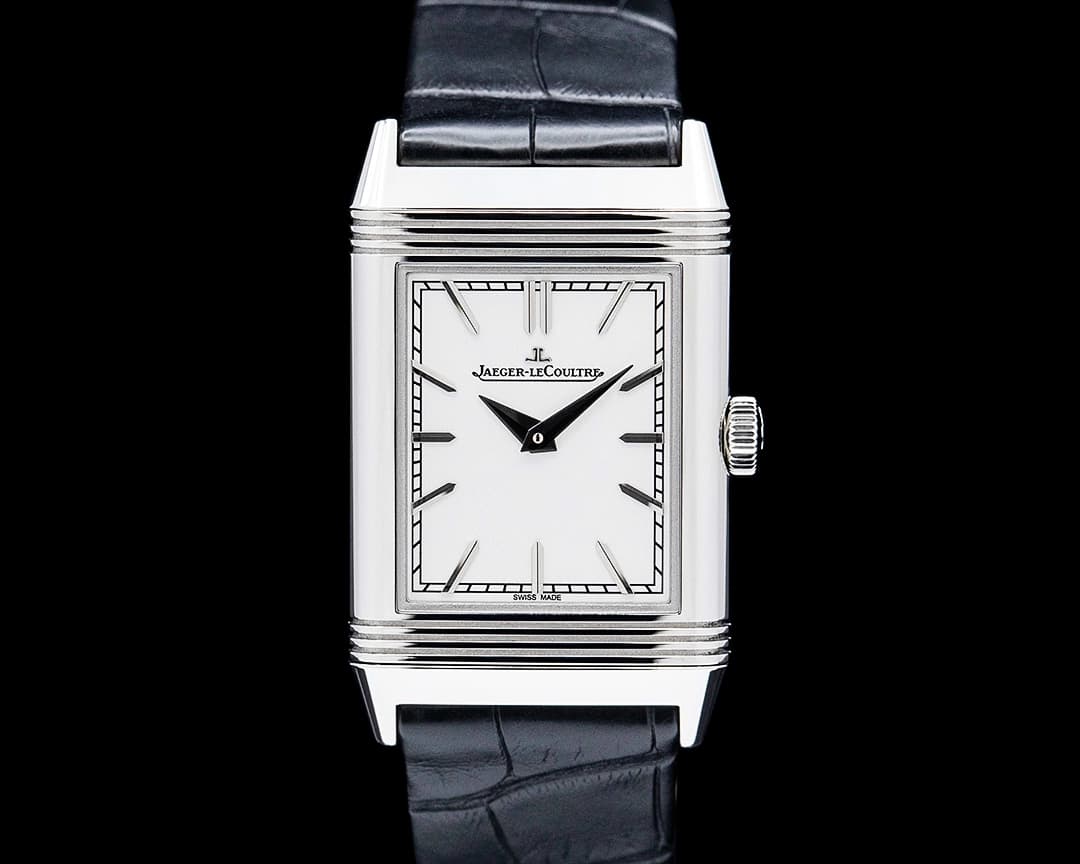
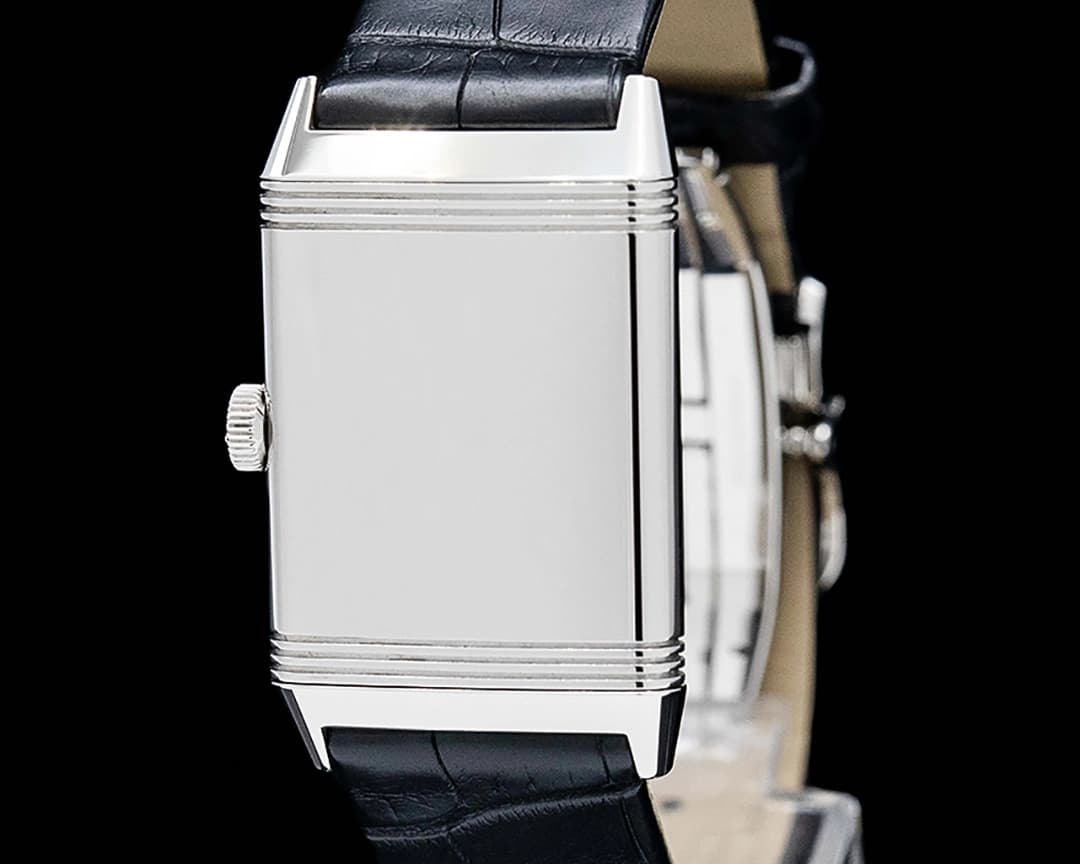
Resnick sees similar motivations on the design side. The cultural shift toward mechanical fascination plays a central role. “The caseback is the most natural window into that world. It reveals the movement, the finishing techniques, and the brand’s own watchmaking identity,” he said. Yet he still values the freedom that a closed back can offer. “It can unlock a completely different design language and allow for sculptural forms or visual storytelling that wouldn’t be possible with a display back,” he added. For Resnick, the decision always comes back to intention. “Balancing the two is really about understanding what the watch is meant to be,” he said.
The cultural change behind the renewed interest
Collectors today interact with their watches in different ways. They swap straps, shoot macro photos, and inspect pieces closely. Even a simple, polished bridge or neatly framed rotor turns into a talking point in a collector community that enjoys sharing the details that make a watch feel special.
The renewed appreciation for casebacks reflects the current state of the hobby. Buyers want design to feel intentional. They want movements that offer more than function. They want engraving that feels personal and finishing that rewards curiosity. Whether open, closed, simple, or ornate, the back of the watch has become a crucial part of how collectors judge value and personality.
Shop New Arrivals
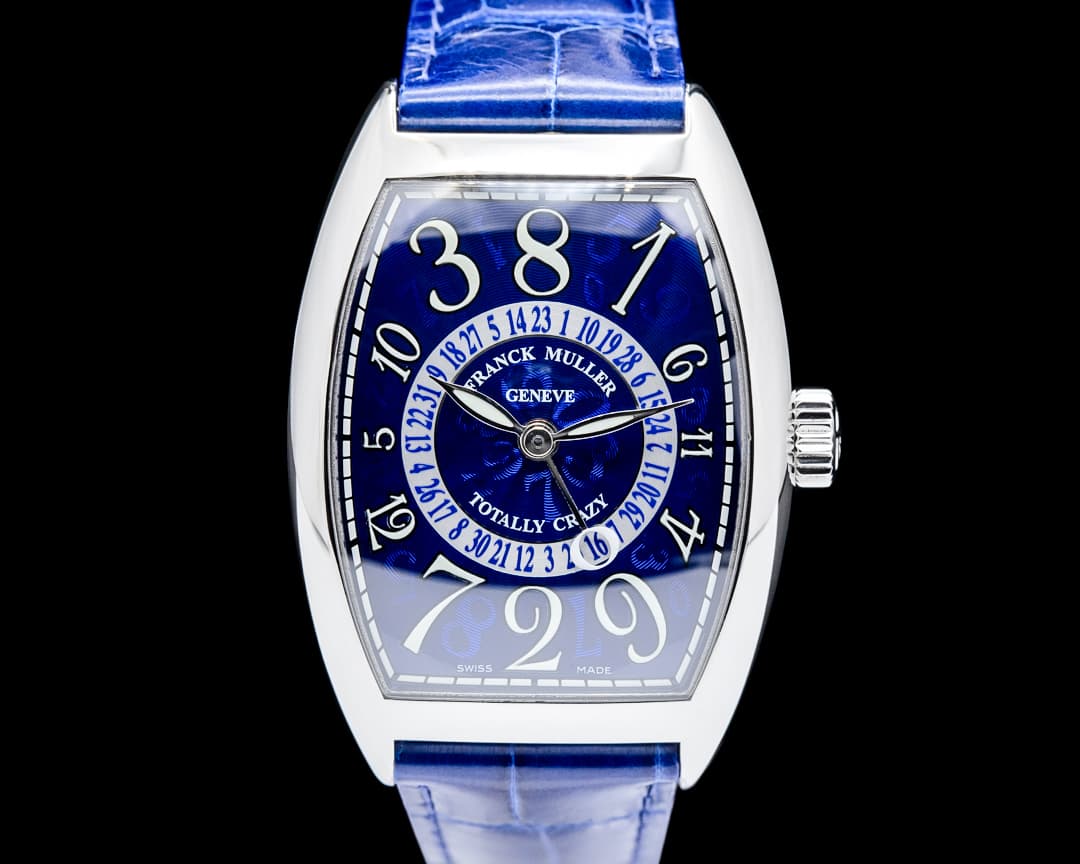
Cintree Curvex Crazy Hours Titanium Blue Dial
$15,900
View Watch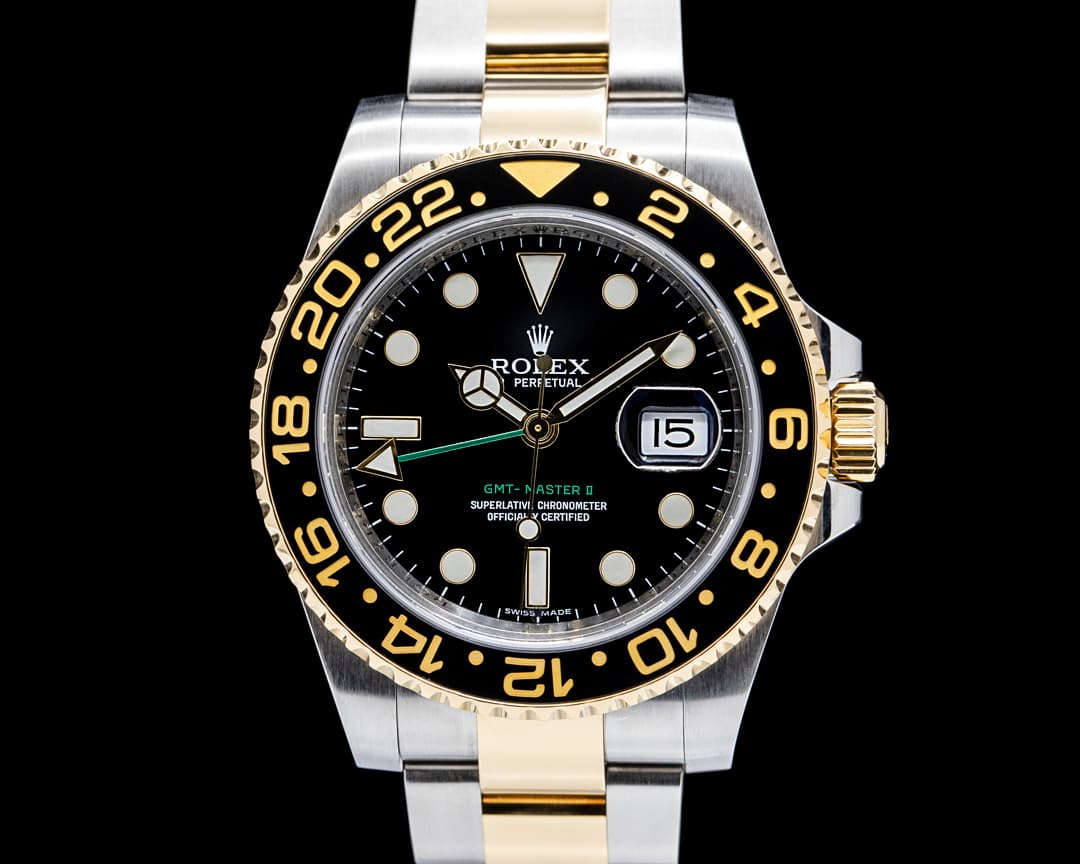
116713LN GMT Master II SS / 18K YG Black Dial
$15,500
View Watch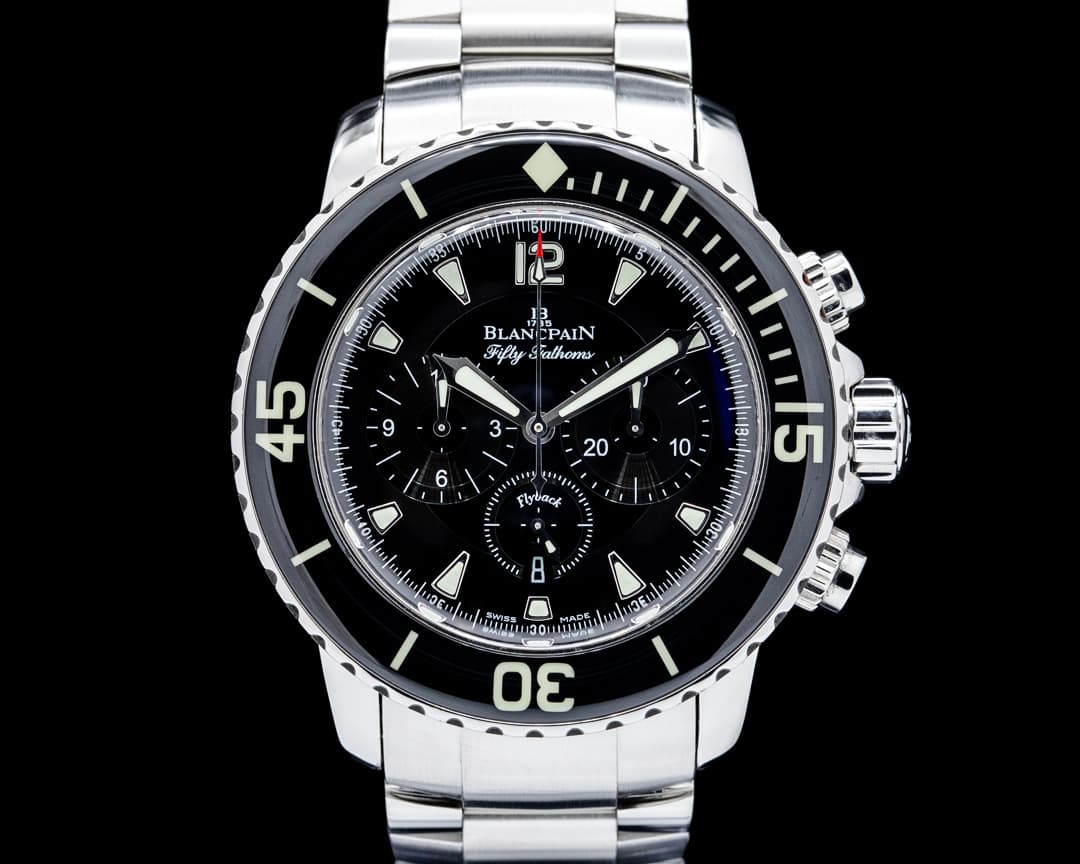
5085F Fifty Fathoms Chronographe Flyback SS Black Dial
$16,500
View Watch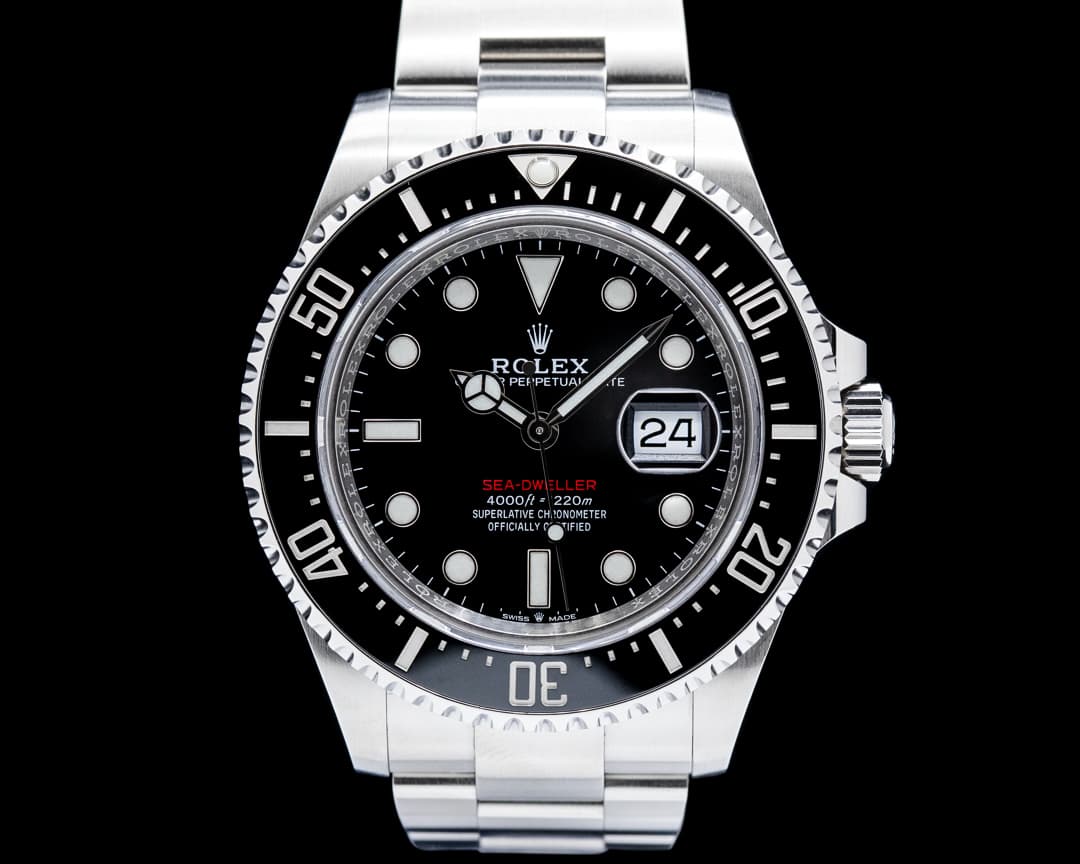
126600 Sea-Dweller Deep Sea SS Black Dial
$14,500
View Watch
Shop New Arrivals
Cintree Curvex Crazy Hours Titanium Blue Dial
$15,900
View Watch116713LN GMT Master II SS / 18K YG Black Dial
$15,500
View Watch5085F Fifty Fathoms Chronographe Flyback SS Black Dial
$16,500
View Watch126600 Sea-Dweller Deep Sea SS Black Dial
$14,500
View Watch
More Content