Chiming Watches: Minute Repeaters and Their History
Published on 5/1/2026
Long before your smartwatch could tell you how far you ran, who texted you, or that you need to leave right now to get to that important meeting, they told you the time. And the only reliable way to know the time in the dark (or during the day, when not looking at your clock or watch) was through sound. Watchmakers addressed this by creating watches that announced time via a series of sometimes complicated, often expensive, and always precise dings.
Today, watches that chime are revered for both the mastery of craft and the sensation of using another sensory receptor to appreciate the art of watchmaking. If the dial is a canvas, then the movement is an orchestra. And while the cost of admission has traditionally been reserved for the wealthy, that is no longer entirely the case.
“If you take a long view, chiming or striking was the baseline,” said Dr. Kristin Leith, Curator of the Clocktime Digital Museum. For a time, sound was the main way we told time.
From Clocks to Wrists: The History of Audible Timekeeping
Some of the earliest devices for measuring time, such as water clocks, weren’t concerned with visual precision so much as they were with marking the passage of time in a way people could perceive. Even from the beginning, sound came into play, when Archimedes made the first clock with gears in the 3rd century BC. It was a cuckoo clock.
By the medieval period, the relationship between time and sound was well-established. Early mechanical clocks in Europe weren’t designed to be read; they were designed to be heard. “The first mechanical clocks didn’t have hands or any sort of visual representation of time passing,” Leith noted. “Instead, they sounded out the time. People didn’t tell time by looking at a clock; they heard time and ordered the rhythm of their day around the number of chimes.”
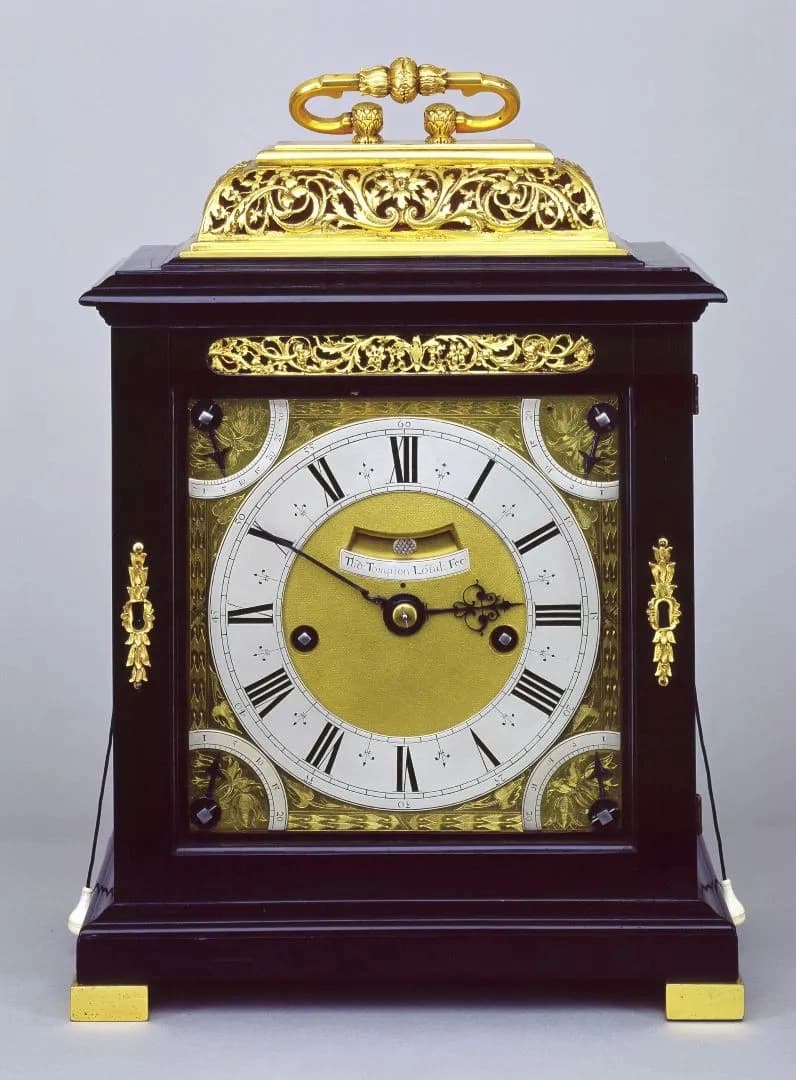
‘The Sussex Tompion’ grande sonnerie striking and repeating table clock, Thomas Tompion, circa 1680. Image: Clocktime Digital Museum
Institutions such as churches and government buildings relied on turret clocks and bells to regulate daily life or call communities to prayer. In fact, the word “clock” can be traced back to the Latin clocca, meaning “bell.” Sound wasn’t just part of timekeeping; it was timekeeping. Communal, unavoidable, and dependable.
These early clocks were simple machines at their core. A rotating cam would lift a hammer and let it fall onto a bell, reminding a bustling town what time it was. As technology progressed through the 14th century, countwheel mechanisms allowed clocks to strike the correct number of hours instead of just ringing once for the new hour; a meaningful upgrade, especially once you’ve reached eleven or twelve o’clock.
Now it was time for accuracy to catch up to ambition. As Leith pointed out, many early clocks “weren’t accurate enough to warrant intricate strike mechanisms,” often drifting significantly over the course of a day. That changed in 1656, when Christiaan Huygens introduced the pendulum clock, ushering in a new level of precision and, with it, the ability to strike quarters with greater reliability.
By the late 17th century, things started picking up speed. The rack-and-snail mechanism enabled more reliable striking, while repeater technology emerged to solve the problem of darkness. “In the dead of night, it was impossible to read a clock face,” Leith explained. “If you wanted to know the time, you needed to hear it.” With a pull of a cord, early repeaters could sound the current hour and nearest quarter on demand; the closest to wizards we shall ever be!
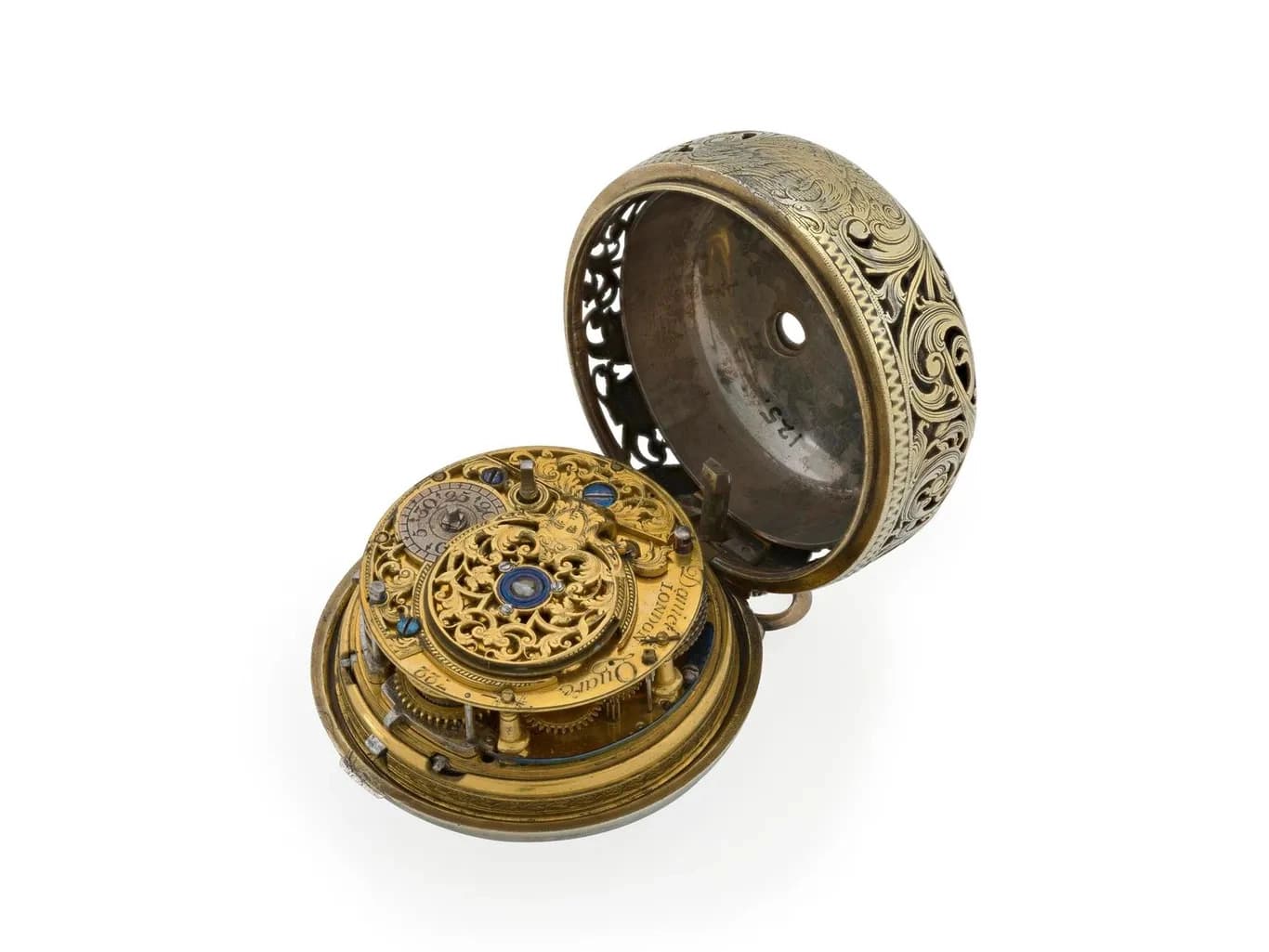
Pair-cased repeating watch by Daniel Quare, England. c. 1710. Image: Science Museum Group / The Clockmakers' Museum © The Board of Trustees of the Science Museum, London
From there, clock and watch technology escalated yet again. Bells gave way to coiled steel gongs, cases became resonant chambers, and the entire concept shrank from clock towers to pocket watches. By the mid-18th century, minute repeaters capable of chiming hours, quarters, and individual minutes emerged, nestled into the pockets of the wealthiest citizens, while the masses still kept time communally. Abraham-Louis Breguet’s adoption of gong springs instead of bells in 1783 established a blueprint that still defines chiming watches today.
The Difference between a Sonnerie and a Repeater
The most popular chiming watches typically fall into one of two categories: repeaters and sonneries.
Repeaters are the polite ones, waiting for you to inquire. Activate a slide or pusher, and the watch will chime the current time. They’ll chime the hours and quarter-hours, and, with a minute repeater, the exact minutes too.
Sonneries are a bit more proactive. They chime automatically as time passes, whether you’ve requested it or not. Your F.P. Journe Répétition Souveraine will sonically interrupt your coffee order without your permission.
The Difference Between a Grand Sonnerie and a Petite Sonnerie
A Grand Sonnerie is the overachiever in the family. Every hour, it strikes the full hour count. At each quarter-hour, it repeats the hours, then adds the quarters. It gives you the whole story.
A Petite Sonnerie assumes you have some of the information already. It still strikes the hours on the hour, but at the quarters, it only strikes the quarters themselves without repeating the hours.
Note: Most modern sonnerie watches include a way to silence all of this.
How Chiming Complications Became More Accessible
Speaking of stories that seem to repeat themselves, the democratization of watches once considered unobtainium is at the forefront again. You no longer have to give up a house down payment to get your hands on a timekeeper that mechanically sings.
Christopher Ward C1 Bel Canto Review: An Accessible Chiming Watch
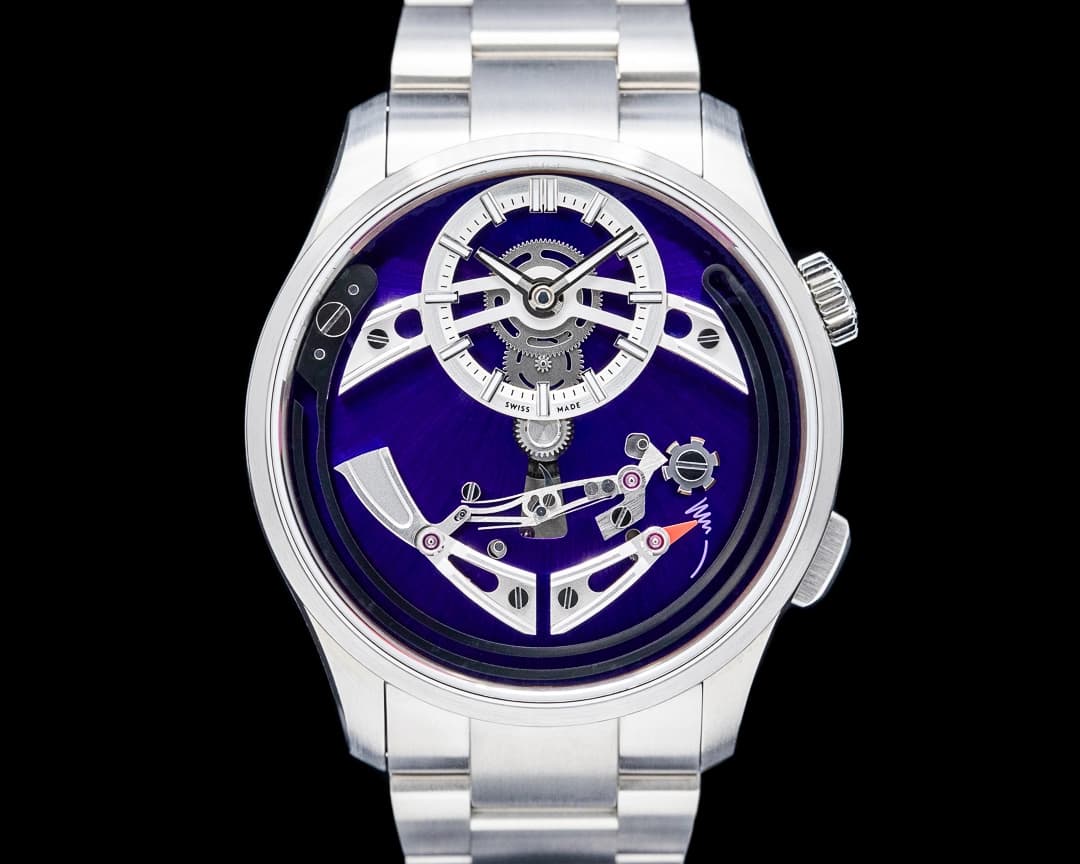
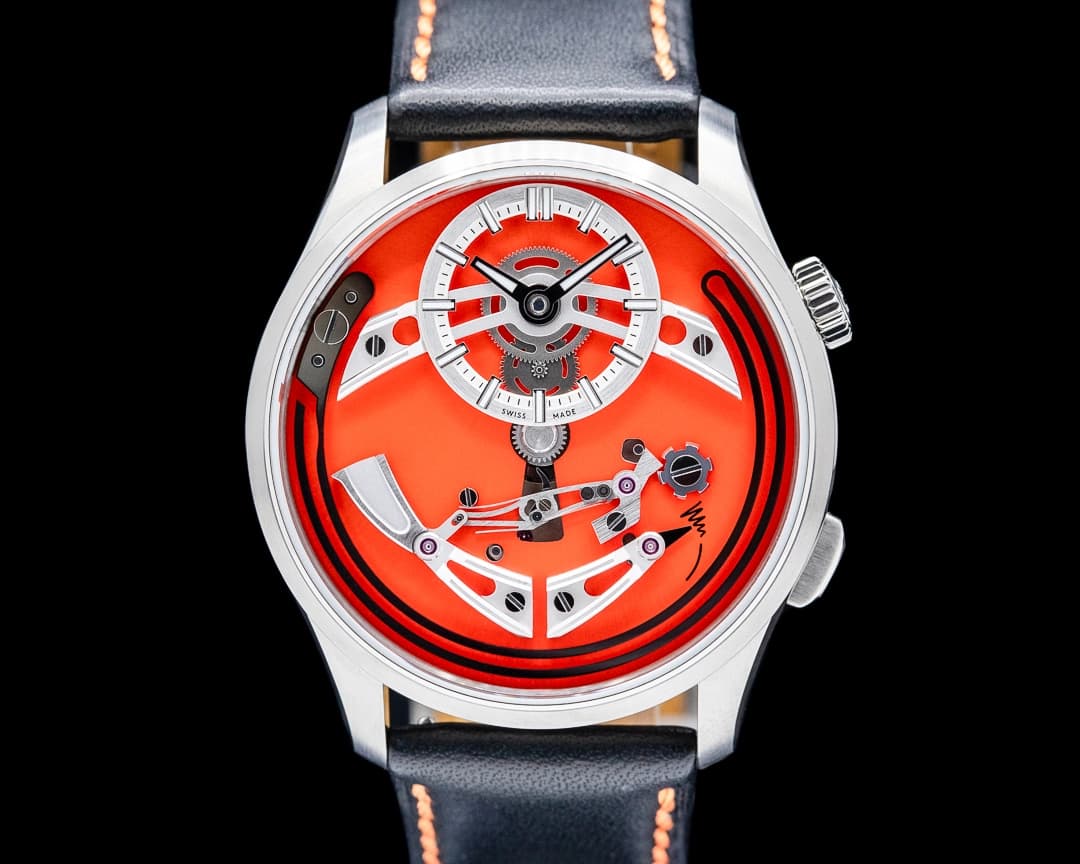
Christopher Ward is now best known for democratizing Swiss watchmaking. The Bel Canto, introduced in 2023, was priced at $3,795 on release and is now hovering around $4,250 on a strap. That’s still not pocket change, but it’s something most people could save up for if a chiming watch is what they really want. This watch has taken Christopher Ward to the stratosphere as a brand, and they’ve never looked back. Of course, it’s not a minute repeater, or repeater of any kind, but it has never pretended to be. Instead, they heavily modified a jump-hour movement to produce a mechanical chime audible on the hour.
They kicked the door wide open, but not only for themselves. In watchmaking, moments like this don’t last long. Because as it turns out, even revolutions have competition. And the title of “most accessible chiming watch” didn’t stay with Christopher Ward.
Lucky Harvey Chiming Watch 2.0 Review: Independent Watchmaking on a Budget
While Christopher Ward made chiming watches attainable, the Lucky Harvey Chiming Watch 2.0 has taken a monster of a leap toward true relative affordability. At 2,000 CHF, this 50-piece limited run undercuts its main competitor by nearly half and walks away with the crown for the most affordable sonnerie with an hourly chime.
Housed in a lightweight Grade 5 titanium case that is 42mm wide and 11mm thick, the Chiming Watch 2.0 is large, yet certainly wearable; however, the dial kicks it up a notch. Like the Bel Canto, this watch has the hammer and gong fully exposed on the dial side. But Lucky Harvey adds its own spin; the hammer itself is shaped with inspiration drawn from the Han dynasty bianqing, a traditional Chinese chiming instrument. It’s a thoughtful detail that adds a bit of Chinese heritage to the overall package.
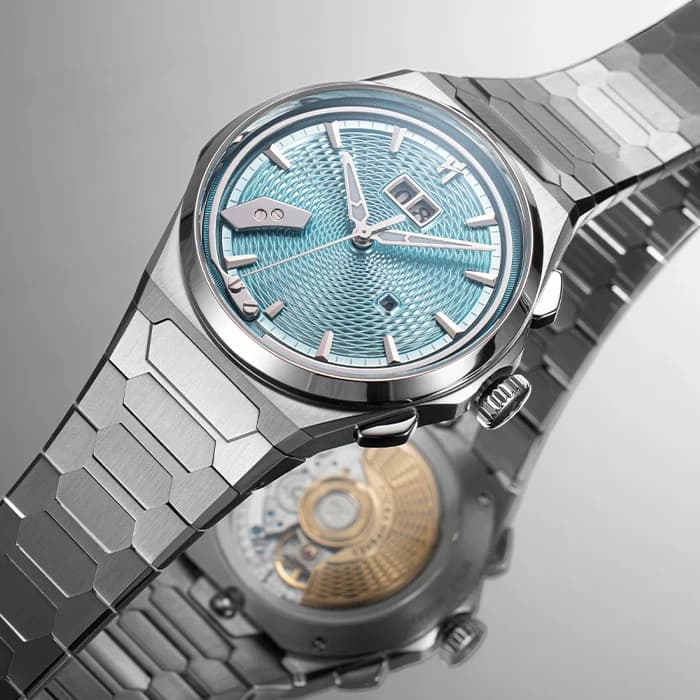
The Chiming Watch 2.0 has a new proprietary Chinese movement beating at 28,800 vph with a 40-hour power reserve. The watch is also complete with a guilloché dial, a sapphire caseback, and even a big date under the twelve o’clock to add a bit of extra everyday wearability.
Which is perhaps the most surprising part of all.
Chiming watches are no longer for the wealthy, but are readily available to anyone living modestly with the ability to save a bit on the side. It’s still not “impulse-buy” territory, but this feels much more grounded in reality than anything that has come before it.
The Haute Horlogerie Tier: F.P. Journe and Patek Philippe
F.P. Journe Répétition Souveraine Review: A Minute Repeater at the Highest Level
You knew the velvet ropes were coming back out at some point, and here they are. Because this is the other end of the spectrum. Not just expensive, but otherworldly.
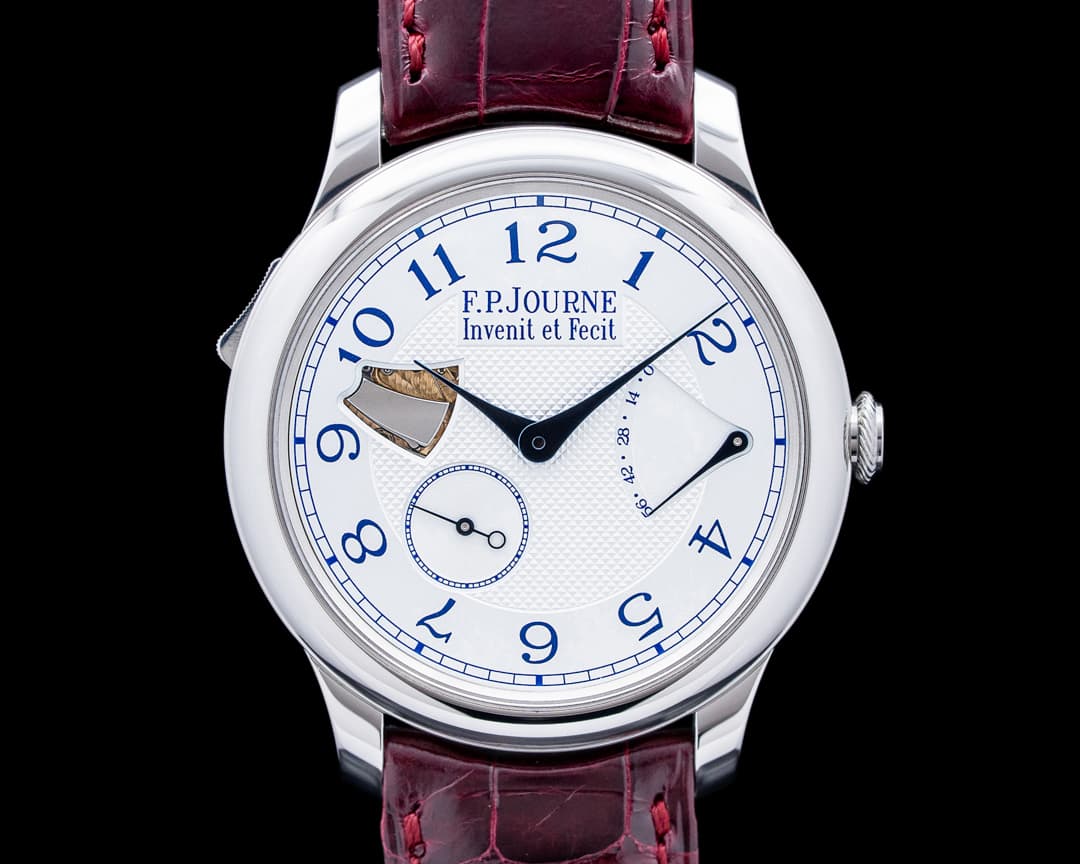
Introduced in 2008, the Répétition Souveraine Ref. RM is F.P. Journe doing what the brand does best: making something impossibly complicated, while at the same time feeling understated. At 40mm wide and just 8.5mm thick, it’s one of the slimmest minute repeaters ever made, and “same-but-thinner” is the nectar that calls out to the nerd inside any watch enthusiast.
Inside is the manually wound calibre 1408, built with 18k rose gold bridges and mainplate. Twin barrels deliver a 56-hour power reserve, while a free-sprung balance with four inertia weights ticks along at 21,600 vibrations per hour. Those in the hobby liken watch movements to little worlds inside their watches; this Journe contains a mini-orchestra.
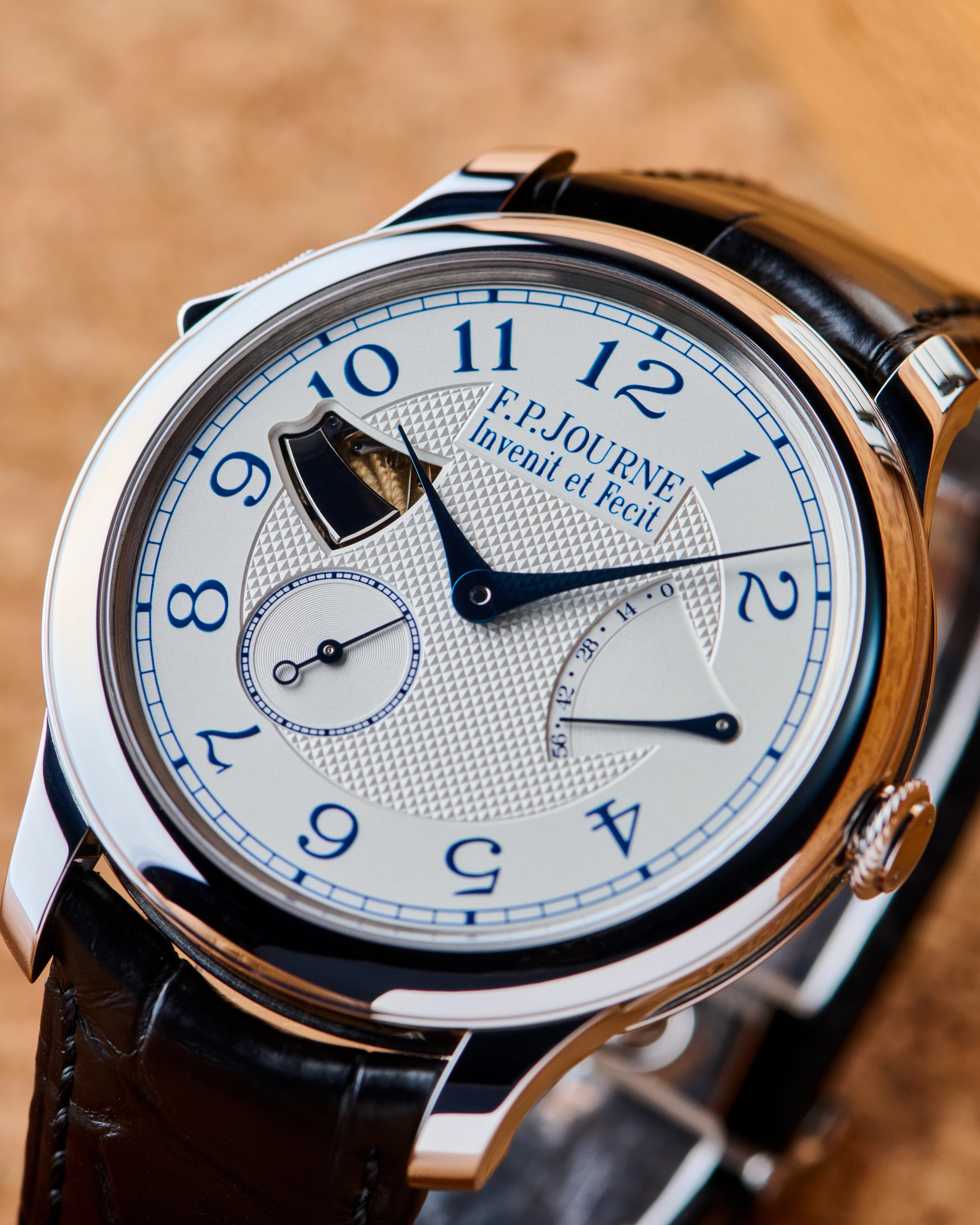
The dial, meanwhile, is elegant: a silver Clous-de-Paris guilloché center anchors the design with a familiar luxury visual. There’s also a moiré small seconds at 7:30 and a fan-shaped power reserve at 3 o’clock. And then a small aperture between 9 and 10, revealing the striking hammer..
From a technical perspective, the repeater itself is the most impressive part of this watch. Journe employs flat gongs mounted beneath the dial, paired with a compact striking rack system that allows for clear, resonant chimes while eliminating bulk.
All of this comes at a price of roughly half a million dollars, depending on the day and the mood of the market. This places it firmly back in that rarefied territory that chiming watches have historically occupied.
Patek Philippe 3939HP Review: Grand Complication with a Minute Repeater
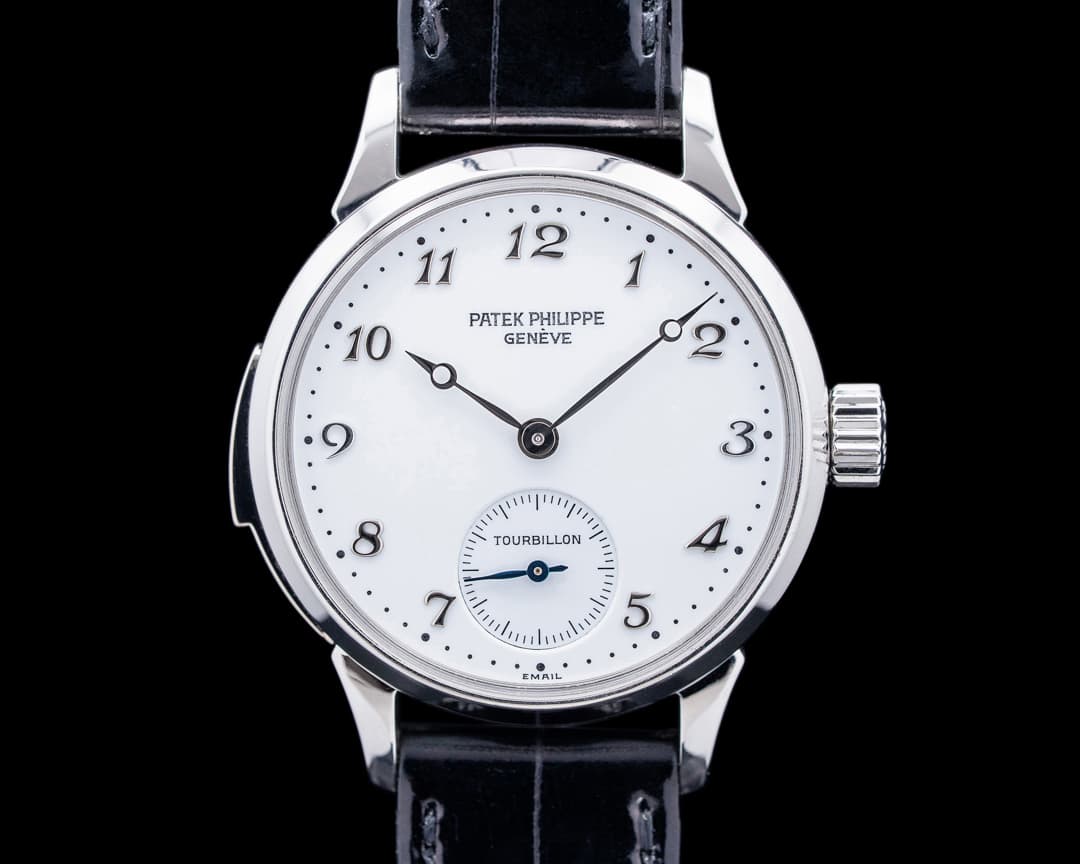
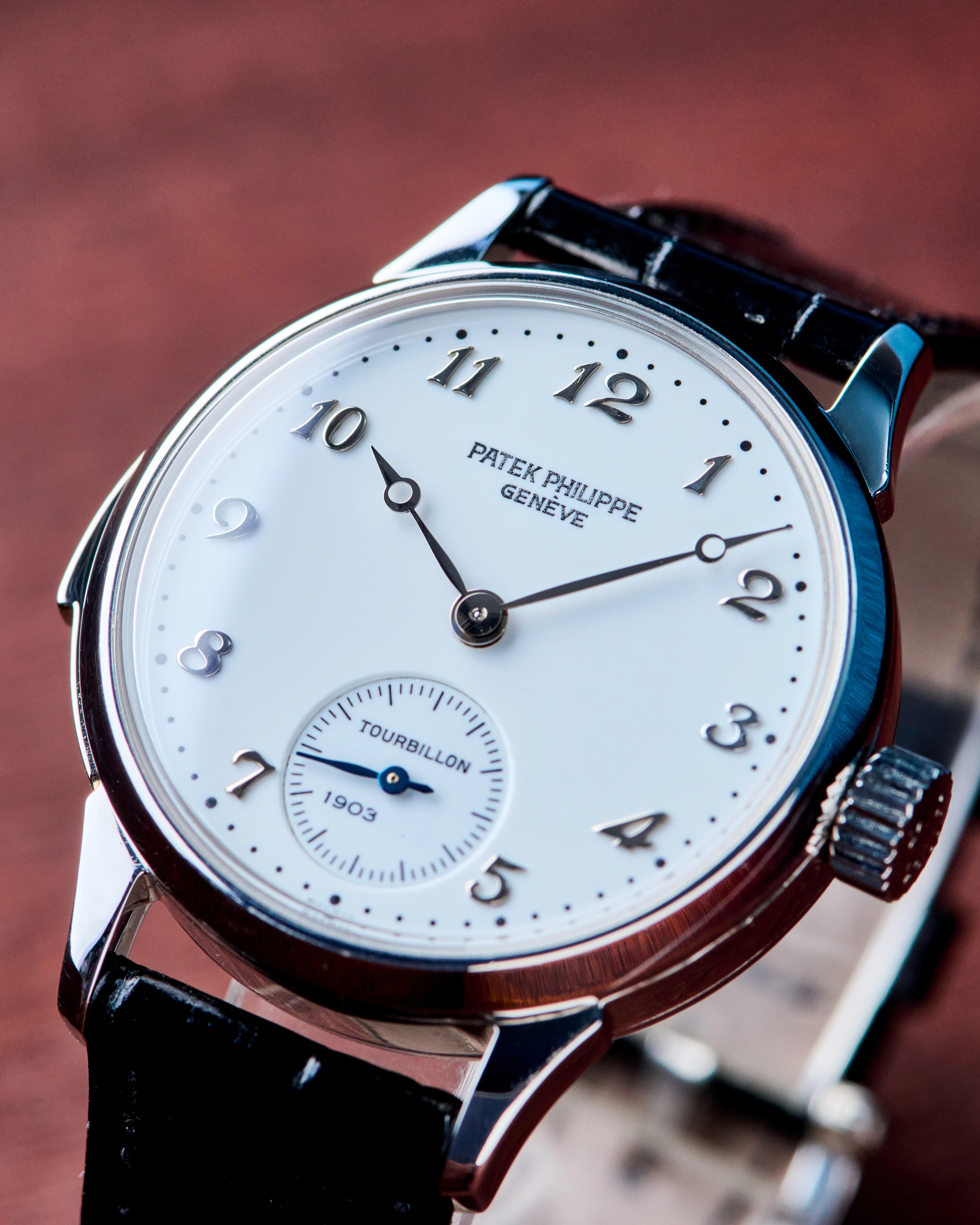
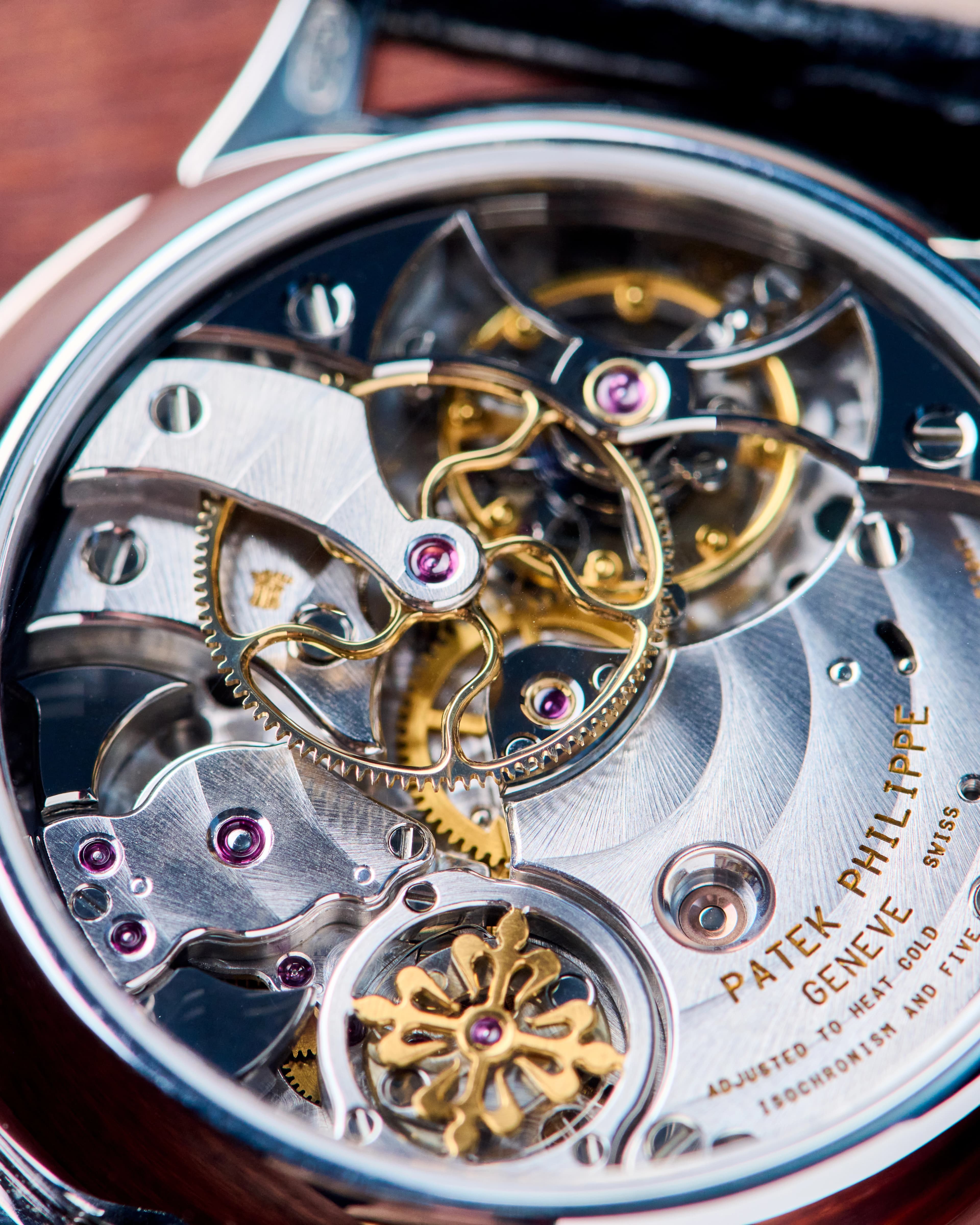
It’s reasonable to think that all of these intricate and complex chiming mechanisms would take up quite a bit of space, leading to watches that are sonically charming but not exactly compact. Enter the Patek Philippe 3939, which, in a deft application of the brand’s mastery of complications, manages to fit both a cathedral-gong minute repeater and a one-minute tourbillon regulator into an astonishingly compact 33.5mm case.
First introduced in 1993, there are fewer than 200 known examples of this piece in total. The limited production numbers are understandable given the complexity of the manually wound calibre R TO 27 PS movement. Fewer than two dozen of those were known to be produced in platinum, a metal that produces a rich, crystalline chime that is said to have been personally approved by Philippe Stern, who became the brand’s president the year of the 3939’s introduction.
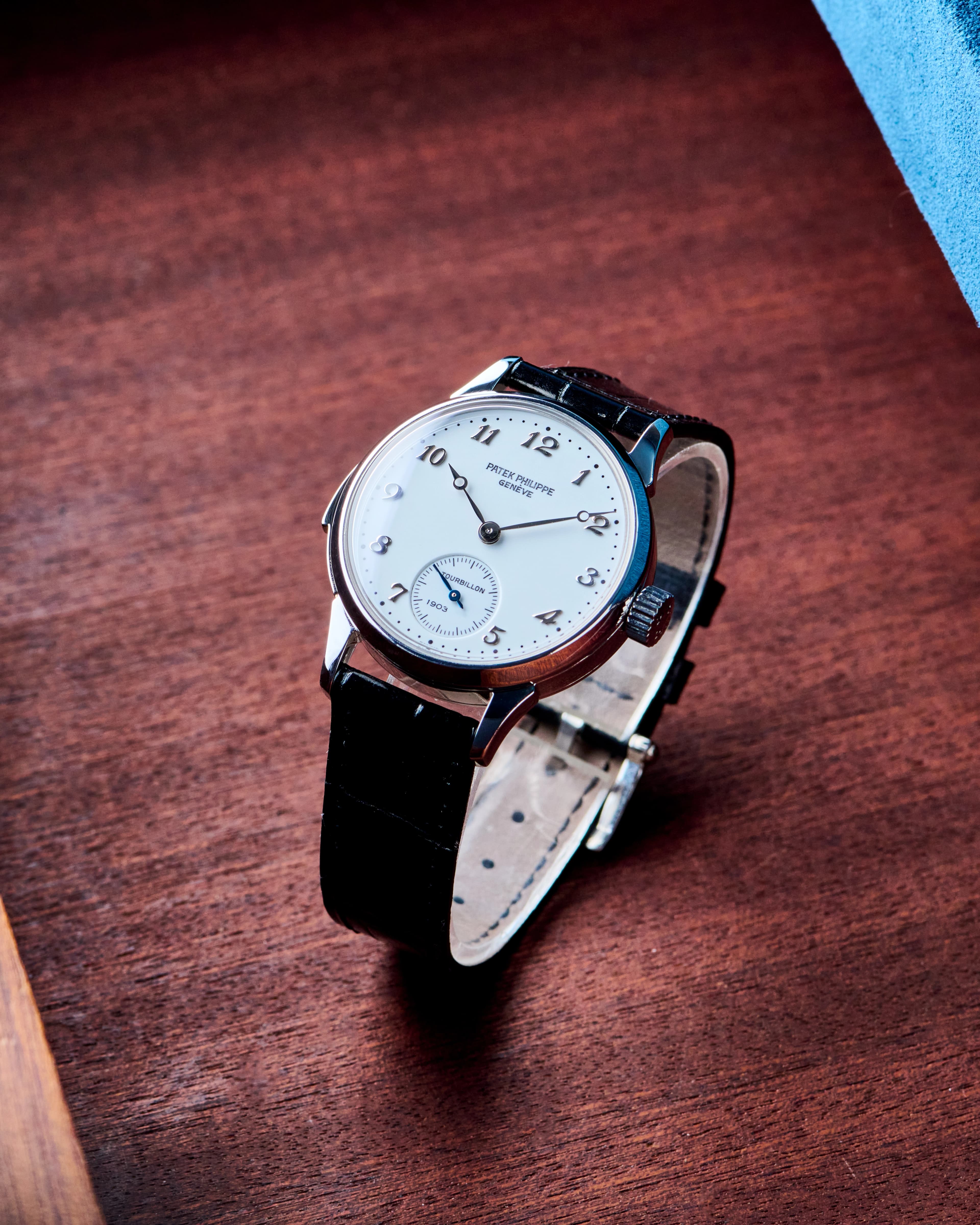
The dial remains elegant in its well-crafted simplicity, in crisp, brilliant white enamel that is crafted by Donze Cadrans, the premier Swiss specialist in Grand Feu enamel dials whose work is frequently featured in Patek Philippe’s Rare Handcrafts collections. The word “tourbillon” on the subsidiary seconds is the only indication that there’s a tourbillon involved, and the repeater is activated by a slim pusher on the side. These two stealthy features makes it feel like you’re carrying around a little secret on your wrist - a secret that can be divulged with a press of the pusher to activate its resonant gongs.
Audible but Not Chiming: Breitling Emergency and Blancpain Villeret
Breitling Emergency E56121.1 Review: Why an Alarm Watch Counts as a Chiming Complication
And just when things may have been starting to feel a bit too predictable, it’s time to go into sport mode. Because yes, the Breitling Emergency counts as a chiming watch.
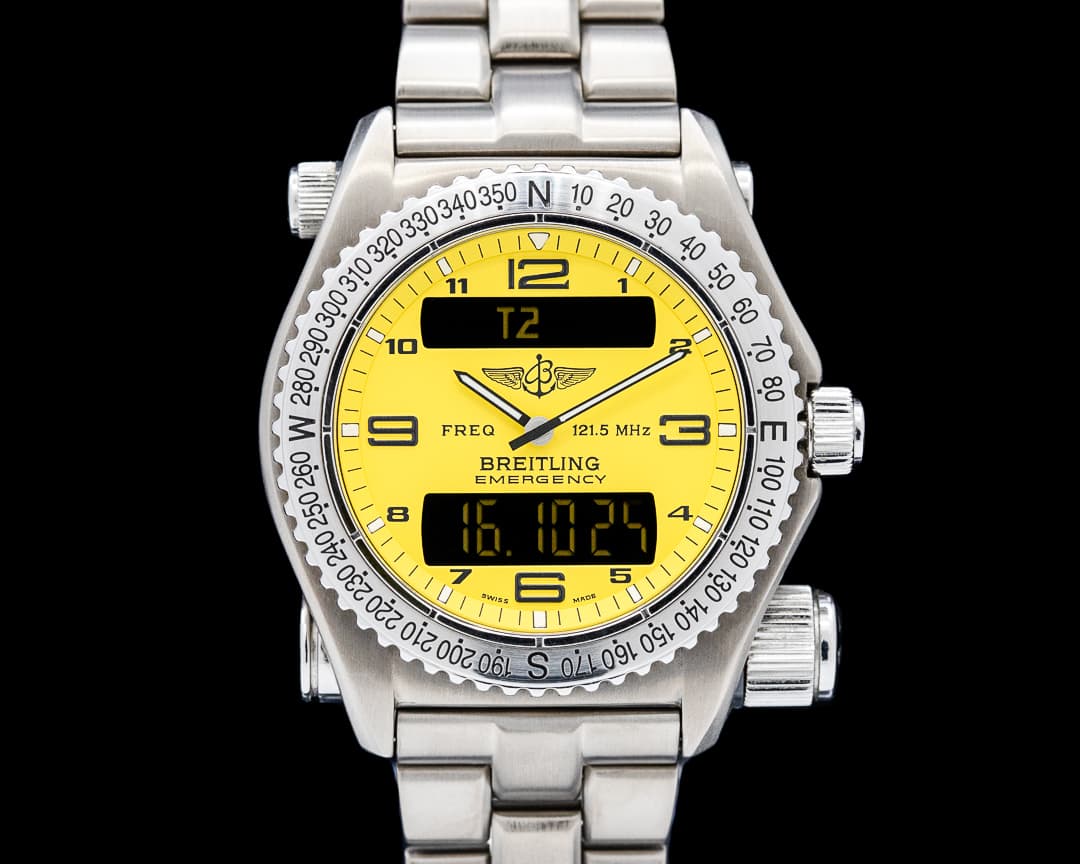
This is a late 90s bro fever dream: a 43mm titanium case, a bright yellow dial in case anyone misses the bulk and needs something else to draw attention, and an ana-digi quartz movement (Breitling Caliber 56) that does just about everything short of calling you an Uber: perpetual calendar, alarm, dual time, the whole kit and caboodle. And yet, buried within all that functionality is the reason it crashes this particular party: it chimes, or rather, it beeps. Which, technically speaking, puts it in the same broad conversation as the other sonneries and repeaters.
That half-million-dollar Journe that’s hand-tuned, with an artisanally assembled minute repeater, just got seated next to the guy that grew up on Casios and loves a crisp Red Bull.
And as to the Uber mentioned earlier, it packs a deployable micro-antenna that broadcasts a 121.5 MHz distress signal for up to 48 hours. Unscrew the caps, extend the antenna, and your watch is calling for the most dramatic ride home possible. This thing has been credited with actual, real-world rescues, which is a pretty strong bullet point on a resume.
The titanium build keeps it light in spite of its extreme presence, and that yellow dial is pretty darn legible. Water resistance is 30 meters, which is a little odd. It can call the National Guard to rescue you, but be careful when you wash your hands.
Is this haute horlogerie? Not even a little a bit. Is it a chiming watch? Technically, yes.
This is a category that spans everything from centuries-old clocks to modern-day mechanical art; technology has certainly earned its place in the evolution of watchmaking, and the Breitling Emergency, although not the “pretty” option, has a deserving seat at the table for its role in creating something totally new in the category. And most importantly, for the tiniest niche of folks, this is actually functional.
Blancpain Villeret 6640 Réveil GMT Review: The Most Practical Alarm Watch
Just when it feels like you have to choose between being impossibly expensive or a bit unhinged if you want to tap into the sweet sweet sound of horology, Blancpain steps in with something far more civilized, and while it’s still expensive, at least it’s not the cost of a house. Sometimes all you need is to just wake up.
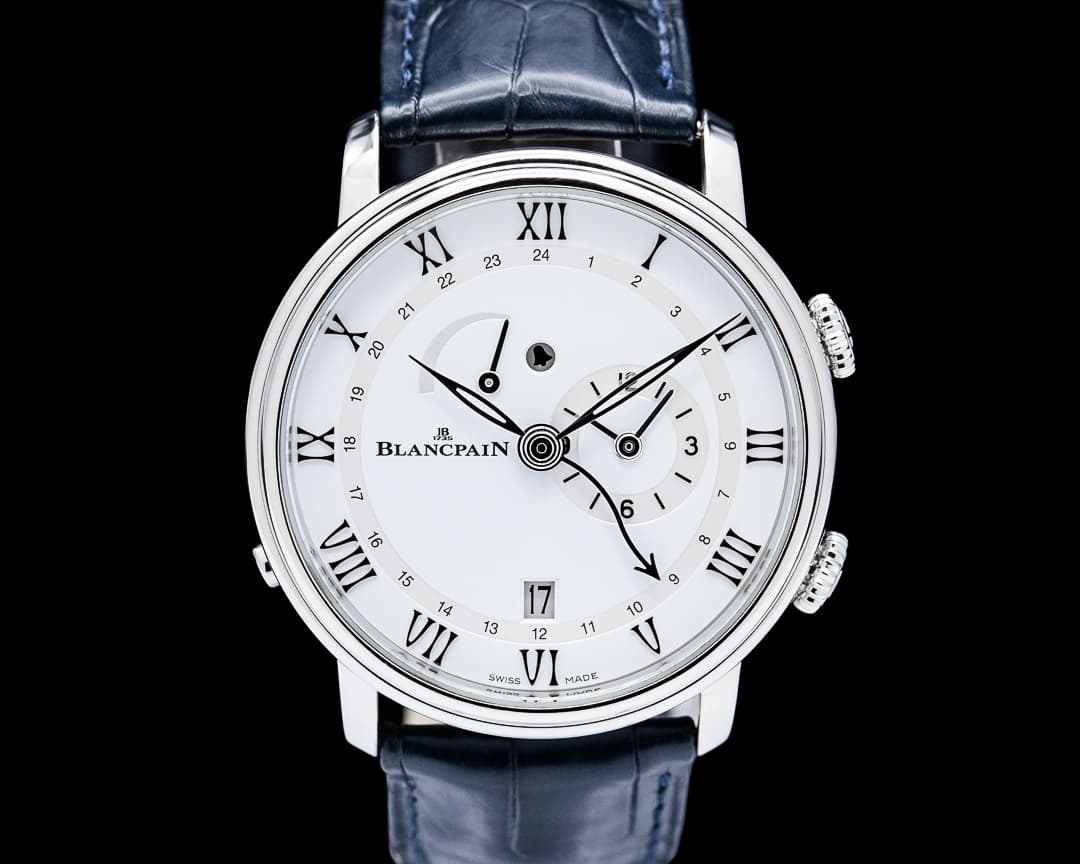
The Blancpain Villeret Réveil GMT is practical and refined. Instead of repeating the time on demand or striking the hours in passing, this is a mechanical alarm, arguably the most practical and one of the most overlooked ways a watch can make noise. Vulcain and Jaeger-LeCoultre may get a bit more attention here in the alarm watch category, but this is far prettier.
Beauty aside, there’s still plenty going on beneath the surface. Housed in a 40.3mm stainless steel case with the brand’s signature stepped bezel, the watch leans into its Villeret aesthetics. The white dial oozes the very essence of Blancpain’s sophistication: applied Roman numerals, leaf-shaped hands, and a blued serpentine GMT hand that arcs across the dial. A discreet date window sits at 6 o’clock, while the rest of the dial is organized to display not just a second time zone, but also the alarm’s on/off status and its own power reserve.
Inside is Blancpain’s in-house calibre 1240H, an automatic movement with a 45-hour power reserve and a silicon balance spring for added precision. The real magic, however, is in how it handles sound. Unlike the resonance of a minute repeater or the digital urgency of the Breitling Emergency, the Réveil GMT delivers a mechanical buzz to nudge you awake, or remind you to get to your next appointment.
This watch is proof that a simple alarm function may still be the most practical take on a chiming complication.
Should You Buy a Chiming Watch? A Final Assessment
For most of history, time sang out, but out of practicality and necessity rather than charming musicality. Since then, mechanical - and digital - chiming watches are more about keeping the romanticism, the art within the craft, alive. And the most significant change in recent history is that, without losing its romanticism, this art has become more accessible to the masses because of brands like Christopher Ward and Lucky Harvey.
The bells are still ringing out, but for more people than they ever have before.
Shop New Arrivals
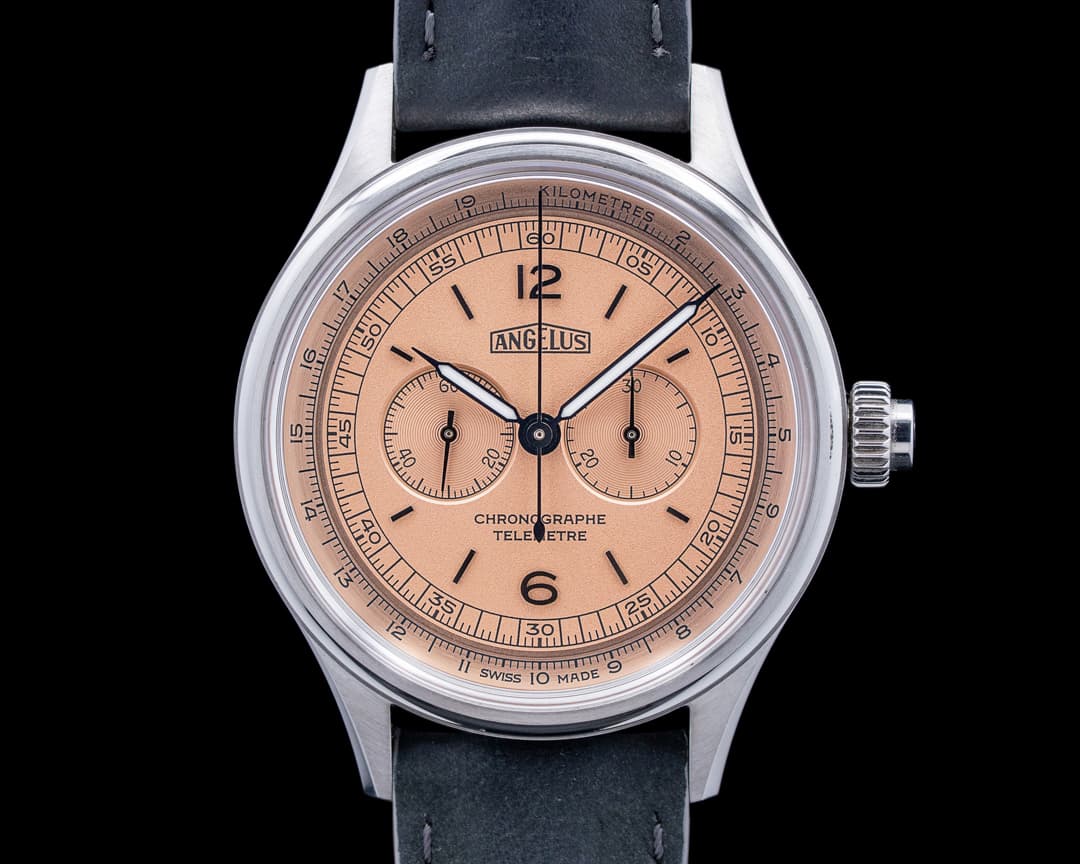
Chronographe Telemetre "Bronze Rose" SS Salmon Dial LIMITED 2026
$18,900
View Watch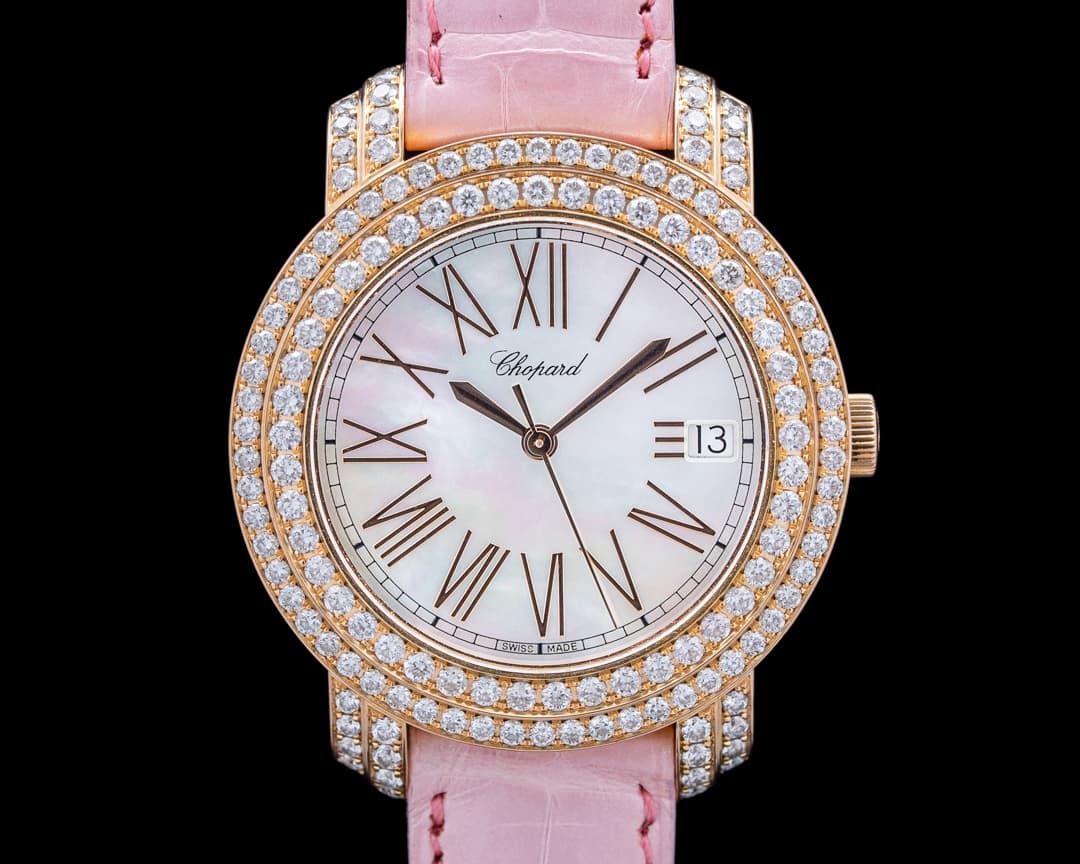
L'Heure Du Diamant 18K Rose Gold Diamond Bezel Mother of Pearl Dial
$23,900
View Watch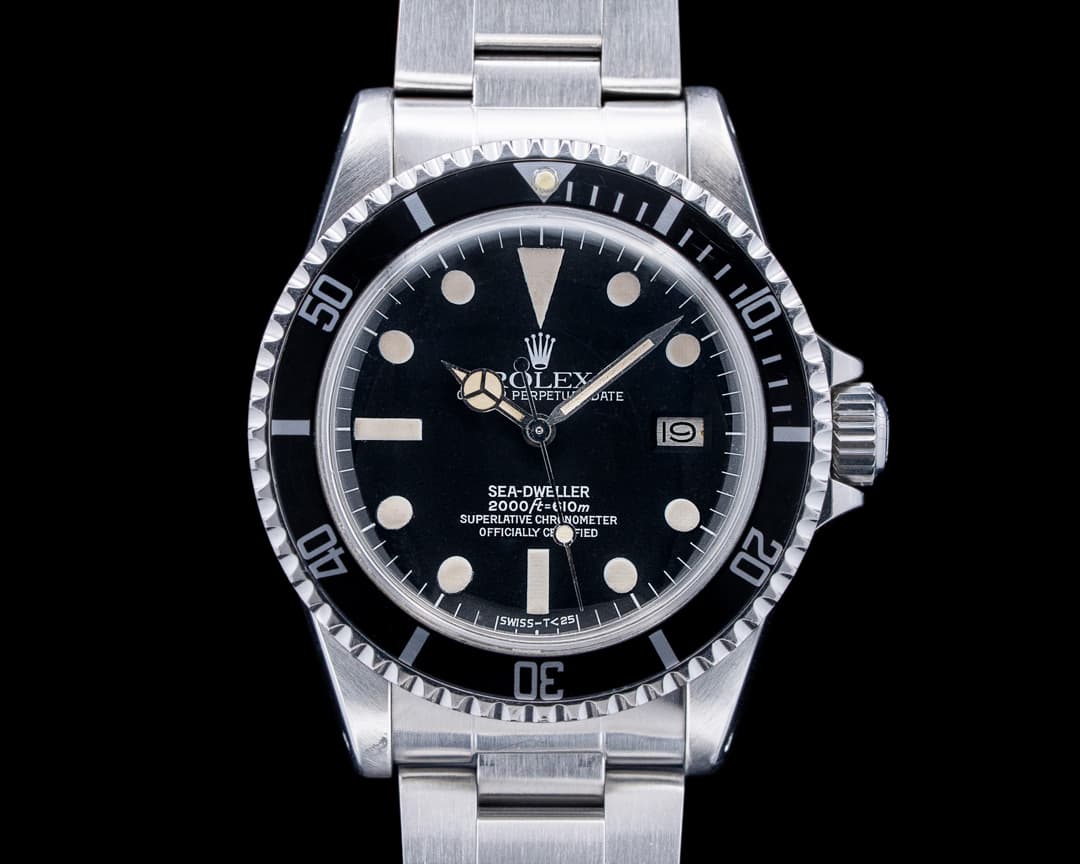
1665 Vintage Sea Dweller "Great White" SS Black Dial
$23,500
View Watch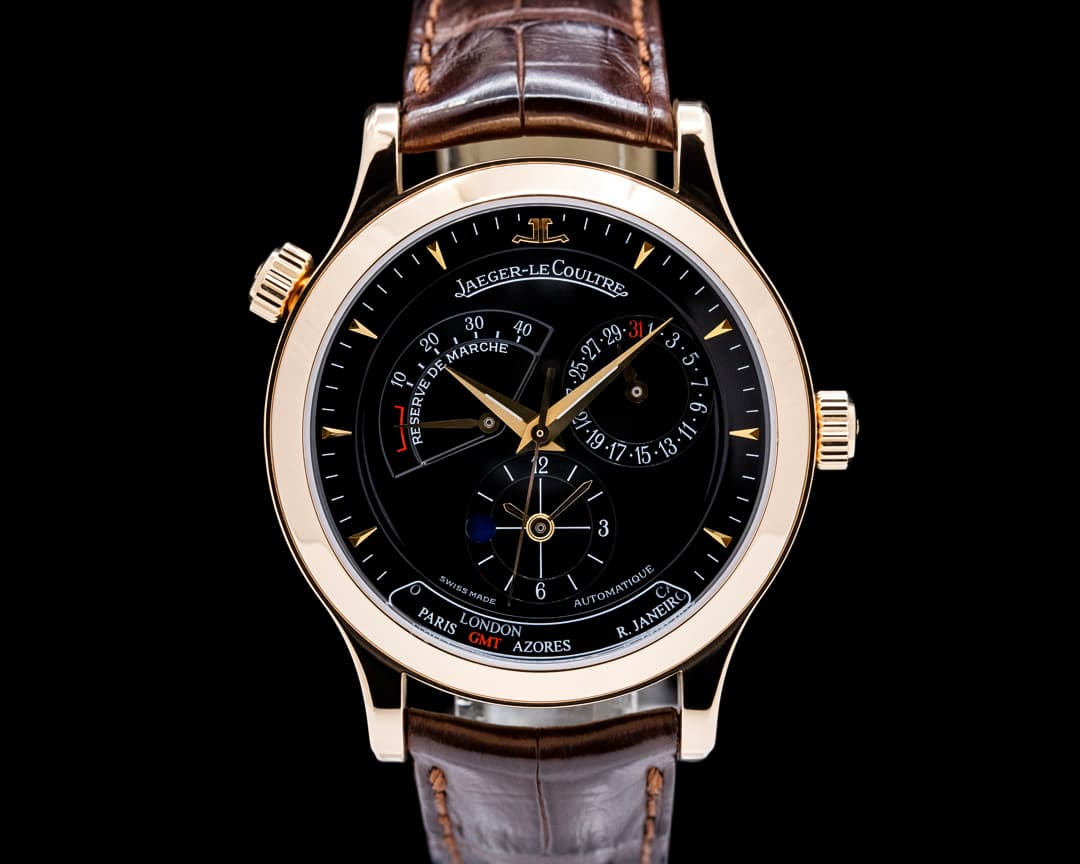
Master Geographic 18K Rose Gold Black Dial
$15,900
View Watch
Shop New Arrivals
Chronographe Telemetre "Bronze Rose" SS Salmon Dial LIMITED 2026
$18,900
View WatchL'Heure Du Diamant 18K Rose Gold Diamond Bezel Mother of Pearl Dial
$23,900
View Watch1665 Vintage Sea Dweller "Great White" SS Black Dial
$23,500
View WatchMaster Geographic 18K Rose Gold Black Dial
$15,900
View Watch
More Content