What Grand Seiko Actually Makes: Movement Architecture
Three movement architectures define Grand Seiko's current lineup, and each reflects a different way in which Grand Seiko has innovated.
The Spring Drive is the most distinctive movement architecture Grand Seiko makes. It is a mechanically fueled movement, wound by the crown or a rotor, storing energy in a mainspring, that replaces the conventional lever escapement with a glide wheel regulated by a quartz oscillator. The movement generates its own electrical power from the unwinding mainspring; the quartz circuit uses that power to hold the glide wheel to an exact 8Hz, which disciplines the entire gear train. The result is ±1 second per day (±15 seconds per month) on standard calibers like the 9RA2 found in the SLGA009. The top-tier 9RB2 UFA achieves ±20 seconds per year, figures verified against Grand Seiko's own technical documentation. That is not a marketing claim softened by real-world caveats. It is a genuinely unusual chronometric outcome for a mechanically wound movement.
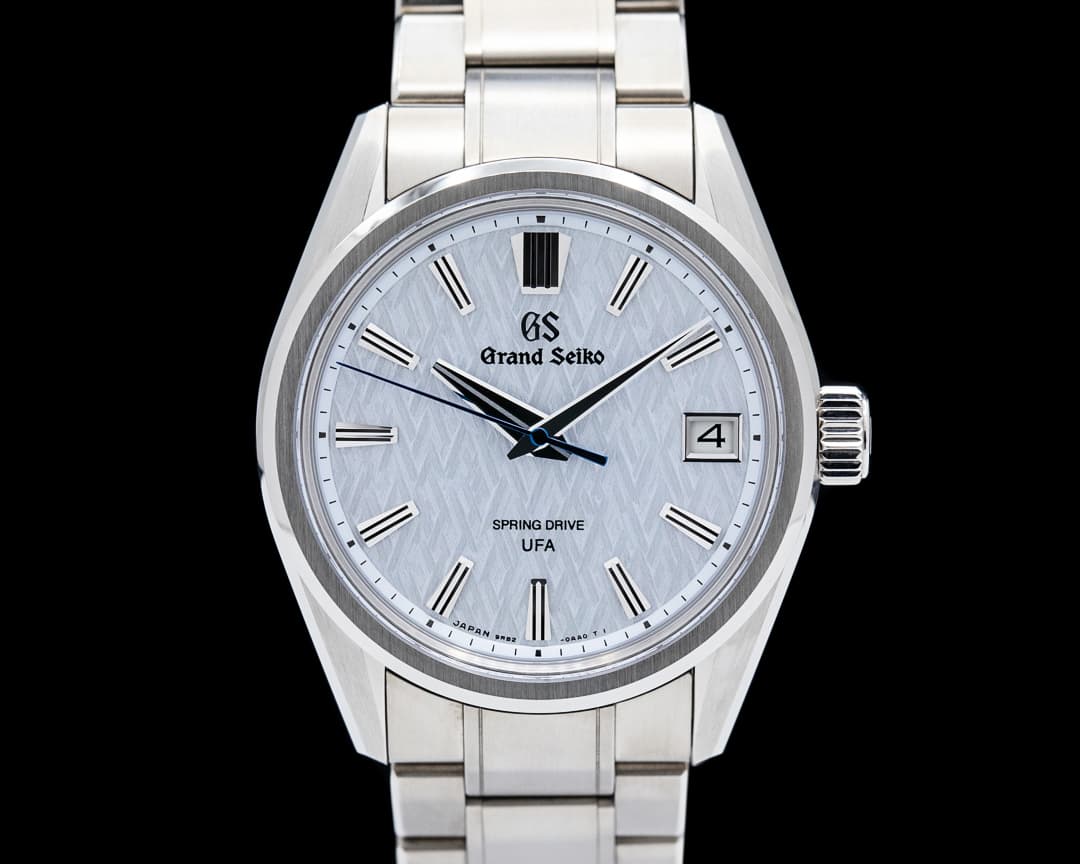
What the Spring Drive is not: a purely mechanical watch. The quartz regulation is intrinsic to the architecture. Collectors who draw a hard line between mechanical and electronic regulation will find this matters. Collectors who draw their line between battery-dependent quartz and a mechanically powered, quartz-disciplined oscillator will find it matters differently. Neither position is wrong; they reflect different values.
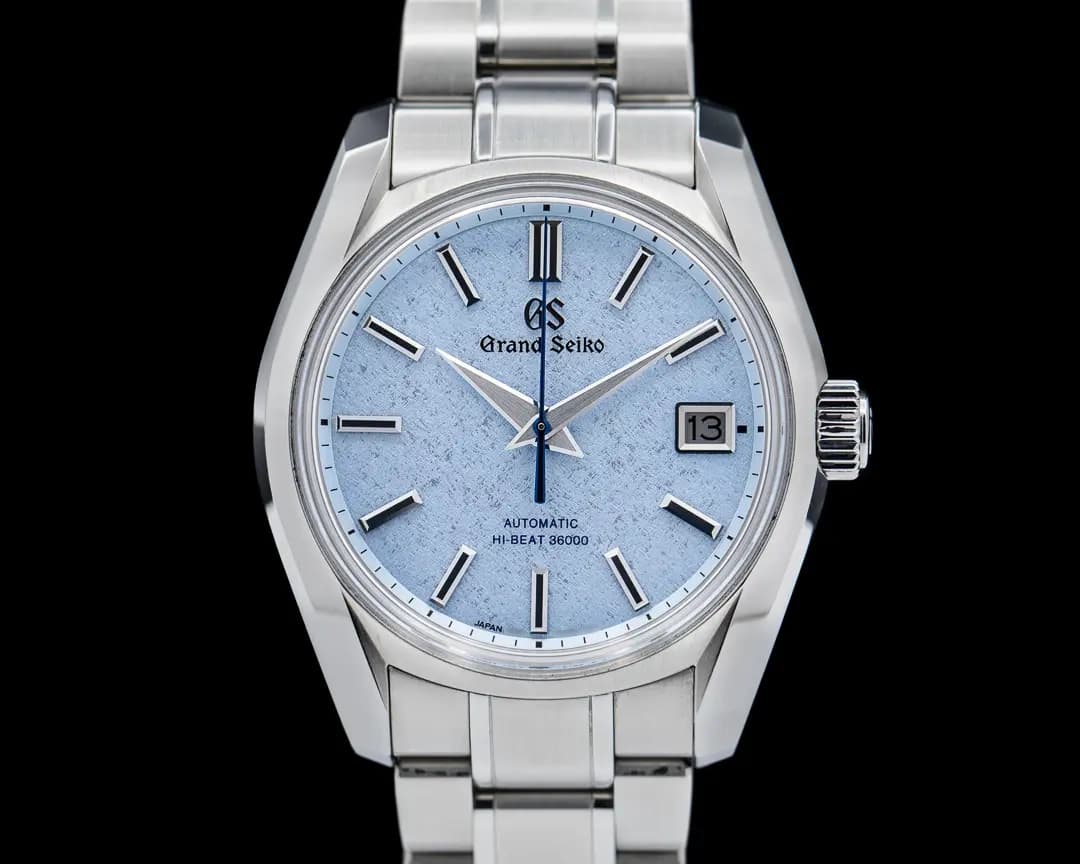
The Hi-Beat 36000 calibers, the 9S movement family, are pure mechanical, 36,000 vph (ten beats per second), made at Shinshu Watch Studio. The higher beat rate resists positional error and smooths the sweep, the same logic behind AP's 9015, Zenith's El Primero, and Seiko's own vintage 36000 movements from the 1960s. These are excellent production calibers: well-regulated, durable, and honest. The specification is +5 to -3 seconds per day, better than the COSC threshold, and the conservative rating reflects confidence rather than weakness.
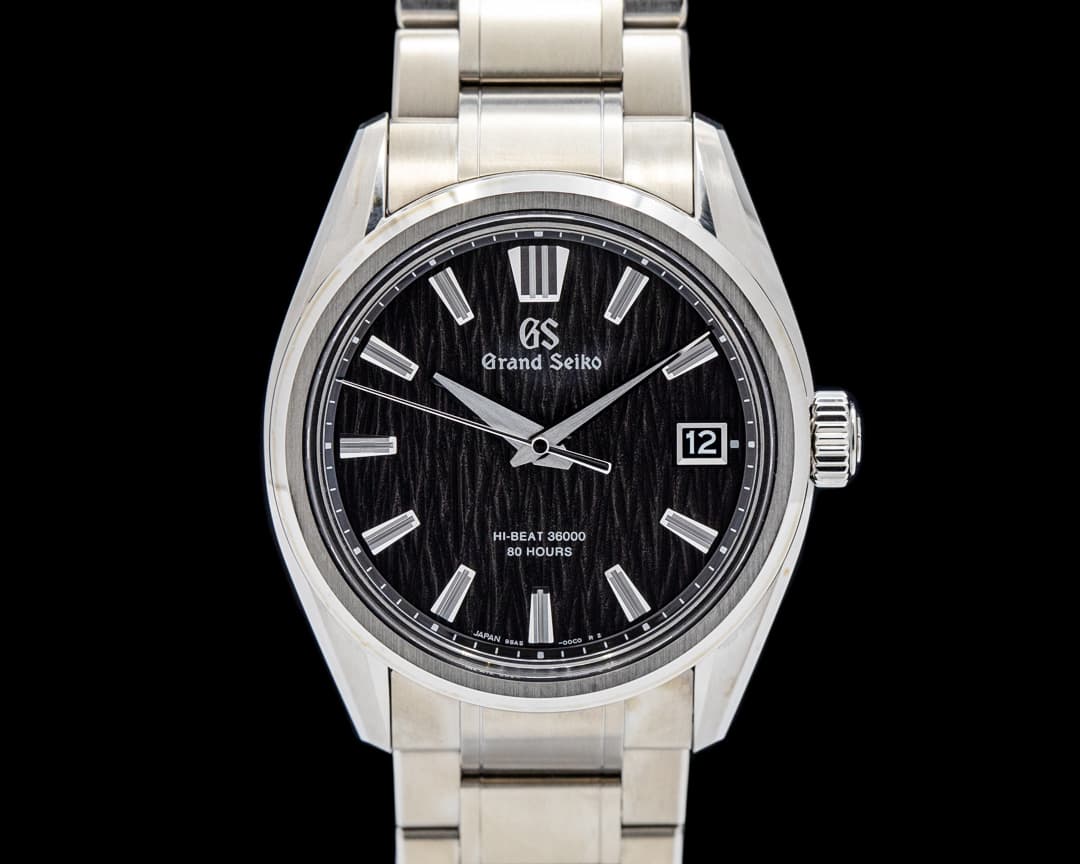
The 9SA5 is different in character. Unveiled in 2020 after nine years of development by movement designer Hisashi Fujieda, it introduced a dual-impulse escapement, a mechanism that more efficiently transmits power from the mainspring than the Swiss lever, and a free-sprung balance with a proprietary shock protection system. It runs at Hi-Beat 36000 vph with an 80-hour power reserve, a meaningful improvement over the earlier Hi-Beat movements. The official accuracy specification matches the 9S family: +5 to -3 seconds per day. Hands-on reports suggest the 9SA5 typically runs closer to ±2-3 seconds in practice, but Grand Seiko has not published tighter specs, so treat that as context rather than a confirmed claim.
SBGH295 with 9SA5 Movement
The dual-impulse escapement is a genuine engineering departure, not a marketing reframing of an existing design. Whether it translates into meaningfully better long-term performance than the Swiss lever remains unresolved at this point in the caliber's life. What it represents is real investment in movement architecture, not dial-first watchmaking.
One honest note on manufacturing: Grand Seiko's movements and cases are produced at Seiko Group facilities, Shinshu Watch Studio in Nagano (mechanical calibers), Shizukuishi Watch Studio in Iwate (Spring Drive and high-end mechanical), and Seiko Instruments (movement components). These are company-owned factories, not independent ateliers in the small-workshop sense that term implies when applied to Voutilainen or Ferrier. Grand Seiko is a strategic brand division of Seiko Holdings Corporation, a large publicly traded conglomerate. The movements are made in-house in the sense that they're made within the group, but the group is not a small workshop, and that context matters.
The Dial Work: Where the Case Is Strongest
The dial argument is where Grand Seiko has the strongest ground. It's worth slowing down here to describe what these dials actually look like before evaluating whether they hold up against Swiss work at similar prices.
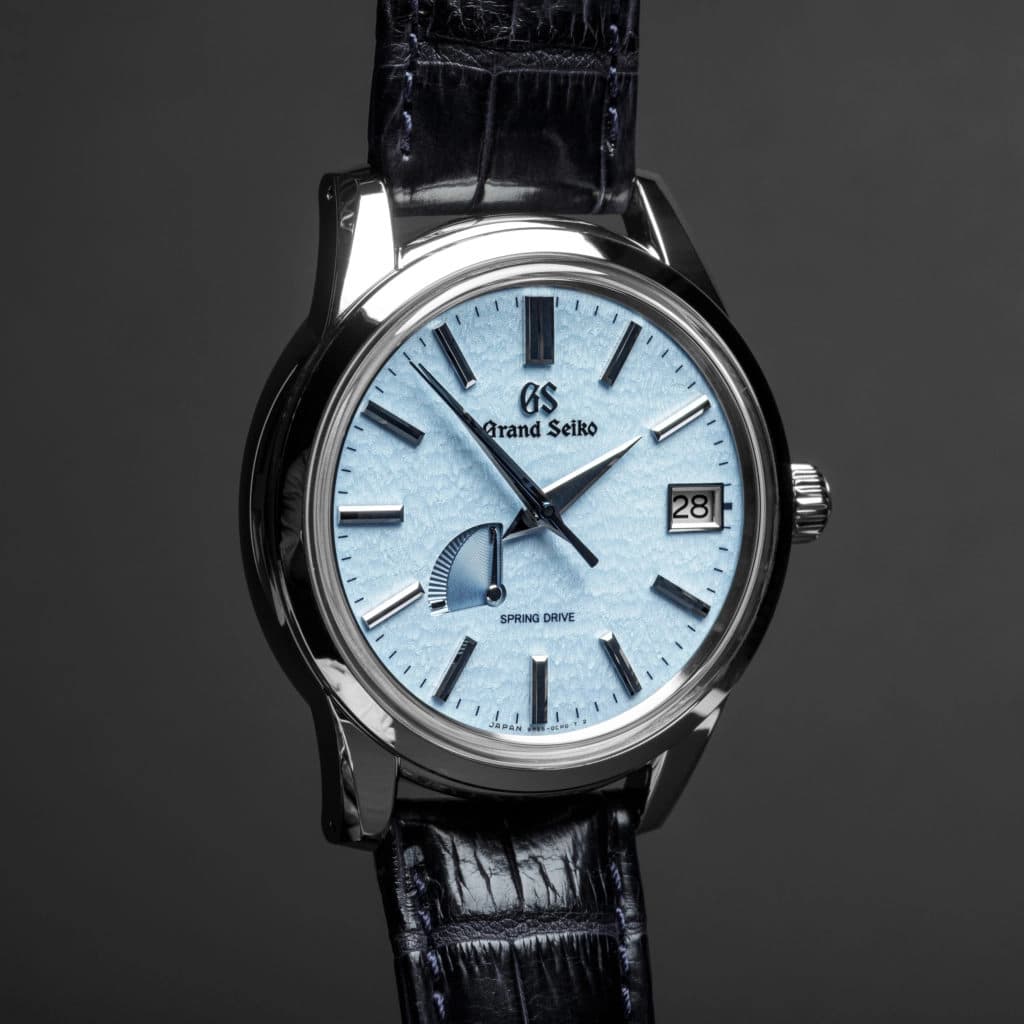
The Snowflake dial, most associated with the earlier Spring Drive references in the SBGA/SLGA family, is a white textured surface. "Textured" understates it. The dial is built up in layers, with a field that catches directional light and scatters it differently depending on the angle. In direct overhead light it reads almost flat white, with a matte warmth. Tilt it 30 degrees toward a window and the surface seems to shift, becoming almost dimensional, because the texture isn't decorative relief but grain that runs through the material. The applied indices sit against this field cleanly. The overall read is quiet in a way that rewards extended wear rather than immediate spectacle. It does not photograph particularly well. It looks better in the hand every time you pick it up.
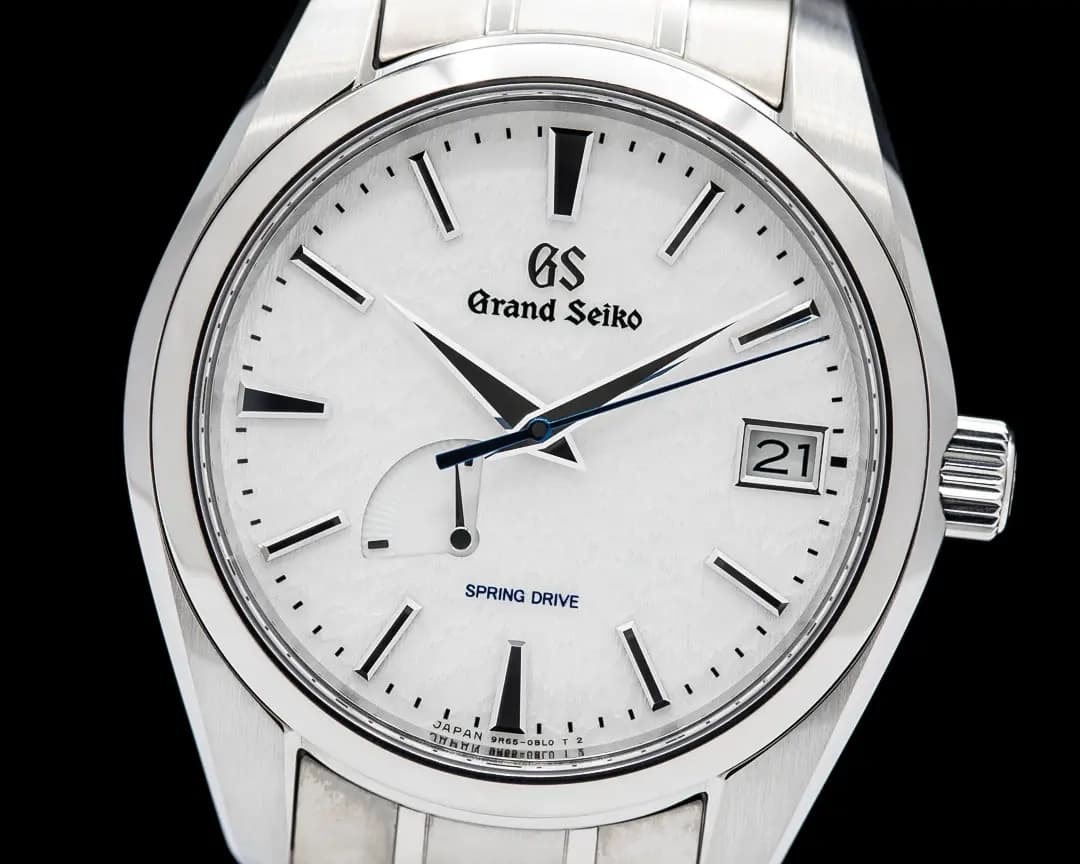
Grand Seiko Snowflake
The Birch dial, found on the SLGH005 and SLGA009 variants carrying that designation, takes a different approach. The surface is shinier, with a silvery base and a grain structure meant to evoke birch bark in winter light. The reflectivity is more active than the Snowflake's. In flat light it reads like a well-executed lacquer; at an angle, the grain catches and the surface feels almost like woven material seen from a distance. It is more immediately striking than the Snowflake and, arguably, slightly less interesting over time. That is a taste call, not a quality call.
Both dials are produced at Shizukuishi Watch Studio in Iwate Prefecture, using surface techniques developed within Seiko Group. The finishing process involves building texture through a combination of material deposition and mechanical working; the specifics beyond marketing language about "nature-inspired" surfaces are not publicly disclosed. What is verifiable is the visual outcome: depth, consistency across the dial face, and a resistance to looking cheap under close examination. That last quality is not universal in this price range, and it matters.
The References Worth Having, and the Ones That Aren't
SLGH005 (White Birch, 9SA5 Hi-Beat): $9,100 retail; $5,100-$8,700 secondary, avg. $6,600
This reference earns its price. The 9SA5 caliber is Grand Seiko's actual mechanical engineering statement, not a variant on the production Hi-Beat family. The Birch dial is strong. The Evolution 9 case, introduced with the 9SA5 family, is larger than classic Grand Seiko geometry at 40mm, and the integrated bracelet sits well on the wrist for a watch in this format. The secondary market holds: an average secondary price of $6,600 against $9,100 retail is healthy softening, not collapse, and the $5,100 floor reflects distressed sales rather than structural weakness. If you want the 9SA5 architecture and a strong dial in a single reference, this is it.
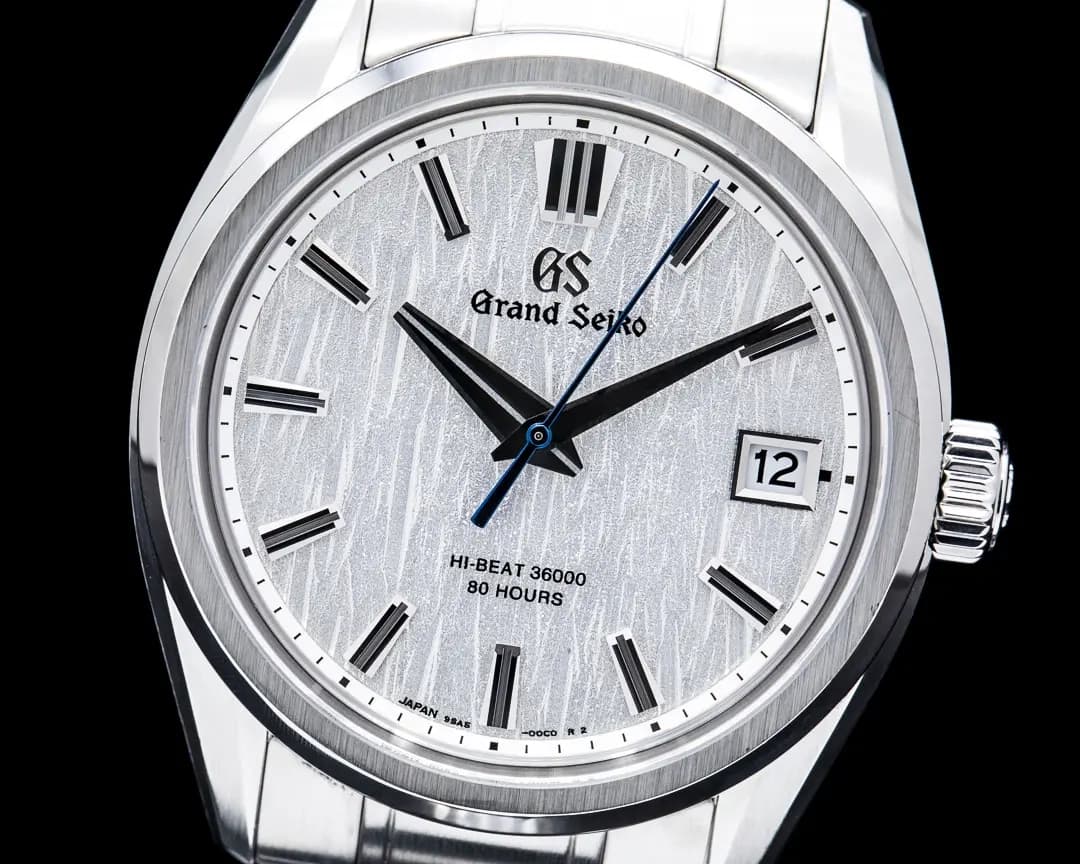
SLGH005G White Birch
The case against it: the Evolution 9 case is divisive. It prioritizes wearability and presence over the quiet formality of the earlier Heritage case family, and collectors who came to Grand Seiko through the classic references find it oversized and slightly aggressive. That's a real objection. It doesn't mean the watch is bad; it means the aesthetic is not universal.
SLGA009 (White Birch, Spring Drive 9RA2): ~$9,100-$9,800 retail; avg. $7,200 secondary
This reference also earns it, and for a different buyer. The Spring Drive 9RA2 delivers a 120-hour power reserve and ±1 second/day accuracy in a movement architecture with no direct Swiss equivalent. If the Spring Drive's hybrid mechanism is acceptable to you on principle, the SLGA009 combines the strongest argument for buying a Spring Drive, its chronometric behavior, with the Birch dial. The secondary market is slightly firmer here than on the SLGH005, with an average of $7,200, which is worth noting: Spring Drive references hold better than pure mechanical Grand Seiko in most secondary comparisons.
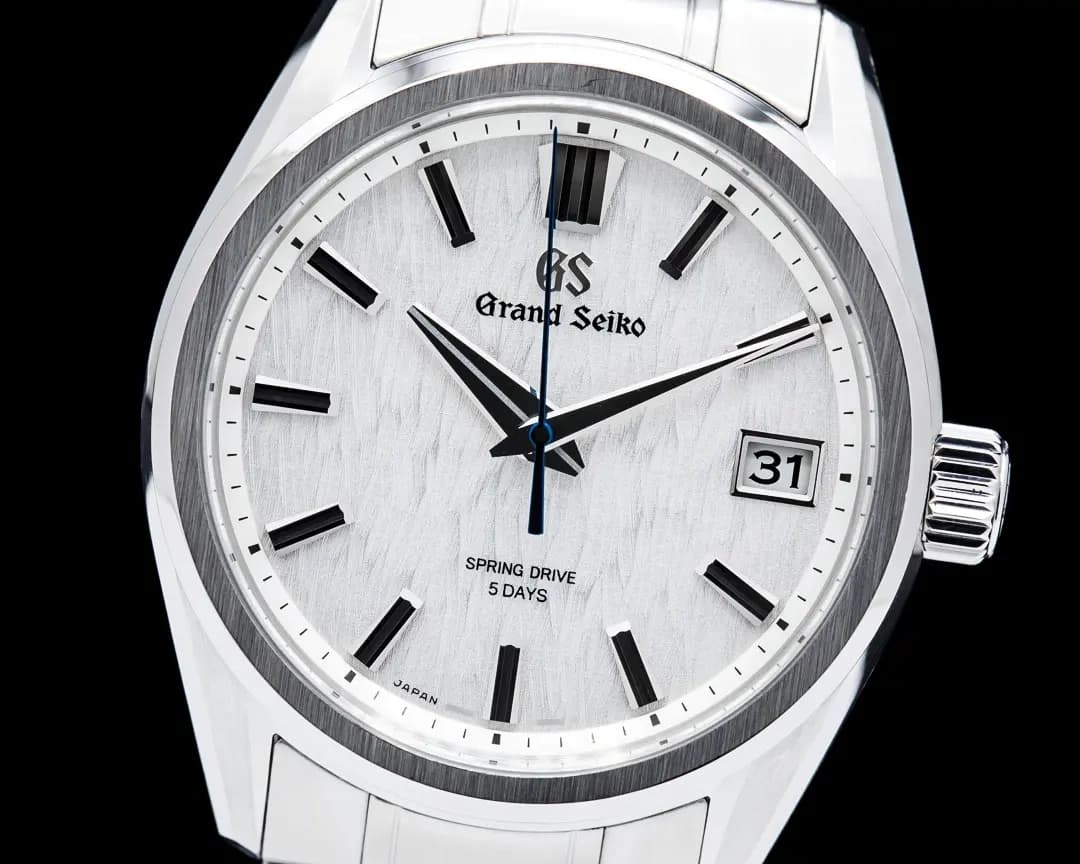
SLGA009G White Birch
The case against it is the Spring Drive itself. For collectors who want a mechanical watch, the Spring Drive isn't one, not strictly. That's not a weakness of the caliber; it's a clarification of what it is.
SLGB003 (Spring Drive UFA): pricing on request; substantially above standard Grand Seiko retail
The UFA caliber achieves ±20 seconds per year, a confirmed figure that puts it in chronometric conversation with observatory-certified movements. It is the most technically ambitious thing in the current Grand Seiko lineup and probably the most defensible reference in any comparison with high-end Swiss watchmaking on movement grounds alone. The dial work on extant references is strong. It is also produced in very limited numbers and priced accordingly. For most collectors in the $10,000-$30,000 window it is not a realistic purchase; it belongs here as a data point about what the platform can achieve.
Heritage Hi-Beat 36000 references (SBGH series, classic dial executions)
This is where the argument gets harder to sustain. The Heritage Hi-Beat references, standard 9S movement, classic case, variants in steel or gold, are well-made watches at fair prices. The movement is excellent. The case finishing, particularly the alternating polished and brushed surfaces achieved through Zaratsu polishing (a proprietary mirror-polishing method involving rotating wooden wheels), is genuinely good at the price. But at $6,000-$10,000 retail, these references compete with a crowded field, including IWC, Omega, and Rolex, and the argument for prioritizing Grand Seiko over that field is thinner than with the Spring Drive or 9SA5 references. They are not bad watches. They are not the watches that make Grand Seiko worth a separate conversation.
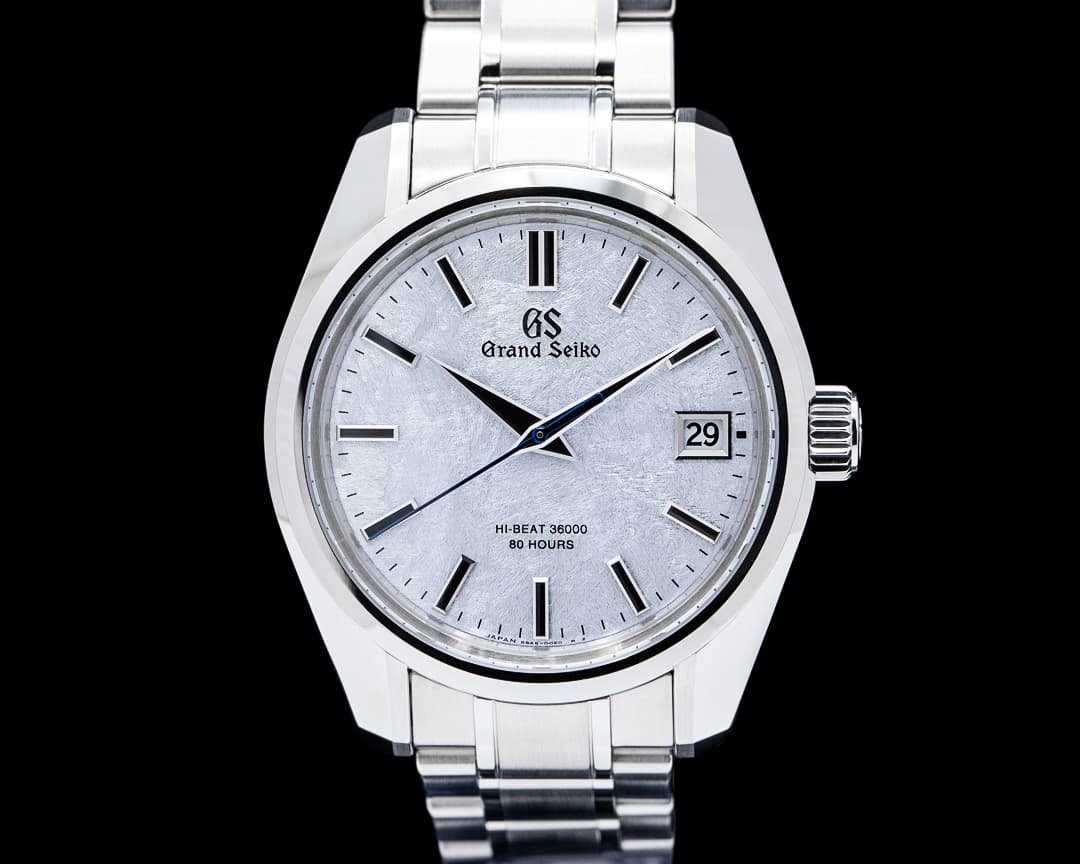
The seasonal and regional limited editions
Grand Seiko produces a significant volume of seasonal limited editions, four seasons dials, regional scenery references, special collaborations, at retail prices running from $8,000 to well above $20,000. Some carry genuinely excellent dial work. Many are priced on rarity and the story attached to the dial rather than on movement or case architecture. A collector buying a limited-edition maple-leaf dial reference at $18,000 is buying a collectible, not a movement argument. That can be a legitimate reason to buy a watch. It is a different argument from the one being made here, and the secondary market on these references is less predictable.
The Verdict: Which Collectors Should Be Paying Attention
Grand Seiko earns serious consideration from a specific kind of collector, not from everyone who follows watches.
The buyer who should be paying closest attention is someone for whom the Spring Drive's chronometric behavior is interesting on its own terms, not as a consolation for not buying Swiss, but as a genuinely novel movement solution worth owning-- which it undoubtedly is. The SLGA009 at roughly $9,100-$9,800 retail, with its Birch dial and ±1 second/day 9RA2, is a watch with a defensible answer to "why this and not a Moser." That's a higher bar than it sounds.
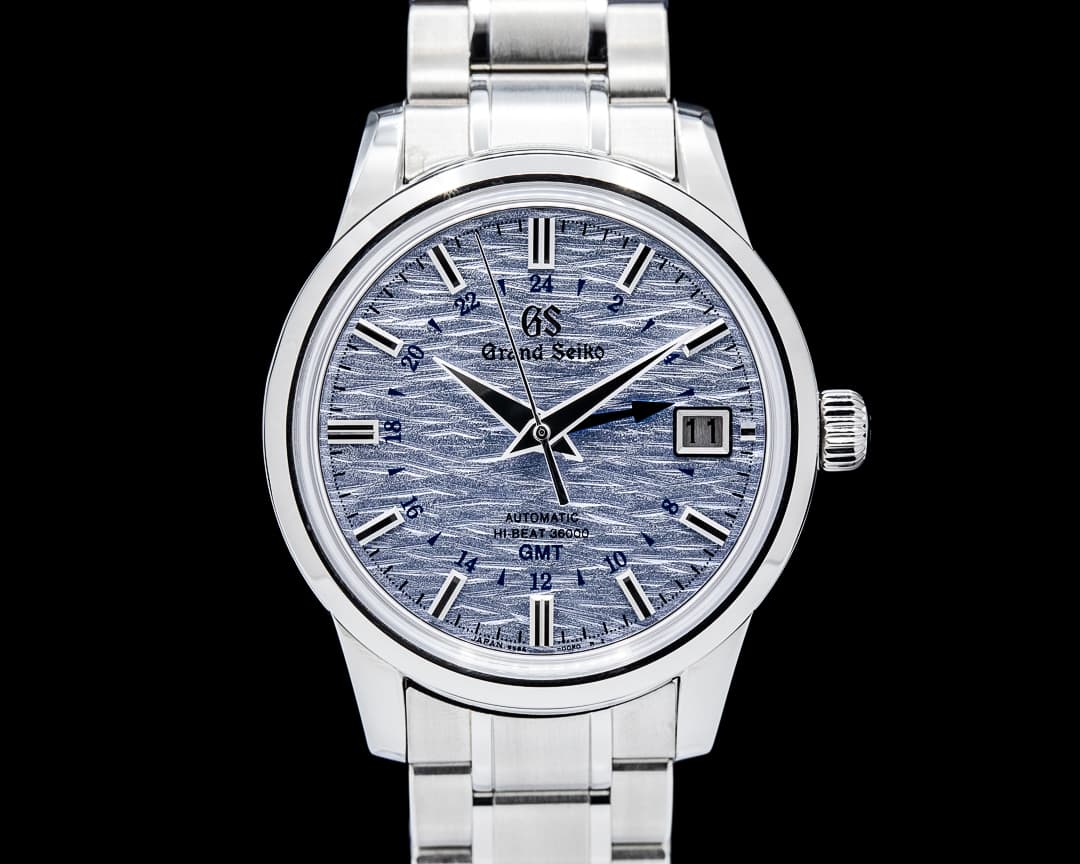
The second buyer is someone drawn to the 9SA5 as Grand Seiko's mechanical statement: the nine-year development story, the dual-impulse escapement, the stated ambition. The SLGH005 at $9,100 is the clearest expression of that argument in a reference most collectors can actually acquire. A secondary market floor of $5,100 on distressed sales suggests limited downside for a careful buyer.
The collector who should probably look elsewhere: anyone drawn to Grand Seiko because the boosters have said it competes with Patek Philippe or Vacheron at a fraction of the cost. It doesn't. The comparison is tribal rather than technical, and it sets up a disappointment the watch itself can't resolve. Grand Seiko makes specific things well, a precision hybrid movement with no direct Swiss equivalent, texture dials of genuine quality, case finishing that holds up under a loupe, and it makes other things adequately, at prices that are increasingly harder to justify on grounds of value alone. The collector who knows exactly which category they're buying from is the one who will be satisfied.
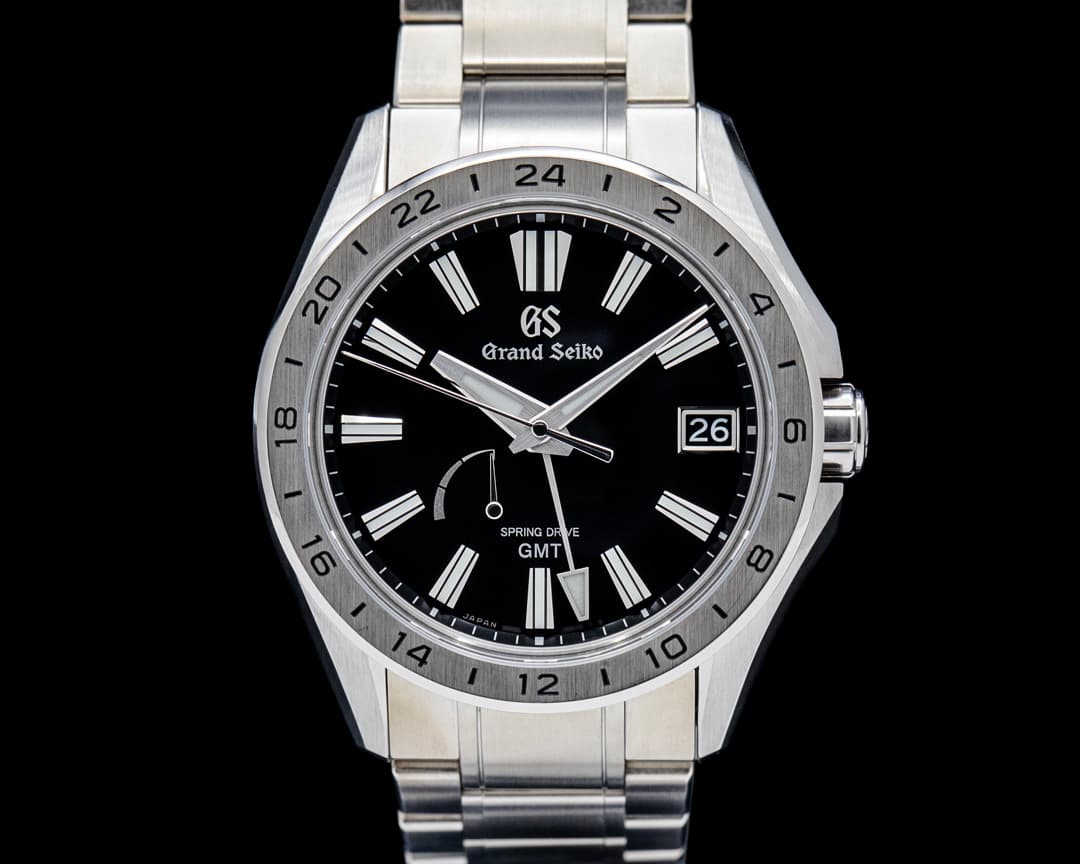
The ownership structure matters more than Grand Seiko's marketing acknowledges. It is a conglomerate brand. The ateliers are company facilities. The annual production volume is not disclosed, but it is not small. For collectors who have come to independents because they want something made by people who chose to build watches a certain way because they believed in it, not all Grand Seiko watches will scratch that itch.
That's the question. At $9,000-$10,000, for specific references with specific justifications, the answer is yes. Above that, the burden of proof typically rises faster than the lineup's ability to meet it.
Shop New Arrivals
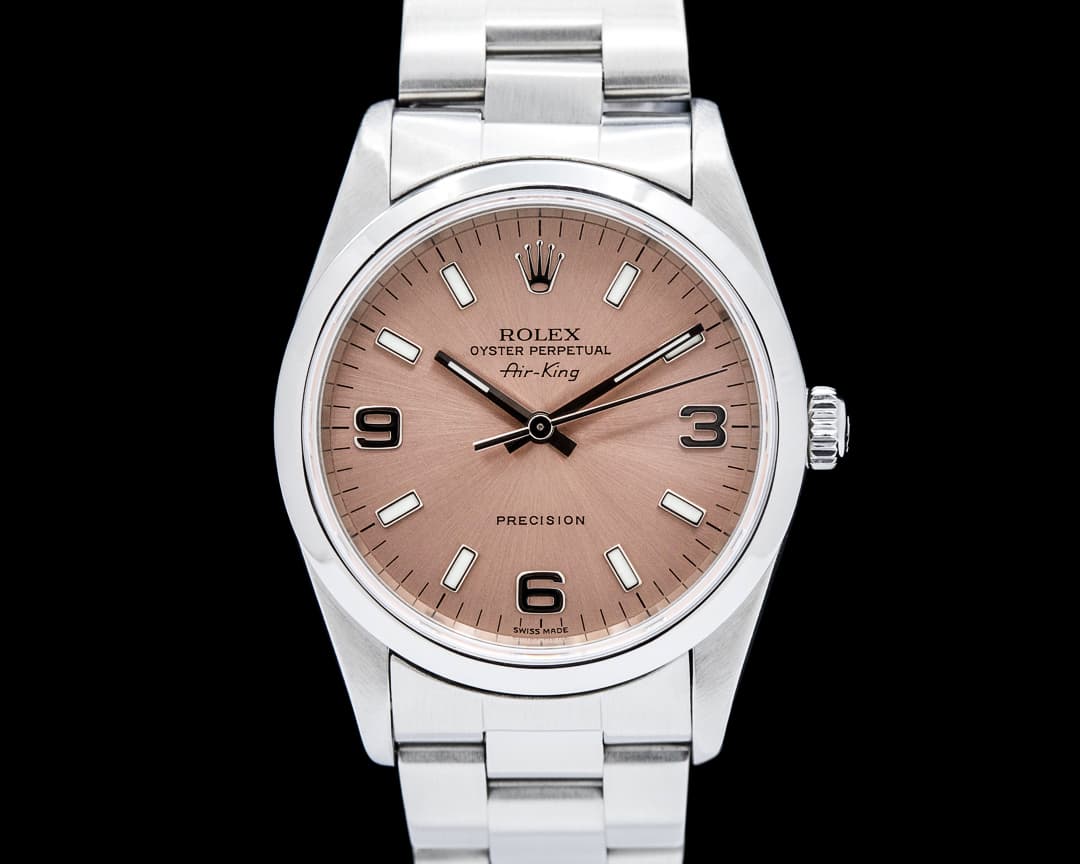
14000 Air King SS Salmon Dial
$5,750
View Watch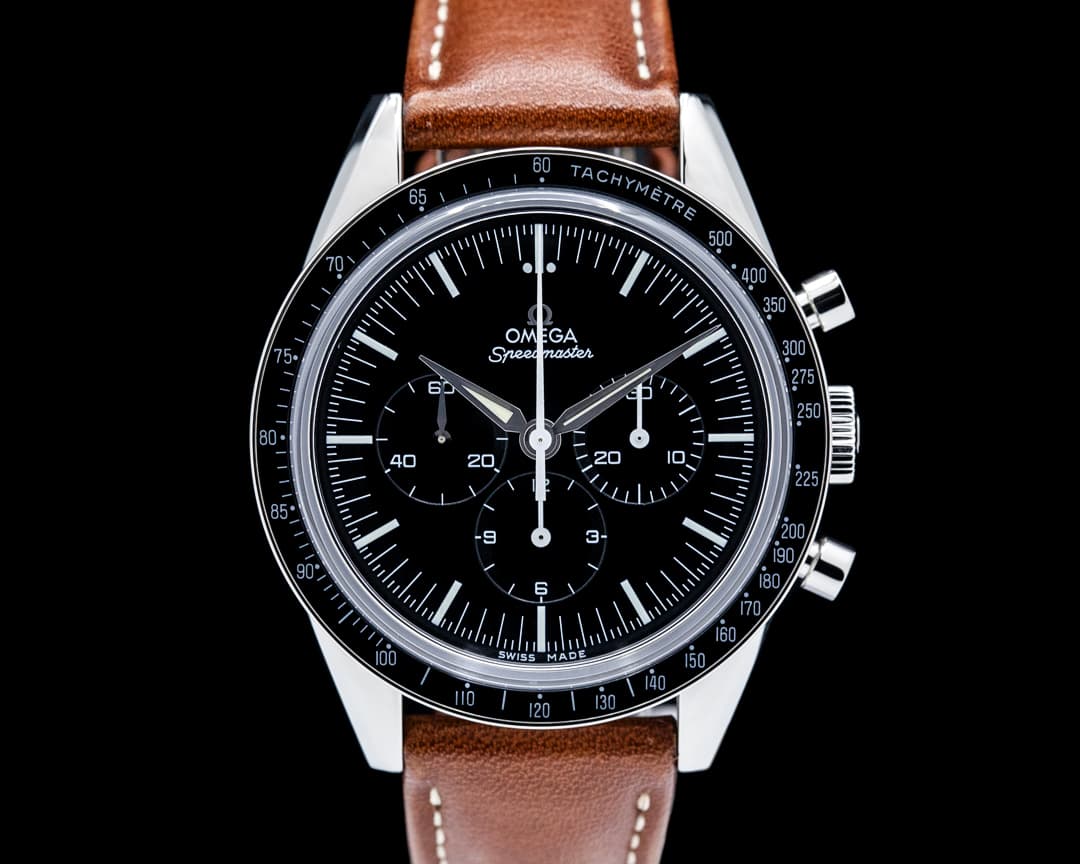
Speedmaster First Omega in Space SS Black Dial
$6,500
View Watch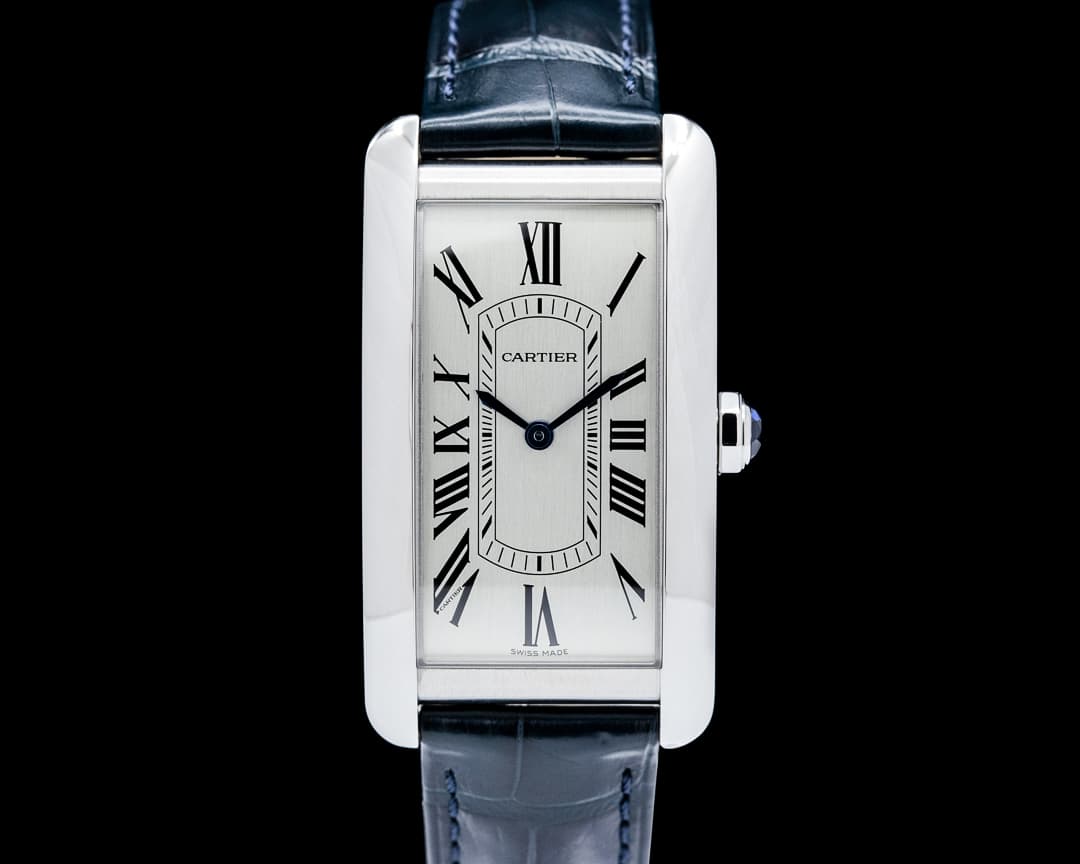
WSTA0083 Tank Americaine Large SS Silver Dial 2026
$6,350
View Watch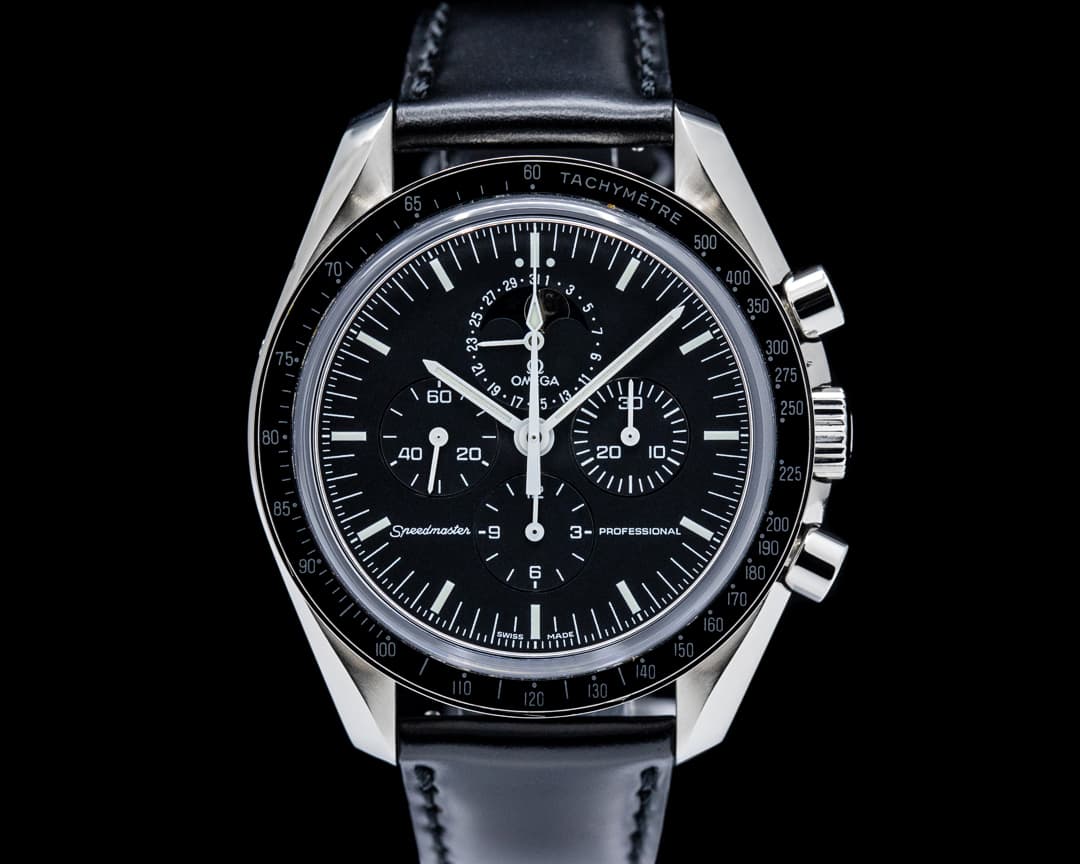
3876.50.31 Speedmaster Professional Moonphase SS Black Dial
$7,350
View Watch
Shop New Arrivals
14000 Air King SS Salmon Dial
$5,750
View WatchSpeedmaster First Omega in Space SS Black Dial
$6,500
View WatchWSTA0083 Tank Americaine Large SS Silver Dial 2026
$6,350
View Watch3876.50.31 Speedmaster Professional Moonphase SS Black Dial
$7,350
View Watch
More Content