How Limited is Too Limited? Rethinking Scarcity in 2026
Published on 1/13/2026
Every week seems to bring another limited edition announcement, often paired with a tidy production number designed to signal exclusivity. While scarcity used to suggest effort, constraint, or genuine rarity, it increasingly feels like a marketing default.
Collectors are not rejecting limited editions outright, but are beginning to question intent. Is a watch limited because it truly needs to be, or because it's better for storytelling? That distinction sits at the heart of how scarcity is being reexamined today.
Limited by Nature, Not by Strategy
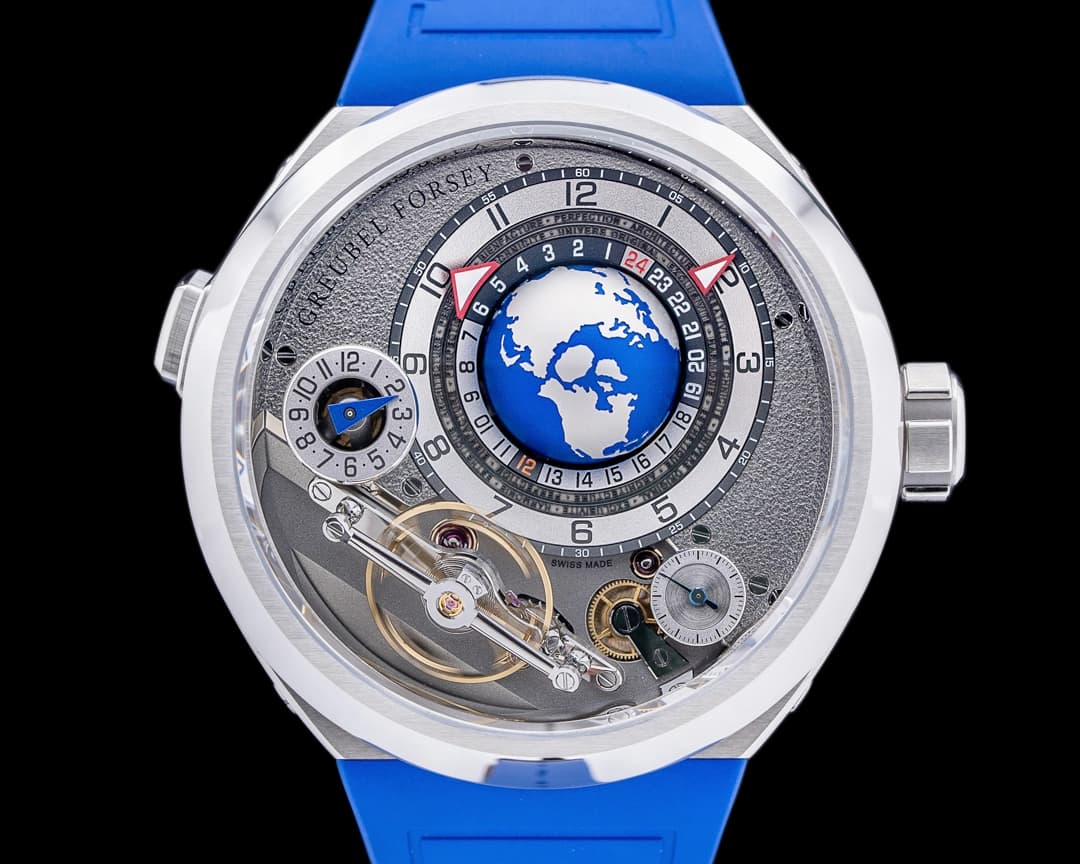
At the very top of the market, scarcity still feels credible because it is unavoidable. Brands like Greubel Forsey do not need to fabricate exclusivity. Their production is constrained by time, labor, and human expertise rather than marketing decisions.
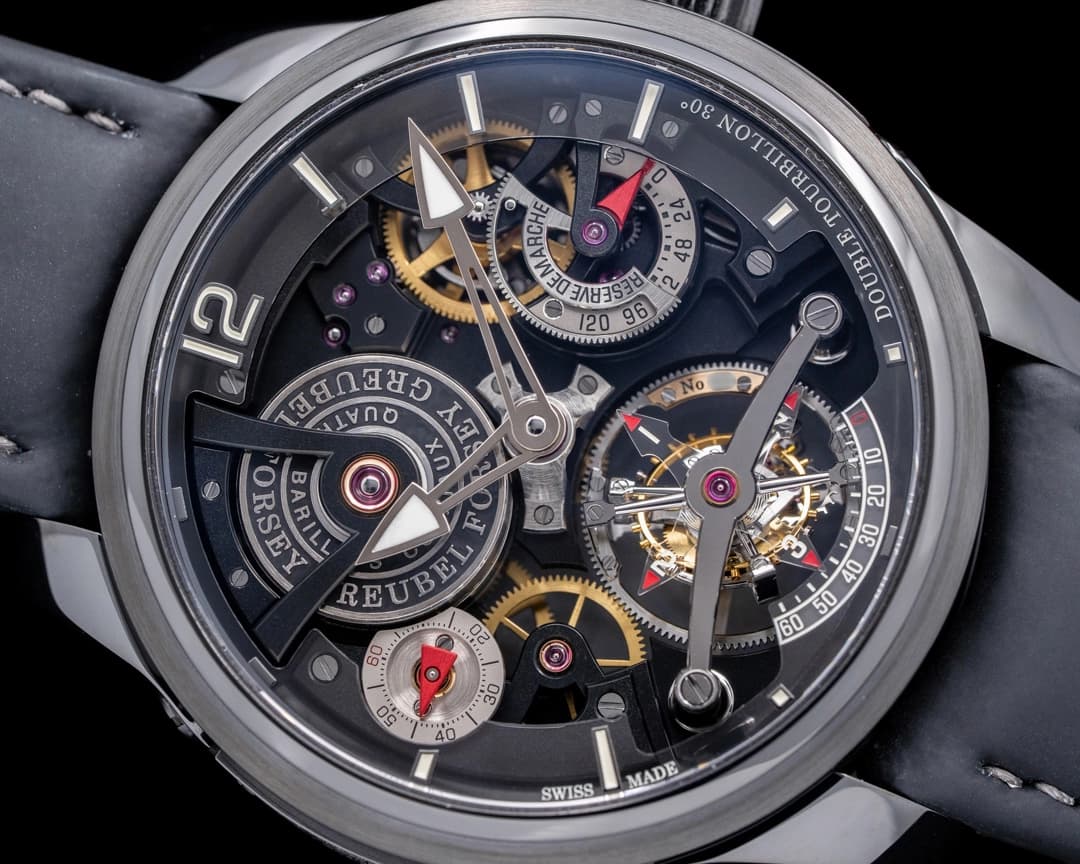
Limitation at Greubel Forsey begins with people, not machines, according to Michel Nydegger, the brand's CEO. “Our production is limited by human skill, not by machines,” he said. Each watch relies on highly specialized knowledge that takes years, and often decades, to develop. “That level of expertise is not scalable,” Nydegger explained, “which is why we choose to focus on transmitting it carefully from one generation to the next.”
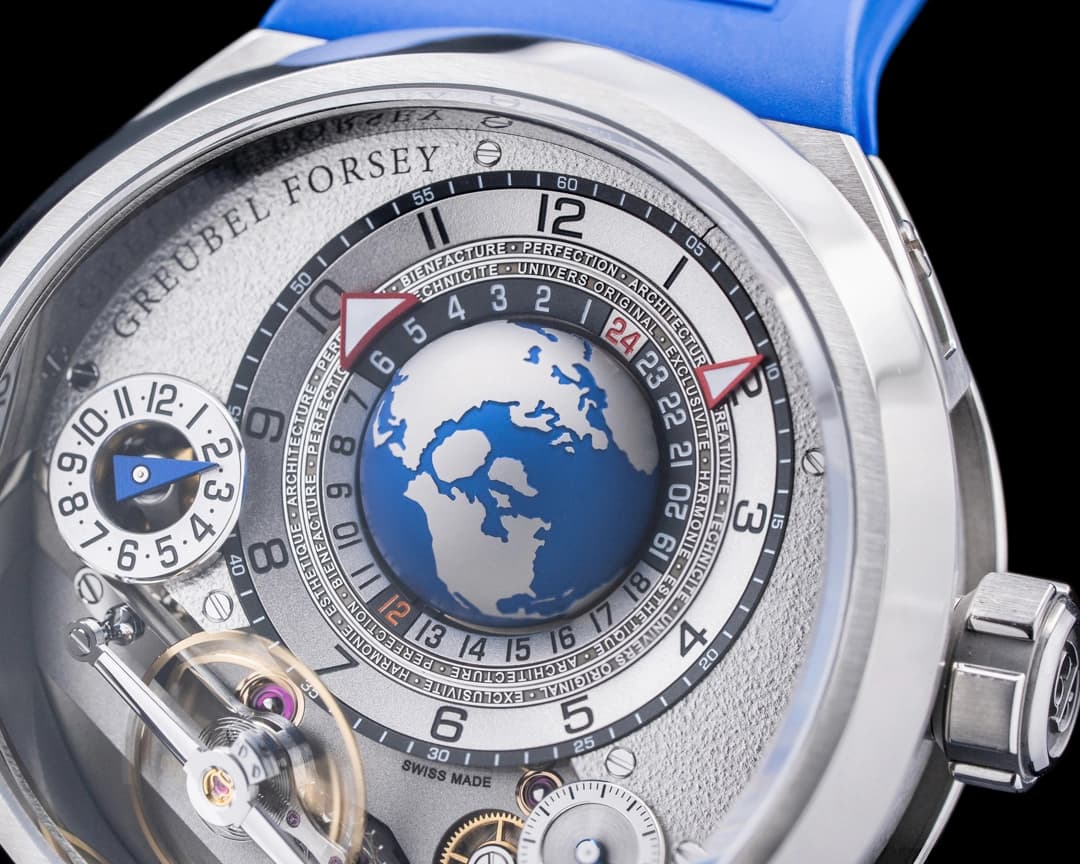
Process plays an equally important role. Nydegger said Greubel Forsey’s methods are intentionally demanding and never designed for volume. “If we simplified them to increase throughput, we would fundamentally change the nature of our timepieces,” he said. “In this sense, our rarity is simply the result of how we choose to work.”
In this context, low annual production numbers are not strategic caps. They are the intended result of an approach that cannot be made faster without compromising the very nature of their product. This is the version of limitation that feels rooted in craft rather than calendars. There is no artificial ceiling, no countdown clock, and no sense that a different version will quietly replace it six months later.
Boutique Editions and Controlled Access
In the portion of the watch market with larger production numbers, scarcity has taken on a different shape. Brands like IWC, F.P. Journe, OMEGA, Zenith, and Fears, among others, have increasingly leaned into boutique editions. These watches are not always numerically limited, but rather geographically restricted, available only through select brand-owned boutiques.
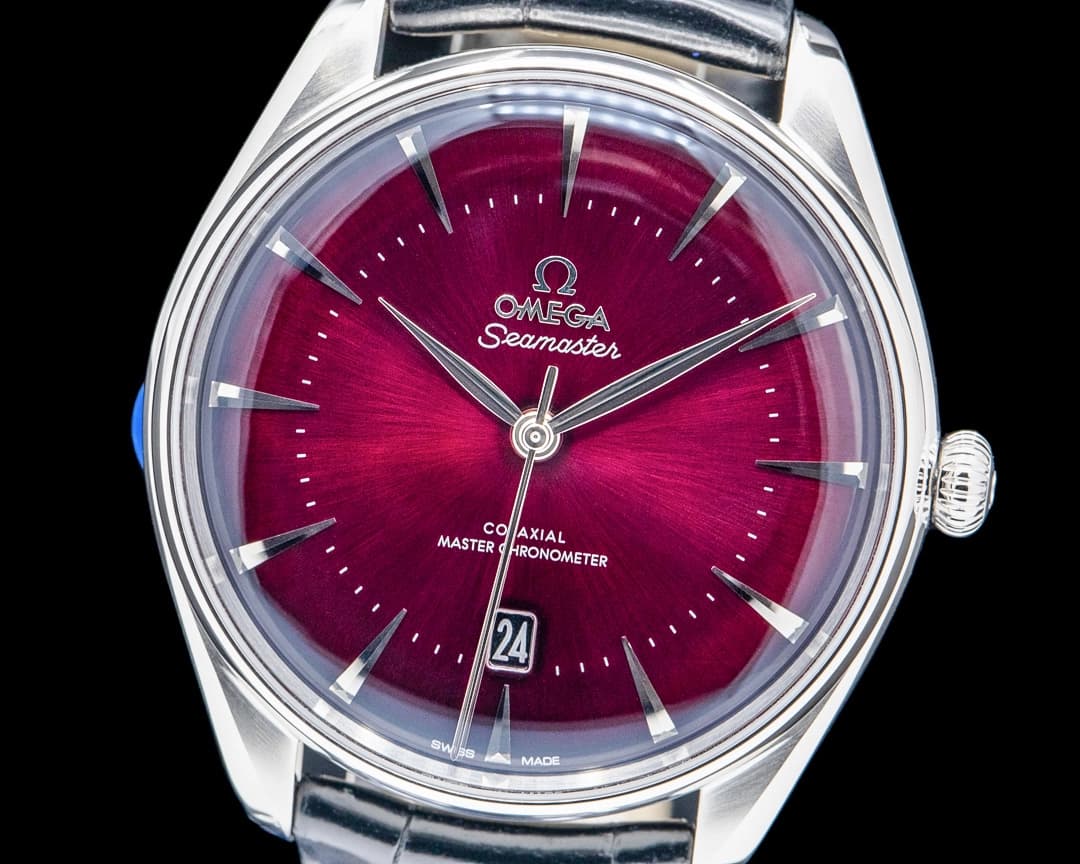
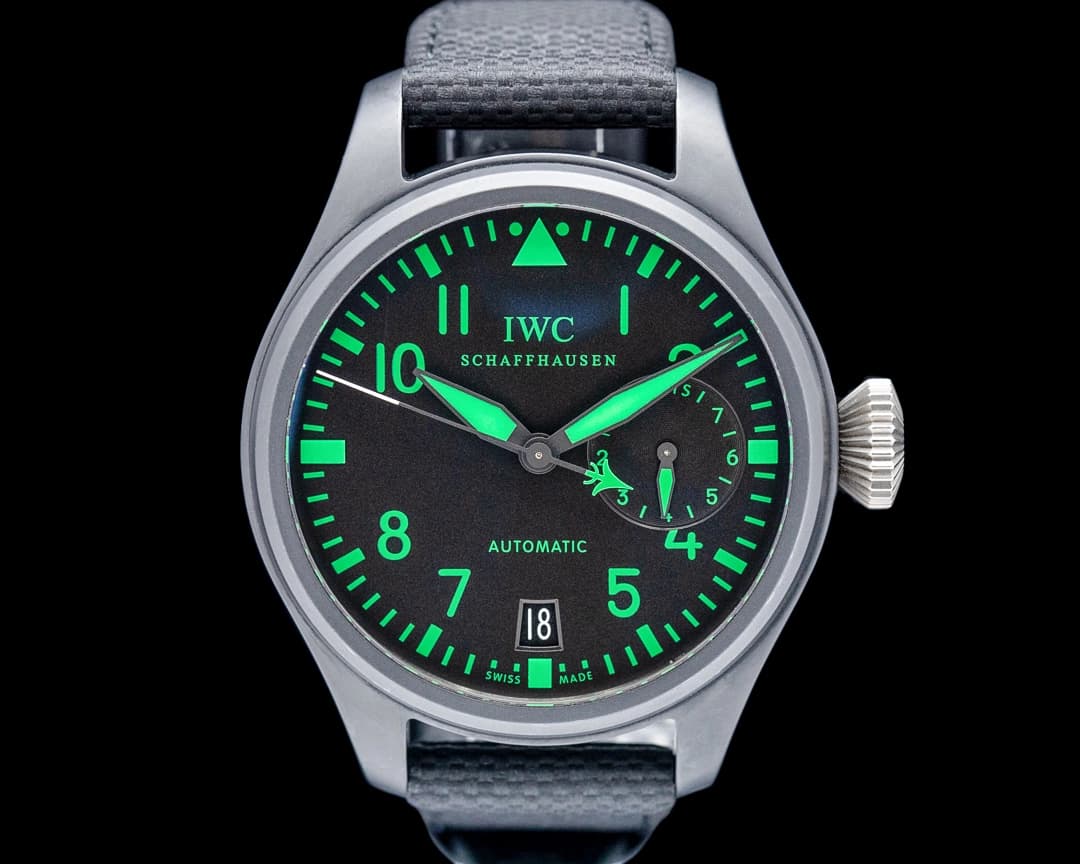
On paper, these models may not be rare in total number. In practice, access is controlled. Independent retail partners are often excluded entirely, and often these pieces are only available directly from the brand in specific locations. For loyal clients, this can reshape buying habits, turning travel and proximity into part of the ownership and purchasing experience.
Restraint as a Design Principle
Fears offers a useful case study in how limitations can be handled with restraint. The brand has deliberately avoided building its identity around scarcity. “Fears tried to keep clear of limited or numbered editions as the basis of the Fears collection has always been our core watches,” said Nicholas Bowman-Scargill, Fears's Managing Director.
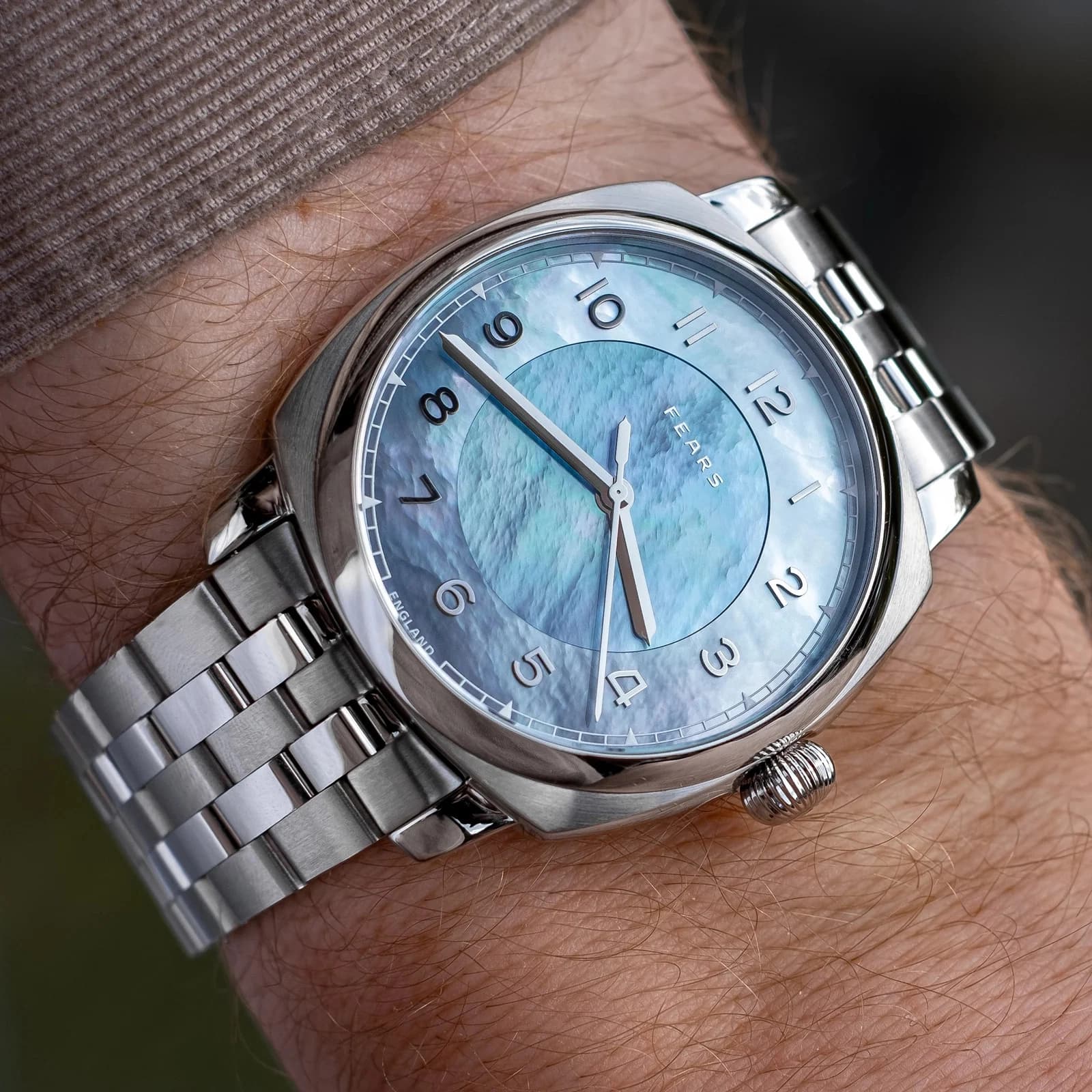
When Fears does produce watches in smaller quantities, Bowman-Scargill explained that the reasons are practical rather than strategic. “There are occasions when we do create watches that are limited by production or exclusive in their access,” he said. “For limited production, it’s simply that the processes to make the dial, case, or movement are more complex and use rarer materials, so they can’t be made quickly or in unlimited quantities.”

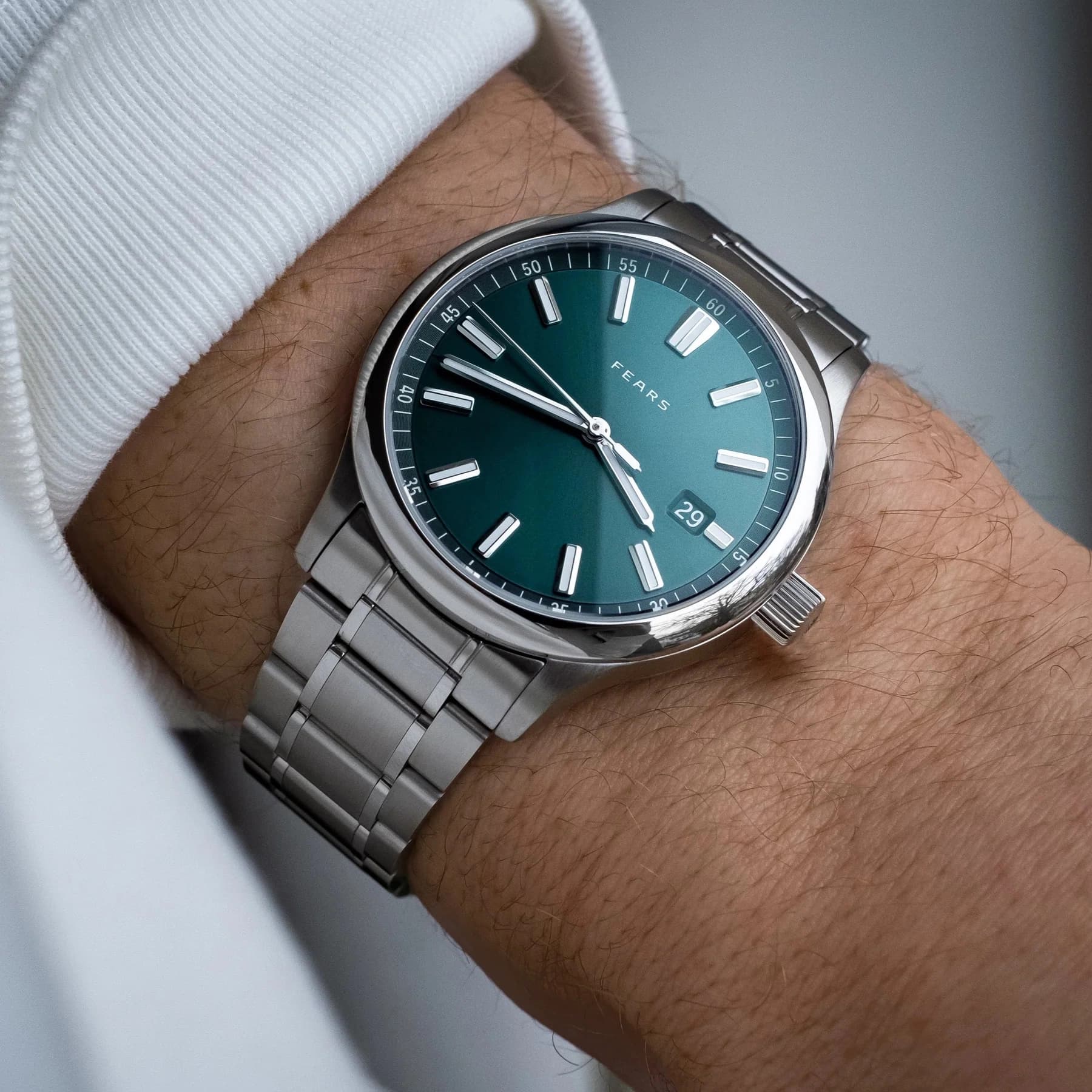
That same thinking extends to boutique exclusivity. When Fears opened its standalone Bristol boutique, it introduced a Mallard Green version of their Redcliff model that is only available in-store. Bowman-Scargill framed the decision as a gesture of reciprocity rather than hype. “It’s important to me that when someone has made a journey to the boutique, there is something special on offer to them,” he said.
Limited Edition vs. Limited Production
One of the core tensions in today’s market is the growing confusion between limited editions and limited production. A watch limited to fifty pieces may sound exclusive, but if a brand releases multiple limited fifty-piece runs every year, the effect quickly wears off. The numbers stay small, but the strategy becomes repetitive.
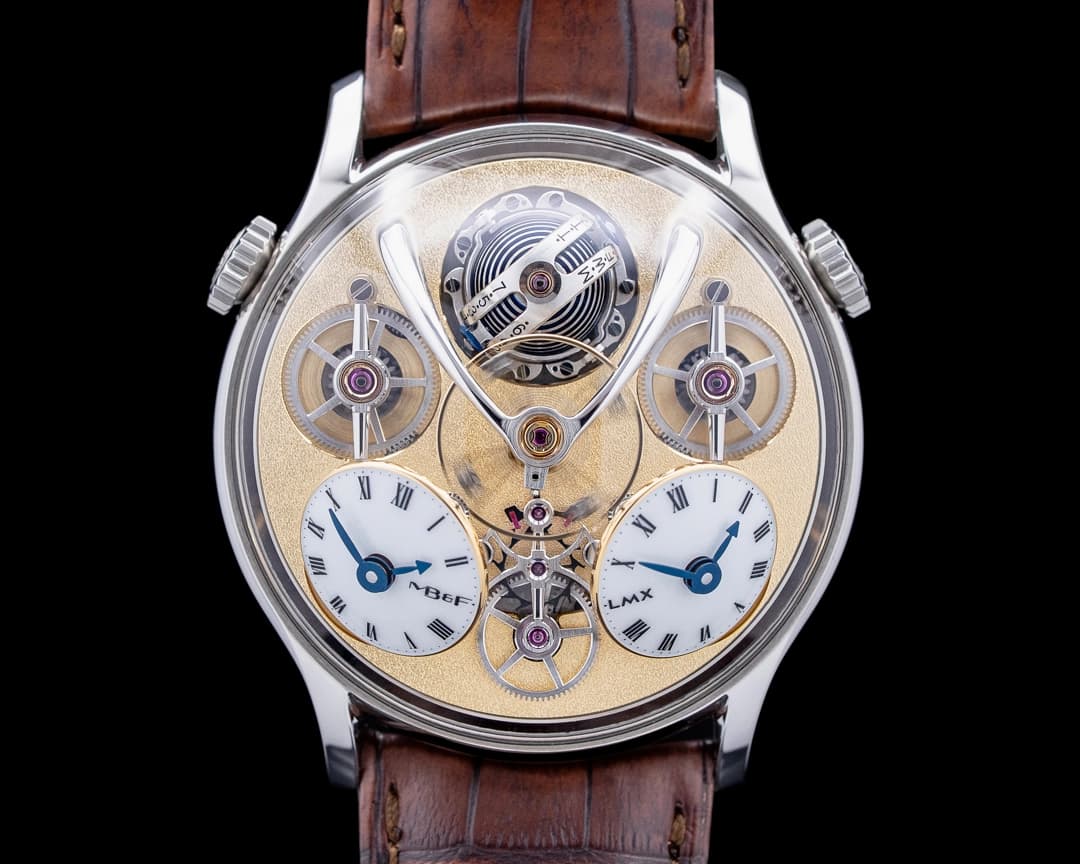
By contrast, watches that are not formally limited but produced slowly and in genuinely small quantities often feel more special over time. Collectors are increasingly sensitive to this distinction. Scarcity that unfolds naturally tends to age better than scarcity announced upfront.
Fatigue, Trust, and the Secondary Market
From the retail side, the consequences of the overuse of the "limited edition" term are becoming clear. “Collectors today are far more skeptical and fatigued by constant limited editions than they were a few years ago,” said Peter Botheroyd, a Watch Specialist at European Watch Company.
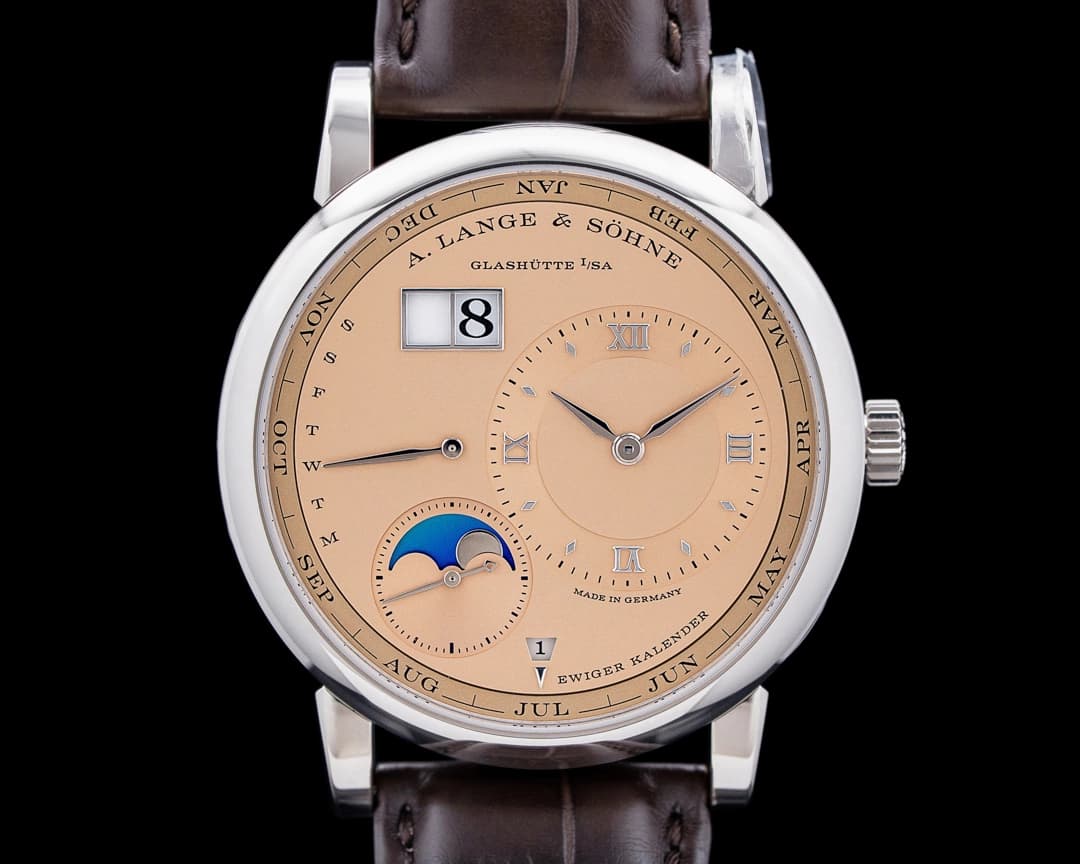
Rather than focusing on caseback engravings of edition numbers or production caps, Botheroyd noted that buyers are now looking for more meaningful signals. “They now look for real signals like true production numbers, brand restraint on reissues, and actual difficulty obtaining the watch at retail,” he said.
Long-term behavior often provides the clearest answer. “Strong secondary-market demand and sustained waitlists usually indicate genuine scarcity rather than marketing hype,” Botheroyd said. In other words, credibility is built over time, not announced at launch.
Scarcity That Still Means Something
Limited editions are not disappearing, but their role is changing. Collectors are more informed, more skeptical, and less impressed by arbitrary numbers. The brands that continue to earn trust are those that treat scarcity as a byproduct of intent, craft, or experience, rather than a shortcut to attention.
In a market saturated with “limited” watches, actual scarcity has become less about how small the edition number is and more about whether it needs to exist at all.
Shop New Arrivals
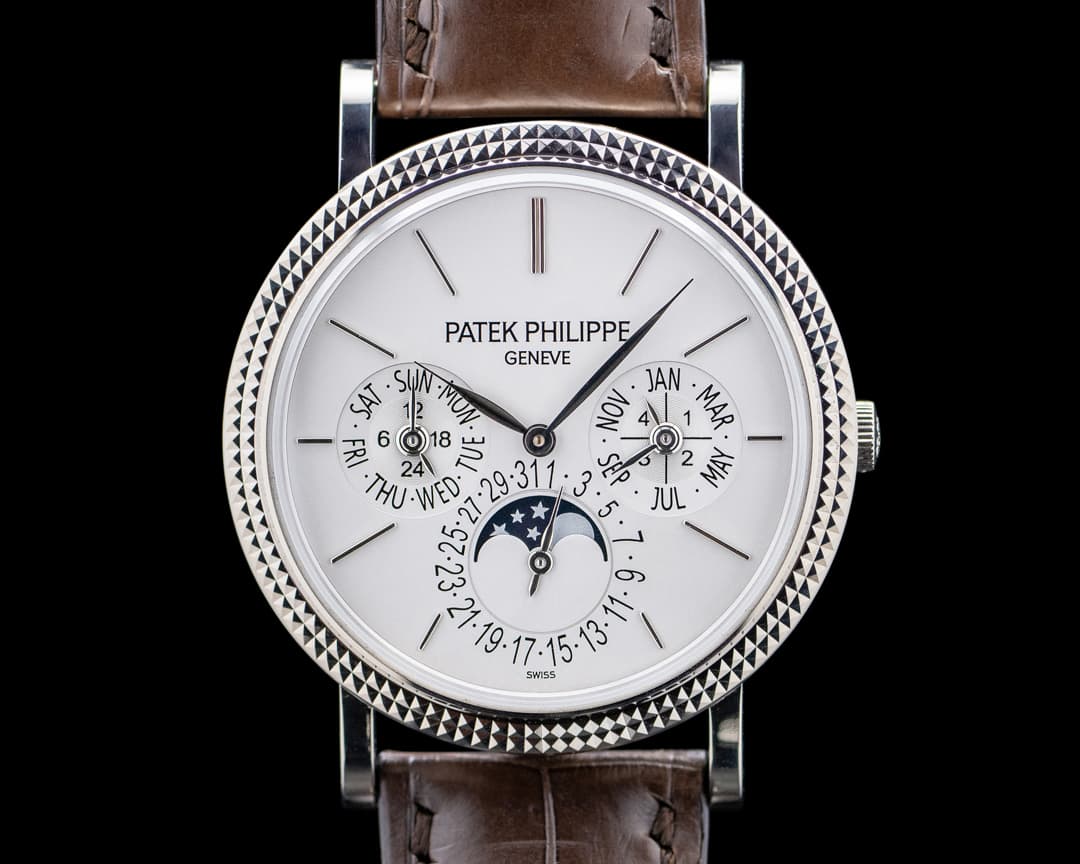
5139G-001 Perpetual Calendar 18K White Gold Silver Dial
$49,500
View Watch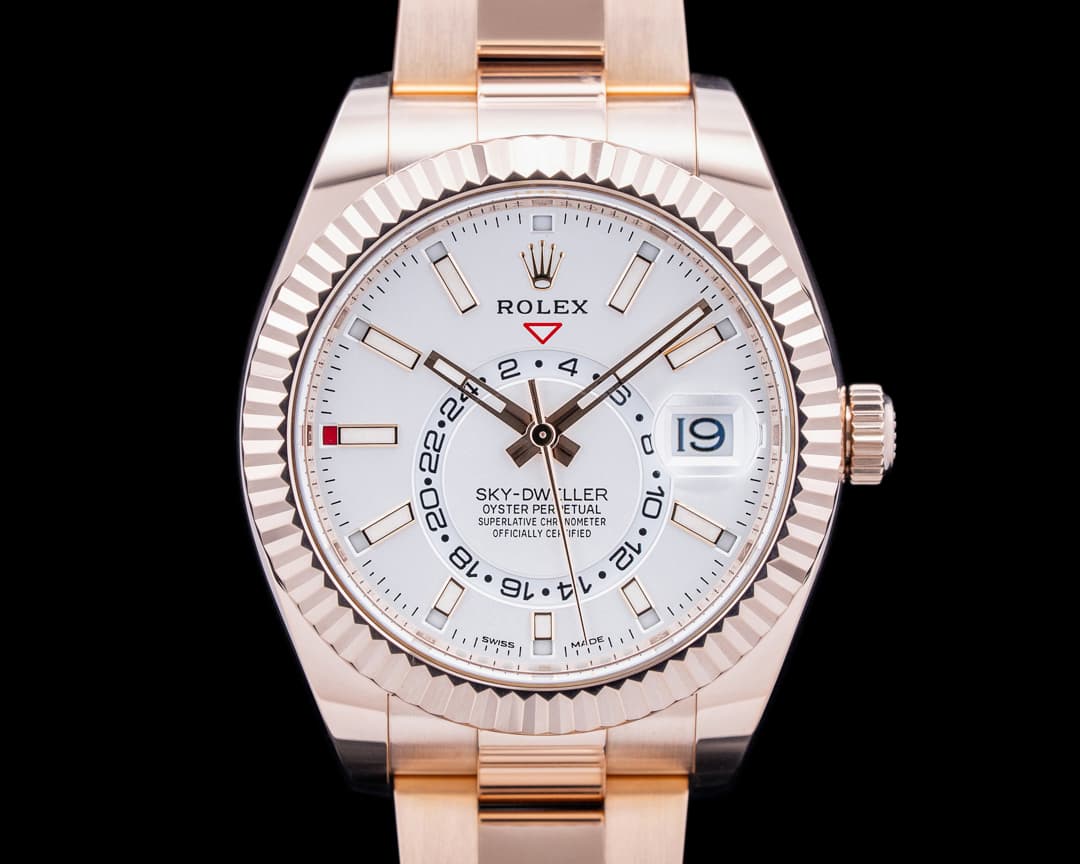
326935 Sky-Dweller 18K Rose Gold Silver Dial
$44,500
View Watch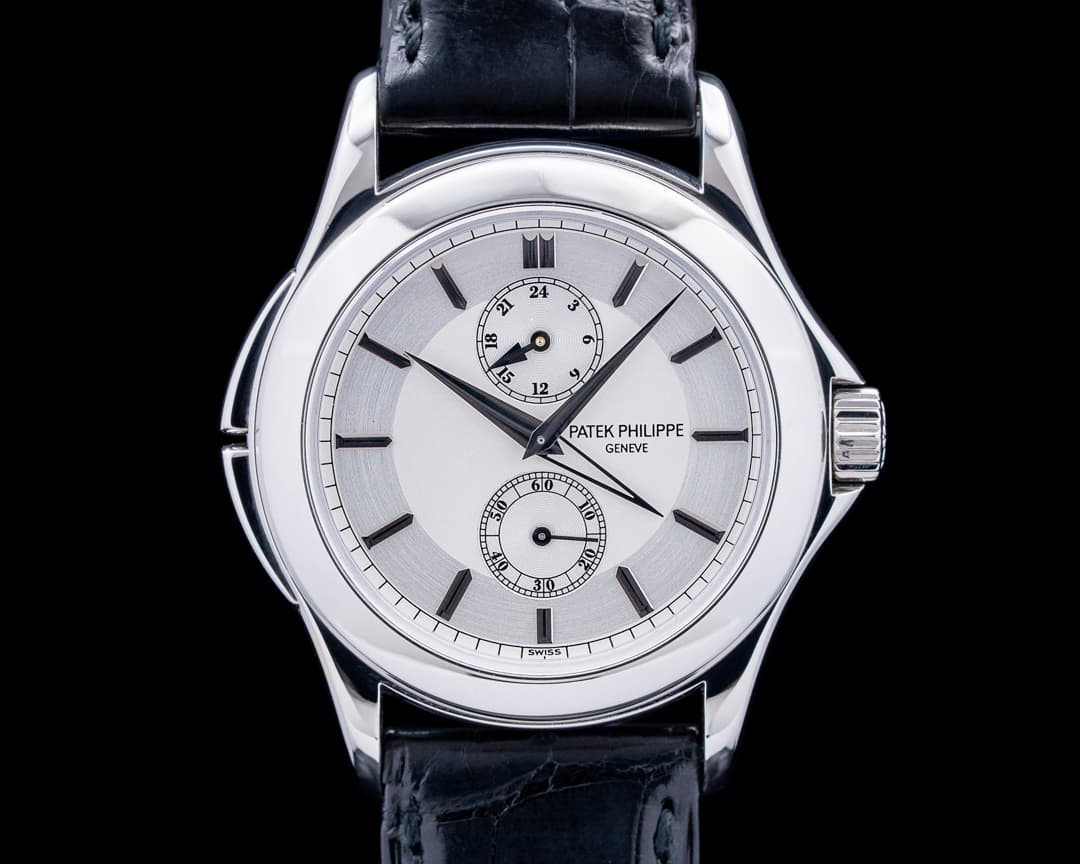
5134P Calatrava Travel Time Platinum Silver Dial
$37,500
View Watch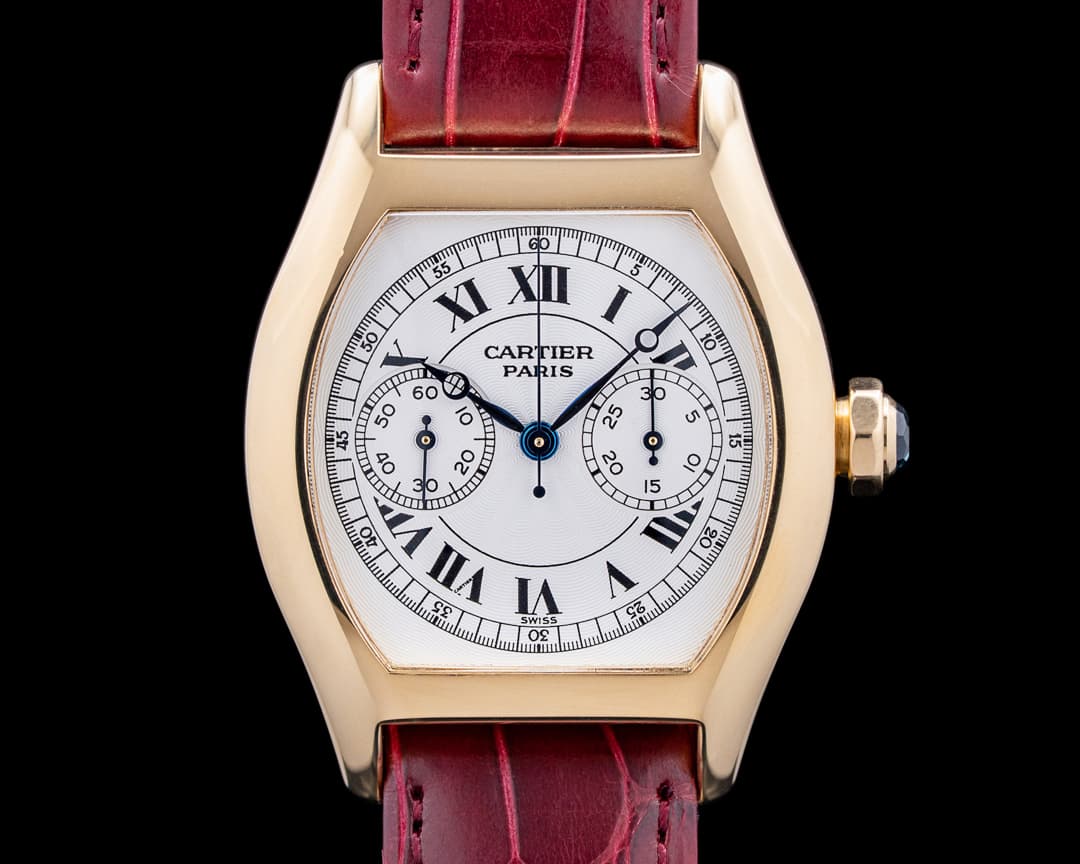
CPCP Tortue Monopoussoir Chronograph 18K Yellow Gold Silver Dial
$69,500
View Watch
Shop New Arrivals
5139G-001 Perpetual Calendar 18K White Gold Silver Dial
$49,500
View Watch326935 Sky-Dweller 18K Rose Gold Silver Dial
$44,500
View Watch5134P Calatrava Travel Time Platinum Silver Dial
$37,500
View WatchCPCP Tortue Monopoussoir Chronograph 18K Yellow Gold Silver Dial
$69,500
View Watch
More Content