Why Three Watches Is a Real Answer
One watch is a statement. It tells you what the owner cares about most when forced to pick one thing. Two watches are a pair, but a pair without internal logic: you have two pieces and no framework yet for thinking about what comes next. Three is the number where something qualitatively different happens. You have a collection with internal tension, and the tension is what makes it interesting.
Collector consensus, accumulated across years of forum conversation, lands on a similar explanation. But the framework we outline only works if you're deliberate about it: if you choose the three pieces in relation to each other, not independently.
The common objection is that a collection depends on your lifestyle. And it does. But that objection is usually deployed as an escape hatch from making a decision. "It depends" is where the thinking stops rather than where it starts. The three-watch framework doesn't ignore lifestyle; it takes lifestyle seriously enough to build around it. The person who never wears a suit has different roles to fill than the one who does. A well structured philosophy accommodates that. It doesn't pretend three watches work the same way for everyone. It gives you a method for figuring out what three watches means for you.
Step 1: Define the Roles Before You Name the Watches
The most common collecting mistake is shopping by desire and justifying it as strategy. You want a Daytona. You acquire the Daytona. You now own a chronograph and need to explain why it fits. The result is a collection of individually justified pieces with no logic between them.
Roles precede names. Define what three watches need to do for you, functionally, aesthetically, emotionally, before you open a search tab or browse inventory.
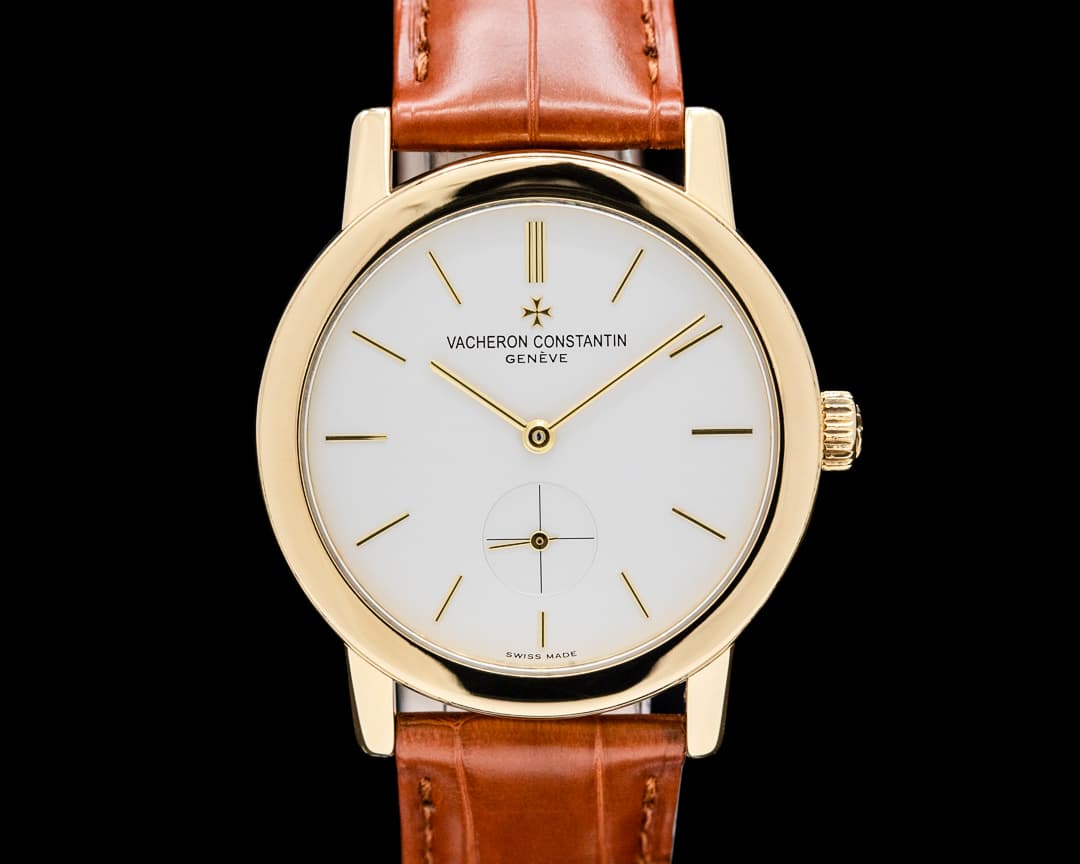
The classic triad holds: a dressy thin watch, a sport or tool watch, and a daily-wear that bridges the two. But those categories need to be real to you, not abstract. The dress watch slot doesn't mean "something I'll wear to a wedding I don't have scheduled." It means a watch calibrated for the occasions in your actual life where an integrated bracelet or a 41mm case reads as too much. For many people, that's a Patek Philippe Calatrava ref. 5196 in yellow gold: 37mm, manually wound, a dial that disappears into the wrist in any setting that calls for discretion. For others, it's an A. Lange & Söhne Lange 1 in white gold, if they want to push the dressy slot toward presence rather than restraint. The point isn't which watch. The point is knowing what the slot requires before deciding which watch fills it.
The sport slot is equally specific in practice. A dive watch covers a different set of occasions than a field watch, and a chronograph covers different territory than either. Decide whether you need water resistance and a rotating bezel, or whether the slot is really about legibility and durability and the case can stay slimmer. A Rolex Submariner ref. 124060, no date, clean dial, 41mm, fills the sport slot differently than a Breitling Navitimer or an IWC Portugieser Chronograph. They're all "sport" in the loose sense. They're not interchangeable within your collection.
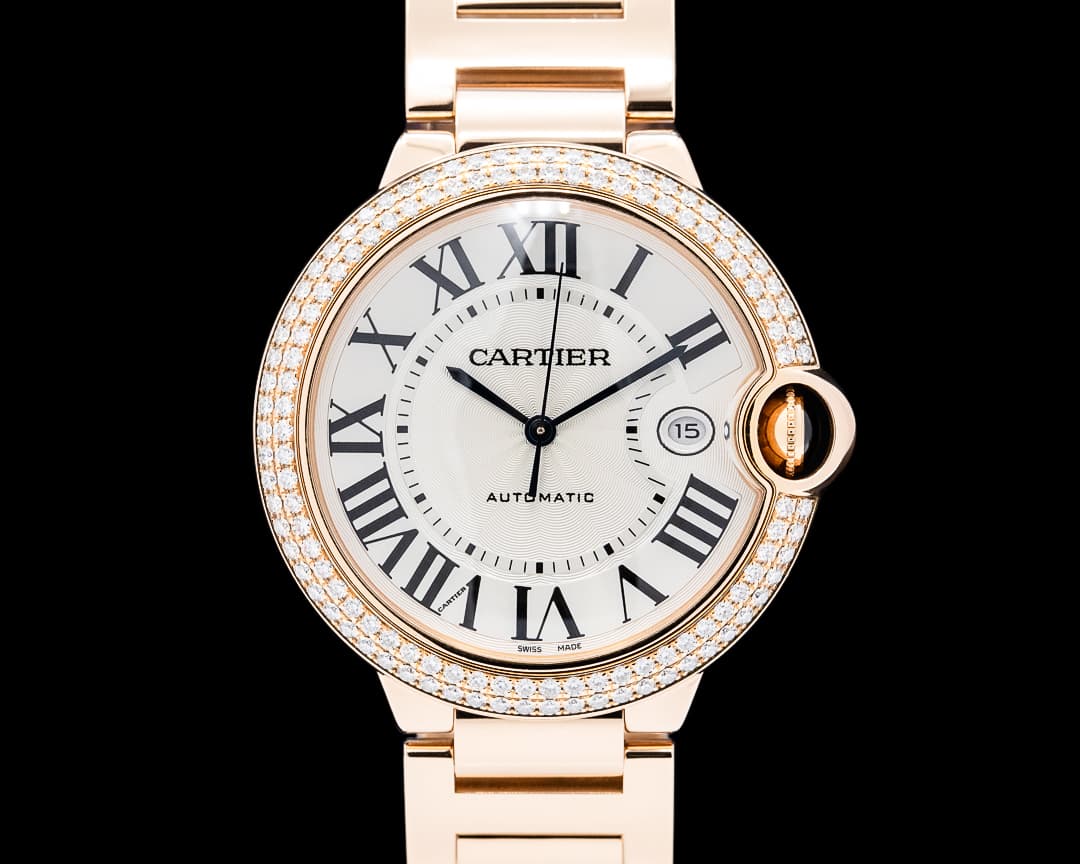
The bridge watch, the daily-wear, the one that crosses contexts, is the hardest to define because it requires honesty about how you actually move through your days. If your life is genuinely casual and your dress slot is low-traffic, the bridge might tilt sportier. If your days oscillate between meetings and outdoor weekends, it needs versatility in both directions.
Write down three roles before you name three watches. Be specific about what each role covers and what it doesn't.
Step 2: Set the Budget as a Ratio, Not a Number
Three watches at an even split sounds balanced but doesn't reflect how most collections actually work. The more honest question is whether you're building toward a centerpiece or toward equity.
Two legitimate strategies exist. The anchor model concentrates spending on one statement piece and fills the other two slots more economically. The anchor earns the collection its center of gravity: it's the watch that occasions conversation, the one you'd keep if the other two went away. The remaining two slots support and contrast without competing. At a practical level, this might mean spending the majority of your budget on a Lange 1 or a vintage Patek Philippe ref. 2526 and filling the sport slot with a well-priced pre-owned Rolex Explorer, an Omega Seamaster, or a Tudor. The anchor doesn't have to be the most expensive watch in absolute terms; it has to be the watch you're most invested in, in every sense.
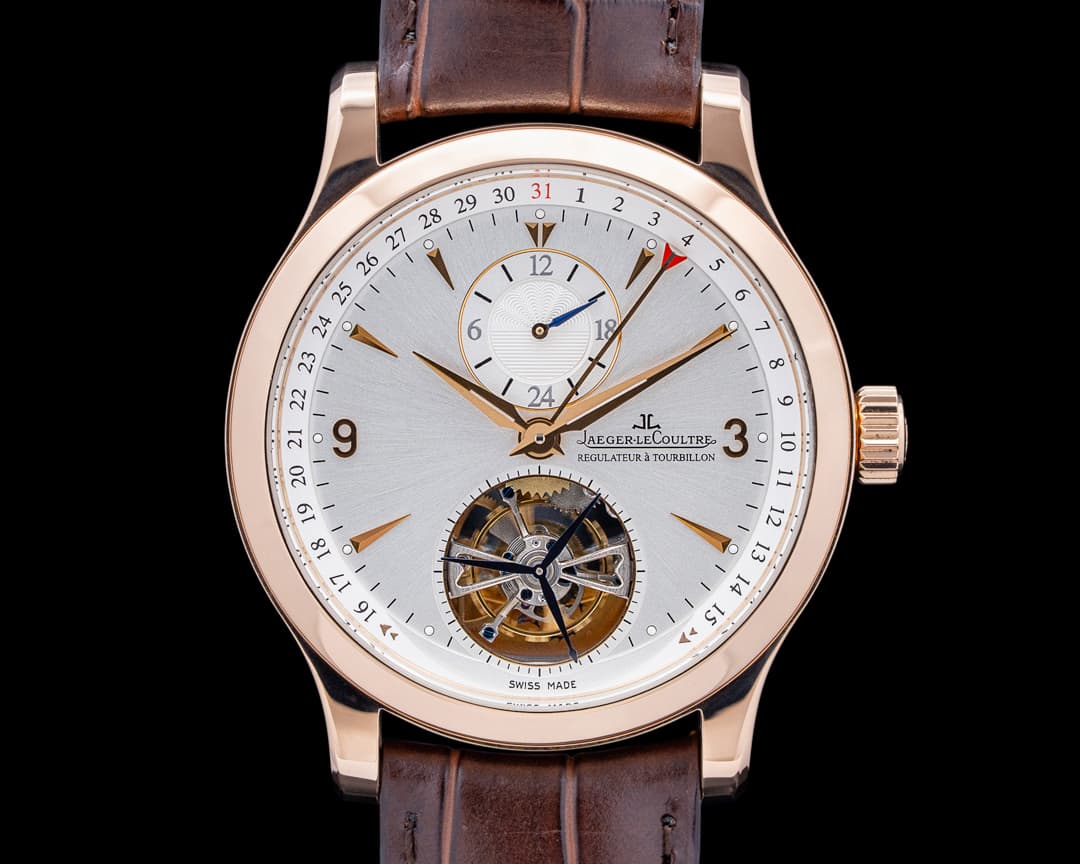
The even distribution model works best when you genuinely want three watches you'd feel equally bad about selling. No hierarchy. Three pieces at comparable price points, each fully occupying its role. This approach is harder to execute well because there's no anchor to organize around: coherence has to come from the roles and the contrast instead.
Neither model is correct in the abstract. The question is whether you're someone who collects around a thesis piece or someone who collects across a range. Know that before you set the budget. The numbers follow the instinct, not the other way around.
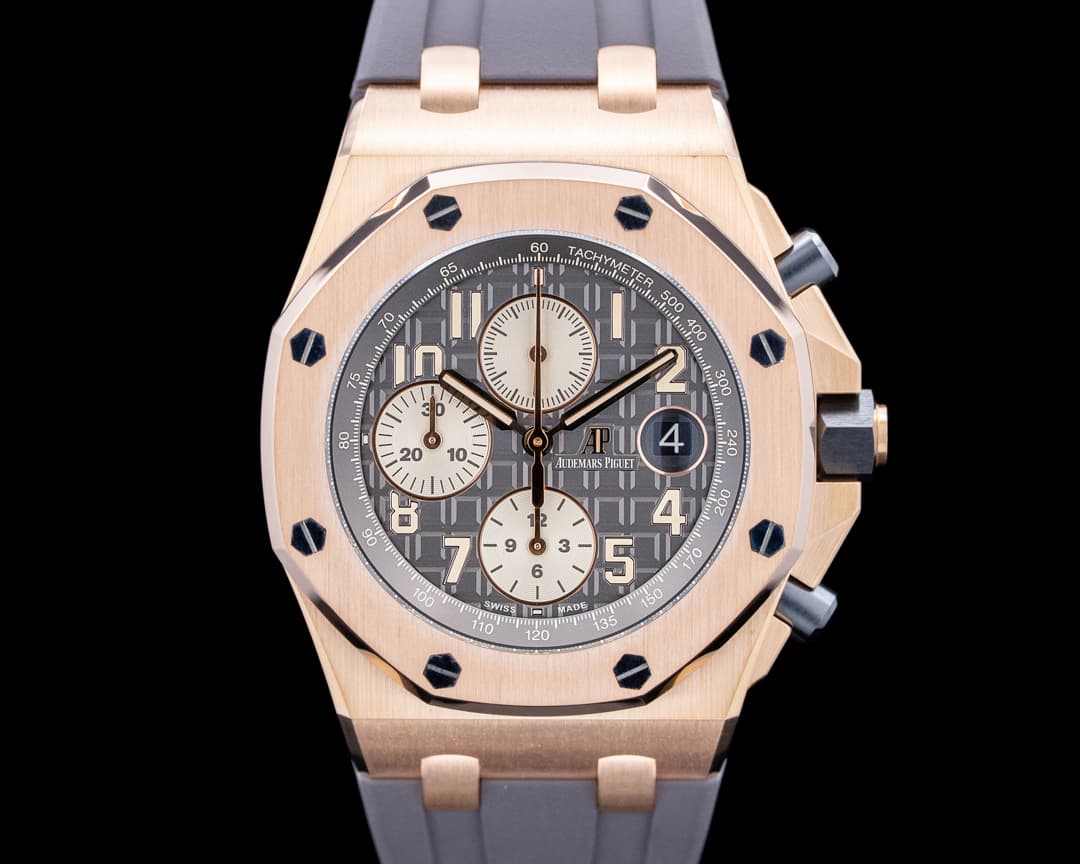
The pre-owned market changes the math considerably. Pieces that were inaccessible at retail open up when condition and provenance are assessed honestly. A pre-owned Calatrava ref. 5196 or a Lange 1 in the right generation becomes viable at a budget that would fall well short at retail. This is worth factoring into role-setting: the slot you thought required a concession might not.
Step 3: Find the Tension Point
A collection of three watches that obviously belong together is comfortable. It's also, over time, a little boring.
The best three-watch collections have at least one productive contrast, a piece that doesn't immediately fit but earns its place. An independent watchmaker against two Swiss majors. A vintage reference against two modern ones. A Japanese movement, say a Grand Seiko SBGA211 with its spring drive caliber, against two Swiss-made pieces. The contrast doesn't have to be dramatic. It has to be intentional.
What distinguishes productive contrast from mere variety is that the outlier piece says something about the collector's point of view. If two of your three watches are Rolex and the third is a Cartier Tank Américaine because you genuinely want one wrist context where the watch reads as an art object rather than a tool, that's a thesis. If the third is just a watch you bought because it was a good deal, that's an accumulation. The difference shows in how you talk about the collection.
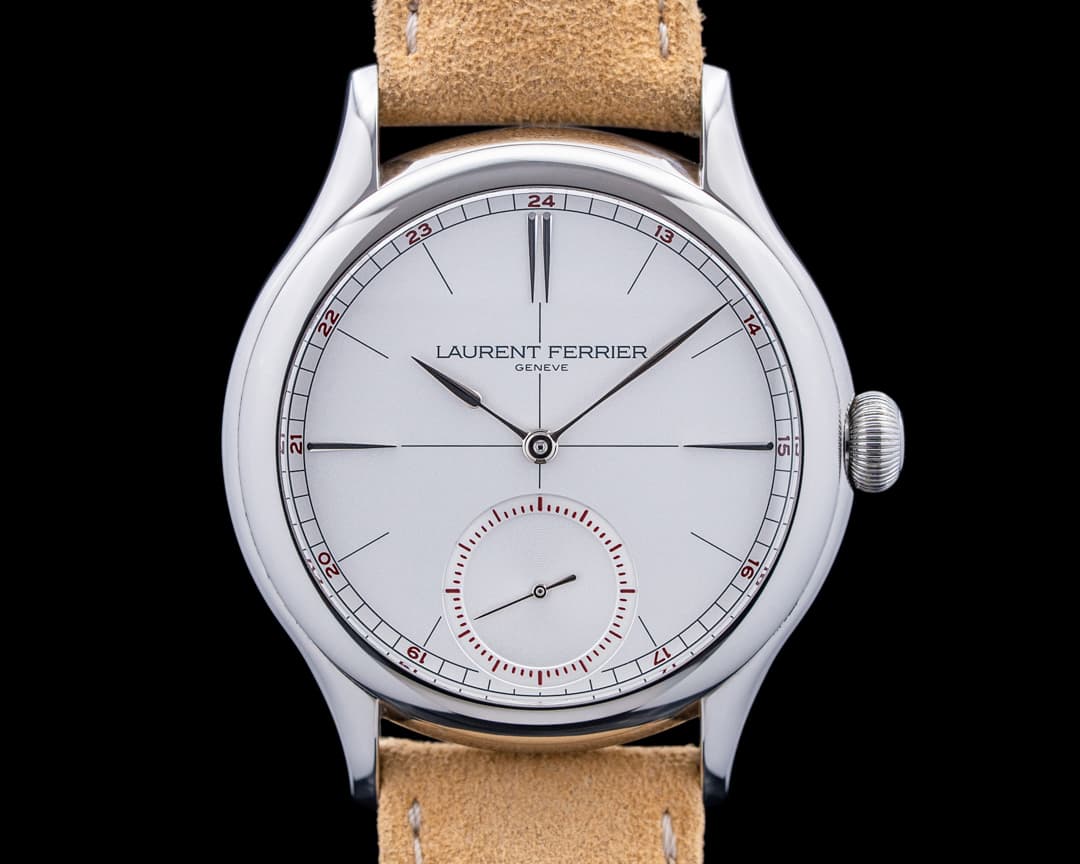
The "more of the same" trap is real. Left unchecked, collecting by affinity pulls toward a single brand, a single case shape, a single aesthetic mode: three sport watches in similar sizes, all blue dials, all on bracelets. The tension point saves you from that. It introduces a register you hadn't explored, forces a different way of wearing and thinking, and keeps the collection interesting as the years pass.
Name the tension point before you finalize the lineup. Ask what piece, in its role, is doing something different from the other two. If the answer is "none of them," reconsider one slot.
Step 4: Audit for Redundancy and Gaps
Lay out your three candidates, not as names, as watches. Case size, dial palette, complication spread, strap or bracelet. Now look at them together.
Do two of them occupy the same wrist territory? Case size is the most common redundancy: a 40mm sport watch and a 42mm daily-wear overlap more than they complement. Dial palette is the second: three dark dials with no contrast don't give you range. Complication spread matters less than the other two, but two chronographs in a three-watch collection means one of them probably doesn't need to be there.
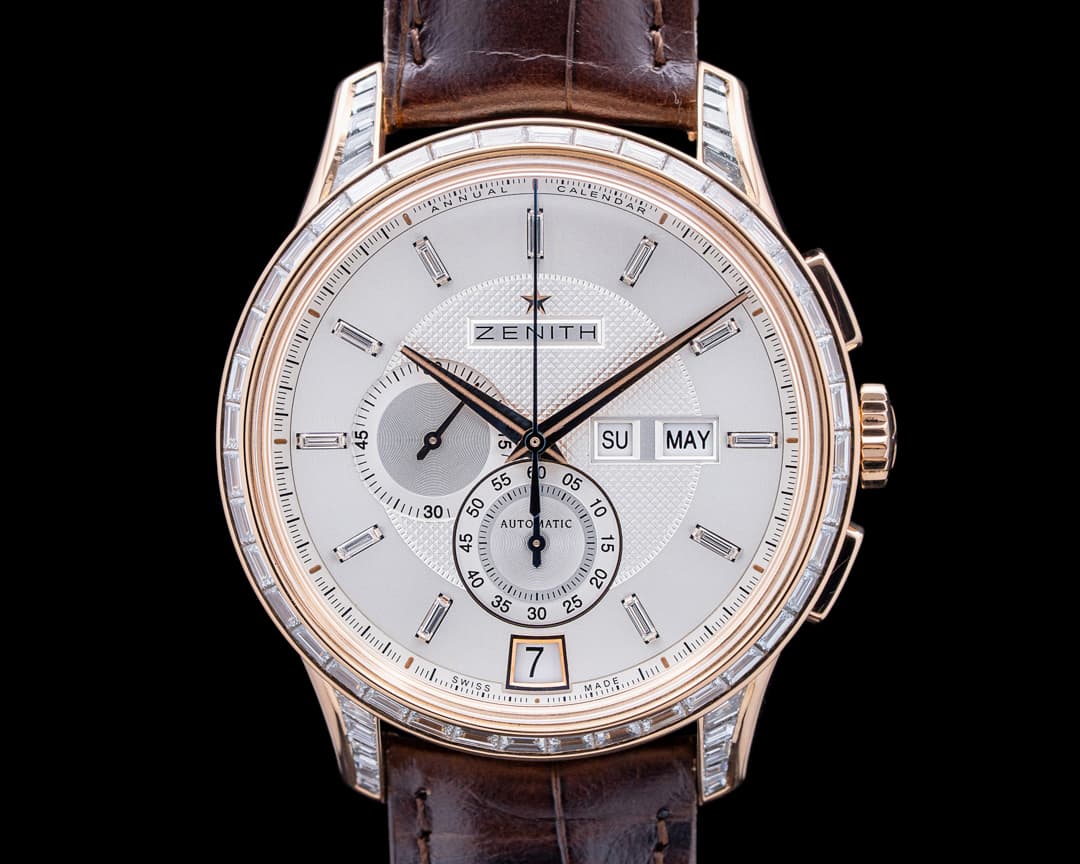
The strap and bracelet mix is underrated as an audit dimension. A collection that's all stainless bracelet, all the time, is missing the register a leather or rubber strap creates. Not because variety is inherently valuable, but because different straps serve different contexts, and if your three watches are supposed to cover different contexts, the wearing experience should reflect that.
The audit questions are these: Does each watch need the other two? Does removing one leave a real gap, or does the remaining pair cover most of what you were doing? If two of your three candidates are largely interchangeable, you have redundancy. Consider replacing it with something that fills the gap the pair isn't covering unless that overlap is precisely the point.
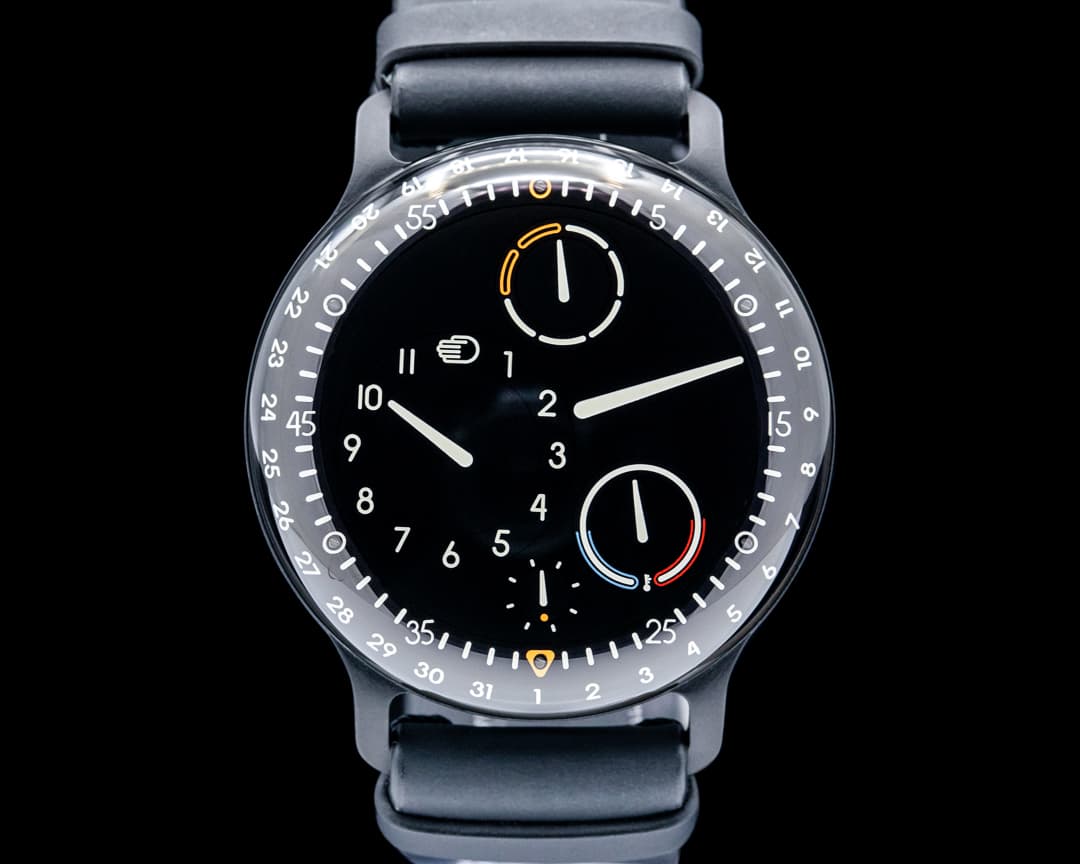
This is a cold exercise. It's meant to be. The goal is a collection where all three pieces are pulling their weight, where the logic between them is visible and defensible, not just felt.
Building a Collection You'll Actually Wear
Three watches with a thesis is more interesting to live with than twelve watches without one. That's not a romantic argument; it's a practical one. A tighter collection is easier to wear fully, easier to know deeply, easier to explain to yourself when you're deciding whether to add or subtract.
The constraint is the point. Forcing a choice between three slots makes the stakes of each choice real. You can't acquire your way out of a gap; you have to think your way out. The result is a collection that coheres, that has an internal logic a stranger could read, if they knew what to look for.
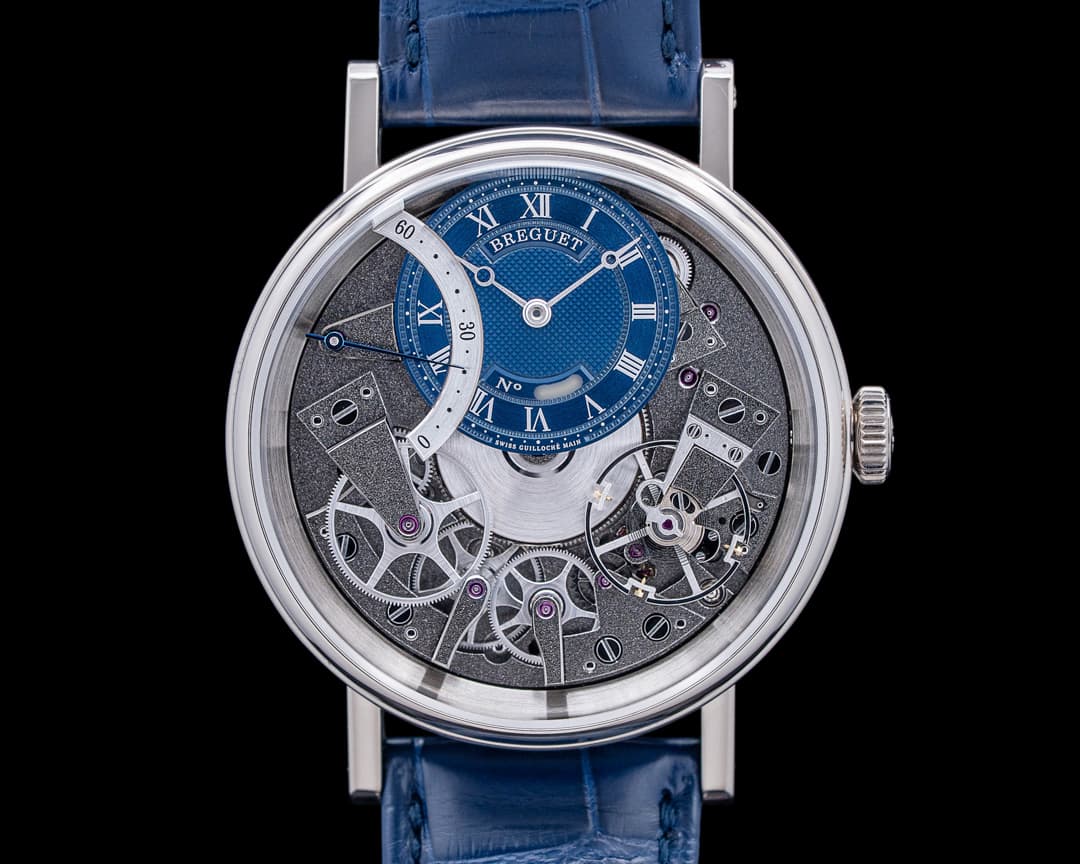
The framework here is four moves: roles before names, budget as a ratio rather than a ceiling, a deliberate tension point, and an honest redundancy audit. Run all four before you commit. The collection on the other side is smaller and more considered. It's also the one you'll actually wear.
Shop New Arrivals
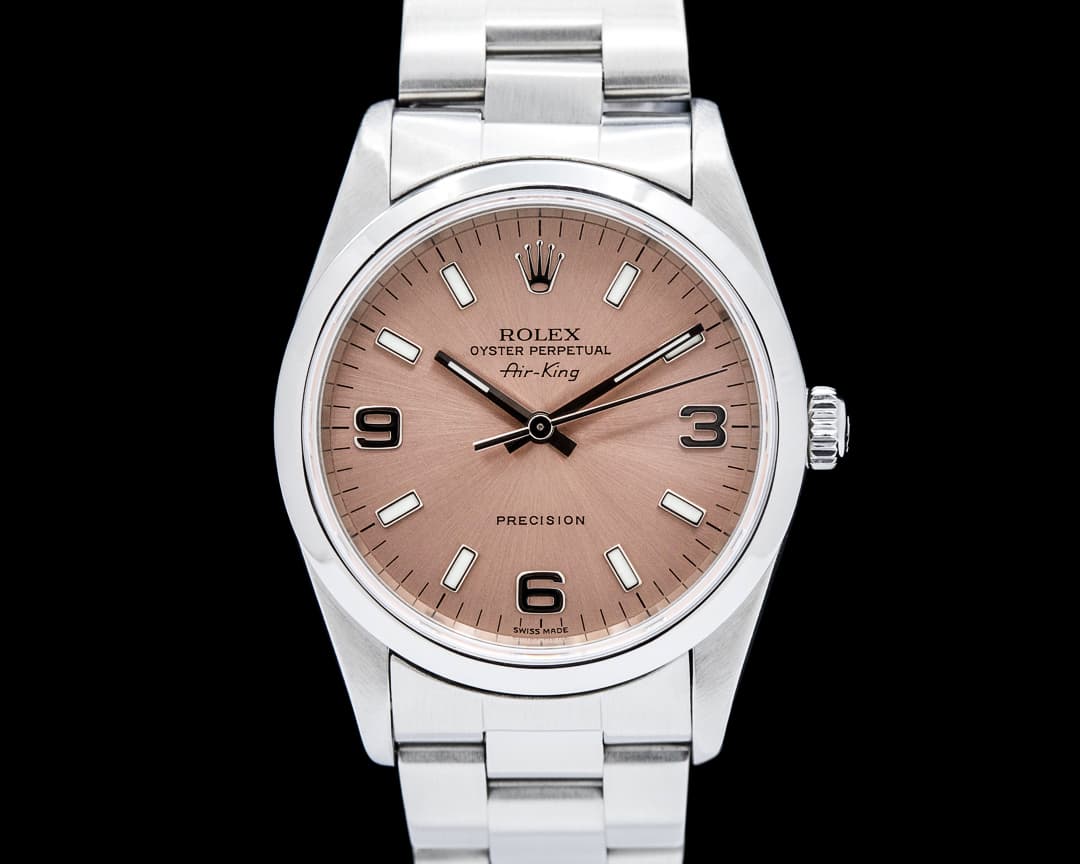
14000 Air King SS Salmon Dial
$5,750
View Watch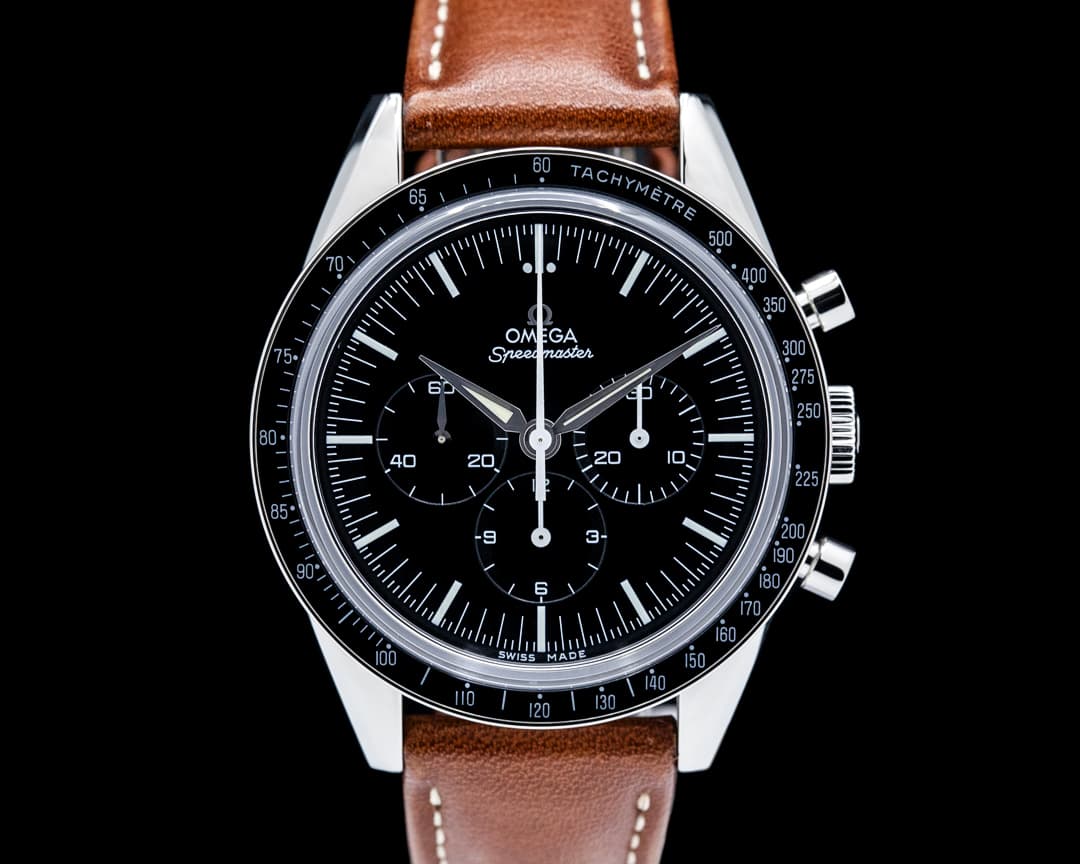
Speedmaster First Omega in Space SS Black Dial
$6,500
View Watch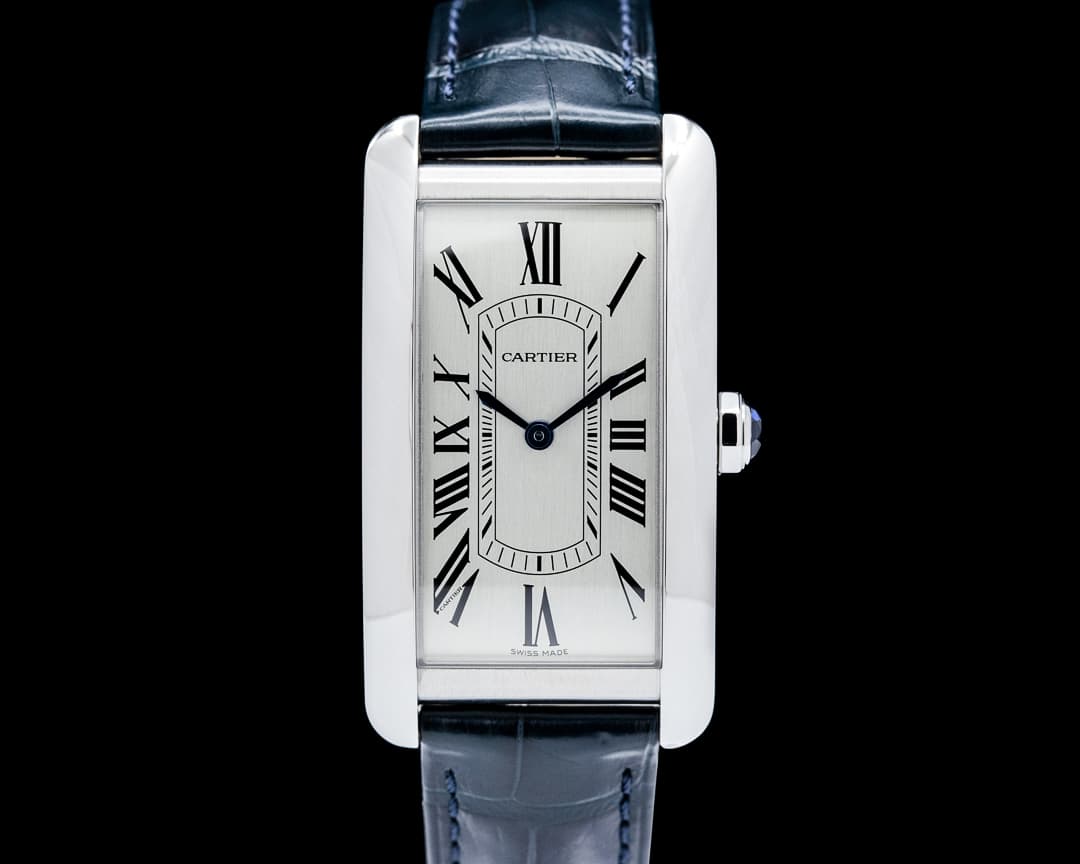
WSTA0083 Tank Americaine Large SS Silver Dial 2026
$6,350
View Watch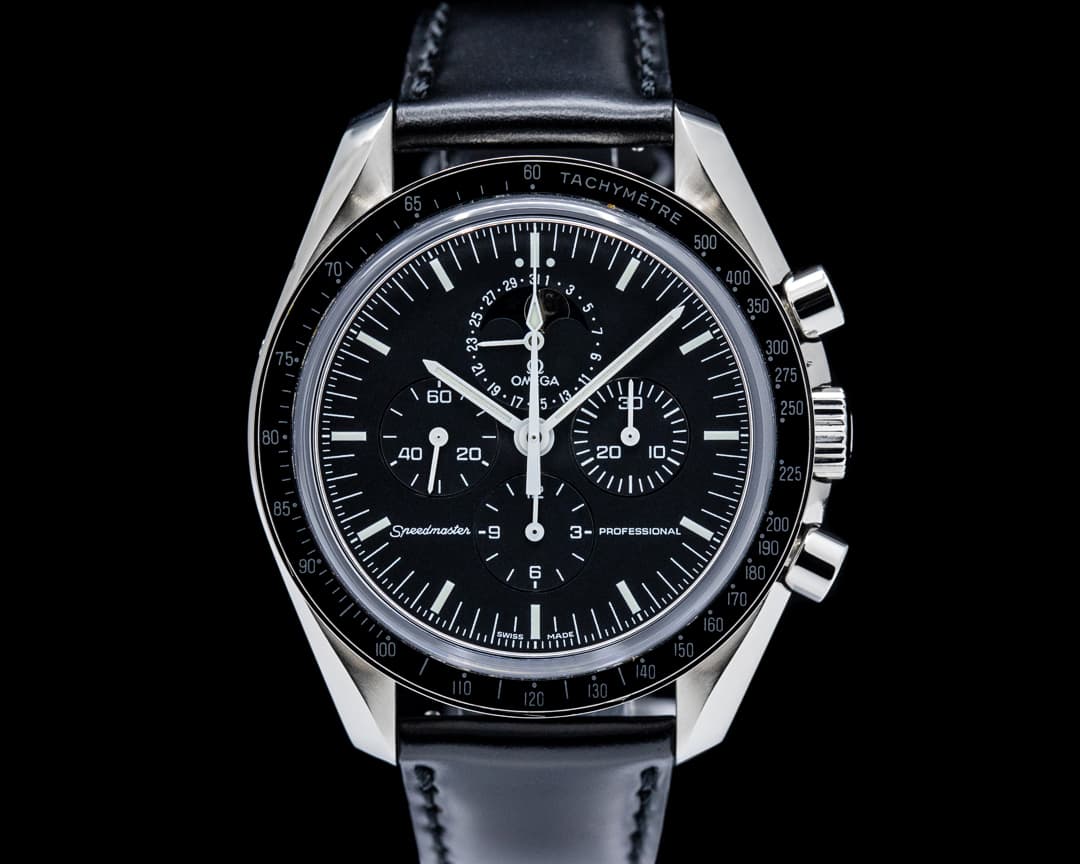
3876.50.31 Speedmaster Professional Moonphase SS Black Dial
$7,350
View Watch
Shop New Arrivals
14000 Air King SS Salmon Dial
$5,750
View WatchSpeedmaster First Omega in Space SS Black Dial
$6,500
View WatchWSTA0083 Tank Americaine Large SS Silver Dial 2026
$6,350
View Watch3876.50.31 Speedmaster Professional Moonphase SS Black Dial
$7,350
View Watch
More Content