Is the Blancpain Leman the Smartest Way to Buy Into the Brand Right Now?
Published on 3/24/2026
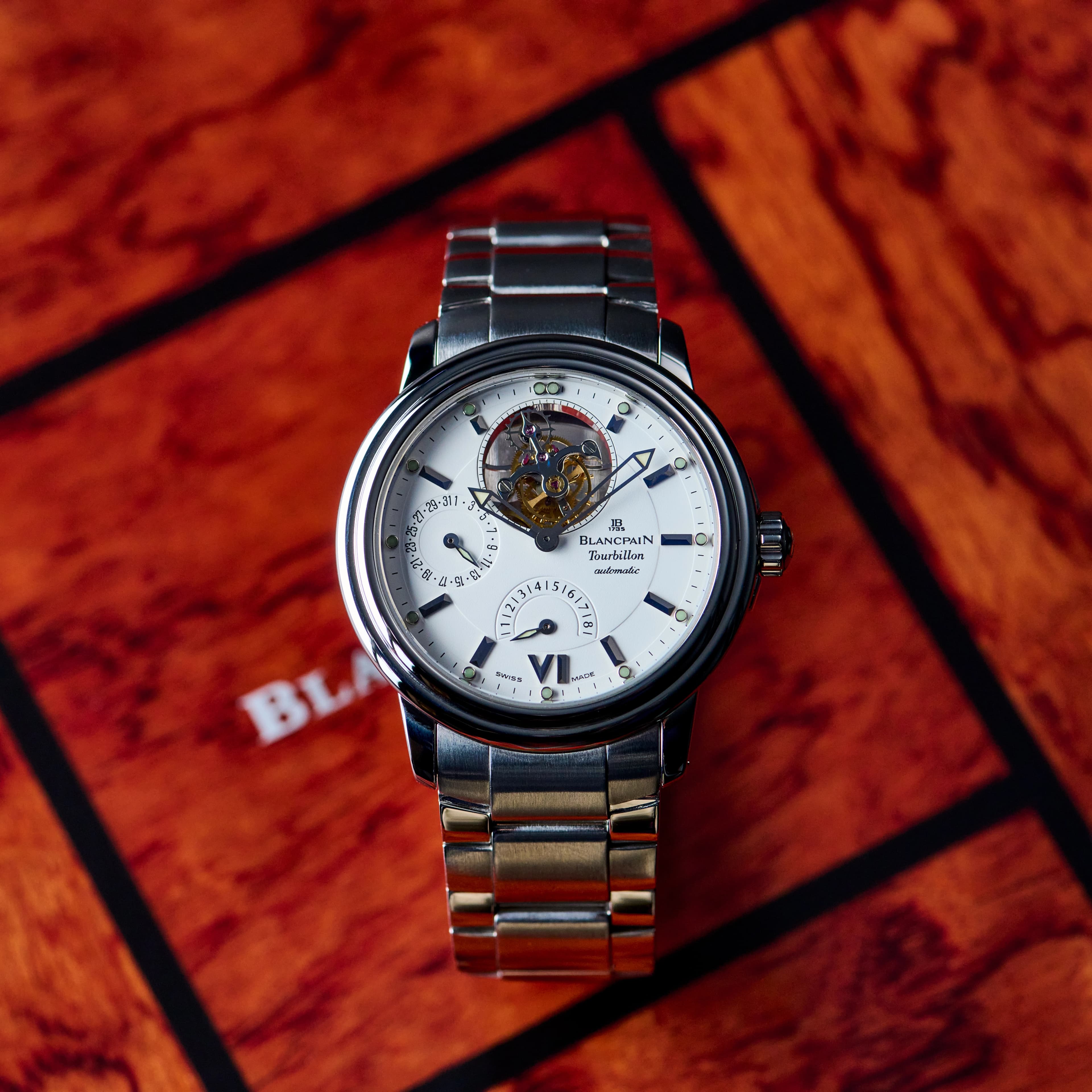
The Blancpain Leman collection occupies an unusual position in the brand’s history. For more than a decade, it served as one of Blancpain’s central pillars, offering a modern platform for a wide range of complications and designs. Today, it sits largely outside the spotlight.
In a market where many collectors focus on the Fifty Fathoms or the Villeret line, the Leman’s relative lack of fanfare makes it particularly interesting. It offers a combination of strong design, serious watchmaking, and accessible pricing that is increasingly difficult to find in the overall market.
A Forgotten Pillar of Blancpain
Introduced during the 1990s, the Leman collection marked a clear shift in Blancpain’s direction. “In the 80s, when Jean-Claude Biver and Jacques Piguet headed Blancpain, the house began with a singular focus and style defined by the watches,” explained Jeff Kingston, a long-time Blancpain historian and specialist. “The Leman series introduced a new aesthetic which was meant to be more contemporary.” That shift brought larger case sizes, more expressive dial elements, and a broader visual identity.
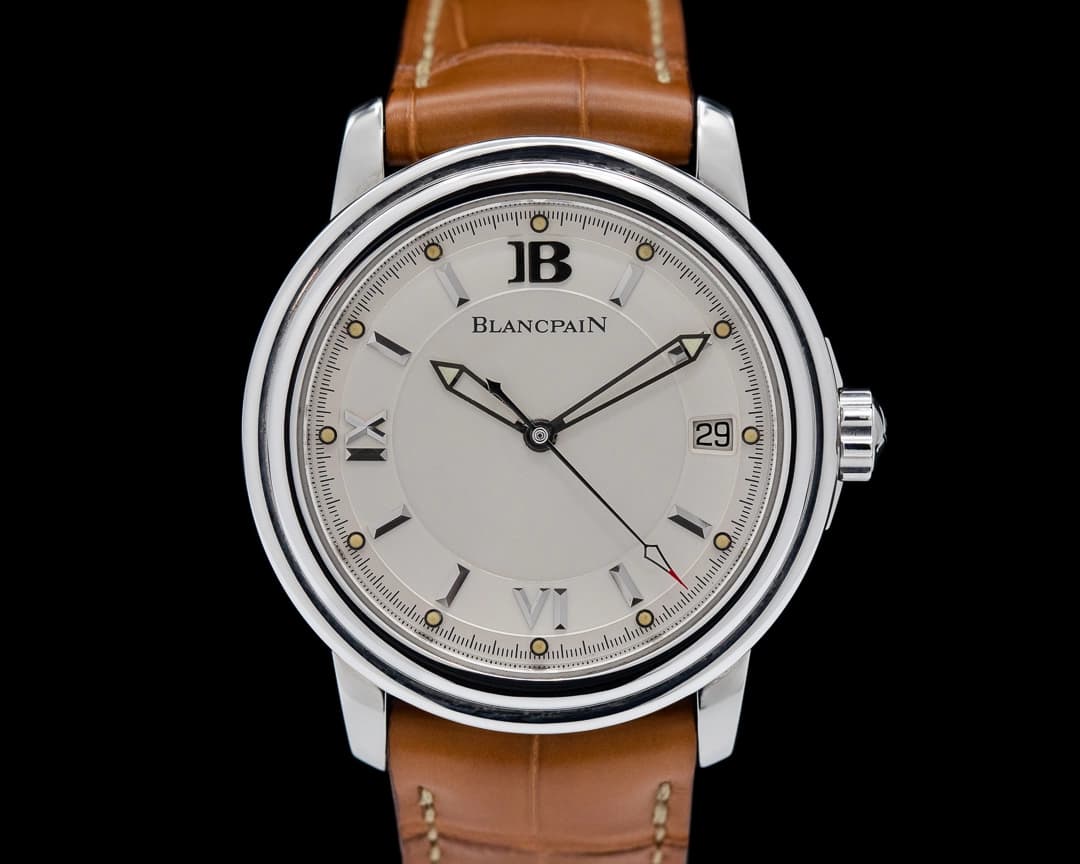
Within Blancpain’s lineup, the Leman filled an important role. It sat alongside both the classically styled Villeret models and the more specialized high-complication pieces, offering a flexible platform that could accommodate a wide range of complications.
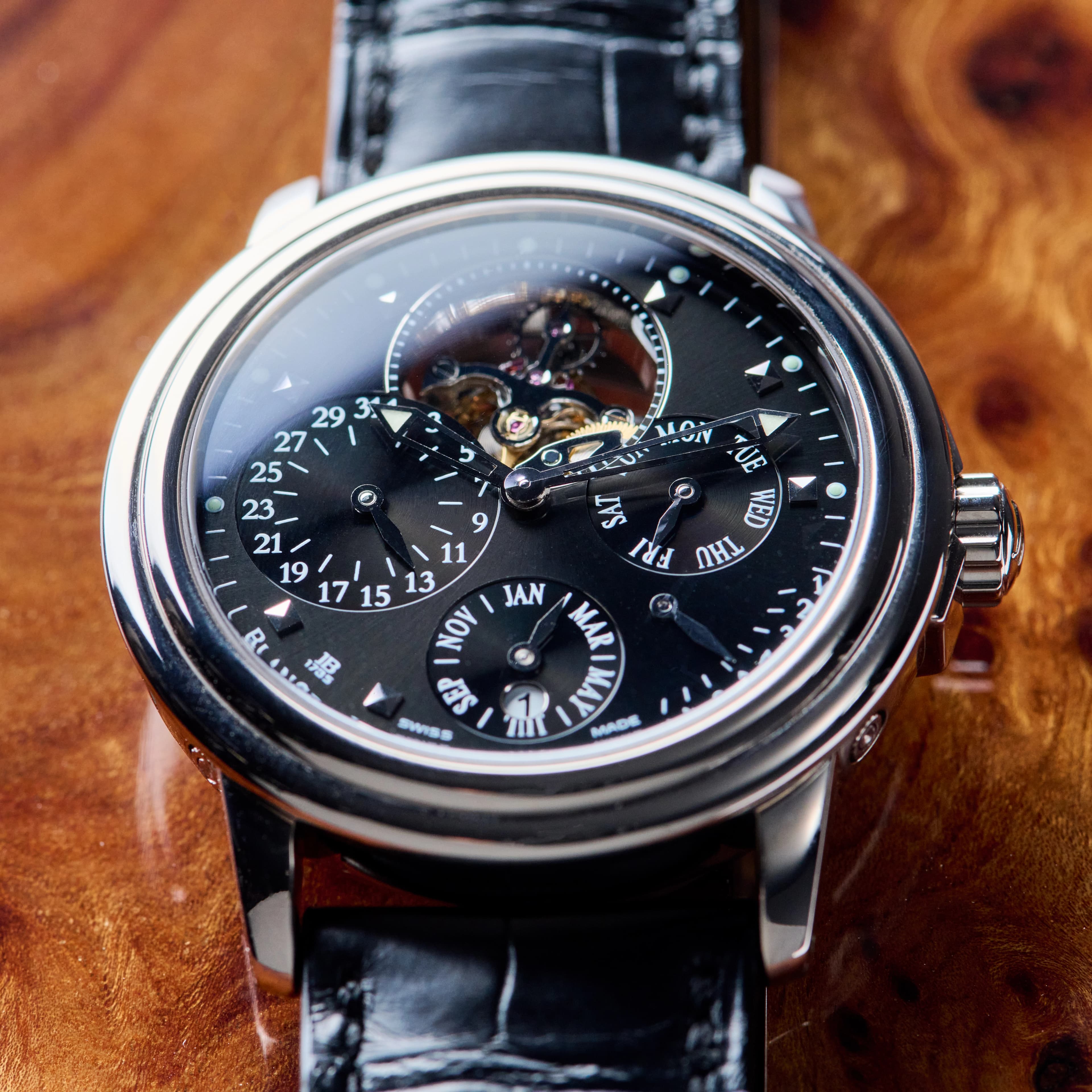
The breadth of the collection was significant. Time-only models, complete calendars, mechanical alarms, flyback chronographs, perpetual calendars, and tourbillons all appeared within the Leman range. Rather than being a niche series, it was one of the brand’s primary vehicles for modern watchmaking during this period.
A Design That Has Aged Better Than Most
One of the defining strengths of the Leman collection is its design language. The cases are rounded and fluid, with integrated lugs that create a natural transition to the wrist. Polished surfaces and curved profiles give the watches a refined presence, while the overall proportions remain balanced and wearable.
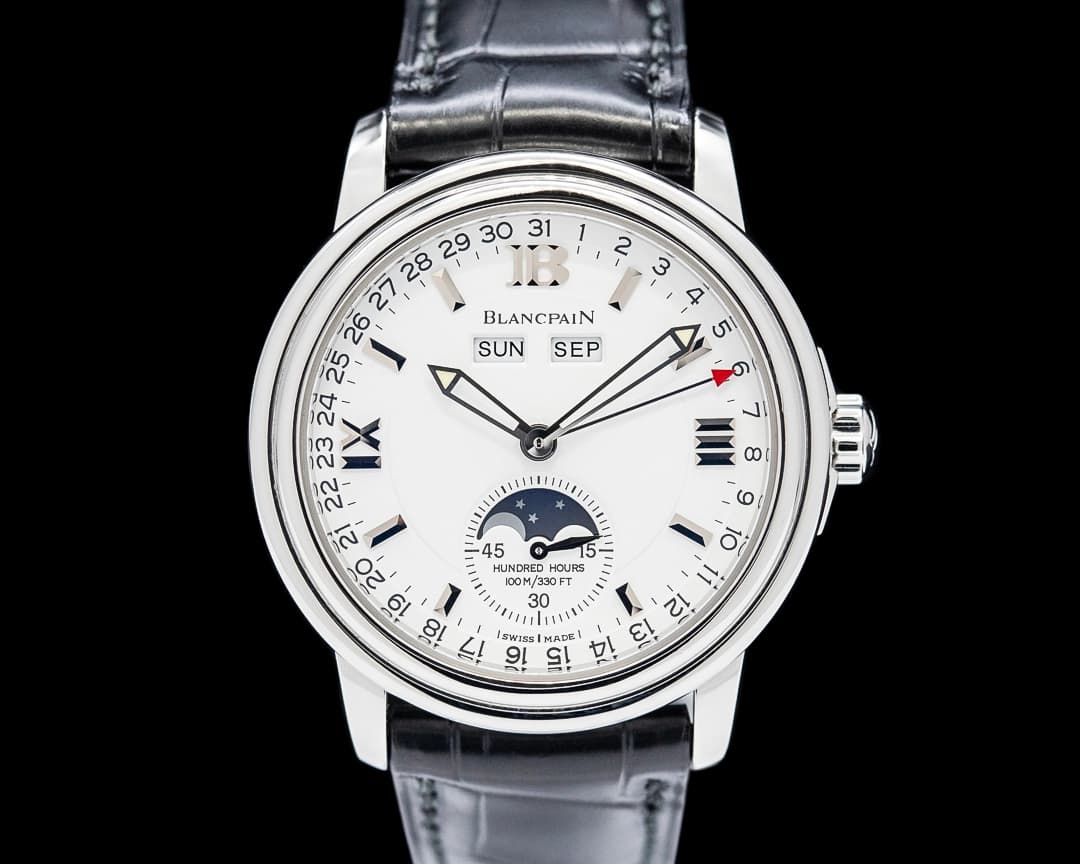

Importantly, the Leman avoids extremes. It does not lean too far into formal dress watch territory, nor does it adopt the aggressive styling seen in many early 2000s sports watches. Instead, it occupies a middle ground that feels versatile. That balance has allowed the design to age well. Compared to many watches from the same era, the Leman feels neither dated nor overly tied to a specific trend.
The Neo-Vintage Sweet Spot
The Leman collection sits firmly within what is now often described as the neo-vintage era. This period offers an interesting balance. You get modern construction, reliable movements, and strong finishing, without the size inflation or design excess that followed in later years. Case sizes remain wearable, proportions feel considered, and the watches retain a sense of restraint that has become increasingly rare.
“With watch aficionados active in the mid 1990s to early 2010s, the Leman has been a very visible and highly respected model line,” said As Henrik Schwiening, a long-time Blancpain collector and founder of Blancpainblog. He added that many collectors from that era “mourn the discontinuation until today.”
For newer collectors, however, the story is different. “For watch enthusiasts coming to the hobby over the past 15 years, the Leman was not part of the current market for new watches, therefore visibility was limited,” Schwiening noted. “This coincided with the popularity of ever larger watches and also the dominance of dive watches,” he continued.
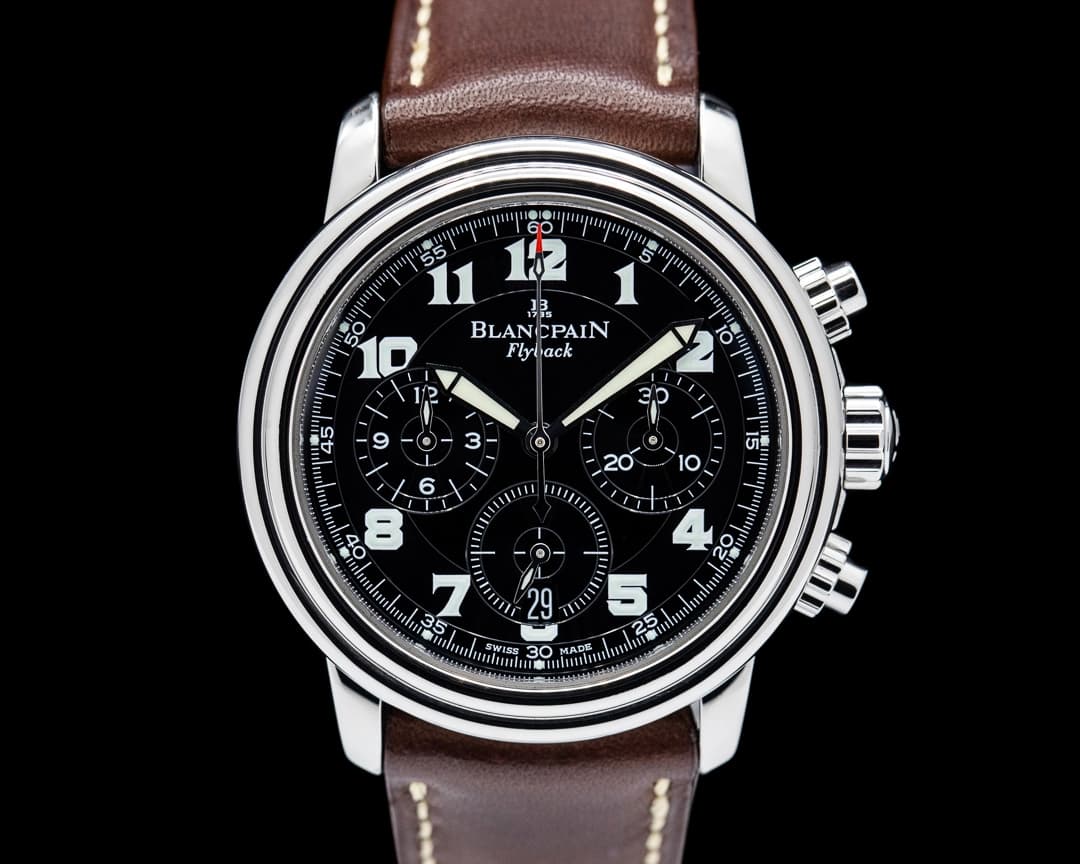

At the same time, Schwiening highlighted what made the collection distinctive. “The Leman was a unique blend of modern Blancpain’s classic complications and a casual, more sporty appearance,” he said, pointing to details such as “100 meters of water resistance and case diameters of 38 and 40mm.” He also emphasized that key models like the flyback chronograph and the Aqua Lung Grande Date “can be rightfully called icons.”
Serious Watchmaking, Still Within Reach
Beyond design, the Leman collection also played a key role in advancing Blancpain’s technical direction. “The 1150 was a game changer: it featured two mainspring barrels and achieved a 100-hour power reserve,” Kingston said. At a time when most watches relied on single-barrel constructions and around 40 hours of autonomy, that shift marked a clear step forward. It also “opened the door for constructions that we take for granted today,” he said, positioning the Leman as an early driver of longer power reserves and multi-barrel architecture.
The collection also helped re-establish key complications. Kingston pointed out that the era saw the classic flyback chronograph return at a time when such complications had largely disappeared, alongside technically ambitious pieces like perpetual calendars.
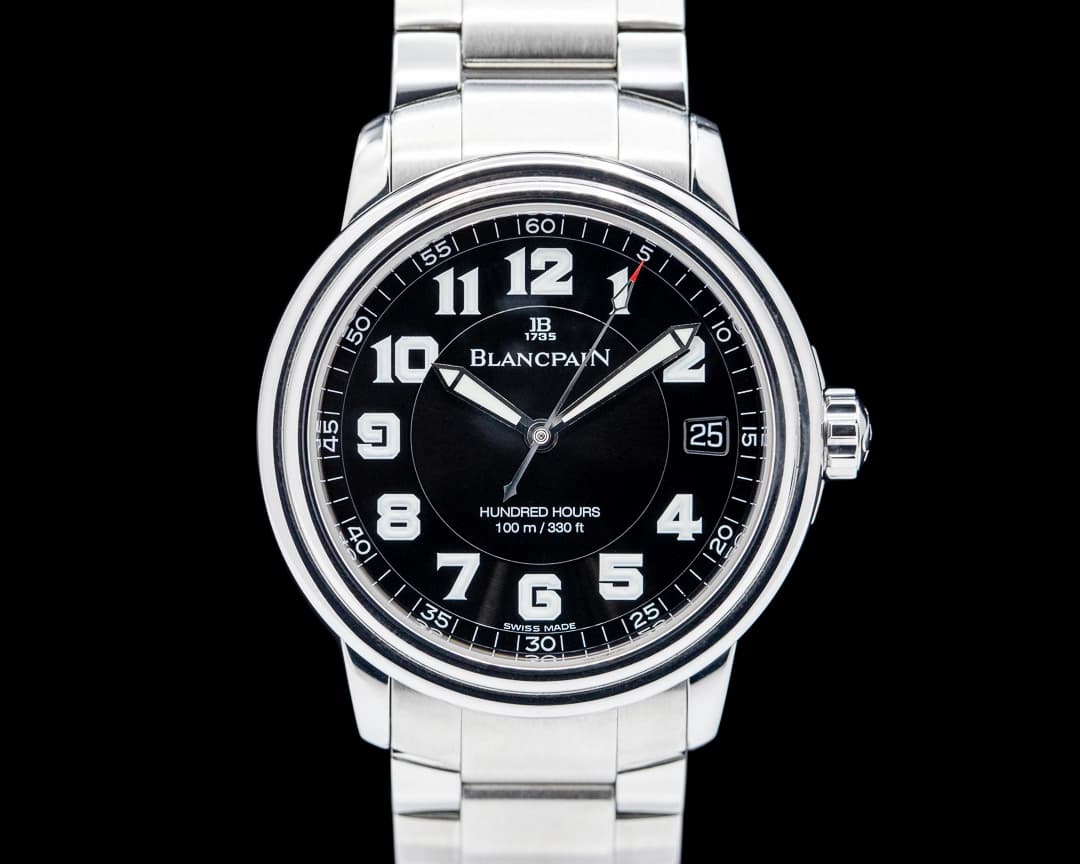

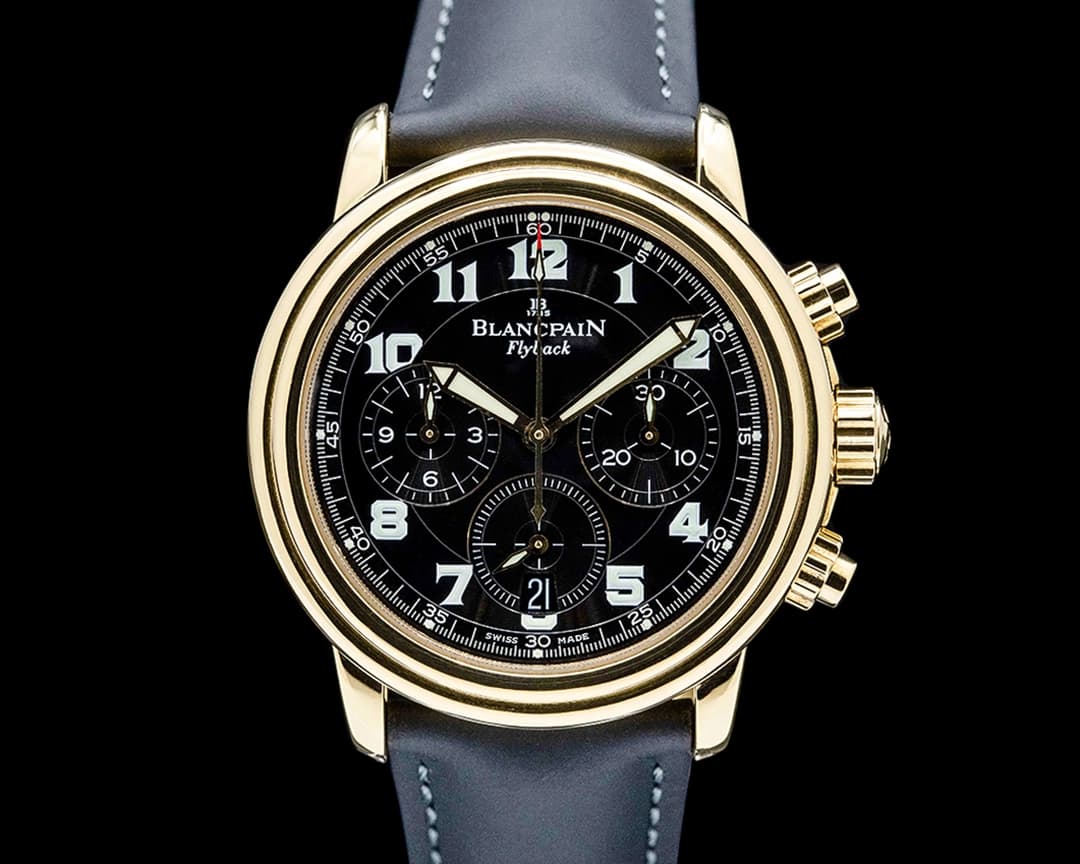
From a market perspective, this creates a compelling value proposition today. “The neo-vintage Leman lineup is genuinely compelling from a value standpoint right now,” said David Cote, a watch specialist at European Watch Company who works closely with collectors across both modern and neo-vintage markets. He also highlighted references such as “the ref. 2100 with its 100-hour power reserve, the 2185F flyback chronograph, and perpetual calendar models,” noting that they offer “seriously impressive movements for a fraction of what a comparable modern Blancpain would set you back.”
Why Has the Leman Stayed Under the Radar?
Despite its importance within Blancpain’s catalog, the Leman collection remains relatively overlooked. Part of this comes down to positioning. “The collection was sandwiched between two other collections: classic Villeret and high complications,” Kingston explained. He added that this overlap “became a bit too confusing,” with lines blurring into one another rather than forming distinct identities.
That lack of clarity, combined with shifting market trends, may have contributed to the Leman’s lower profile today. As Schwiening’s perspective suggests, this is less a reflection of the watches themselves and more a result of changing visibility over time. For collectors, that disconnect creates an opportunity.
Three Ways to Approach the Leman
A few references help illustrate just how versatile the Leman collection can be.
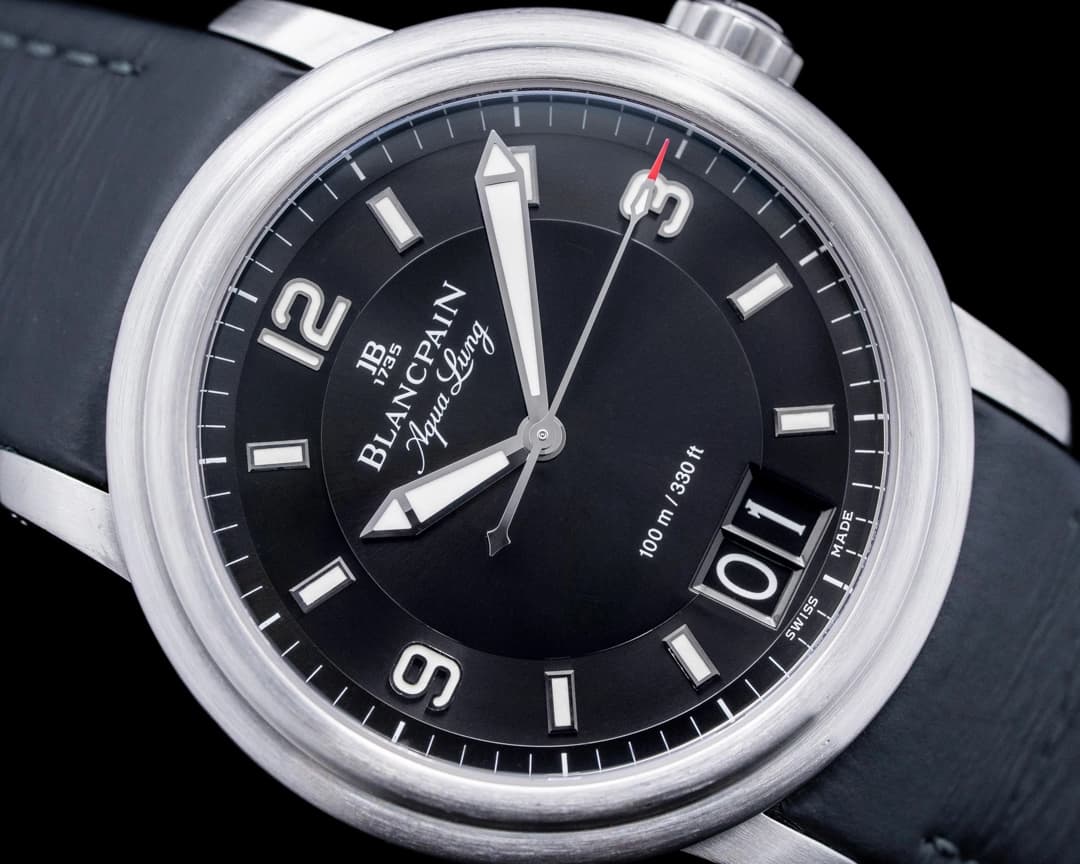

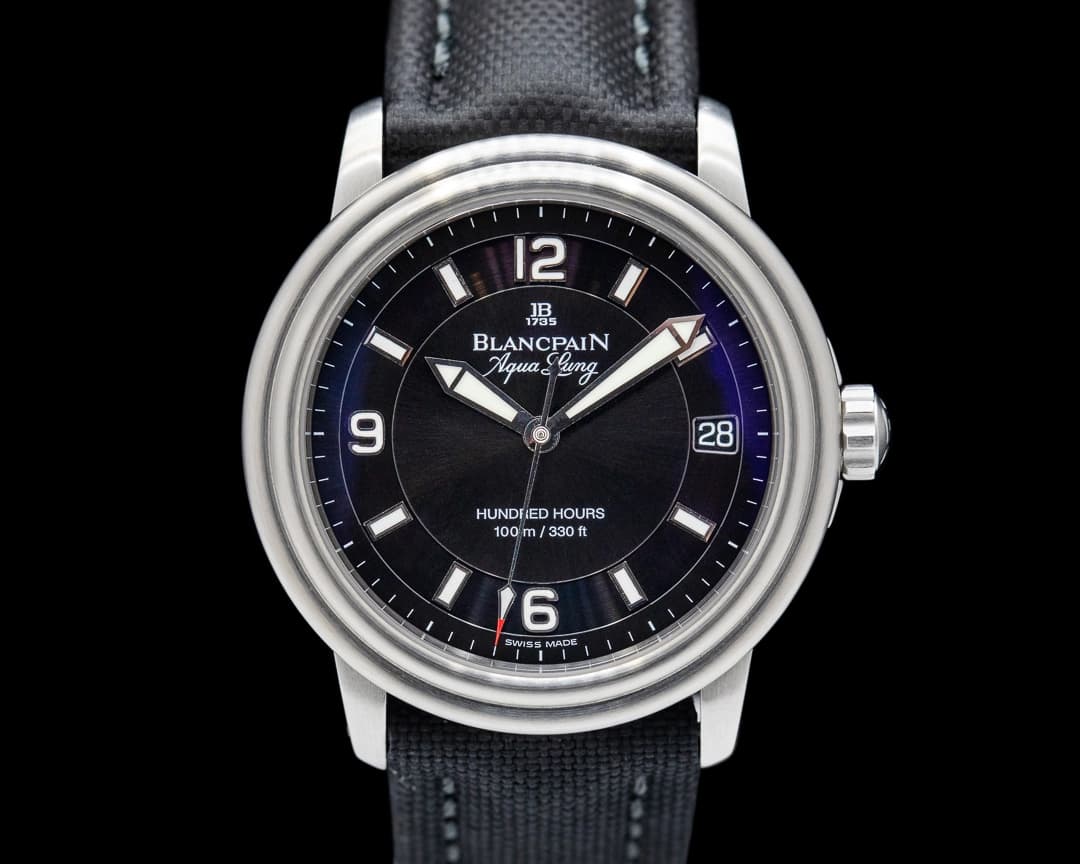
Cote described the Blancpain Aqua Lung Big Date as “the poster child of the modern Aqua Lung concept,” pointing to its balance between tool-watch roots and refinement. That balance is immediately apparent in the design, which remains clean and highly legible while still feeling considered rather than purely functional. The result is a watch that leans slightly more instrument-driven without losing the versatility that defines the wider Leman line.
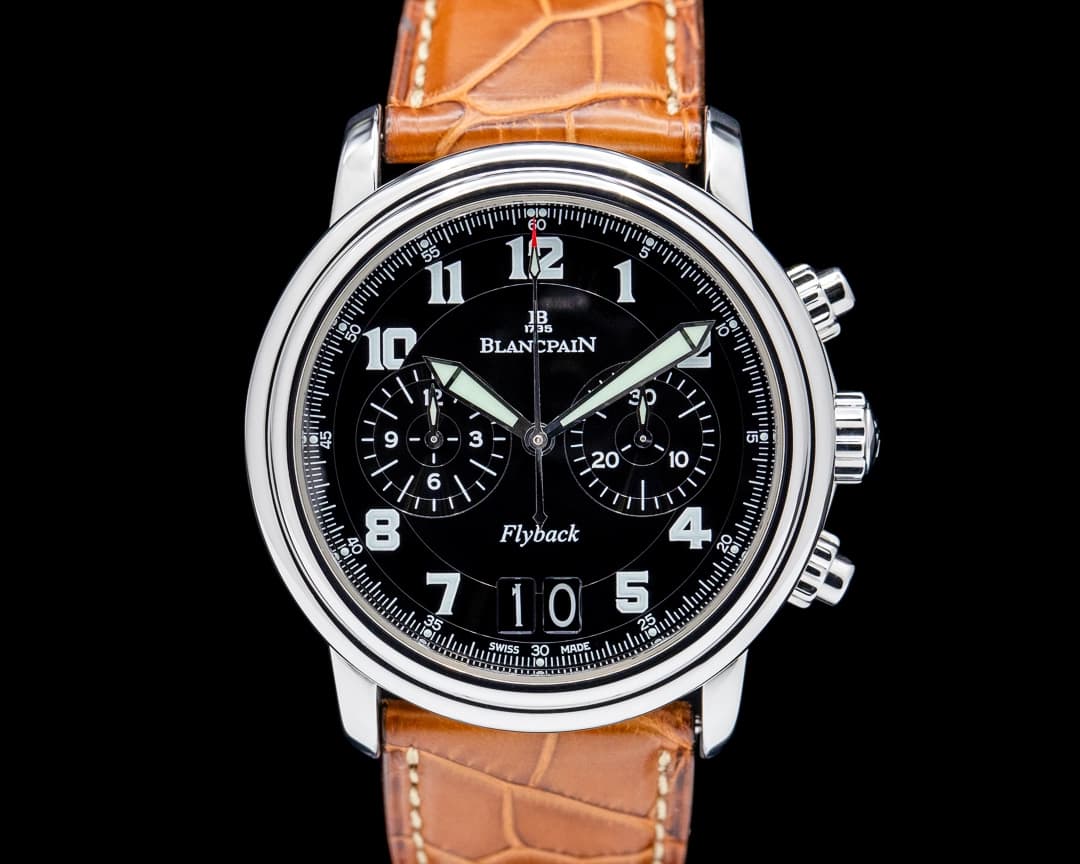

The Blancpain Leman Flyback Chronograph leans further into Blancpain’s technical side. “You add the flyback functionality, and it’s one of those chronographs that still feels balanced and legible, rather than a wall of subdials,” Cote said. Despite its added complexity, it remains composed and highly wearable.


At the other end of the spectrum, the Blancpain Leman Grande Date highlights the collection’s everyday appeal. With its restrained dial, double-window date, and slim profile, it sits closer to the dressier side of the Leman while retaining practical features like solid water resistance and a robust automatic movement. Cote noted that it represents “the purest three-hand plus big date expression of the line,” adding that it works particularly well as “a one-watch travel or office piece.”
The Smart Collector’s Blancpain
In a market shaped by visibility and demand, the watches that attract the most attention are not always the ones that offer the most substance.
The Blancpain Leman collection sits just outside that central focus. It delivers thoughtful design, a wide range of complications, and a level of finishing consistent with the brand’s reputation. At the same time, it remains comparatively accessible within the secondary market, particularly when set against the cost of modern Blancpain pieces offering similar mechanical depth.
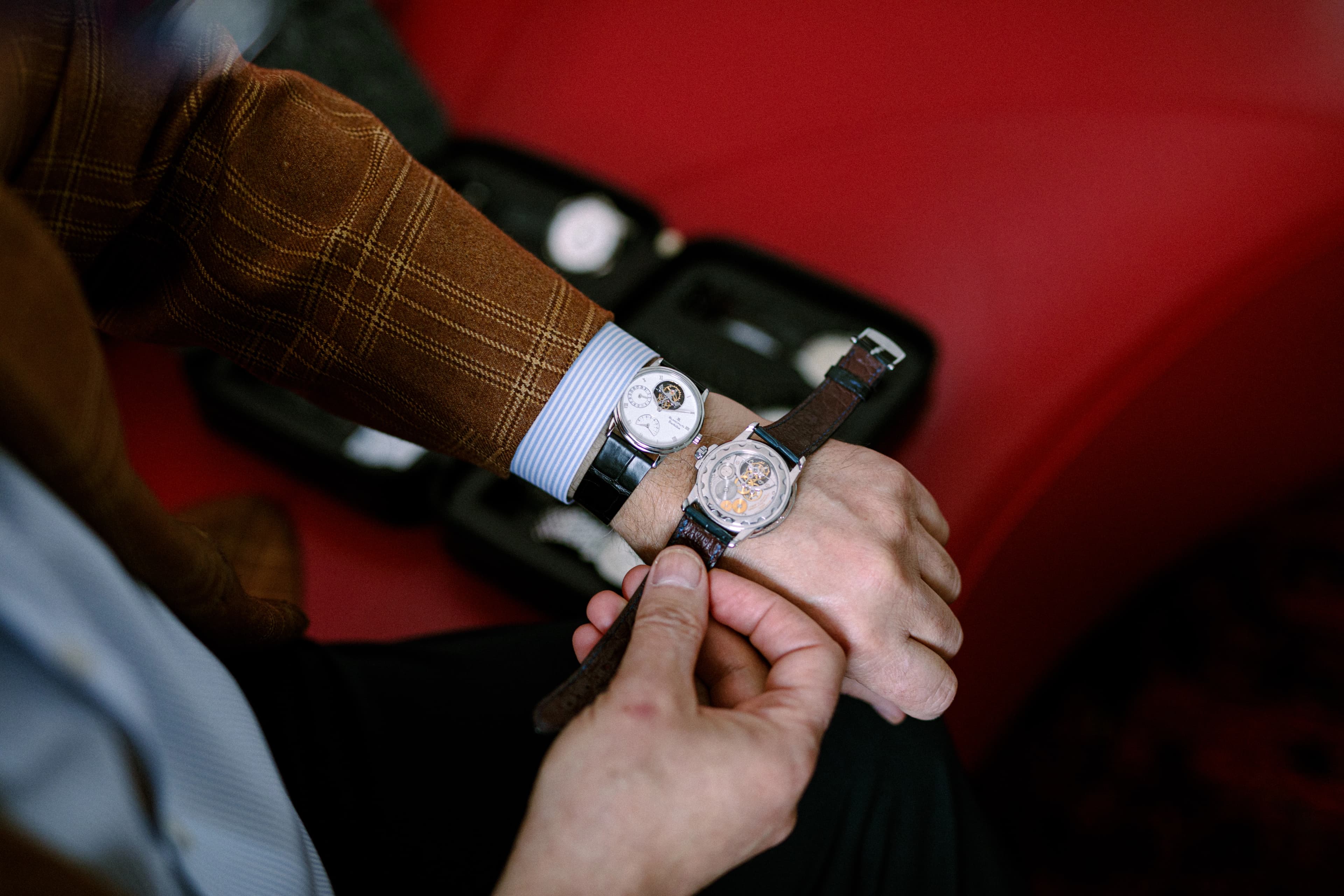
“First-time Leman buyers are usually drawn in by the complication-per-dollar story, but what keeps them hooked is the design,” Cote explained. He pointed to “the mix of sporty and dressy, and the high-horology details done without any fuss” as key reasons the collection continues to resonate.
From a collector’s perspective, that appeal has been there all along. “The Leman has been a very visible and highly respected model line,” Schwiening noted, even if its presence has faded for newer audiences.
Historically, its importance runs deeper than its current recognition might suggest. The legacy of the Leman is tied to “multiple barrels, long power reserves, and re-vitalizing flybacks,” Kingston said, which are developments that continue to shape modern watchmaking today.
For collectors willing to look beyond the most obvious choices, the Leman represents a considered and well-rounded entry point into Blancpain’s modern history. It is a collection that rewards closer attention, not because it is rare or difficult to understand, but because it quietly delivers far more than its current level of recognition might suggest.
Shop New Arrivals

Speedmaster "Gray Side of the Moon" Ceramic Gray Skeleton Dial 2025
$16,900
View Watch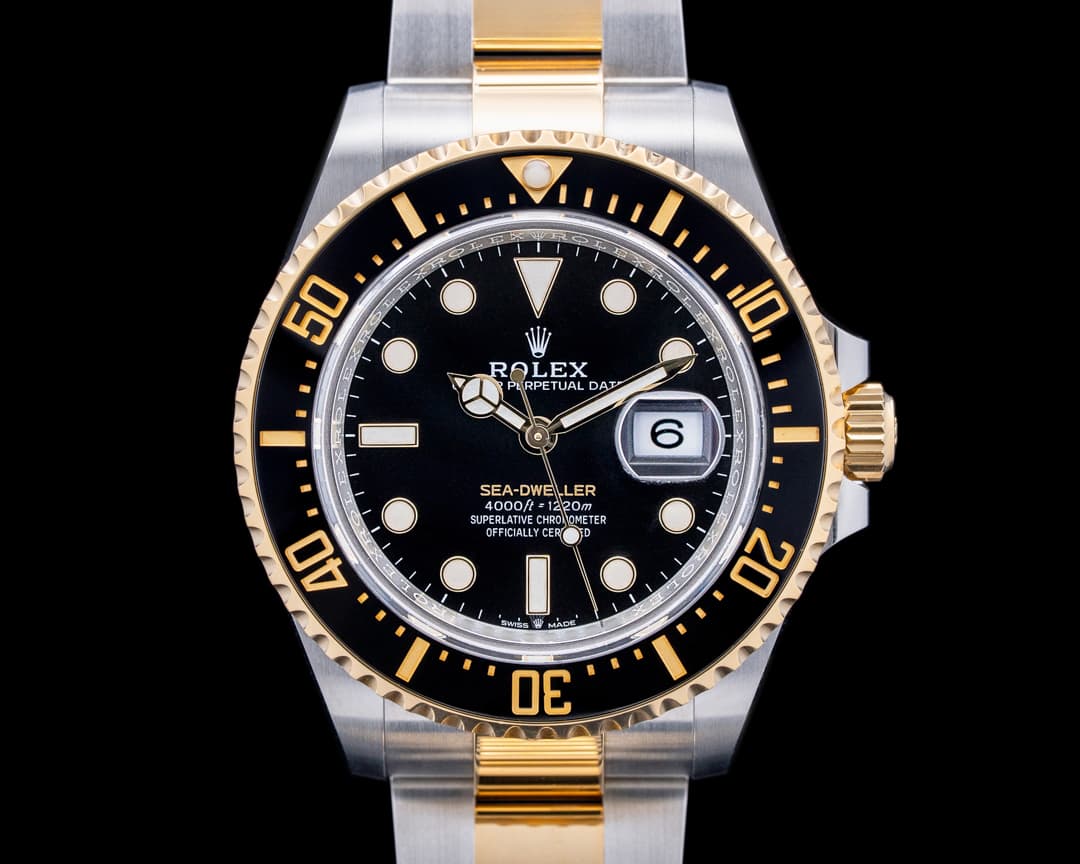
126603 Sea-Dweller SS / 18K YG Black Dial
$16,900
View Watch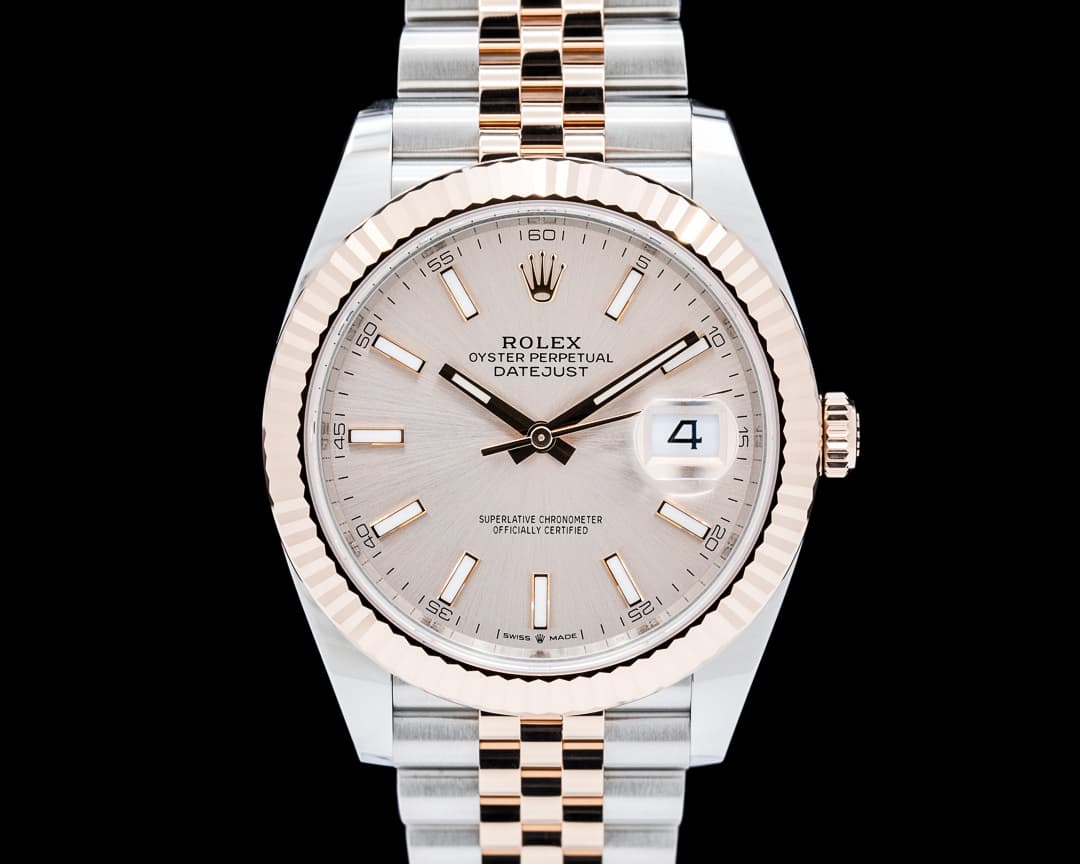
126331 Datejust 41 SS/18K RG "Sundust" Dial 2026 UNWORN
$19,500
View Watch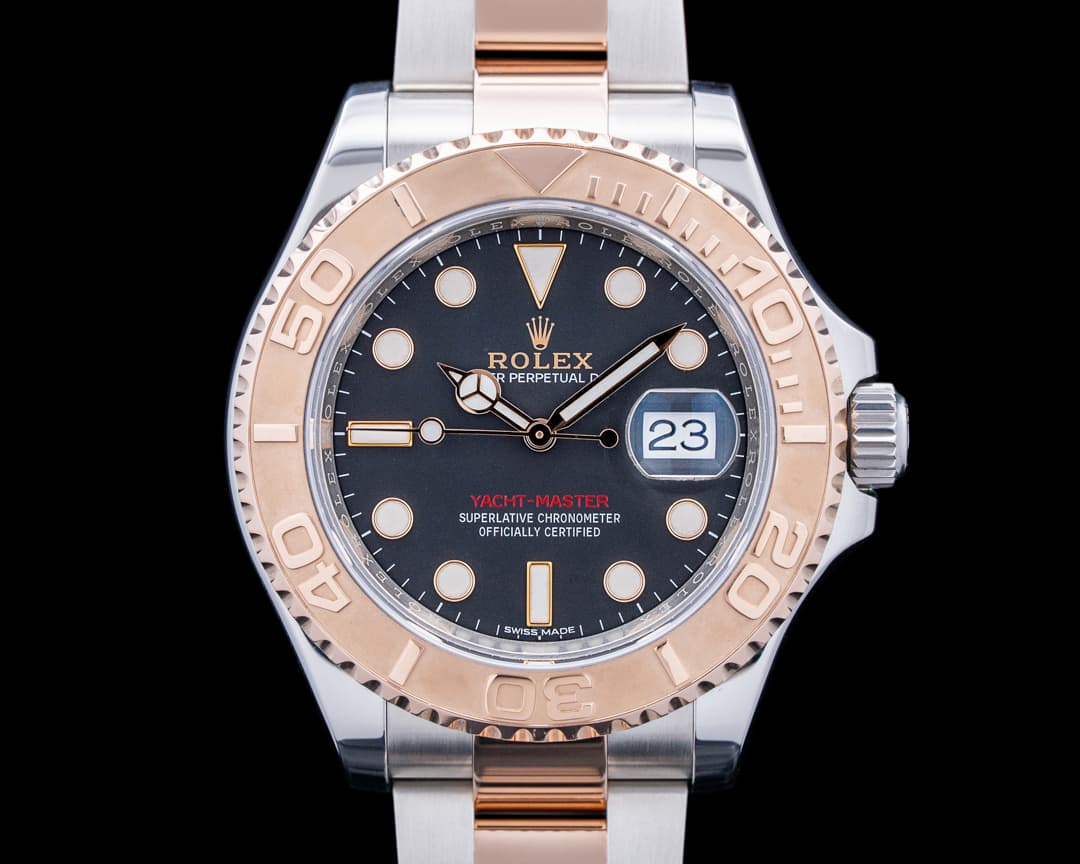
116621 Yacht-Master SS / 18K RG Brown Dial
$15,900
View Watch
Shop New Arrivals
Speedmaster "Gray Side of the Moon" Ceramic Gray Skeleton Dial 2025
$16,900
View Watch126603 Sea-Dweller SS / 18K YG Black Dial
$16,900
View Watch126331 Datejust 41 SS/18K RG "Sundust" Dial 2026 UNWORN
$19,500
View Watch116621 Yacht-Master SS / 18K RG Brown Dial
$15,900
View Watch
More Content