Laureato: The Oft-Overlooked Integrated Bracelet Watch
Published on 4/16/2026
Many collectors reach a point where the watches that dominate every conversation around integrated bracelet sports watches start to feel a bit… predictable. The same names and references get debated, and the same frustrations surface about availability, pricing, and waitlists. After a while, it can start to feel a little detached from the simple idea of just enjoying a great watch.
That’s when something like the Girard-Perregaux Laureato starts to make a lot of sense - not as a compromise or as a second choice, but as a watch that quietly ticks a lot of boxes without crying out for attention.
A Familiar Shape, But a Different Attitude
The Laureato sits in a category that’s hard to talk about without comparisons. Integrated bracelet, sports watch, 1970s design language - it’s all there. But after spending time with the Laureato, especially across a few different references, it starts to come across a little differently. There’s less aggression in the design. The lines feel softer and more considered than some of its peers. The transition from case to bracelet is seamless without pomp or ceremony. Even the iconic octagonal bezel feels calmer here, sitting atop a round base that gives it an almost organic feel.
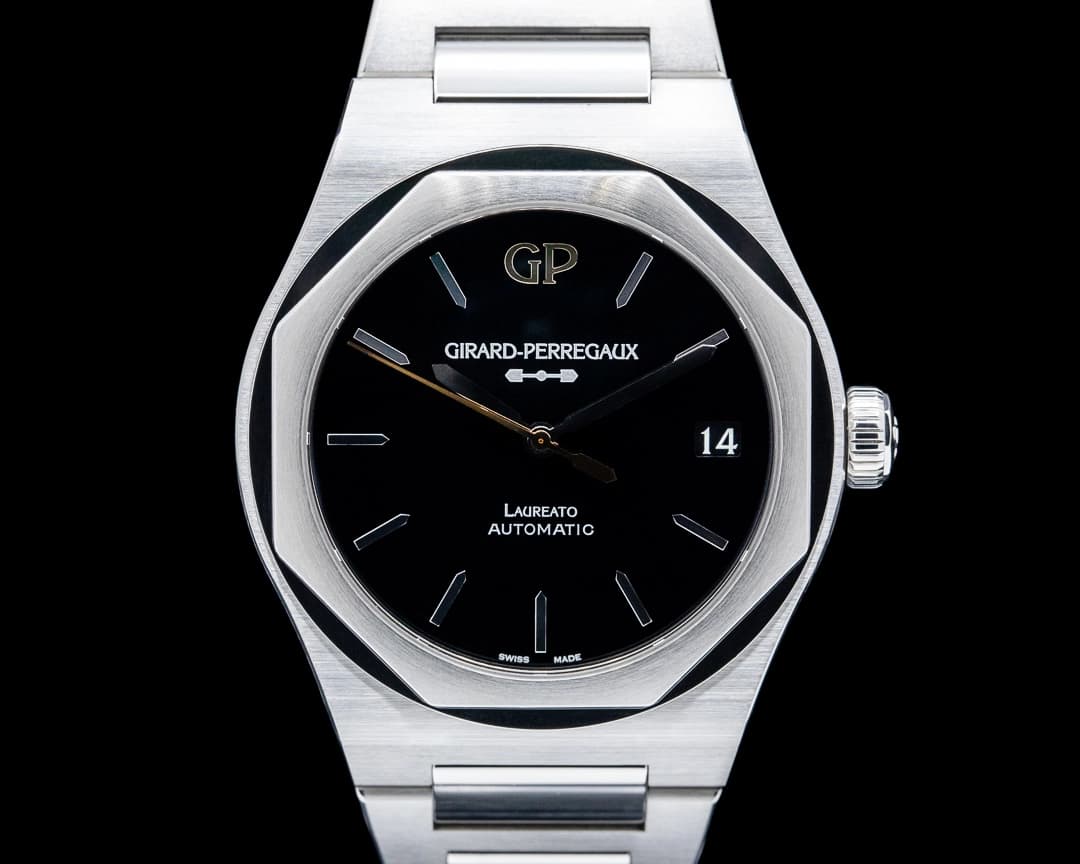
That restraint is part of the point. “The Laureato doesn't need to raise its voice. Where others proclaim their status, it softly exudes excellence. It doesn't show off; instead, it gently asserts itself,” said Marc Michel-Amadry, Managing Director of Girard-Perregaux. He said a collector recently described the Laureato to him as “whispered luxury.” That gets to the heart of why the Laureato feels different from so many of the watches it gets grouped with. It doesn't seem interested in chasing clout. It seems more interested in holding up over time.
Michel-Amadry pushed that idea further, describing the Laureato as sitting at “the crossroads between tradition and design, embodying one of the rarest luxury qualities for 50 years: longevity.” He also called it “a statement, an object as wearable architecture.” That sounds lofty on paper, but it makes sense once the watch is on the wrist. The Laureato’s appeal isn’t loud charisma. It’s proportion, balance, and a kind of confidence that reveals itself gradually.
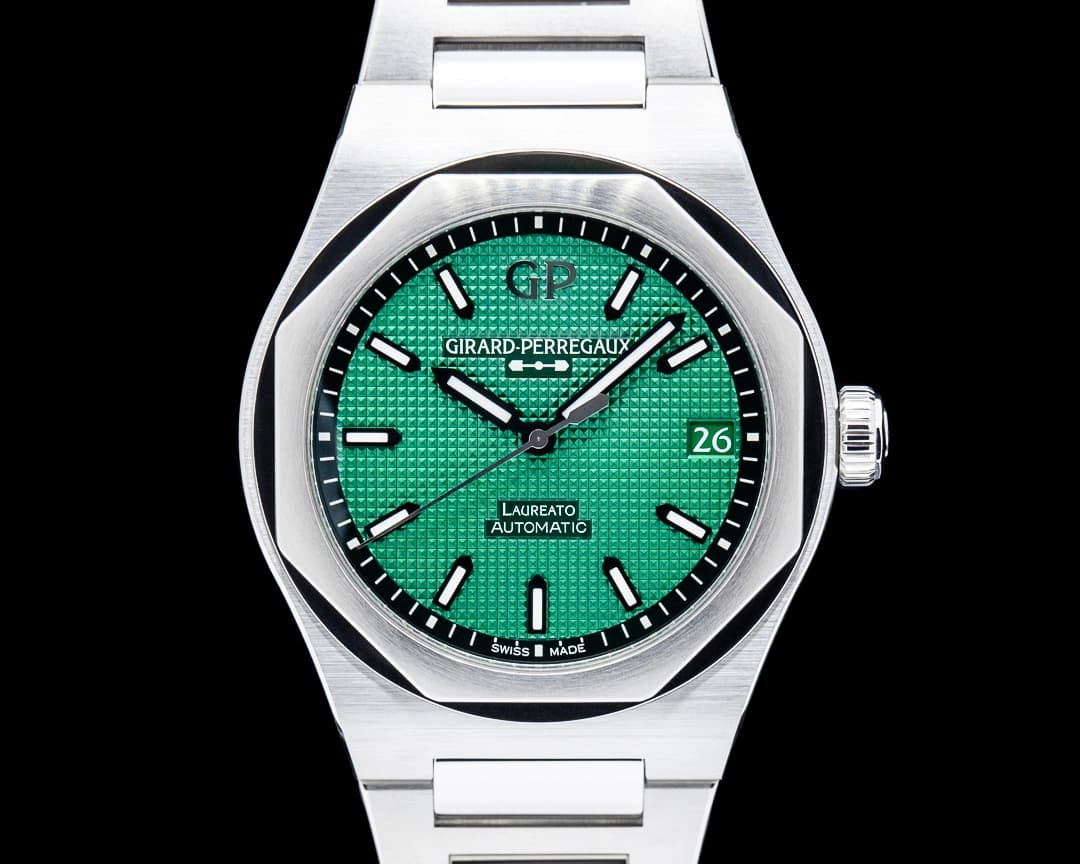
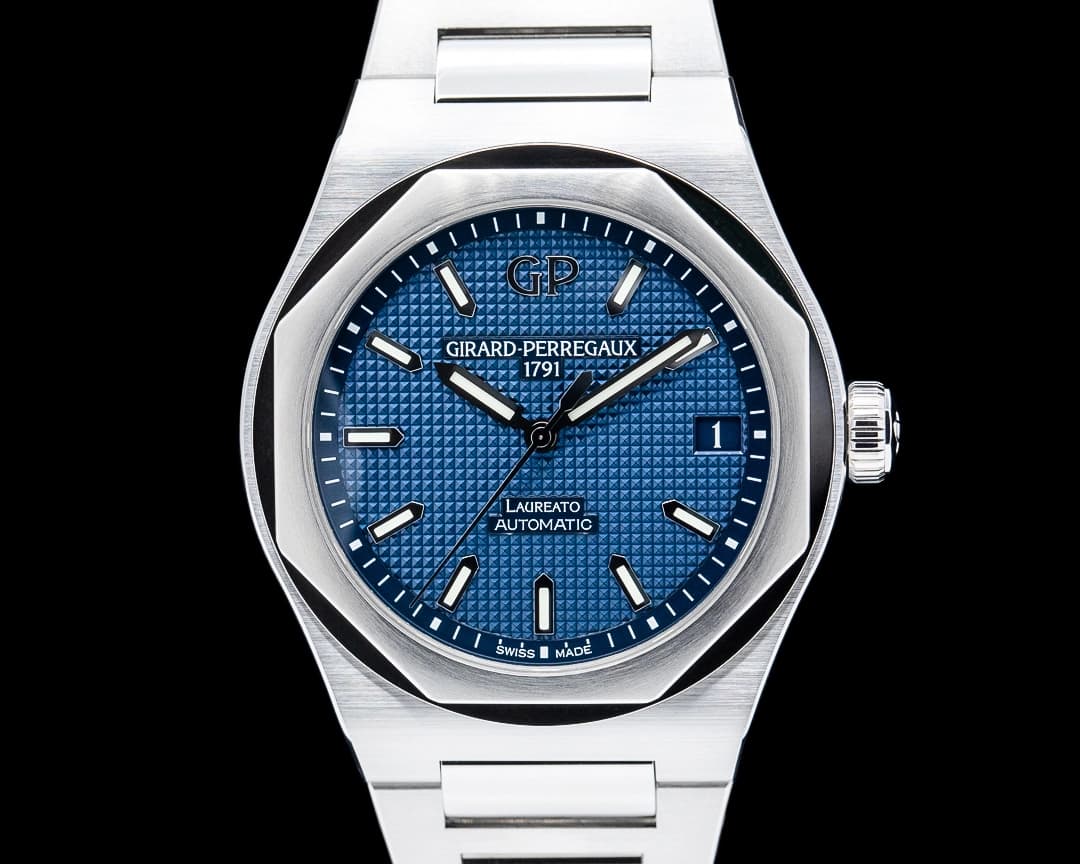
Take the classic Laureato Clous de Paris, for example. This is arguably the purest expression of the Laureato’s spirit, with a clean dial, balanced proportions, and just enough texture to keep things interesting without tipping into overdesign. It’s the kind of watch that doesn't need much explanation once it’s on the wrist.
A Collection With Real Depth
The Laureato lineup is a proper collection, not just a single headline model doing all the heavy lifting, and that becomes obvious once you look at the variety of pieces available. Just as importantly, it spans a surprisingly wide slice of watchmaking, from the core three-hand models all the way up to skeletonized pieces and tourbillons.
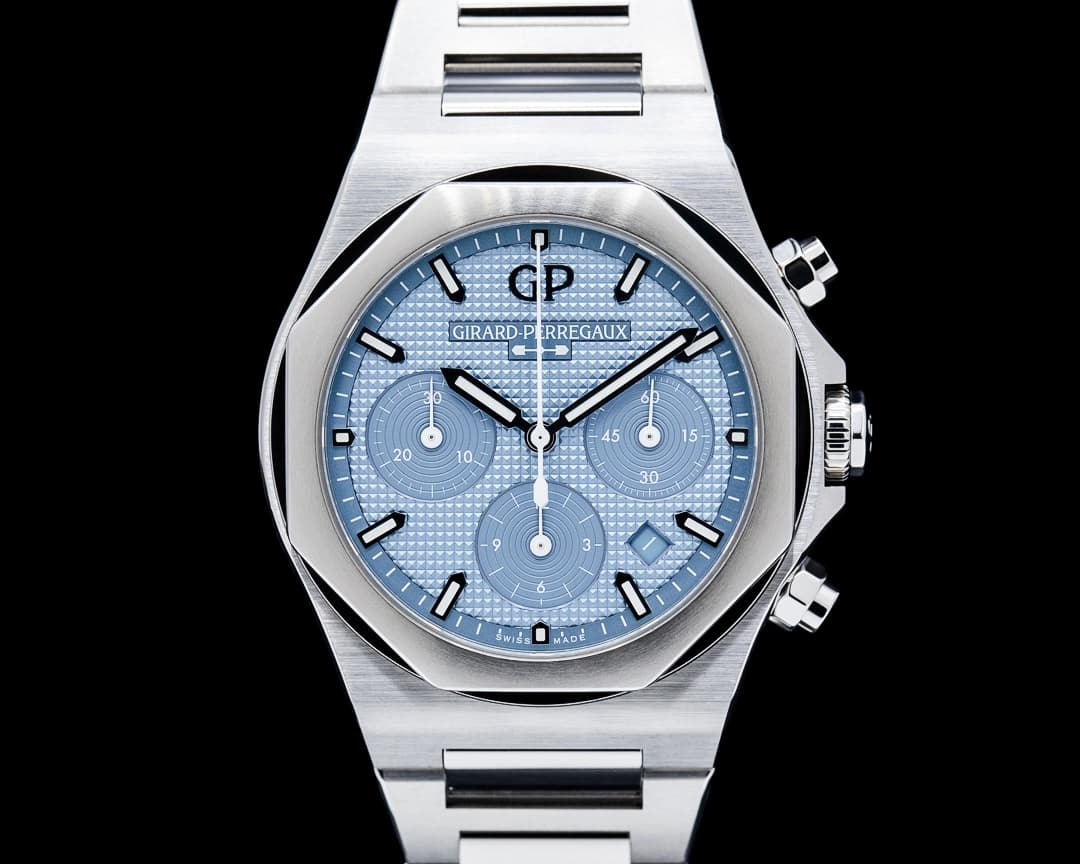
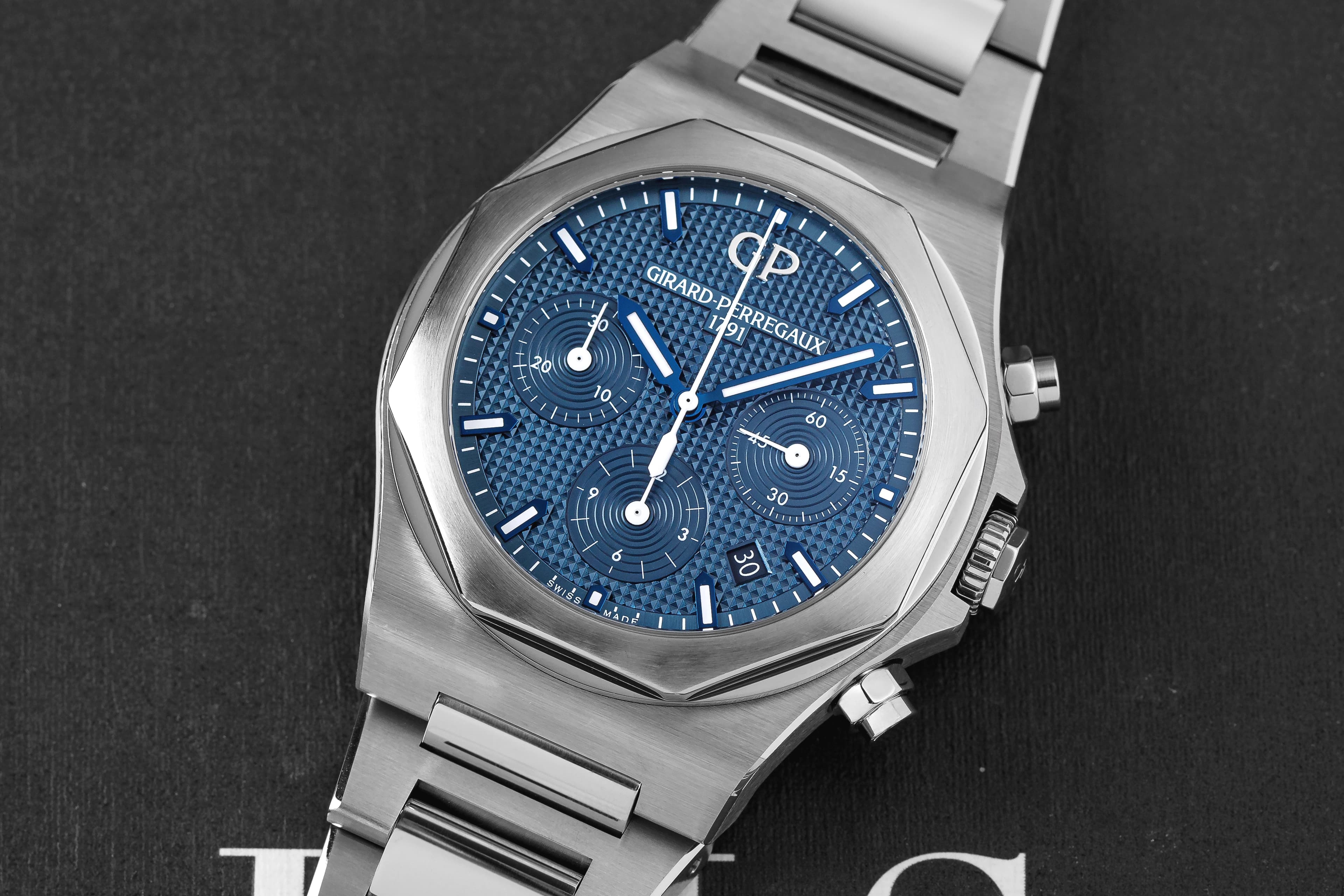
The stainless steel Laureato Chronograph, for example, adds a complication without losing its identity. The subdials are well integrated, and it feels like a natural extension of the design, not an afterthought.
What truly sets the Laureato apart is “its versatility and the uncompromising quality of its finishes,” said Michel-Amadry. “From the simplest three-hand automatic version to the most complicated Three Gold Bridges execution,” the Laureato is designed to express consistency. According to Michel-Amadry, all Laureatos are conceived to “incarnate the purest expression in haute horlogerie while guaranteeing a perfect ergonomics and comfort.” Strip away the executive phrasing and there’s a straightforward idea underneath it: the Laureato covers a lot of ground, but it doesn't lose itself as it expands.
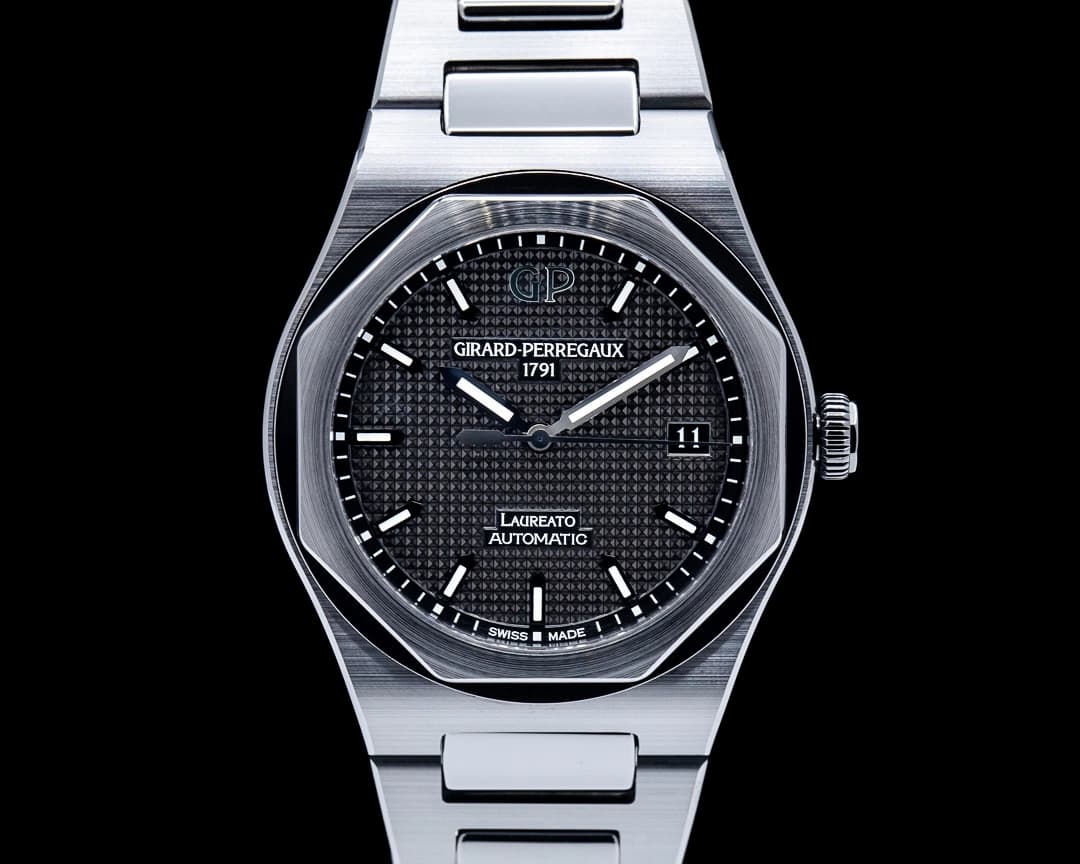
The black ceramic Laureato is a good example of that. Ceramic is hardly new at this point, but the way it’s handled here feels especially cohesive. The uniformity of the material, combined with the Laureato’s already balanced design, gives it a very different character. It’s more modern, more stealthy, and still surprisingly easy to wear. The Laureato isn't just a design that worked once - it’s a platform with real depth.
What the Laureato Does Well on the Wrist
Wearability is where the Laureato tends to win people over. “Personally, I am a fan, but overall, collectors seem to be split, either love it or hate it immediately when they put it on their wrist,” said Zach Gorrasi, Watch Specialist at European Watch Company. The Laureato doesn't come across as a polished crowd-pleaser. It’s a watch that clicks very strongly with the people it suits.
That idea comes through even more clearly in how buyers approach it. “In my experience, most clients who walk out with a Laureato came in knowing that it’s exactly what they wanted,” Gorrasi said. The Laureato usually isn't an impulse buy or a fallback option after another watch proved to be unobtainable. It’s most often a deliberate choice, appealing to the kind of collector who already knows what matters to them and doesn't need anyone else to validate the decision.
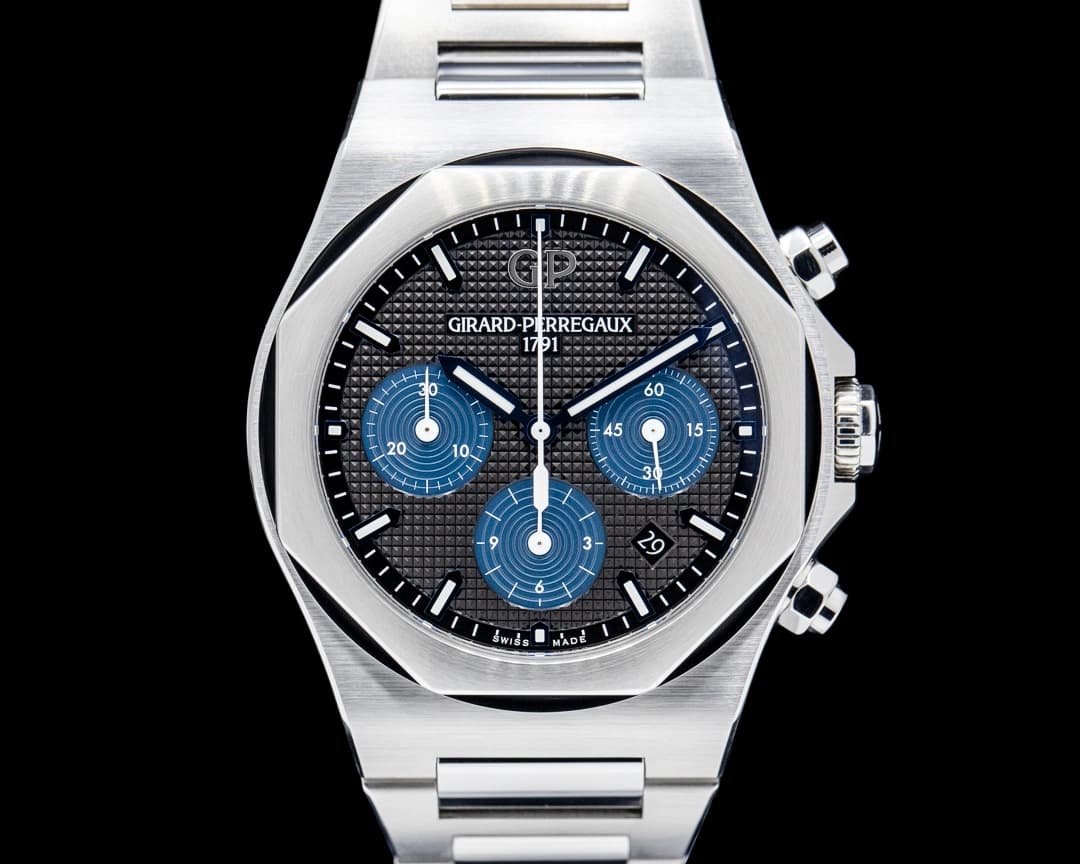
“For me, the Laureato is an incredibly balanced piece between having a very strong wrist presence, especially in 42mm, but wearing unusually naturally on the wrist for its size. The case profile and bracelet taper flow so well together,” said Gorrasi about the wearing experience. That’s central to the watch’s appeal. Plenty of integrated bracelet watches get treated as design objects first and wristwatches second. The Laureato feels like it was designed by people who cared about both equally. It has both presence and ease, and that combination is harder to get right than it looks.
Why It Still Flies Under the Radar
So why isn’t it talked about in the same way as some of its competitors? Part of it comes down to how Girard-Perregaux operates. There is a certain restraint there, as clichéd as that might sound. The Laureato hasn’t been pushed into the spotlight through hype or artificial scarcity. You don’t hear the same noise around waitlists or allocation games. For some collectors, that might make it feel less exciting at first glance. But that relative quiet may actually be one of its strengths. The “whispered luxury” description works because it captures the mood of the watch in a way most marketing language never could. The Laureato isn't trying to dominate the category conversation - it’s just comfortable being itself.
The Collector’s Choice
What’s interesting about the Laureato is who finds it appealing. It’s the integrated bracelet watch that collectors come to after spending time with the category, trying the obvious options, and deciding that what they really want is something a bit more personal. They aren’t buying into the narrative, but stepping slightly outside of it.
And that’s where the Laureato really comes into its own. It offers the design language, heritage, and quality you would expect at this level, without the baggage that sometimes comes with more hyped pieces. Gorrasi’s personal favorite in EWC’s current stock, the 38mm black ceramic Laureato, says a lot about that appeal. “My sweet spot is 37-39mm, so this immediately was something I was excited about, and something about this size in full ceramic brings out everything I love about the already balanced collection. Super fun, clean, and under the radar,” he said.
The integrated bracelet category has gotten pretty noisy lately, but the Laureato still feels sure of itself - as it should. It has the looks, the history, and the substance. It just doesn’t need to shout to be heard.
Shop New Arrivals
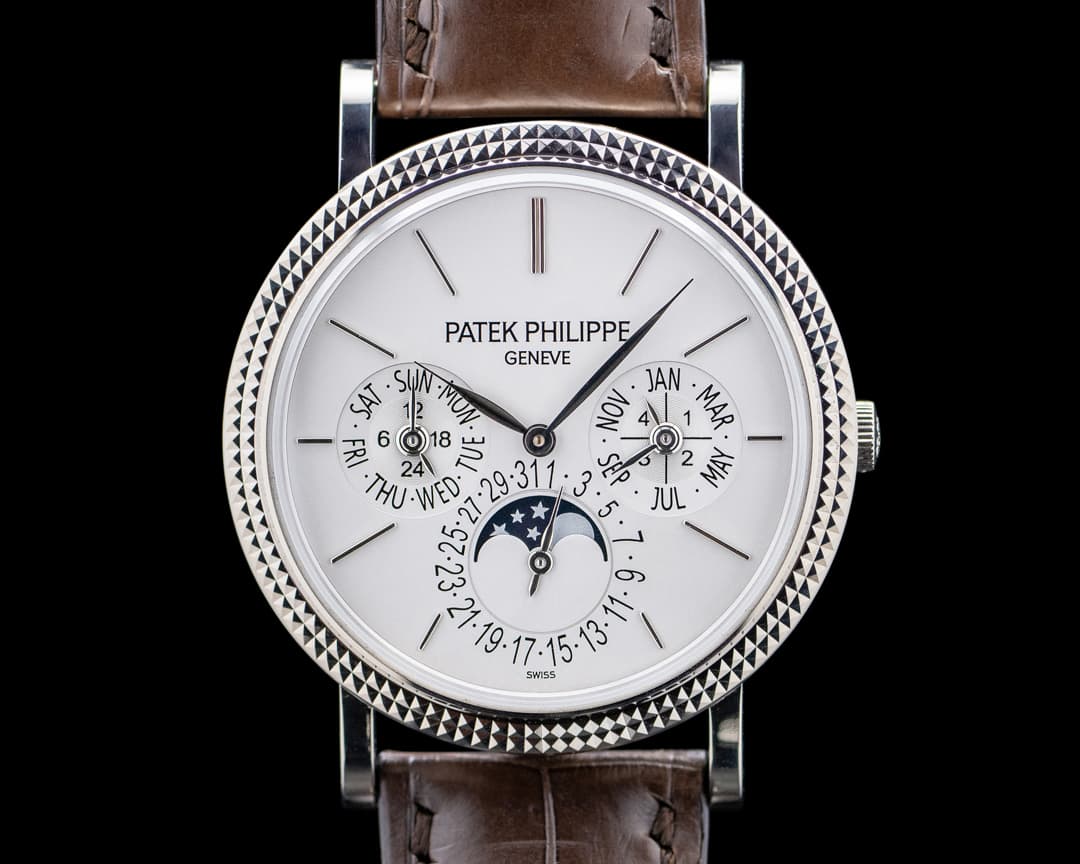
5139G-001 Perpetual Calendar 18K White Gold Silver Dial
$49,500
View Watch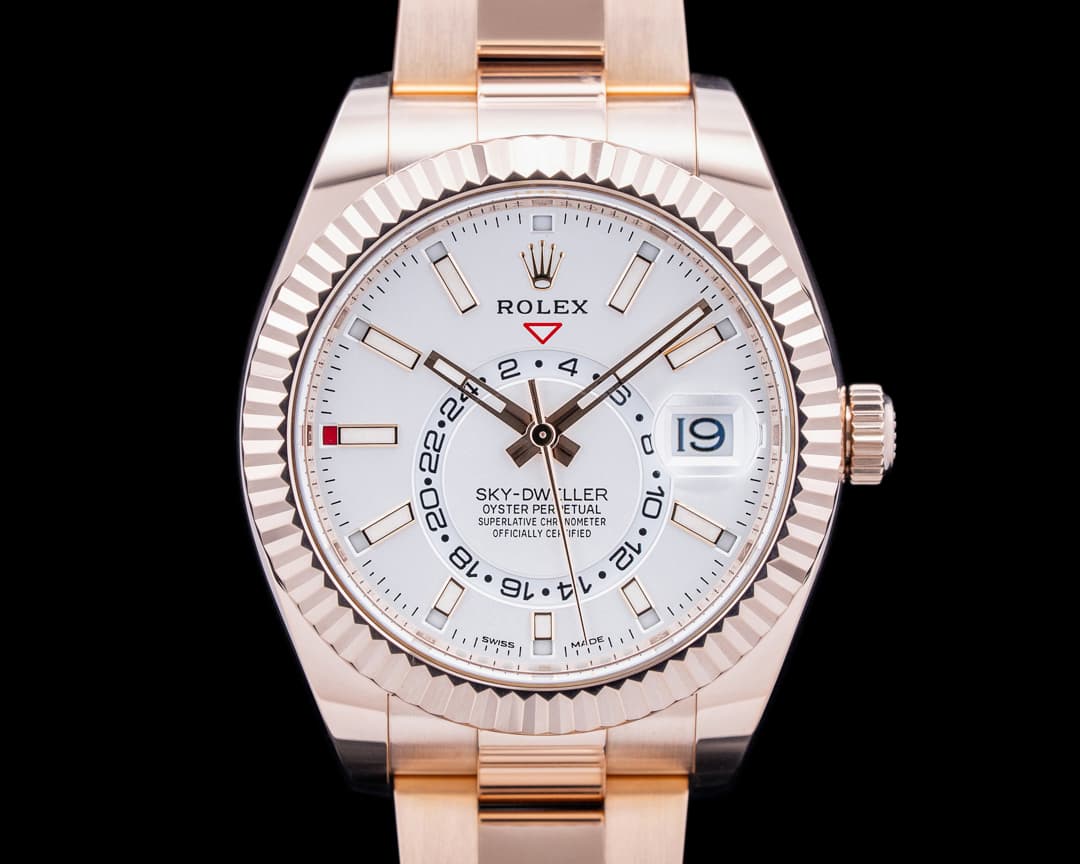
326935 Sky-Dweller 18K Rose Gold Silver Dial
$44,500
View Watch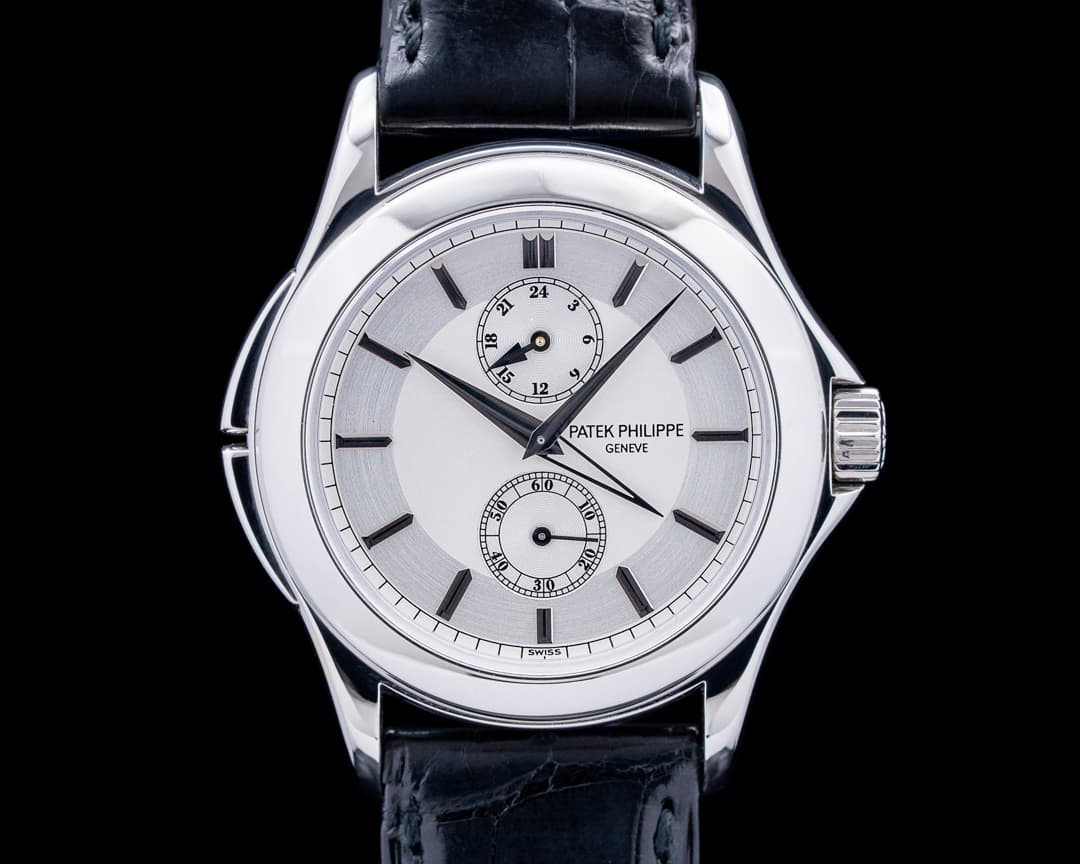
5134P Calatrava Travel Time Platinum Silver Dial
$37,500
View Watch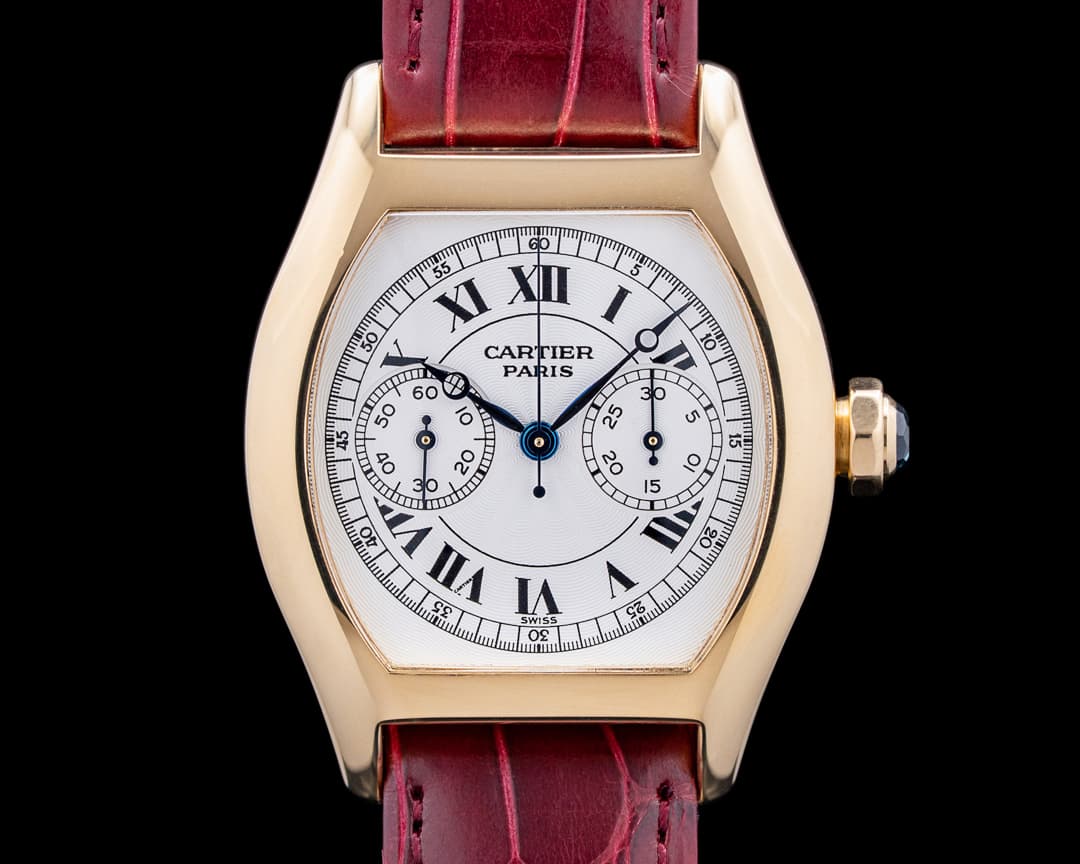
CPCP Tortue Monopoussoir Chronograph 18K Yellow Gold Silver Dial
$69,500
View Watch
Shop New Arrivals
5139G-001 Perpetual Calendar 18K White Gold Silver Dial
$49,500
View Watch326935 Sky-Dweller 18K Rose Gold Silver Dial
$44,500
View Watch5134P Calatrava Travel Time Platinum Silver Dial
$37,500
View WatchCPCP Tortue Monopoussoir Chronograph 18K Yellow Gold Silver Dial
$69,500
View Watch
More Content