Five Mistakes Informed Watch Buyers Still Make and How to Avoid Them
Published on 6/26/2026
At European Watch Company, we guide thousands of customers through their purchase decisions. These are five mistakes we see all the time:
The Box-and-Papers Trap on the Wrong References
The logic seems airtight: original box and papers prove authenticity, establish provenance, and signal that the watch was properly owned. Why wouldn't you pay up for them?
The answer is that you should, on the right references. The mistake is applying that logic indiscriminately, regardless of whether the specific watch actually rewards it at resale.
The premium is real. Across the secondary market, complete documentation (box, warranty card, chronometer certificate, any service receipts) typically adds 13 to 23 percent to resale value. For major references from Rolex, Patek Philippe, and Audemars Piguet, that figure can reach 20 to 35 percent. If you are buying a steel Rolex sports reference or a Patek Nautilus and you have the option to pay up for a full set, the market will pay you back.
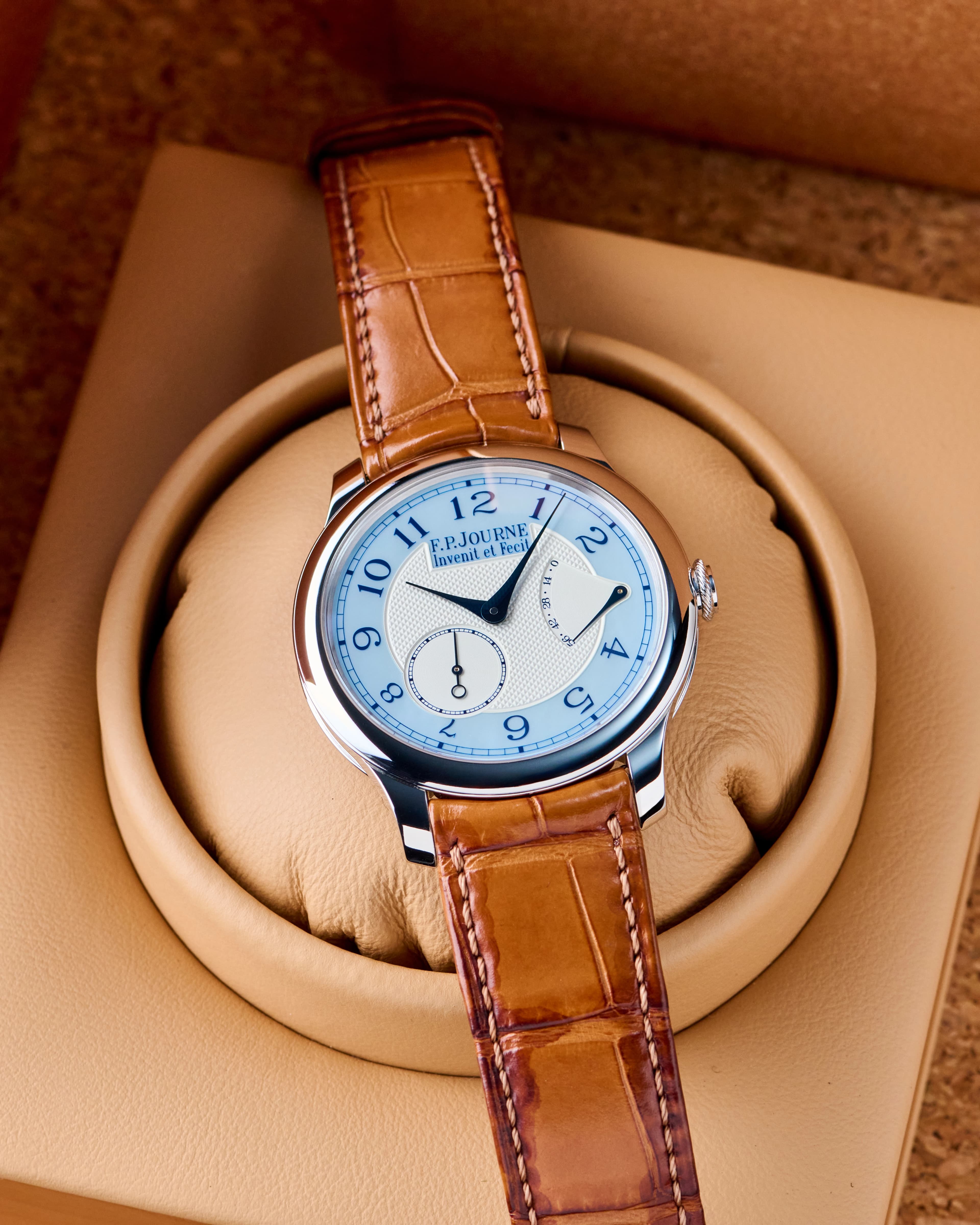
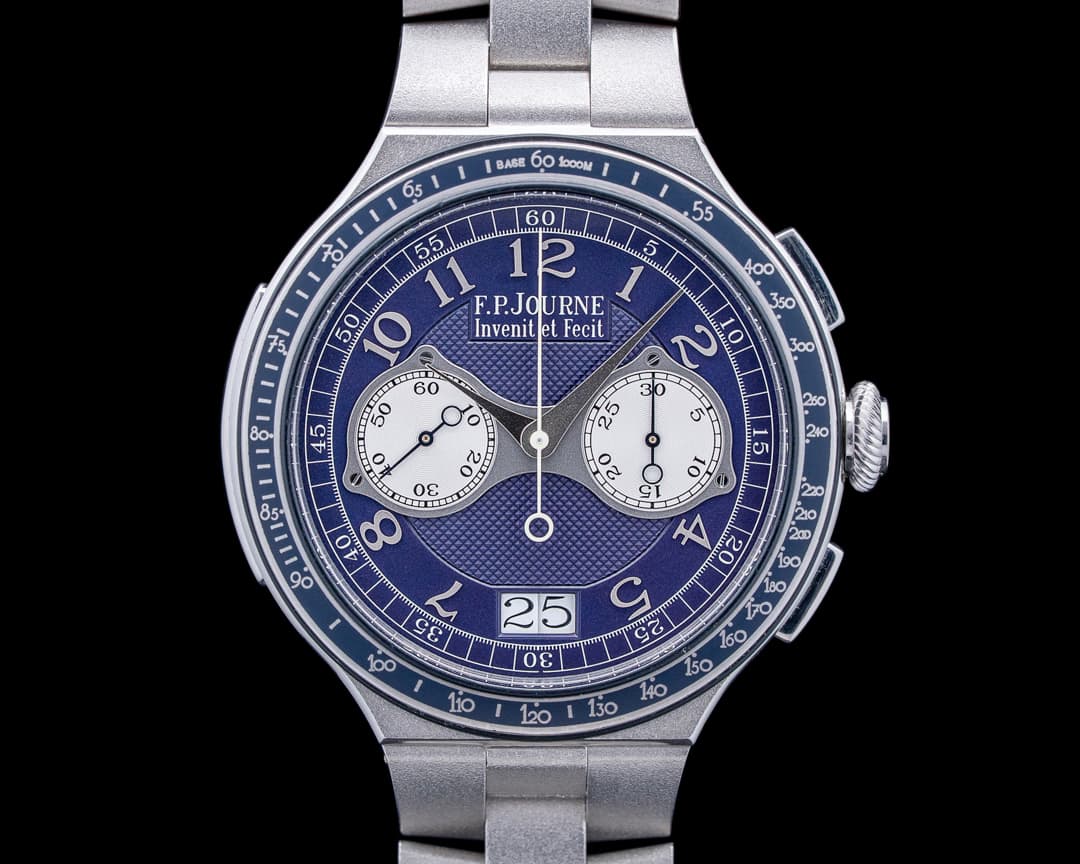
Journe Chronometre Souverain "Nacre"
But not every watch is that watch. On mid-market dress watches from brands without deep collector bases, on older references where the original box is long gone and everyone accepts it, on entry-level pieces where buyers are less documentation-obsessed: the premium you paid to acquire a full set often does not translate into an equivalent premium when you sell. You paid for something the next buyer doesn't value at the same rate.
The practical discipline is to ask, before paying the box-and-papers premium, whether this specific reference has a demonstrated documentation premium in the secondary market. Steel Rolex sports references: yes. A vintage dress watch from a respected but less-collected brand: usually not. A mid-tier modern piece from a brand with modest resale demand: check the comps before you commit. The box-and-papers habit is good. The uncritical version of it costs money.
Buying for Appreciation Instead of Ownership
The appreciation thesis is seductive and structurally fragile. It goes like this: watches are physical assets that hold value, some references have appreciated dramatically, therefore buying the right watch is both a pleasure and an investment.
The first two parts are true. The third is where the reasoning breaks down.
Buyers who purchase primarily for appreciation tend to do worse on both dimensions, financially and as collectors. The financial reason is straightforward: you are not buying early in an appreciation cycle. By the time a watch has a reputation for going up, that expectation is already in the price. You are paying for past appreciation while hoping for future appreciation that may or may not arrive.
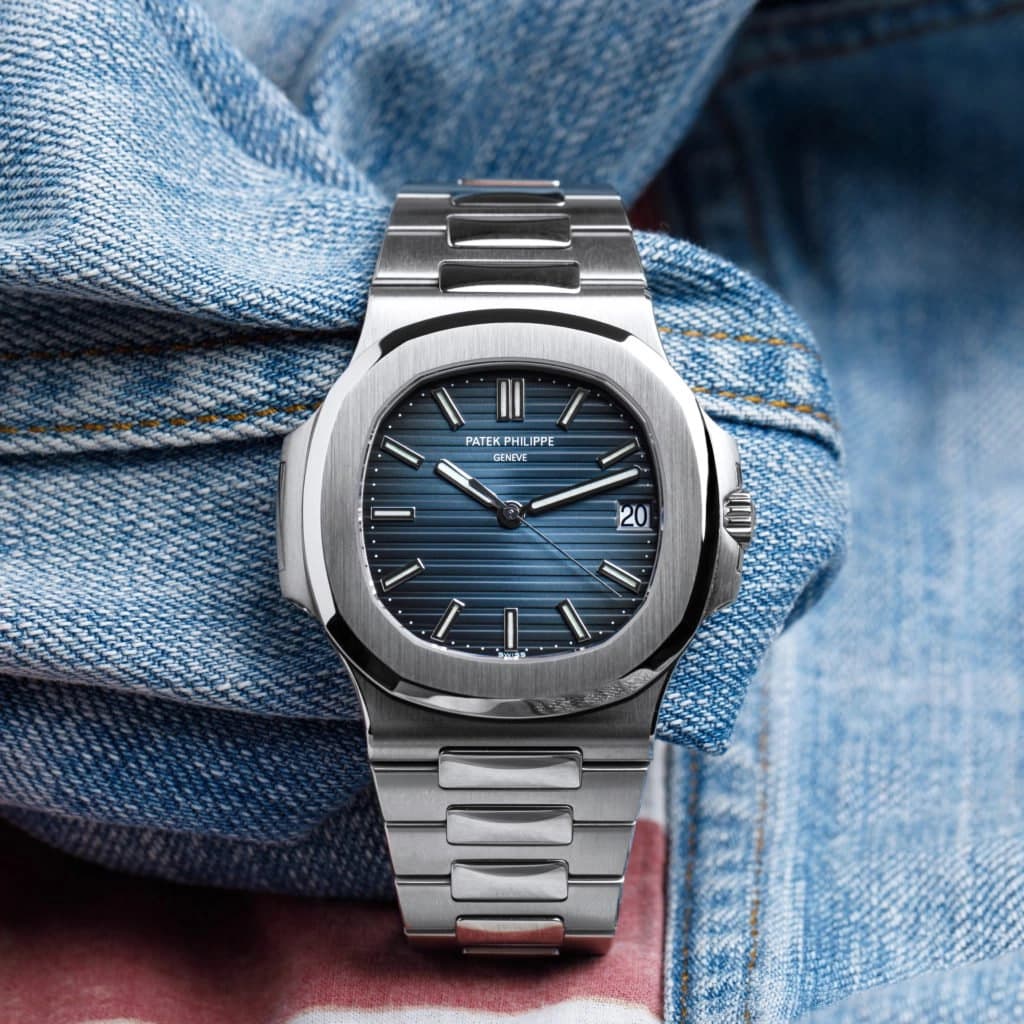
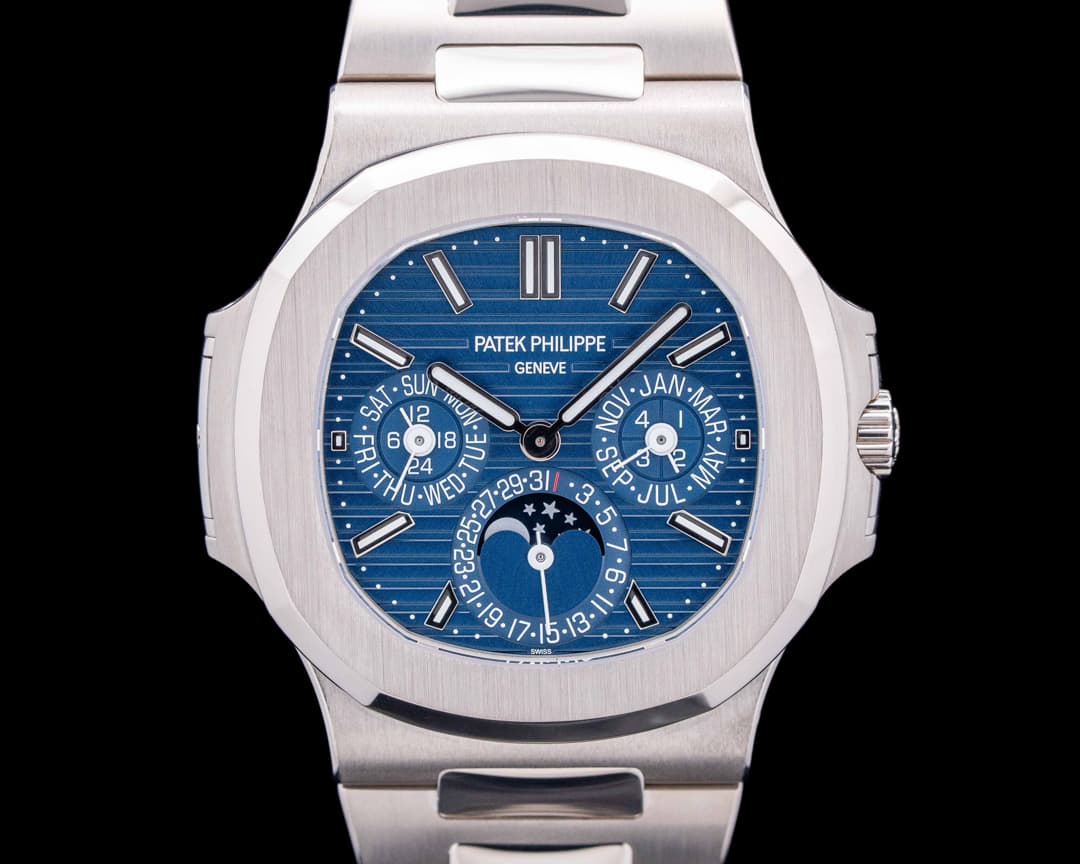
Patek Philippe 5711
The behavioral reason is more insidious. When you buy expecting the watch to appreciate, every ownership decision becomes a financial calculation. You hesitate to wear it because wear affects resale condition. You watch secondary market prices the way you watch a brokerage account. You sell at the first sign of weakness, which usually means selling at the wrong time. You end up with a watch you didn't really enjoy and a transaction you feel mixed about.
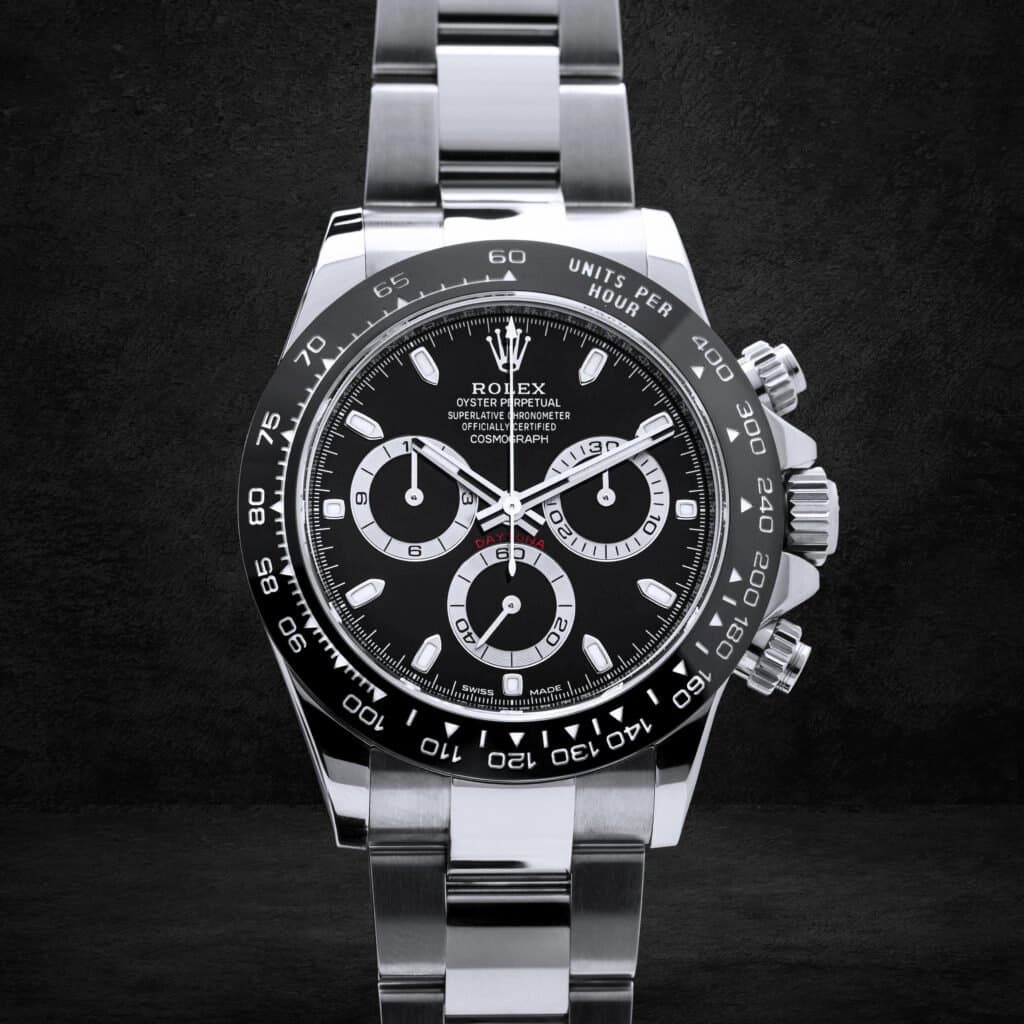
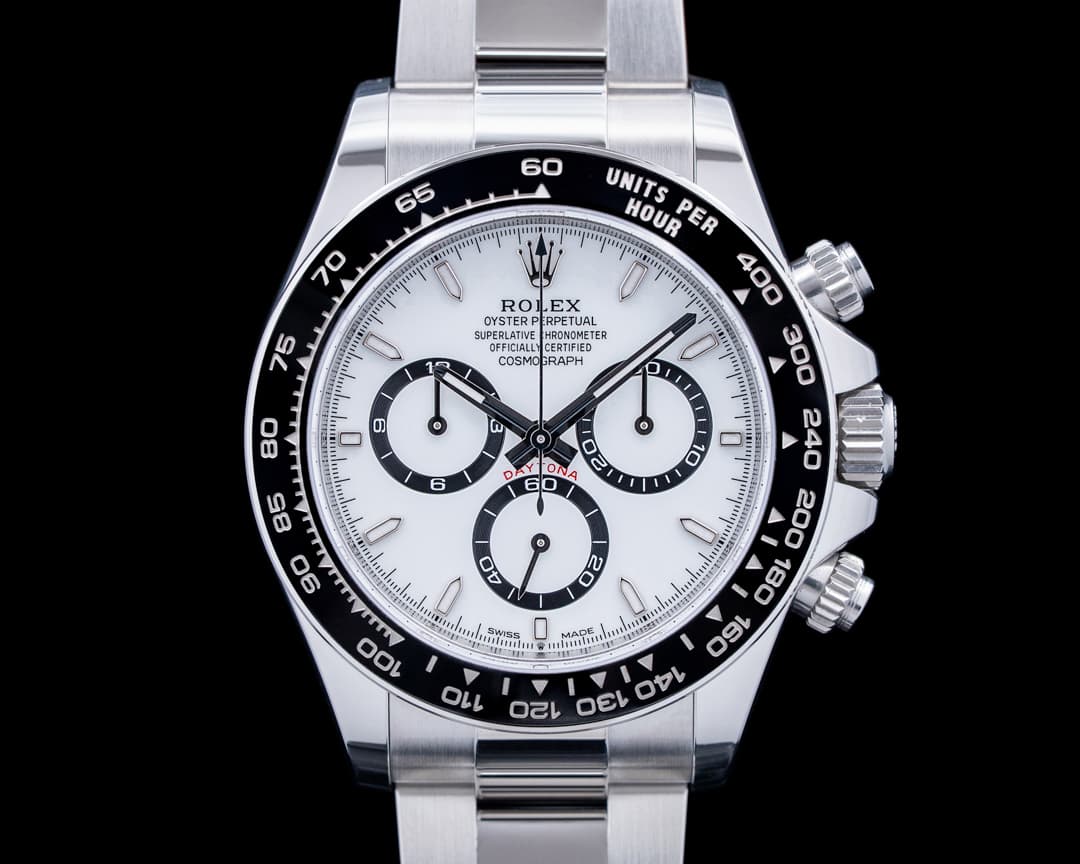
Rolex 116500LN
The post-2021 cycle made this painfully clear. Buyers who paid peak grey-market prices for steel Rolex sports references in 2021 and 2022, treating them as appreciating assets rather than watches, watched those same references correct 20 to 30 percent over the following two years. Some recovered. Many who bought at the peak are still underwater relative to their entry price. Buying a watch because it is a good watch, and then being pleasantly surprised if it holds value, is not naive. It is the structurally sounder position.
Ignoring Service History (or Misreading It)
A thick service folder does not mean a watch is in good shape. A watch with no service records is not automatically suspect. The mistake is treating service documentation as a simple positive or negative rather than reading what it actually says.
Here is what experienced buyers look for that most buyers miss.
A service record from the brand's own service network is generally positive: it confirms the movement received attention, and major manufacturers document what they replaced. But that same record often notes something buyers overlook, case polishing. Most factory service protocols include a case polish unless the owner specifically declined it. A watch described as "fully serviced by Rolex" may also be a watch whose case definition has been softened by polishing, which is a condition issue, not a service issue. The service history reveals the problem rather than concealing it.
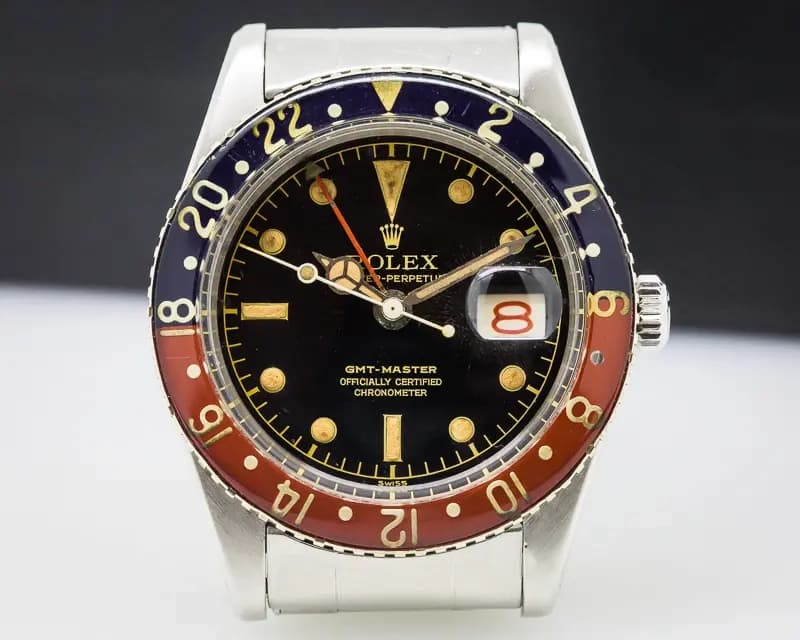
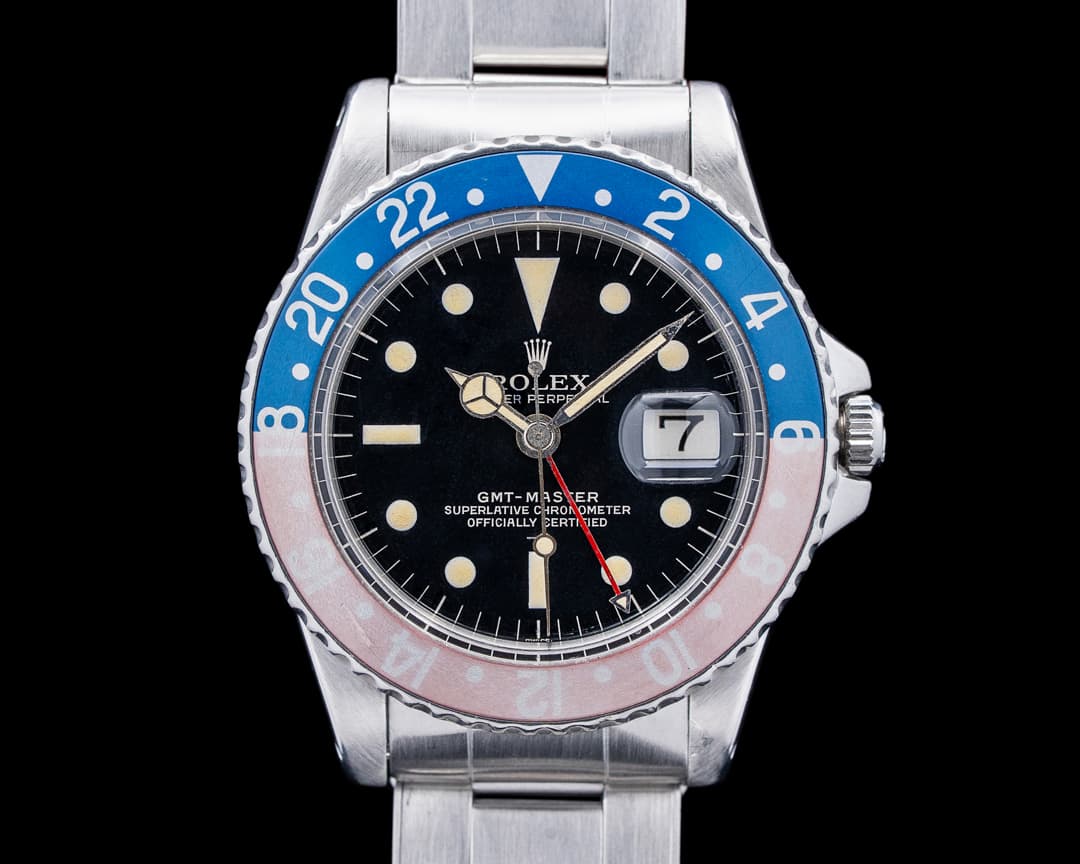
Rolex 6542 GMT
Similarly, service records documenting dial or crown replacement are not red flags in themselves. Parts wear, and legitimate replacements happen. What matters is whether the replacement was made with original parts and whether the listing discloses it. A replaced dial on a vintage reference can reduce collector value significantly even when the dial looks perfectly correct to the eye. A non-original crown on a reference where crown condition matters creates a provenance question that never fully resolves.
The watch with no service records is not necessarily worse than the one with a service binder. It may simply be a watch that was worn lightly and never needed intervention. What the absence of records tells you is that you need to look more carefully at the movement condition and rely more heavily on physical inspection. It shifts the burden to the examination, not the documentation.
Chasing the Hype Cycle
There is a reliable pattern in how watches get expensive. A reference gains a reputation through editorial attention, a cultural moment, waitlist mythology, or some combination. Secondary market prices start climbing. The price increase becomes its own story, which draws more buyers. Those buyers drive prices higher still. At some point, which you almost never recognize when you are standing in it, the price reflects not what the watch is worth as a watch but what the hype is worth as hype. Then the hype fades.
The Rolex Daytona ref. 116500LN tells this story very well. The reference averaged roughly $23,300 in 2019, peaked above $40,500 in 2022, and sits around $30,500 today. The buyers who paid the 2022 peak price because the watch was "hot", because they had read about the waitlists, the grey market premiums, the cultural cachet, paid a significant premium for the attention, not the watch. That attention has since moved on even though the model is still a popular favorite.
The tell for a hype-cycle buy is usually visible if you look for it: the secondary market price is rising faster than any fundamental factor explains, the editorial coverage is saturated, and the buyers driving prices are motivated by flipping potential rather than ownership desire. When you find yourself thinking "I need to act now before it goes higher," that is not insight. That is the hype doing its job.
The Condition Grading Disconnect
"Excellent condition." "Lightly worn." "Looks unworn." These phrases are everywhere in secondary market listings, and they mean almost nothing without knowing what the seller is measuring and by what standard.
The disconnect between listing language and physical reality is one of the most reliable sources of buyer disappointment in the secondary market. It is also one of the most quantifiable: condition grading differences on identical models can produce 30 to 50 percent price differentials. That is a large number for a variable routinely described in vague, subjective terms. At EWC, we are careful to provide extremely clear photography to help buyers have a realistic representation of their piece ahead of purchase.
Case sharpness is the most commonly misrepresented attribute. An over-polished case can look clean, free of scratches, even somewhat glossy, and still represent a significant reduction in value relative to an unpolished original-surface case. The crispness of the lugs, the definition of brushed versus polished surfaces, the bevels on case edges: these are what collectors mean by "sharp," and polishing degrades them permanently. Polished Submariner examples regularly trade 15 to 25 percent below unpolished equivalents with otherwise similar cosmetic grades, precisely because collectors understand that polishing is irreversible.
Dial condition is similarly underweighted by buyers who are not looking carefully. Lume consistency, printing integrity at the indices, depth of aging on vintage pieces, the presence or absence of moisture damage: these details make or break a timepiece.
The practical correction: ask for detailed photographs of case edges, crown, and dial under direct and angled light.
What Experienced Buyers Do Instead
The habits that distinguish buyers who transact well are not complicated. They are just consistently applied.
They develop a clear ownership hypothesis before buying, not just "I like this watch" but what role it plays in the collection, how long they expect to own it, and at what price they would sell. That exit hypothesis does not have to be precise. It just has to exist before the transaction, not after.
They think about the transaction cost, both ways. What does it cost to acquire? What does it cost to exit? The difference between those numbers is the real price of the decision.
And they are patient in a market that rewards patience. The hype cycle has a next reference. The overpriced watch will find its level. The seller who needs to move quickly will appear. Urgency is almost always the buyer's enemy, and the dealers who manufacture urgency know this.
None of this is secret. What distinguishes experienced buyers is not access to information that others lack, it is the discipline to apply what they know against the behavioral pull of wanting the watch now, at this price, before someone else gets it. That pull is real. It is also the mechanism by which most of the mistakes above happen.
The market does not reward enthusiasm. It rewards patience, specificity, and a clear-eyed accounting of what you are buying.
Shop New Arrivals
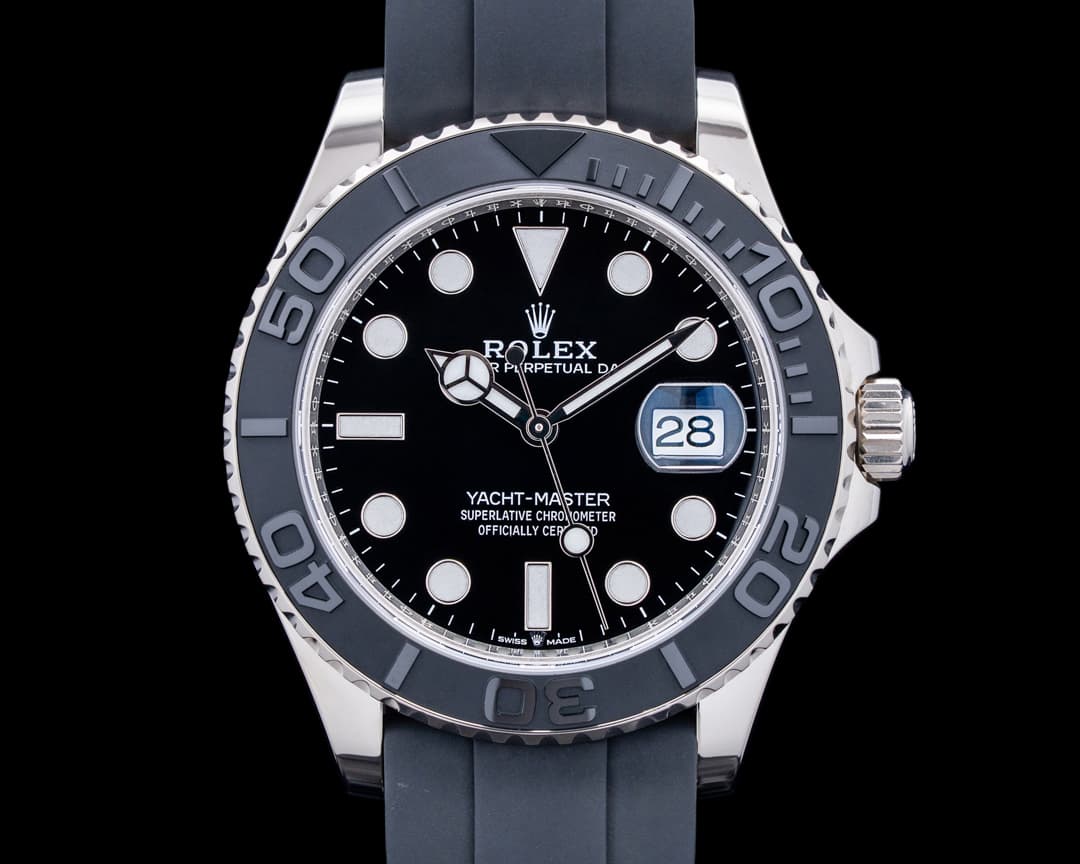
226659 Yacht-Master 18K White Gold Black Dial
$31,900
View Watch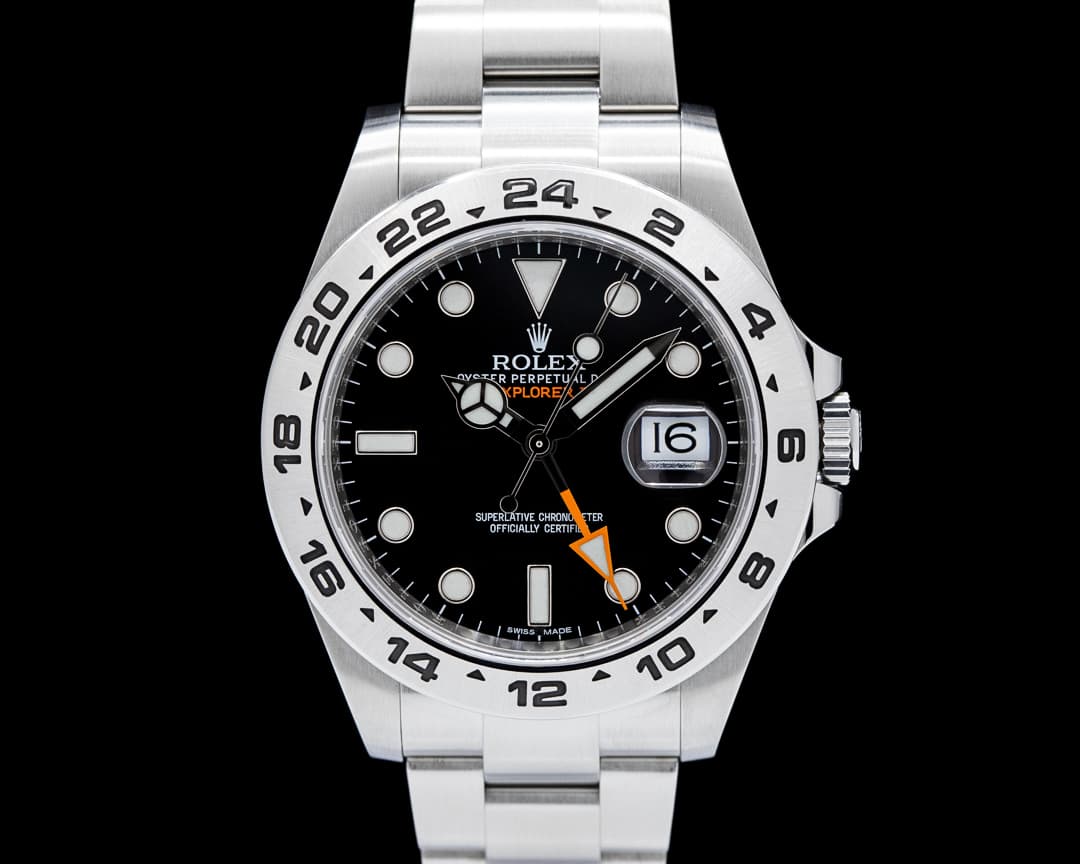
216570 Explorer II SS Black Dial
$10,900
View Watch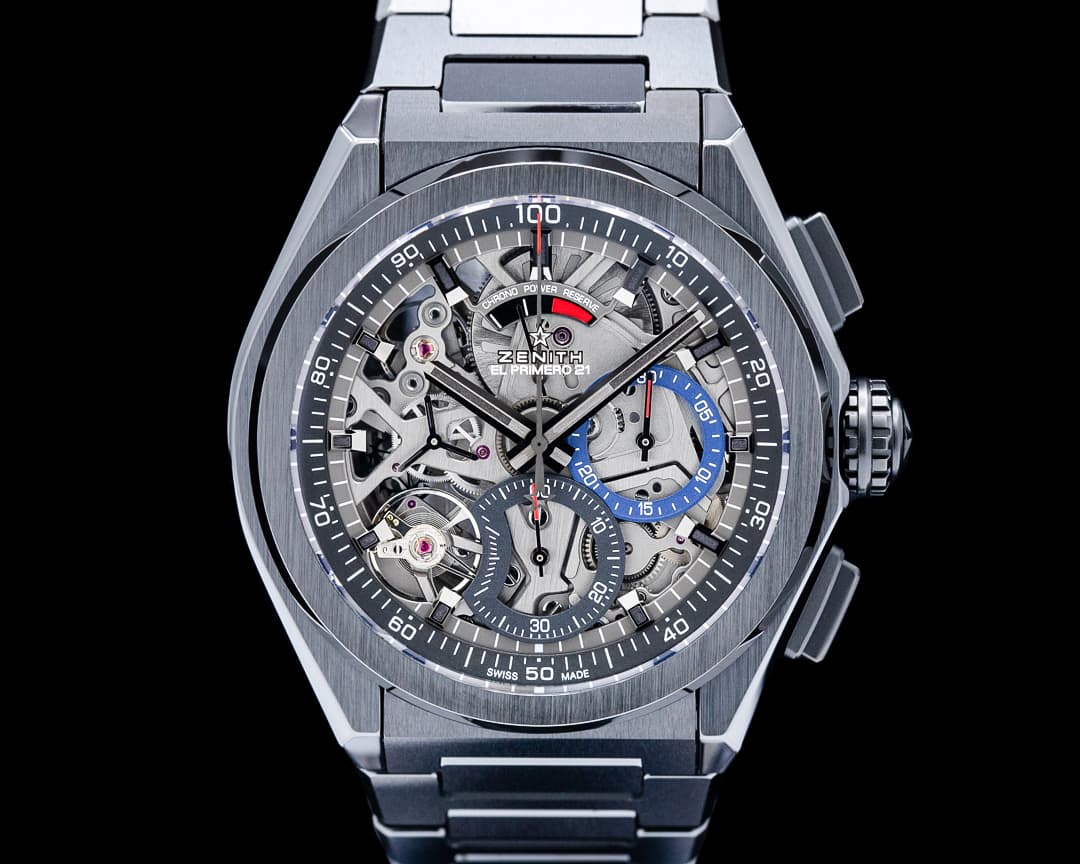
Defy El Primero 21 Chronograph Black Ceramic Skeleton Dial
$9,900
View Watch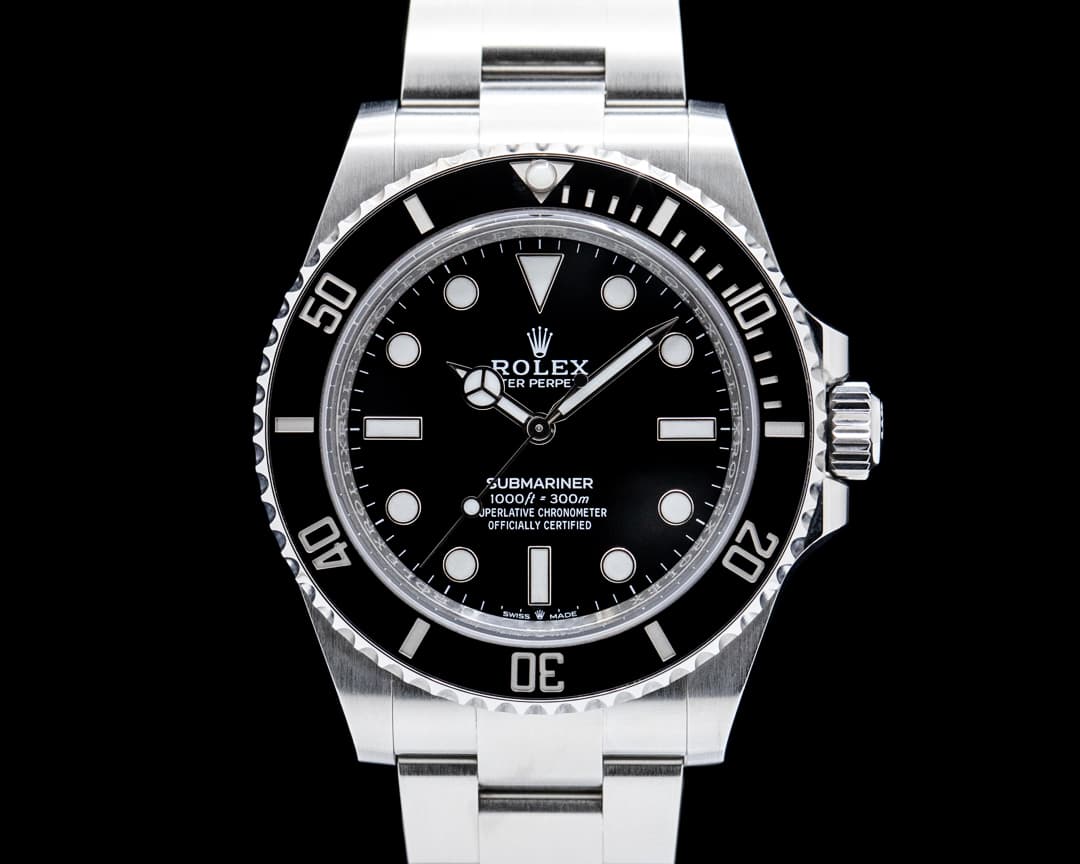
124060 Submariner No Date 41MM SS Black Dial
$13,900
View Watch
Shop New Arrivals
226659 Yacht-Master 18K White Gold Black Dial
$31,900
View Watch216570 Explorer II SS Black Dial
$10,900
View WatchDefy El Primero 21 Chronograph Black Ceramic Skeleton Dial
$9,900
View Watch124060 Submariner No Date 41MM SS Black Dial
$13,900
View Watch
More Content