It’s impossible to deny the importance of military watches to the evolution of watch design, and even the idea of the wristwatch as a whole. While it’s somewhat common knowledge that you can trace the evolution of horological ubiquities like the rotating bezel and luminous hands and dials back to military watches, most don’t realize that the entire idea of wearing a watch on one’s wrist was popularized by soldiers returning from WWI.
At a time when men wore pocket watches, and the idea of wearing a watch on the wrist was strictly the purview of high society ladies, many thought wristwatches were a “silly ass” fad (as reported by the New York Times in 1916). Soldiers adopted wristwatches strictly out of necessity, as it is quite difficult to manage a firearm or blasting caps in the trenches while also using one hand to keep an eye on your pocket watch. Troops soldered crude lugs onto their personal pocket watches and attached them to the wrist with any piece of leather they could find, making clocking the time a hands-free affair, and inadvertently changing the future of fashion.
“In a world where watches seem to mostly now be expensive ornaments, there is something refreshing about watches that were meant to be tools, fulfilling a purpose, and on which lives depended. It’s not about inward angles and fine finishing - it’s about when you really need to tell the time,” said military watch aficionado and the founder of CWC Addict, Jonathan Hughes. “I own a CWC watch owned by a military engineer in Afghanistan, who used it to time fuses on demolition explosives to determine how much time he had to clear the area - that’s when your watch really matters!”
On that note, let’s dig into some of the most iconic military watches out there.
The A11
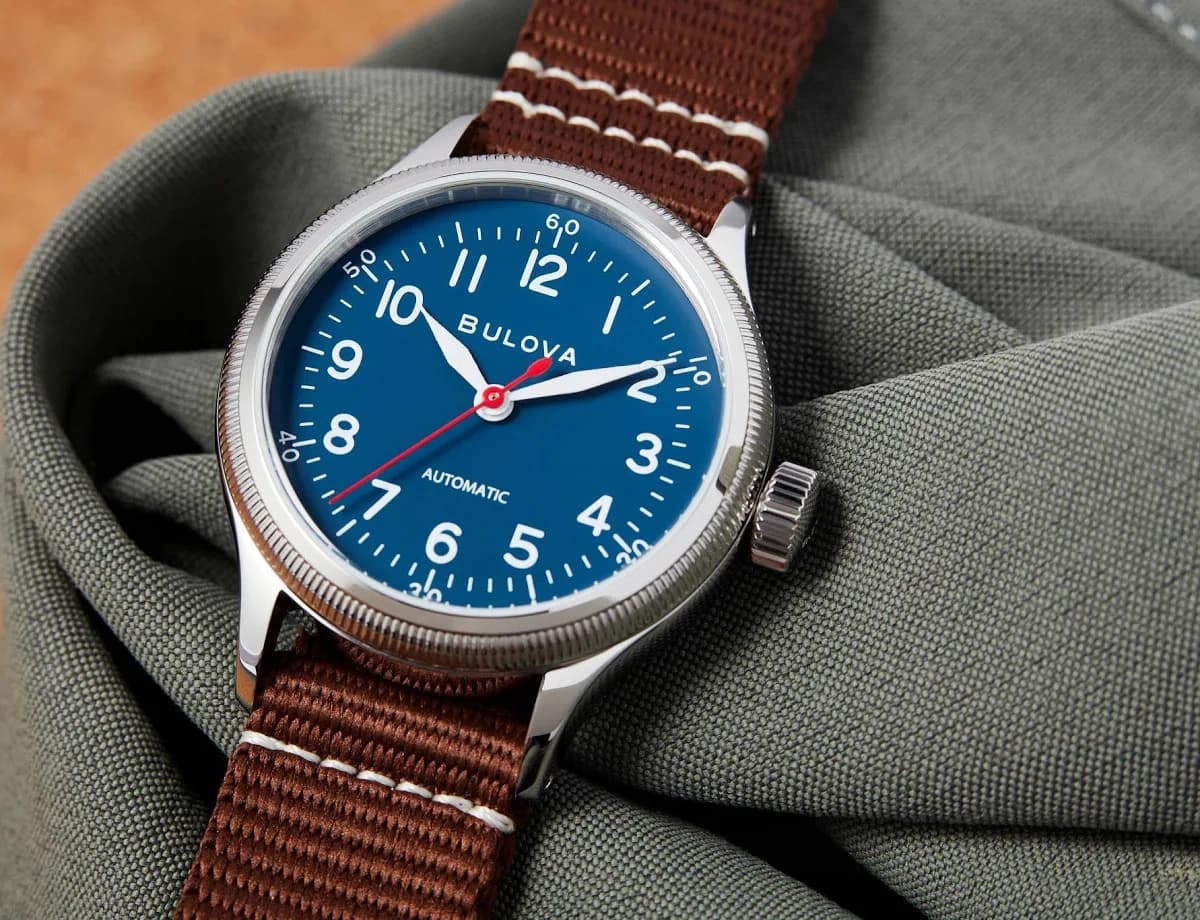
Image: Bulova
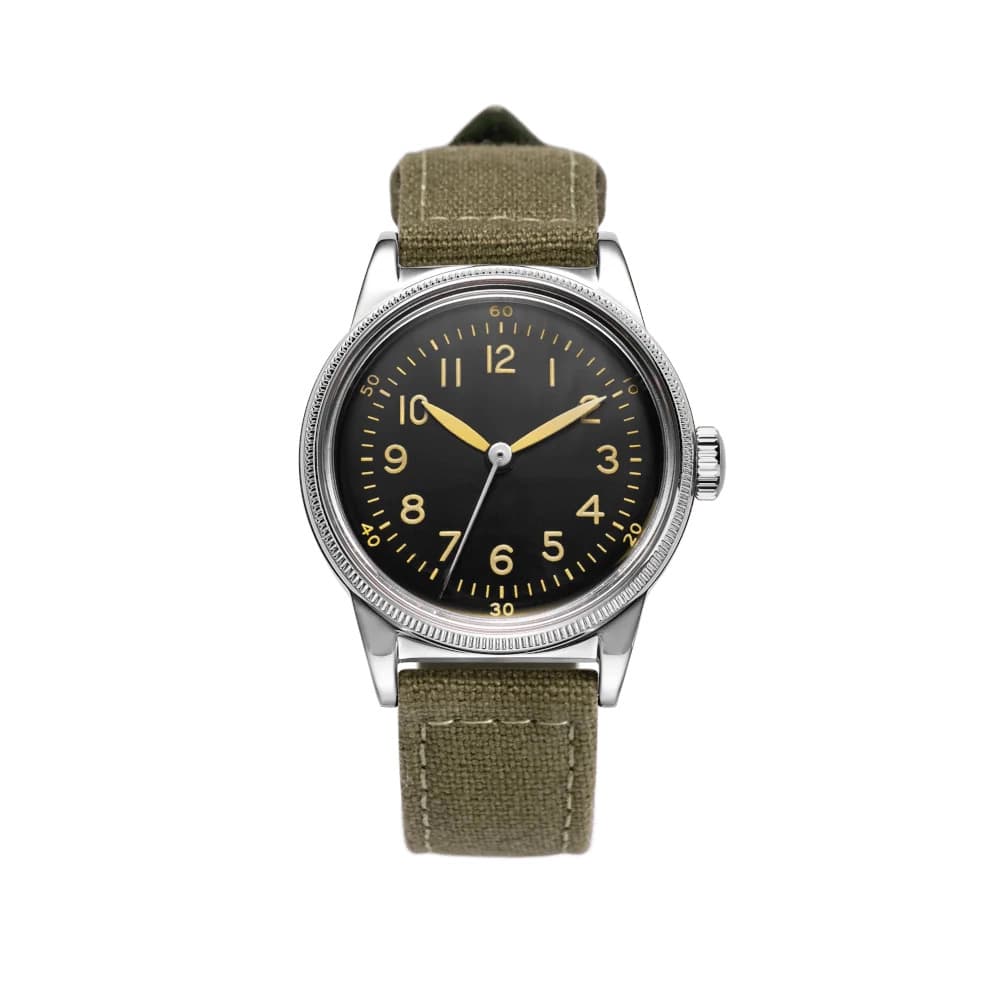
Image: Praesidus
Sometimes called “the watch that won the war”, the A-11 is a specification rather than a particular model of watch, and was produced for the U.S. military by the Bulova, Elgin and Waltham brands. One of the earliest mass-produced timepieces to feature a hacking function, this watch was instrumental in coordinating timing of mission-critical troop movements in WWII, thus its catchy moniker. These originals are hard to come by on the secondary market, as very few examples still exist. Wartime material scarcity meant they were made of inferior metals, like chromium-plated brass, and thus did not stand the tests of time, but there are modern re-interpretations from brands like Bulova and Praesidus.
The W10
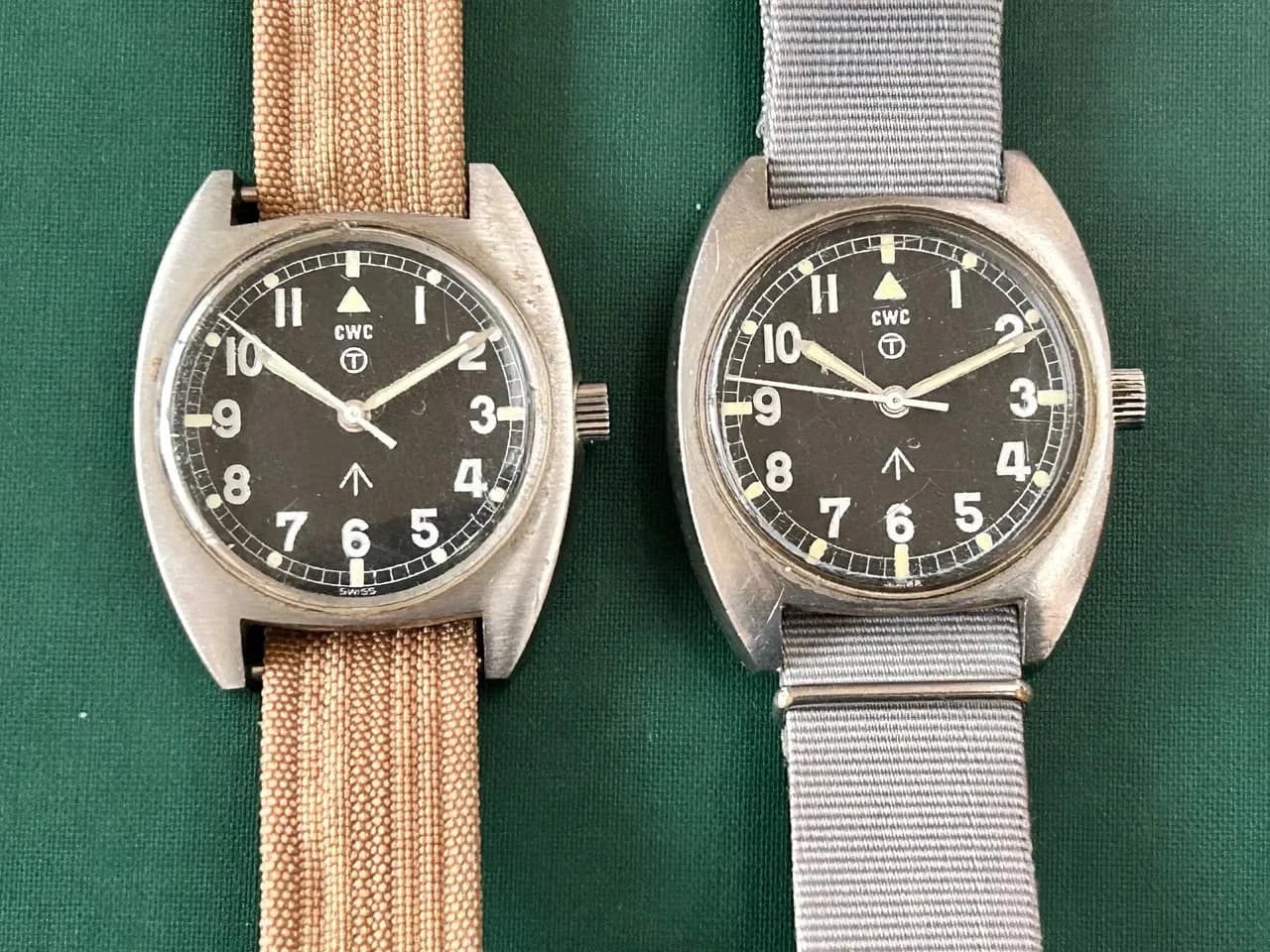
Image: Jonathan Hughes / CWC Addict
The W10 is another specification rather than a watch model number, requested by the British MOD (Ministry of Defense) and originally supplied by Smiths. It was the last specification of British military watches to be fully manufactured, movement and all, in England. Notable features include an accurate hand-wound movement and protection against magnetism using an iron dial and caseback as a sort of Faraday sandwich. These watches were on the wrists of soldiers throughout the U.K. from 1967-1973. Cost-cutting measures led to U.S.-based Hamilton supplying their version of the W10 from 1973-1976, before going into their own financial difficulties due to the quartz crisis of the late 1970s. An enterprising young Hamilton employee named Ray Mellor would start his own brand called Cabot Watch Company (CWC) to take over W10 production for the last three years of its life cycle from 1976-1980.
The G10
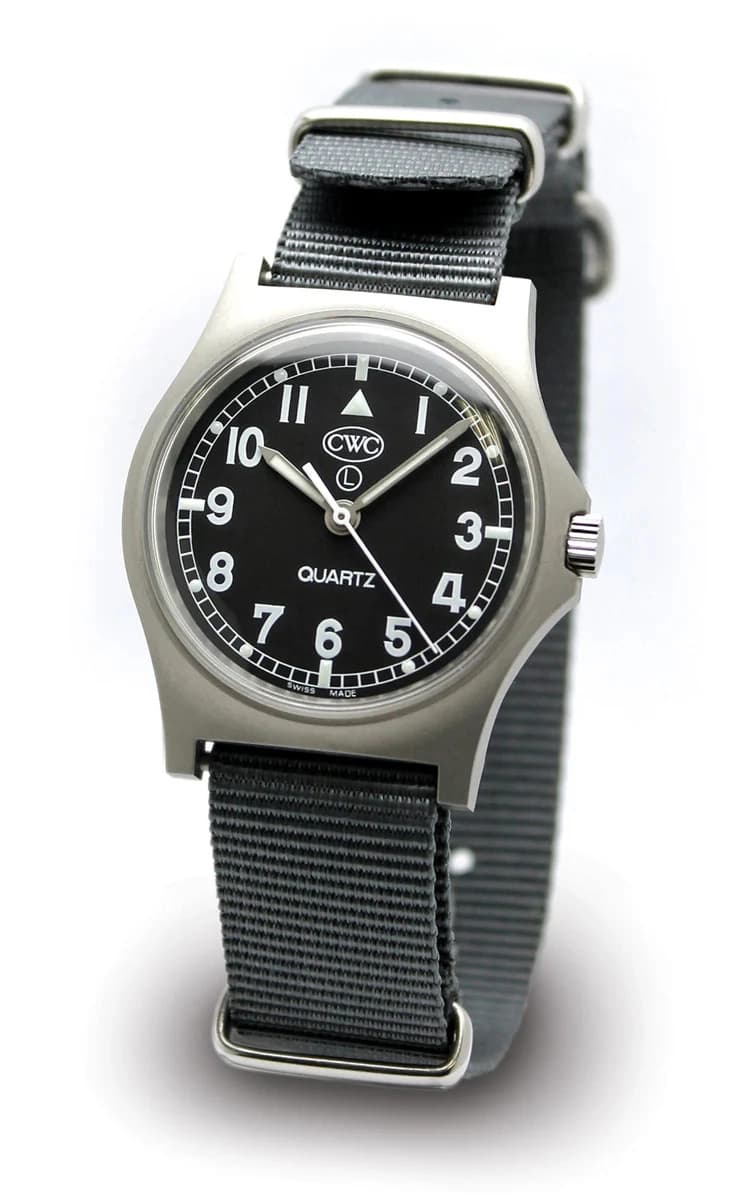
Image: CWC
Not one to miss a beat, CWC took the end of their W10 production as a sign and leaned into the quartz crisis, quickly starting to supply the British military with a new field watch, the G10. This would become a wildly successful watch for CWC, supplying approximately 10,000 of them a year to the military for a period of 28 years. The earliest models were nicknamed “Fatboys” due to being thicker to accompany the larger, earlier quartz movement, with later versions slimming down as the technology improved and movements got smaller.
Blancpain Fifty Fathoms
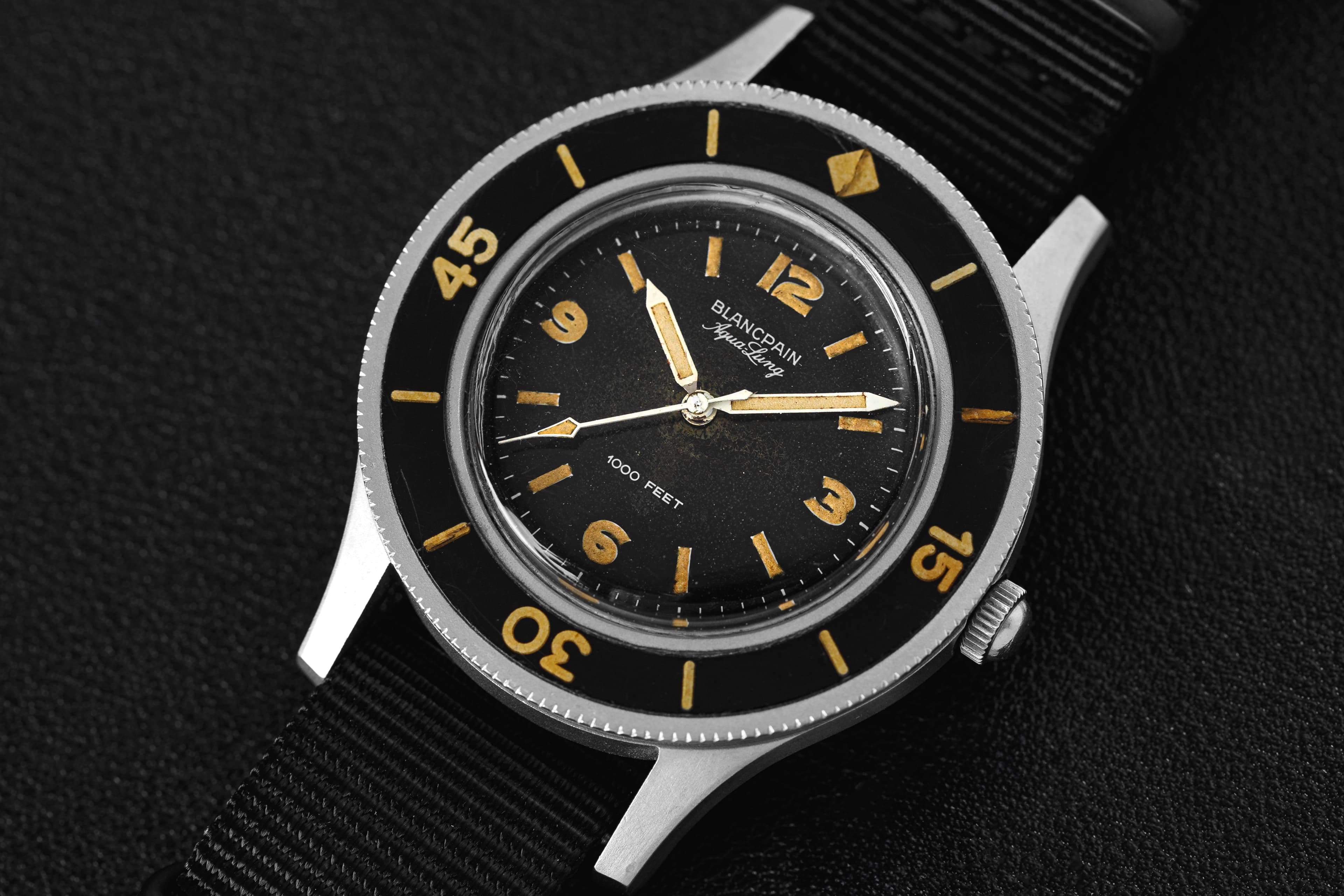
The Fifty Fathoms, arguably the most iconic watch in Blancpains’s permanent collection, started its life as a military spec watch. In 1953, avid diver and Blancpain CEO Jean-Jacques Fiechter had already been working on ideas for a waterproof, dive-capable watch when he was approached by Captain Robert Maloubier, a French naval officer seeking gear for elite divers to use in intensive underwater missions. The resulting watch was adopted by many military units across the world, including special forces teams from Norway, Germany, Spain, and the United States Navy SEALs.
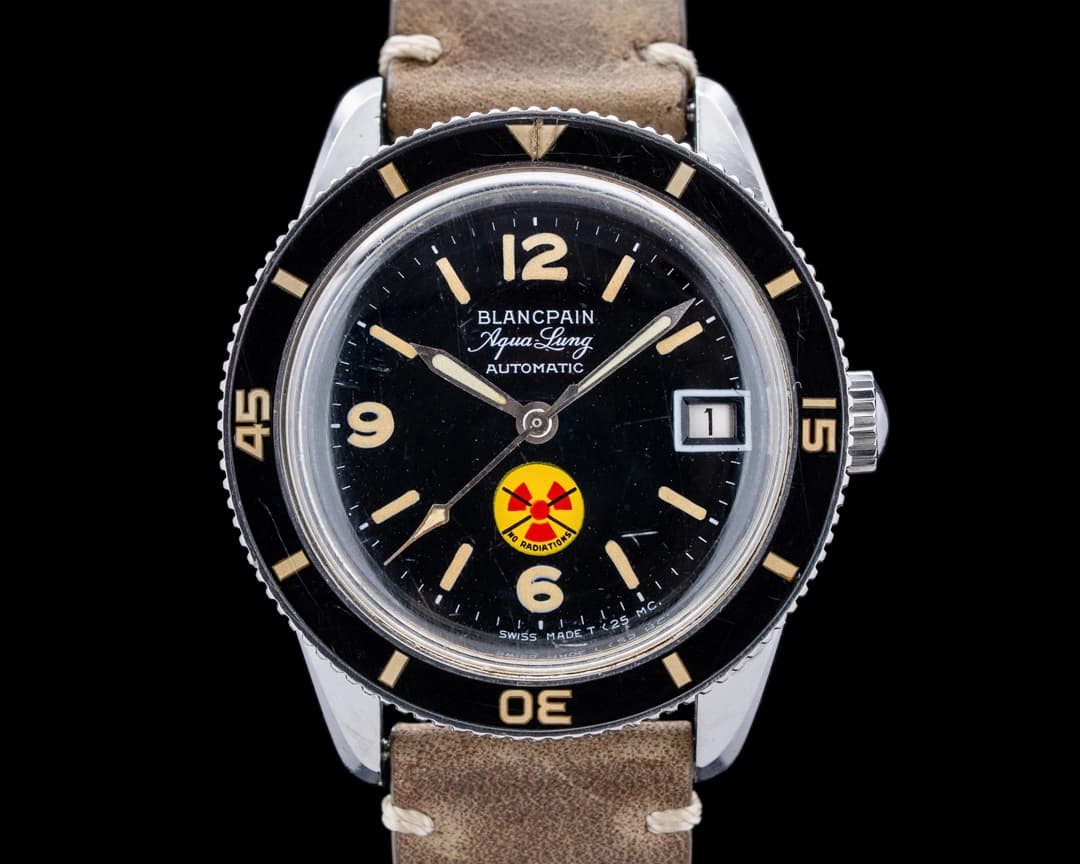
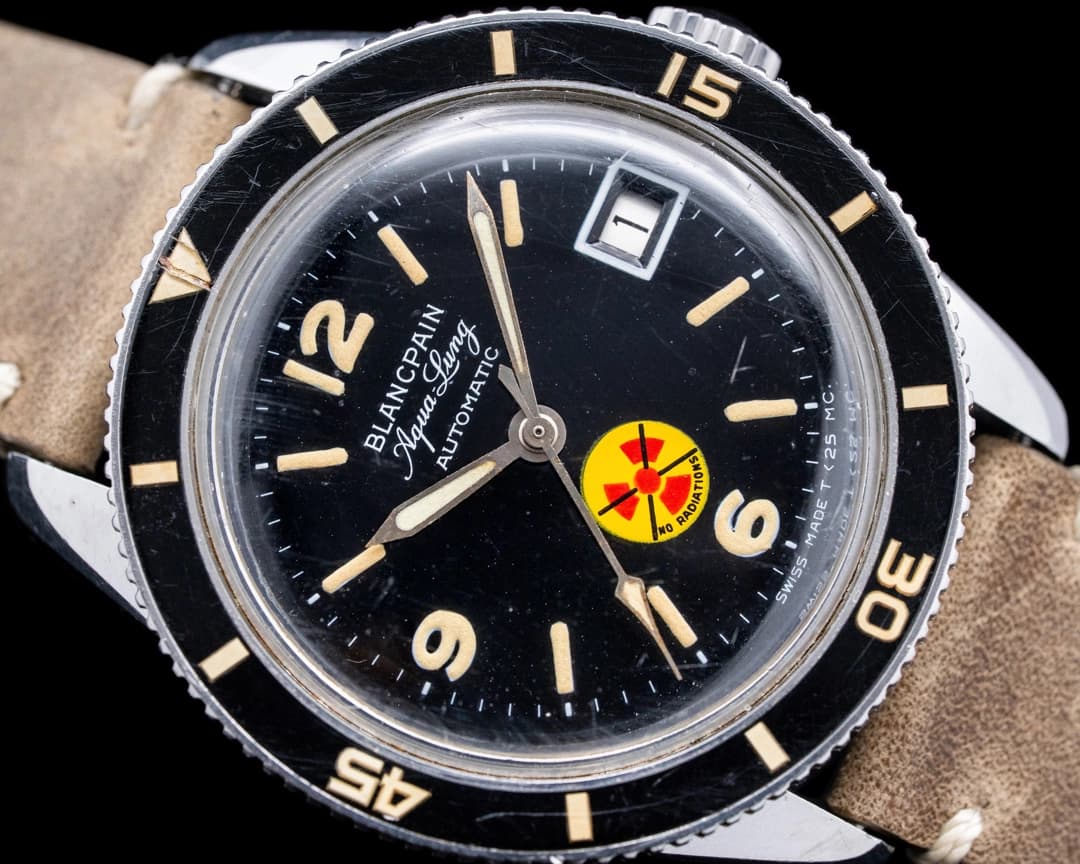
A civilian version would be released a few years later and remained a tentpole of the Blancpain brand for the next 25 years, before going dormant in the 1980s. The Fifty Fathoms remained a sleeping giant until its revival in 2003 as a limited edition, and has been in regular production since 2007. Today it is where it belongs, as a flagship of the Blancpain brand and one of the most recognizable dive watches around.
Other notable examples
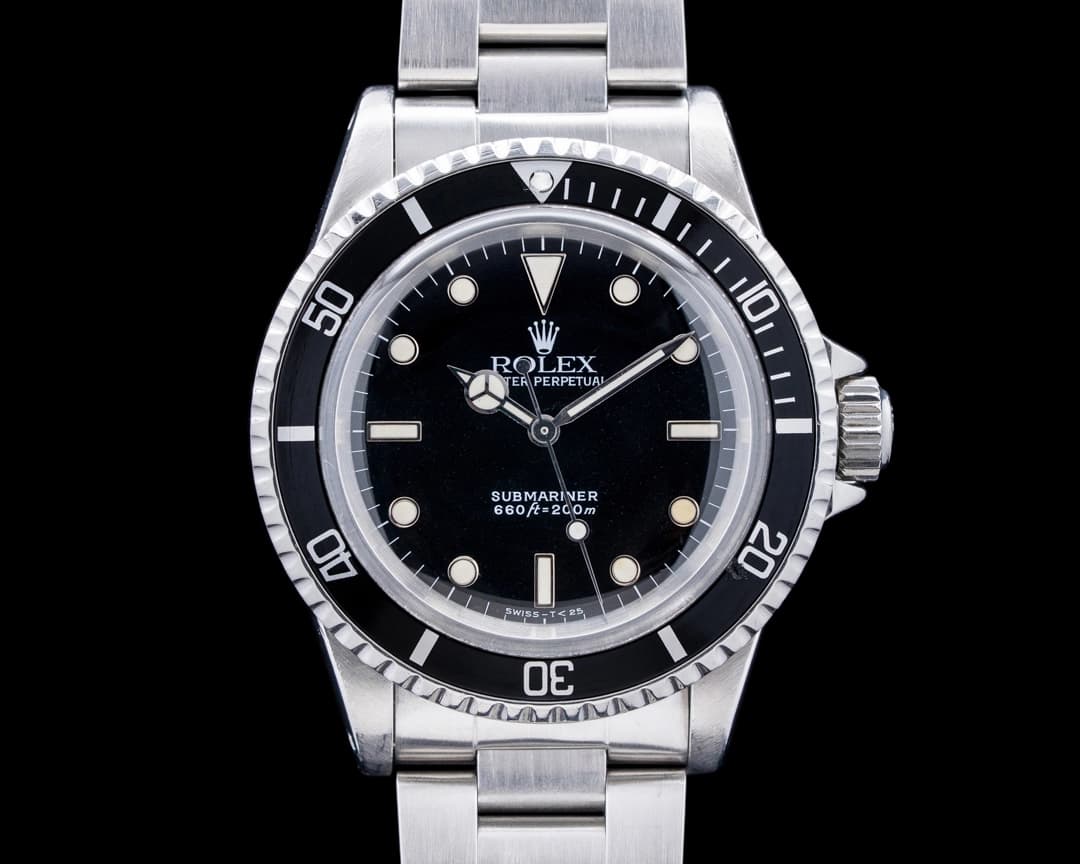
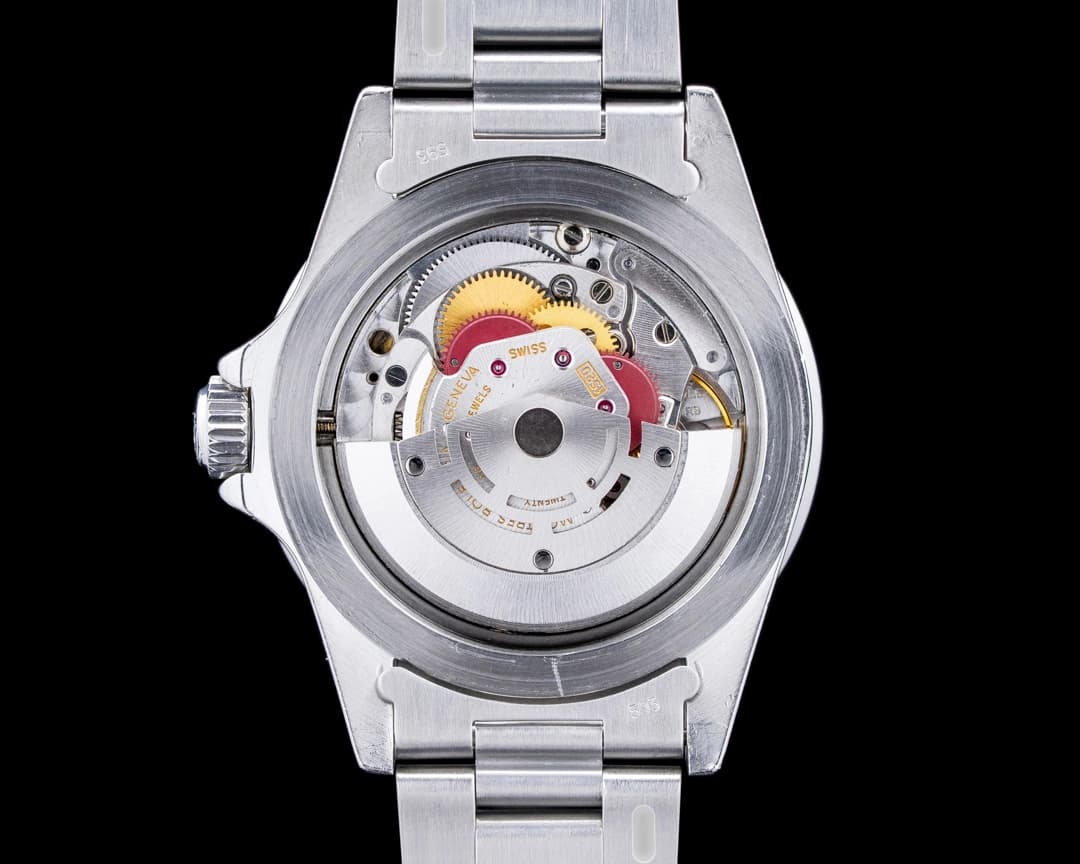
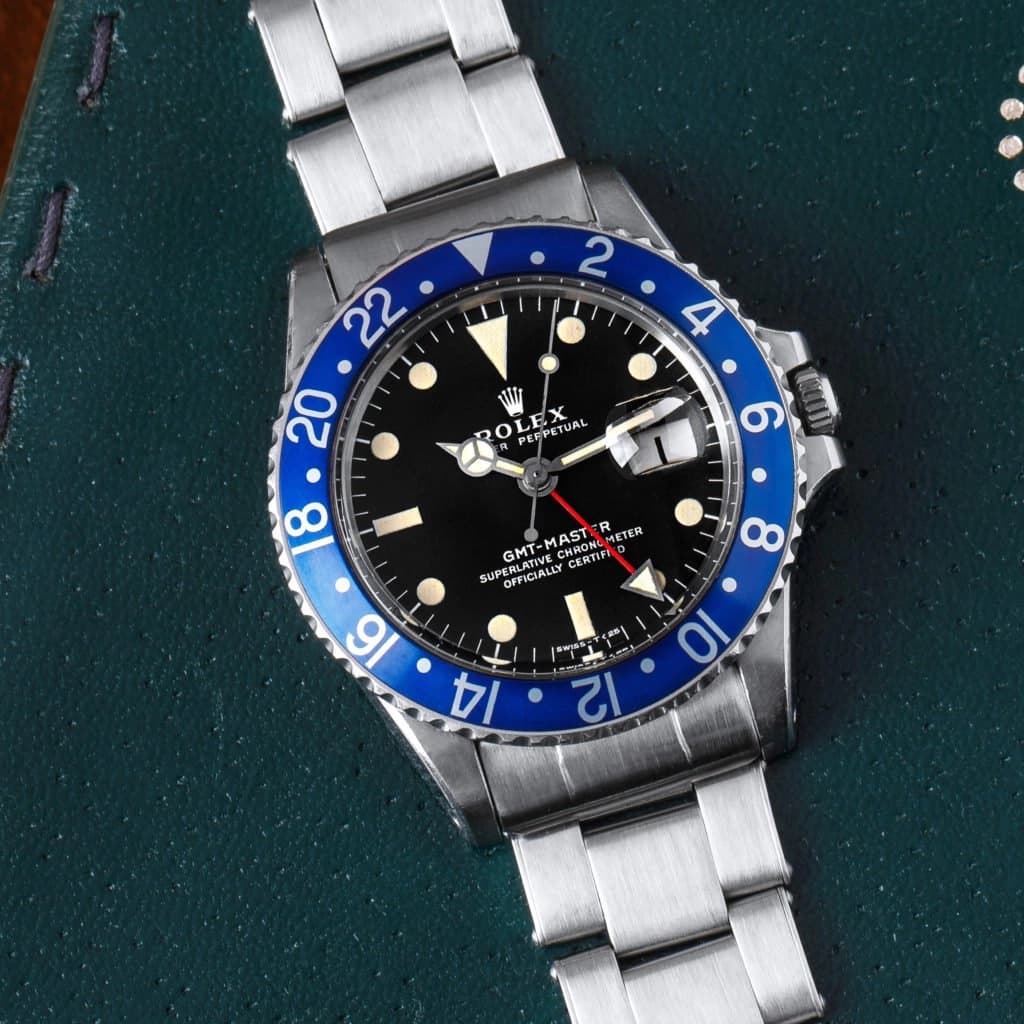
Outside of these specialized and purpose-built timepieces, there are other notable civilian watches that have been drafted into military service, such as the vaunted Rolex Submariner. The famous dive watch was used by the British Ministry of Defense in the 1970s and by U.S. special forces in Vietnam.
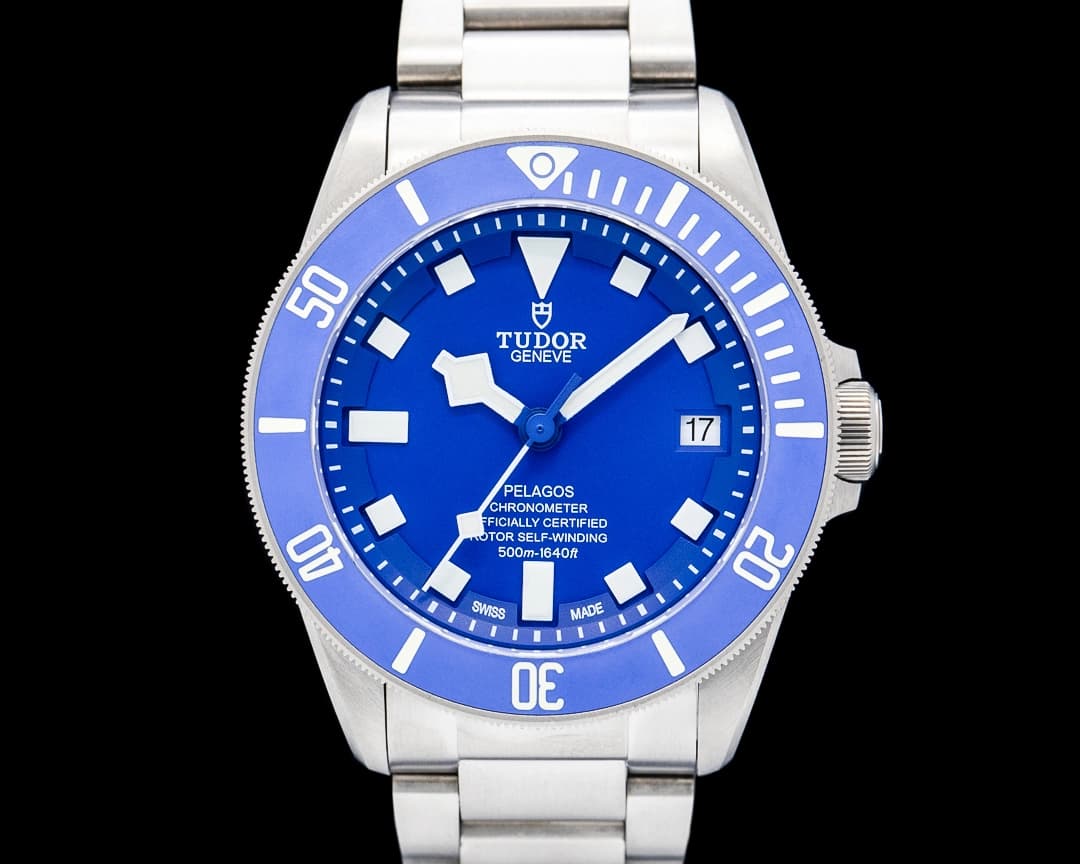
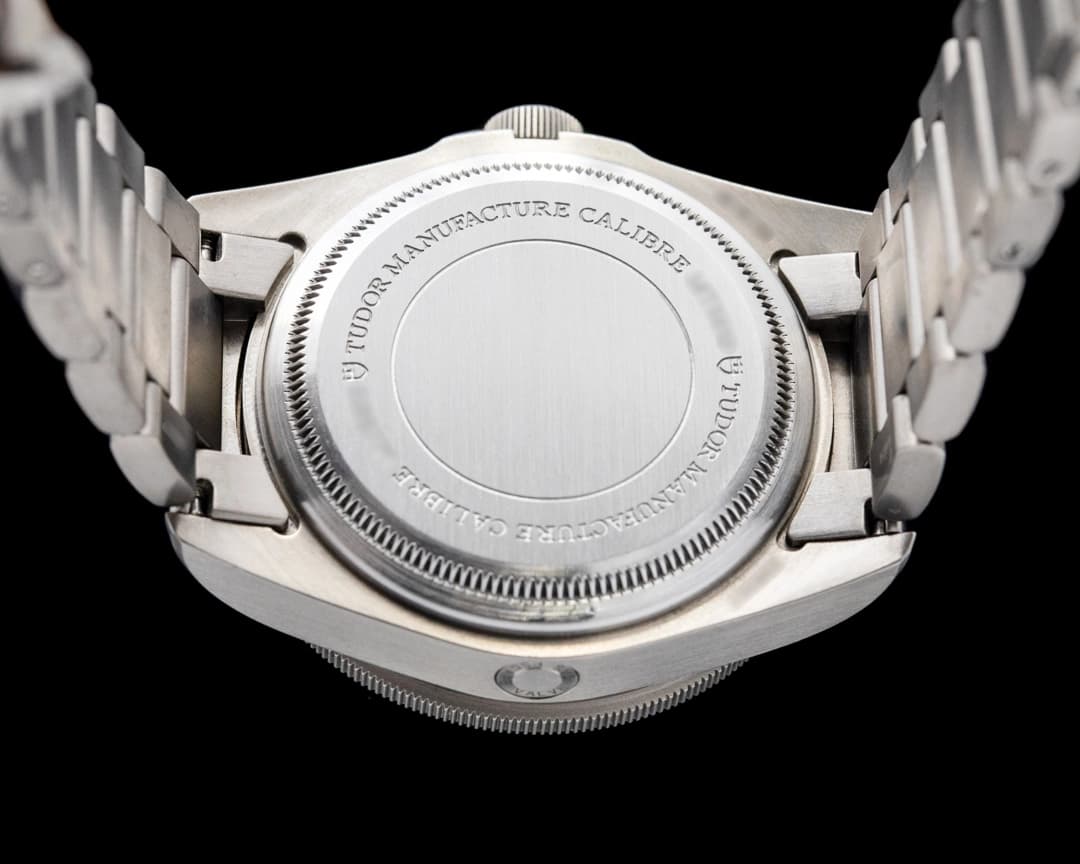
Tudor recently developed a watch with the French Marine Nationale, in the first FXD version from their Pelagos line.
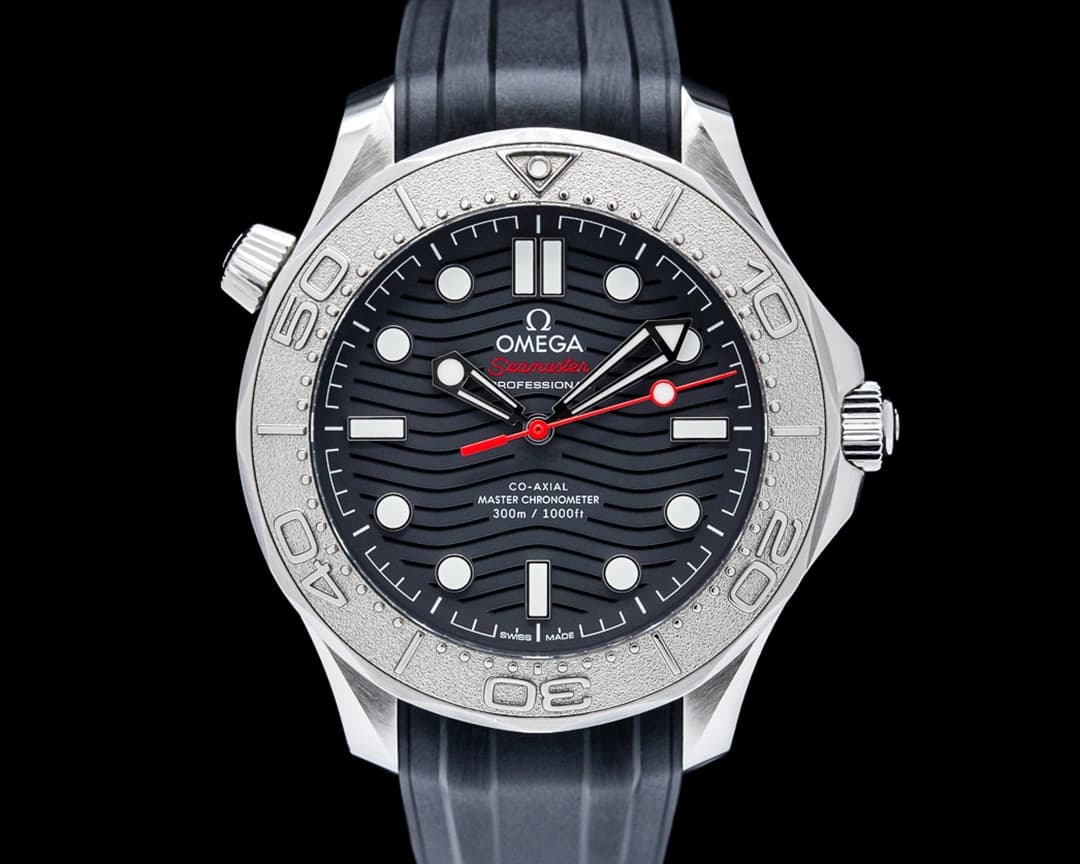
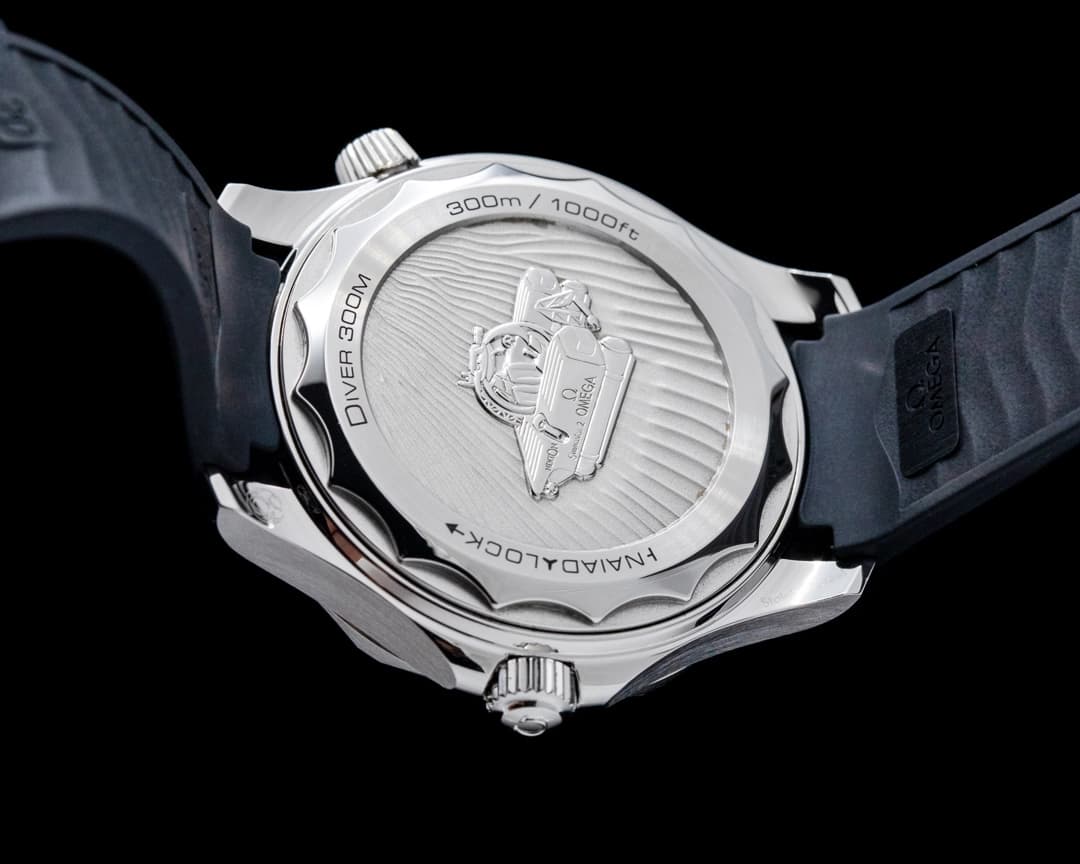
The Omega Seamaster 300 has been used by the British Royal Navy and Omega continues a “unit watch” program to this day, where they will make a small run of watches with unit logos provided just to those servicemen and women.
The marketing of wristwatches today also owes a heavy debt to the military. The idea of a wristwatch as a totem and a travel companion surely has its roots with soldiers, travelling to exotic locales and participating in various derring-do. “Military watches are greater than the sum of their government-issue parts, inspiring questions regarding the past lived experiences of the watches and those who wore them. They hint at stories carrying a weight far beyond a simple watch," said Jacob VanBuren, a historian focused on diving and military watches. That sentiment has found its way into the narratives of many watch brands, making watches a much more romantic endeavor than simply an object on your wrist.
Military watches have left a lasting imprint well beyond the battlefield. Their emphasis on legibility, durability, and purpose-driven design continues to shape the watches we wear today, often in subtle ways we take for granted. They stand as proof that the most enduring ideas are often born out of necessity.
Shop New Arrivals
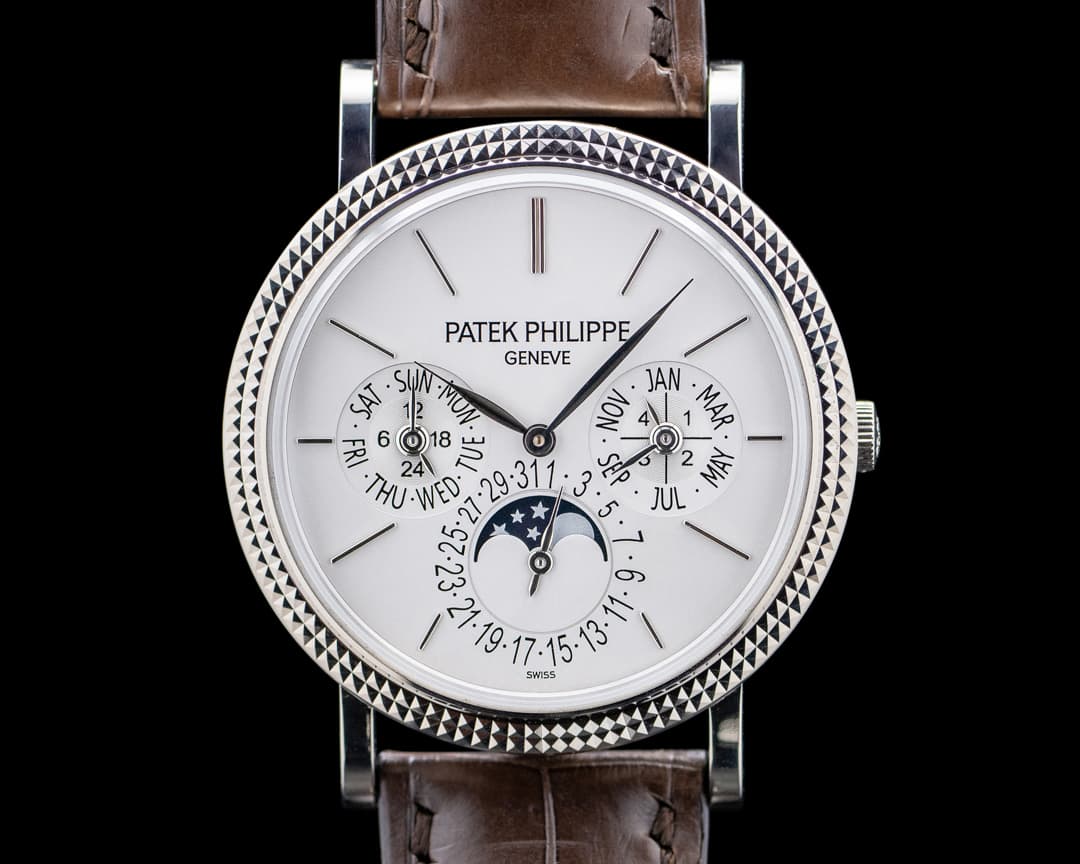
5139G-001 Perpetual Calendar 18K White Gold Silver Dial
$49,500
View Watch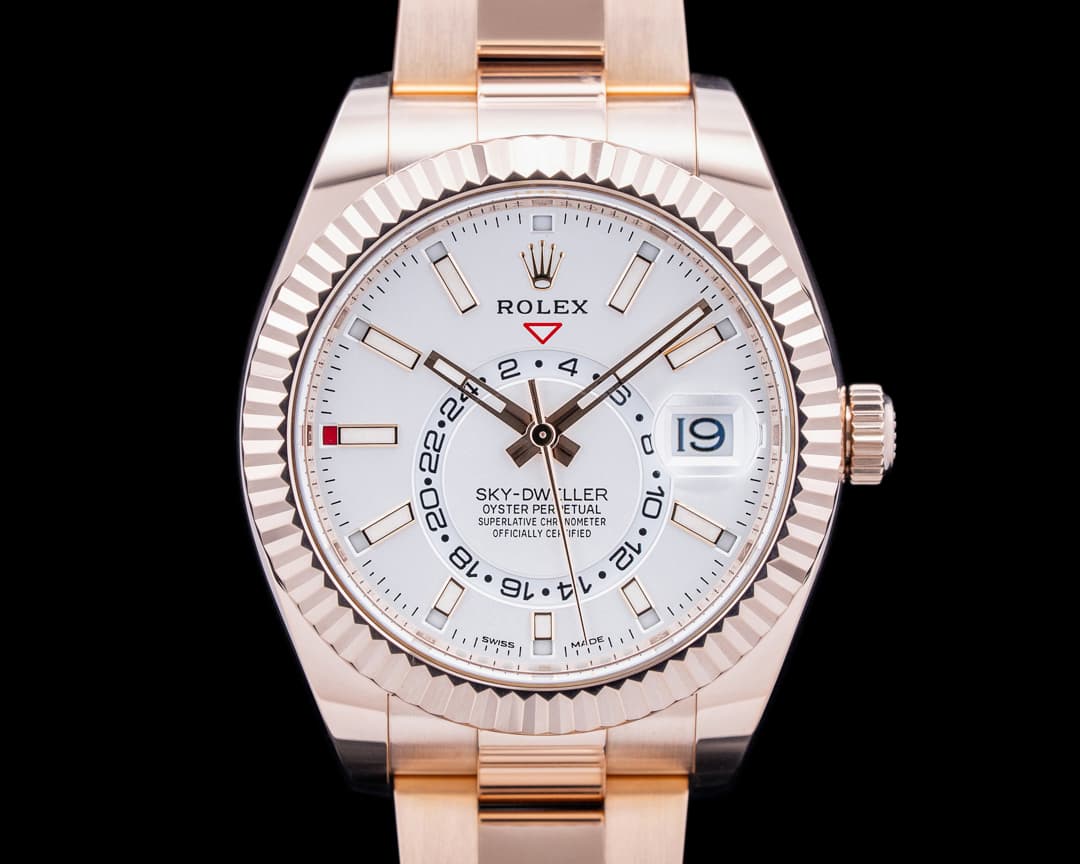
326935 Sky-Dweller 18K Rose Gold Silver Dial
$44,500
View Watch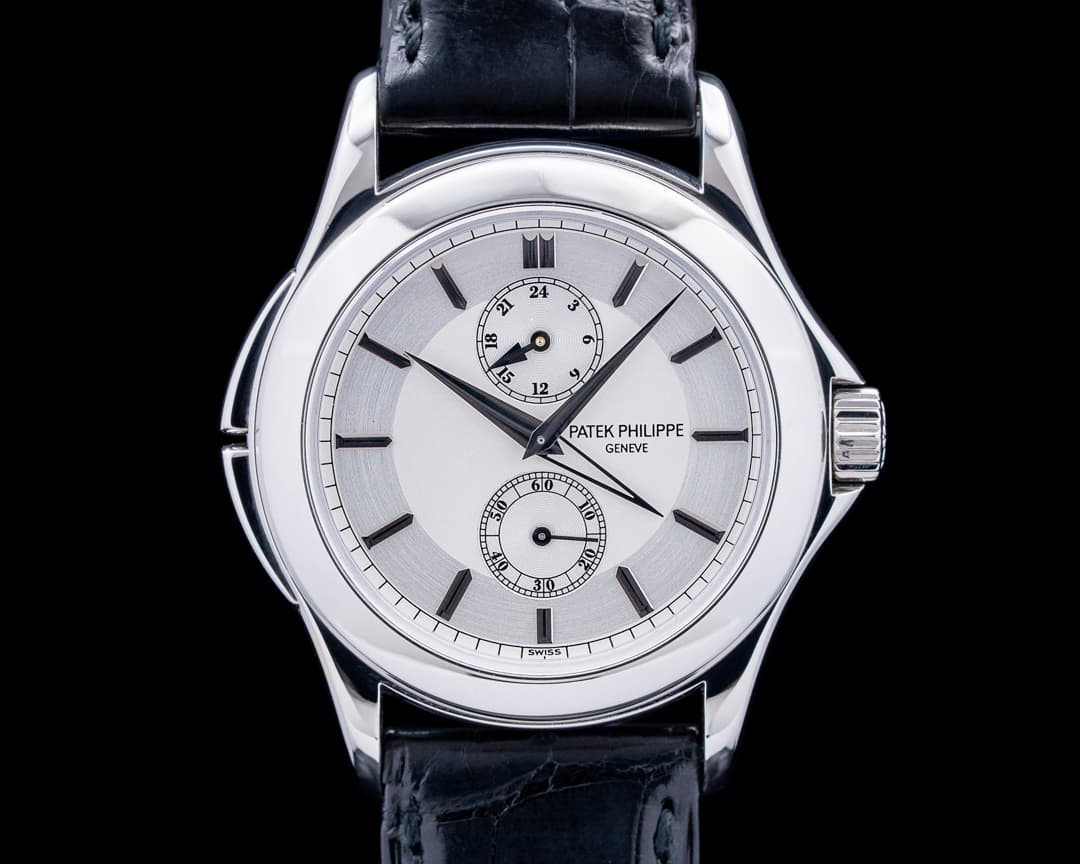
5134P Calatrava Travel Time Platinum Silver Dial
$37,500
View Watch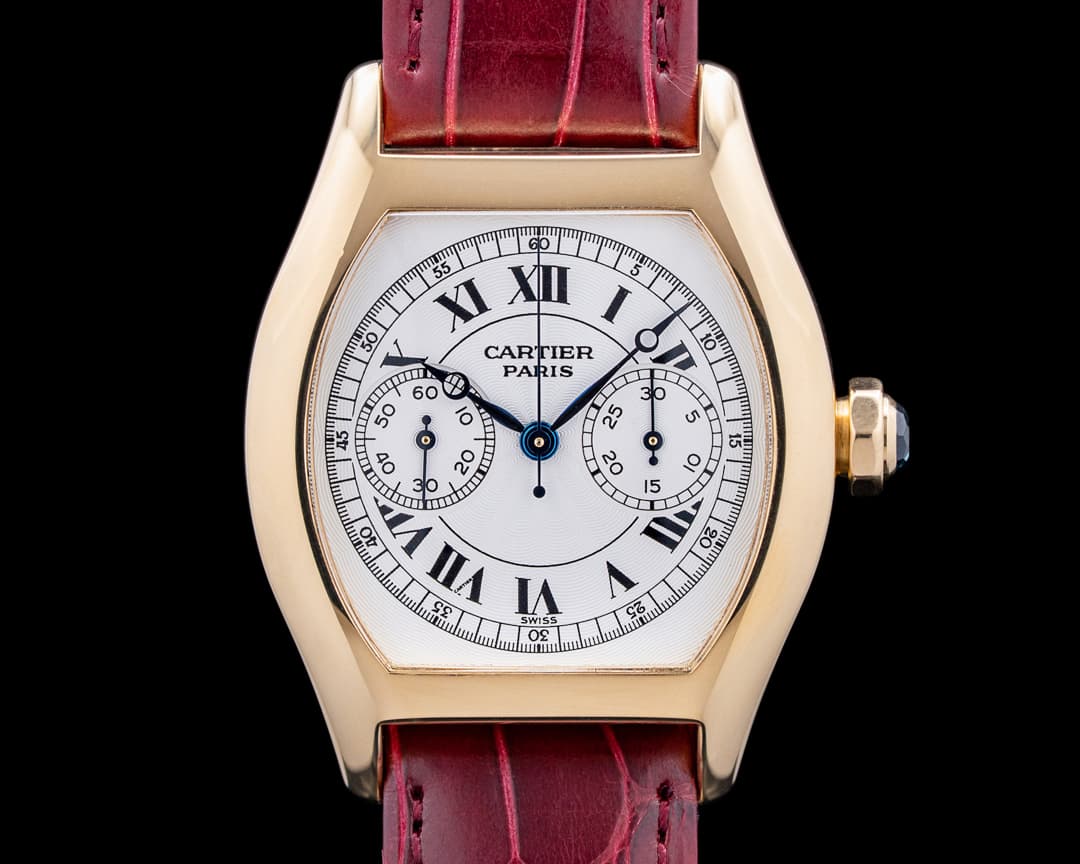
CPCP Tortue Monopoussoir Chronograph 18K Yellow Gold Silver Dial
$69,500
View Watch
Shop New Arrivals
5139G-001 Perpetual Calendar 18K White Gold Silver Dial
$49,500
View Watch326935 Sky-Dweller 18K Rose Gold Silver Dial
$44,500
View Watch5134P Calatrava Travel Time Platinum Silver Dial
$37,500
View WatchCPCP Tortue Monopoussoir Chronograph 18K Yellow Gold Silver Dial
$69,500
View Watch
More Buyers Guides