The independent watchmaking world has never had more options to offer collectors, and sorting through the dozens of brands has become harder than ever. Across the world, small workshops are delivering pieces the major houses simply won't: movements built around a specific mechanical achievement, dials that exemplify a true command of the watchmaking craft, pieces that reward close attention and a love for detail. For a collector who has worked through the famous names, independents are often where the collecting journey takes off.
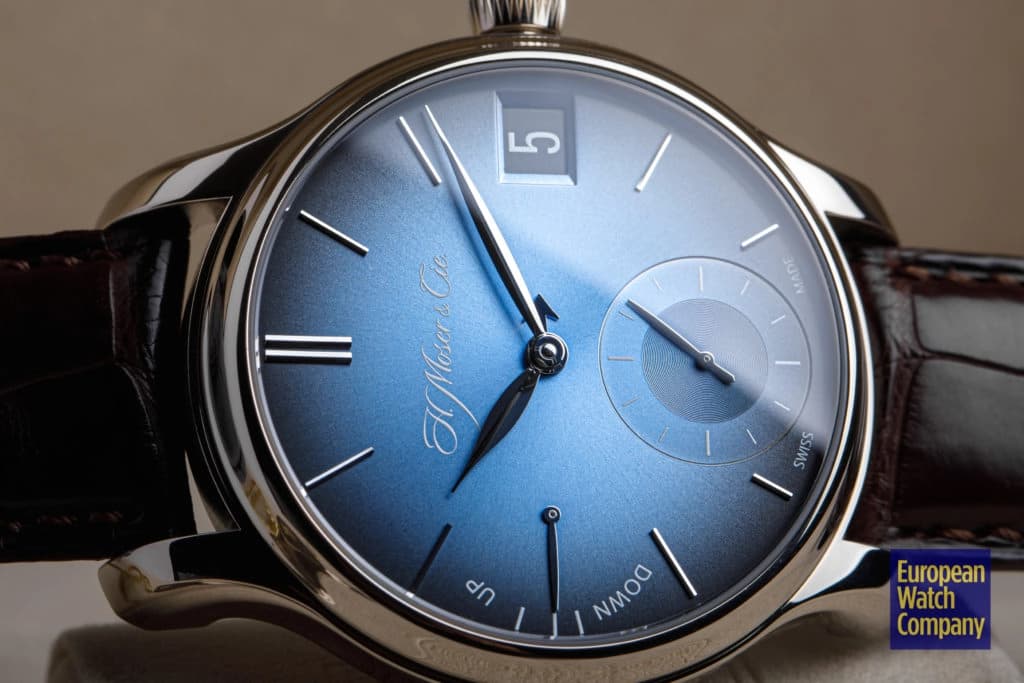
Moser Endeavour Perpetual Calendar
Dozens of brands now carry the independent label. Identifying the ones worth serious attention requires additional research. Which brands are worthy of collecting? This guide covers seven of our favorite independents: each has built a reputation around a coherent design language, real quality, and a consistent brand ethos.
What Defines a Serious Independent
The word "independent" covers a wide range of different brand qualities and standards.
A serious independent controls its movement development, designing the architecture and overseeing production rather than specifying a modified ebauche. Its finishing rewards examination under a loupe, revealing additional layers of attention to detail that continue to come through the closer you look. And it has demonstrated, over time, a consistent design language and a clear sense of direction.
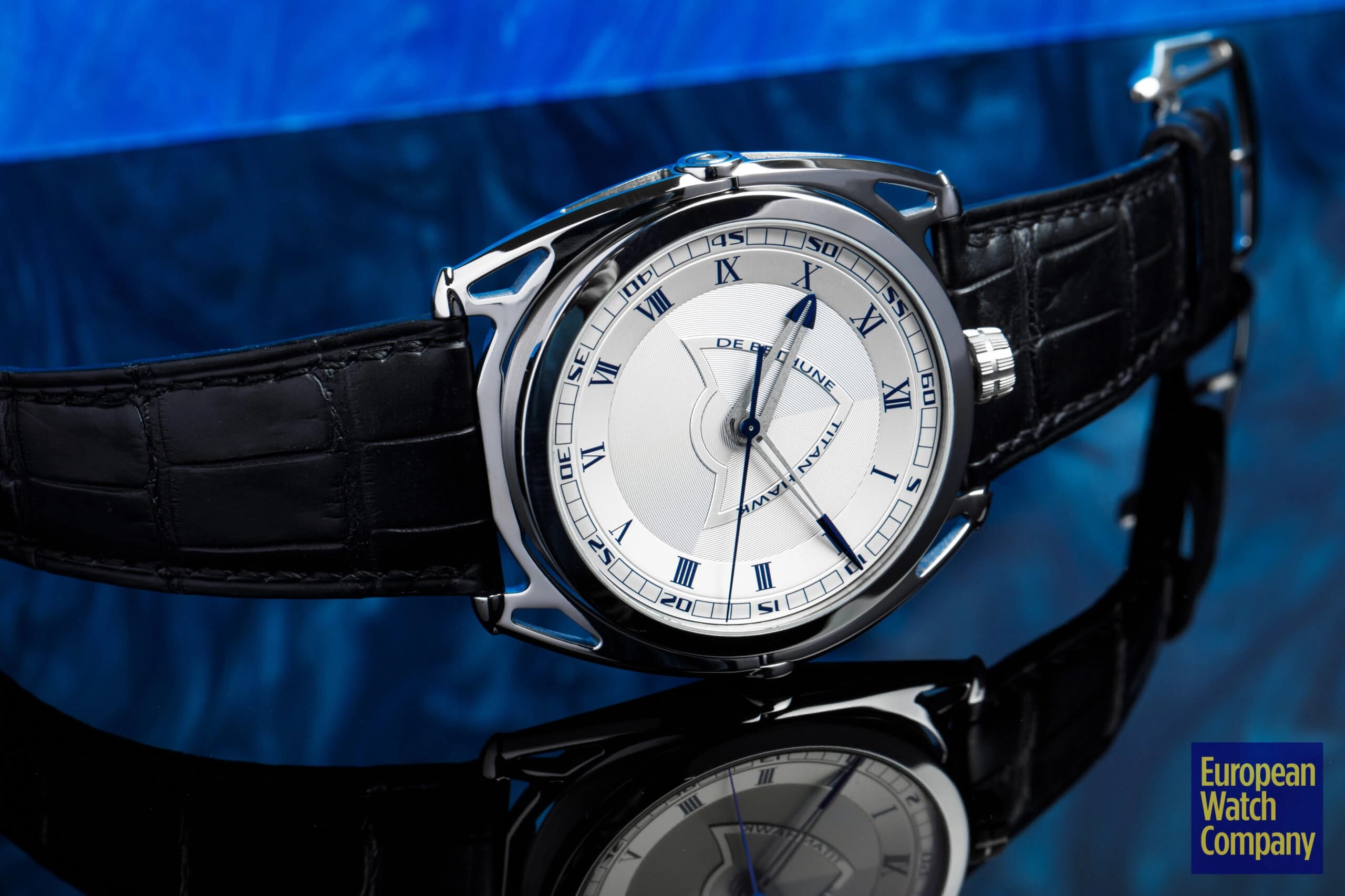
De Bethune DB27
Those are the standards the brands in this guide are held to. None of this means the answer has to be a six-figure atelier piece. But it does mean that there are legitimate criteria for the types of brands we deem collector-grade in the modern market. At the accessible end of the range, microbrands offer independent-like characteristics at more affordable prices, but that's a separate conversation in and of itself.
A note on price: the brands here range from roughly $15,000 at entry (H. Moser is the most accessible) to pieces by Philippe Dufour that have sold above $500,000 at auction. The meaningful middle ground, where serious watchmaking meets a preowned market with trade volume, sits between $30,000 and a couple hundred thousand dollars for most references from Journe, Ferrier, Voutilainen, and URWERK (most falling below $100,000). Within that range, you are generally buying something the major houses cannot offer: a movement built to a standard that only makes sense at low volume, finished by people who have spent their careers on exactly this kind of work. To some extent pricing is a secondary aspect, since collecting of this kind is art and craft driven. Independents explore avenues that wouldn't and shouldn't work in a mass-market context. Here are some of our favorites:
F.P. Journe
Francois-Paul Journe trained under his uncle, Michel Journe, in Paris, working on significant works from Breguet and Antide Janvier. Following a technical training and several years restoring antique movements, Journe set to work building his first tourbillon in 1983, a piece now in a private collection that demonstrated his command of historical watchmaking at the highest level. He established his manufacture in Geneva in 1999, and F.P. Journe has operated ever since as one of the most consistently serious ateliers in Swiss watchmaking. Production has never climbed to a level that would compromise the finishing standard, even as collectors clamor to get there hands on the limited supply. Journe himself remains the technical authority, and his movement designs are genuinely original: not refinements of existing calibers, but new approaches to old problems.
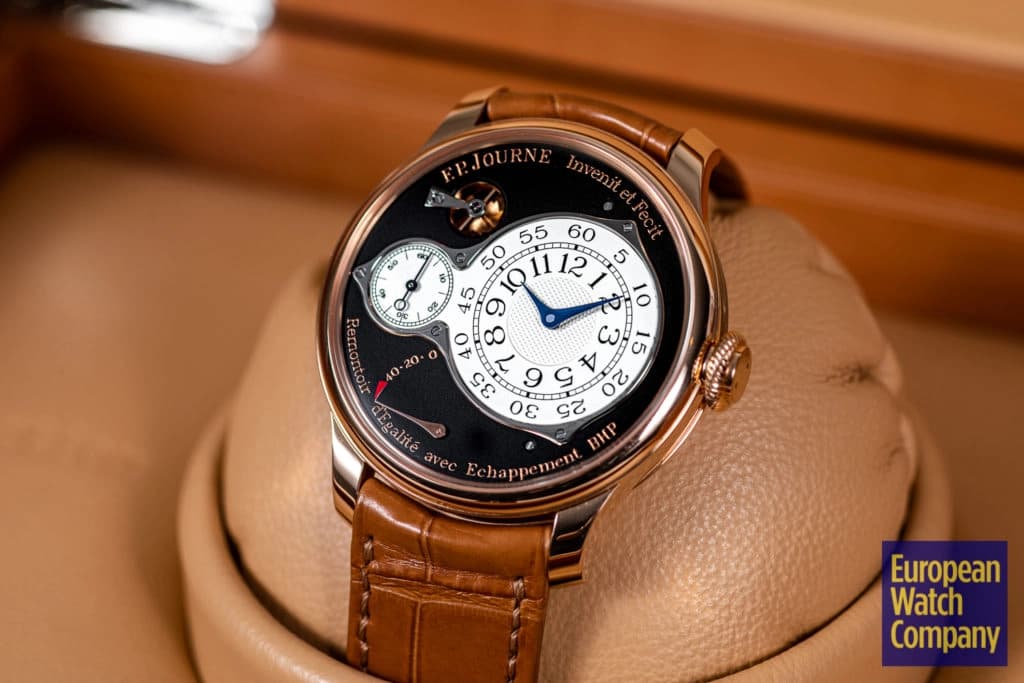
F.P. Journe Chronometre Optimum
Journe's watches are immediately recognizable. The dials are typically solid gold, aged to a warm tone that reads differently from the white and silver of most fine watchmaking. The movements, visible through sapphire casebacks, were rendered in brass as per tradition, before Journe pivoted to rose gold across his collections. The tourbillon and resonance calibers are the most famous models from the brand, but the Souverain, Chronometre Bleu, the Octa series, and the Centigraphe each make a case for Journe as a complete watchmaker with a command of complications.
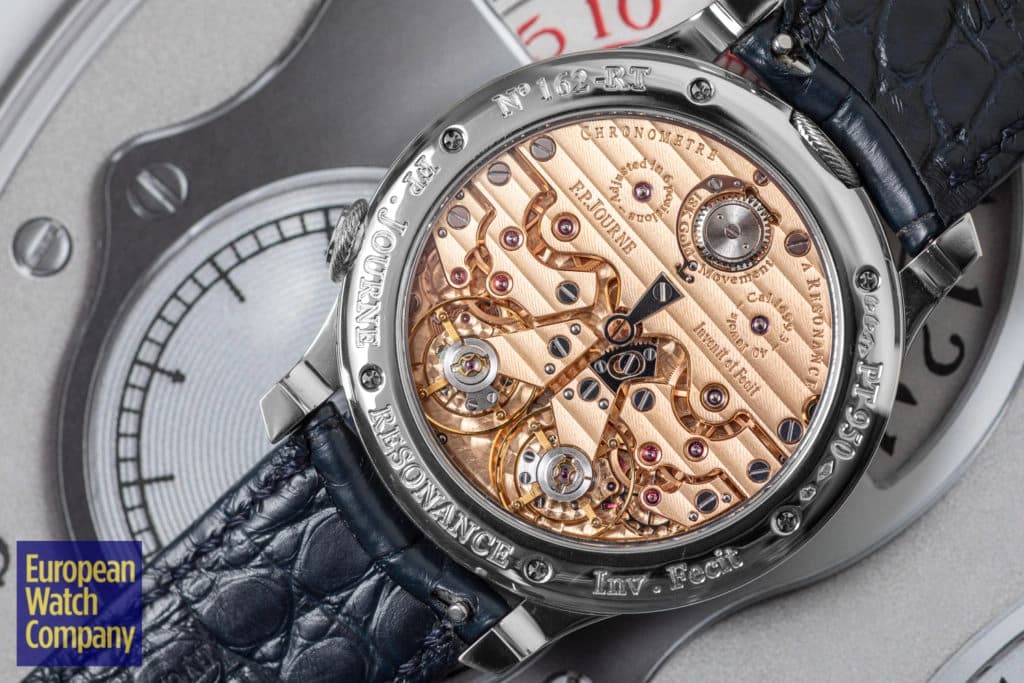
F.P. Journe Chronometre a Resonance
On the market, Journe is the most liquid independent in this guide. References trade regularly, the collector base is global and active, and values have held well through market cycles. The brand's preowned pricing is a moving target, trading at multiples of retail and climbing by the day. Depending on the model and configuration, there are large differences in pricing, but standard platinum Souverains sell for roughly $135,000 as of publish, the Chronometre Bleu at about $175,000, 40mm Resonance offerings trading for several hundred thousand dollars, and complicated pieces like the Octa Calendrier and Tourbillons occupying a similar price segment. Significant early models and those made with brass movements command further premiums, with some approaching or even surpassing the million dollar mark.
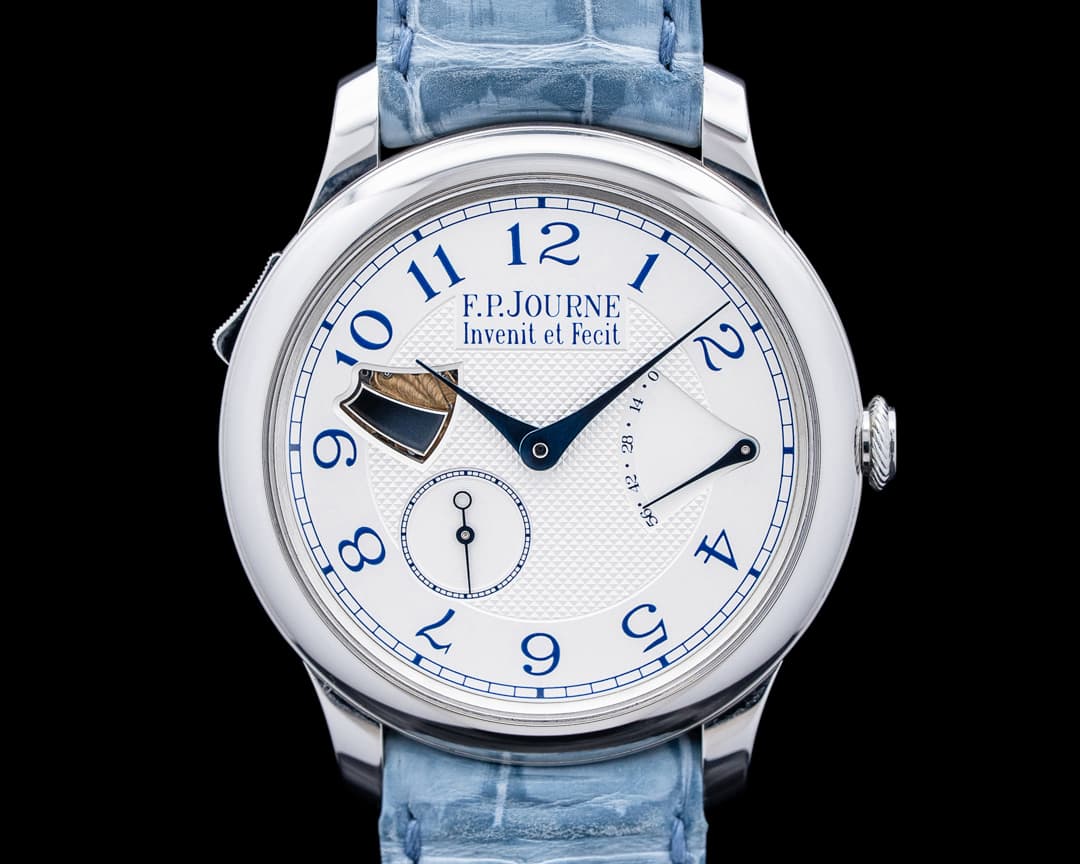
As collector interest continues to build around the brand, and the supply of pieces remains fixed at under 1000 pieces per year according to the brand, the secondary market remains incredibly strong, and pricing changes quickly to reflect that.
Laurent Ferrier
Laurent Ferrier spent thirty-seven years at Patek Philippe before founding his own manufacture in 2009, at an age when most watchmakers would consider their careers complete. Ferrier's experience, and his parallel career in motorsports, heavily impacted the designs he later brought to fruition. Beautiful anglage, hand-chamfered components, dials that read as restrained and beautiful rather than excessively decorated, and minimalism run through everything Ferrier makes, all filtered through an aesthetic sensibility that is entirely his own.
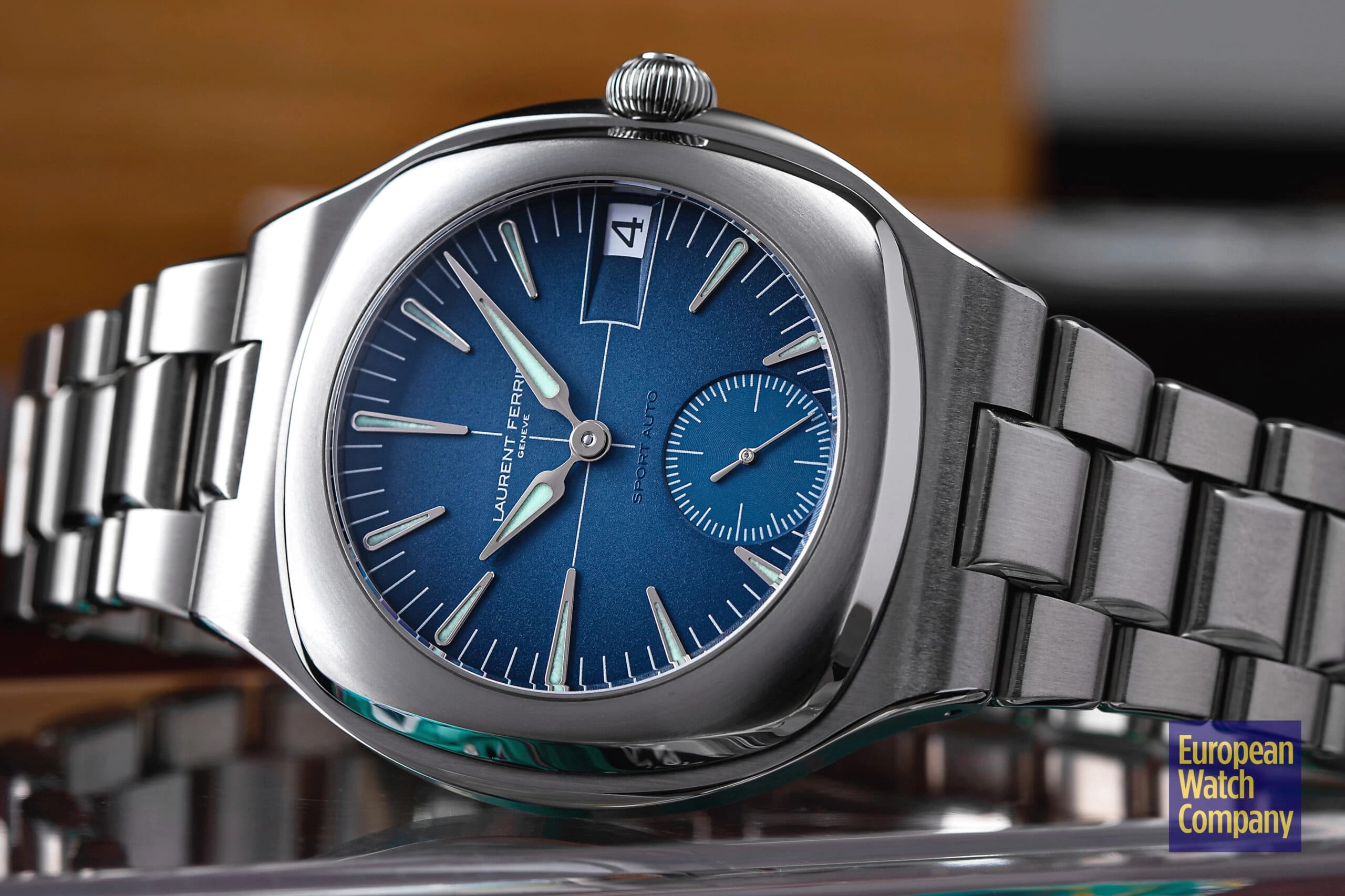
Laurent Ferrier Sport Auto
The watches are understated in a way that takes a moment to appreciate. The Galet cases (galet meaning a smooth, rounded pebble) sit low on the wrist and are finished with a quality of case execution that rewards physical handling in a way photographs don't capture. The dials, often featuring a restrained grained or sunburst finish with faceted indexes rare simply beautiful in the metal. The in-house calibers, often micro-rotor or manually wound and observed through sapphire casebacks, are as well-finished as anything at this price level- and all with an overarching restrained, simple execution.
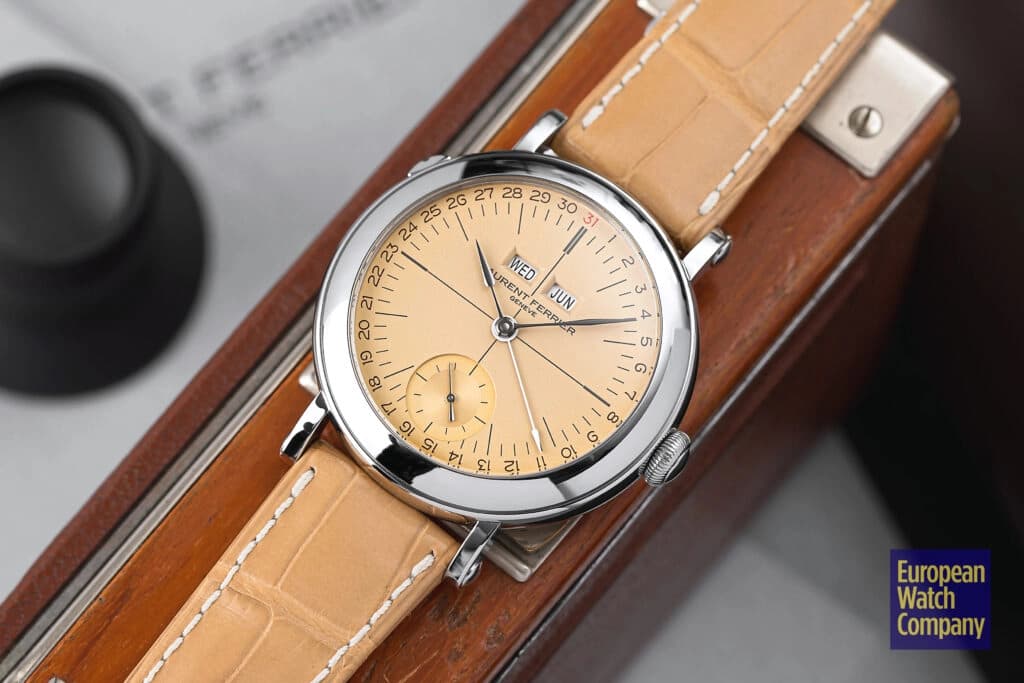
Laurent Ferrier Galet Annual Calendar
Ferrier's production is very small, and the brand has not sought the commercial profile that would compromise it. Prices sit between roughly $40,000 and $70,000 for the core Galet references, with the tourbillon and grand feu enamel dials at higher pricepoints. Values have been stable, and the collector community for Ferrier--- smaller than Journe's but serious--- tends to hold pieces rather than turn them.
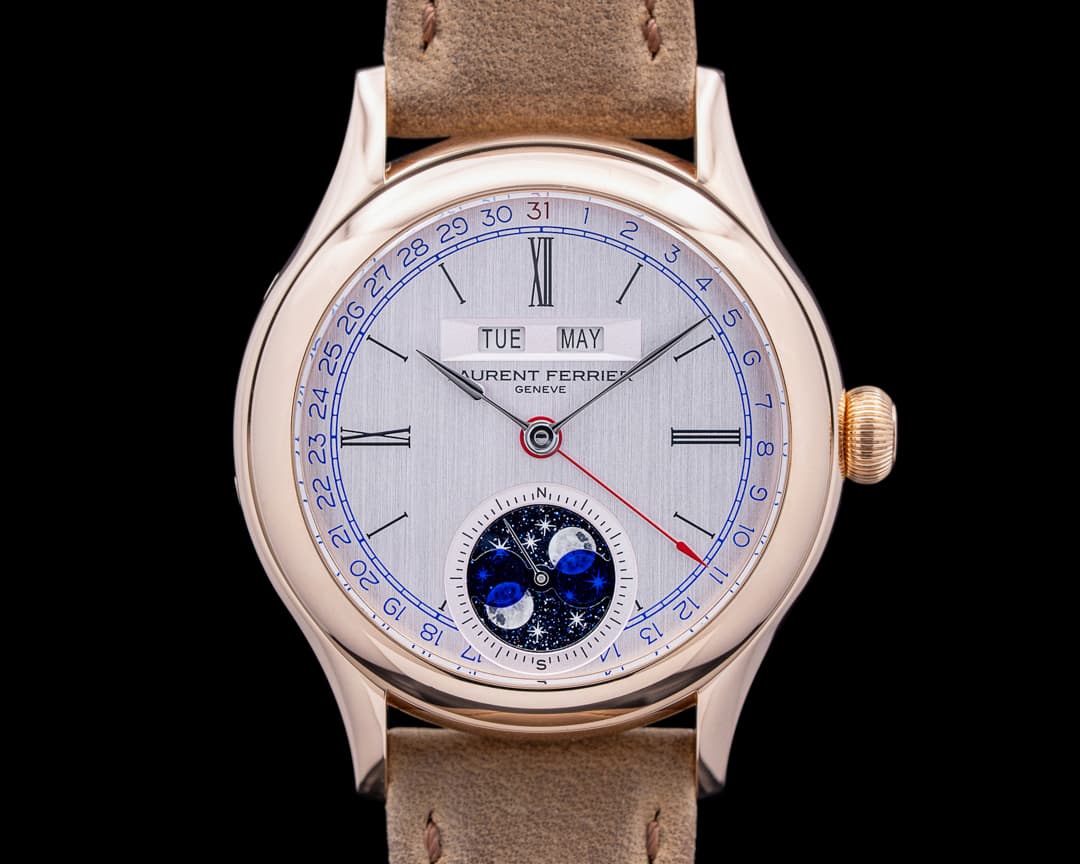
H. Moser & Cie
Heinrich Moser founded H. Moser & Cie in 1828, building a successful business exporting Swiss watches to Russia, and leaving behind an estate substantial enough to fund a bridge over the Rhine at Schaffhausen. The brand was dormant for much of the twentieth century before being revived in 2005 under the Meylan family, who rebuilt it around in-house caliber development and a design philosophy centered around striking aesthetics.
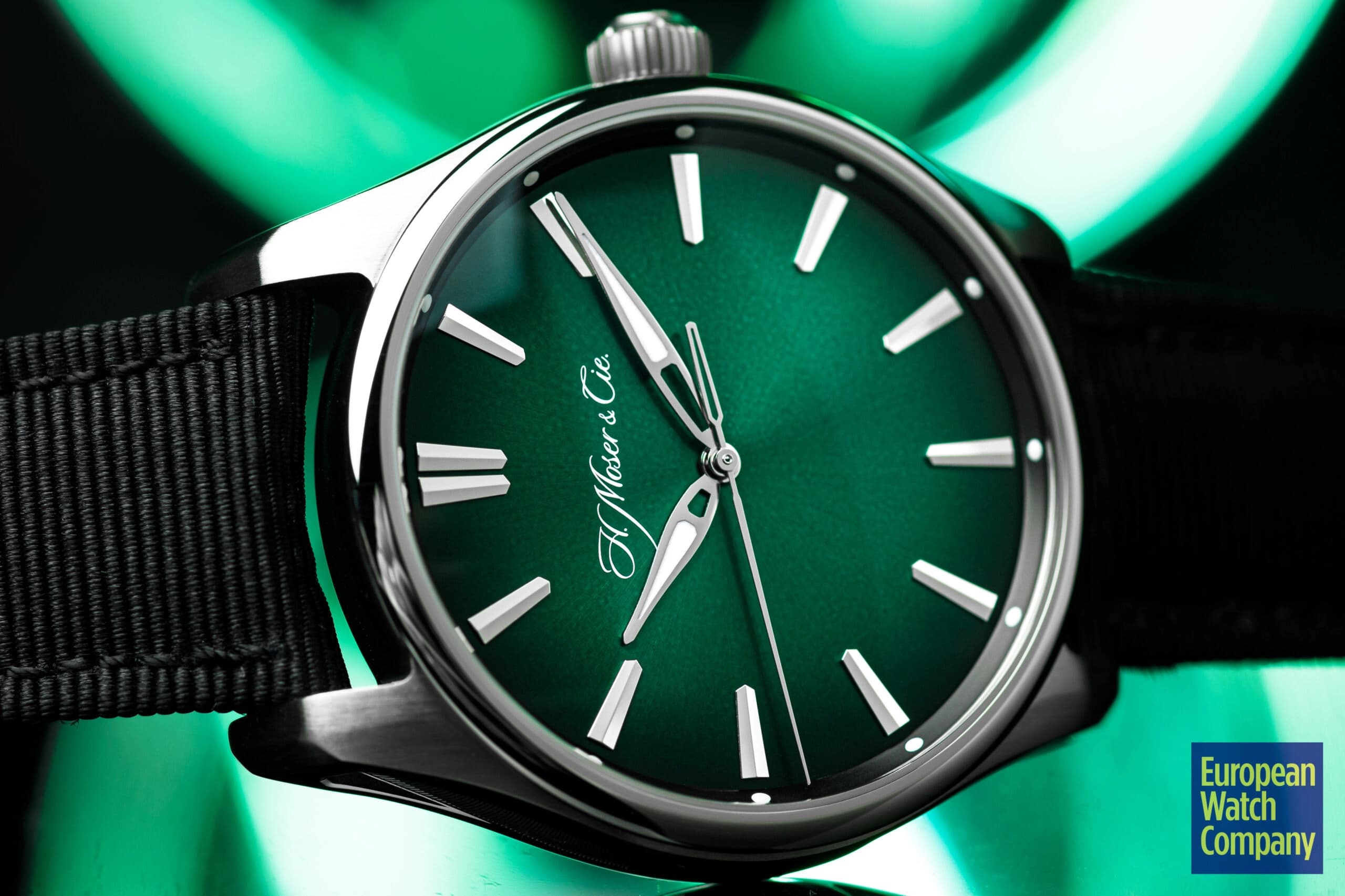
Moser Pioneer Centre Seconds
The current Moser brand is best understood through its dials. Fume, a gradient-finished dial that deepens toward the edges, has become the brand's signature, a genuinely beautiful finish that reads differently in different light. The approach to design is rigorous: minimal text on the dial, no date unless it's structurally considered, minimalist indexes, all allow the dial color and execution to take center stage. The movements are genuinely in-house, developed and produced at the Schaffhausen manufacture, and finished to a standard well above what the price point would require. Often exciting case designs and bracelet integrations add substantially to the brand's design ethos.
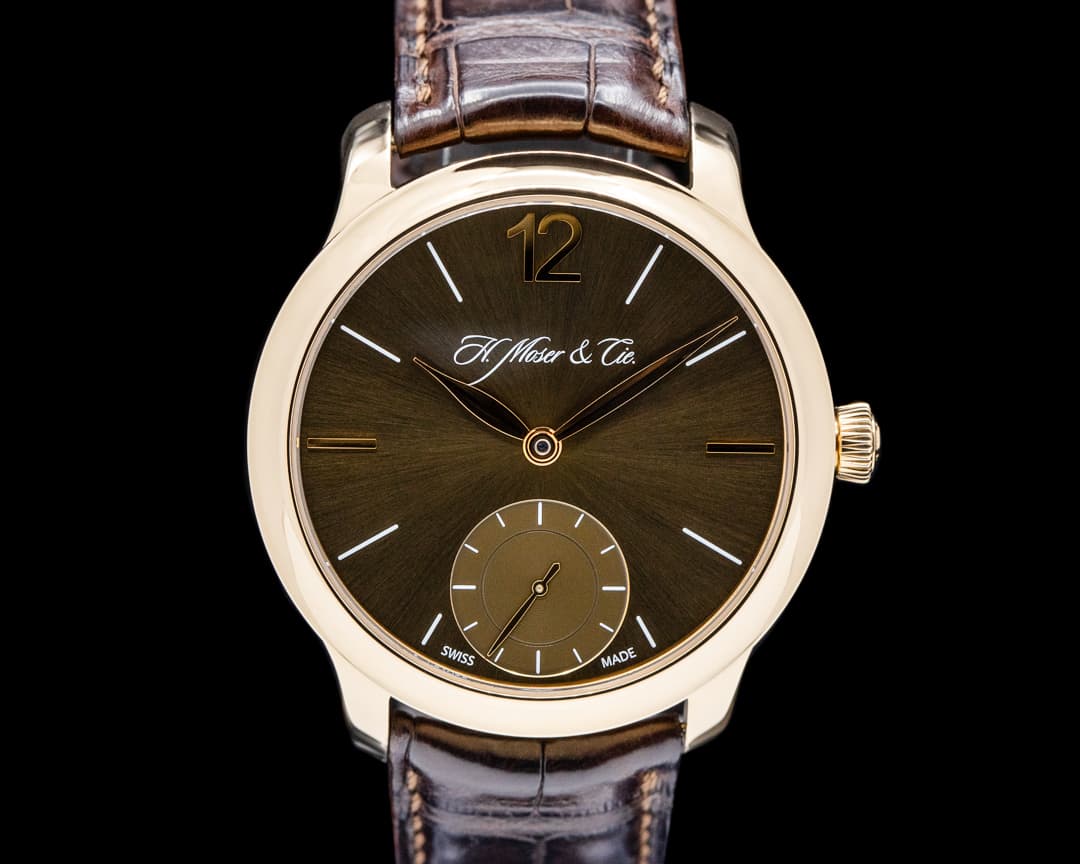
Moser is the most accessible entry point in this guide, with many references available in the $15,000 to $30,000 range. For a buyer who wants something with real watchmaking behind it and a consistently cool design language, Moser is one of the most rewarding entry points to discover the world of independents or round out a well-established collection.
Voutilainen
Kari Voutilainen, trained partly at the Ecole d'Horlogerie in Le Locle, operates a workshop in Motiers in the Val-de-Travers region of Switzerland, a part of the Jura with a history steeped in watchmaking. He began making watches under his own name in the early 2000s after years working for established houses, and his production is among the smallest of any watchmaker with serious commercial standing: less than 100 pieces per year, across all references.
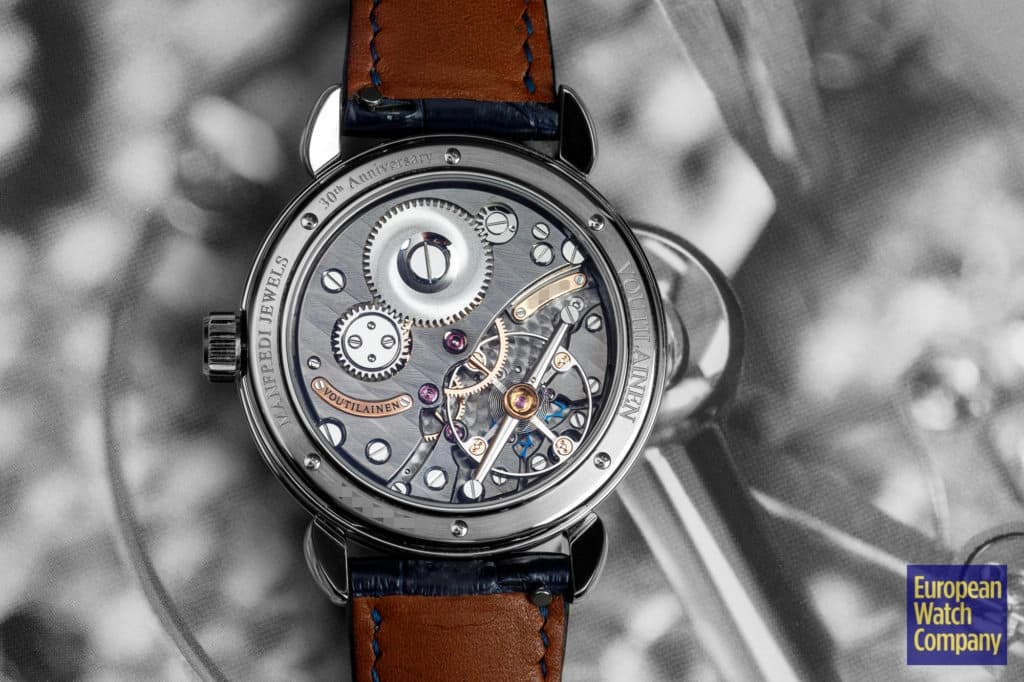
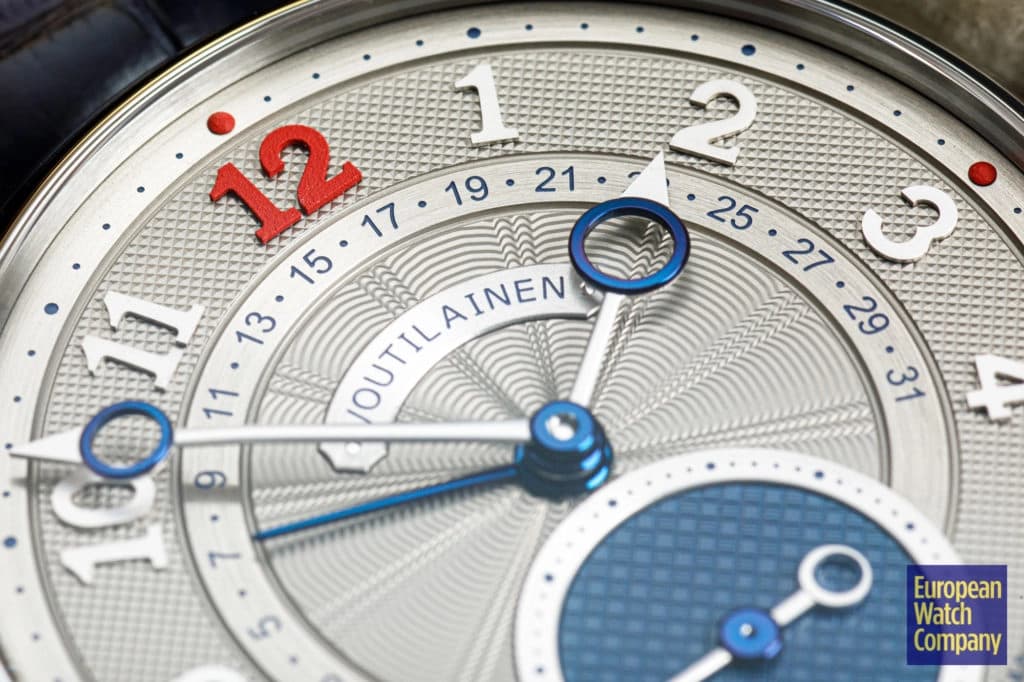
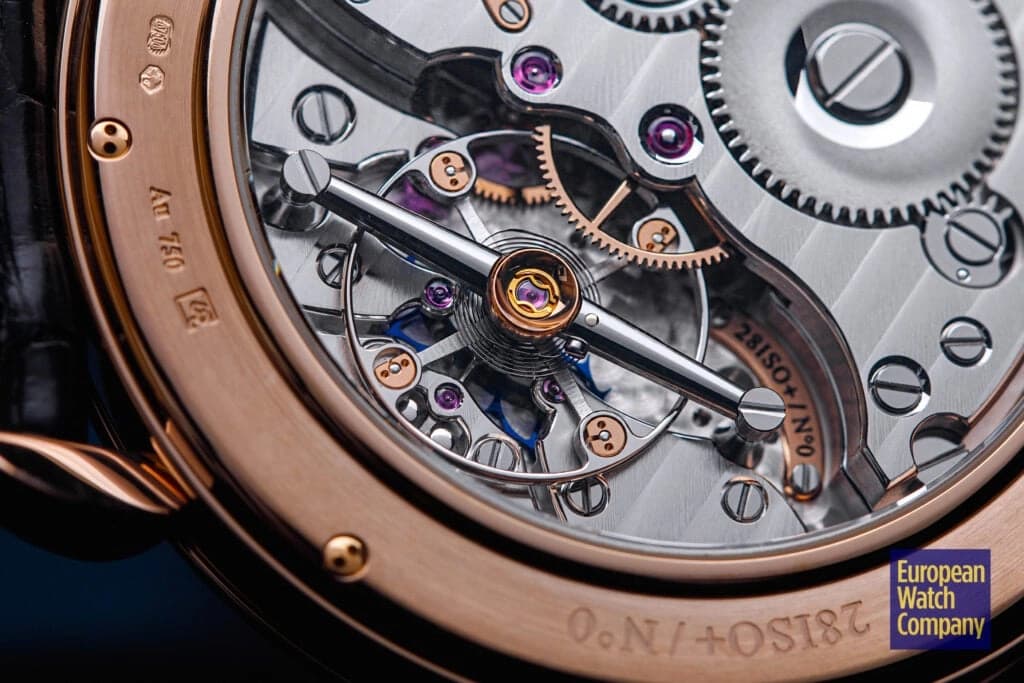
The watches are built with a completeness that few ateliers can match. Voutilainen does his own dial work, enamel, guilloché, and hand-painted in-house, which is genuinely rare. These dials are typically the focal point of Voutilainen watches. The movements carry the kind of finishing detail that only makes sense at this output level: beveling done entirely by hand, jewels set in chatons, anglage that holds a consistent angle across surfaces most buyers will never see. The Vingt-8, an ultra-thin dress watch with a manually wound caliber, is the most accessible Voutilainen and the clearest statement of what the workshop is doing. It is the distilled representation of Kari Voutilainen in a beautiful time-only iteration. EWC has stocked a variety of Vingt-8 pieces, most selling for well over $100,000, with a piece unique selling for around $350,000 earlier this year.
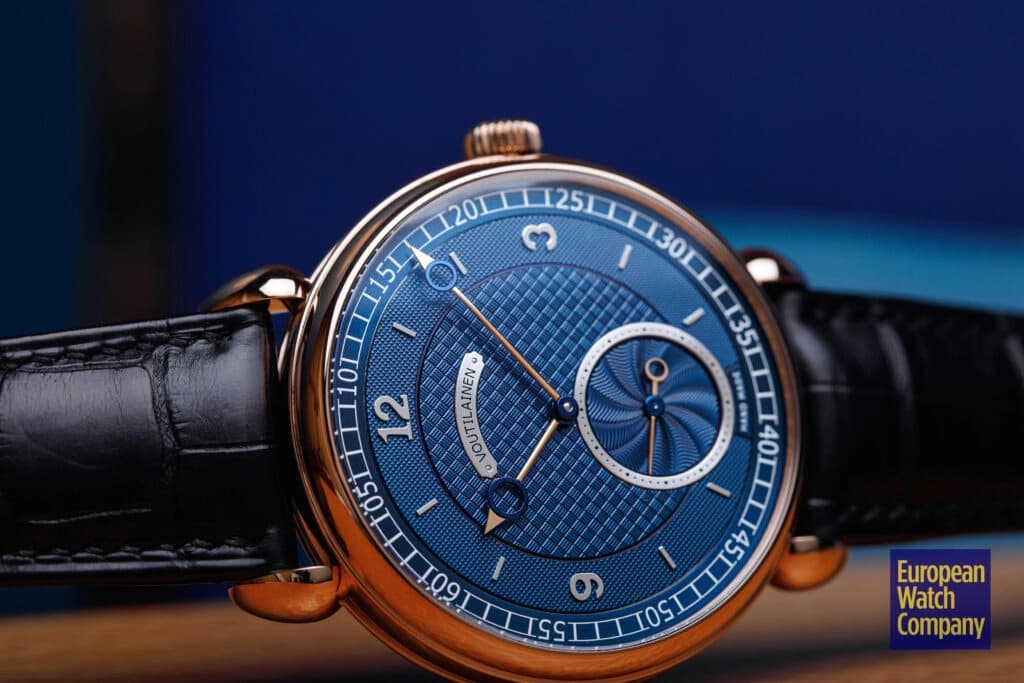
Kari Voutilainen Vingt 8 Piece Unique
The secondary market is active among serious collectors, and values have been strong. Acquiring a piece new requires a relationship and patience; the secondary market is the more practical route for most buyers, but expect to pay for the limited production and high quality standard. That said, many continue to consider Voutilainen to be a great relative value even at its high valuations, due to the rarity and desirability of the pieces.
URWERK
Felix Baumgartner and Martin Frei founded URWERK in Geneva in 1997 with a specific mechanical idea: satellite hours, where the time is read via three rotating arms carrying hour numerals that pass a fixed pointer. The reference point was the astronomical clock of the Munster cathedral in Strasbourg, which uses a related display principle, and the first URWERK, the UR-101, made that concept wearable. The brand has been developing the idea in different directions ever since.
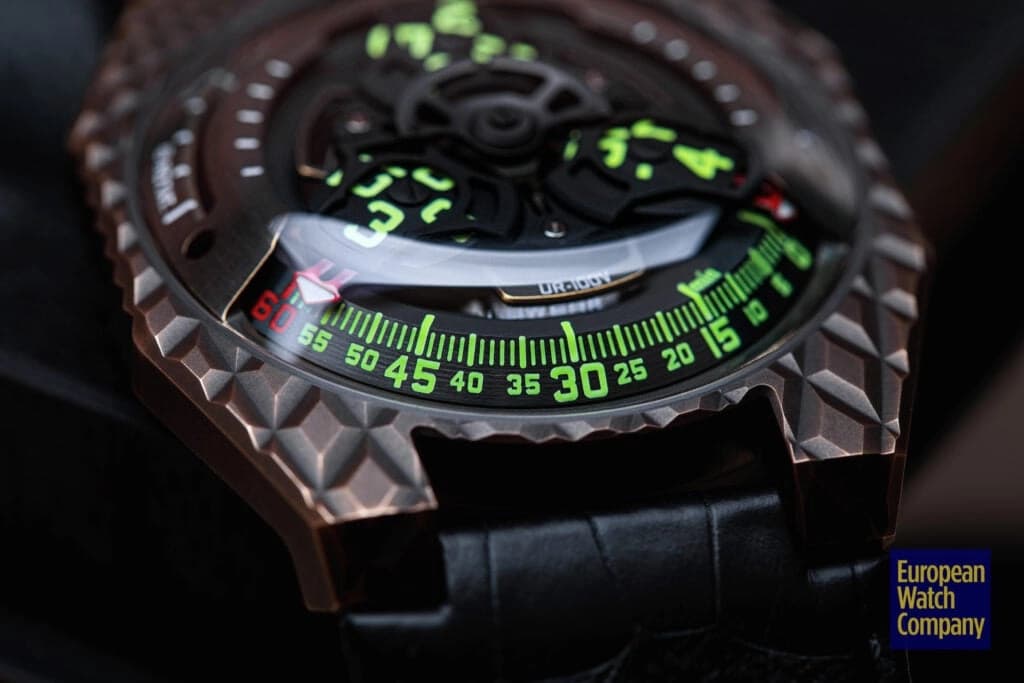
Urwerk T-Rex Limited Edition
URWERK is the most visually distinctive watchmaker in our list. The cases are architectural and unconventional, often large, built in titanium, steel, or combination materials, and the dials, if you can call them that, are mechanical systems that expose the movement's operation directly. The UR-105, the most wearable current reference, brings the satellite display into a more manageable case, and trades for about $30,000 to $50,000 depending on the iteration. The UR-210 and UR-220 add a complication that monitors the wearer's activity level and adjusts mainspring winding efficiency accordingly.
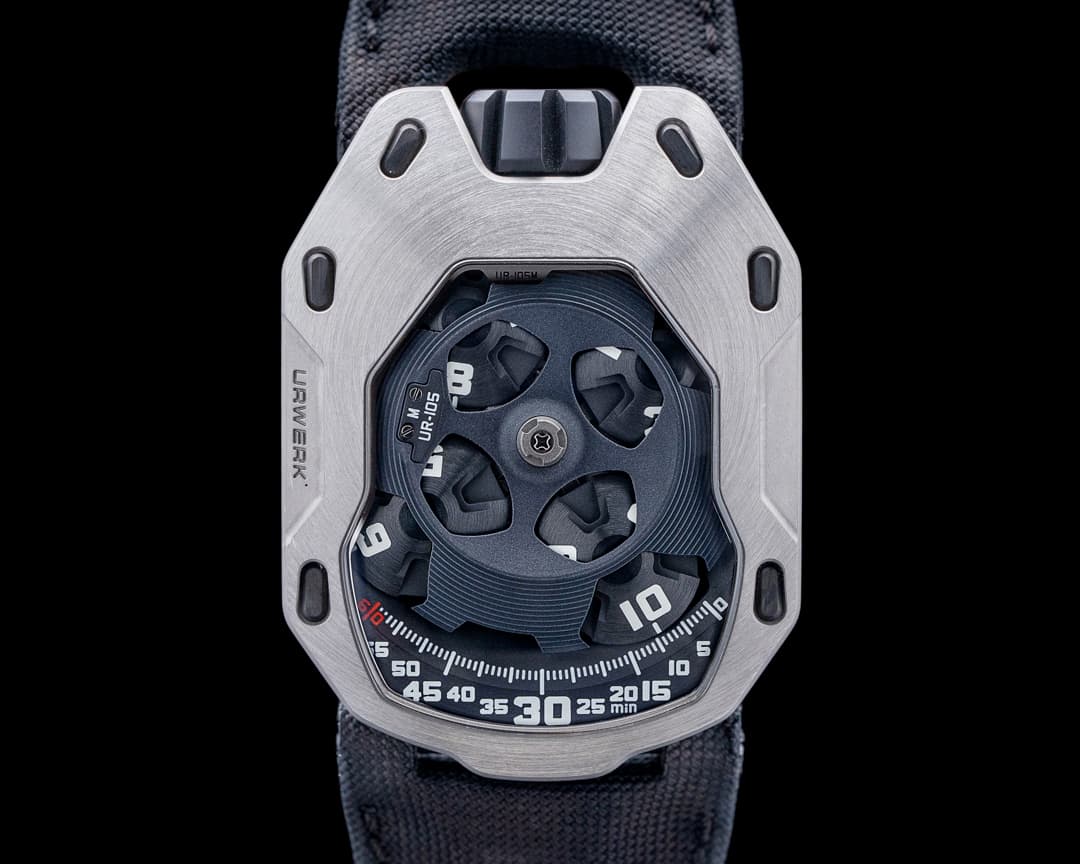
URWERK's buyers are a specific profile: collectors who want something no major house offers and are indifferent to conventional dress-watch logic. The watches are not for everyone, and Baumgartner and Frei have never intended otherwise. The goal is to provide something otherworldly for the collector looking for something unlike anything else. Prices run from roughly $30,000 to $150,000 depending on reference and material. EWC is currently selling a selection of Urwerk pieces starting at 30k viewable here.
De Bethune
Denis Flageollet co-founded De Bethune in 2002 with David Zanetta, and the brand has spent the years since building one of the most technically ambitious catalogs in independent watchmaking. The workshops in L'Auberson pursue movement architecture, finishing technique, and materials research simultaneously. De Bethune developed their own blued titanium alloy, engineered a silicon balance spring and signature balance, and designed cases with a distinctive mirror-polished finish that requires equipment built specifically for the purpose.
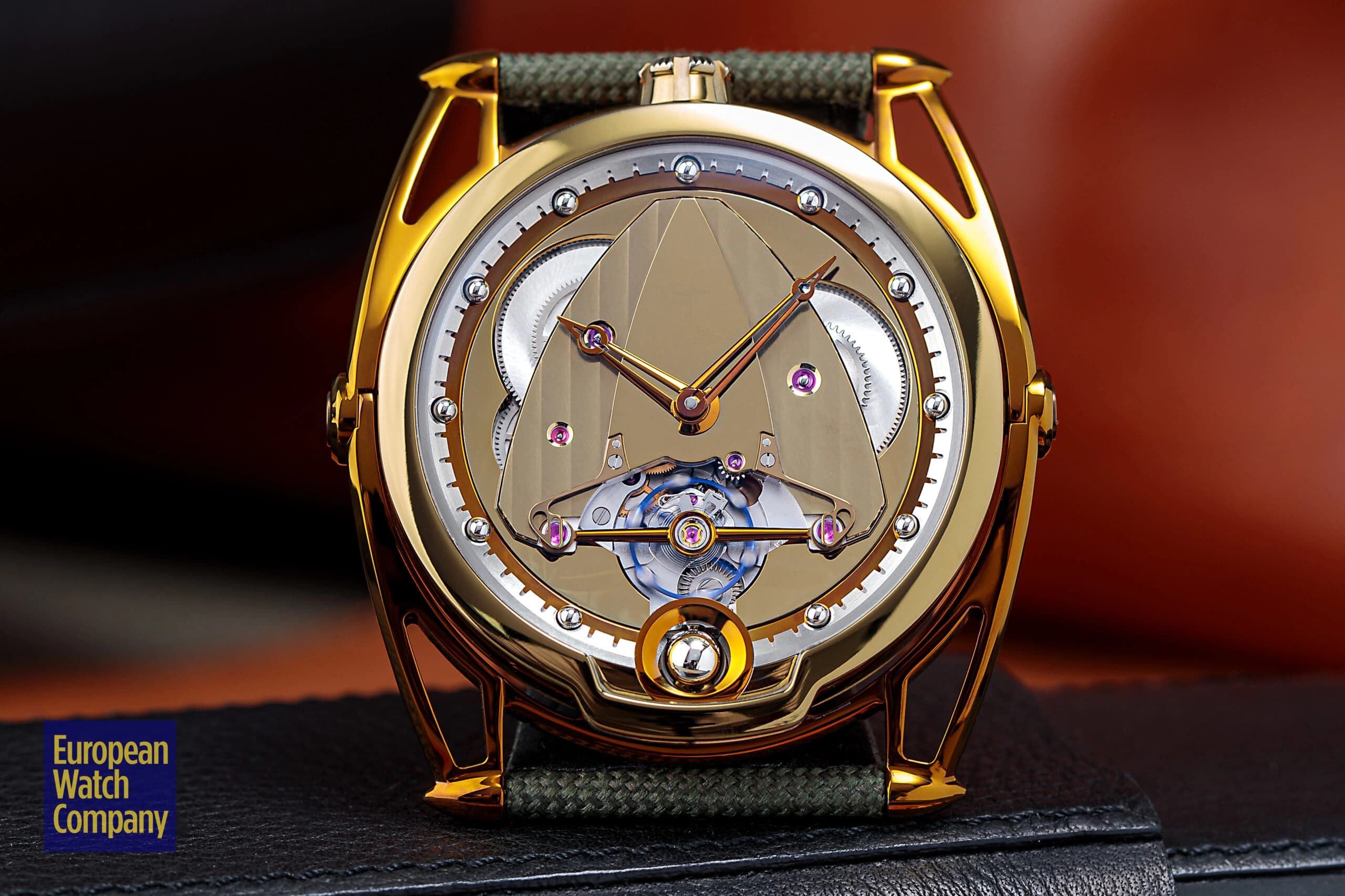
De Bethune DB28 Yellow Tones
The dials are striking: domed, blued, often set with meteorite or other materials that point to the brand's interest in alternative executions that run counter to watchmaking conventions. The movement finishing is exceptional, among the finest in contemporary watchmaking. The DB25, in various configurations, is the brand's signature reference and the clearest expression of what De Bethune is trying to do: a dress watch with the technical depth of a complicated piece. EWC has sold the Starry Varius iteration of the DB25 several times this year between 70 and $75,000 depending on metal.
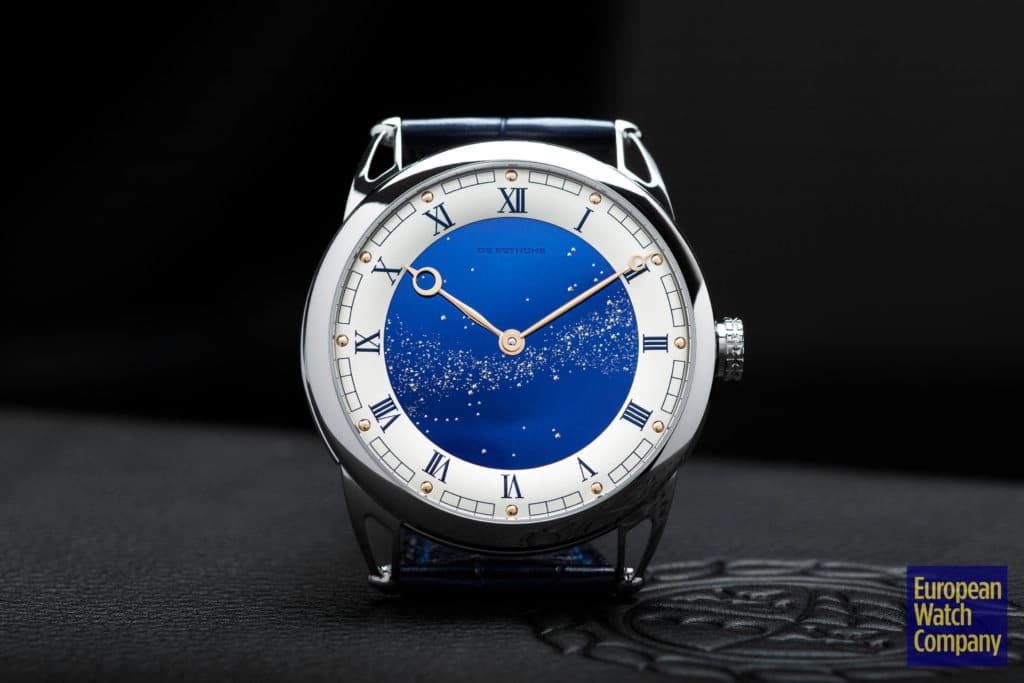
De Bethune DB25 Starry Varius
De Bethune has a smaller, dedicated collector base, but the brand's reputation among serious watchmaking enthusiasts has grown steadily. Prices begin around $40,000 and climb significantly for the more complex references. Access to new pieces requires a relationship with an authorized dealer; secondary market availability is limited but present.
Philippe Dufour
Philippe Dufour has worked alone in the village of Le Solliat in the Vallee de Joux for most of his career. He completed the Grande et Petite Sonnerie in the 1990s, a grande sonnerie wristwatch that remains one of the most complicated pieces ever produced by a single watchmaker working without a team. The Simplicity followed in 2000 as a deliberate counterpoint: no complications, nothing to prove except that the finishing stands on its own. All told, Dufour has made about two hundred of them. In recent years, Dufour has moved increasingly into teaching and advocacy for traditional hand-finishing techniques and preparing the next generation to carry on his legacy.
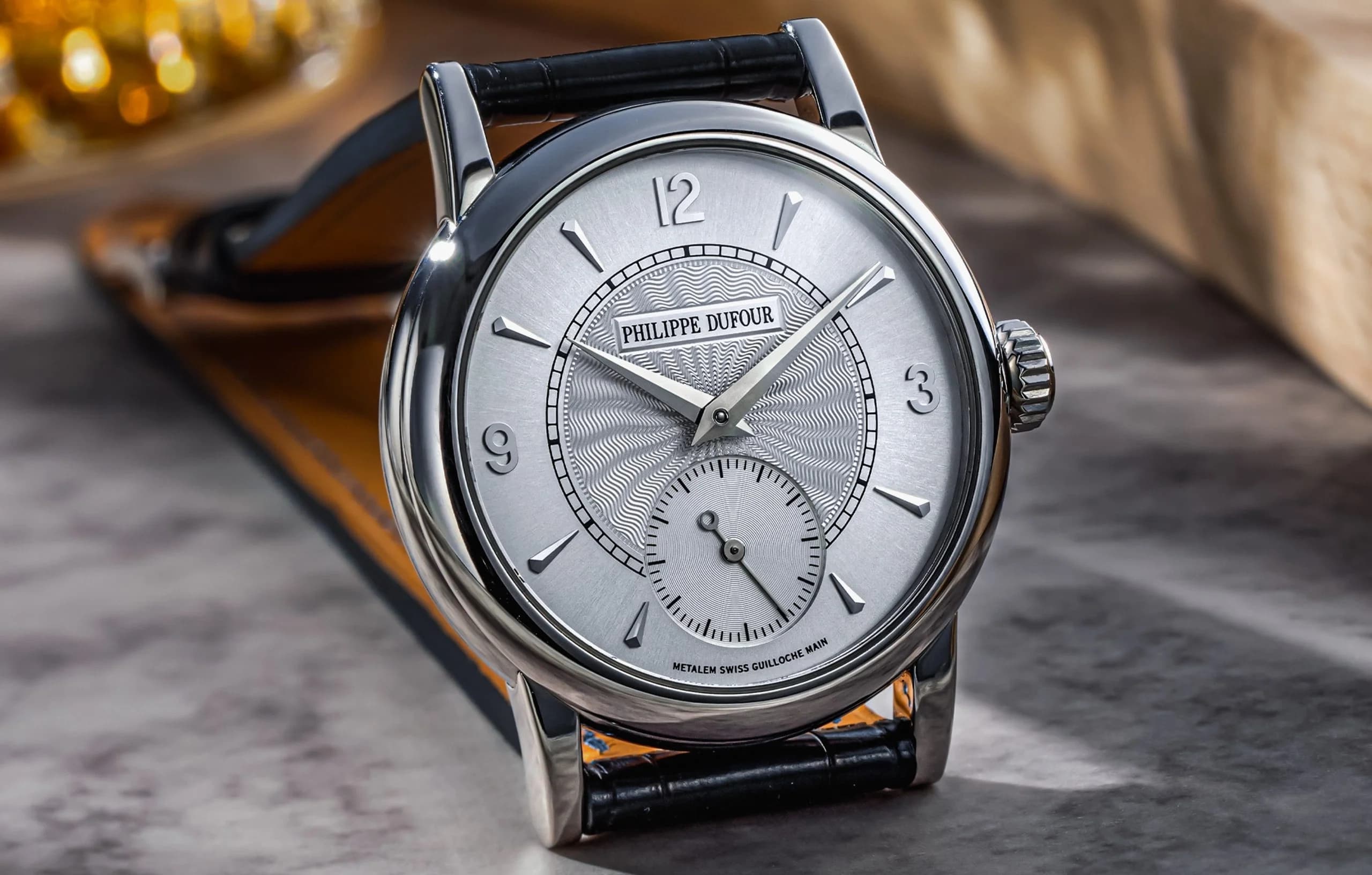
Philippe Dufour Simplicity Source: Hairspring
The Simplicity is a benchmark for the industry. A time-only watch, manually wound, with hand finishing of a standard that most watchmakers consider the outer limit of what is possible. Examining one in person is an experience.
Buying a Dufour new is not a realistic option. The waiting list is essentially closed, and the secondary market is the only remaining route, with prices that reflect the scarcity: a Simplicity in good condition sold for over $1,300,000 at Philipps. The watches belong in this guide not because they are accessible but because they represent the standard of quality and craftsmanship that comes with the pinnacle of independent watchmaking.
Who Should Actually Buy an Independent, and Who Shouldn't
The honest case for buying an independent watch is not that it will outperform a Patek Philippe or an A. Lange & Sohne as an investment. For most references from most brands in this guide, the secondary market is thinner, the buyer pool is smaller, and the liquidity is lower.
What an independent offers is something different: a watch built around a specific watchmaking idea rather than a commercial category. Watches made by independent brands aren't forced to match the tastes of a mass market customer, they can instead be carefully aligned with a niche of the market and its specific interests and proclivities.
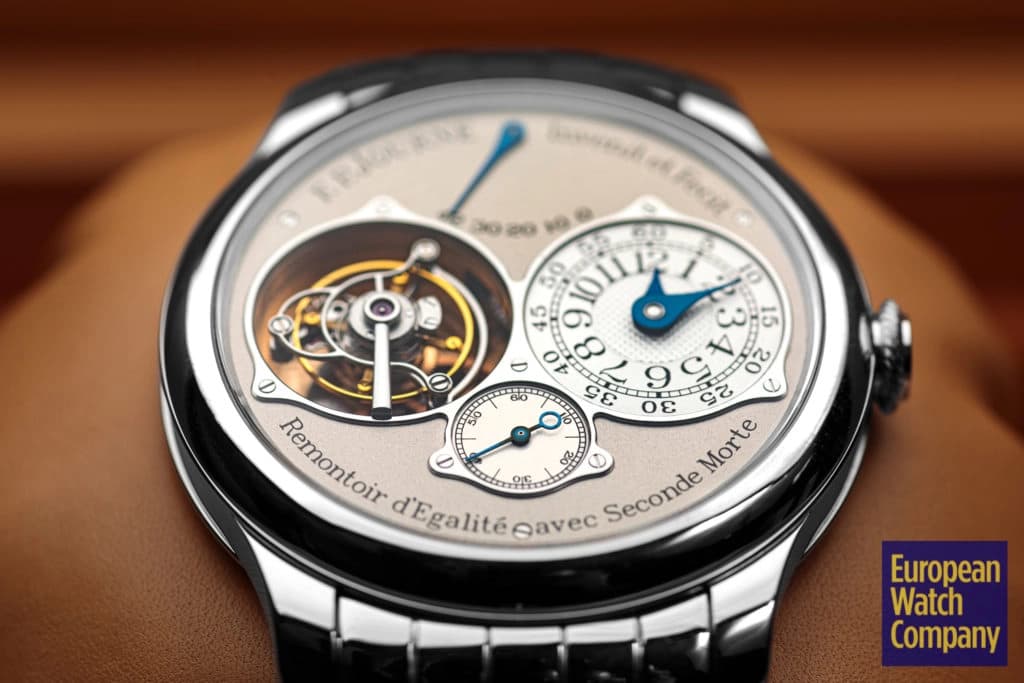
F.P. Journe Tourbillon Souverain
For some buyers, that won't be enough. If the goal is a watch that will be recognized at a dinner table, a Journe or a Voutilainen will only land for the right audience. If the goal is maximum liquidity and a well-established resale infrastructure, the brands in this guide can't match a Patek or a Rolex. And if the goal is a first serious watch, one that marks a milestone and carries collector credibility, several major-house references remain the more obvious choice.
But if you've already worked through that stage, and you want a watch that reflects a particular view of what watchmaking is for, or the mission of a particular atelier aligns with your unique tastes and preferences, the spirit and soul of independent watchmaking has a uniquely beautiful and personal quality to it that a mass market product will never approach. We'll let you be the judge!
Shop New Arrivals

5140BA Classique 18K Yellow Gold White Enamel Dial
$15,900
View Watch
887968 Panthere 18K Yellow Gold Ivory Roman Dial
$19,900
View Watch
6661 Villeret Demi-Fuseau Horaire 8 Jours 18K WG White Dial
$20,900
View Watch
Q3022420 Grande Reverso GMT 18K Rose Gold Silver Dial
$24,900
View Watch
Shop New Arrivals
5140BA Classique 18K Yellow Gold White Enamel Dial
$15,900
View Watch887968 Panthere 18K Yellow Gold Ivory Roman Dial
$19,900
View Watch6661 Villeret Demi-Fuseau Horaire 8 Jours 18K WG White Dial
$20,900
View WatchQ3022420 Grande Reverso GMT 18K Rose Gold Silver Dial
$24,900
View Watch
More Content