The Case for the Datejust
The Datejust launched in 1945 as ref. 4467, the first self-winding wristwatch to display the date in a window on the dial. That single mechanical fact restructured what a modern watch could be, and the design Rolex settled on has not fundamentally changed since: the same cyclops lens over the date, the same proportional relationship between case, dial, and bezel, the same Oyster bracelet architecture. That visual continuity has built the Datejust into a classic of the modern market.
No reference in the Rolex catalog offers the configuration spread the Datejust does. Across eight decades in production, it has been made in 31mm, 36mm, 41mm and more, in steel, two-tone, and precious metals, with smooth, fluted, and diamond-set bezels, on jubilee and Oyster bracelets, and with dials ranging from the plainest stick-printed silver to meteorite, onyx, and color lacquer.
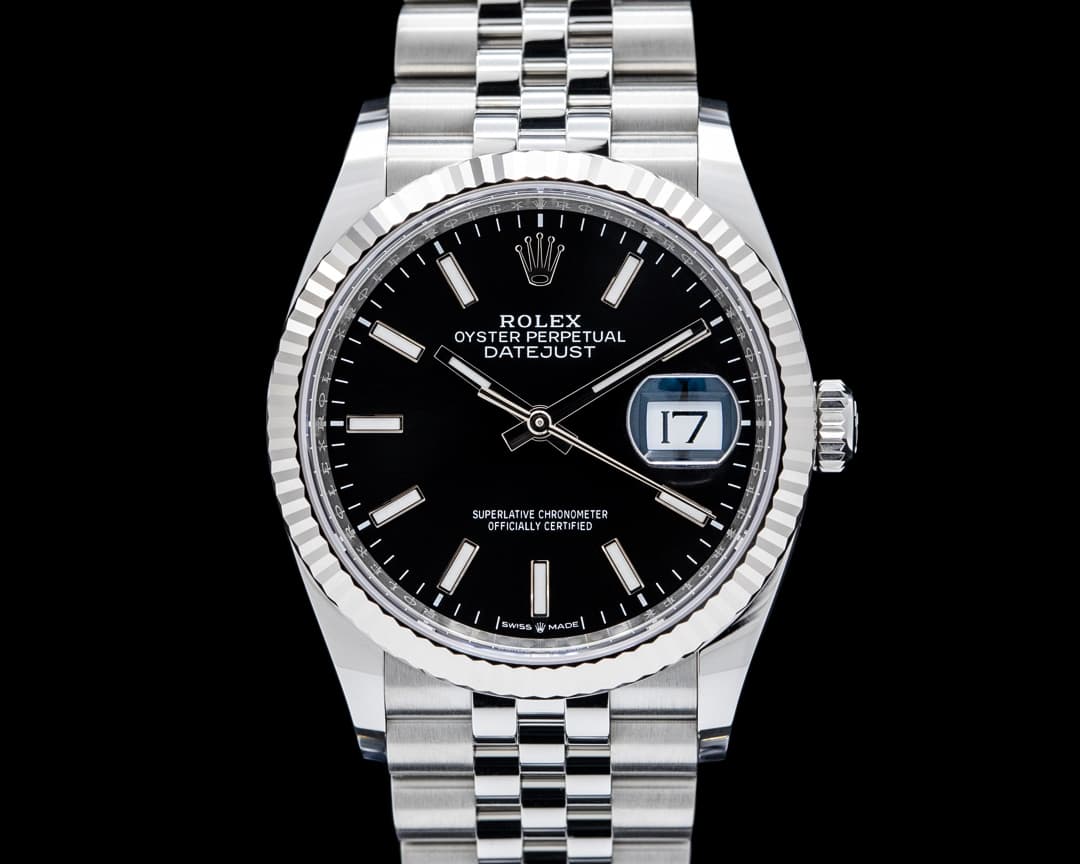
The post-2022 pricing correction led to some volatility on the preowned market. Average Rolex secondary transaction prices peaked at $17,206 in March 2022, then fell 31% to $11,785 by December of that year. By spring 2025, the market had found its footing again, with average prices stabilizing around $13,426. That correction hit dress references far less than steel sports models: the Datejust went up less in the bubble and came down less in the correction. What that means practically is that the Datejust market today reflects real demand from real buyers, and specific configurations within it represent genuine value pockets. Finding those pockets requires knowing the references.
For that, next we'll cover the evolution of the Datejust through history:
The Classic Era: Ref. 1601 and 1603
The 1601 and 1603 are sister references, same general generation, same 36mm case, same movement family. Both entered production around 1959 and ran through the late 1970s, with the 1601 continuing into the early 1980s. They are distinguished primarily by bezel and dial treatment: the 1601 typically wears the precious metal fluted bezel, while the 1603 is more commonly found with a stainless steel engine turned bezel. Neither carries a quick-set date. Setting the date means cycling through the calendar by hand, which is the correct ritual for a watch of that age and the price of admission for the design grammar you're buying into.
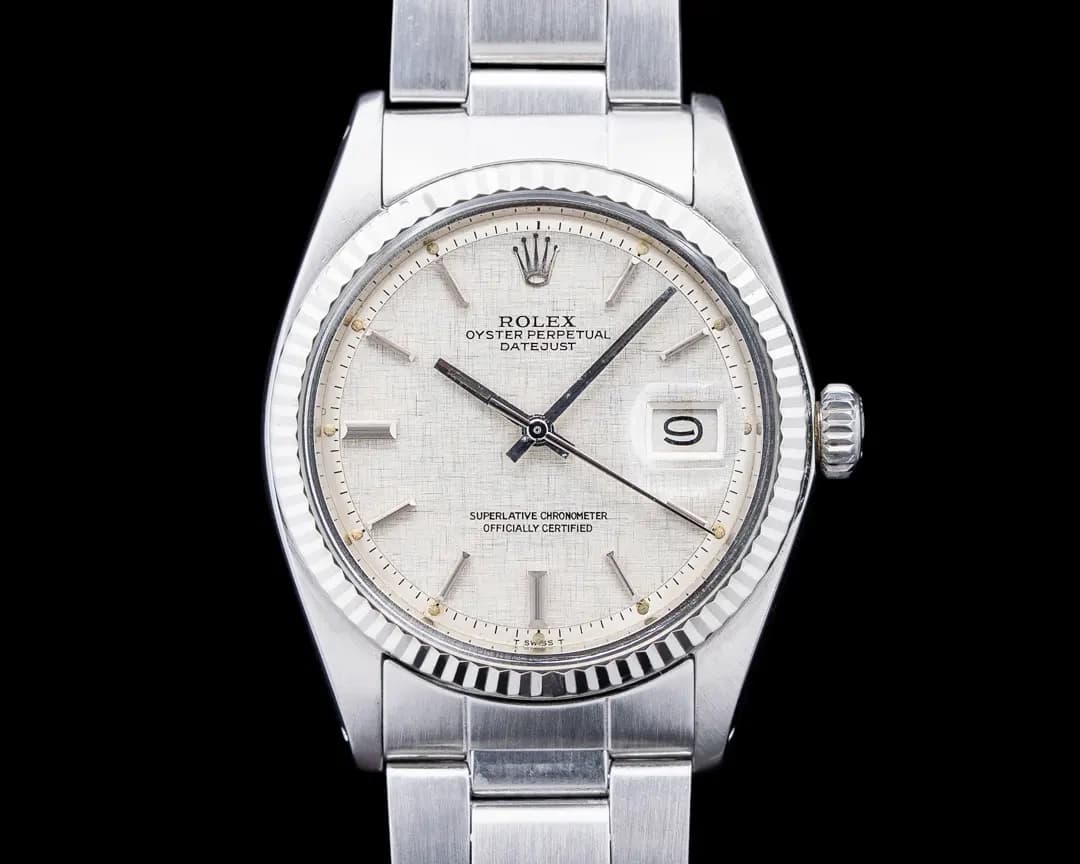
Rolex 1601
What serious collectors are actually after here is the dial. Silver two-register dials with gilt printing, the so-called "sigma dials" from the early 1970s, marked with the Greek sigma character indicating gold-content indexes, are the reference configuration for this generation. Original lacquer dials in good condition define the difference between a genuinely collectible early Datejust and a well-preserved daily wearer. Cases on these references frequently show heavy polishing from decades of service, and polishing flattens the lugs, softens the anglage, and removes the visual sharpness the original finishing demanded. A 1601 with sharp, unpolished case edges and an honest original dial sits in a different market from a 1601 that spent forty years getting buffed at a jeweler's bench. The former commands genuine collector interest. The latter is a wearing piece, fairly priced as such.
Secondary market pricing for this generation ranges widely depending on condition and originality. Clean, unpolished examples with original dials typically trade meaningfully above polished or refinished equivalents, but below $10,000 and the principle is consistent: originality is the premium here, not metal grade or bezel type. Steel examples are not automatically cheaper than gold; a pristine steel 1601 with a correct dial outpaces a polished 18k example without one. 1601 and 1603 references typically trade between $6,000 and $10,000 depending on the factors above.
The Transition Generation: Ref. 16200 and 16234
By 1977, Rolex had introduced the quick-set date mechanism, the ability to set the date independently by pulling the crown to the first position rather than cycling through all twenty-four hours. This came with Caliber 3035 on the five-digit successors to the 1601 line, and it marked the beginning of the modern Datejust. These 5 digit references led to the 80s pieces. The references most buyers encounter when they start shopping this era are the 16200 and 16234, produced from 1989 to 2005: the 16200 often on an Oyster bracelet with smooth bezel, the 16234 on a jubilee with fluted bezel. Both run Caliber 3135, which Rolex introduced in 1988 and kept in production for roughly thirty years. Both carry sapphire crystals, replacing the acrylic that defined the earlier generation.
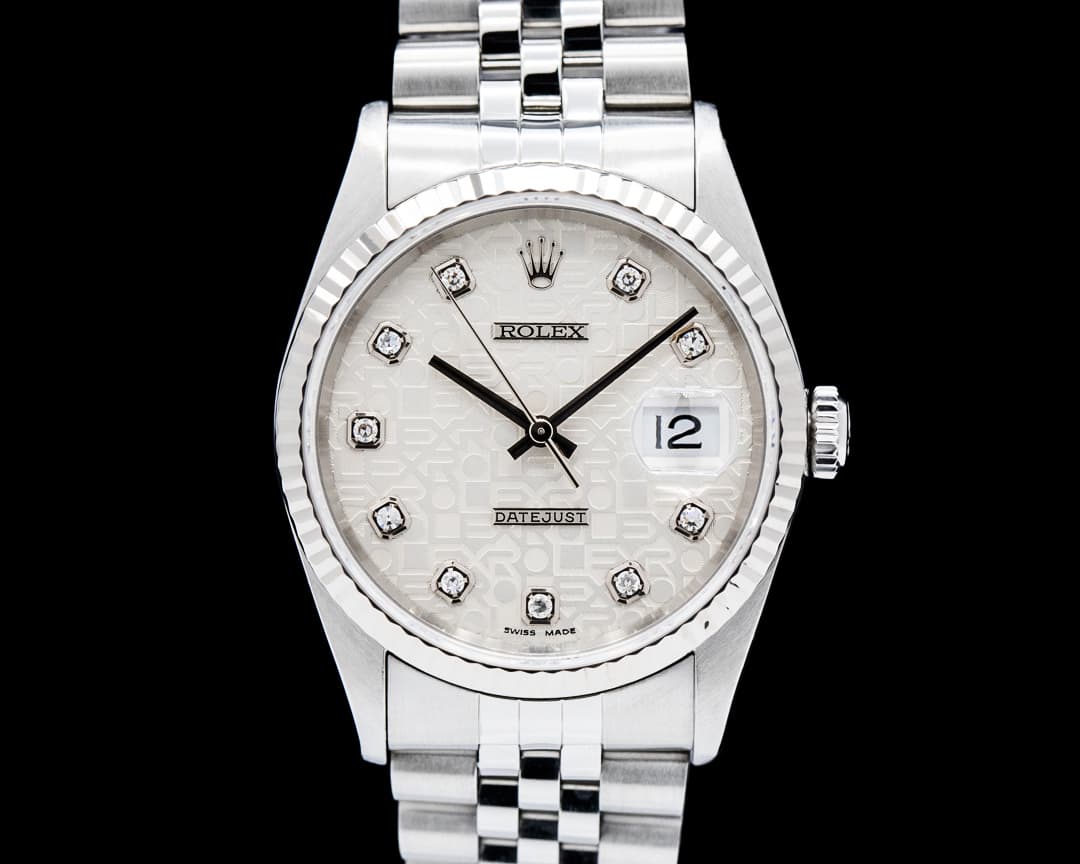
The physical differences between the 16200 and 16234 are minor from a movement standpoint, same caliber, same case, same Oystersteel. The Oyster gives the 16200 a sportier, less formal appearance; the jubilee on the 16234 reads as the more traditional Datejust presentation. Both are 36mm references, which in 2026 is a considered choice rather than a default. The 36mm case on this generation wears trimmer on the wrist than modern proportions allow, and that is precisely its appeal for a specific buyer.
Secondary market pricing for honest 16200 and 16234 examples is accessible relative to both the classic era pieces and the current generation. This is not where the collector premium concentrates, which makes it genuinely good value for a buyer who wants a workhorse automatic with a functioning quick-set and sapphire crystal. The dial matters here too: original stick dials in clean condition command more than refinished examples, and white dials in good shape are the benchmark configuration. Two-tone variants in steel and yellow gold carry their own buyer pool and typically move at a premium to all-steel examples of the same generation. The 16200 trades for roughly $7,000 while 16234 commands $7,000-$8,000. These are great daily drivers with many of the advantages of contemporary watchmaking at a more affordable pricepoint.
The Previous Generation: Ref. 116200, 116234, and 116300
This is where the Datejust became two distinct watches. Rolex introduced the 116300 at 41mm, then marketed as the Datejust II, beginning in 2009, while the 36mm continued in the 116200 (smooth bezel) and 116234 (fluted precious metal). All three run Caliber 3135. The 36mm references ran from roughly 2004 through 2018 and 2019 respectively; the 116300 ran from 2009 to about 2017.
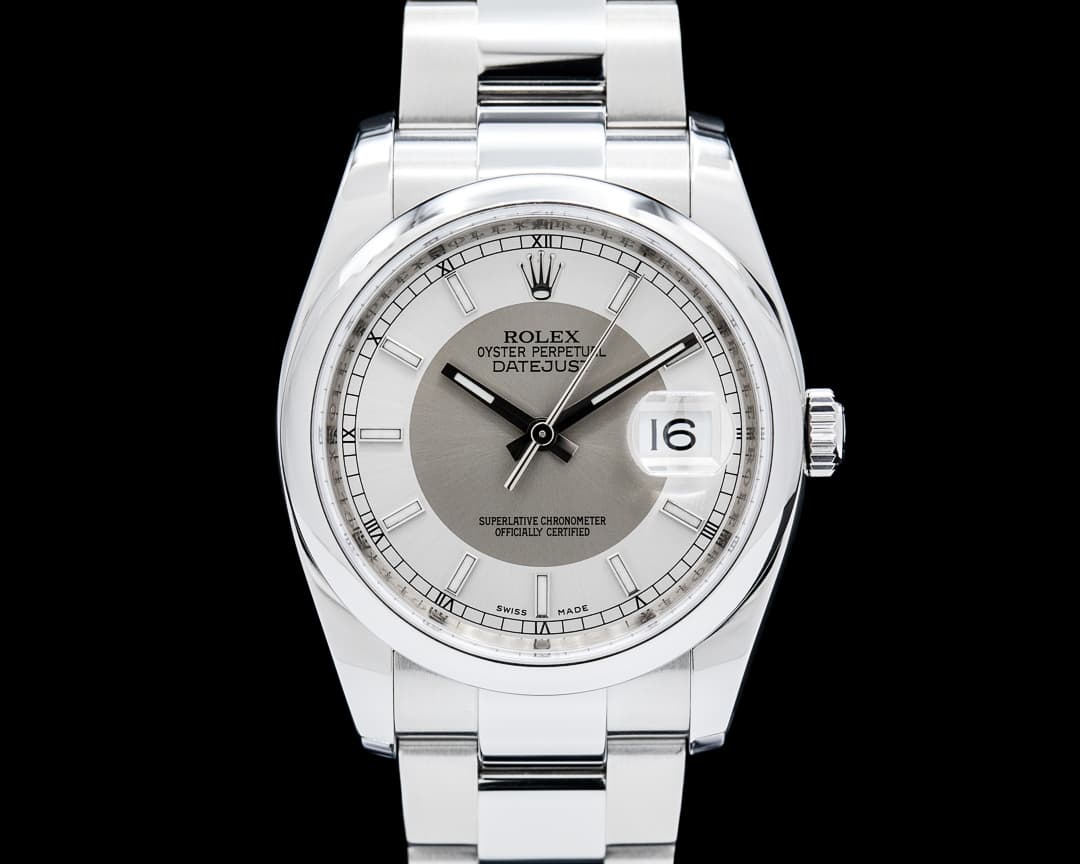
The 116xxx generation is also where the dial palette expanded most dramatically. Stone dials and alternative materials appeared alongside standard silver, white, and black stick configurations. Factory diamond bezels multiplied the configuration count further. This variety is what makes the 116xxx generation the most complex to price. A standard steel 116200 with a stick dial occupies one part of the market. A 116234 with a diamond or stone dial occupies a completely different one, and the gap between them is wider than most buyers expect.
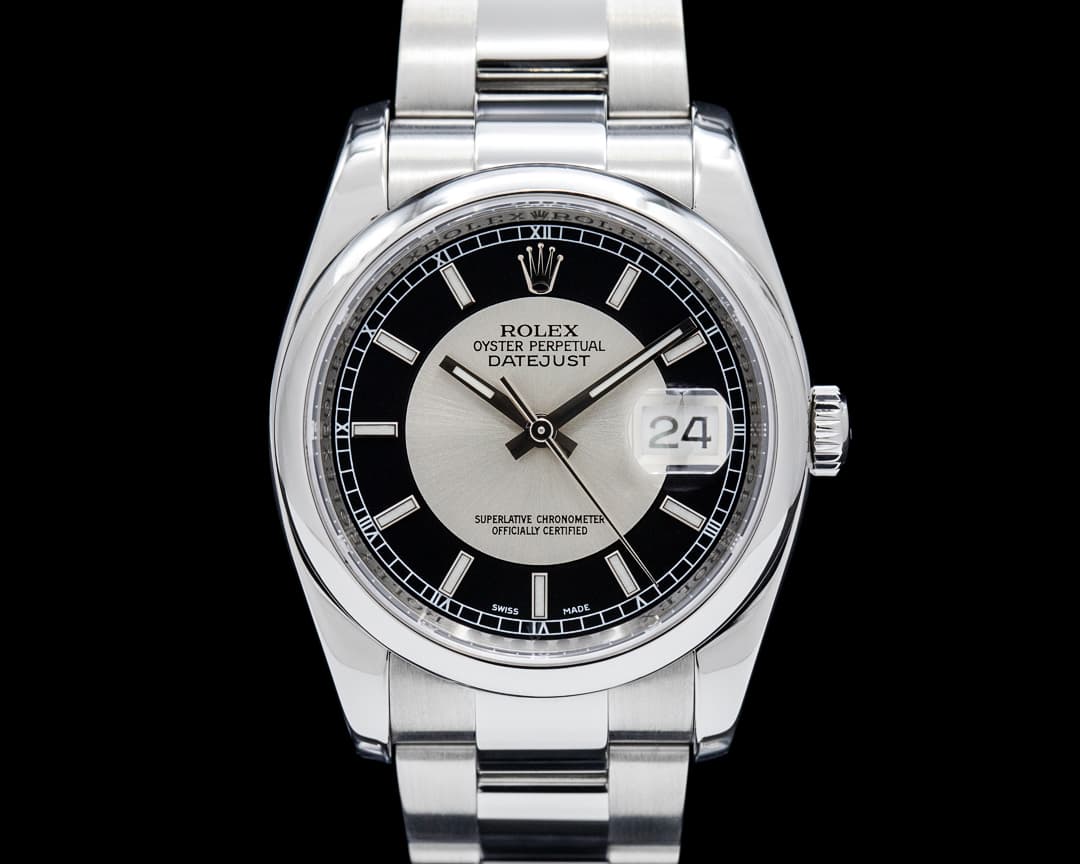
The 36mm and 41mm split creates distinct buyer pools that don't overlap much. The 116300 at 41mm attracted buyers who found the 36mm too small, a real consideration in the mid-2000s when 40mm and above had become the prevailing norm. The 116300 buyer tends to be less interested in the Datejust's traditional design language and more focused on wearing size. The 116200 and 116234 buyer is often deliberately choosing 36mm for its proportional restraint. That difference in motivation translates directly into secondary market behavior: the 116300 tracks more closely with general Rolex demand trends, while the 36mm variants, particularly the jubilee-bracelet 116234, have their own collector constituency that provides more stable support. Some collectors consider the 116300 to be a bit awkward proportionally, especially compared to contemporary larger Datejusts.
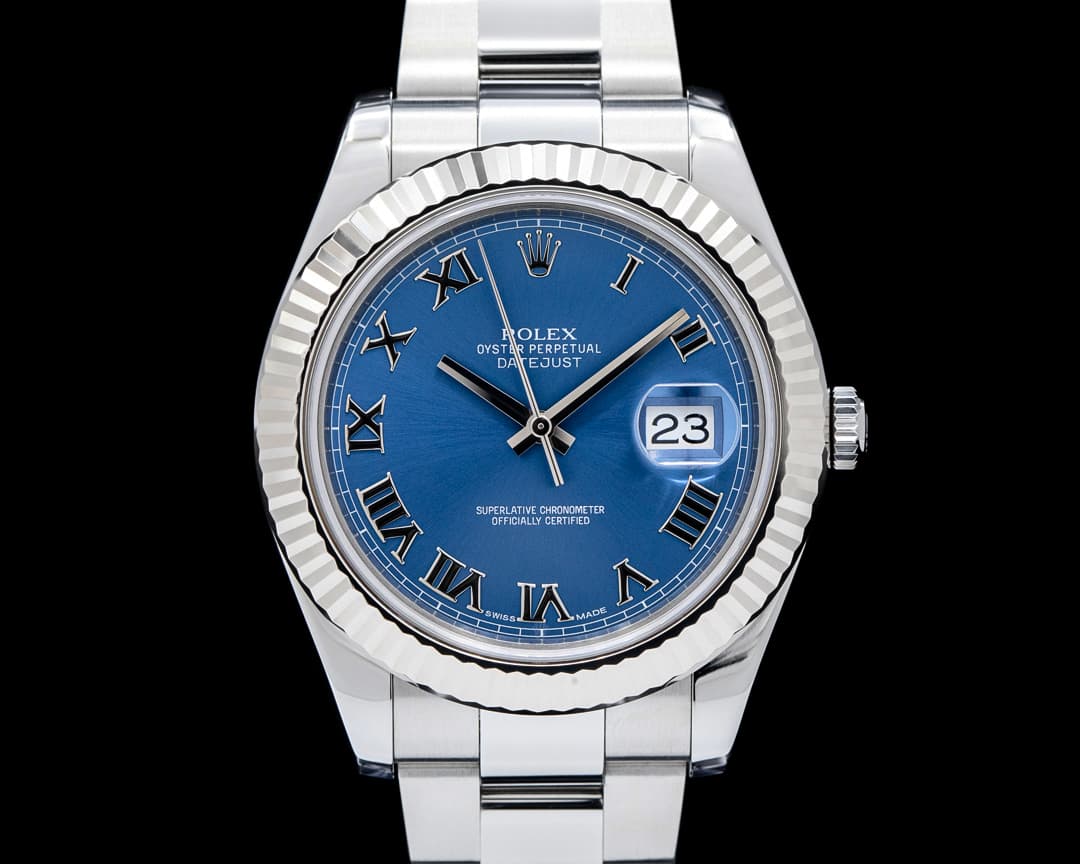
Condition premiums and discounts are steepest in this generation. The 116xxx references were produced in sufficient volume that originality separates good examples from average ones more sharply than it does in the scarcer classic era. A replaced dial, common in this generation because service dials are readily available and jewelers replace them casually, discounts the watch consistently and materially. We've seen well-priced 116200 examples in honest condition trade at genuine value relative to the current 126xxx generation; for the buyer who doesn't need the newer movement, the gap between generations is a real opportunity.
The Current Generation: Ref. 126200, 126234, and 126300
The 126xxx generation arrived with Caliber 3235, Rolex's current-production movement, introduced in 2018 for the 36mm references (126200 and 126234) and slightly earlier for the 41mm 126300, which debuted at Baselworld in 2017. The 3235 is a meaningful upgrade over the 3135: approximately 70 hours of power reserve versus the 3135's roughly 48, improved efficiency, and Rolex's Chronergy escapement. For a buyer who cares about movement architecture, this is the generation to be in.
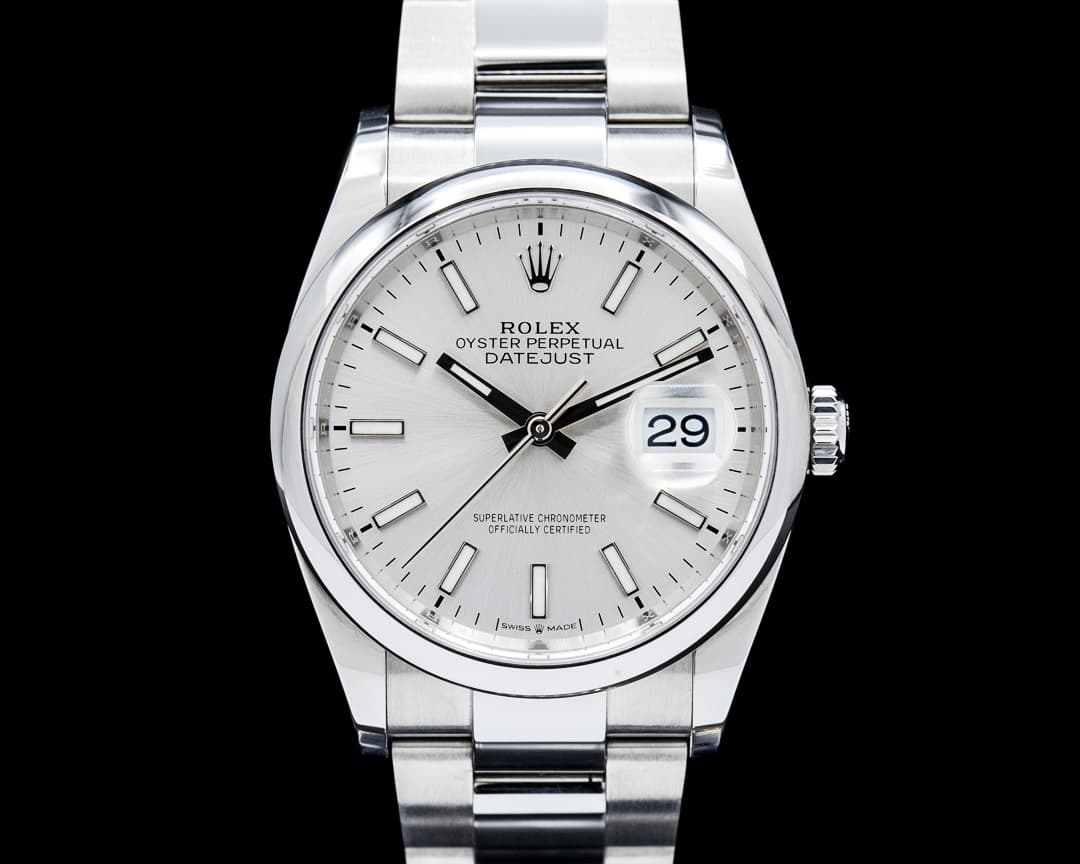
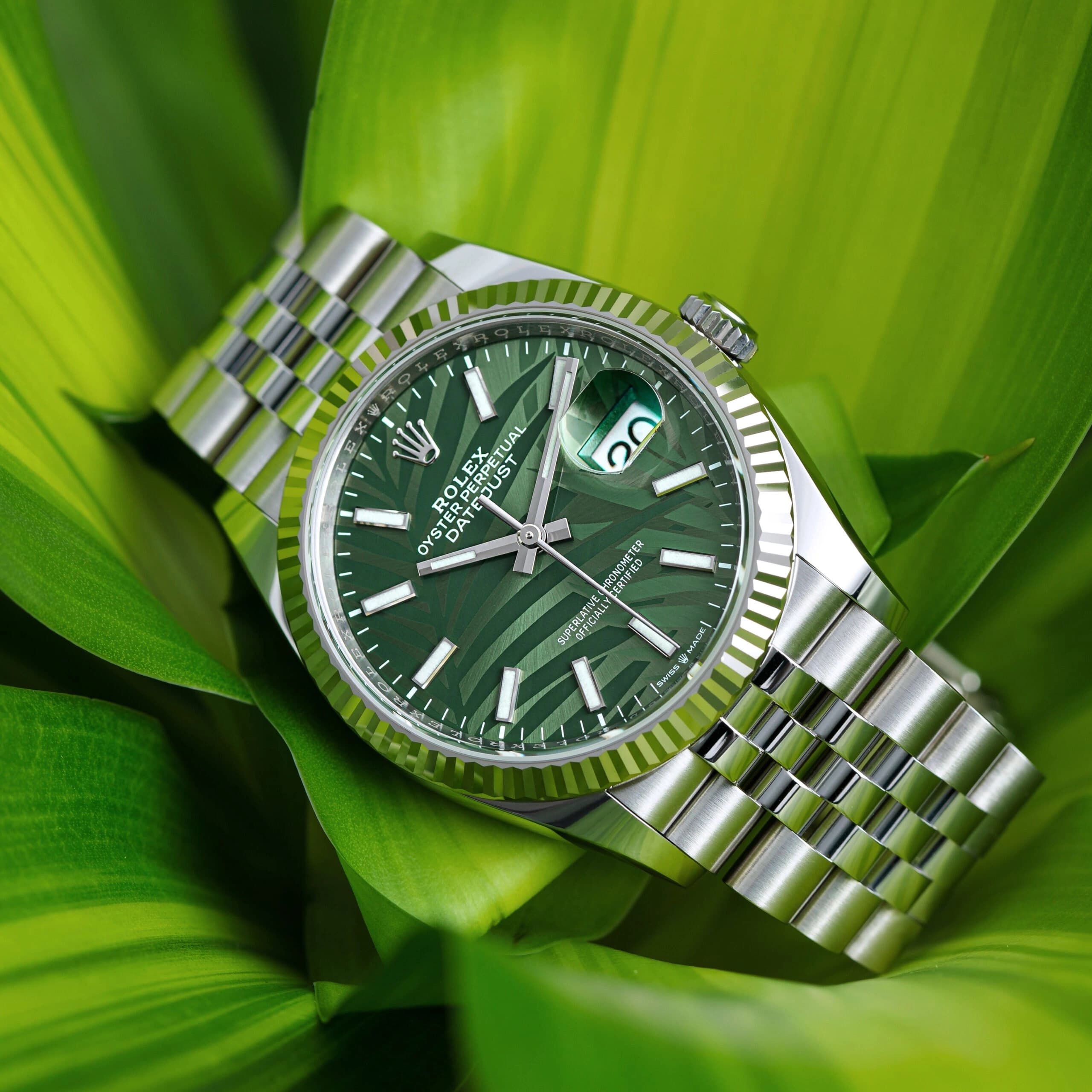
The dial palette in the current generation is the widest Rolex has ever offered on the Datejust. Slate, mint, chocolate, olive, and several lacquer colors sit alongside the classic silver and white configurations. The jubilee-bracelet 126234 with a fluted bezel has emerged as the strongest-performing configuration in secondary market data. Our secondary market data shows the 126334 (the two-tone equivalent) appreciating approximately 21% over five years and trading at a consistent 22% above retail, which in a post-correction market is a meaningful number. The all-steel jubilee Datejust 36 in the current generation has followed a similar trajectory, with more stable demand than either the 41mm equivalent or the Oyster-bracelet variants.
The 41mm 126300 tells a different story. It corrected more sharply from 2022 highs than the 36mm references and has recovered more slowly. None of this means the 126300 is a bad watch, it is a well-made, current-production 41mm dress-sport watch at an accessible entry point, but for some buyers, the softer secondary market support relative to the 36mm is worth factoring in. The configurations that have held best in both sizes are those with significant dial interest: deep color lacquers and factory diamond-set bezels maintain premiums, while standard stick-dial steel examples in both sizes have seen the most compression. That also results in opportunities to buy great deals on the secondary market.
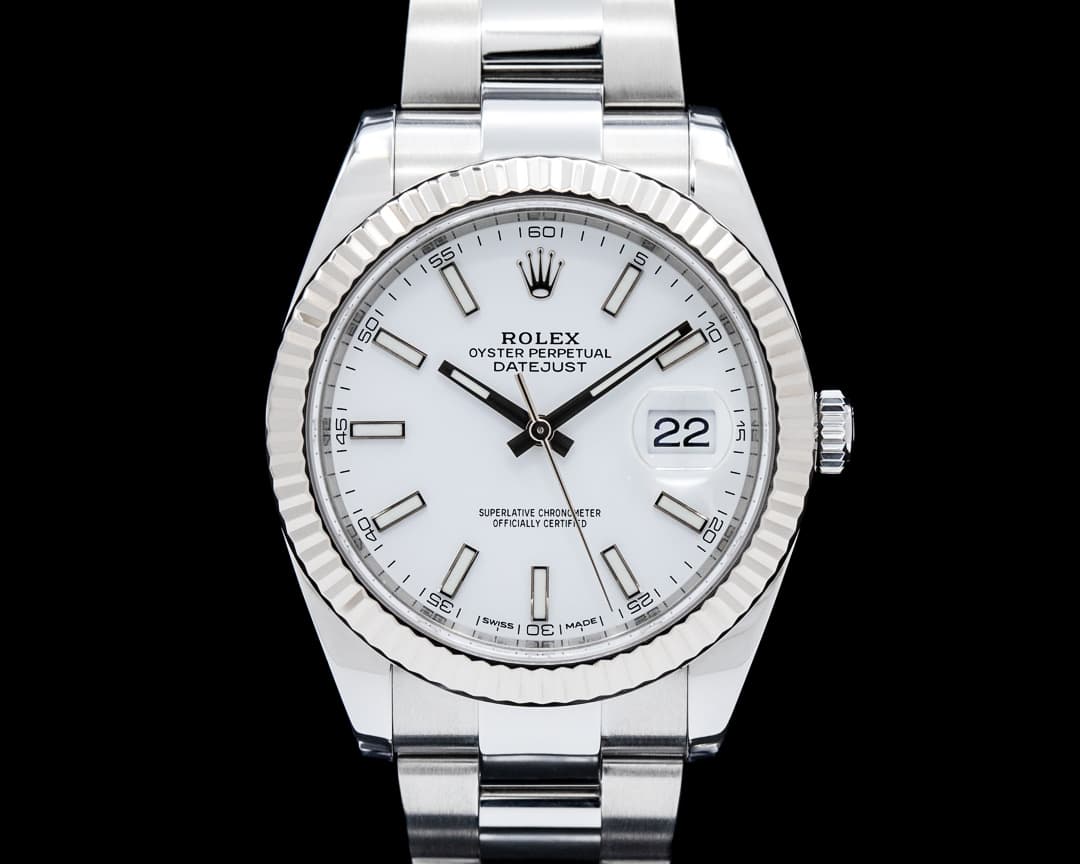
Where the genuine current value sits is in 126200 and 126234 examples bought close to retail, or below it for pre-owned pieces that have absorbed the correction, particularly in the color dial configurations that aren't immediately accessible through authorized dealers. A slate or olive dial 126234 in current production is a watch that, on historical precedent for this reference family, holds its ground.
Buying Tips
The single most consistent discount in the Datejust market is case polishing. Rolex's original case finishing alternates brushed and polished surfaces in a way that takes real care to reproduce once altered, and most jeweler polishing jobs flatten the lugs and remove that distinction entirely. A polished Datejust looks plainer than it should, and the secondary market prices that correctly. Across all generations, an unpolished or minimally polished case adds real value, not as a cosmetic preference but as a condition indicator. It suggests the watch has been worn and stored by someone who understood what they owned, rather than sent out for service repeatedly.
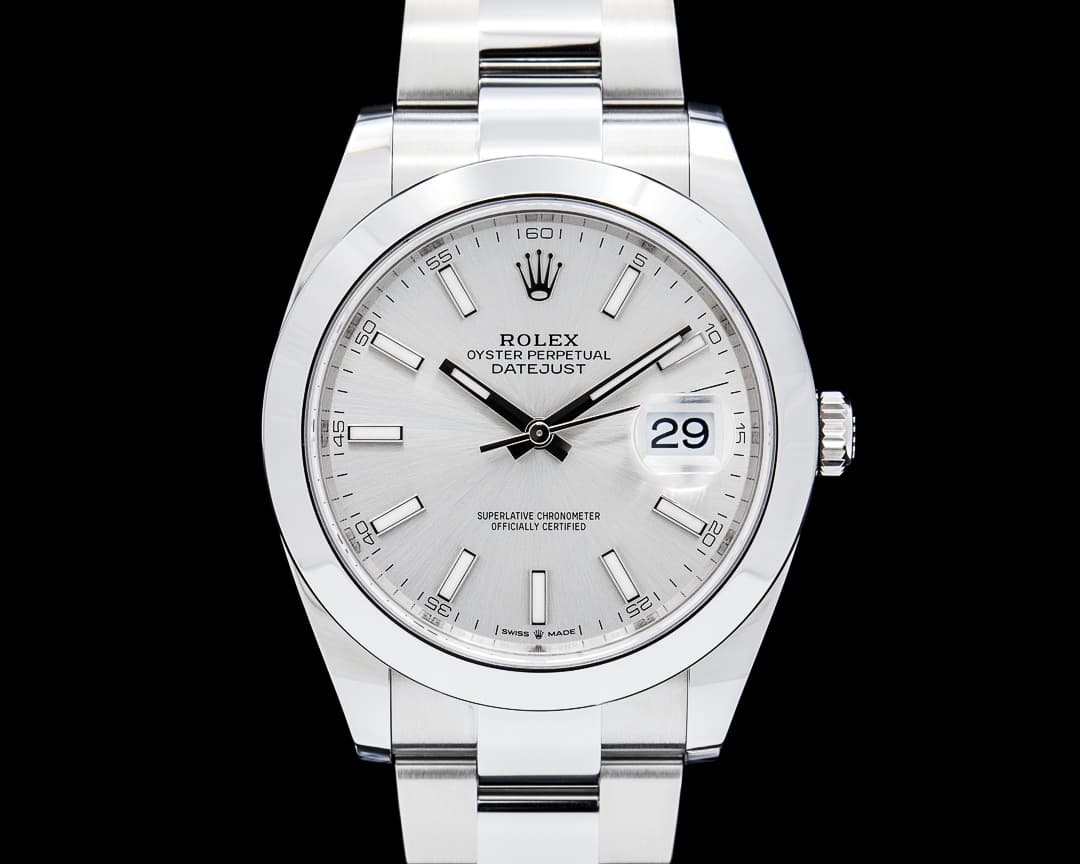
Dial originality is the second variable. Replacement dials are common across the 116xxx and 126xxx generations because service dials are available and jewelers replace them without much ceremony. An original dial in honest condition, appropriate aging, no reprint work on the text, original lume plots untouched, is worth more than a replacement dial in perfect condition, and a buyer who can't tell the difference is paying for the wrong thing. On the bracelet side, stretch on jubilee bracelets is worth checking physically: older jubilee bracelets stretch with wear and rarely present well. Box and papers matter, but less than the watch itself. On the Datejust specifically, the full-set premium tends to run closer to $1,000 on most steel examples, rather than the higher premiums sports references command. That's mostly because these are watches that tend to be worn more than collected.
Conclusion
After thirty years trading Rolex, we've learned that the buyers who do best with the Datejust are the ones who come in knowing which reference they want and why, not just "a Datejust" but a specific generation, bracelet, bezel, and dial combination. The knowledge pays off. As always, if you need further guidance, don't hesitate to reach out!
Shop New Arrivals
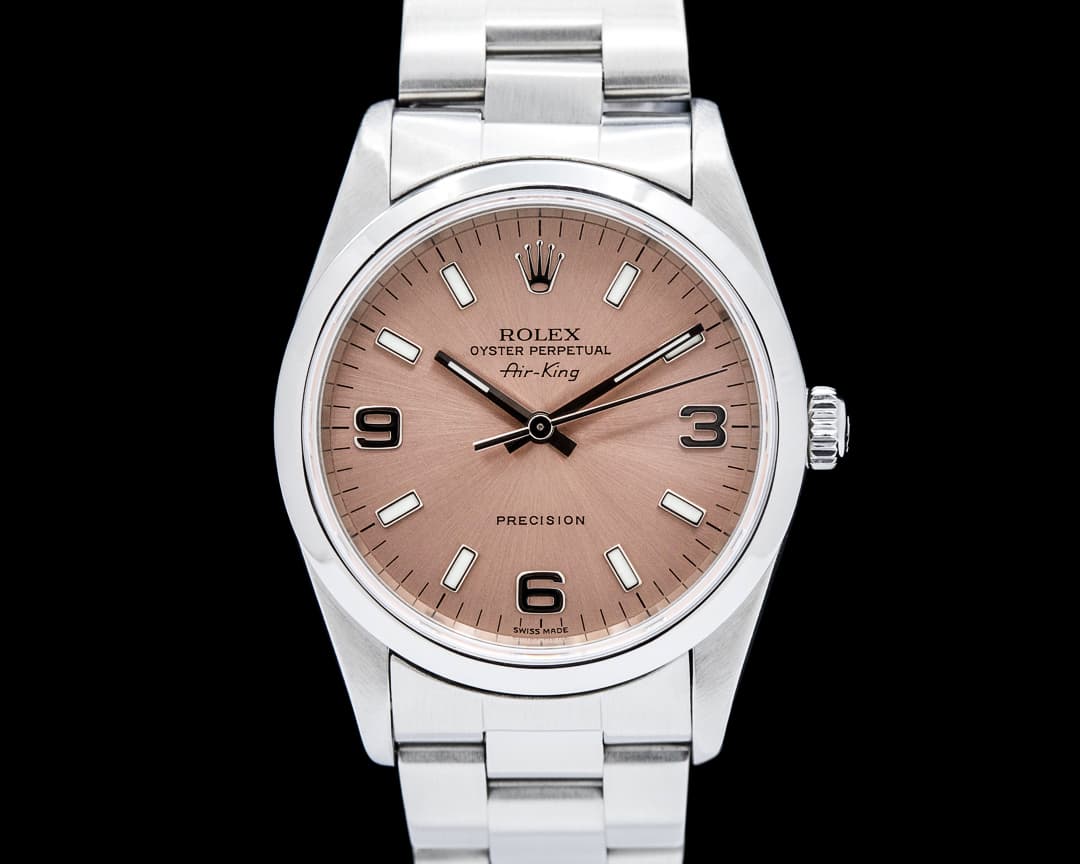
14000 Air King SS Salmon Dial
$5,750
View Watch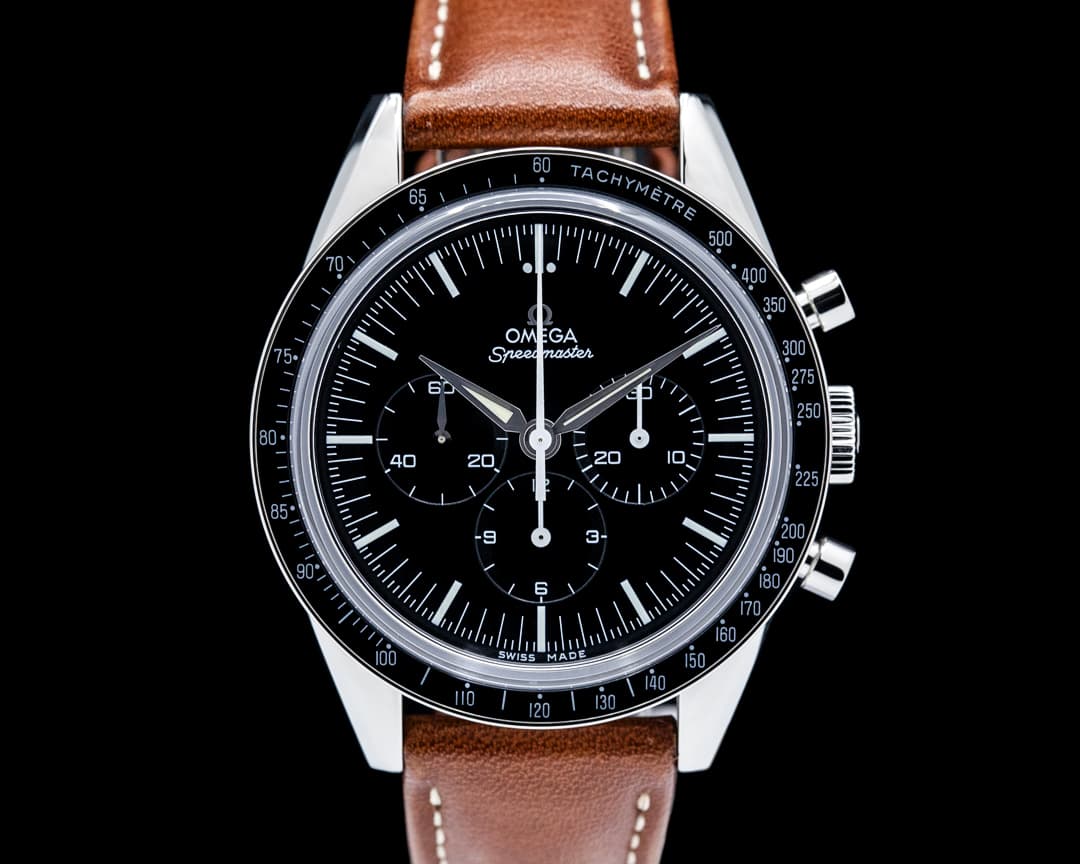
Speedmaster First Omega in Space SS Black Dial
$6,500
View Watch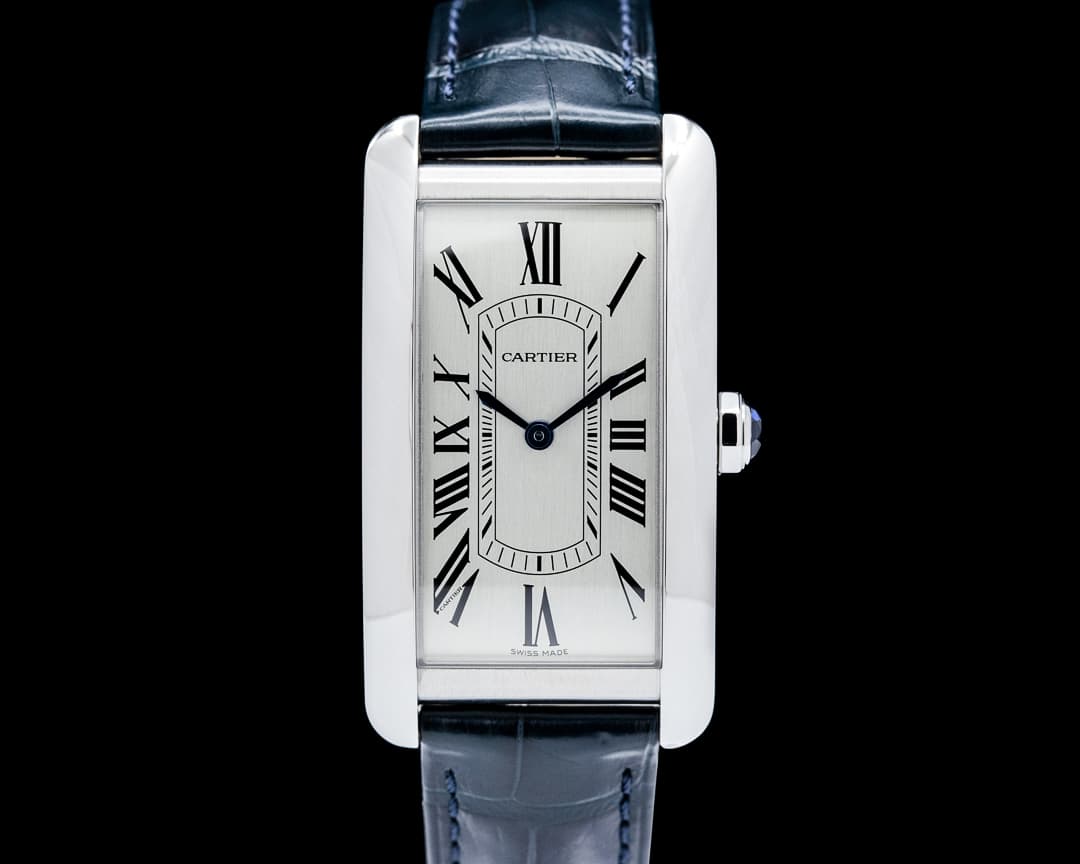
WSTA0083 Tank Americaine Large SS Silver Dial 2026
$6,350
View Watch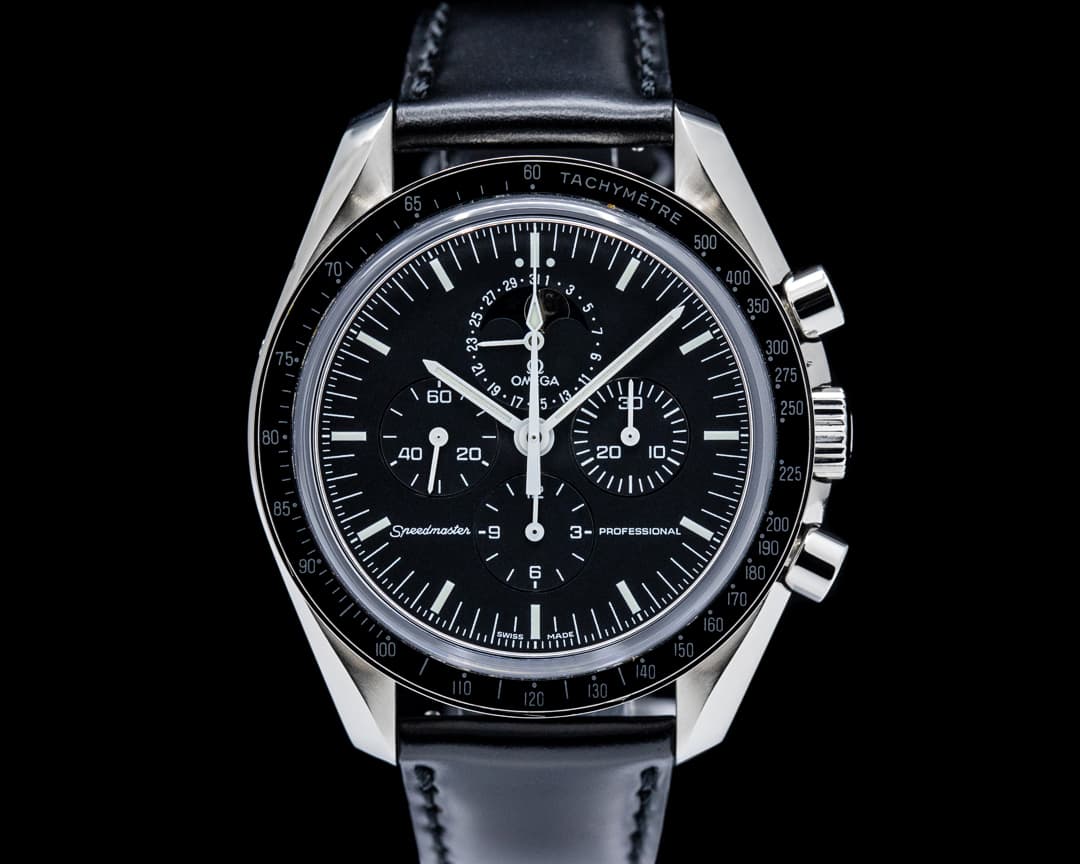
3876.50.31 Speedmaster Professional Moonphase SS Black Dial
$7,350
View Watch
Shop New Arrivals
14000 Air King SS Salmon Dial
$5,750
View WatchSpeedmaster First Omega in Space SS Black Dial
$6,500
View WatchWSTA0083 Tank Americaine Large SS Silver Dial 2026
$6,350
View Watch3876.50.31 Speedmaster Professional Moonphase SS Black Dial
$7,350
View Watch
More Content