Strap Monsters: Why Some Watches Work on Almost Any Strap
Published on 3/4/2026
Strap swapping hasn’t always been central to collecting culture. It was almost an afterthought, a response to seasonal changes or a way to refresh a watch that had grown too familiar. Today though, the strap isn’t just a finishing touch. It’s part of how the watch earns its place on the wrist.
That’s the origin of the idea of a “strap monster”. It’s a shorthand for watches that remain appealing across multiple uses and situations. The kind of watch that feels coherent on leather one week and something more rugged and adventurous the next.
Watches that work well with a strap ecosystem
One category of strap monsters owes much of its success to infrastructure. Thoughtful lug geometry, sensible proportions, and systems that make swapping feel easy, rather than awkward, encourage experimentation.
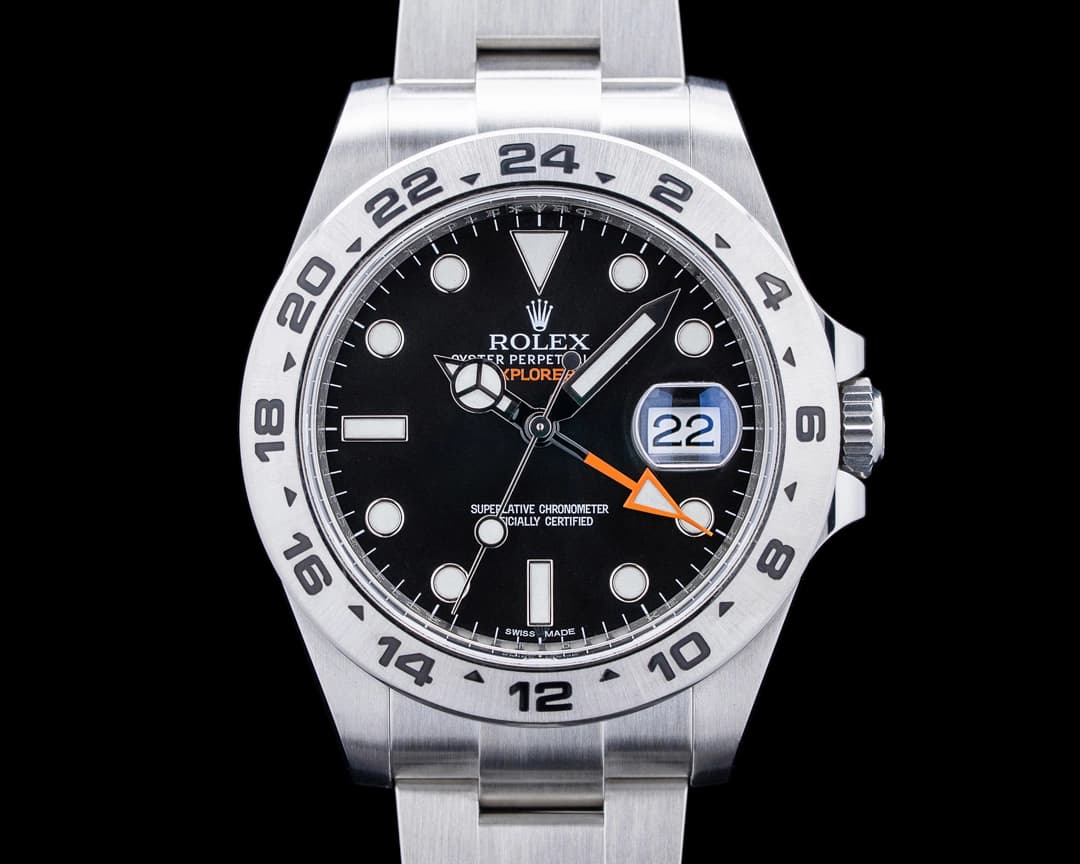
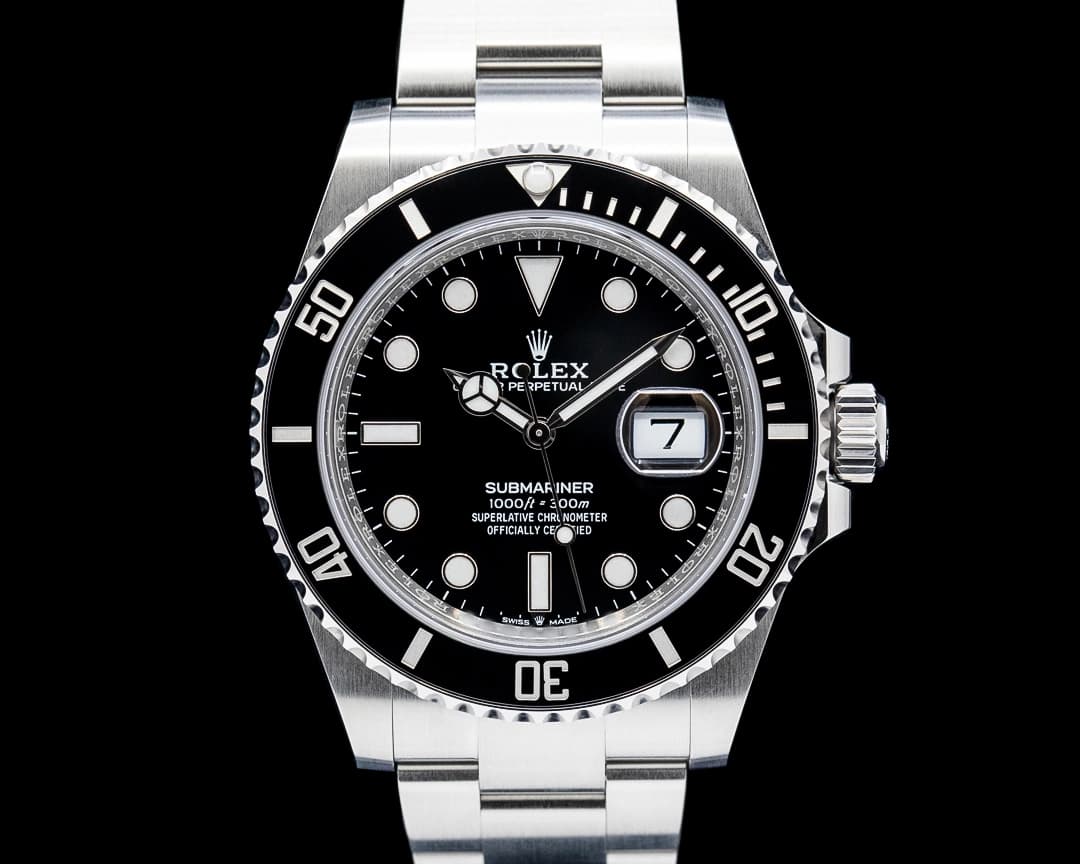
Watches like the Rolex Explorer II ref. 216570 or the Submariner ref. 126610LN both illustrate this. Both arrive on bracelets that feel definitive, yet neither watch feels lesser once the bracelet is removed. The cases have visual balance, and the dials are restrained enough that a strap change shifts character, rather than undermining it.
On leather, the Explorer II loses some of its modern rigidity, making it feel more like a land-dwelling companion. On rubber, it regains its tool-watch edge along with an extra touch of modernity. The watch remains equally coherent with either strap.
When swapping straps feels fun rather than corrective, your relationship with the watch changes. The focus shifts away from preserving an original configuration and toward adapting the watch to everyday life and tastes.
When straps become personal
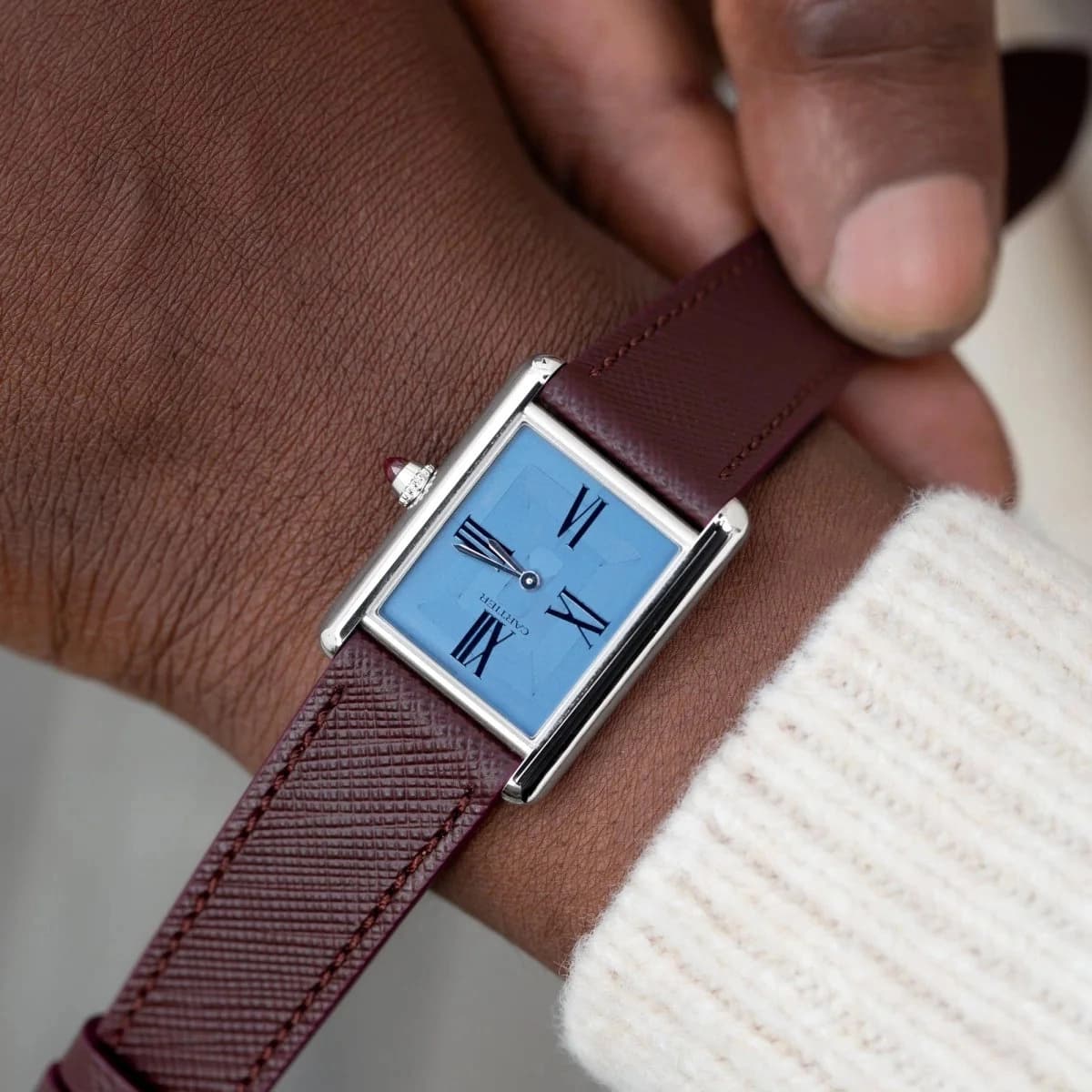
“The leather, the finishing, the way a great strap can completely transform how a watch feels on the wrist,” are important tactile factors for Michael Luther, founder of luxury watch strap makers Molequin. His interest in straps deepened after touring a strap maker’s factory and seeing the full process unfold. “While watching the whole journey from raw hide to finished product,” he said, “the craft and precision just spoke to me.”
Images courtesy Molequin
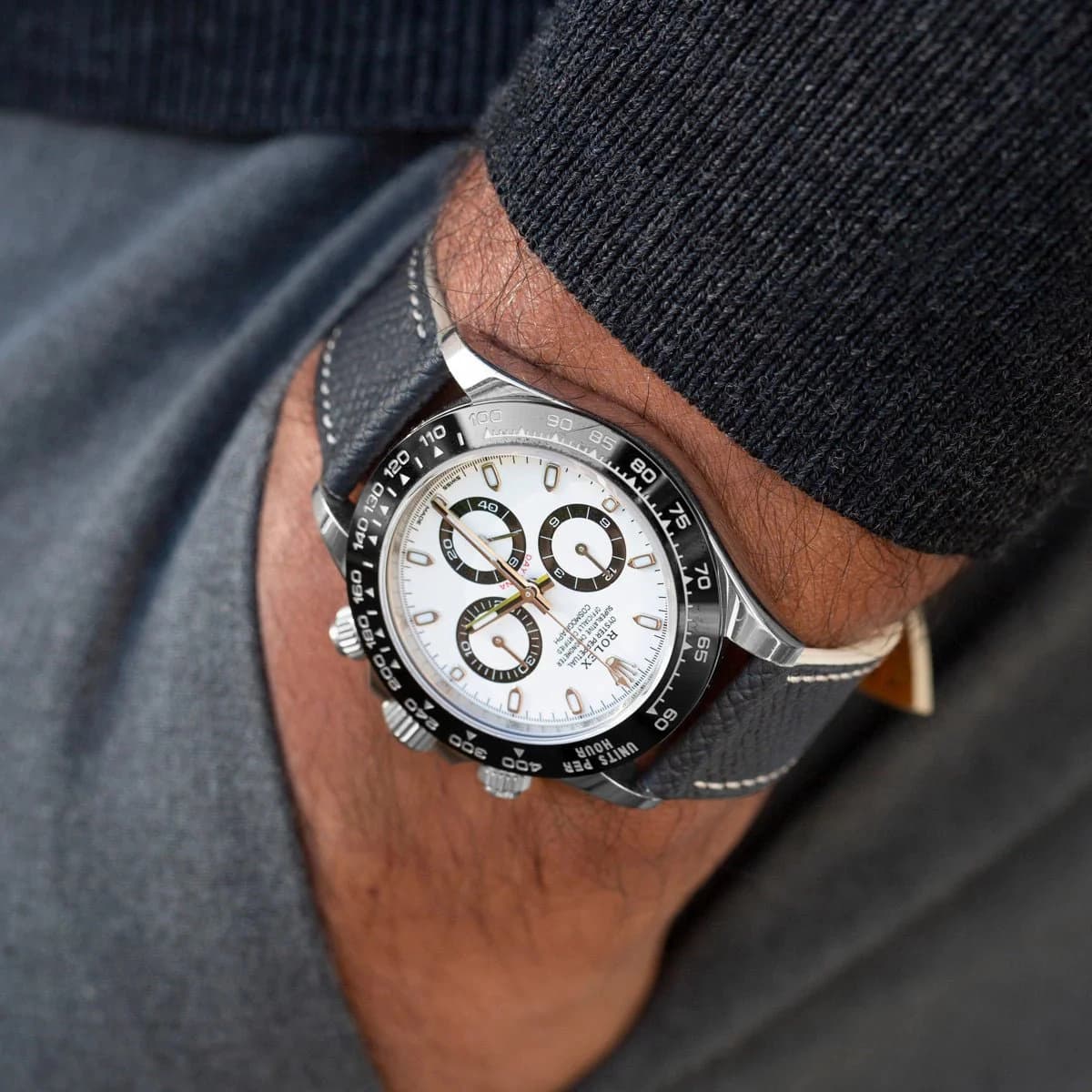
The move from appreciation to making felt natural. Luther comes from a manufacturing family business in the Midlands in the United Kingdom, so sourcing, production, and working to a standard were already familiar. “It felt like a natural next step,” he said. More importantly, it offered a way to participate meaningfully in the watch industry without selling watches themselves. “I wanted to contribute something tangible to the collecting experience,” he said.
That idea of contribution explains much of the appeal of strap swapping. Straps remain one of the few components collectors are actively encouraged to change. “It’s the most accessible way to make a watch truly yours,” Luther said. Two people might own the same reference, but once a strap reflects personal taste, the watches begin to diverge in subtle but meaningful ways.
Watches that accommodate change
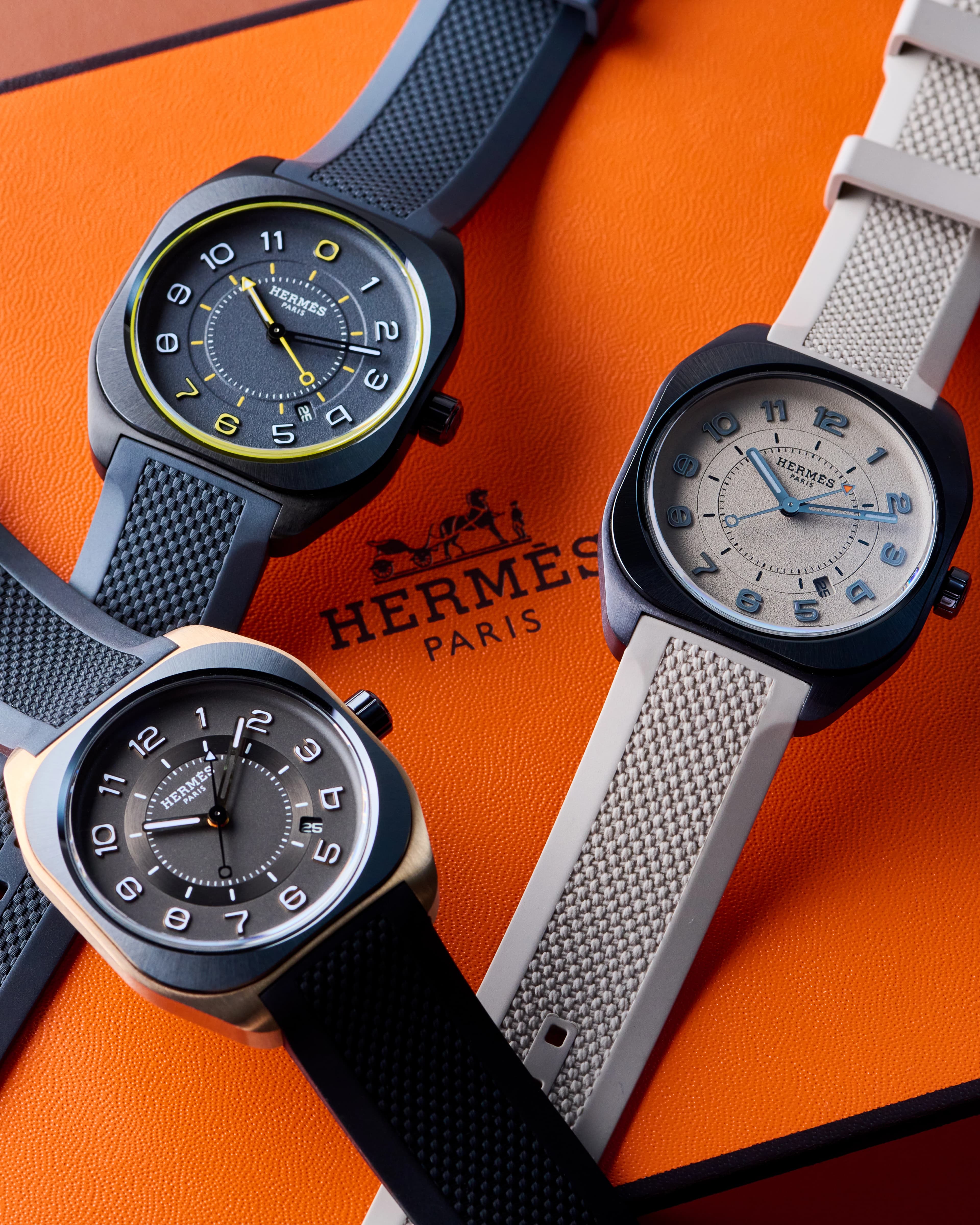
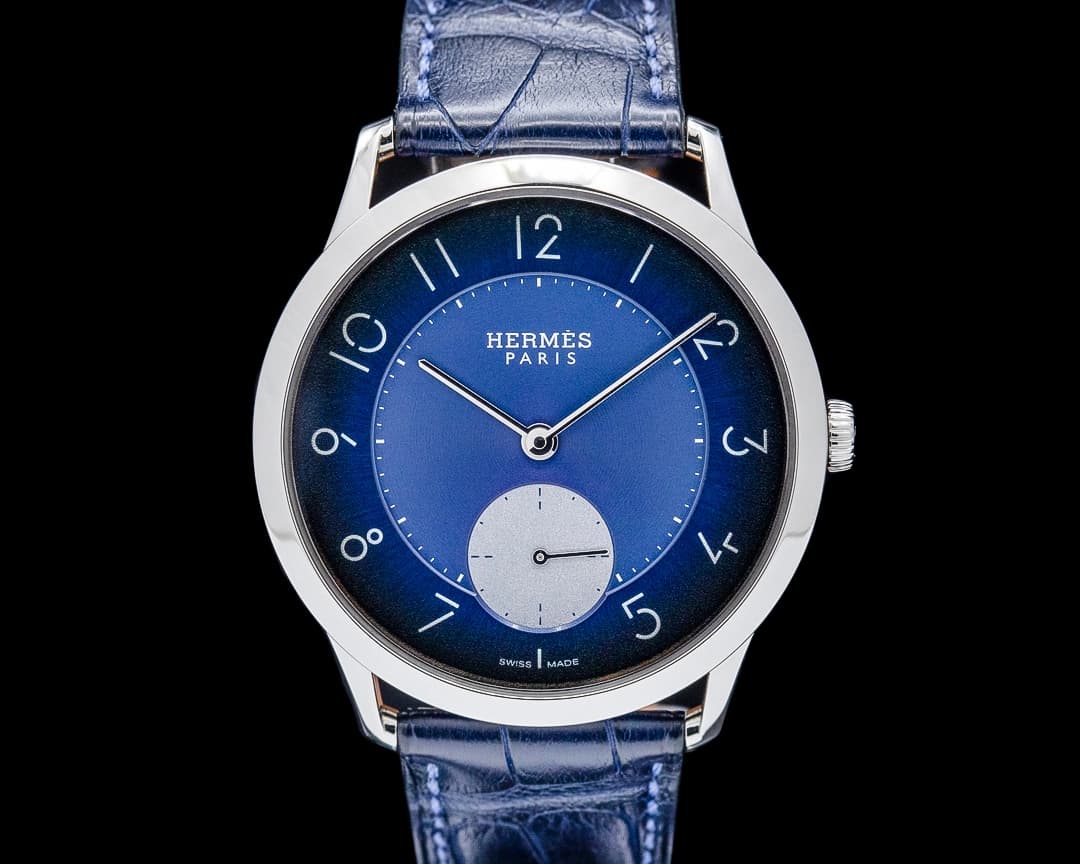
Another category of strap monsters relies less on systems and more on restraint. Certain watches are designed with enough balance that they accommodate change without losing clarity. The Hermès Slim d’Hermès is a good example. On its original strap, it reads as formal and composed. Move it onto something softer or more casual, and the watch relaxes without becoming confused. The dial, case, and proportions remain nicely balanced.
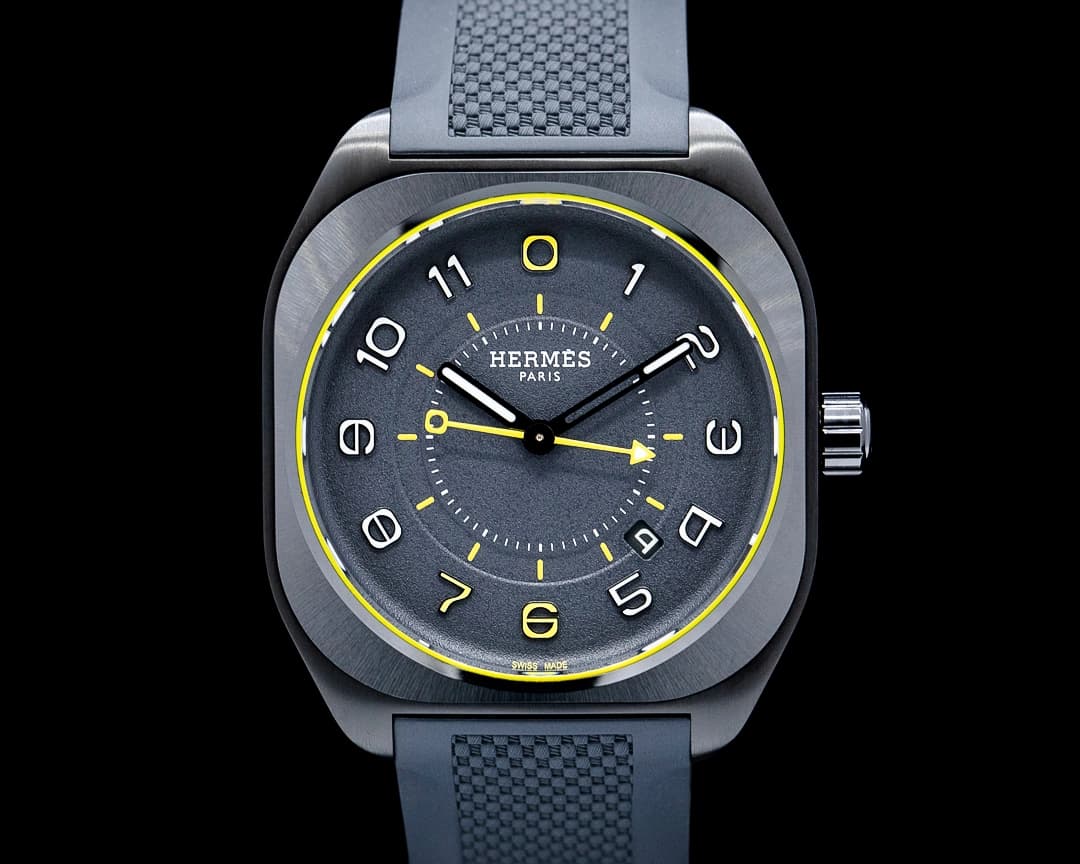
The Hermès H08 achieves something similar from a more contemporary starting point. Rubber emphasizes its sporty and technical side. Leather brings out a more architectural quality. Even fabric works better than expected. The design absorbs those shifts rather than resisting them. The watch doesn’t need to be reinvented; it simply adjusts.
Wearing watches in real conditions
For some, strap swapping is driven as much by necessity as by preference. “It’s a mix of comfort, practicality, and style,” said Justin Mastine-Frost, a long-time collector and watch industry veteran.
Comfort, in his case, is literal. A past injury left him with plates and screws in his left wrist, and strap choice can materially affect how a watch wears over the course of a day. “A different strap fitment can help alleviate some of the lingering discomfort,” he explained. In that context, swapping straps is less about aesthetics and more about making a watch viable for extended wear.
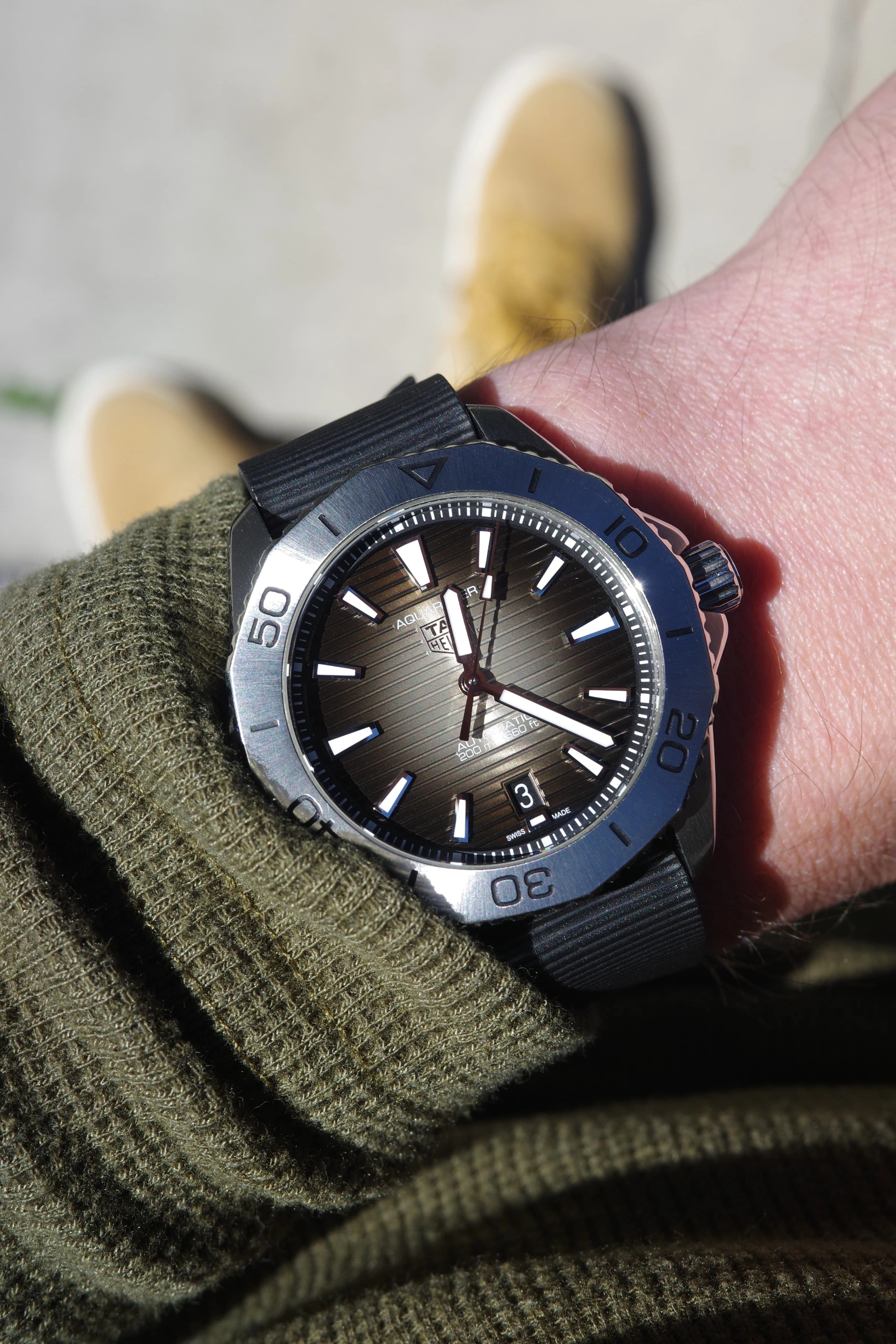
Images courtesy Justin Mastine-Frost
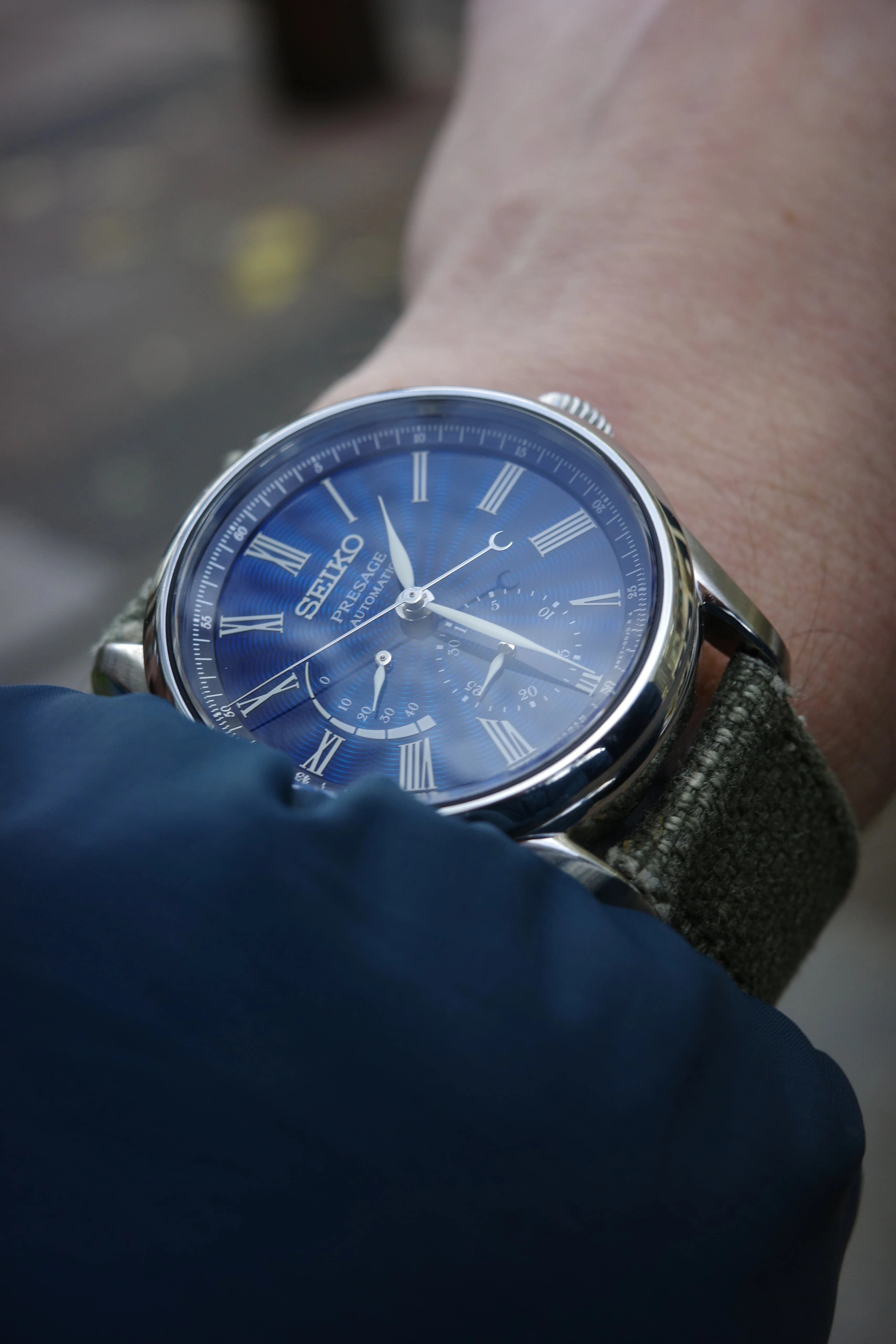
Practicality follows naturally. Mastine-Frost wears his watches across a wide range of situations, and strap choices respond accordingly. “Rubber or NATO if I’m doing something messy. Fabric or sailcloth if it’s really hot out,” he said. As long as he trusts the water resistance, even watches not typically labeled as tools can play along.
Style remains part of the equation, but it’s handled instinctively. Coordination might reflect clothing, an activity, or even a motorcycle. The strap becomes a way to adapt the watch to the day rather than forcing the day to fit the watch.
When the original strap never stood a chance
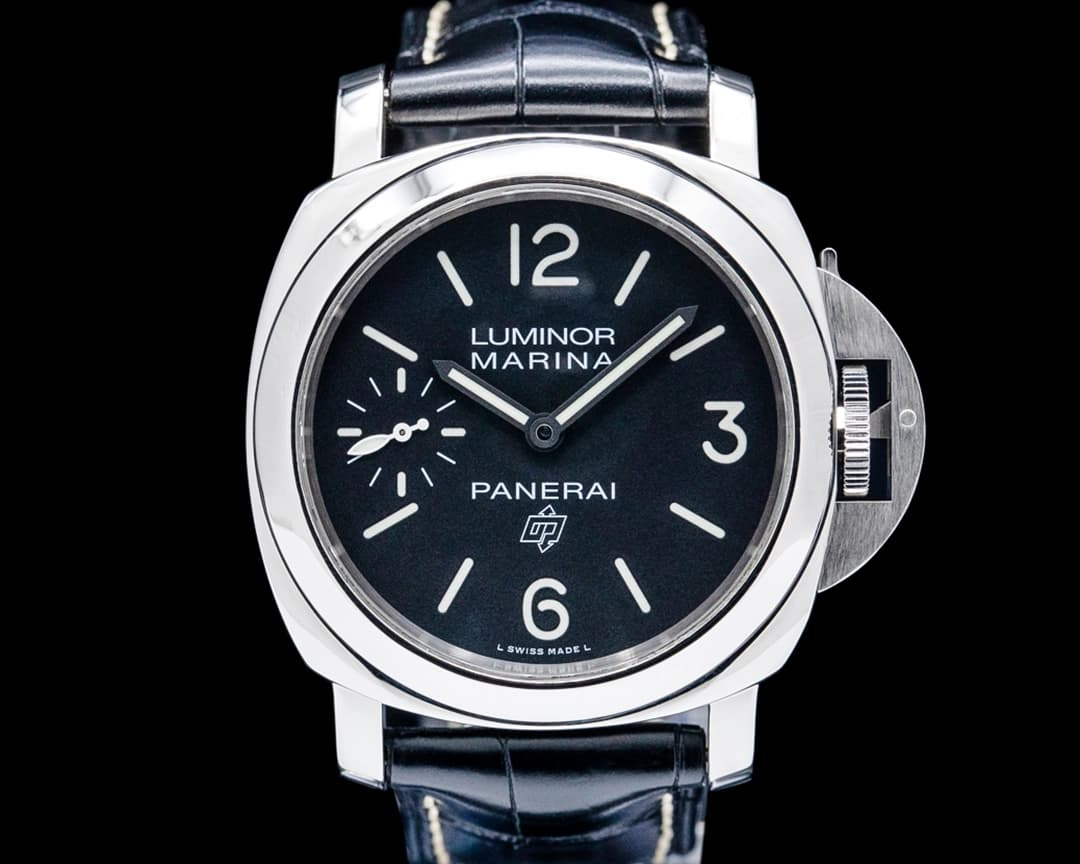
Some watches almost invite their factory straps to be replaced. Not because the originals are poorly made, but because the design encourages exploration. A Panerai Luminor Base Logo ref. PAM00776 is a familiar example. The wide lugs and cushion case seem to demand variety. Leather, canvas, or rubber- few owners settle on a single configuration for long.
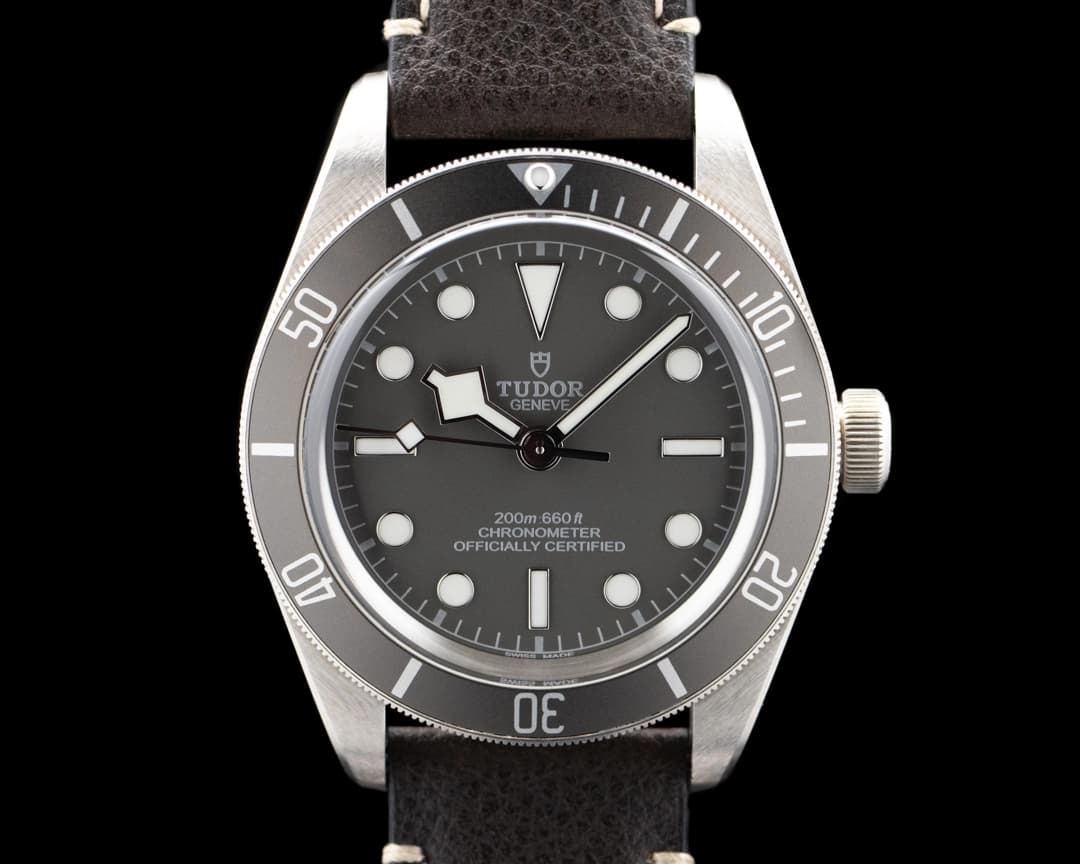
The Tudor Black Bay Fifty-Eight 925 operates more quietly, but with similar results. Its silver case and warm dial tones react differently depending on what surrounds them. A vintage-leaning leather strap emphasizes nostalgia. Fabric lightens the watch and makes it feel less precious.
The ultimate strap monsters
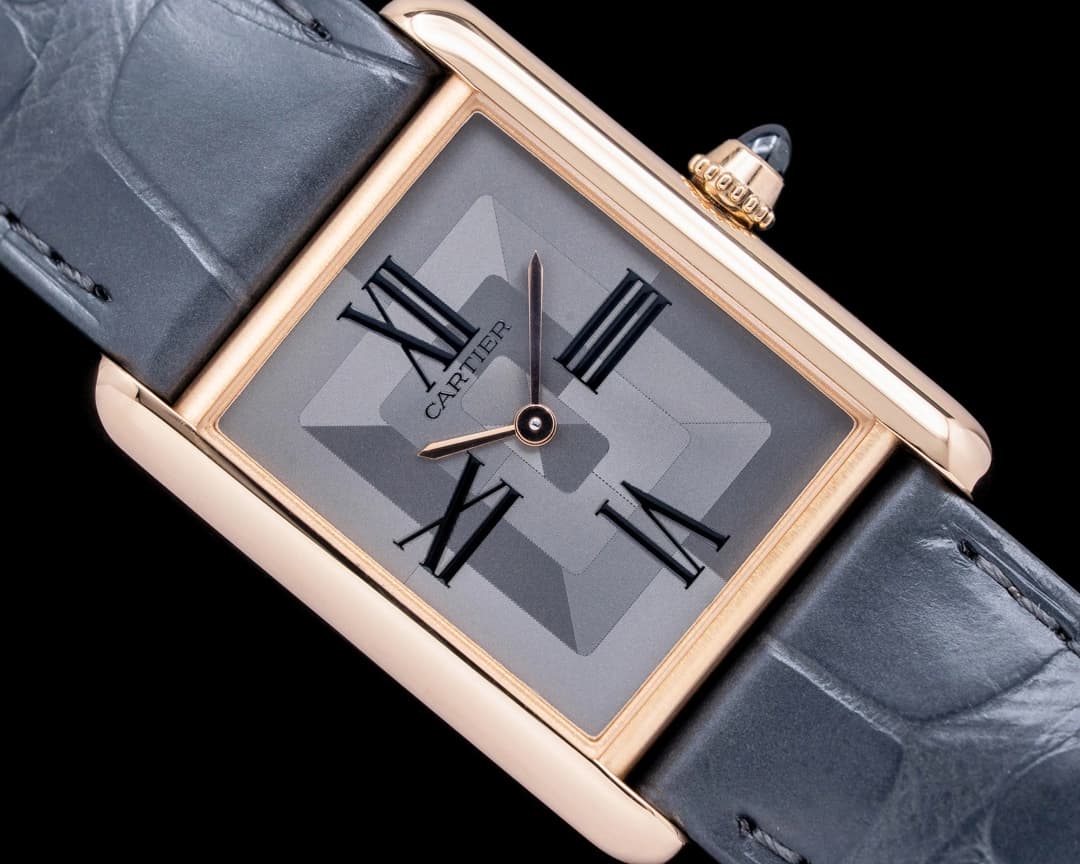
When asked to name the ultimate strap monster, Luther pointed immediately to the Cartier Tank Louis. “It’s a watch that was born on a strap,” he said. “The strap isn’t an afterthought. It’s fundamental to the design.” That confidence allows the watch to change convincingly. “Burgundy alligator for the evening, suede for the weekend, nubuck to dress it down. Each option makes it feel like a different watch.”
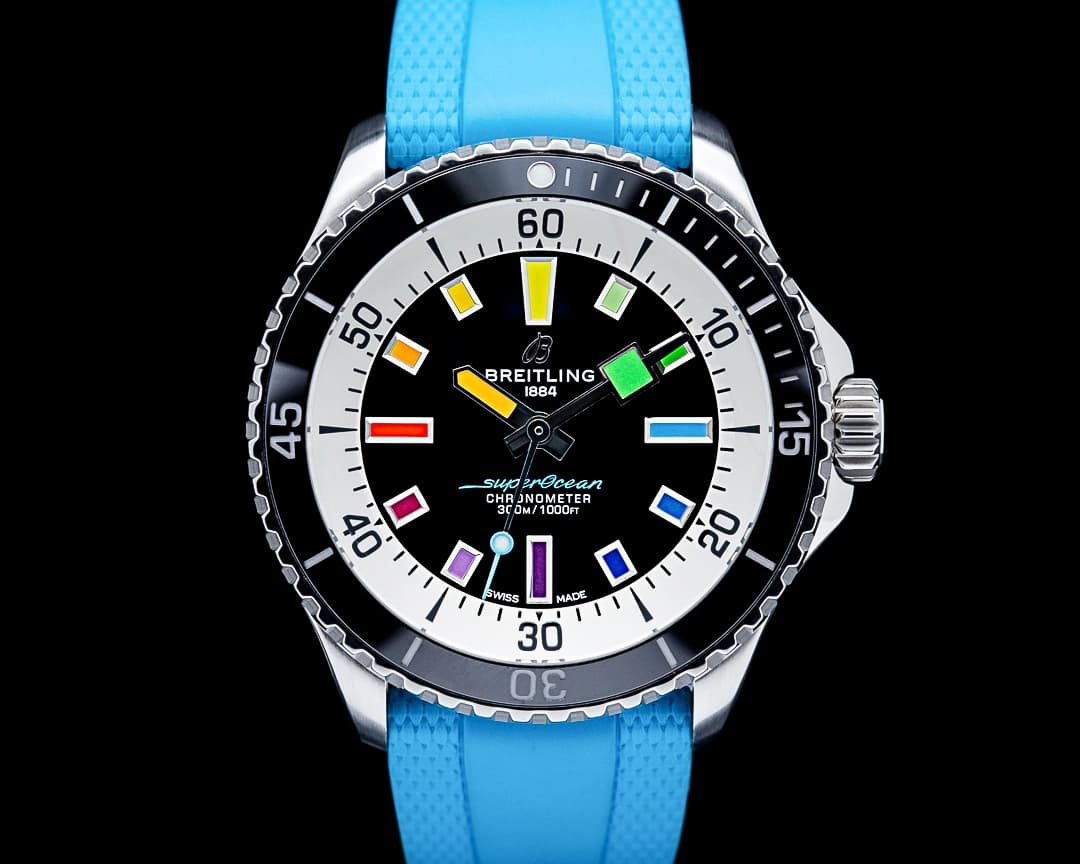
Mastine-Frost’s pick was the Breitling Superocean Rainbow, which he described as “so easily” adaptable thanks to the subtle colors scattered across the dial. “You can really just pick one color and run with it.” He also noted that the Hermès H08 is “far more versatile than you’d think,” adding that it even works on NATO.
Why strap monsters have longevity
Watches that accommodate change tend to remain relevant longer. They move easily between seasons, activities, and phases of ownership. That adaptability often translates into longevity within a collection.
Strap swapping also remains one of the most immediate ways collectors interact with their watches. It involves handling the object, adjusting it, and deciding how it fits into a given moment, fostering a more intimate relationship with the piece.
That flexibility really matters.The watches that handle those shifts often become the ones we instinctively reach for, because they continue to make the most sense to us, whatever form they take.
Shop New Arrivals
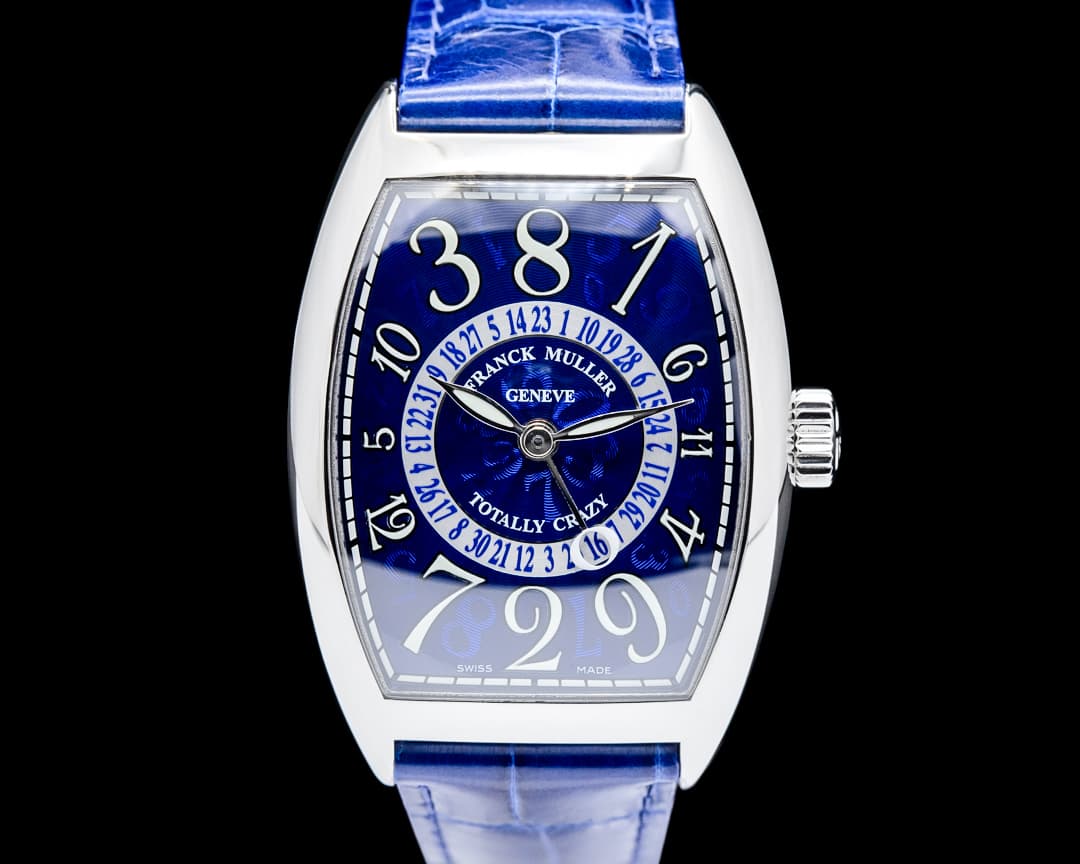
Cintree Curvex Crazy Hours Titanium Blue Dial
$15,900
View Watch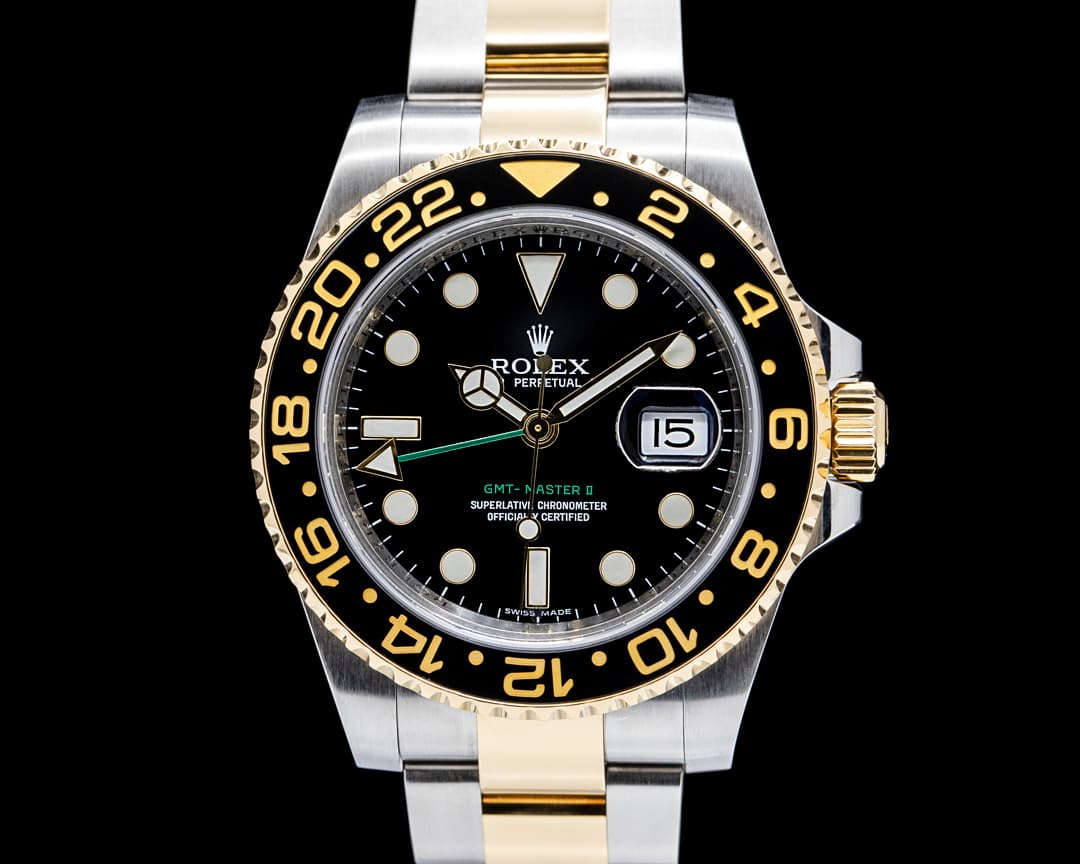
116713LN GMT Master II SS / 18K YG Black Dial
$15,500
View Watch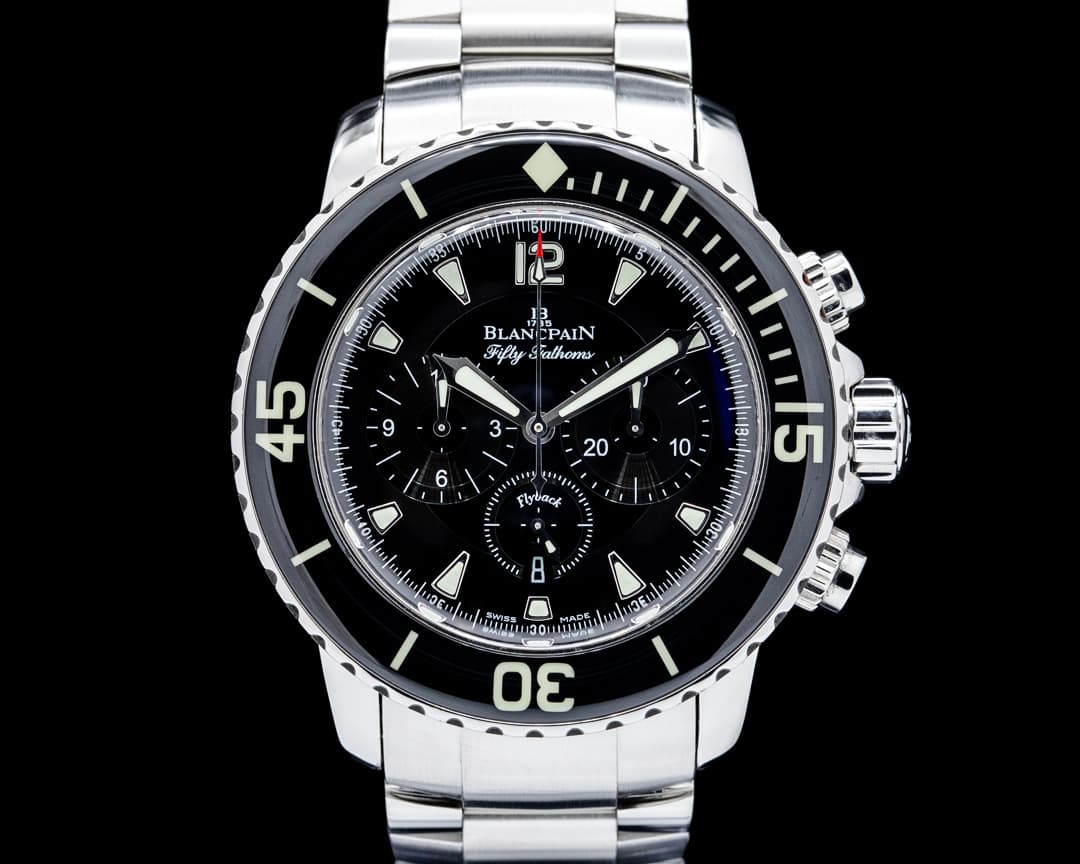
5085F Fifty Fathoms Chronographe Flyback SS Black Dial
$16,500
View Watch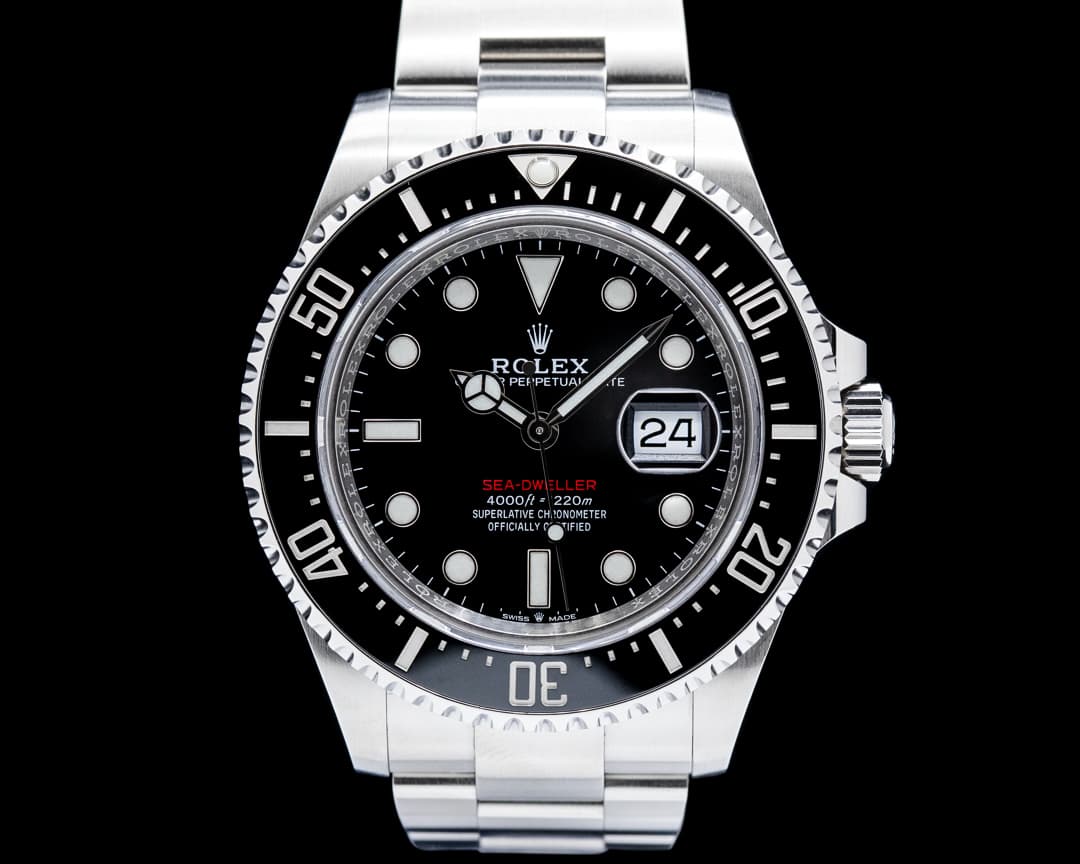
126600 Sea-Dweller Deep Sea SS Black Dial
$14,500
View Watch
Shop New Arrivals
Cintree Curvex Crazy Hours Titanium Blue Dial
$15,900
View Watch116713LN GMT Master II SS / 18K YG Black Dial
$15,500
View Watch5085F Fifty Fathoms Chronographe Flyback SS Black Dial
$16,500
View Watch126600 Sea-Dweller Deep Sea SS Black Dial
$14,500
View Watch
More Content