A Guide to the Vacheron Constantin Overseas: Three Generations, Explained
Published on 8/3/2026
How the Overseas Got Here
Vacheron Constantin has been making watches since 1755, and for most of that history the catalog looked the part: dress pieces, grand complications, decorative work that took its cues from the manufactory's roots in Geneva. The Overseas fits none of that. Launched in 1996, it was built to compete in the sport-luxury tier that the Royal Oak and the Nautilus had defined over the previous two decades, and its brief was explicitly functional: a watch that could do what those watches did, wearing Vacheron's name.
It never quite matched its rivals in cultural dominance. Audemars Piguet and Patek Philippe built waiting lists; Vacheron built a watch that serious collectors tended to discover rather than queue for. That discovery dynamic has had a lasting effect on how each generation trades today, and it is part of what makes the Overseas an interesting model to understand.
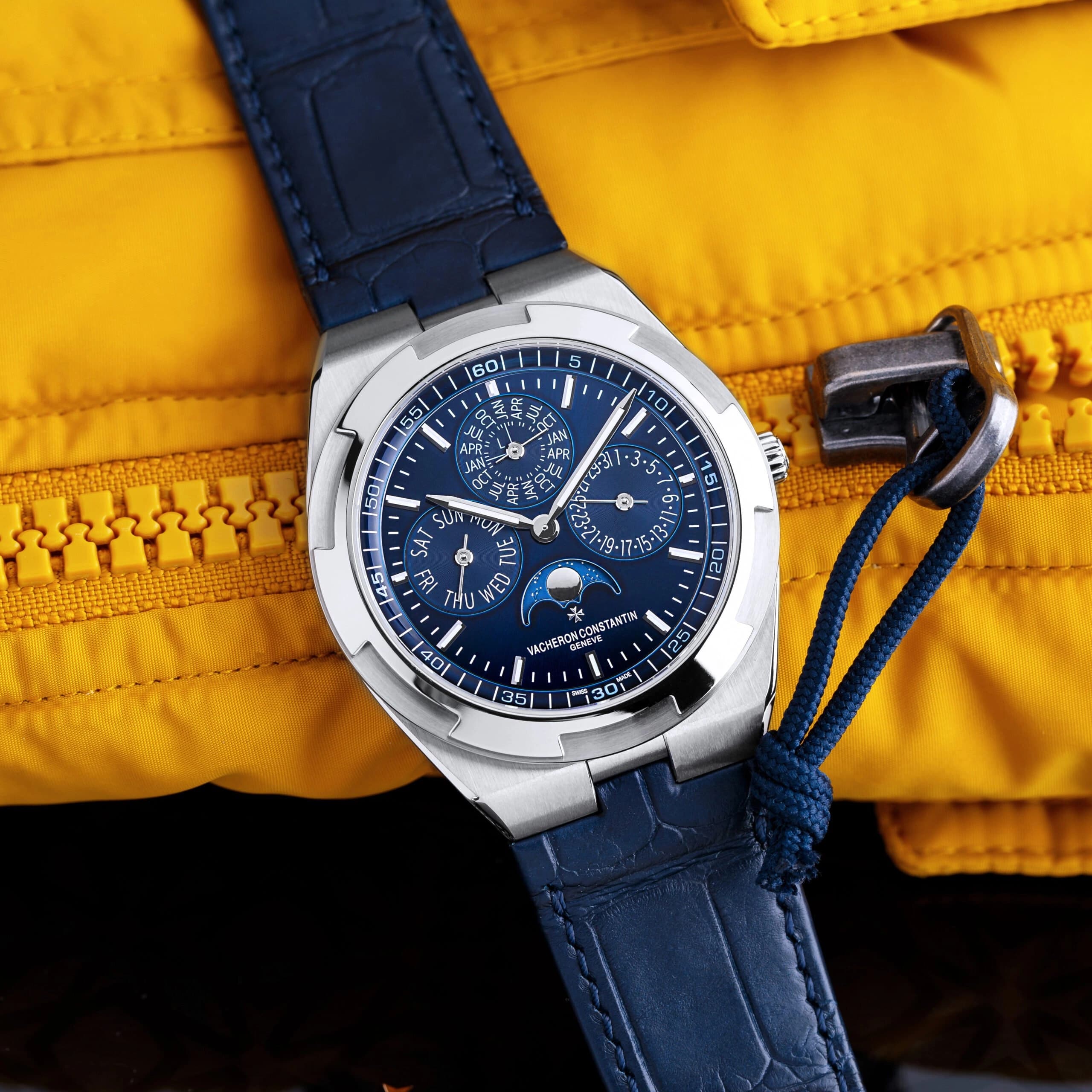
Vacheron Constantin Overseas Perpetual Calendar
Three distinct generations have been produced, spanning 1996 to the present. The transitions between them are not incremental updates. They are real redesigns, each one reflecting a different view of what the Overseas should be. Knowing how they differ is useful whether you are buying, selling, or simply trying to understand what you are looking at.
First Generation (1996-2004): The Original Proposition
The first Overseas is ref. 42040, produced from 1996 to 2004. The case is 37mm, stainless steel, with a profile that reads closer to a dressed-up sports watch than the purpose-built tool aesthetic of the Royal Oak. In direct light the case flanks catch at a flat, high-polish angle; the surfaces between them are brushed. The overall effect is compact and formal by today's standards, neat rather than commanding.
The bezel is the visual signature. Eight notches cut into the steel reference the Maltese cross that Vacheron has used as a symbol since the eighteenth century, giving the case an identity clearly distinct from the octagonal Royal Oak. The integrated bracelet uses a multi-link construction that, on a well-kept example, sits close and articulates smoothly. On a well-worn one, it stretches, which is the central condition issue for first-generation pieces. Some complain about the friction between the links of the bracelet.
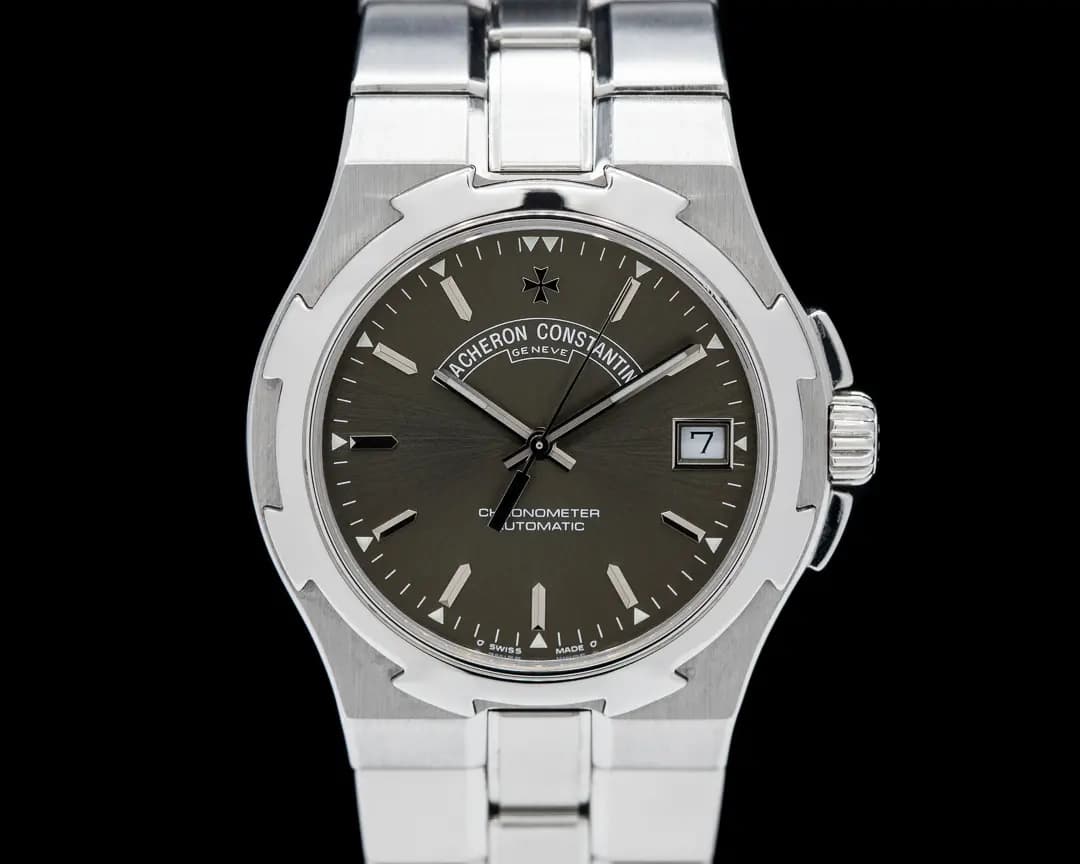
Overseas Gen 1 42040 Steel
Dial variants most commonly include black, silvered, and blue options. The blue dials are the most sought after, reading deepest in shade and closer to grey in direct light, not a saturated fashion blue. Printed indices, applied Maltese cross at 12 o'clock, and a date window at 3 sit cleanly against the dial surface.
The movement is caliber 1310, a COSC-certified automatic built on a Girard-Perregaux 3100 base, upgraded to caliber 1311 during the production run. Third-party-sourced, yes, but finished to Vacheron's spec with a stated accuracy standard the brand took seriously. The 1310/1311 runs well and is serviceable; it is not a limitation that should put buyers off.
Yellow gold variants exist, ref. 42050 at 35mm and a larger yellow gold version in the 42040 family, and are relatively scarce. They appear occasionally at auction and on the secondary market, priced accordingly. For collectors focused on the first generation, gold is a comparative rarity, and that scarcity has real value implications.
First-generation pieces in good to excellent condition with complete bracelet and original box and papers generally trade in the $13,000-$20,000 range, though this varies meaningfully by condition and completeness. Bracelet stretch is the primary wear indicator. A stretched bracelet is not fatal, but replacement or tightening affects both cost and originality, and the market knows it. Pre-owned pricing across all three generations fluctuates with market timing; these figures reflect approximate ranges at the time of research and should be verified against current listings before any transaction.
Second Generation (2004-2016): Growth and Refinement
The second generation launched in 2004 as ref. 49150 and ran until 2016. The case stepped up to 42mm, a meaningful increase, and the geometry changed with it. The proportions are more self-assured than the first generation, the lugs slightly longer, the overall presence more contemporary to the standards of the mid-2000s. The Maltese cross bezel motif carries over, but the case architecture around it feels like a different read on the same theme.
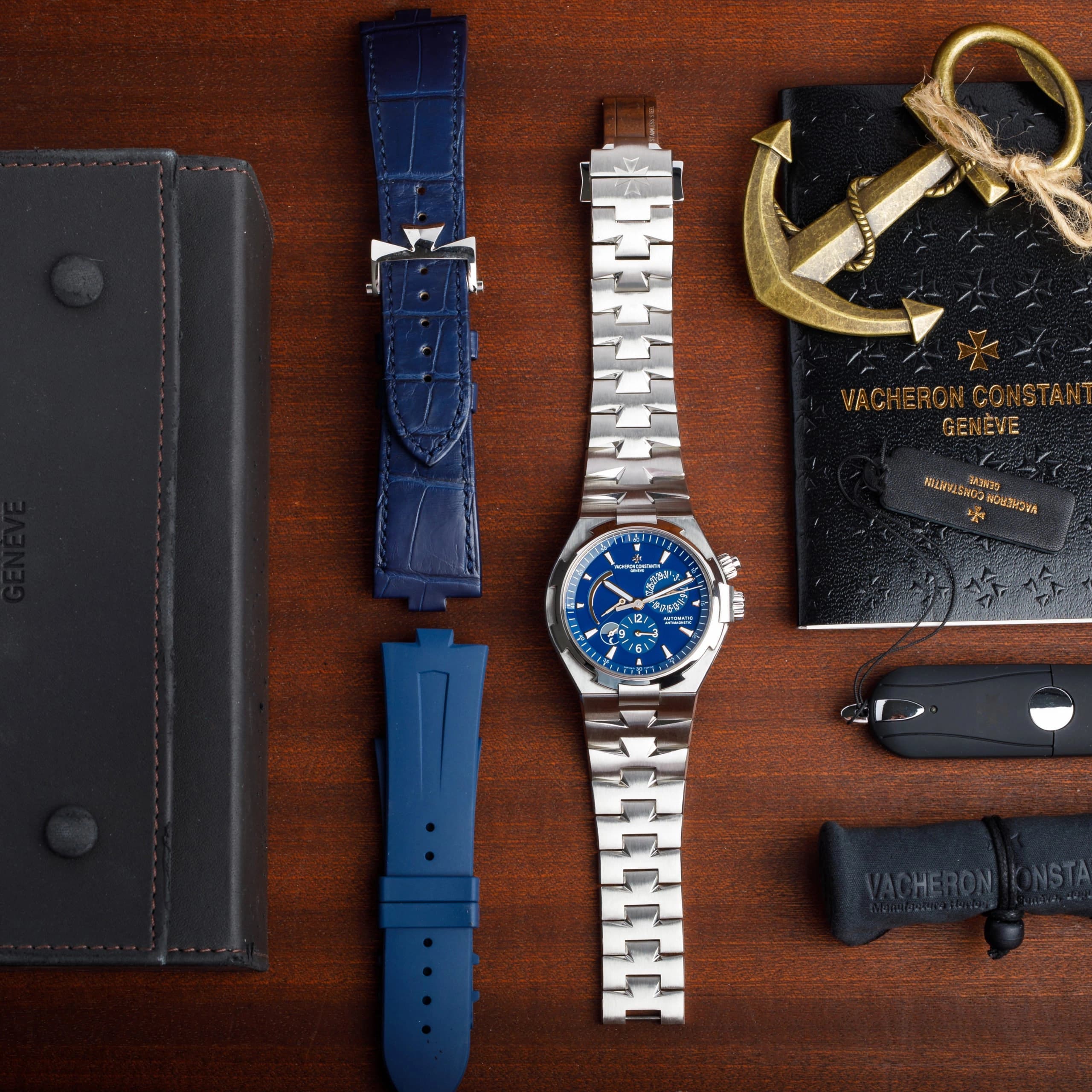
Vacheron 47450 Overseas Dual Time
Finishing is more considered than on first-generation pieces. The alternating brushed and polished surfaces are crisper, and the integrated bracelet, redesigned and slightly heavier, sits with more authority on the wrist. A clean second-generation bracelet is a noticeably better wearing experience than a tired first-generation one.
The lineup expanded in this era. The time only variant is the core, with the updated half maltese cross bracelet motif. The chronograph ref. 49150 accompanies it and the generation includes a dual time reference, both of which attracted different buyers and now occupy different market positions. The three-hand uses caliber 1126, based on a Jaeger-LeCoultre movement. The chronograph uses caliber 1137, a Vacheron-finished version of the Frederic Piguet 1185, one of the best column-wheel chronograph movements of its era, and the reason many collectors today prefer the second-generation chronograph despite its third-party origin.
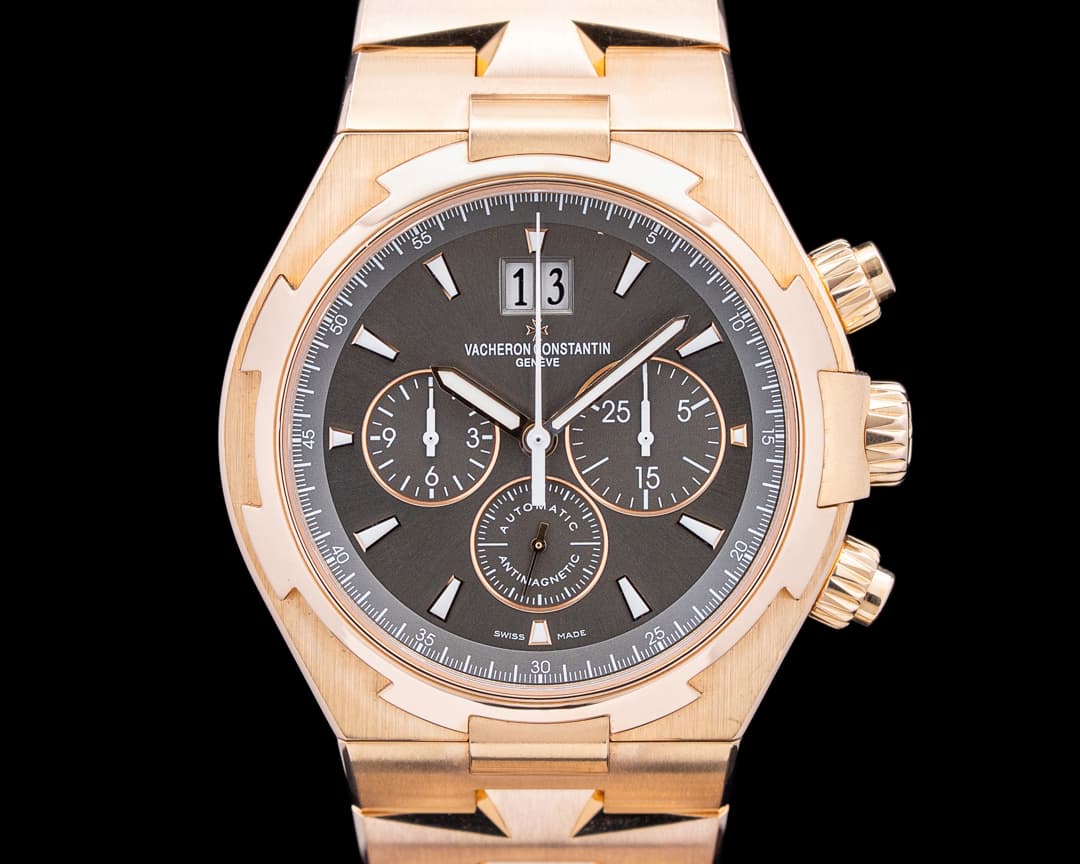
That movement provenance is worth dwelling on. The Frederic Piguet 1185 base is not an embarrassment; it is a well-regarded ebauche that appears in high-end pieces from multiple serious houses. Some buyers see the JLC and FP bases as a negative, a sign that the Overseas had not yet earned its in-house status. Others see the second-generation FP chronograph as the more interesting collector object precisely because of the movement's reputation. Neither position is wrong, both are defensible, and the market reflects both.
The second generation is the deepest pre-owned pool of the three. Pieces are widely available, which keeps prices more accessible than either the scarcity-driven first generation or the near-retail third. Clean three-hand examples generally trade in the $10,000-$16,000 range; chronographs command a premium at approximately $18,000-$24,000 for excellent complete examples. Box and papers matter here, as they do across all three generations, but bracelet condition is somewhat less fraught than in the first generation because the improved construction shows wear more slowly.
Third Generation (2016-Present): The Current Form
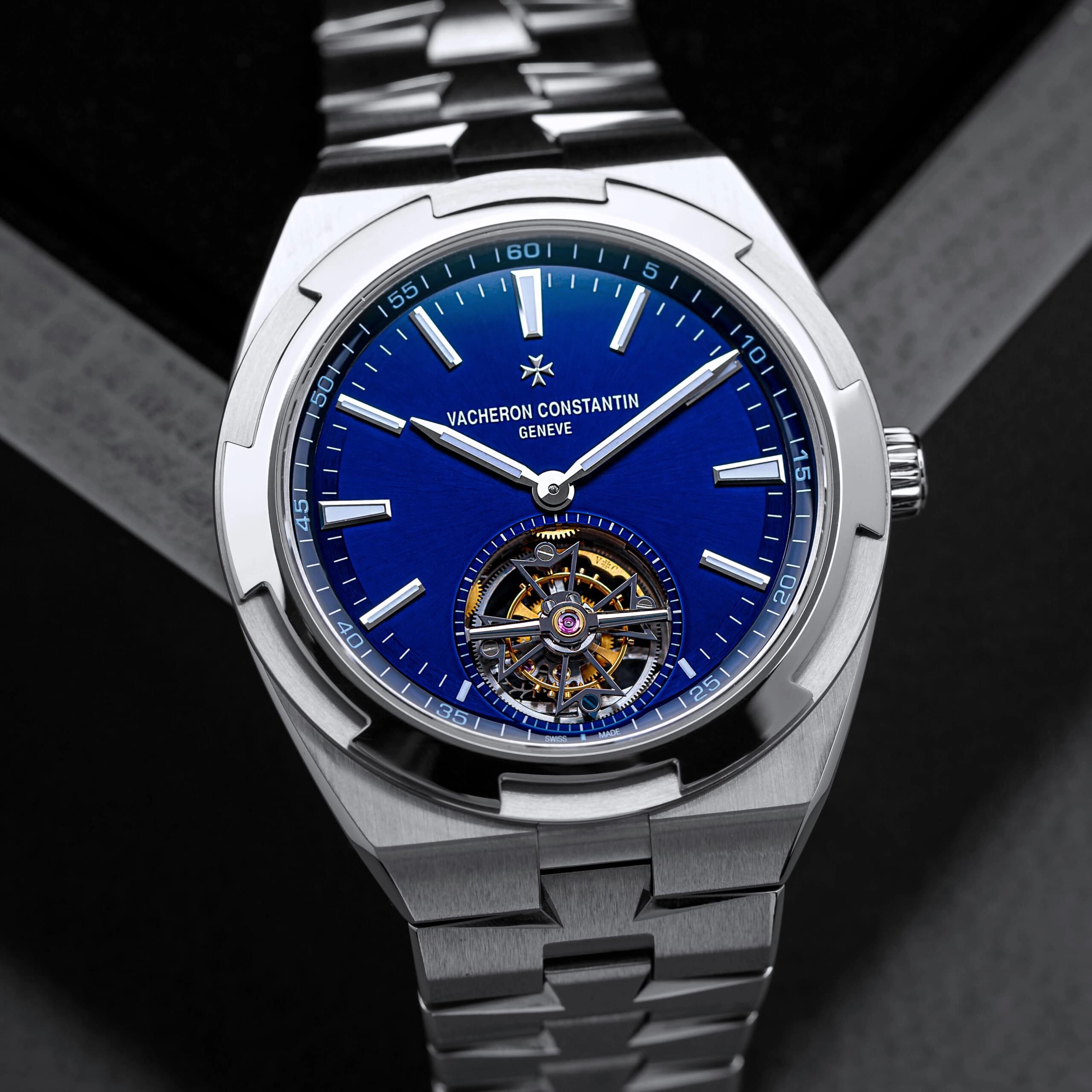
The third generation arrived in 2016 as ref. 4500V, and it was a genuine redesign rather than an iteration. The case came down to 41mm from 42mm, a small step numerically, but perceptible in the wearing. More significant was what happened to the bezel: eight notches became six. The Maltese cross reference is still there if you know to look for it, but the shape reads differently, closer to a hexagon. This was deliberate. Vacheron made no secret of wanting to establish clear visual separation from the Royal Oak and the Nautilus, both of which use octagonal bezels.
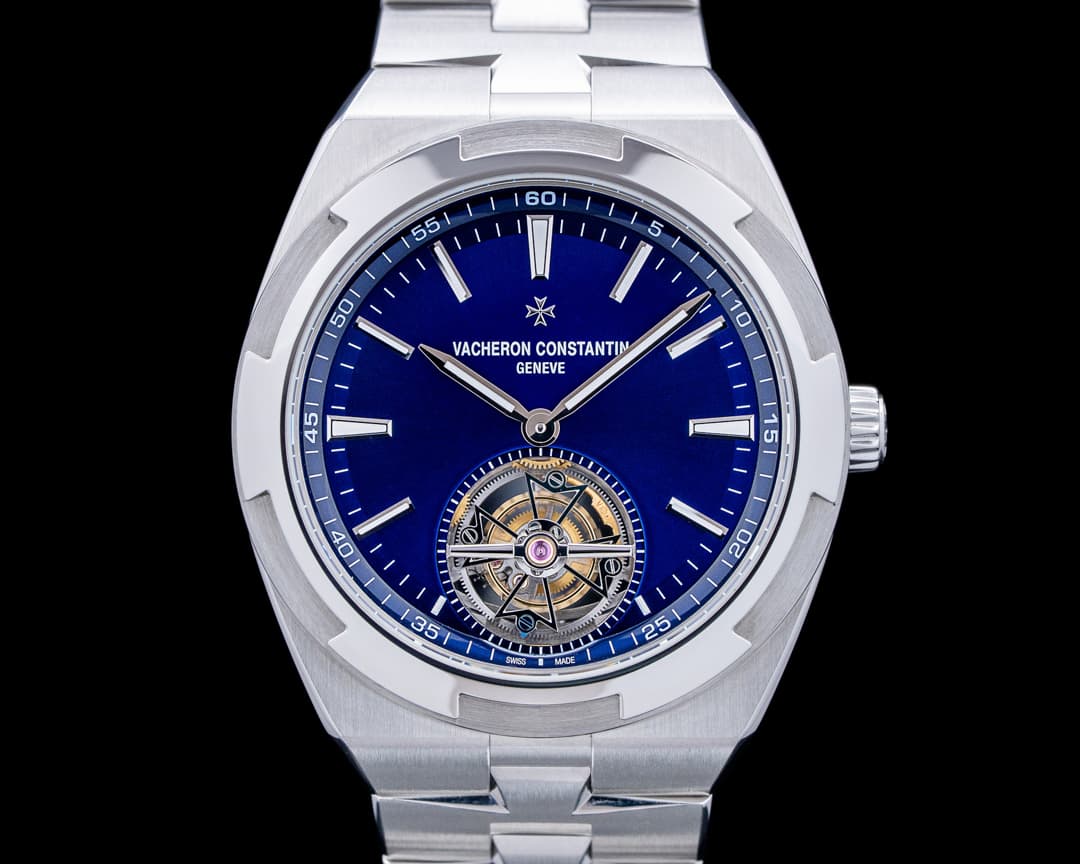
The finishing quality is the highest of the three generations. The third-generation case shows sharper transitions between brushed and polished surfaces, and the bracelet clasp was redesigned for both security and ease of adjustment. The Poincon de Geneve, the Hallmark of Geneva certification, was extended to the Overseas in this generation, adding a finishing standard beyond COSC to both the movement and the case.
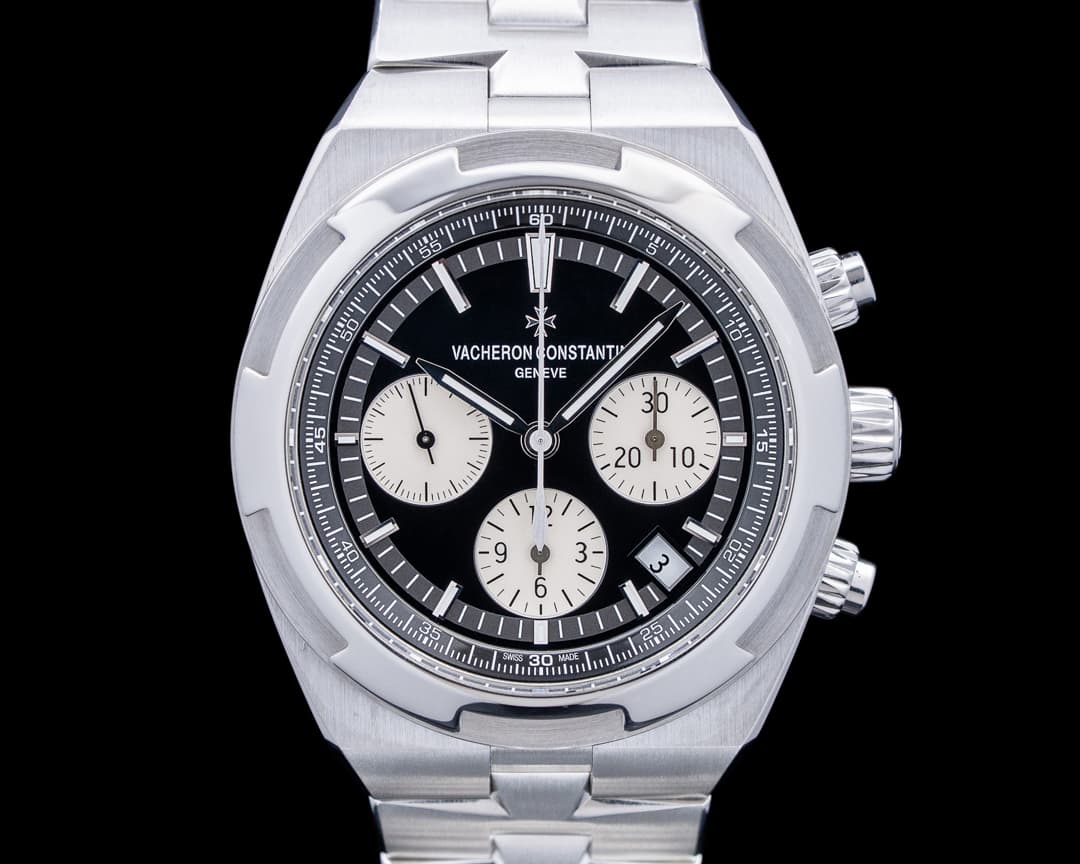
The headline mechanical change is the move to fully in-house calibers. The three-hand ref. 4500V uses caliber 5100; the chronograph ref. 5500V uses caliber 5200; the dual time ref. 7900V, released in late 2017, uses caliber 5110 DT; and the tourbillon ref. 6000V, the first tourbillon in the Overseas collection, uses caliber 2160. All are built and finished in-house. All carry the Geneva Seal.
The tri-strap system is both a practical feature and a secondary market consideration. Third-generation Overseas watches ship with three interchangeable straps, steel bracelet, rubber sport strap, and alligator dress strap, along with the tools to swap them. A complete set is what it means to have a complete third-generation Overseas, and pieces missing straps trade at a discount. This is not a trivial point when evaluating pre-owned examples.
The 5500V chronograph has a 42.5mm case, slightly larger than the base three-hand. The 6000V tourbillon also runs 42.5mm. Current retail for the ref. 4500V three-hand begins around $25,000-$28,000 USD; the chronograph and dual time sit higher, at $30,000-$45,000 and above depending on configuration and material. Pre-owned third-generation pieces tend to trade near or at retail, occasionally above it for desirable configurations. That is a different dynamic from either earlier generation.
What Each Generation Is, in the Market Today
The three generations appeal to overlapping but distinct buyers, and understanding who tends to buy what is useful context.
First-generation pieces attract buyers for whom history and scarcity matter: the watch that started the line, in a diameter that feels almost understated today, with the gold variants offering genuine collector-grade rarity. The prices are not low; a clean example with original bracelet and papers commands real money. But the motivation is less about finding value and more about owning the specific object that the generation represents.
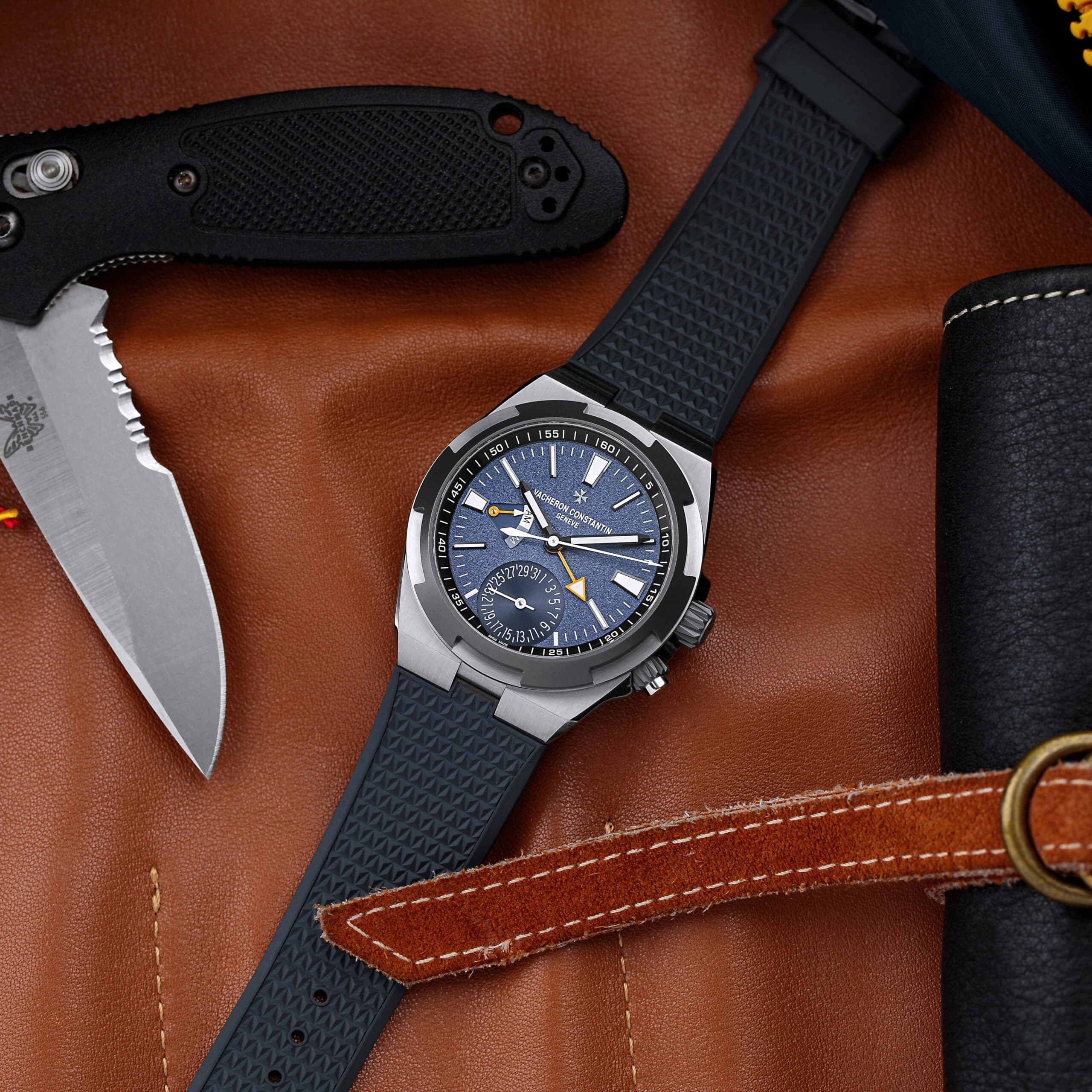
Overseas Everest Limited Edition
The second generation is where the Overseas has the most depth and the most accessibility. Clean ref. 49150 three-hands represent the widest entry into the Overseas line, and the FP-based chronograph has a dedicated constituency that isn't moving. For buyers who want to wear an Overseas daily without pre-owned prices approaching retail, this is the generation that makes practical sense.
The third generation is, for most buyers, the watch Vacheron wants you to own: in-house movements, Geneva Seal, tri-strap system, the highest finishing standard of the three eras. Pre-owned prices that sit near or at retail mean you are not finding a discount so much as an alternative sourcing path. That is a reasonable proposition for the right buyer, and a genuine consideration for anyone who wants a specific configuration that has sold out at retail.
None of these frames is a verdict on quality. The first generation is not worse because it runs a GP-based movement. The second generation is not lesser because it is more available. The third generation is not automatically preferable because it came last. What they are is three different objects, each made in a different era, each reflecting a different set of priorities.
A dealer who has handled all three generations put it simply: "The question is never which one is best, it's which one you'll actually wear."he
Shop New Arrivals
14000 Air King SS Salmon Dial
$5,750
View Watch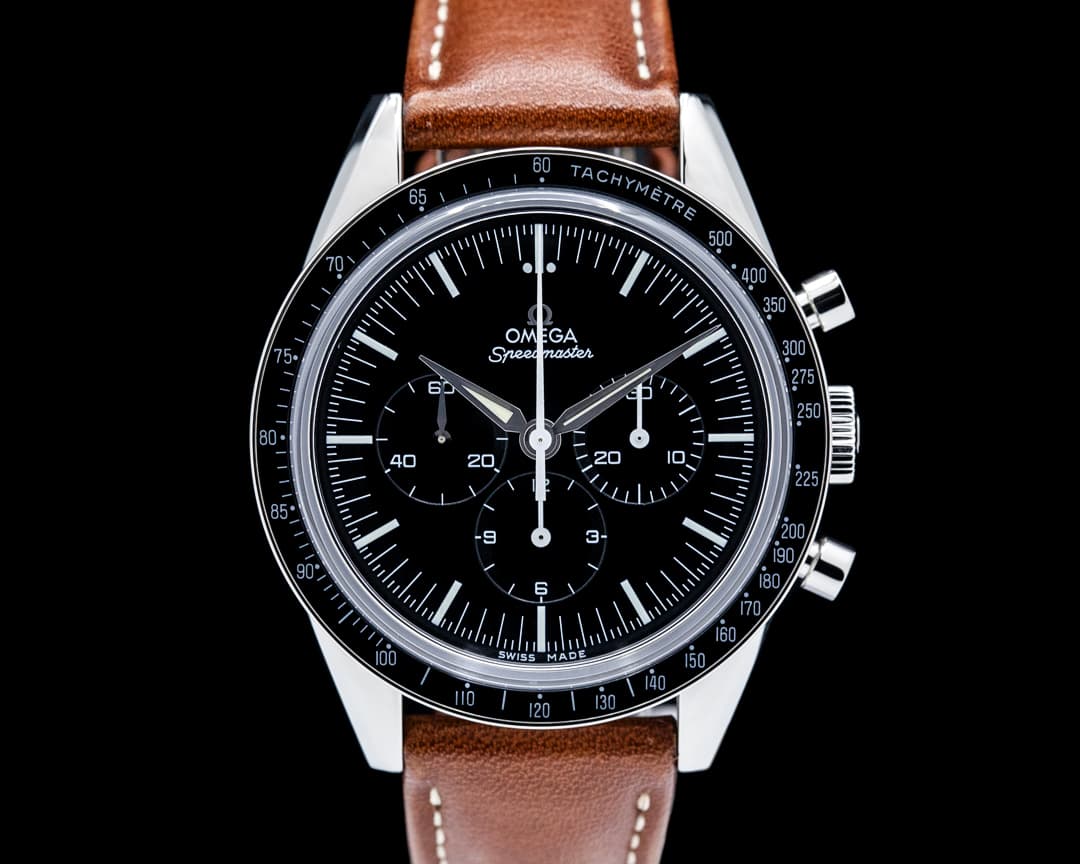
Speedmaster First Omega in Space SS Black Dial
$6,500
View Watch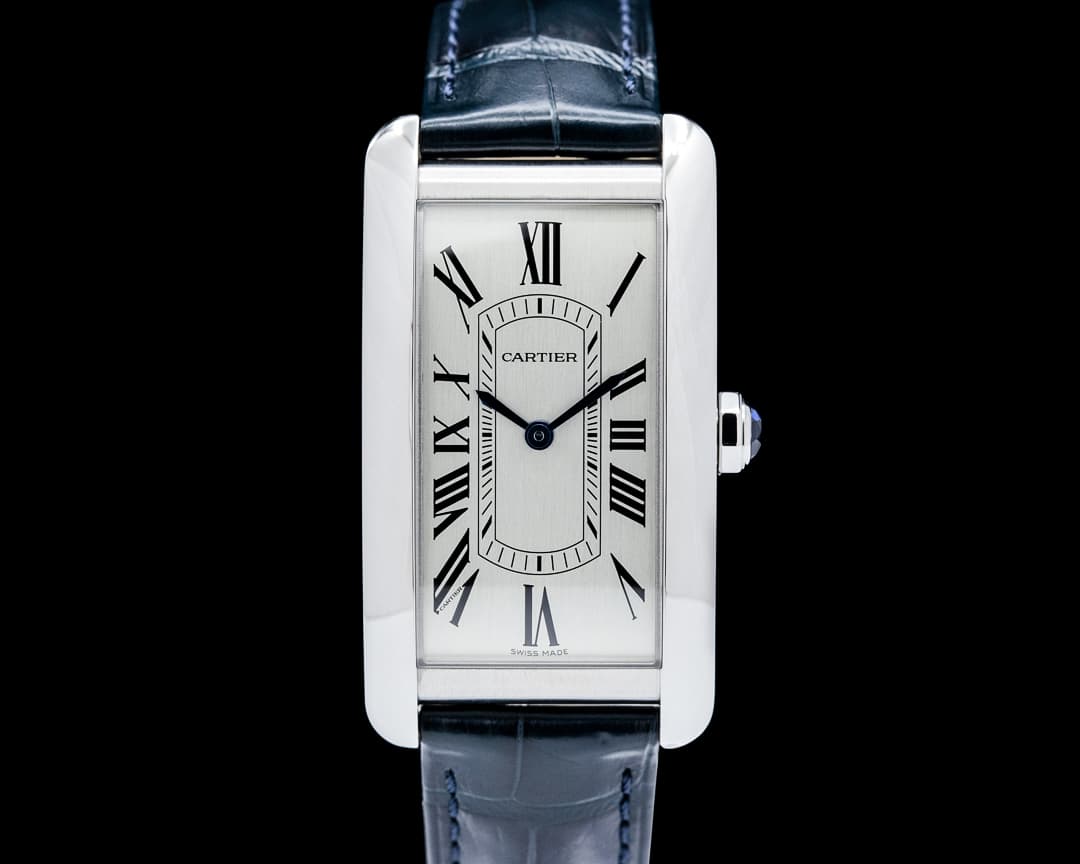
WSTA0083 Tank Americaine Large SS Silver Dial 2026
$6,350
View Watch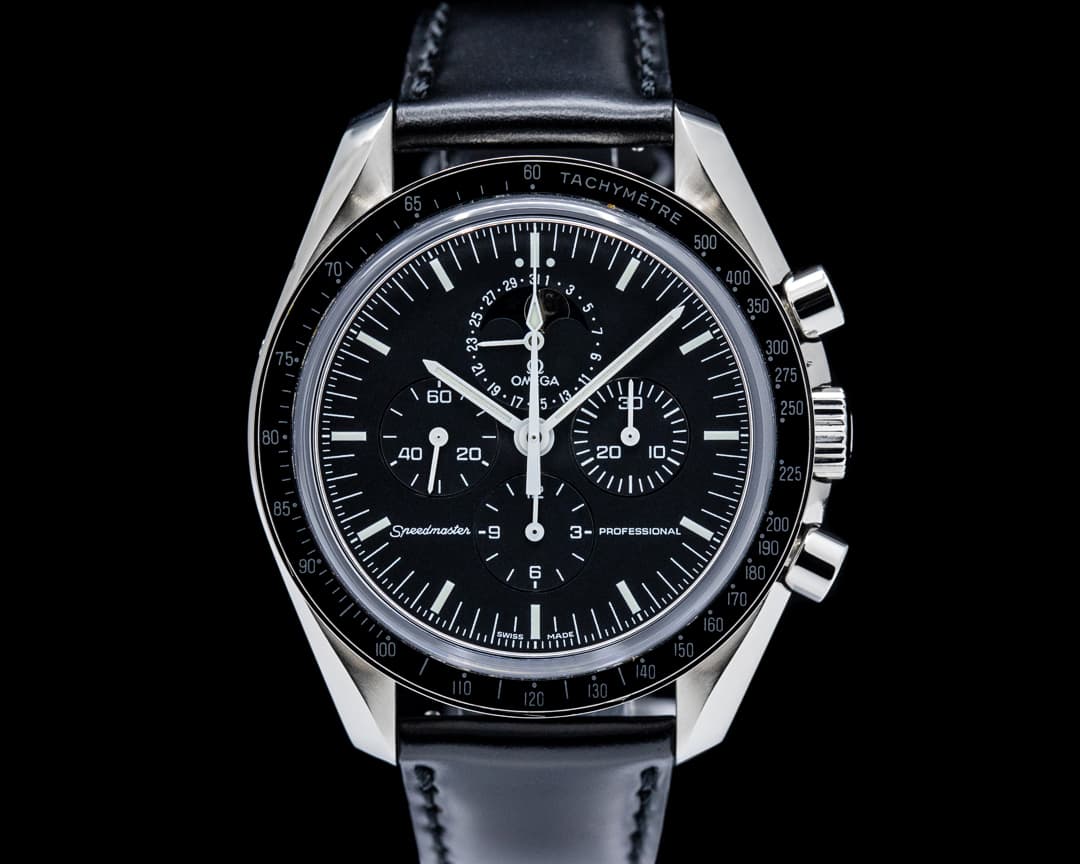
3876.50.31 Speedmaster Professional Moonphase SS Black Dial
$7,350
View Watch
Shop New Arrivals
14000 Air King SS Salmon Dial
$5,750
View WatchSpeedmaster First Omega in Space SS Black Dial
$6,500
View WatchWSTA0083 Tank Americaine Large SS Silver Dial 2026
$6,350
View Watch3876.50.31 Speedmaster Professional Moonphase SS Black Dial
$7,350
View Watch
More Content