Watch Warranty vs. Insurance: Which Coverage Do You Need?
Published on 10/12/2026
Dedicated to protecting the timepieces, jewels, and treasures that matter most, Wrist Assured is your monthly insider’s guide: the place where we break down everything you need to know about insuring, safeguarding, and servicing your collection. Because luxury is more than what you wear. It’s what you protect.
Your Watch Has a Warranty. Does it Still Need Insurance?
This is a very frequently asked question, and it nearly always sounds the same. “The watch is new, the warranty card is in the box, and the coverage runs five years. Isn't that enough?”
It is a fair question, and the answer is not a trick. A warranty is real protection, and it is worth having. It simply answers a different question than insurance does. The cleanest explanation of the difference is this: a warranty is about a problem with the watch. Insurance is about something that happens to it.
Once that distinction clicks, almost everything else follows.
What Does a Watch Warranty Cover?
A warranty from the watch’s manufacturer or authorized dealer may cover eligible defects or mechanical problems that arise during the warranty period. If the movement fails on its own, a component was faulty from the start, or if something inside the case is not performing as it did when it left the factory, that is warranty territory. The specific terms of your warranty determine which repairs qualify.
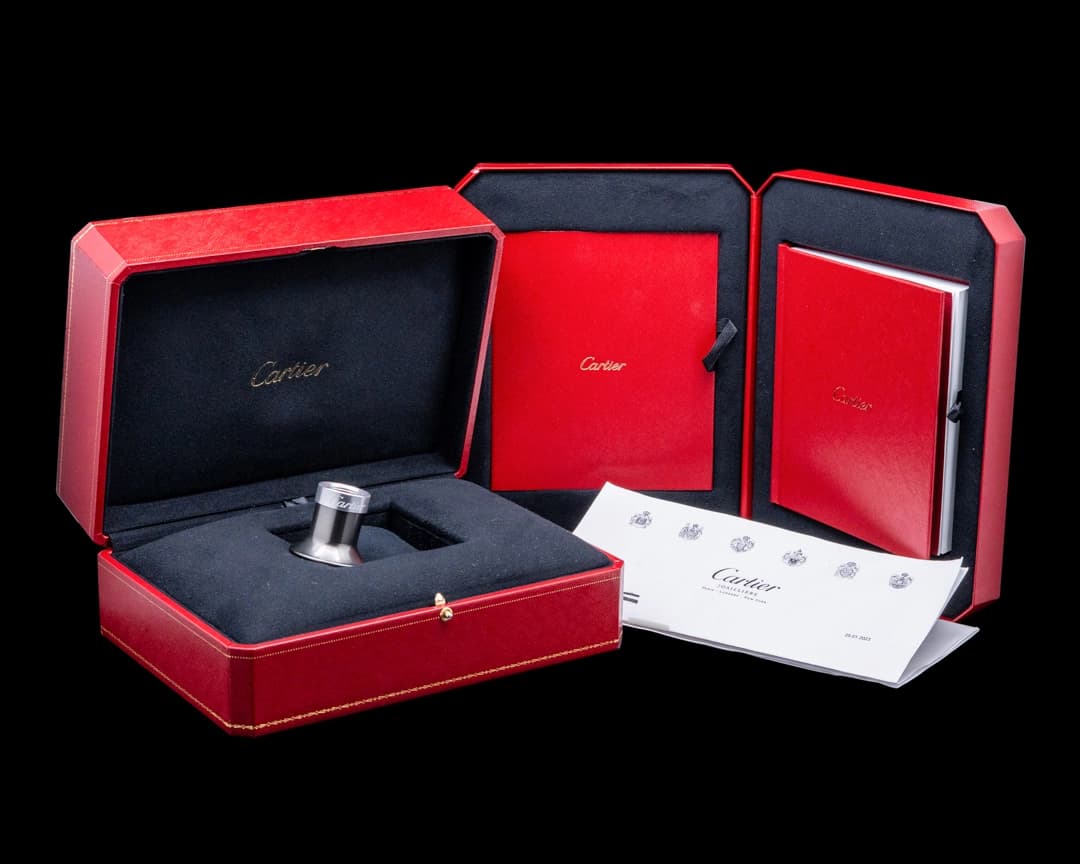
This is genuinely valuable coverage, and it's the reason the paperwork in the box matters. In the gray market, it’s why who you buy from matters. It is also a service relationship rather than a financial one. The warranty provider fixes the watch. Nobody writes you a check.
What Isn’t Covered by a Watch Warranty?
Not everything that goes wrong with a watch is a warranty issue. Often, most of what actually goes wrong isn't.
Theft, loss, and accidental damage generally fall outside the scope of a standard watch warranty. The regular maintenance any mechanical watch needs over its life is normally the owner's responsibility. A warranty covers specific kinds of failure, and it is not going to cover the bezel that met a granite countertop, the watch that did not come home from a trip, or the piece that is simply no longer where you left it.

Image: Vitaly Gariev | Unsplash
This is the sentence worth carrying away: being "under warranty" does not mean your watch is insured.
What Does Watch Insurance Cover?
Watch insurance may cover theft, accidental damage, loss, or unexplained disappearance. These are the categories of events where nothing is wrong with the watch itself, except that something happened to it. What is actually covered depends on your policy, including its limits, deductible, exclusions, and territorial terms, which is why the policy wording matters as much as the premium.
Insurance is a financial relationship rather than a service one. The goal is to put you back where you were: a repair paid for, or a comparable watch sourced and replaced.
Watch Warranty vs. Insurance: Which Applies in Common Scenarios?
The easiest way to see how the two fit together is to run the same watch through three scenarios.
A covered mechanical defect. The movement stops keeping time and nothing external caused it. Start with your warranty provider. This is exactly what the warranty exists for.
A drop cracks the crystal. Something happened to the watch. Check your insurance for accidental damage coverage; a warranty generally won't cover damage you accidentally cause.
Your watch is stolen. There is no watch left to repair. This is an insurance question, full stop, and it is the scenario where the difference between the two is no longer academic.
Three situations, one watch, and the right first phone call is different every time.
Do You Need Both a Watch Warranty and Insurance?
This is not a comparison where you pick a winner. A warranty may address eligible defects, whereas insurance may address covered losses. One does not replace the other, and the collectors who are best protected are the ones who have both and know which is which before they need either. Or work with an agency like European Watch Company, who can help discuss those important differences.
How to Choose the Right Coverage for Your Watch
Know what your protection includes. Don't wait for a loss to find out where your coverage stops.
I am happy to review how your collection is currently covered and tell you plainly where the gaps are, including those the warranty was never going to fill. Email insurance@europeanwatch.com to get started.
Shop New Arrivals
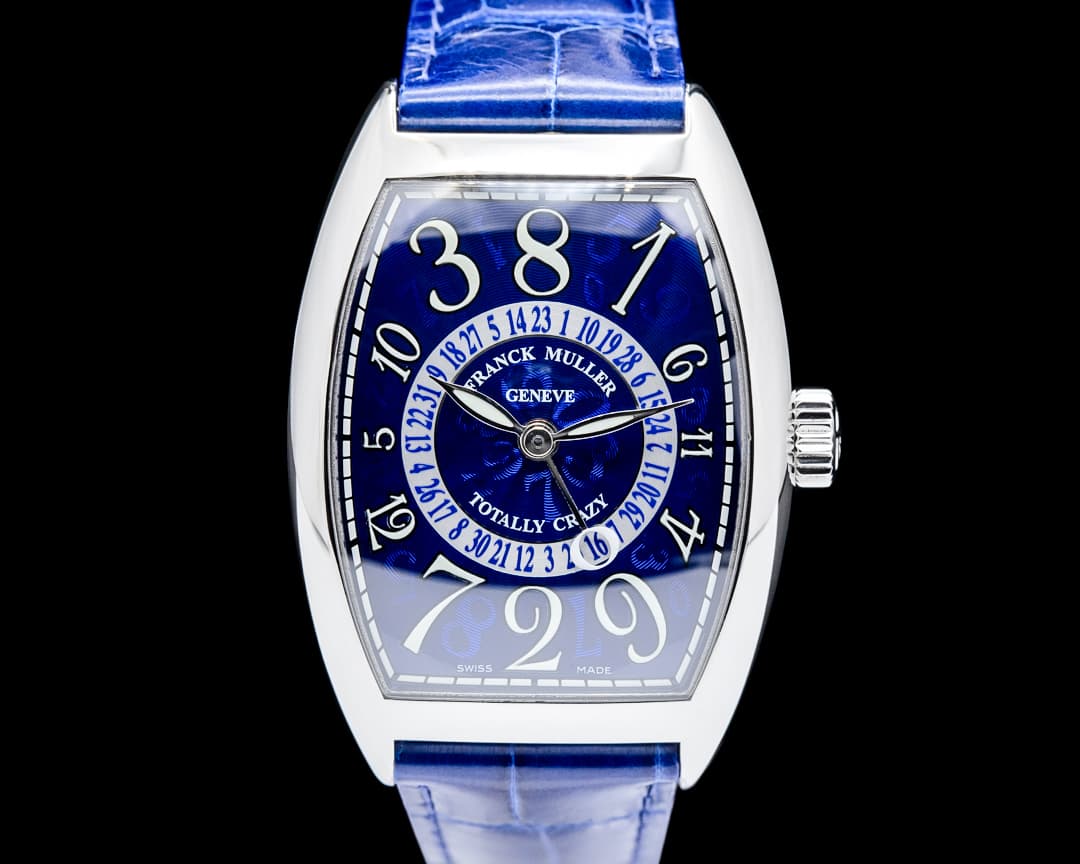
Cintree Curvex Crazy Hours Titanium Blue Dial
$15,900
View Watch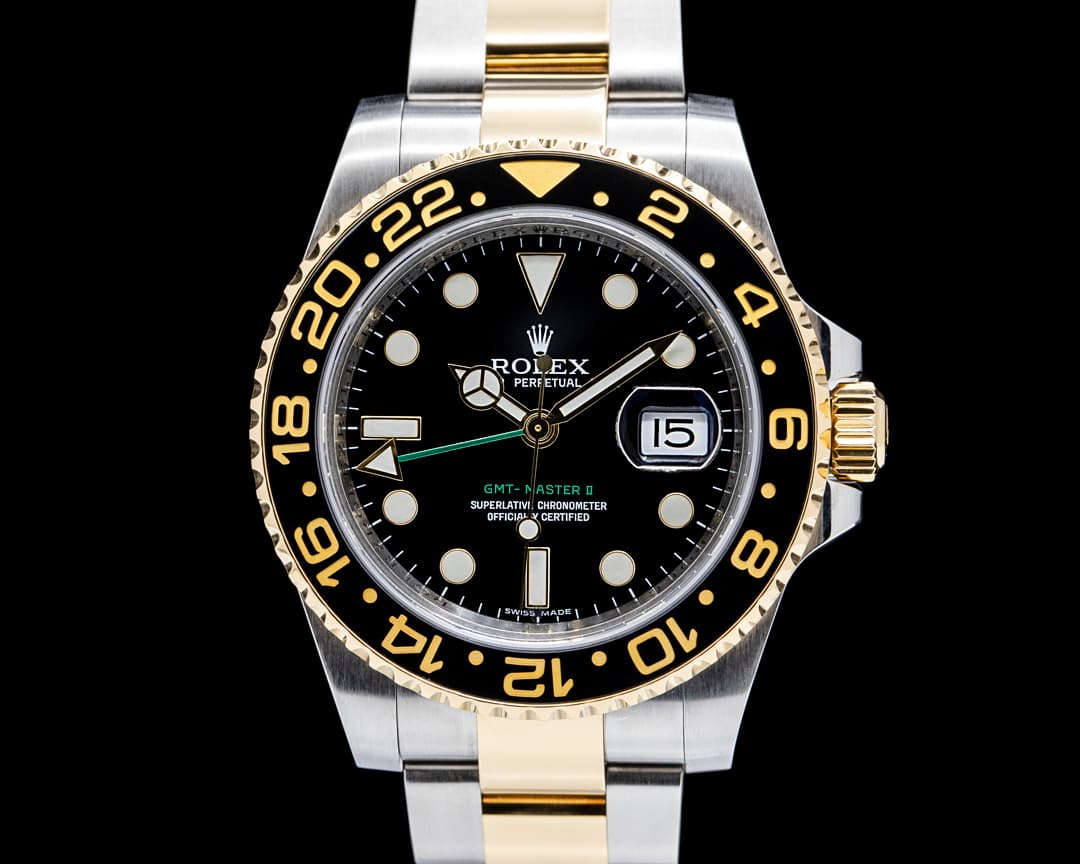
116713LN GMT Master II SS / 18K YG Black Dial
$15,500
View Watch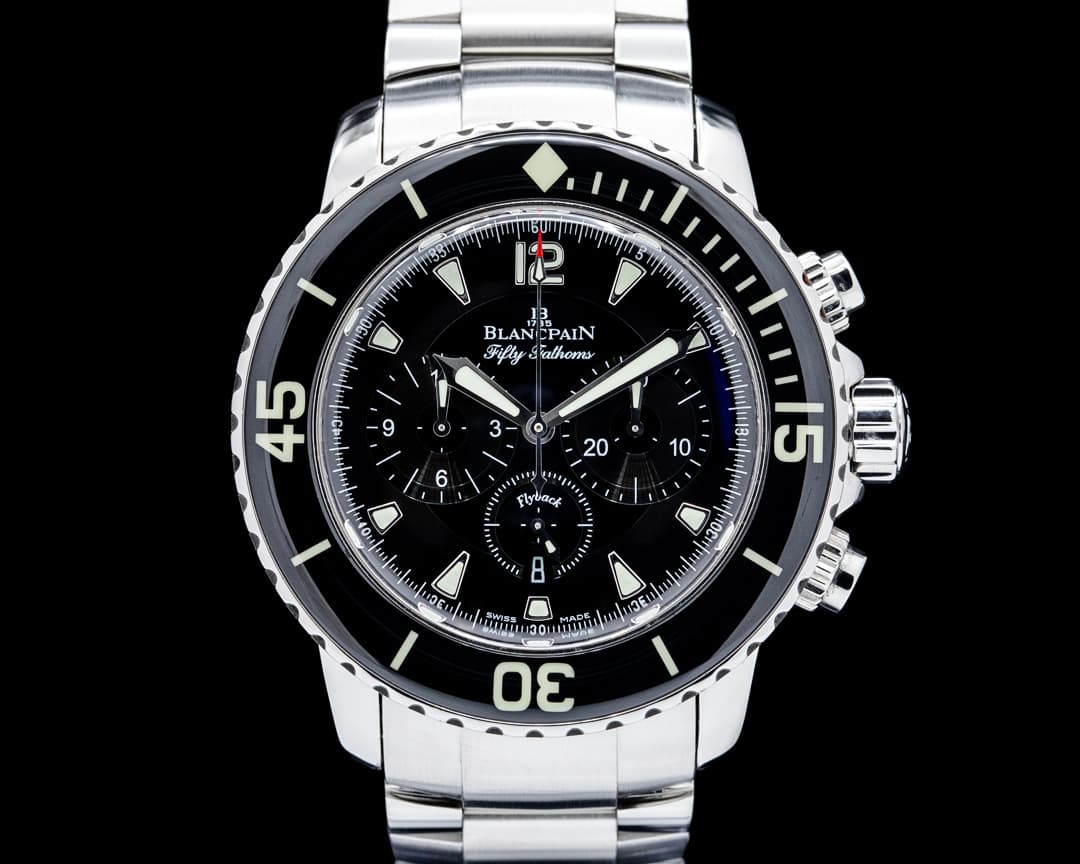
5085F Fifty Fathoms Chronographe Flyback SS Black Dial
$16,500
View Watch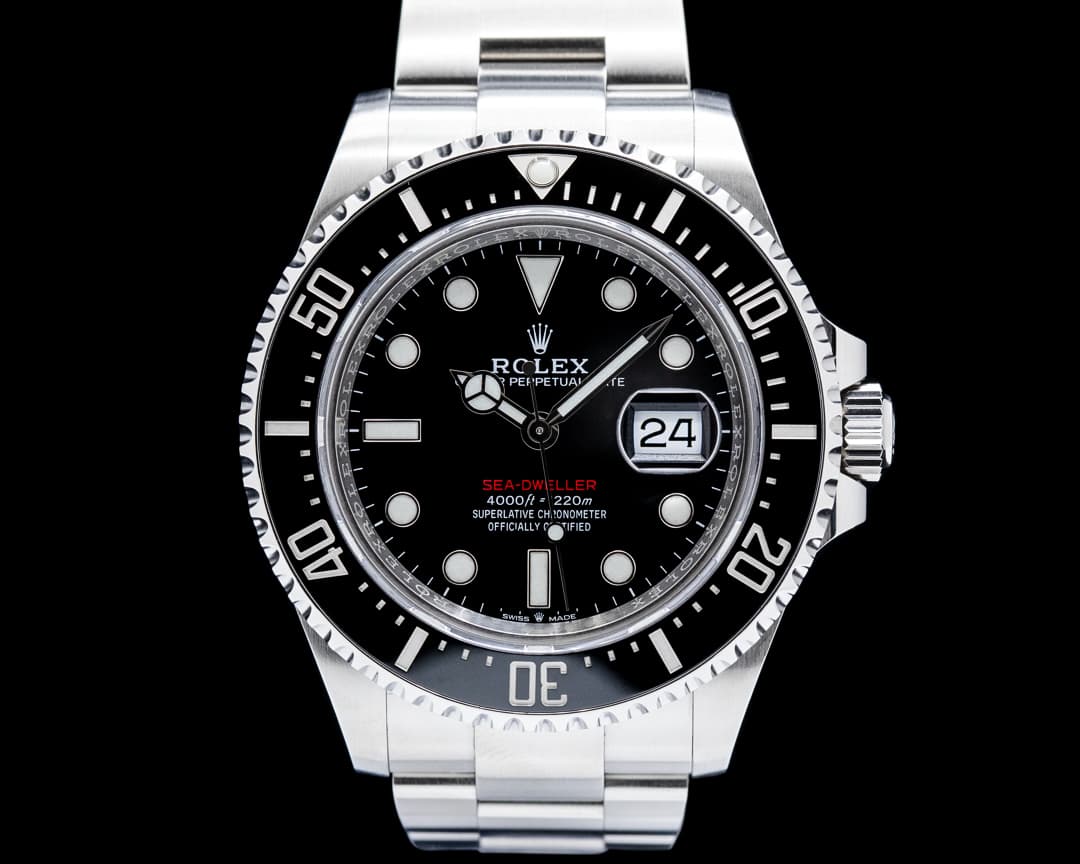
126600 Sea-Dweller Deep Sea SS Black Dial
$14,500
View Watch
Shop New Arrivals
Cintree Curvex Crazy Hours Titanium Blue Dial
$15,900
View Watch116713LN GMT Master II SS / 18K YG Black Dial
$15,500
View Watch5085F Fifty Fathoms Chronographe Flyback SS Black Dial
$16,500
View Watch126600 Sea-Dweller Deep Sea SS Black Dial
$14,500
View Watch
More Content