Why Finishing Exists in the First Place
"Finishing" gets thrown around a lot in watch conversations, but what really constitutes quality finishing? The gap between a movement with genuine hand-finishing and one with machine-applied decoration is material, both aesthetically and on the value side. It's measurable in labor hours, visible under a loupe, and it shows up in what a watch valuation.
Today, our goal is to establish a working framework: how to read a movement, understand how handwork is embedded in an object, and what that time is worth when the watch changes hands.
Anglage, the beveling and polishing of component edges, originally reduced the burrs left by cutting tools, which could shed metal particles and contaminate oil. Perlage, the fine circular abrading of plates and cocks, began as a functional measure too: the microscopic grooves capture dust that finds its way into a movement during assembly, trapping particles before they migrate toward lubricated pivots. Both techniques were practical before they were decorative. That practical benefit is largely obsolete now, since modern case seals and clean-room assembly have reduced dust infiltration sharply, but perlage persists because it still communicates something real about labor invested. A movement that has been properly pearled is a movement someone spent time on. That time is still in there.
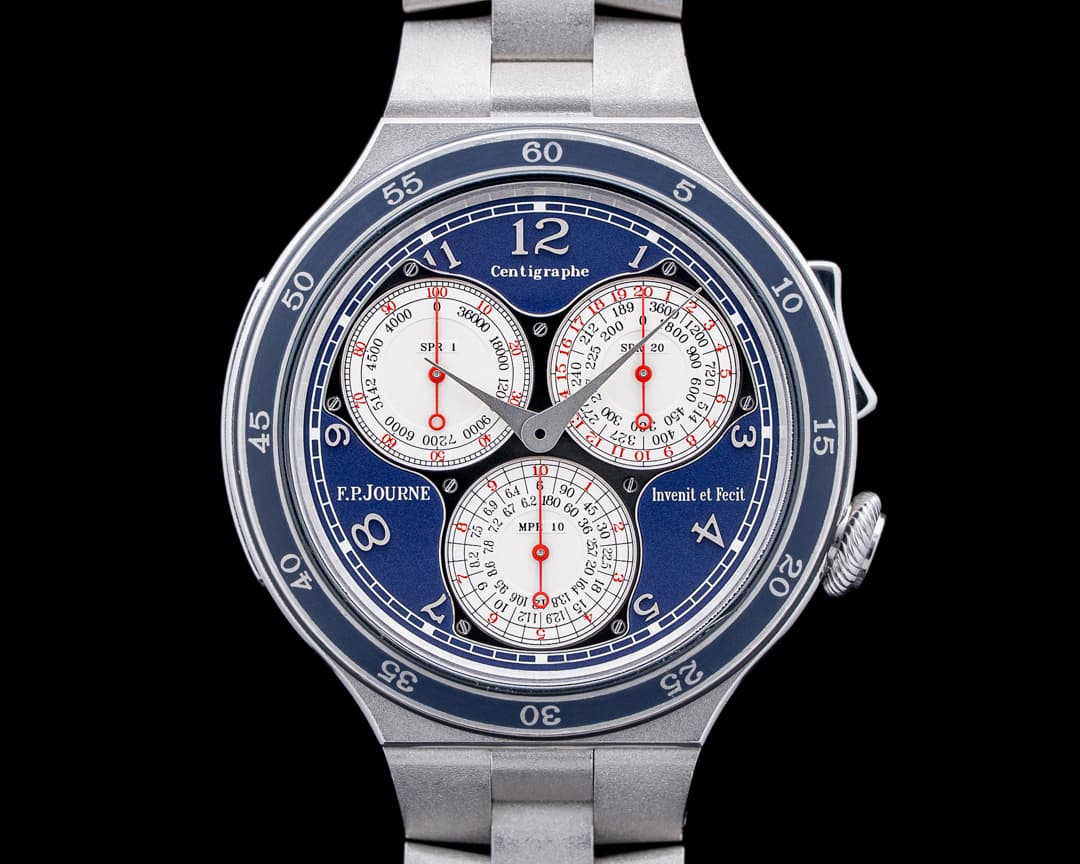
The functional-to-decorative transition matters for the argument being made here. Finishing survives in haute horlogerie not because movements require it to run, but because it cannot be replicated by machine without visible compromise. On watches priced below roughly $6,000, advances in machining mean you can produce a perfectly functional, visually presentable movement with no manual finishing whatsoever, and that is usually what has happened. Above that threshold, the best brands begin investing hand labor. The best of those brands invest a great deal of it: sometimes as much as 40 percent of total production time goes into finishing alone.
The Main Techniques
Not all finishing is equal in difficulty, and the gap between techniques is wider than many estimate.
Cotes de Geneve, the parallel stripe pattern applied to bridges and plates, is the most common finishing technique and the most susceptible to machine application. A CNC machine can cut regular stripes quickly and cleanly, and at a glance the result looks like finishing. Under magnification and in raking light, machine-applied cotes de Geneve tends to lack depth and consistency at the edges; the transitions between stripe and beveled edge don't resolve cleanly. Hand-applied cotes de Geneve shows greater variation in stripe depth and a more organic response to light.
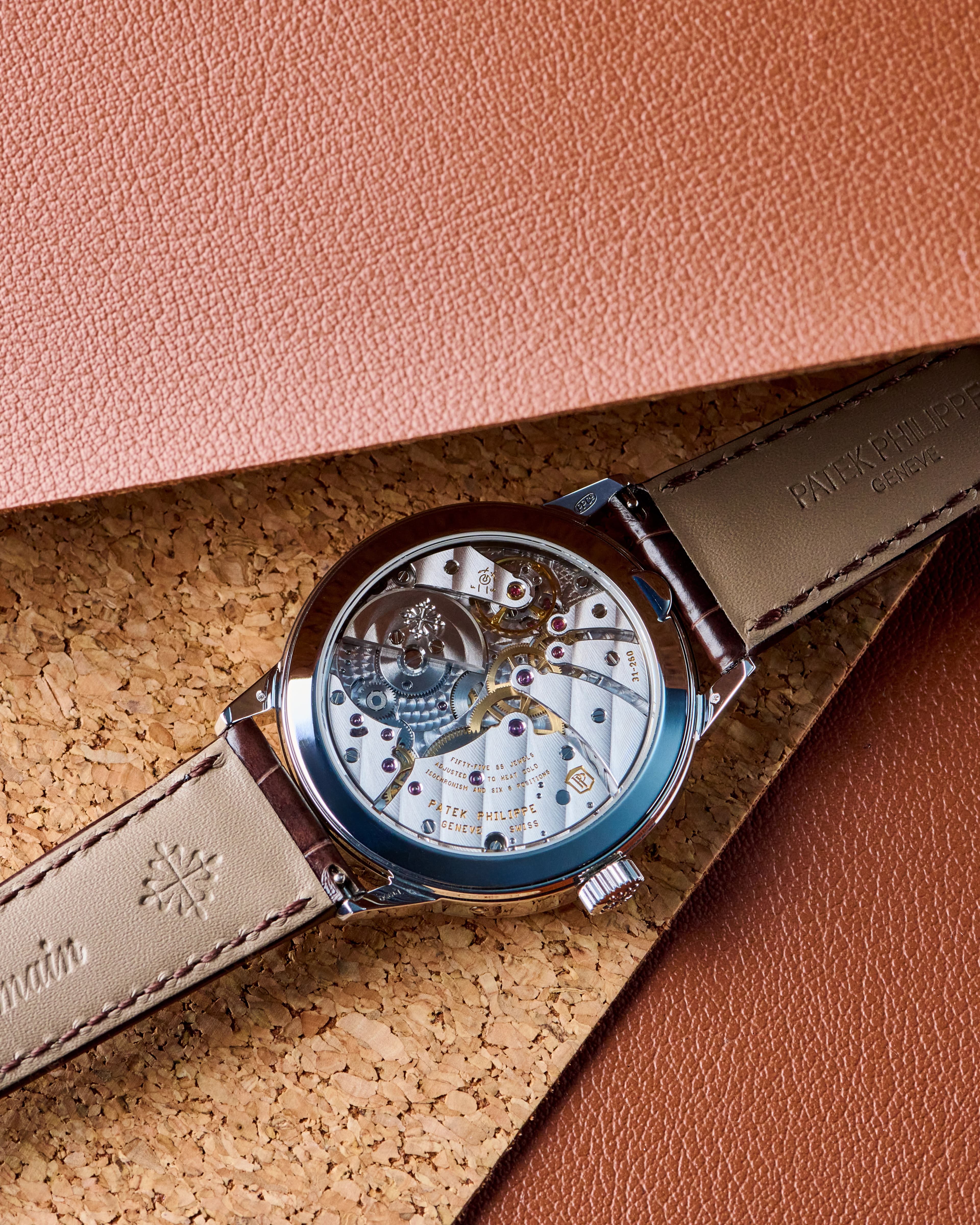
Perlage is more legible. The circles should be evenly sized, consistently overlapping, and applied uniformly across the entire surface, including into corners that a machine arm cannot easily reach. Under a loupe, irregular circle size or incomplete coverage near edges signals mechanical application or rushed hand-work. It is a slower technique than cotes de Geneve, but not the most demanding on the ladder.
Anglage, the hand-cutting and polishing of component edges into flat bevels that catch light uniformly, is where labor intensity increases sharply. A typical bridge requires beveling along every edge, including interior corners where two beveled surfaces meet. Machines can cut exterior bevels acceptably. They cannot produce sharp, clean interior angles. That is the tell. A hand-finished anglage presents a crisp, bright line running continuously around every edge, including into tight inward corners. Machine bevels blur or radius at those corners. A single difficult bridge can take up to ten hours of work using progressively finer abrasives.
Black polishing is like anglage taken to its logical extreme on flat steel surfaces, and it is effectively non-mechanizable. A perfect black polish is achieved by working a component on a pewter plate with increasingly fine abrasive paste until the surface is optically flat, reflecting objects sharply rather than diffusing them. A single component no more than 10mm across can take hours. The resulting surface behaves like a mirror: you can read text in it, or see your reflection without distortion. A machine-polished surface looks bright but reflects diffusely. The difference is visible to anyone with a loupe and a light source.
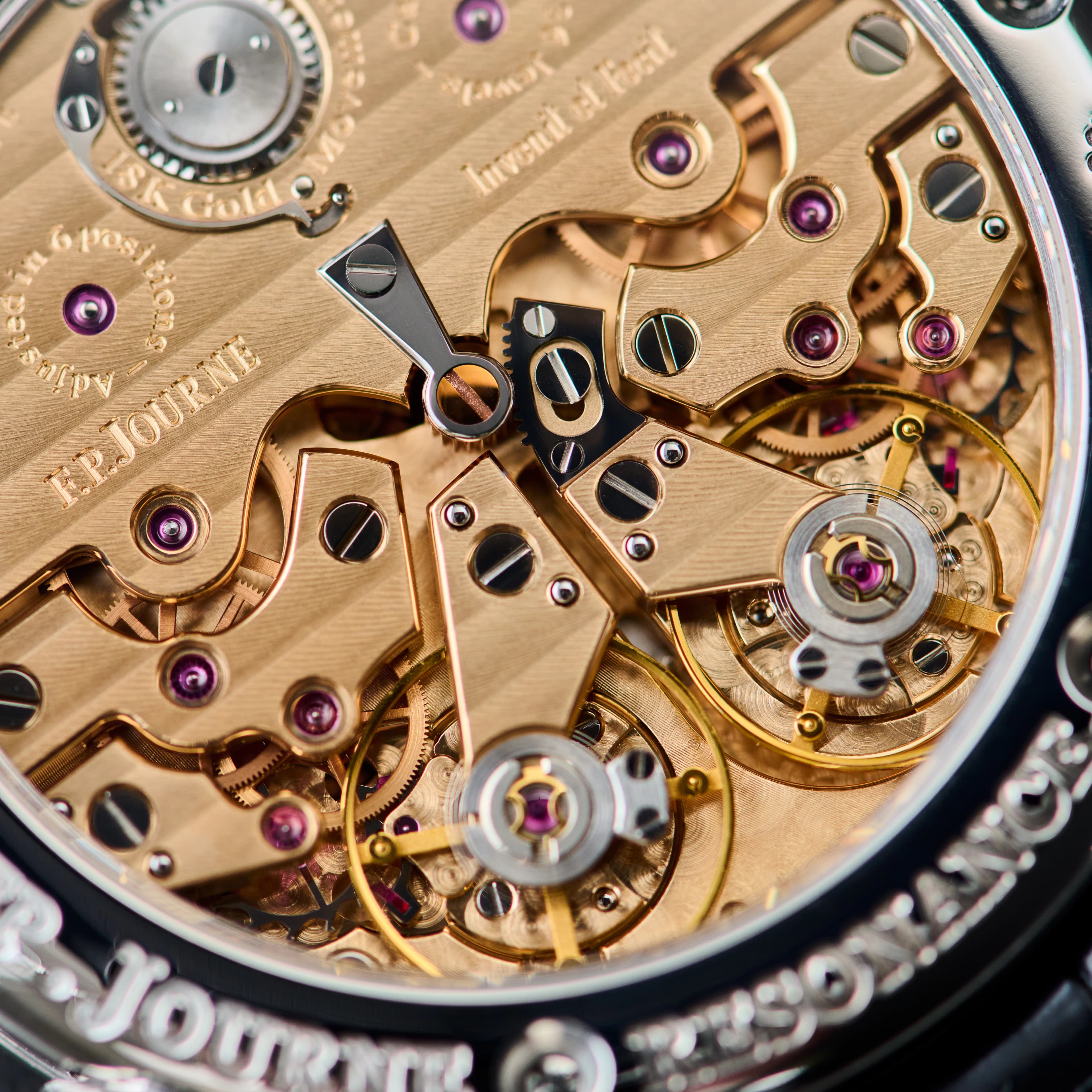
A movement that combines all four techniques, applied consistently and at a high standard across all components including those rarely seen, is a work of truly beautiful hand finishing.
What Specific Movements Actually Show
The four calibers below represent different positions on the finishing hierarchy, not different rungs on a prestige ladder, but genuinely different approaches to what finishing is for and how far it extends.
A. Lange & Sohne caliber L101.1
The L101.1, which powers the 1815 Rattrapante Perpetual Calendar, contains 631 parts, 43 jewels, and screwed golden chatons. What that part count means in practice is that every additional component is a surface that needs finishing. The three-quarter plate that characterizes most Lange calibers is largely broken into separate bridges on a manually wound chronograph, yielding even further templates for hand finishing. The anglage throughout the briges and plates is narrow and very sharp; the bevels catch light at a consistent angle as you rotate the movement, which indicates uniform width and a flat polish. The interior corners on Lange's parts are among the most cited examples of clean hand-anglage in production watchmaking. Screwed gold chatons, functioning bearing holders each with their own beveled and polished edges, add finishing surface area that serves both an aesthetic, and a historical purpose.
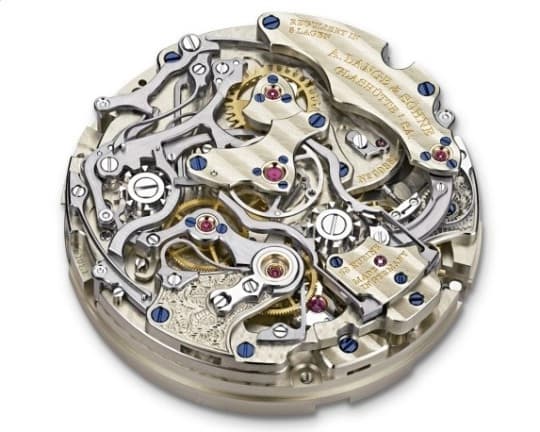
Lange L101.1
Patek Philippe caliber 240
The caliber 240 is a micro-rotor automatic, 27.5mm in diameter and just 2.53mm thick, containing over 150 parts. The constraints of those dimensions make finishing decisions meaningful: there is limited space, so every finishing choice is deliberate. The bridges are conventionally finished with cotes de Geneve and beveled edges; the quality of the anglage is high, and the bridges read clearly even in the relatively modest casebacks through which they're visible in certain references. Patek's finishing does not tend toward the drama of Lange or Journe, no three-quarter plate, no screwed chaton display, but consistency across the movement is the point. Nothing on the 240 is finished to a lower standard because it happens to be hidden. For a caliber that has been in production in various forms for decades, the manufacturing quality remains a reference point. Patek Philippe and Audemars Piguet invest on average between 10 and 50 hours of finishing per watch, which is substantial by commercial watchmaking standards even if it trails the most artisanal independents.
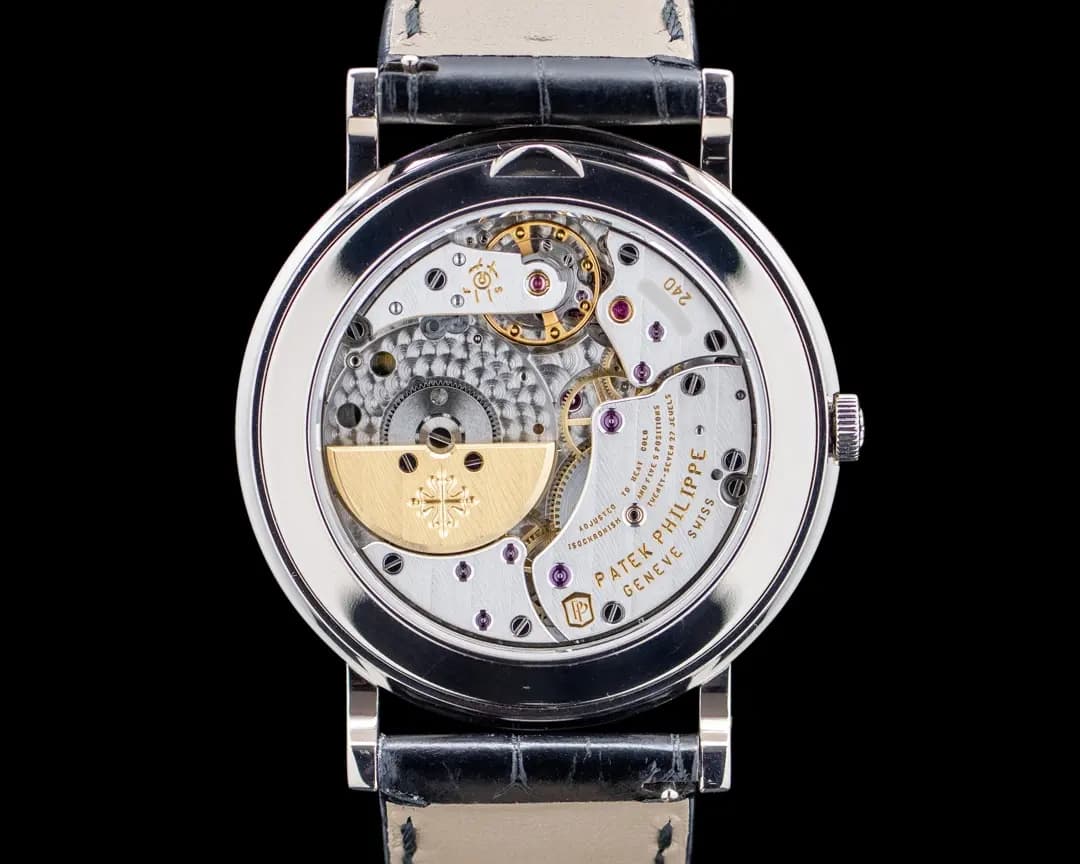
Patek 240Q
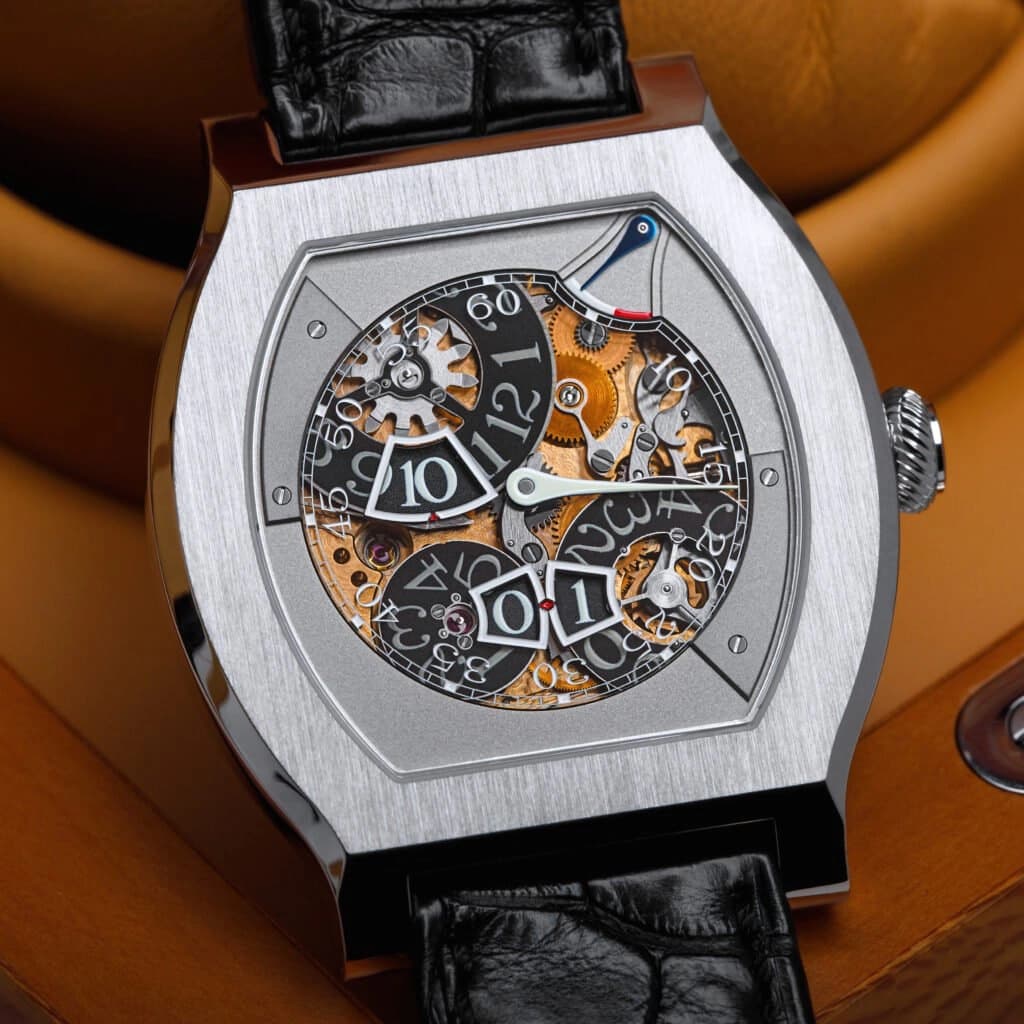
F.P. Journe caliber 1300.3
Journe is the outlier in this group, and deliberately so. The caliber 1300.3, which drives the automatic winding Octa line, uses an 18k gold baseplate with circular cotes de Geneve on the bridges. A gold baseplate is not universal in the industry; it is a material choice that adds finishing difficulty, since gold is softer and less forgiving of tool marks than German silver or nickel, while simultaneously serving Journe's house aesthetic. The circular graining on the baseplate is dense and even; in strong light, it reads differently from typical linear cotes de Geneve, giving the movement a visual depth that rewards inspection. Journe's anglage is applied with the attention to interior corners that defines hand-work, and the bridges are individually finished rather than treated as components of a uniform batch.
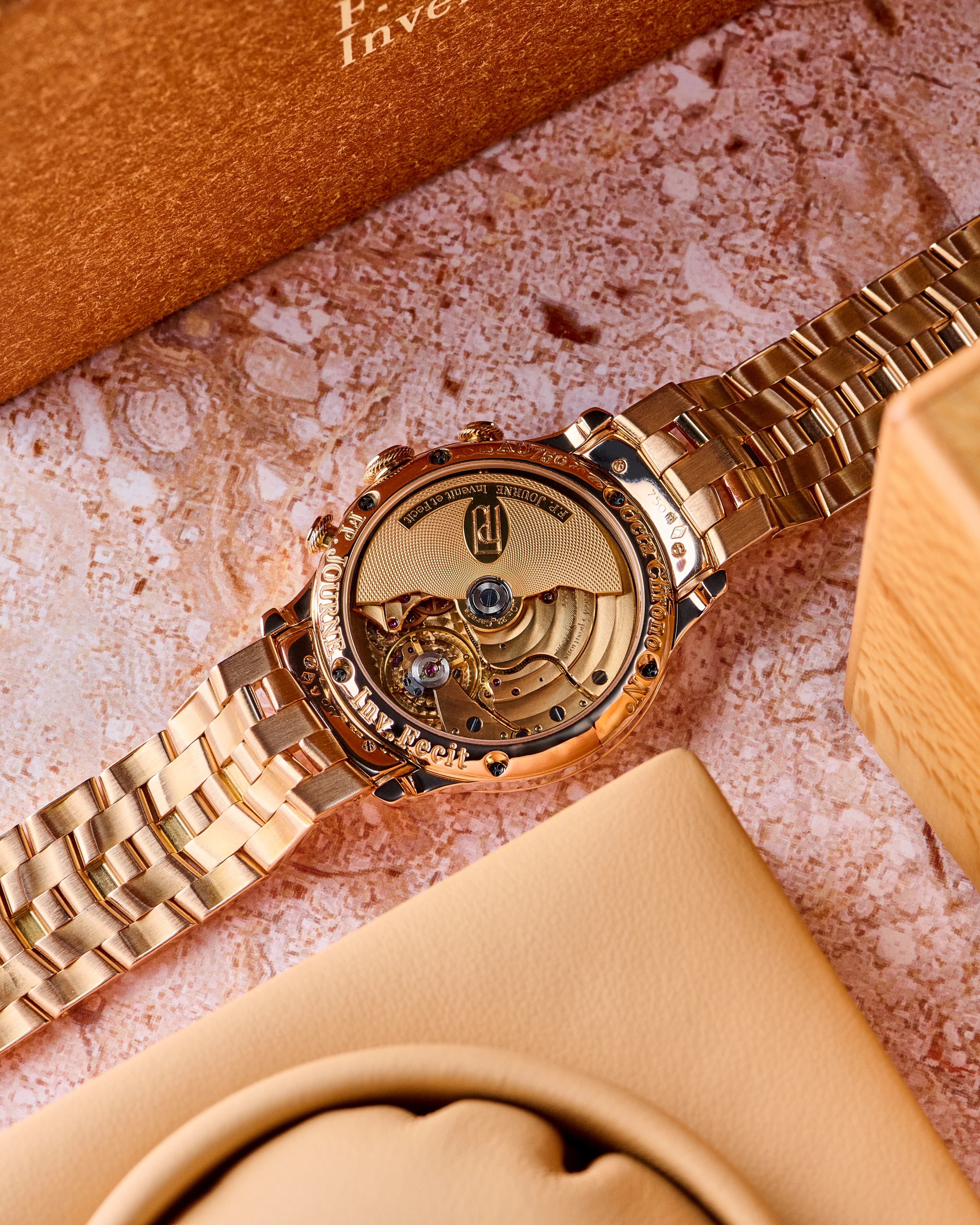
Caliber 1300
How to Evaluate Finishing Without a Watchmaker
You do not need specialist training to evaluate finishing. You need a loupe (5x or 10x is sufficient) and a directional light source, ideally a single LED or a focused lamp rather than ambient overhead light.
Interior corners first. Look at the edges of any visible bridge or plate component. Follow the bevel around a full edge, particularly into any corner where two edges meet. A hand-finished bevel maintains its crispness and its flat polish into the corner. A machine-finished bevel, or a hand bevel cut quickly, rounds off or blurs at the corner. This is the single most reliable test available to a non-expert, and it works in both in-person inspection and in high-resolution photographs if image quality is sufficient.
Black polishing under directional light. Tilt the watch so that a single light source rakes across the movement. Black polished parts will produce a sharp, undistorted reflection of the light source, effectively a mirror. Machine-polished or brushed surfaces scatter the light rather than reflecting it cleanly. If you can see the light source as a defined point or edge in the reflection, the polish is likely genuine.
Perlage coverage at the edges. On plated surfaces with perlage, look for coverage uniformity particularly near corners and recesses. Consistent overlap and full coverage into tight spaces indicates hand work. Irregular circle size or gaps near edges where a machine arm couldn't reach are flags.
The Limits of the Argument
Finishing is not the only driver of secondary market value, and treating it as such would produce some bad decisions.
Complications command premiums that dwarf finishing differentials. A minute repeater with adequate machine finishing can trade at multiples of a perfectly hand-finished simpler movement, because the complication is rare, desirable, and functionally demanding in its own right. Rarity overrides almost everything at the auction extreme: a reference with five known examples has a floor that finishing quality alone cannot produce or explain. Provenance matters. Brand heat matters, and it can swing quickly in either direction, independently of what the movement looks like under a loupe.
Some movements with exceptional finishing underperform market expectations because the brand lacks the profile to command attention. Some movements with modest finishing hold value stubbornly because the reference is iconic and supply is constrained. None of this invalidates the framework. It contextualizes it. Finishing quality is a durable, structural input to value that does not depend on trend. It is not the only input, and for some buyers, brand heat or complication desirability will outweigh any finishing consideration in their decision.
What the framework gives you is the ability to evaluate one real variable clearly, without relying on brand assurances or dealer shorthand. For buyers in the $10,000 to $100,000 pre-owned range, where the price differences between otherwise comparable pieces can run to tens of thousands of dollars, that is not a niche skill. It is practical due diligence and will help you find a brilliantly finished masterpiece for your collection.
Shop New Arrivals
Laureato 42MM Automatic SS Blue Dial
$9,800
View Watch
Top Gun Chronograph Ceratanium Black Dial
$9,400
View Watch
216570 Explorer II "Polar" SS White Dial
$10,900
View Watch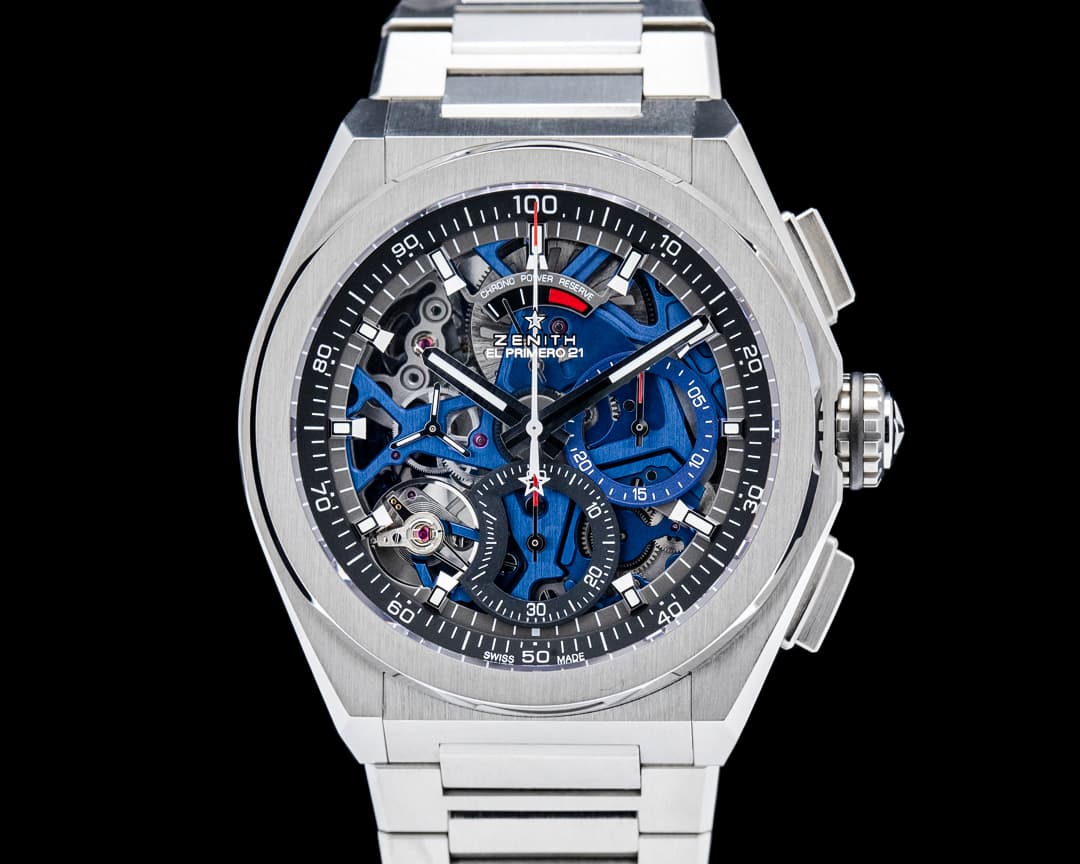
Defy El Primero 21 Titanium Skeleton Blue Dial
$9,900
View Watch
Shop New Arrivals
Laureato 42MM Automatic SS Blue Dial
$9,800
View WatchTop Gun Chronograph Ceratanium Black Dial
$9,400
View Watch216570 Explorer II "Polar" SS White Dial
$10,900
View WatchDefy El Primero 21 Titanium Skeleton Blue Dial
$9,900
View Watch
More Content