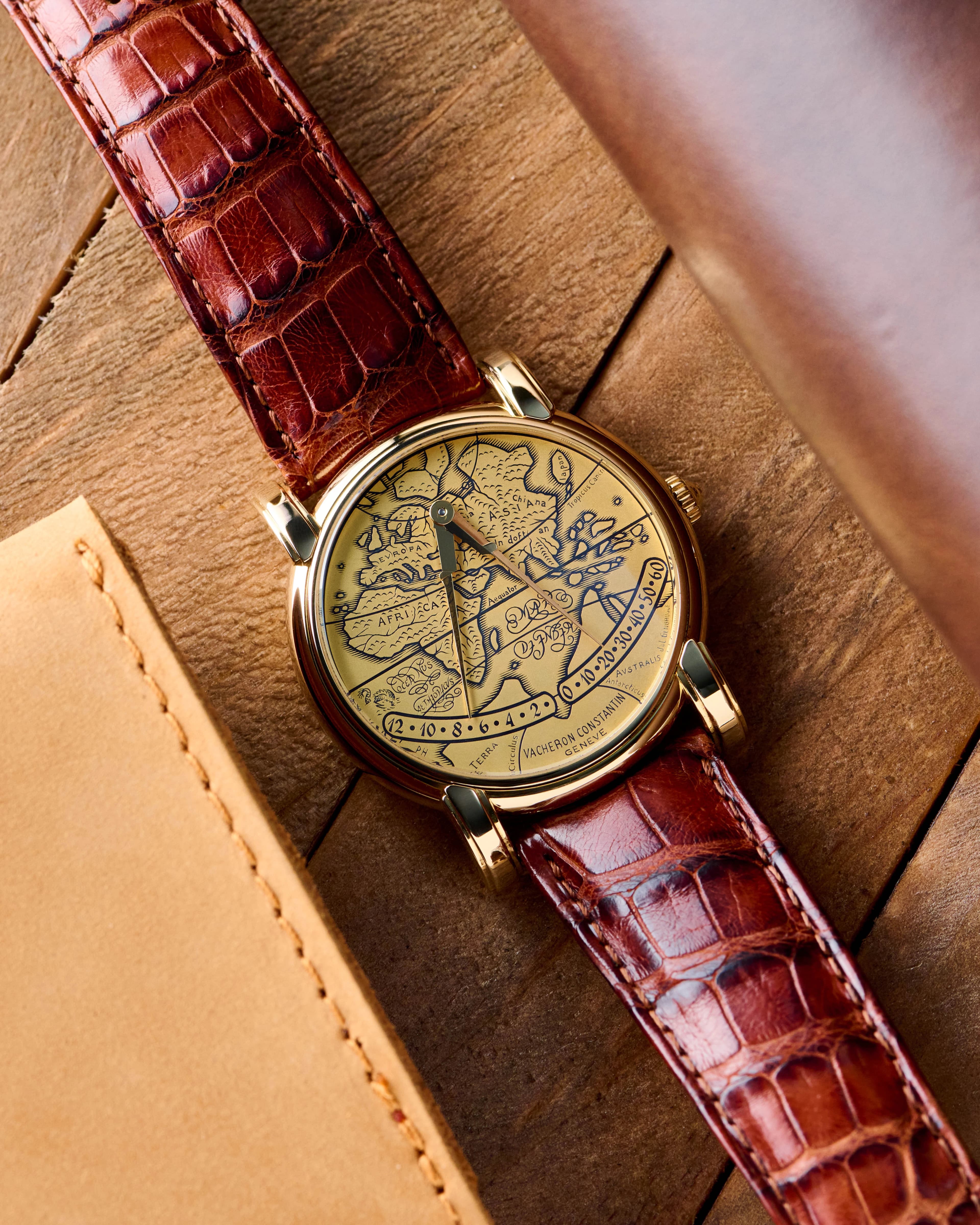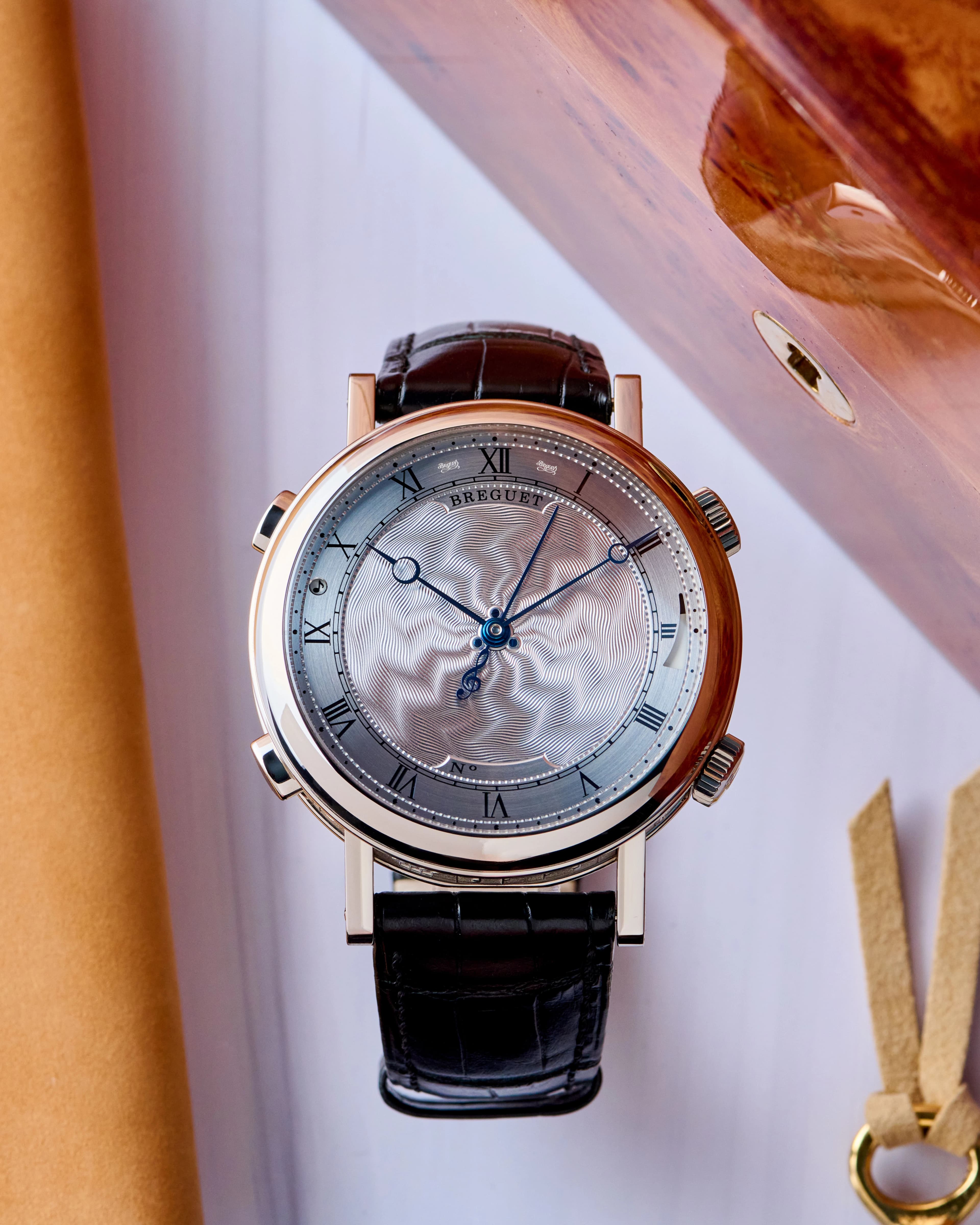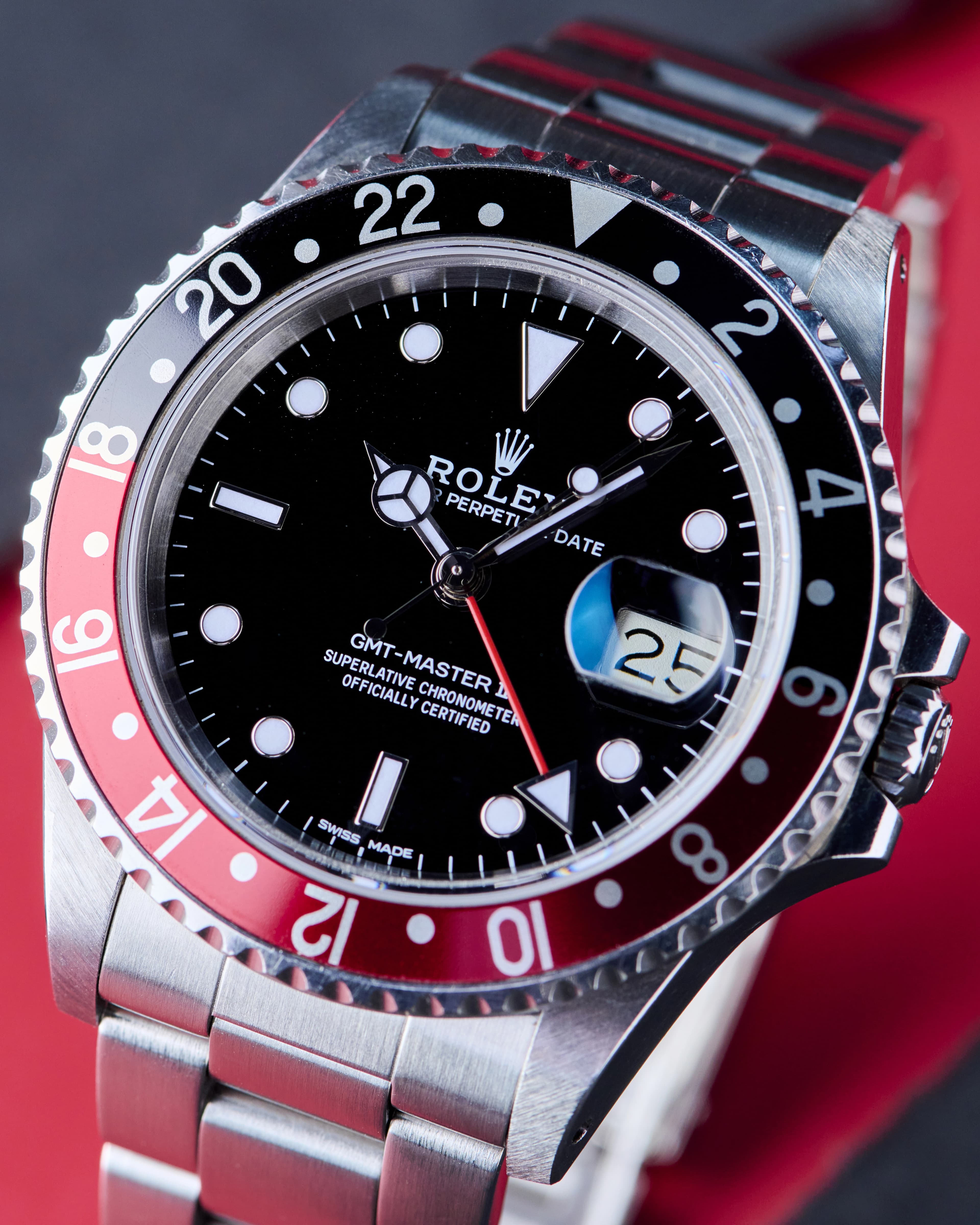
Look back over the last several decades of watch design, and you'll find models that still feel composed and relevant. Others immediately take you back to the era they came from. Case sizes, materials, logo placement, and everything in between has shifted over time and with ever-changing trends. Through all of that movement, a small group of watches managed to stay visually settled. They did not freeze time; rather, they absorbed it.
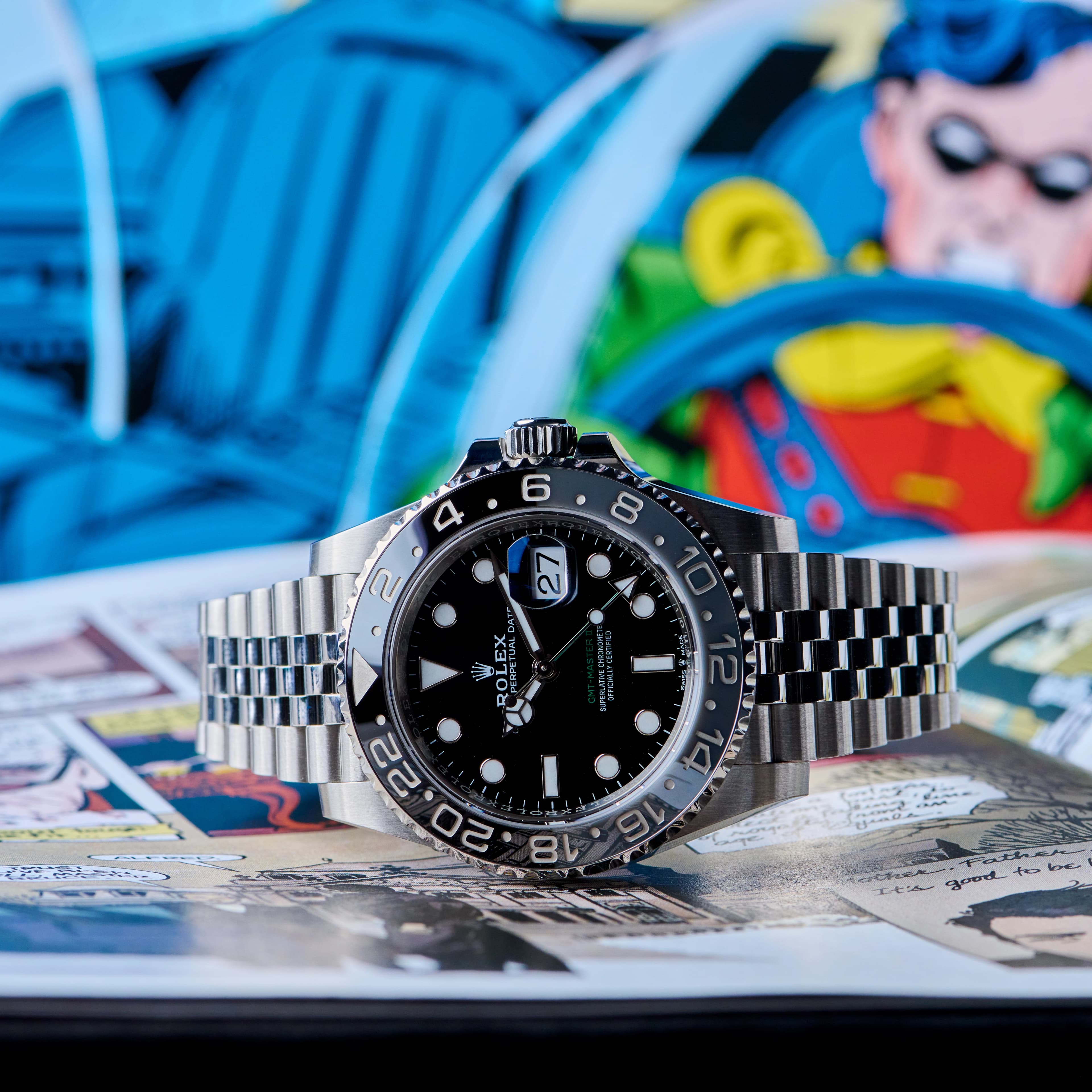
Proportion is usually the dividing line that allows a watch to evolve without losing its center of gravity. The Rolex Submariner and Rolex GMT-Master II are often cited as examples of designs that have aged well, not because they’re immune to change, but because those changes are incremental and measured. Bezels update, bracelets improve, movements modernize, yet the watches remain instantly recognizable.
What the secondary market rewards
An appreciation for this consistency is evident in the secondary market. “In terms of modern watches from the last twenty years that have aged well in the secondary market, I'd highlight the Rolex Submariner and GMT-Master II, which have consistently maintained strong value due to their iconic design and robust build quality,” said David Cote, Watch Specialist at European Watch Company.
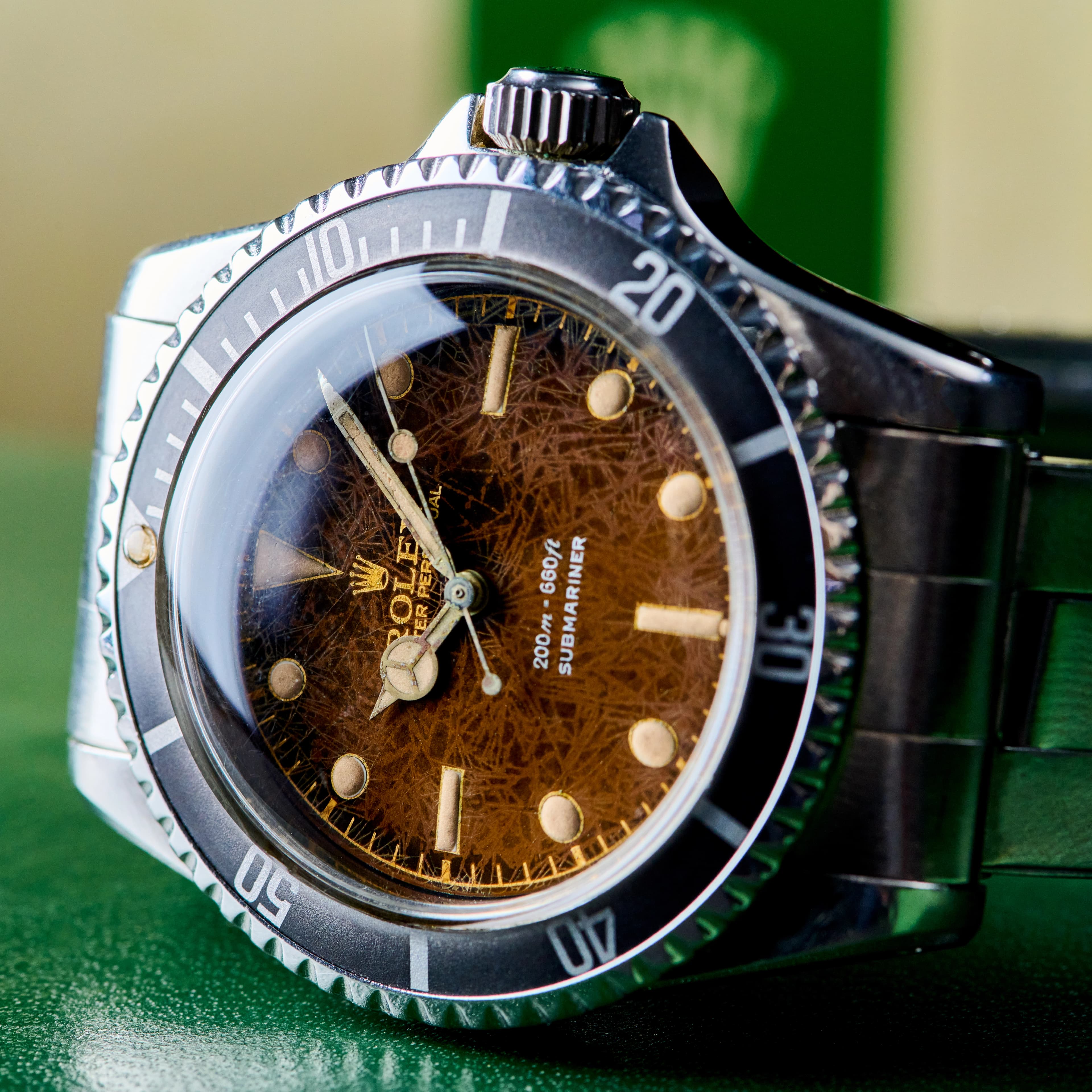
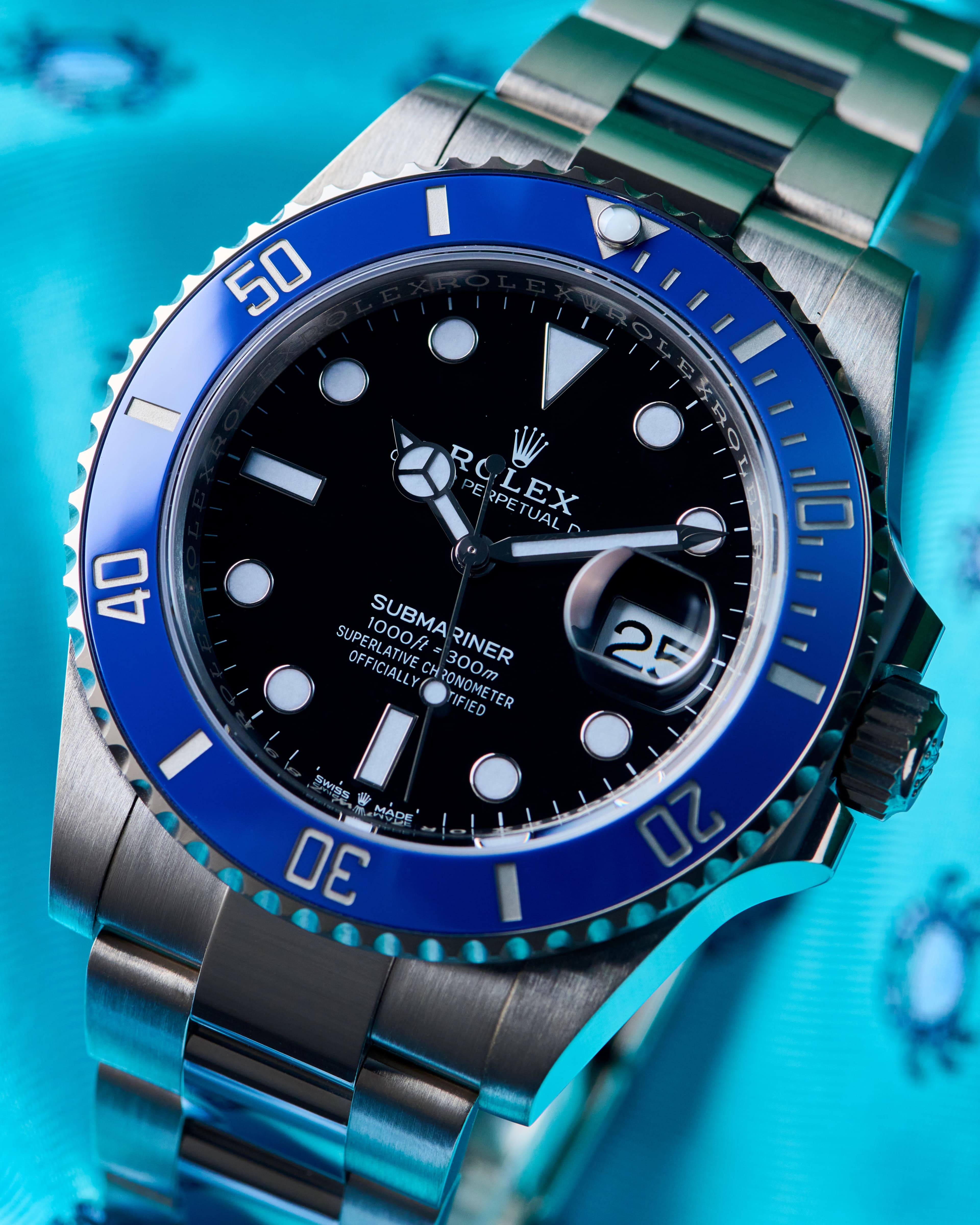
Value retention, in this sense, is not just about brand power. It reflects collectors’ confidence that the design itself will still make sense years down the line. Cote extended that idea further, explaining that “the Omega Speedmaster Professional also remains highly sought-after for its historical significance and timeless aesthetics.”
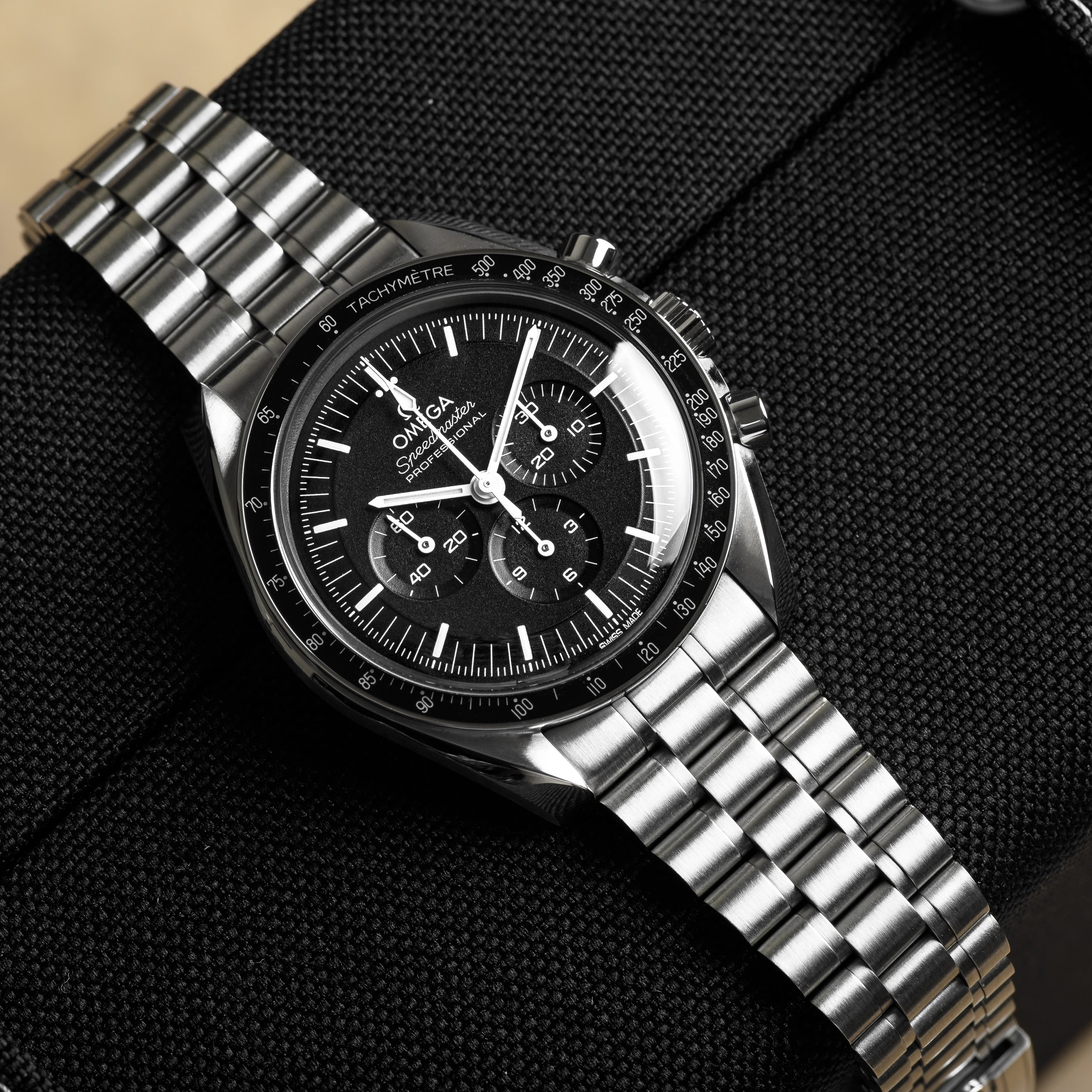
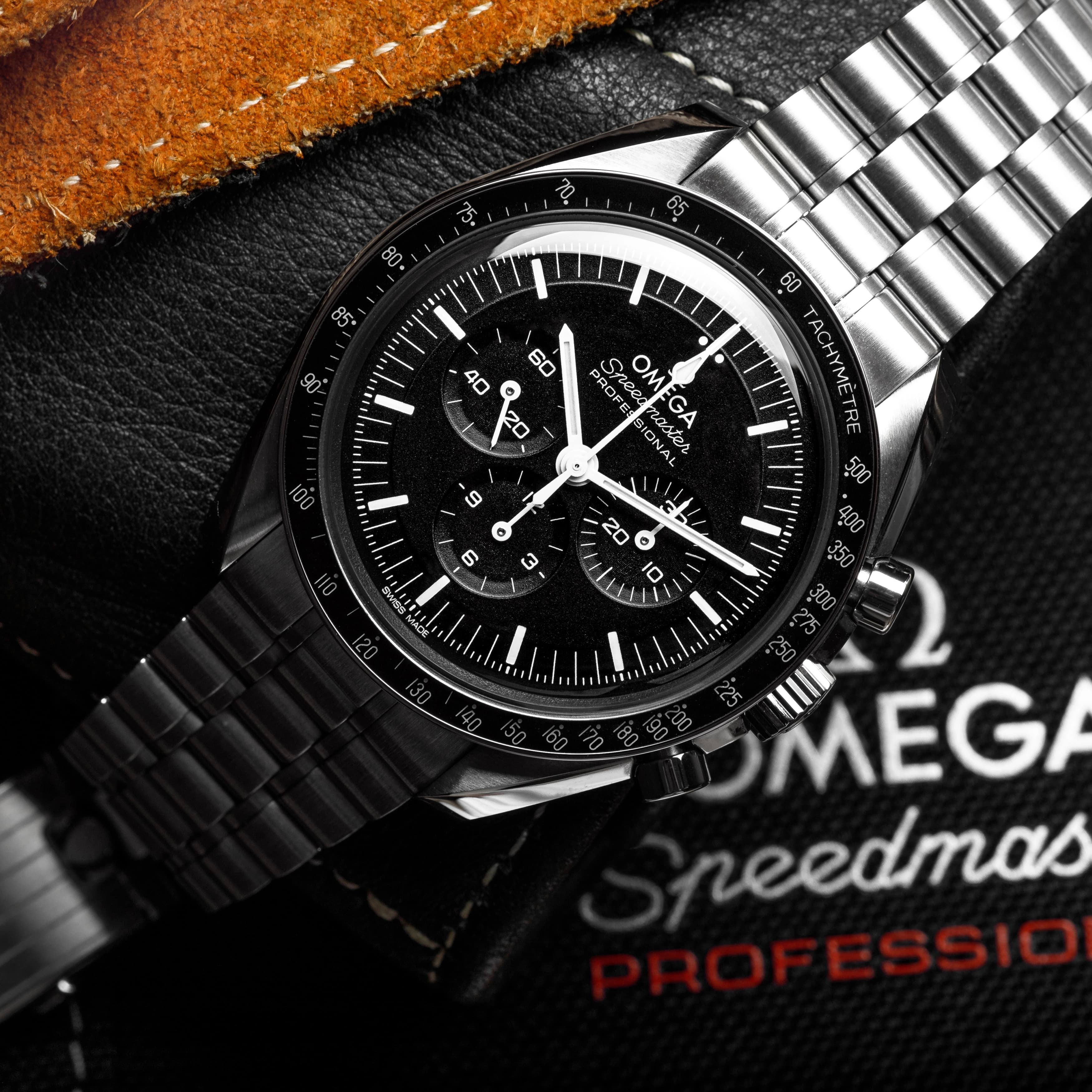
What ties these watches together is not hype, but depth. As Cote put it, “collectors tend to gravitate toward these models because they combine heritage, versatility, and proven reliability,” adding that these qualities “transcend fleeting trends.”
Restraint over noise
Restraint plays a quieter, but equally critical role. Many watches that now feel dated were ambitious rather than careless. They chased distinction through aggressive case shapes, oversized proportions, or heavy visual signaling. At launch, those choices often aligned perfectly with contemporary tastes. Over time, they became limitations. Designs that leave no room to breathe tend to age quickly because they allow no reinterpretation.
This does not mean innovation is the enemy of longevity. Some of the most enduring modern designs were once considered radical. What separates them from short-lived experiments is coherence. Innovation ages well when it is rooted in a clear idea and carried through every detail, rather than layered on as decoration.
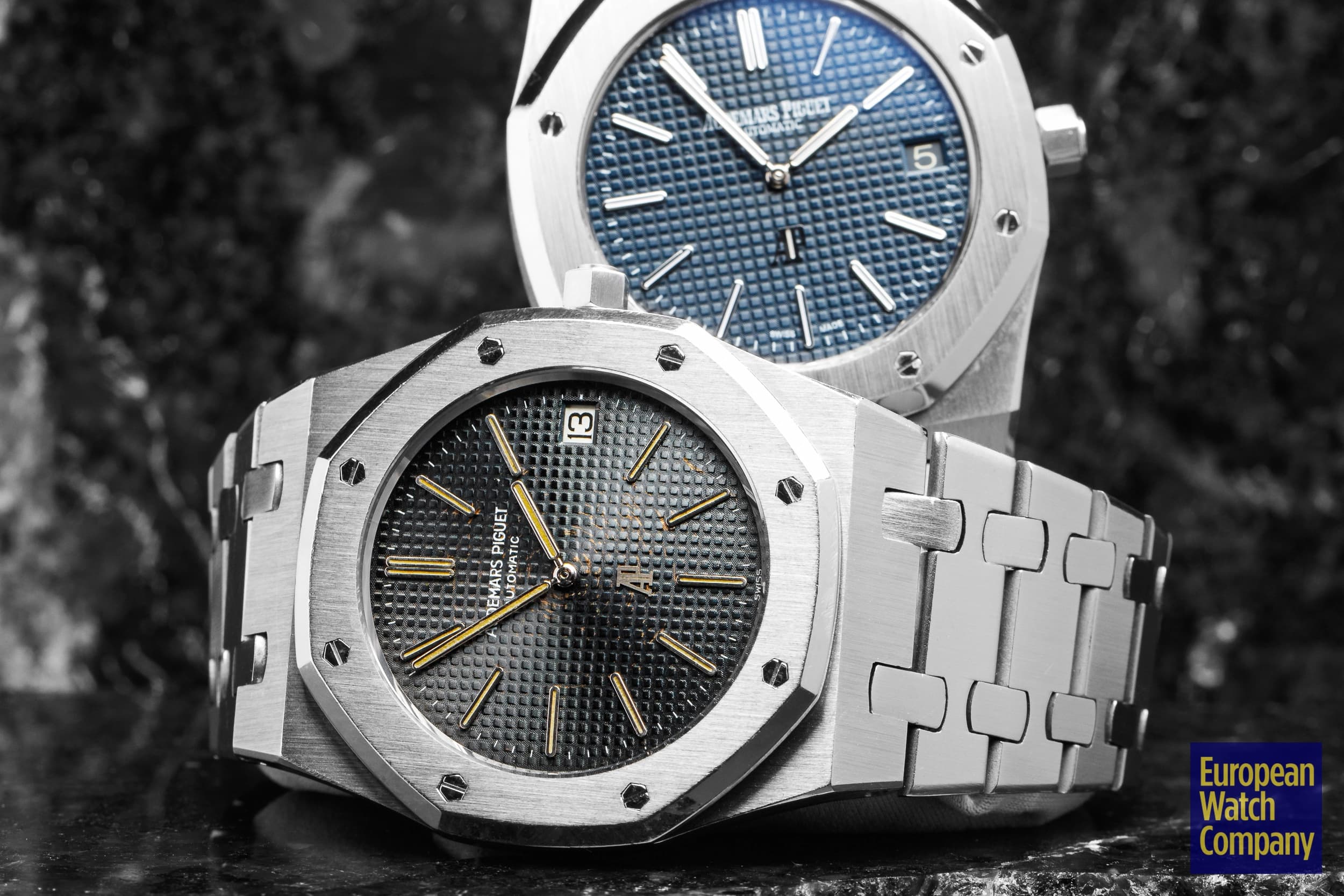
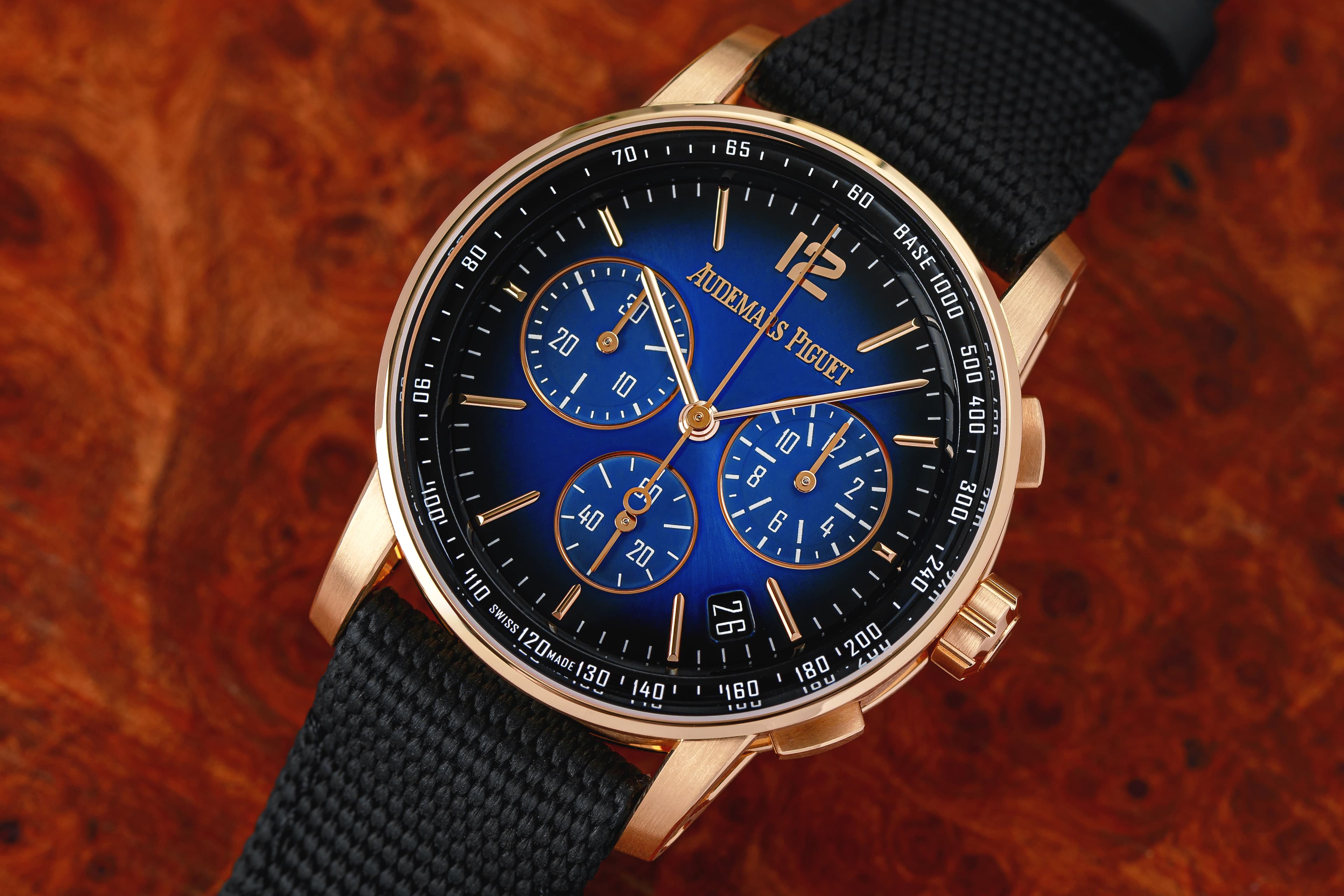
One of the clearest examples of innovation aging into icon status is the Audemars Piguet Royal Oak. When it launched in the early 1970s, its exposed screws, industrial finishing, and integrated bracelet were widely criticized. Many struggled to understand why a steel watch should cost as much as a gold dress watch. That early resistance is precisely what gives the Royal Oak its credibility today. Audemars Piguet has evolved the design carefully over decades, refining proportions, updating movements, and expanding the collection, while never losing the octagonal bezel, tapisserie dial, or architectural sharpness that define it. Even the Code 11.59 carries this DNA quietly, with its octagonal midcase acting as a structural nod rather than a literal reinterpretation.
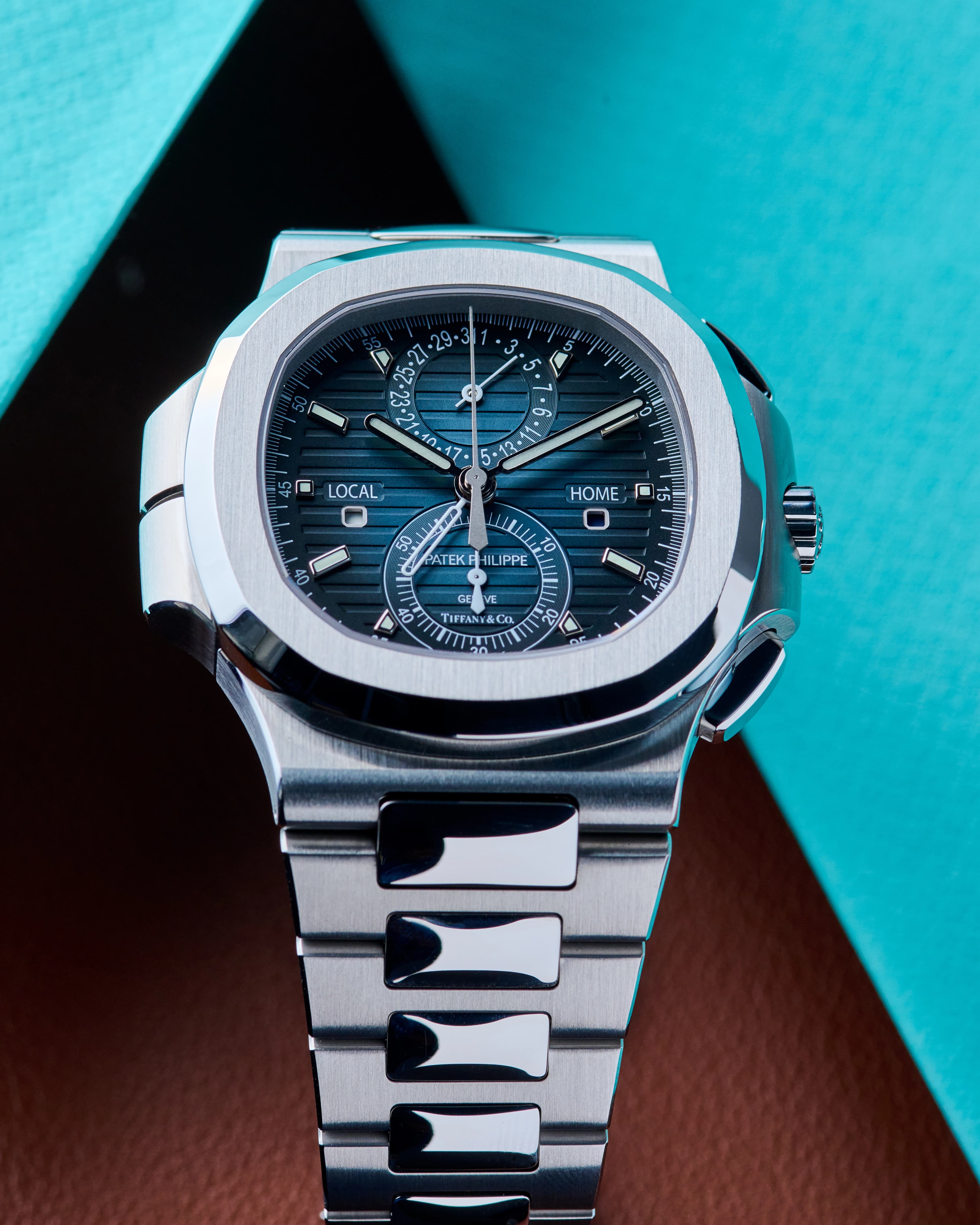
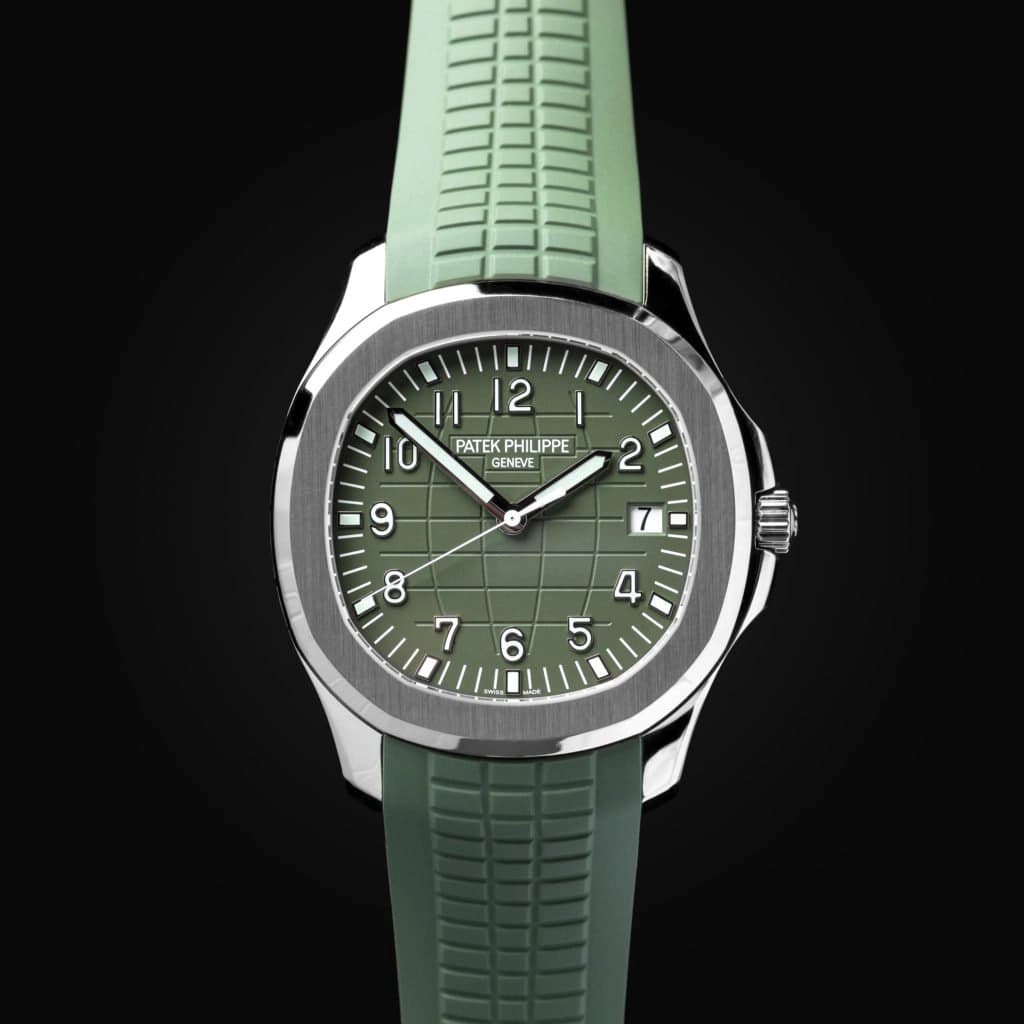
A similar pattern can be seen across other long-running design families. The Patek Philippe Nautilus and Patek Philippe Aquanaut evolved from the same radical 1970s thinking, yet remain relevant because their core geometry and intent never shifted. The same is true of the Rolex Daytona, which has modernized incrementally without losing its visual clarity, or the Cartier Santos, whose square case and exposed screws have proven remarkably resilient to changing tastes.
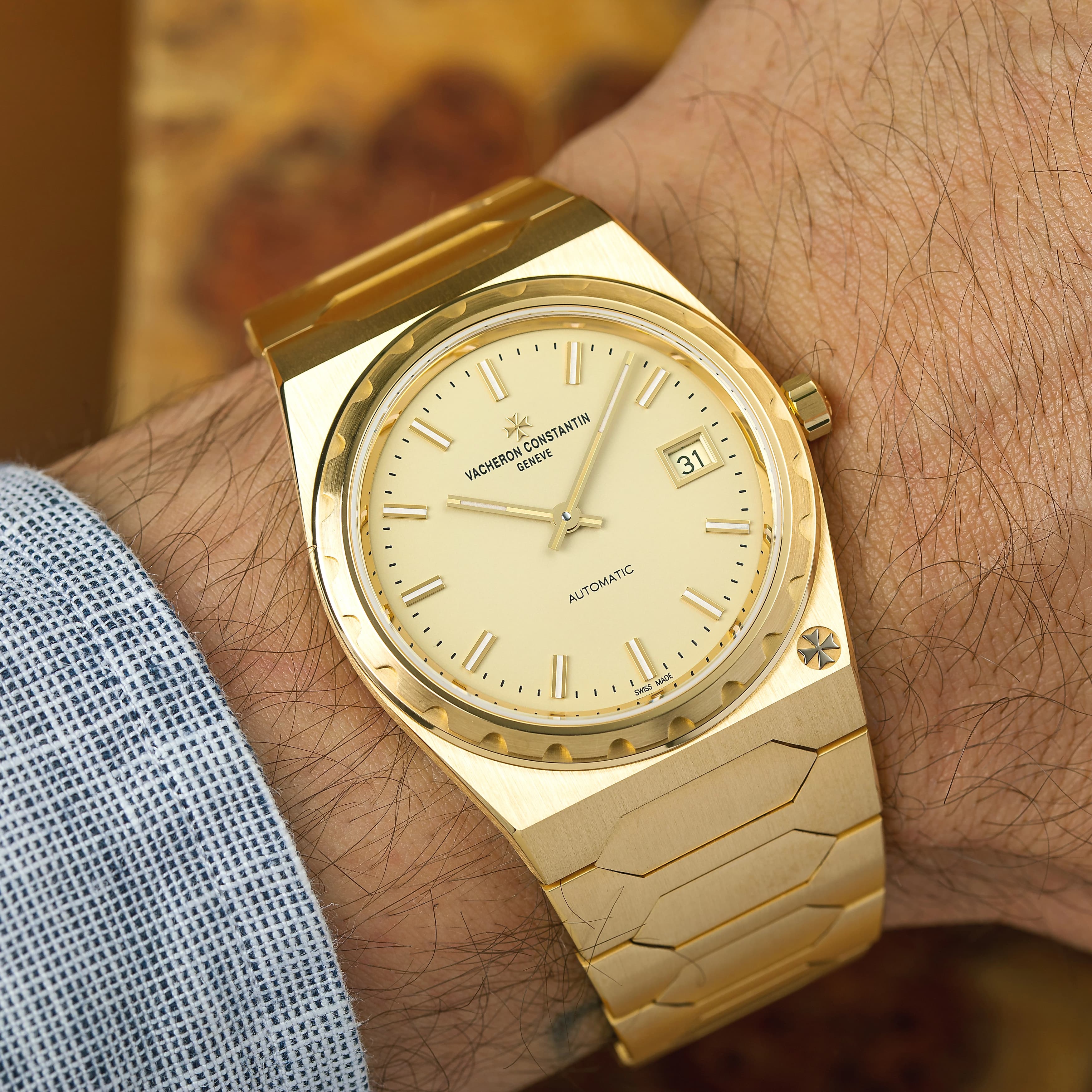
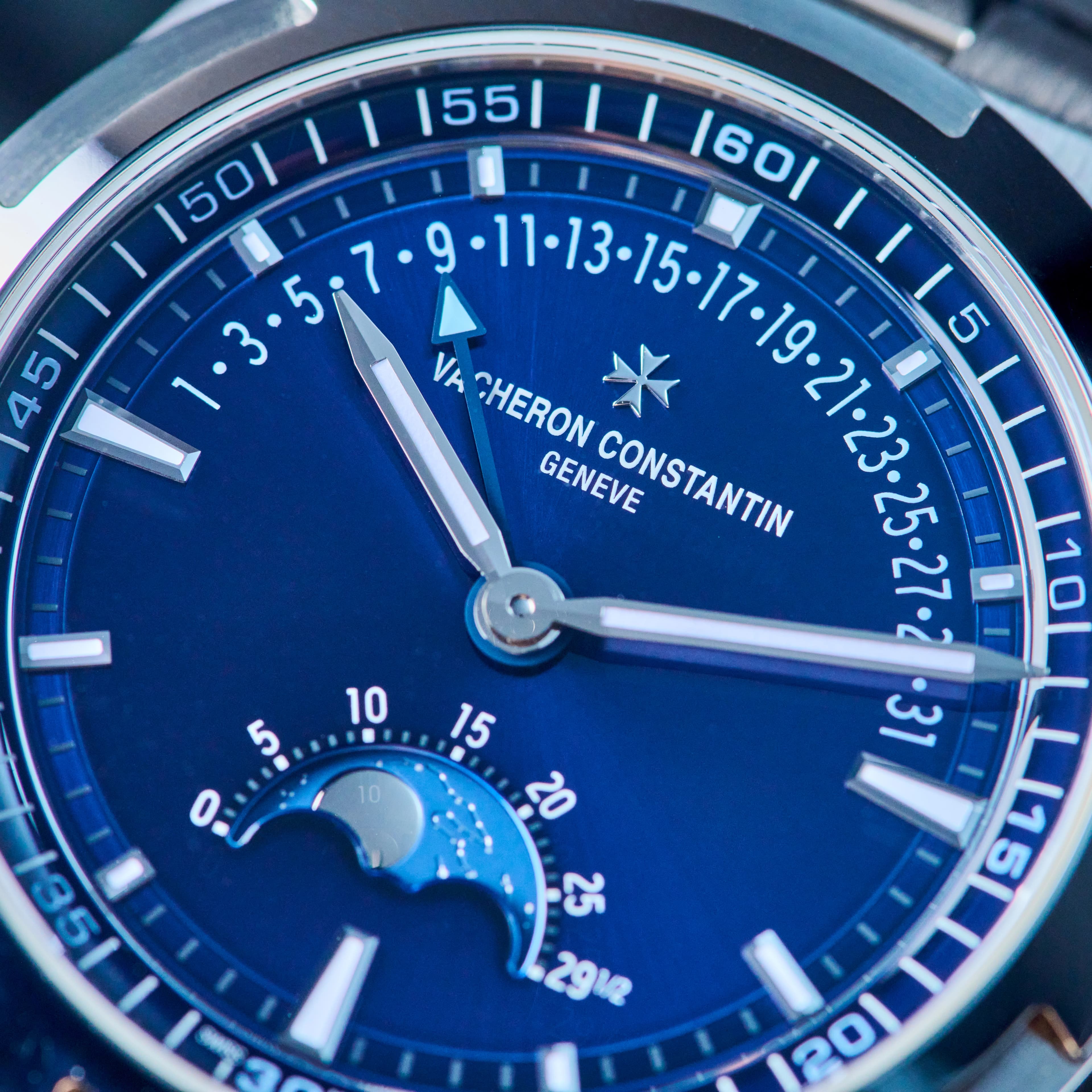
At Vacheron Constantin, the revival of the Vacheron Constantin 222 and the continued success of the Overseas show how revisiting a strong original idea can feel progressive rather than backward when the design language was sound to begin with.
Taken together, these examples show that longevity rarely comes from repetition, but from respecting a design’s original intent while allowing it to mature.
Innovation that ages well
That philosophy is central to how Girard-Perregaux approaches design. “Heritage is not treated as a visual formula,” said Marc Michel-Amadry, the brand’s Managing Director. As he explained, “we at Girard-Perregaux do not see heritage as a style to be repeated, but as a set of principles to be respected and honored.”
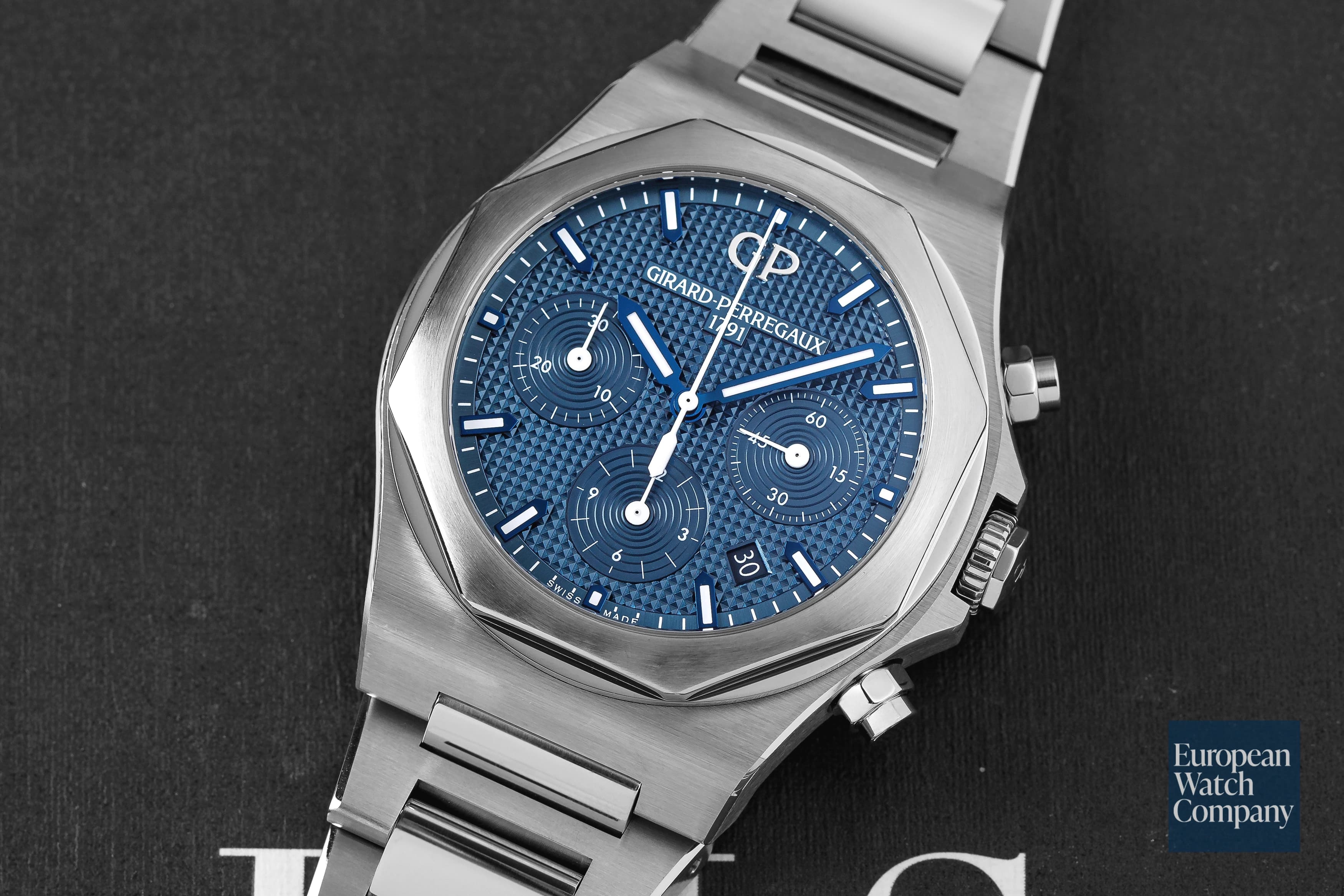
For a brand that has existed continuously since 1791, longevity is not about looking backward. Michel-Amadry was clear that this continuity “is not the result of nostalgia. It is the result of integrity.”
Becoming a cultural reference
That distinction shapes how lasting designs come into being. Chasing the present often results in watches that perhaps feel overcommitted to the moment. Michel-Amadry argued that “timeless design is never created by chasing the present,” and said it instead emerges when a creation is “honest in its intention, precise in its execution, and respectful of its purpose.”
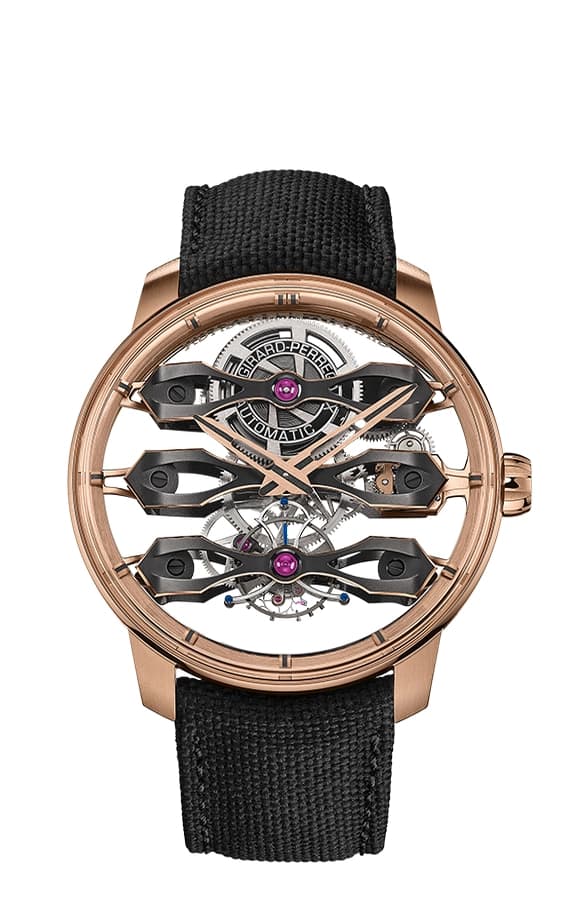
Looking across the brand’s history, he noted that from the Tourbillon with Three Bridges to the Laureato , these are not “designs frozen in time.” They were, in his words, “radically contemporary when they were created,” and only later became cultural reference points. “When you become a cultural reference,” Michel-Amadry added, “you have the potential to be relevant decades from now.”
Why some watches miss the mark
Missteps tend to happen when novelty is mistaken for progress. Limited editions overloaded with textures, slogans, or narrowly defined cultural cues may succeed in the short term, but they struggle once that context fades. They ask too much of the viewer and offer too little flexibility in return. Aging poorly is rarely about taking risks per se, but taking risks without discipline is where things get dicey.
The common thread of longevity
Watches that endure all share a common restraint. They’re confident without being rigid, expressive without being loud, and innovative without losing sight of usability. Their designers trusted proportion, clarity, and purpose to do the heavy lifting. In an industry often tempted by the here and now, those choices remain the surest path to lasting relevance.
Shop New Arrivals
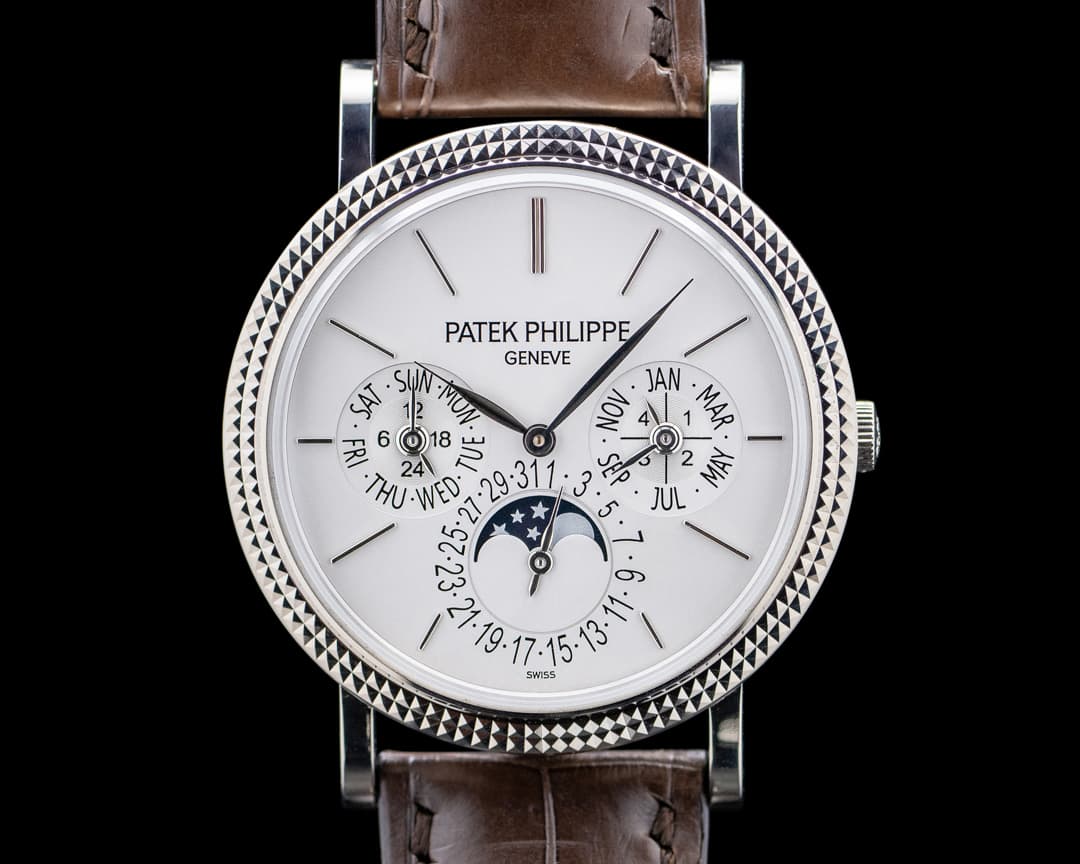
5139G-001 Perpetual Calendar 18K White Gold Silver Dial
$49,500
View Watch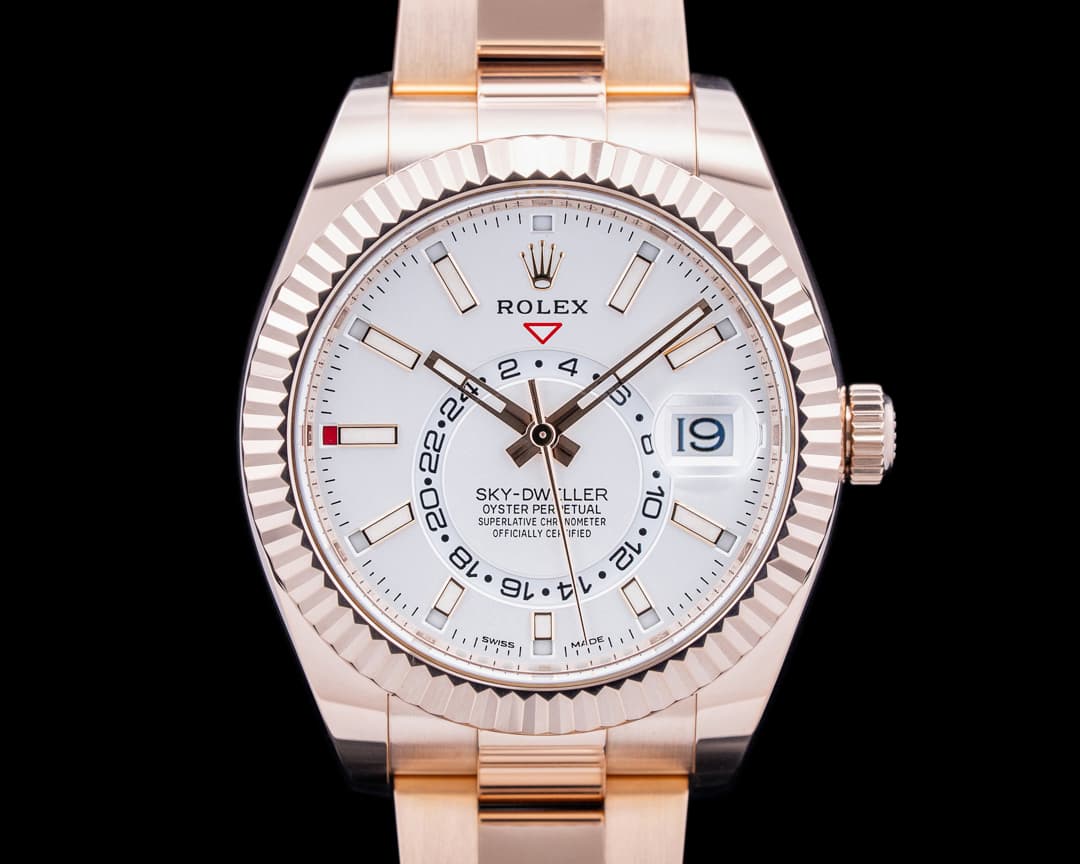
326935 Sky-Dweller 18K Rose Gold Silver Dial
$44,500
View Watch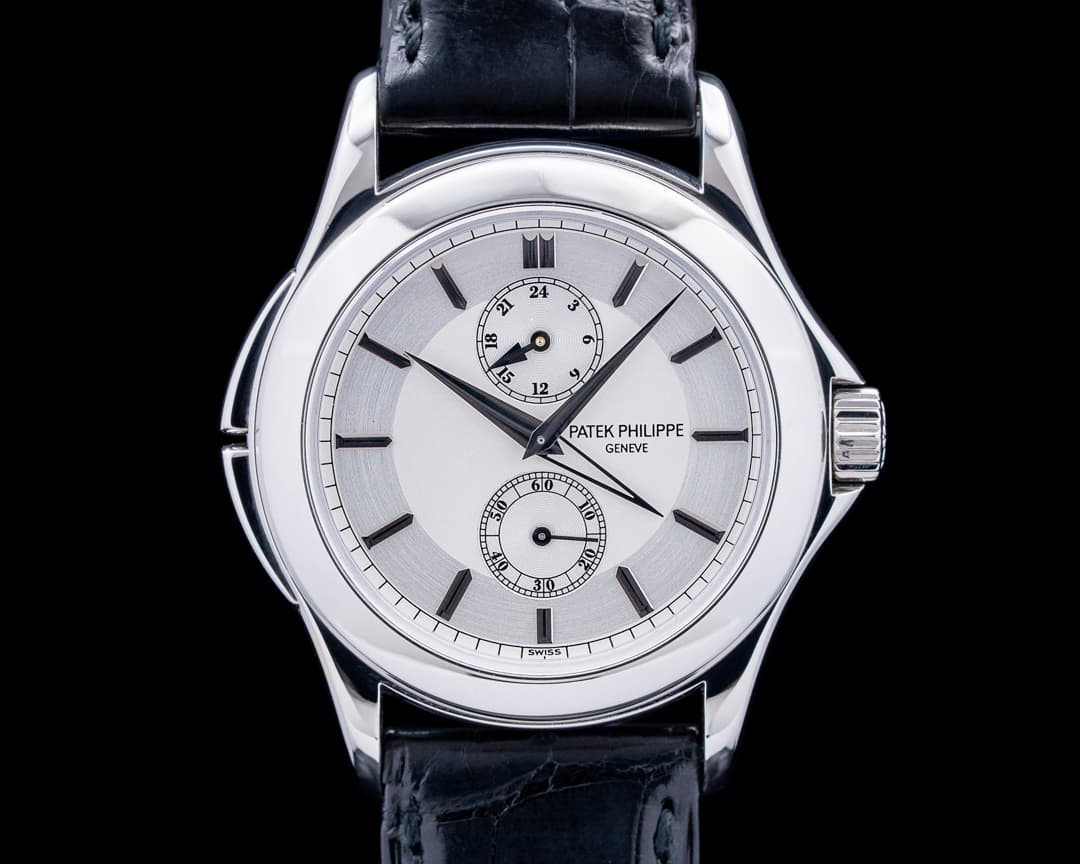
5134P Calatrava Travel Time Platinum Silver Dial
$37,500
View Watch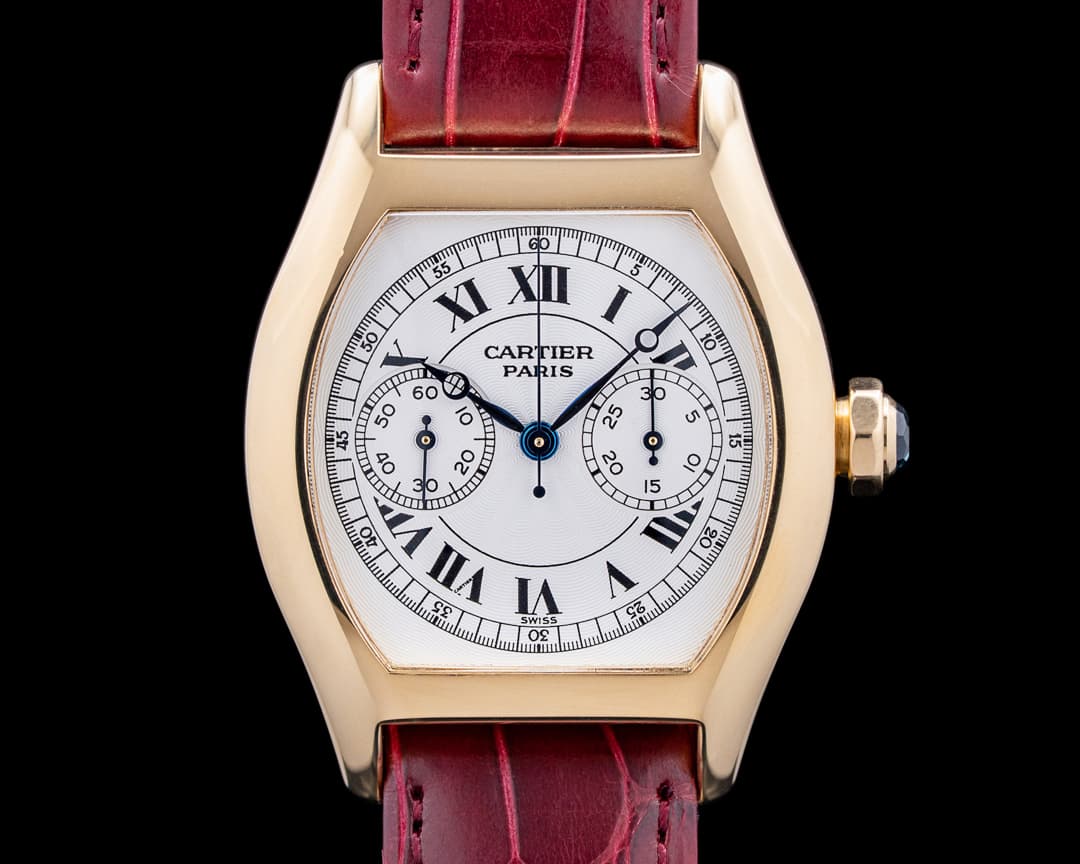
CPCP Tortue Monopoussoir Chronograph 18K Yellow Gold Silver Dial
$69,500
View Watch
Shop New Arrivals
5139G-001 Perpetual Calendar 18K White Gold Silver Dial
$49,500
View Watch326935 Sky-Dweller 18K Rose Gold Silver Dial
$44,500
View Watch5134P Calatrava Travel Time Platinum Silver Dial
$37,500
View WatchCPCP Tortue Monopoussoir Chronograph 18K Yellow Gold Silver Dial
$69,500
View Watch
More Content