What Makes a Watch “Luxury”? The 5 Criteria That Actually Matter
Published on 6/3/2026
The word "luxury" gets slapped on everything from a $300 fashion piece to a $300,000 tourbillon. Here's how to cut through the marketing and understand what separates genuine horological craftsmanship from clever marketing.
Luxury used to be easier to explain. Take a recognizable brand name, throw in some precious metal, rarity, and a price that made normal people wince, and the job was mostly done. Those signals still count for something, but they don’t explain the whole of what “luxury” means anymore.
Watch collectors have seen enough hype cycles and “limited editions” to know that price, scarcity, and luxury aren’t always the same thing. Increasingly, luxury is about being able to see and feel where your money has gone: in the movement, finishing, architecture, design, and, probably most importantly, the emotional response when you have the watch on the wrist.
Collectors may disagree on what they ultimately buy, but these five criteria show up in every serious conversation about what luxury really means on the wrist.
Hand Finishing: The Craftsmanship You Can Actually See
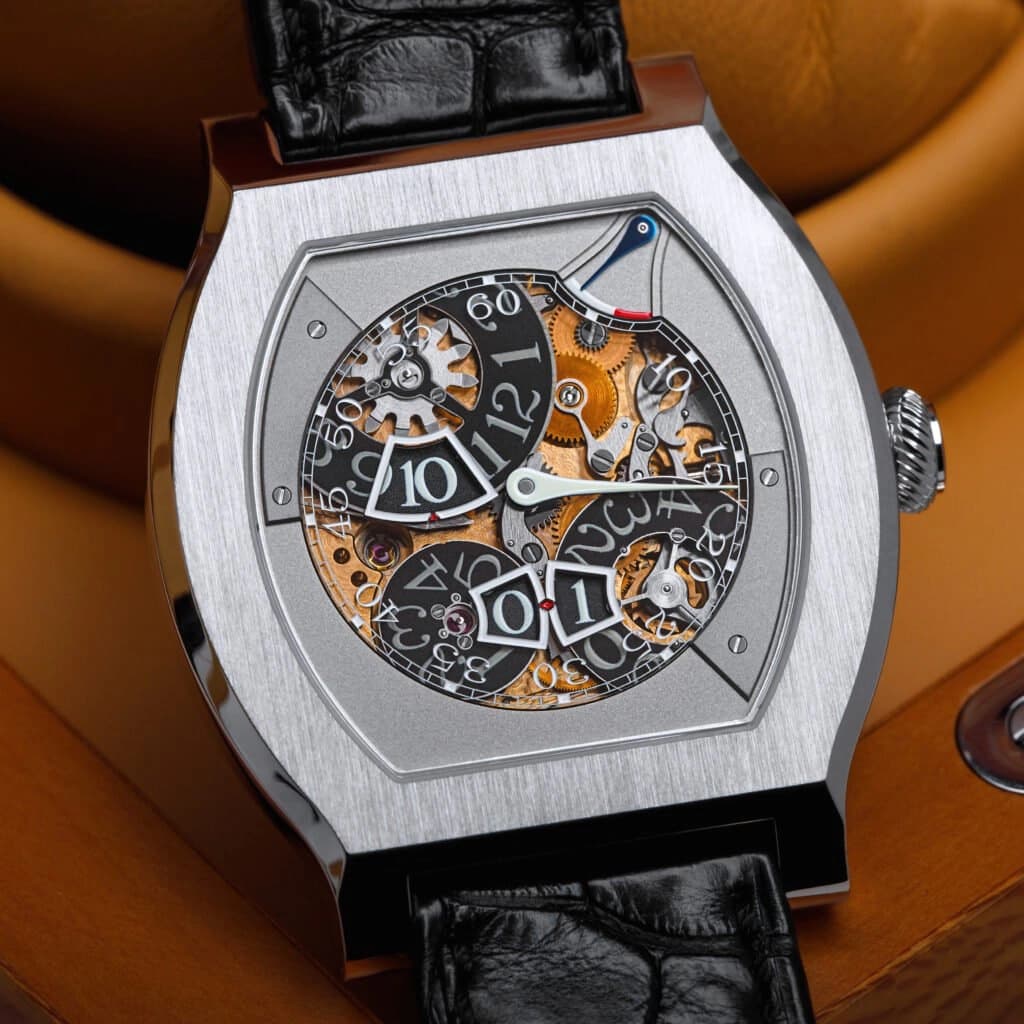
One of the first signs of luxury is craftsmanship. Not just decoration, but evidence that someone has spent real time making the watch better than it strictly needed to be. That might mean hand-polished bevels, sharp internal angles, brushed bridges, guilloché dials, enamel, engraving, or tiny details most people will never notice.
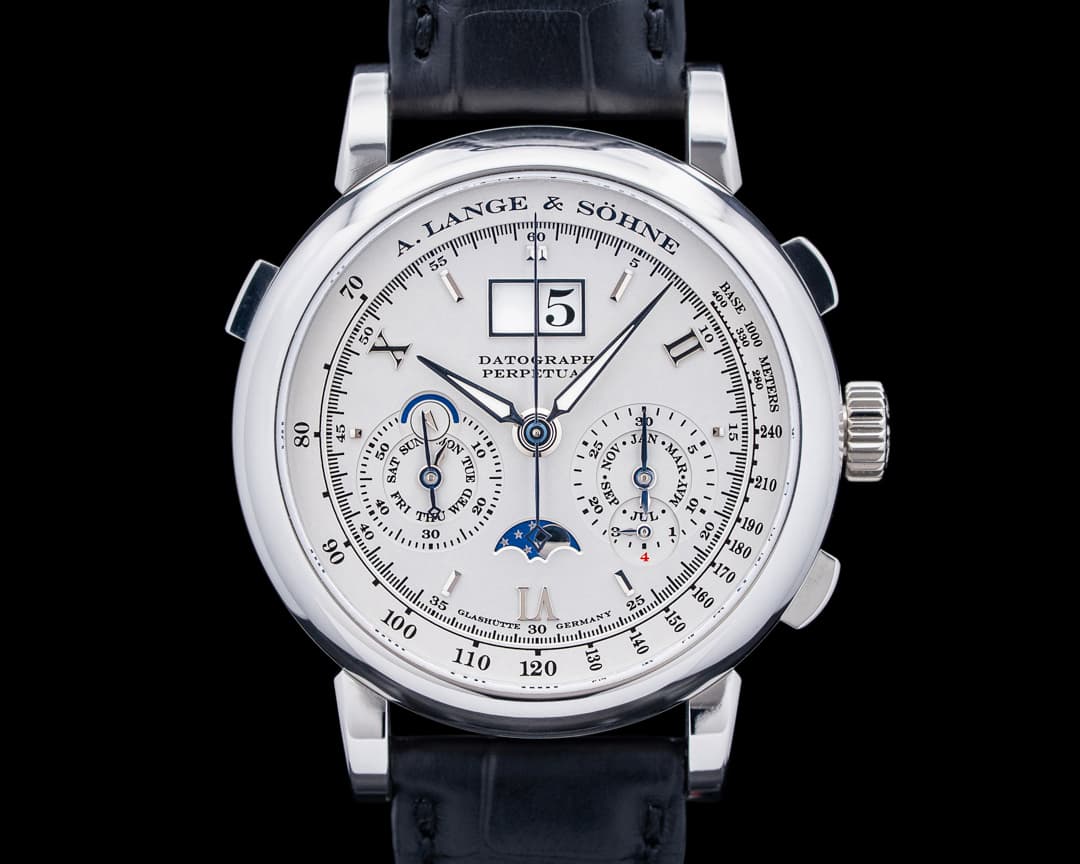
“Movement finishing, particularly hand-finishing, strikes me as the most tangible indication of luxury in a mechanical watch,” said Christopher Weiss, Watch Specialist at European Watch Company, who sees clients looking for this craftsmanship firsthand. “Very few seconds pass between handing a client a watch and them flipping it over to check out the movement.” The caseback has become part of the first impression, which says a lot about where collecting is now.
Movement Quality: What's Inside the Case and Why It Matters
Once collectors start looking at the movement, finishing is only part of the story. A great movement doesn’t just work. It has a shape, a layout, and a sense of purpose. When the dial disappears, there’s nowhere for lazy architecture to hide. Done badly, openworking can look like someone just cut holes into a movement and hoped for the best. Done well, the whole watch feels designed from the movement outward.
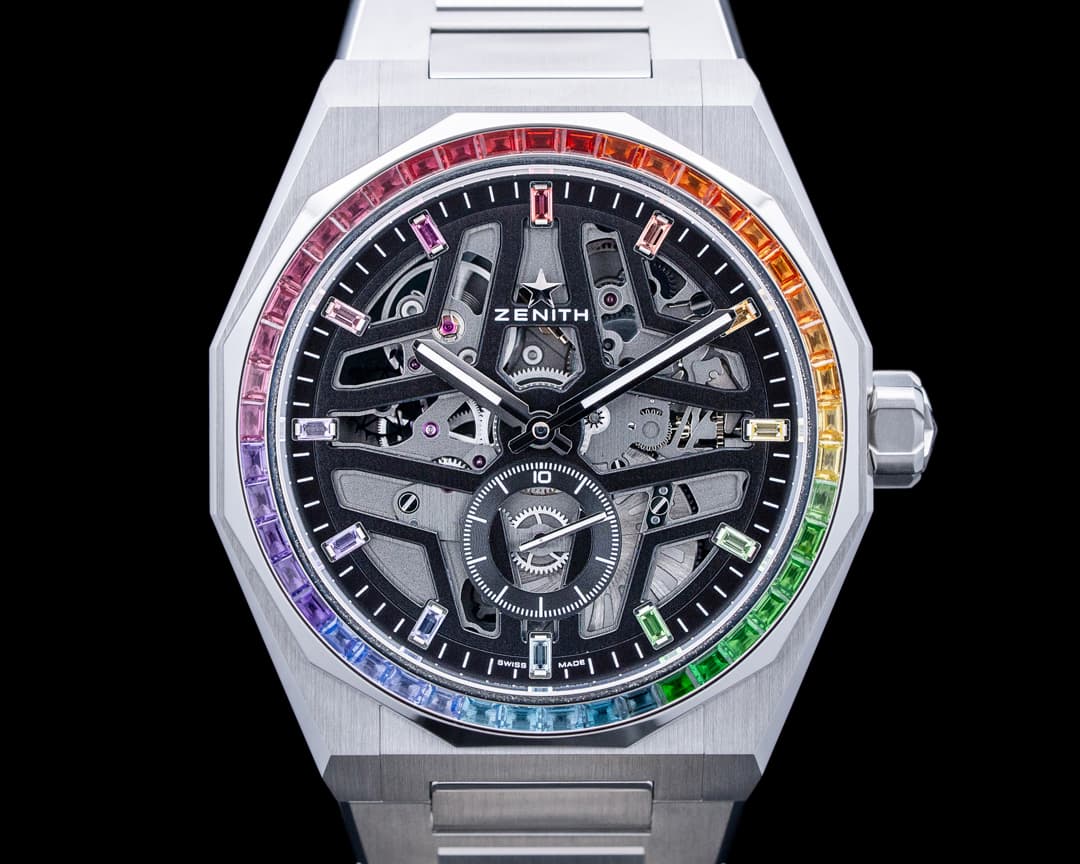
For Zenith, openworking isn’t about changing the nature of the movement until it becomes unrecognizable. “We do not want to distort, alter or denature the aesthetic of our movements,” said Romain Marietta, Chief Product Officer at Zenith Watches. “They have a strong identity, and we should highlight it and take advantage of it.” He said the task is to “reveal the beauty, the characteristics, the technicality, and all the things that make our movements different from the competition.”
Marietta also said the goal is to make the owner keep looking. “We try to amplify the dramatic views a client can have access to when looking at his watch/movement.” The client should be able to “dive deep inside” and “discover something new every time he or she looks at it.”
Surface Finishing in Watchmaking: The Details That Define Luxury
That sense of purpose applies to finishing as well. Finishing is often discussed as though more is automatically better, but luxury finishing needs intent. Sometimes the better choice is restraint: a clean brushed surface, a polished bevel, a sharp case transition, or a dial texture that changes subtly in the light.
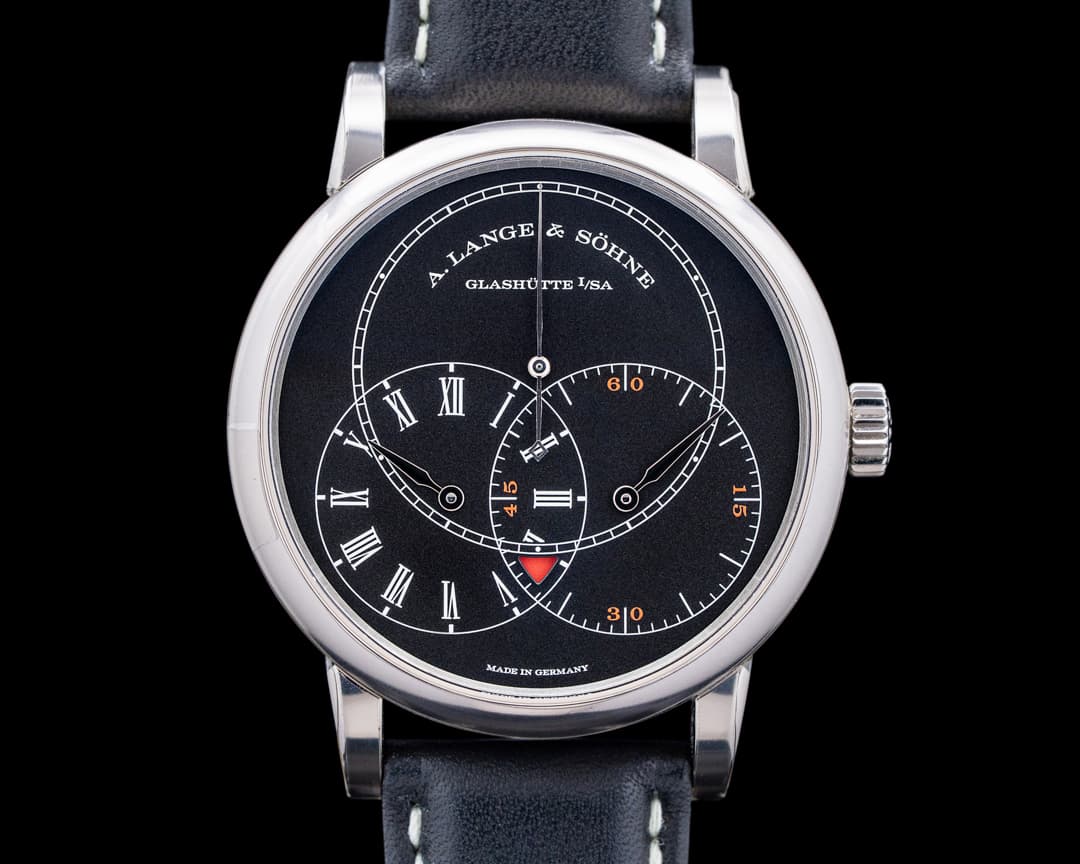
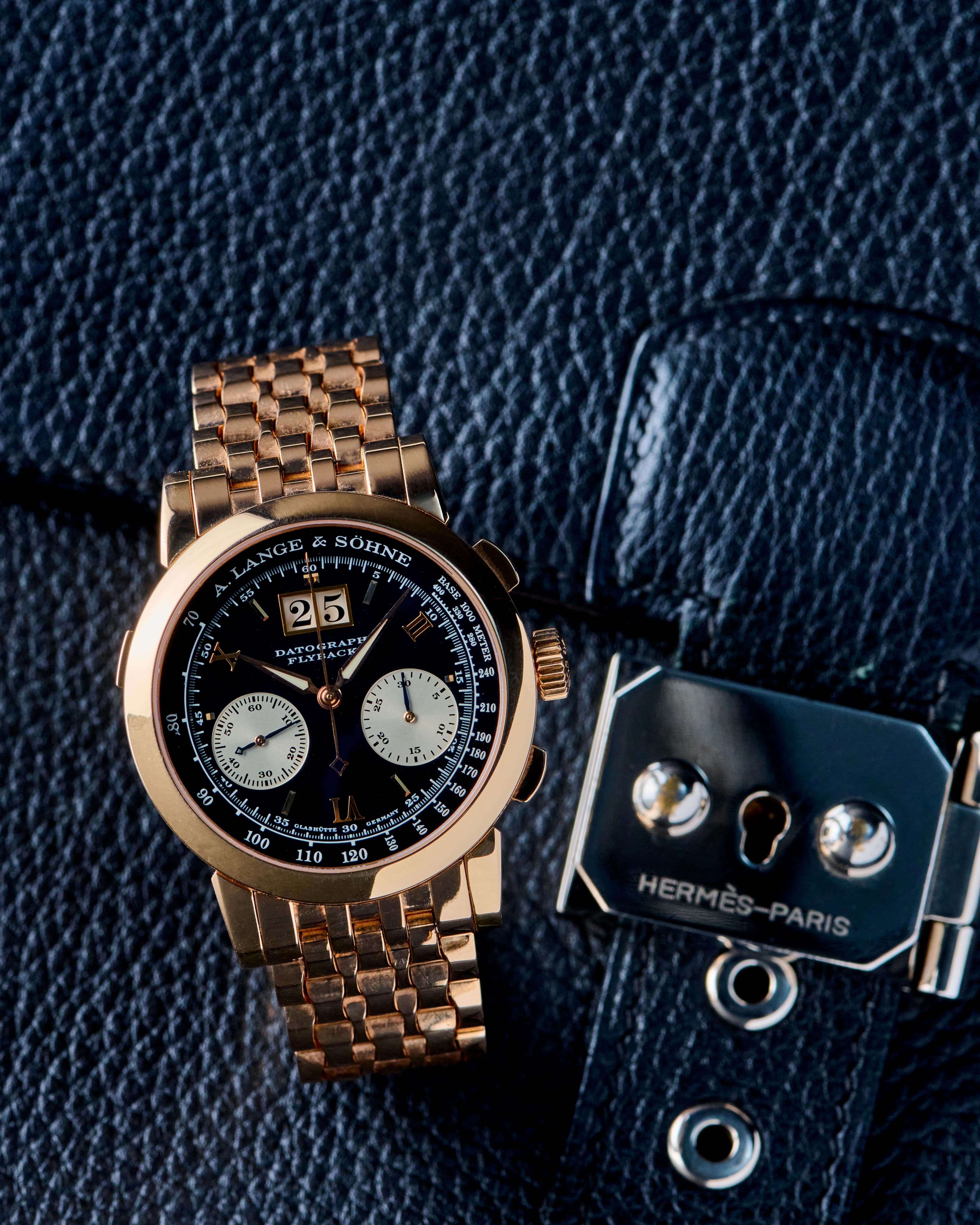
Weiss connected this interest in finishing back to the post-quartz-crisis era. “The quartz crisis forced a shift in the industry towards beautifully decorated movements to justify a mechanical watch’s very existence,” Weiss said. “Nearly fifty years later, this approach to watchmaking is no longer limited to super-premium brands.” Of course, there are levels. “A machine-finished Nomos might not be at the same level as a hand-finished A. Lange & Söhne. But the style, the look, the intent remains the same,” Weiss continued. A watch doesn’t have to be finished like a Lange to feel considered, but the finishing needs to belong to the watch.
Dial and Case Design: How Proportion and Restraint Signal Luxury
The same is true of design. A luxury watch should feel resolved. The case, dial, bracelet, strap, hands, typography, movement, and proportions should feel like they belong to the same idea. Complexity is fine, but only when there’s control behind it.
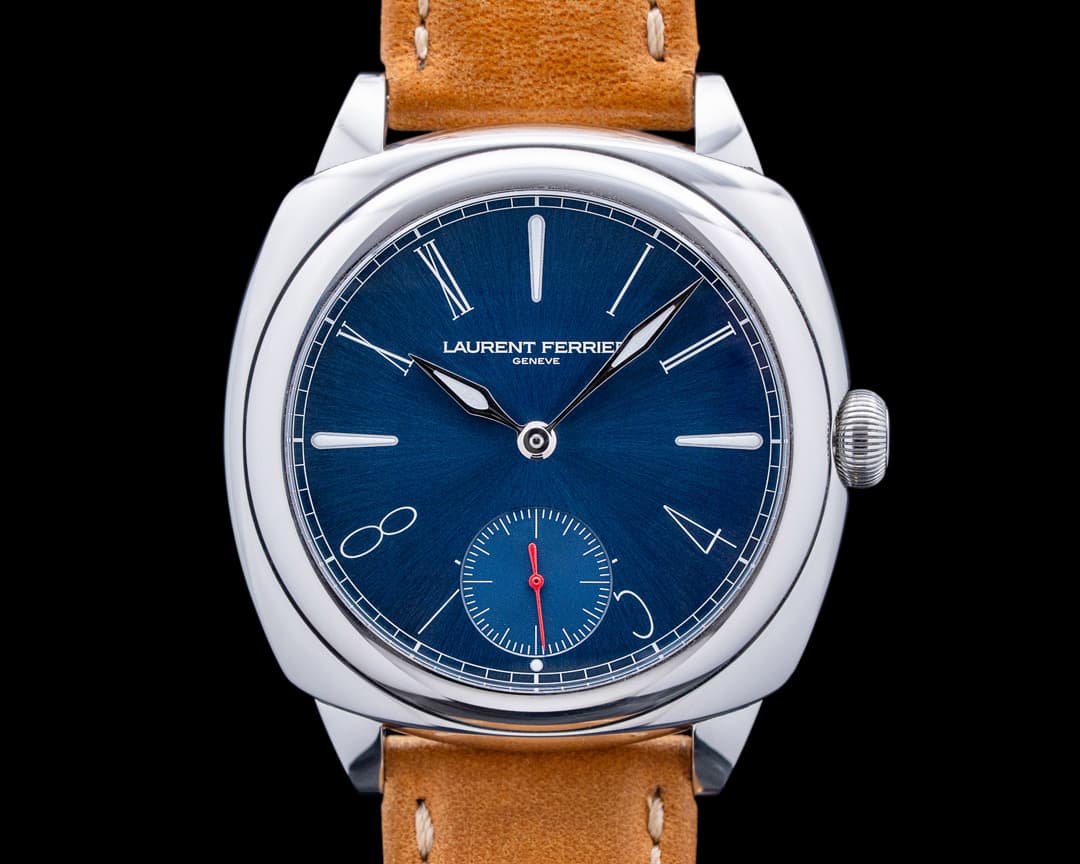
Design integrity is the difference between a watch that feels designed and a watch that feels assembled from expensive ingredients. Collectors notice when a date window feels like an afterthought, when a movement is too small for the case, when the bracelet doesn’t match the watch head, or when a skeletonized dial makes the watch too difficult to read.
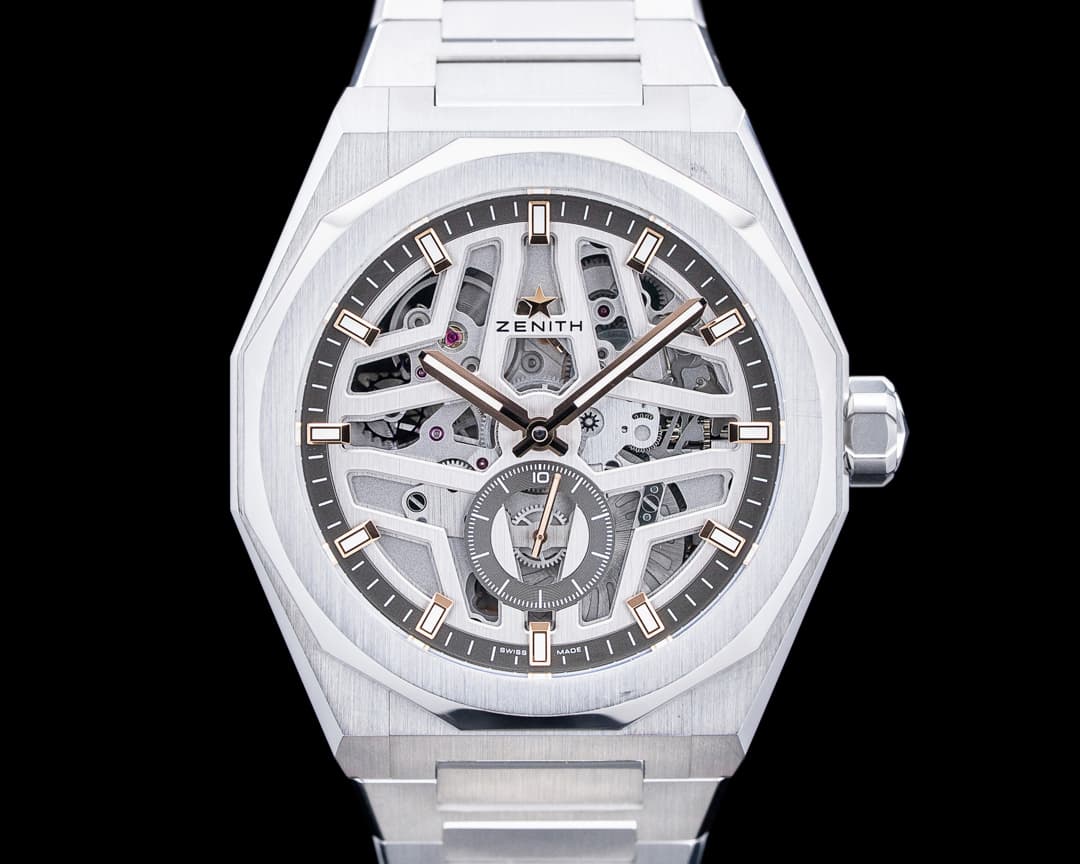
Marietta said Zenith’s skeletonized designs are developed “together between our designers and our technicians/engineers” so the brand can “magnify what can be.” That means respecting “the functionality of all elements,” while also shaping openings and bridges “to please the eyes.” The key, he said, is keeping “the readability of the watch” in mind. A skeletonized watch might look impressive in a press image, but if it can’t be read properly in real-world use, the luxury starts to fall apart.
Why Luxury Watches Hold Their Value: The Emotional Connection
Even then, none of this works without feeling. A watch can be beautifully made, impressively finished, and objectively important, yet still leave you cold. Another watch might be less complicated on paper but somehow feel right.
Weiss described that moment as cumulative rather than technical. “I think the cumulative experience of holding a watch, feeling it, placing it on the wrist, taking it all in... this is what makes the watch ‘click,’” he said. Specifications matter, but the final decision usually happens somewhere less tidy. It’s the way the case sits, the balance on the wrist, and the moment when your brain decides this one makes sense.
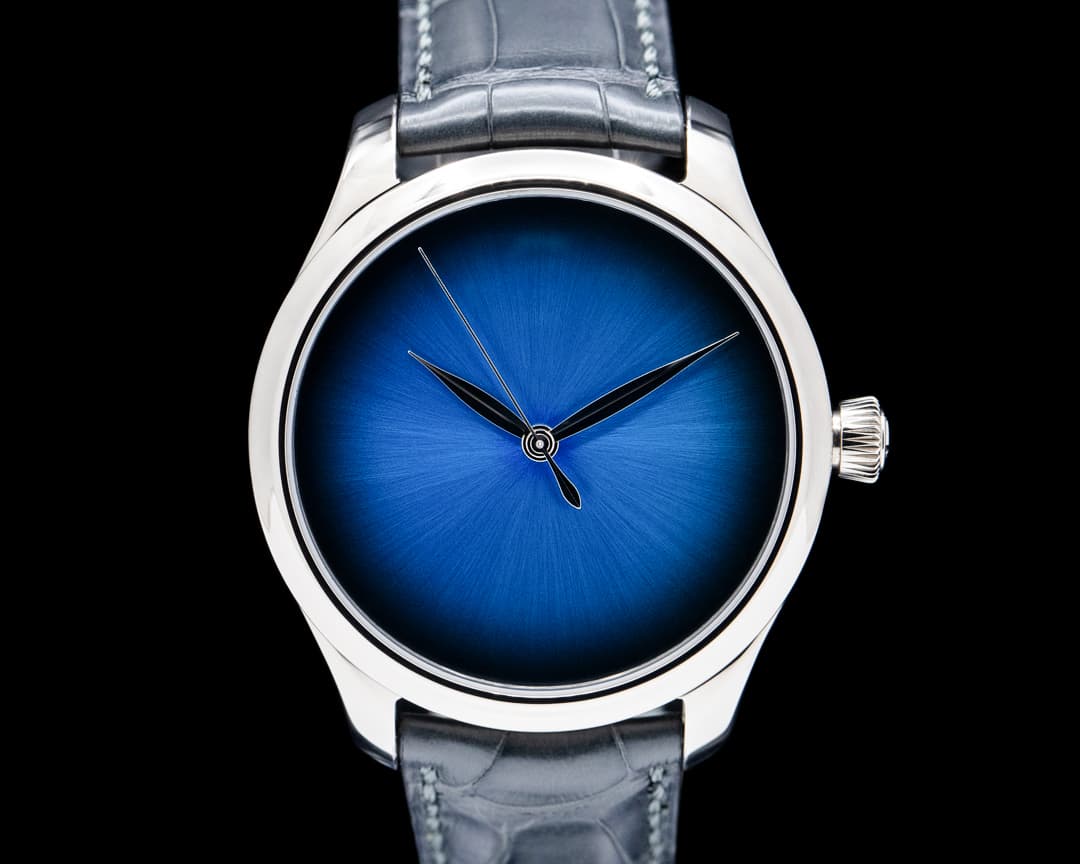
“The truth is that no one needs a luxury watch. We buy them because of how they make us feel,” Weiss said. That feeling might come from the movement, the design, the brand, or simply the way the watch fits into someone’s life. “They let us wordlessly express something about ourselves,” he said. “They make us feel good.”
What Watch Collectors Actually Look For: Value They Can See
That emotional pull is still essential, but collectors are less willing to accept vague luxury language on its own. Marietta summed up the shift directly. “Collectors nowadays want value. They want to see it. They want to understand it. They want to see where it is.”
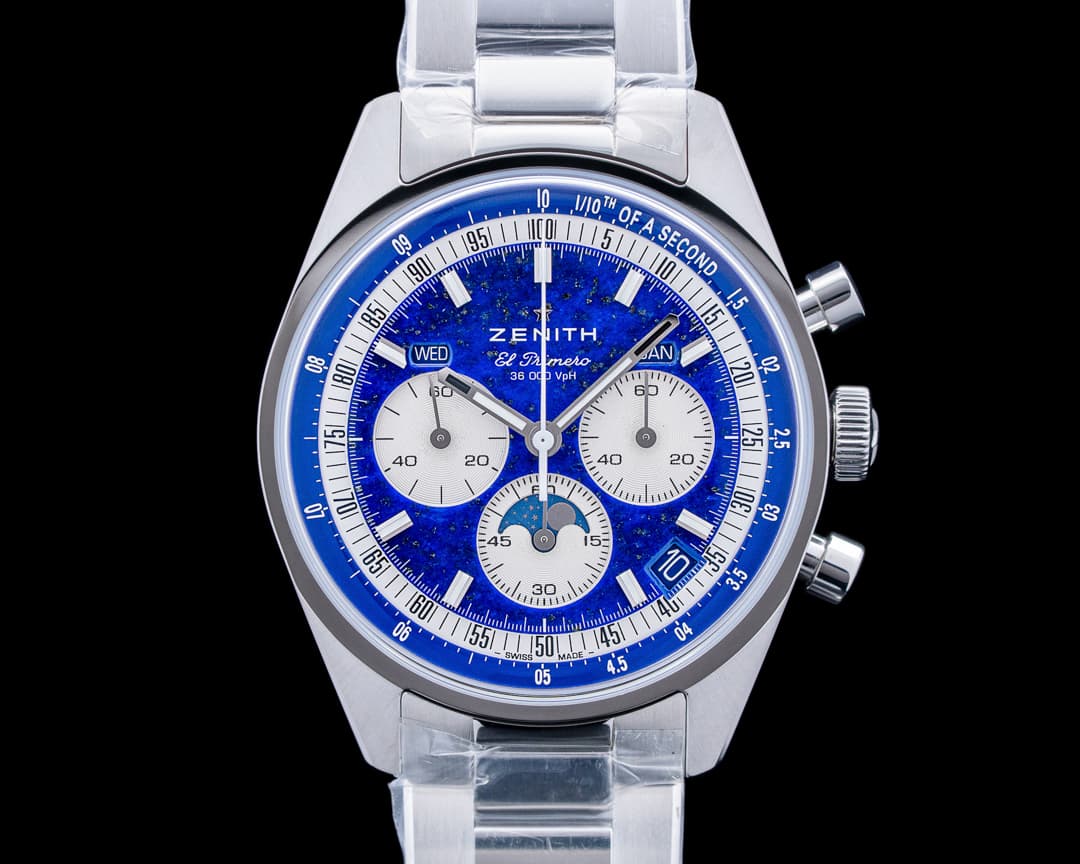
He sees that as part of a broader change in luxury. “People are not ready anymore to buy without understanding where the value is,” he said. If a brand is asking for serious money, the collector wants to understand what sits behind that number.
Clients want “a genuine timepiece that is beautiful to them, that speaks to them, that they can be proud of and that they think they pay the right price for it,” Marietta said. That feels like the key shift. The strongest watches still have to create desire, but they also need to feel justified.
Is It Worth the Price? How to Know a Luxury Watch Has Earned It
That change affects how watches are developed. “When we design the watches, we need to take all these elements into account,” Marietta said. “We need to put ourselves in their shoes and think of this question: ‘would I buy it for myself?’”
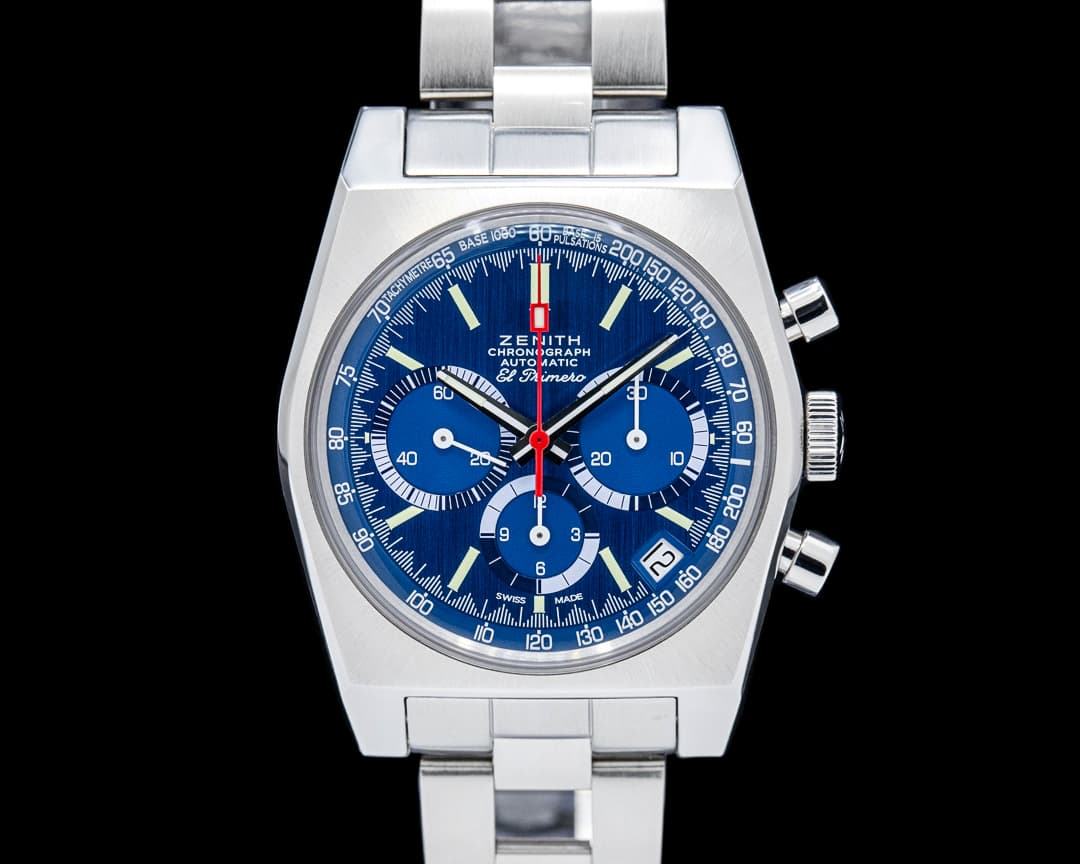
From Zenith’s perspective, that means the movement remains central. “For us at Zenith, movements are very important, we are a true Manufacture equipping all our watches with our movements,” Marietta said. That manufacture status matters most when it shows up in the finished watch, not just in the brand copy. Zenith considers “the aesthetic, the technical side, the readability, the finishings, and the story.”
That’s probably the better definition of luxury now. A watch doesn’t just need to look expensive. Once you understand it properly, it still has to feel worth it.
Shop New Arrivals
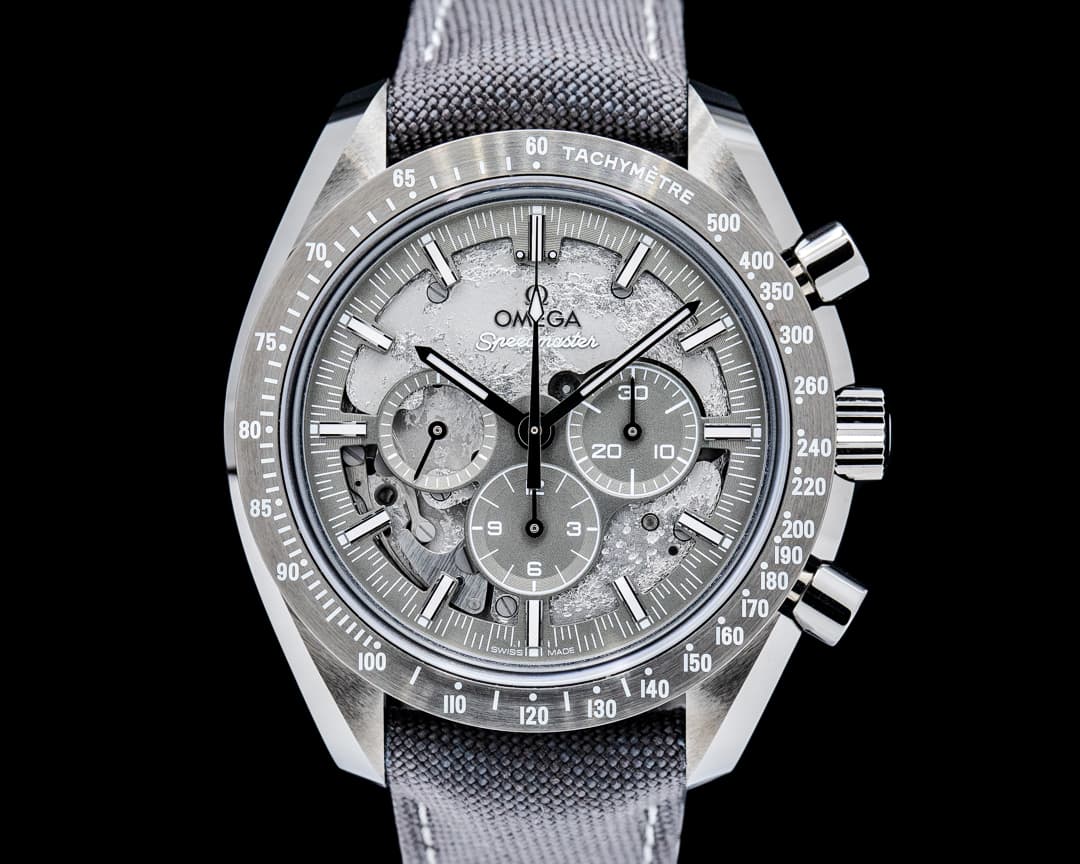
Speedmaster "Gray Side of the Moon" Ceramic Gray Skeleton Dial 2025
$16,900
View Watch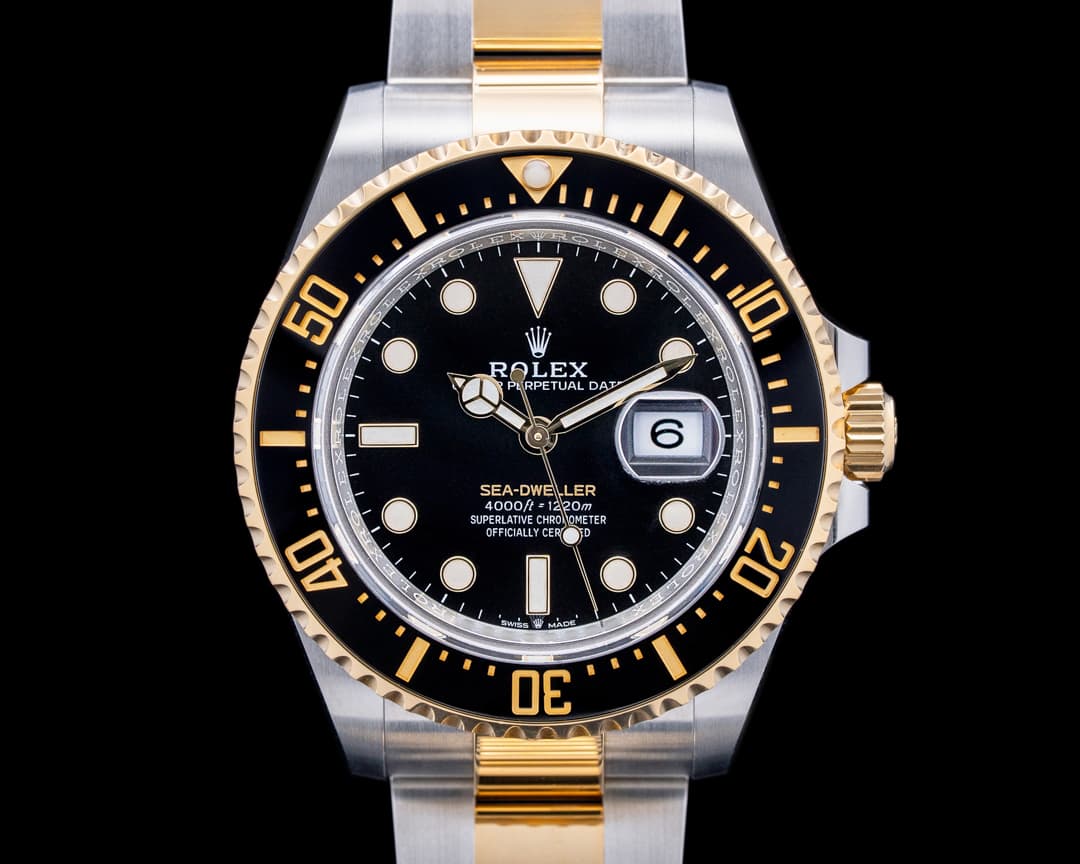
126603 Sea-Dweller SS / 18K YG Black Dial
$16,900
View Watch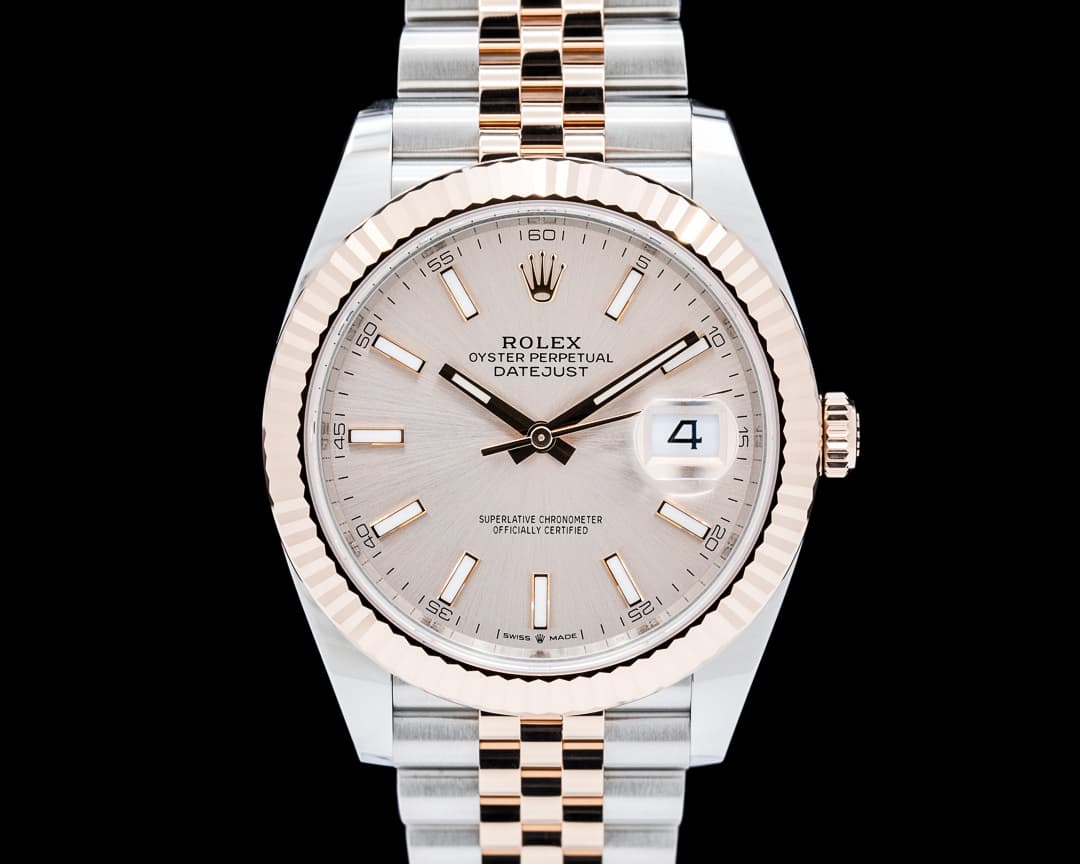
126331 Datejust 41 SS/18K RG "Sundust" Dial 2026 UNWORN
$19,500
View Watch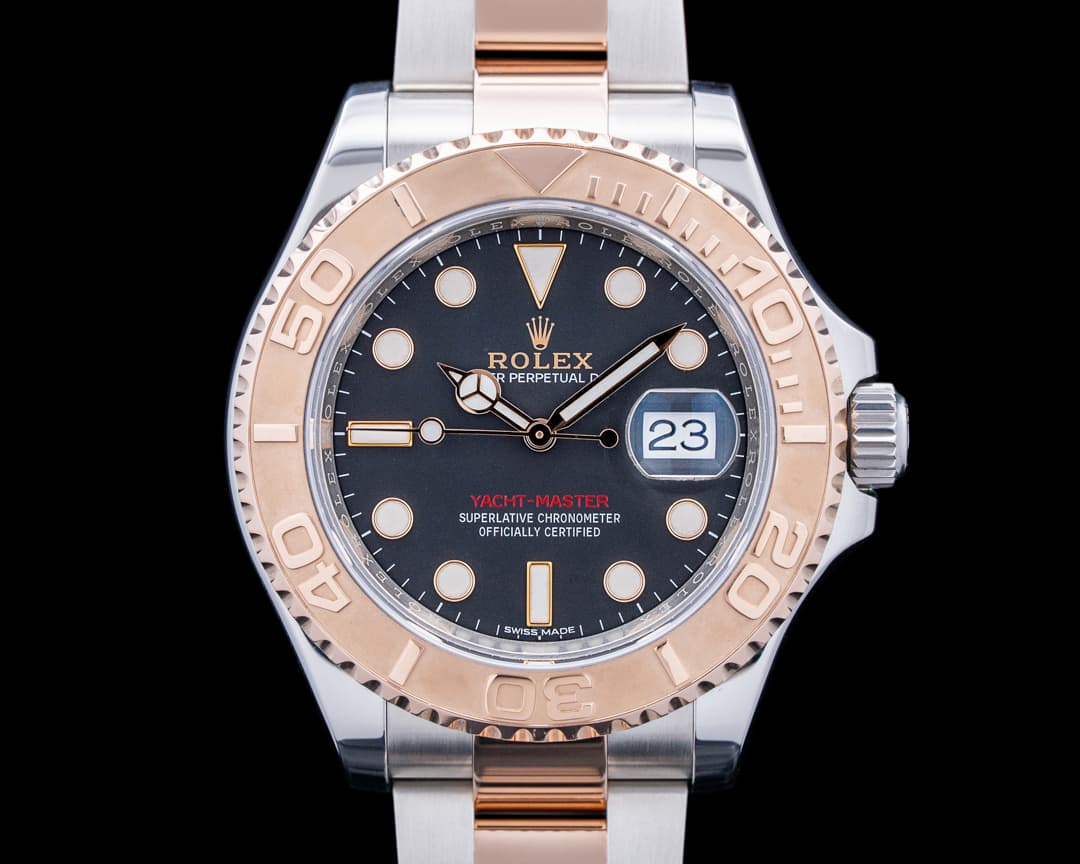
116621 Yacht-Master SS / 18K RG Brown Dial
$15,900
View Watch
Shop New Arrivals
Speedmaster "Gray Side of the Moon" Ceramic Gray Skeleton Dial 2025
$16,900
View Watch126603 Sea-Dweller SS / 18K YG Black Dial
$16,900
View Watch126331 Datejust 41 SS/18K RG "Sundust" Dial 2026 UNWORN
$19,500
View Watch116621 Yacht-Master SS / 18K RG Brown Dial
$15,900
View Watch
More Content