What "Everyday Watch" Actually Demands
Before making the case for the Datejust as a perfect everyday watch, it helps to be clear about the job description.
An everyday watch needs to survive daily contact with the world: doors, desks, gym bags, airport security, rain, and the occasional knock against a car door. It needs to read the time clearly in different lighting environments. It needs to not embarrass the wearer in a client meeting and not look like an affectation on the weekend. It needs a movement that keeps accurate time without constant attention, and a service schedule that doesn't make ownership feel like maintenance work. And if it's going on the wrist every day for years, the bracelet needs to be comfortable.
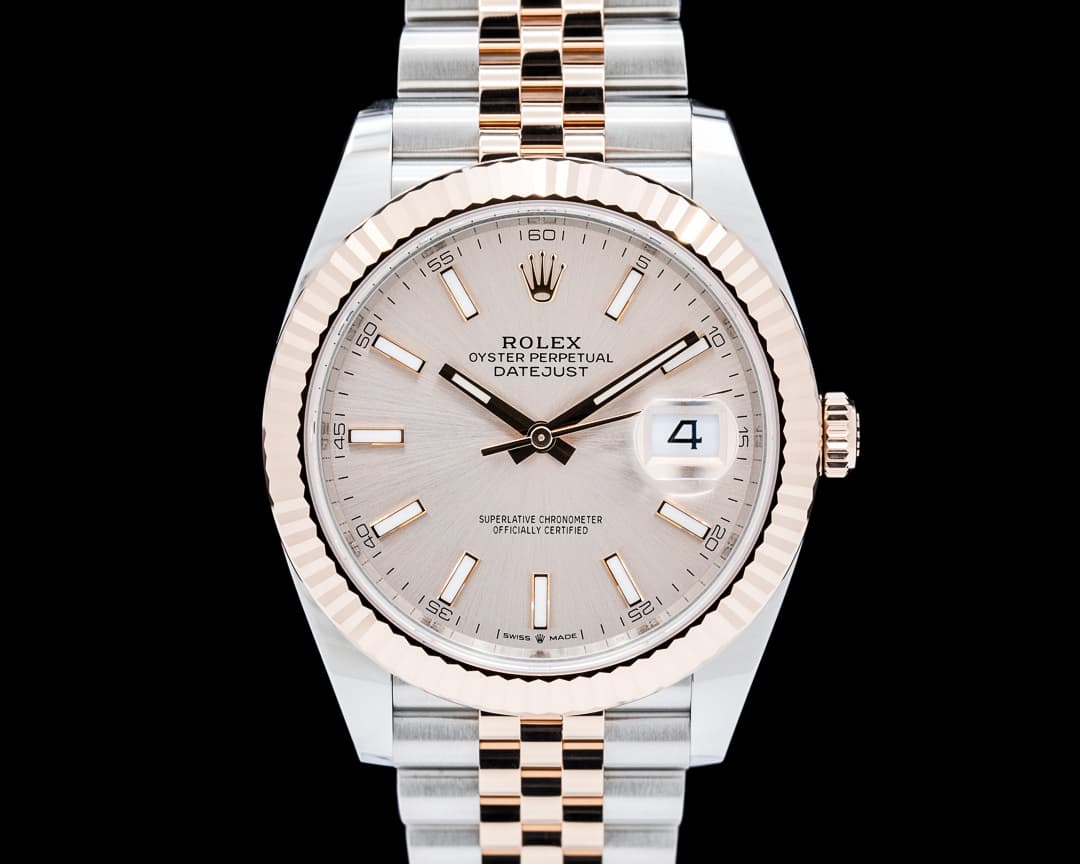
These criteria are not designed to be glamorous. They are also not easy to meet simultaneously. A lot of watches that are extraordinary in one dimension fail another: a watch with an exquisite dial that the bracelet makes uncomfortable to wear, or a technically impressive movement in a case that feels fragile. The everyday criteria are different than the great watch criteria. That said, the Datejust was designed around set of criteria. The result is one of the best everyday watches in the world.
The Case for the Case
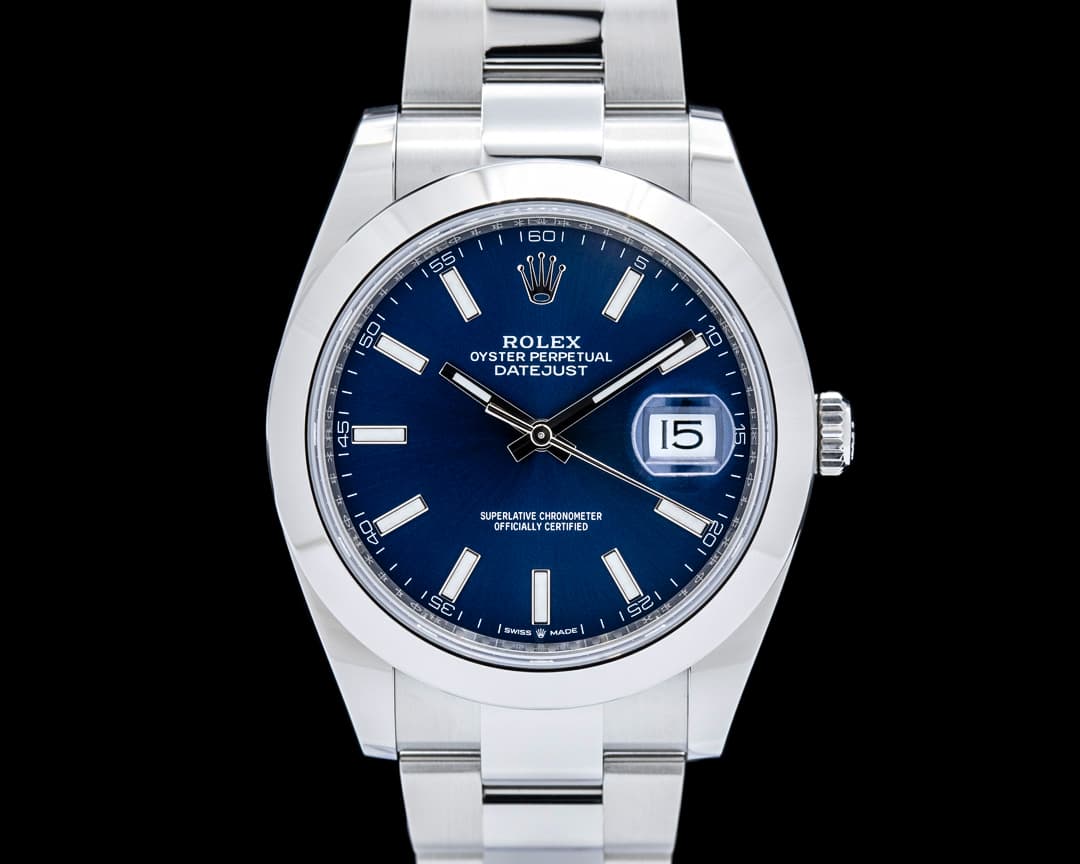
The Datejust 41 measures 41mm across and 12.2mm thick. The Datejust 36 is, predictably, 36mm. Both wear narrower than their diameter suggests because of the lugs: the Oyster case uses short, downward-curved lugs that keep the watch from projecting off the wrist, so the profile sits flush and stable rather than cantilevered. The 41mm wears closer to a 39mm in practice. The 36mm has historically worked on a wider range of wrists than its size implies.
The case is Oystersteel, Rolex's name for the 904L stainless steel alloy used across its Oyster collection. 904L is harder to machine than the 316L steel more common in the industry, which is part of why it polishes differently: it holds its shine longer and scratches a little less readily. None of this makes the Datejust invulnerable. It does mean the case wears better over time than most steel watches at the price.
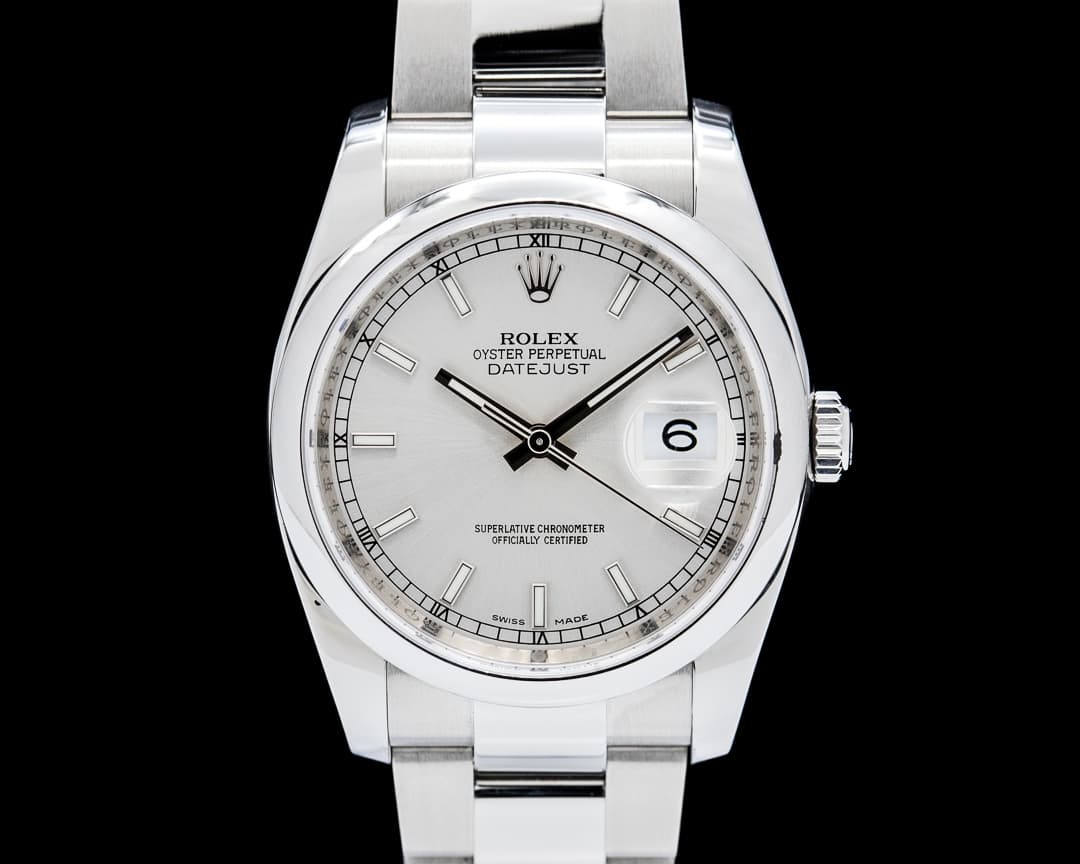
Water resistance is rated at 100 meters. The Oyster case achieves this through a screwdown crown, screwdown caseback, and a crystal secured under compression, a system Rolex has refined over decades. For a daily-wear watch, 100 meters is more than adequate; it handles showers, swimming, and most water contact without concern.
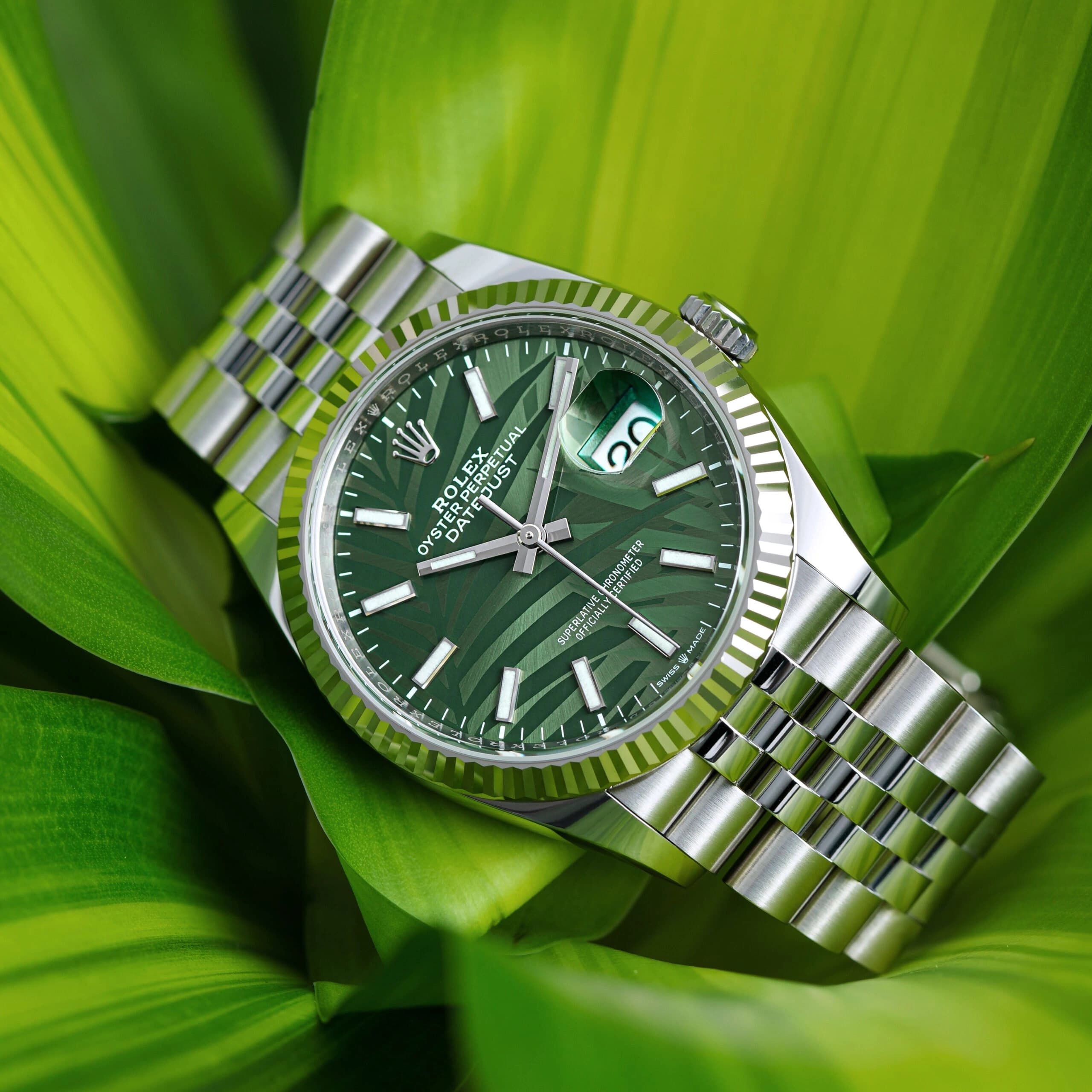
The cyclops lens over the date window doubles the date's apparent size. Some collectors find it fussy. As a functional element, it does what it's supposed to: the date reads at a glance. It has also become an iconic detail for the model. The Jubilee bracelet, five-link with alternating polished and brushed surfaces, is the bracelet most often associated with the Datejust, and it earns the association. The center links flex comfortably over the wrist; the clasp is substantial without being thick. The bracelet sits well. Against the Oyster bracelet on the same watch, it's narrower and more articulated, reading differently against a shirt cuff: a little less utilitarian, a little more considered.
The Movement Does the Work
Both the Datejust 41 and Datejust 36 run on cal. 3235.
Cal. 3235 offers approximately 70 hours of power reserve. That matters practically: a watch left unworn on Friday survives the weekend and wakes up Monday still running, assuming it was fully wound. Normal daily wear keeps it charged through the Perpetual rotor; you would need to leave it unworn for three full days to run it down, which is less of a concern for an everyday watch, but the 70 hour power reserve spec is a signal of the modernity of the movement and its quality.
The movement carries Rolex's Superlative Chronometer certification, which requires accuracy within +/-2 seconds per day, tighter than the COSC chronometer standard of -4/+6 seconds per day. In practice, well-worn examples typically run well within that range. For a watch worn to meetings, to travel, to contexts where you actually check the time on your wrist rather than reaching for your phone, this accuracy is meaningful.
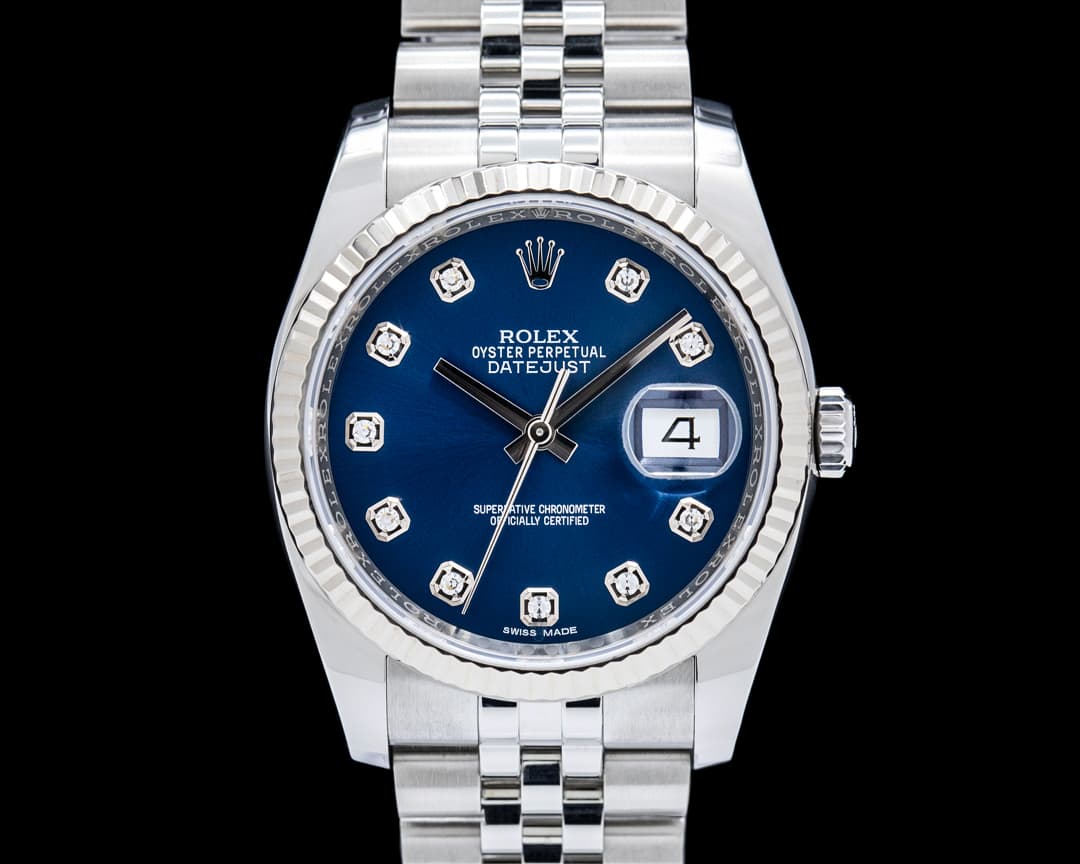
Service intervals are worth addressing directly, because the common assumption of a five-year schedule understates current Rolex guidance. Rolex officially recommends service approximately every 10 years for modern movements, with the five-year figure more applicable to older calibers or watches worn under particularly harsh conditions. For a buyer picking up a current-generation Datejust, the realistic expectation is a decade of reliable running between services. That changes the total cost of ownership calculation considerably, and also minimizes the upkeep expected.
Where the Pre-Owned Market Sits Right Now
Pre-owned Datejust pricing peaked during the 2021-2022 secondary market surge, then corrected.
That stabilization matters for buyers who were sitting on the sidelines while Rolex sports models commanded absurd premiums and even the Datejust got pulled upward. The market has come back to earth. Based on market observations from late 2025 into 2026, steel Datejust 41 models on Jubilee bracelets trade in the range of roughly $10,775 to $15,500 depending on dial variant and condition; Datejust 36 in Oystersteel runs $9,000 to $11,500 in current-generation configuration. Specific prices shift by reference, seller, and the moment, so treat these as a general orientation.
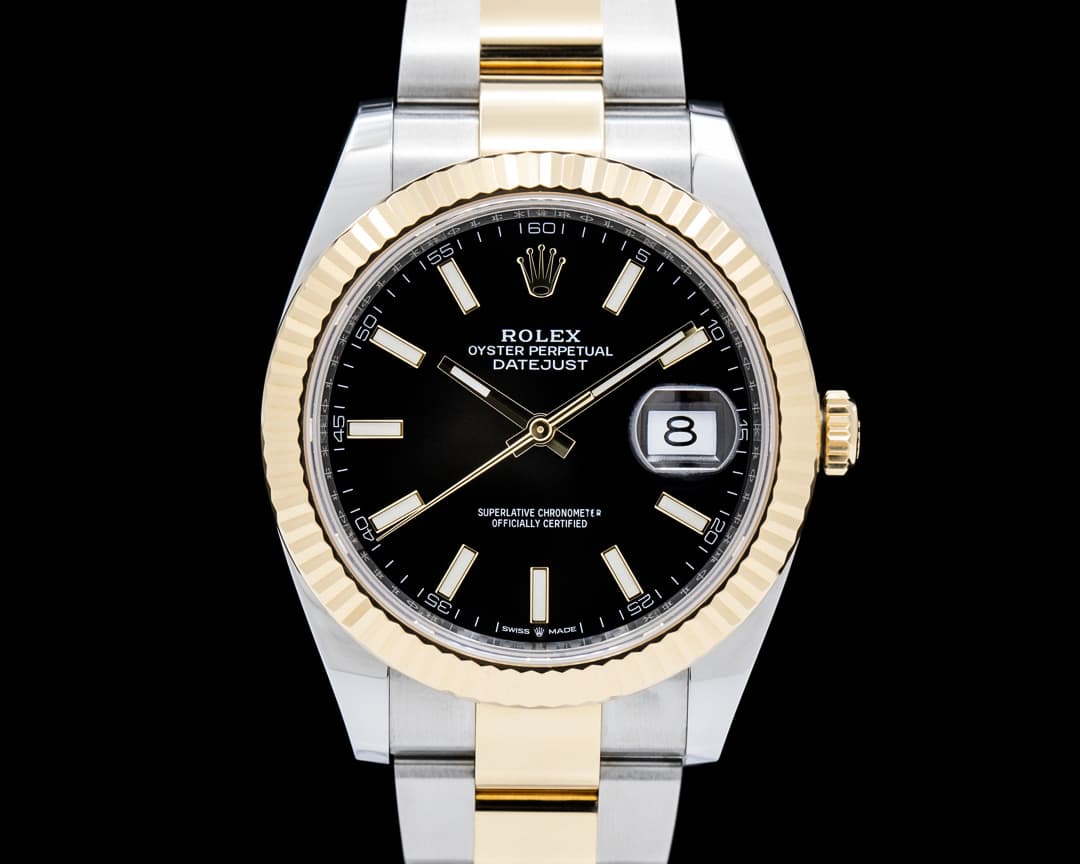
Two-tone configurations, Rolesor combining Oystersteel and 18k yellow gold, run higher: typically $13,500 to $21,000-plus for the 41mm depending on dial and bezel. They also carry a different wearability argument. The gold details age differently than steel, and buyers either find that appealing or they don't.
Within the steel segment, the 41mm with a fluted bezel and Jubilee bracelet has shown more resilience than the plain-bezel variants. The Datejust is also, by volume, the most traded Rolex collection, which means liquidity so you can exit if circumstances change.
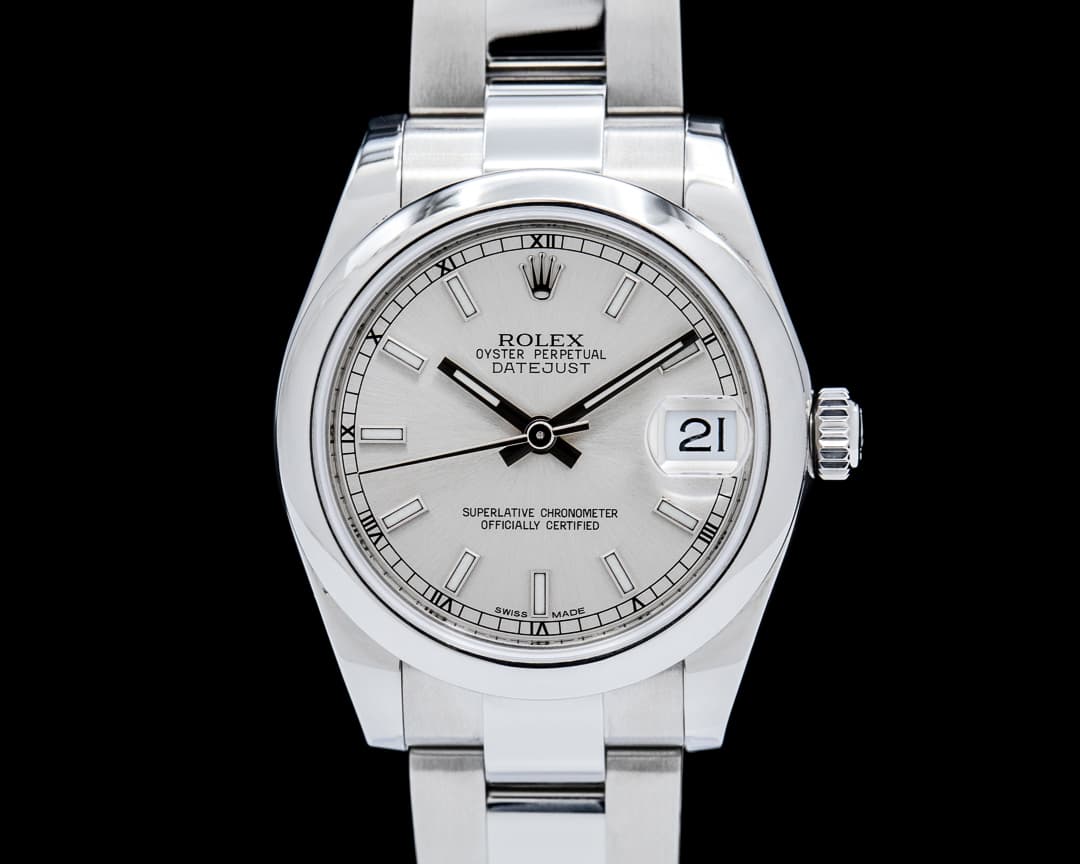
The softest entry point right now is the smooth-bezel steel 36mm, particularly in more common dial colors. That is not a flaw. It is an opportunity for a buyer who wants the movement, the case, and the wearability without paying a premium for a configuration that trades on scarcity.
The Case Against, and Why It Doesn't Close the Deal
The honest objections to the Datejust as an everyday watch deserve equal acknowledgement.
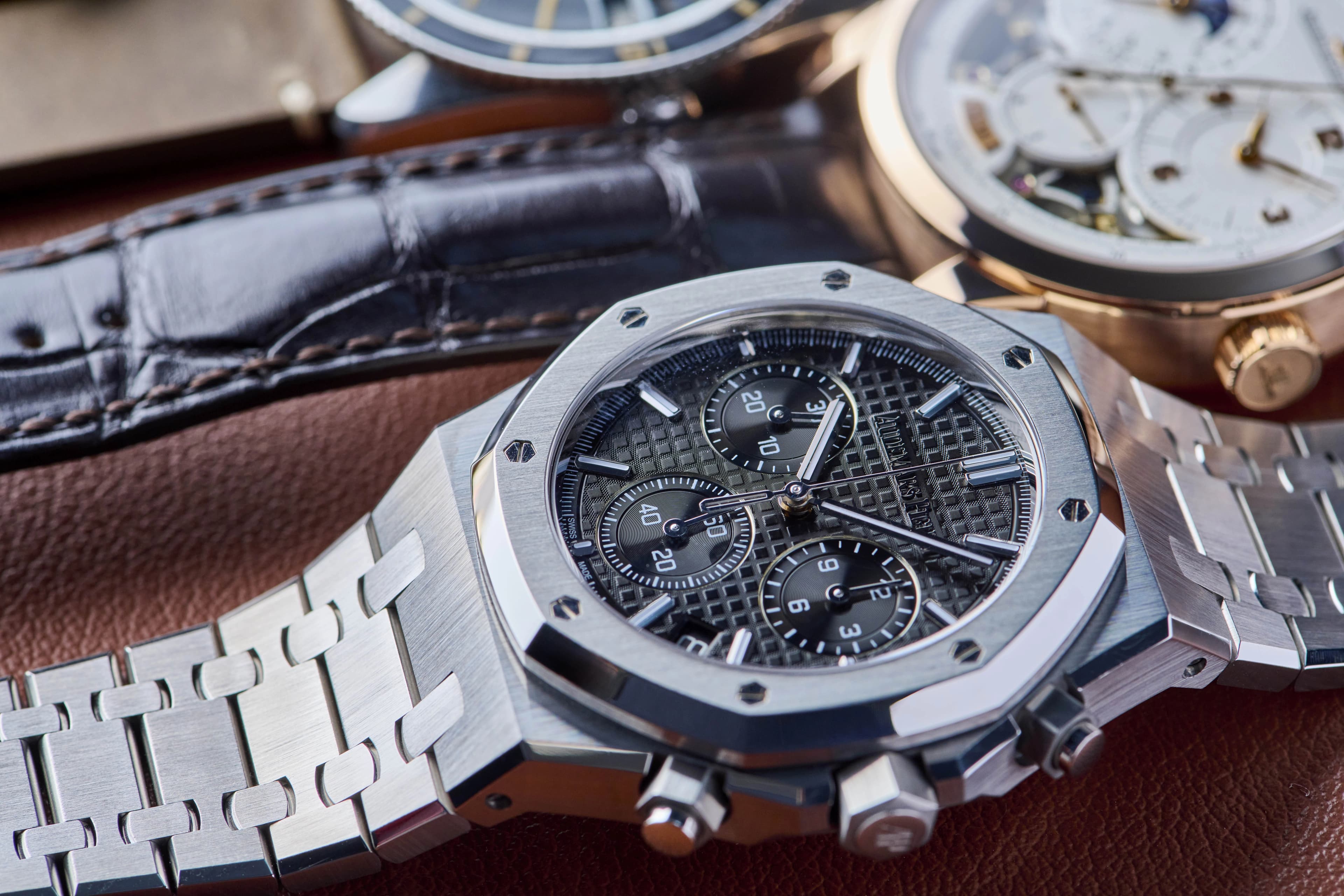
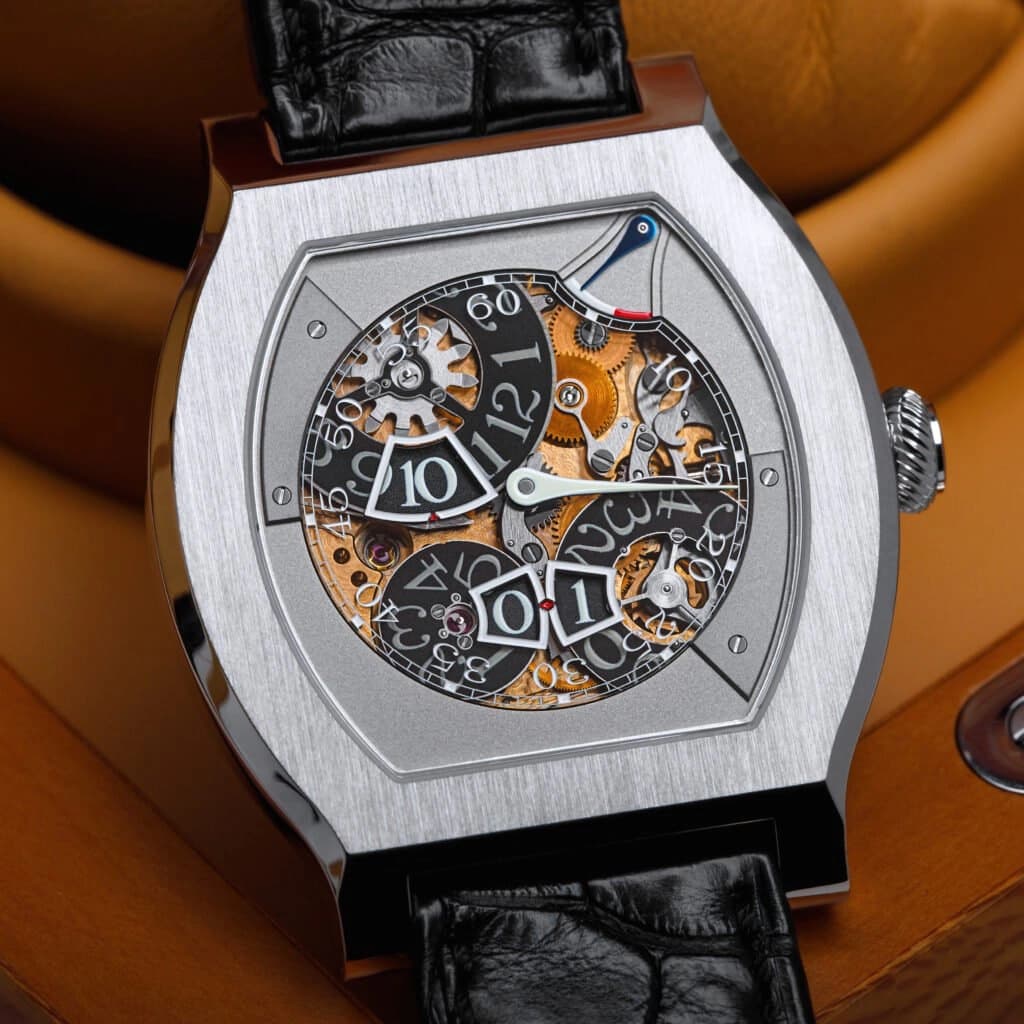
The first is that it is not exciting. This is true. The Datejust has no movement worth peering at through a display caseback, no complication that demonstrates what mechanical watchmaking can do when it's being ambitious. It has a date. If you are in the hobby for the intellectual pleasure of complications or the visual drama of something like a minute repeater, the Datejust will not satisfy that itch. But that's also typically not the goal with an everyday offering.
The second objection is familiarity: the sense that wearing a Datejust signals nothing about the wearer's particular taste, because everyone can own one. This objection carries more weight in some contexts than others. In watch-collecting circles, it is real. The Datejust is the wristwatch equivalent of a well-made navy blazer. Nobody argues it's wrong, but nobody finds it especially novel either. This isn't a bad thing, it's simply worth considering.
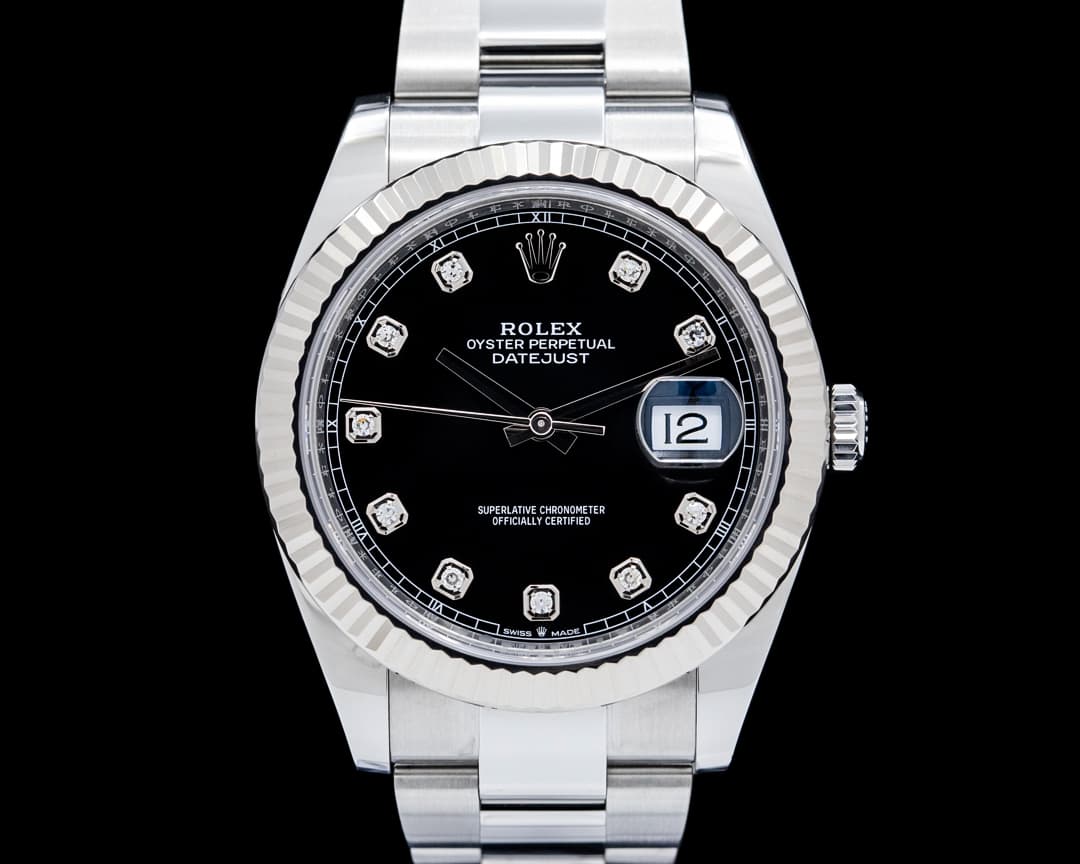
The third objection is that the money spent on a steel Datejust 41 could go toward something more distinctive: a pre-owned Longines Heritage, a Tudor Black Bay 36, or something from the independent space that makes the same case-durability argument with more character in the dial. These are real alternatives. None of them are bad watches.
None of this means the Datejust is the wrong choice. It means the Datejust is the right choice for a specific buyer: one who wants the most capable daily-wear watch in its price range, optimized for reliability and wearability over personality, with a resale market that is deep and liquid. For that buyer, the objections above are features, not bugs. A watch that doesn't ask anything of you, no winding ritual, no drama, no calculation of whether the occasion warrants it, is a watch you actually wear.
The Datejust's familiarity is the proof, not the problem. It became the most common serious watch in the world because it held up under the conditions the world actually imposes. That is the argument. It remains a good one.
Shop New Arrivals
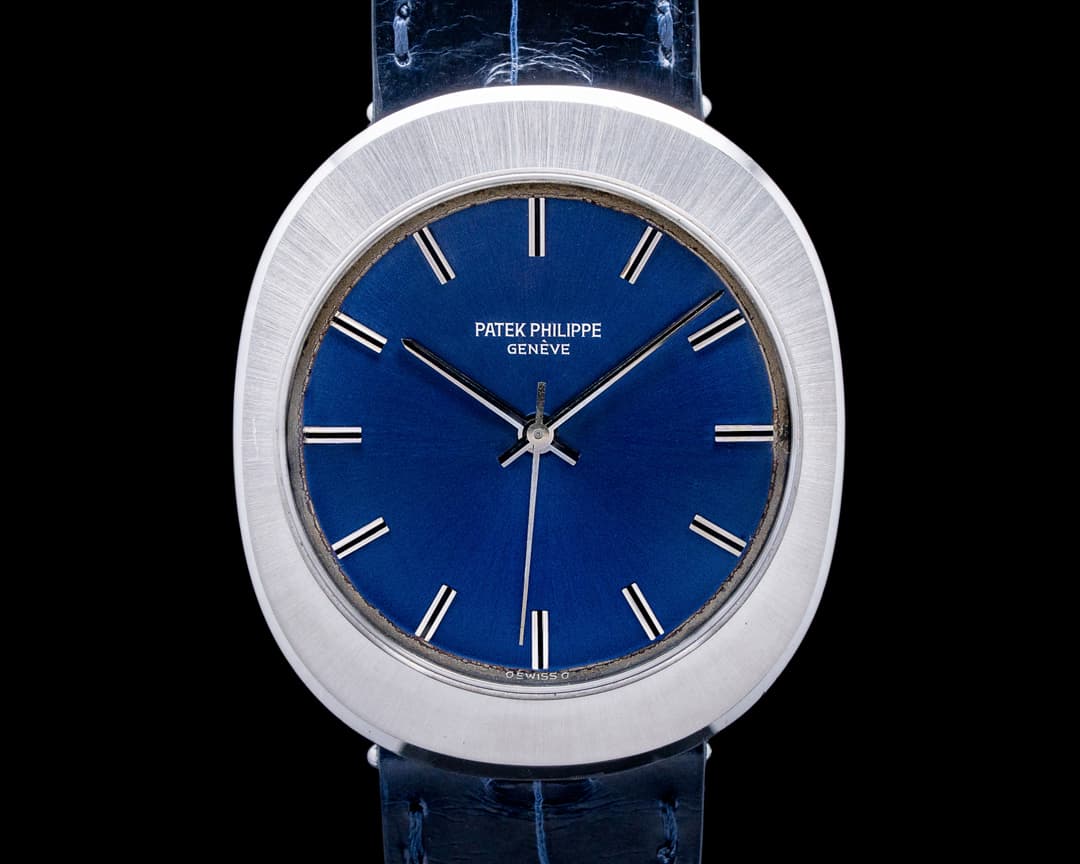
3580A Vintage Steel Jumbo UFO SS Blue Dial
$27,900
View Watch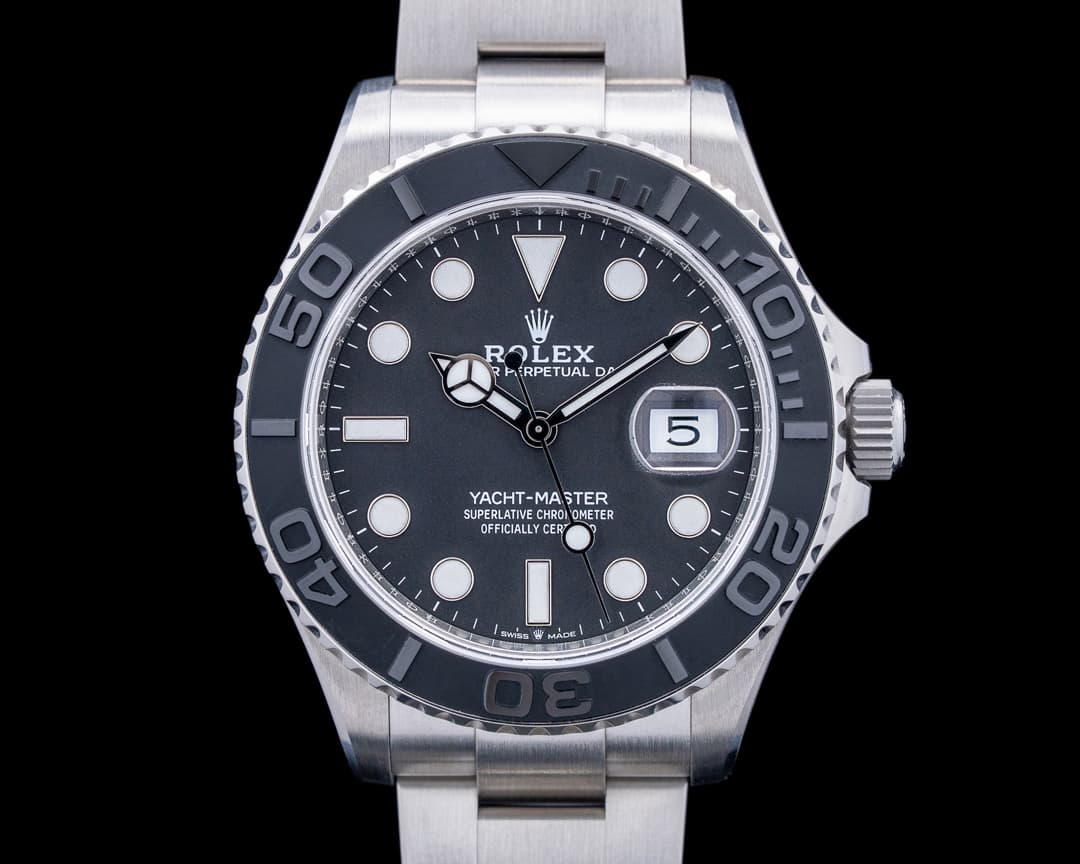
226627 Yacht-Master 42 Titanium Black Dial
$25,500
View Watch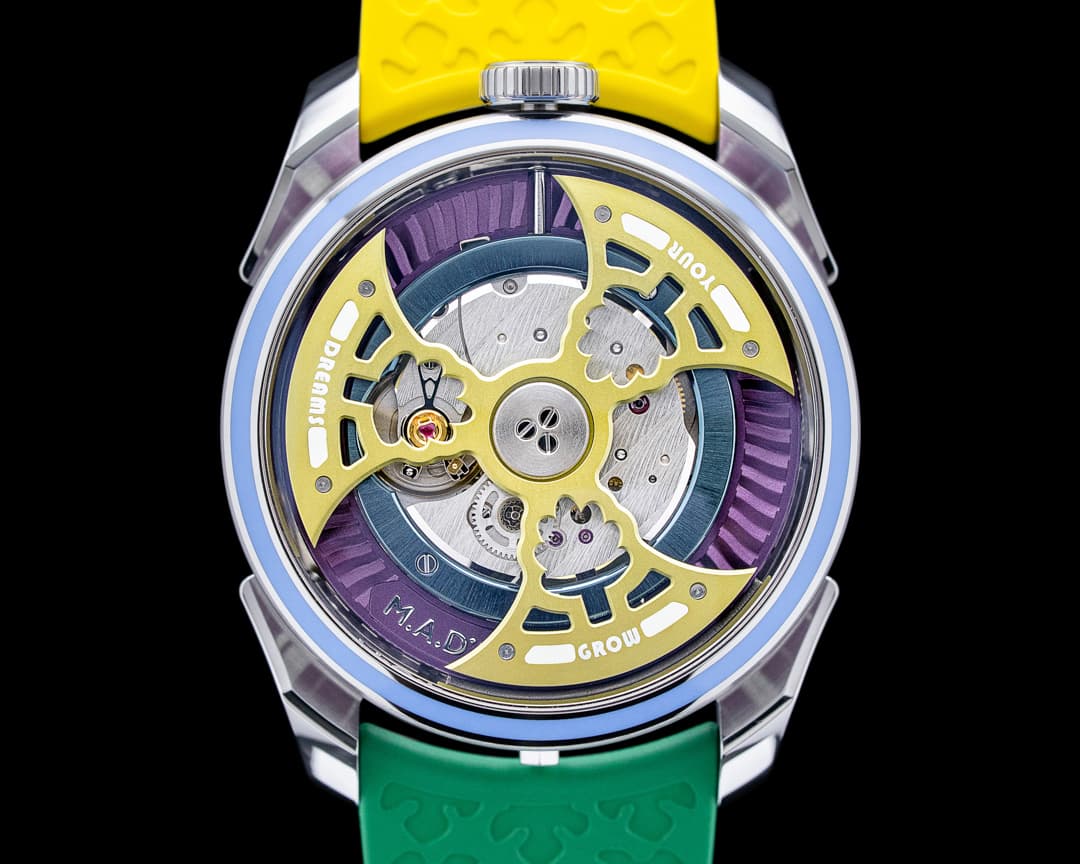
M.A.D. 1 "Grow Your Dreams" SS UNWORN
$5,800
View Watch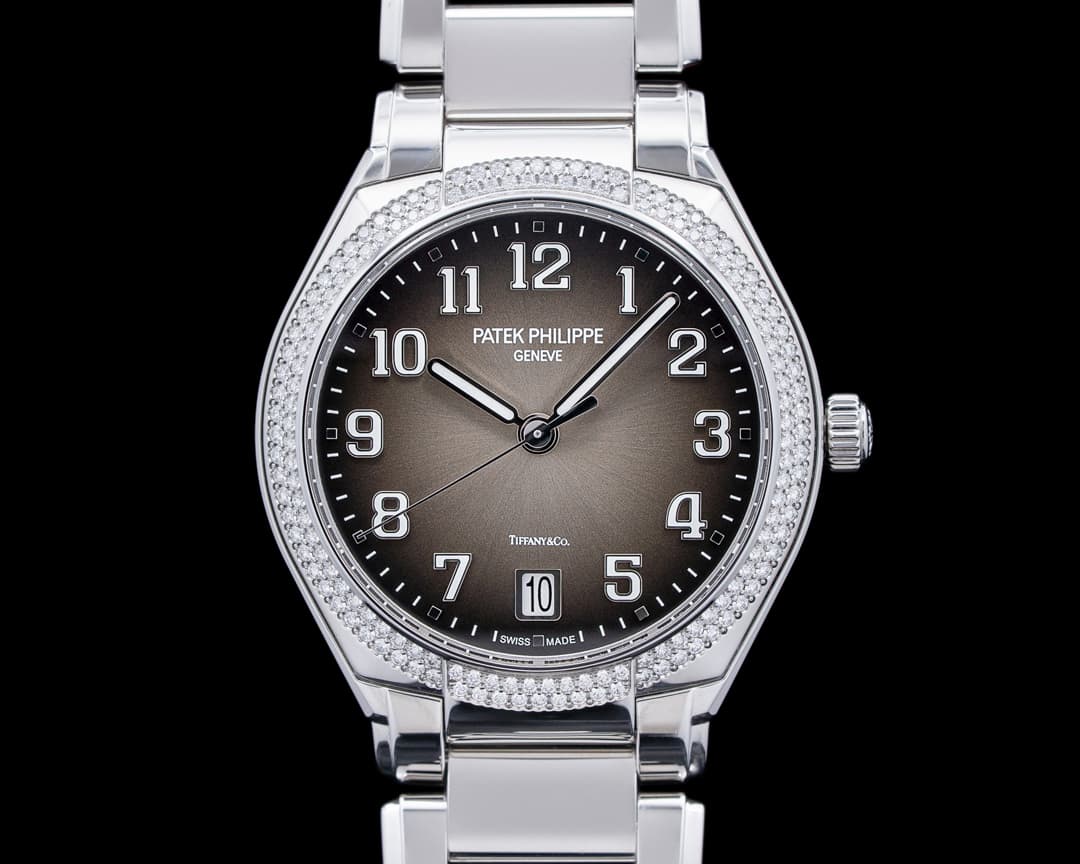
7300/1200A-010 Twenty~4 "Tiffany & Co." SS Diamond Bezel Gray Dial
$37,800
View Watch
Shop New Arrivals
3580A Vintage Steel Jumbo UFO SS Blue Dial
$27,900
View Watch226627 Yacht-Master 42 Titanium Black Dial
$25,500
View WatchM.A.D. 1 "Grow Your Dreams" SS UNWORN
$5,800
View Watch7300/1200A-010 Twenty~4 "Tiffany & Co." SS Diamond Bezel Gray Dial
$37,800
View Watch
More Content