Digital Security for Watch Collectors: How to Protect Essential Documents
Published on 3/31/2026
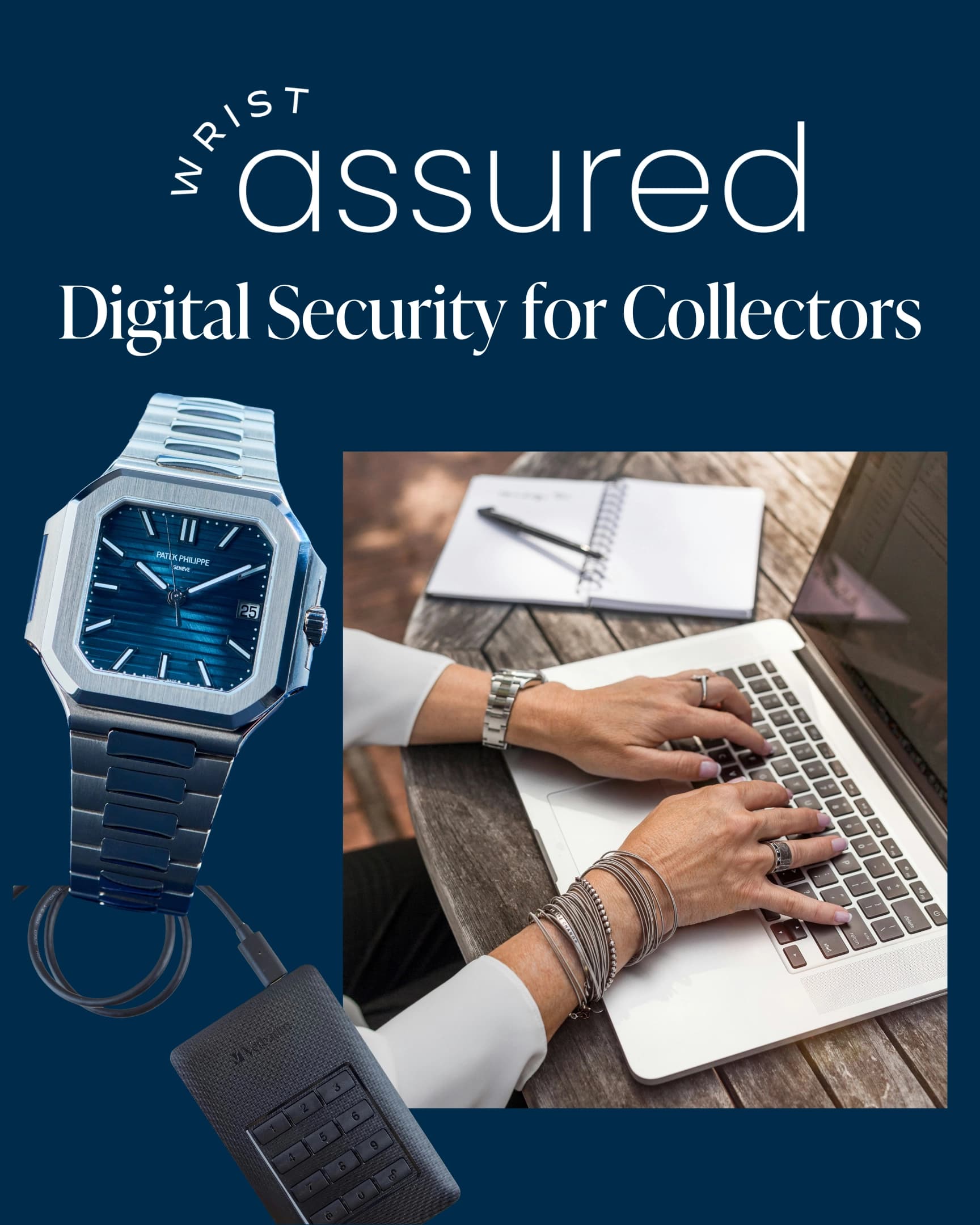

Dedicated to protecting the timepieces, jewels, and treasures that matter most, Wrist Assured is your monthly insider’s guide: the place where we break down everything you need to know about insuring, safeguarding, and servicing your collection. Because luxury is more than what you wear—it’s what you protect.
If you've spent any real time in the watch world, you know that the conversation around a timepiece doesn't end at the dial. The watch on your wrist is only part of the story. The full story lives in a folder somewhere. Or, at least, it should.
Whether you own one watch or one hundred, the paperwork that travels with your pieces is doing a lot of heavy lifting. And most of us aren't protecting it nearly as well as we protect the watches themselves.
The Documents That Give Your Watch Its Value
There's a reason collectors use the phrase "full set" with such reverence. The documents that accompany a watch are its biography, and they add real, measurable value.
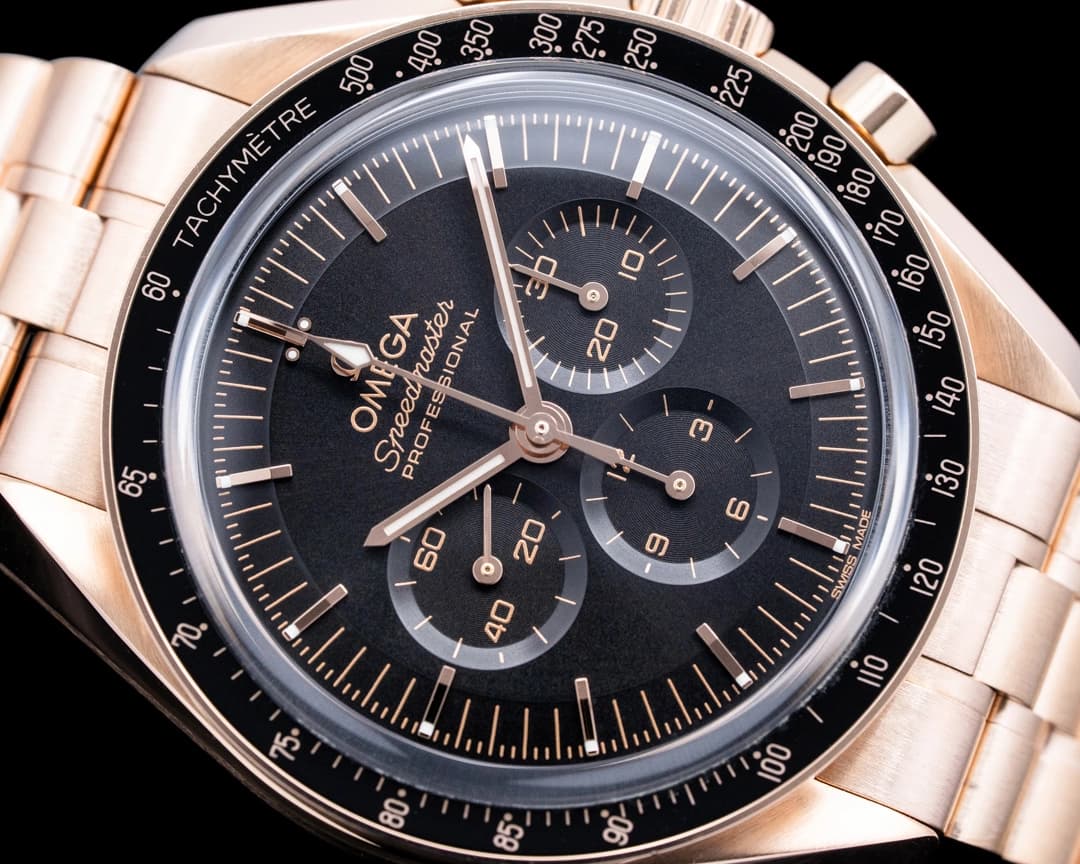
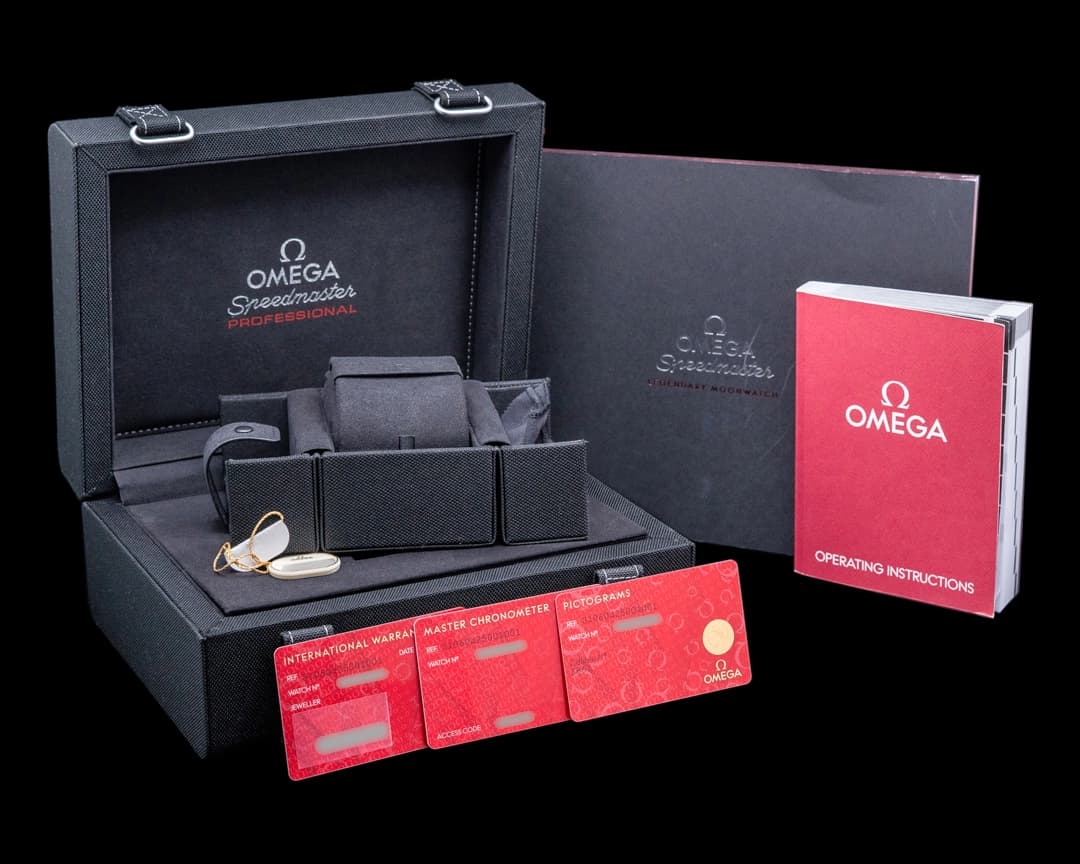
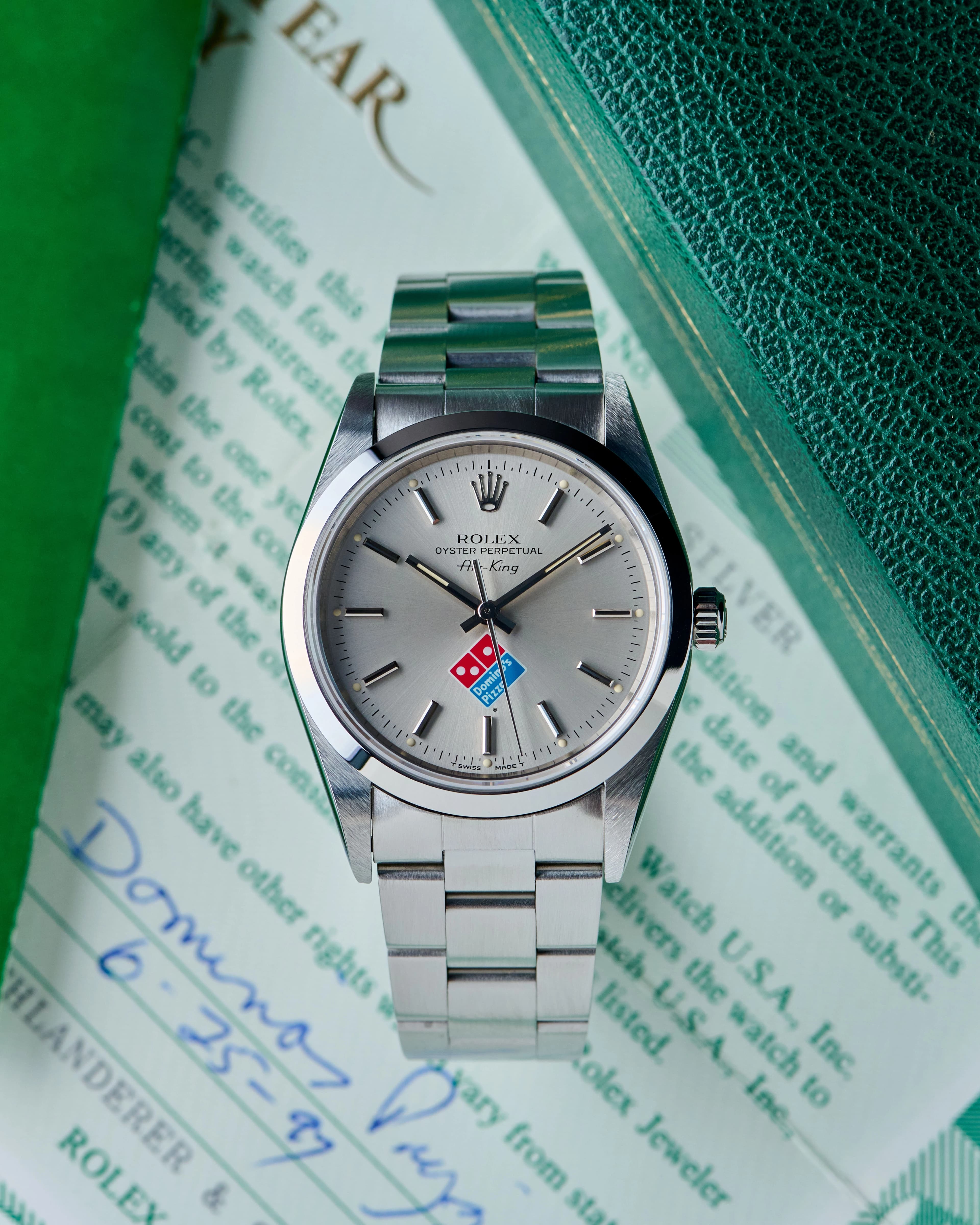
Original papers, such as warranty cards and manufacturer documentation, are the most valuable accessories to your watch. They can mean the difference between a watch that commands a premium and one that simply sells.
Box and accessories matter more than most people expect. Original bracelets, hang tags, and booklets signal a collector who pays attention. Leather straps and bracelets can be expensive to replace, especially if made of exotic animal materials or precious metals.
Service records round out the story. When a watch’s manufacturer services the piece, it can help prove authenticity while also ensuring it is in excellent working condition.
The Documents That Matter When Something Goes Wrong
When a watch is lost, stolen, or damaged, the paperwork you have (or don't have) determines how smoothly your claim goes. (Read more about what to do when a watch is lost or stolen here.)

Purchase invoices establish ownership of the watch. Digital receipts count, so save them somewhere you can actually find them. Keep reading to find out the best way to store your digital documents.
Independent appraisals can establish ownership of the watch and provide clarity on its value. Many insurers require an appraisal to even start coverage, and may require an updated appraisal every two to three years. When an insured watch was received as a gift or through a private sale, it is important to get an appraisal for your records.
Detailed photographs can help document the exact condition, serial number, and other important details of your watch. Some reference numbers, warranty papers, and invoices do not document the serial number or specific details such as dial color, buckle type, etc., which could affect your watch's value.
Serial number records should be written down and stored separately from the watch. If it's stolen, this is what law enforcement and insurers need. It is strongly recommended that you create a spreadsheet to catalogue the watch name, serial number, purchase date, and location.
Protecting Physical Documents at Home
Most collectors default to "the manufacturer's box in the back of their closet or basement" as their storage solution. Here's how to do better.
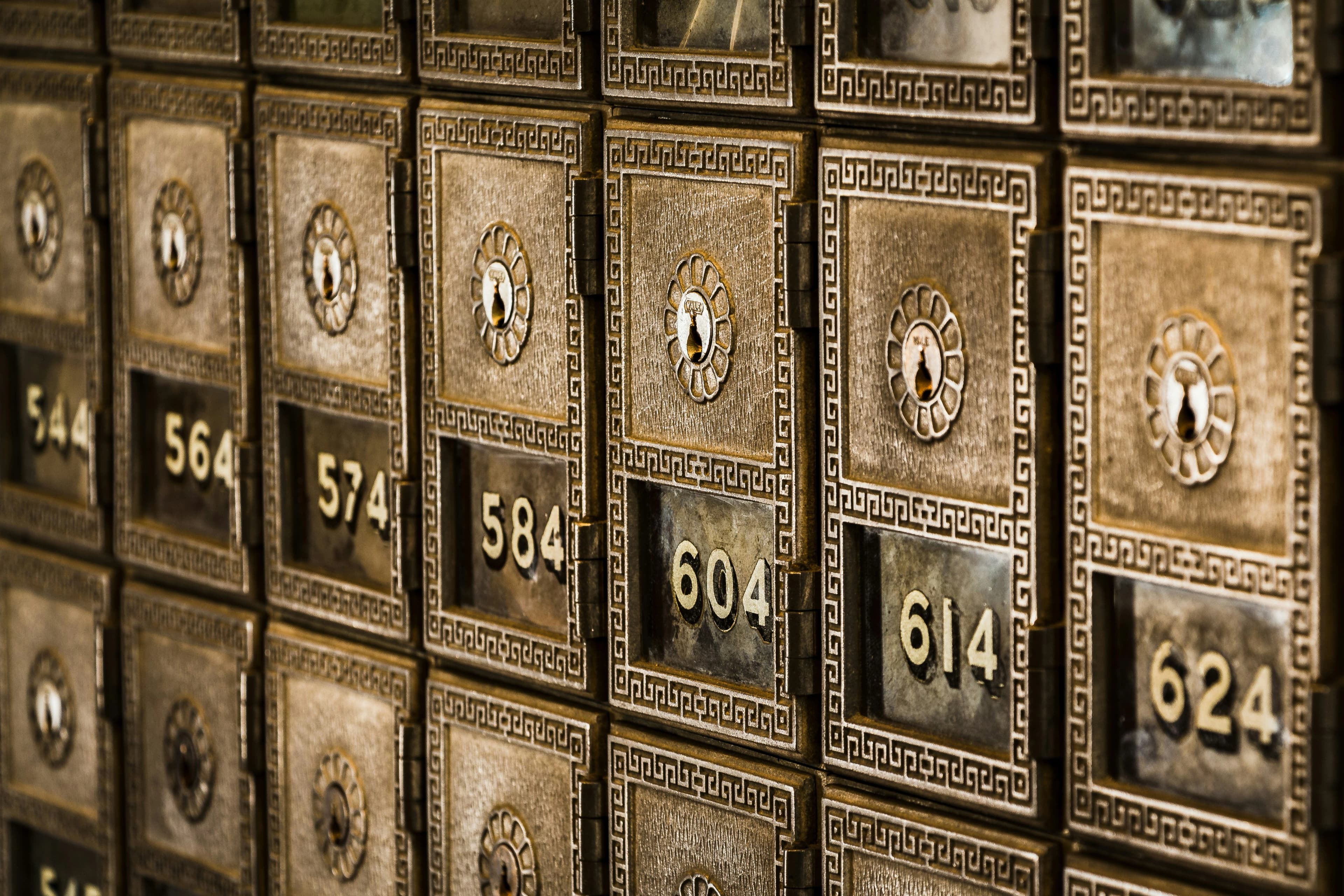
Get a fireproof, waterproof document safe. This does not have to be the largest, most secure safe, but a dedicated fireproof and waterproof box could help preserve the documentation of your collection in the event of a fire or water incident. (Read more about choosing a safe here.)
Avoid environmental extremes. Heat, humidity, and light are the enemies. Skip the attic and the basement if they aren’t temperature-controlled. Never store boxes and documents in direct sunlight.
Keep a secondary copy offsite. Options include a safety deposit box, a trusted family member's home, or a digital backup. Single points of failure are the enemy of good risk management. If storing an additional physical copy isn’t possible, consider keeping detailed digital records.
Taking It Digital: Three Levels of Protection
Option 1: External Hard Drive in Your Physical Safe
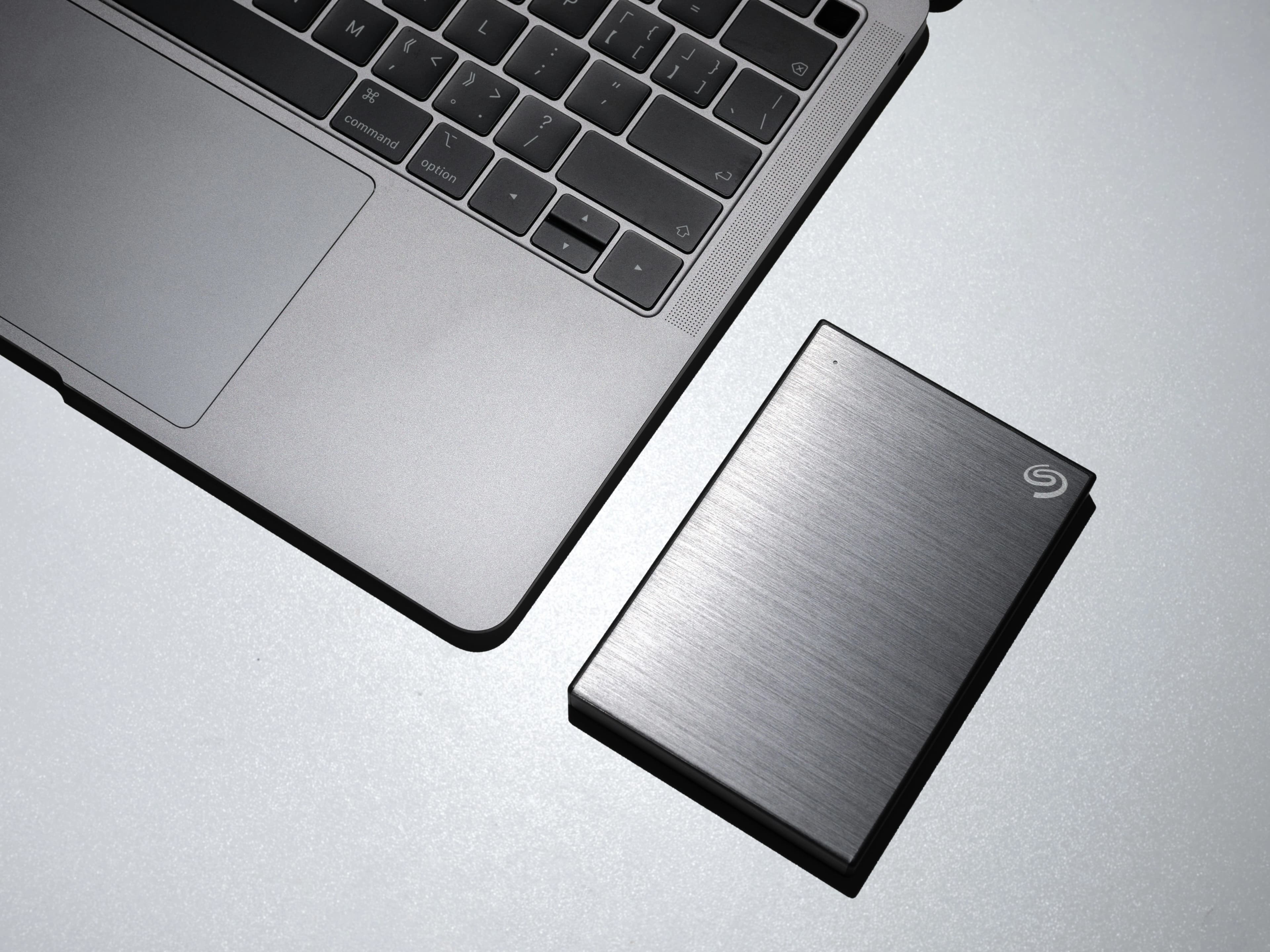
Don’t trust the cloud? Scan or take high-resolution photos of every document, photograph every watch, and store it all on a dedicated, external drive. Keep it in your fireproof safe with your watches and other personal documents. Name files clearly and consistently. Update the drive whenever you acquire a new piece, complete a service, or refresh an appraisal. This is your local backup that lives entirely outside the cloud. “Every physical storage option degrades over time. For example, most floppy disks don’t work anymore and even a good storage drive eventually will die,” said Nick Basile, co-founder of Markham Square, a technology consulting firm. Therefore, it’s a good idea to maintain a digital version of the drive in addition to the external hard drive.
Option 2: Cloud File Storage (Dropbox, Google Drive, Microsoft)
For most collectors, a well-organized cloud folder is the single most practical upgrade they can make. It's searchable, accessible from your phone, and available the moment an insurer asks for a document. Most email platforms allow you to upload documents directly from email to cloud services. Enable two-factor authentication (also known as 2FA), use a strong password, and keep your folder structure clean. Basile also recommends anchoring 2FA to an authenticator app or physical token key, as phone number and email are not as secure as you may think. The accessibility alone makes it worth doing.
Option 3: Zero-Knowledge Encrypted Storage

For the cautious collector, or anyone with a high-value collection, zero-knowledge encrypted services like Proton Drive or Tresorit offer stronger privacy meaningfully. The provider genuinely cannot see what you've stored. Your files are encrypted before they leave your device, and only you hold the key. It's not as seamless as some cloud storage services like Dropbox, but for sensitive financial documents and insurance records, that tradeoff is worth it.
Basile warns that while encrypted storage services and apps provide secure storage, it would be wise to consider the security of the method in which you are receiving the documents. Most retailers send invoices and other documents via email or even text message. A good password manager like 1Password can protect access to your data before the sensitive information even enters your inbox.
Conclusion
Most collectors put enormous thought into acquiring the right watches and almost none into protecting the ecosystem around them. An afternoon spent scanning documents, setting up a cloud folder, and investing in a document safe will serve your collection for years and save you from a larger headache if the unthinkable happens.
Basile’s last bit of expert advice is to live by the 3-2-1 rule: 3 copies, on 2 different types of media (i.e. PDF or physical), with 1 stored offsite.
Your watches deserve a good story. Make sure the documents are there to tell it.
If you’d like to discuss watch insurance for your collection or need appraisals for your collection, reach out to us at insurance@europeanwatch.com. We offer personalized insurance solutions that make the most sense for your collection.
Shop New Arrivals
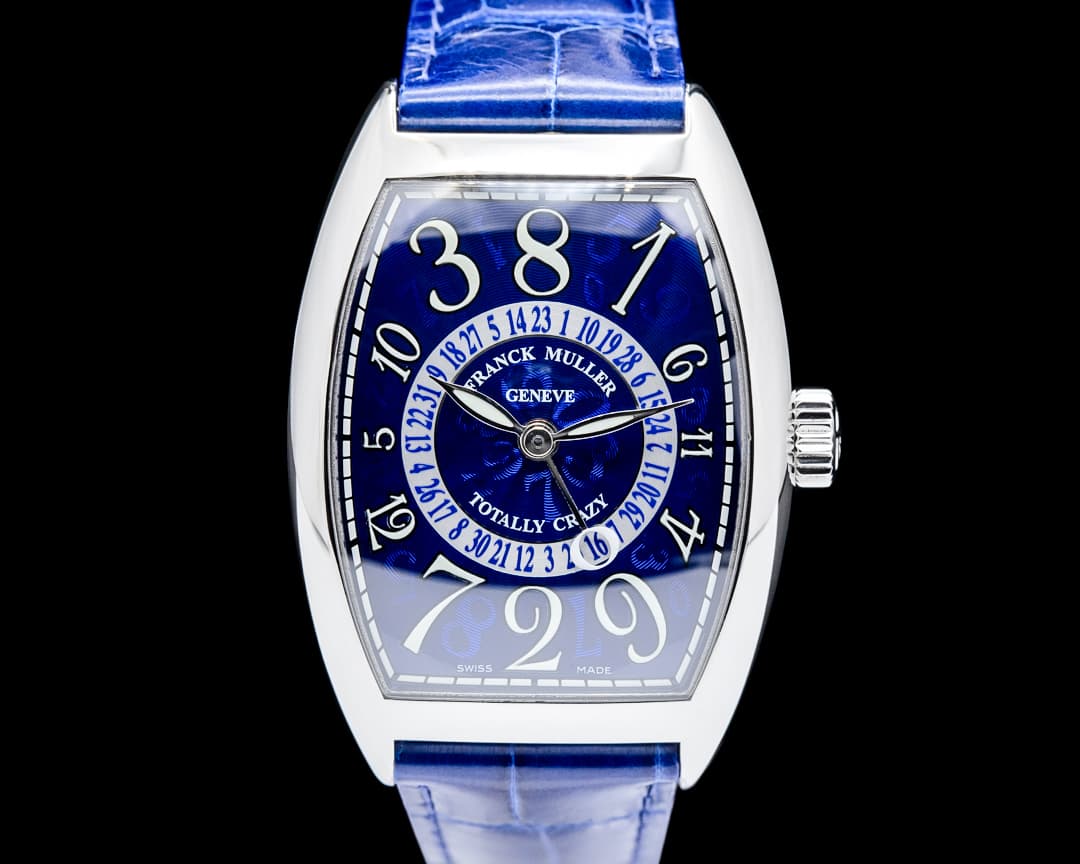
Cintree Curvex Crazy Hours Titanium Blue Dial
$15,900
View Watch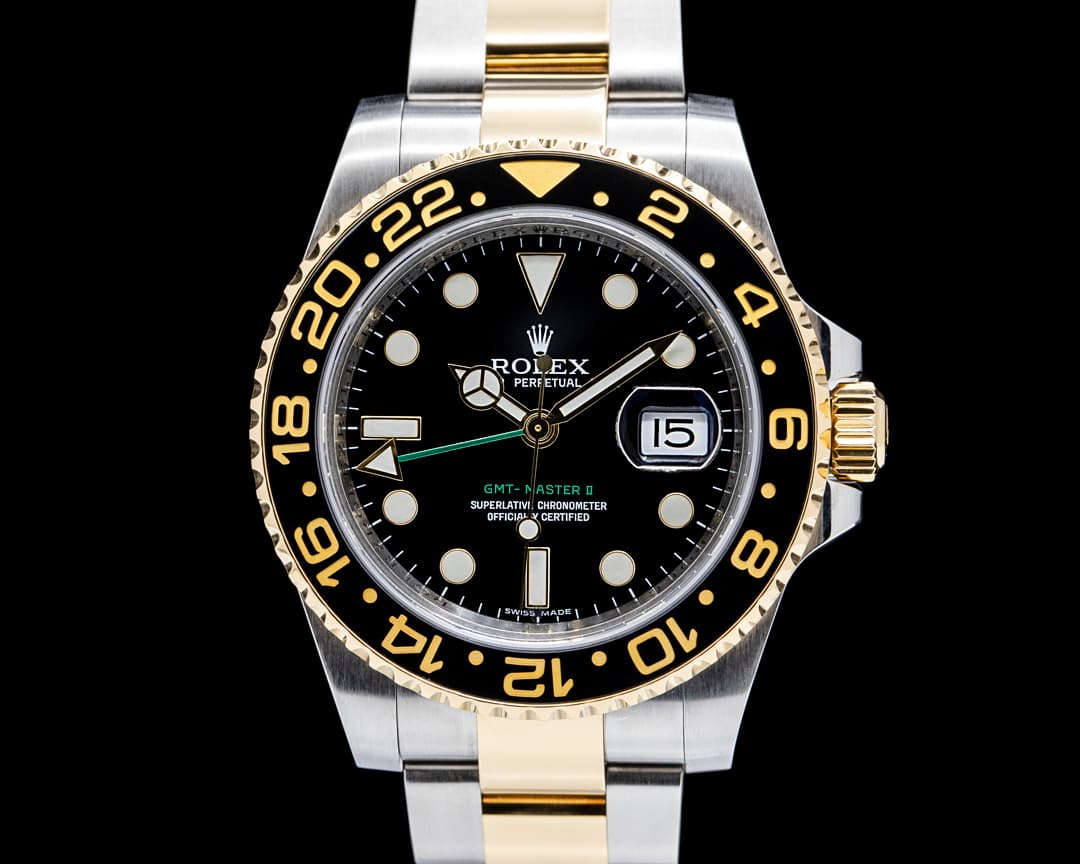
116713LN GMT Master II SS / 18K YG Black Dial
$15,500
View Watch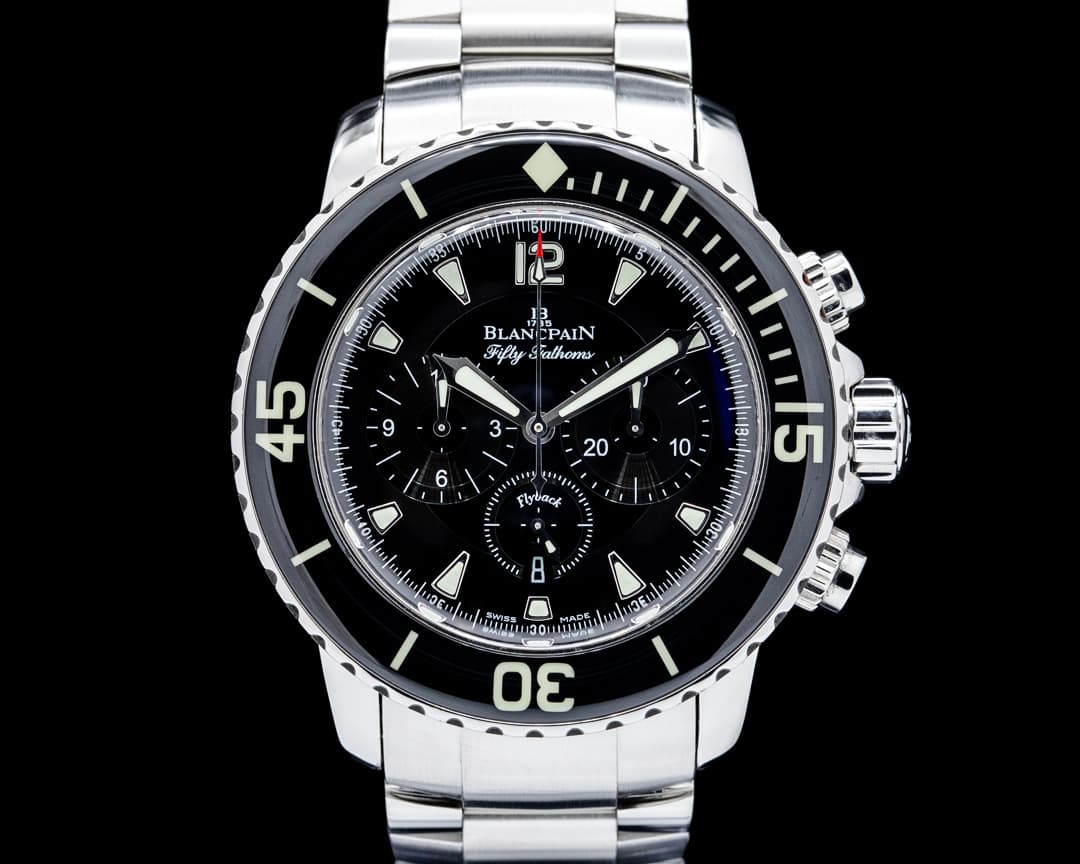
5085F Fifty Fathoms Chronographe Flyback SS Black Dial
$16,500
View Watch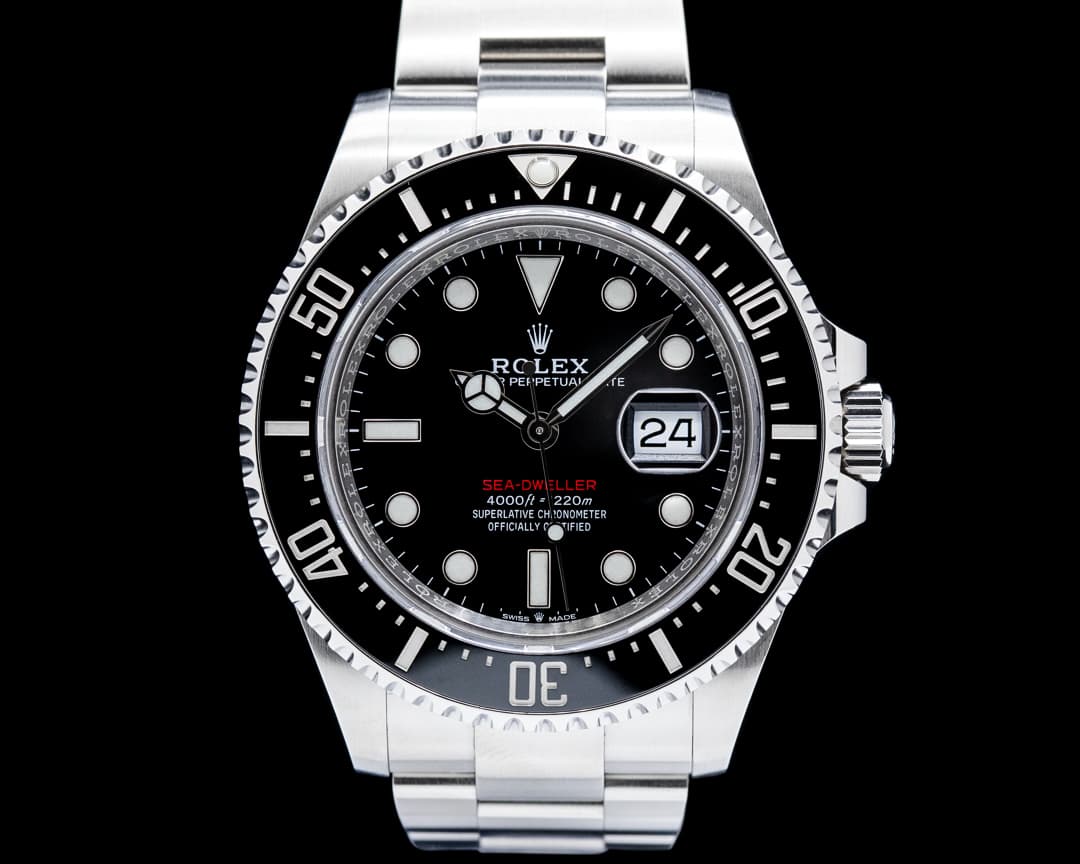
126600 Sea-Dweller Deep Sea SS Black Dial
$14,500
View Watch
Shop New Arrivals
Cintree Curvex Crazy Hours Titanium Blue Dial
$15,900
View Watch116713LN GMT Master II SS / 18K YG Black Dial
$15,500
View Watch5085F Fifty Fathoms Chronographe Flyback SS Black Dial
$16,500
View Watch126600 Sea-Dweller Deep Sea SS Black Dial
$14,500
View Watch
More Content