Function and Form: A Buyer's Guide to Tool Watches
Published on 2/24/2026
The term “tool watch” can be a bit confusing the first time one encounters it. Watches are tools to tell time, so doesn't that function alone mean that EVERY watch is a tool watch? While technically true, this descriptor wouldn't be all that useful if it described every watch.
Though the actual definition of a "tool watch" remains somewhat nebulous, colloquially the term has come to represent a certain type of watch, one that’s built with ruggedness, functionality, or both in mind.
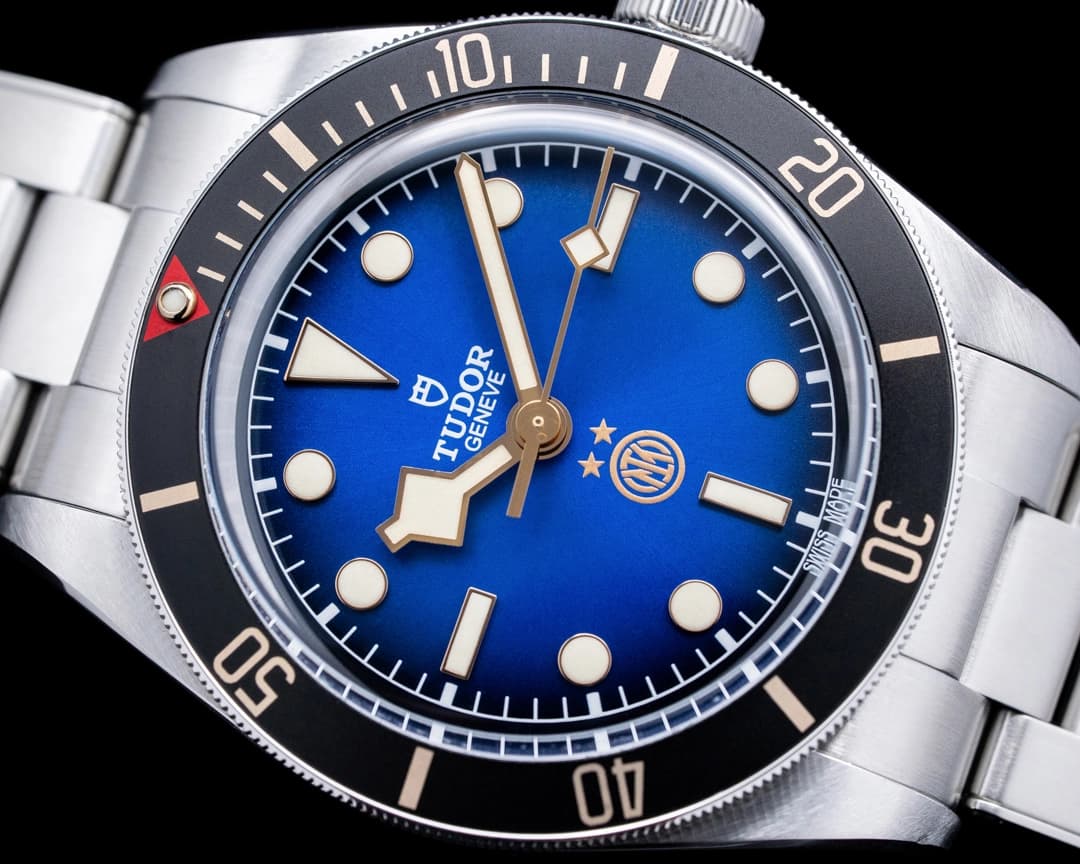
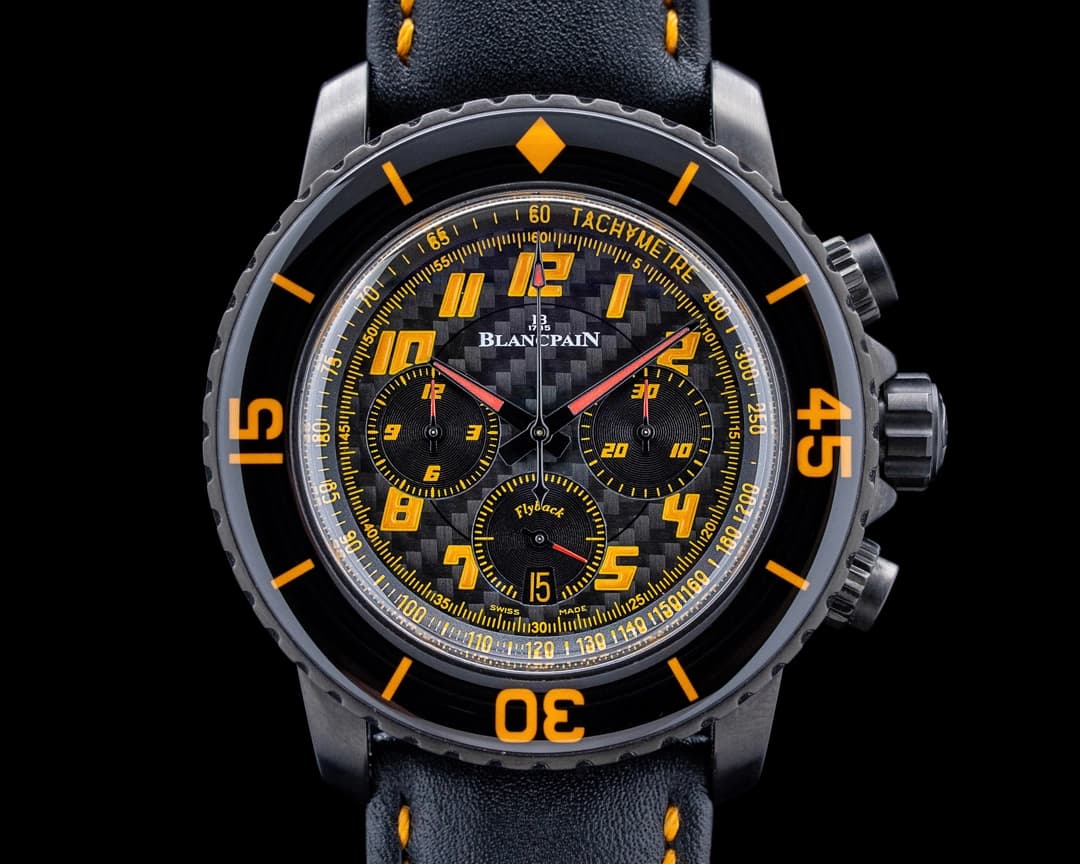
This could be as complicated as tracking multiple time zones across the globe or as simple as being robust enough to hold up to abuse on the battlefield. Whatever its use, you should never have to pamper a tool watch, or worry about it when going about your day-to-day tasks. “Whether I'm getting ready to be thrown down the stairs or crash through a window, the last thing I want to think about is my watch,” said Hollywood stuntman Tom Place. “Robust watches with proper springbars always get the call. I don't consider my watch just an accessory, it’s a trusted tool."
Let’s dig into the most popular tool watch styles out there today.
Field Watch
The earliest versions of field watches were called trench watches, and were little more than civilian wristwatches with a metal cage wrapped around them for safety. Originally worn by soldiers in World War I to help synchronize troop movements, these were simple watches built to stand up to the rigors of war. "A mission watch has nothing to do with luxury or status. It embodies trust under extreme conditions. It’s worn out of necessity, not for show. It must be clear, sturdy, and sincere," said retired US NAVY diver Brock Stevens.
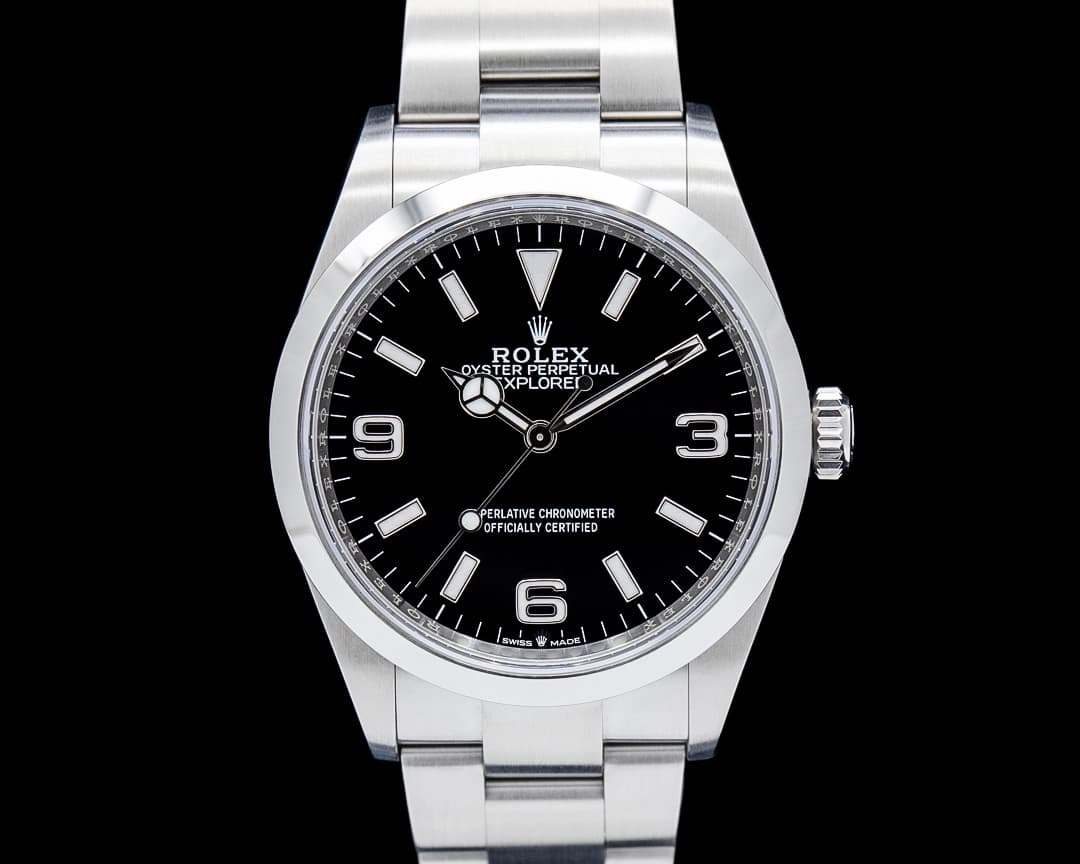
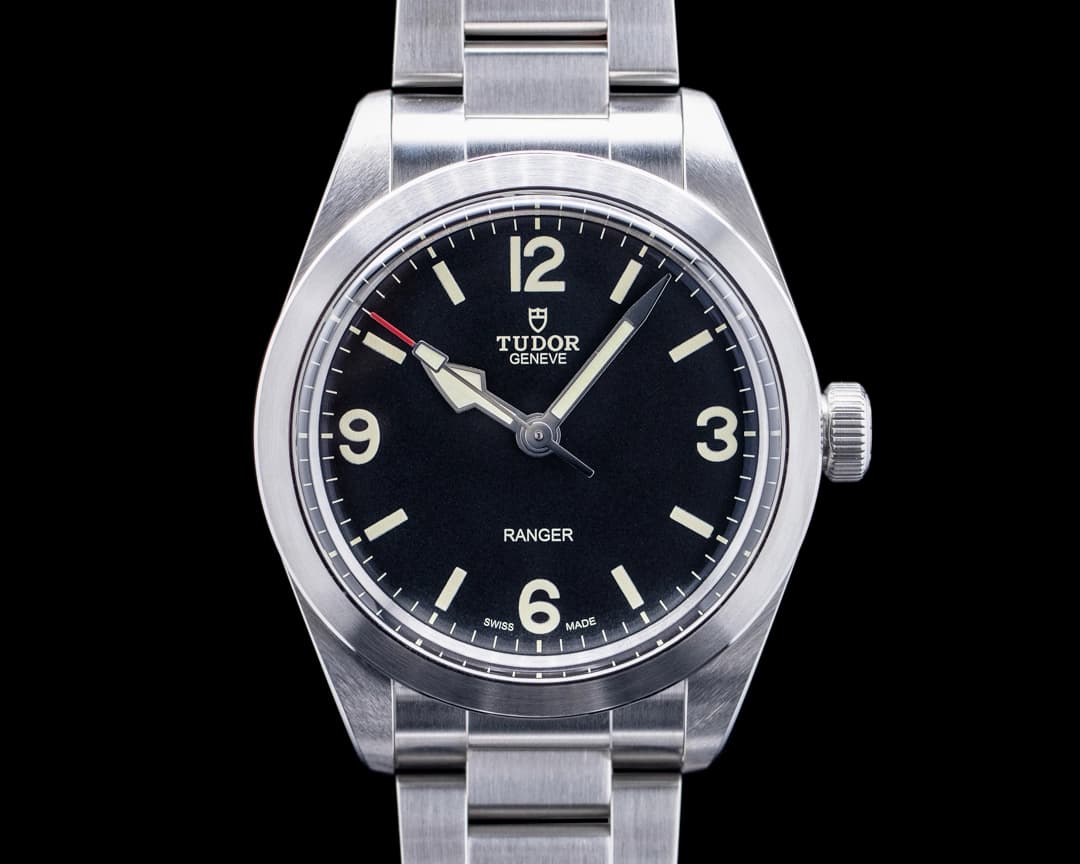
The term “field watch” is commonly understood to describe a small to medium-sized watch, usually 40mm or less, built with sturdy materials like stainless steel and a sapphire crystal, with at least 100m of water resistance and very clear markings for high legibility. The quintessential field watch these days might be the Hamilton Khaki Field mechanical, as it can trace its roots nearly back to the origin of the field watch. The Rolex Explorer 36mm and the Tudor Ranger also fit nicely into the field watch category with their svelte sizing and no-nonsense layout and legibility.
Dive watch
The dive watch takes the field watch’s robust nature and cranks it up a notch, adding a rotating bezel for timing specific tasks and boasting more robust water resistance, usually at least 200m. This latter feature has a tendency to move away from the field watch's slender proportions, as watches generally need to be thicker to withstand the enormous pressures of deep water.
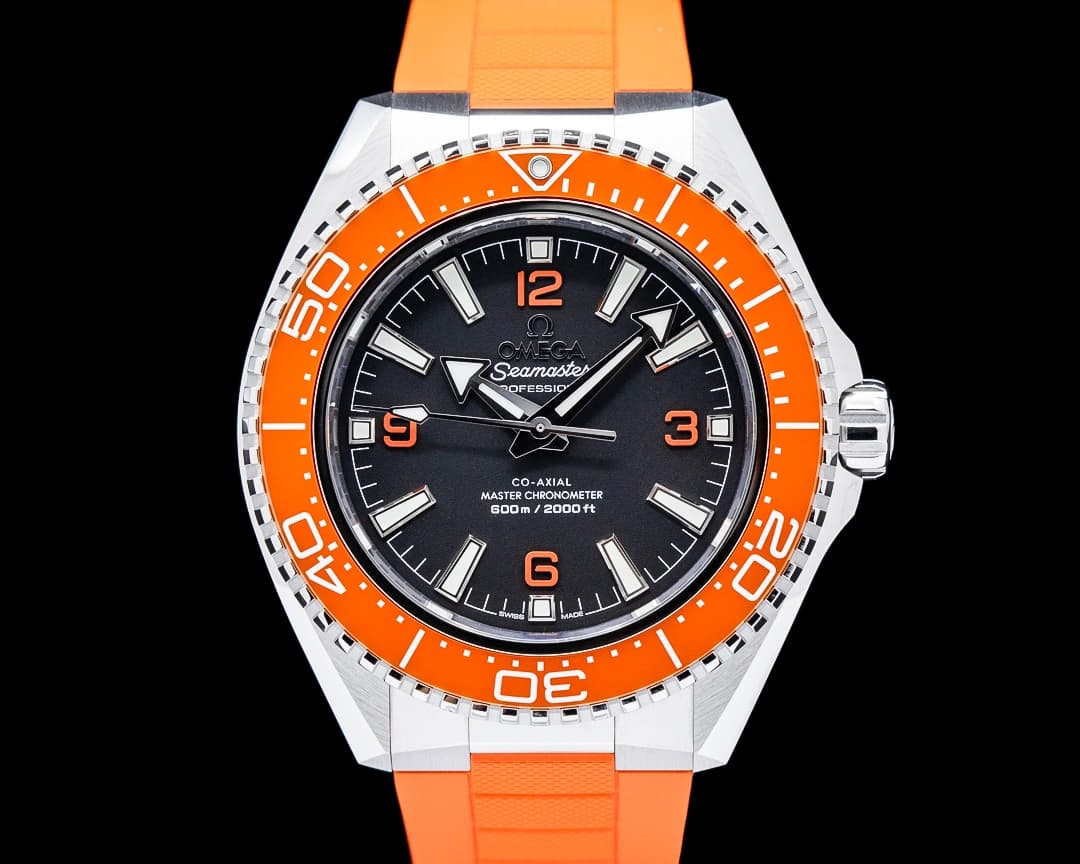
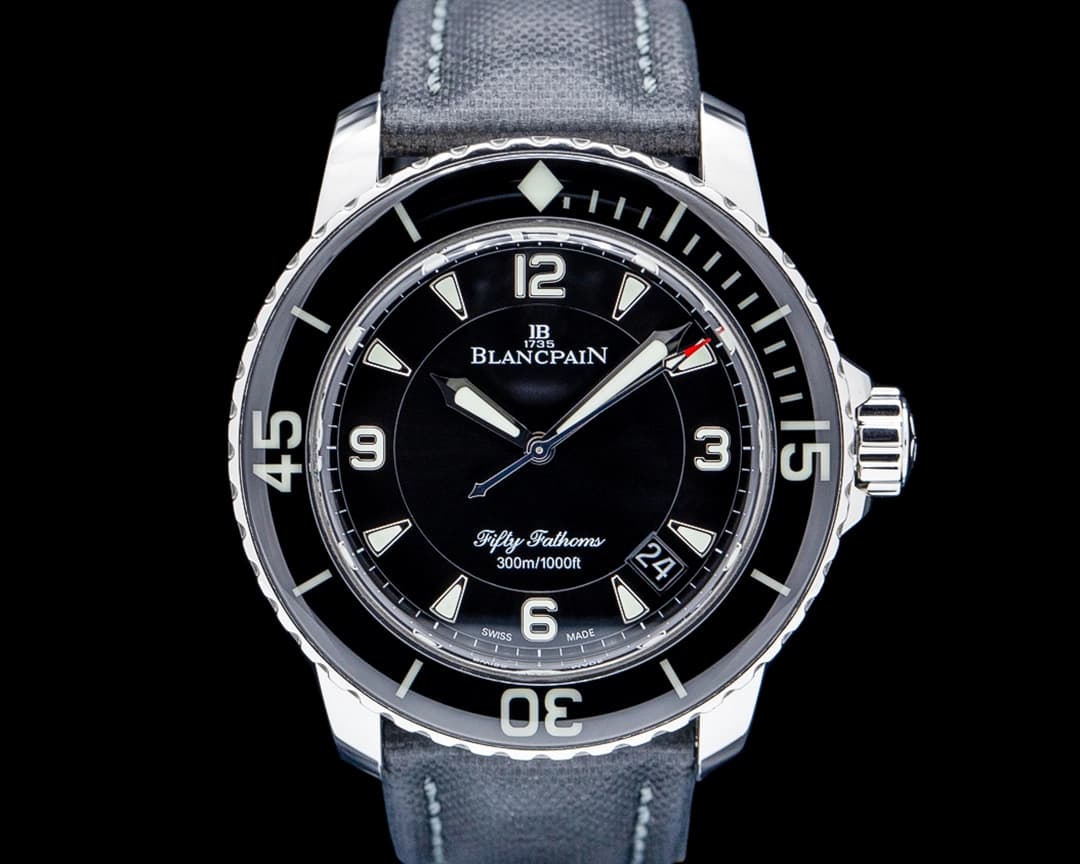
A good example is the newly redesigned Omega Seamaster Planet Ocean. This is a classic dive watch in every sense of the term, and with 600m of water resistance, it will emerge unscathed from any body of water you’d want to put it in. If you want to go a more classic and vintage-inspired route, the Blancpain Fifty Fathoms can trace its heritage back to the very beginning, as one of the very first watches built for the then-new sport of scuba diving in 1953.
Chronograph
The next category, chronographs, contain an entirely different mechanical complication. The chronograph is basically a stopwatch function added to a regular wristwatch, with the use of additional hands and dials, to time very specific and accurate durations. The most accurate ones can time things down to 1/100 of a second. The complication was invented by French horologist Louis Moinet in 1816 and was used in pocket watches. It didn't start appearing in wristwatches until 1913, when Longines unveiled the calibre 13.33Z movement.
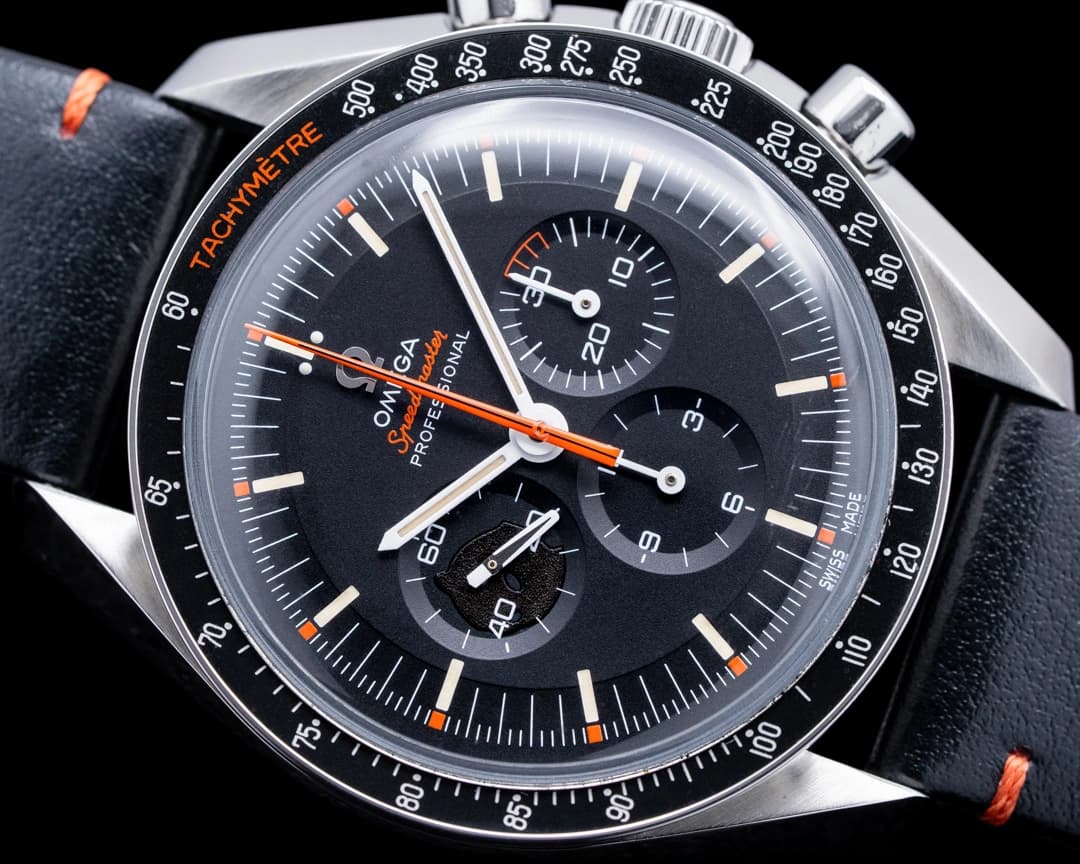
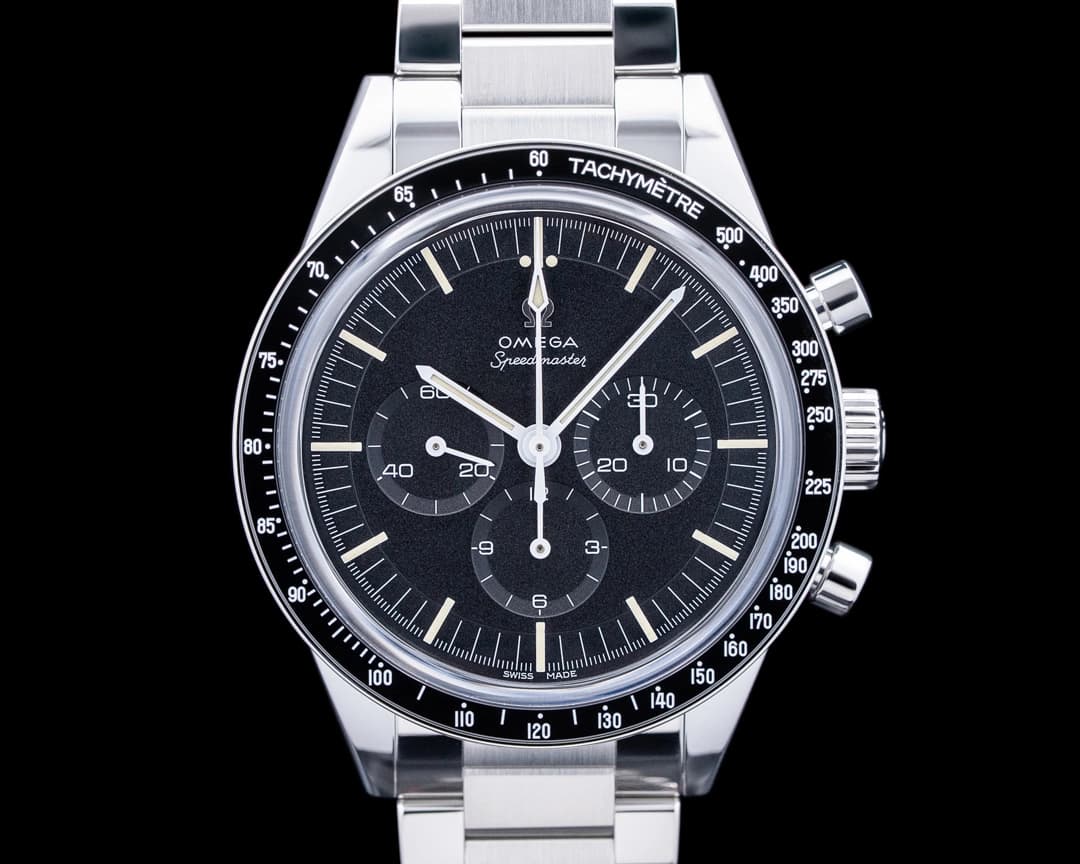
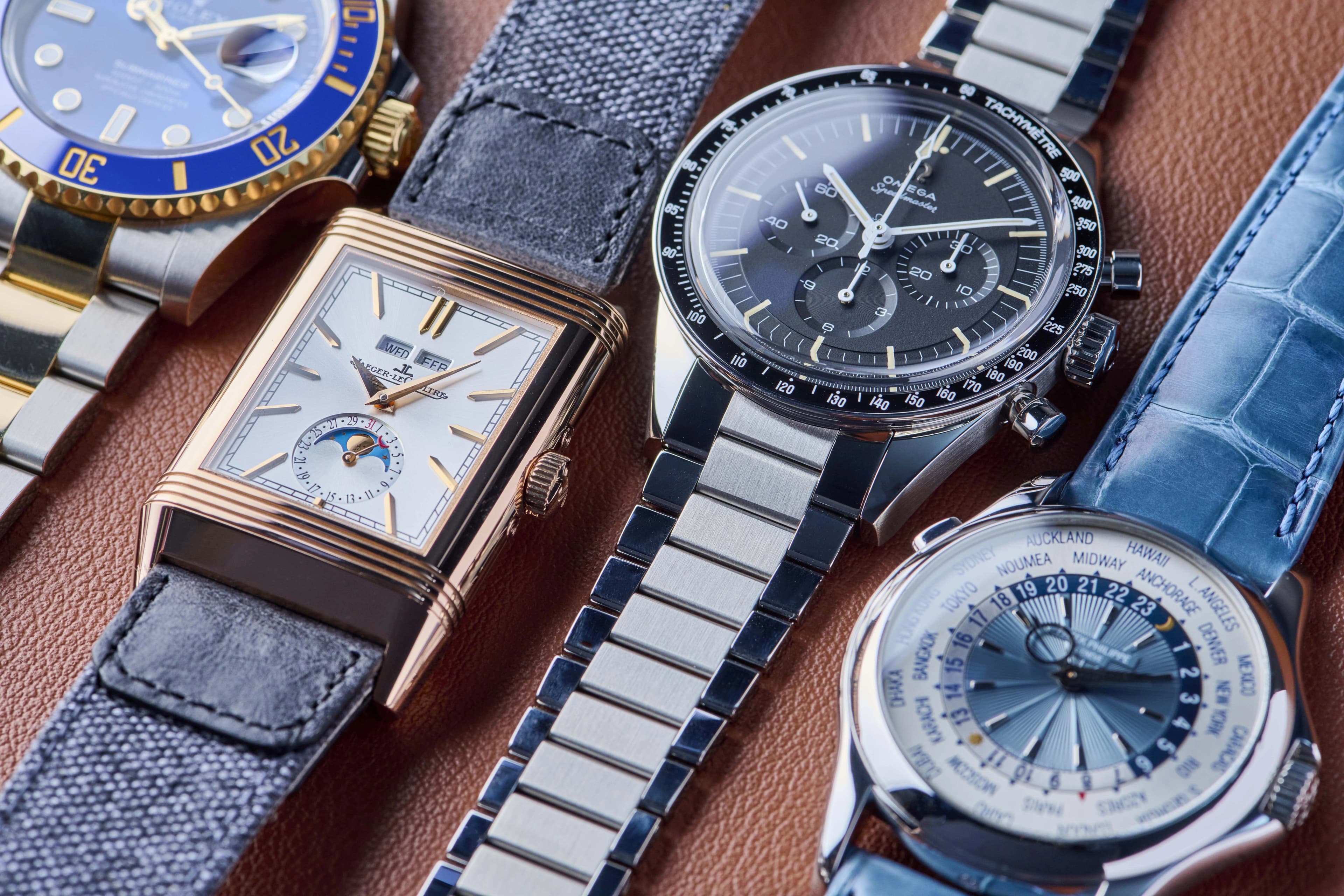
The most famous chronograph of all is likely the Omega Speedmaster, thanks largely to its use in NASA’s Apollo space missions. This classic timepiece has remained largely unchanged since its release in 1957.
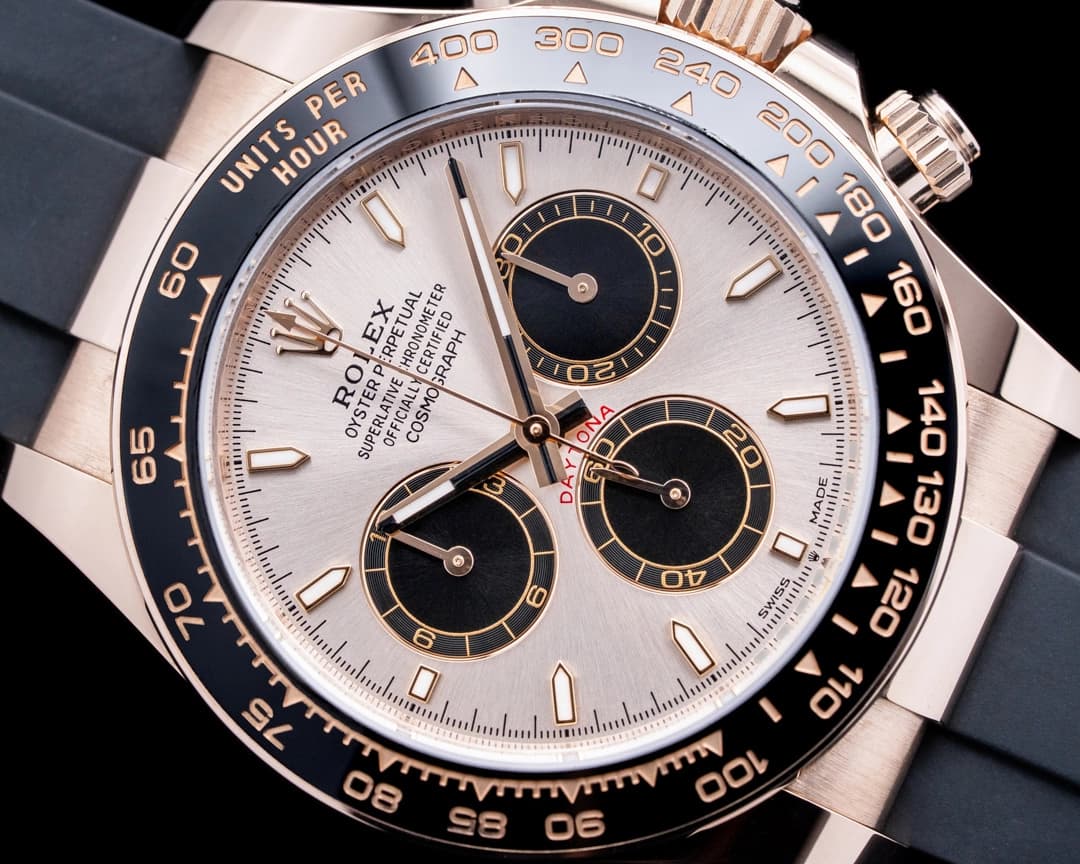
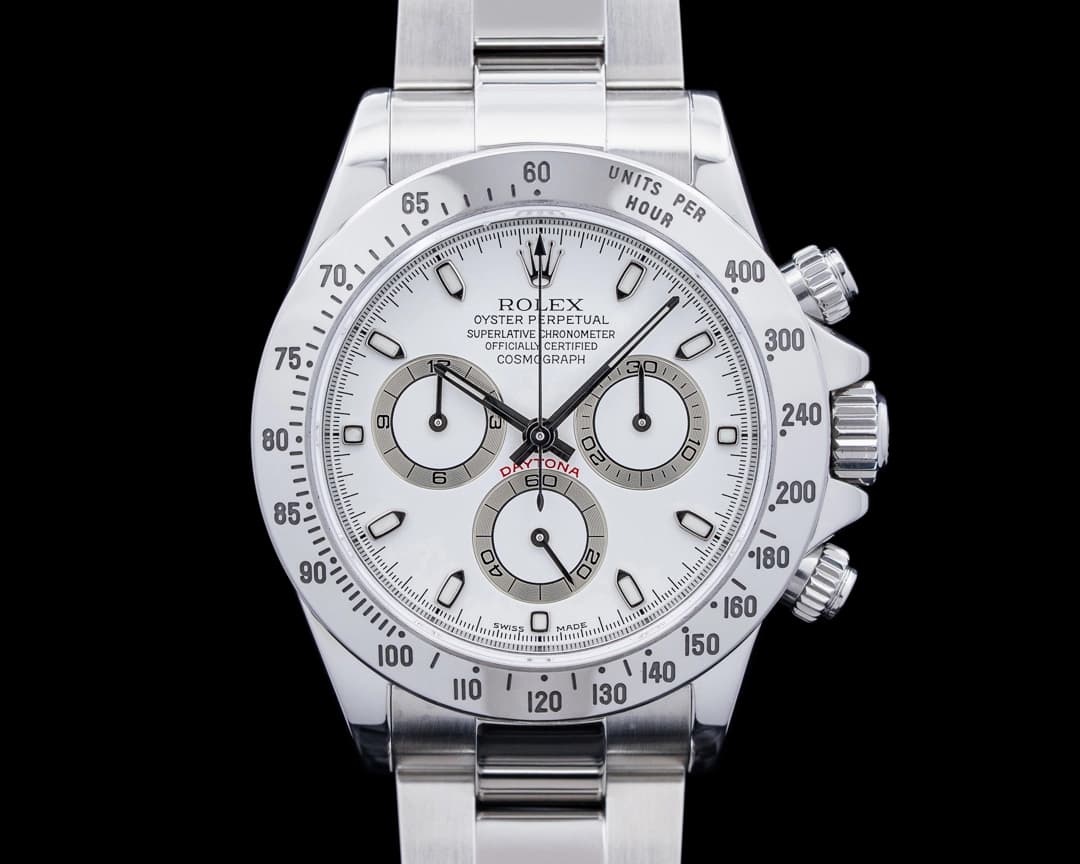
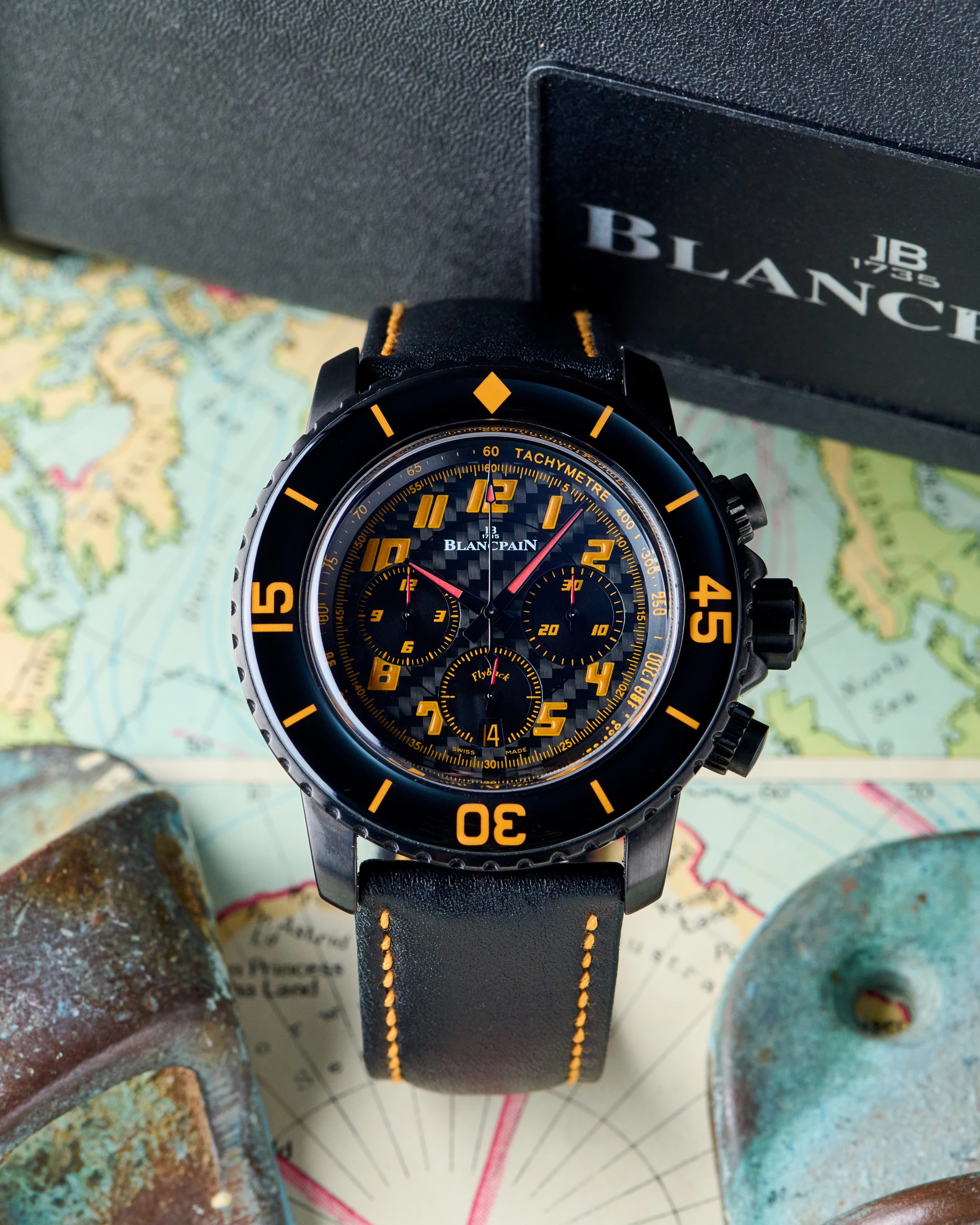
The chronograph was also popularized through its use and association with motorsports. Motorsport chronographs typically include a tachymeter scale around the bezel, which can be used to measure the speed of a racecar (or any object, really) between two points of known distance. The Rolex Daytona is surely the most well-known and sought after motorsport chronograph, and another that has changed very little since its inception. Luckily for all of us, Rolex and Omega have stuck to the adage of “if it ain’t broke, don’t fix it.”
GMT
Watches that can keep track of two or more time zones, colloquially called GMTs, are another type of tool watch that can trace their origins back to pocket watches. But it was really the age of jet travel in the 1950s that brought this complication into vogue.
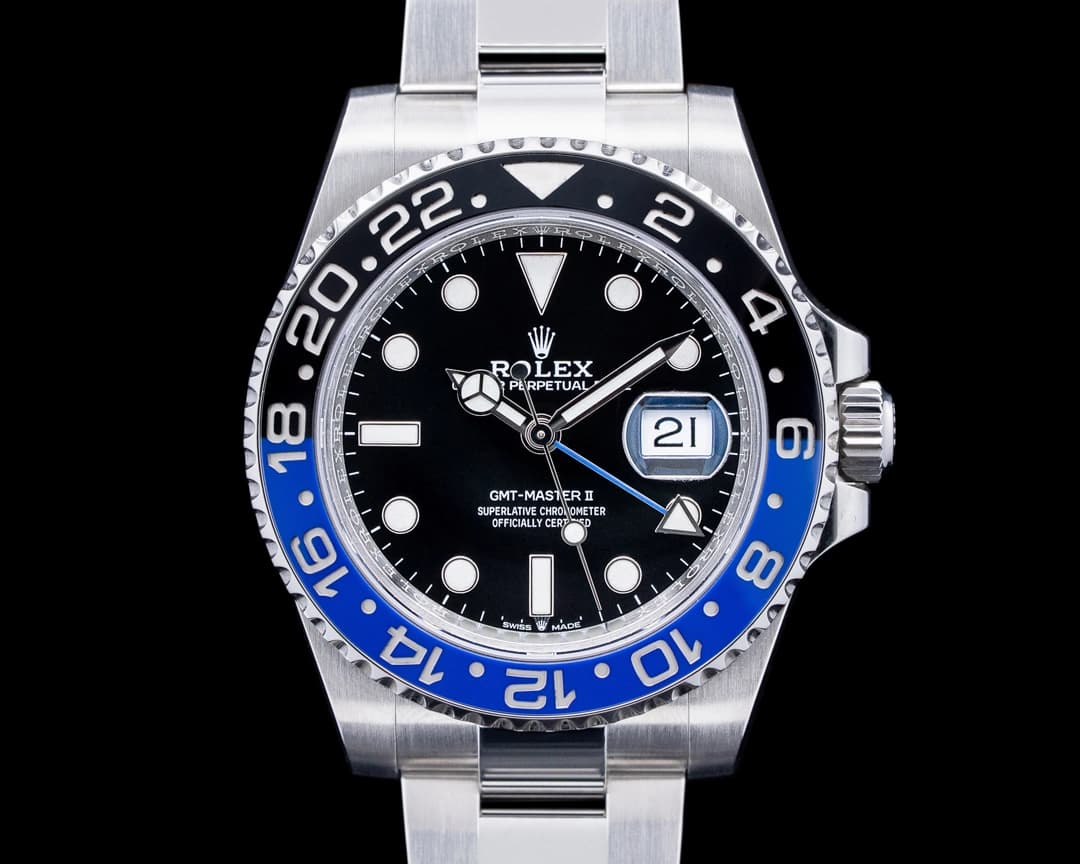
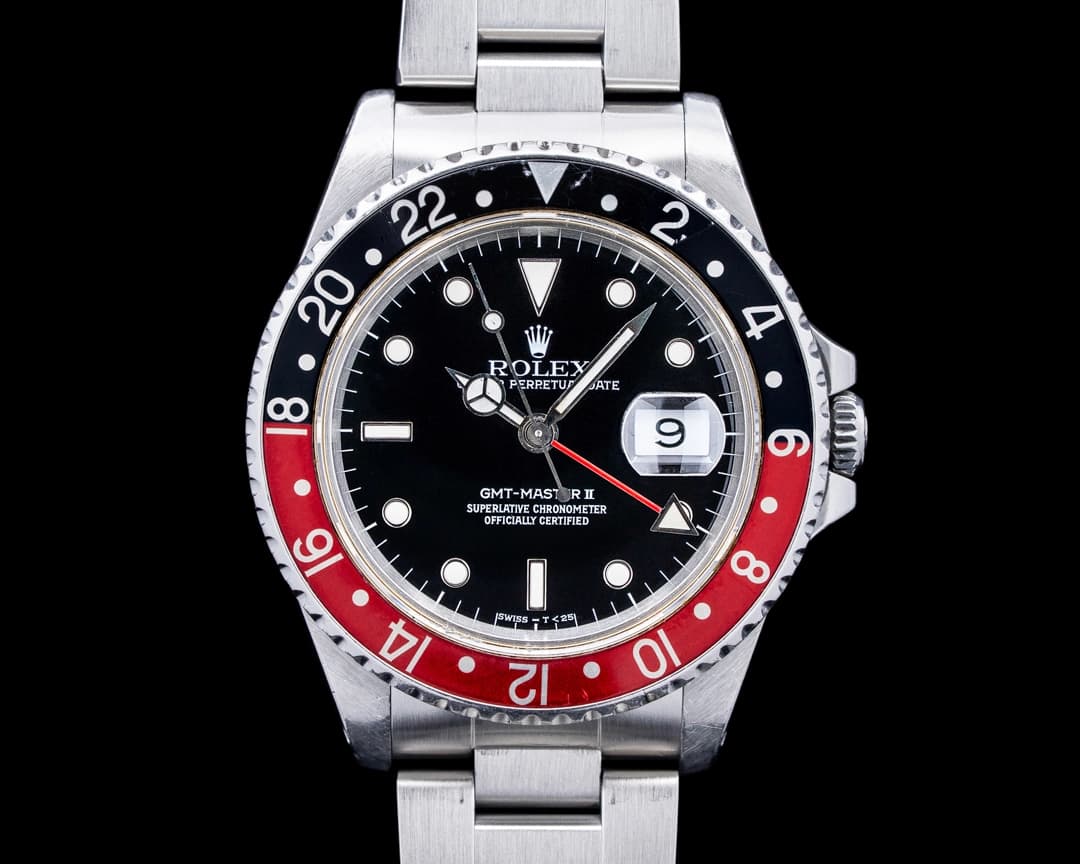
It was none other than Rolex, through a collaboration with Pan-Am airlines, who popularized and even named this type of watch with the release of the GMT-Master in 1955. Worn by airline pilots and adventurers around the world, this watch became the blueprint for thousands of GMTs that would come after it. “A lot of [the adoration is motivated] by nostalgia. . . The same reason people like Disneyland: it takes you to this simple place,” said Jake Ehrlich, the founder of Jake's Rolex World and Rolex Magazine, explaining the GMT’s modern appeal.
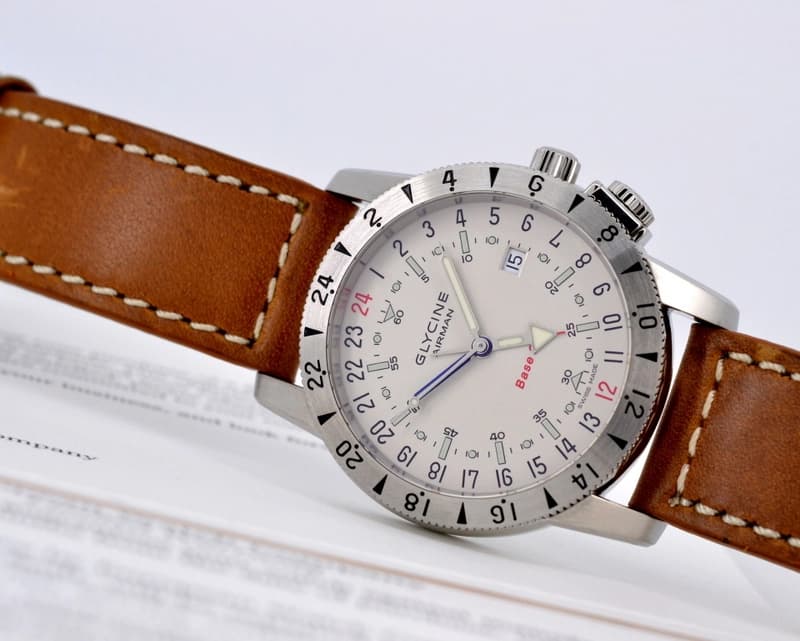
The Glycine Airman is another nostalgic watch that has not been changed much since its release in 1953. It keeps track of multiple time zones with the use of a 24 hour dial and a rotating bezel, simplifying everything into military time. These watches were popular with military pilots and at least one astronaut; Charles “Pete” Conrad wore an Airman on Gemini V and XI in 1965 and 1966.
While these are the most common types of tool watches on the market today, the rise of the “micro-brand” has meant there is no shortage of niche tool watches on the market for you to discover. There are watches for medics that can take heart rates, watches for navigation, playing polo, coffee timers, egg timers… you name it, and you can probably find a watch built for that purpose.
Whatever flavor of tool watch strikes your fancy, you will find that you get far more than the name implies. More than just a tool to tell the time, these timepieces open one’s imagination to a world of action and adventure and travels and history, just by glancing at your wrist.
Shop New Arrivals
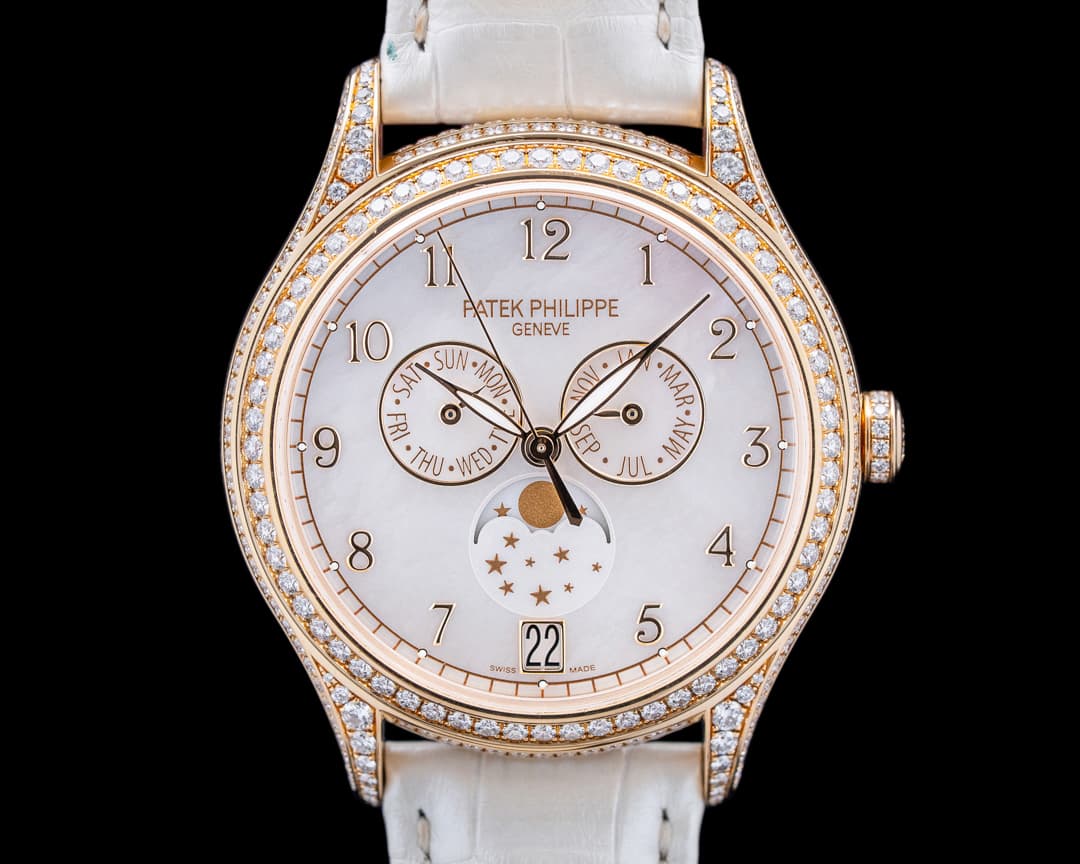
4948R Annual Calendar Moon Phases 18K Rose Gold Mother of Pearl Dial
$73,500
View Watch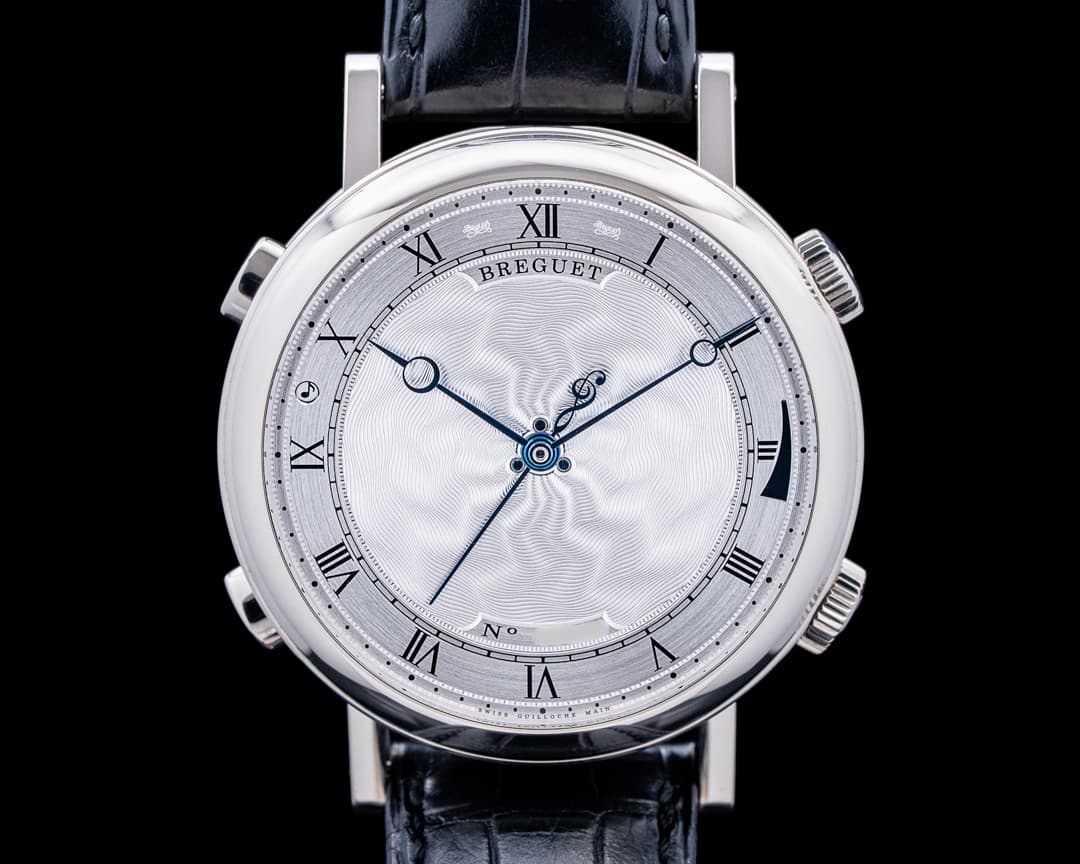
7800BB Classique La Musicale 18K White Gold Silver Dial
$94,500
View Watch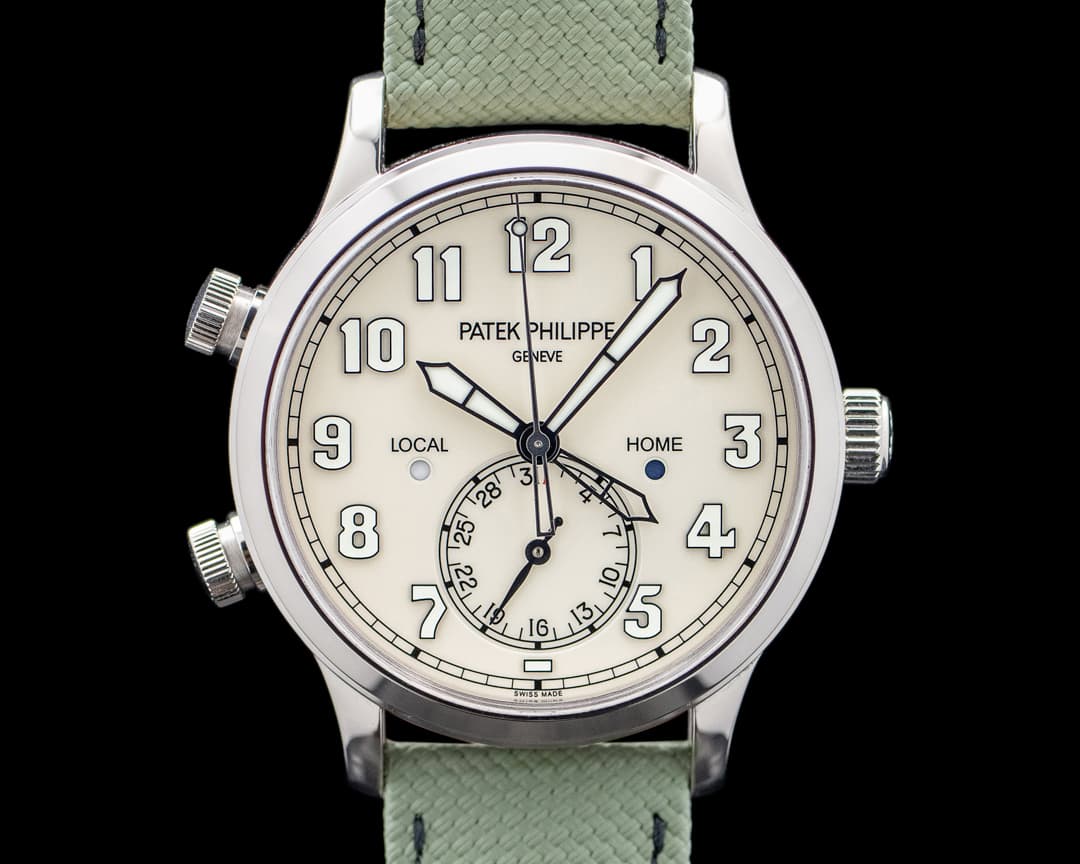
5524G Calatrava Pilot Travel Time 18K White Gold Ivory Dial 2026
$59,900
View Watch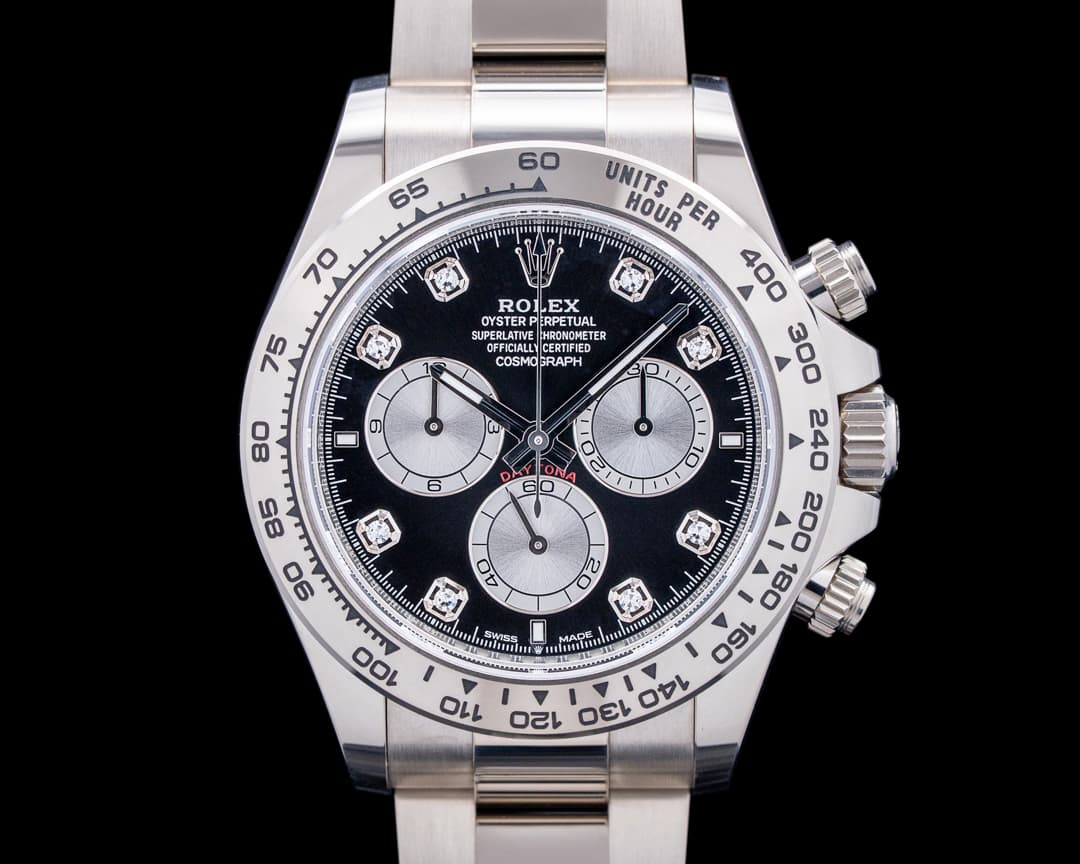
126509 Daytona 18K White Gold Black Diamond Dial 2026
$54,500
View Watch
Shop New Arrivals
4948R Annual Calendar Moon Phases 18K Rose Gold Mother of Pearl Dial
$73,500
View Watch7800BB Classique La Musicale 18K White Gold Silver Dial
$94,500
View Watch5524G Calatrava Pilot Travel Time 18K White Gold Ivory Dial 2026
$59,900
View Watch126509 Daytona 18K White Gold Black Diamond Dial 2026
$54,500
View Watch
More Content