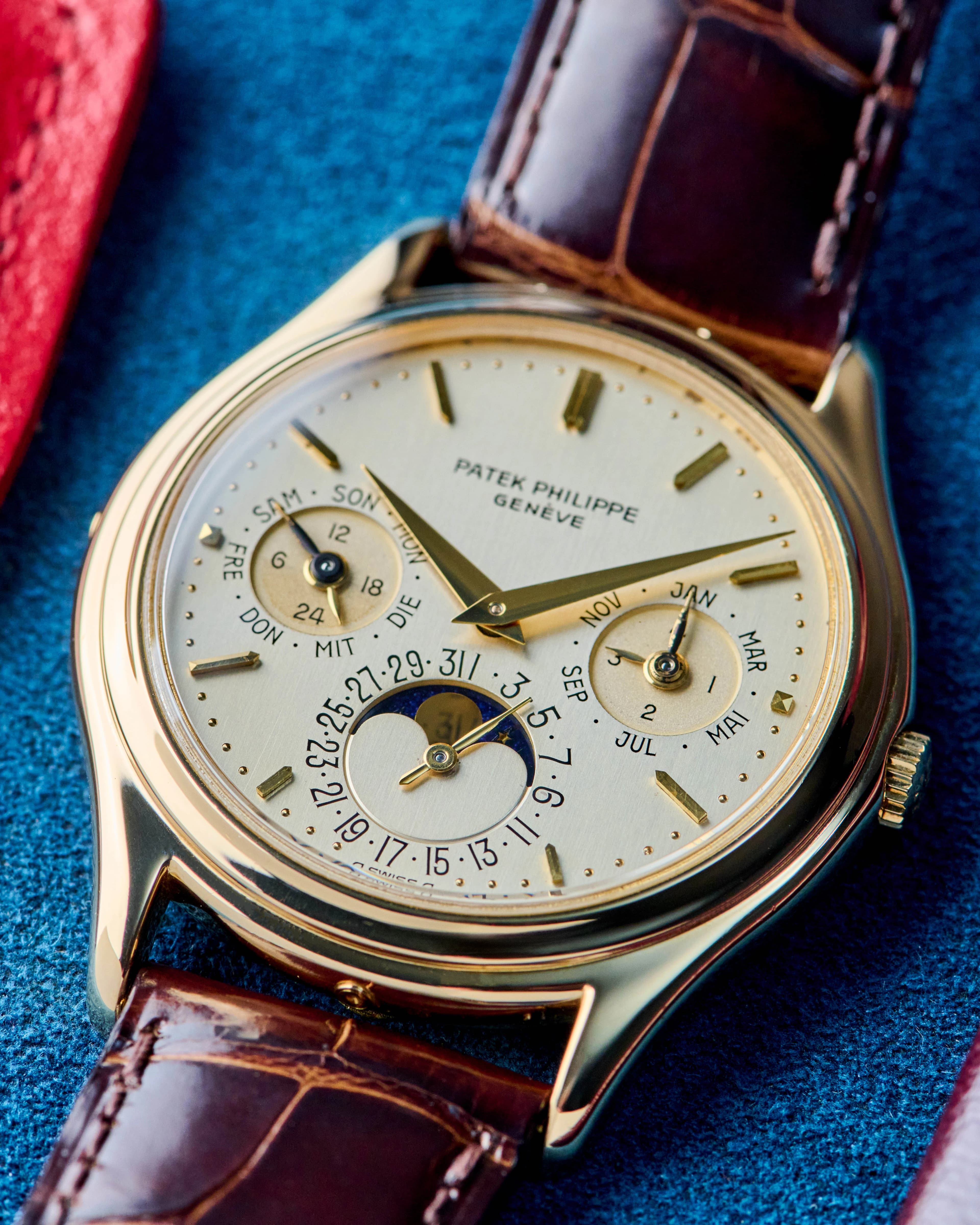
How the Collection Privée Cartier Paris Influences Modern-Day Cartier
Published on 7/21/2026
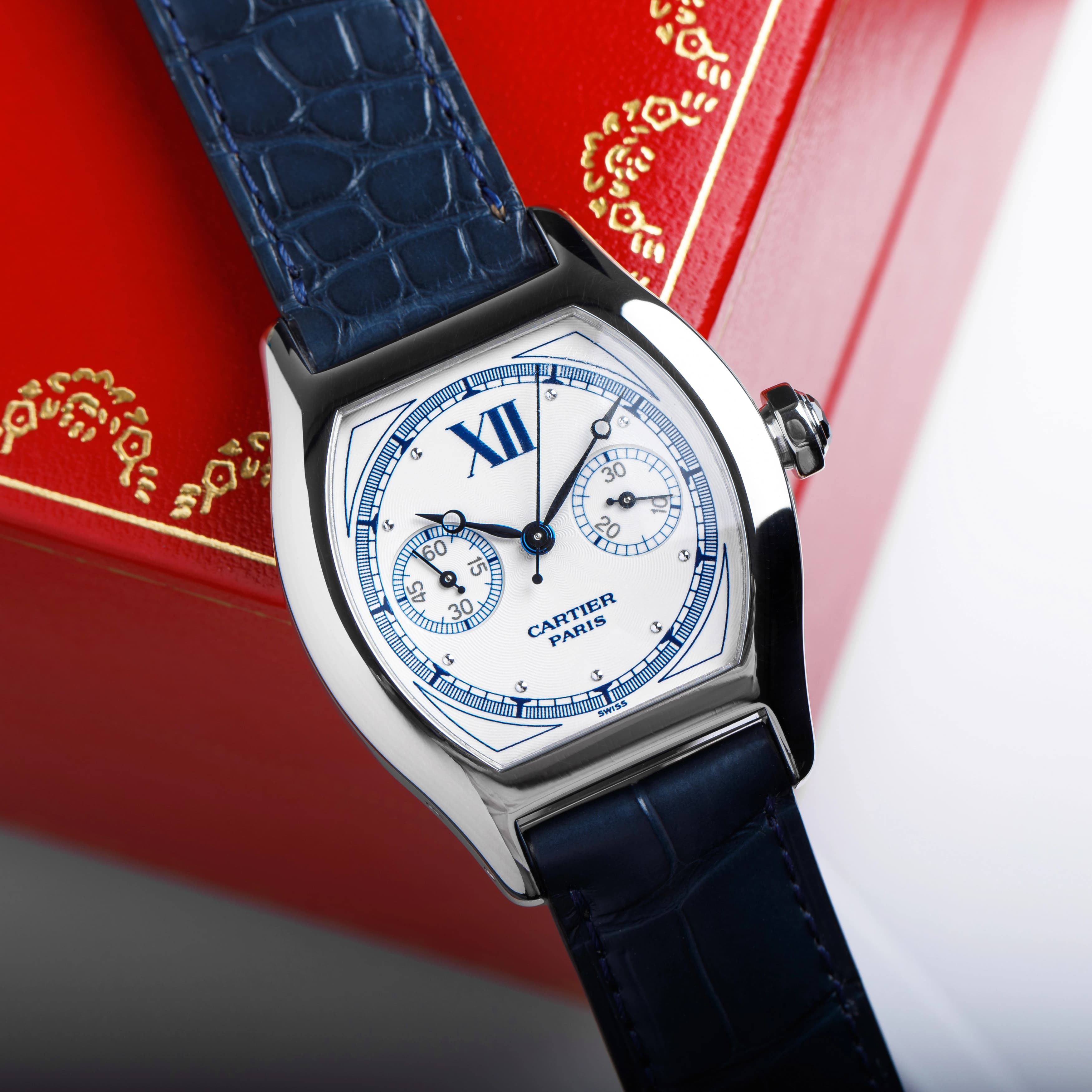
At the start of the 1990s, Cartier had developed an enviable reputation for its luxury jewelry, but its watchmaking side was in danger of being squandered. Behind such iconic designs as the Tank Cintrée, Santos-Dumont, and Tortue was a proud timekeeping legacy that dated back to founder Louis Cartier himself. Owing to Cartier’s family heirs in Paris, London, and New York, the watches saw a creative burst of energy well into the 1960s, driven more by shape and proportion than complexity and grand complications.
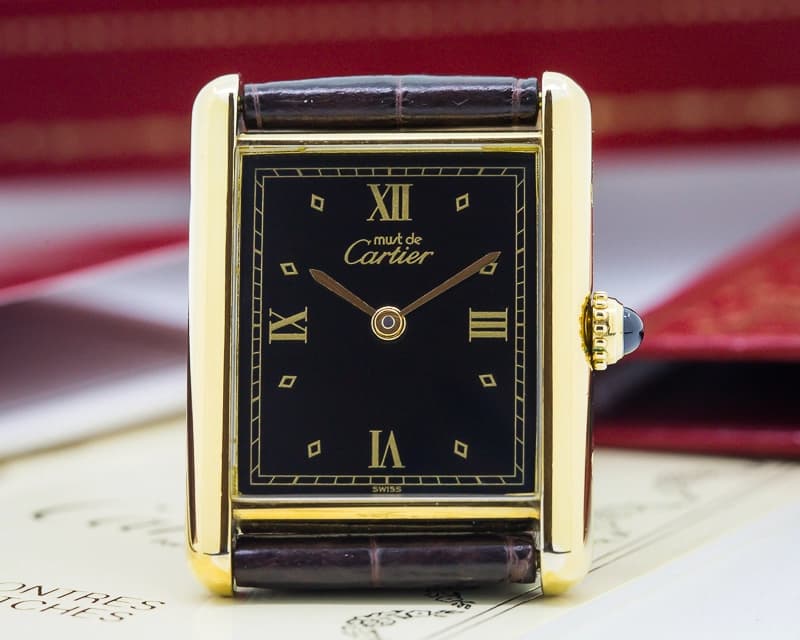

But the quartz crisis did not suffer fools. As a survival mechanism, Cartier ramped up production in the 1970s and 1980s, focusing on affordably-priced watches under the name Must de Cartier, a line that translated from French into “the must-haves.” Gold-plated instead of solid gold, and powered by quartz movements or off-the-shelf ETA calibres, the drastically shrunken line democratized the Cartier name and ultimately allowed watch production to survive—but, as is often the case, the mindset “luxury for the masses” quickly became an oxymoron.
That’s why it was a momentous occasion in 1998 when Cartier decided to revisit its archives and return to fine mechanical watchmaking, launching the loftily-named Collection Privée Cartier Paris.
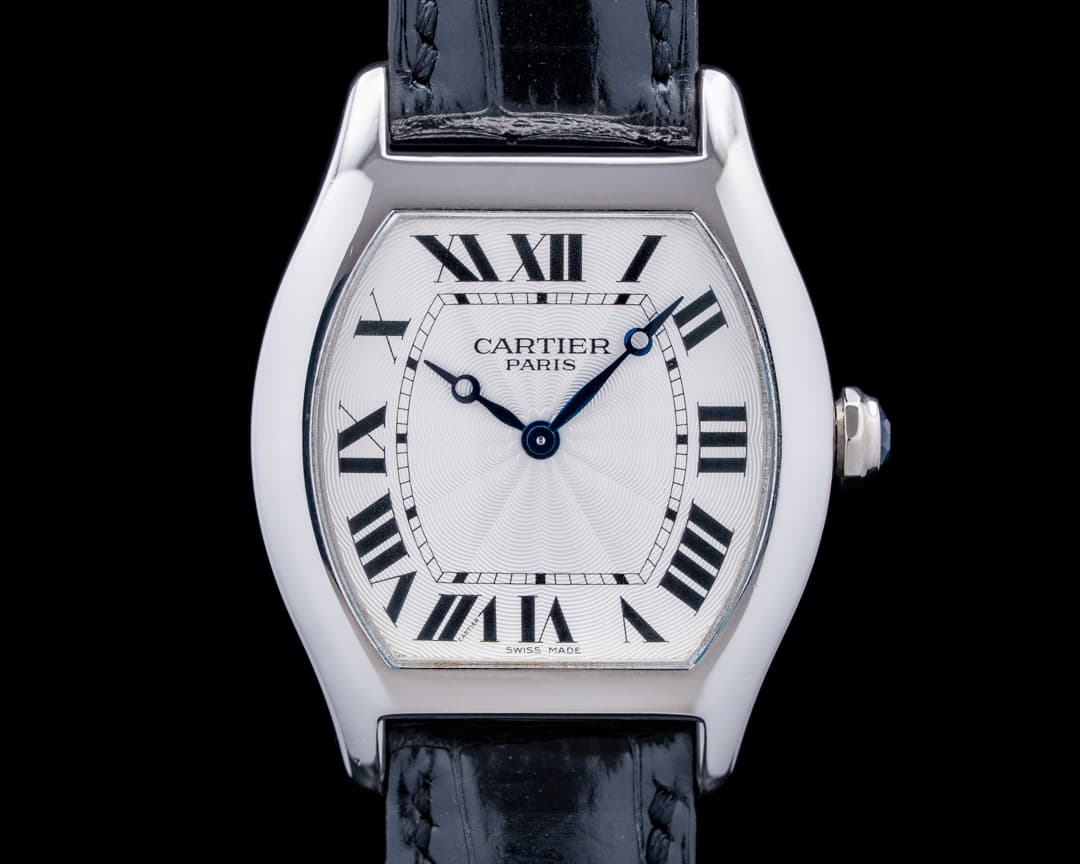
In this collection, Cartier focused on archival models from its past, many of which had been long-forgotten. Models such as the Tank à Vis (a time-only piece also produced with dual-time and wandering hours complications), Tank à Guichets (with its face hidden behind a single piece of brushed metal) and the Tank Monopoussoir (a monopusher chronograph which first appeared in 1928) were resurrected in ultra-limited series, often using precious metals like platinum. Cartier worked with esteemed manufactures such as Jaeger-LeCoultre, Piaget, and THA Ébauche to focus on hand-wound movements, before finishing them to an extremely high level, an experience only a fine jeweler can deliver.
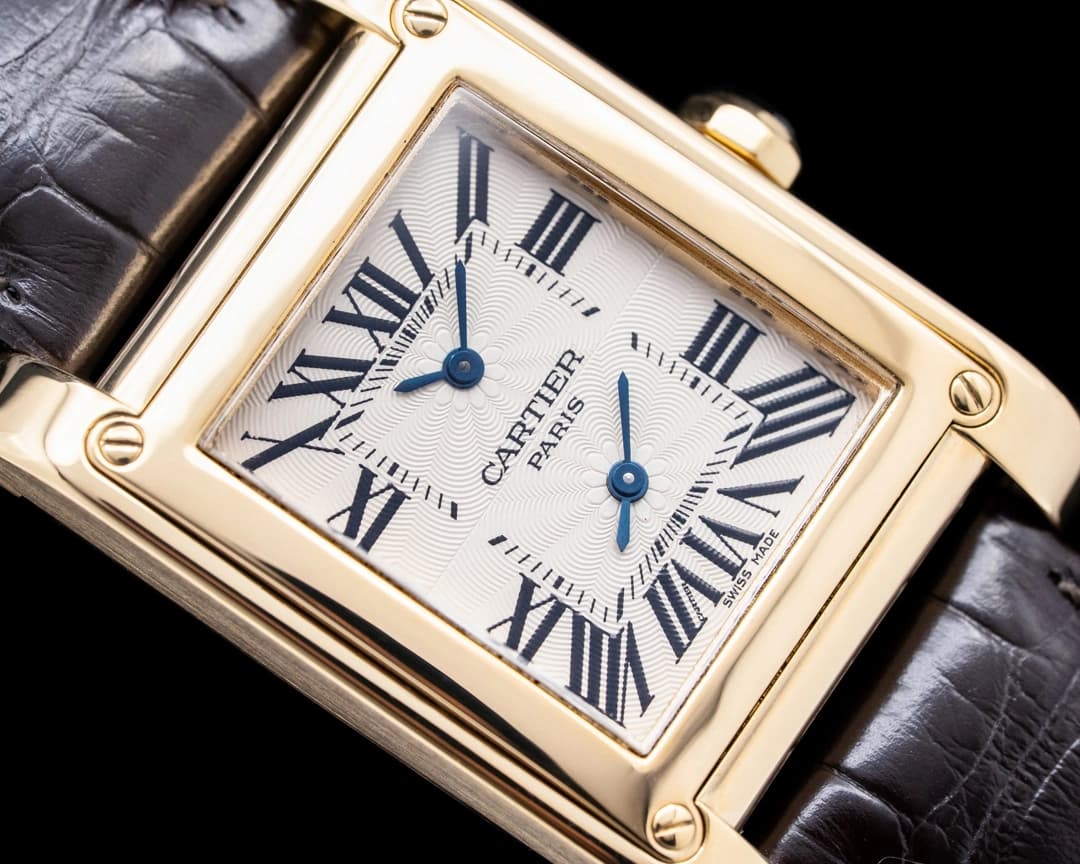
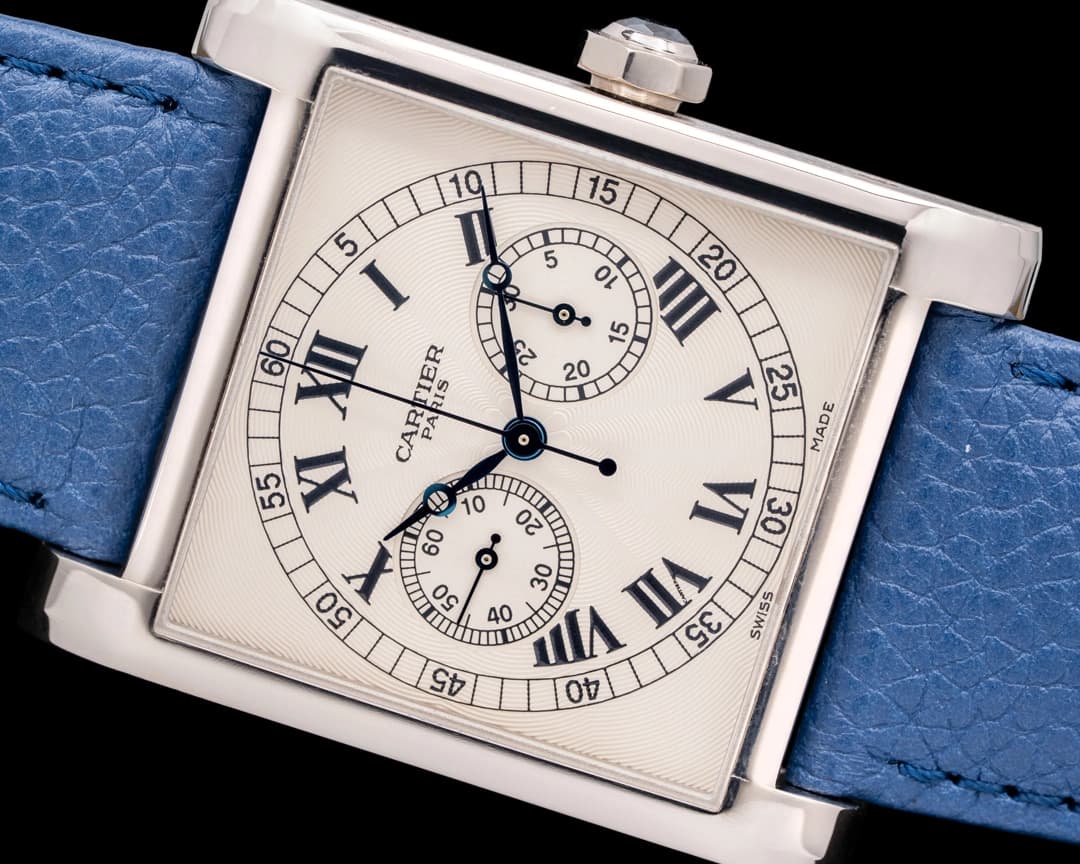
“Cartier used the moment to remind the watch world that they were not just a jewelry house that also sold timepieces,” said Justin MacDowell, Chief of Staff at European Watch Company. “The low production numbers, genuinely impressive movements, and iconic designs have made CPCP pieces increasingly sought-after over the past several years, as shaped watches have become more and more popular.”
In total, about 3,000 Collection Privée pieces were produced each year until 2008, when the initial collection was phased out. Considering that many models were only made in 50, 100, or 150-piece runs, and were sold in just 300 Cartier stores around the world, the collectibility of the Collection Privée has only skyrocketed in the past few years.
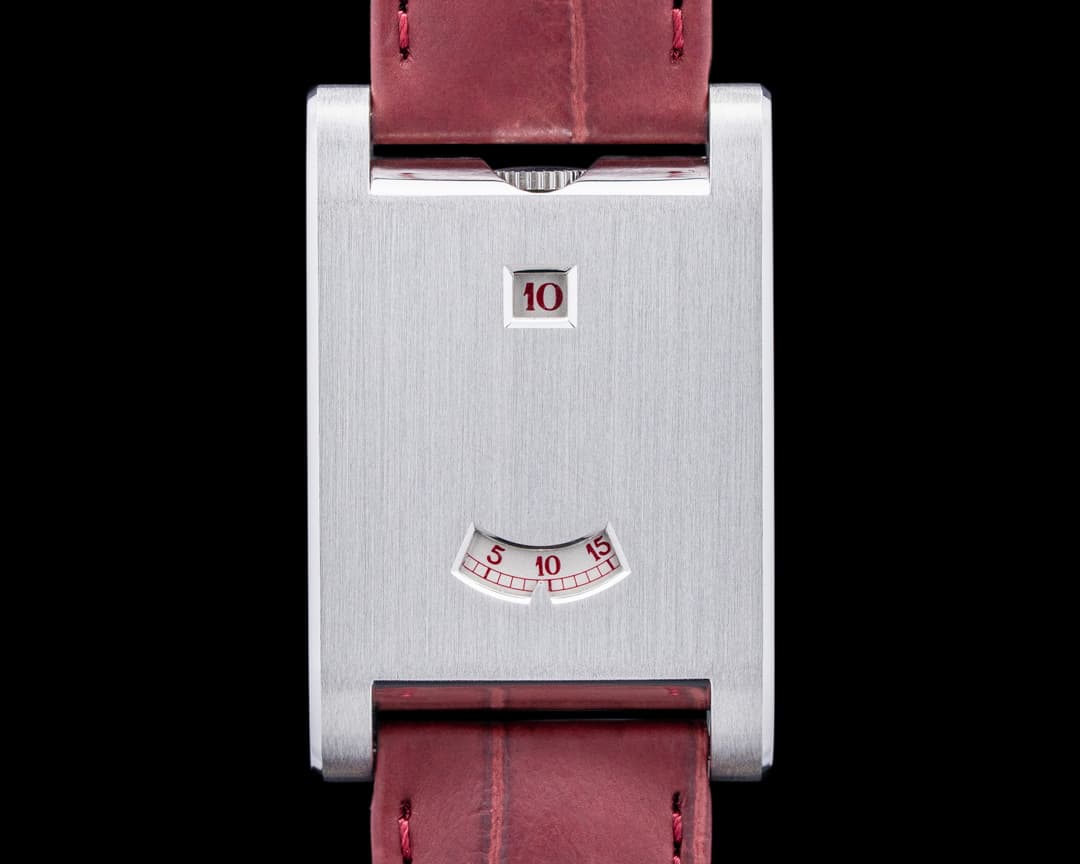
“I honestly love all Collection Privée models, but am particularly drawn to the Tank Cintrée in platinum, the Tank à Guichets, and the Tank Monopoussoir,” says MacDowell. “They're all so distinctive and elegant in their own ways: from the Cintrée that melts on your wrist, to the Guichets that feels like a piece of horological brutalism, and the Tank Monopoussoir that is unapologetically square and oversized. I love how distinctive each model is, and how there's zero chance it will be mistaken for anything else.”
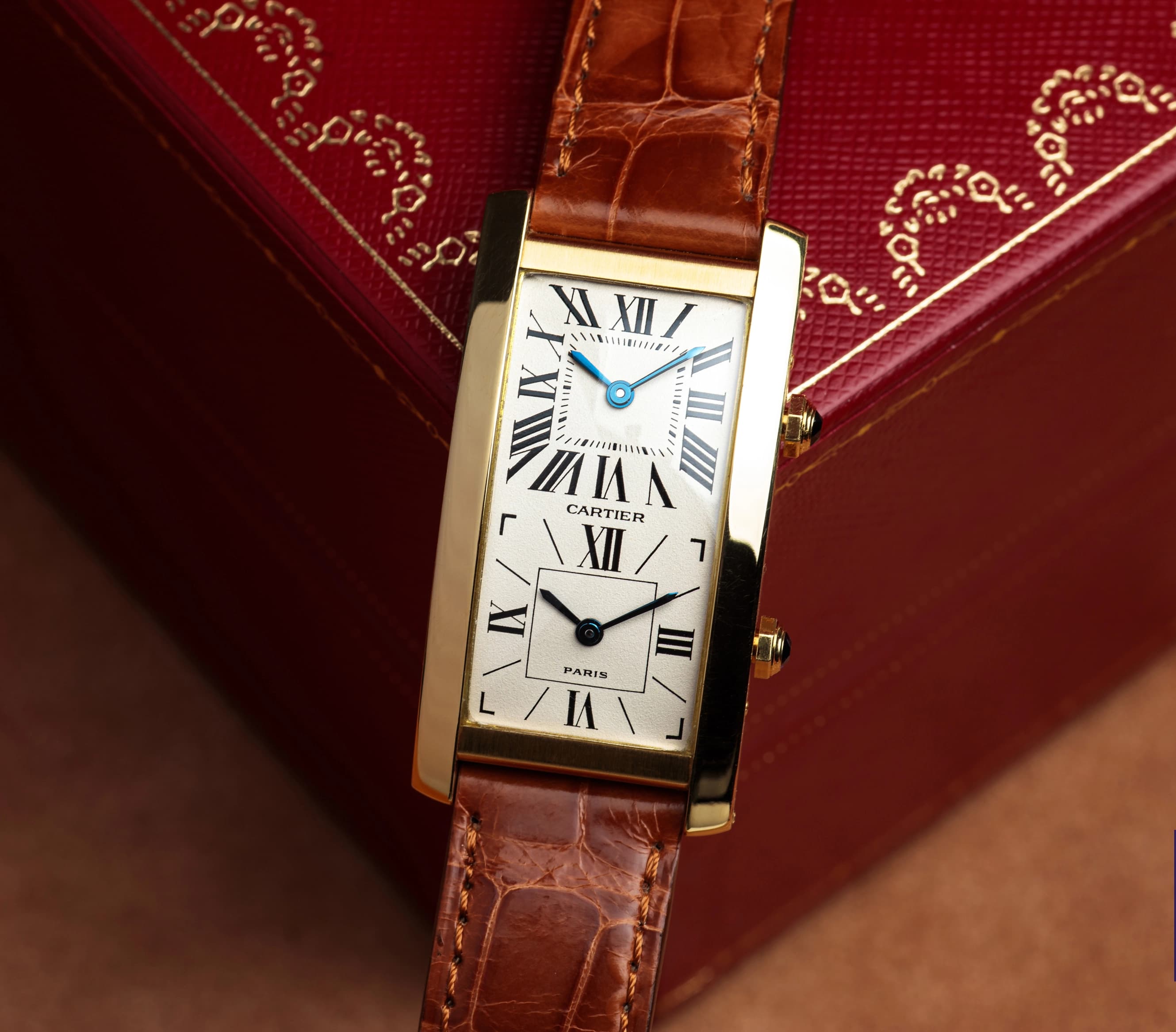
The impact of the Collection Privée on Cartier cannot be overstated. As watch collecting has exploded into the mainstream in the past decade, Cartier timepieces have quickly become some the most sought-after pieces. Its contemporary range has hardly deviated from the Collection Privée’s most significant designs, opening the door for collectors and enthusiasts to appreciate the brand’s legacy. The maison itself established new and modern techniques for case construction, metalwork, and dial finishing, as well as refined mechanical movements and complications.

Nearly two decades later, modern Cartier still keeps these lessons alive. Cartier Privé debuted in 2017 as a yearly rotating collection of three archival models, all finished to greater standards and more exclusive than ever. At 2026’s Watches and Wonders, Cartier Privé showcased the Tortue Monopoussoir, the Tank Normale, and a Crash Squelette with a novel skeletonized dial, only the second time the Crash has appeared with one since its 1967 debut. Cartier took pains to design an entirely new manual-winding caliber, the 1967 MC, just to fit the Crash’s intricate dimensions.
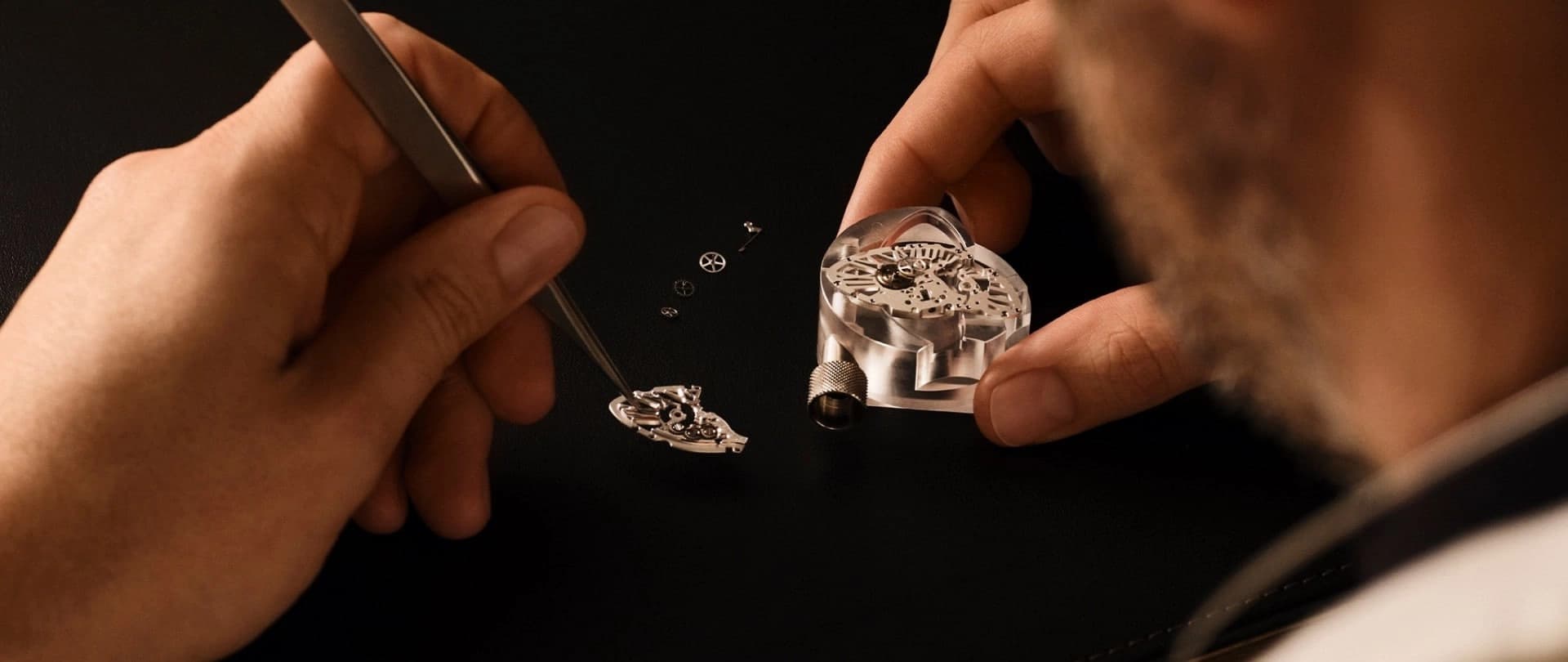
Image: Cartier
If nothing else, such attention to detail shows how far the maison has come since 1998, when the collaboration with THA Ébauche and its cofounder François-Paul Journe showed how Cartier could bridge the horological and fashion worlds alike. “Collection Privée pieces are the perfect combination of design, horological engineering, and rarity,” says MacDowell, “and all have an incredible story as well.”
Shop New Arrivals
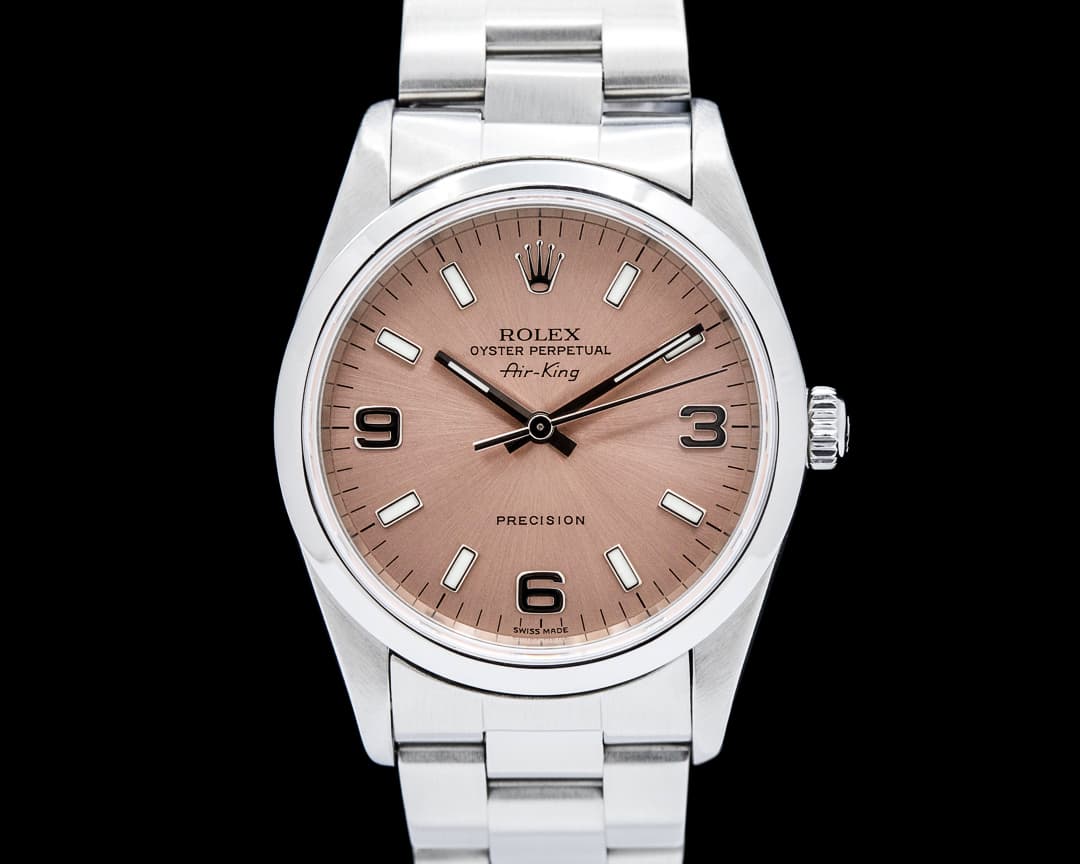
14000 Air King SS Salmon Dial
$5,750
View Watch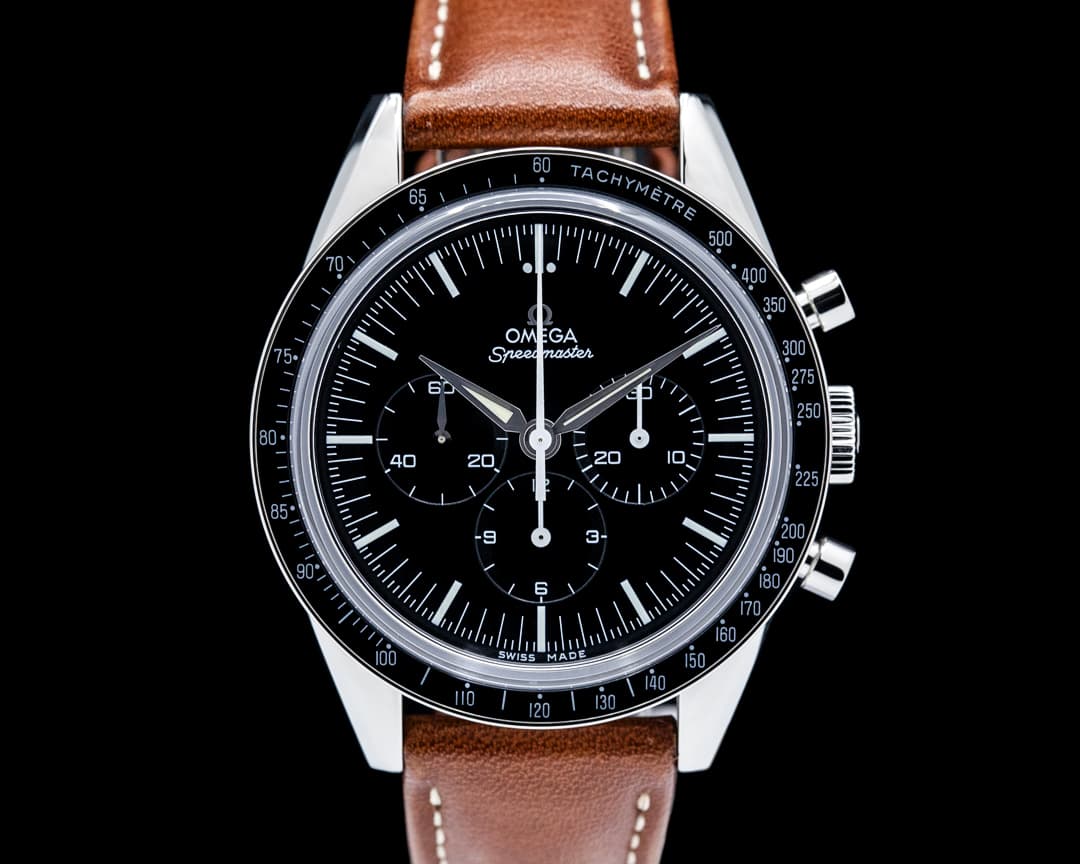
Speedmaster First Omega in Space SS Black Dial
$6,500
View Watch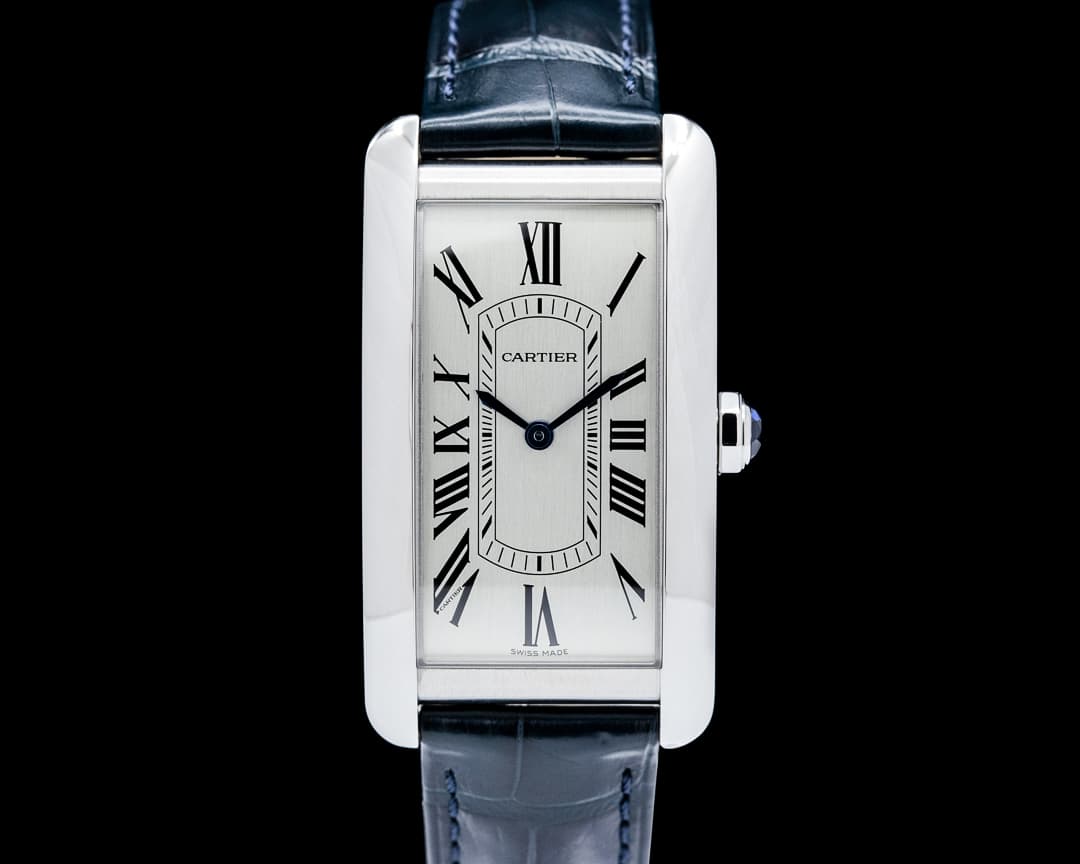
WSTA0083 Tank Americaine Large SS Silver Dial 2026
$6,350
View Watch
3876.50.31 Speedmaster Professional Moonphase SS Black Dial
$7,350
View Watch
Shop New Arrivals
14000 Air King SS Salmon Dial
$5,750
View WatchSpeedmaster First Omega in Space SS Black Dial
$6,500
View WatchWSTA0083 Tank Americaine Large SS Silver Dial 2026
$6,350
View Watch3876.50.31 Speedmaster Professional Moonphase SS Black Dial
$7,350
View Watch
More Content