How to Evaluate a Pre-Owned Watch: A Buyer's Guide to Condition, Originality, and the Questions That Matter
Published on 7/9/2026
Why Pre-Owned Evaluation Is a Skill, Not a Checklist
Condition grades tell you where a seller thinks a watch sits on a scale. They tell you less about the specific decisions made to the watch over its life. A watch graded "very good" might have a repolished case, a relumed dial, incorrect hands for the reference, and zero service documentation, and still photograph well.
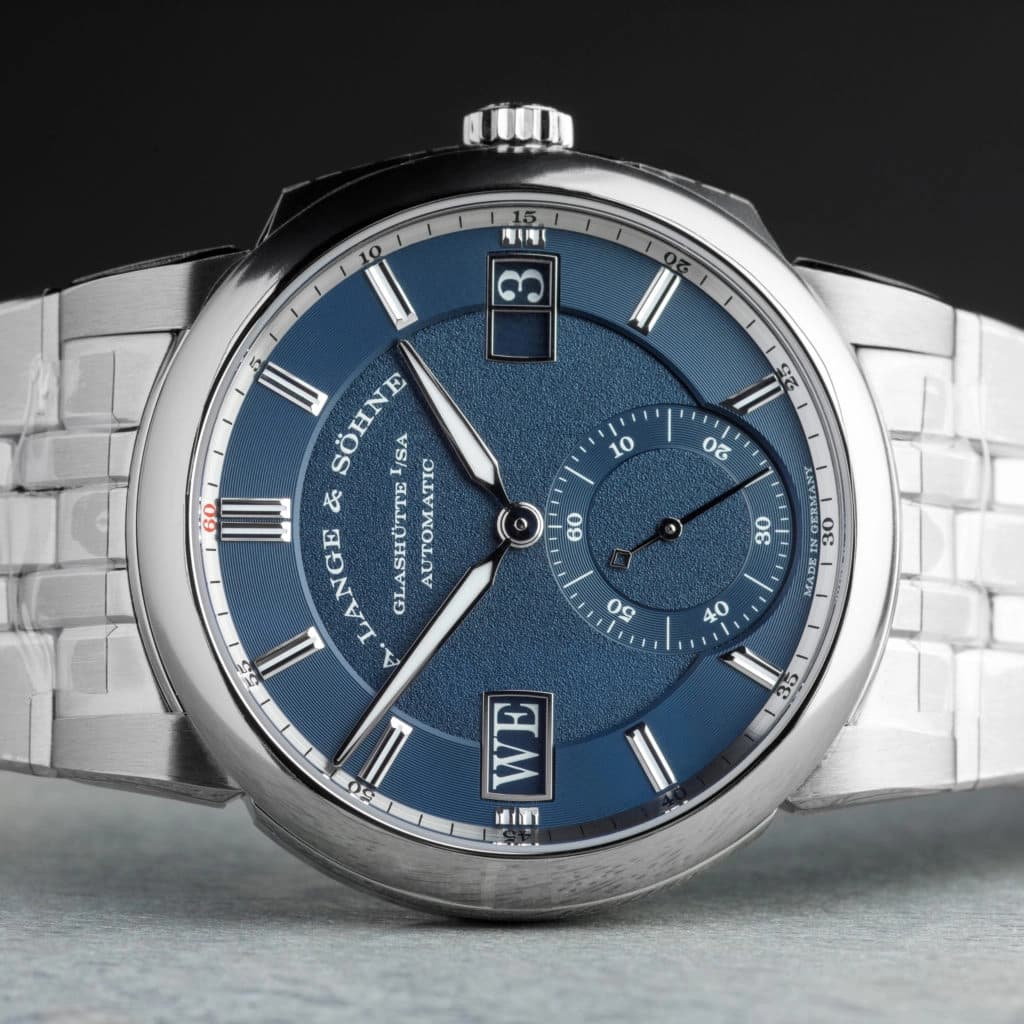
A. Lange & Sohne Odysseus
The errors that cost real money cluster into a few categories. A repolished case can reduce the collector value of a vintage reference by a meaningful margin. A replaced or relumed dial can destroy it entirely on certain pieces. Incorrect hands, wrong indexes, wrong lume plots, wrong length for the reference, are easy to miss and hard to price accurately without knowing the correct specification. Undisclosed service history, or the absence of any service documentation, leaves the buyer absorbing uncertainty that should belong to the seller.
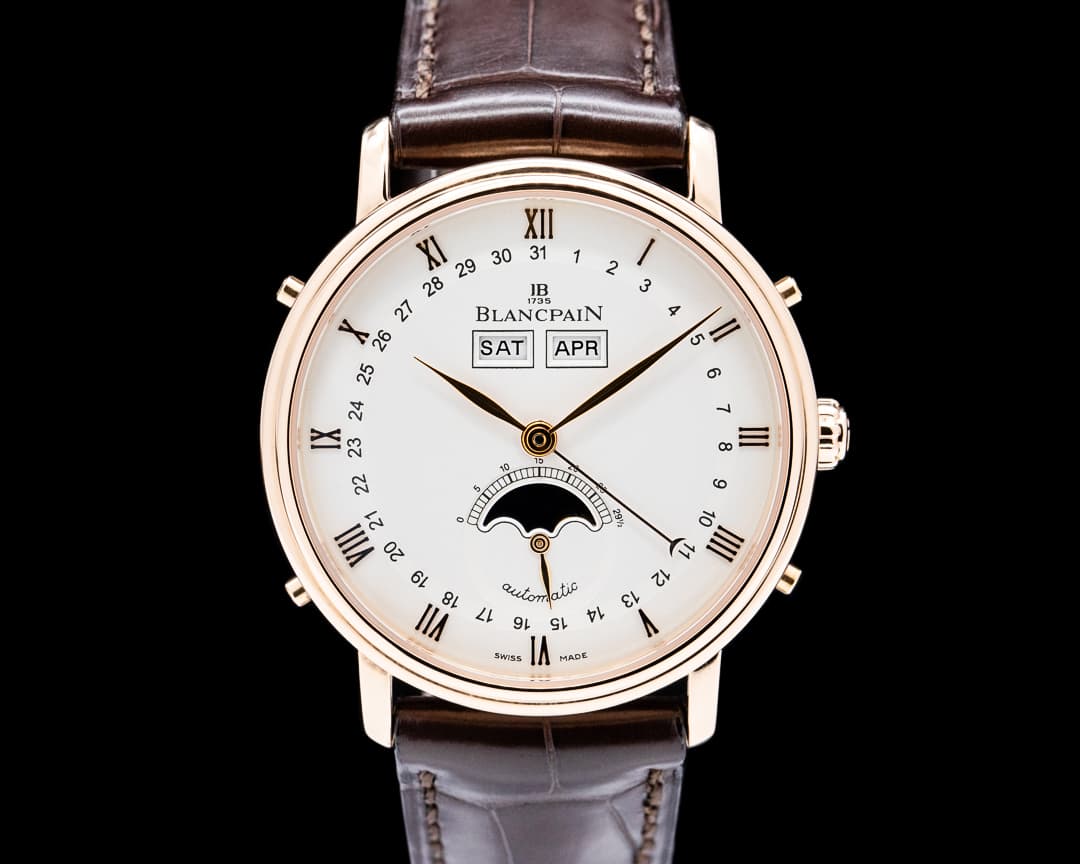
Each of these has physical and documentary signatures. The sections that follow walk through them.
Start With the Case: Polishing, Proportions, and What Metal Remembers
The case is the first place to look and often the most revealing. A case that has been repolished will not look bad. That is the problem. It may look clean, sharp in the wrong way, and uniformly bright. What it will have lost is the micro-texture that distinguishes original finishing from resurfaced metal.
On an unpolished case, the beveled edge where two surfaces meet, holds its geometry. The line is crisp and slightly hard-edged. Run your eye (or a fingertip) along a lug that has never been touched by a polishing wheel, and the transition from brushed flank to polished bevel is clean, with a defined ridge. On a repolished case, that ridge rounds. The bevel widens slightly as material is removed. The brushed surfaces, flanks, mid-case, lugs, lose their grain and take on a faint sheen. Nothing looks wrong in a thumbnail. Everything looks wrong when you know what you are comparing it to.
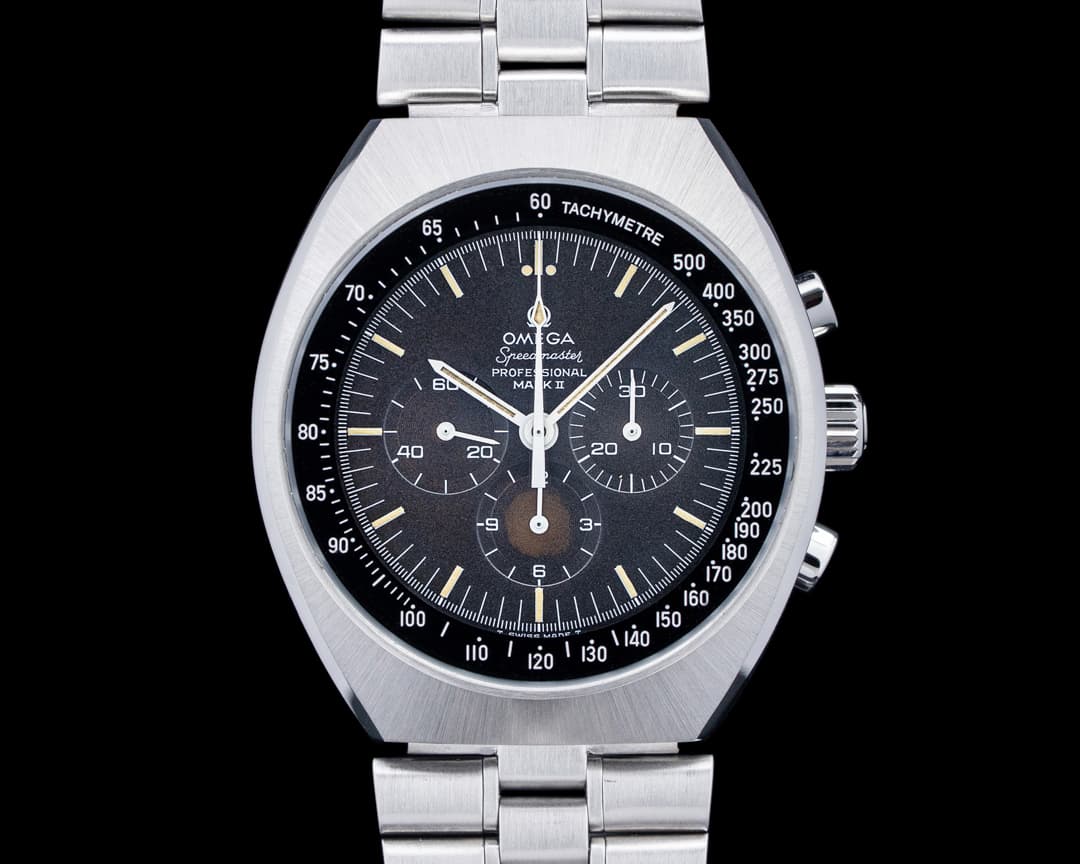
Lug tips are the most diagnostic point. On a watch like a Rolex Daytona ref. 6263, where sharp, original case lines are central to collector value, even a single authorized service polish changes what the case looks like. Unpolished examples with original finishing are a different conversation at a different price point. Polishing is not a small variable.
There is a meaningful distinction between three states of a case: factory original and unpolished, polished during authorized service, and over-polished or refinished by non-authorized hands. The first commands the highest collector premiums. The second is the market baseline, it is what a Rolex factory service produces, because Rolex's own service procedure includes re-polishing or satin-finishing all surfaces as a standard, non-optional step. The third is a red flag, because aggressive or improper polishing by an unauthorized hand can remove enough material to distort lug geometry, fill in case back engravings, or erase surface details that cannot be restored.
A well-worn case looks different from a repolished one. Wear produces micro-scratches that follow the direction of contact, wrist-top surfaces show more, case flanks show less. The original finish underneath is intact, just marked. A repolished case looks uniformly treated. When you see a decades-old watch with a case that looks fresher than the bracelet or the crown, something has happened to that case.
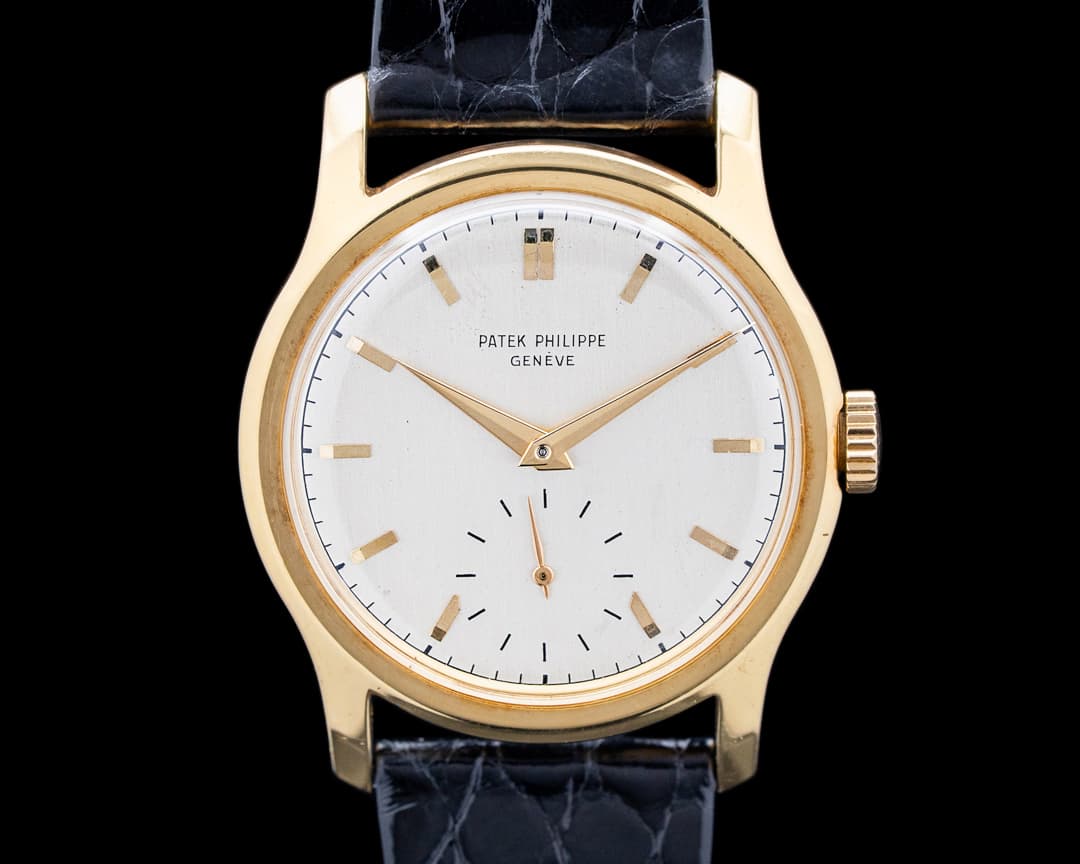
For which brands is this the biggest deal? Rolex vintage references, particularly sports models and chronographs where case geometry defines collector grades. A. Lange & Söhne, where the three-body case construction and hand-finishing are central to the watch's identity. Early Patek Philippe Calatrava references, where lug shape and original surface texture vary by generation in ways that polishing erases. On modern watches, this matters less, but still pay attention to know what to look for.
The Dial: Originality, Restoration, and the Details That Betray Both
The dial is where originality has the most value and where faking is most financially motivated.
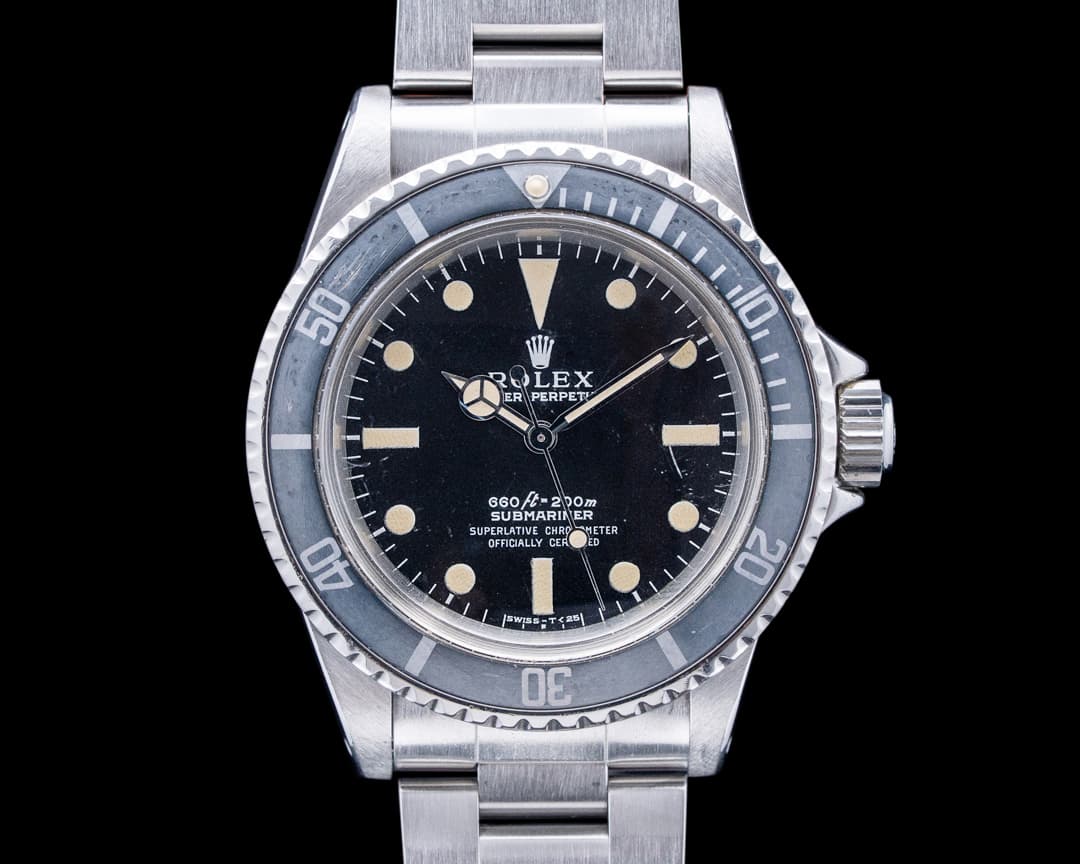
Start with lume. On an original dial from the 1960s or 1970s, the lume plots age together, they yellow, they shrink slightly at the edges, they sometimes crack in patterns consistent with the same age and environmental exposure. What they do not do is age inconsistently. If the lume on one index is brighter than the others, or one plot sits higher or lower than its surround, or the surface texture differs between applied pieces, those are signs of relume, which means replacement. A relumed dial on a vintage Rolex or Omega is worth substantially less than an original. On certain references, it changes the category the watch sits in entirely.
Printing matters too. On an original dial, the text registers cleanly with the surface, the ink sits in the lacquer, not on top of it. On a restored or reprinted dial, the text can look slightly raised or slightly too perfect. The fonts will be correct (reputable restorers have the right fonts), but the registration will not match the aging of the rest of the dial. Examine the area around the brand name and reference markings under magnification if you can.
The tropical dial is the canonical example of authentic patina commanding a real premium. Certain dials from the 1950s through 1970s, primarily on Rolex Daytonas, Submariners, and Omega Speedmasters, developed a brown or chocolate coloration from UV and chemical exposure over decades. That patina is irreproducible in the short term, and auction results document the premium concretely: two examples of the Rolex Explorer II ref. 16550 at auction, one standard, one with authentic tropical patina, went for $10,000 and $23,750 respectively. The Omega Speedmaster 1957 Broad Arrow is a more extreme case: standard examples trade between €120,000 and €150,000; a tropical example sold through Phillips reached nearly €3,000,000.
Those numbers have consequences. Artificially aged dials are entering circulation. Less scrupulous sellers are finding tropical-looking dials with a regularity that does not reflect honest market supply. Authentic tropical patina follows a consistent pattern across the whole dial surface, it fades from the edges, or darkens uniformly, in ways consistent with how light and heat act on a sealed dial over decades. It does not appear only in certain zones, and it does not look like a treatment. When the provenance is thin and the patina looks convenient, treat it as a red flag.
Hands are a separate issue that buyers often miss. Incorrect hands, wrong color, wrong lume plot shape, wrong length relative to the dial, wrong printed or applied detail for the reference, are common on watches serviced by non-specialists sourcing parts from whatever was available. For a buyer, incorrect hands are both a value problem and an authenticity problem: they indicate that someone opened the watch and made changes, which raises questions about what else was changed. Verify correct hands against reference documentation before buying any vintage piece.
The Bracelet and Clasp: Stretch, Replacements, and the Value of Originality
A bracelet ages. That is not a defect. What you are looking for is the difference between a bracelet that has aged with the watch and one that has been replaced, or one that has stretched beyond the point where it serves the watch structurally.
Stretch is visible when a bracelet hangs under its own weight. Hold it from the clasp end and let the links fall, an un-stretched bracelet will hang with consistent spacing between links. A stretched bracelet will show slight gaps, particularly in the middle links that absorb most wrist flex. The clasp will often show play as well: a small amount of lateral movement is normal, but significant wobble indicates that the ratchet mechanism has worn. On a bracelet with significant stretch, the watch moves on the wrist in a way that feels loose at the clasp rather than loose at the sizing.
Stretch matters for two reasons. First, a badly stretched bracelet usually needs replacement, which is a cost the buyer absorbs. Second, a heavily stretched bracelet on a watch with low dial wear suggests the watch was worn heavily, more than the dial condition alone suggests, or the bracelet was swapped. It can be informative about actual use history even when the seller's account is not.
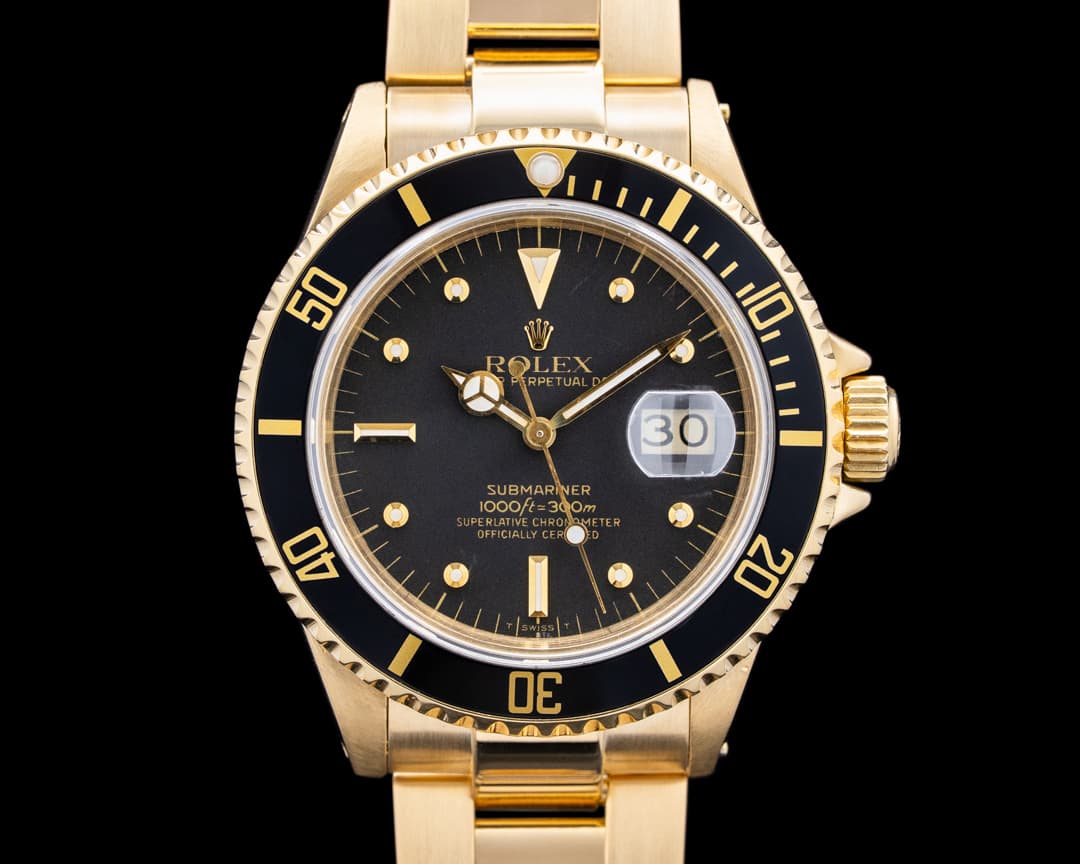
Bracelet originality is a value question. For many references, the original bracelet, correct reference number stamped on the end link, correct clasp for the period, correct finish, represents a meaningful share of the total package. A missing bracelet or an incorrect replacement can alter the price by thousands. On a Rolex sports reference from the 1970s or 1980s, a period-correct bracelet in honest condition is not a minor detail.
The Movement: Service History, Evidence of Work, and Red Flags in the Photos
Service documentation, when it exists, typically includes a receipt or certificate from the servicing watchmaker or manufacturer, dated and describing the work performed. It may include a list of parts replaced, timing results, and water resistance test data. When documentation comes from the manufacturer, Rolex, Patek Philippe, A. Lange & Söhne, it carries more weight than third-party service records, because manufacturer service implies access to correct parts and established procedures. Third-party records from a qualified watchmaker are still useful: they establish a history, name the person responsible, and give you a reference point for when service was last performed.
The absence of service documentation is not automatically disqualifying. Many watches, particularly older pieces, have simply been owned by people who serviced them and discarded the paperwork. What the absence does is shift more interpretive weight to the physical evidence.
That evidence starts with the case back. The exterior tells you whether the watch has been opened frequently: tool marks around the edge indicate repeated case-back removal, often with a case wrench that slipped. A single set of faint marks is not alarming. Heavy circular scoring around the case-back edge suggests the watch has been in and out of shops that did not use proper tools.
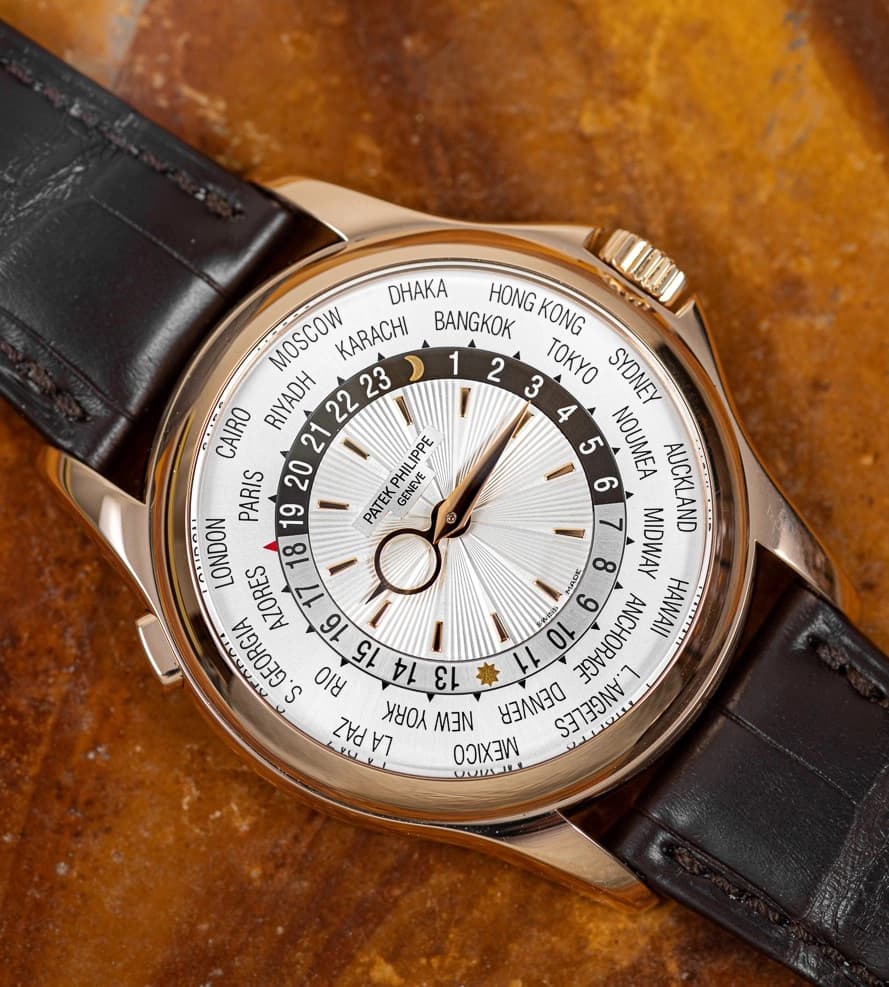
Patek Philippe 5130R
On watches with screw-down case backs, the slots on the case back screws are diagnostic. Original slots are clean and perpendicular. Screws that have been repeatedly torqued with a screwdriver that does not fit the slot will show burring or angled damage. Replacement screws with the wrong head profile are immediately visible.
What to Ask the Dealer, and How to Read the Answers
A reputable dealer will have anticipated most of these questions before you ask them. That anticipation is itself information.
Ask these questions directly, and note how the answers come back.
Provenance and ownership history. What is known about the watch's life? A dealer who can trace a piece back to its original sale or a documented collector is giving you something real. A dealer who responds with "we acquired it from a private party" and nothing more is telling you the provenance is thin.
Service records. What exists, and what was done? If the watch has been serviced, who performed the work? If no records exist, the dealer should say so plainly.
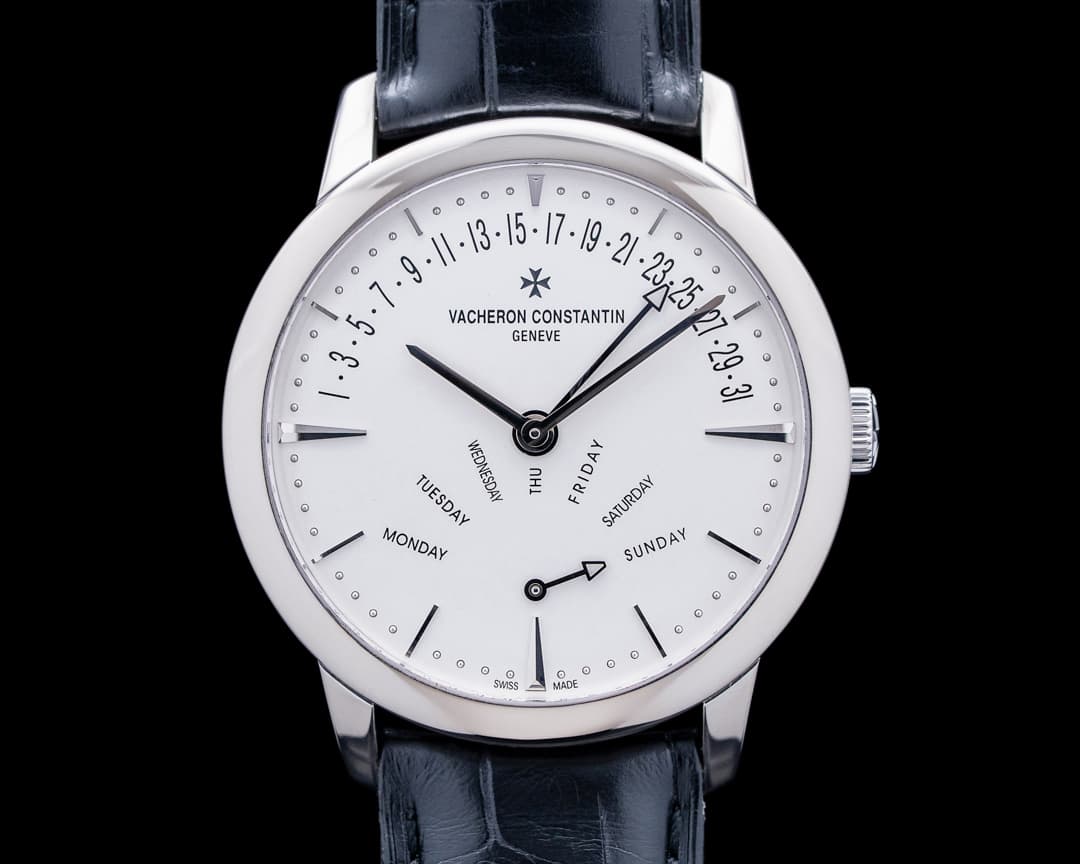
Box and papers. Original box and papers, boite et papiers, in collector shorthand, add value and document the watch's identity. Ask whether they are present, and if papers exist, ask for the reference and serial number on the papers to verify they match the watch. These aren't a deal breaker, but they can be an added plus.
Polish history. Has the case been heavily polished since manufacture? Note that for a watch serviced by Rolex under its standard procedure, the answer is necessarily yes, Rolex's service protocol includes refinishing as a standard step. The meaningful question for a vintage piece is whether it has been polished outside an authorized service context. Patek Philippe, by contrast, treats case polishing as an optional service that the owner must specifically request, a detail that makes the same question easier to answer specifically.
A dealer's responsiveness to these questions, the specificity of the answers, the willingness to provide additional information, is diagnostic. Evasion is an answer. A dealer who offers great photography, movement photographs, and case-back images before you ask on their site is demonstrating both knowledge and transparency. This is the standard we strive for at EWC.
Making the Call: When to Buy, When to Negotiate, and When to Walk
Not every problem with a pre-owned watch is a reason to pass. Most are negotiating points. Some are deal-breakers.
A repolished case on a modern sports watch is a negotiating point. It affects collector value but not wearability, and the market prices it accordingly. Make sure the price you pay matches the condition you are accepting. An over-polished case on a vintage reference where case geometry is central to collector value is closer to a deal-breaker, because the originality argument has been permanently compromised. A relumed dial on a reference where dial originality drives significant premium: deal-breaker. A replaced crystal on the same reference: negotiating point, easily corrected. Incorrect hands: a negotiating point if correct parts are available and the price reflects the cost of sourcing and installing them; a deal-breaker if correct parts are unavailable or prohibitively expensive for the reference.
Absent service documentation with a movement that photographs clean, has no case-back tool damage, and comes with a credible provenance story: acceptable and often to be expected from less worn pieces. Absent service documentation with evidence of improper opening, replacement screws, and a seller who cannot answer basic questions about the watch's history: walk.
The principle underneath all of this is that identified problems should be priced into the transaction. If you can see the problem, it belongs in the negotiation. If you cannot see it, if the seller cannot tell you whether anything has been replaced, if no documentation exists, if the case-back photographs are unavailable, then you are pricing uncertainty, and uncertainty has a cost.
What separates a confident pre-owned buyer from one who gets burned is not the absence of risk. It is knowing which risks are quantifiable, which are worth taking, and which questions to ask before making a purchase. And of course, working with the right retail partner is of utmost importance. We prioritize all these considerations in our pricing, in the way we treat our pieces from acquisition to final sale, and in the after-sales support we provide our customers. Please reach out if you have any questions.
Shop New Arrivals
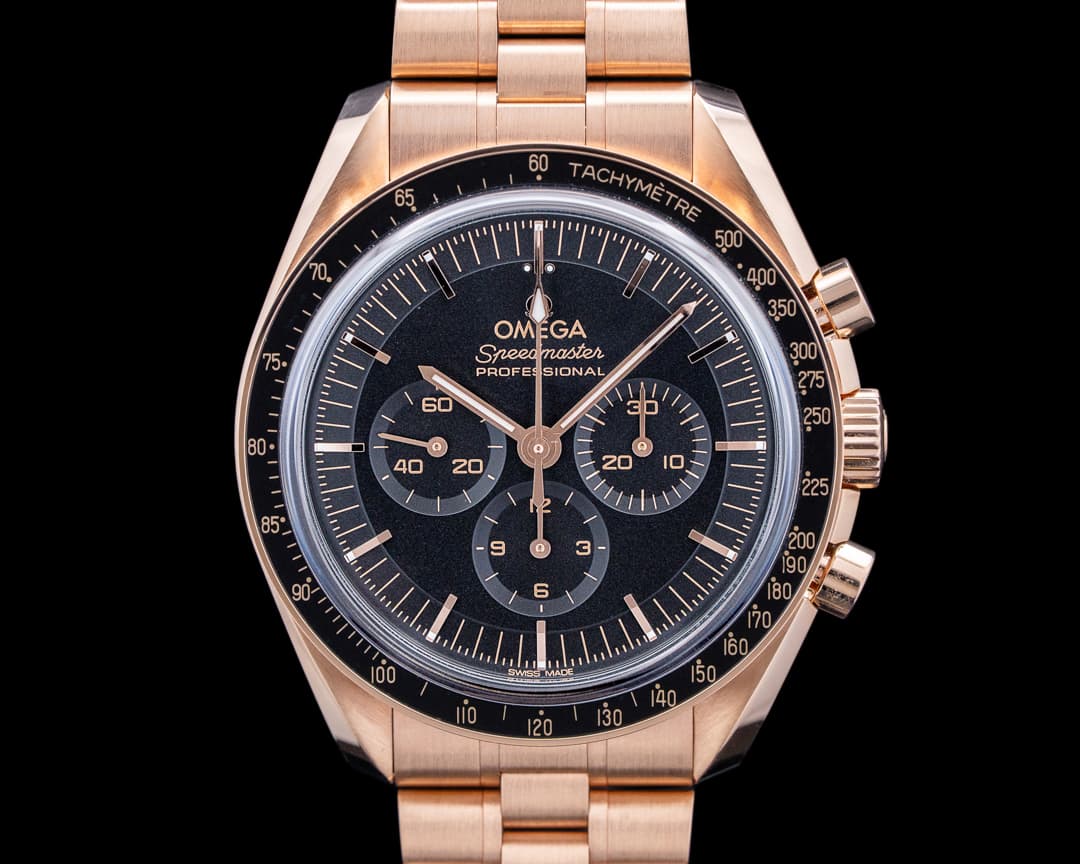
Speedmaster Moonwatch 18K Sedna Gold Black Dial
$29,900
View Watch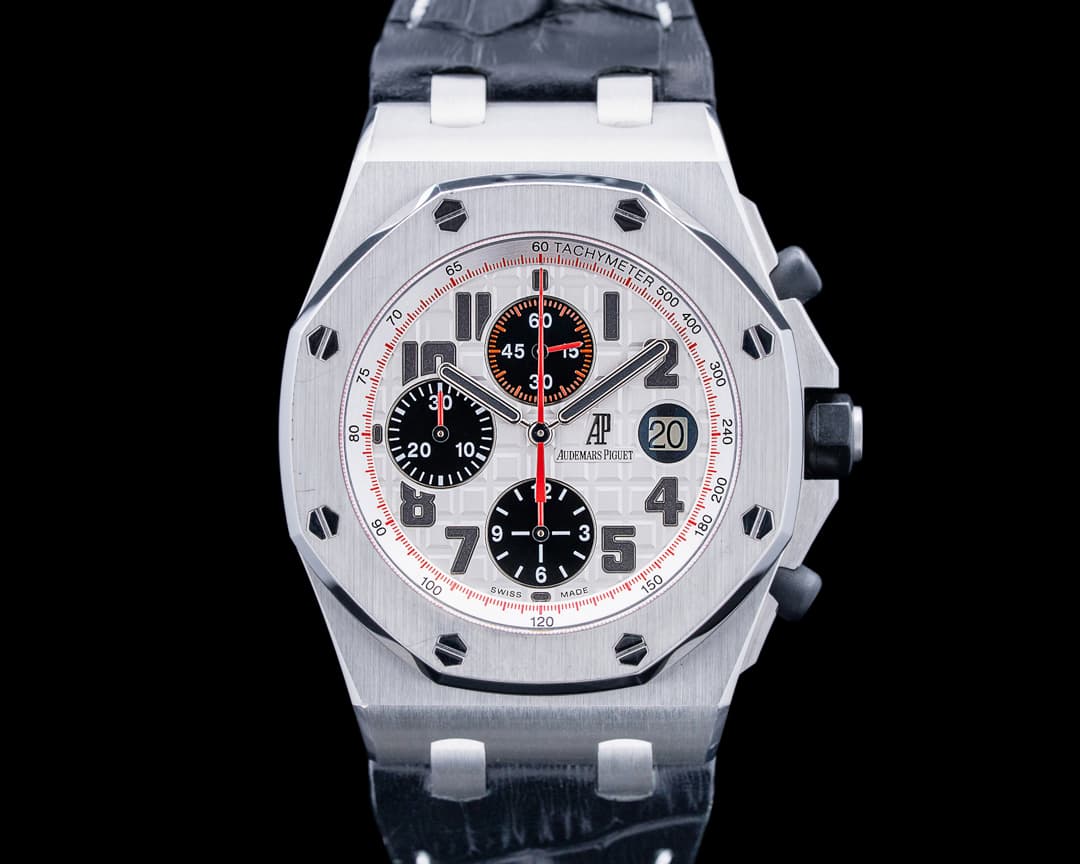
26170ST Royal Oak Offshore Chronograph SS Silver Dial
$22,900
View Watch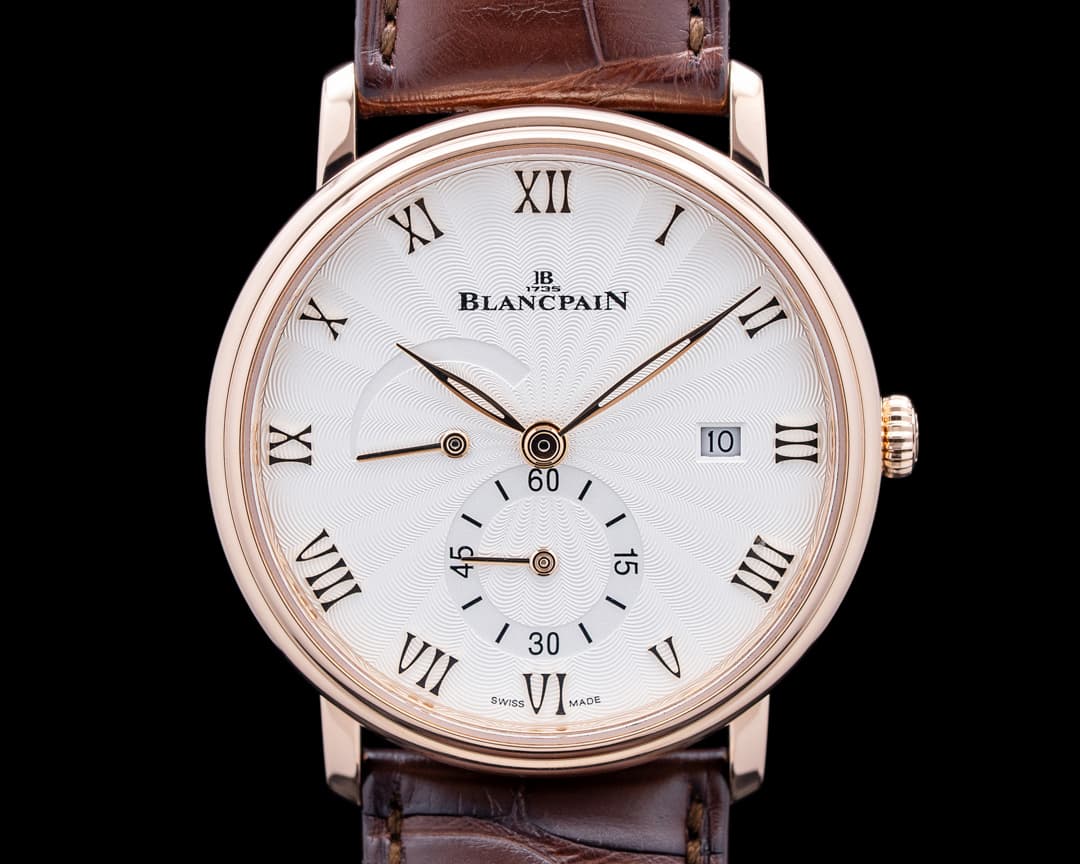
6606A Villeret Ultraplate 18K Rose Gold Opaline Dial
$20,900
View Watch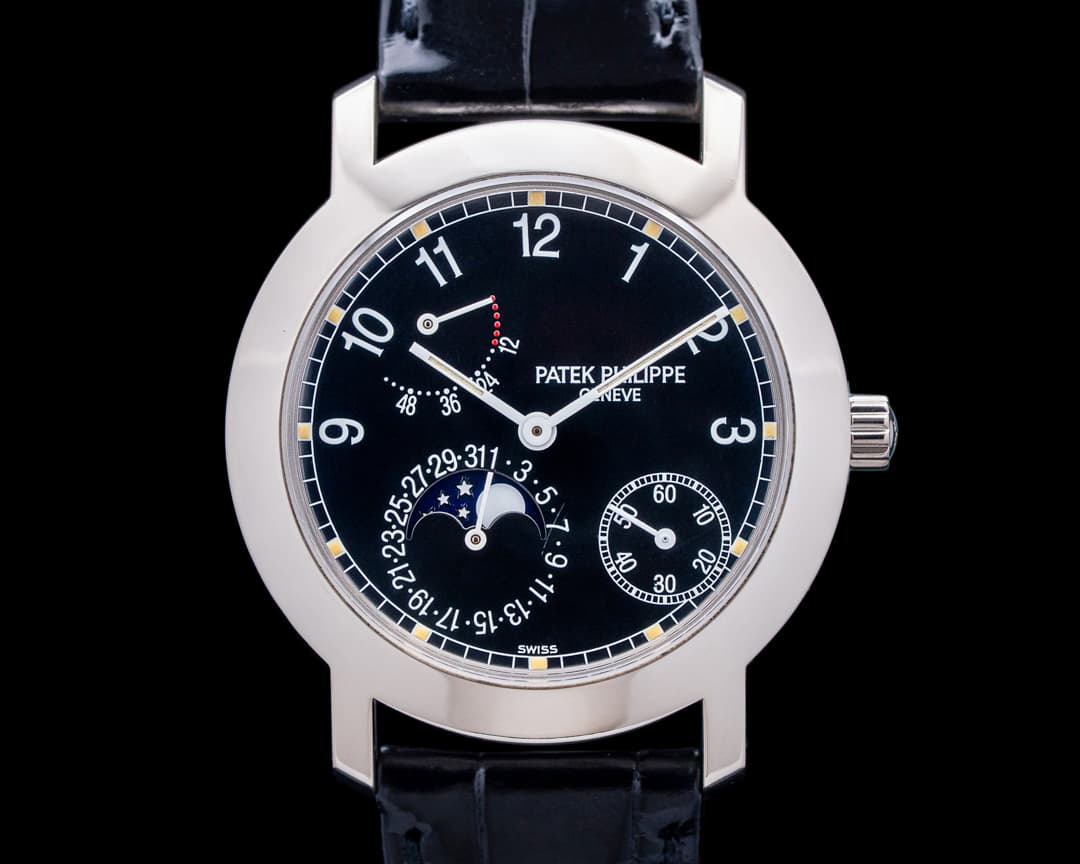
5055G Complications 18K White Gold Black Dial
$29,500
View Watch
Shop New Arrivals
Speedmaster Moonwatch 18K Sedna Gold Black Dial
$29,900
View Watch26170ST Royal Oak Offshore Chronograph SS Silver Dial
$22,900
View Watch6606A Villeret Ultraplate 18K Rose Gold Opaline Dial
$20,900
View Watch5055G Complications 18K White Gold Black Dial
$29,500
View Watch
More Content