Most watch advice is written for buyers. The sell decision gets treated as an afterthought: forum posts thick with sentiment, vague talk about "the right time to sell," and almost nothing from people who buy and work with watches for a living. After thirty years on the buy side of this market, we've seen the same patterns repeat. Sellers who held six months too long. Sellers who panicked out of a dip that corrected in nine months. Sellers who left real money on the table because they didn't understand how the channel they chose actually worked. Today we're giving our advice on how to view sales decisions if the time does come.
The Question Nobody Answers Well
The standard advice splits into two primary camps. The sentimental group says: only sell if you no longer love a watch while the emotionally disconnected segment argues to wait for the optimal market conditions. Neither helps a collector who loved their Daytona when they bought it, still loves it now, and is watching it trade at half its 2022 price while wondering whether to hold or exit.
A real framework has to answer three separate questions, in order. What does the market tell you about this specific reference right now? What is condition doing to the asset over time? Does this piece still belong in your collection, or have you outgrown it? Each question can produce a sell signal on its own. When two or three align, the decision usually isn't hard, the hard part is knowing what to look for.
Signal One: The Reference Has Peaked
Market timing sounds like something only traders think about. It isn't. Every reference has a cycle, and the signals that a cycle is turning are observable if you know where to look.
The clearest signal is grey market premium compression. When a watch that was trading at a 60% premium over retail starts to sit rather than having the same turnover, something has changed: supply has normalized, speculative demand has cooled, or both. To be able to pick up on this signal, you'll need to be monitoring major retail channels and watching pricing closely.
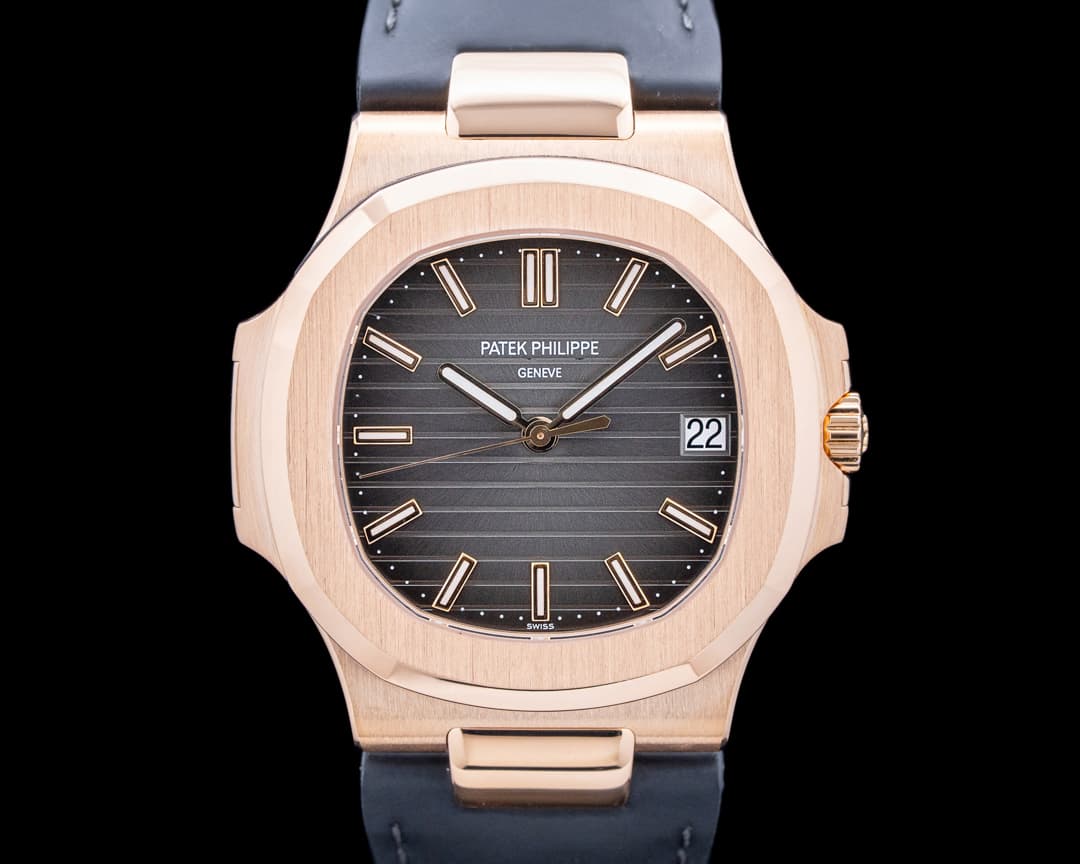
The Patek Philippe Nautilus 5711/1A followed the retail compression arc we're discussing. Models that traded above $140,000 at mid-2022 highs now sit in the $80,000 to $120,000 range depending on dial and condition, with original retail never having exceeded $40,000. The compression is real, even if the floor remains well above retail.
Beyond premium compression, watch for two other signals. Auction hammer prices plateauing or declining across two or three consecutive sales for the same reference, not one outlier result, but a trend. And sudden inventory availability after a period of scarcity: when a grey dealer who had a three-month waitlist suddenly has four references in stock, that tells you something about where demand has gone.
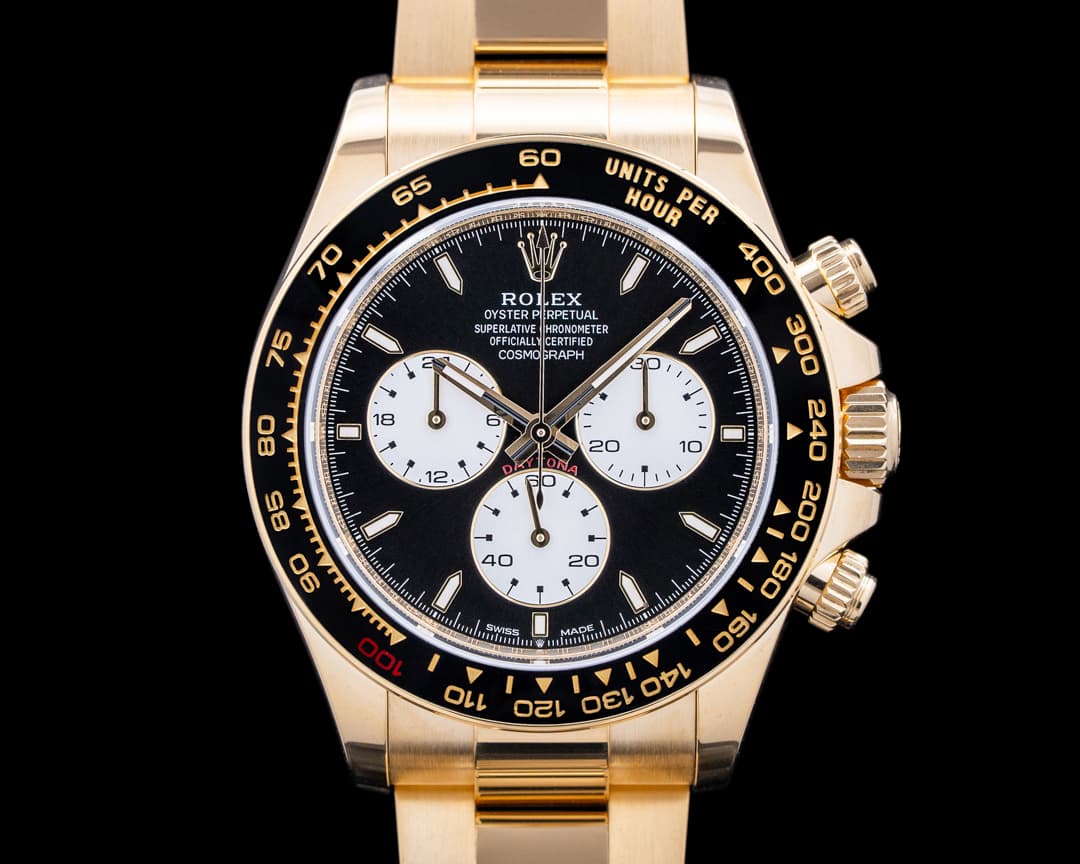
None of this means timing the absolute top is realistic. The 116500LN peaked in early 2022; most sellers didn't recognize it as a peak until mid-2023. Peak recognition is almost always retrospective. The practical goal isn't to sell at the top. It's to sell before compression becomes the new floor and at a minimum to be aware of where your pieces are trading if pricing is a major consideration for you.
Signal Two: Condition Is Starting to Work Against You
A watch in unworn condition and a watch in honest daily wear are not the same asset. The gap between them widens every year you keep wearing it, and most collectors dramatically underestimate how much condition affects resale.
The most destructive thing you can do to a watch's value is have it polished. Watches that have been over-polished can lose 15 to 30% of their resale value, particularly where polishing has softened the case's original geometry: the sharp angles on a sports Rolex, the beveled edges on a Nautilus. The damage is permanent. No future service corrects it. If you're having a watch polished to "freshen it up" before selling, you're likely destroying more value than you're creating.
Replaced components are worse. A refinished dial drops value by as much as 50%, removing authenticity in a way that no cosmetic improvement recovers. Non-manufacturer replacement bezels, crystals, and bracelets carry the same logic: luxury watches with non-brand replacement parts decrease in value by up to 50%. These aren't collector opinions. They're what we see in offers.
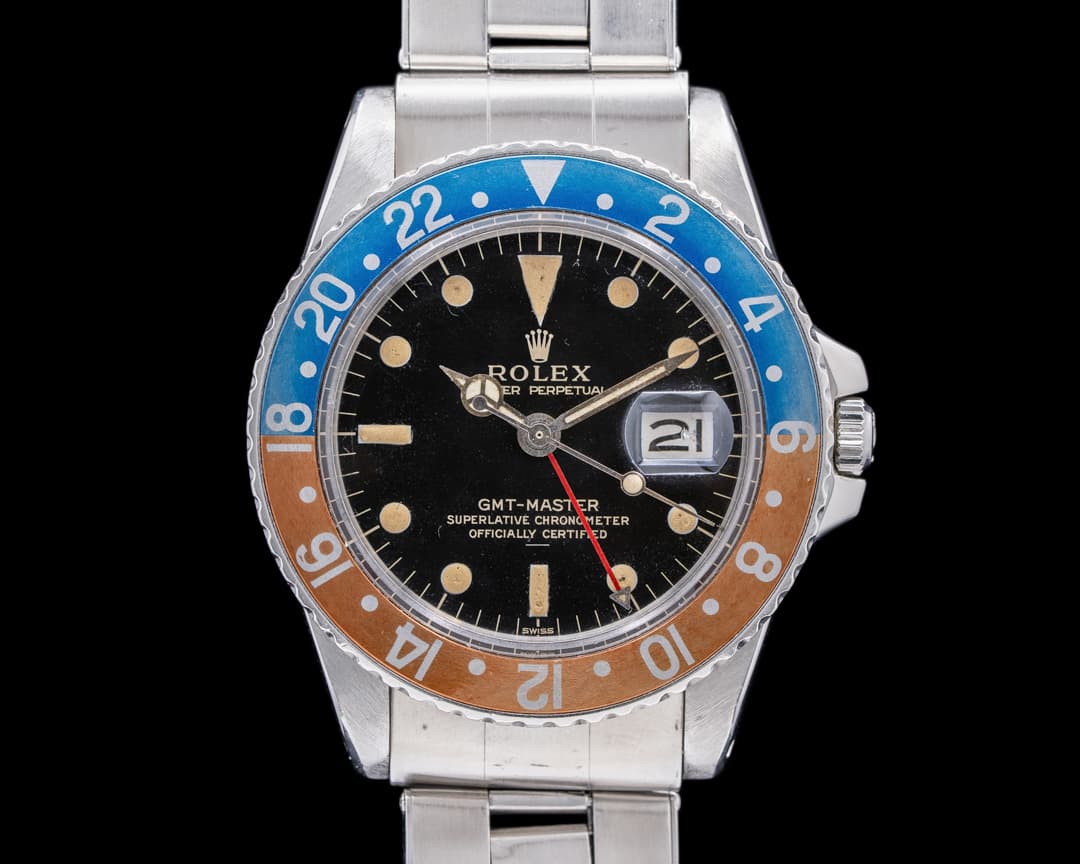
The distinction between honest patina and condition depreciation matters. Light case wear, minor bracelet stretch, a dial that shows its age with grace, these are expected on a worn watch and priced accordingly by experienced buyers. The problem starts when wear crosses into damage: a scratched crystal on a dress watch, a bezel insert replaced with an aftermarket piece, a case that's been to a jeweler's polishing wheel twice. Tool watches tolerate wear better than dress watches. Vintage pieces with original dials tolerate age in ways that modern sports references don't.
A complete set in mint, unpolished condition can command 30 to 50% more than a similar watch with heavy wear or replaced parts. If your watch is heading the wrong way on condition, if you're wearing it hard and not planning to stop, the cost of holding is real, even when it's invisible day to day.
Signal Three: The Collection Has Outgrown the Piece
Sometimes the sell signal has nothing to do with the market or condition. It's about who you are as a collector now versus who you were when you bought it.
A Rolex Submariner that made perfect sense as your first serious watch can create drag in a collection built around independent watchmakers and complications. Not because it's a lesser watch, it isn't, but because it no longer fits what you're trying to say with your wrist. A focused collection is worth more than the sum of its parts, and a piece that doesn't belong is quietly costing you opportunity every time you reach for something else instead.
The harder question is distinguishing "I've moved on" from "I'm bored and will regret this." The difference usually shows up in specificity. If you can articulate exactly what you'd rather have, not just "something different" but an actual reference, a reason, a trade, that's a real move. If the destination is vague, restlessness is probably driving you, not logic. Boredom passes. Regret over a sold piece you actually wanted to keep is slower to go.
For the collector trying to edit honestly: list every piece and note which ones you actively reach for. The ones that consistently stay in the box for six months aren't earning their spot. That's a real signal, separate from sentiment.
The Emotional Override Problem
The psychology of selling is genuinely hard, and pretending otherwise would make this framework dishonest.
There are two failure modes. The first is holding too long out of attachment: the watch has sentimental weight, it was a gift, it marks something, and every time the sell logic is clear the emotional veto overrides it. Sellers in this mode often watch a reference compress 20% while waiting to feel ready. The feeling doesn't usually arrive.
The second failure mode is the opposite. The watch drops in value, the loss feels crystallized, and selling feels like at least making a decision. But a dip is not a structural decline, and panic-selling at the bottom of a correction is how collectors exit at the worst possible moment.
The most useful corrective for both: ask yourself whether you would buy this watch today, at its current market price, knowing what you know now. Not whether you love it, not whether you paid more for it, not whether it has sentimental weight. Would you buy it? If the honest answer is no, if you'd spend that money differently, the holding logic deserves real scrutiny. If the answer is yes, you probably have that answer too.
None of this makes the decision easy. It makes it clearer.
Putting the Framework Together
When you're standing at the actual decision, the framework compresses to three questions.
What does the market say? Are grey market premiums compressing? Are auction results for this reference declining across consecutive sales? Is inventory appearing where it wasn't? Two or more of those, and the market is telling you something.
What is condition doing? Is the watch gaining honest patina, or accumulating damage that will cost you at sale: polishing, replaced parts, crystal wear on a dress piece? Is the gap between your watch and an unworn example widening in a way you're not pricing in?
Does the piece still belong? Would you buy it today at current market prices? Can you articulate where the money would go instead? If the answer to the first is no and the second is specific, you probably have a real move to make.
The best sell decisions, in our experience, feel boring rather than dramatic. There's no catharsis, no moment of clarity, no feeling of finally being ready. There's just the recognition that the signals aligned, the logic held up, and the decision made itself. That's the goal: not perfect timing, not maximum price, but a decision made with enough clarity that you don't regret it.
Shop New Arrivals
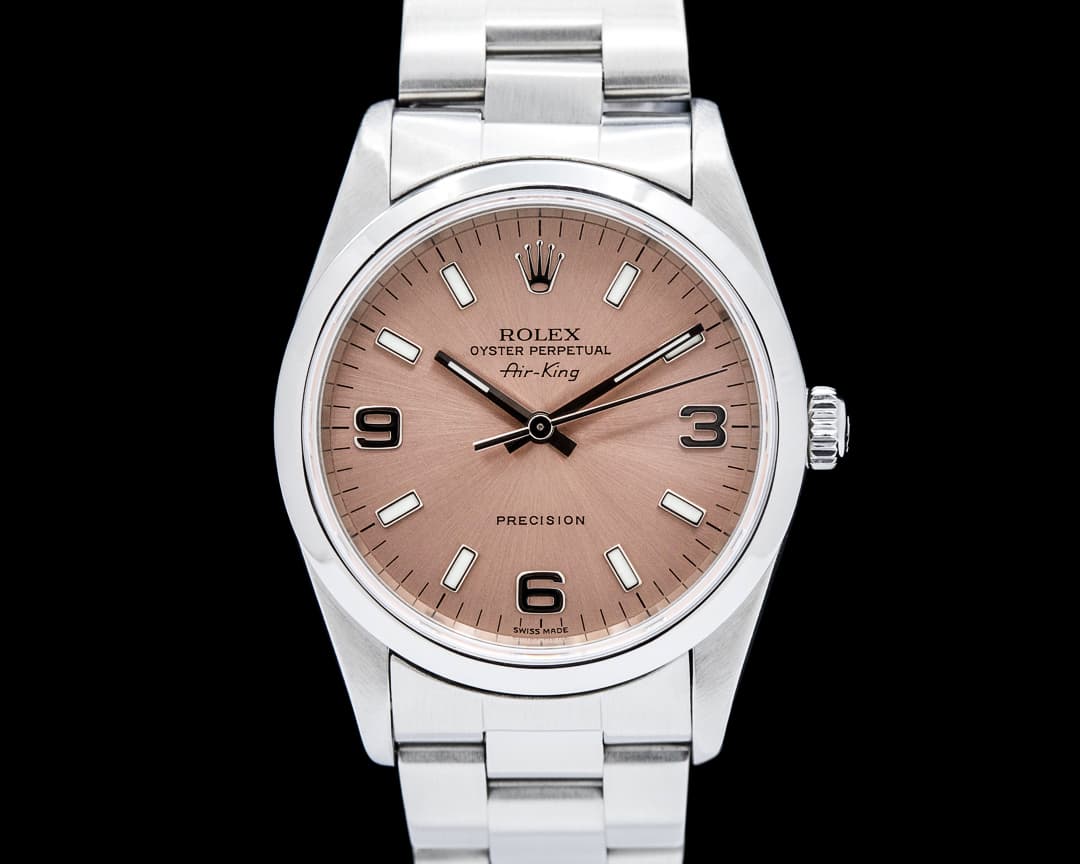
14000 Air King SS Salmon Dial
$5,750
View Watch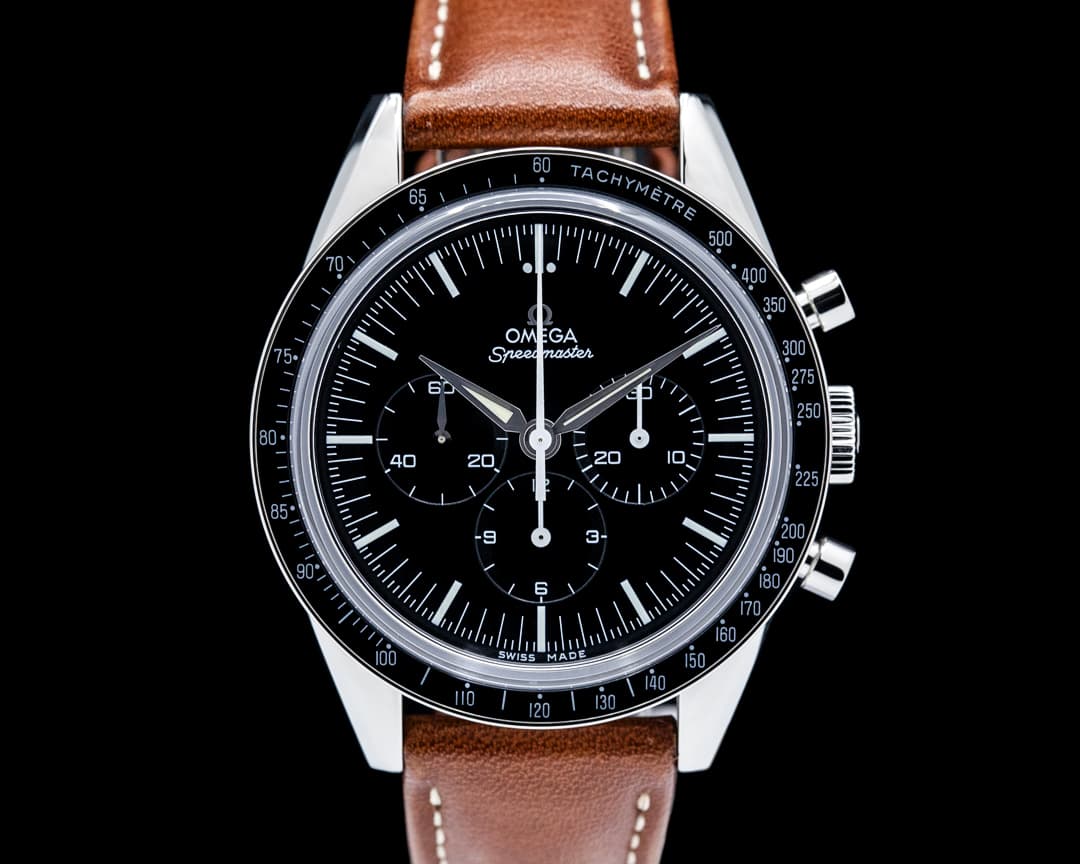
Speedmaster First Omega in Space SS Black Dial
$6,500
View Watch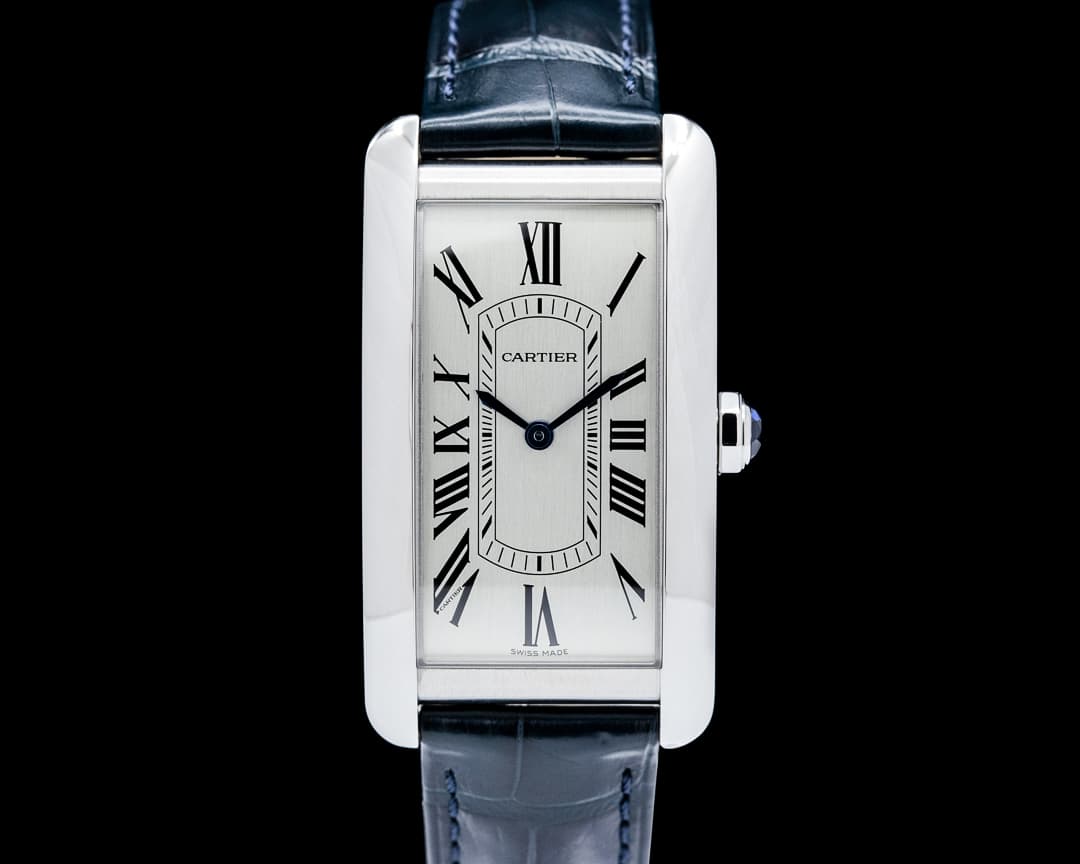
WSTA0083 Tank Americaine Large SS Silver Dial 2026
$6,350
View Watch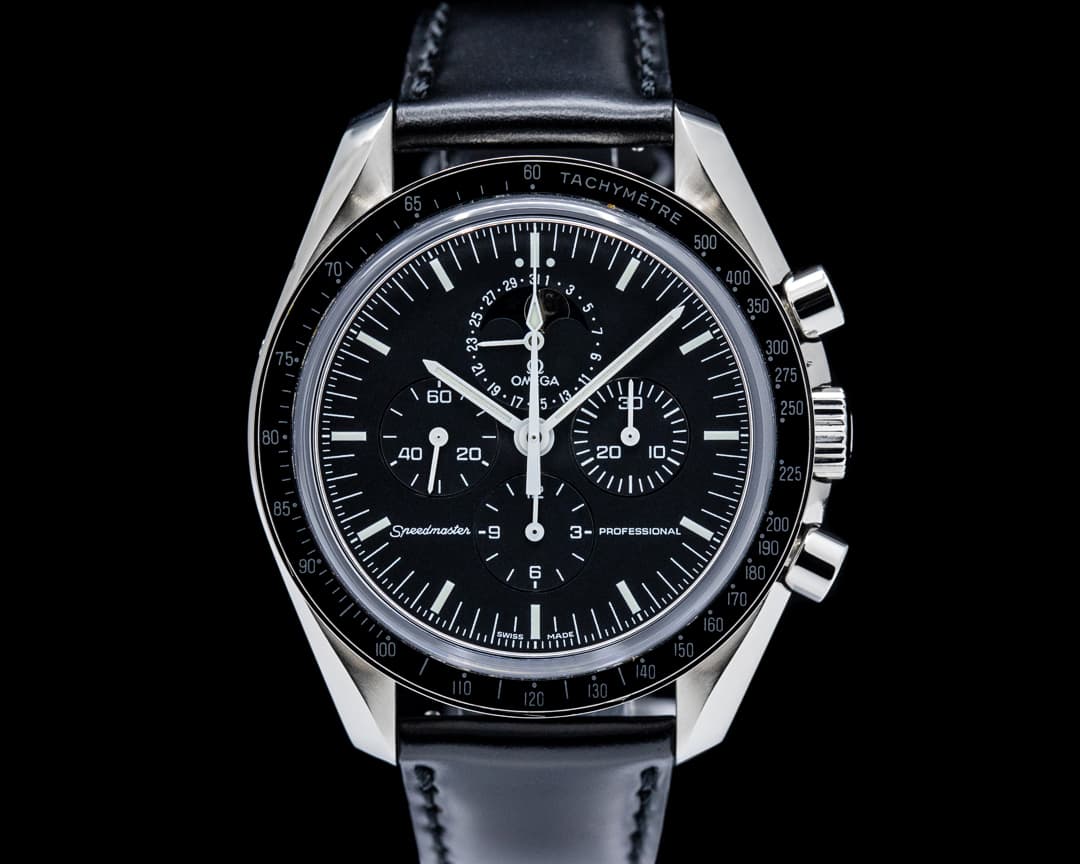
3876.50.31 Speedmaster Professional Moonphase SS Black Dial
$7,350
View Watch
Shop New Arrivals
14000 Air King SS Salmon Dial
$5,750
View WatchSpeedmaster First Omega in Space SS Black Dial
$6,500
View WatchWSTA0083 Tank Americaine Large SS Silver Dial 2026
$6,350
View Watch3876.50.31 Speedmaster Professional Moonphase SS Black Dial
$7,350
View Watch
More Content