The Market After the Peak: What the Correction Actually Looks Like
The average Rolex secondary transaction price reached $17,206 in March 2022, nearly double the level from eighteen months earlier. By December 2022, that figure had dropped to $11,785, a 31% decline in nine months. By June 2025, it had stabilized around $13,426. This Rolex market volatility has left collectors wondering where the market sits today and how to view their purchase decisions going forward.
Steel sports references drove the bubble and took the biggest hit in absolute terms. Dress references went up less and came down less. Tool watches like the Explorer saw a different trajectory still: modest appreciation, modest correction, and in some configurations, prices now sitting around retail.
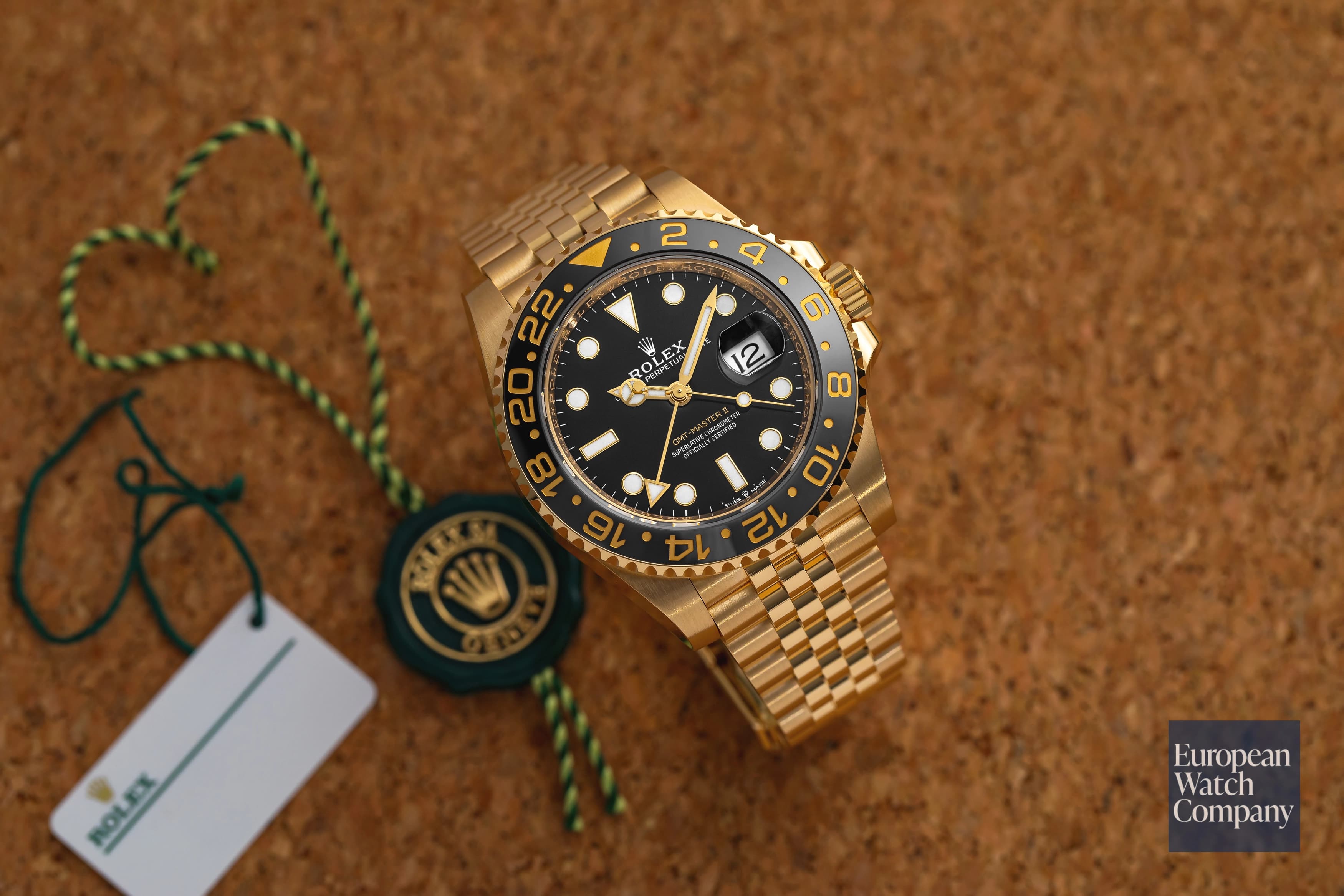
Rolex GMT Master II 126718
The aggregate numbers also obscure stabilization. The correction ran hard through late 2022, decelerated through 2023 and 2024, and by spring 2025 most reference families had found their footing. The overall market, as tracked by WatchCharts, reported by Morgan Stanley, and made in the EWC shop, has gradually recovered since summer 2024. That doesn't mean we're heading back toward astronomical averages. It simply means the volatility has given way to more reasonable (and predictable) market dynamics.
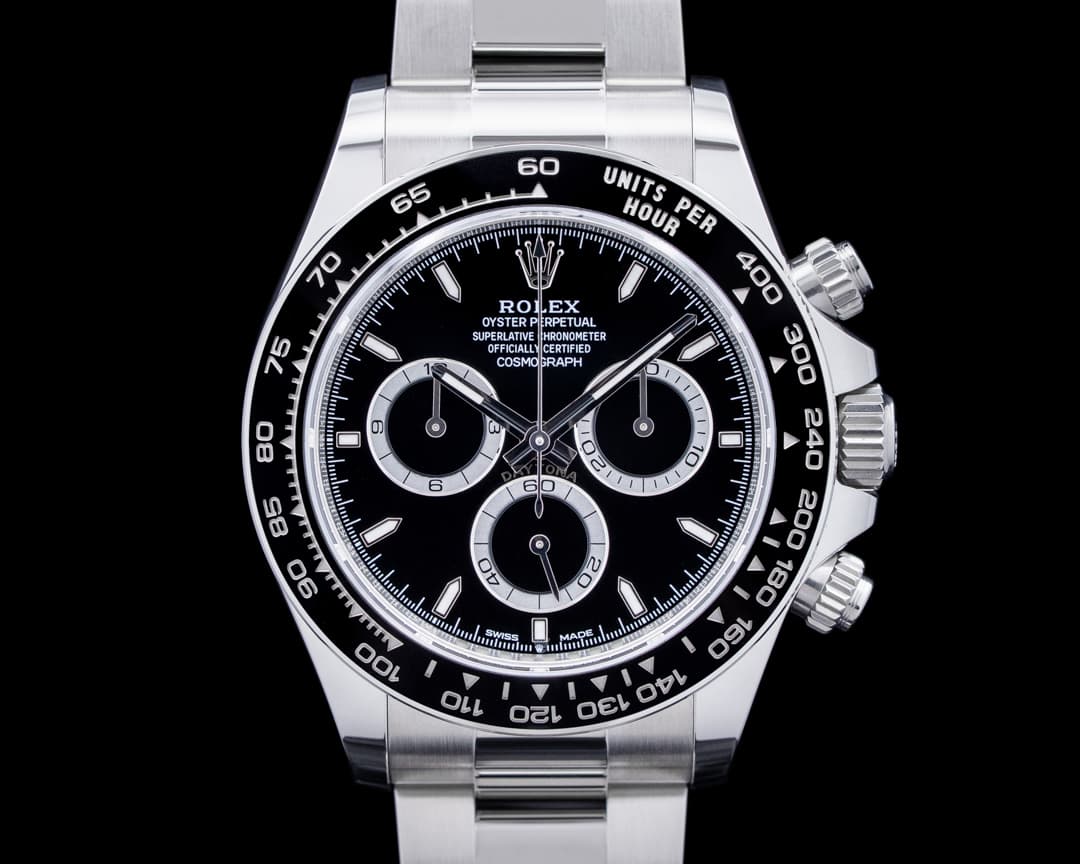
What it looks like from the floor is a bifurcated market: high-demand steel sports still trade at meaningful premiums to retail, dress and tool watches have compressed toward or below retail, and a handful of references, the Daytona in particular, are still commanding numbers that surprise people who expected the bubble to deflate completely.
How to Read Secondary Pricing: Retail vs Listing vs Transaction Prices
To understand preowned watch markets of any kind, three numbers matter, and they mean very different things.
Retail is what Rolex charges at authorized dealers. After the January 2026 price increase, an average 7% across the catalog, with steel models up roughly 5-6% and precious metals up 8-10%, driven by tariffs and record gold prices, retail for key steel references sits at: Submariner 124060, $10,050; Daytona 126500LN, $16,900; GMT-Master II references in the $11,800-$12,000 range; Datejust 126334, approximately $11,650. In practice, retail pricing is irrelevant for most buyers because authorized dealers don't have stock to sell at those prices for the majority of watches that collectors are trying to get their hands on. Nonetheless, it provides a benchmark against which to gauge collector sentiment.
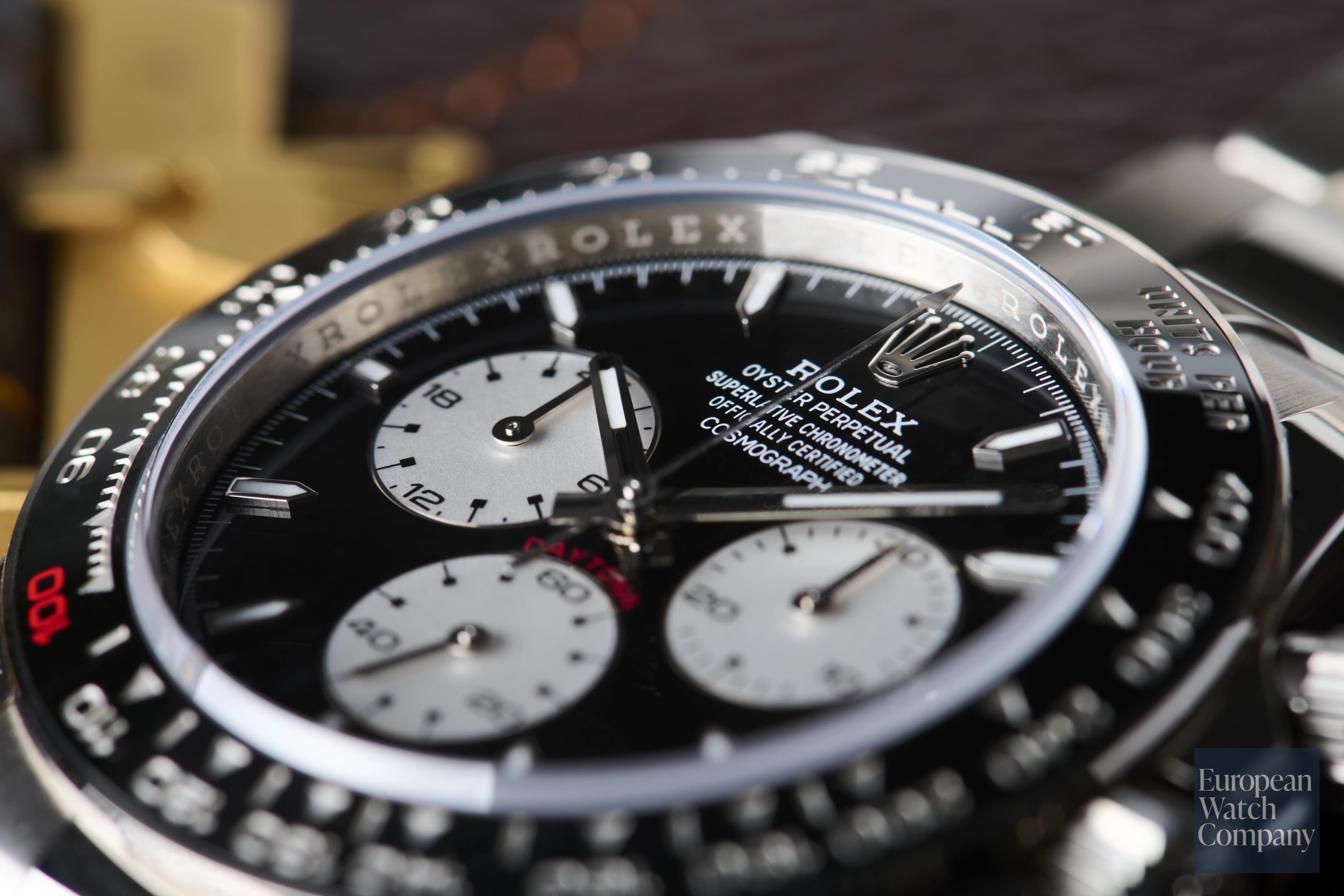
Rolex LeMans Daytona
Listing price is the price you see listed on any host of sales platforms across the internet. It's an ask, not a trade. On online platforms, sellers list high and negotiate down. These platforms show the full range including outliers, and watches that sit unsold accumulate and distort the average. Listing prices are useful for orientation. They are not necessarily the prices at which actual transactions happen.
Transaction price is what the watch actually cleared for. WatchCharts tracks this from aggregated sale data; dealer buy/sell records capture it at the counter. This is the number that matters, and it's the number used as reference throughout this piece alongside EWC's own transaction data from dozens of weekly transactions.
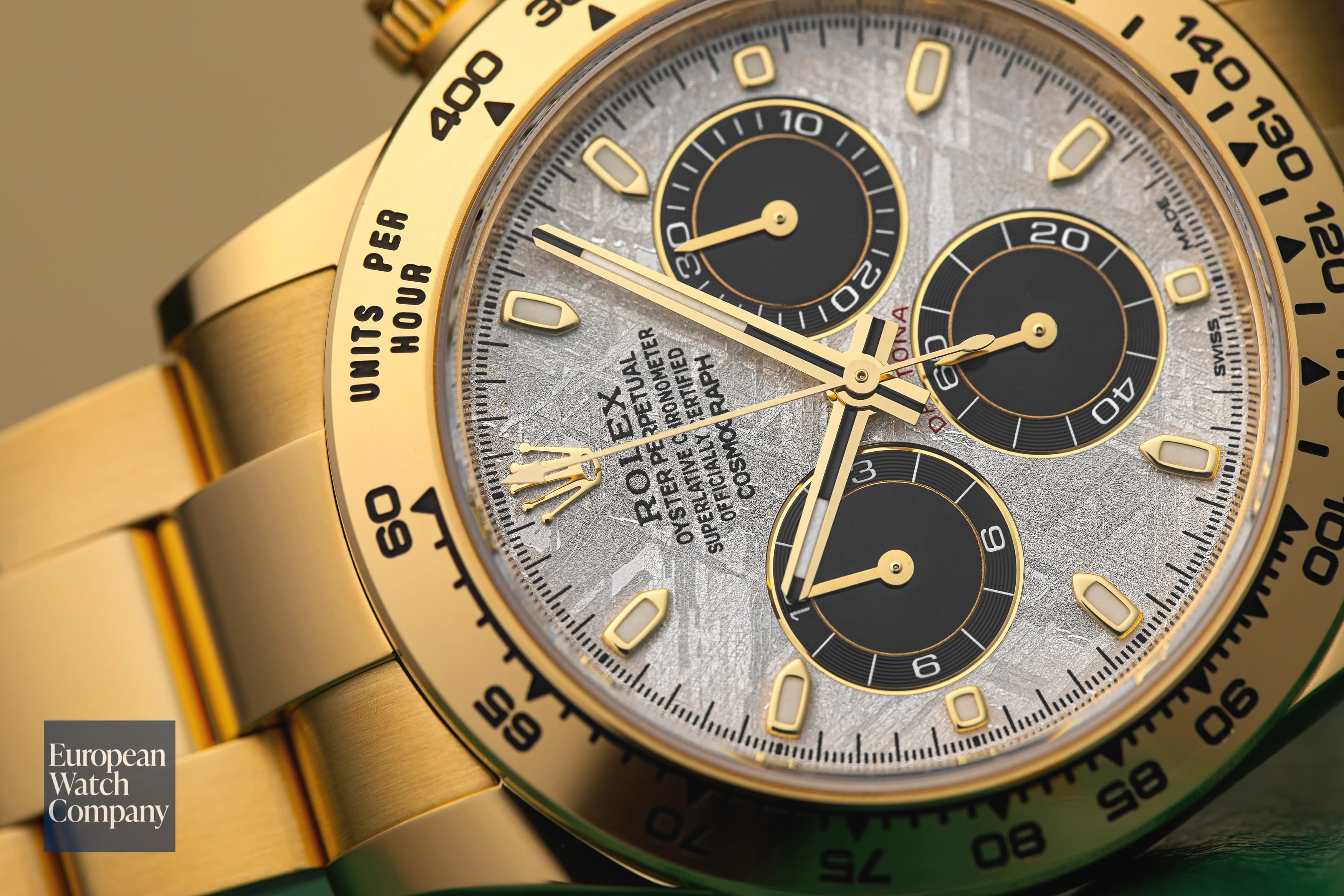
Rolex Daytona Meteorite 116508
Sports Models: Submariner, GMT-Master II, and Daytona
These three families drove the mania and received the largest correction. But they did not move together.
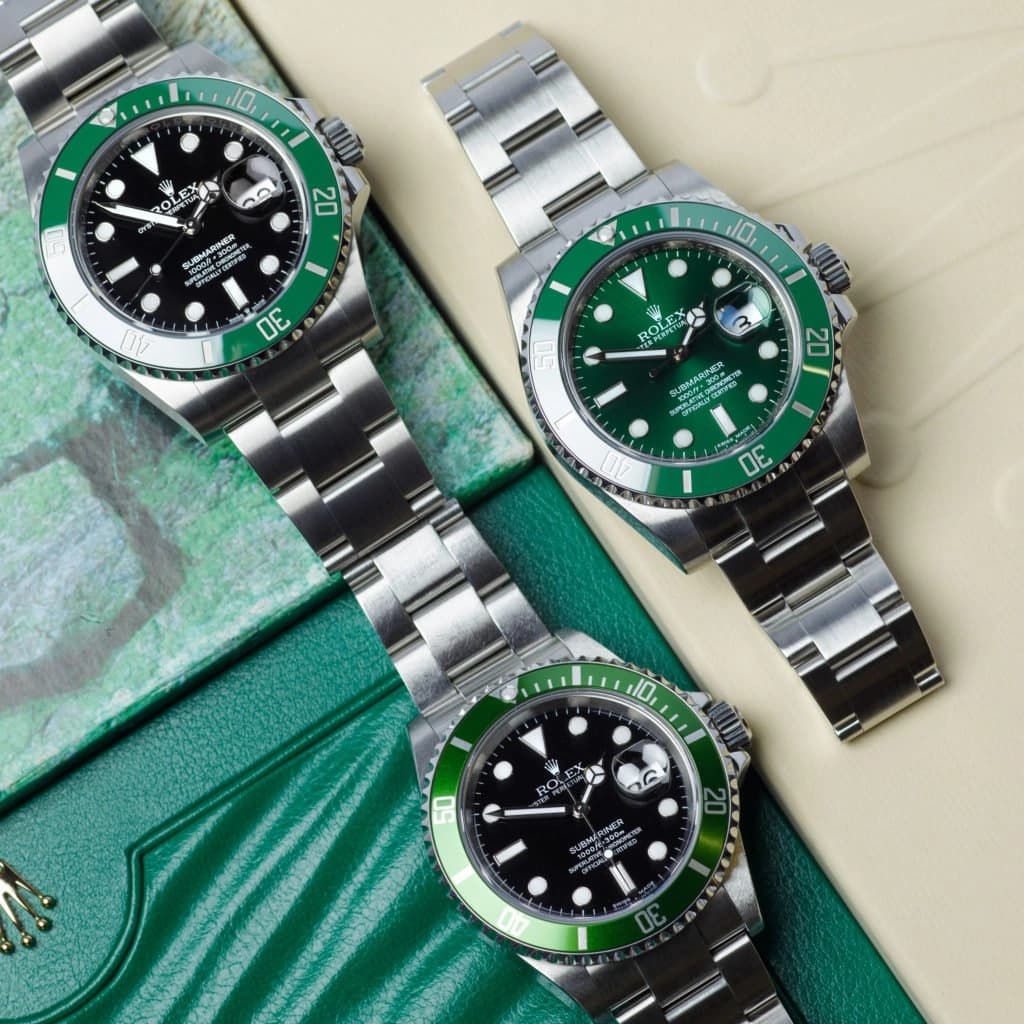
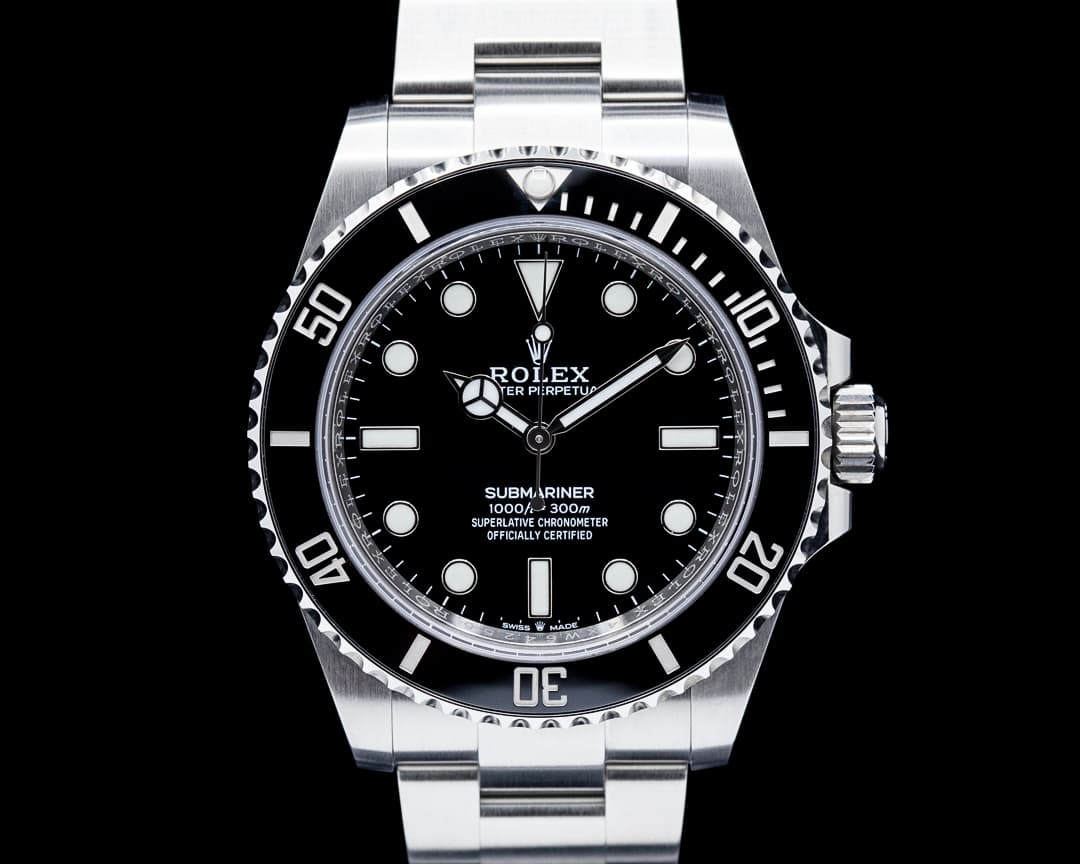
Submariner 124060 and 126610
The no-date Submariner is the cleanest manifestation of Rolex's sports watch design language. The 41mm case sits comfortably on the wrist, with thinner lugs and wider bracelet than the 40mm 114060 it replaced. The dial is clean and uncluttered without a date window. It's the Submariner at its most austere, which is either everything or not quite enough for collectors depending on tastes.
At the peak in early 2022, the 124060 was trading around $16,500-$17,700 on the secondary market. Current cleared transactions sit in the $12,500-$15,000 range depending on condition and year, with most clean examples with papers clearing toward the middle of that range. Retail is $10,050. The secondary premium has compressed from roughly 60-75% above retail at the peak to somewhere between 10-45% now, depending on condition tier.
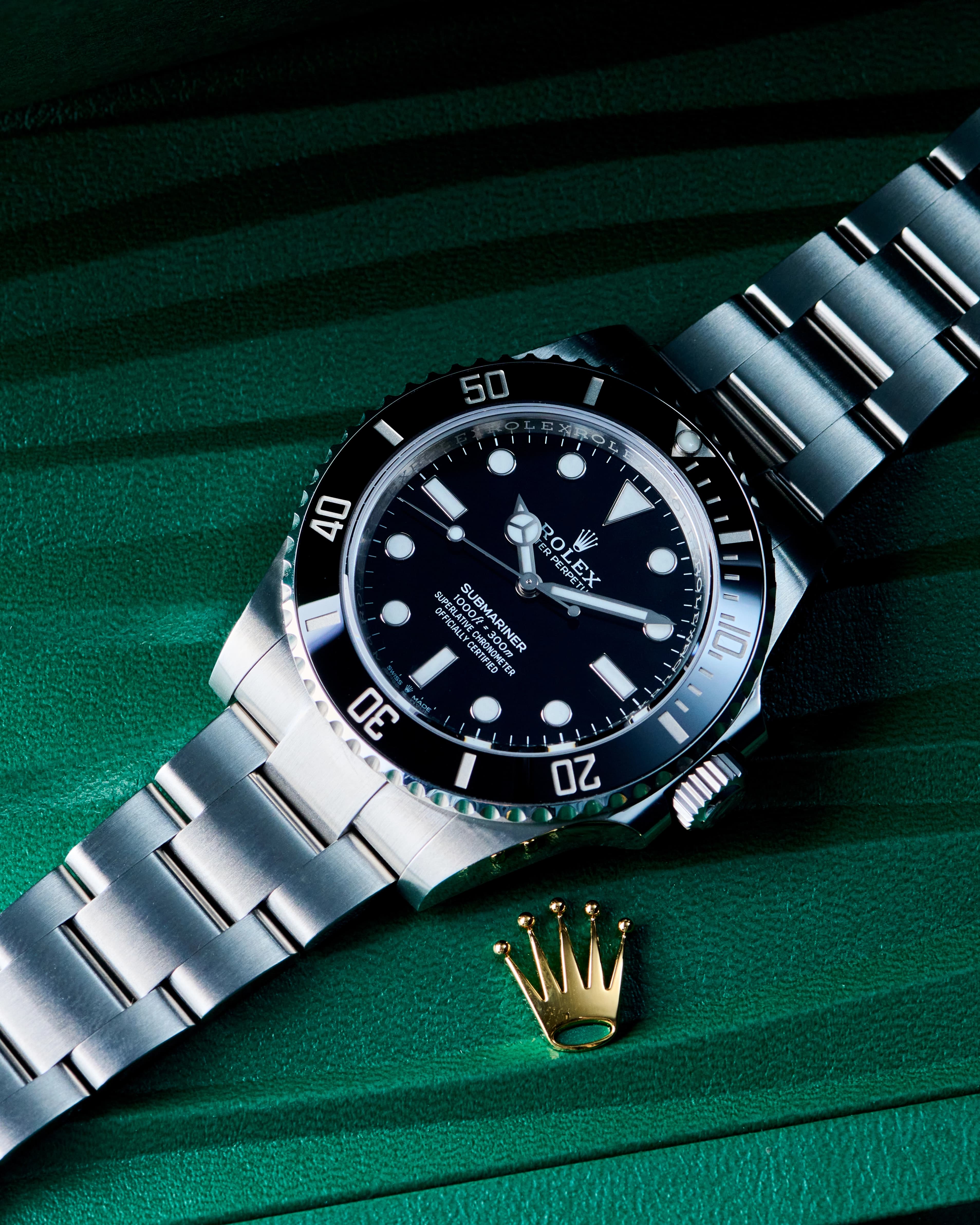
Rolex 124060 "Pavel Zacha"
The date variant, reference 126610, reached around $20,000 in 2022, now having softened off to $13,000-$16,000. Retail is at 11,350. For these models, a slight premium for immediate access on the secondary market is reflective of the general shortage of examples ready from the AD network and longer wait times.
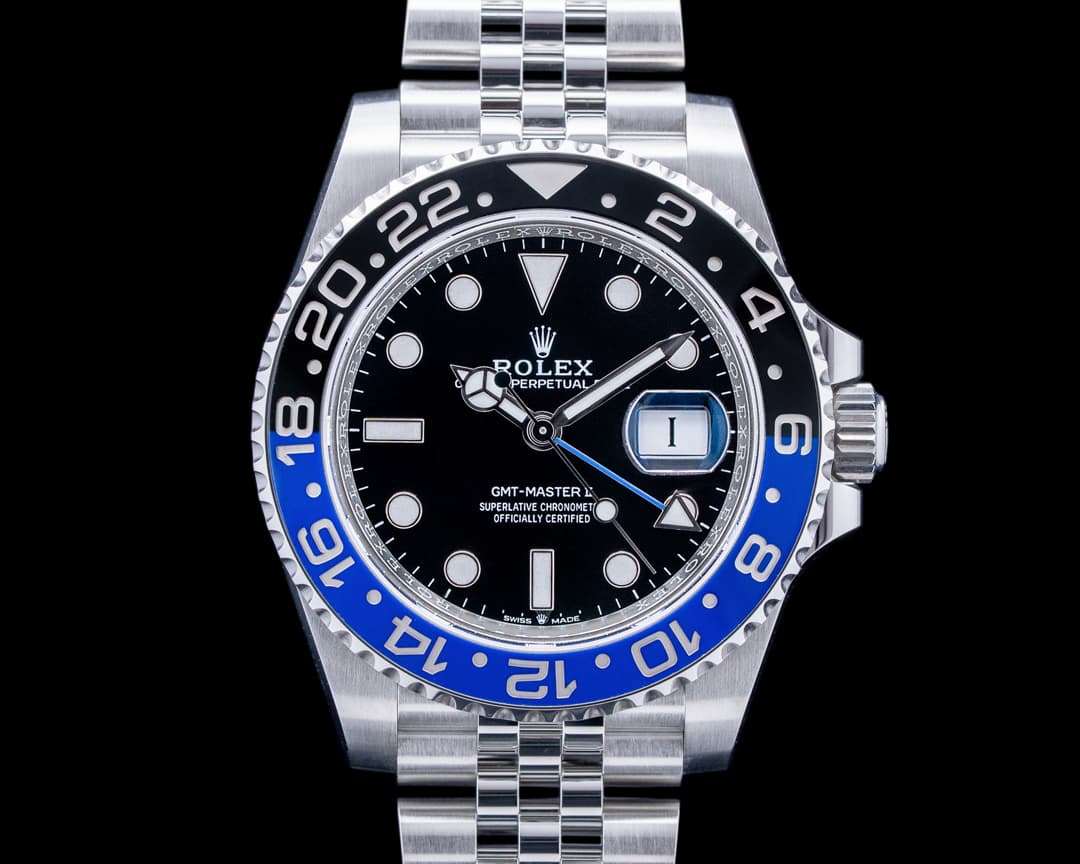
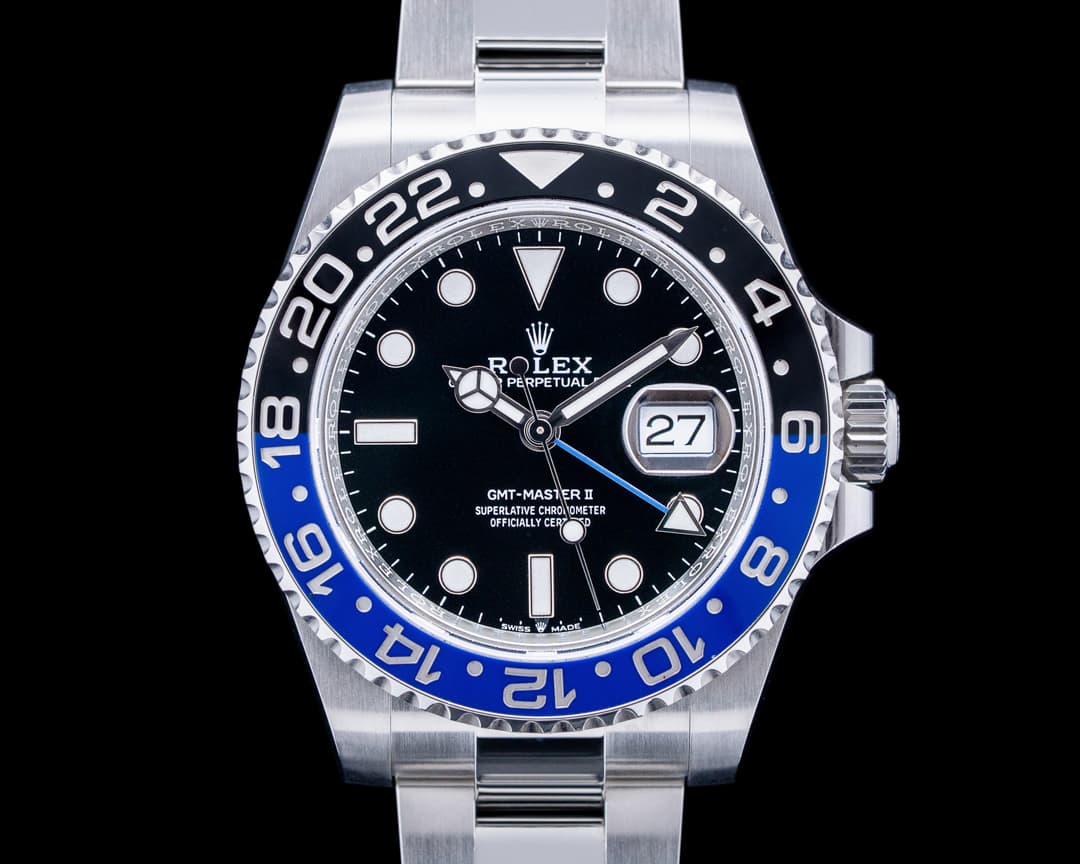
GMT-Master II 126710BLNR (Batgirl) and (Batman)
The all-black-and-blue ceramic bezel GMT is a quieter watch than the Pepsi. The Jubilee bracelet sits more compactly on the wrist than the Oyster of the Batman. It's not a rare reference, but it's scarcer than the mainstream models.
Pre-owned prices fell more than 30% from the early 2022 peak at $30,000 and now settled at a roughly $20,000 transaction price. Prices remained relatively stable between January 2023 and July 2024, declining less than 10% across that stretch. The reference has never traded below retail in its history. For some buyers that premium will feel stubbornly high; for buyers who want GMT function on a Jubilee bracelet with all-ceramic, the market is telling you this reference holds in value.
The Batman variation on Oyster bracelet peaked at around $26,000- $27,000 and has stabilized at 17,000- $19,000. The conversation is similar to that of the Submariner. Moderately over retail, but by a much more reasonable margin than in 2022.
GMT-Master II 126710BLRO (Pepsi)
The Pepsi was discontinued at Watches & Wonders in April 2026. This has entirely altered the preowned calculus. Pre-discontinuation trading was running around $20,000-$23,000, quite a bit above the $11,800 retail price. Post-discontinuation demand has begun pushing prices up, with one aggregated May 2026 figure showing pre-owned averages at well over $30,000.
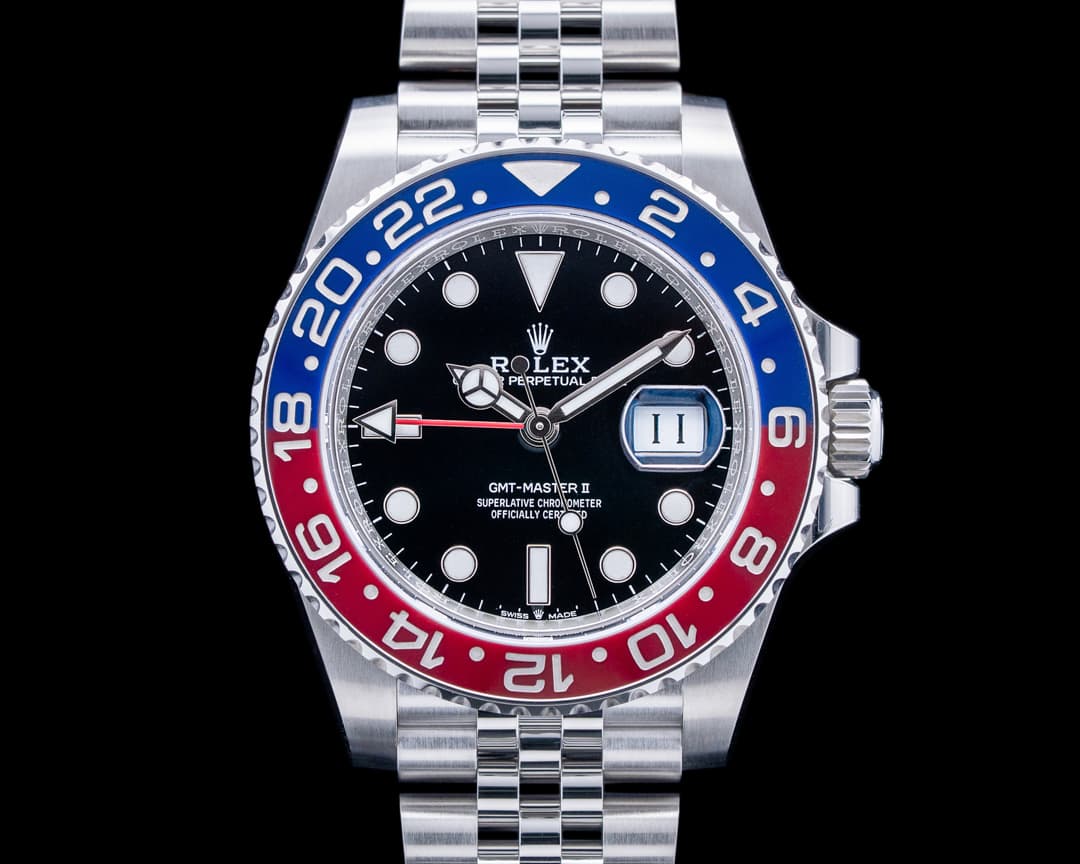
The gap between that figure and the pre-discontinuation range suggests a spike driven by reaction rather than fundamental value repricing, but discontinued references do carry long-term premiums. If you wanted a Pepsi and didn't buy it six months ago, you're now paying a premium. The first wave of post-discontinuation demand usually overshoots slightly for the most price insensitive buyers. The other variable that could alter the calculus would be if Rolex came out with an updated Pepsi model in replacement.
GMT-Master II 126720VTNR (Sprite)
The left-handed green-and-black GMT is the outlier in the family. Its unique left sided crown placement distinguishes it from the rest of the family as one of Rolex's quirkier models in the current collections. Speculative peaks in late 2022 reached above $30,000. Current trading sits in the $16,000-$20,000 range as production increased and the novelty premium deflated. The reference has stabilized, and the left-crown quirk filters out enough buyers that demand isn't as fierce as the Batgirl's or Pepsi model's.

Rolex Sprite 126702VTNR
Daytona 116500LN (discontinued)
The ceramic-bezel steel Daytona with the white or black dial is genuinely one of the best-looking steel sports watches made. The dial reads cleaner than the old 116520 with its stick subdials, the ceramic bezel sits flush and sharp on the case, and the 40mm case wears smaller than you'd expect. At peak 2022, this reference was clearing close to $50,000. Current EWC sales sit in the $32,000-$35,000 price range with stronger valuations on the Panda dial: still notably above its last retail price of roughly $16,000, but half the bubble high. For a discontinued reference with no replacement yet fielding the same level of demand, this seems like a durable pricing we'd expect to persist as the volume of trade of the model has stayed relatively consistent.
Daytona 126500LN (current)
The current-generation ceramic Daytona launched at retail around $16,900 after the January 2026 increases. Secondary trading began around $50,000 when first pieces hit the market in late 2023, softening steadily to approximately $37,000 by today (a bit lower for the black dial variant), the highest secondary premium of any reference examined here. For buyers who want the current Daytona, waiting may cost nothing and save something. For buyers who need it now, you're paying a premium. Time will tell regarding the durability of that multiple.
The Quieter Side of the Market: Datejust and Explorer
References that never became bubble targets tend not to crater. But that doesn't make them all the same story.
Datejust 126334
Here is the counter-narrative to everything above. The 41mm Datejust with fluted bezel and Jubilee bracelet, steel case, dial options from silver to sunburst blue to champagne, is not correcting. It's appreciating. WatchCharts data shows the reference up 21% over five years, currently trading approximately 22% above its $11,650 retail price, with a market value around $14,289. That secondary premium has held while sports model premiums compressed.
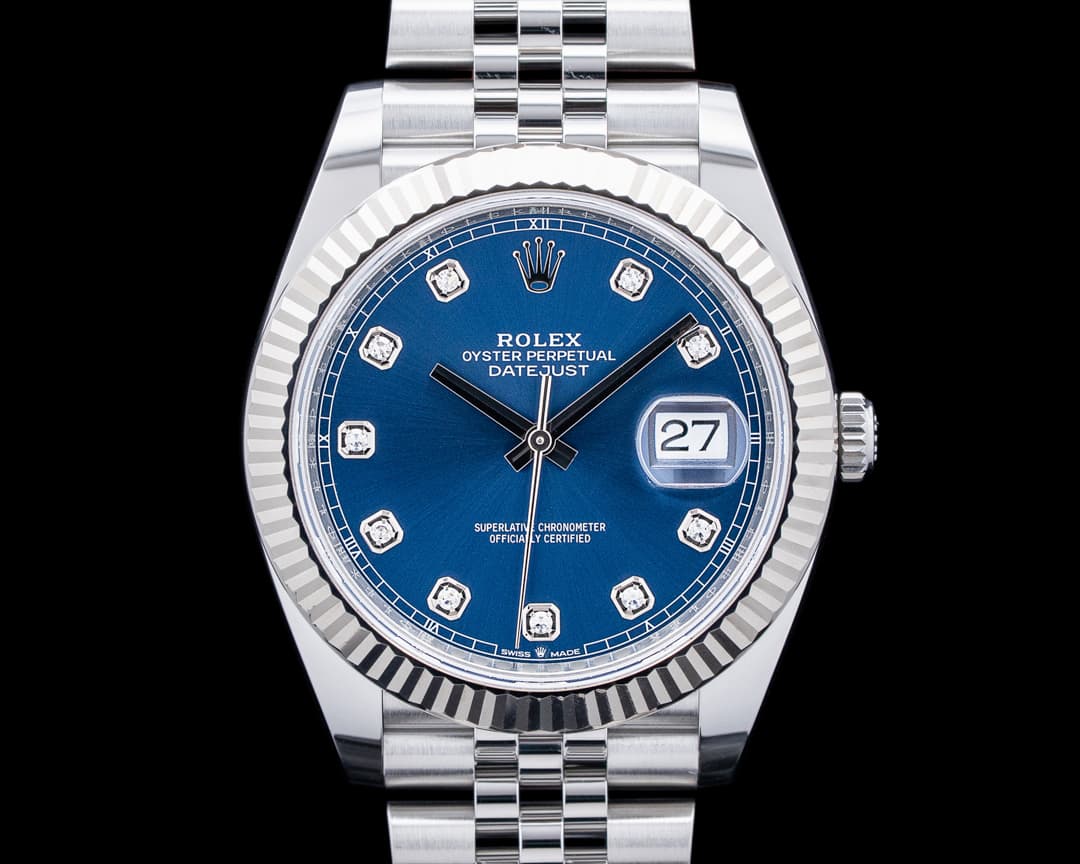
Why? Because the 126334 and other Datejusts were never the hyped up models their sports brothers was. The fluted bezel dresses it up enough for dinner, the Jubilee sits as well on the wrist as anything Rolex makes, and the dial options are genuinely versatile. It was never a hype reference. Demand is quiet, steady, and real. Additionally, with so many different iterations available, collectors have specific models they want, which they'll get if they wait, but may pay a small premium to get immediately.
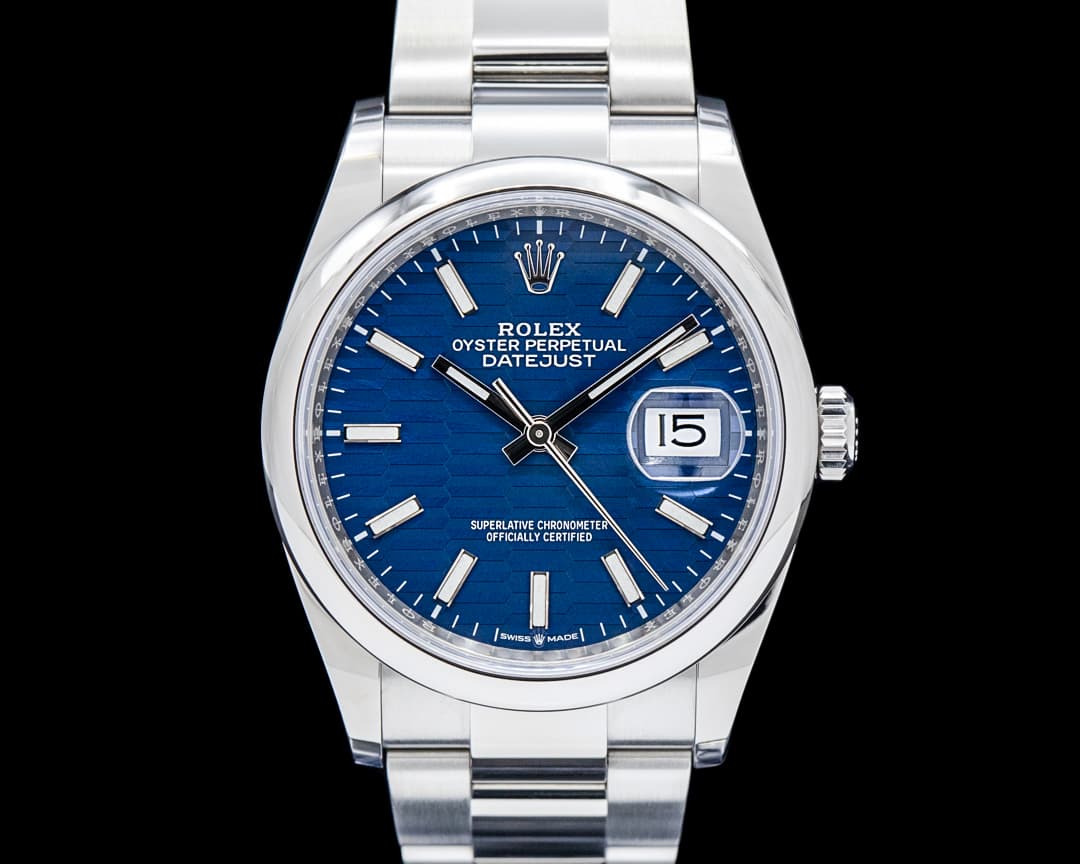
For a buyer who wants serious Rolex value without the sports premium, or who finds the Submariner's ubiquity tiresome, the Datejust deserves a close look. The 22% secondary premium is meaningful, but it's grounded in consistent demand rather than speculation. This is just a solid all around watch.
Explorer 124270
The Explorer is the cautionary tale here, and it's instructive. When Rolex reintroduced the 36mm Explorer in 2021 after the larger 39mm generation, the secondary market debuted around $11,000, peaking around that same level in 2021-2022 before declining. The model now trades for about $8,000 to $10,000. Just a bit above retail.
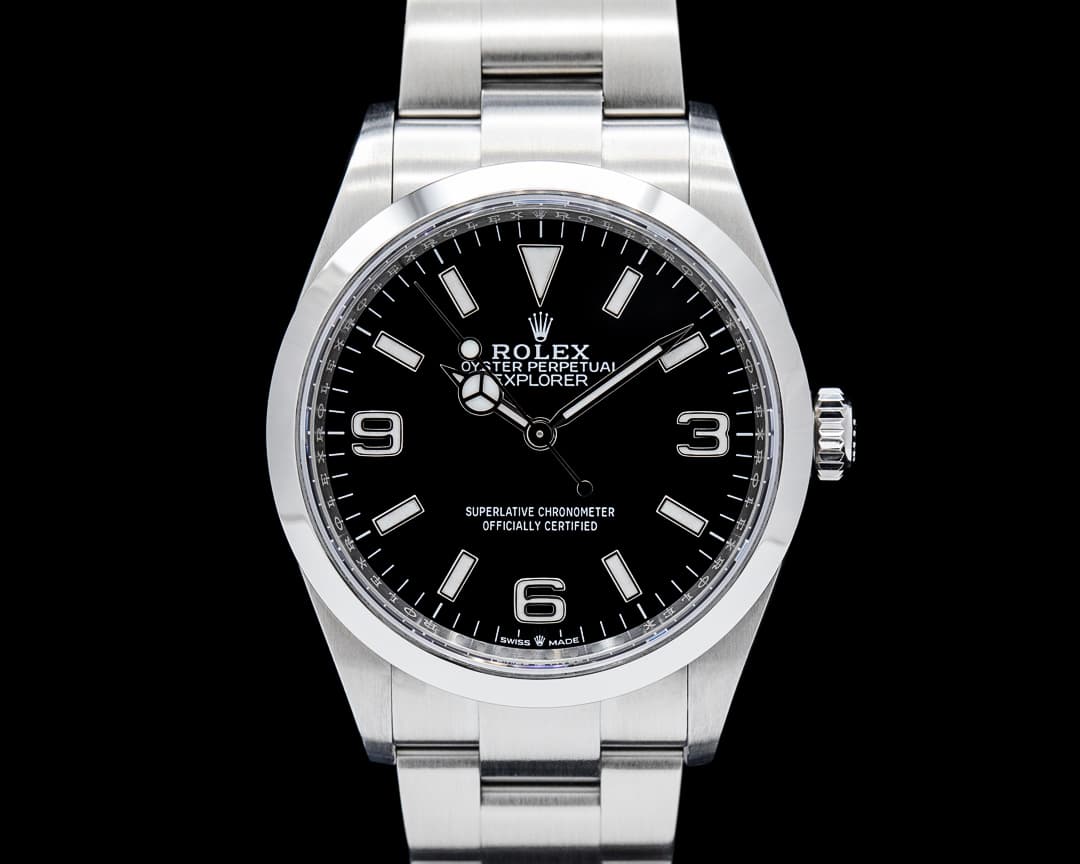
The 124270 is a clean watch. The 36mm case wears smaller and lighter than the Submariner, the 3-6-9 dial is the most readable Rolex makes, and the bracelet is simple and fine. For a buyer who can't get retail access and wants a no-drama Rolex tool watch, the 124270 is one of the most direct values in the current market. For a buyer concerned about resale, this is a model to watch, because with such a small retail- preowned spread, there isn't really any material "appreciation" available on this reference.
What Box and Papers Actually Does to the Number
The general range cited across the market is 10-20% for a full-set modern Rolex versus a no-papers example. That range isn't uniform, and understanding where it's higher and lower affects how you evaluate a specific listing.
Sports references, Submariner, Daytona, GMT-Master II, show the strongest box-and-papers sensitivity. The premium runs toward the upper end of the 10-20% range and occasionally beyond it for desirable configurations. The reason isn't just sentiment. Buyers in the sports segment pay close attention to provenance, authenticity confidence, and future liquidity. A full-set Daytona is easier to sell than a no-papers one, and that future-sale ease is priced into what buyers will pay today. On the 116500LN at $25,000, a box-and-papers premium translates to a real-dollar difference of roughly $3,000. That's not nothing.
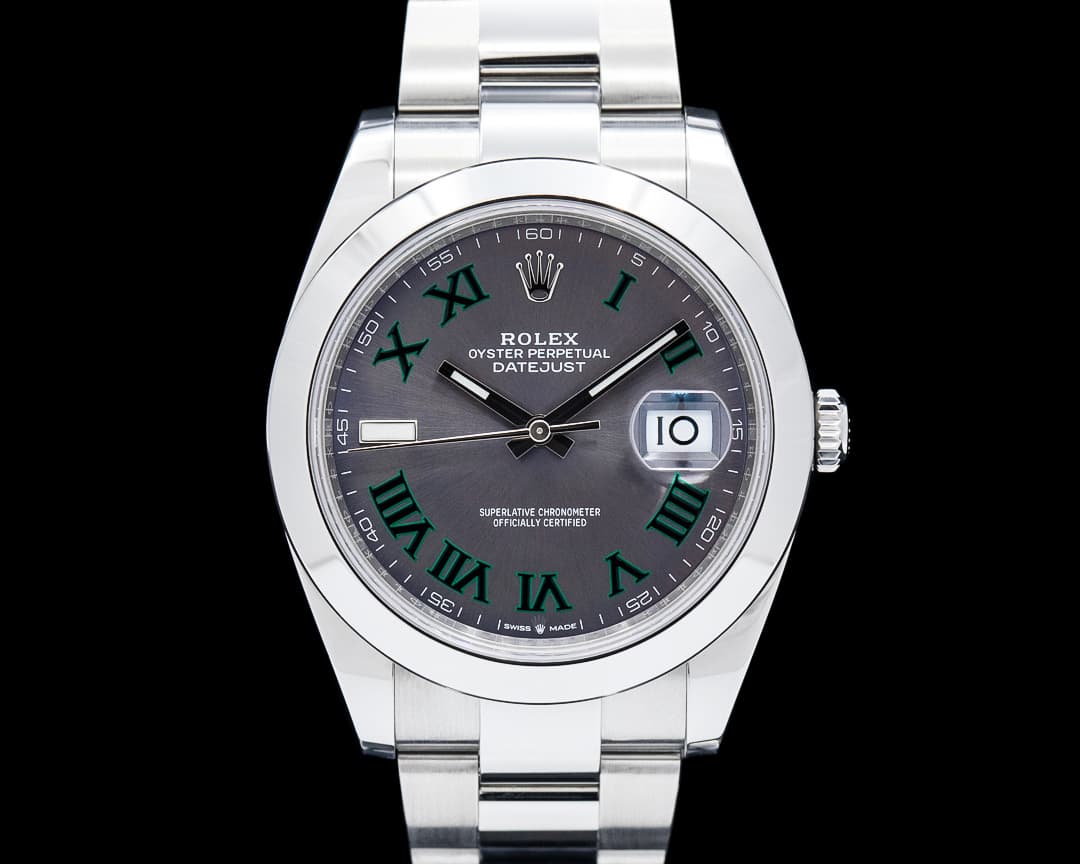
Dress references like the Datejust show a softer premium. The emotional urgency isn't identical: a Datejust buyer is usually less focused on trading potential and more focused on daily use, and demand is steadier across condition tiers. The premium exists, but it sits closer to the low end of that range. Usually a thousand dollars on a Datejust. If given the choice of papers or box, warranty cards are more useful for Rolex than a box--- always bias towards documentation that is directly linked to the specific serial number of your piece.
Vintage and rare references carry a different calculus entirely. Box-and-papers premiums on pre-ceramic Daytonas or early GMT references can run well above 20% because documentation affects valuation in ways that extend beyond resale convenience into authentication.
Buying Now, Waiting, or Going Elsewhere: How to Think About It
The market has stabilized. It has not collapsed into bargain territory, and it is not heading back to 2022.
If you know which reference you want and are ready to buy: the sports reference premiums have compressed to their lowest point in roughly three years. For the Submariner 124060, a clean secondary example with papers now trades at a 10-45% premium to retail depending on condition, meaningfully lower than the 60-75% peak premium. For the Datejust 126334, the 22% premium is historically stable and unlikely to compress much further. For the Daytona 126500LN, prices are still drifting down and patience may be rewarded; for the 116500LN, prices seem stable on a discontinued reference. The Pepsi is in a post-discontinuation spike that may or may not resolve downward. It is not a stable reference at the moment, so exercise caution.
If you are flexible on reference and optimizing for value: the Explorer 124270 and the Datjust are the clearest values in the current market. You are paying less of a premium for a watch that is running a stable valuation. The Submariner 124060 in honest wear with no papers is as close to fair value as the sports segment gets. Both are better buys than they were eighteen months ago.
The aggregate story is simple: prices are more reasonable now. The reference-by-reference story is considerably more interesting, and considerably more useful. Knowing the numbers makes you a far more informed buyer.
Shop New Arrivals
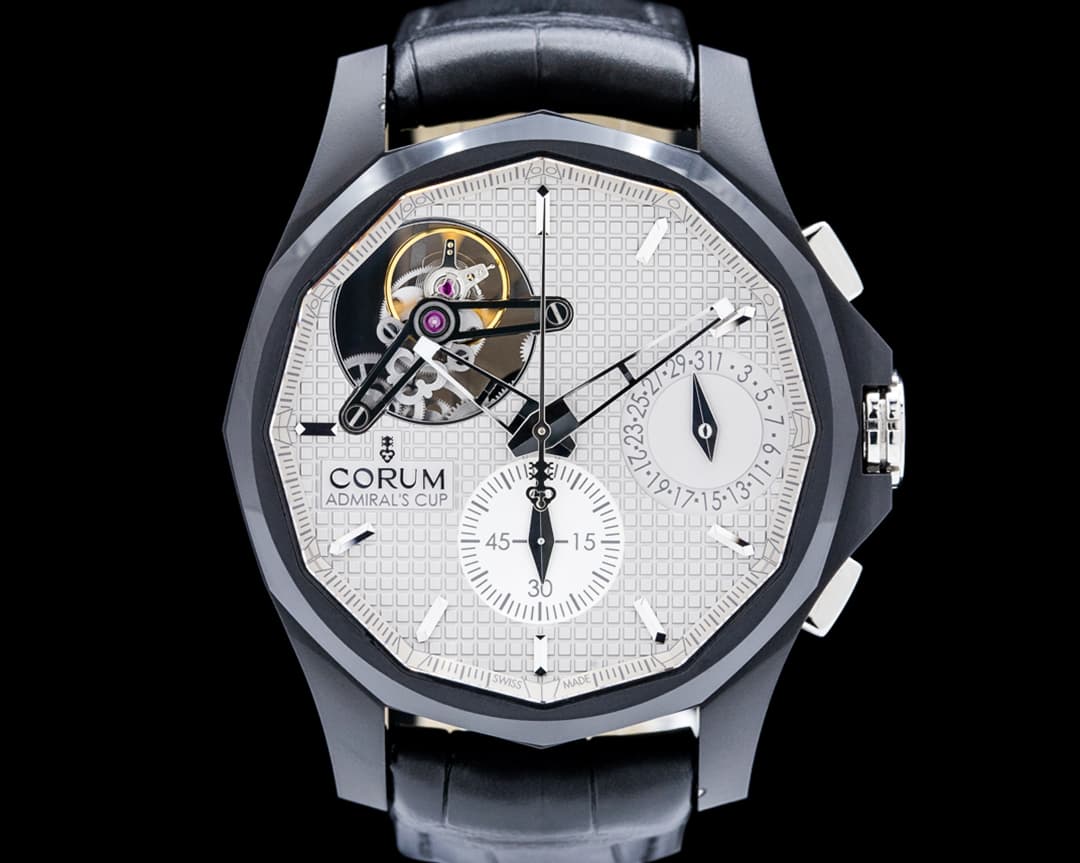
Admiral's Cup Seafender 47 Tourbillon Chronograph Aluminum Gray Dial
$17,900
View Watch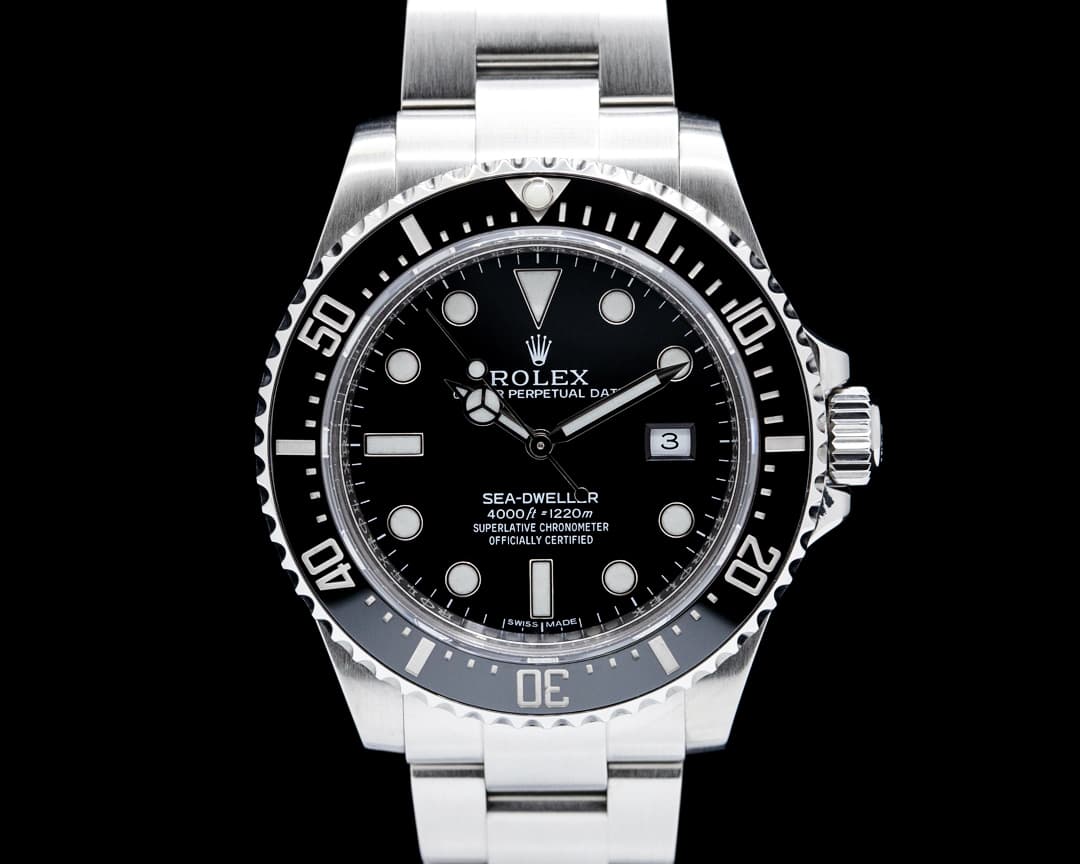
116600 Sea-Dweller SS Black Dial
$15,500
View Watch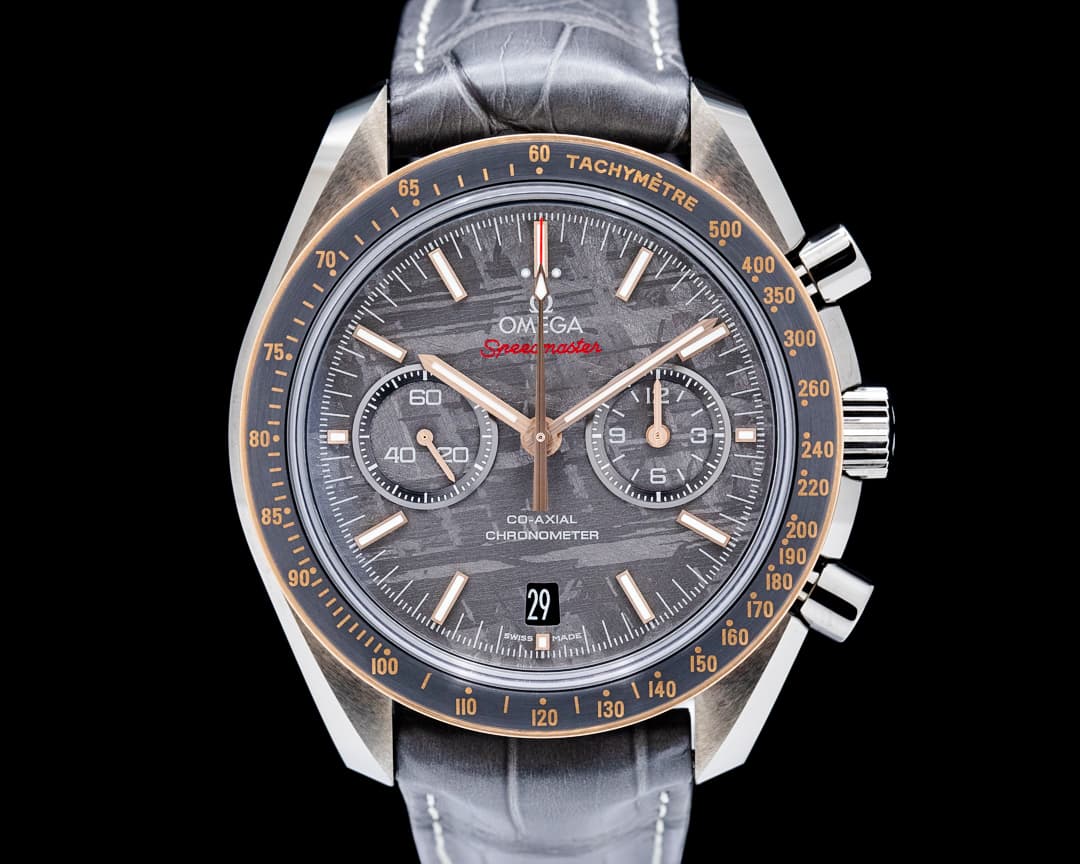
Speedmaster "Grey Side of the Moon" Ceramic Meteorite Dial
$14,500
View Watch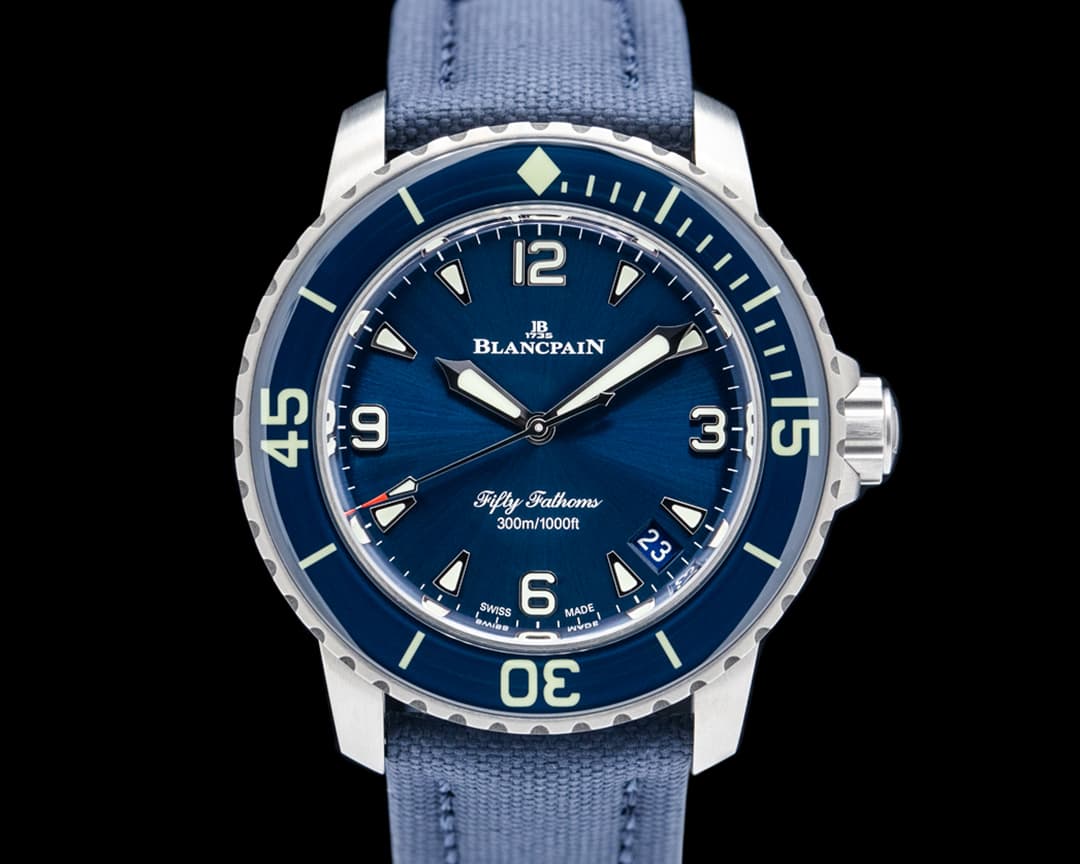
5010 Fifty Fathoms Automatique Titanium Blue Dial
$17,900
View Watch
Shop New Arrivals
Admiral's Cup Seafender 47 Tourbillon Chronograph Aluminum Gray Dial
$17,900
View Watch116600 Sea-Dweller SS Black Dial
$15,500
View WatchSpeedmaster "Grey Side of the Moon" Ceramic Meteorite Dial
$14,500
View Watch5010 Fifty Fathoms Automatique Titanium Blue Dial
$17,900
View Watch
More Content