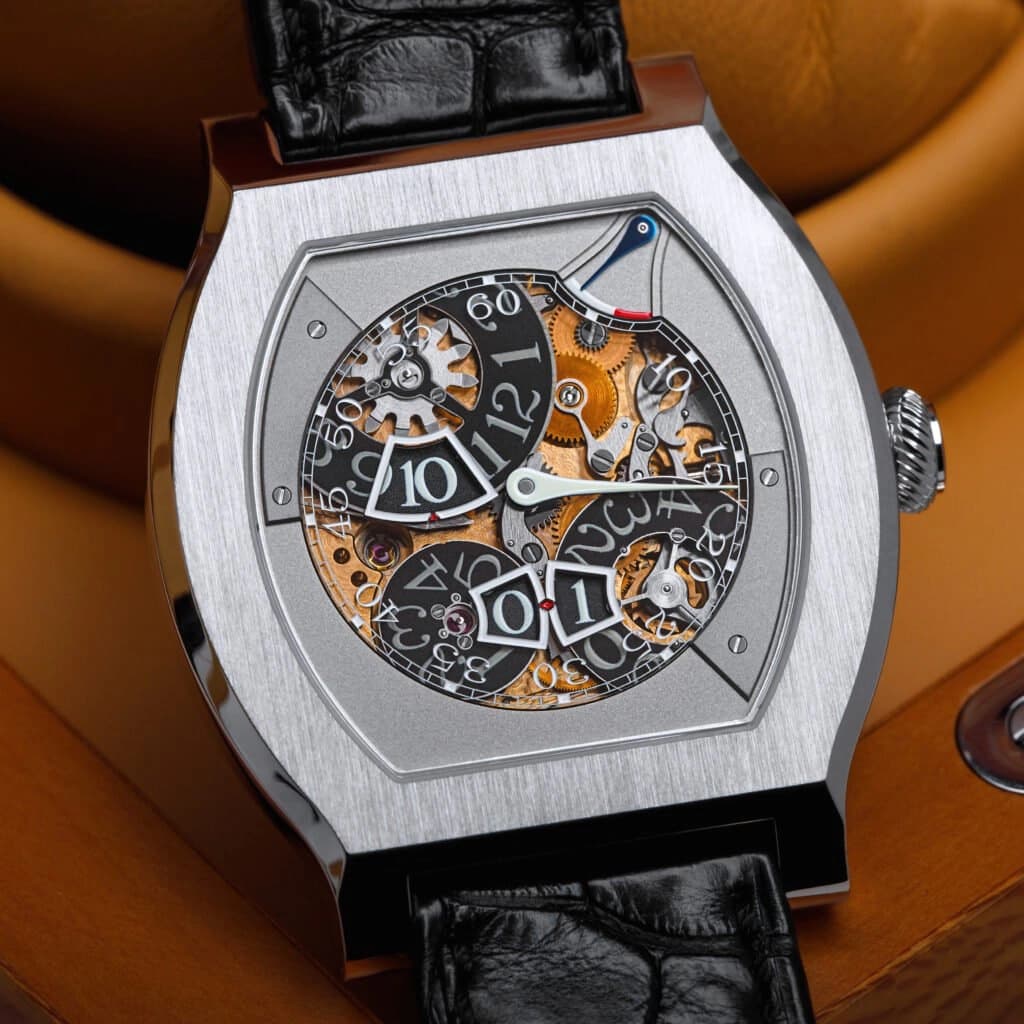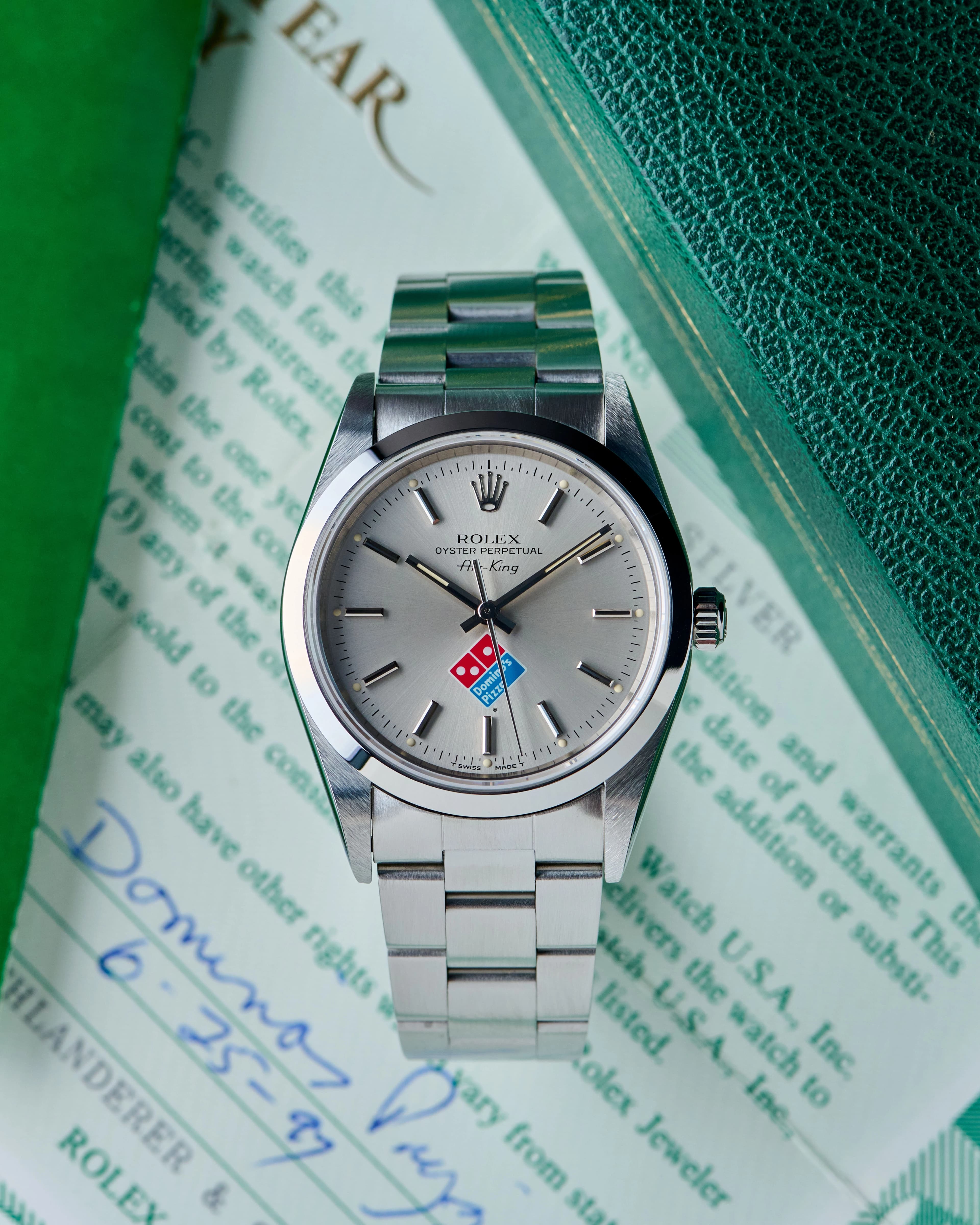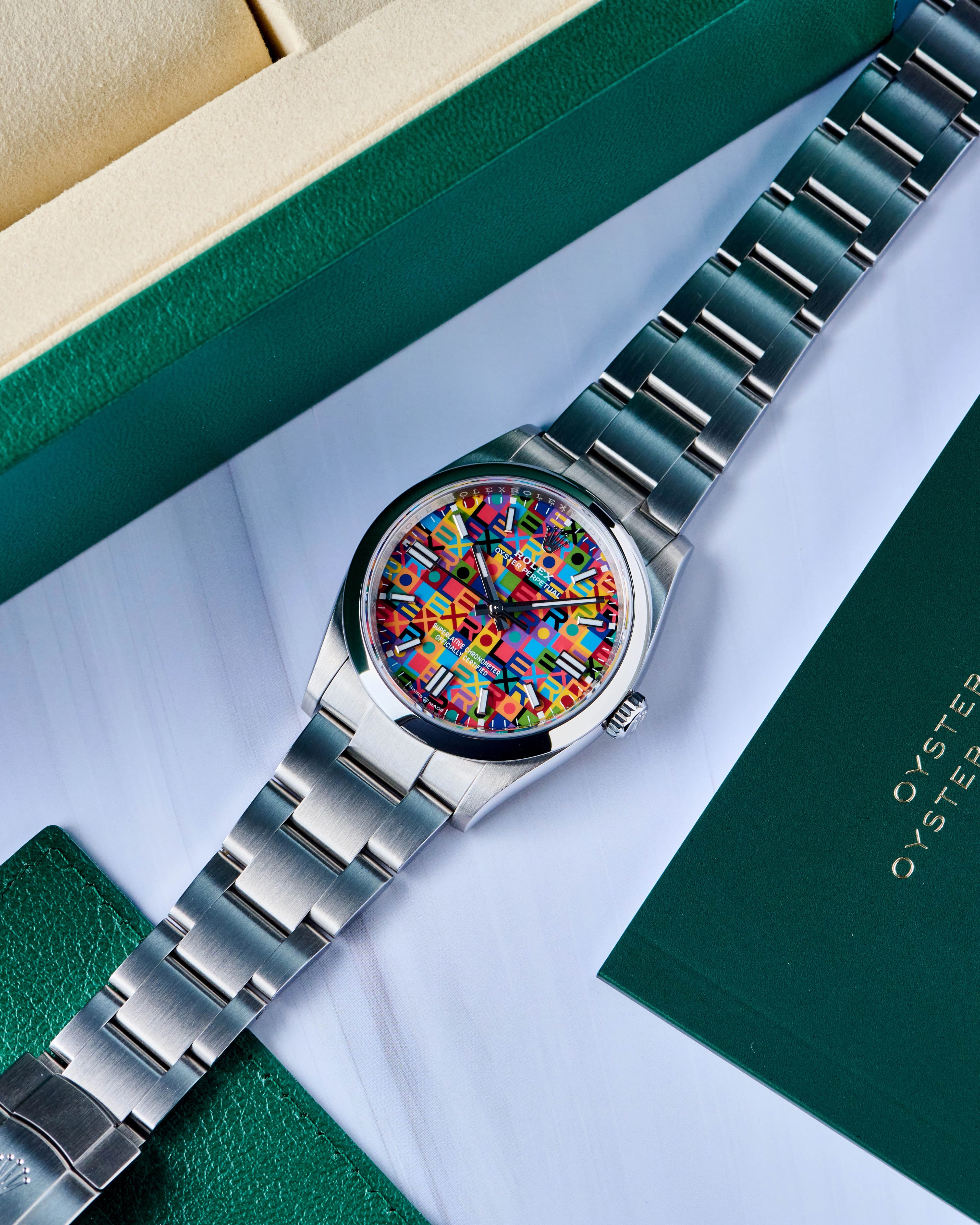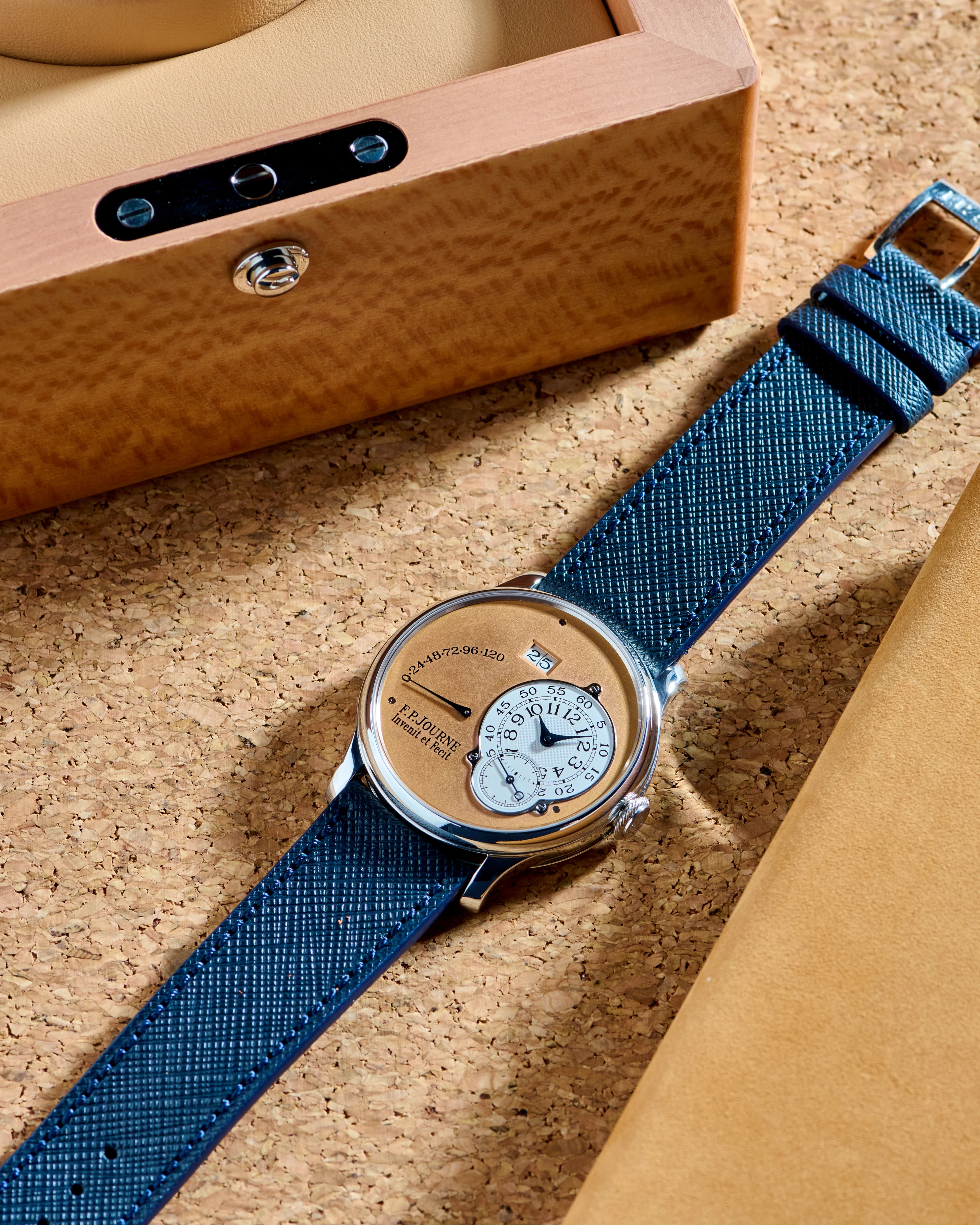
Spend enough time around watch collectors and the question eventually comes up: does it matter who owns the brand behind the watch? For some collectors, the distinction between independent watchmakers and conglomerate-owned brands is important. Independents are often seen as more personal, more creative, and closer to the craft of watchmaking itself. Brands owned by large groups can sometimes feel more corporate by comparison.
Others see the debate as largely theoretical. If the watch is good, the ownership structure behind it shouldn’t matter. As with most things in watch collecting, the truth probably sits somewhere in the middle.
The reality of group ownership
A large portion of the modern watch industry sits within a handful of major luxury groups. Richemont owns brands such as Cartier, Panerai, IWC, A. Lange & Sohne, and Vacheron Constantin. Swatch Group controls Omega, Blancpain, Longines, and Breguet. LVMH oversees TAG Heuer, Zenith, Bulgari, and Hublot.
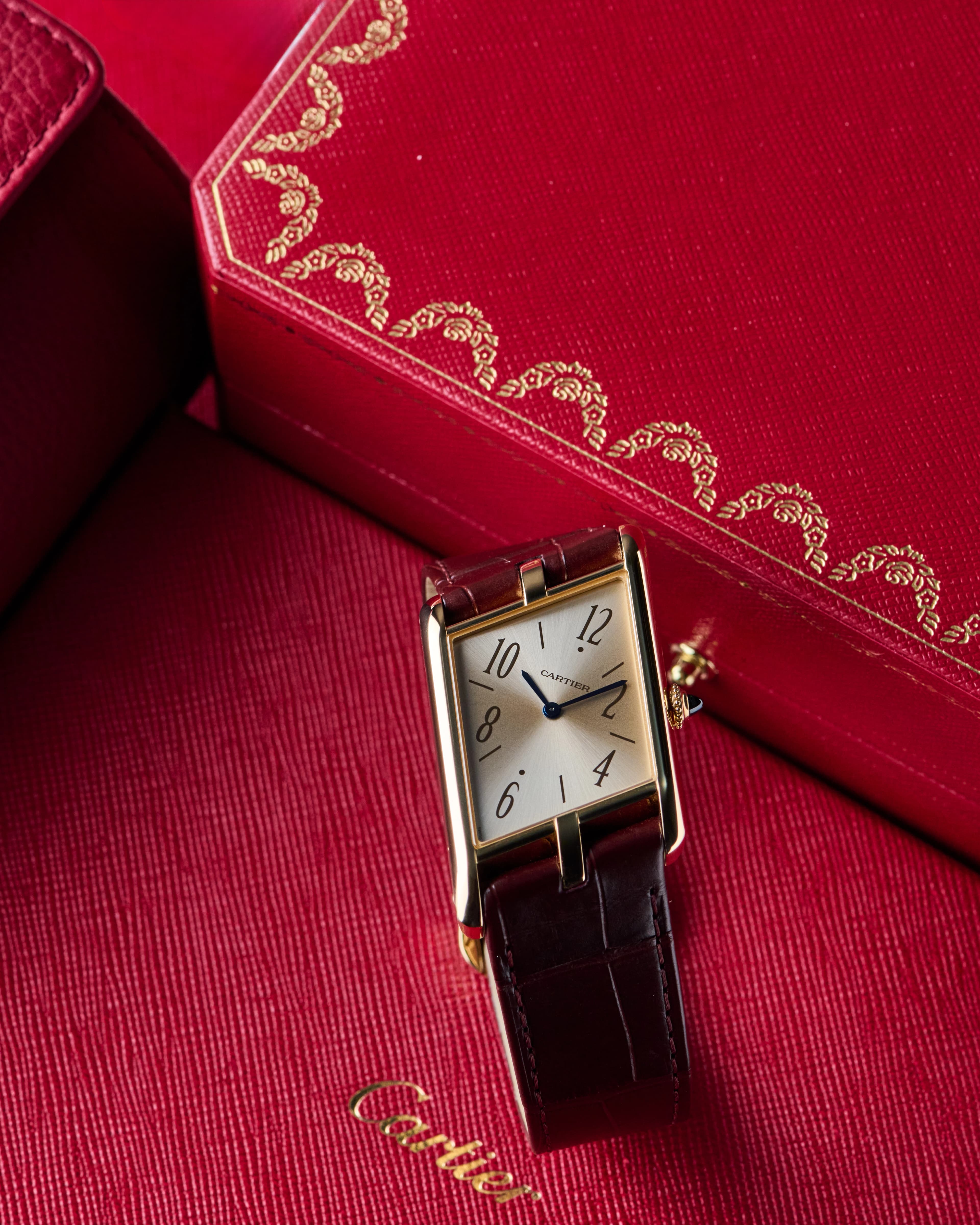
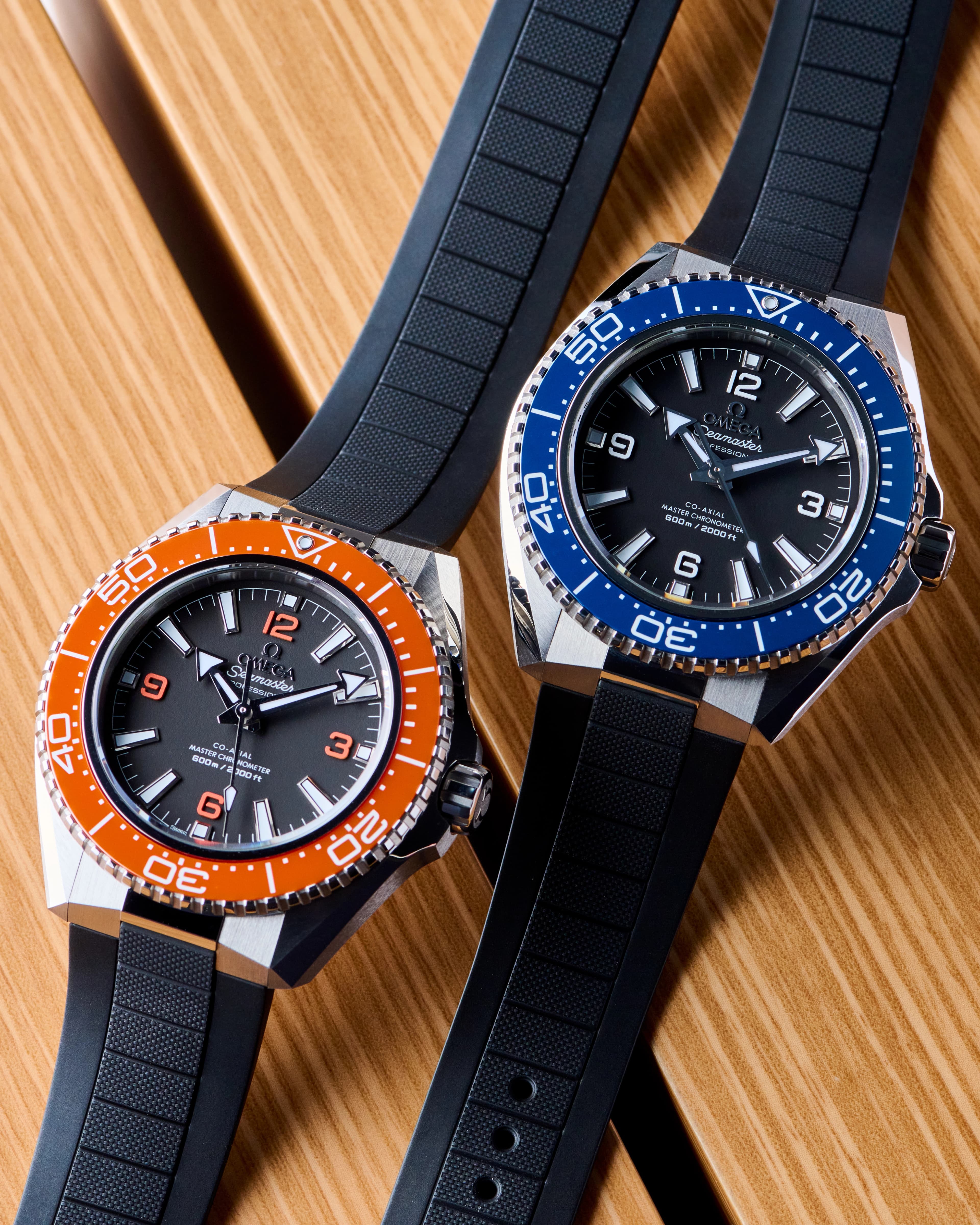
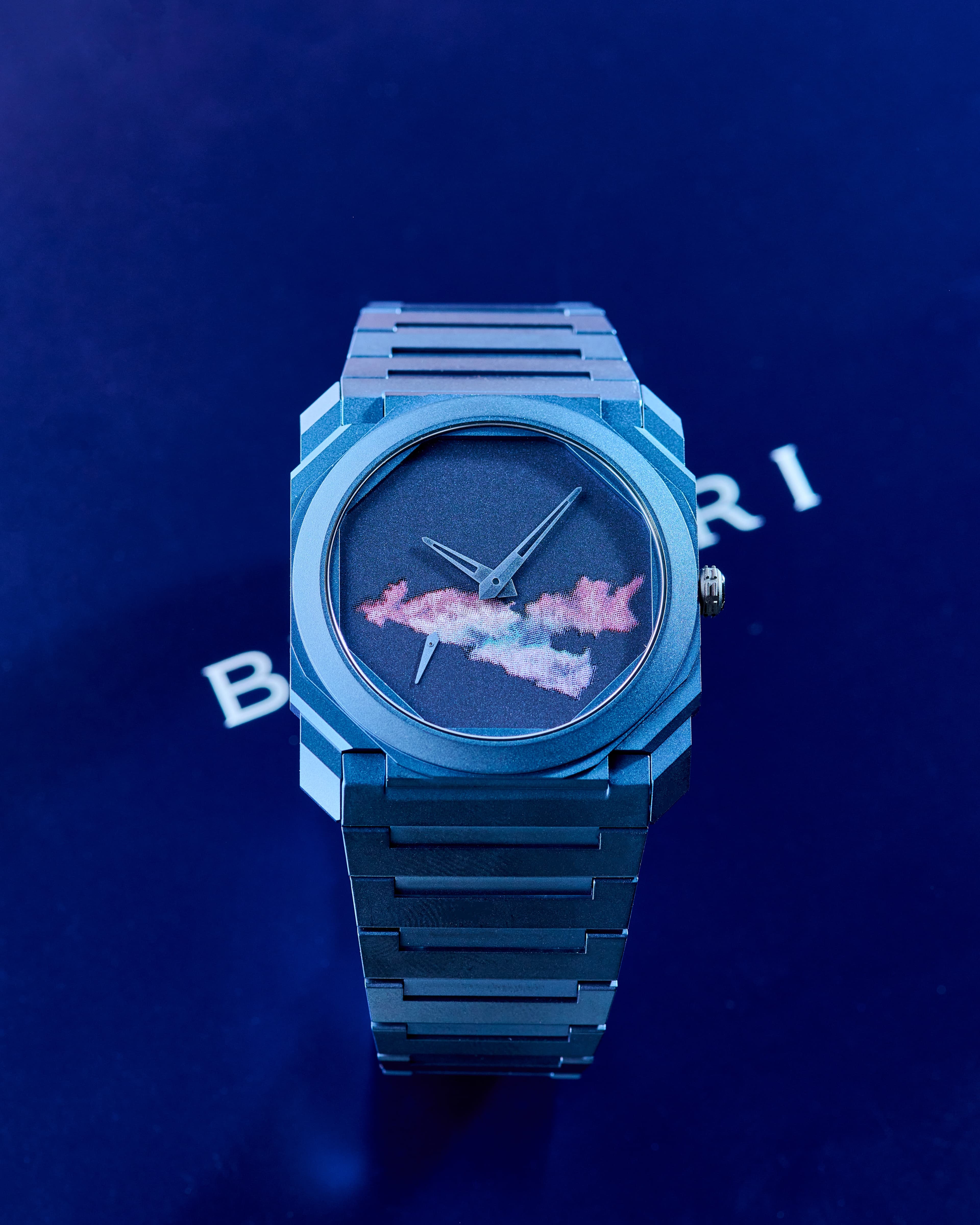
These groups bring big resources. Development budgets are huge, manufacturing infrastructure is advanced, and global distribution networks allow the brands to operate at a scale smaller companies just can’t match.
In many cases, group ownership has helped preserve brands that might otherwise have disappeared. Zenith’s revival over the past two decades would likely have been difficult without the backing of LVMH. The same could be said for Blancpain under Swatch Group or Vacheron Constantin under Richemont.
At the same time, scale inevitably changes the dynamics of how brands operate. Product strategy, pricing, and marketing often exist within a wider corporate framework.
Why independents hit different
Independent watchmakers operate on a very different scale. Production numbers are smaller, teams are leaner, and the founder or watchmaker is often closely involved in shaping the brand. For many collectors, that creates a different emotional connection.
“Watches, like art, are all about the feeling they give you,” said Vasu Kulkarni, a partner at Courtside Ventures, an early-stage venture capital firm, and a well-renowned watch collector. “That’s why all of this is so subjective. One man’s trash can be another man’s Picasso.” Even objectively impressive watches can resonate very differently depending on the collector. “I know people who have the means and don’t care for a Rexhep,” he said, referring to Rexhep Rexhepi of Akrivia. “While others would sell their firstborn if the opportunity presented itself.”
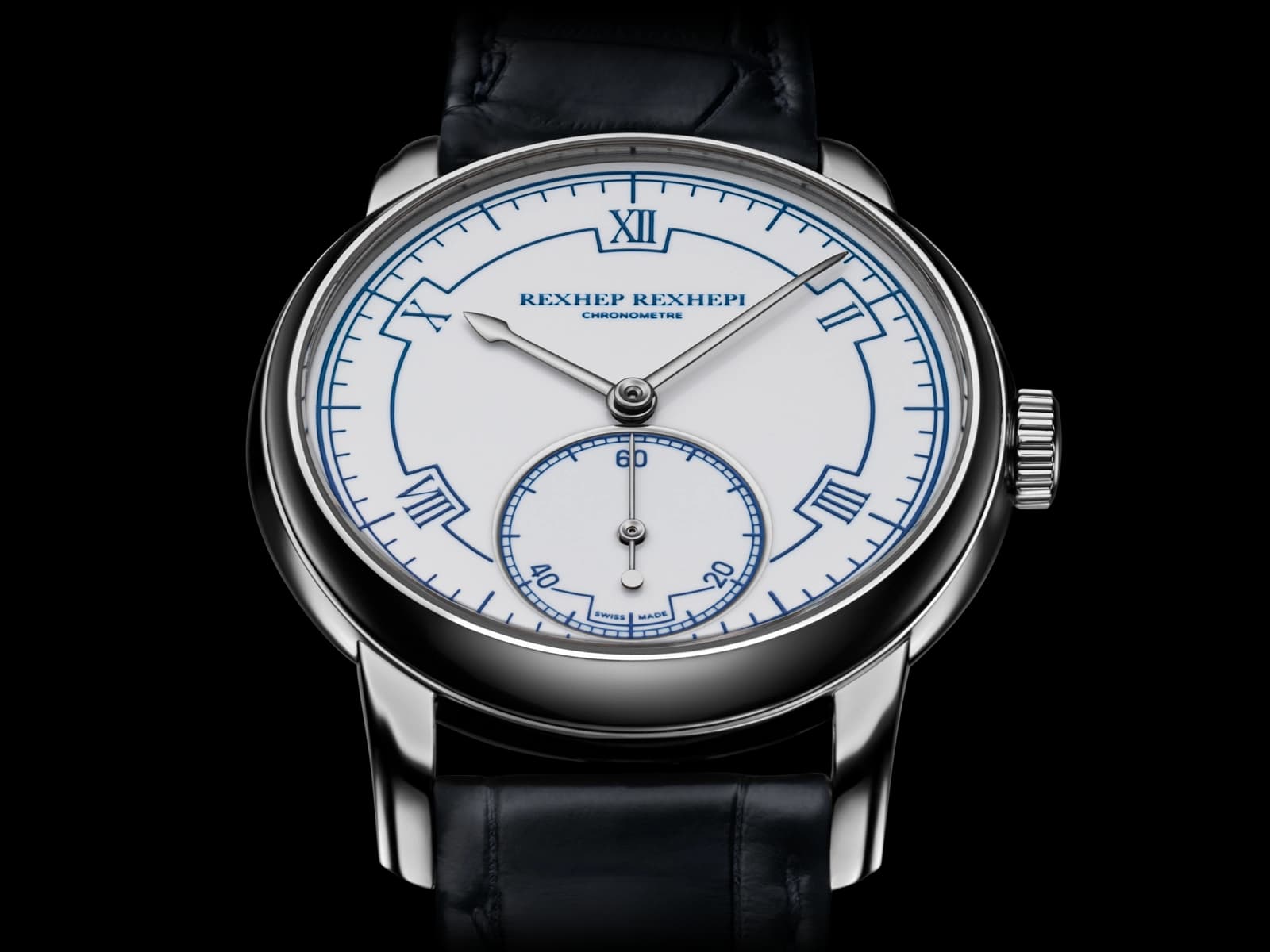
Images: Rexhep Rexhepi / Akrivia
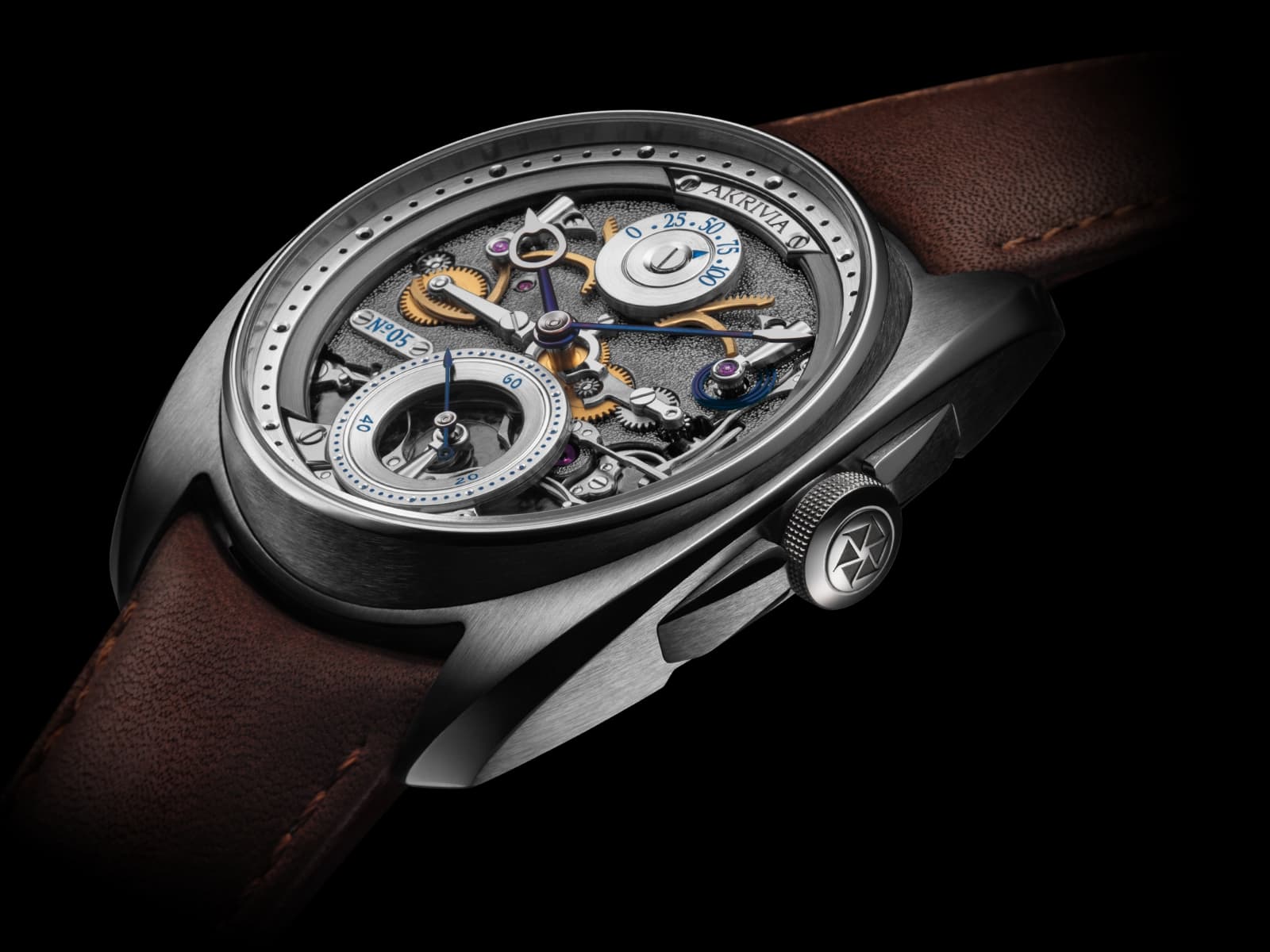
For Kulkarni, the emotional side of collecting is closely tied to the stories behind these watches. “It’s difficult to detach the story from the product,” he explained. “The intrinsic value of these pieces is a fraction of what people are willing to pay for them. What you’re really buying is a story and how that story resonates with you.”
That narrative becomes even more powerful with small independent watchmakers. “I do think there is a certain way I feel knowing that a watch is being made by one person or a small group of people versus something coming from a large conglomerate,” Kulkarni said. For him, that appeal even shapes how he collects. “At this point in my journey, it’s similar to collecting rookie cards of great athletes,” he explained. “Being there on day one with a first souscription series is what makes me tick.”
What collectors are actually saying
Inside collector communities, opinions about brand ownership are often more nuanced than online debates might suggest. Conversations within collector groups revealed a surprisingly wide range of perspectives. “I think there is a preference for independently owned brands to a certain extent,” said Greg Wirtz, head of the New York City chapter of RedBar, a global collector community.
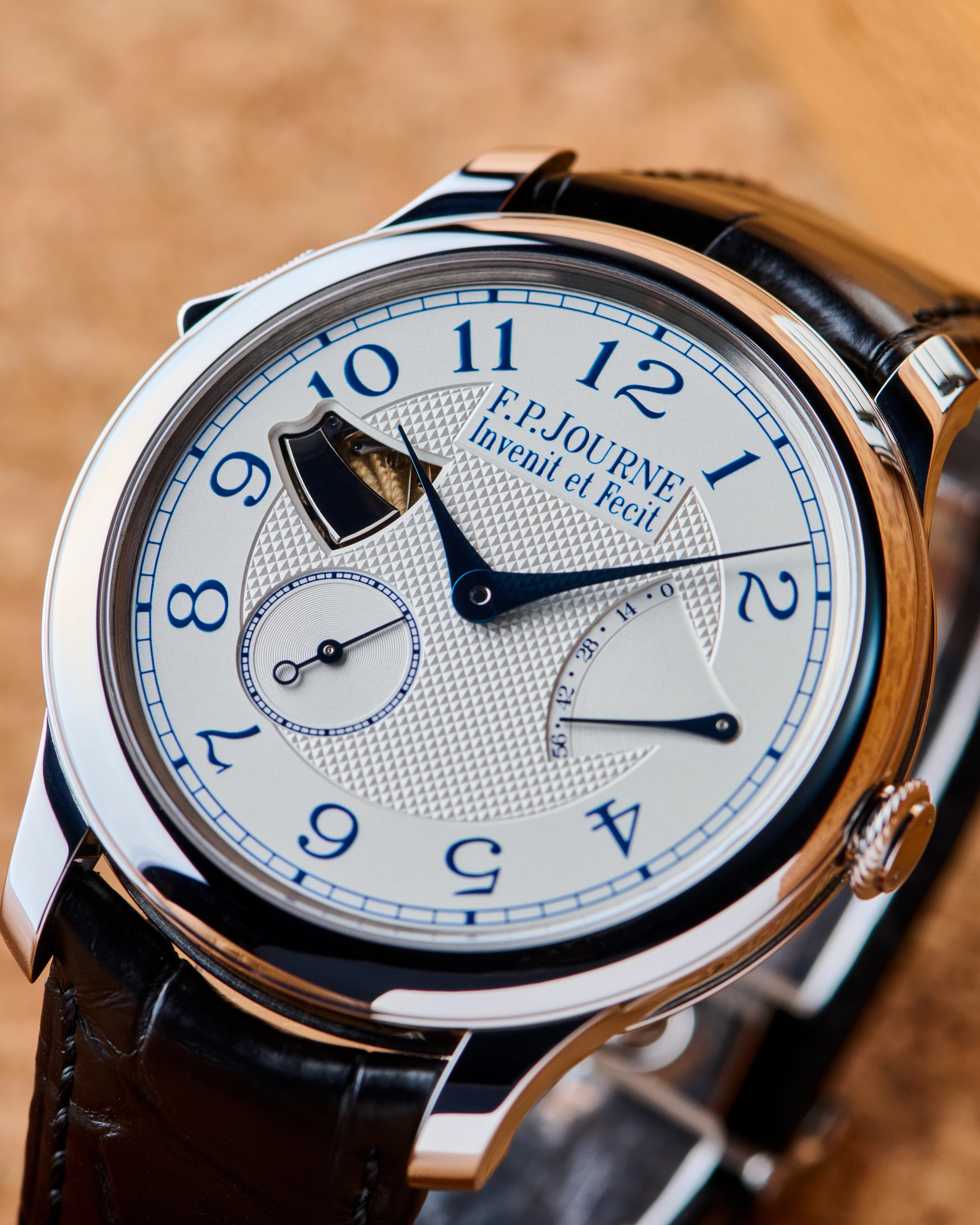
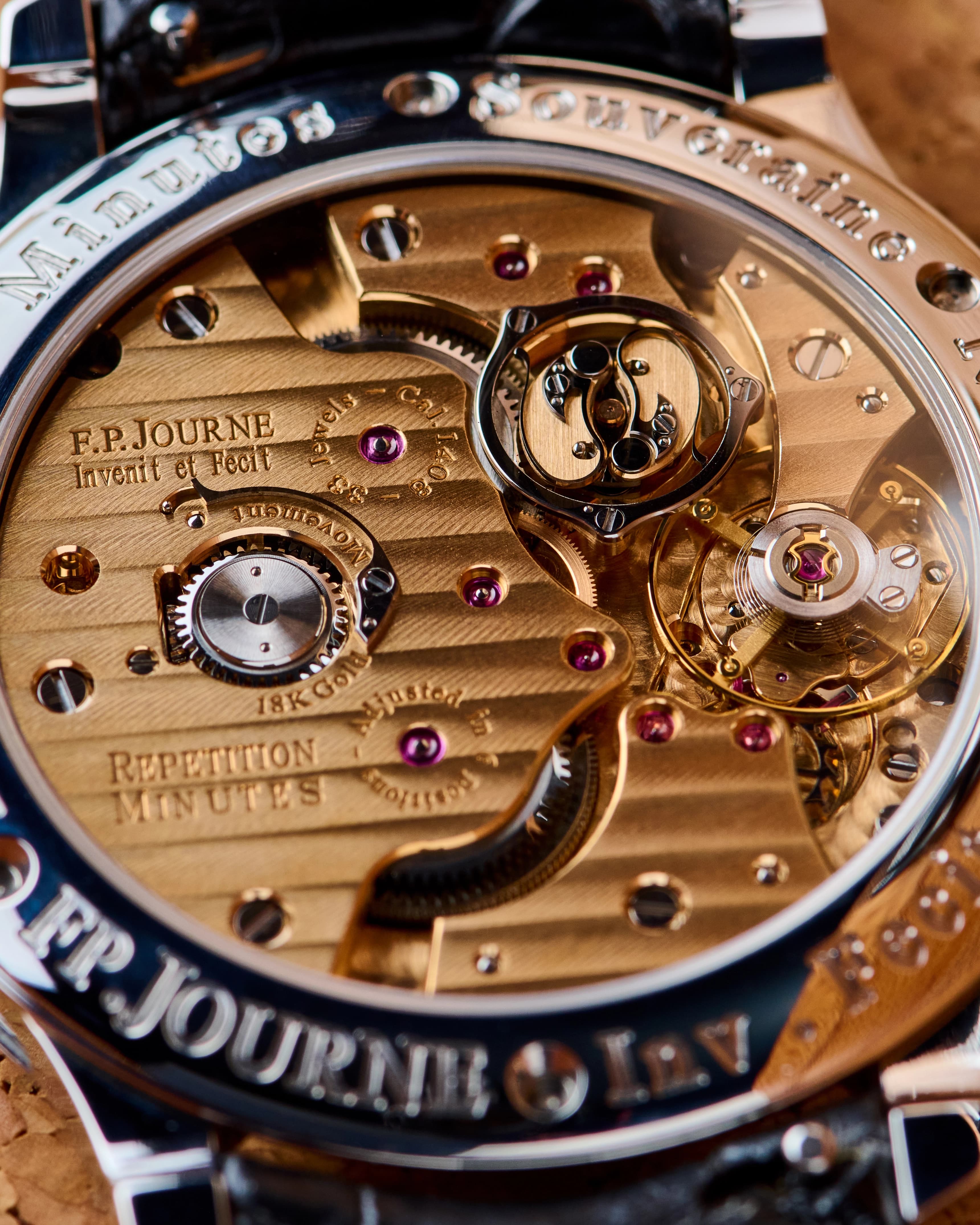
The enthusiasm sometimes focuses on the very top tier. “Think Journe or Roger Smith. Collectors fall over themselves for something like that,” one RedBar collector told Wirtz. Several RedBar members told Wirtz that the distinction between independent and conglomerate brands isn’t always the deciding factor. One member said, “I don’t think it’s really about independent versus conglomerate. It’s brand by brand. A lot of collectors lean indie when they want something that feels more personal,” one collector said, adding that speaking with the owner or watchmaker can make a big difference.
That doesn’t mean group-owned brands are ignored. Many remain deeply respected within collector circles. “People definitely make exceptions for brands like Lange and Vacheron,” Wirtz said. “Even though they’re part of groups, they still give off that high watchmaking spirit.”
The experience behind the watch
For some collectors, ownership also shapes the experience of buying and owning a watch. Independent brands often operate with smaller teams and closer client relationships. That can translate into a very different customer experience. “Part of spending big money is the luxury experience,” another collector told Wirtz. “Indies feel like luxury because they’re personal.”
Wirtz believes that perception plays a subtle but real role in how collectors interpret a brand. “Ownership can absolutely change the vibe check,” he said. “When a brand gets scooped up by Richemont or LVMH, the conversation sometimes shifts from ‘What’s the watchmaker doing?’ to ‘What’s the marketing department doing?’” But that shift doesn’t necessarily diminish appreciation for the watches themselves. “You still value the watch,” Wirtz said. “But you can lose that feeling of intimacy.”
Creativity, hype, and scarcity
Another reason independent watchmakers attract so much attention is their willingness to experiment. Kulkarni believes smaller brands often have more freedom to take creative risks. “Independents are willing to take much bigger risks because they’re not burdened by their history or shareholders or a certain DNA they need to stick to,” he said. That freedom can lead to genuinely original ideas.
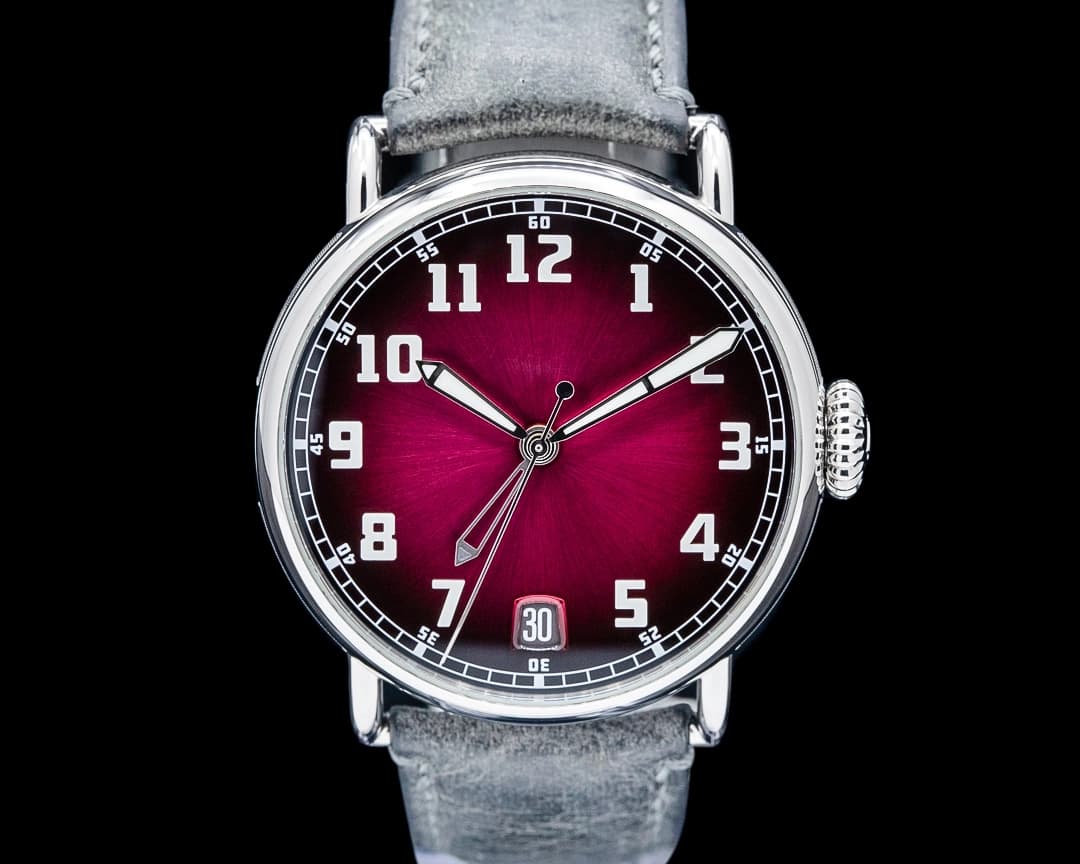
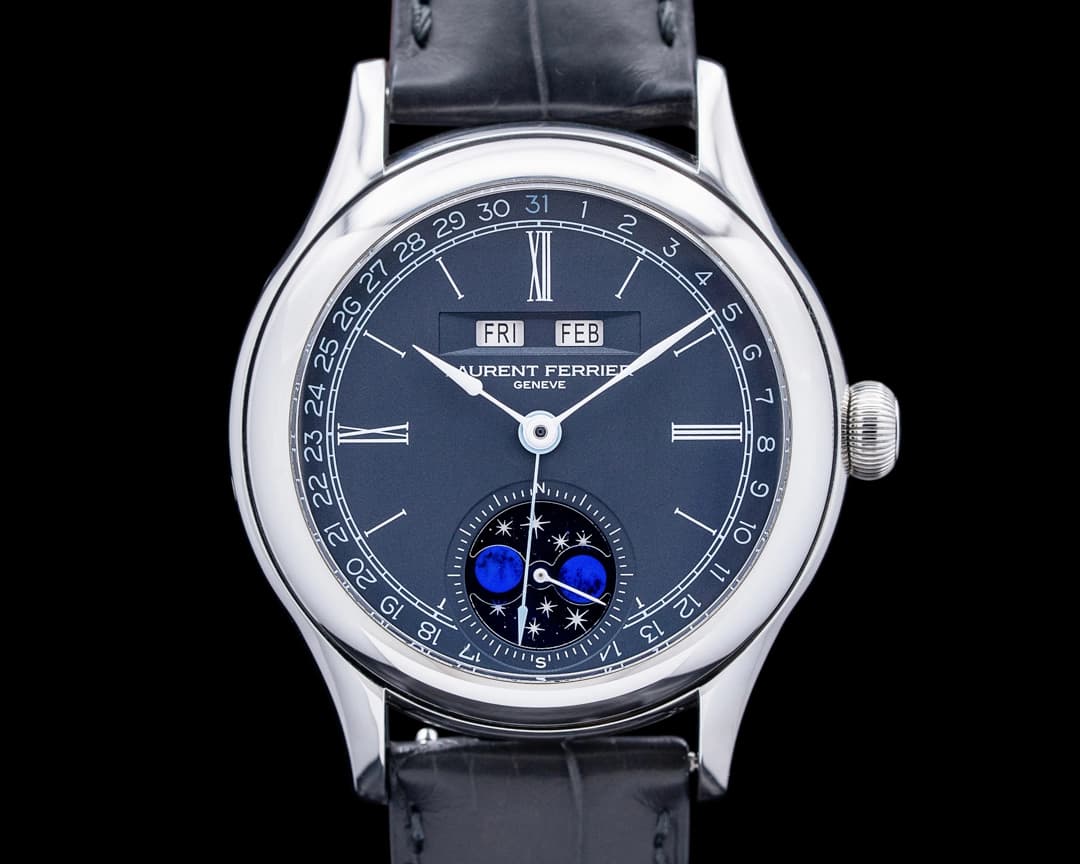
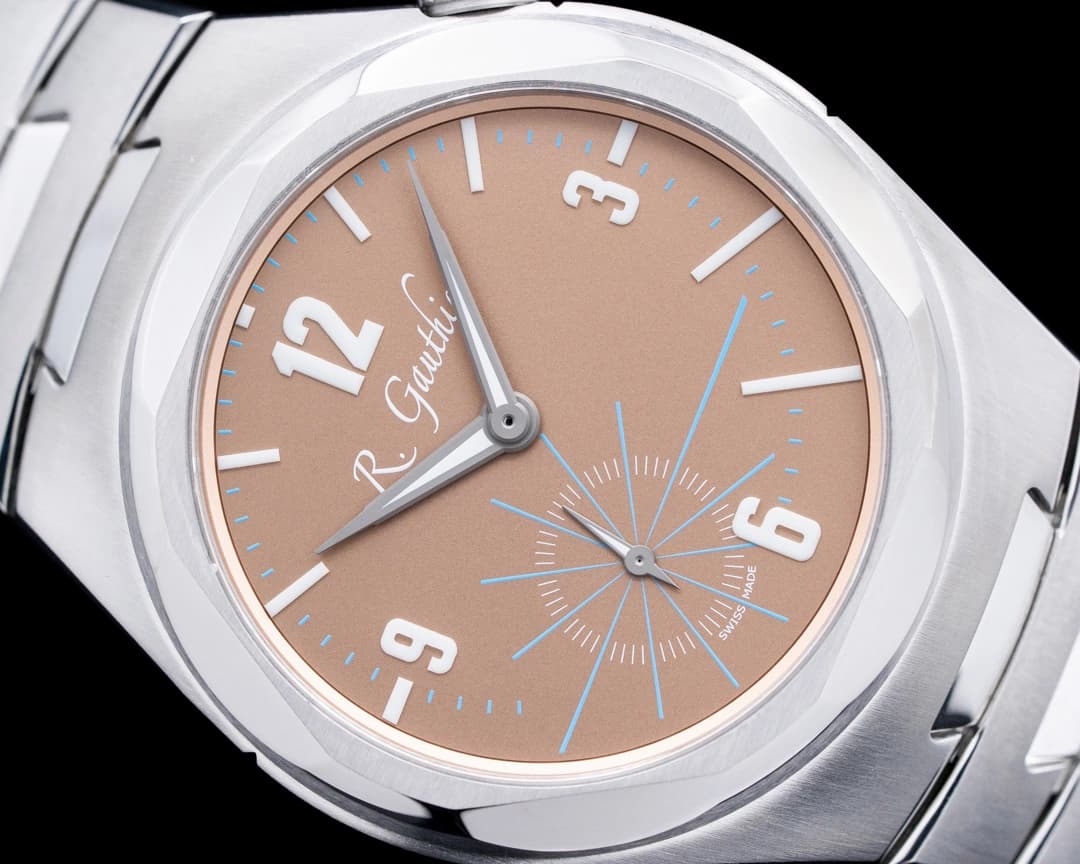
At the same time, Kulkarni acknowledged that market dynamics also contribute to the enthusiasm surrounding independent watchmaking. “Supply and demand is what all collectibles are about,” he said. “If there were 100,000 Journes being produced, I highly doubt the hype would be as insane as it is right now.” Scarcity, storytelling, and speculation can reinforce each other.
Collectors themselves can become part of that cycle. “In many ways it’s a self-fulfilling prophecy created by us collectors,” he said. “Because as much as everyone says it’s not about the money, psychologically it feels better knowing your watch is holding its value.”
Still, Kulkarni believes demand for these watches may also come down to basic economics. “When someone is making 100 pieces a year in a world of seven billion people,” he said, “it’s hard to believe there won’t always be more demand than supply.”
So, does ownership matter?
In practice, the importance of brand ownership often depends on what a collector is looking for. Some value the intimacy and storytelling of independent watchmaking. Others are drawn to the technical capabilities, heritage, and stability of larger maisons. Many collectors enjoy both.
Ownership can influence perception, but it rarely defines the watch itself. Collectors may debate corporate structures endlessly, but the final decision usually comes down to something far simpler: how the watch feels on the wrist, and whether the story behind it actually resonates.
Shop New Arrivals
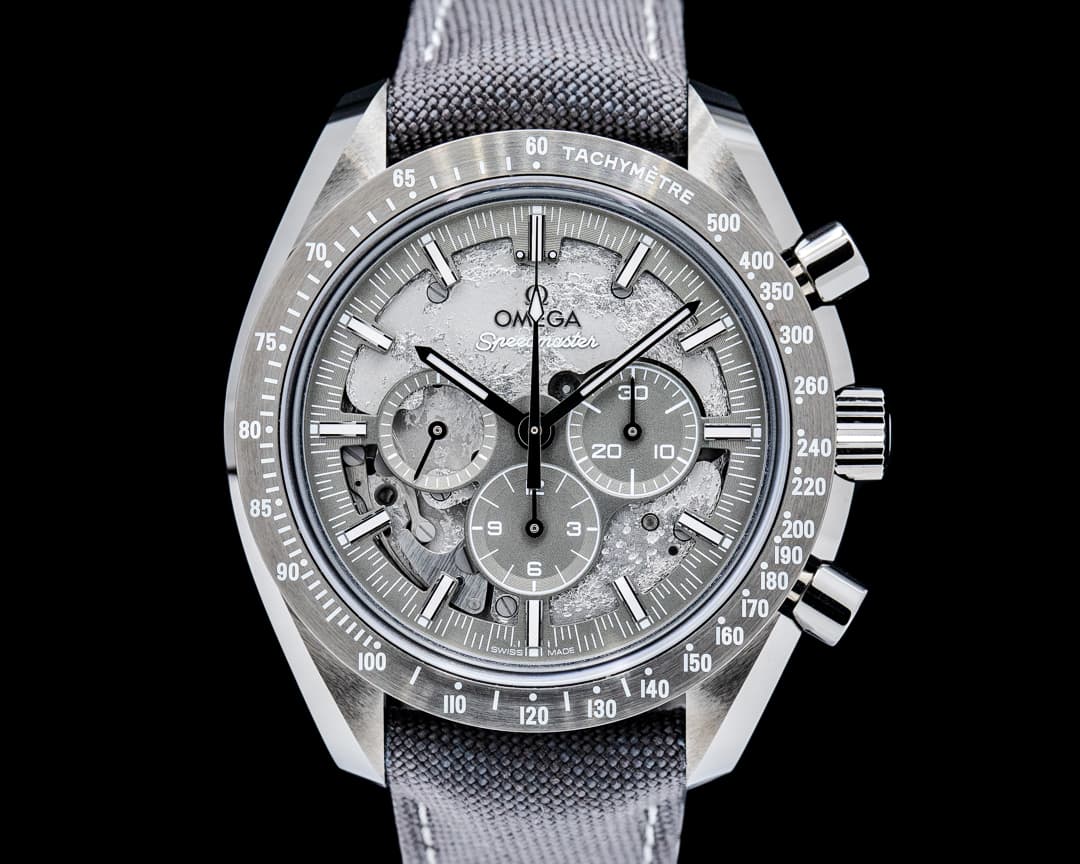
Speedmaster "Gray Side of the Moon" Ceramic Gray Skeleton Dial 2025
$16,900
View Watch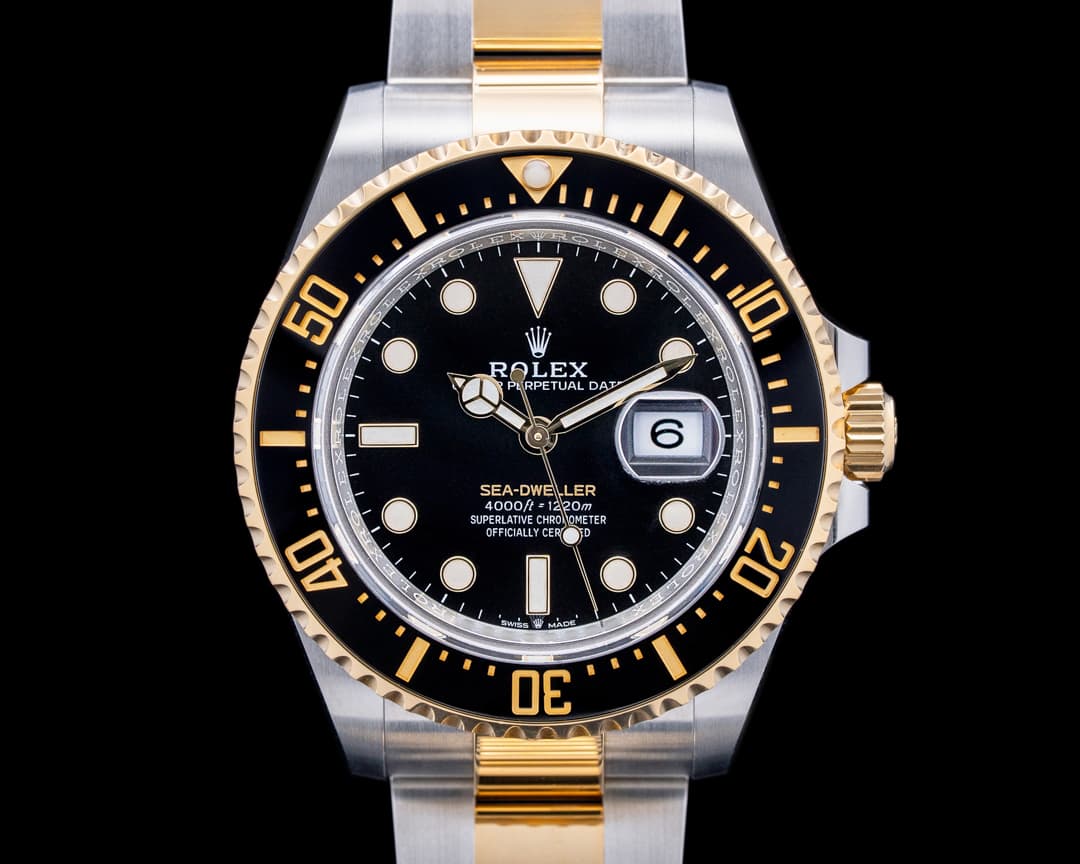
126603 Sea-Dweller SS / 18K YG Black Dial
$16,900
View Watch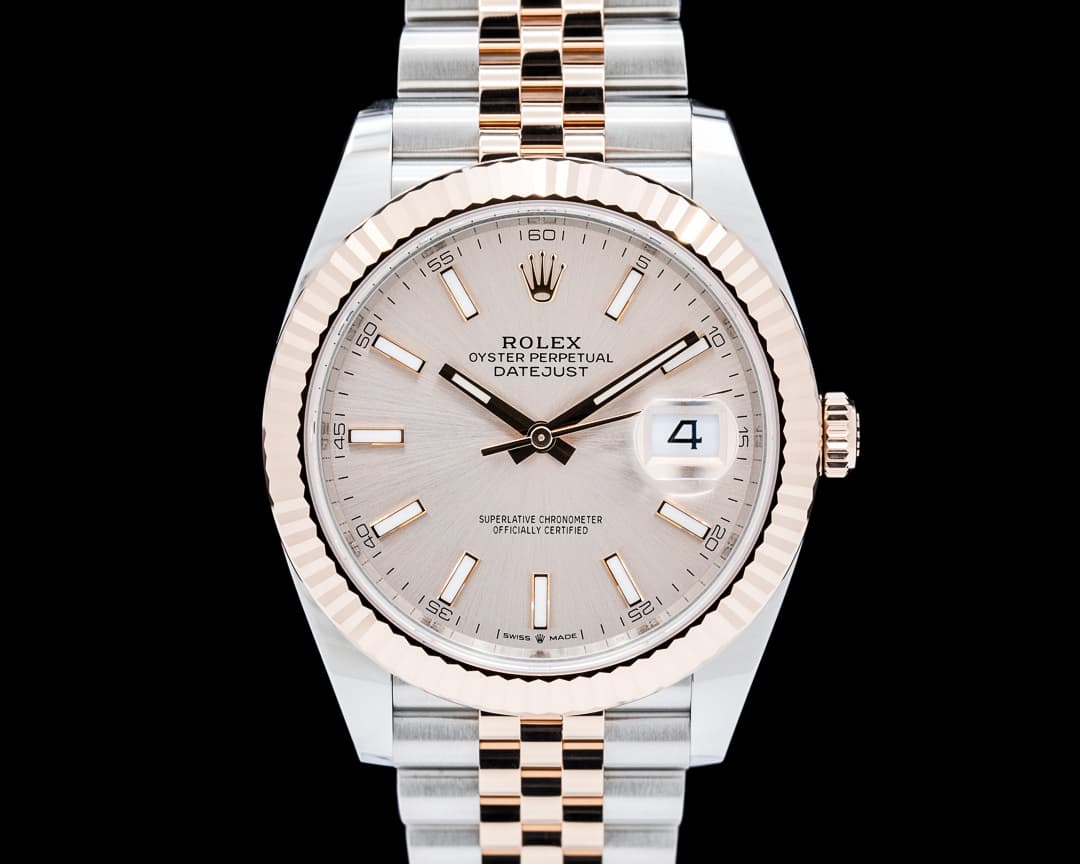
126331 Datejust 41 SS/18K RG "Sundust" Dial 2026 UNWORN
$19,500
View Watch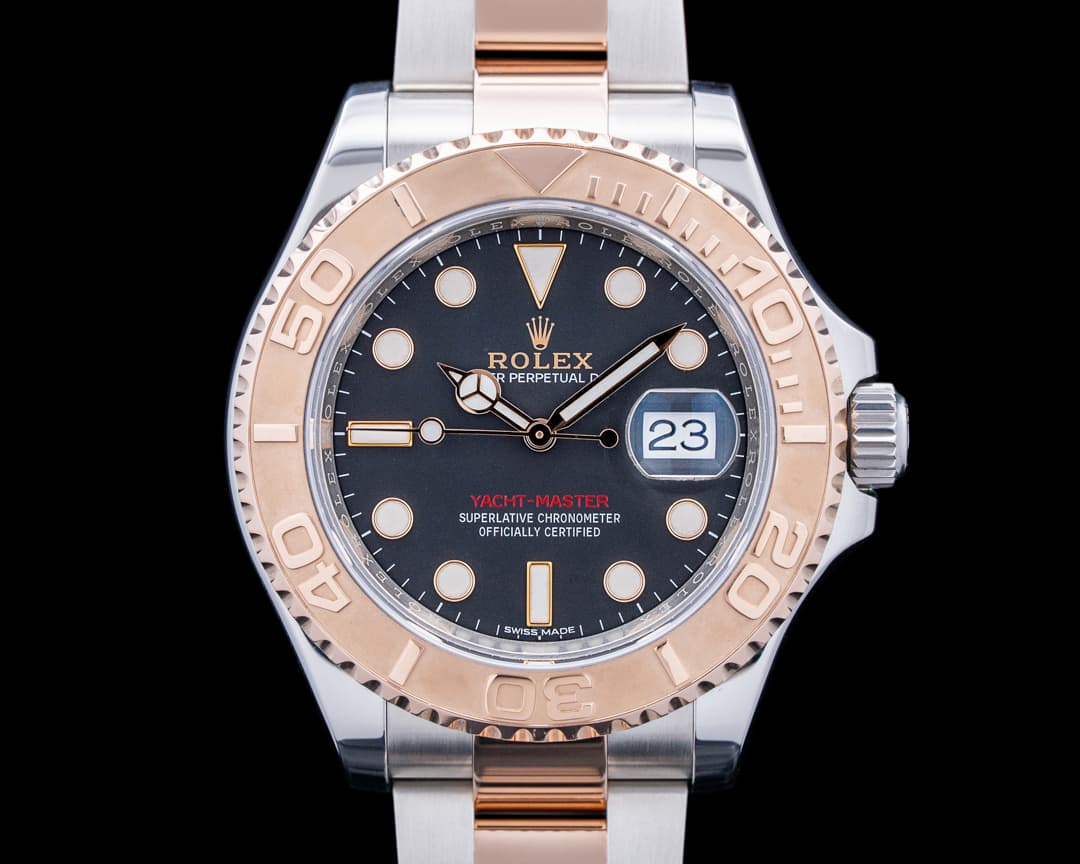
116621 Yacht-Master SS / 18K RG Brown Dial
$15,900
View Watch
Shop New Arrivals
Speedmaster "Gray Side of the Moon" Ceramic Gray Skeleton Dial 2025
$16,900
View Watch126603 Sea-Dweller SS / 18K YG Black Dial
$16,900
View Watch126331 Datejust 41 SS/18K RG "Sundust" Dial 2026 UNWORN
$19,500
View Watch116621 Yacht-Master SS / 18K RG Brown Dial
$15,900
View Watch
More Content