The Accumulation Trap
Nobody sets out to build a reactive collection. It happens in increments, each decision defensible on its own terms.
The opportunity watch arrives first: a reference you've admired for years, priced right, available now, bought outside any coherent framework because the timing was right. The "I'll figure out where it belongs later" watch follows and stays. The watch that fills a gap you didn't know you had turns out to create two new ones. Five years in, you look at what you own and recognize individual decisions but not a collection. The pieces don't argue with each other. They simply coexist.
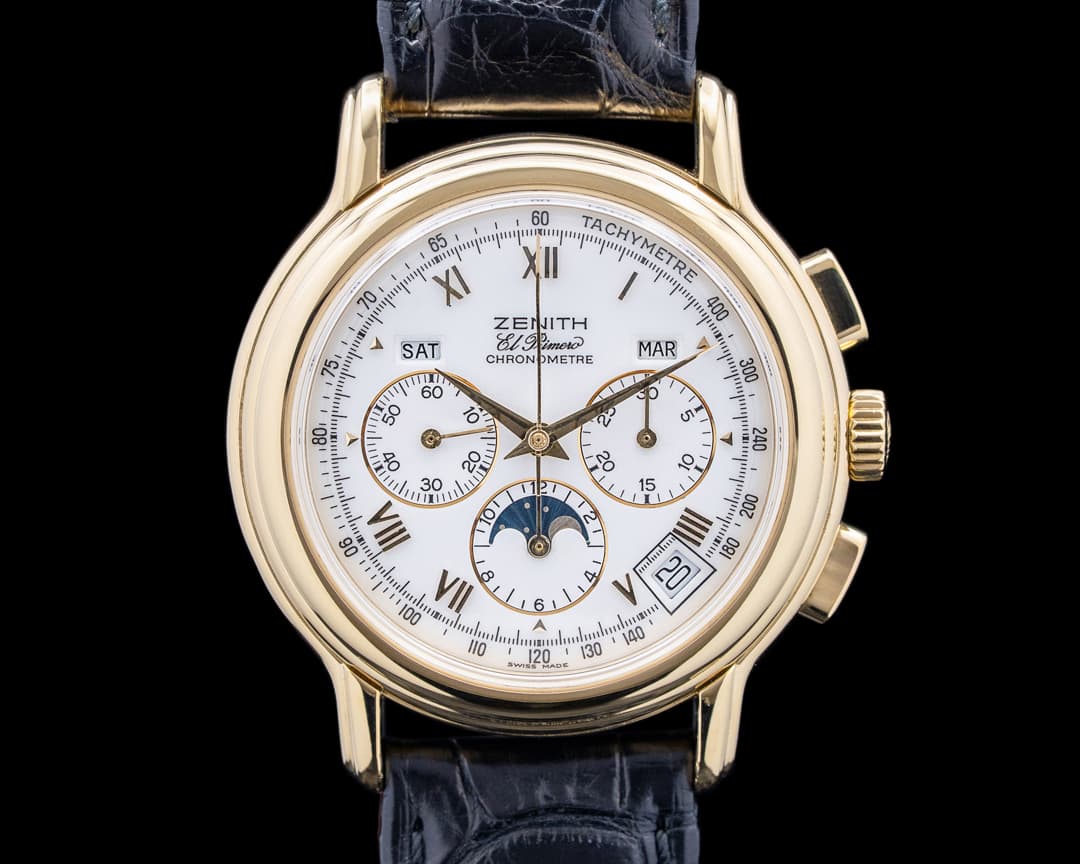
This is the accumulation trap, and it's nearly invisible while you're in it. Every purchase had reasons. The Zenith El Primero made sense when you bought it, excellent movement, strong secondary market, undervalued relative to comparable chronographs. The Tudor Black Bay made sense. The modern Rolex sports piece you waited for made sense. None of them were wrong decisions. But ten watches into the project, the collection tells no story because it was never asked to tell one. It was asked to be defensible, watch by watch. That's a different standard.
The trap is cognitive before it's financial. Buyers rationalize acquisitions using the market's categories, investment case, horological significance, versatility, value at price, because those categories exist, they're legitimate, and they do real work. But they're external. They describe why a watch is worth owning; they say nothing about why you should own it, given what else you own and what you're actually trying to build.
The drift compounds. After a few years, the collection doesn't represent a collector's taste so much as the intersection of what was available, what was affordable, and what was hard to argue against. A thoroughly reasonable collection. Often a somewhat hollow one.
What a Collecting Thesis Actually Is
A collecting thesis is not a rule. Rules are brittle, and rule-based collecting produces either rigid collections or complicated rationalizations for why this one exception is actually consistent with the rule after all.
A thesis is a point of view. It's the answer to the question: what is this collection about? Not in the sense of a coherent brand story you'd pitch to a stranger, but in the sense of a gravitational pull you can feel when you stand in front of a watch you're considering. Does this belong? Does it make the collection more itself, or more diffuse?
That gravitational pull isn't obvious at the start of a collecting life. It gets earned through ownership, through the experience of living with watches that were right and ones that were wrong, through the particular disappointment of selling a piece you wanted to love and couldn't. The collector who shows up at year two with a thesis is usually retrofitting one. The collector at year eight who has one has probably earned it.
What does an earned thesis look like in practice? It can be almost anything: a specific period (Japanese watchmaking in the quartz era, Swiss independents in the decade after Swatch Group's formation), a design language (architecturally legible dials, nothing that needs context to read), a single complication pursued across makers and eras, a relationship with a specific metal or material. The content matters less than the specificity. "Vintage only" is a constraint, not a thesis. "Watches made by small firms operating under commercial pressure, before the industry consolidated, that solved problems in unexpected ways", that's a thesis. It tells you what to look for and what to skip.
Collectors who can articulate their thesis, even roughly, even imperfectly, make better decisions under pressure. That's not a romantic claim. It's practical. When a compelling watch appears at short notice and the window is narrow, the collector with no thesis is working with market logic alone: is this good, is it fairly priced, will I regret passing? The collector with a thesis has an additional question: does this belong? That question doesn't always produce a clear answer. But it slows the mechanism down, forces a different kind of consideration, and over time the collections built with that friction are almost always better for it.
Three Collector Archetypes, and What Distinguishes Each
Three recognizable patterns emerge from watching this at the transaction level for thirty years. None of them is a verdict. All of them have failure modes.
The editor doesn't buy frequently. When something comes up, a reference they've tracked for a year, a piece that showed up unexpectedly at the right price, there's a characteristic hesitation before the decision. Not uncertainty, exactly. Something more like deliberate delay. They want to sit with it. They want to imagine the collection with the watch in it and without it. They're thinking about what, if anything, comes out when this comes in. The editor's collection at year ten typically has fewer watches than you'd expect and more coherence than seems possible. Each piece earns its place. The failure mode is rigidity: the editor who has sharpened their thesis to such a fine point that genuinely interesting outliers get rejected on principle, and the collection ends up thematically correct but somehow airless.
The explorer moves laterally. Broad horizontal curiosity drives the buying, a German independent, then a vintage Japanese piece, then a contemporary complications maker they read about and tracked down. The explorer's collection looks scattered to the outside observer and often feels scattered to the collector too, for a long time. The failure mode is perpetual novelty-seeking: the explorer who never stays still long enough for a thesis to form, who sells interesting pieces too quickly in pursuit of the next interesting piece, and who arrives at year ten with a complete record of their curiosity and no sense of what they actually believe. But the explorer who sticks with it, who treats the breadth as research rather than avoidance, often arrives somewhere genuinely interesting. The thesis forms late and holds hard.
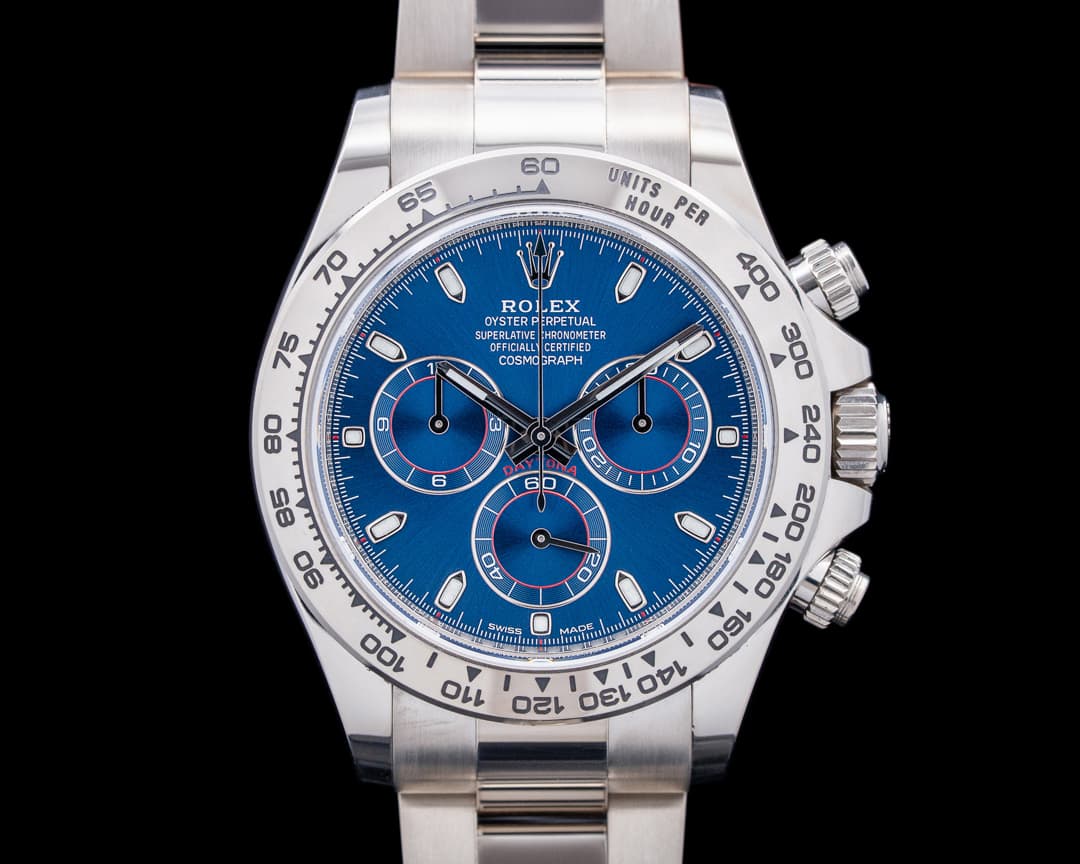
The reactor is market-adjacent by default. They follow auction results, track secondary values, know what's moving and what's cooling. Their collection reflects the market's consensus about what's good at any given moment. This produces real horological quality, reactive buying often lands on genuinely excellent watches, but the resulting collection is difficult to distinguish from the market's curated output at any given time. The deeper problem is satisfaction: the reactor's relationship to their collection is competitive rather than personal. There's always something more current to own, a more relevant reference, a better position to hold. The collection is never quite right because the standard for right keeps moving. That's an exhausting way to collect.
No one is purely one type. Most serious collectors contain the explorer's curiosity, want the editor's coherence, and have the reactor's market awareness without wanting it to run the show. The question is which pattern is dominant when the pressure is on, when the good watch is in front of you and the window is closing.
When to Break Your Own Thesis
A thesis that never bends is a cage. There's a real difference between discipline and rigidity, and collectors who can't feel that difference end up either with sterile collections that say one thing too loudly, or with a permanent low-grade guilt about the pieces they own that don't fit.
The permission structure for breaking your thesis should be narrow but real. Two conditions matter.
The first is genuine surprise. A watch that violates your thesis but stops you cold, not because the market says it's important, not because the timing is right, not because someone whose taste you respect said you'd regret passing, but because you stood in front of it and something happened. That's not rationalization. Rationalization has a particular texture: it builds a case, accumulates reasons, works harder as the argument gets weaker. Genuine surprise is quieter. You already want it; the reasoning comes after. The reasoning is almost beside the point.
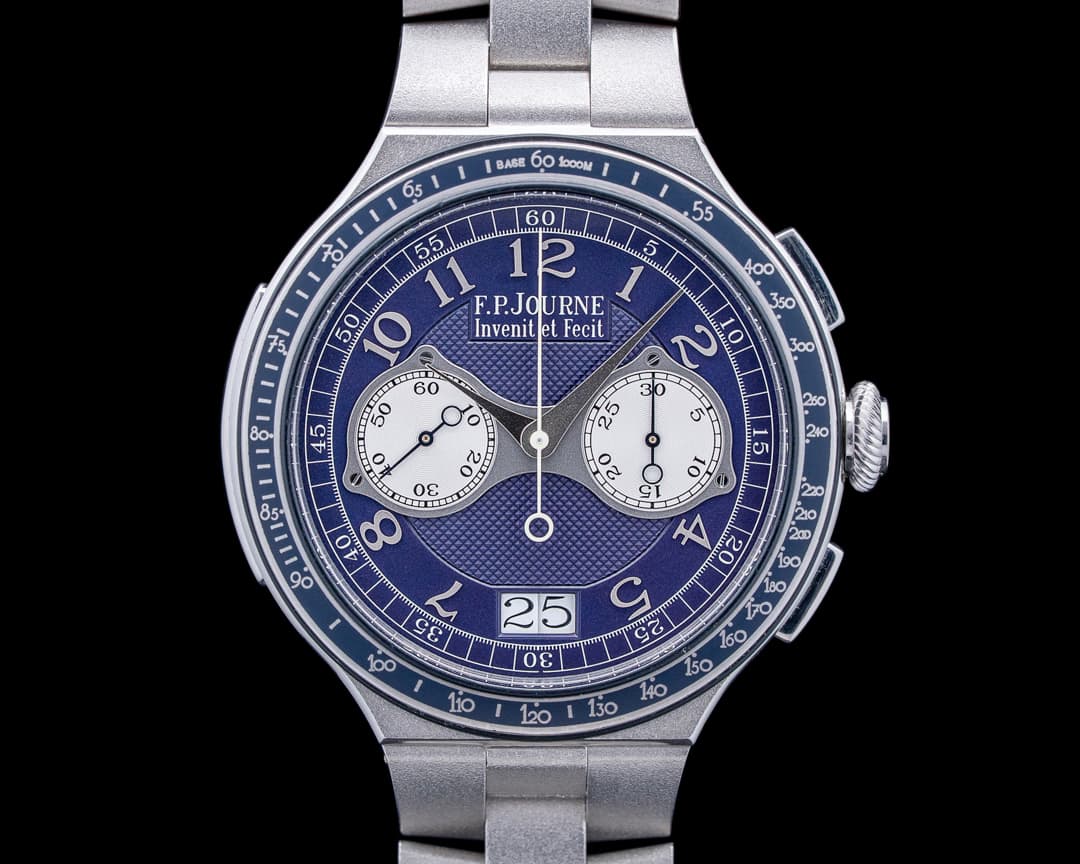
The second is the watch that teaches you something your thesis hadn't accounted for. Sometimes a piece arrives that doesn't fit the collection you have but fits the collection you're building, or the thesis you're in the process of refining. That's not a deviation from the thesis. That's the thesis in motion. The collector who bought strictly within German independents and then encountered a piece from a small Swiss atelier working in the same idiom, from the same period, serving the same values, that's not breaking the thesis. That's understanding it better.
What it shouldn't be is opportunism dressed as insight. The good price, the good timing, the fear of missing a specific reference, these produce purchases that come home feeling slightly wrong from the first day. Not because the watch is wrong. Because the reason was wrong. Those watches get sold, almost always. Not because the collector's taste changed, but because the collection quietly rejected them. The collection already knew. The collector just needed time to catch up.
The Edit Is Half the Work
Selling is where collectors reveal what they actually believe. Not in what they say about their collection, not in the thesis they can articulate when pressed, but in what they actually let go of and when. The edit is the proof.
Most collectors treat selling as a failure mode, the watch that didn't work out, the investment that didn't perform, the piece they're retiring to fund the next thing. That framing is understandable and almost entirely wrong. A well-timed sale is a collecting decision of the same order as a well-timed purchase. Sometimes more revealing.
There's a difference between seller's regret and genuine reconsideration. Seller's regret typically arrives fast, within weeks of a sale, sometimes days. It has a specific quality: you miss the watch, not what it represented or what it was pushing you toward. Genuine reconsideration takes longer and feels different. You've sold the watch, you don't miss it exactly, but you find yourself thinking about what it said about your taste and wondering if you moved too quickly. That's useful information. It's the collection teaching you something about itself.
The liberating clarity of a well-timed sale is real and underrated. Collectors who edit deliberately, who sell with intention rather than reluctance, report that the act of selling focuses what remains. The collection gets smaller and more itself. The purchases that follow tend to be better. The thesis, which may have felt abstract, becomes visible in what's left.
Selling is not a loss. It's the mechanism by which a collection becomes legible.
What a Coherent Collection Looks Like (and Why It Matters)
Coherence isn't uniformity. A collection with a strong internal logic can hold pieces from different eras, different countries, different price points, different complications, as long as they're all pulling toward something recognizable. Uniformity is actually a warning sign: a collection where every piece looks like every other piece is often a collector who found one thing they liked and stopped asking questions.
A legible collection produces something more practical than aesthetic satisfaction. It produces better future decisions. When you know what you're building, you know what's missing and what's unnecessary. Those aren't the same thing. A collection without a thesis mistakes missing for unnecessary constantly: the watch you'd clearly want, if you knew what you wanted, goes unrecognized. With a thesis, the gap is visible. You may not fill it immediately. But you know it's there.
Coherence also compounds. The collector at year five who has built toward something deliberate makes faster decisions at year ten, not because they're more decisive by temperament, but because the decision is already mostly made before the specific watch appears. Does this belong? The collection already knows. The job is to ask the question honestly and hear the answer.
What the discipline produces, over time, is a collection that represents the collector rather than the market, the moment, or the succession of defensible choices that got them here. That's the actual work of collection-building. A discipline of taste formation. Not a purchasing problem.
The collectors who understand that earliest end up, reliably, with the collections most worth owning.
Shop New Arrivals
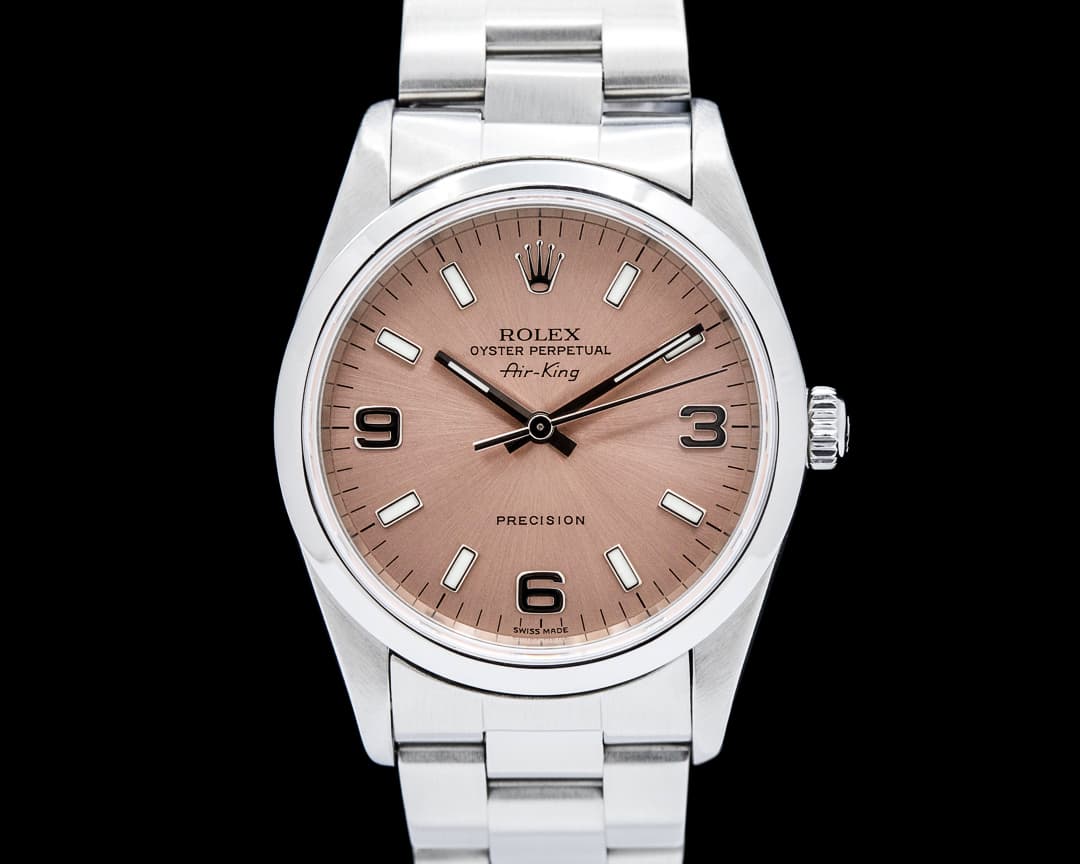
14000 Air King SS Salmon Dial
$5,750
View Watch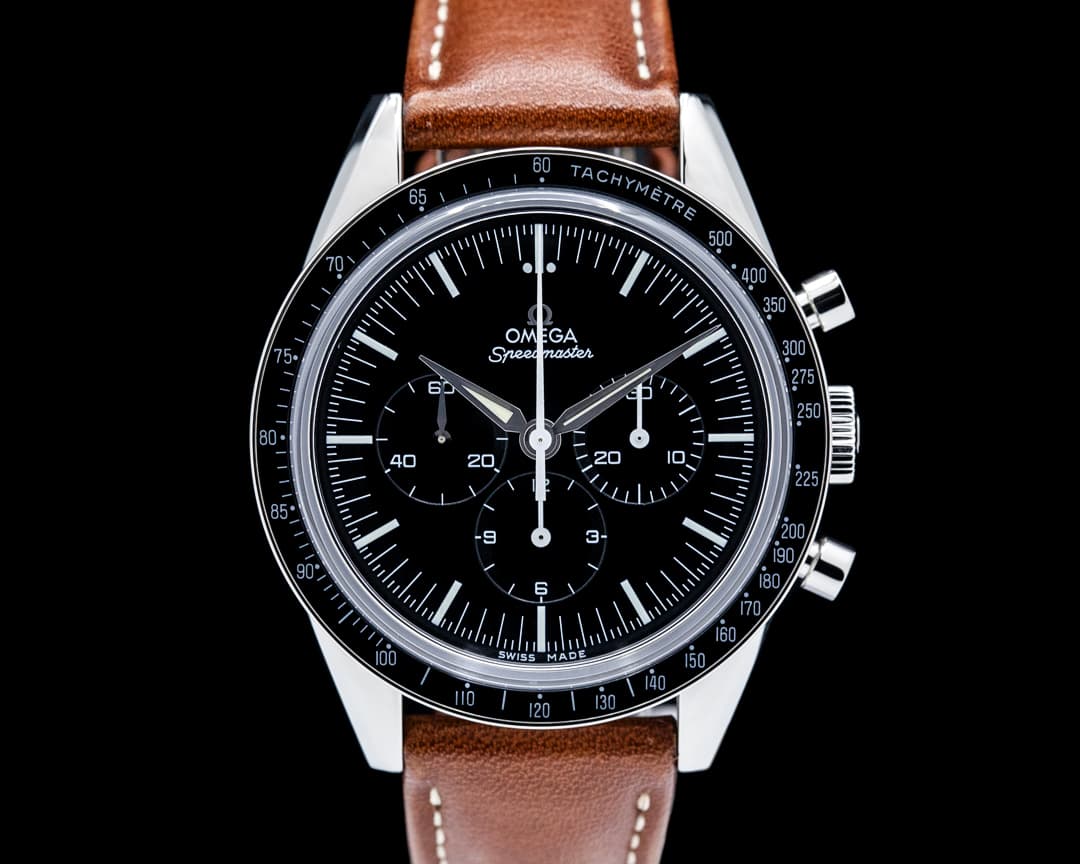
Speedmaster First Omega in Space SS Black Dial
$6,500
View Watch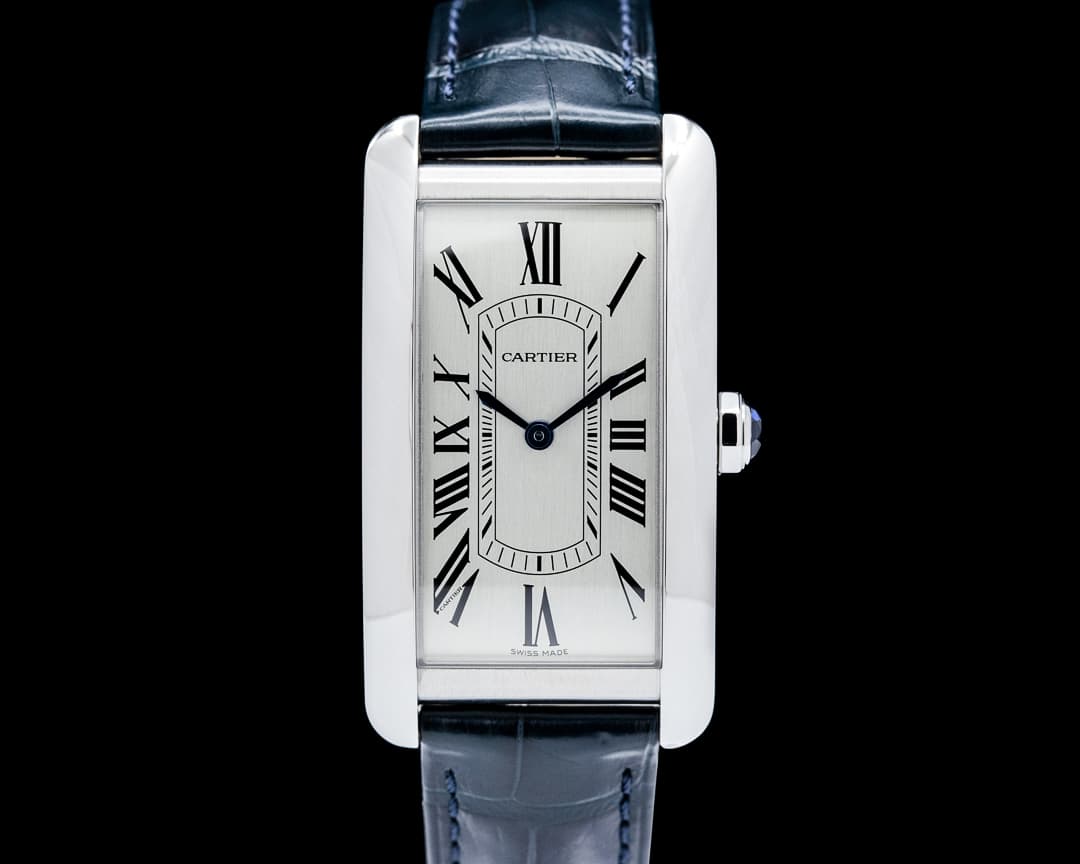
WSTA0083 Tank Americaine Large SS Silver Dial 2026
$6,350
View Watch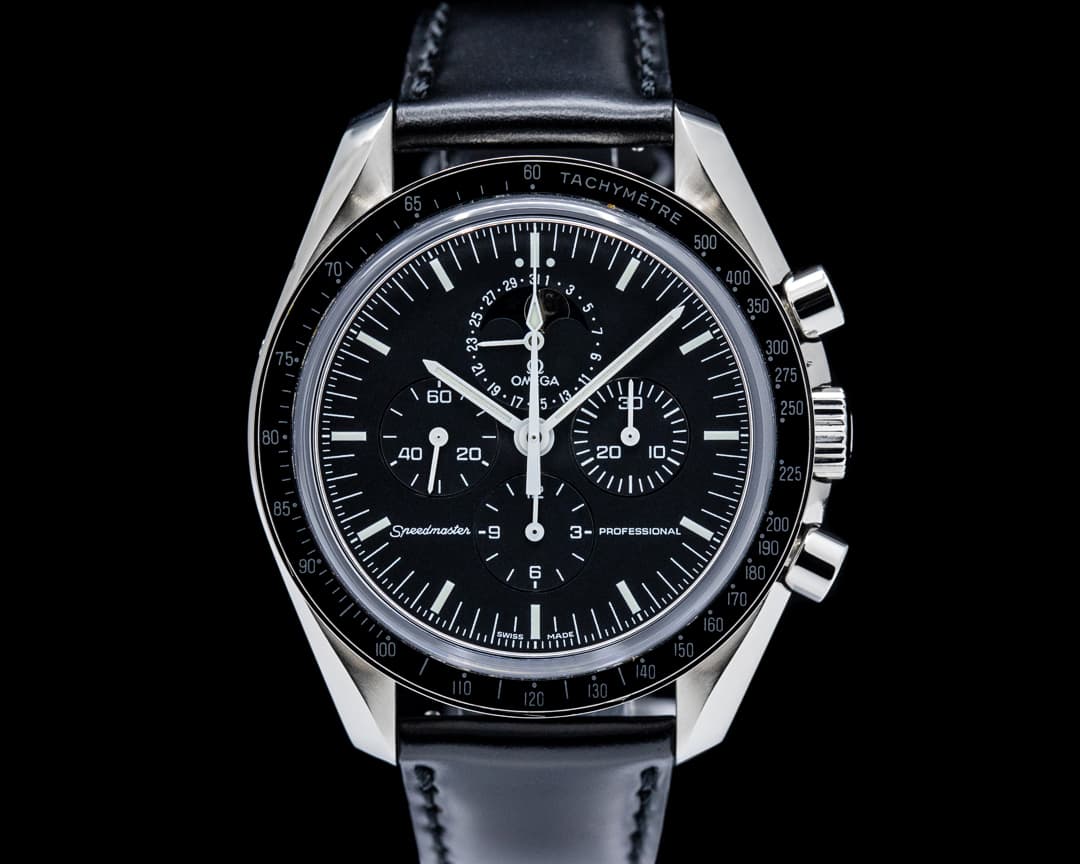
3876.50.31 Speedmaster Professional Moonphase SS Black Dial
$7,350
View Watch
Shop New Arrivals
14000 Air King SS Salmon Dial
$5,750
View WatchSpeedmaster First Omega in Space SS Black Dial
$6,500
View WatchWSTA0083 Tank Americaine Large SS Silver Dial 2026
$6,350
View Watch3876.50.31 Speedmaster Professional Moonphase SS Black Dial
$7,350
View Watch
More Content