A. Lange & Söhne vs. Patek Philippe: A Buyer's Guide
Published on 7/13/2026
What You're Actually Comparing
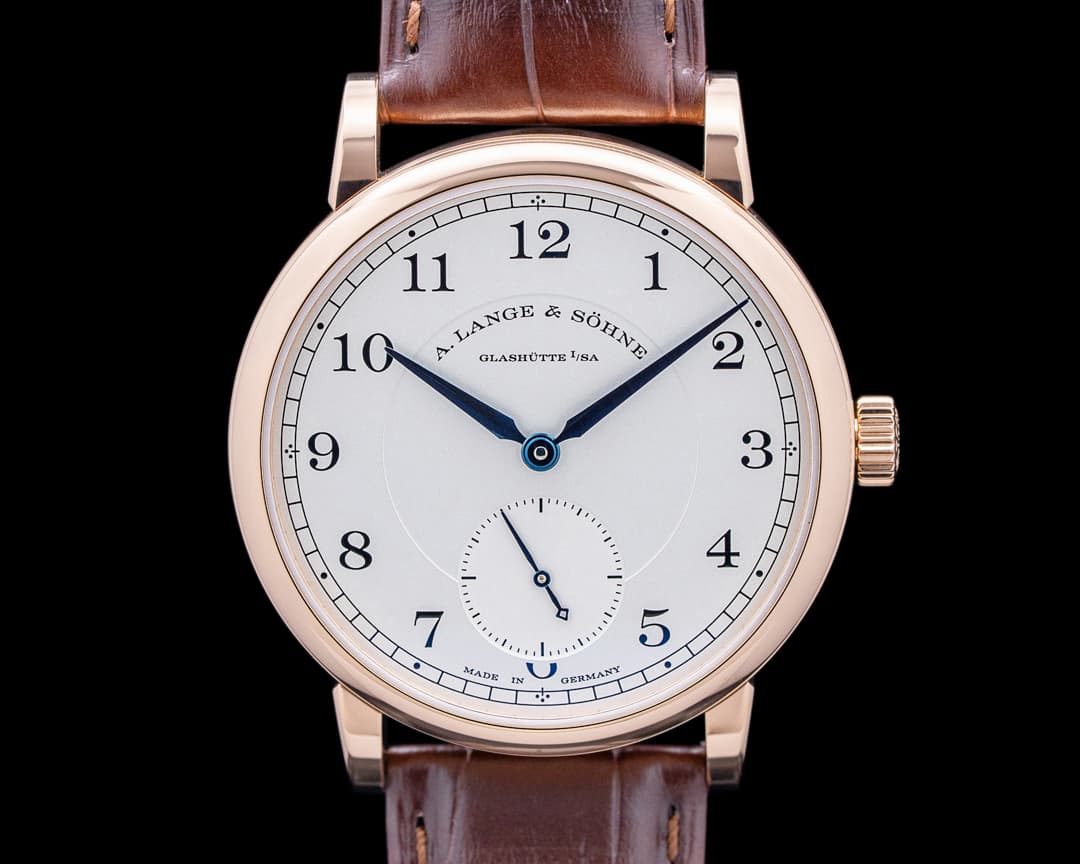
Patek and A. Lange & Sohne are two of the premier luxury watch brands of the era, finding their stylistic sweet spot in the dress watch category. The price overlap is real, though narrower than it looks. On the Lange side, pre-owned Lange references currently run from $15,000 to $100,000+ depending on model: older Lange 1 generations come in closer to $24,000 to $25,000 with prices rising recently. The Saxonia and Langematik start from around $15,000 pre-owned. The Zeitwerk sits above this comparison at $57,000 to $92,000, averaging roughly $69,000 — a different conversation entirely. More complicated pieces sit even higher.
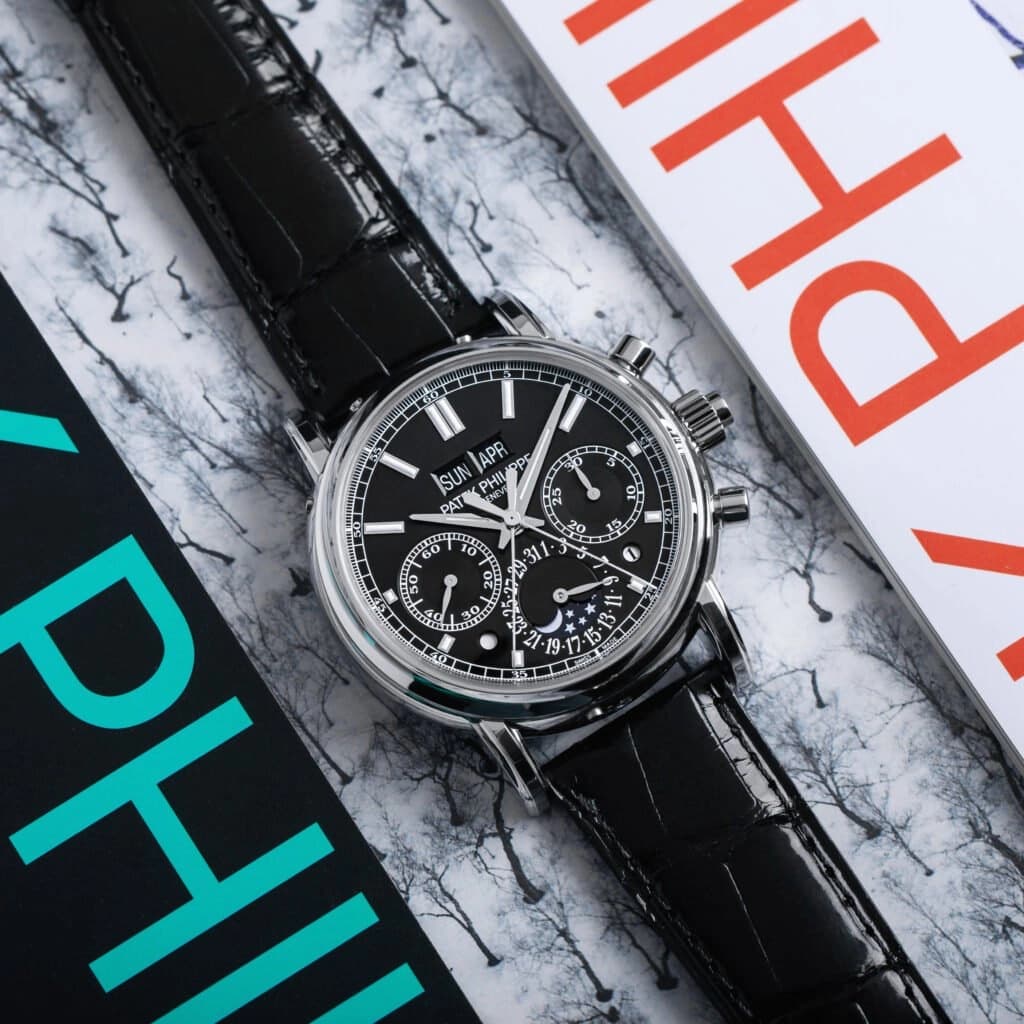
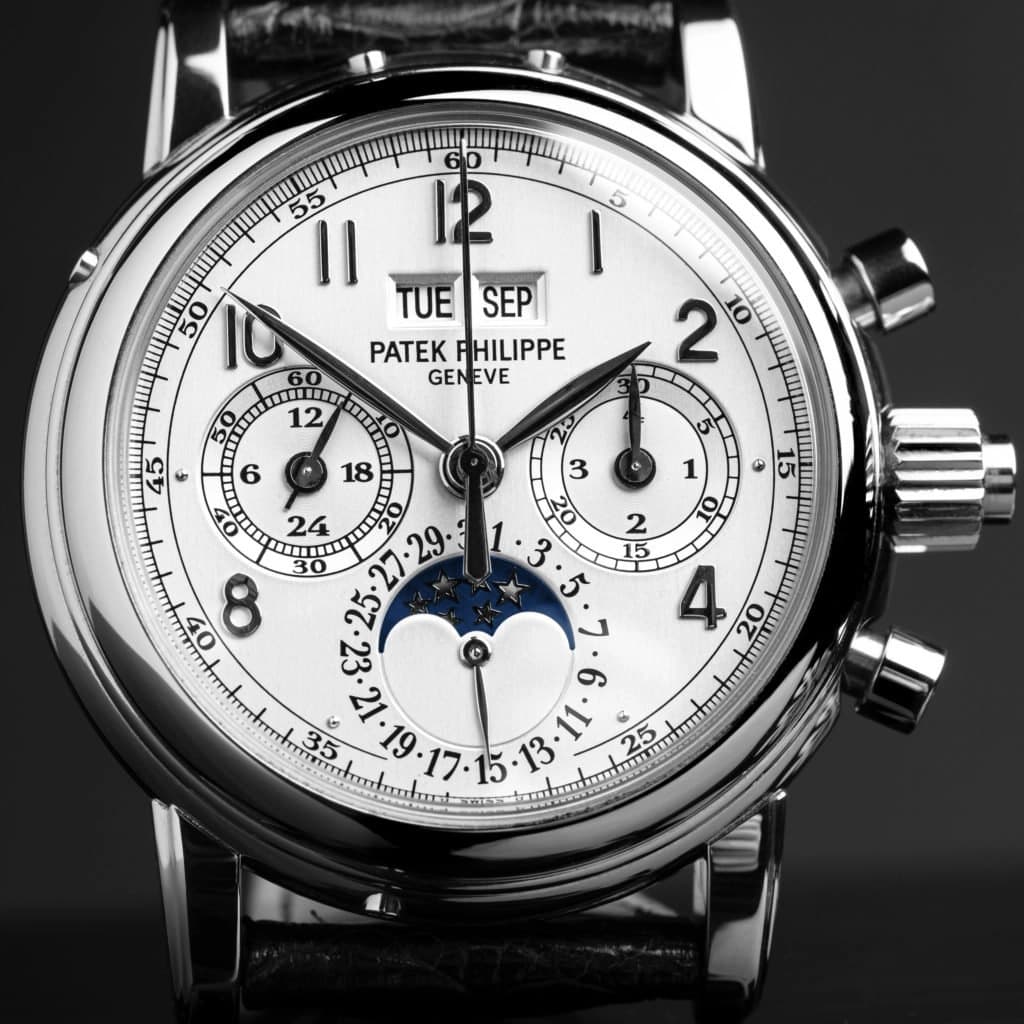
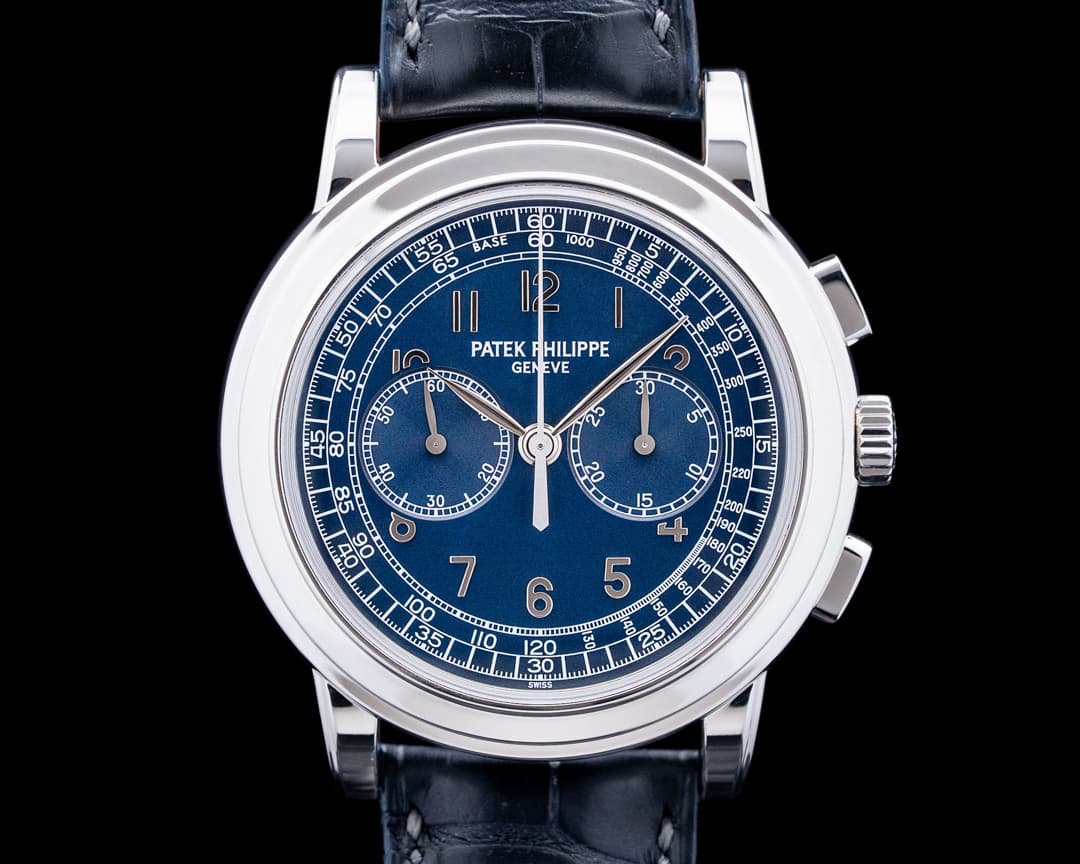
Patek 5204P
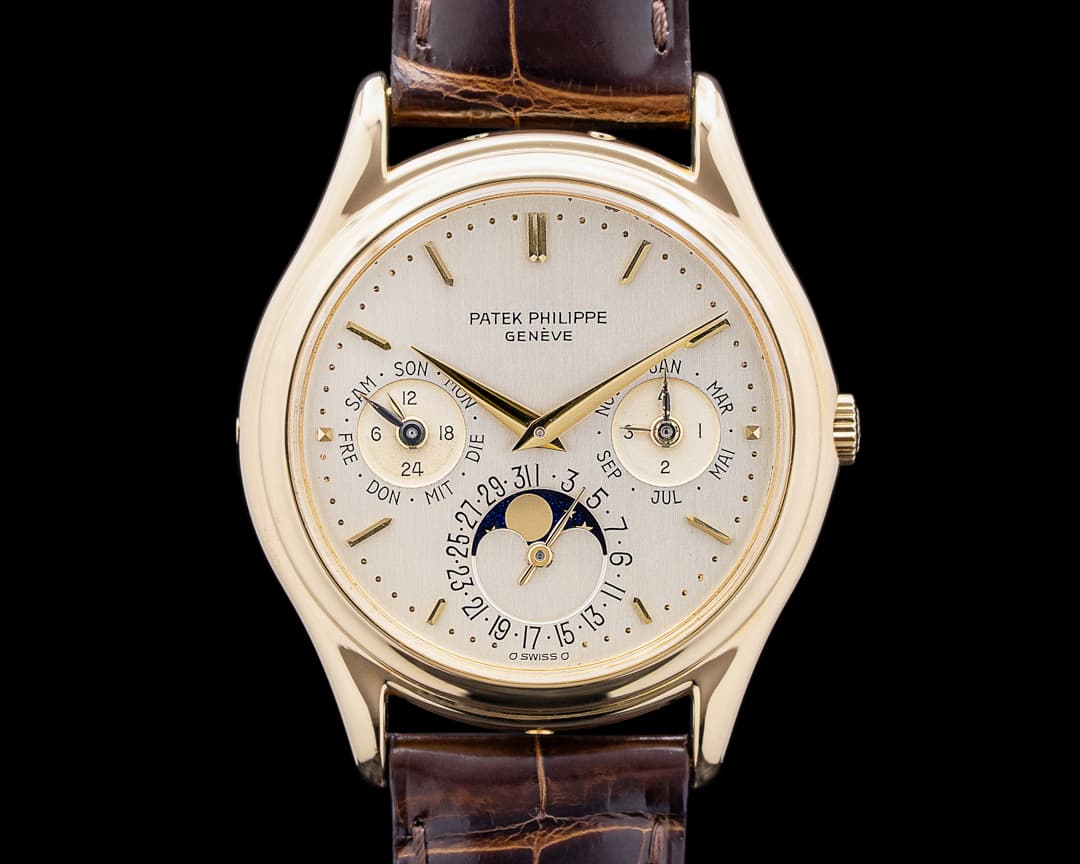
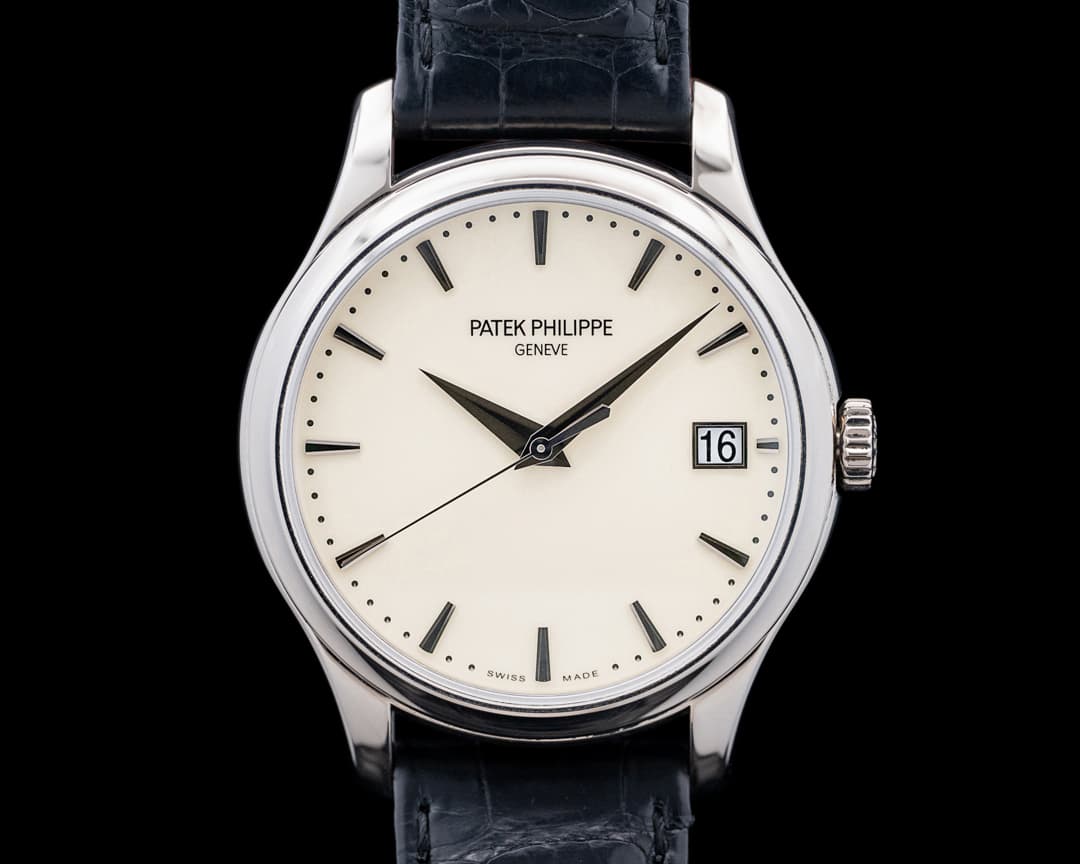
On the Patek side, the Calatrava ref. 5196 in yellow gold is a great starting point at around $19,000 pre-owned; the 5227 in rose gold with officer caseback runs past $40,000. Contemporary gold Calatrava references broadly land in the $20,000 to $45,000 range. Sports models are trading at multiples of retail and like Lange, complicated pieces climb into the six figures.
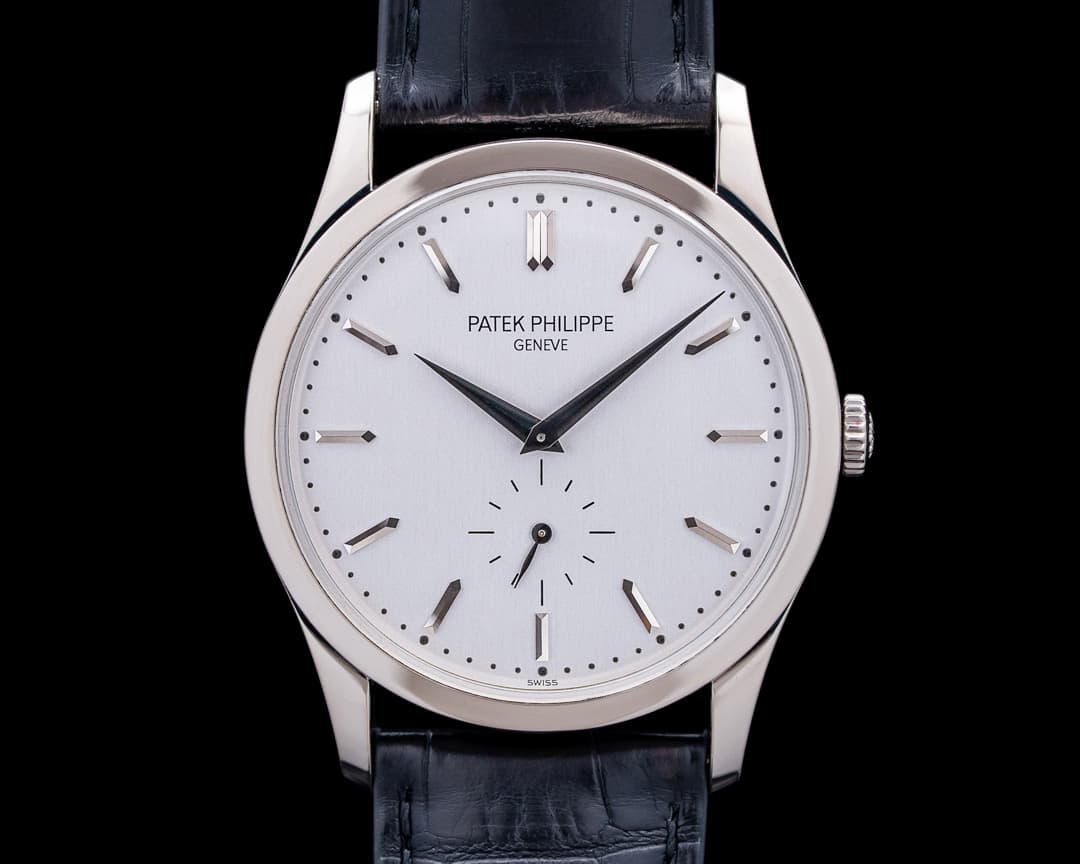
So the live comparison is this: a Lange 1 versus a Patek Calatrava (ref. 5196 or 5227), both in the $20,000 to $40,000 pre-owned band. At that range, you are choosing between two very different objects with two very different secondary-market profiles, two different finishing philosophies, and two different ownership experiences. None of that makes one obviously superior. Let's help you decide which is right for you.
Finishing Philosophy: What Each House Is Doing and Why It Matters
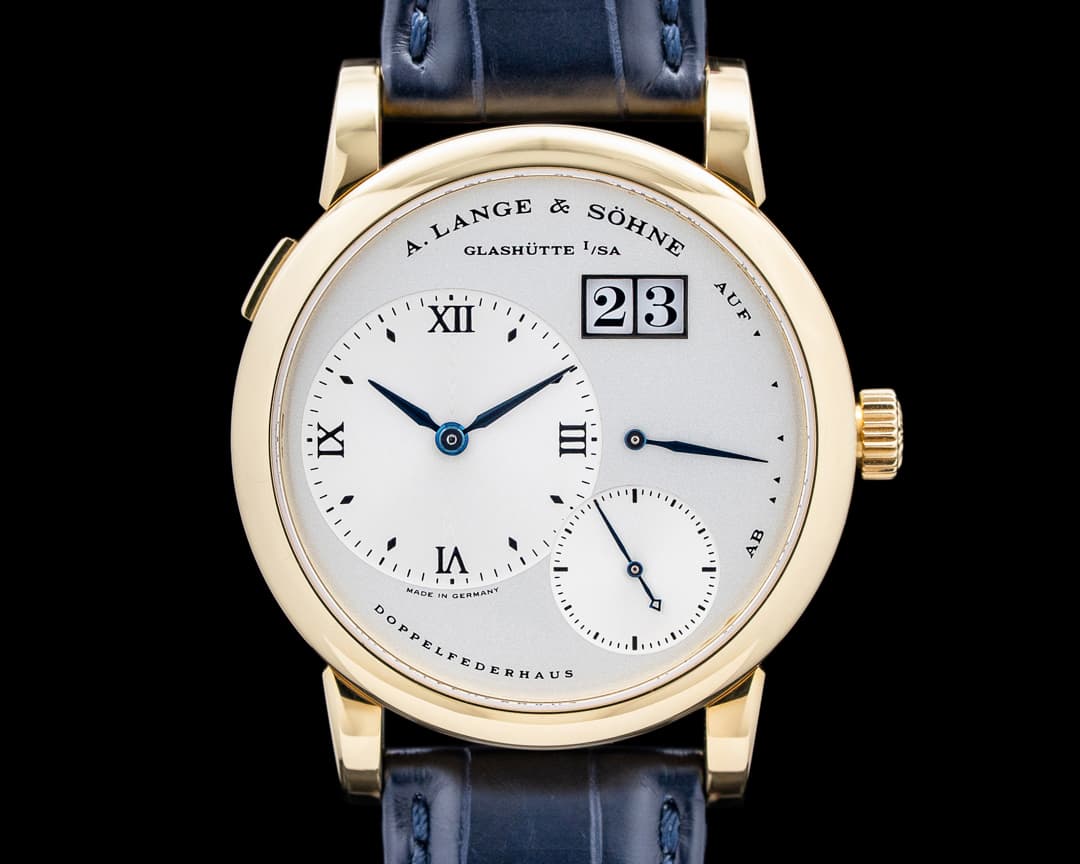
Flip to the caseback on a Lange 1 and the three-quarter plate fills your field of view: a single piece (on modern iterations) of German silver spanning most of the movement, its surface finished in Glashütte striping, its edges hand-beveled. The balance cock is hand-engraved, individually, by a single craftsman. No two are identical. The L121.1 caliber's twin mainspring barrel sits beneath it, the balance wheel visible at the edge of the plate with its eccentric poising weights. It reads as an object made by hand in a way that is legible even without magnification. Under a loupe, it is extraordinary.
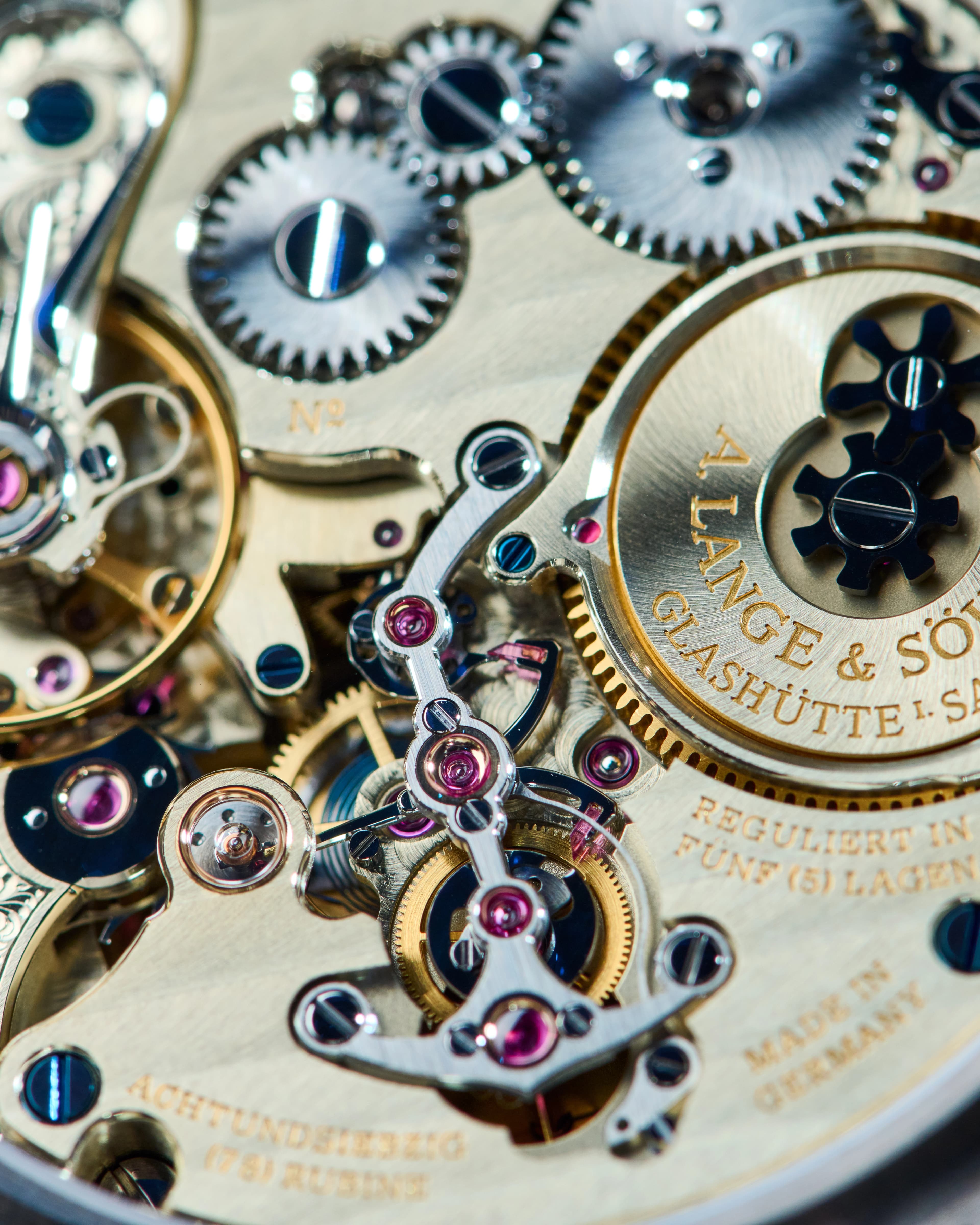
Zeitwerk Movement
Patek's approach is also labor-intensive but expresses itself differently. The caliber 215 PS in the ref. 5196 carries the Patek Philippe Seal, a proprietary standard that exceeds the Geneva Seal. Every bridge shows côtes de Genève, every edge carries anglage done by hand or rotary guided by hand, and the movement must perform within -3/+2 seconds per day before leaving the manufacture. Patek movements are bright and gem-like in their careful finishing. There are fewer purely hand-finished components than on the Lange movement, but there's a consistent beauty to the finishing quality that is unique to Patek.
The honest difference: Lange's finishing is theatrical. It invites the owner in and rewards close inspection with visible evidence of individual human work. Patek's finishing is more classical, more restrained, refined to a degree you feel rather than see at a glance. Neither is technically superior. They are different arguments about what a finished movement should communicate.
For the buyer who will look through the caseback regularly, and who buys largely for that ritual, Lange's presentation is hard to match at any price. For the buyer whose primary relationship is with the dial and the wrist presence, Patek's movement finishing is consistently beautiful, but less of the brand's reputation is built on movement finishing.
Secondary-Market Liquidity: Patek's Structural Advantage
This is not close, and it would be dishonest to suggest otherwise.
Patek Philippe's secondary market is one of the most robust in the luxury watch world. For a clean Calatrava ref. 5196 or 5227 with box and papers, turnover is faster, but across the board, most dealers can sell Patek fast, and therefore will buy Patek fast. There are more buyers, more dealers who price these with confidence, more completed transaction data, and a deeper institutional ecosystem around them. If you need to sell a Patek dress watch quick, you will.
Lange is a different story. None of this means the Lange secondary market is dysfunctional; it isn't. The Lange 1 has a genuine collector following and trades with reasonable consistency. But the buyer pool is smaller, dealer pricing is less standardized, and transaction volume is lower. Pricing transparency is thinner. You may wait longer. The spread between what a motivated seller will accept and what a motivated buyer will pay tends to be wider. This gap is narrowing as Lange is building steam, but there is a meaningful difference to note.
There is another counterargument worth acknowledging. Lange's smaller production and tighter collector base can cut both ways. When demand spikes, as it did through early 2022 when the secondary market hit its peak, Lange pieces can move quickly and well above expectation. In a normalized market, though, the liquidity asymmetry favors Patek. A buyer who values the ability to exit cleanly should weight this accordingly.
Value Retention: Where Each Brand Has Held, Slipped, and Surprised
The post-2022 correction affected both brands, but asymmetrically.
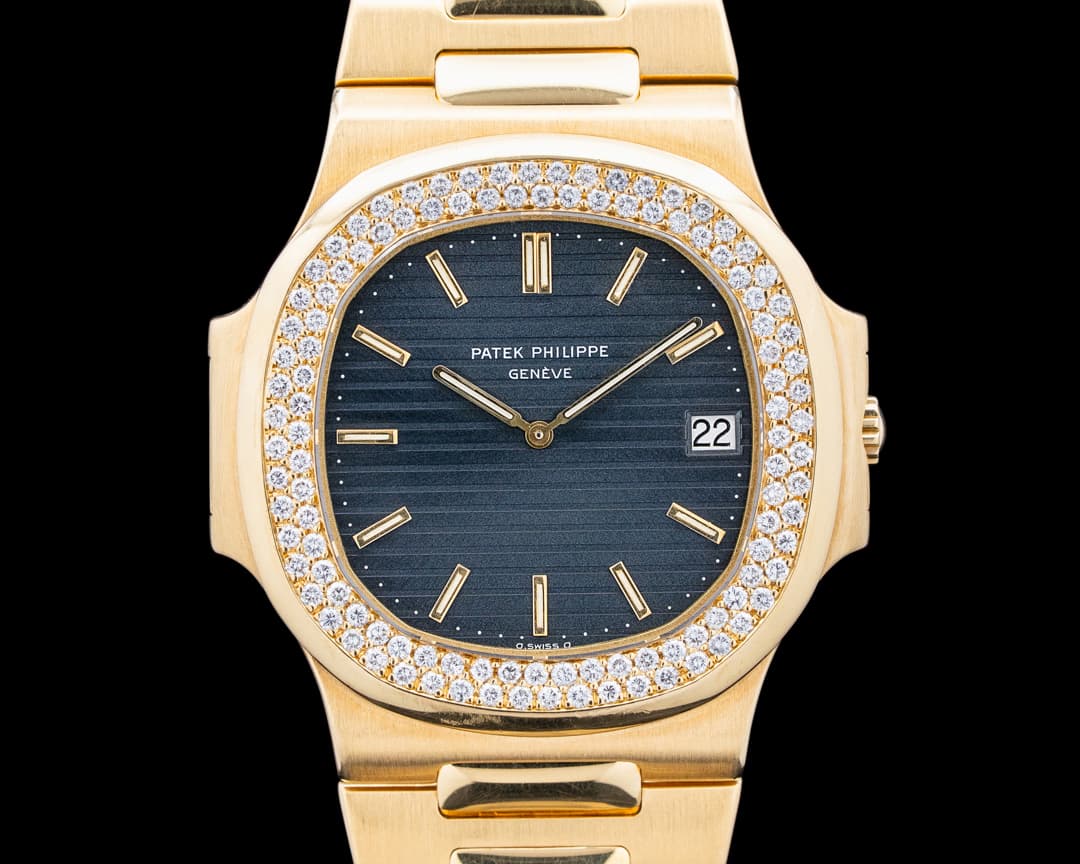
Patek's sports references felt it most sharply. Discontinued Nautilus ref. 5711/1A pieces that peaked near $131,000 have since corrected to around $100,000 and now come back slightly. The Aquanaut ref. 5167A recovered meaningfully from its own trough, gaining approximately 25% over the past year and currently trading around $60,000, still well above retail. The Calatrava told a different story throughout: it largely sat at or below retail during the speculative bubble and stayed there after it popped. It was never a speculation vehicle, which means it also never had a crash to recover from. That said, these models routinely traded at or above retail, which means cyclical pressures are felt more, but also there is more demand that is visible preowned.
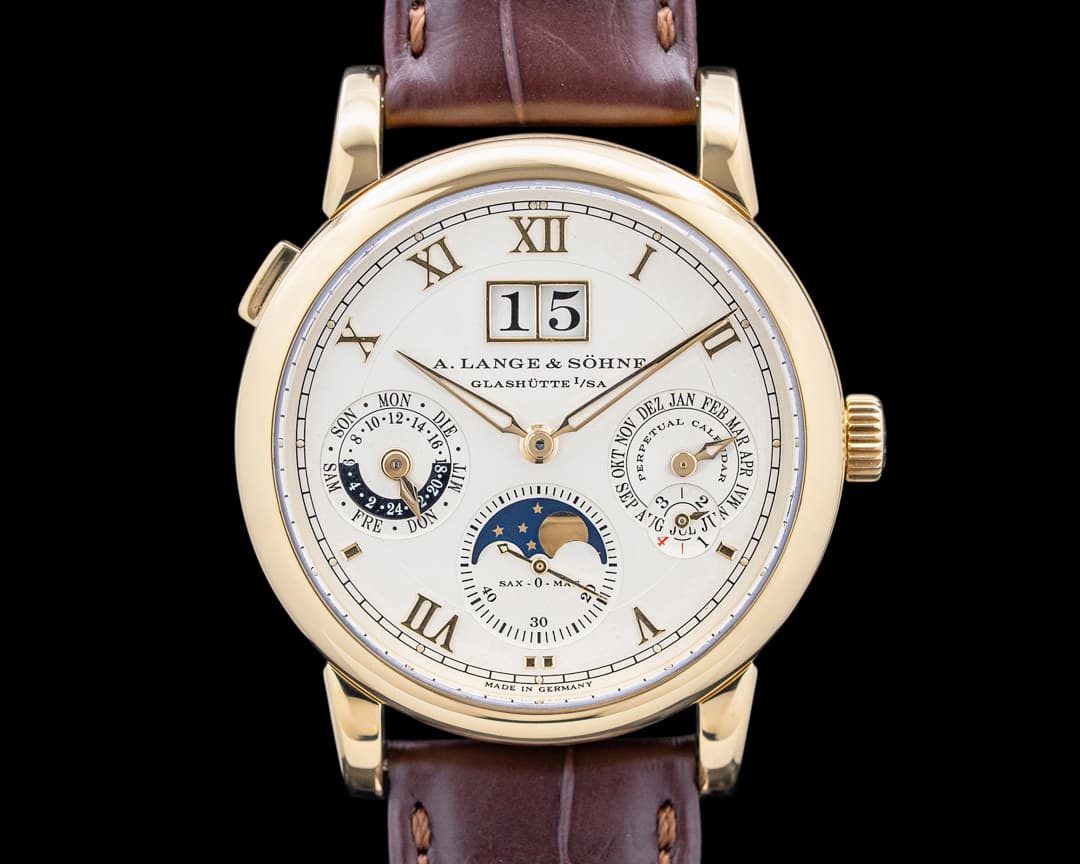
Lange peaked in January 2022. Colorful dial variants, the yellow-gold Lange 1 with champagne dial and certain limited references, commanded premiums that looked unsustainable and proved to be. The correction was real. No granular reference-by-reference pricing history makes a clean percentage comparison possible for the Lange 1 white gold versus the Calatrava 5196 across the same period, but the honest read is this: both markets normalized post-bubble; neither collapsed. Lange's smaller transaction volume means the swings, in both directions, tend to be more pronounced for individual references. The Lange preowned market is heaeting right now, and we may see these dynamics change rapidly.
What the Calatrava offers that the Lange 1 doesn't is a kind of structural price stability. It wasn't pumped by speculation and wasn't deflated by its correction. Contemporary gold references trading 20 to 35% below retail is roughly where they have always been. There is no mystery in the pricing. For a buyer who values predictability over upside optionality, the Calatrava's boring trajectory is a feature.
What Ownership Feels Like Over Time
Service is a real cost, and both brands are serious about it.
Lange's average service price runs around CHF 4,110, roughly $4,500 at current exchange rates, for the Lange 1's L121.1 caliber, a figure that comes from Lange's own cost calculator and covers a full movement service. Patek's equivalent for a simple dress watch caliber runs between $2,000 and $5,000 for a basic overhaul. Both figures are for uncomplicated movements; add a complication and both climb steeply. In ballpark terms they are comparable: substantial, not disproportionate relative to what the watches cost. Commonly recommended service intervals for both tend toward every five years in active use, though neither brand publishes an official requirement. Patek tends to be cheaper on service, but this is not an exact science.
One ownership factor that genuinely differentiates: documented Patek service history adds a measurable premium on resale, in the range of 20% according to secondary market data. The institutional ecosystem around Patek authentication, service records, and provenance documentation is more developed than Lange's equivalent. For a buyer thinking about resale, this matters.
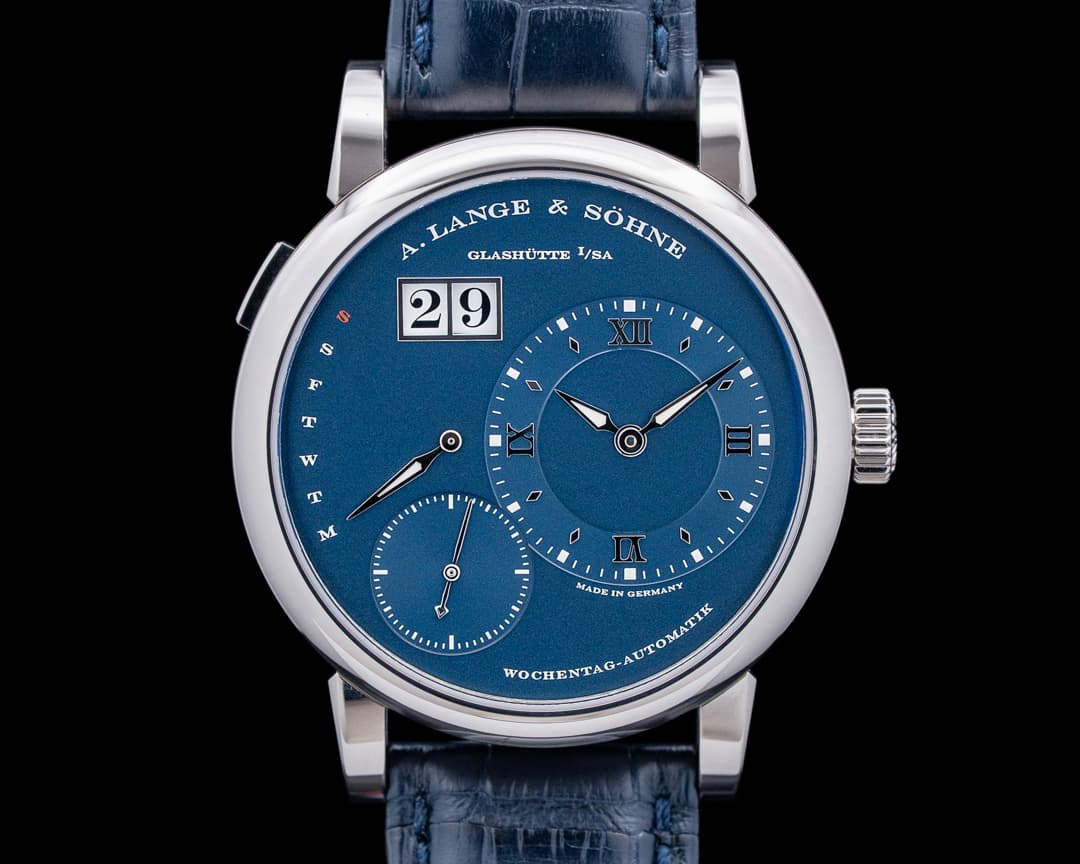
The wrist experience diverges in ways the spec sheets don't capture. The Lange 1's asymmetric dial, with its outsize date at 1 o'clock, subsidiary seconds at 9, and power reserve at the bottom, is immediately distinctive and polarizing. It reads as a German thing. Some find it endlessly interesting; others never fully warm to it. The Calatrava's round case and concentric dial architecture is categorically less interesting and categorically more legible. It disappears under a cuff. It reads to civilians as a dress watch without further explanation.
Lange ownership is quieter in a specific way: almost no one on the street recognizes it. At a dinner table of people who don't collect watches, wearing a Lange 1 is a private experience. But the institutional signal a Patek carries, to other collectors, to auction specialists, to people who know watches, is more legible, more portable, and more universally understood. That social and institutional weight is a double sided sword depending on what you are looking for.
How to Choose
Here is the direct version.
If your priority is liquidity and resale confidence, the answer is Patek. The Calatrava ref. 5196 or 5227 in yellow or rose gold gives you a watch with deep secondary-market infrastructure, predictable pricing, and a buyer pool that doesn't require explanation. The 5227's officer caseback commands a 50 to 80% premium over the 5196 in the same metal; decide whether that's worth it to you before you shop. For some buyers, Patek's pricing transparency and institutional weight are the entire point. That is a rational position.
If your priority is movement architecture and finishing, the answer is Lange. The Lange 1 in white gold at $25,000 to $31,500 pre-owned gives you a hand-engraved balance cock, a three-quarter plate in German silver, and a subsidiary seconds that behaves unlike anything in Geneva. You will see more craft per dollar in the movement than any Calatrava will offer at a comparable price. For some buyers, Patek's secondary-market advantages won't be enough when weighed against what Lange puts under the caseback.
If you are earlier in the ownership cycle and expect to move the watch within five years, lean Patek. The exit is cleaner, the price is more predictable, and the documentation ecosystem is more forgiving of gaps in provenance.
If you are buying to hold speculatively, the calculus shifts toward Lange. Its lower transaction volume means you won't time the market anyway, which removes liquidity as a decision variable. What you're left with is the watch itself, and for a long-hold buyer, Lange's finishing philosophy rewards ownership in ways that may compound over time.
None of this means Lange is easy to sell quickly. And for some buyers, Patek's legibility in the secondary market won't be enough reason to pass on what Lange builds. The right answer is genuinely buyer-specific. What the market won't tell you is which one you'll still be thinking about in ten years. For that, you need to know yourself.
Shop New Arrivals
14000 Air King SS Salmon Dial
$5,750
View Watch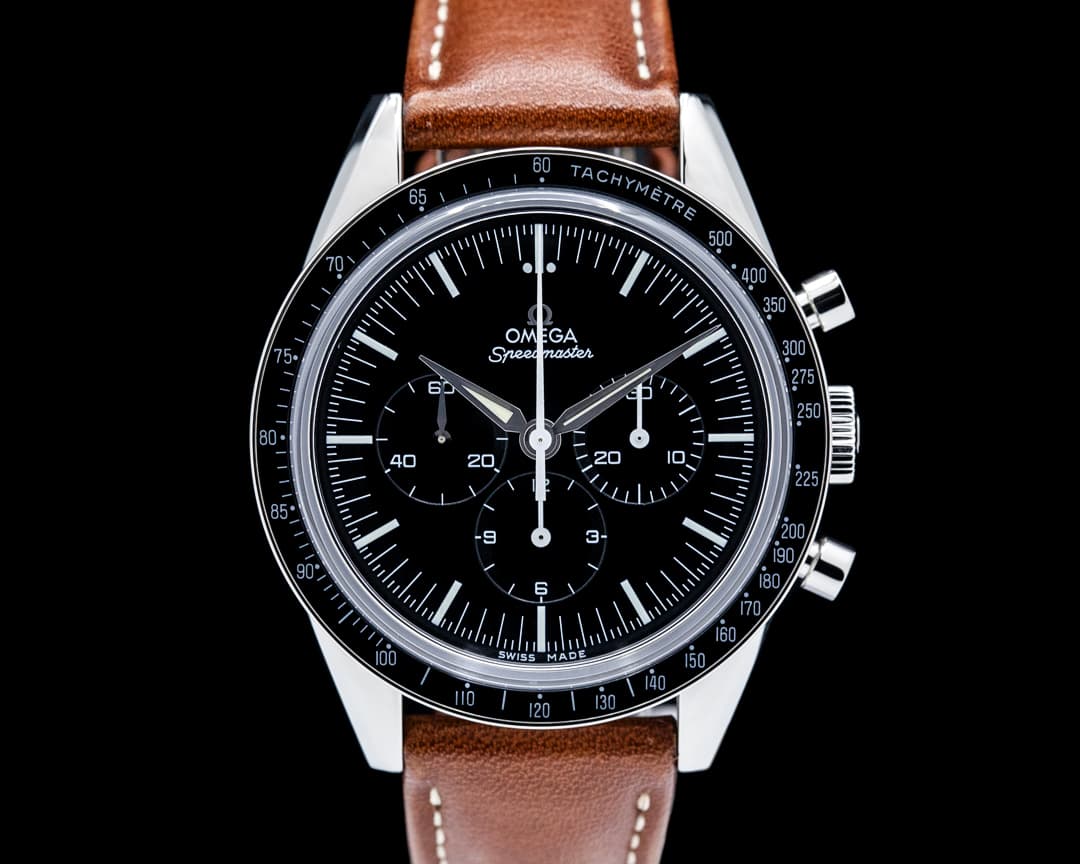
Speedmaster First Omega in Space SS Black Dial
$6,500
View Watch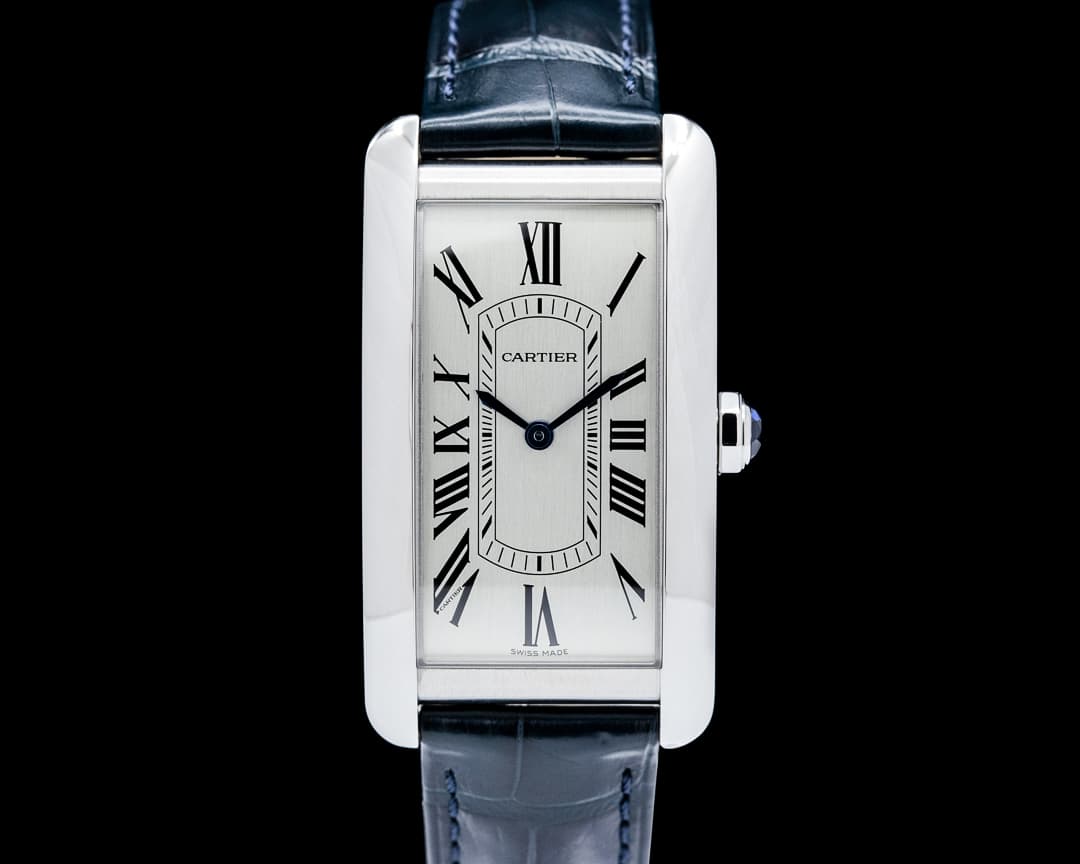
WSTA0083 Tank Americaine Large SS Silver Dial 2026
$6,350
View Watch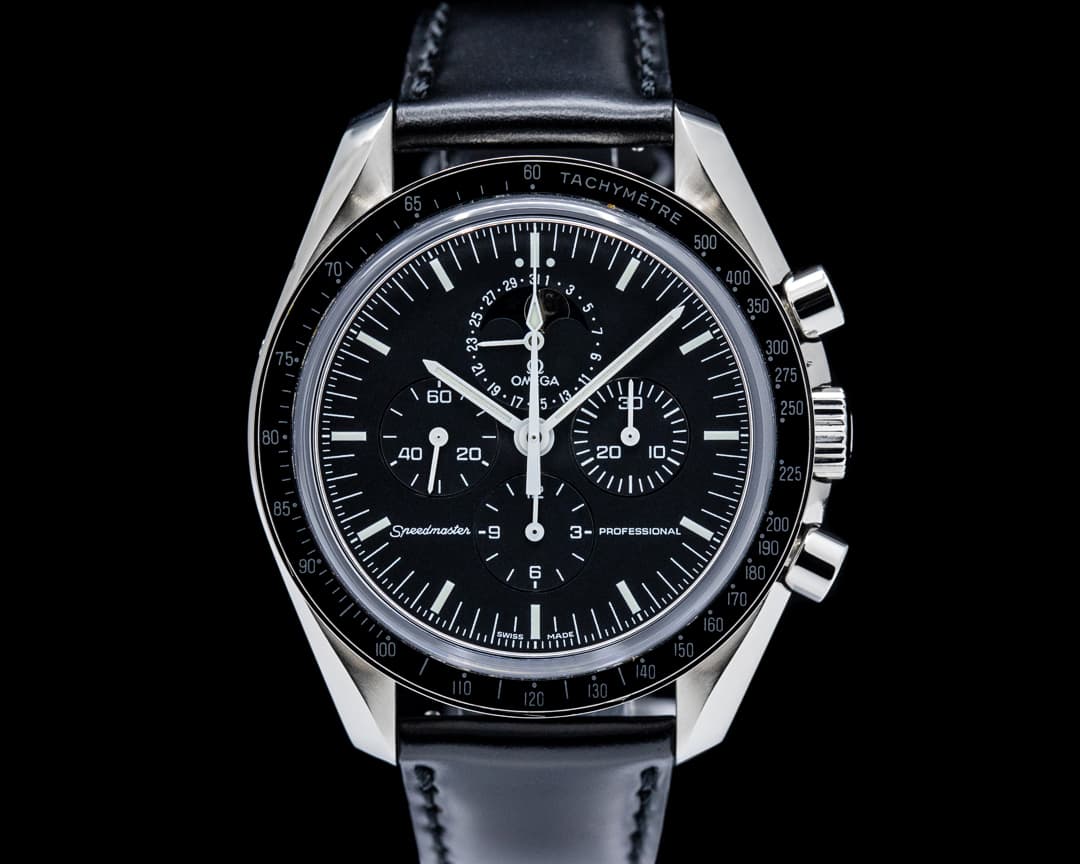
3876.50.31 Speedmaster Professional Moonphase SS Black Dial
$7,350
View Watch
Shop New Arrivals
14000 Air King SS Salmon Dial
$5,750
View WatchSpeedmaster First Omega in Space SS Black Dial
$6,500
View WatchWSTA0083 Tank Americaine Large SS Silver Dial 2026
$6,350
View Watch3876.50.31 Speedmaster Professional Moonphase SS Black Dial
$7,350
View Watch
More Content