When new watches are released, one might notice that lot of what’s presented as “new” isn’t really new at all. It’s familiar, sometimes intentionally so. Reissues make historically important designs more accessible, but they also raise a fair question: if brands keep looking backward, where does that leave innovation?
It’s easy to frame this as a problem, but that doesn’t accurately capture the reality. In many cases, the past isn’t holding the industry back. It’s shaping how it moves forward.
Why the past keeps returning
Heritage works because it gives brands a head start. The design already exists, the proportions are proven, and the identity is clear. There’s less risk involved when you’re building on something that worked once before, especially in an industry where originality doesn’t necessarily guarantee success. A completely new design has to earn trust. A familiar one doesn’t.
There’s also a deeper reason behind it. “What makes watchmaking unique is its ability to draw on its past to create the future,” explained Daniel Hug, Head of Brand Heritage at Longines. That ability isn’t just philosophical- it’s practical. For a brand like Longines, with more than 190 years of history, the archive isn’t something that lingers in the background. It actively informs what comes next.
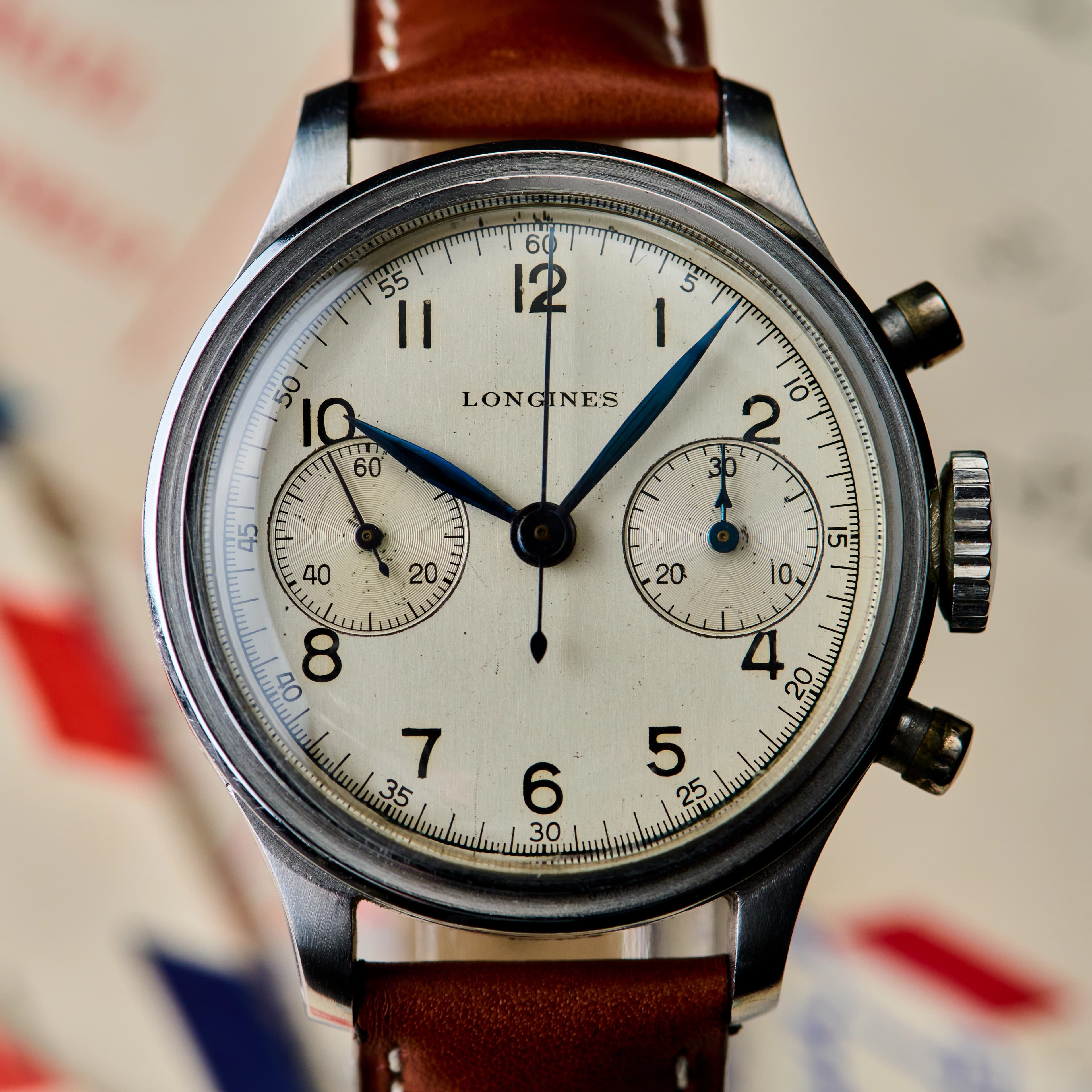
Hug pointed to that long runway of innovation as a key part of the process, from early pilots’ chronographs to the development of the flyback and high-frequency models. “With more than 190 years of design and technical innovation behind us, we have an extraordinary archive that continually inspires our contemporary collections,” he said. The past isn’t merely something to revisit when ideas run dry. It’s a foundation to build upon.
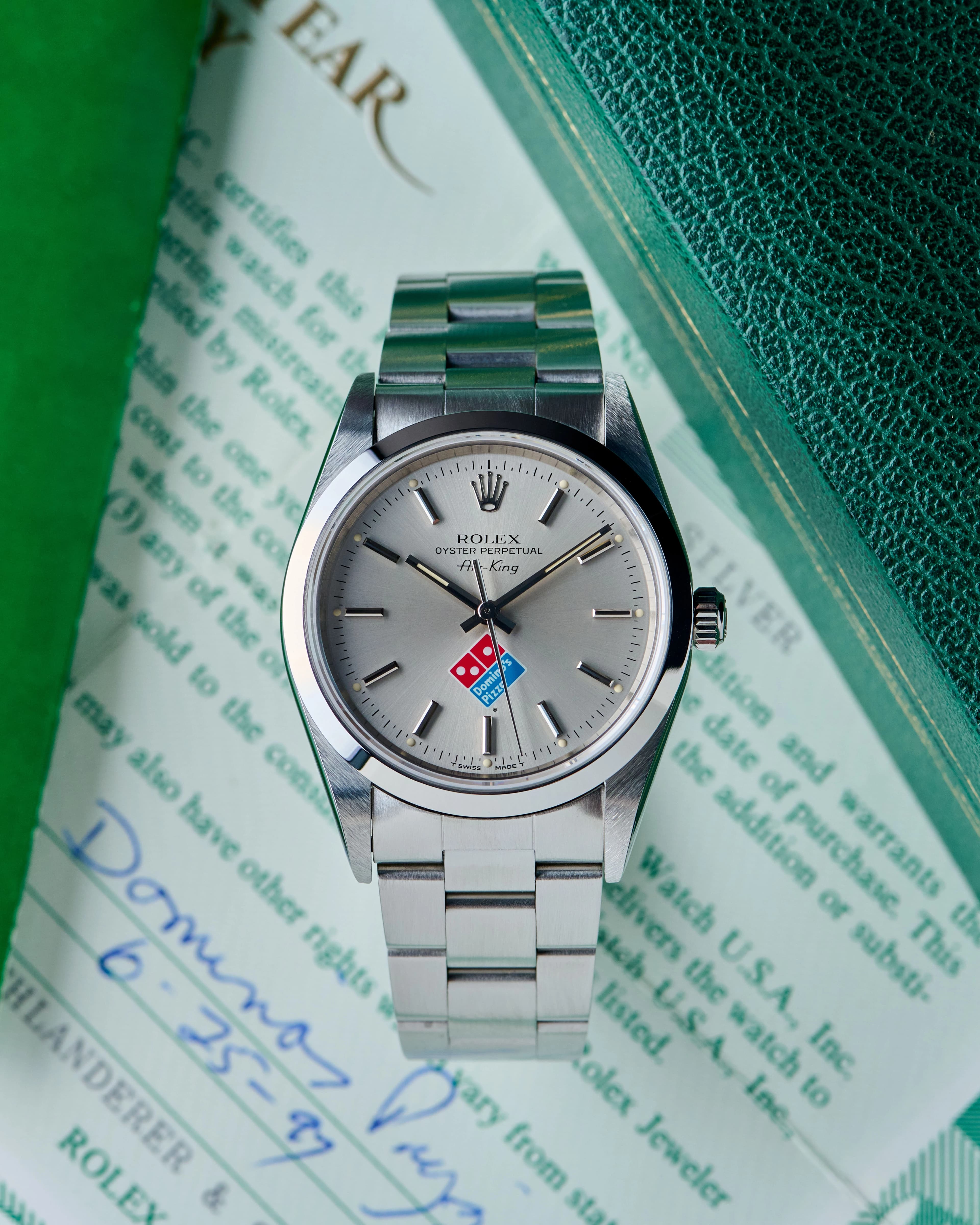
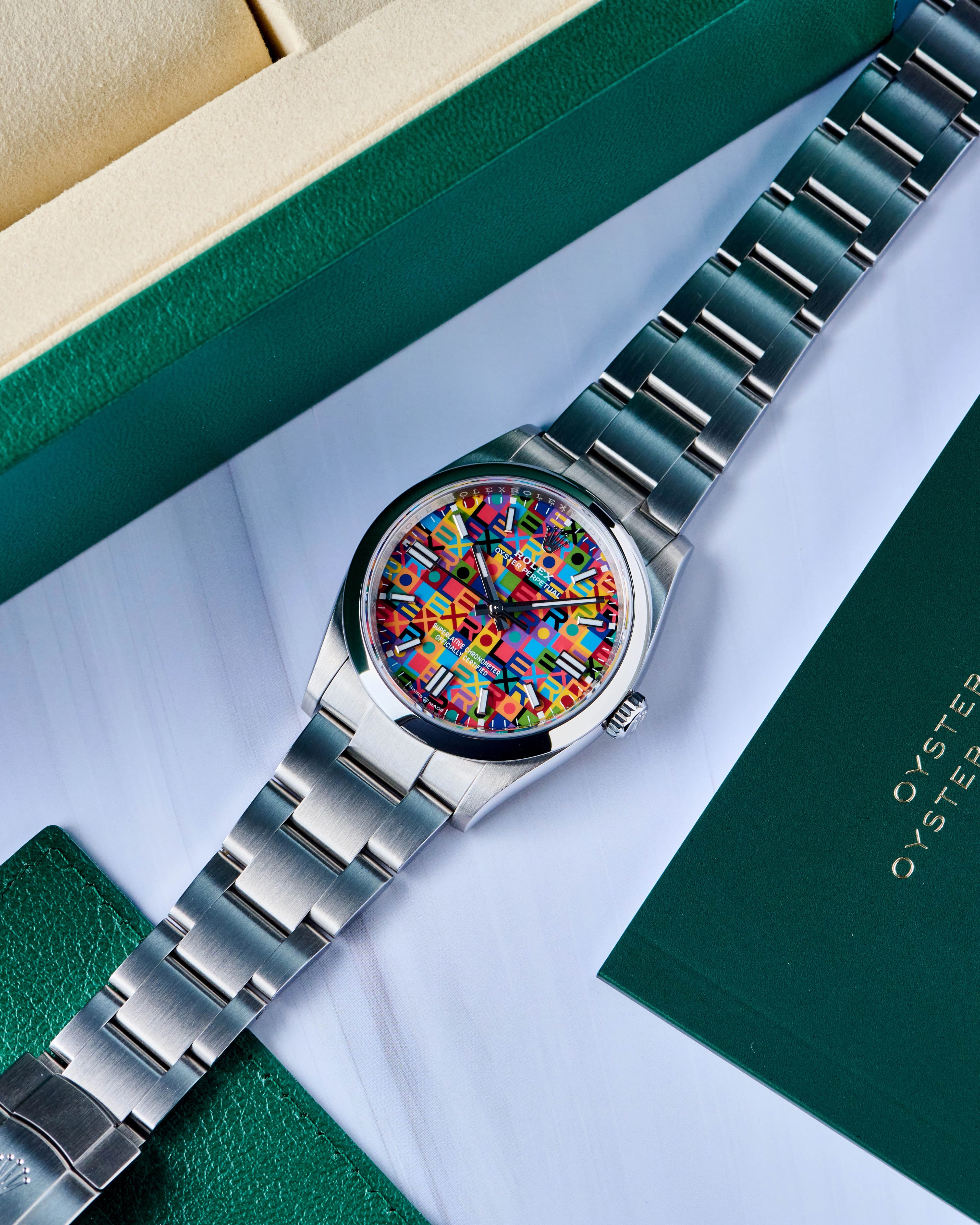
You can see the same principle applied in a quieter way at brands like Rolex. The brand rarely speaks about reissues, yet much of the modern lineup is built on designs that have been evolving for decades. The Submariner, the GMT-Master, the Explorer: none of them has been replaced, they’ve just been refined, piece by piece, over time. That kind of continuity can be harder to achieve than it looks.
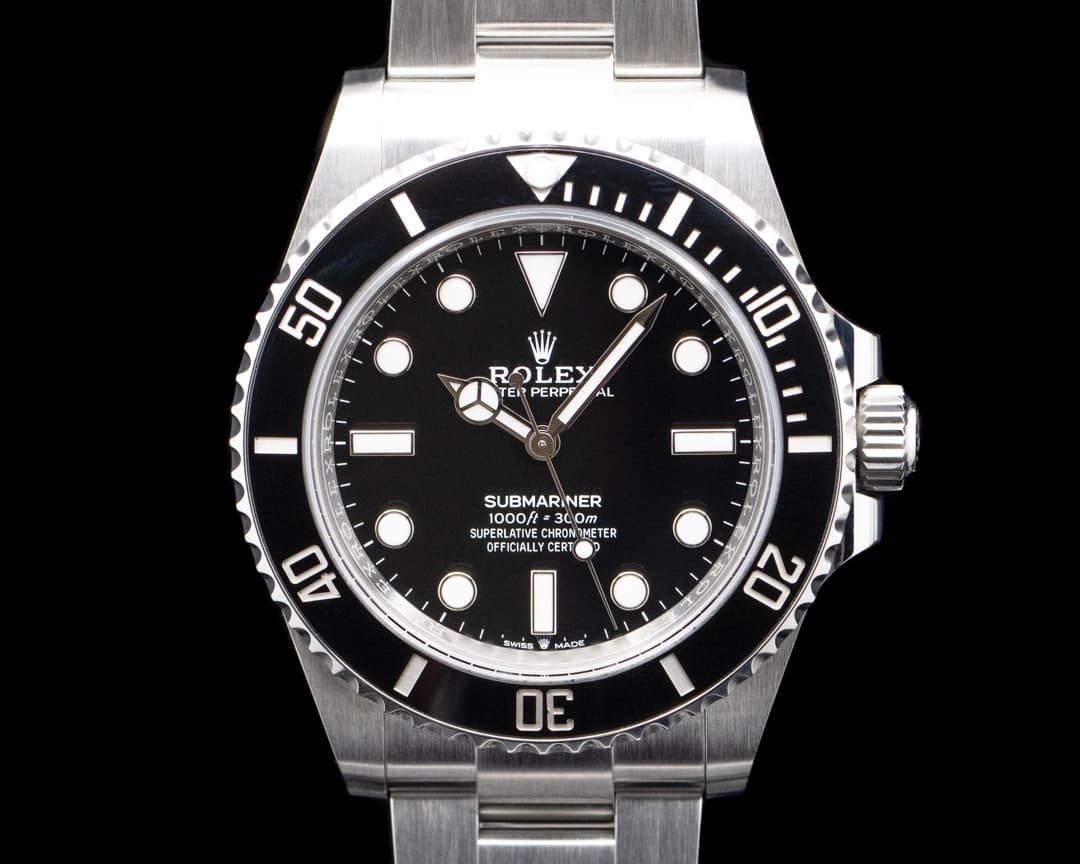
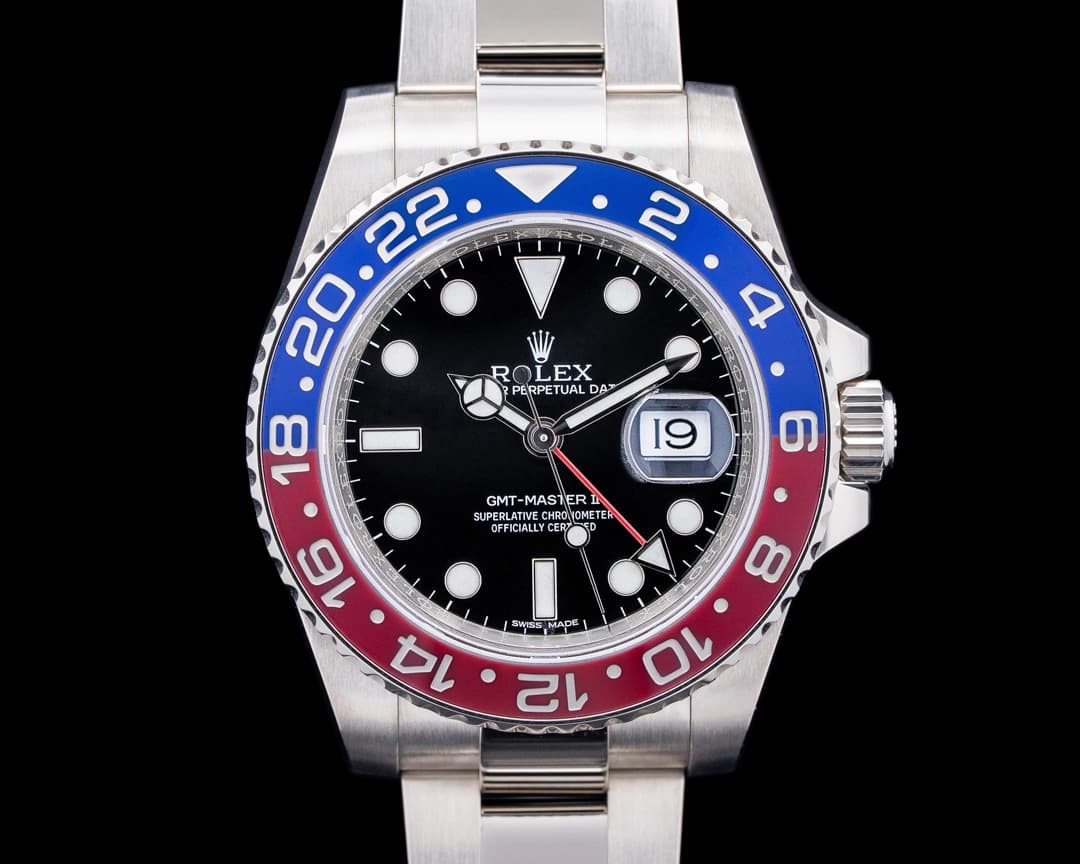
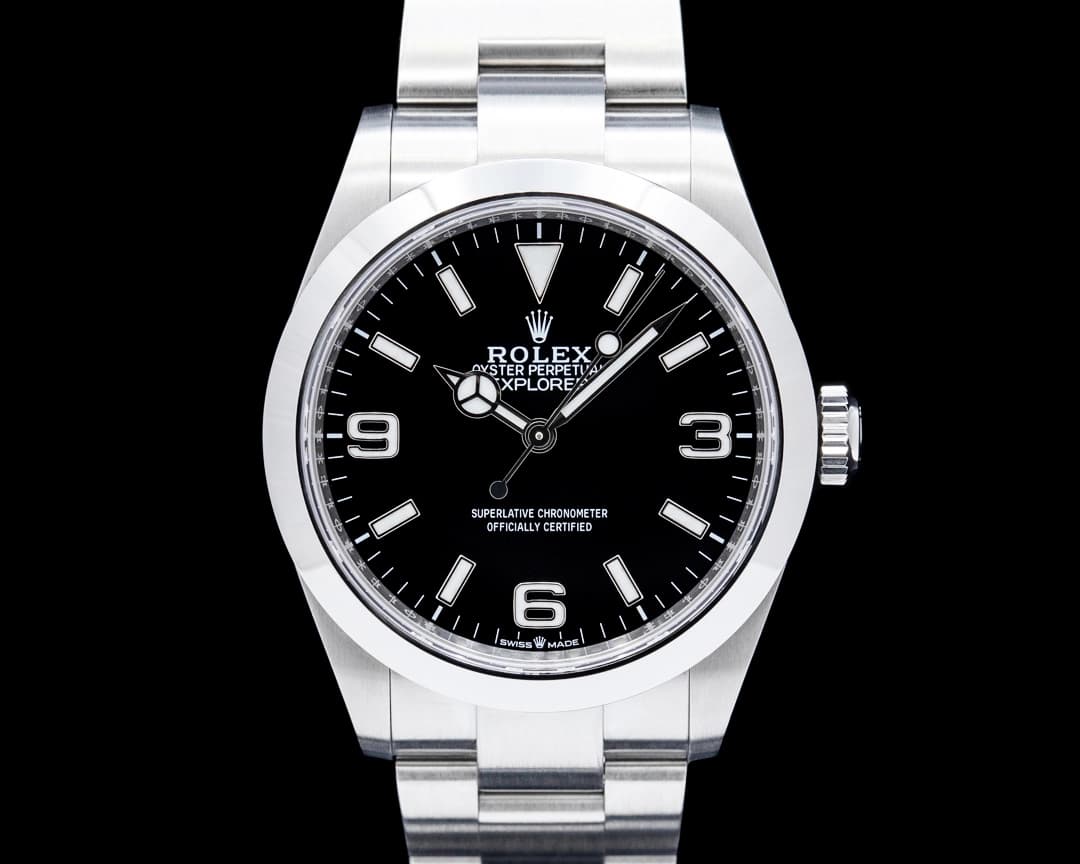
When heritage works
The best reissues don’t feel like copies, but like a continuation, and that usually comes down to restraint in design. When brands respect a watch's original proportions and character, collectors tend to respond positively. Change too much, and the link to the past disappears. Change too little, and it risks feeling like a facsimile.
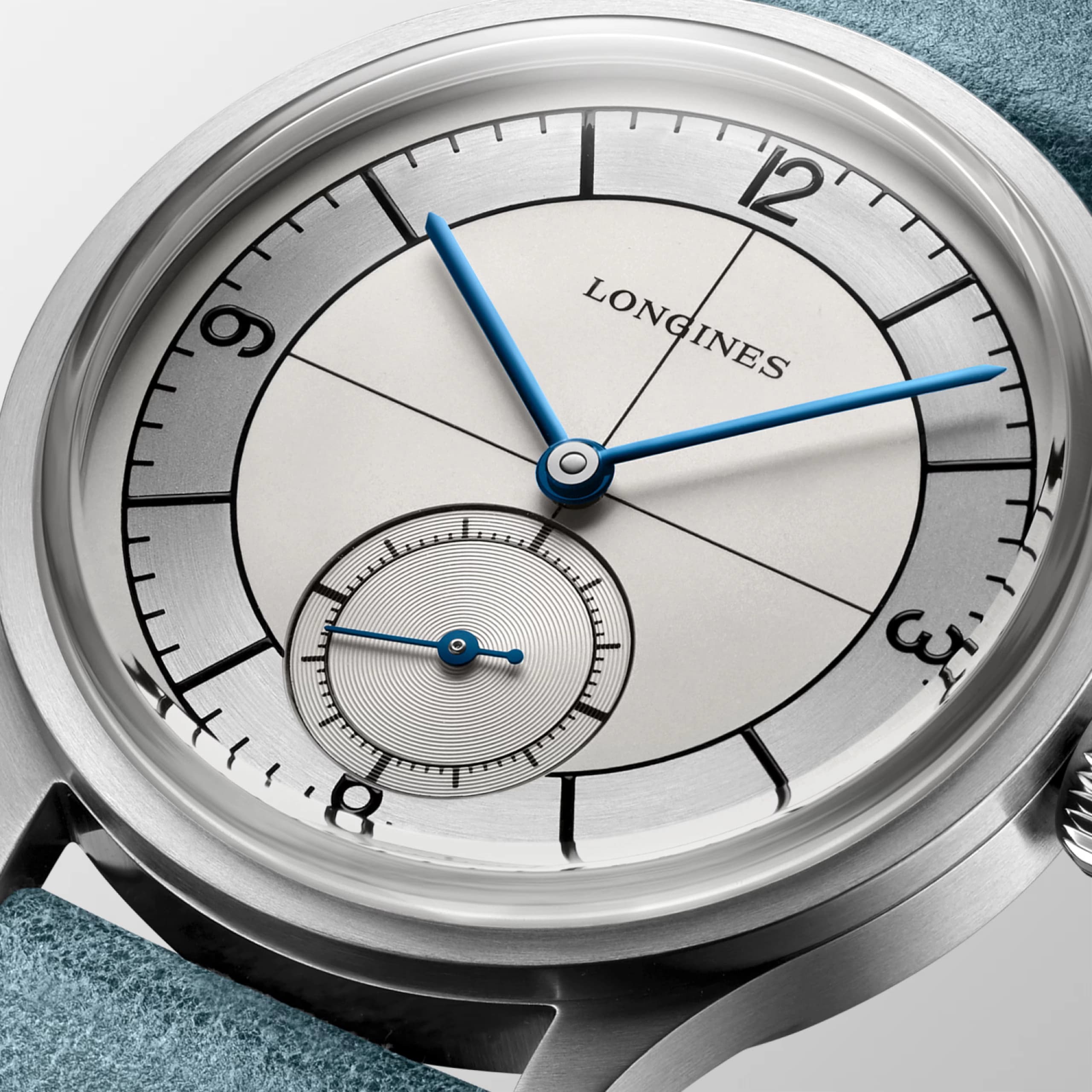
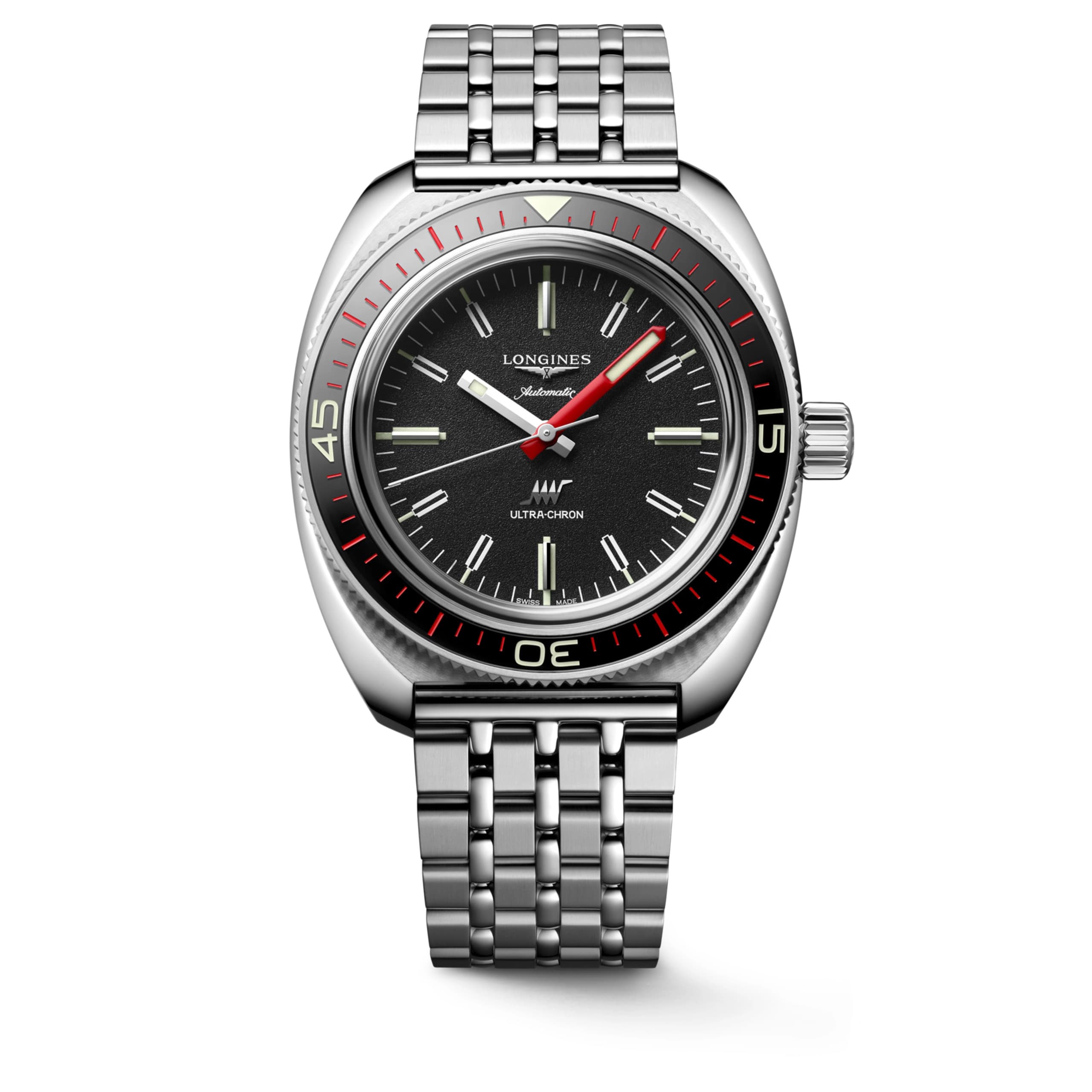
Longines has built much of its modern identity around finding that balance. “We are aiming for a contemporary reinterpretation of our heritage,” Hug said, “in a timeless design, using state-of-the-art technologies.” The idea is to preserve what made the original piece work while making sure the watch still feels relevant today. “This is what allows Longines to stay true to its identity while remaining fully relevant for modern collectors,” Hug added.
You see a similar mindset at DOXA, although it’s expressed more narrowly. “DOXA’s identity is synonymous with the evolution of professional dive watches from the 1960s to today,” said Jaqueline O’Rourke, Senior Retail Director for the US at DOXA. Rather than exploring different parts of its archive, DOXA has stayed close to one core idea and refined it over time.
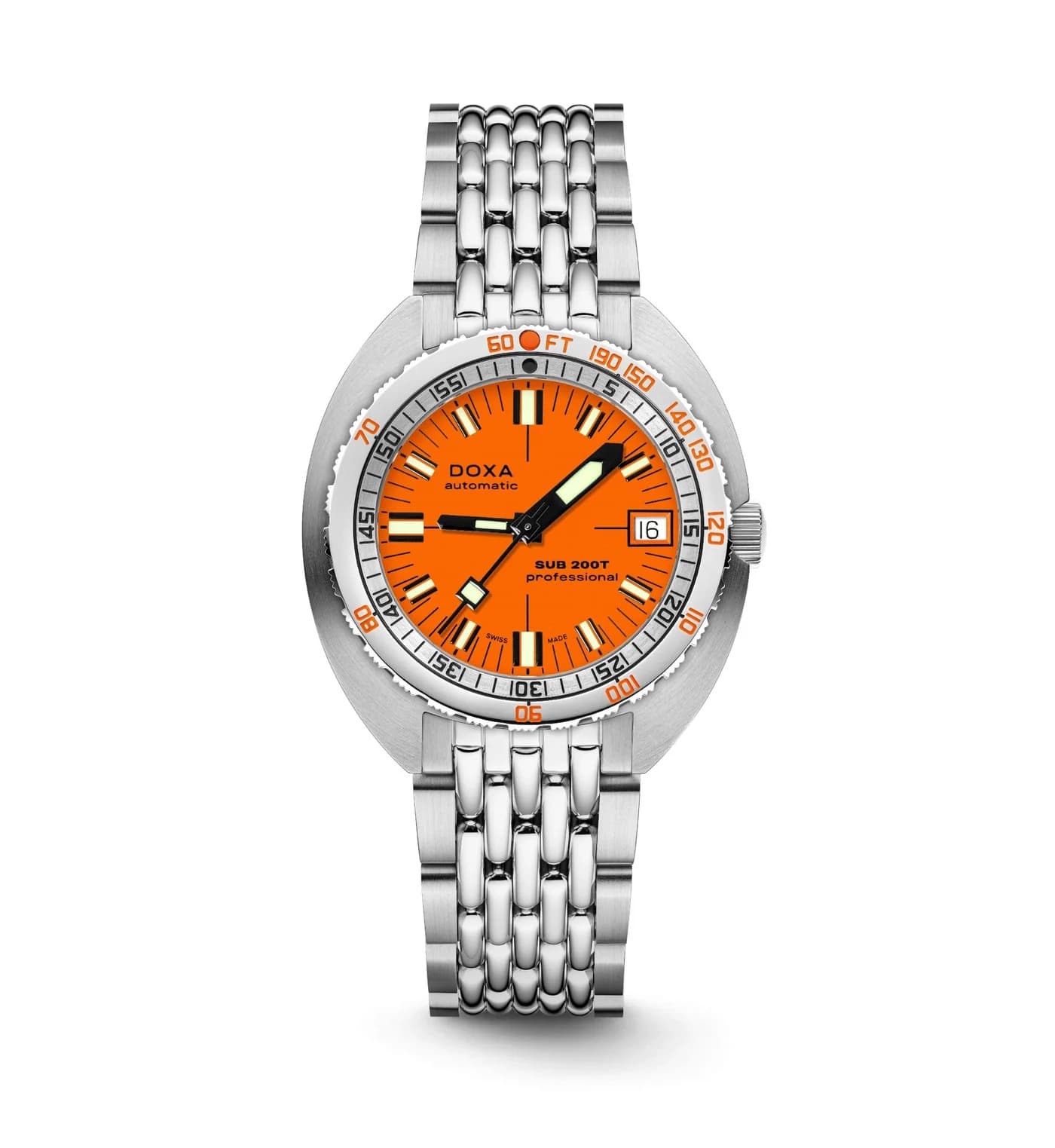
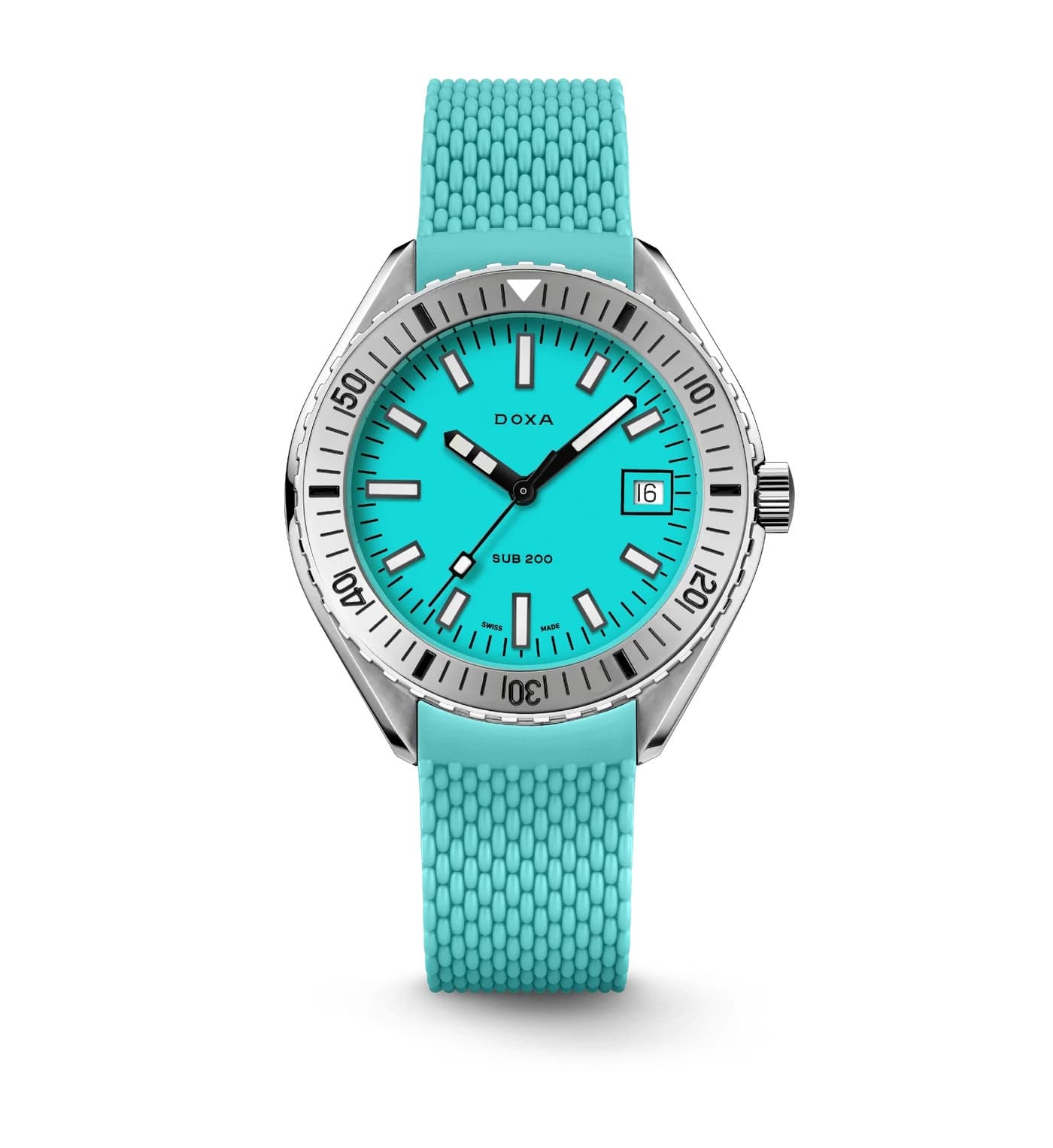
“Our philosophy has always been to preserve the design language that made those watches legendary,” O’Rourke said, pointing to the cushion-shaped case, no-decompression bezel, and highly legible dials. Where things evolve is in the execution. “New dial colors, upgraded movements, and refined case construction allow the watches to feel contemporary without losing their authenticity,” she added. These aren’t new watches trying to look old. They simply haven’t lost what made them work in the first place.
When it starts to feel repetitive
Not every heritage release lands in the same way, and collectors are quick to call it out. Heritage is easy to lean on. A familiar design carries built-in appeal, which makes it tempting to revisit the same references again and again. But without a clear point of view, that approach starts to feel repetitive.
You see it when brands cycle through endless variations of the same model: New dial colors, slight tweaks, limited editions that don’t really add anything new. Individually, none of these updates are a problem. Taken together, though, it can start to feel like a lack of direction.
That’s where the distinction between reinterpretation and replication actually makes a tangible difference. The archive only has value if it’s being used with intent, and not just repeated. Without that, even strong designs can start to lose their impact over time.

Why collectors still love reissues
Despite some criticisms, reissues continue to hit home, and some of that comes down to practicality. Vintage watches carry a presence and reflect a specific moment in design and technology, which is part of their appeal. But owning vintage isn’t always straightforward.
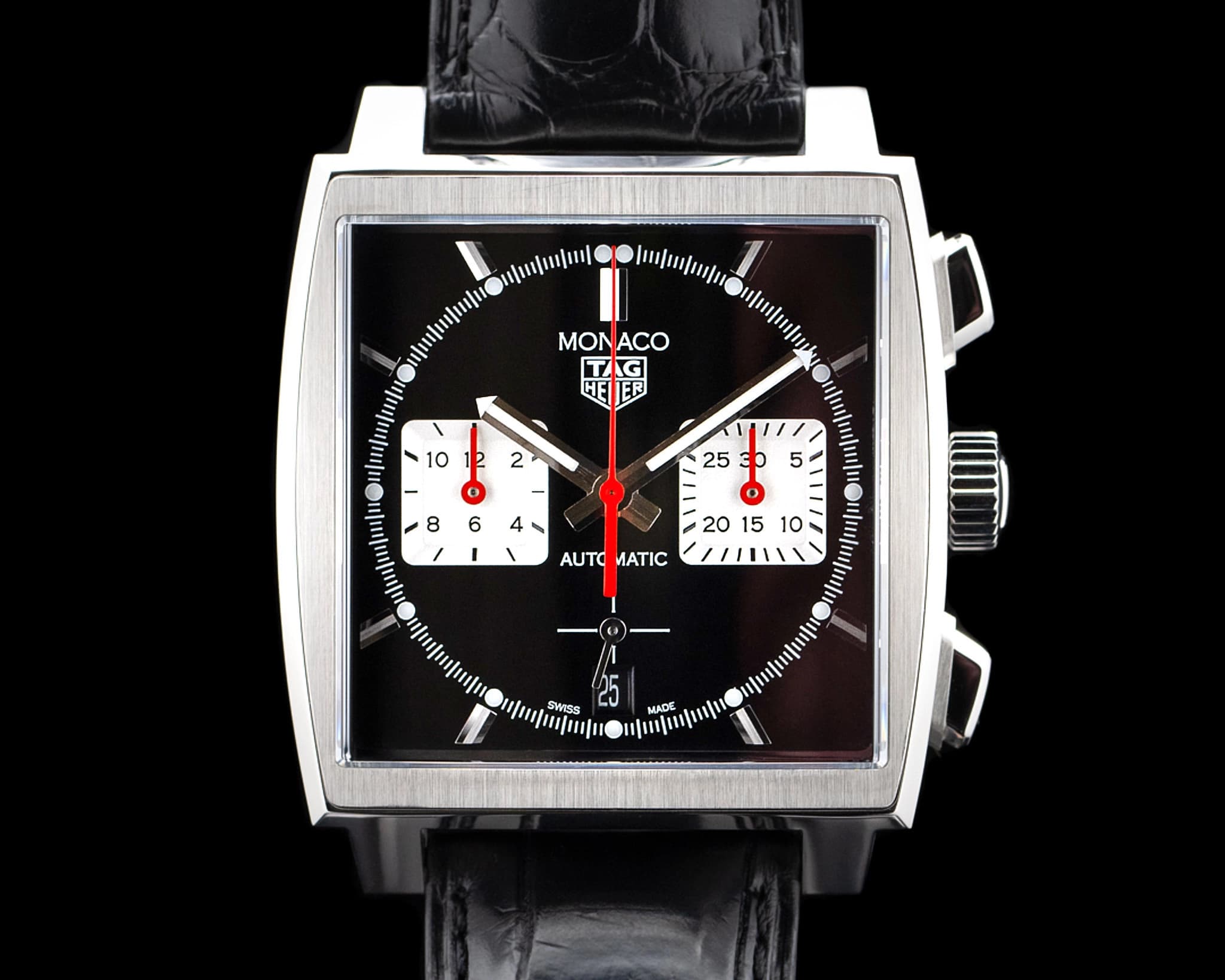
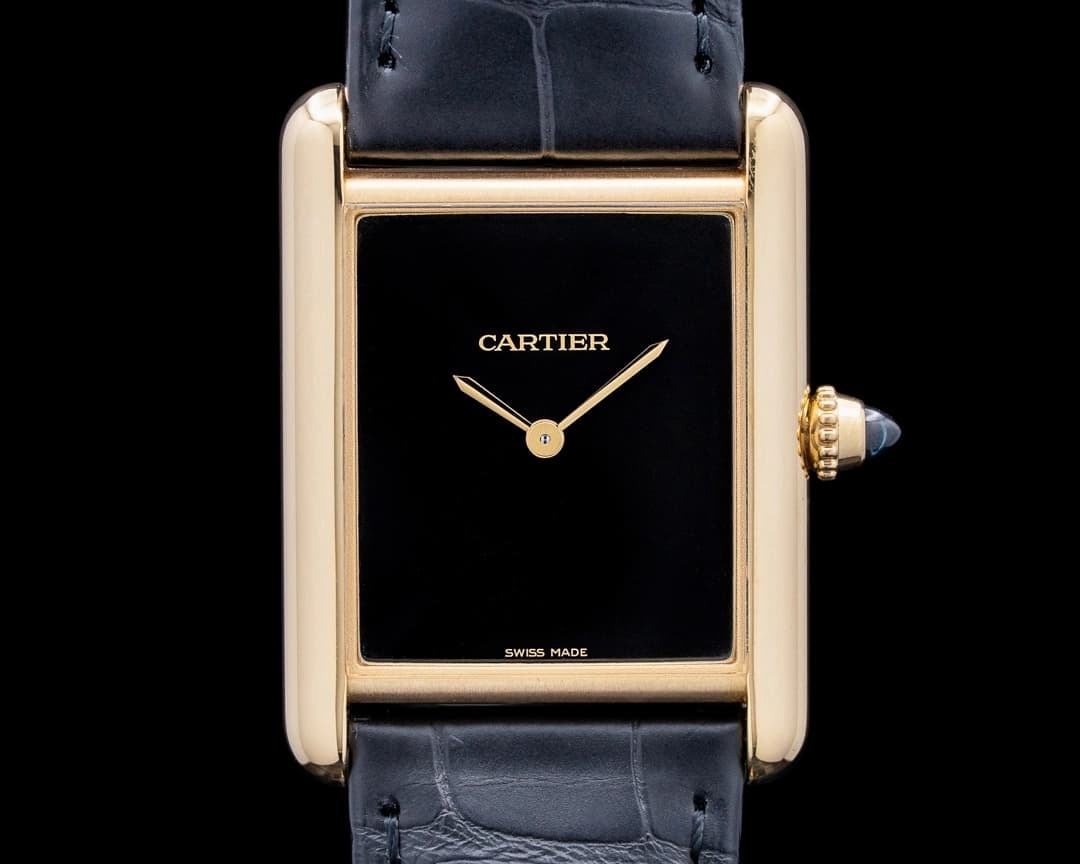
There are compromises, whether it’s reliability, serviceability, or simple day-to-day usability. A well-executed reissue bridges that gap. It gives collectors access to the design without the drawbacks.
O’Rourke described that balance in very practical terms. “Collectors love when a modern watch still feels like it could have joined Jacques Cousteau on a dive in the 1970s,” she said. The appeal is in those familiar proportions and tool-watch character, but with modern performance underneath.
That’s exactly how Doxa approaches it. “The goal isn’t to constantly reinvent the dive watch,” O’Rourke said, “it’s to keep refining a tool that already proved itself underwater decades ago.” As she put it elsewhere, these watches aren’t so much reinterpretations as they are “the next generation of the same professional dive tools.”
The future might still look familiar
The watch industry’s reliance on its past isn’t going anywhere. If anything, it’s becoming more deliberate. As Hug suggested, the strength of watchmaking comes from that link between past and present. The challenge is making sure it still leads somewhere. When it works, it doesn’t feel like a reproduction–it just feels right.
Shop New Arrivals
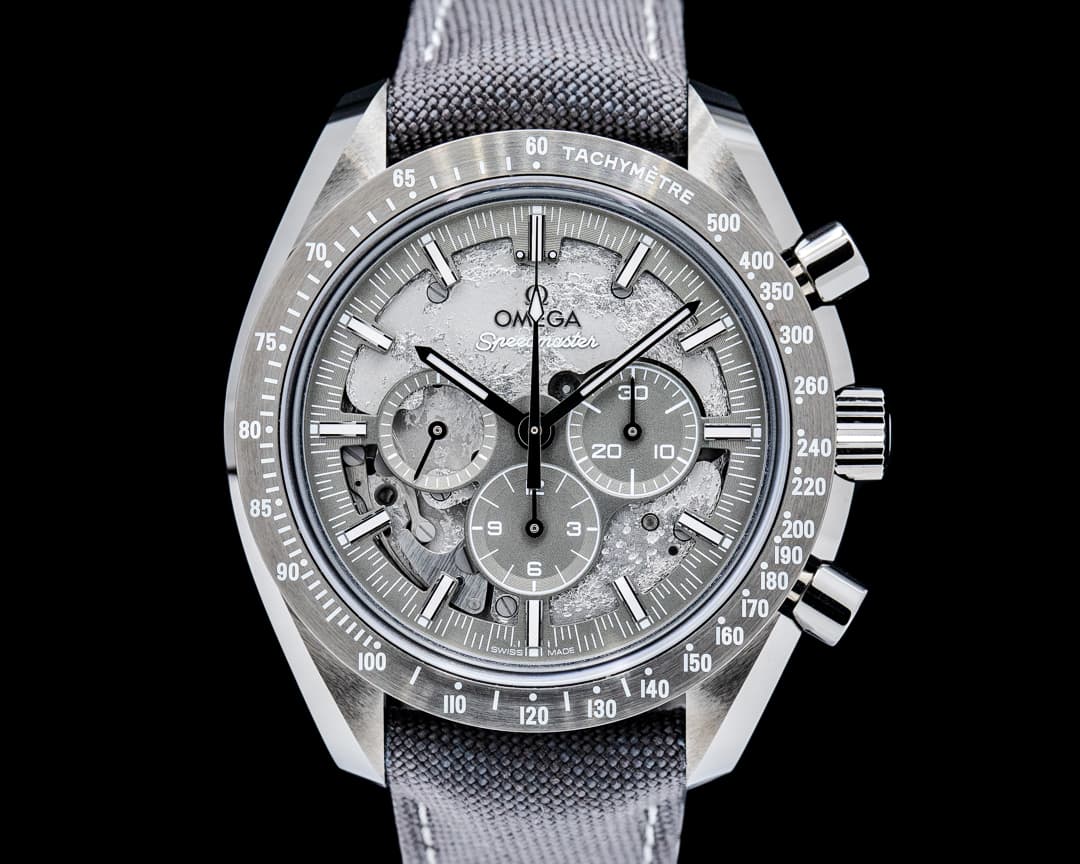
Speedmaster "Gray Side of the Moon" Ceramic Gray Skeleton Dial 2025
$16,900
View Watch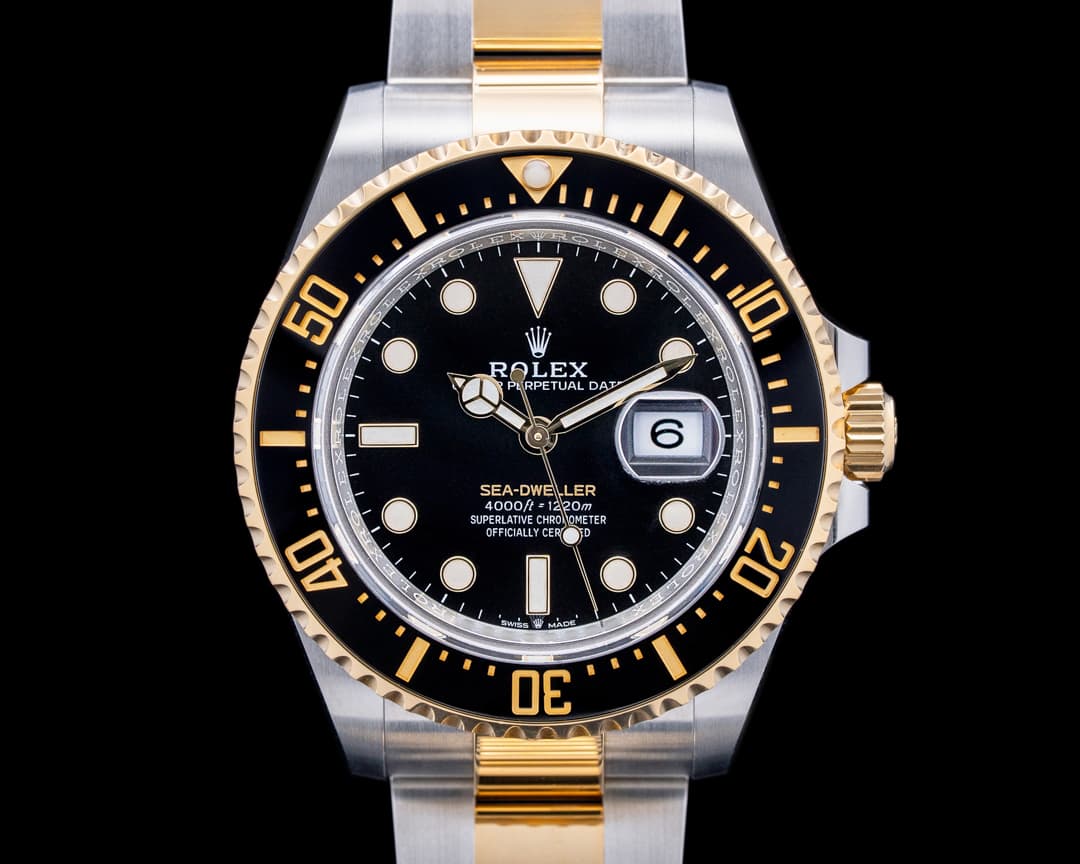
126603 Sea-Dweller SS / 18K YG Black Dial
$16,900
View Watch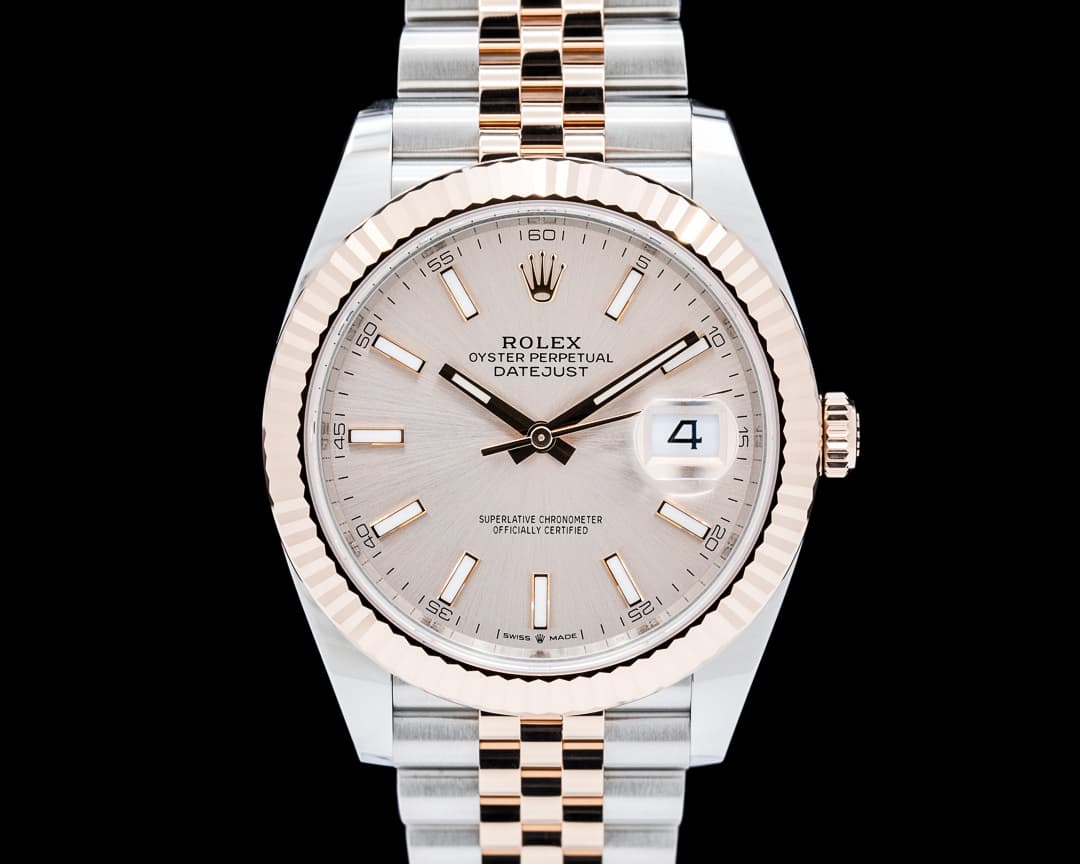
126331 Datejust 41 SS/18K RG "Sundust" Dial 2026 UNWORN
$19,500
View Watch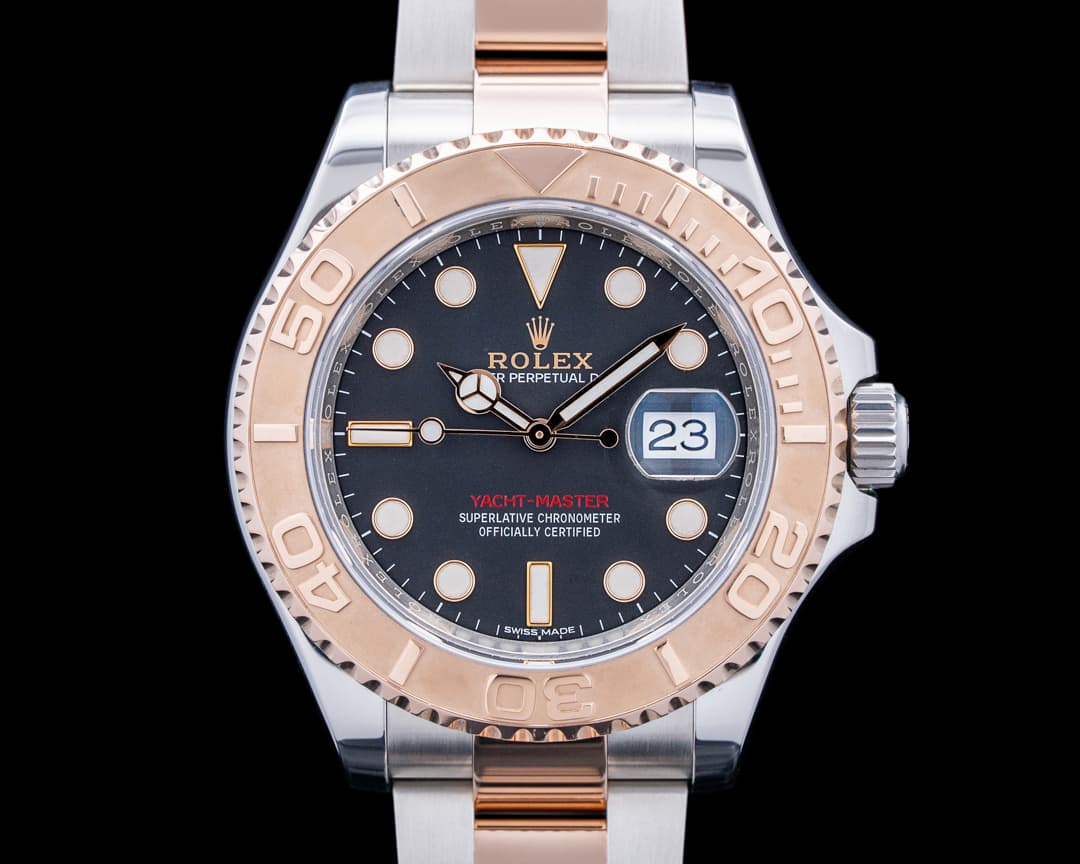
116621 Yacht-Master SS / 18K RG Brown Dial
$15,900
View Watch
Shop New Arrivals
Speedmaster "Gray Side of the Moon" Ceramic Gray Skeleton Dial 2025
$16,900
View Watch126603 Sea-Dweller SS / 18K YG Black Dial
$16,900
View Watch126331 Datejust 41 SS/18K RG "Sundust" Dial 2026 UNWORN
$19,500
View Watch116621 Yacht-Master SS / 18K RG Brown Dial
$15,900
View Watch
More Content