The Question Everyone Asks, and the Framing That Makes It Useful
Watch collecting should not be an investment game. Collectors should seek watches they love and hope to have in their collections for reasons other than financial. That said, collectors have all kinds of reasons for curating their collections in different ways, often will trade in and out of pieces to buy new watches, and may know they will need liquidity in the future. For this reason, today, we are taking a clinical look at what makes watches hold their value-- not as an instruction to buy these pieces and not others, but merely to isolate market data and provide that information for customers to make their owns decisions for their own watch boxes.
The received wisdom, "watches hold their value," "Rolex is a safe buy," "quality always appreciates", survives because it's occasionally true, and because the people who bought at the right moment have a loud voice in any room. But the secondary market is not kind to many references, from most brands, purchased at most times. It rewards specific references within specific brands under specific conditions. Knowing where those exceptions live, and why they exist, is the whole game when you're spending serious money.
The wrong version of the question is: does this brand hold its value? Brand is a shortcut that doesn't survive contact with the actual data. Rolex spans both ends of the retention spectrum within its own catalog. So does Patek Philippe. So does Audemars Piguet.
The right version is: does this specific reference, in this configuration, at this price point, have a documented history of secondary market demand that puts secondary prices at astable or rising value?
Value retention is a reference-level phenomenon. Once you internalize that, the "Rolex holds value" shorthand starts to dissolve into something more useful, a map, rather than a brand promise. Some Rolex references do hold value, and hold it well. Many don't. That distinction is what this piece is built around.
How the Secondary Market Actually Works
Auction, Christie's, Phillips, Sotheby's, Antiquorum, is the record of what serious buyers paid for specific pieces on specific dates. Realized prices are public, searchable, and honest. A watch that didn't sell is also informative. Auction results provide some of the cleanest data in the market, though the pool skews toward high-value, high-provenance pieces.
The secondary market is everything else: dealers like European Watch Company, online platforms like Chrono24, peer-to-peer sales. This is where most secondary volume actually trades.
The number that matters is the spread between retail and secondary. A watch that retails at $10,000 and trades secondarily at $8,000 has lost 20% the moment it left the authorized dealer. A watch that retails at $10,000 and trades at $13,000 has created optionality for its owner. Most watches land in the first category. A separate analysis is the delta between the secondary price at acquisition and the secondary market a year or so later. If a watch depreciates immediately upon sale but holds steady, if it is purchased preowned, that isn't necessarily a bad outcome, because the depreciation has been paid by someone else (the first customer).
Retail price is also not the simple anchor it appears to be. Authorized dealers for Rolex, Patek Philippe, and AP frequently have waiting lists for in-demand references, which means the effective cost of acquisition includes time and relationship, not just the price on the tag. That gap between listed retail and actual acquisition cost is part of what inflates secondary premiums for steel sports references.
Rolex: Where the Truism Holds, and Where It Doesn't
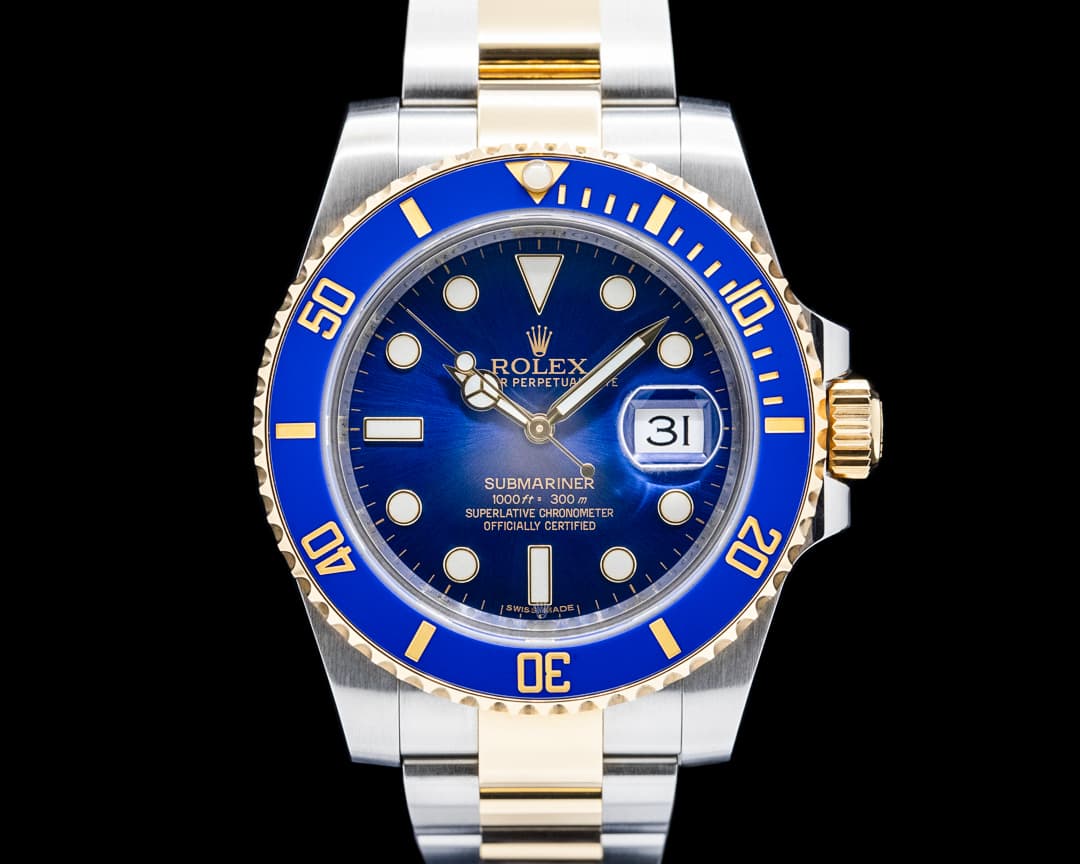
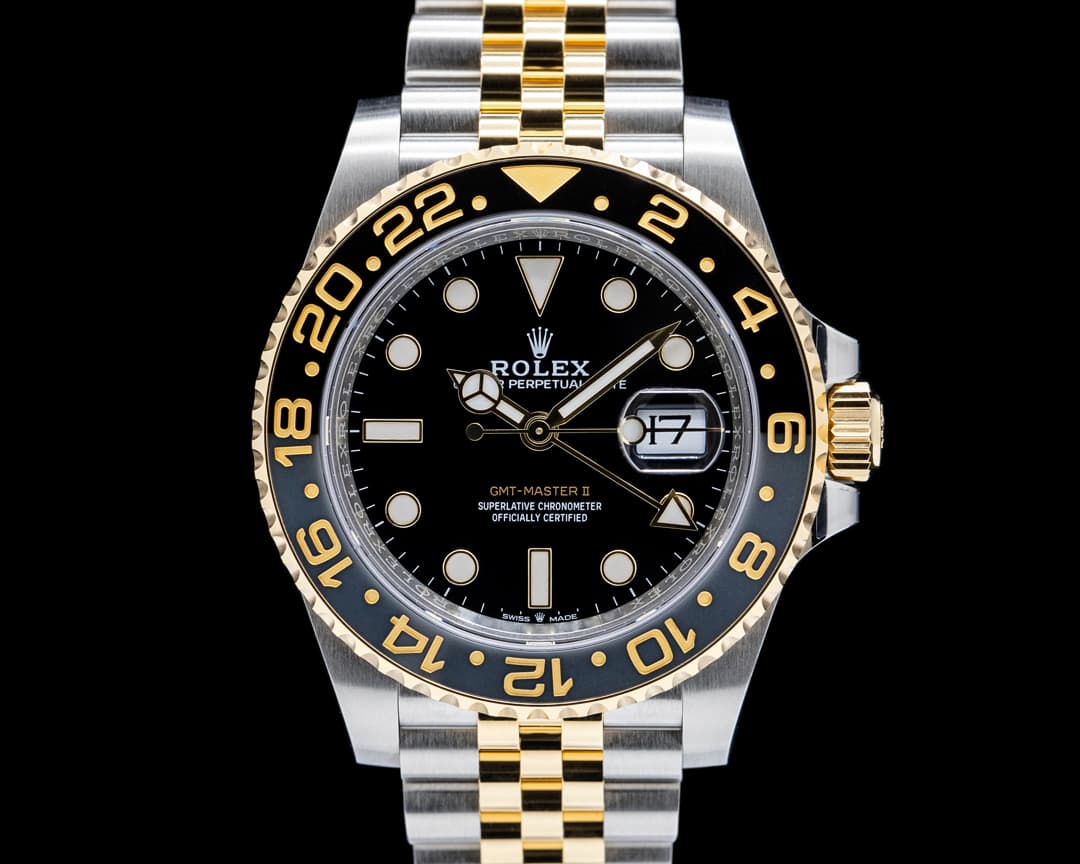
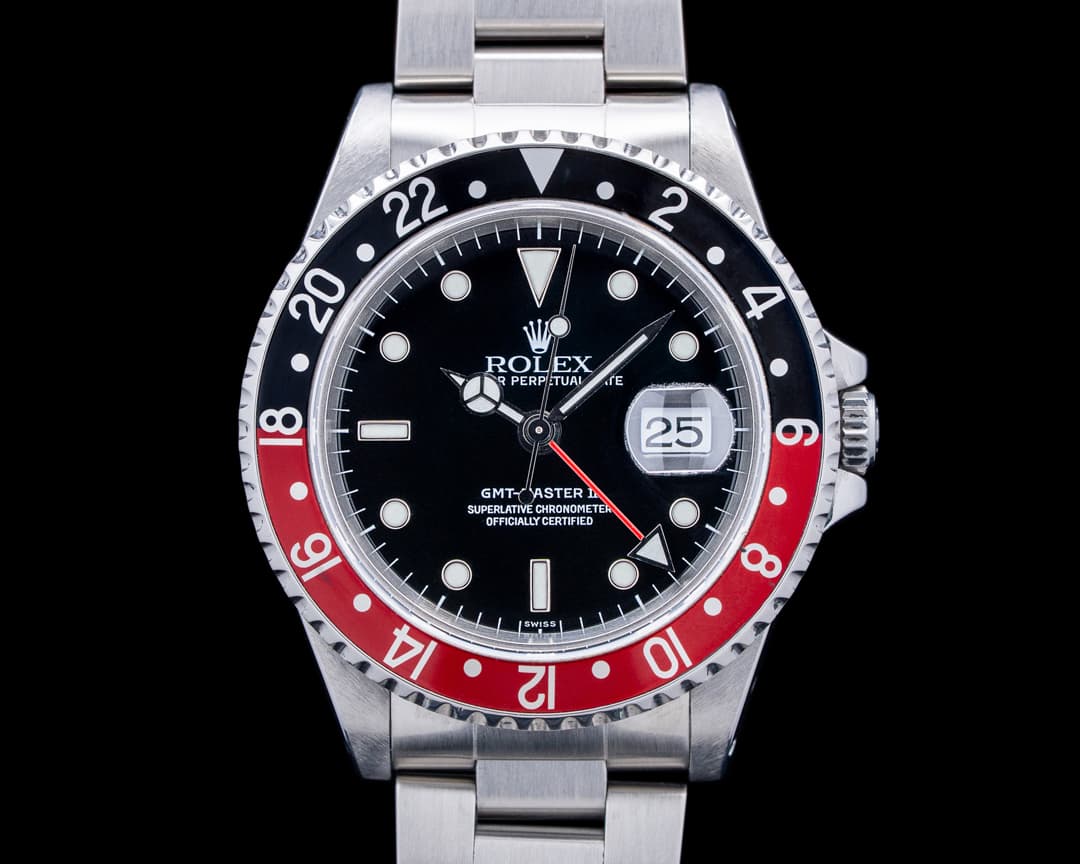
The Submariner, the Daytona, and the GMT-Master II in steel have documented secondary market premiums. The current Submariner refs. 124060 and 126610LN retail between $10,050 and $10,400 at authorized dealers. On the secondary market, both trade 25 to 35% above those prices. That's a genuine, sustained premium, not a fluke of the 2021 bubble.
To understand how far that bubble went: the WatchCharts Overall Market Index peaked in early 2022 and subsequently corrected roughly 25 to 30% from that peak, with one December 2023 measurement putting the decline at 37%. By 2026, the market has stabilized, and most Rolex sports models are trading 30 to 50% above retail, down from premiums that exceeded 100% in 2022. The correction was real. So is the floor.
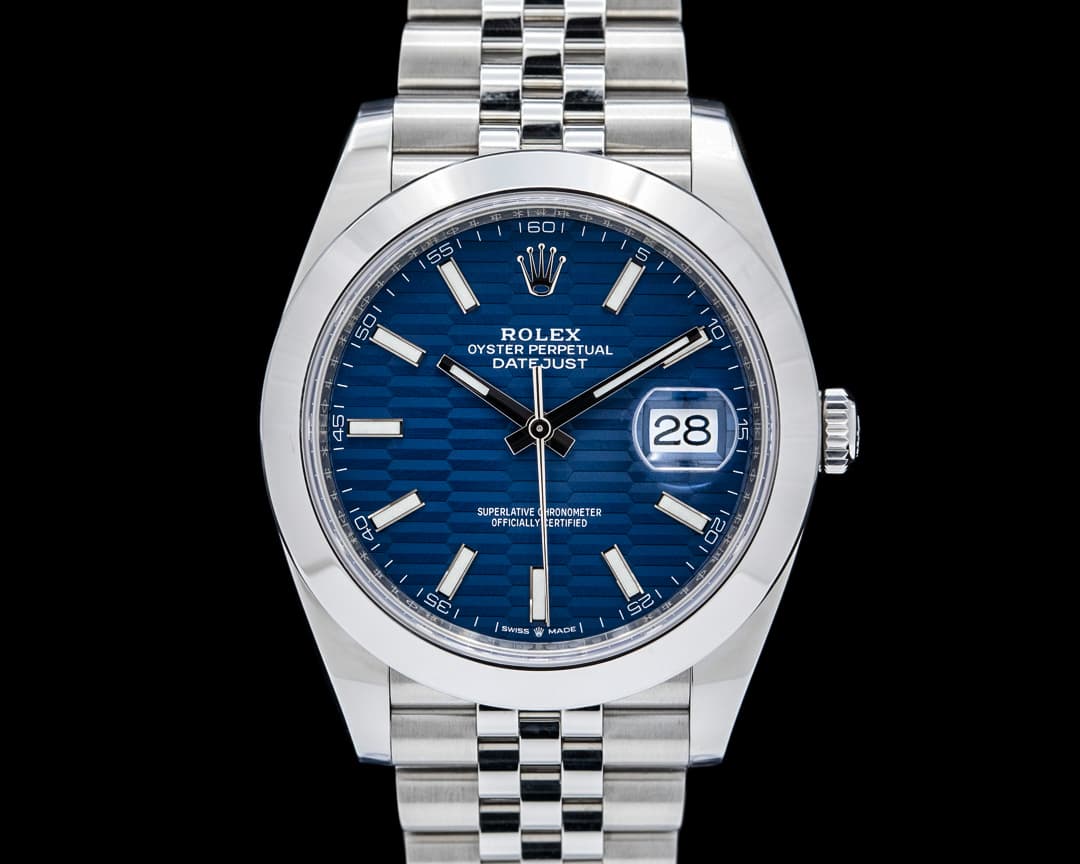
The Oyster Perpetual and the Datejust in most configurations are a different story. Used examples of the Datejust 41 ref. 126334 in steel range from $11,000 to $19,500 on the secondary market depending on dial, bracelet, condition, and box-and-papers status, against a retail price of roughly $10,550 for base configuration. The variance within that range is enormous, and reaching the top of it requires specific dial treatments and full documentation. Common configurations trade near or at retail; some trade below it. The Oyster Perpetual on standard dials trades near retail.
The honest framing is that the "Rolex holds value relative to retail" truism is accurate for a narrow band of the catalog, the steel sports references with long waiting lists, genuine demand, and a deep secondary buyer pool, and misleading for the rest.
None of this means Rolex is a bad buy. The steel sports references that do hold value hold it durably and with real liquidity. For many buyers, that's not the point anyway: they want a watch, not an asset, and the Datejust is an excellent watch. But those are two separate decisions, and conflating them is how buyers end up disappointed.
Patek Philippe and AP: The Tier Above, With Its Own Asymmetries
The Patek Philippe Nautilus ref. 5711/1A in steel is the most extreme case in the market of retail access creating secondary premiums. It retailed for approximately $34,000 before Patek discontinued it in 2021. In 2021 and 2022, secondary prices reached $152,000 and $132,000 respectively. As of May 2026, the 5711/1A trades around $112,500, with a +29.8% year-over-year gain, even after a significant correction from peak, it trades at roughly three times its original retail price.
That's not a watch story. That's a scarcity story dressed as a watch story.
The blue dial 5711/1A-010 peaked at approximately $131,500 in 2022 and has since settled around $89,400, still roughly three times retail, still an extraordinary return on paper. But the buyer who paid $130,000 at the 2022 peak now holds a watch worth about 30% less than they paid. For that buyer, the story is different.
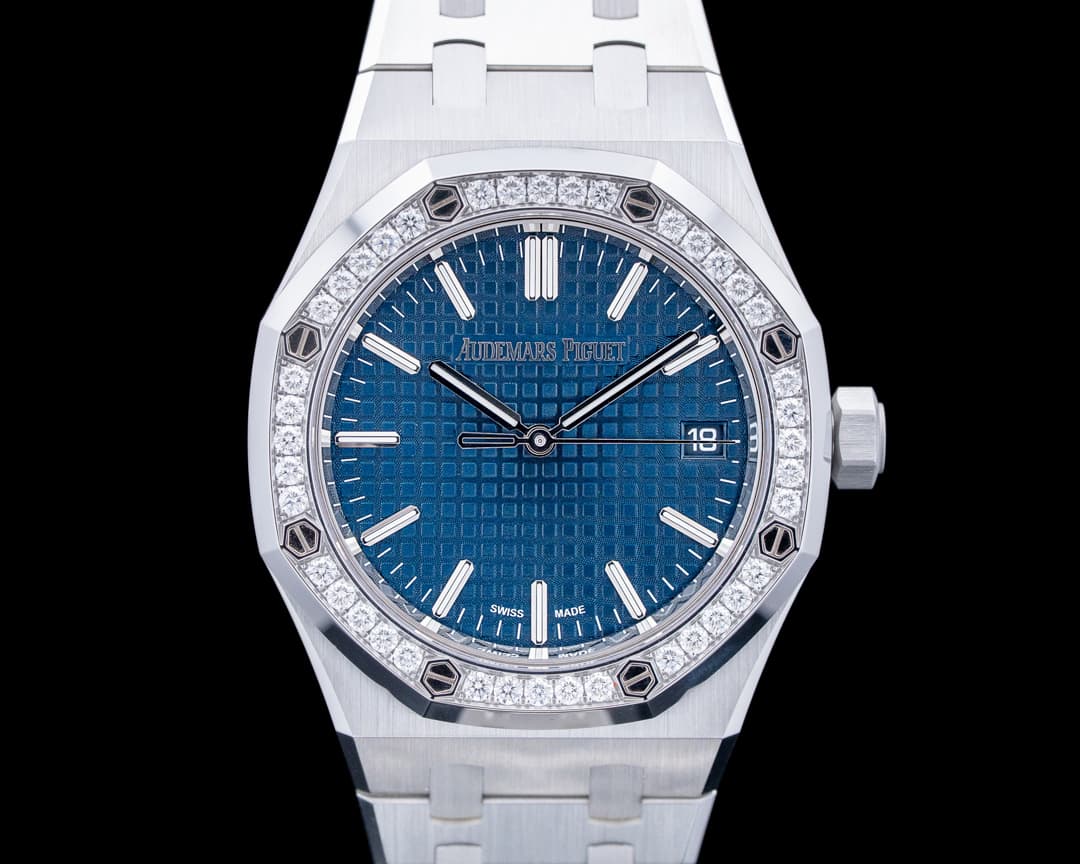
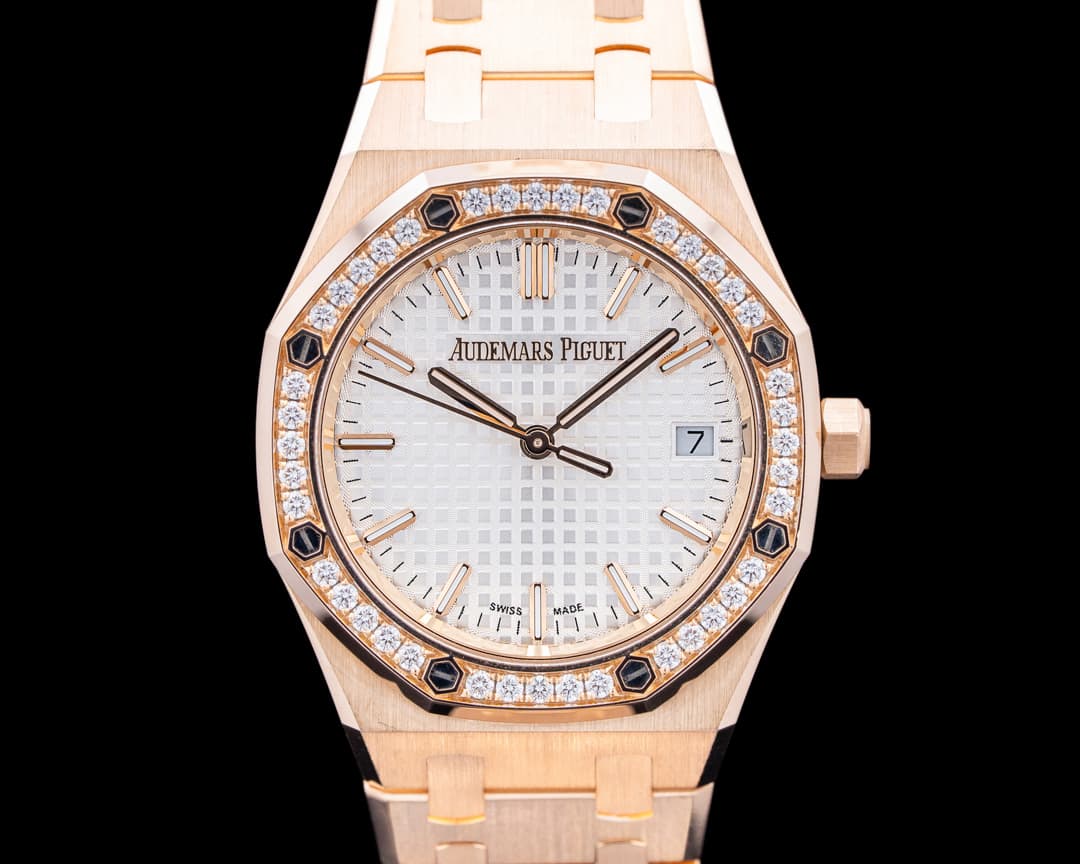
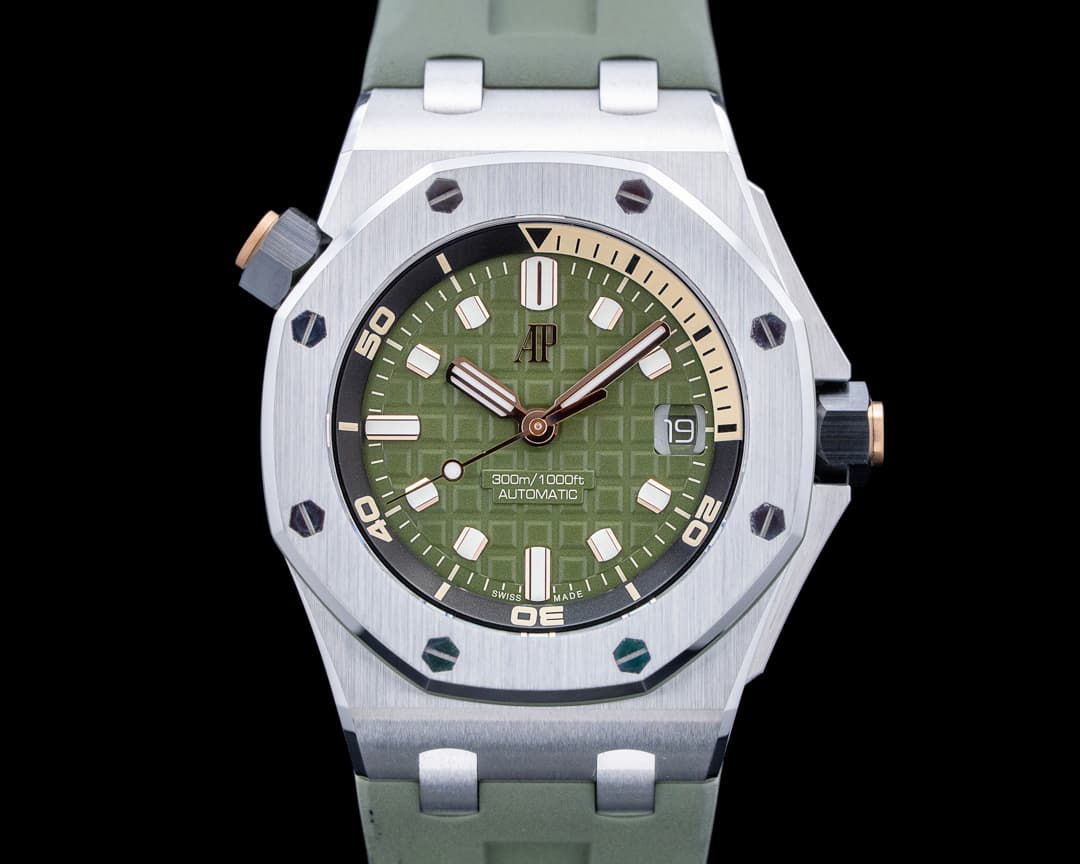
The Audemars Piguet Royal Oak ref. 15500ST tells a similar version: retail at approximately $29,900, secondary market at roughly $44,355, a 48% premium. That premium was significantly higher at the 2022 peak, when the 15500ST touched $55,000 to $60,000 on the secondary market. It has contracted since. The Royal Oak's secondary strength is real, but it is partly a hype-cycle phenomenon, and buyers who entered at peak premiums have experienced paper losses.
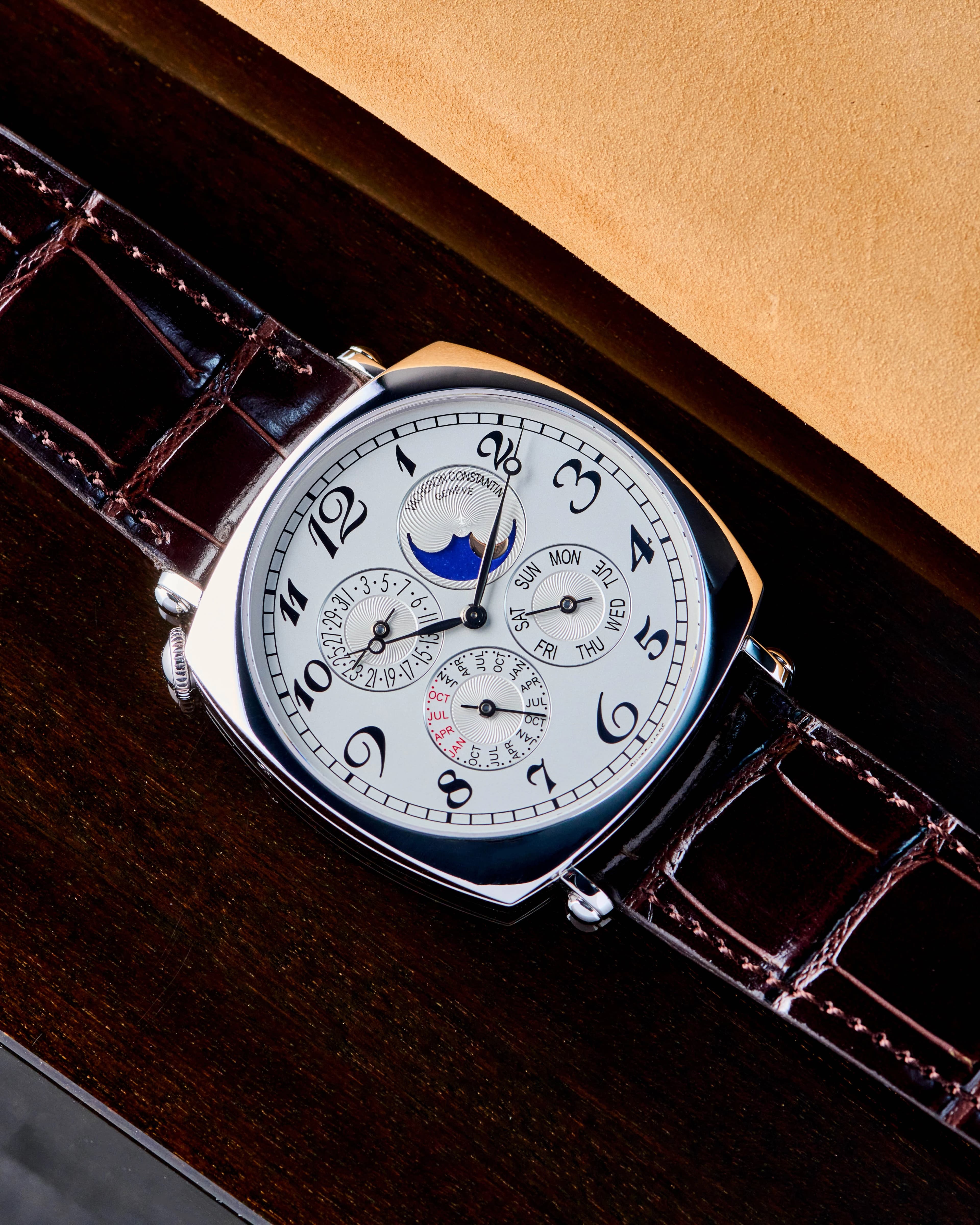
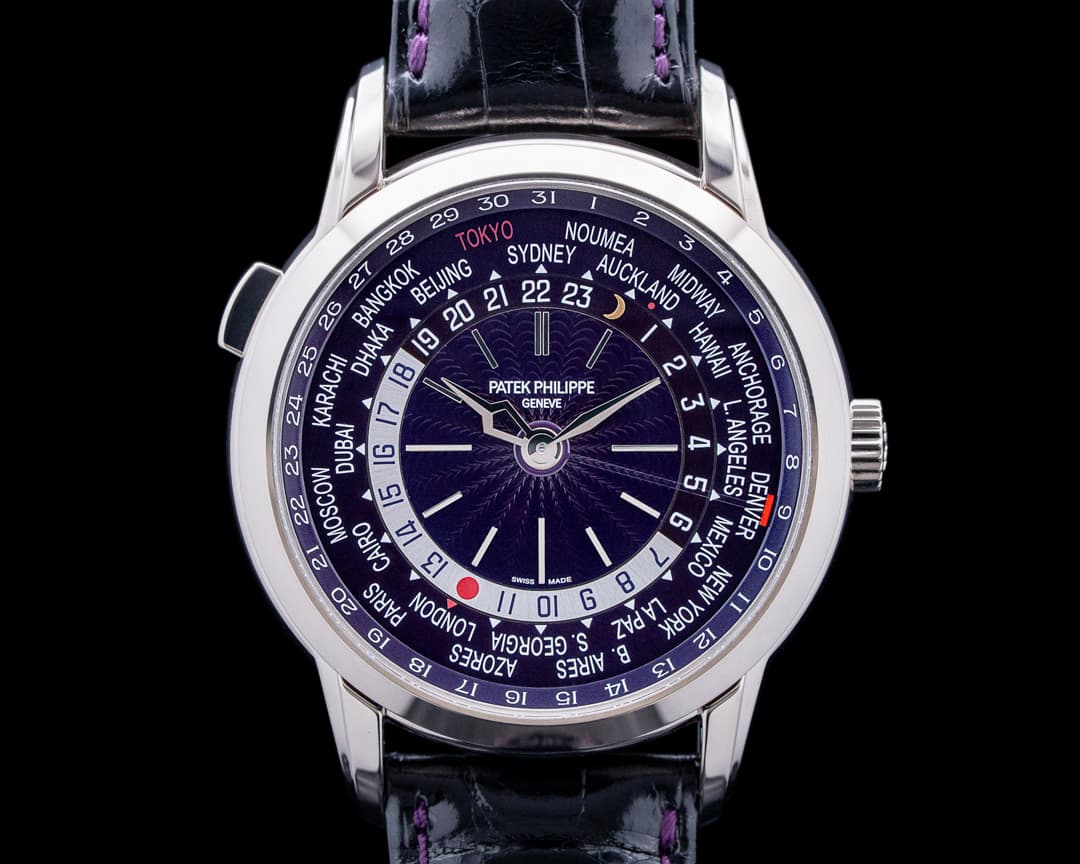
The Patek complication lineup, perpetual calendars, minute repeaters, grande sonnerie pieces, trades in a fundamentally different secondary market. The buyer pool is smaller, more specialized, and less affected by secondary market infrastructure. These watches hold value through collector demand rather than retail access scarcity. That demand is durable but illiquid: finding a buyer who understands and wants a specific complication takes longer than finding a buyer for a Submariner. The hold is real; the timeline for realizing it is less predictable.
For some buyers, the liquidity risk won't matter. If you're buying a Patek perpetual calendar to wear for a decade, you're not a seller on any near-term horizon, and the value question is secondary to the ownership experience. But it's a different proposition than the sports reference secondary market, and treating them as equivalent is a mistake.
The Independents: A Different Conversation Entirely
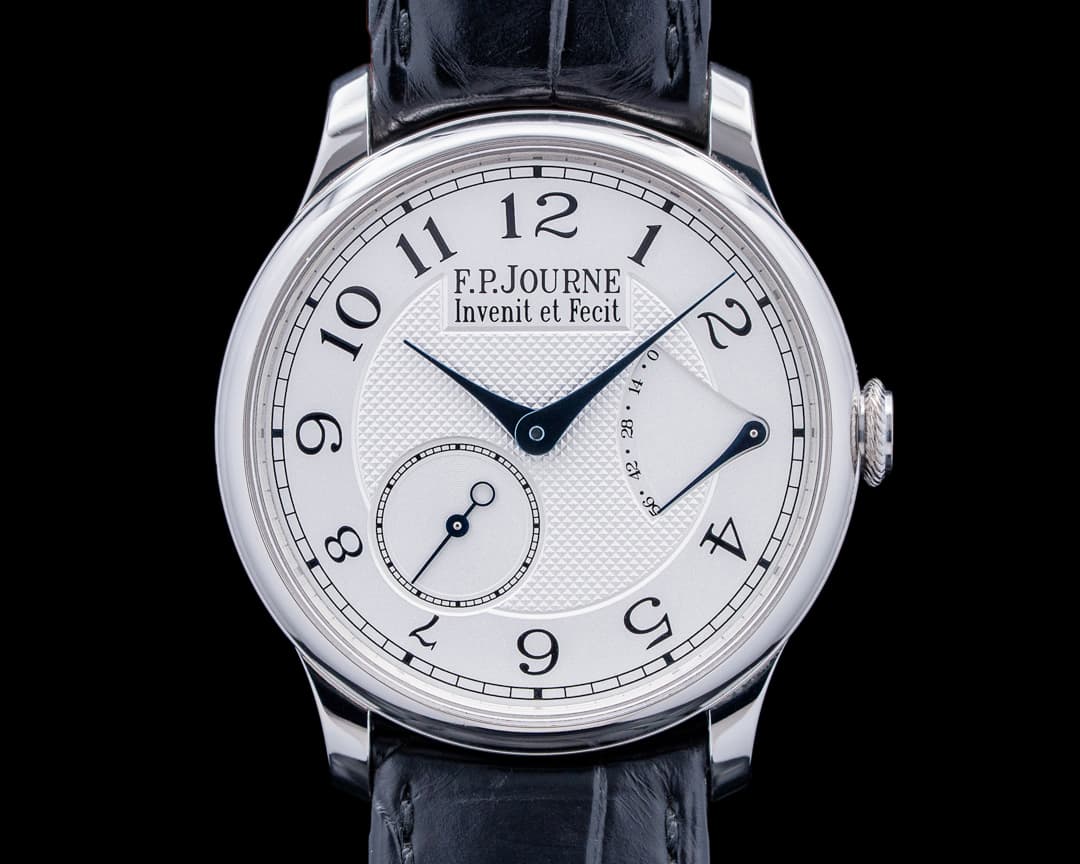
F.P. Journe is the clearest case of an independent where secondary market strength is documented, consistent, and significant. The Tourbillon Souverain retails around $250,000; secondary examples in platinum or rose gold command between $350,000 and $500,000, with exceptional pieces exceeding $600,000. The highest auction result for a Journe, a Tourbillon Souverain sold at Phillips Bacs and Russo in 2024, reached $8.36 million. Since 2021, Sotheby's alone has sold nearly $35 million in F.P. Journe watches.
Those numbers need context. The Journe secondary market is driven by a deep, committed collector base, extremely limited production, and an absence of secondary market infrastructure. These are not watches that float on a secondary market index. They trade among people who specifically want them, and the pool of such people is smaller than the pool for steel Rolex sports references. That means higher per-unit appreciation at the top, and less liquidity at every level.
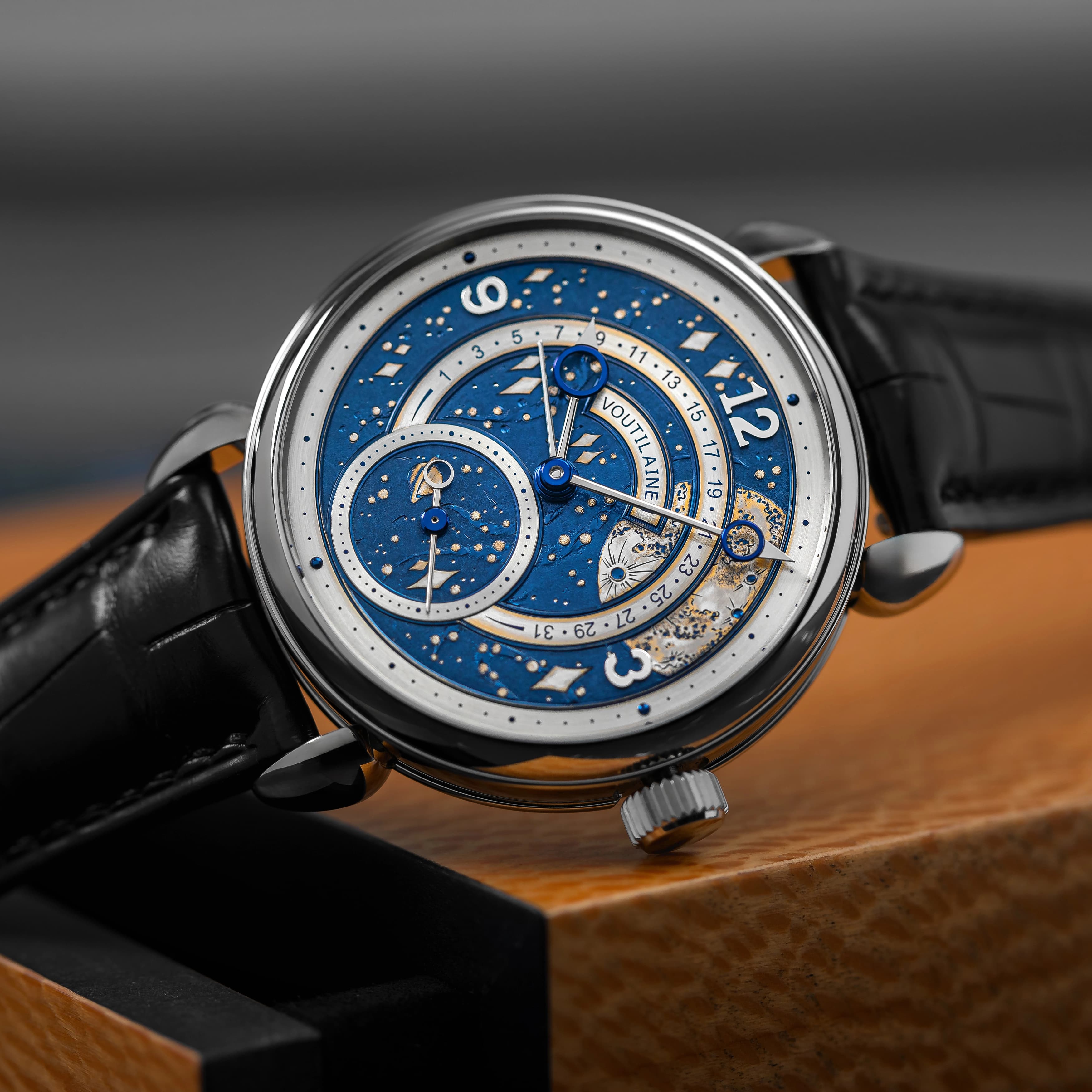
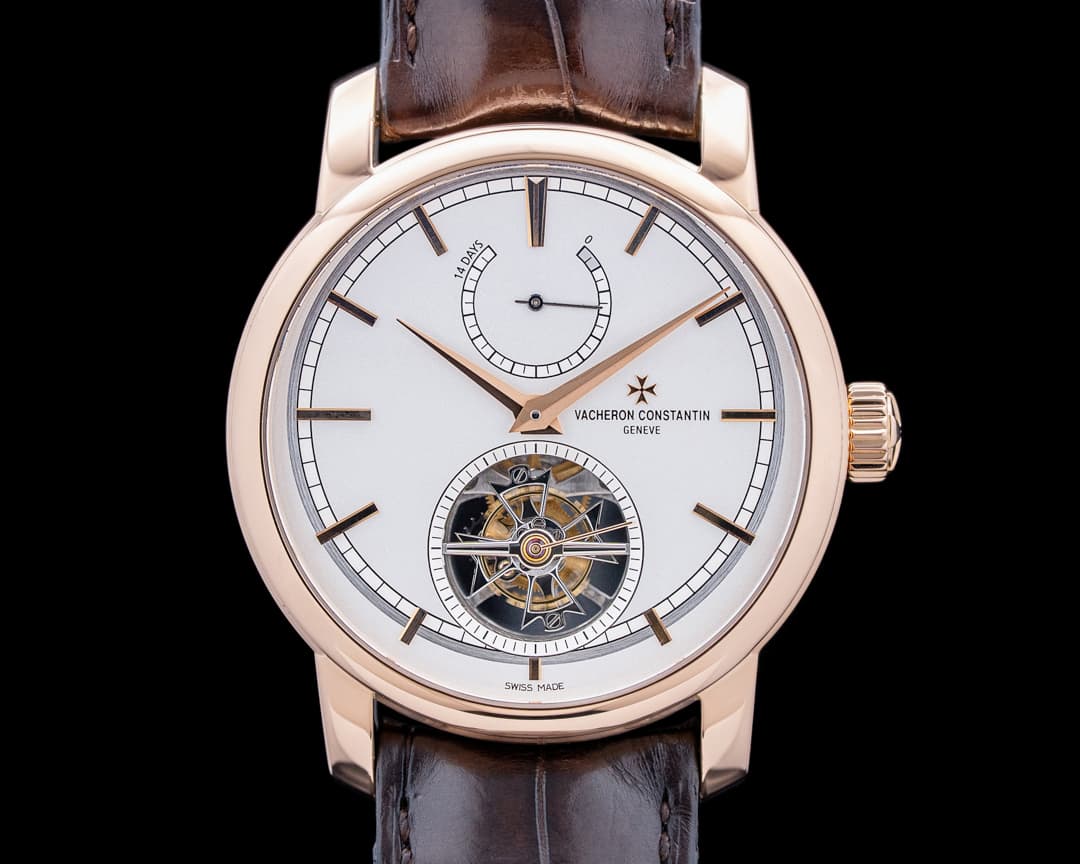
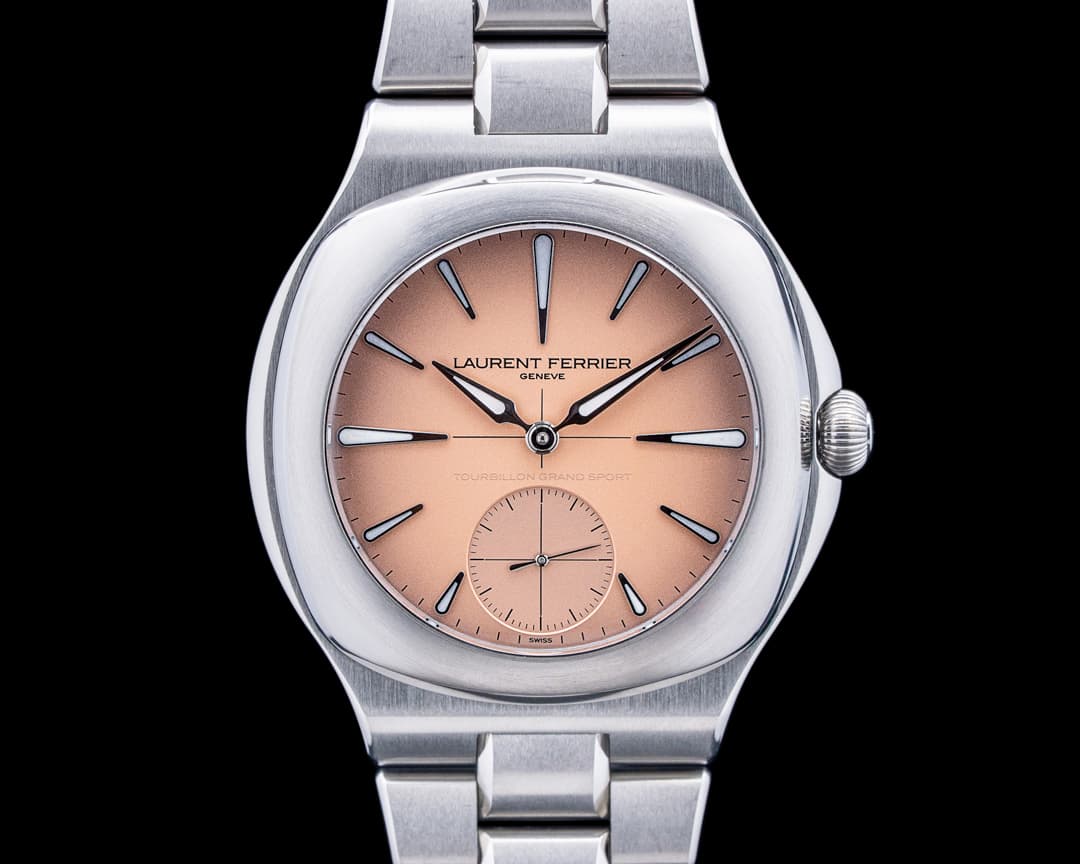
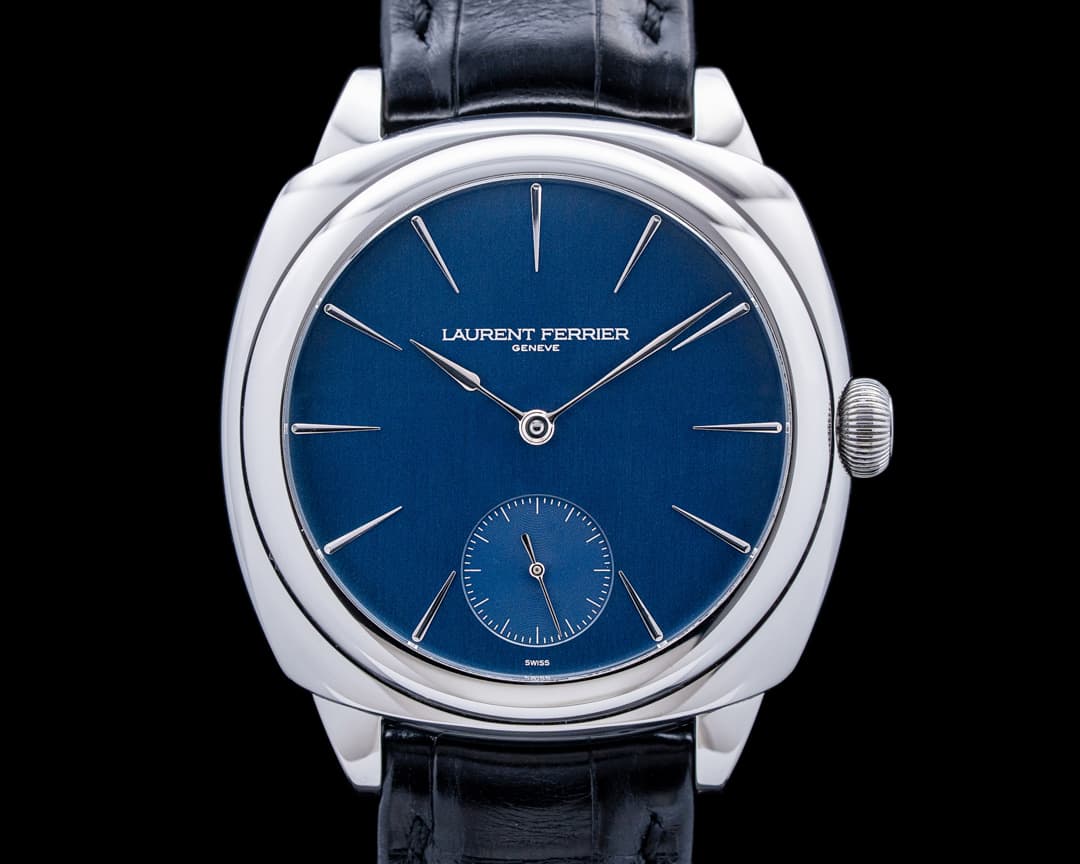
Laurent Ferrier offers a quieter version of the same dynamic. Core Galet references sit between roughly $40,000 and $70,000, with values that have been stable. The collector community for Ferrier tends to hold rather than turn, which means thin supply but also thin secondary trading volume. H. Moser and De Bethune occupy similar territory: genuine collector interest, small buyer pools, and secondary markets that reward patience but don't offer the quick exit that a Submariner does.
The honest statement about independents is that the top names with genuine collector communities have demonstrated real appreciation, Journe most of all, but that the secondary market for any individual reference is harder to time and harder to exit than the major-brand equivalents. Strong appreciation and thin liquidity can coexist. They often do.
What Actually Predicts Retention
The signals that cut across brand lines:
Steel sports references with waiting lists. The combination of constrained supply, broad aspirational demand, and deep secondary buyer pools creates durable premiums. This is what the Submariner, GMT-Master II, Royal Oak, and Nautilus have in common. The mechanism is retail access, not intrinsic watchmaking value.
Limited production with genuine demand. Not marketing-driven "limited editions" with no secondary history, watches produced in small numbers because production is genuinely constrained by movement complexity, hand-finishing requirements, or founder philosophy, and where buyer demand demonstrably exceeds that supply.
Complications that require real expertise. Minute repeaters, perpetual calendars, tourbillons from respected makers maintain value because the barrier to production is real and known. That doesn't guarantee secondary market premiums, but it supports a floor.
Provenance and condition. Box and papers matter. Dial condition matters. For Patek and Journe especially, provenance, who owned a piece, whether it's been serviced correctly, whether it came with its original documentation, affects realized prices meaningfully. A 5711/1A without papers is a different secondary asset than the same watch fully documented.
What doesn't predict retention: brand prestige in isolation (a brand can be prestigious and produce mostly depreciating watches), complicated movements in categories without collector depth, and novelty references with no secondary demand history. The watch that debuted to press enthusiasm but has no secondary market two years later is more common than its opposite.
The Honest Conclusion
Watches are not investments in any reliable sense. A small number of references within a small number of brands have demonstrated consistent secondary market strength, and knowing which ones matters enormously if you're spending five figures or more.
The Submariner in steel, the GMT-Master II in steel, the Daytona: these hold value and have the data to show it. The 5711/1A, even post-correction, trades at multiples of retail. The Royal Oak 15500ST carries a real premium, though a compressed one. F.P. Journe at the top of its range has produced some of the most significant appreciation in the category.
Everything else requires a clear-eyed view. Most Datejust configurations do not hold value. Most dress watches from most brands do not hold value. Most limited editions without established secondary demand do not hold value. The market corrected 25 to 30% from its 2022 peak and has stabilized, which means the bubble-era assumptions are gone. What remains is a market that rewards specific references with genuine demand and punishes everything else with ordinary consumer-goods depreciation.
The tools to check any of this are available right now: WatchCharts, Chrono24, and the realized-price databases at Christie's, Phillips, and Sotheby's. The information exists. Using it is just a matter of looking before you buy, rather than after.
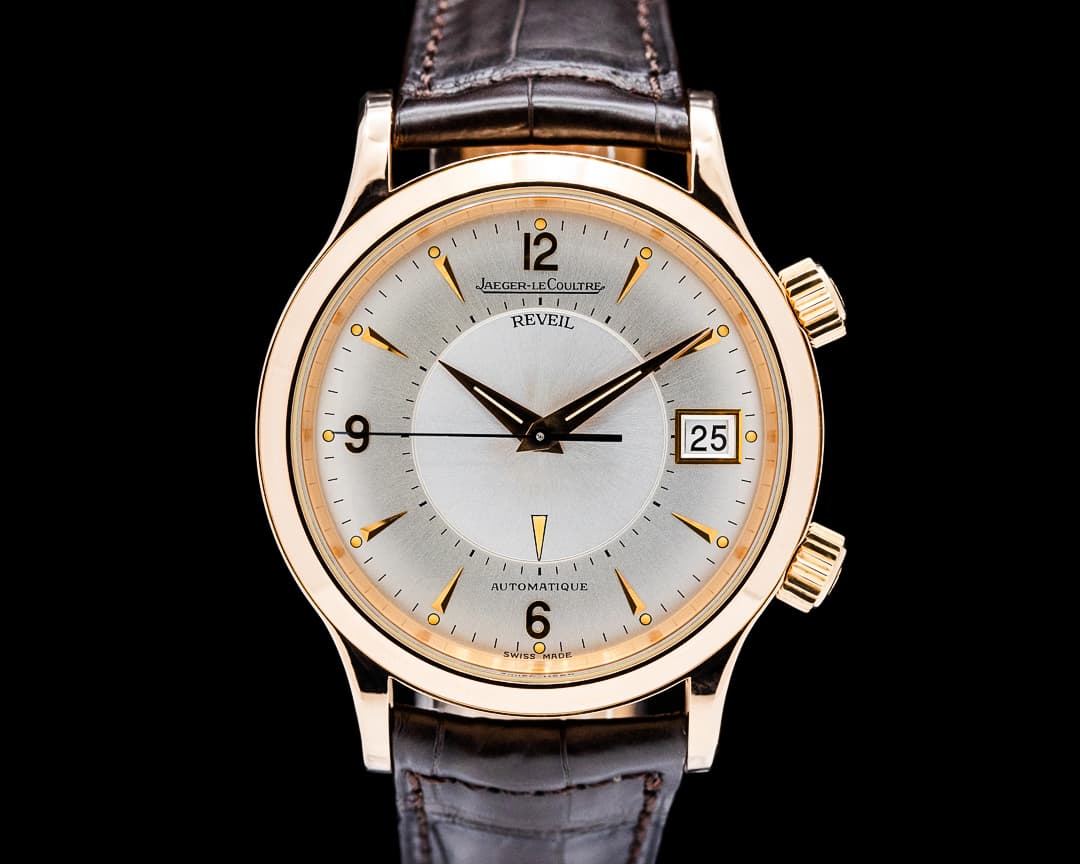
Buy what you want to own. Know what the secondary market says about it. Don't let one inform the other more than it should.
Shop New Arrivals
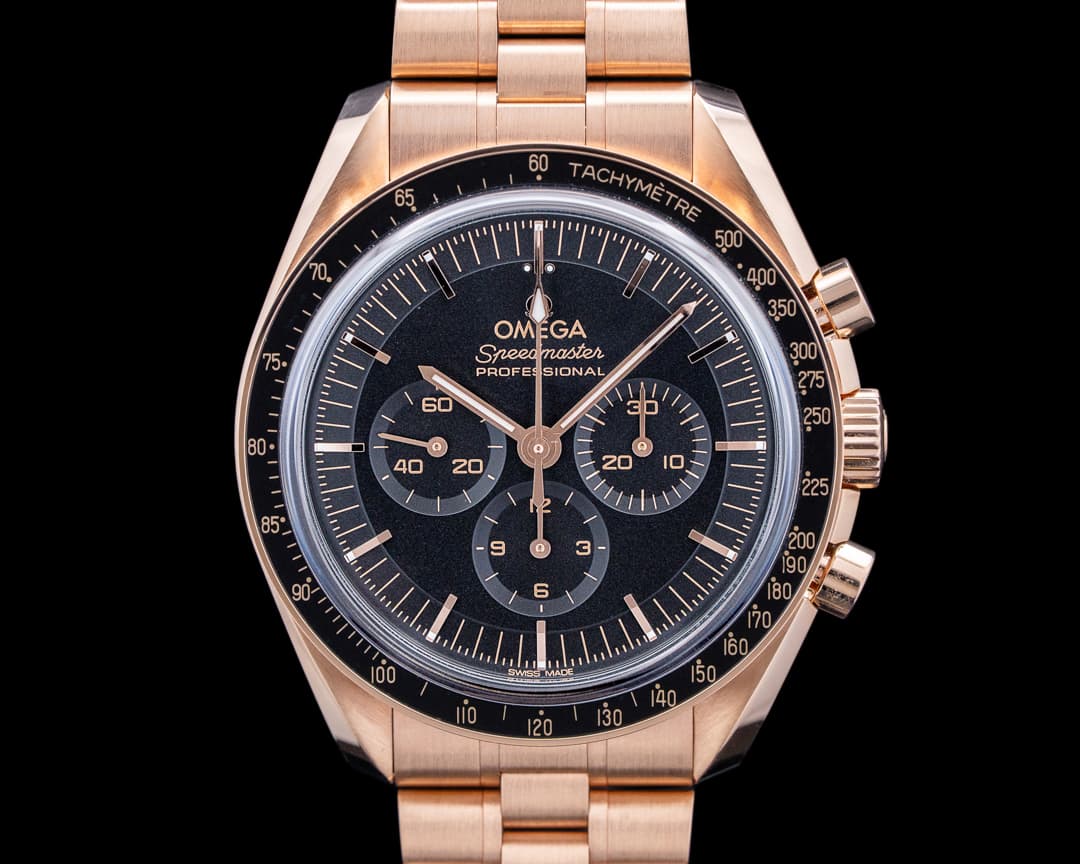
Speedmaster Moonwatch 18K Sedna Gold Black Dial
$29,900
View Watch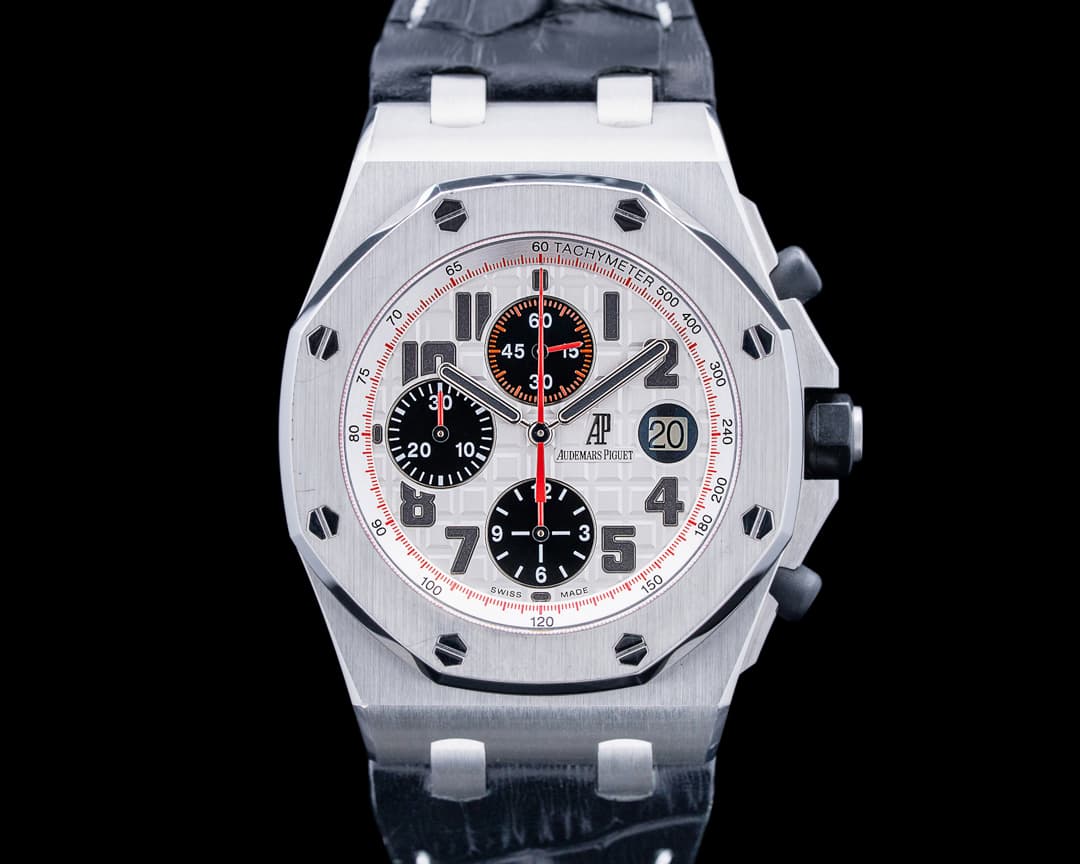
26170ST Royal Oak Offshore Chronograph SS Silver Dial
$22,900
View Watch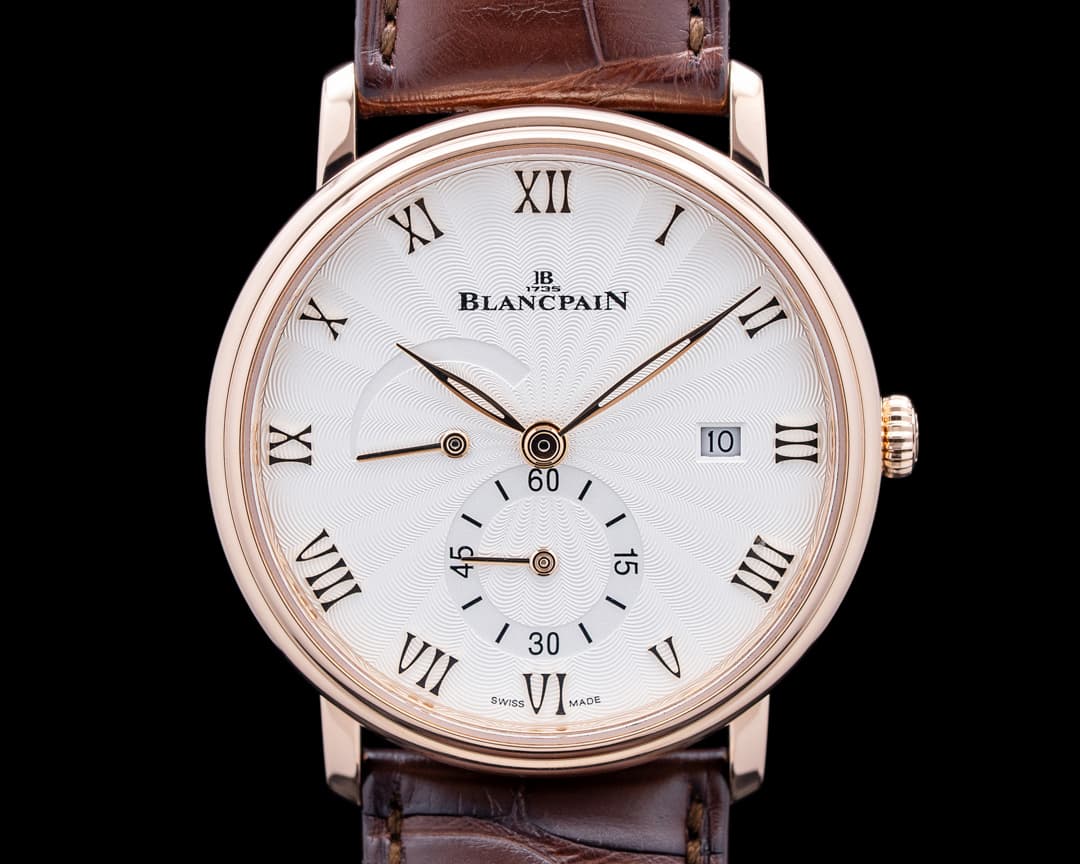
6606A Villeret Ultraplate 18K Rose Gold Opaline Dial
$20,900
View Watch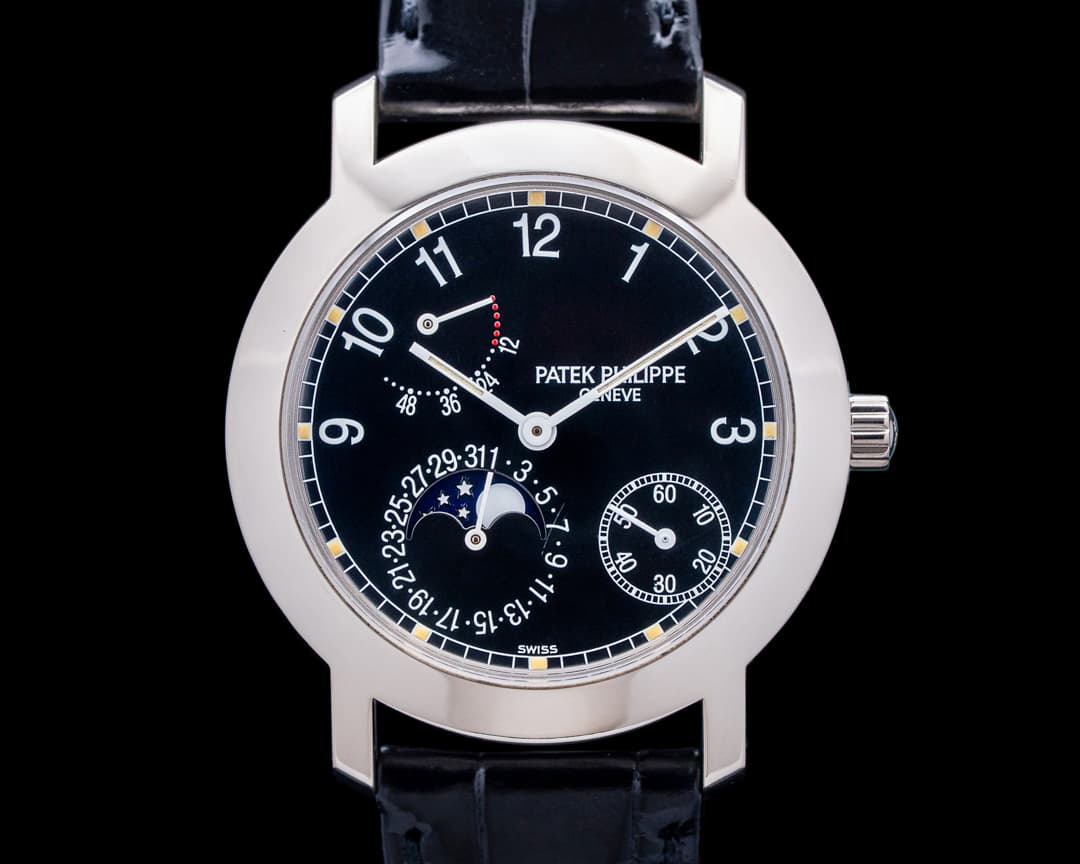
5055G Complications 18K White Gold Black Dial
$29,500
View Watch
Shop New Arrivals
Speedmaster Moonwatch 18K Sedna Gold Black Dial
$29,900
View Watch26170ST Royal Oak Offshore Chronograph SS Silver Dial
$22,900
View Watch6606A Villeret Ultraplate 18K Rose Gold Opaline Dial
$20,900
View Watch5055G Complications 18K White Gold Black Dial
$29,500
View Watch
More Content