A Guide to the Vacheron Constantin Historiques: American 1921, Cornes de Vache 1955, and 222
Published on 8/26/2026
What the Historiques Line Actually Is
Vacheron Constantin was founded in 1755, which makes it the oldest continuously operating watch manufacturer in the world. That kind of history is easy to invoke but it also demands a responsibility by the brand to maintain and utilize that history in the pieces of today. The Historiques line is what happens when a brand decides to actually use its archive instead of just citing it as a credential. It is one of the most unique programs anywhere in the industry, and it doesn't get nearly the attention it deserve.
The line was established in 1991 and relaunched in 2005. The modern version works from a clear premise: find a historical Vacheron reference that solved a real design problem or encapsulated an aesthetic for the brand, build a faithful revival with a contemporary movement and materials, and let the results stand as one of the best ways of experiencing vintage aesthetics with the luxuries of a modern piece. The results are distinct from anything else in the catalog. The Overseas is a sport watch. The Patrimony is a contemporary dress watch with an emphasis on movement finishing and clean surfaces. The Historiques are revivals, each one tethered to a specific moment in the brand's production history, with a case shape, dial configuration, or complication that came directly from that moment.
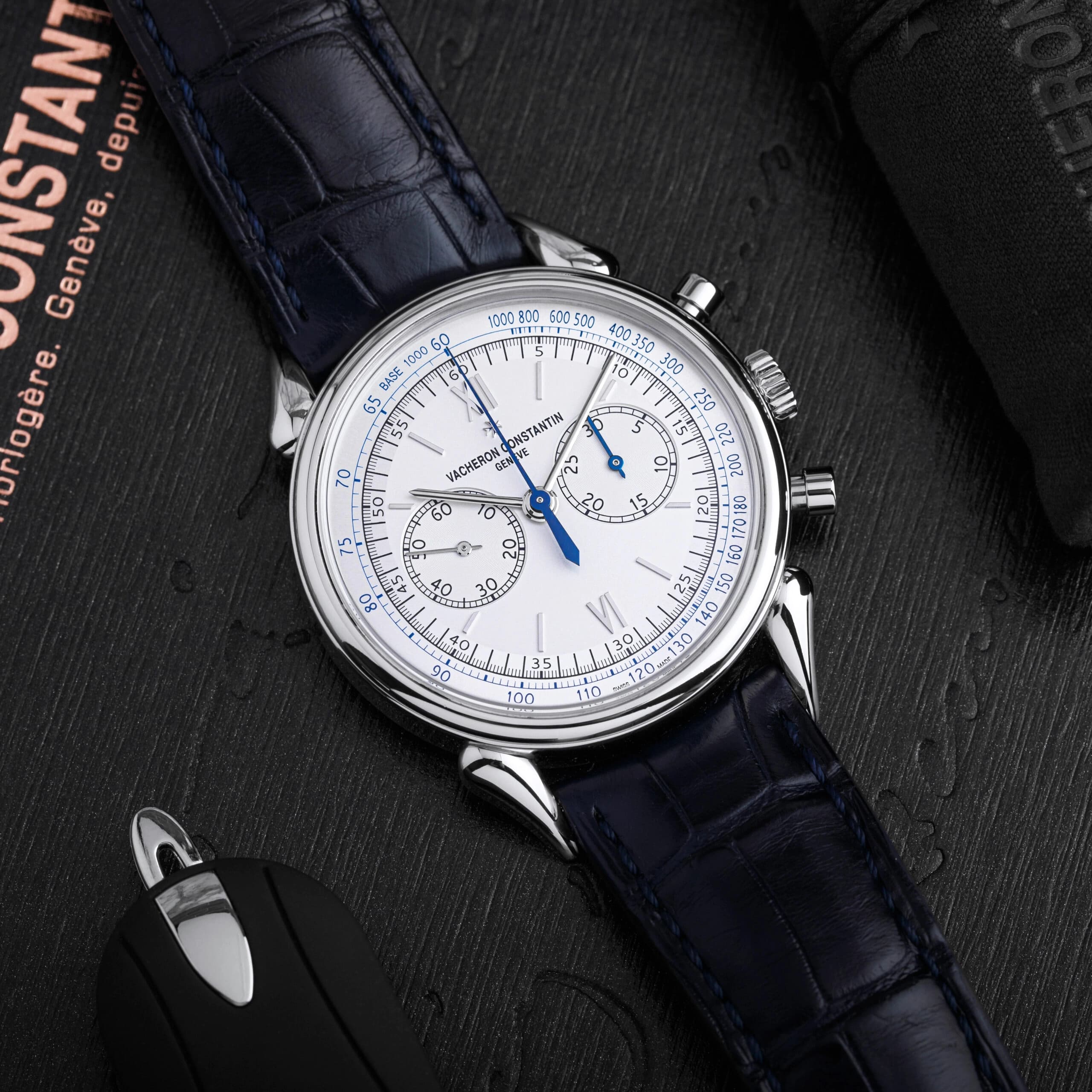
Vacheron Historiques Cornes de Vache
The current family is anchored by the American 1921, Cornes de Vache 1955, and 222--- three of the most prominent references that attract collector attention and secondary market activity. They also span the range of what the line can be: a Roaring Twenties dress watch with a rotated dial, a postwar pump pusher chronograph, and a 1970s integrated-bracelet sport watch. Understanding those three is understanding the line's range and also the idea behind the collection.
All three carry beautiful movement finishing and construction standards that are visible through exhibition casebacks.
A Short History of the Design Sources
The 1921 draws from a very specific production window. Vacheron made a small number of cushion-case watches for the American market beginning around 1919, with the referenced year being 1921. Only 24 pieces of the original reference were made. The design rationale was practical: the dial was rotated within the cushion case, placing the 12 o'clock position at what would normally be the 10 or 11, and the crown was set at the case's corner rather than its side. Often associated with the driver's market, the true origin of the piece lies for preachers who would glance down at their watches from the lectern. The cushion case itself was fashionable across Swiss manufactures in the 1920s, but Vacheron's version distinguished itself through the dial offset and crown placement, not just the case outline.
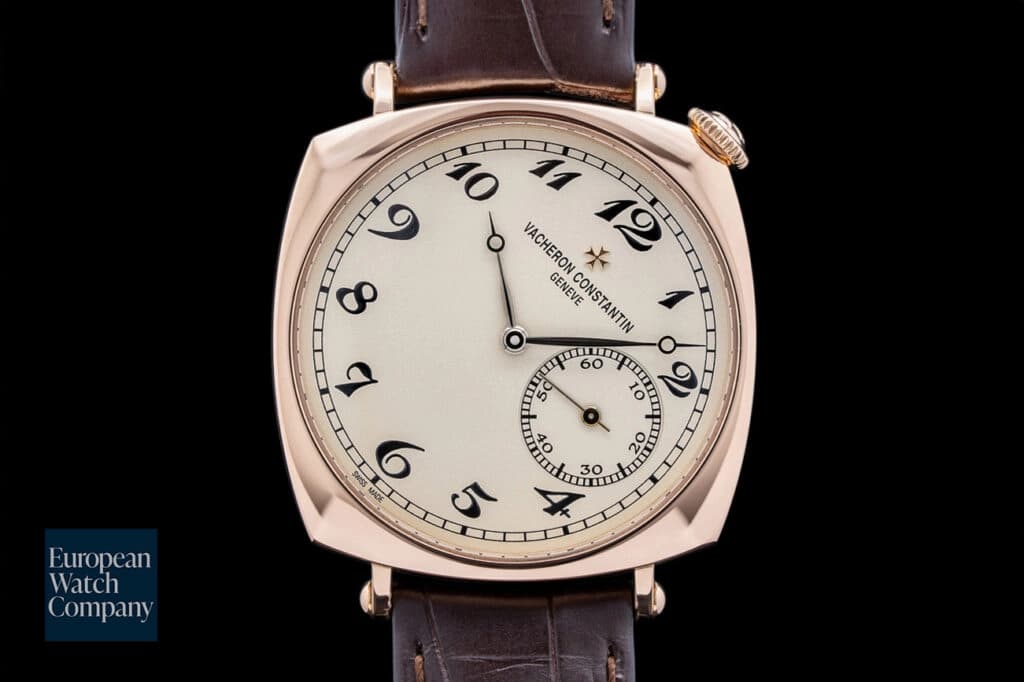
Vacheron Historiques American 1921
The Cornes de Vache 1955 comes from a different era and a different problem. Ref. 6087, launched in 1955, was Vacheron's first waterproof chronograph. The detail that gives it its modern name is the shape of the chronograph lugs. Cornes de vache means "cow horns" in French, describing the elongated, curved lugs integrate into the case profile. The result is one of the most unique heritage chronographs on the market. It has a truly unique design language and aesthetic. Some collectors love the lug profile, others don't, but it remains truly unique in a sea of chronographs that often feel redundant. The 1955 original was made in small numbers and remains rare. The modern revival first appeared in about 2015, and is now available in a variety of metals and dials.
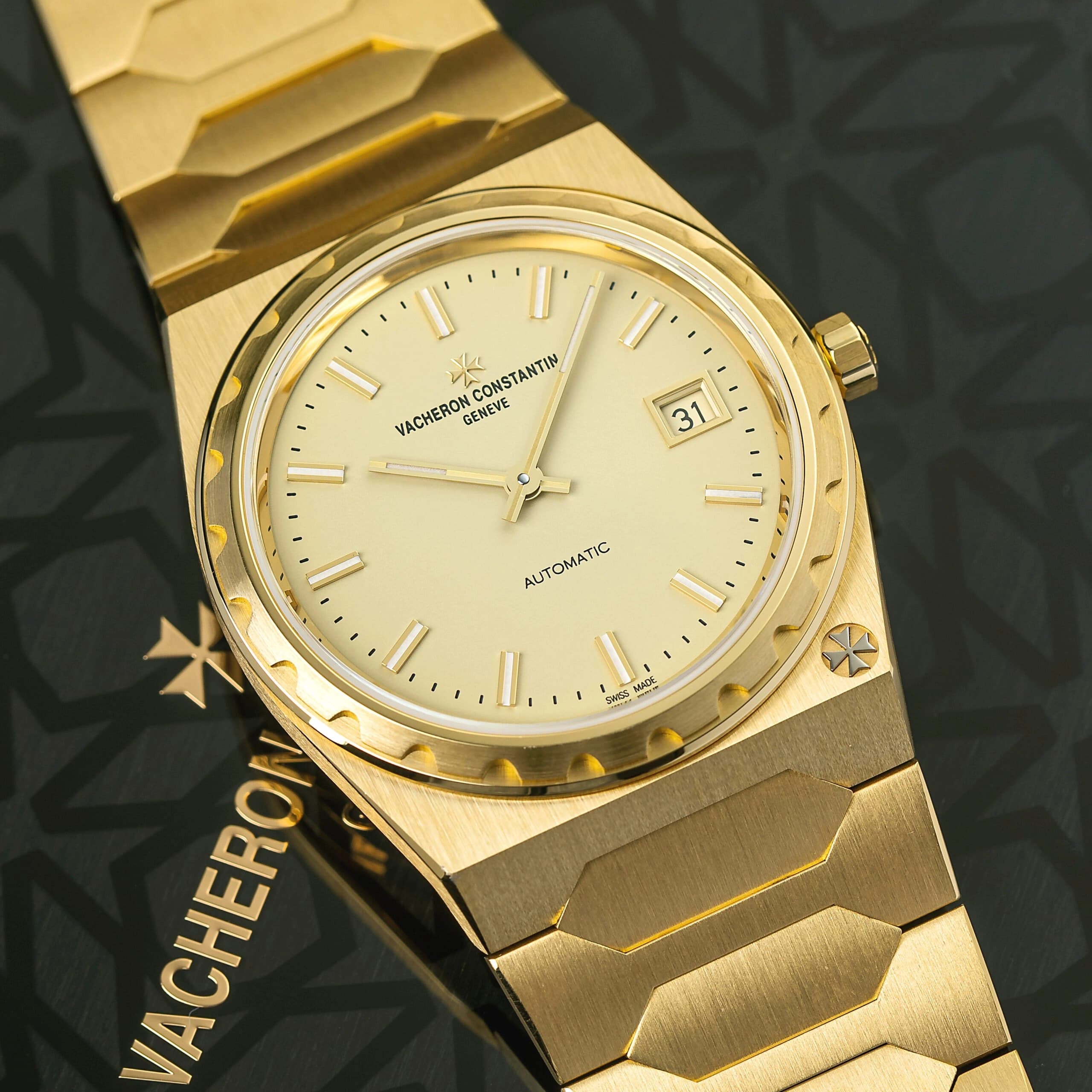
Vacheron Historiques 222
The 222 belongs to a different argument entirely. In 1977, Vacheron launched a watch to celebrate its 222nd anniversary, a direct response to the integrated-bracelet sport watches reshaping the market since the Royal Oak in 1972 and the Nautilus in 1976. The 222 was designed by famed designer Jörg Hysek. Hysek's design gave the 222 a distinctive cushion case with an integrated bracelet and a clean dial. The original used Caliber 1120, a movement with Jaeger-LeCoultre origins. Vacheron reissued the 222 in March 2022, 45 years after the original, first in yellow gold, then in steel in January 2025.
The American 1921
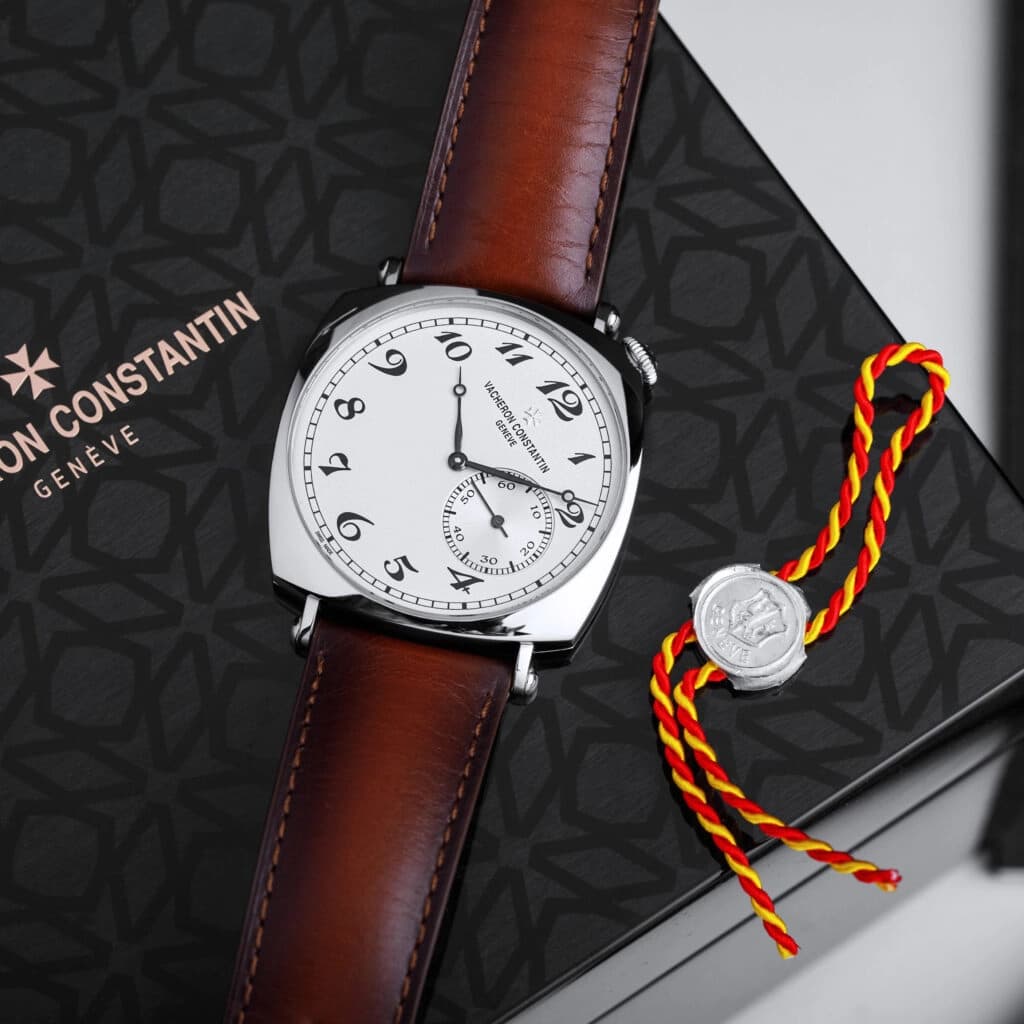
The 1921 looks like no other watch in current production from a major manufacture. The case is a cushion shape: not round, not square, but somewhere between, with soft corners and a profile that widens toward the middle. Vacheron relaunched it in 2008 with updates this year, and the current versions run at 36.5mm and 40mm.
The dial sits inside the case at a 45-degree rotation. The 12 is now at roughly the at 2 o'clock position of the case, the 6 at roughly the 8. It sounds disorienting on paper. On the wrist, it reads naturally, because the rotation angles the dial toward the viewer when the wrist is in a relaxed, slightly inward position. This is not a design quirk retained for historical accuracy alone. It's a genuinely functional configuration that has taken root for its unique presentation, playful aesthetic, and comfortable wrist aesthetics.
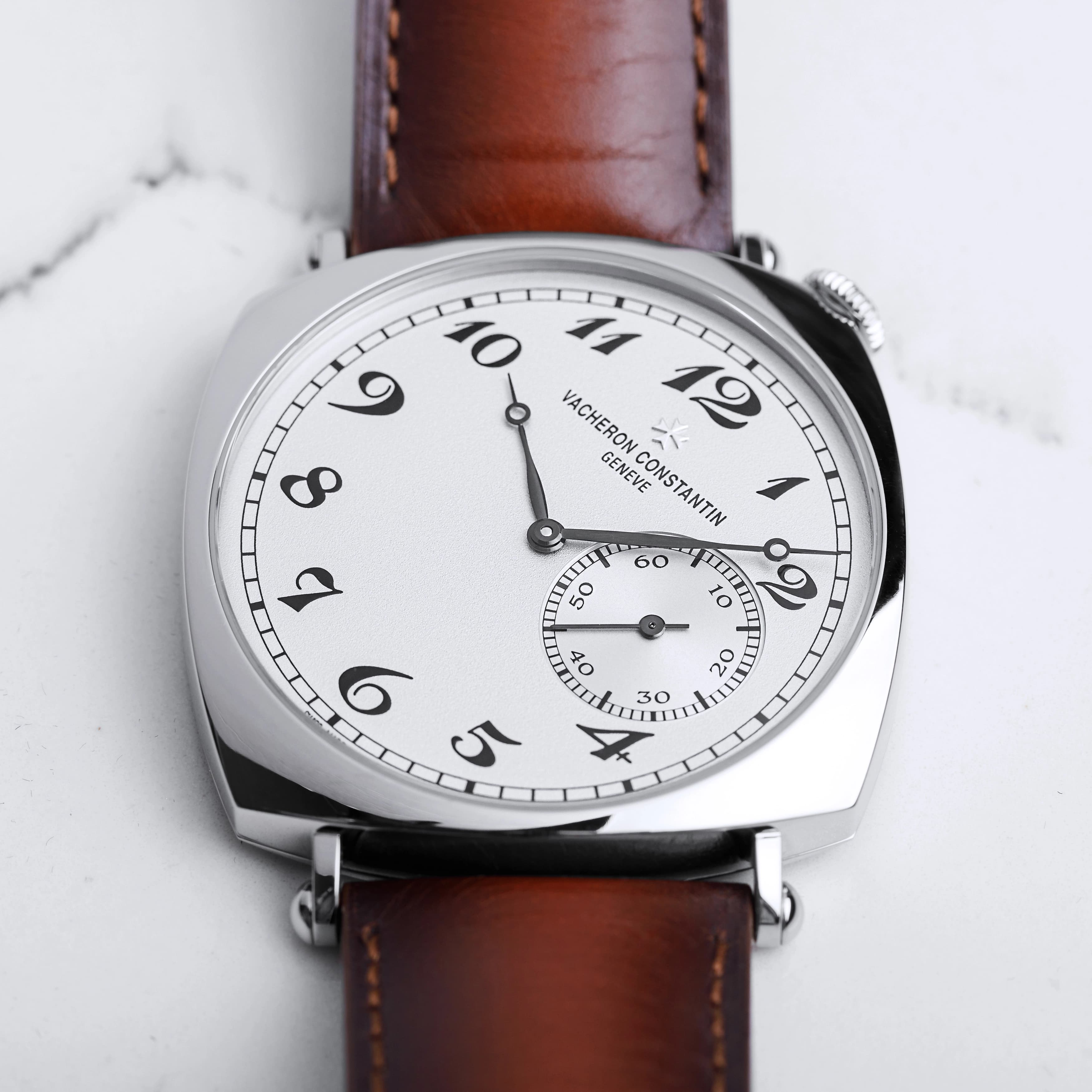
Vacheron Historiques American 1921
The dial varies by reference and metal, but the current versions favor cream or silver-toned surfaces with slim printed indices. The watch is offered in rose gold with a textured dial and blue accents, and in white gold with black numerals. At 36.5mm, it's one of the few watches of this generation that fits naturally on a smaller wrist without looking dainty. At 40mm, it's accessible to anyone used to contemporary sizing.
Inside is the in-house caliber 4400 AS: manual-winding, 21 jewels, 127 components, running at 28,800 vph with a 65-hour power reserve. Manual wind suits the 1921 well. The act of winding it is part of the daily ritual that a watch with this kind of provenance invites. The caliber carries beautiful finishing visible through the display caseback: beveled bridges, côtes de Genève on the plates.
The Cornes de Vache 1955
The Cornes de Vache is harder to describe without a photograph and easier to understand the moment you've seen the lugs. They curve away from the case in an elongated droplet profile, sweeping extensions that arc outward from the case. The effect is architectural. The case reads as a unified object rather than a main body with accessories bolted on.
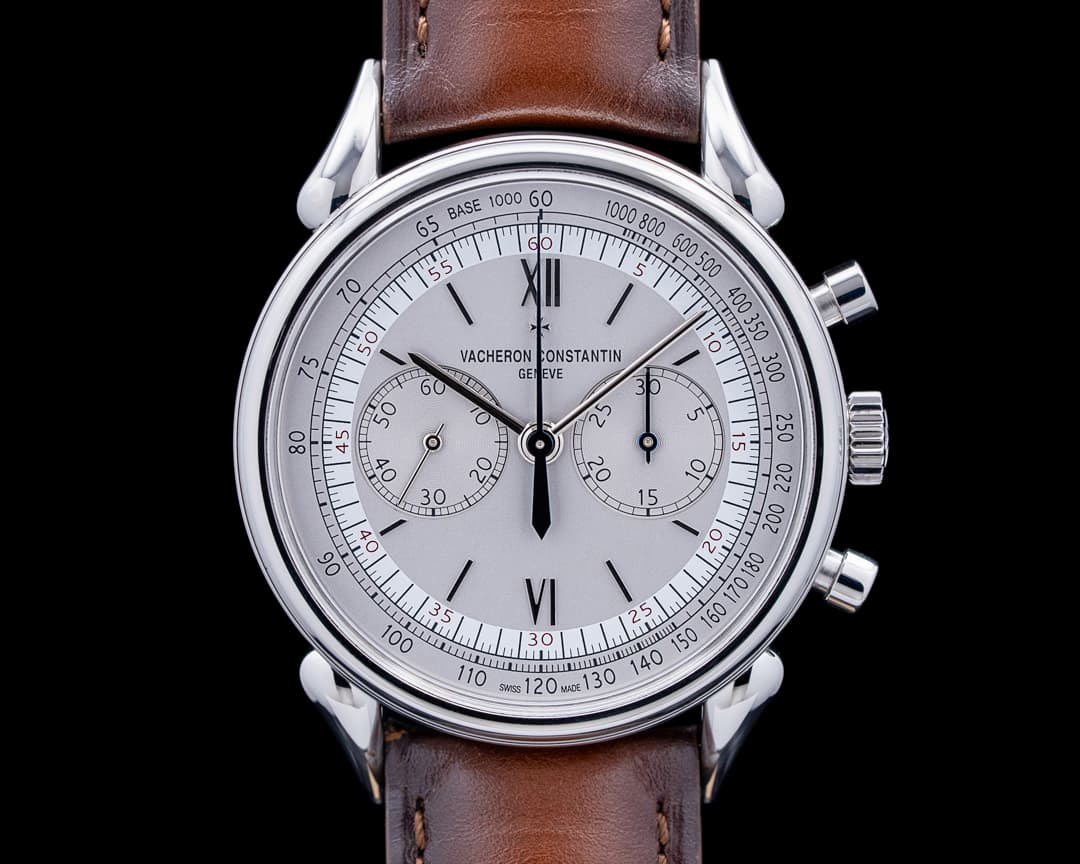
At 38.5mm, the Cornes de Vache sits flat on the wrist. It's thick enough to feel substantial, the chronograph movement accounts for that, but not so thick as to catch on a cuff. The dial is clean: two sub-registers for running seconds and chronograph minutes at the traditional 9 and 3 positions, a tachymeter scale on the chapter ring, and applied hour markers that are slender without disappearing. A white or silver dial reads well in most light. The push-button configuration at 2 and 4, start/stop at 2, reset at 4, is original to the 1955 reference.
The movement ticking within is one of the most beautiful on the market, and relative to the pricing of the model, it affords one of the greatest manually wound chronographs at any price point, but especially so at its trading value. These watches are genuinely under appreciated and if you like vintage design but want to look at your chronograph movement, this is a perfect option.
The 222
The 222 is the most modern-feeling watch in the Historiques line, and the one that makes the clearest argument for its own category. Jörg Hysek's 1977 design has held up because it didn't try to compete with the Royal Oak directly, it solved the integrated bracelet problem its own way. The bracelet links are beautiful and unique, alternating sections, substantial enough to feel like part of the case rather than an afterthought, and the case itself is a rounded cushion with a brilliantly fluted bezel unlike the competition.
The dial reads differently from the other two Historiques references. Legible and simple, the 222 has a subtle texture on its silver iteration and a deep creamy blue on the steel model. The date sits at 3 o'clock, modest and correctly proportioned. Hour markers are applied and short, sitting inside the chapter ring without crowding the dial center. The overall impression is of a sport watch with a dress watch's restraint, which is exactly the argument the 1977 original was making.
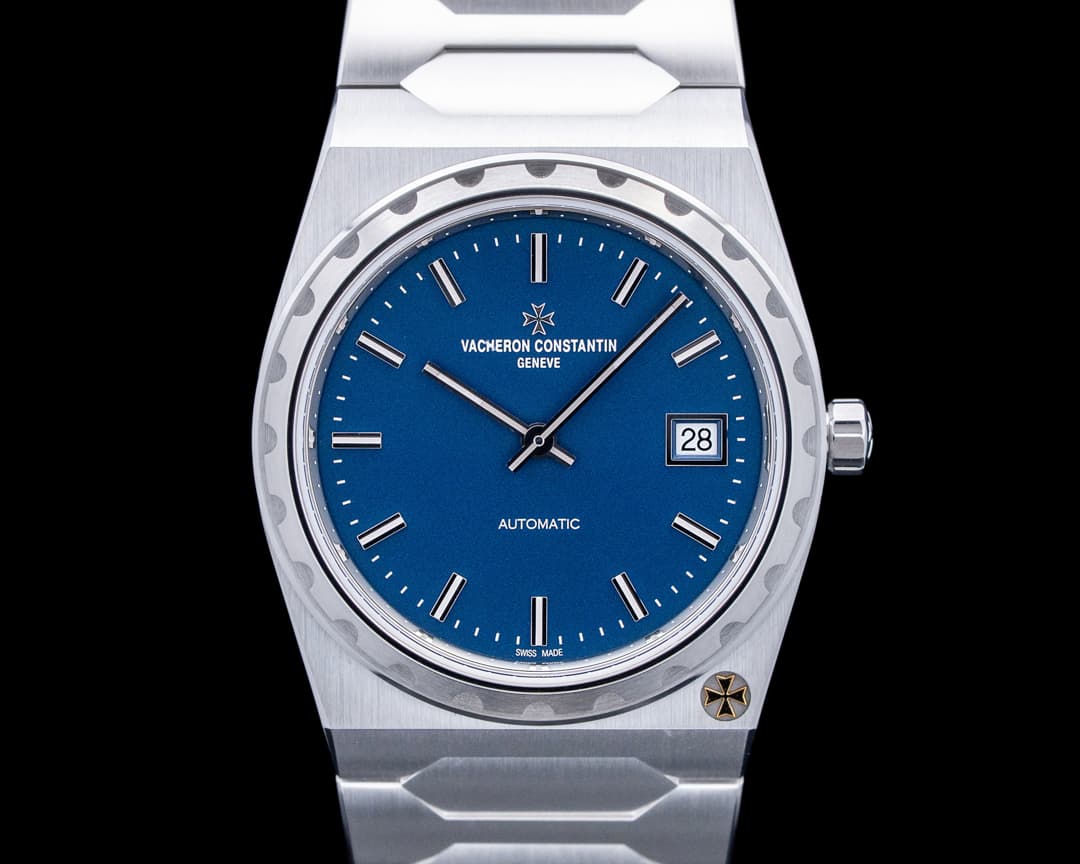
At 37mm, the modern reissue is faithful to the original's proportions. That's small by today's standards for a sport watch, against a 44mm diver, it reads almost like a dress watch, but it wears correctly because the bracelet integrates into the case rather than sitting at its edge.
A beautiful movement ticks within, and frames this piece out from its exhibition caseback. A truly beautiful watch deserving of far more attention than it receives.
These models have been somewhat scarce at retail, and have therefore held value preowned quite well. If you are looking for a rarer alternative to more mainstream sports pieces, the 222 can be a quieter alternative to the AP Royal Oak or the Nautilus.
The 222 also sits differently in a collection than the 1921 or Cornes de Vache. Those two are dress watches by any functional definition. The 222 is a sport watch, not a diver or a professional tool, but something you'd wear with chinos on a Saturday without it looking out of place. That collecting logic matters when thinking about what role a Historiques reference plays alongside whatever else is already in the watch box.
What to Know Before Buying Pre-Owned
The three references present different buying conditions in the secondary market, and treating them as interchangeable is a mistake.
Documentation matters more here than for most watches at this price. All three Historiques references are specific enough, and under-discussed enough outside dedicated collector circles, that papers and box do meaningful work establishing provenance and condition history. A 1921 or Cornes de Vache without documentation is buyable, but the discount it should trade at is real. Expect a meaningful reduction off comparable documented examples, and price accordingly when evaluating dealer listings.
Case condition is reference-specific. The 1921's cushion case has curved surfaces and softly beveled edges that show polishing history clearly: over-polished examples lose the crispness and the case corners begin to look melted. On a rose or white gold 1921, check that the lugs hold their original profile. The Cornes de Vache is more forgiving at the case, but the lugs are the watch's defining physical feature, examine them for wear. The 222's bracelet is the conditioning variable: the links should sit flat and articulate without play, and stretch and uneven link wear are the things to check before anything else.
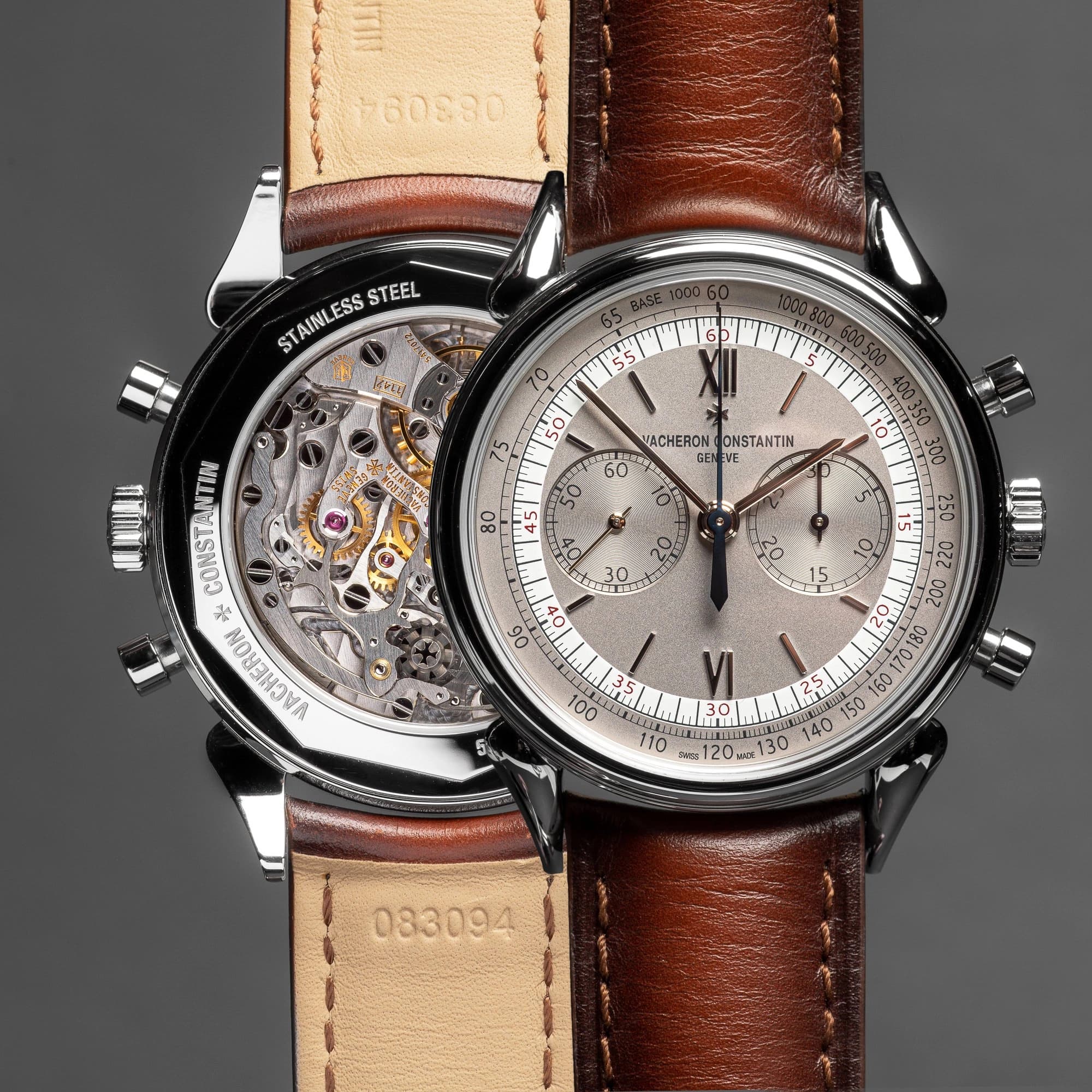
1955 Cornes de Vache
Read dealer listings for material specifics. The 1921 in particular has multiple material and size combinations, and a listing that says "American 1921" without specifying metal and size is incomplete. Confirm the reference number and cross-check against Vacheron's own reference documentation. The difference between a 36.5mm white gold 1921 and a 40mm rose gold 1921 is meaningful, in wrist presence, in price, and in how it fits a given collection.
Conclusion
The Historiques line's absence from most serious watch coverage is not a product quality problem. It's a visibility problem, and one that works in a true collector's favor. These are not obscure watches in the sense of being a compromise or an alternative to more mainstream pieces; they are obscure in the sense of being under-discussed relative to their actual merit, which means the pre-owned market has not fully priced in the quality that they bring to the table.
The 1921 and Cornes de Vache in particular remain attainable at prices that look different once you understand what you're buying. Not a generic dress watch from a prestigious brand, but a faithful revival of a specific historical object, built to the highest standard, with an in-house movement and a design argument that doesn't depend on marketing language to hold up.
This collection is truly unlike anything else, and between the 1921, the Cornes de Vache, and the 222, you gain vintage aesthetics for the modern customer and we're all here for it!
Shop New Arrivals
Speedmaster Moonwatch 18K Sedna Gold Black Dial
$29,900
View Watch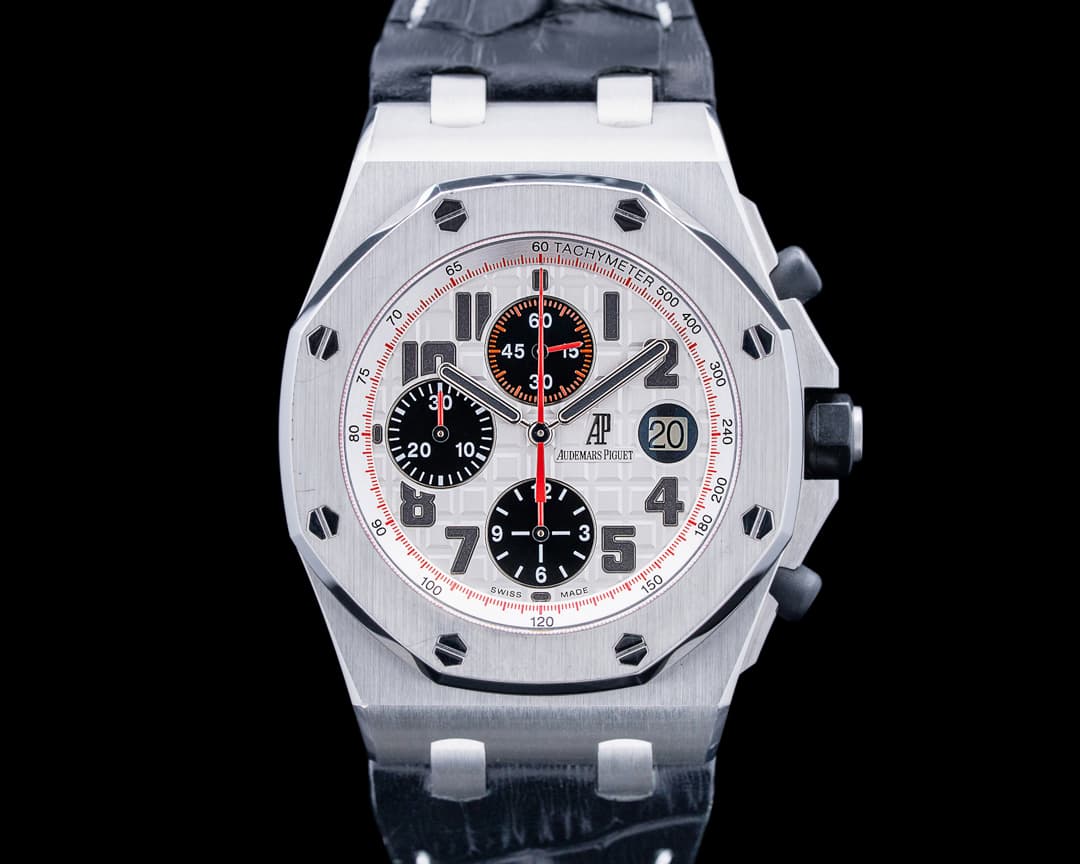
26170ST Royal Oak Offshore Chronograph SS Silver Dial
$22,900
View Watch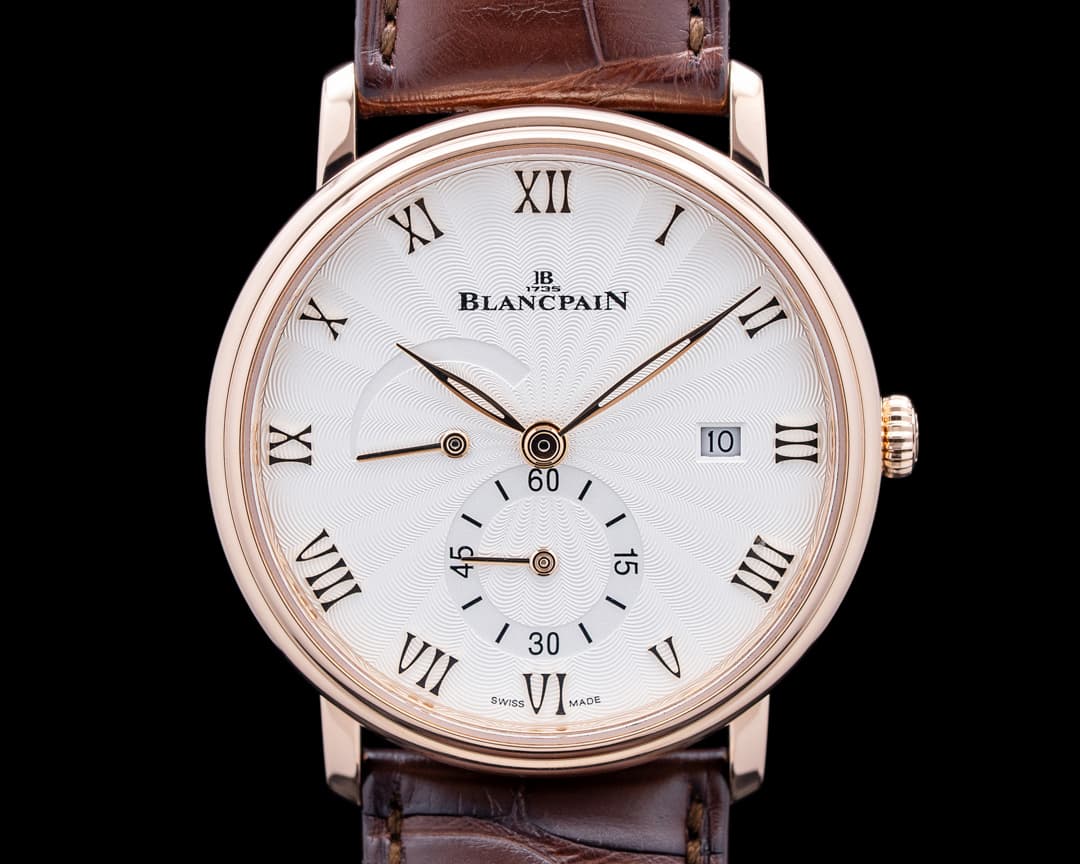
6606A Villeret Ultraplate 18K Rose Gold Opaline Dial
$20,900
View Watch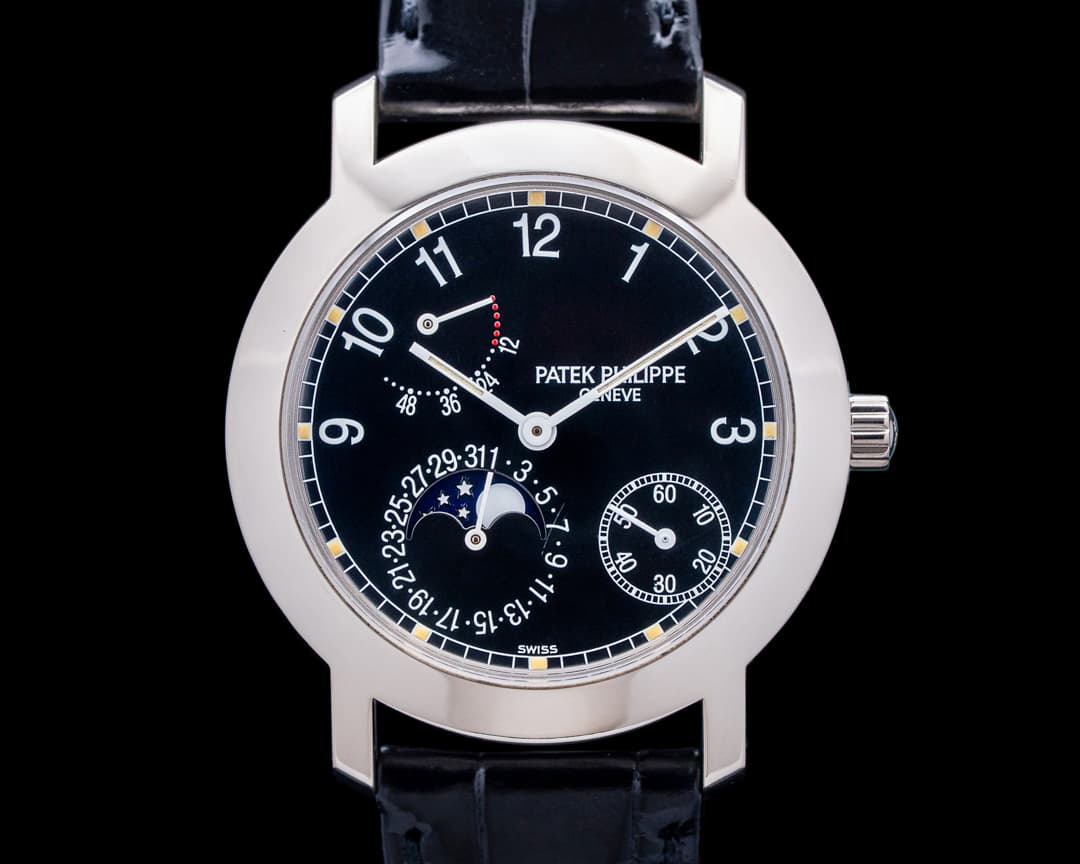
5055G Complications 18K White Gold Black Dial
$29,500
View Watch
Shop New Arrivals
Speedmaster Moonwatch 18K Sedna Gold Black Dial
$29,900
View Watch26170ST Royal Oak Offshore Chronograph SS Silver Dial
$22,900
View Watch6606A Villeret Ultraplate 18K Rose Gold Opaline Dial
$20,900
View Watch5055G Complications 18K White Gold Black Dial
$29,500
View Watch
More Content