Why Some Watches Only Make Sense Once You Try Them On
Published on 11/24/2026
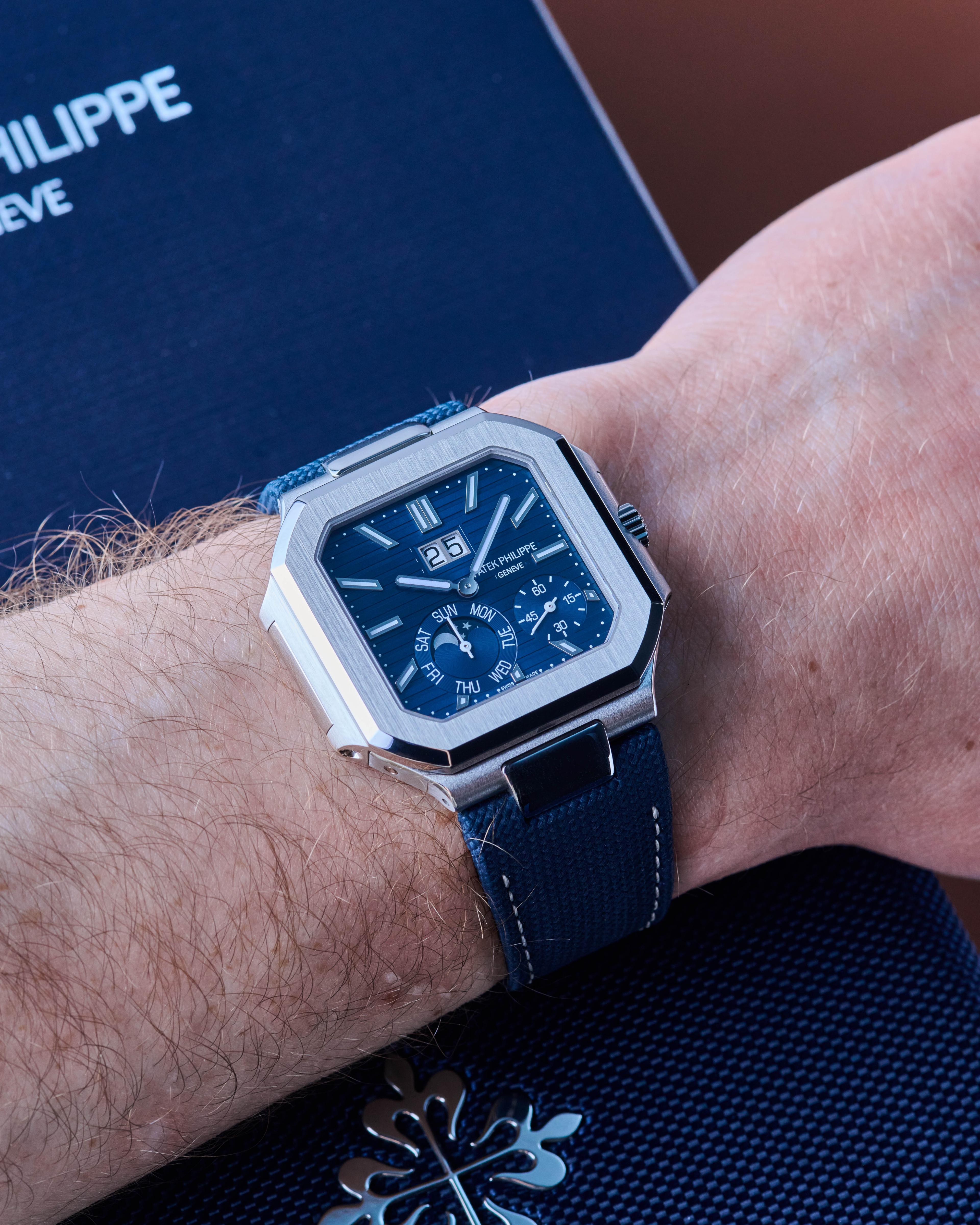
These days, most of us judge watches on our phone screens before we ever see them in person. You check the specs, look at every photo, and by the time you finally see the watch, you’ve probably already decided how you feel about it. Usually, this works out just fine. A 40mm three-hand watch on a leather strap usually fits just as you might have expected.
Then there are the watches that don't behave in the same way. The numbers suggest one thing, the photos say another, and the moment it’s on your wrist it turns into something else entirely. Most collectors have a story like this, whether it's a watch they'd written off that won them over in about thirty seconds or one they'd been sure about for months that just didn’t sit right.
Case Diameter Is Only One Number
Diameter is quoted first because it's easy, but it's a pretty blunt way to describe a three-dimensional object. The lug-to-lug measurement and the way a case slopes toward the wrist both change how big a watch feels, and neither of them shows up in the typical tech spec sheet.
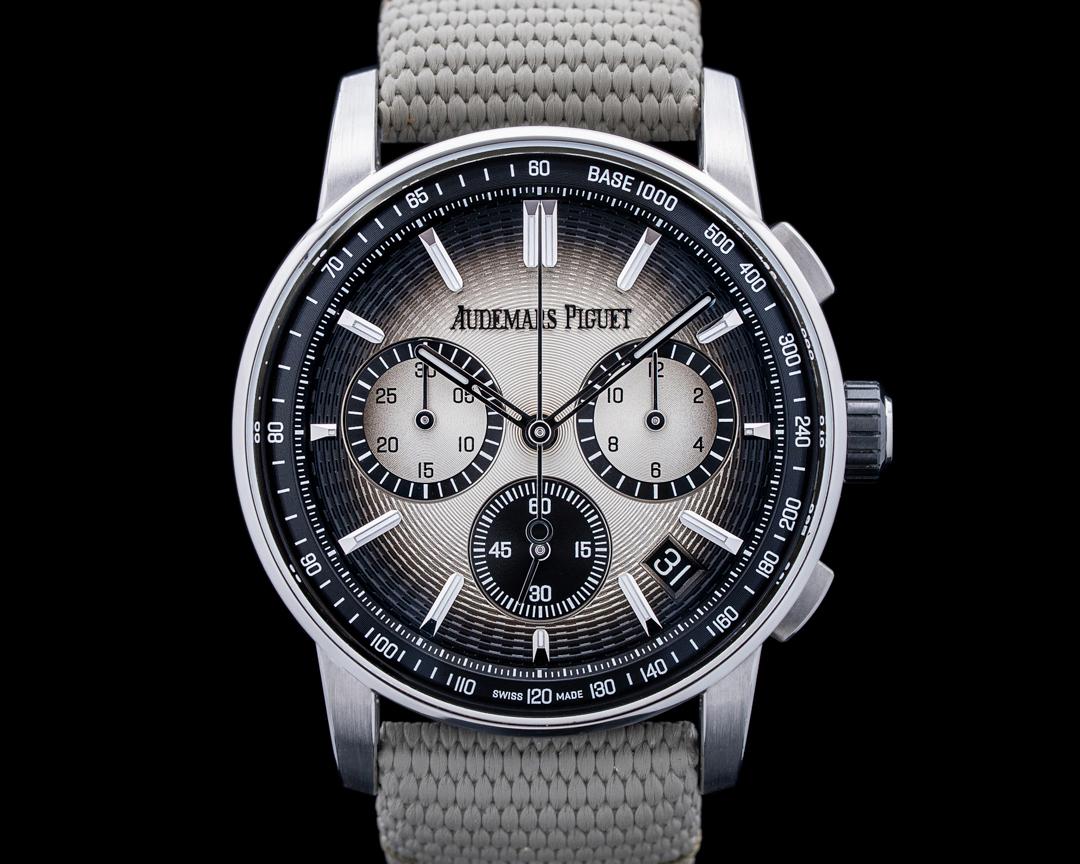
The Audemars Piguet Code 11.59 is probably the best example of the last decade. When it was unveiled at SIHH in January 2019, a good chunk of the internet decided it didn't like it based on press photos alone, and to be fair, the photos didn't do it many favors. The case is built like a sandwich, with a round bezel and caseback on either side of an octagonal middle section. Openworked lugs are welded to that thin bezel and curve down to rest against the caseback, leaving the octagon exposed underneath. Then there's the crystal, which is domed on the inside and curved from 6 to 12 on the outside. In a press shot, most of that flattens into a fairly plain round watch. Pick one up and tilt it, though, and the light keeps catching different layers, with the dial seeming to shift slightly under the glass as you move. None of those details come across when you read specs of "41mm by 10.7mm."
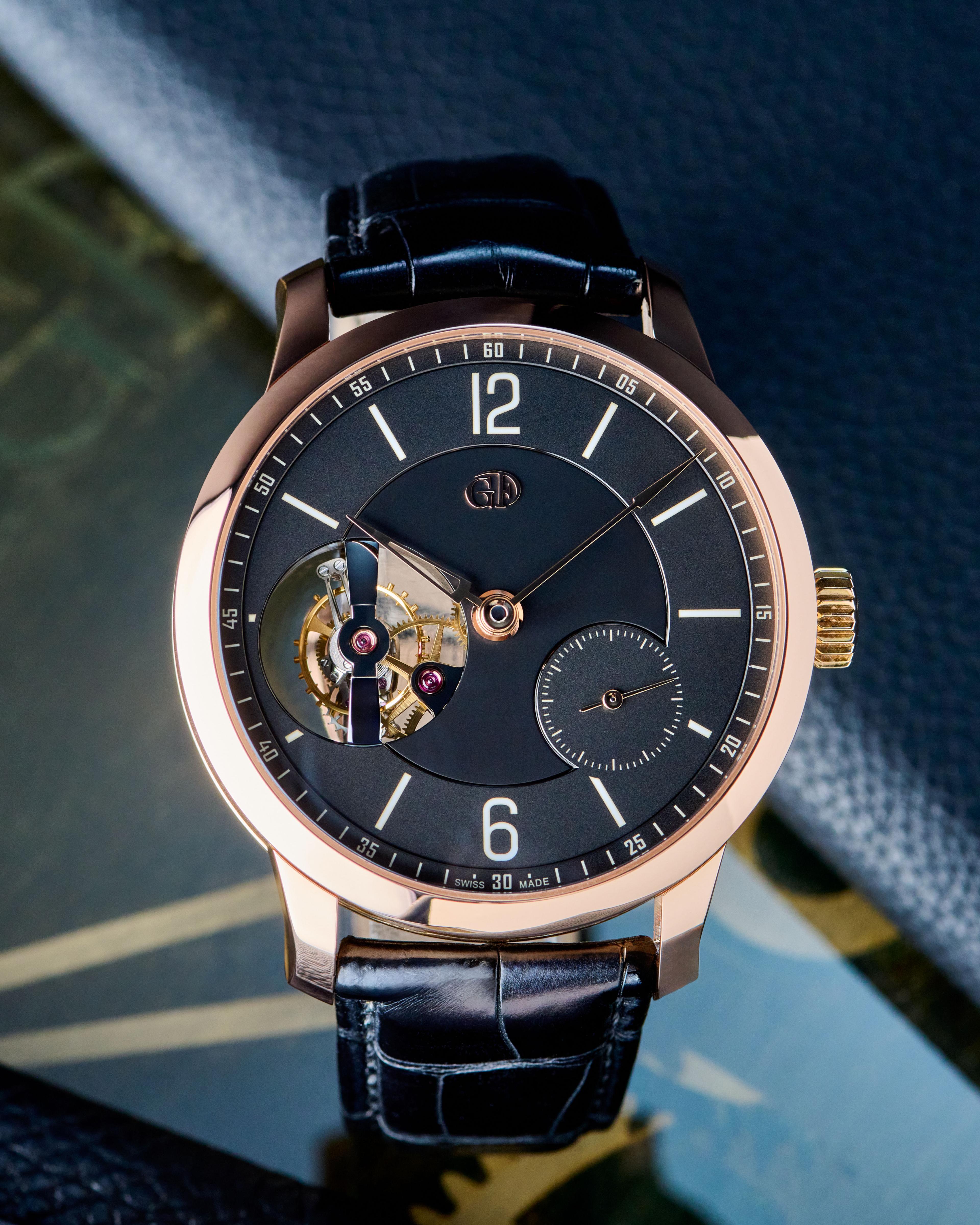
David Candaux's DC6 takes that idea a lot further. In its Solstice form, it's 43mm across and 12.6mm thick, with two sapphire domes on the dial and no crown where you'd expect one, and there's a lot to take in before you've even got to the movement.
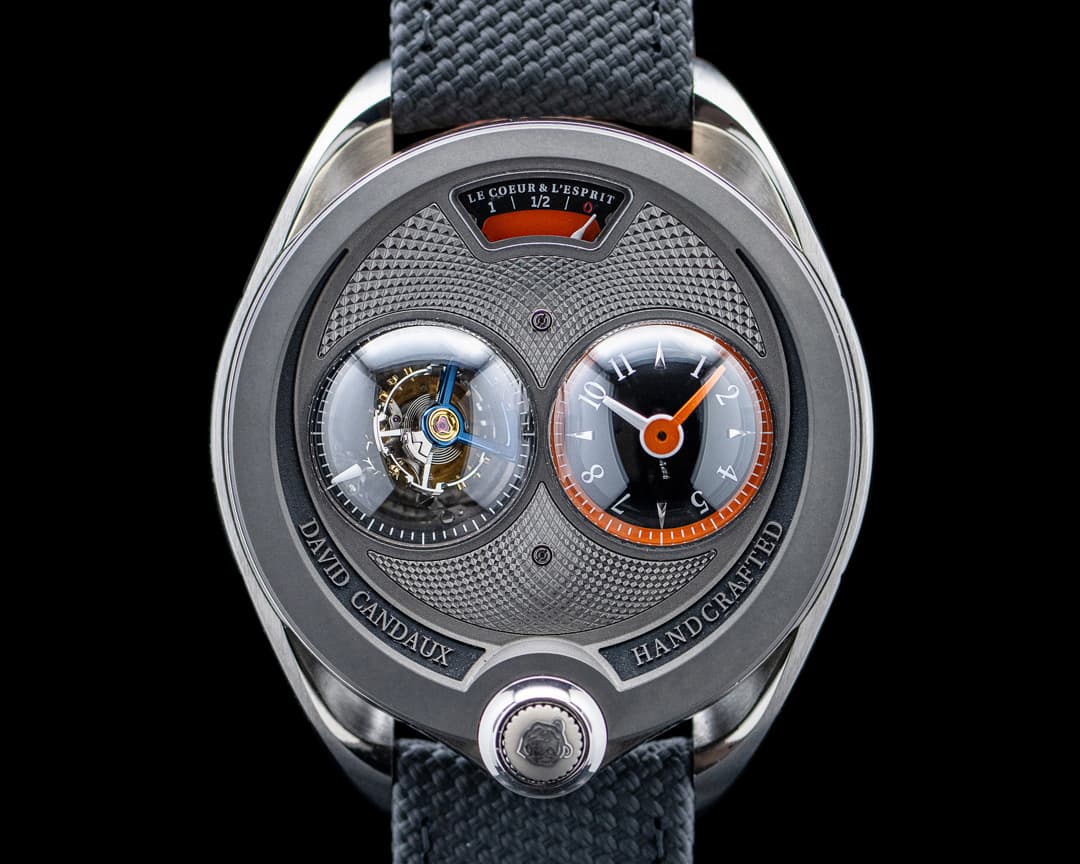
US-based collector @confusedcollector knows the DC6 better than most, having been closely involved in designing one of his own. As he sees it, the spec sheet alone is enough to get you hooked. "Put it on paper without having seen the watch, and you can't be anything but intrigued to know more: 30-degree inclined 60-second tourbillon, sloped dial with exposed guilloché sectors, domed time dial with curved hands, push-down crown that you can use to wind and adjust the time without taking off the watch, and ergonomic lugs that bend with the wrist," he said.
Look at the end of that list, though. The crown and the lugs are both about how the watch wears, and that's the part a spec sheet never really touches. The crown sits almost flush in the bottom of the case at 6 o'clock, so nothing digs into the back of your hand, and the titanium case curves down to follow the wrist. Candaux spent years on ultra-complicated pieces at Jaeger-LeCoultre before going it alone, and he's used titanium for the movement's plates and bridges too, so the latest version comes in at just under 50 grams. Even the movement is tilted by 3 degrees inside the case, which is where that sloped dial comes from, and something on it is always catching the light at its own angle. You can know all of that going in and still not know whether you'll want to wear it every day. For @confusedcollector, it turned out to be an easy call. "Having now lived with the watch for more than nine months, I had to have another," he said. "So I acquired a DC6 in carbon and have a third being made as we speak."
The Bracelet’s Role in Fit and Style
Both of those watches come on straps, which keeps things fairly simple. But bracelets are where it gets more complicated, especially integrated ones. How a bracelet flexes, especially the first link or two closest to the case, determines whether a watch wraps around your wrist or sits on top of it like a lid. Integrated bracelets often have very little articulation right where the case meets the wrist, which suits some wrists perfectly and leaves an awkward gap on others.
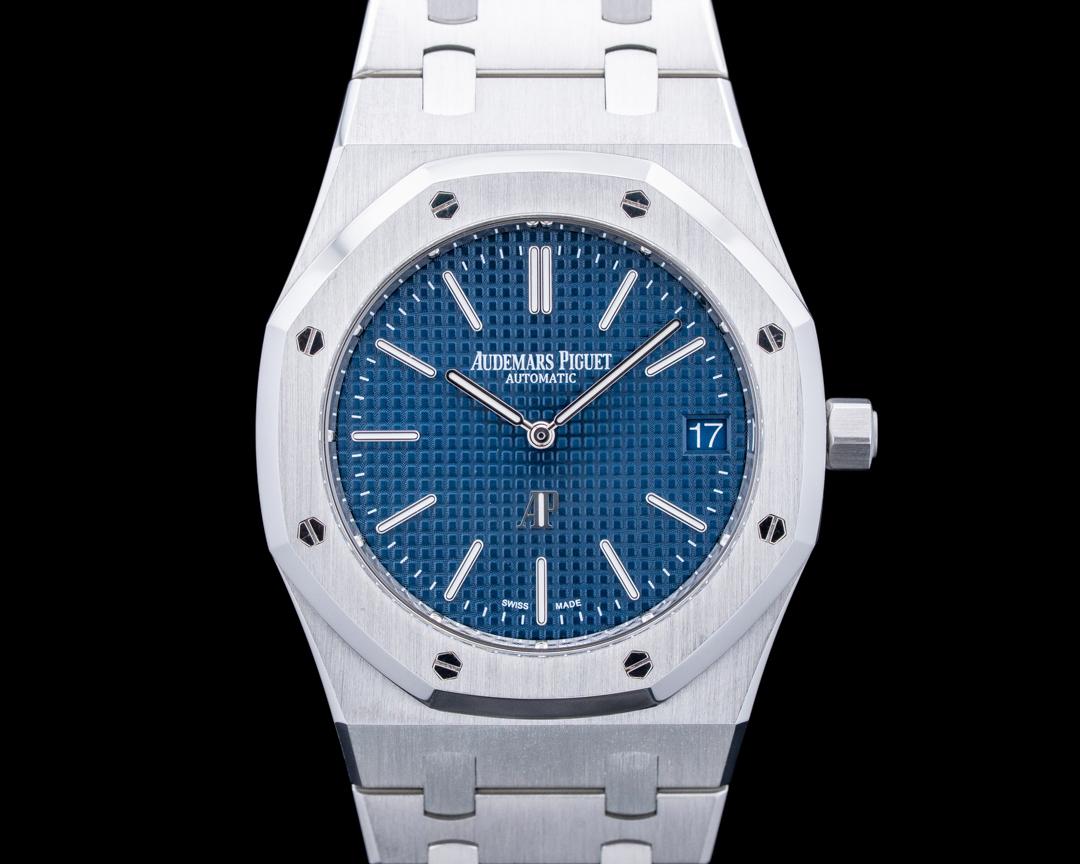
Bracelets also change how the weight is spread. A heavy watch on a soft leather strap often slides toward the outside of your wrist during the day, while a good bracelet keeps it in place and spreads the weight evenly. You usually only notice this after wearing it for a while, and again, no photo or spec sheet will tell you that.
Watch Weight and Wrist Presence
Balance matters because watches have weight, and most people don’t think about that until they’re actually holding the watch. Bulgari’s Octo Finissimo shows this well, since you can get the same design in different metals. The titanium 102713 is 40mm wide and only 5.15mm thick on a titanium bracelet. On your wrist, it feels so light you might check to make sure it’s still there.
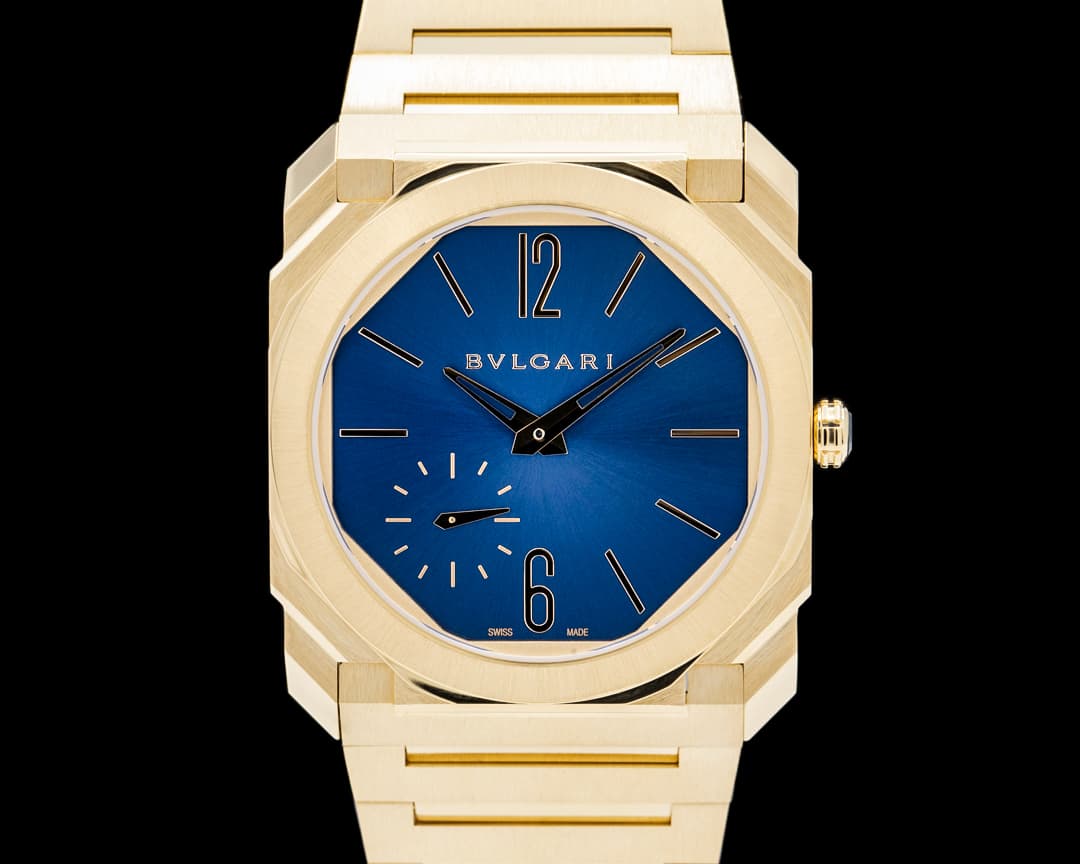
Then there's the 103812 in yellow gold, also 40mm and on an integrated bracelet. It's a little thicker at 6.4mm, but the real difference is the metal. 18k gold is more than three times denser than titanium, so the same slim case suddenly has real heft to it, and you feel it every time you lift your arm. Some people love that, and for them the weight is part of what they're paying for. Others, not so much.
What Photos Flatten: Thickness and Depth
At least you can feel the weight after a while, but depth is much harder to judge before you see a watch in person. Most watch photos are taken straight on, with even lighting, so the dial is easy to read and there’s no glare. This makes for a clear photo, but it flattens everything into a single plane.
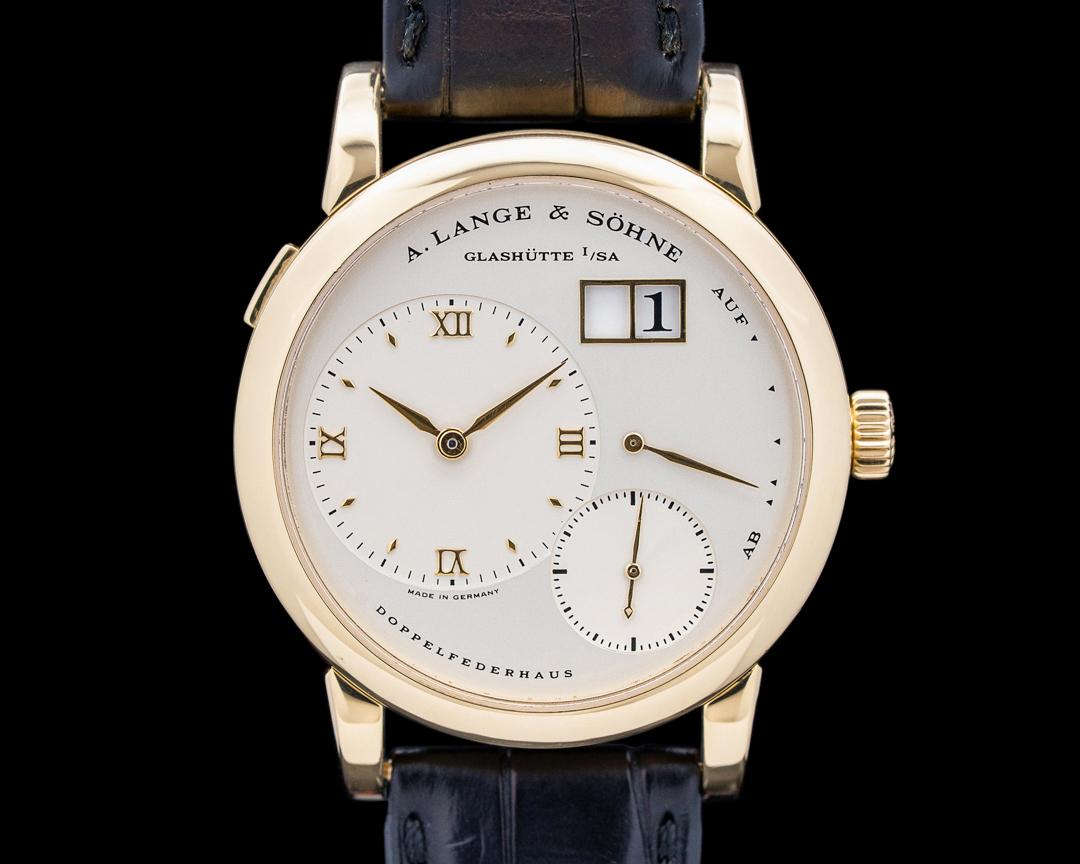
The A. Lange & Söhne Lange 1 is a perfect example. In pictures, the off-center layout reads as a clever bit of graphic design. In person, you notice the time display overlapping the small seconds and the outsize date sitting in its own frame, while the applied markers and hands catch the light separately from the silver dial beneath them. Turn it over, and the hand-engraved balance cock is a reminder that no two Lange movements look exactly alike.
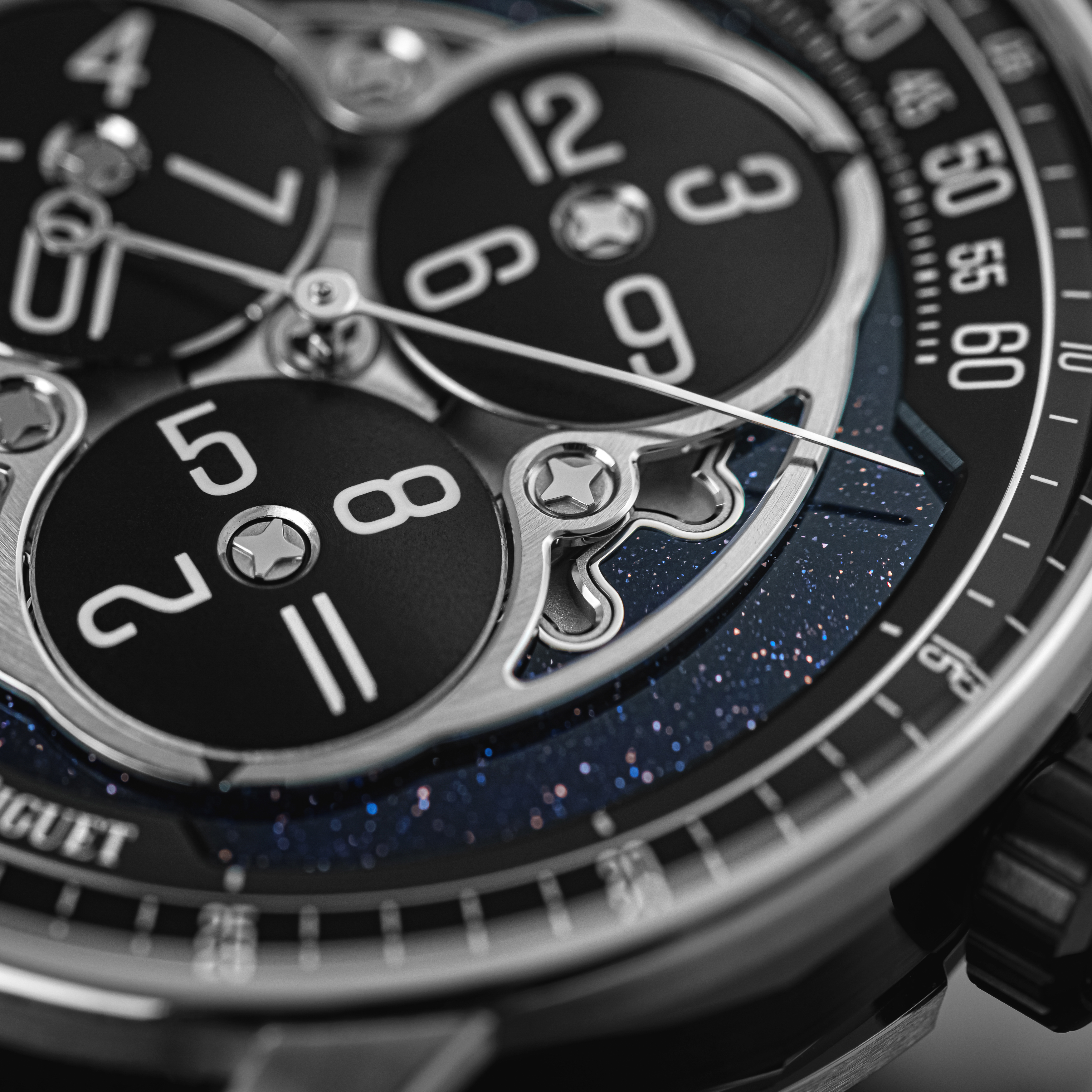
Finishing works the same way. A polished bevel half a millimeter wide barely registers in a photo, but it's the first thing that flashes when you check the time in the sun. Aventurine is another material cameras struggle with. On a screen it can look like static, but on the wrist the flecks sit at slightly different depths in the glass and catch the light one at a time as you move. The Code 11.59 Starwheel in white gold sets its wandering-hour discs above a blue aventurine dial, so the numerals drift over all that depth as they make their way across the minute track. That’s not easy to capture in photos, but the eye catches it when it’s on the wrist.
Why You Have to Try a Watch On
Of course, this doesn’t mean you can’t buy a watch without trying it on first. Many people do and are very happy with their choice. It just helps to know which watches might surprise you. Anything with an unusual case shape or an integrated bracelet is worth extra caution compared to a round watch on a strap. The same advice applies to watches with precious-metal cases or textured dials, too.
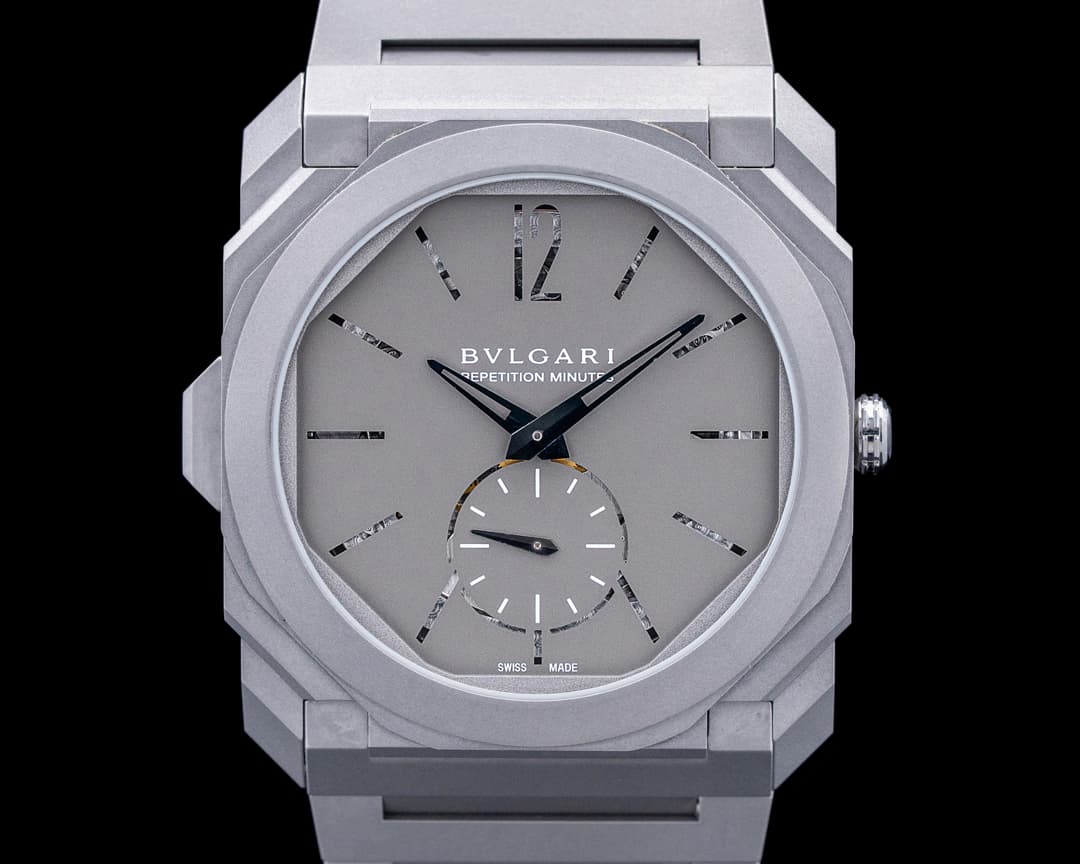
If you can try the exact reference, that would be great. If you can't, something close still tells you a lot. A steel Octo Finissimo won't feel like the titanium one, but it'll tell you whether that case shape and bracelet suit your wrist. With something made in smaller quantities, like independent brands, even that's a long shot, and a pièce unique takes it about as far as it goes, because there's nothing to try on until the watch is finished. That's how @confusedcollector's first DC6 came about. After missing out on one at auction, the collector went directly to Candaux and became closely involved in the design of a turquoise stone pièce unique. "I have always been a big fan of the DC6. Its design language is very appealing to me," he said. "It has a nice and harmonious balance of horology, chronometry and modern design." He had nothing but good things to say about the process, too. "David and his team are fantastic to work with and are open to testing the limits of creativity."
For everyone else, if you get the chance to try on a watch, wear it longer than you think you should. Weight and balance take time to notice.
Should you trust the spec sheet?
Spec sheets are still helpful. They’re good for ruling things out, though. For example, if a 44mm diver never fits you, a 45mm one probably won’t either. But spec sheets don’t help with watches meant to be handled, where the appeal lies in the angles and how the light plays with the depth and surfaces. The Code 11.59 is often said to look better in person than in photos, which might sound like faint praise, but that’s really the main point: the spec sheet only tells part of the story.
Shop New Arrivals
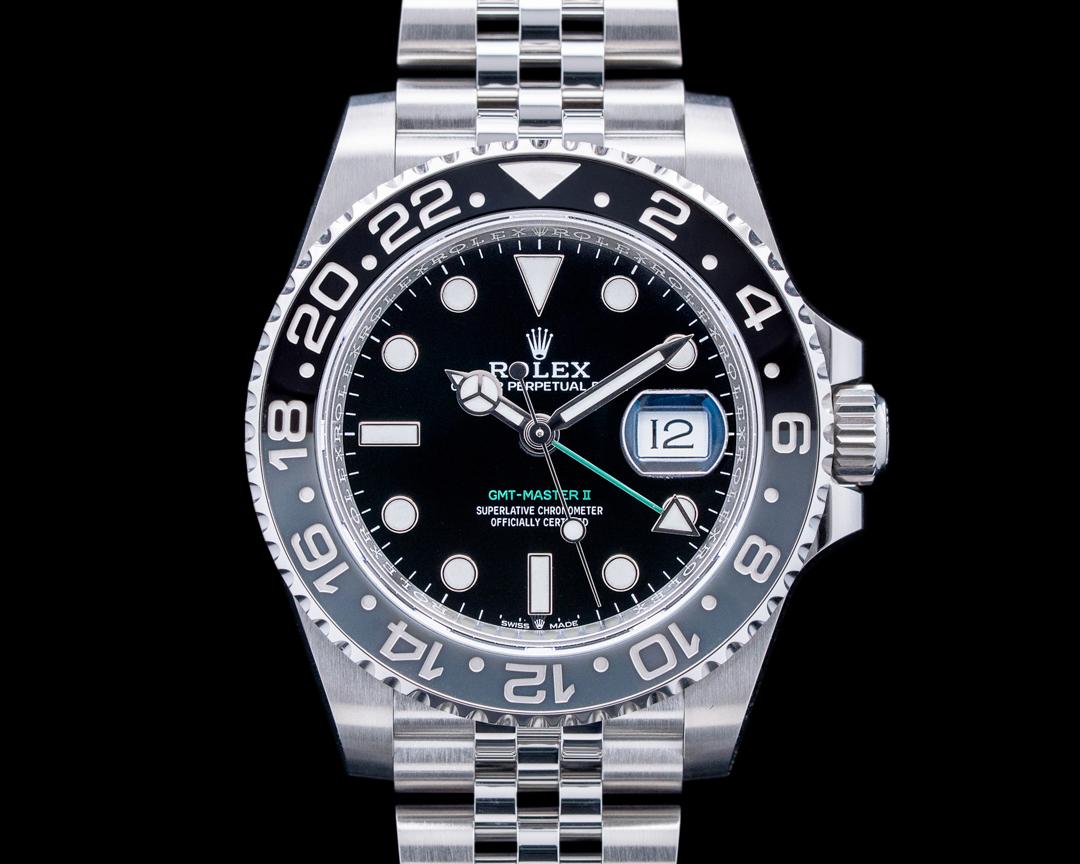
126710GRNR GMT Master II "Bruce Wayne" Jubilee SS Black Dial 2025
$22,750
View Watch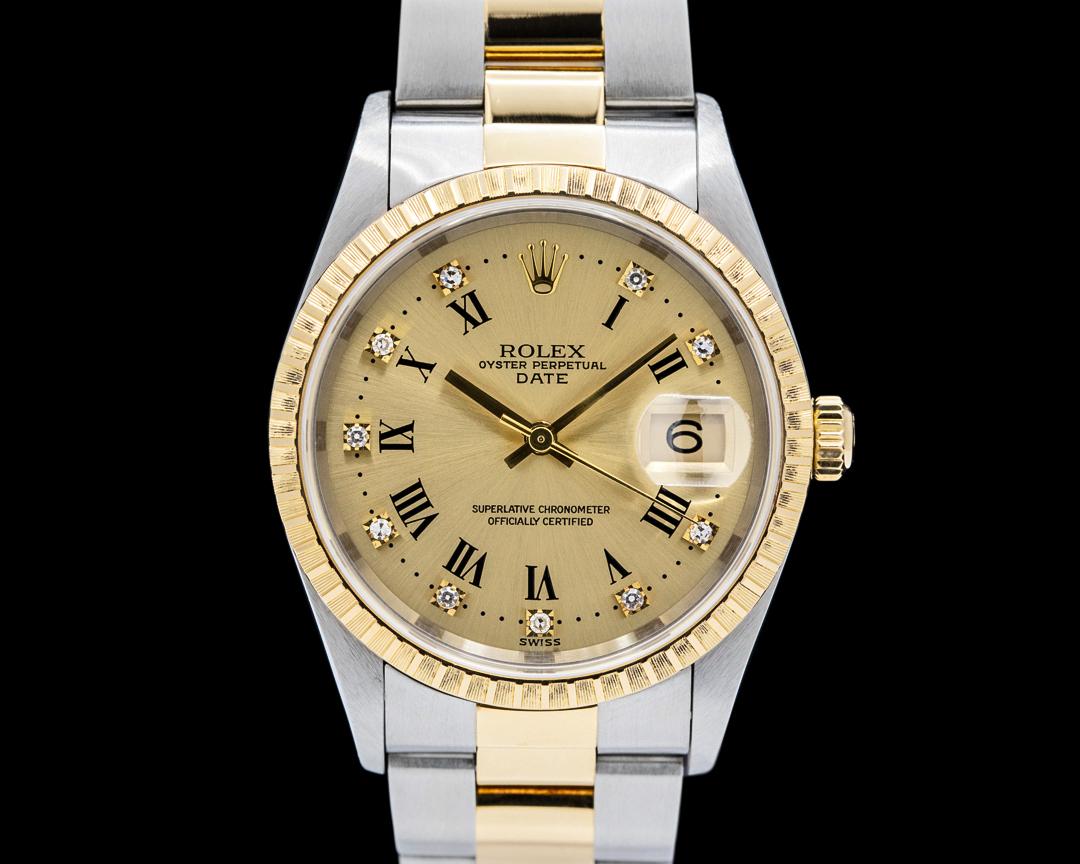
15223 Oyster Perpetual Date 18K YG/SS Gold/Diamond Markers Dial
$8,750
View Watch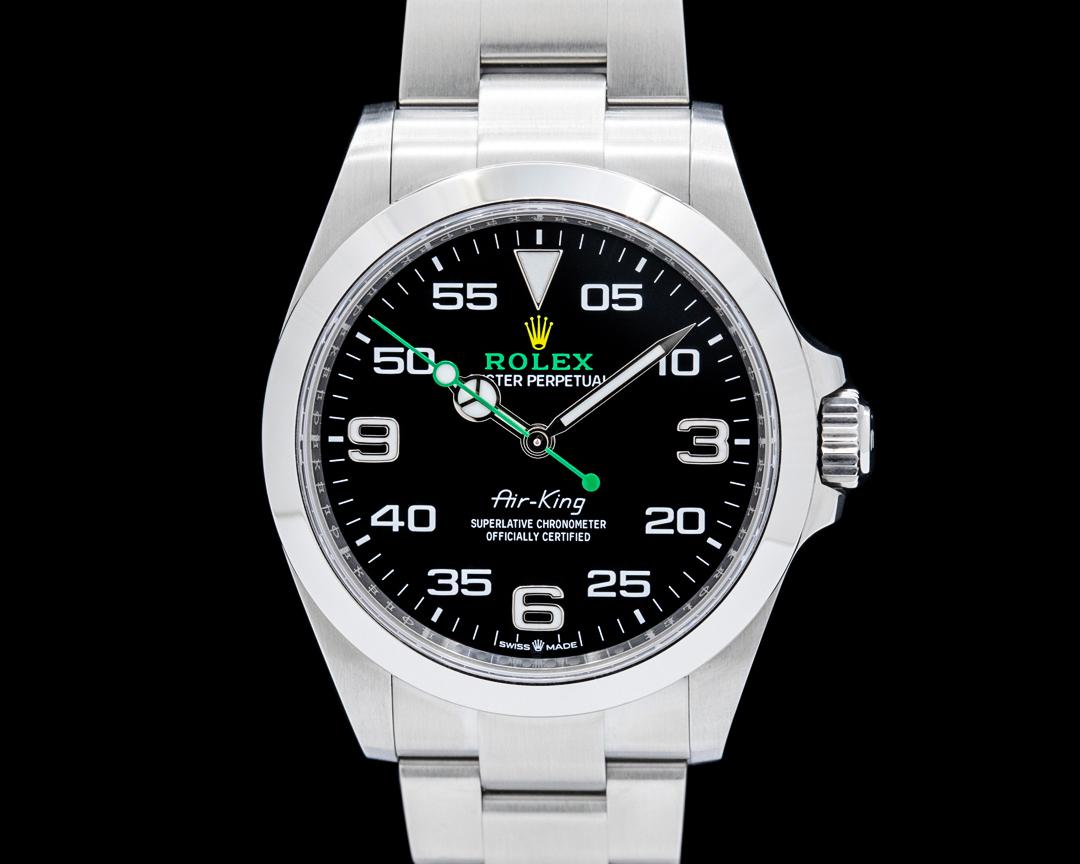
126900 Air-King SS Black Dial
$8,950
View Watch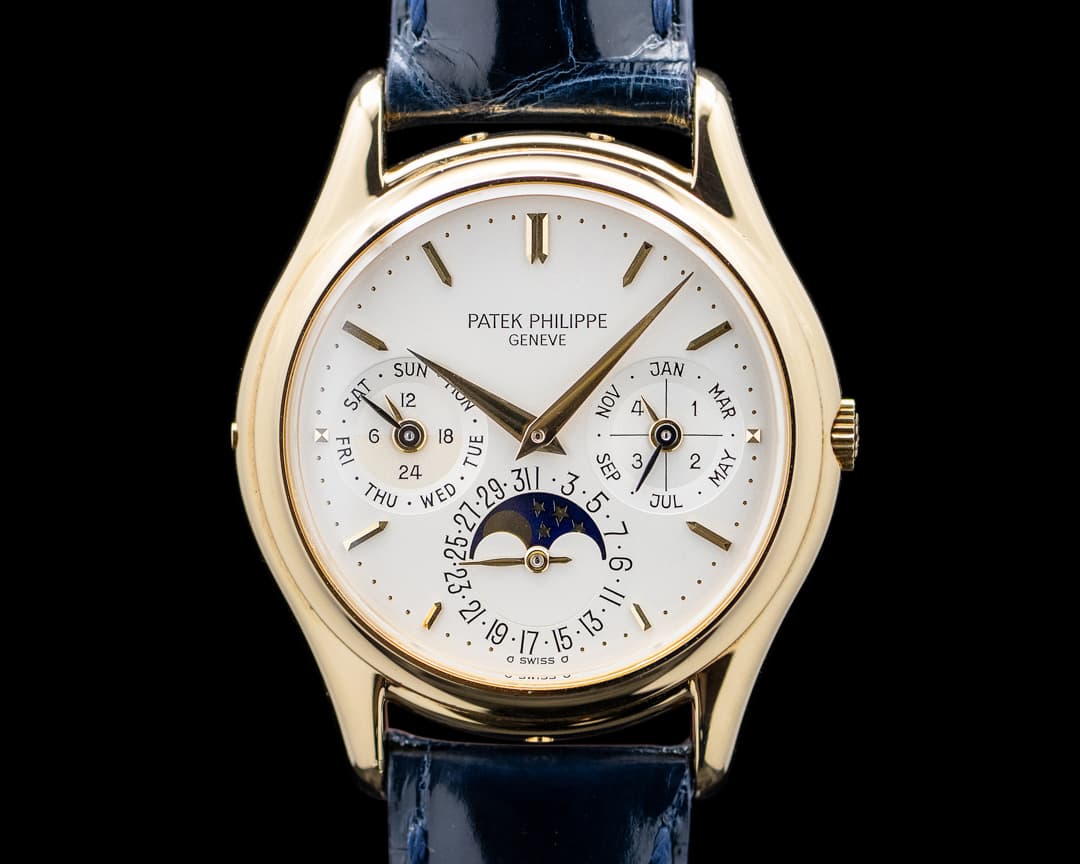
3940J Perpetual Calendar 18K Yellow Gold Silver Dial
$83,500
View Watch
Shop New Arrivals
126710GRNR GMT Master II "Bruce Wayne" Jubilee SS Black Dial 2025
$22,750
View Watch15223 Oyster Perpetual Date 18K YG/SS Gold/Diamond Markers Dial
$8,750
View Watch126900 Air-King SS Black Dial
$8,950
View Watch3940J Perpetual Calendar 18K Yellow Gold Silver Dial
$83,500
View Watch
More Content