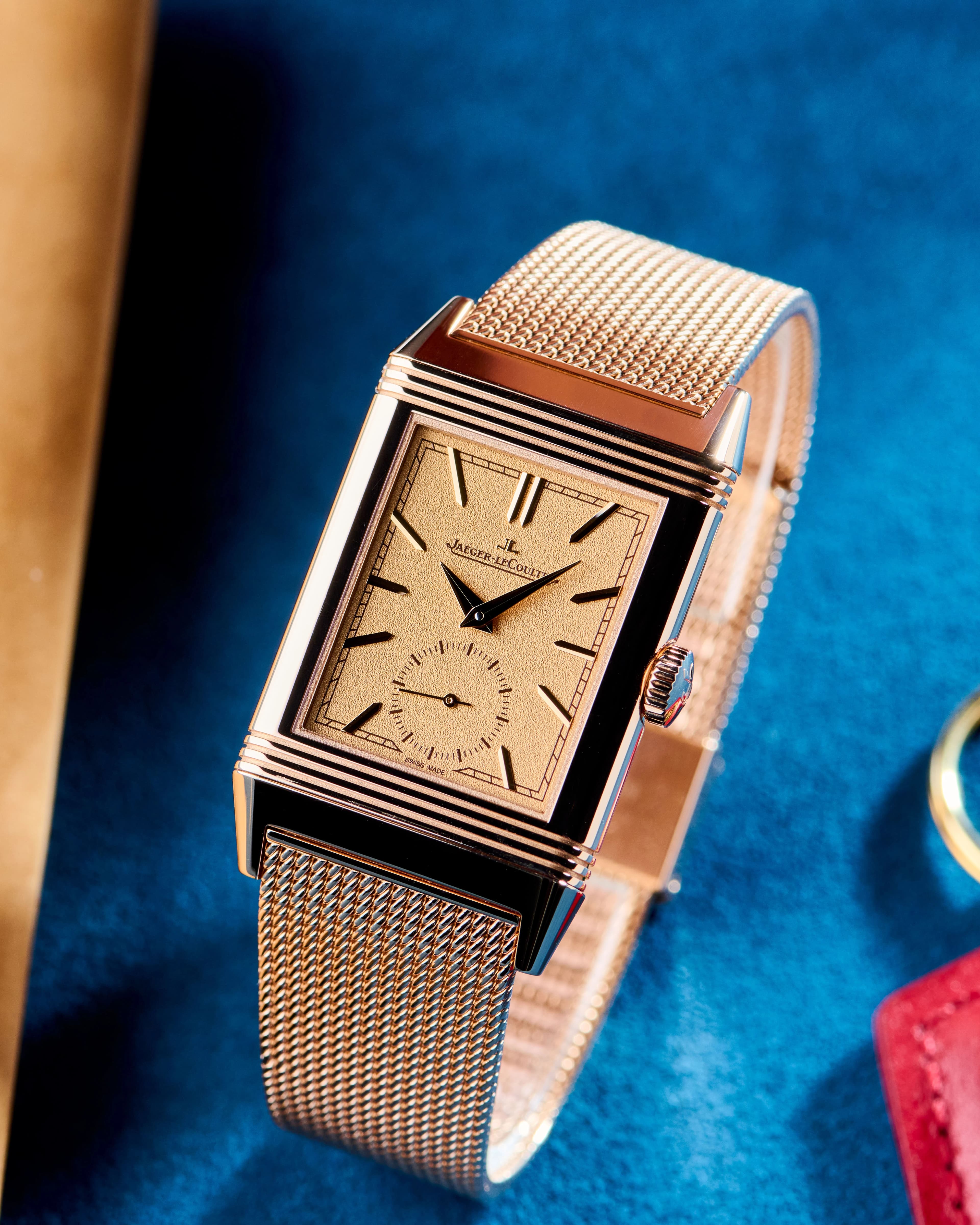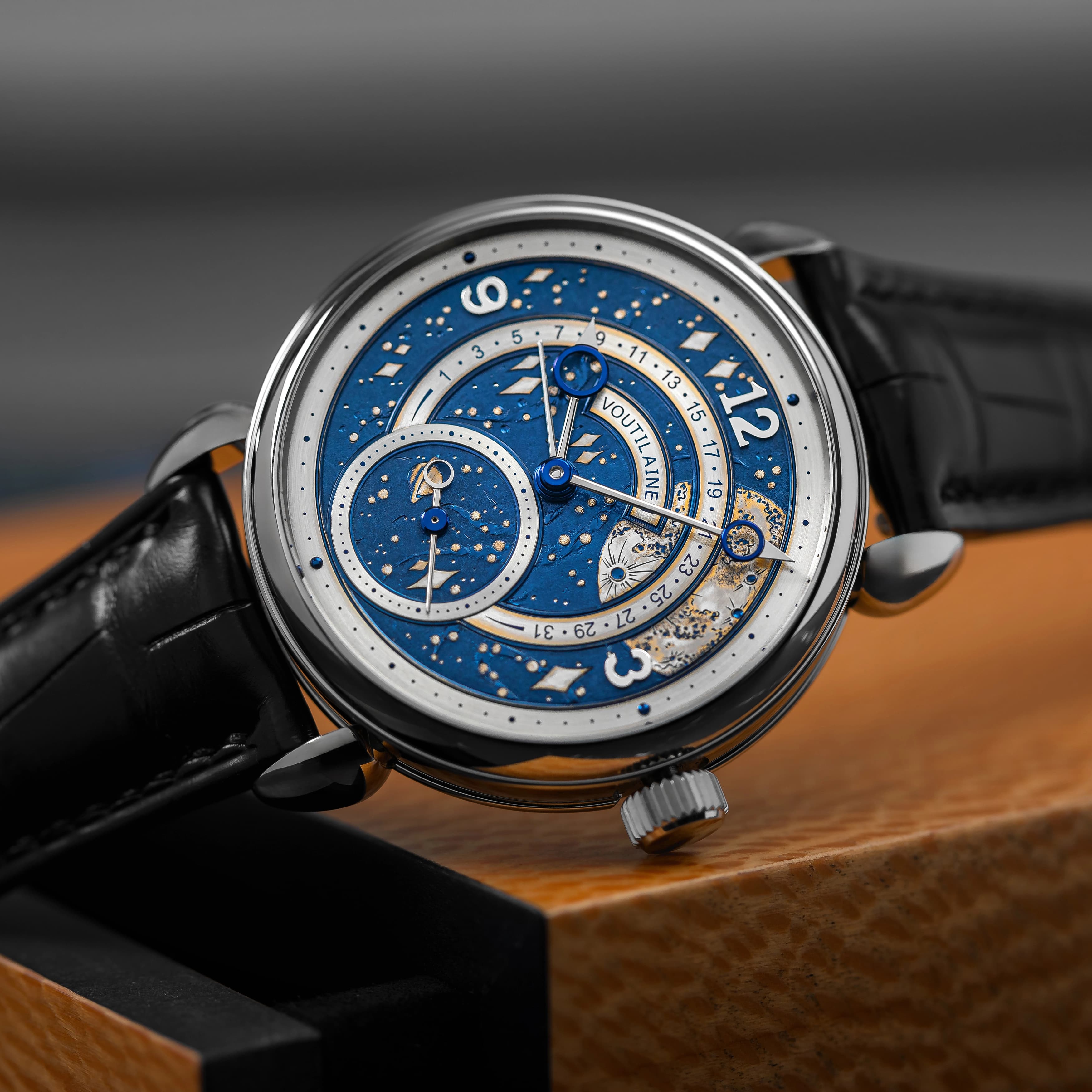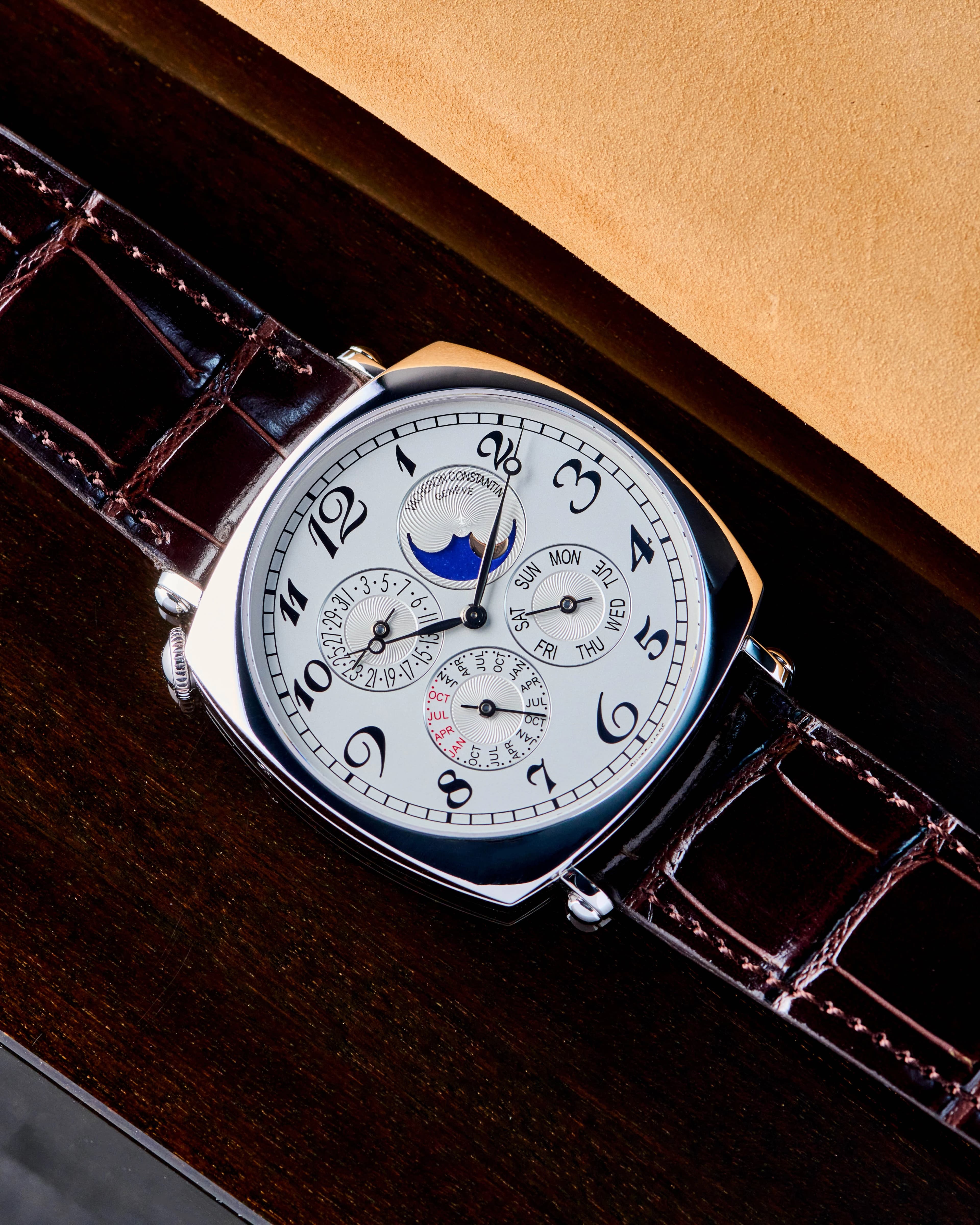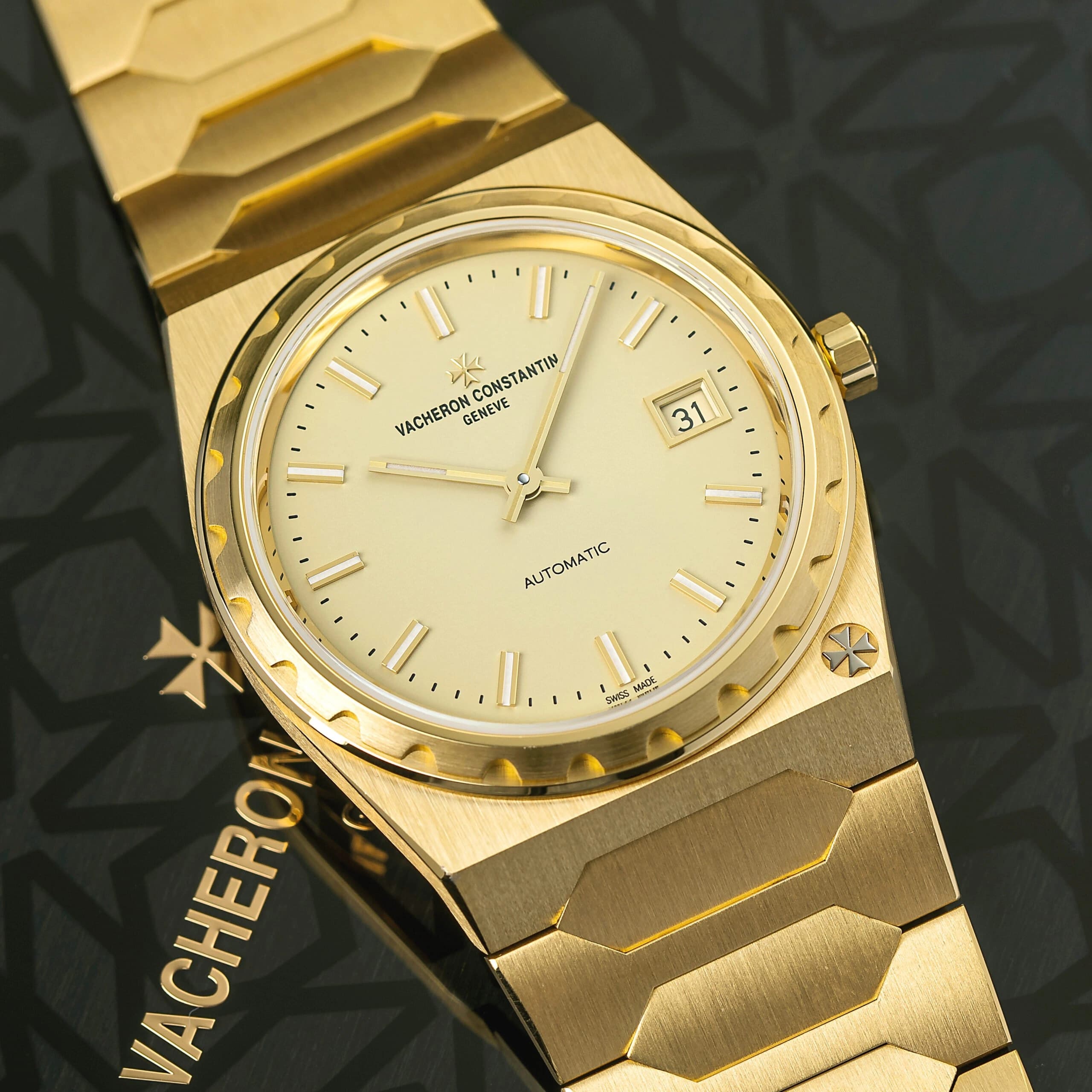
The Holy Trinity label has always done more work for two brands than three. As shorthand for high end brands it's a fun title: Patek Philippe, Audemars Piguet, Vacheron Constantin, the apex of Swiss watchmaking, producing quality watches backed by unparalleled history. The problem is that shorthand flattens what it describes. Patek gets the complicated-watch halo and the Nautilus. AP gets the Royal Oak and forty years of sports-watch cultural gravity. Vacheron gets third billing, a polite nod to Geneva's old guard, and a secondary market that has priced it accordingly. But is that price gap deserved, or is Vacheron poised for a comeback?
The Third Name That Wasn't Third
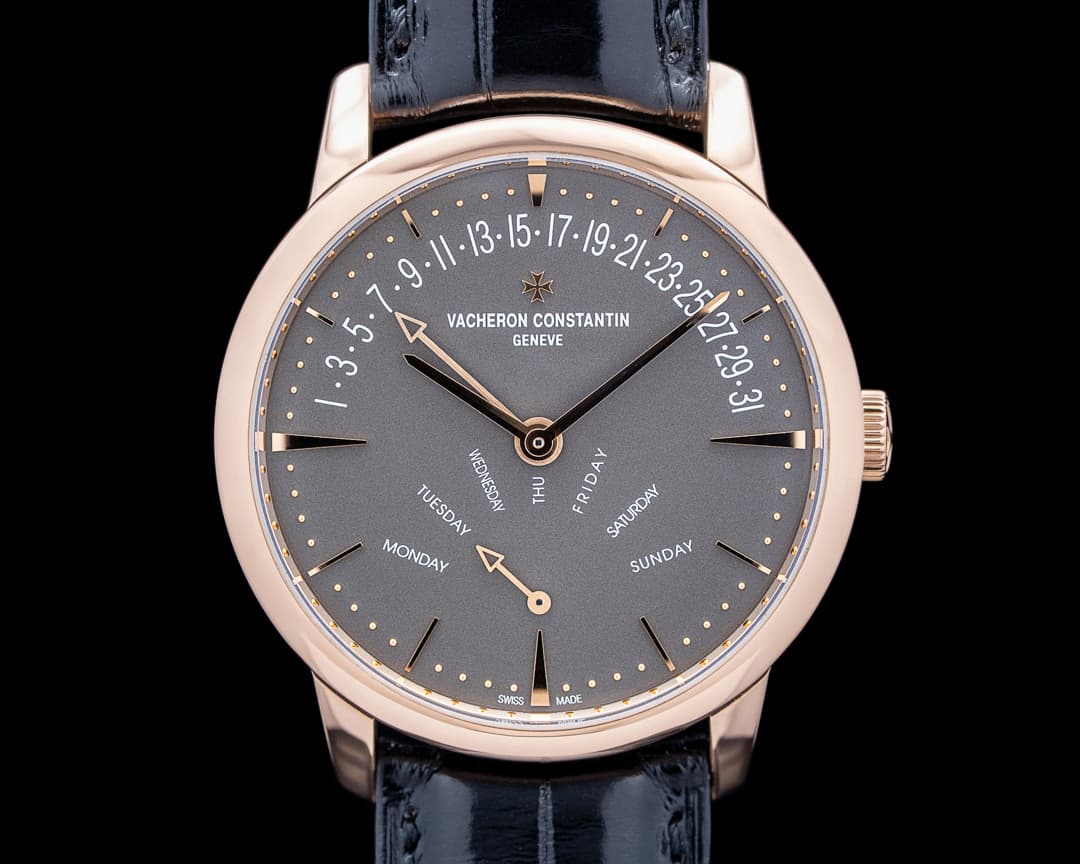
Vacheron Constantin was founded in 1755. That single number carries more weight than it usually gets credit for, because the credential it represents is not just old, it's unbroken. The brand's own description is unambiguous: "Founded in 1755, Vacheron Constantin is the oldest watchmaking manufacture in uninterrupted activity for 270 years." For 270 years Vacheron has served the most distinguished customers crafting beautiful timepieces that never compromised on quality.
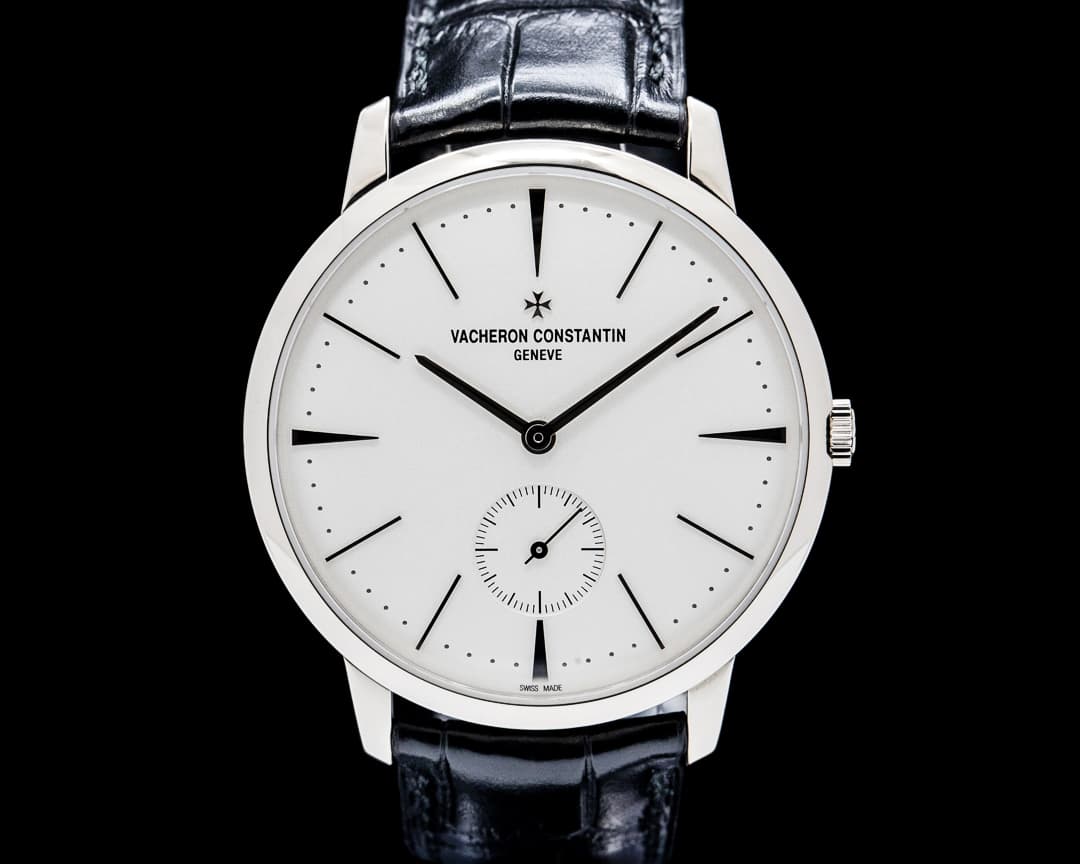
Patek Philippe was founded in 1839. Audemars Piguet in 1875. Vacheron has eighty-four years on Patek and a full century on AP. By the credential the watch world claims to value, depth of history, continuity of craft, length of manufacture experience, the hierarchy the shorthand implies runs in the opposite direction.
This is not to say that Vacheron is better than Patek or Audemars Piguet, it's merely to contextualize Vacheron's claim to a history longer than its competition.
What "Underappreciated" Actually Means in This Market
"Underappreciated" is a word that can paper over a lot of vague sentiment. In this case, the gap in valuations between Patek, AP and Vacheron has been real and measurable.
The secondary market has historically priced Vacheron below Patek and AP on comparable complications, not by a small margin, and not without consequence for buyers who chose to pay attention. A Vacheron Overseas perpetual calendar has traded, until recently, at a significant discount to its Patek 5740 equivalent, despite comparable movement complexity and manufacture credibility that is, by any historical measure, genuinely comparable. That gap represented either a legitimate pricing difference rooted in demand and liquidity, or a market inefficiency rooted in brand legibility and habit. The data from the past two to three years suggests it was a bit of both, and that the efficiency part is now correcting.
The numbers are concrete. In 2025, Vacheron's secondary market sales value grew more than 70% year-on-year, making it one of the standout performers in a year when the broader pre-owned market was sorting itself out. Unit sales and value were both up more than 50%, against a 5% increase in median price, meaning the volume growth was real, not just price inflation. Between 2020 and 2024, the brand's share on the same platform grew 12 percentage points, second only to Cartier.
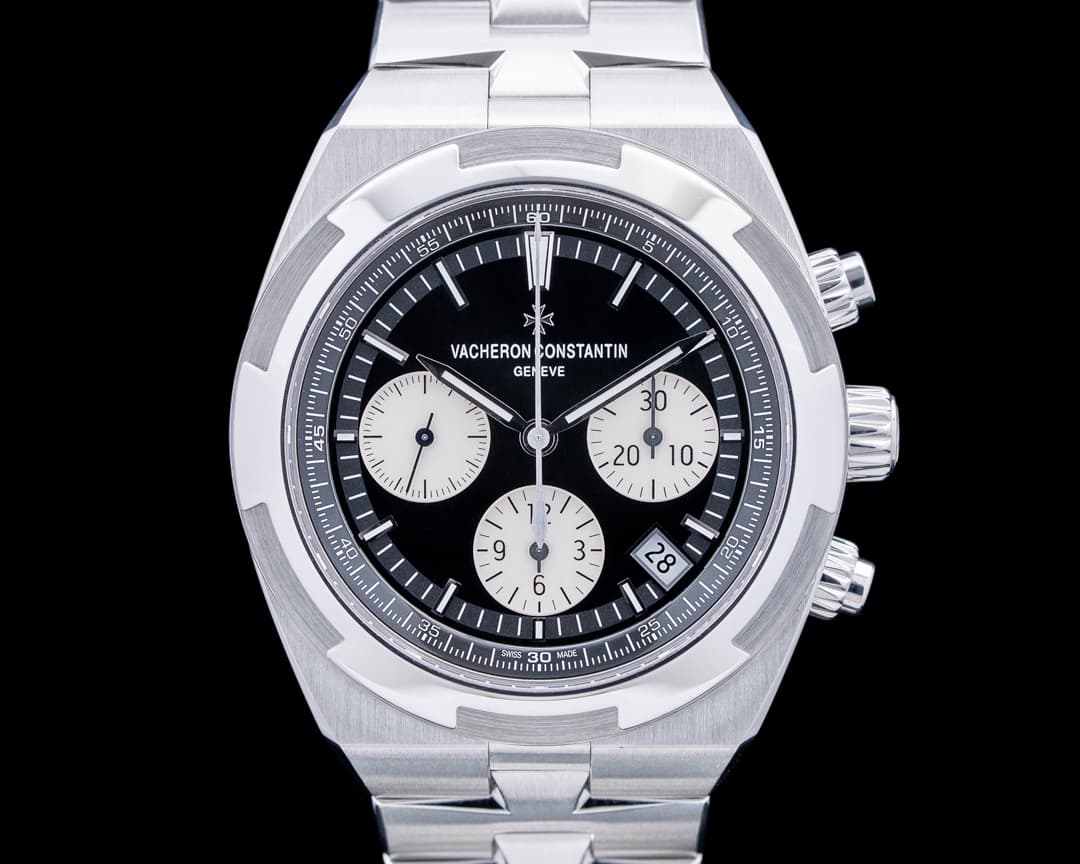
A single auction lot anchors the direction. An Overseas Perpetual Calendar Ultra-Thin in rose gold (ref. 4300V/000R-B509) sold for $102,500 at a 2024 Phillips Geneva auction, more than 30% above its 2023 retail price of approximately $78,000. That's not a freak result. Overseas models have compounded at 8-10% annually between 2020 and 2025. The Overseas Blue Dial Chronograph (ref. 5500V) commands resale premiums of 15-25% above retail as of 2025. These are the numbers of a watch that a serious market is paying attention to.
The thinner liquidity picture is the honest counterweight. Vacheron produces roughly 30,000 to 35,000 watches per year, well below Patek Philippe's target of approximately 72,000 pieces in 2025 and far below Rolex's volumes. Lower output means fewer secondary market transactions, which means thinner price discovery. The Overseas line represents approximately 80% of Vacheron's secondary market index, which is a narrow base. The watches are less liquid than a Nautilus or a 5711, and that has to be priced into any collector's thinking.
But thinner liquidity and undervaluation are not the same thing. One is a market condition. The other is a judgment about whether the price is right. Right now, the evidence points toward the latter correcting faster than the former is going away.
The Watches That Earned the Reputation
The market argument only holds if the watches support it.
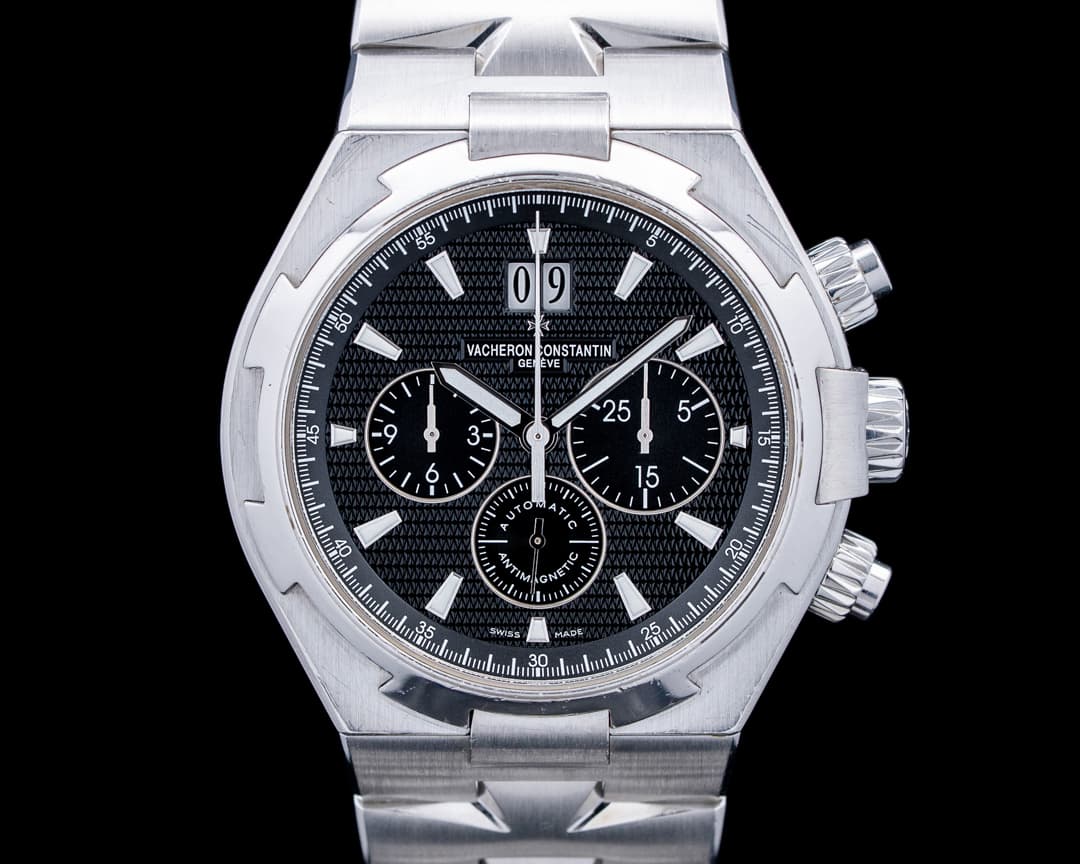
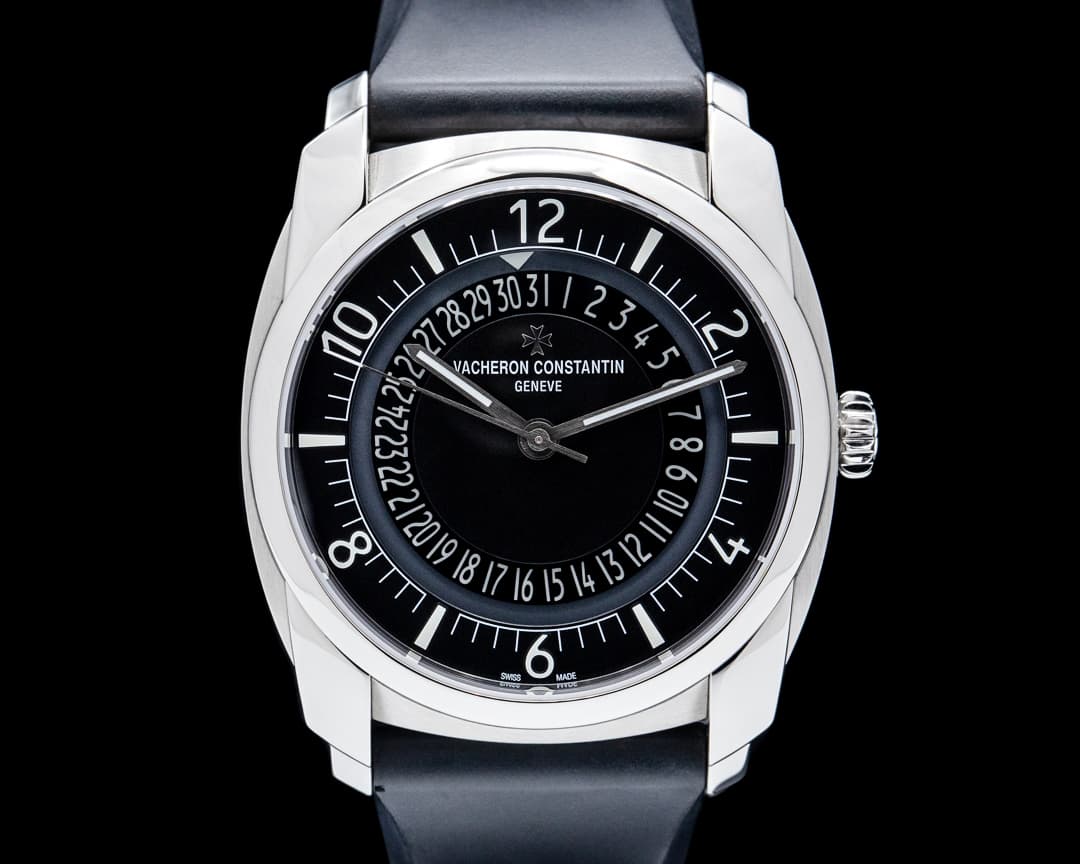
Start with the Overseas, because the data starts there. The current generation, refreshed in 2016, wears cleaner than the references it replaced: the case tightened, the integrated bracelet improved, the proportions resolved into something that sits well on the wrist without demanding attention. The dial on the Overseas in blue reads differently in changing light, what looks flat at a glance opens into a subtle texture that rewards a second look. The case finishing balances brushed and polished surfaces in a way that is less programmatic than the Royal Oak's, less geometry for its own sake, more considered. The movements are in-house, automatic, and built to the standards you'd expect from a manufacture that has been doing this continuously for 270 years.
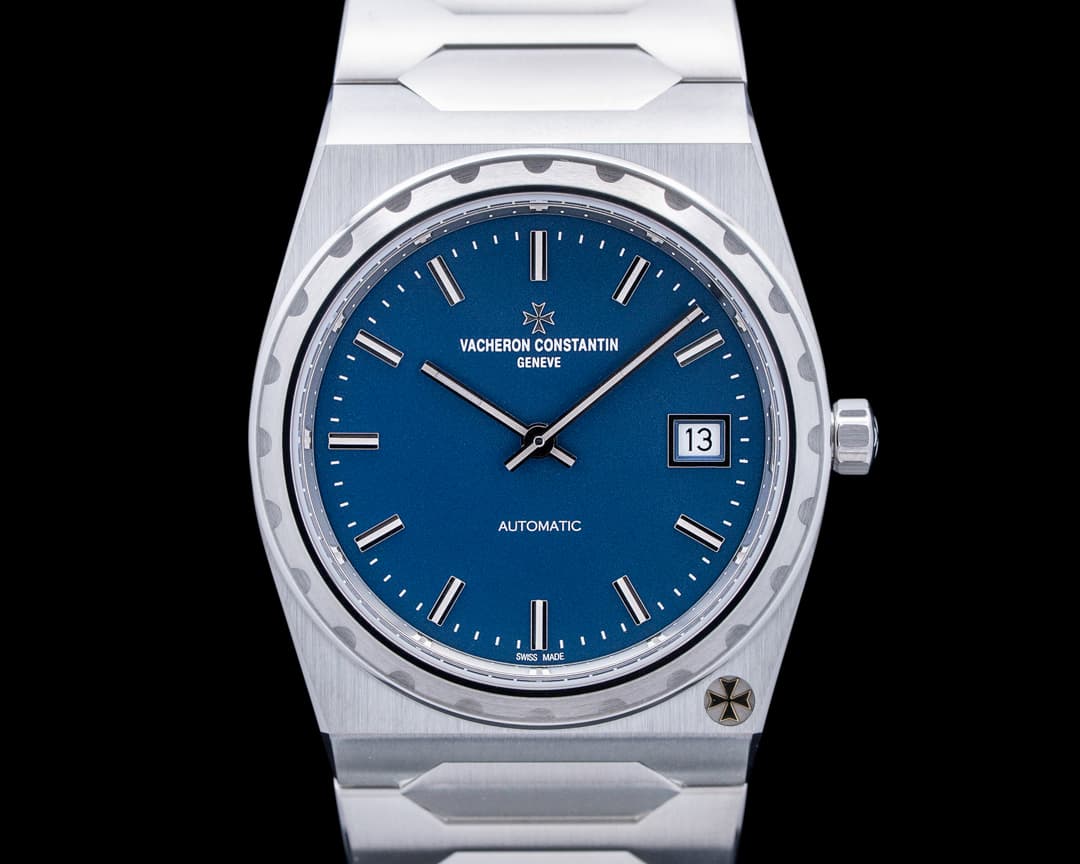
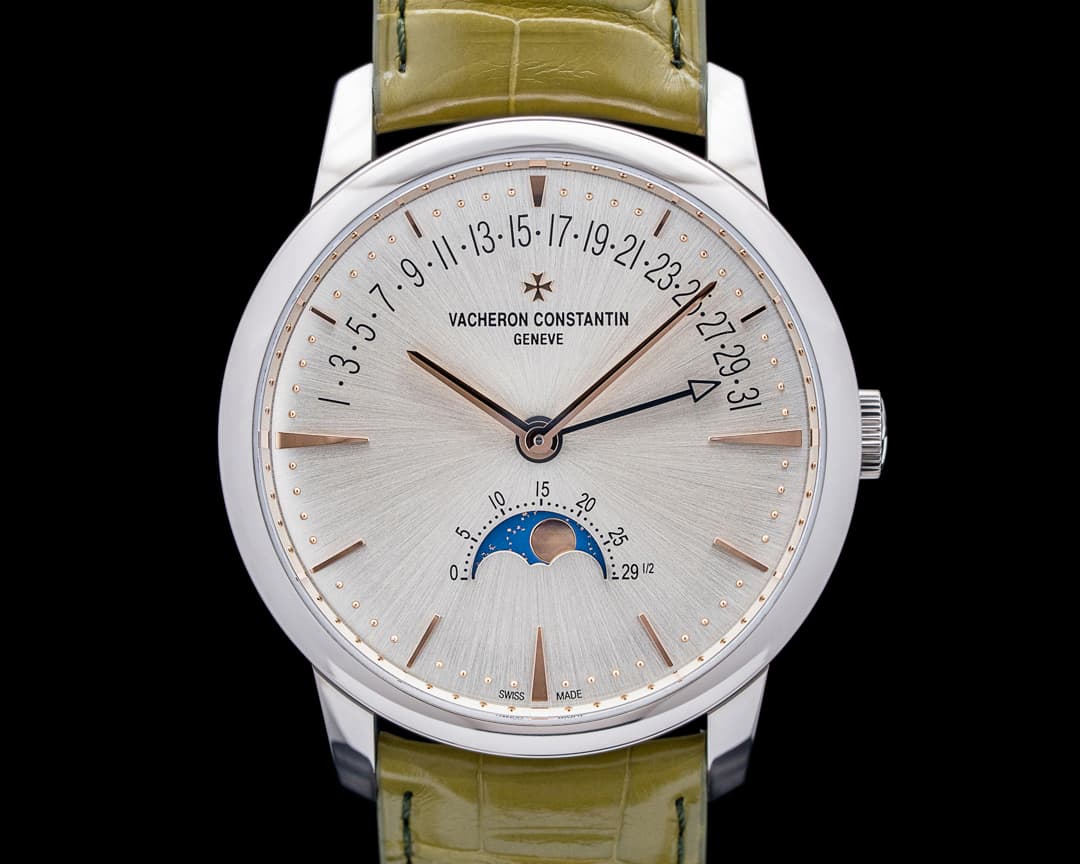
The Traditionelle is where Vacheron's traditional watchmaking lens becomes the center of attention. The cases are round and formally proportioned; the dials run from clean applied-index arrangements to elaborate guilloché work that catches light the way few brand executions do at this price level. Under the caseback, the movement finishing on Traditionelle calibers uses côtes de Genève and beveled bridges, anglage done by hand in many references, that holds up against direct comparison to Patek's finishing at equivalent complications.
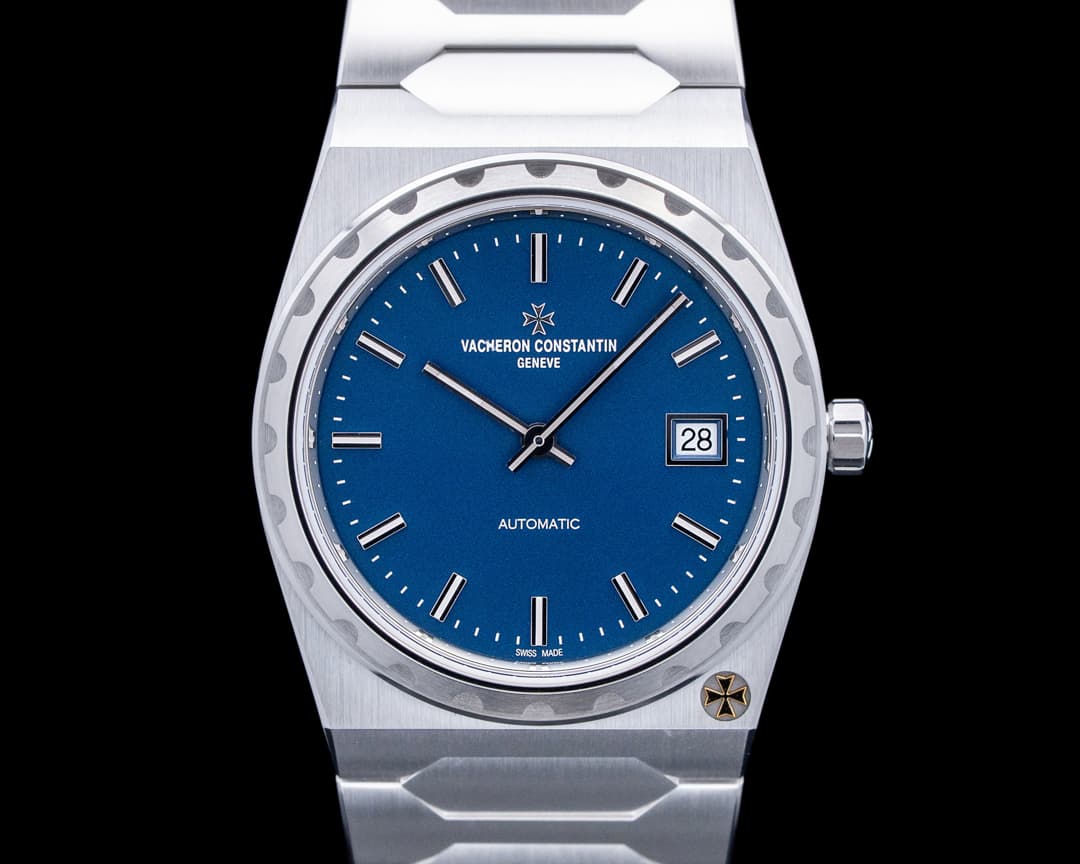
The Historiques line deserves more attention than it gets. These are not revival pieces in the cynical sense. Vacheron has enough actual history to draw from, and the references in the Historiques collection trace real design lineage: the American 1921 with its offset dial and tilted crown; the Cornes de Vache 1955, a chronograph with a lug design that has no equivalent in the contemporary market. Even the 222 with its incredible bracelet and distinctive bezel profile. These watches make a case on aesthetics alone. That they also carry manufacture credentials is almost beside the point.
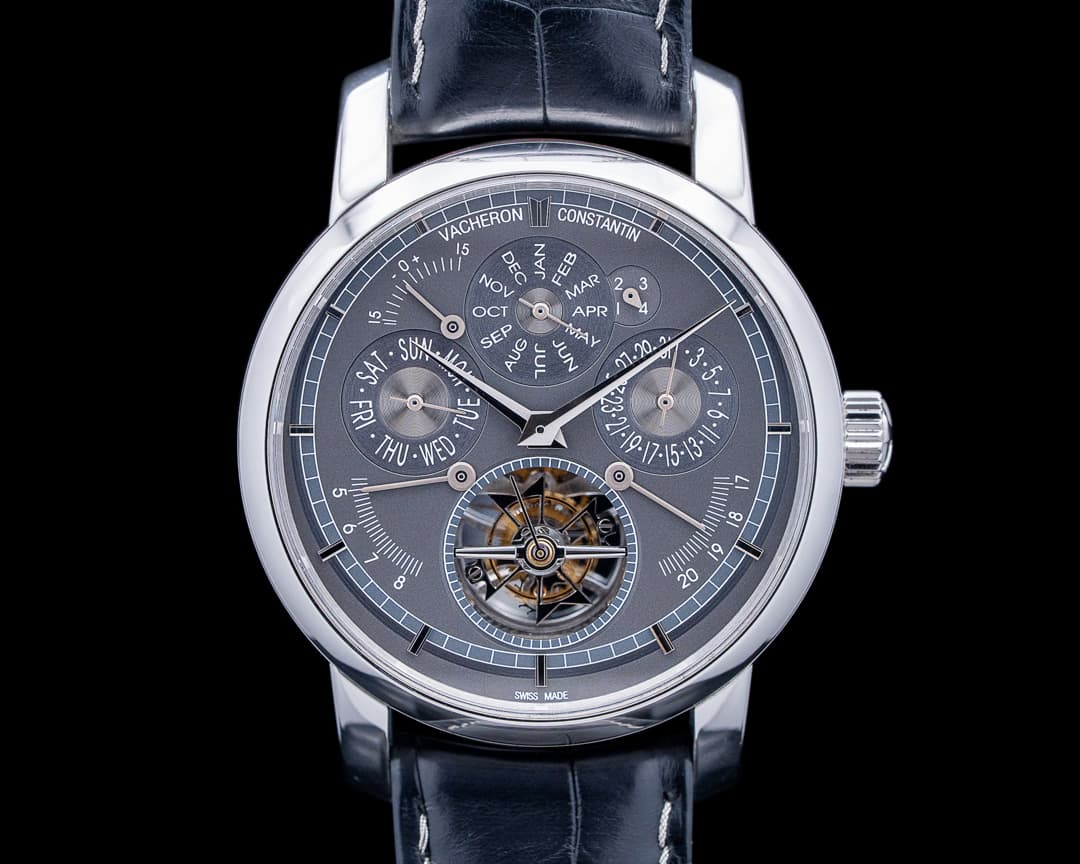
Les Cabinotiers is the part of the conversation that gets dropped when Vacheron is discussed as an accessible alternative to Patek. It shouldn't be. Officially introduced as a named collection in about 2015, though bespoke commissions predate that, Les Cabinotiers produces unique, one-of-a-kind pieces at prices communicated privately and routinely exceeding $1 million. The output is limited by definition: each watch is built to individual commission, frequently incorporating grand complications executed with finishing standards that the broader collection approaches but doesn't quite reach. Patek has its Advanced Research and the 6300G Grandmaster Chime. AP has its bespoke department. The category exists at all three houses. Vacheron's operation is a testament to their mastery of the top end of the watchmaking ladder.
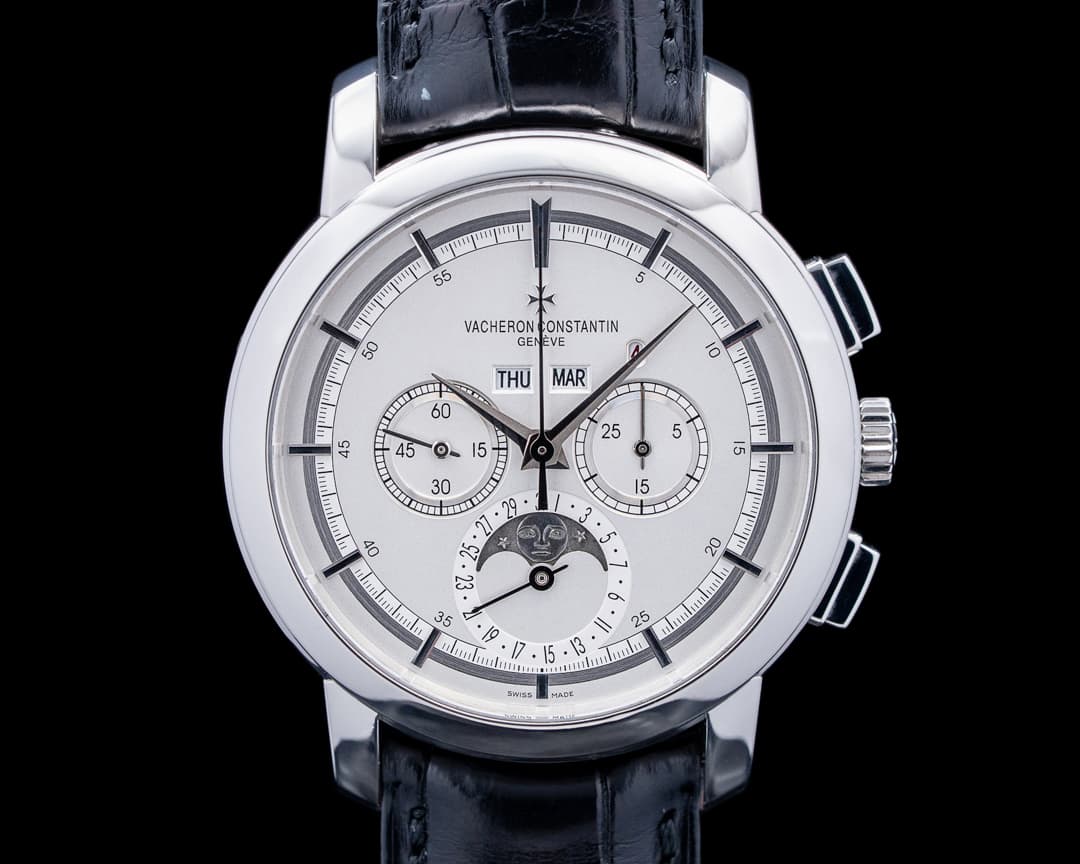
Vacheron Constantin
47292 Traditionnelle Perpetual Calendar Chronograph Platinum Silver Dial
What's Shifting, and Why Now
The honest answer is several things at once.
The first factor is external. Royal Oak premiums faced real secondary market headwinds through 2024 and into mid-2025, after the pandemic-era surge created premiums that were, in retrospect, slightly inflated. Some Royal Oak references softened as the scarcity-driven buyer moved on. By Q1 2026, AP had recovered, the Royal Oak rose 2.7% in that period, and nearly all in-production references were trading above retail again, but the window of dislocation pushed serious buyers to consider alternatives they might otherwise have deferred. The Overseas was positioned to absorb that attention. It's a modern integrated-bracelet sports watch from a credentialed manufacture, at prices that haven't been bid into the same territory as a 16202.
The second factor is Patek's own pricing trajectory. Patek Philippe raised U.S. retail prices by 22.4% in 2025, including a 14.9% increase tied directly to the temporary 39% tariff. The math on a Patek allocation got harder. Buyers who had been patient about waiting lists did the calculation and looked at what else a comparable sum buys. Vacheron, at retail, looked different after that reset than it did before.
The third factor is the watch itself. The 2016 Overseas generation is now a decade old and has had time to establish a collector base that transacts regularly enough to create visible secondary market data. Momentum in the pre-owned market follows visibility. Once Overseas results began appearing consistently at auction with solid hammer prices, the reference entered the conversation as a legitimate object of collector attention rather than an after thought.
Vacheron Constantin
47292 Traditionnelle Perpetual Calendar Chronograph Platinum Silver Dial
None of these factors is a marketing decision or a brand campaign. The surge in Vacheron's secondary performance is data-driven. The story isn't that Vacheron convinced anyone to care, it's that the conditions that suppressed attention lifted, and the watches turned out to be worth caring about.
Add to all this the fact that Vacheron has come out with some truly compelling new releases across the collections-- the Cardinal Points Overseas and 1921 to name just two recent success stories--- and the result is a definitive force in the secondary market lifting all references.
The Verdict
Vacheron Constantin has not been a sleeper because it lacked the watches to justify serious attention. The Overseas is one of the greatest sports watch designs on the market. The Traditionnelle's finishing work competes directly with what Patek and AP produce at comparable price points. Les Cabinotiers is a haute horlogerie operation that runs parallel to anything else in Geneva. The 1755 founding date and its notarized, documented, unbroken continuity is not a marketing footnote, it's a manufacturing credential that exceeds the other two Trinity brands by any historical measure.
The market priced Vacheron as the third name because it behaved like one: quieter marketing, less cultural saturation, a collector base that skewed toward connoisseurs who weren't showing up on forums to post hammer prices. That's changing. Secondary value up more than 70% in a single year. A 13.4% gain in market share against rivals who have been the default answers for two decades. Auction results putting Overseas references in the same conversation as more established alternatives.
This isn't to say that Vacheron is the next Patek, nor that the brand is better than the competition. It simply suggests that Vacheron didn't get the attention it likely should have if its watches were scrutinized on the same criteria as major other brands. Vacheron is making one of the most compelling cases for its expansion it ever has. In a sense, it can be said that Vacheron is poised for a comeback!
Shop New Arrivals
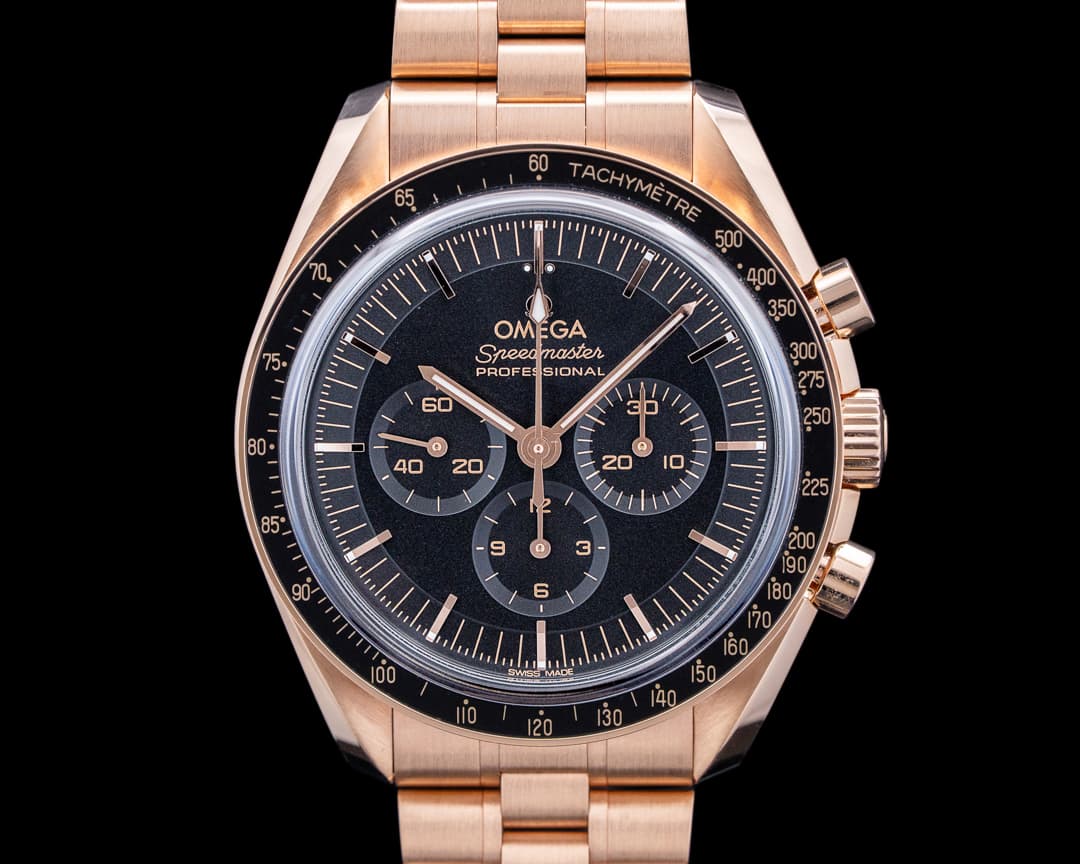
Speedmaster Moonwatch 18K Sedna Gold Black Dial
$29,900
View Watch
26170ST Royal Oak Offshore Chronograph SS Silver Dial
$22,900
View Watch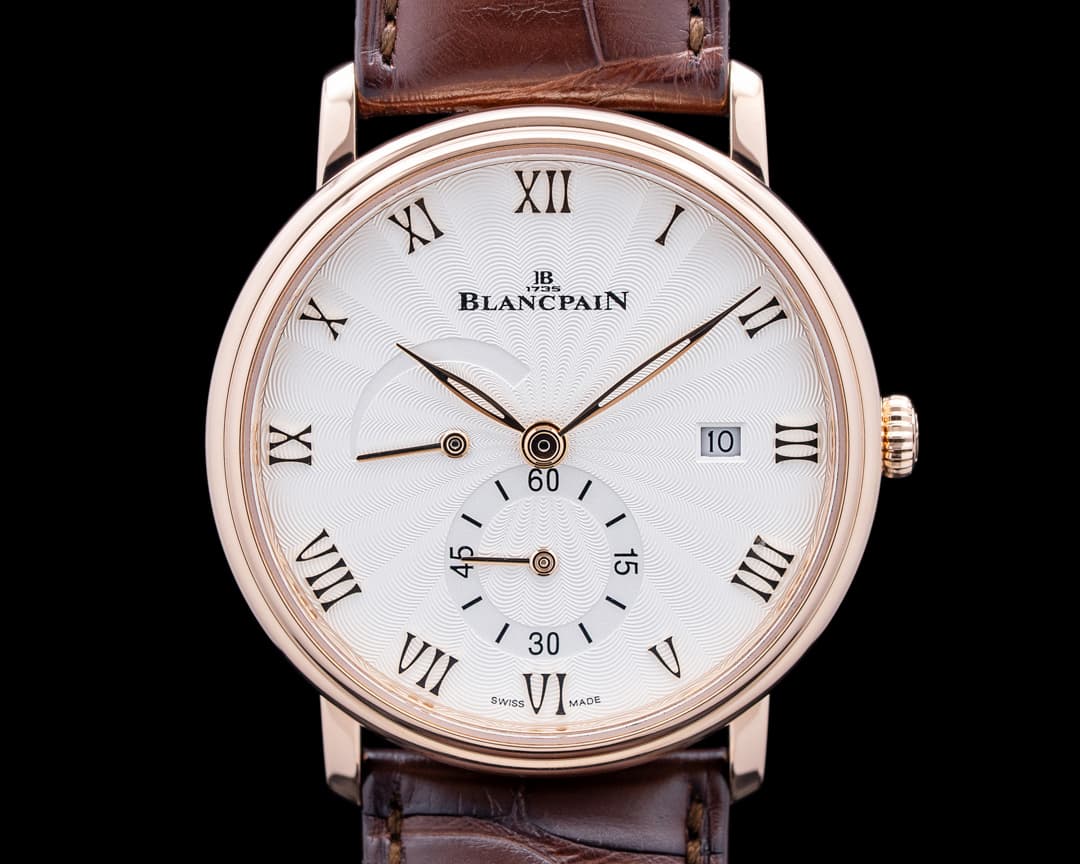
6606A Villeret Ultraplate 18K Rose Gold Opaline Dial
$20,900
View Watch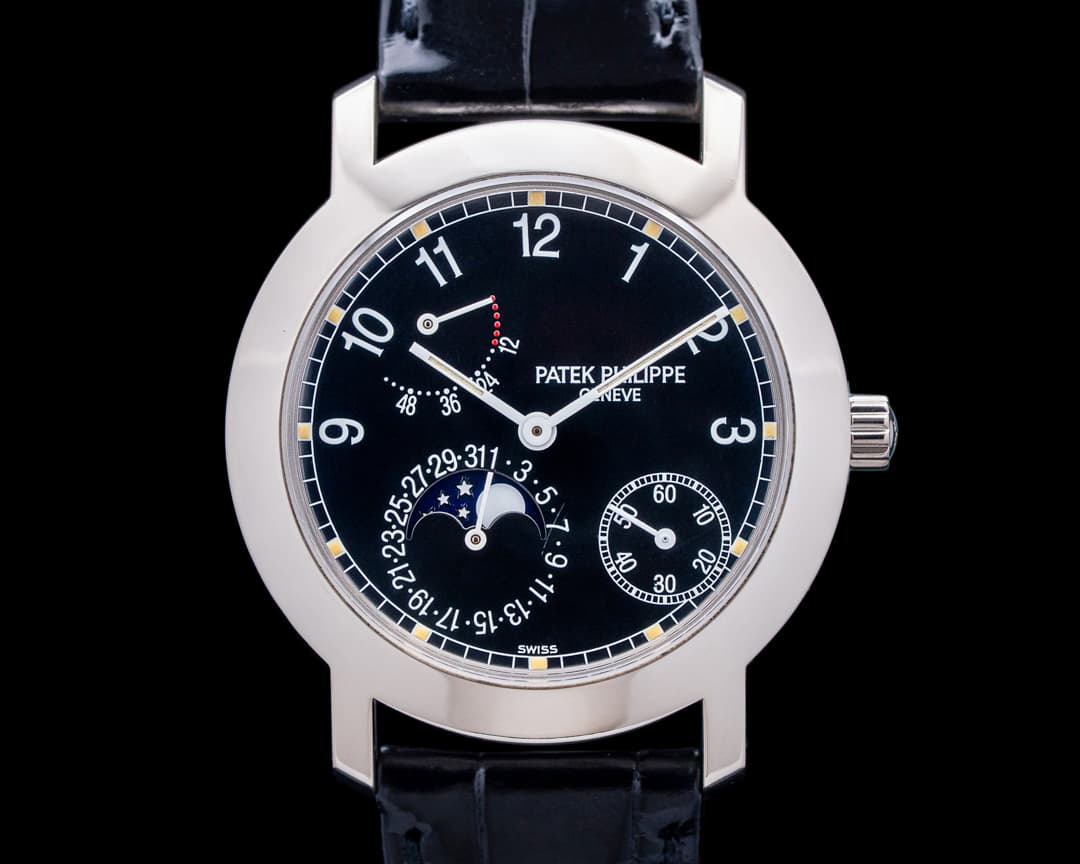
5055G Complications 18K White Gold Black Dial
$29,500
View Watch
Shop New Arrivals
Speedmaster Moonwatch 18K Sedna Gold Black Dial
$29,900
View Watch26170ST Royal Oak Offshore Chronograph SS Silver Dial
$22,900
View Watch6606A Villeret Ultraplate 18K Rose Gold Opaline Dial
$20,900
View Watch5055G Complications 18K White Gold Black Dial
$29,500
View Watch
More Content