A Buyer's Guide to the Rolex Daytona: A Reference Guide
Published on 8/31/2026
The Watch That Became an Icon
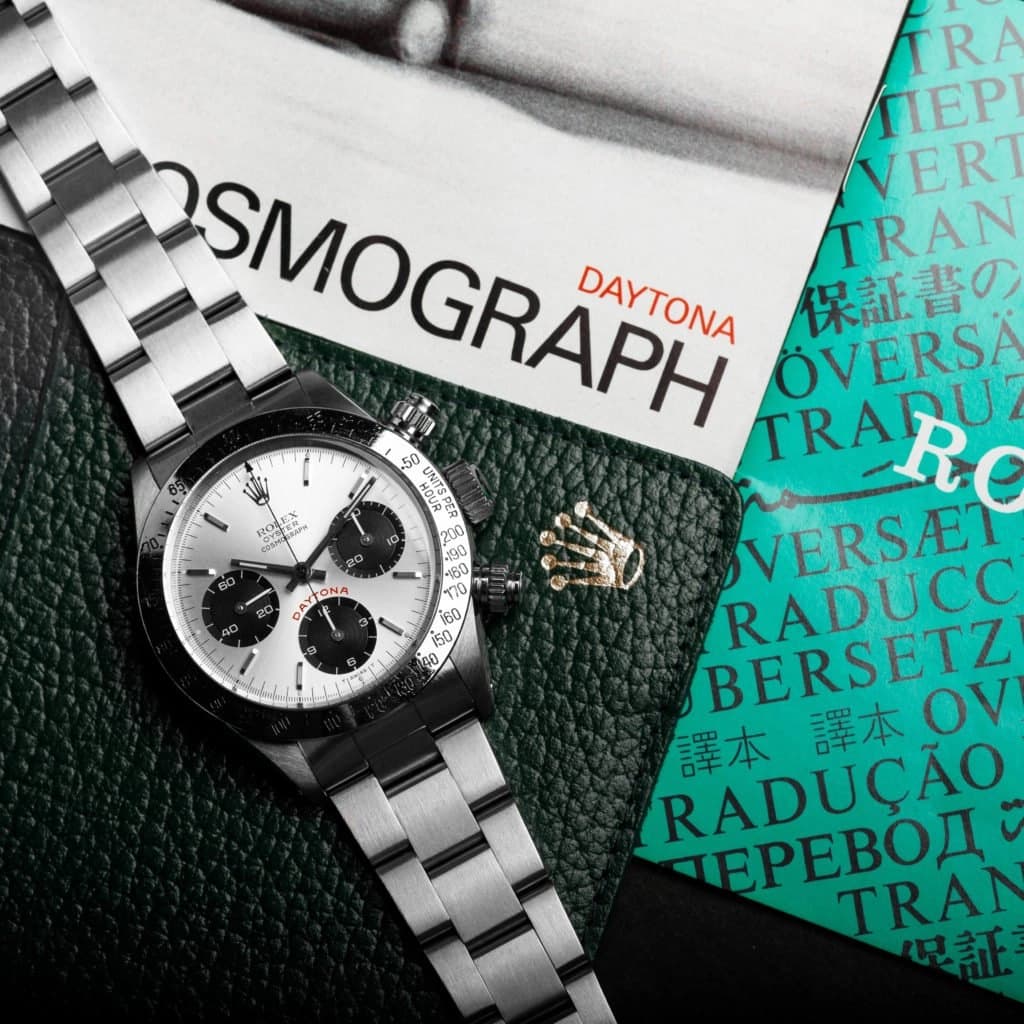
The Daytona's current status as the world's most in-demand sport watch wasn't always a runaway hit. Rolex introduced the ref. 6239 Cosmograph in 1963: a manual-wind chronograph with a tachymeter bezel aimed at racing drivers. At first it largely didn't sell. The Daytona sold poorly for its entire first decade. Retail dealers discounted them. Rolex salespeople reportedly struggled to move the line at all.
The "Daytona" name didn't even appear on the dial until 1965, two years into the reference's production run. The watches were made, sold modestly, and by the late 1970s were accumulating in watch boxes and drawer collections with no particular collector premium attached.
The Paul Newman mythology arrived decades later, largely through Italian auction houses who noticed that the actor had been photographed wearing a Daytona with an unusual dial configuration and began marketing those variants accordingly. The nickname was a post-facto marketing narrative, not an original Rolex designation. The confirmation of Newman's actual ownership came at Phillips in October 2017, when his personal ref. 6239 sold for $17,752,500, a world record for a wristwatch at auction at the time. That sale hardened the mythology into market fact. Prices for exotic-dial Daytonas moved sharply. A watch that Rolex had once struggled to sell at retail became the reference point for what a serious collector's chronograph should be.
All of that history matters because it shapes why the market prices individual references the way it does. The collectibility of the early Daytona is almost entirely constructed by auction results, by photographs of a specific actor, by scarcity that was accidental rather than deliberate. That doesn't make the watches less interesting. On the contrary, it arguably gives the Daytona an underdog to icon storyline that is incredibly fun to get behind. Let's next cover the evolution of the model family.
The Manual-Wind Era (ref. 6239 through ref. 6265): What You're Actually Buying
The manual-wind Daytonas span roughly 1963 to 1988, across four key references: the ref. 6239 (1963-1969), the ref. 6241 (roughly 1966-1969, with a bakelite bezel), the short-lived transition references ref. 6262 and ref. 6264, the ref. 6263, and the ref. 6265 (the steel-case companion to the gold ref. 6263, with a screw-down pusher configuration).
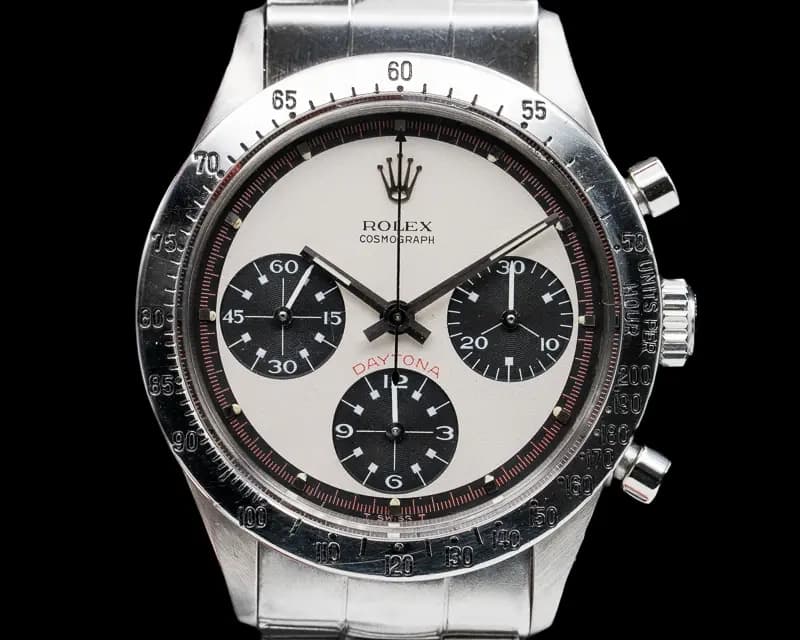
6239 Paul Newman
The case across all of these measures about 37mm, small by contemporary standards but comfortable. On the wrist, a ref. 6239 sits lower and flatter than a modern Daytona. The lugs are longer proportionally. Without crown guards, the case profile is cleaner, more delicate. Once the crown guards were added, the case gained a more protected, purposeful look that some collectors prefer and others find busy. Neither is wrong; they read differently.
Movement-wise, the early references ran caliber 72B and 722, later the 722-1, manually wound and predicated on a Valjoux base. These movements are robust and well-understood by skilled watchmakers. Today, they represent some of the most legendary movements ever made.
The Paul Newman Dial
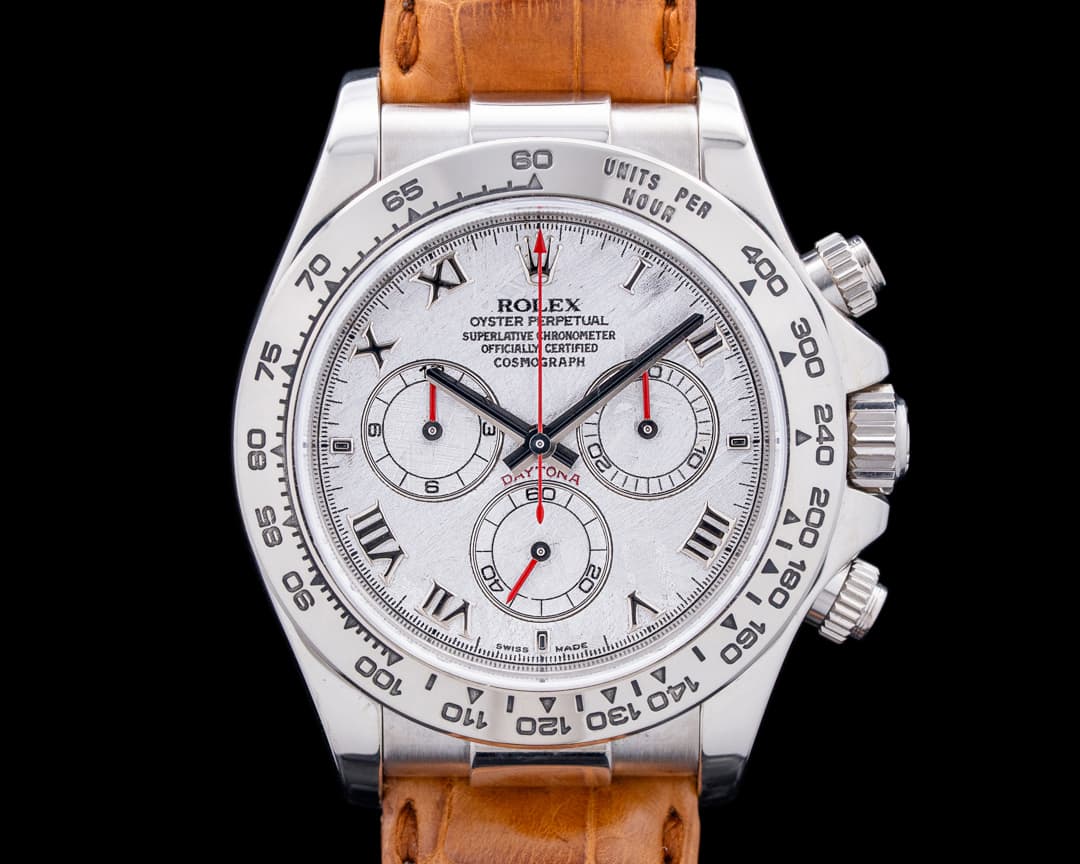
The "exotic" dial, the variant that carries the Paul Newman premium, is visually distinct from a standard Daytona dial in ways that are easy to describe once you've seen both. An exotic dial has Art Deco-style numerals inside the subdials, a stepped minute track around the outer chapter ring, and a more graphically complex overall appearance. The contrast between the main dial field and the subdial registers is sharper. The typography is more ornate. Exotic dials appeared on approximately 3,000 units across the previous references. That scarcity, combined with the auction record with Paul Newman, made these roughly 3,000 units some of the most desirable watches ever made by Rolex.
Condition and Originality Above All
"Unpolished" is the keyword that moves money in manual-wind Daytonas. Case polishing removes metal. It softens the sharp transitions between brushed and polished surfaces, the perfected angles on the lugs, the chamfered edges of the case middle, and rounds off the proportions in ways that can't be reversed. An unpolished ref. 6239 with original dial, original crown, and original pushers is a categorically different purchase from a polished example, even if both share the same reference number and similar case condition at a glance.
Buyers should examine crown and pusher originality closely. The correct crown and pushers for a given reference year are documented; replacements are common and not always disclosed. Bracelet originality matters too, and should be paid attention to by reputable dealers and disclosed if not correct.
The Zenith Era (ref. 16520): The Collector's Machine-Age Moment
The ref. 16520, introduced in 1988, was the first automatic Daytona. It was also the first to use a sapphire crystal, the first to offer a genuinely modern case architecture, and, for roughly twelve years, the only automatic Daytona in production. Rolex built it around caliber 4030, a heavily modified version of Zenith's El Primero. The modification was substantial: with Rolex reworking the movement significantly to suit their direct use case in the Daytona. To many non watchmakers, the Daytona Caliber 4030 is almost indistinguishable from the El Primero.
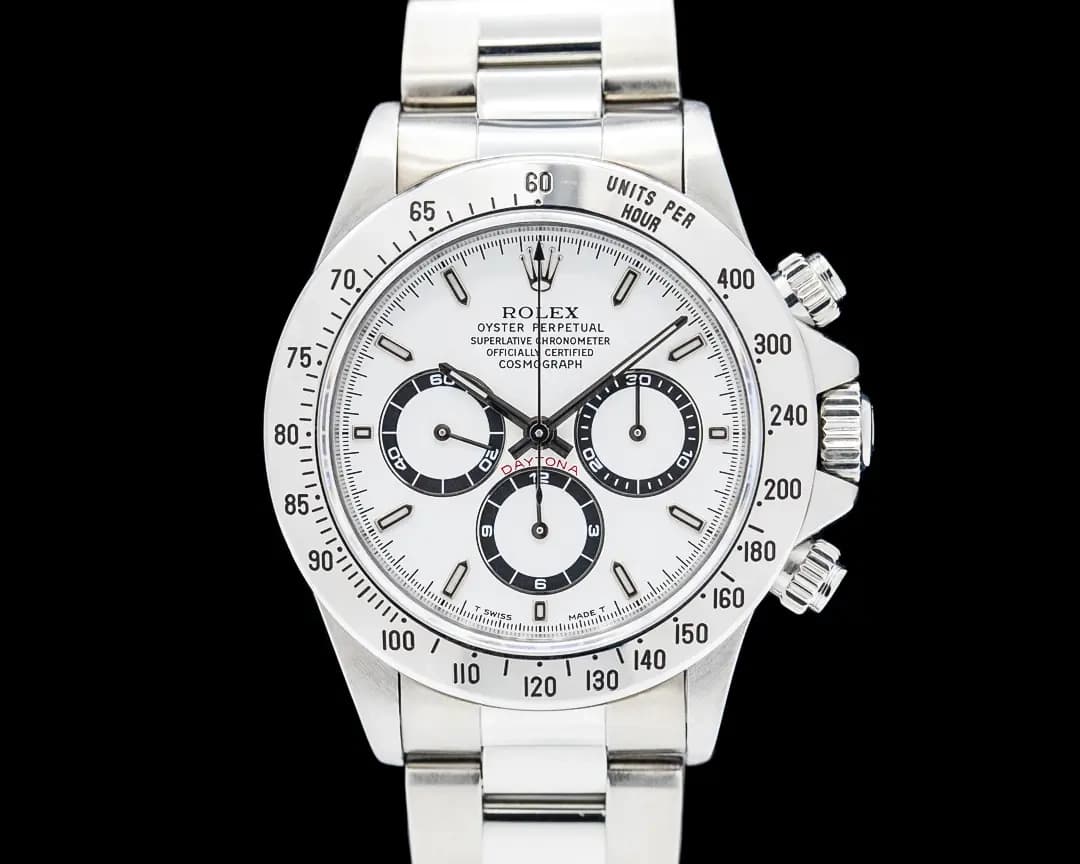
Rolex 16520 Zenith Daytona
The case is 40mm. On the wrist, the jump from 37mm reads as more than the numbers suggest. The ref. 16520 is a modern watch in a way the manual-winds never quite are, with fuller lugs, a more substantial case middle, and a sapphire crystal that makes the dial legible from further away. The white dial versions read very cleanly. The black dial reads sportier and darker.
This is a reference that sits in an interesting market position: too recent to carry the scarcity premium of the manual-winds, too old to benefit from Rolex's current production support, and just distant enough from the modern in-house era that buyers sometimes undervalue it. EWC's view is that the ref. 16520 is one of the better-value Daytonas available to a buyer who wants genuine mechanical quality without the stratospheric pricing of verified exotic-dial vintage pieces or the current-production waitlist dynamics. These are truly excellent pieces available at reasonable prices and occupying an important period in history for Rolex.
Inverted Six and Patrizzi Dials
Two dial variants on the ref. 16520 carry collector premiums worth understanding.
The "inverted six" refers to examples where the "6" at the bottom of the seconds subdial appears upside down, a production anomaly on early references often referred to as MK 1 dials, produced for just about a year. It is a curiosity more than a functional distinction, but early-production ref. 16520 examples trade at a premium on this basis.
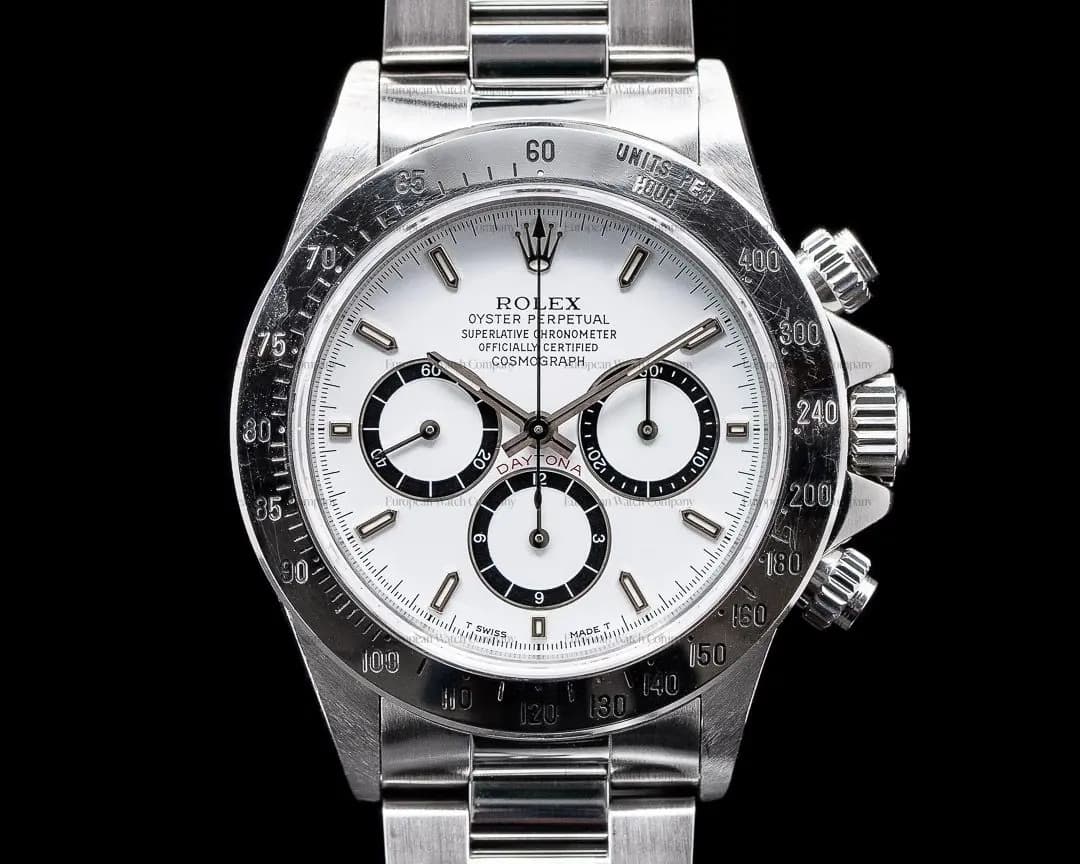
Inverted Six 16520
Named after Italian auctioneer Osvaldo Patrizzi, who identified the phenomenon in about 2005, a Patrizzi dial is a ref. 16520 on which the subdials have oxidized to a warm brown rather than remaining the original white contrast color. The cause was defective zapon varnish applied during production, which reacted over time with ambient conditions. The result, brown registers against the main dial field, creates a two-tone contrast that some collectors find compelling. This is just one example of how age and patina can later become a desirable quirk for collectors who appreciate the way the piece has aged.
The In-House Era (ref. 116520 through ref. 126500LN): Price, Condition, and the Ceramic Turn
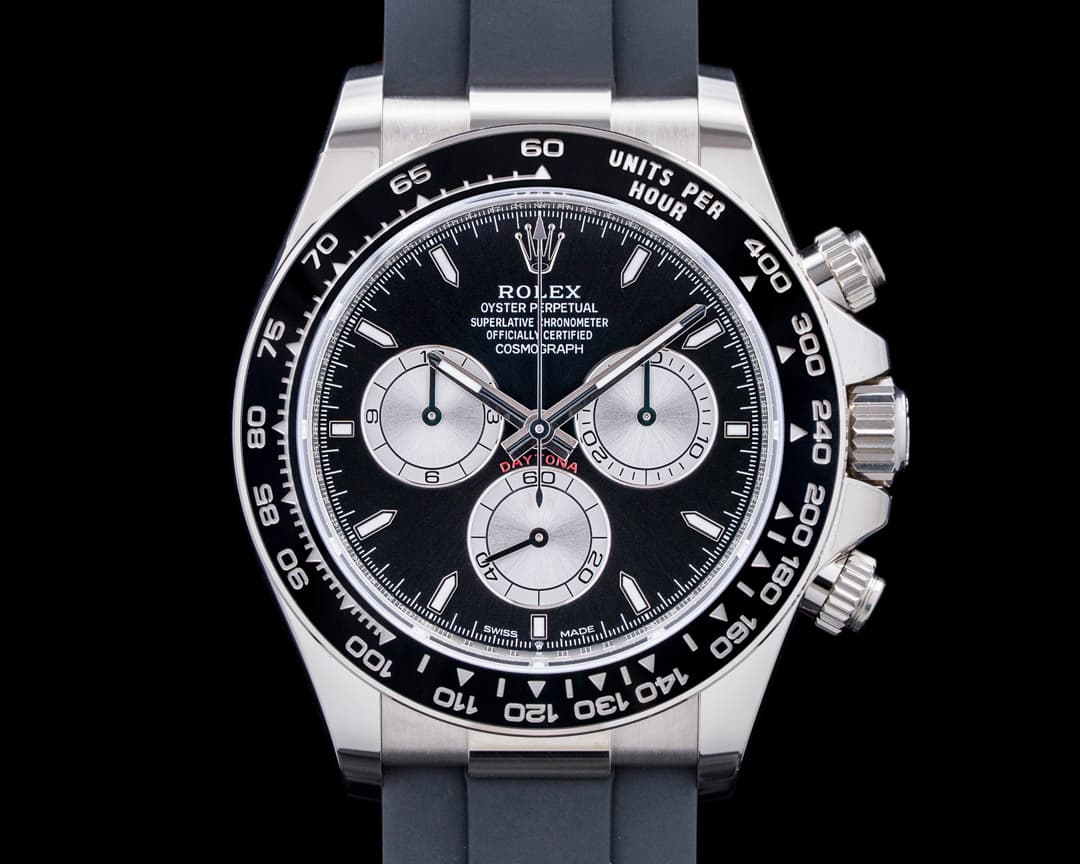
In 2000, Rolex replaced the modified Zenith movement with caliber 4130, the first fully in-house automatic chronograph movement the brand had ever produced. It launched in the ref. 116520, a 40mm steel case on an Oyster bracelet, available in white or black dial.
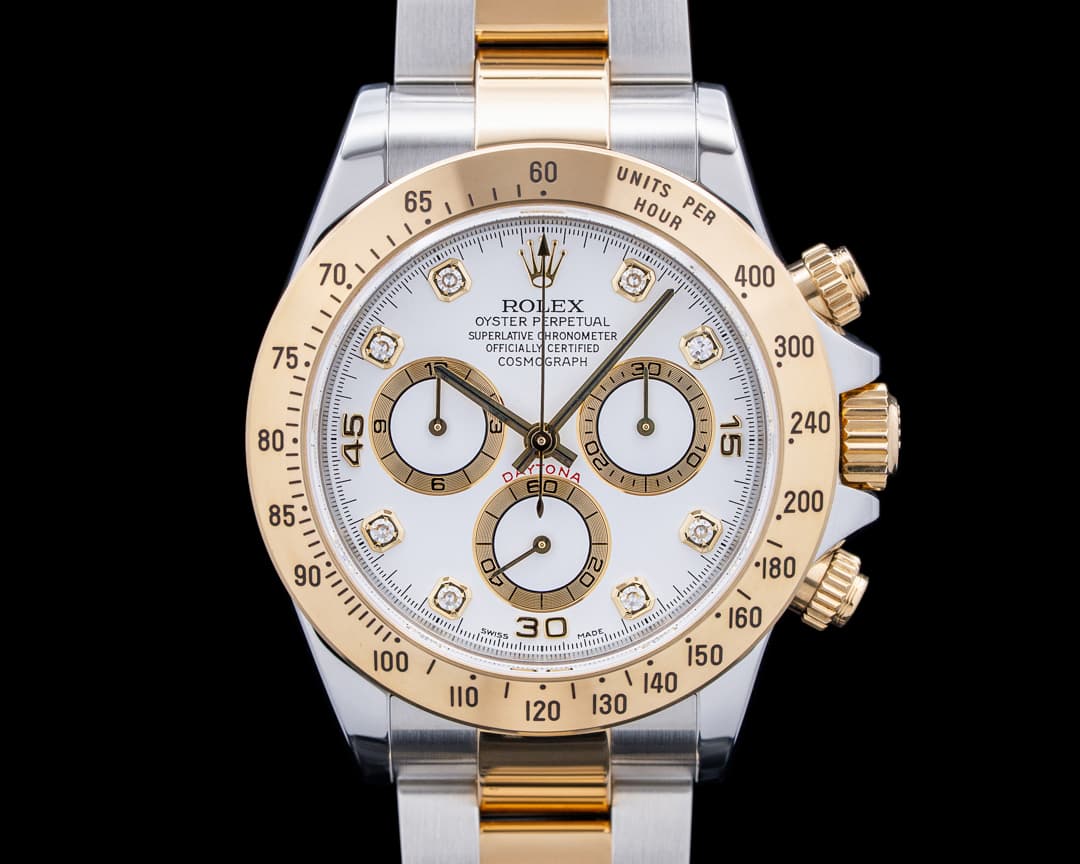
The caliber 4130 has 201 components, a huge simplification from the 4030's over 300 parts. That simplification is not a shortcut; it reflects a different design philosophy with simplicity of construction, operation, and service in mind. The movement runs at 28,800 bph, services cleanly, and has built a strong long-term reliability record across more than two decades of production. Independent watchmakers familiar with Rolex can service a caliber 4130 competently; it is not a movement that demands factory-only support the way some complications do.
The ref. 116520 ran from 2000 until 2016. Within that production run, there is meaningful variation in bracelet quality (the clasp design improved mid-run), dial aging on early white-dial examples, and case finishing. Buyers should ask specifically about bracelet condition; stretch on older Oyster bracelets is common and affects wearability.
The Ceramic Turn: ref. 116500LN
Rolex introduced the ref. 116500LN at Baselworld 2016, the first steel Daytona with a ceramic bezel, a significant visual and material shift. The bezel reads darker and flatter than the earlier aluminum versions; the tachymeter markings are laser-applied rather than printed. Available in black or white dial, the black-bezel/black-dial combination reads most monochromatically; the black-bezel/white-dial combination has more contrast and historically commanded a slight premium on the secondary market, though the spread between the two has narrowed post-correction.
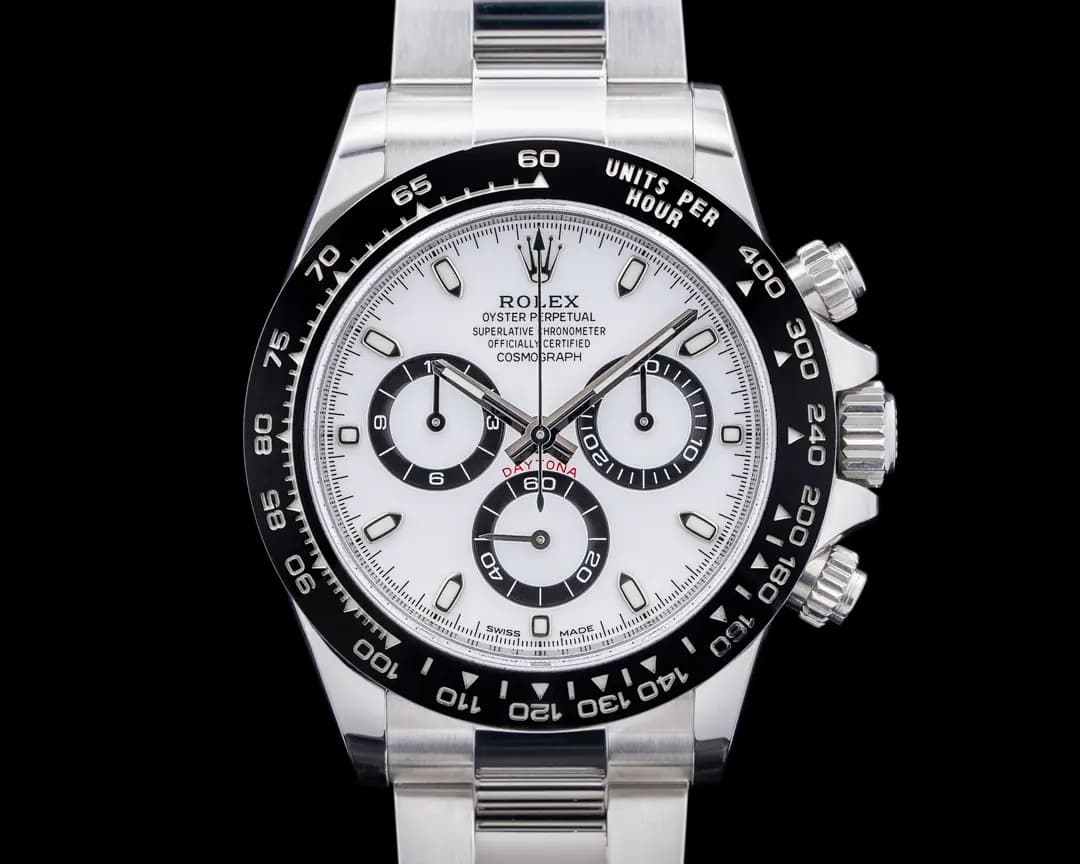
Rolex 116500
The ref. 116500LN became arguably the single most in-demand modern Rolex watch in existence during the period from 2016 through roughly 2022. Waitlists at authorized dealers stretched into years. Secondary market asking prices ran well above retail, in some cases doubling it. That distortion has partially corrected since 2022-2023 as secondary market conditions normalized broadly. The ref. 116500LN is now more accessible than it was at the peak, though still not easy to source at retail.
Post-correction pricing for the ref. 116500LN varies meaningfully by condition, papers, and bracelet state. Transaction data reflects that the gap between a complete example (box, papers, original bracelet with minimal stretch) and a "naked" example (watch only, no documentation) is significant, more so than on many comparable references.
The Current Generation: ref. 126500LN
The ref. 126500LN launched at Watches & Wonders 2023, marking the Daytona's 60th anniversary. It runs caliber 4131, an evolution of the 4130, adding further Rolex escapement technology, a blue Parachrom hairspring, and retaining the 28,800 bph frequency and 72-hour power reserve of the previous generation. The changes are refinements, not a redesign; caliber 4130 and caliber 4131 are close relatives.
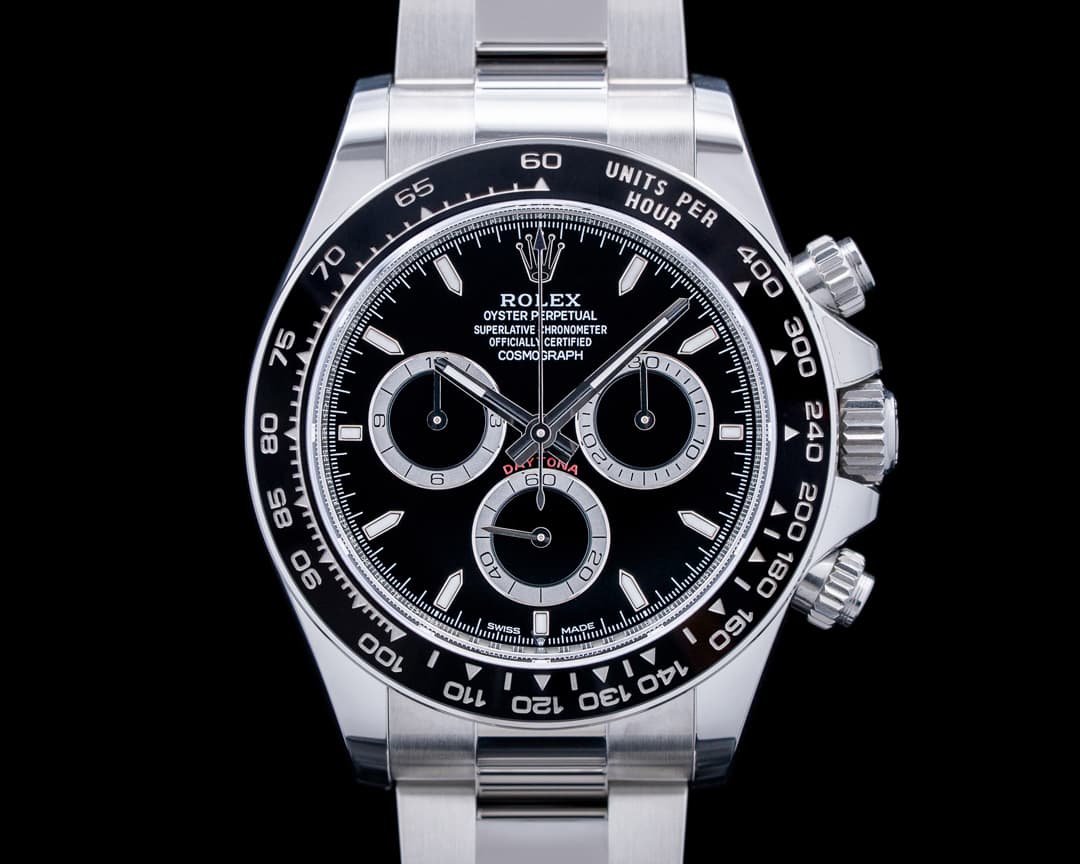
Visually, the ref. 126500LN updates the case with an inclosed bezel wrapped with the stainless steel of the broader case and a changed dial display with altered sub dials. At 40mm it wears nearly identically to the ref. 116520. The case finishing is cleaner than earlier generations. Whether those refinements justify a secondary market premium over a ref. 116520 in excellent condition is a question of individual preference. For buyers who want the current-generation watch with full documentation and the latest movement specification, the ref. 126500LN is the answer. For buyers primarily interested in the aesthetic of a ceramic Daytona, an excellent ref. 116520 offers compelling value.
Precious Metal and Daytona Rainbow: When the Premium Is Justified
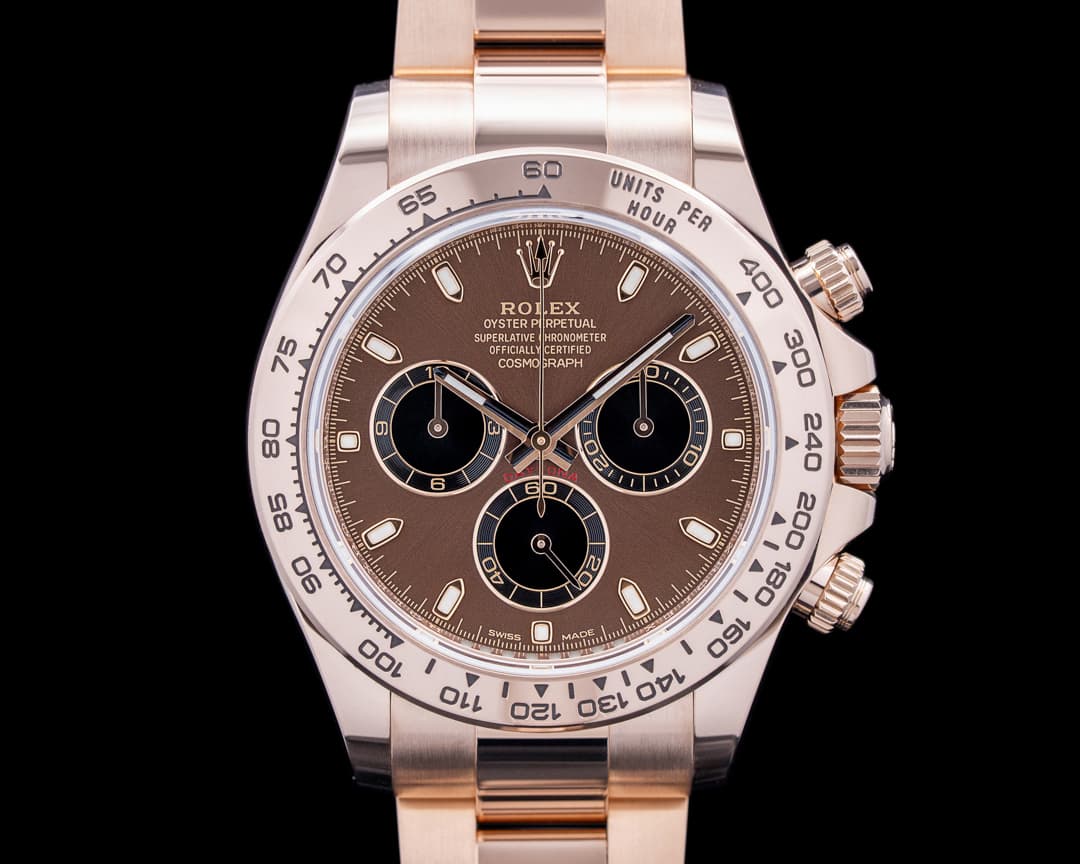
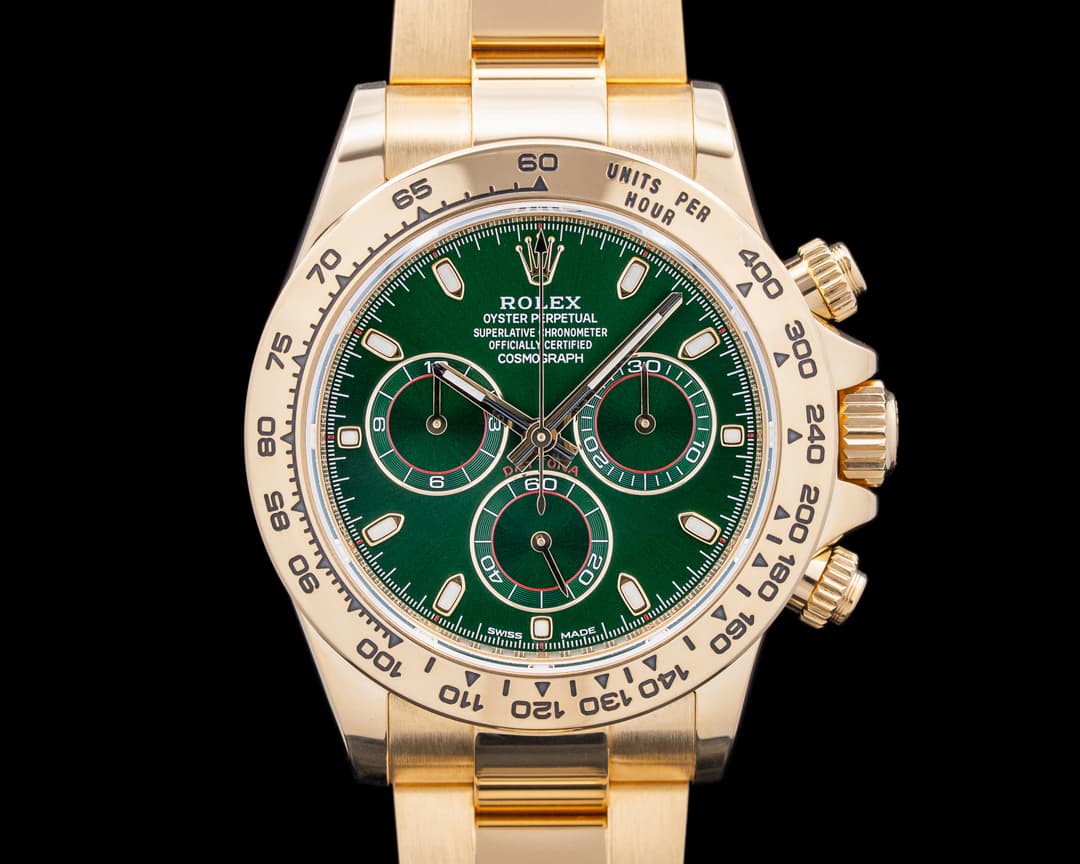
Yellow gold, Everose, and white gold Daytonas occupy a different buyer profile. They are larger secondary market transactions, they attract different sellers, and they price on different variables than the steel references. The fundamental watch is the same, same caliber, same proportions, same dial legibility, but the context shifts.
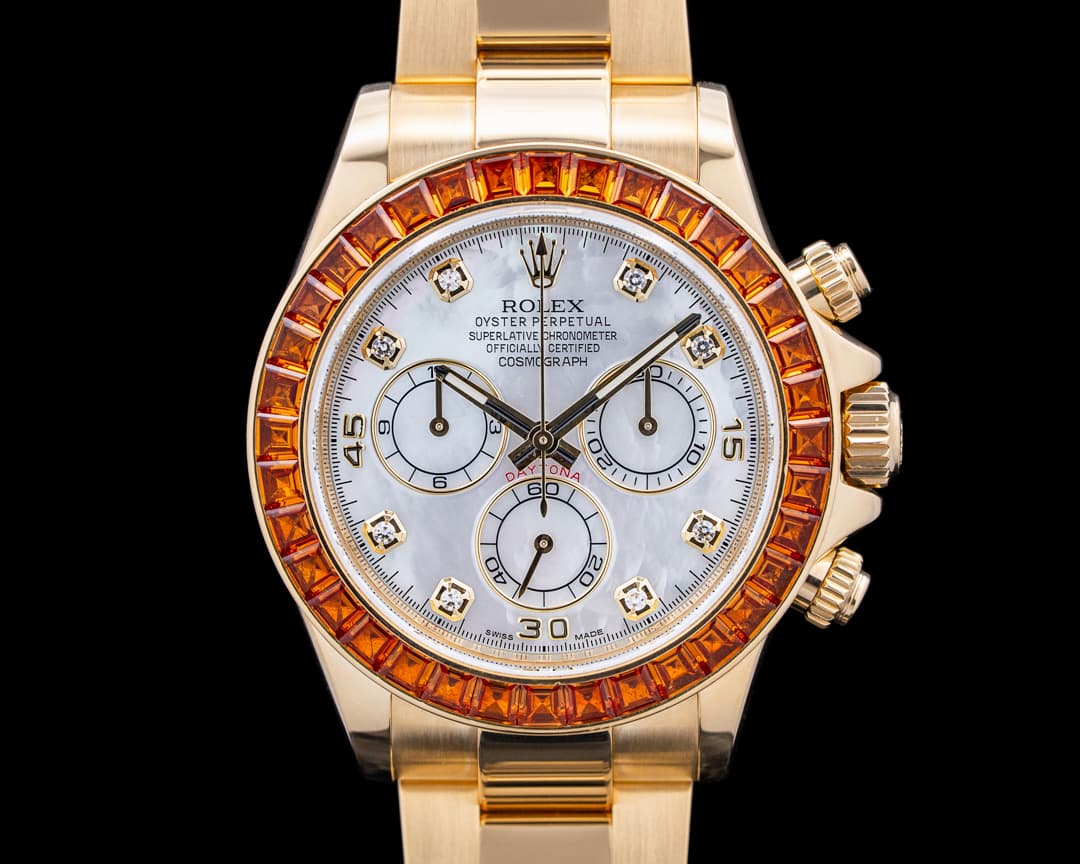
The "Rainbow" Daytonas, gem-set bezel variants with multicolored sapphires or other stones, attract disproportionate secondary market attention and price volatility. The specific references include the ref. 116598RBOW in yellow gold and related gem-set variants in Everose and white gold. These are watches that trade on visual impact and stone quality as much as on movement or case condition, which creates a different due-diligence requirement.
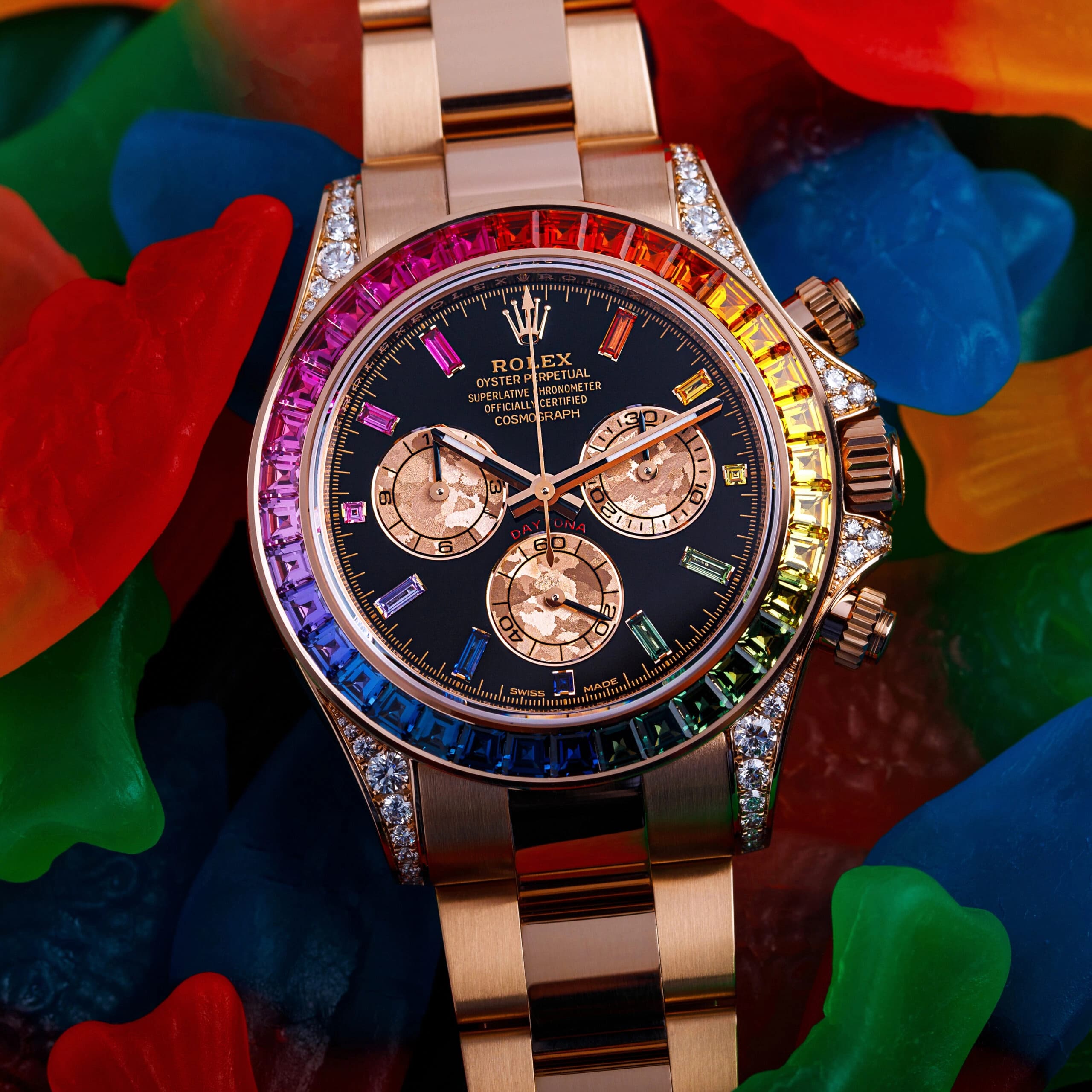
Rolex Rainbow Daytona
What actually drives value in a Rainbow Daytona: stone quality and consistency (the gradient from one color to the next should be smooth, with no obviously mismatched stones), bracelet originality (these came on integrated precious-metal bracelets that are expensive to replace and easily spotted when substituted), and service history (gem-set bezels that have been touched up or re-set are worth considerably less than original factory configurations). The reason for the extreme pricing on these models (often in the hundreds of thousands) is its supreme rarity in comparison to the general production models, only allocated to VIP customers of the brand.
What Condition Actually Means for a Daytona
Condition assessment on a Daytona is more nuanced than on most references because the watch's value is so heavily driven by originality at the vintage end and by completeness at the modern end. The following matters regardless of which generation you're buying.
Polishing. On manual-wind references, "unpolished" means something specific: the case's original surfaces have not been ground down and refinished. Original Daytona cases have distinct, sharp transitions between brushed and polished surfaces. Polishing softens those transitions and removes metal that cannot be restored. An experienced eye identifies a polished case immediately; less experienced buyers sometimes mistake a polished case for good condition. The premium for an unpolished vintage Daytona is substantial.
Dial originality. Re-dialing, replacing or restoring a worn original dial, is detectable but not always obvious to an inexperienced buyer. On exotic-dial references, the stakes are especially high. Professional authentication, not seller attestation, is the standard. On modern references, dial condition matters for aesthetics and resale, but re-dialing is less common and more obvious when it occurs.
Bracelet condition. Oyster bracelets stretch over time with wear. Significant stretch, measured by how much the clasp overextends and how the bracelet sits on the wrist, affects both wearability and value. Rolex can tighten or service a bracelet, but replacement is expensive, and used bracelets in good condition command premiums. On vintage references, bracelet originality (correct reference number stamped on the end links) is a material factor.
Crowns and pushers. On manual-wind references, original crowns and pushers are specific to the production year and reference. Replacements are common and not always disclosed. Verify against documentation of correct parts for the specific reference.
Service history on caliber 4130 and 4131. A caliber 4130 running normally presents well on a timing machine and holds chronograph activation within specification. A ref. 116520 that hasn't been serviced in some time is not necessarily a problem if it's timing correctly, but it's a negotiating point. Ask for service records if they exist. A watch serviced by a qualified independent watchmaker with documented work is preferable to an unserviced watch offered as "running fine."
Papers and box. Documentation adds value. The premium is real but not unlimited. Don't pay a disproportionate premium for papers. Do pay a fair premium. On a ref. 116500LN, a complete set (original box, chronometer certificate, warranty card) commands a meaningful premium over an identical watch without papers, depending on the market moment. The premium is higher on vintage references where provenance is harder to establish, and lower on common modern references where the watch itself tells most of the story.
Conclusion
The Daytona market in mid-2026 is more rational than it was three years ago. The correction of 2022-2023 cleared out the most speculative premium on common steel references, particularly the ref. 116500LN. Manual-wind prices have held better; genuine scarcity and irreplaceable condition factors don't deflate the way waitlist premiums do. The precious metal and Rainbow references remain volatile, tied to luxury sentiment in general.
For a buyer entering now, the clearest value proposition is the ref. 16520 in excellent, honest condition: unpolished where possible, serviced within the last decade, correct dial, original crown. It offers the Daytona's mechanical character, the El Primero-based movement's interesting history, and pricing that has stabilized without the mythology premium of the manual-winds.
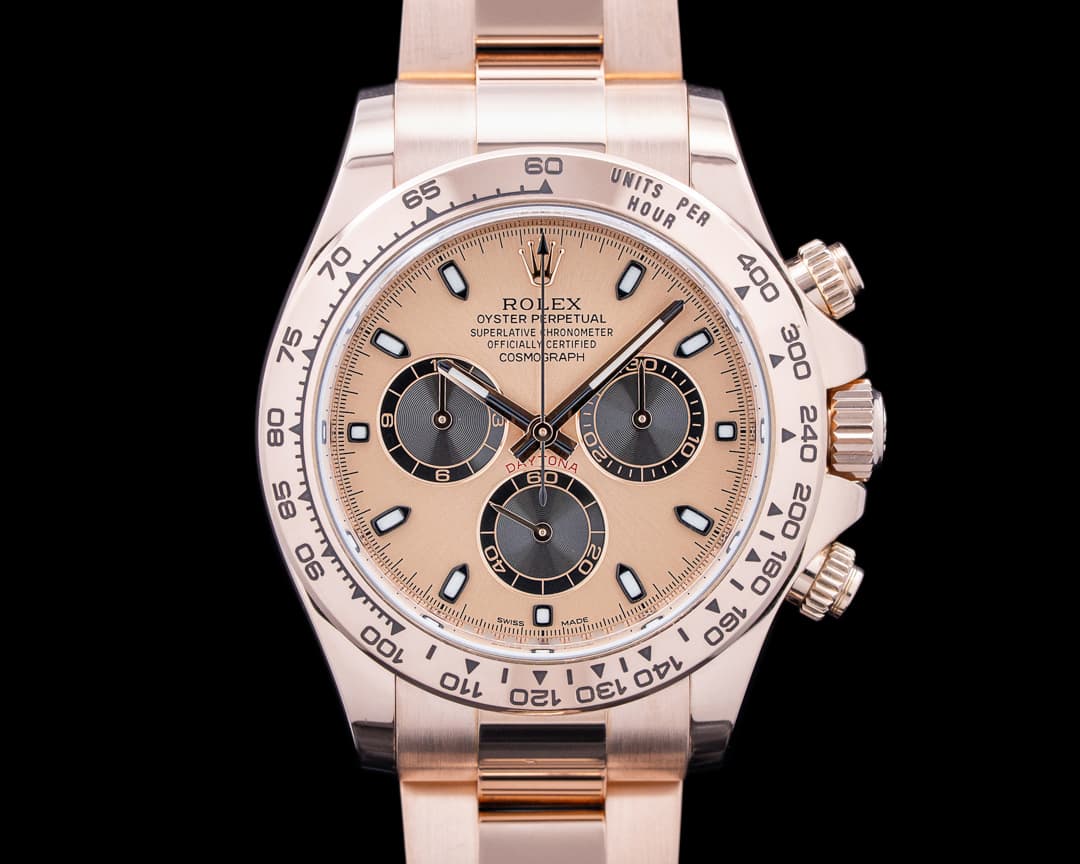
The exotic-dial vintage pieces are worth the research and, for the right buyer, worth the price, but only with proper authentication and only when originality is verifiable. The ref. 126500LN is the cleanest expression of what the Daytona is today, for a buyer who wants the current generation without compromise.
The worst Daytona purchase is the one made on reference number alone, without attention to dial, case, bracelet, and documentation. That's where the myths do their damage: the forum speculation, the aggregator asking prices, the brand copy that treats every reference as equally desirable.
There's no doubt that when you buy a Daytona, regardless of the generation, you are buying into one of the greatest product lineages in history. A beautiful manifestation of pop appeal, quality watchmaking, and timeless design. If you need help navigating any of the above, be sure to reach out to us!
Shop New Arrivals
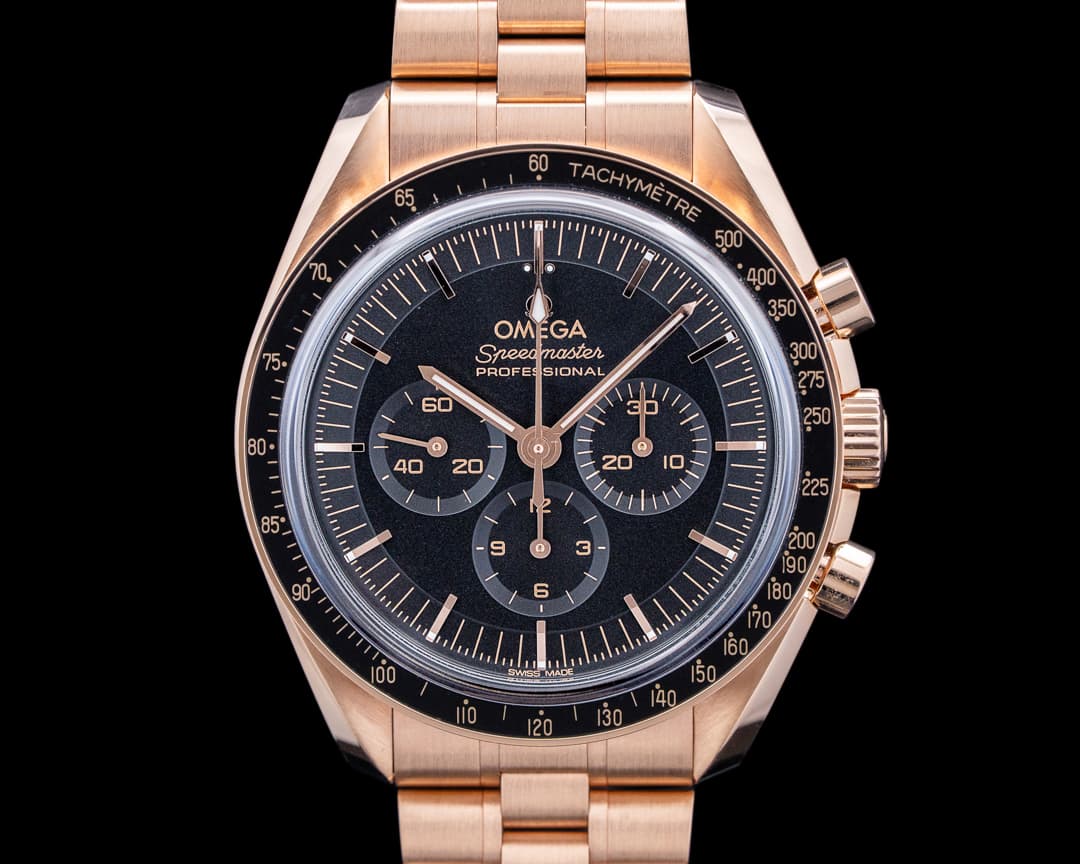
Speedmaster Moonwatch 18K Sedna Gold Black Dial
$29,900
View Watch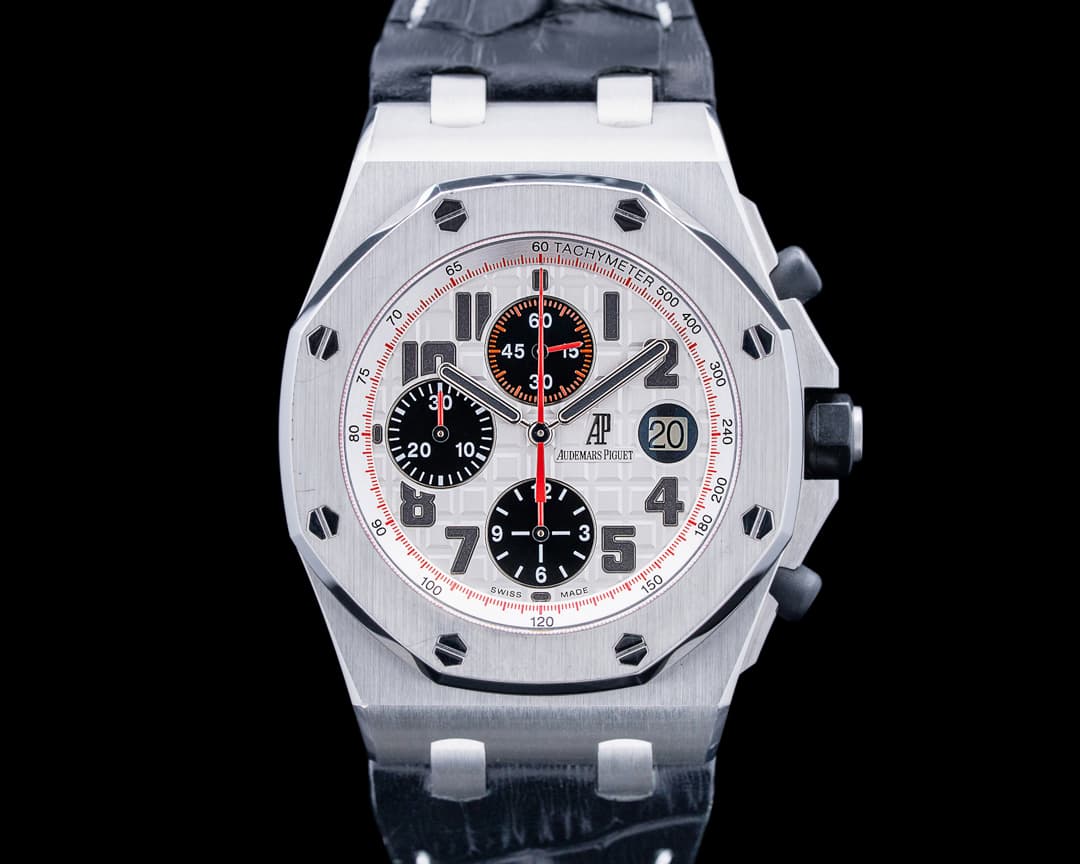
26170ST Royal Oak Offshore Chronograph SS Silver Dial
$22,900
View Watch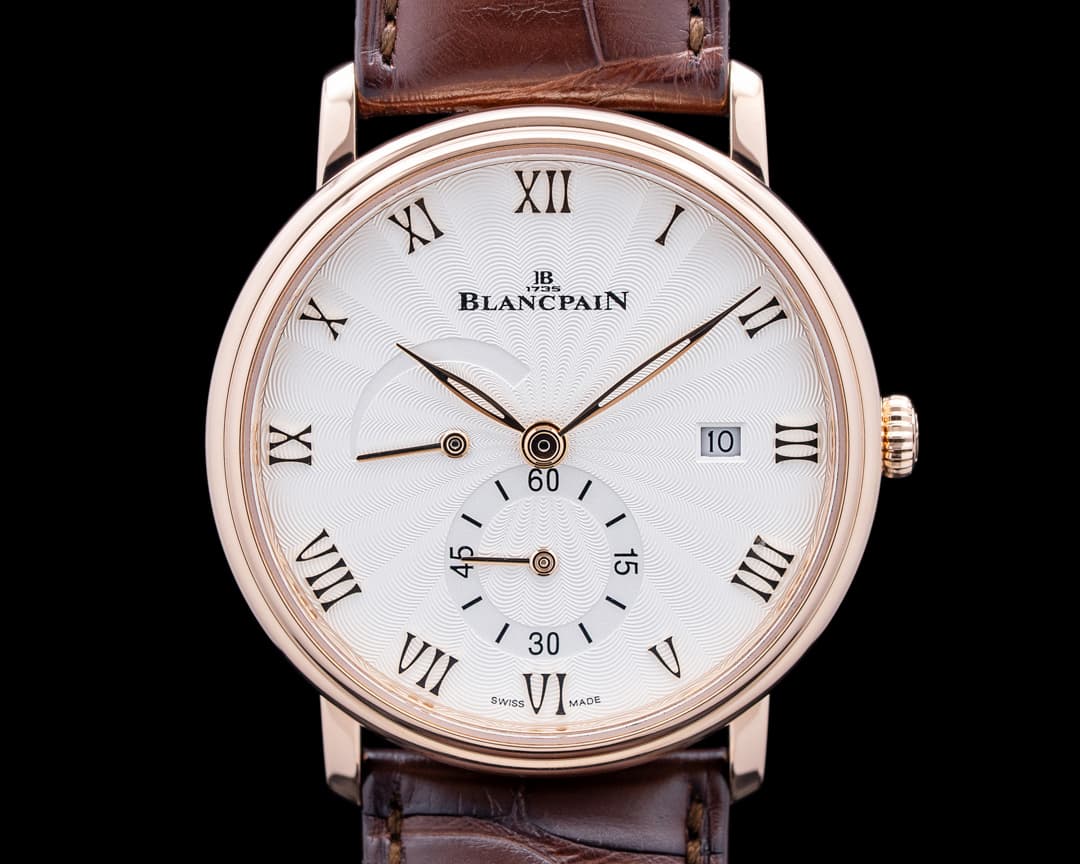
6606A Villeret Ultraplate 18K Rose Gold Opaline Dial
$20,900
View Watch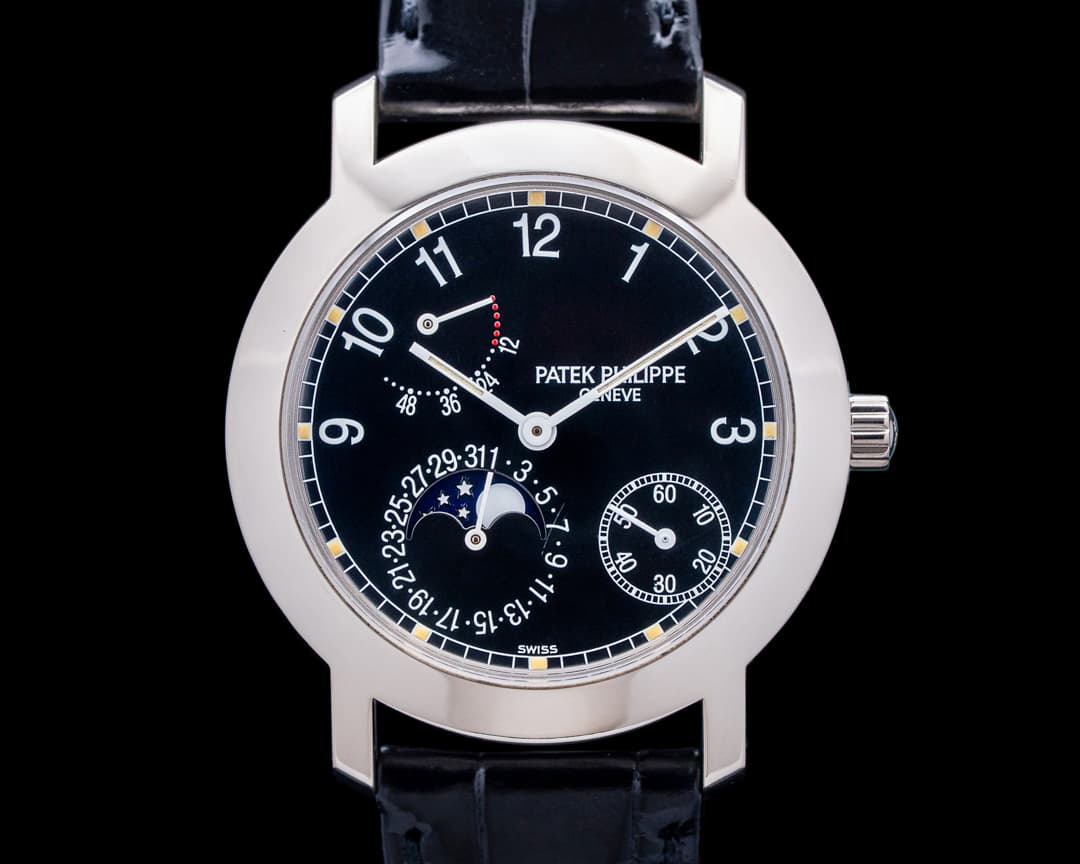
5055G Complications 18K White Gold Black Dial
$29,500
View Watch
Shop New Arrivals
Speedmaster Moonwatch 18K Sedna Gold Black Dial
$29,900
View Watch26170ST Royal Oak Offshore Chronograph SS Silver Dial
$22,900
View Watch6606A Villeret Ultraplate 18K Rose Gold Opaline Dial
$20,900
View Watch5055G Complications 18K White Gold Black Dial
$29,500
View Watch
More Content