The Omega Speedmaster: It's Not Just a Watch - It's Its Own Category
Published on 4/21/2026
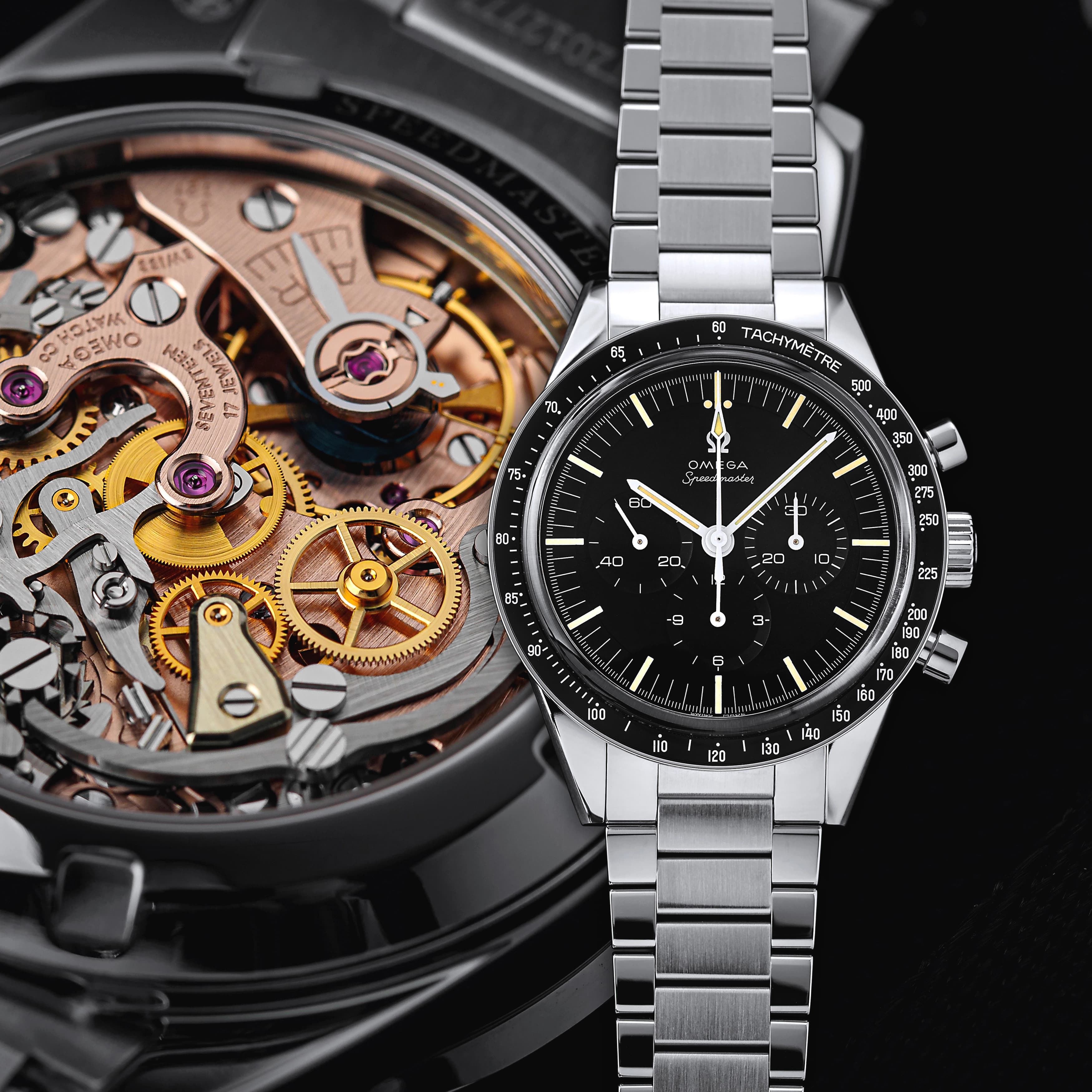
For years, talking about the Omega Speedmaster was easy. In most cases, people meant one watch - black dial, twisted lugs, tachymeter bezel, and manual winding - the Speedmaster Professional. That was the center of gravity. But the conversation around the model has changed.
Today, the old idea of the Speedmaster as one clearly defined piece starts to unravel. The classic Professional still matters, of course. But alongside it, you’ve also got First Omega in Space models, the dual-register Speedmaster ’57, numerous limited editions, vintage pieces, and even precious metal examples for the more extravagant collector. At that point, you’re not looking at one watch. You’re looking at a whole family of watches that share a name, a design language, and a heritage.
Different versions now pull in very different buyers. Some want the straightest possible line back to the original Moonwatch. Some want a softer, more style-focused take on the formula. Others are drawn to the versions that push the Speedmaster further upmarket.
The Speedmaster most people think they mean
The classic Moonwatch still anchors the conversation. The hesalite version remains the emotional core of the range because it feels closest to the historical picture most people still have in their heads when they think “Speedmaster.” It’s simple, direct, and familiar in a way very few watches are. For some collectors, that is THE watch. End of story. Even the sapphire-crystal version, while slightly sharper and more modern in feel, still lives in the same world, as a slightly different expression of the same idea.
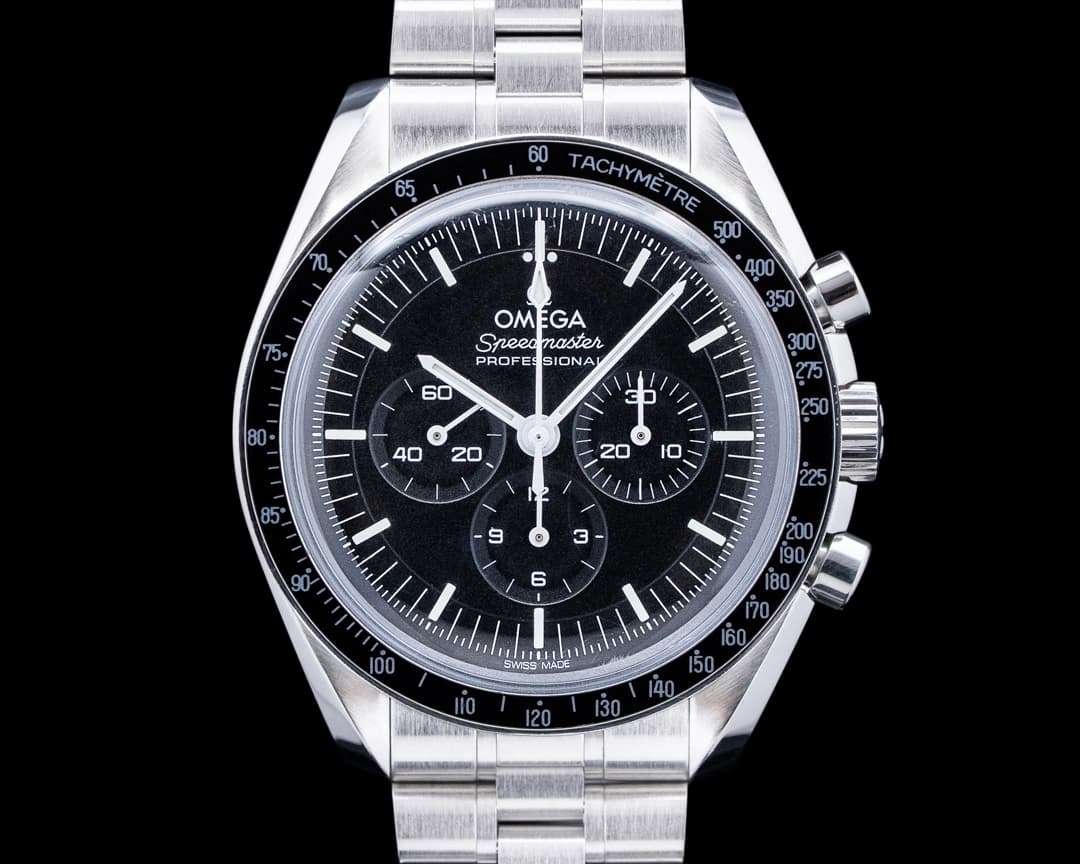
That’s part of why the Speedmaster still has such lasting pull. The staple Speedmaster Professional is “one of the few timeless classic manual wind chronograph watches that have persisted outside of the ‘tool watch’ era peaking around the 1960’s,” said Emerson Moore, a Watch Specialist at EWC. He pointed out that comparable watches from brands like Heuer, Breitling, and Rolex either became more luxurious, adopted automatic movements, or disappeared altogether. By contrast, Moore said, “The Speedmaster Professional has evolved, but it has stayed more true to its roots than all the rest with a hand-wound movement and the option of an acrylic crystal.” That’s exactly why the Professional still matters so much - it gives the rest of the Speedmaster world something solid to orbit.
The heritage-focused Speedmaster alternatives
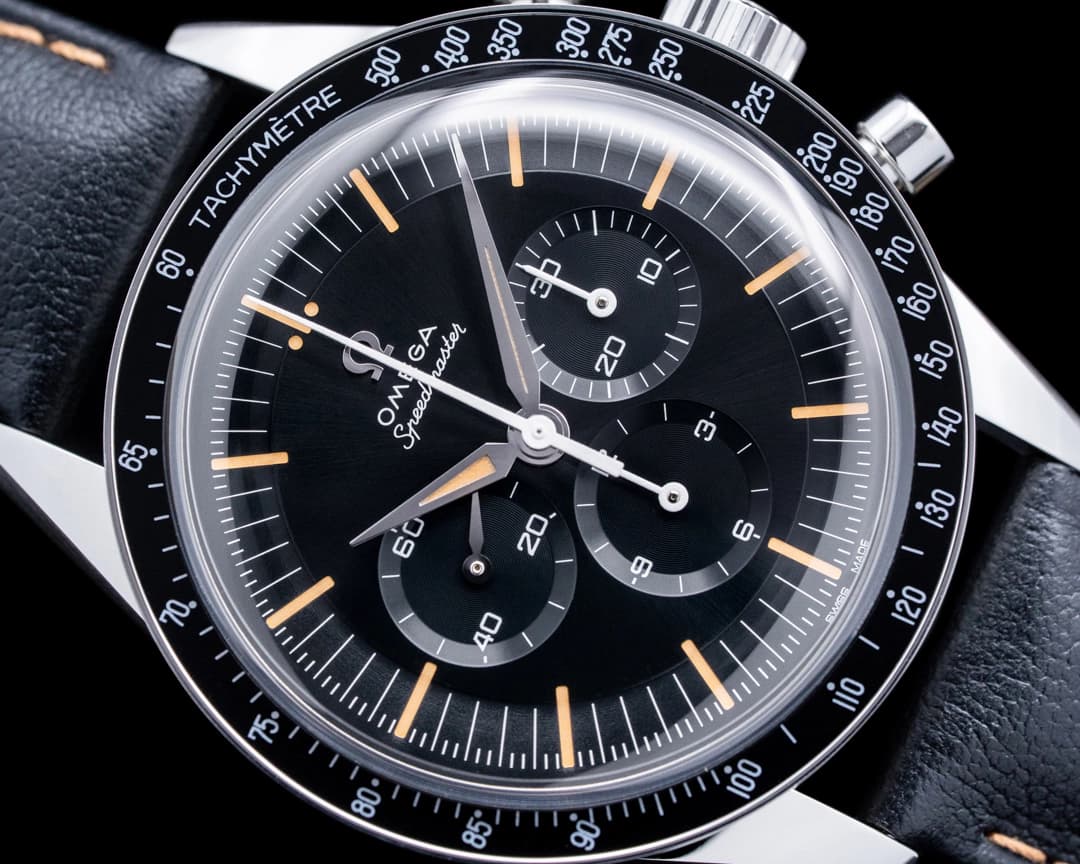
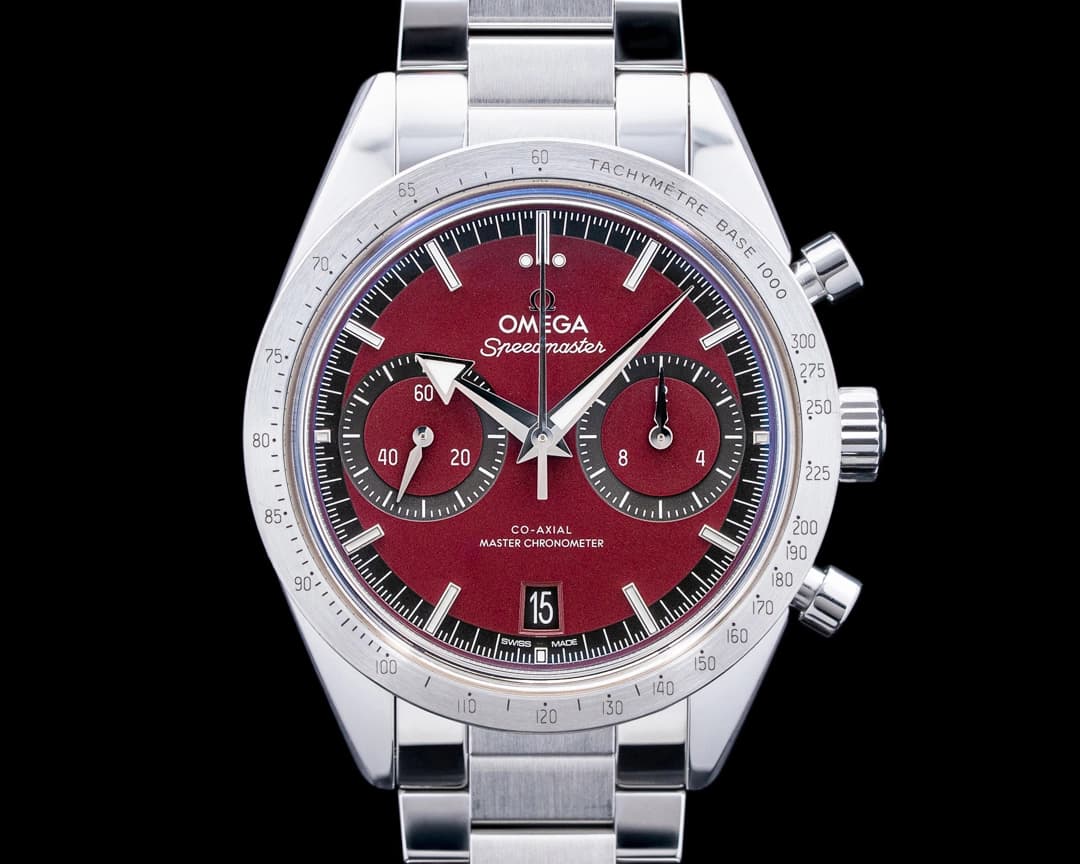
Step away from the standard Professional and the Speedmaster starts to show a different side of itself. The First Omega in Space does that especially well. It still trades on early Speedmaster history, but with a different vibe. The earlier straight-lugged case profile, cleaner feel, and more restrained look make it wear differently. It feels less like the classic Moonwatch and more like a quieter, design-driven way into the same lineage. The Speedmaster ’57 pushes that even further. It still belongs to the Speedmaster world, but it speaks more to someone who likes the history and the design language without necessarily wanting the full Moonwatch package.
There are buyers who want the Speedmaster because of what happened in space, and there are buyers who simply want a great chronograph with real character and some historical weight behind it. Those aren’t always the same person.
The collector Speedmaster takes the conversation in a different direction
Then you get to the watches that really make the point. A vintage Speedmaster Professional isn’t appealing for the same reasons as a modern hesalite Moonwatch, even if the two are obviously related. The draw isn’t just the basic design. It’s the context, the small details, the period feel, and the sense that the watch belongs to a specific chapter of Speedmaster history.
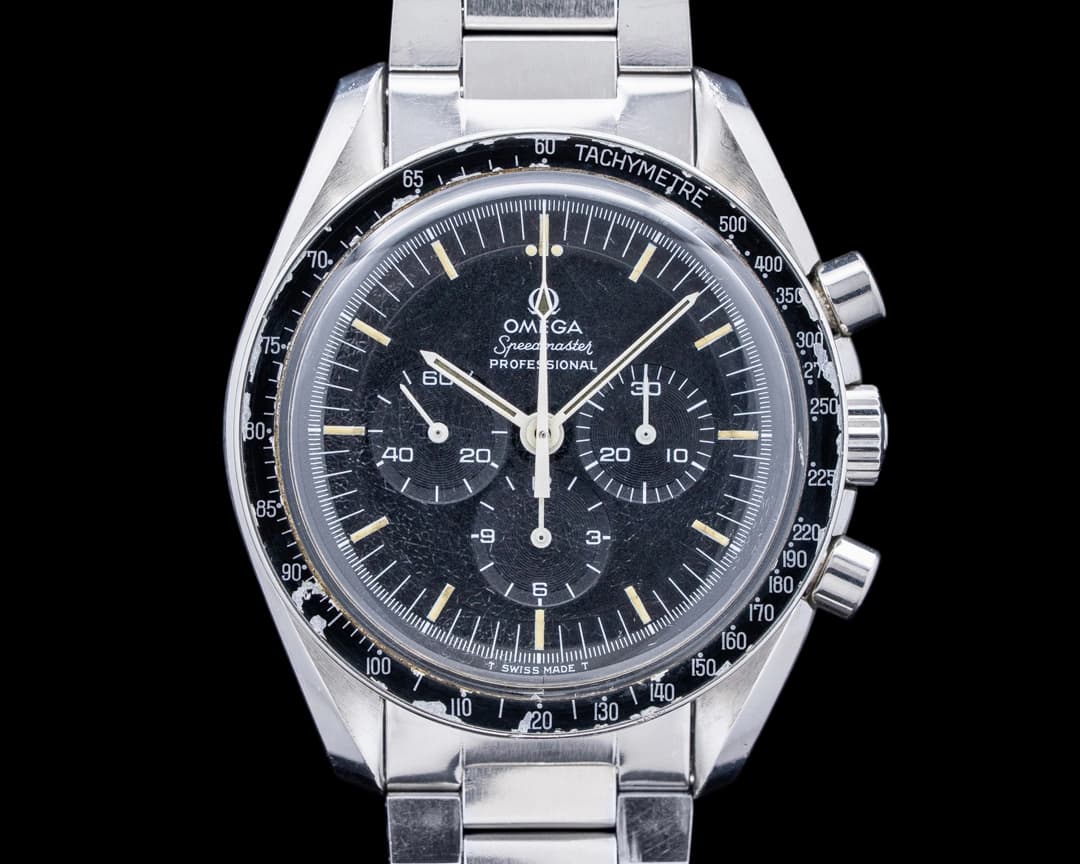
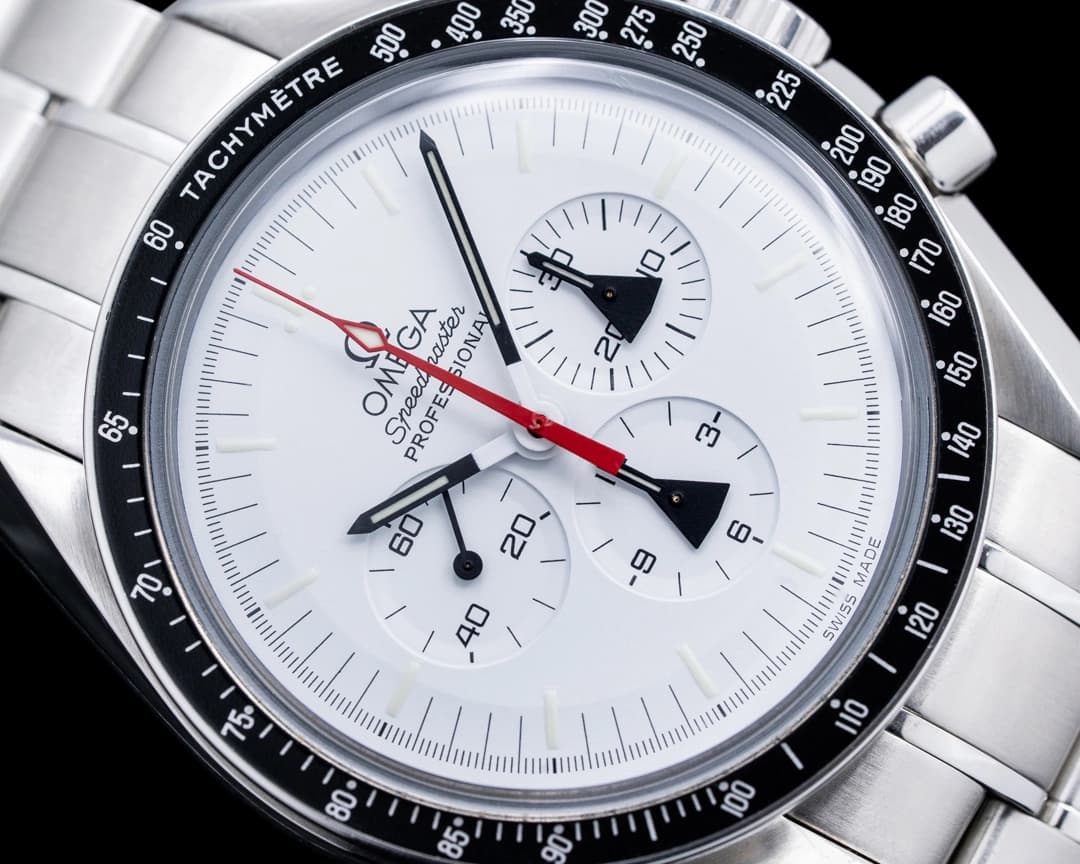
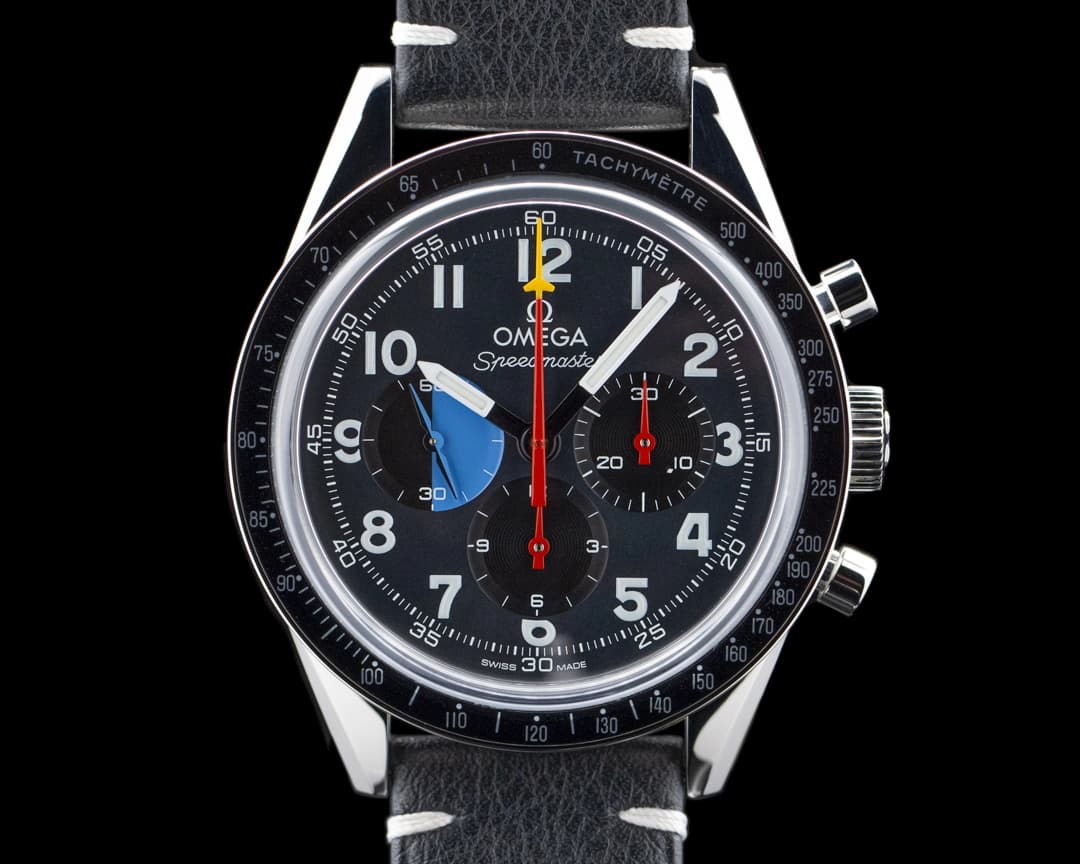
“Any vintage Speedmaster from the 1960-70’s deserves more attention,” Moore said, noting that many still trade below the MSRP of a new model. He pointed to the Speedmaster Professional 145.022 as a perfect example, calling it “a beautiful late 60’s example of a Speedmaster with that iconic flat link bracelet.” That’s exactly the kind of watch that reminds you how broad the Speedmaster spectrum has become. For one buyer, the obvious answer is a modern Professional. For another, the more compelling option is something older, subtler, and arguably more interesting. The same is true, in a different way, of pieces like the Alaska Project or the Hodinkee limited edition. These aren’t universal-entry Speedmasters. They belong to a more self-aware collector conversation, where rarity, narrative, and specificity matter much more.
The luxury Speedmaster is not just a dressed-up version
The biggest shift, though, may be at the top end of the Speedmaster catalogue. Put a meteorite-dial Moonphase or a full Sedna gold Co-Axial Speedmaster next to a standard Moonwatch and the distinction is obvious. These are richer, bolder, and far more luxurious watches. Omega has clearly allowed the Speedmaster to move into more ambitious territory, both visually and mechanically.
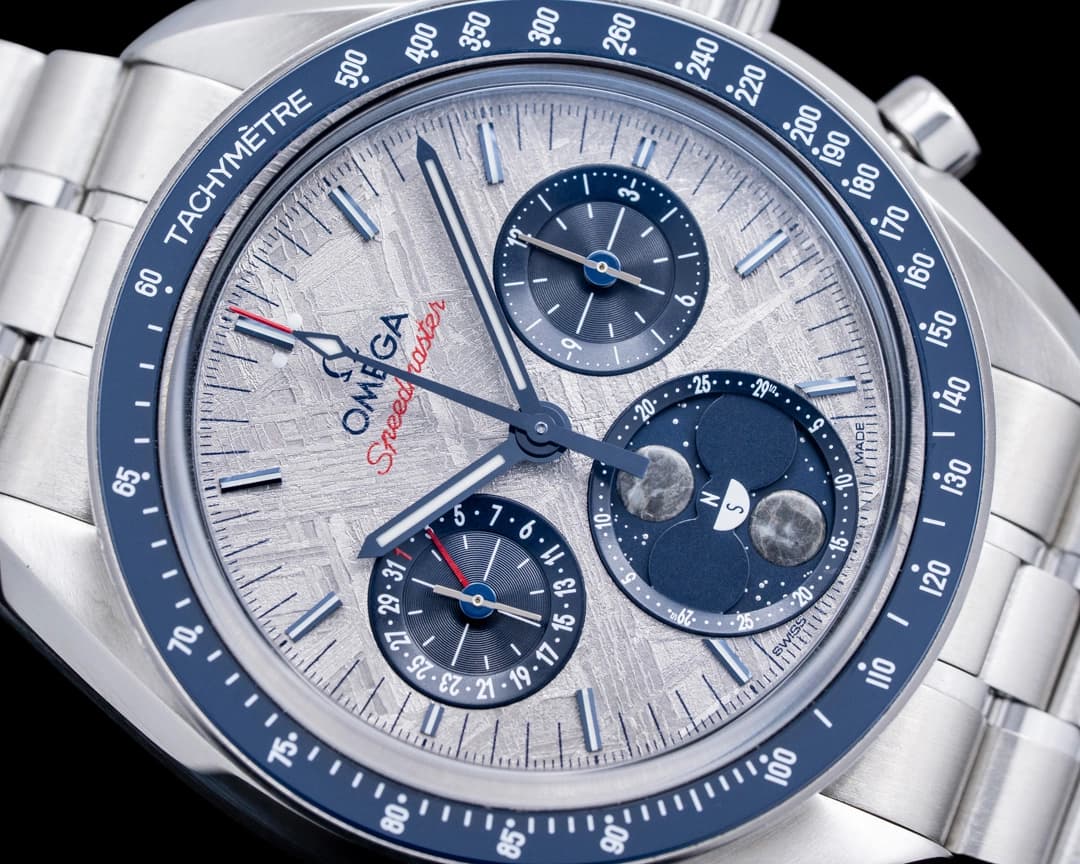
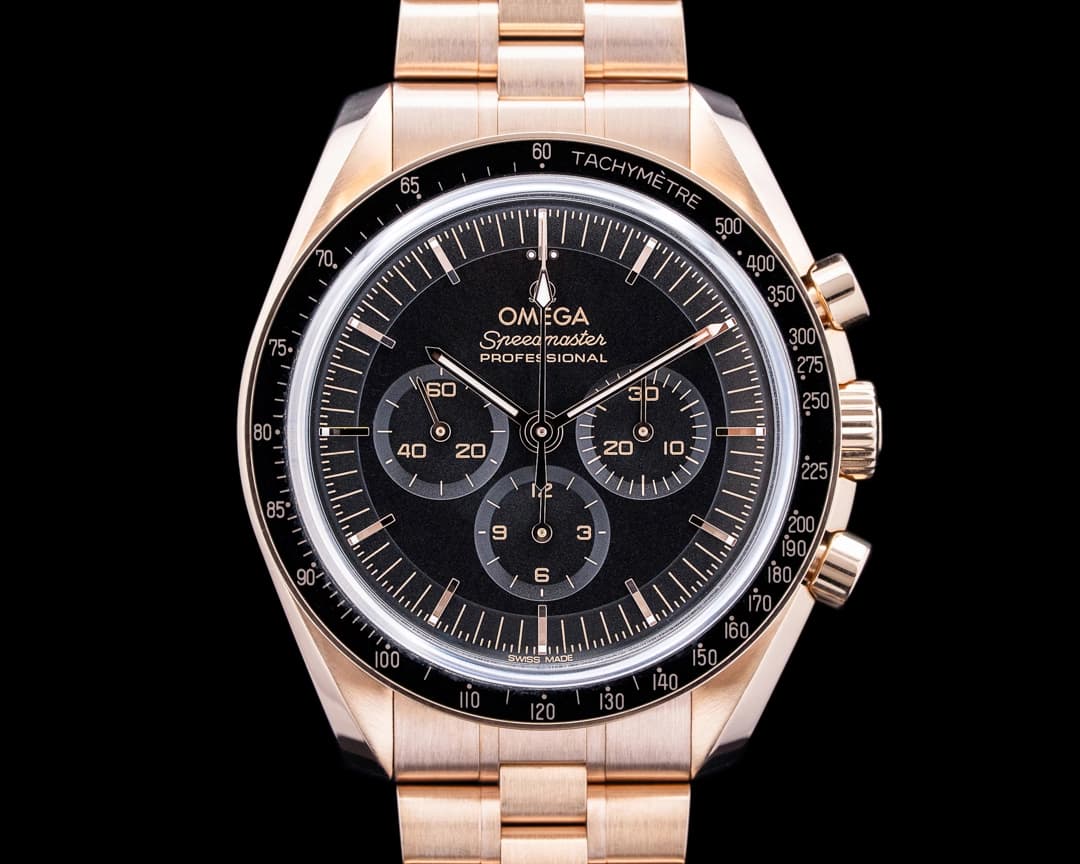
Why does the more technically evolved side of the modern Speedmaster matter? “George Daniels invented the Co-Axial escapement in 1974 and remained its sole user and developer until Omega adopted it in 1999”, explained Roger Smith, the British independent watchmaker who carried George Daniels’ Co-Axial legacy forward in his own work. From there, Smith said, Omega undertook the “monumental task of industrialising the escapement for mass production.” That matters because it suggests the Speedmaster’s move upmarket wasn’t just about precious metal, unusual dials, or more elaborate complications. Part of the story was a genuine shift in technical engineering.
Smith was careful not to overstate his visibility into Omega’s internal development, though, but his assessment still framed the movement’s technical legacy. From what he could see, Omega’s execution remained “closely aligned with the original Daniels co-axial concept.” That gives the more modern, more luxurious Co-Axial Speedmasters a deeper legitimacy than they might otherwise be granted by purists.
Not every Speedmaster buyer will care about that, and some collectors will still want the hesalite Professional or the sapphire Moonwatch and nothing else. But it does help explain why the broader Speedmaster family doesn’t feel completely disconnected from itself.
So what is the Speedmaster now?
The Speedmaster is no longer one obvious answer to one obvious question. It can still be the classic Moonwatch, if that’s what you want. It can be a more design-led heritage chronograph in the form of a First Omega in Space or a ’57. It can be a rabbit-hole collector piece, whether vintage or limited. And it can also be a more elevated, technically evolved luxury watch that still carries the same family name without feeling hollow.
That’s why the Speedmaster remains so strong. Most famous watch lines end up trapped by their most recognizable version. The Speedmaster hasn’t. It has managed to keep that version intact while growing well beyond it. So no, there is no such thing as “the” Speedmaster anymore, but there is a version that makes the most sense for the kind of collector you are.
Shop New Arrivals
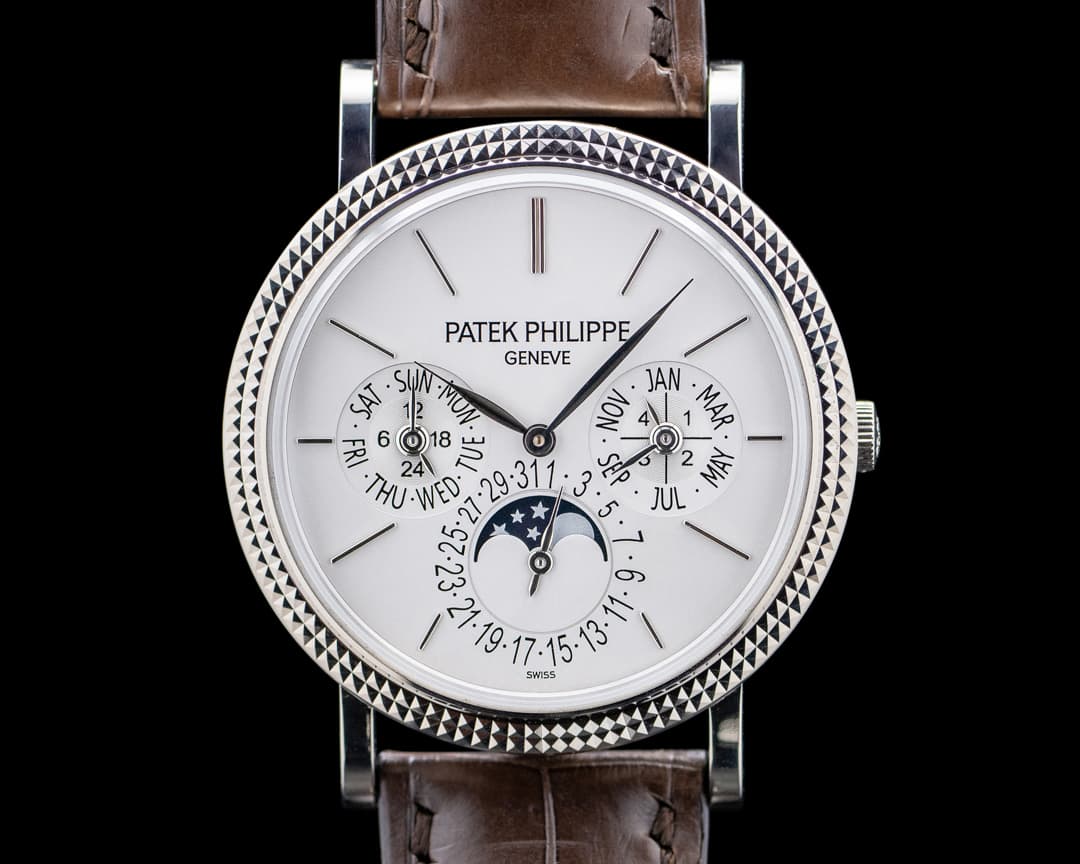
5139G-001 Perpetual Calendar 18K White Gold Silver Dial
$49,500
View Watch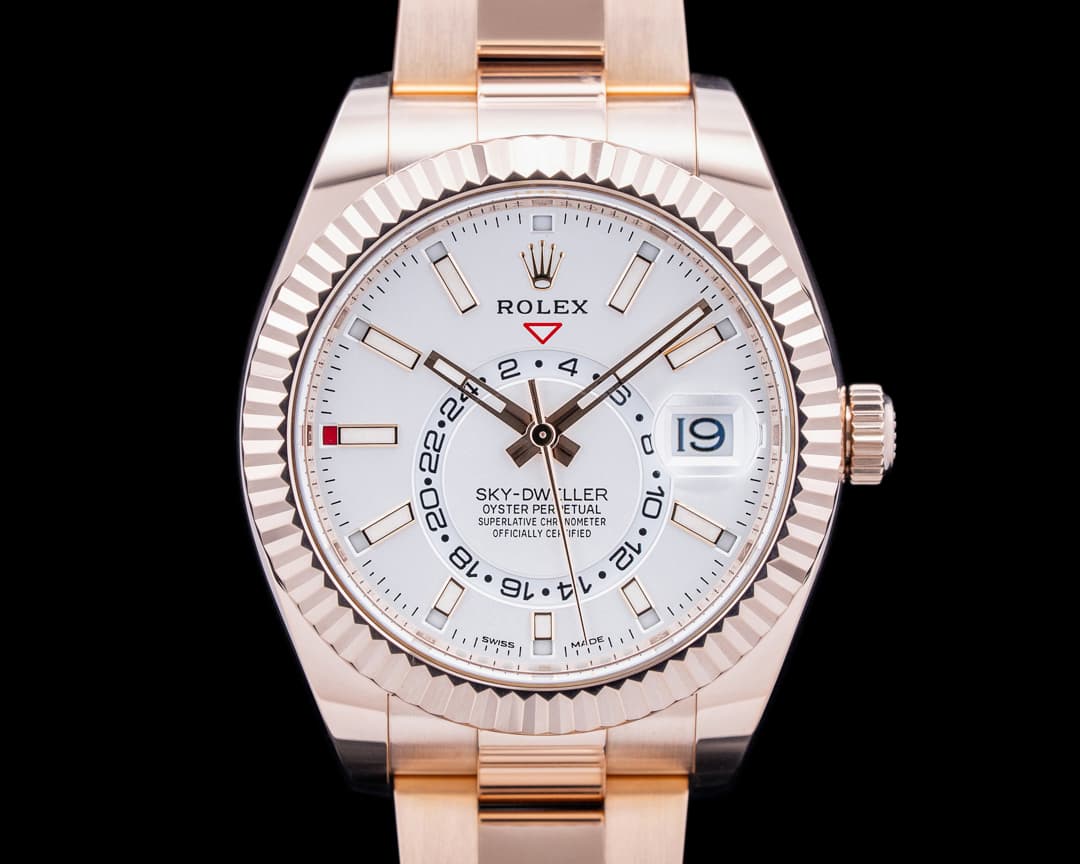
326935 Sky-Dweller 18K Rose Gold Silver Dial
$44,500
View Watch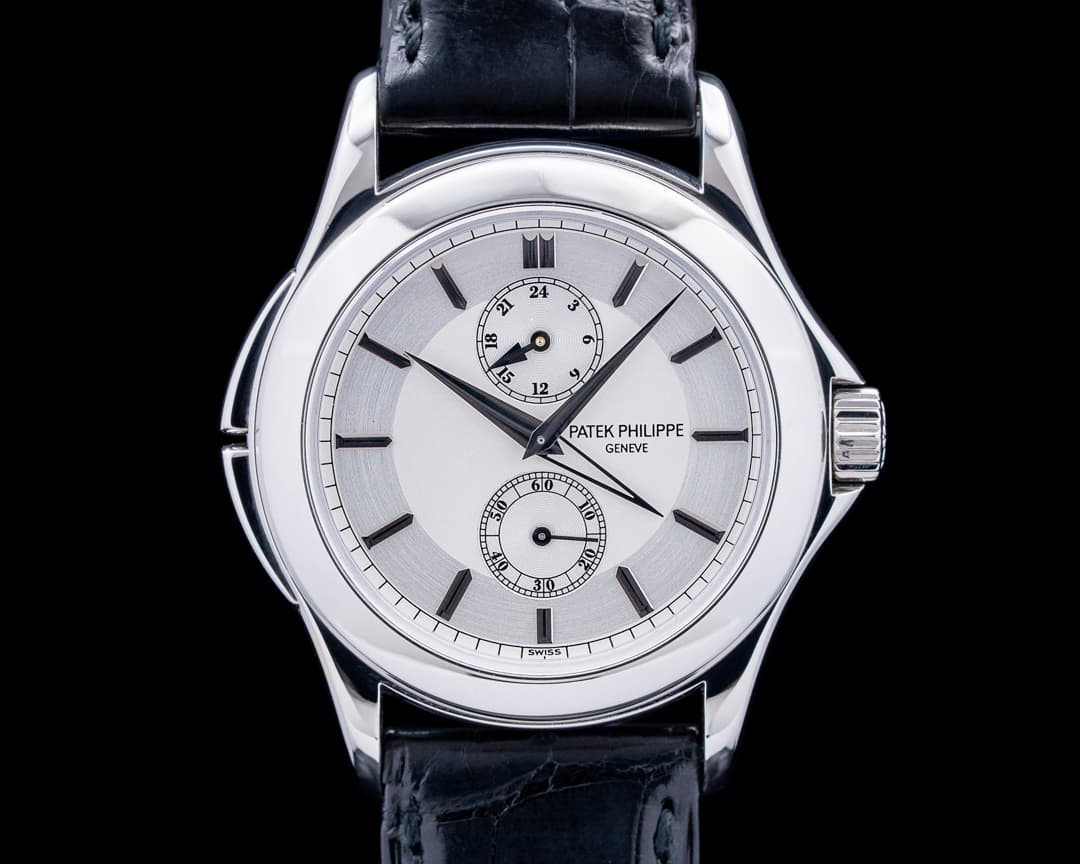
5134P Calatrava Travel Time Platinum Silver Dial
$37,500
View Watch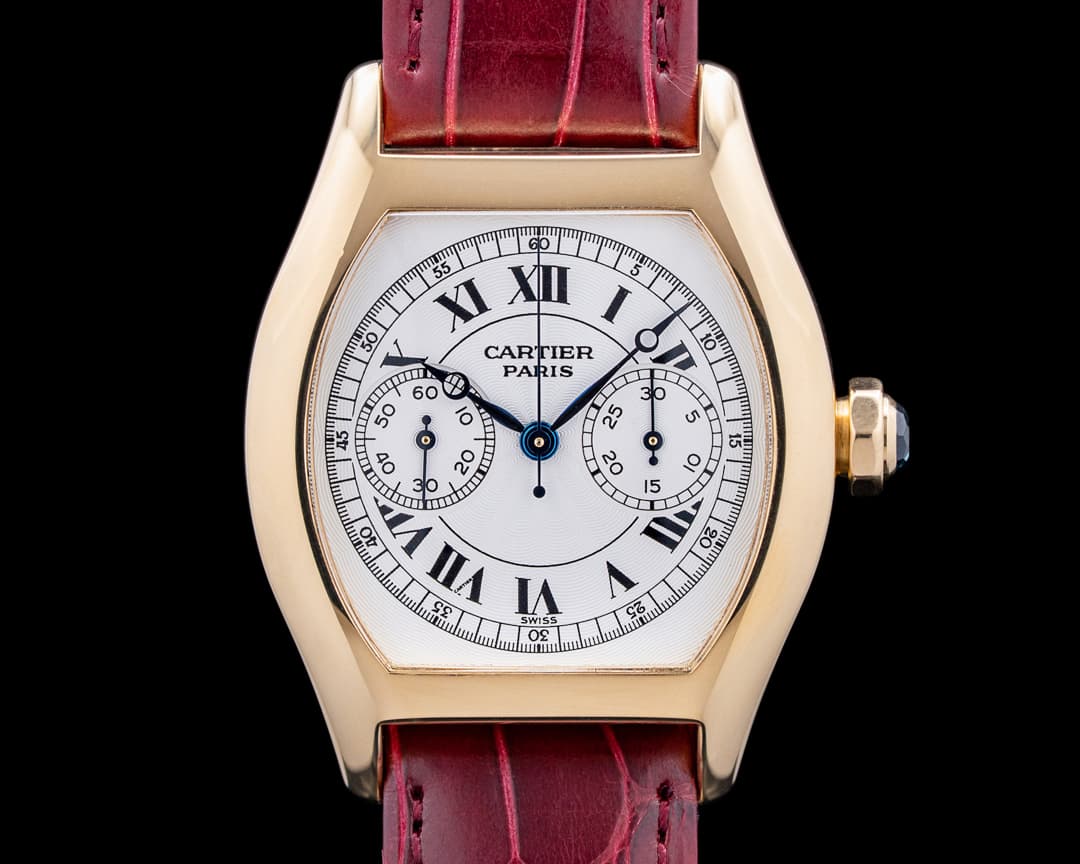
CPCP Tortue Monopoussoir Chronograph 18K Yellow Gold Silver Dial
$69,500
View Watch
Shop New Arrivals
5139G-001 Perpetual Calendar 18K White Gold Silver Dial
$49,500
View Watch326935 Sky-Dweller 18K Rose Gold Silver Dial
$44,500
View Watch5134P Calatrava Travel Time Platinum Silver Dial
$37,500
View WatchCPCP Tortue Monopoussoir Chronograph 18K Yellow Gold Silver Dial
$69,500
View Watch
More Content